Amides
Amides are a wide range of chemical compounds that contain at least one heterocyclic ring, which has atoms of at least two different elements in the ring structure, and at least one amide group (-CONH2). These compounds are crucial in the synthesis of pharmaceuticals, polymers, and agrochemicals. Amides exhibit unique properties and reactivity, making them valuable intermediates in organic synthesis. At CymitQuimica, we offer a comprehensive selection of high-quality amides to support your research and industrial needs.
Found 16385 products of "Amides"
Sort by
Purity (%)
0
100
|
0
|
50
|
90
|
95
|
100
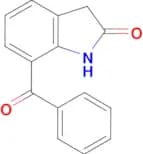
7-Benzoyl-1,3-dihydro-indol-2-one
CAS:Purity:97.0%Color and Shape:SolidMolecular weight:237.257995605468754-(2-phenylacetyl)-8-propyl-1-oxa-4,8-diazaspiro[4.5]decane-3-carboxylic acid
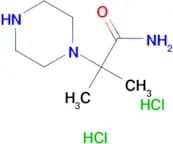
CAS:Purity:95.0%Molecular weight:346.4270019531252-Methyl-2-(piperazin-1-yl)propanamide dihydrochloride
CAS:Purity:95.0%Molecular weight:244.160003662109384-(2-chlorobenzoyl)-8-methyl-1-oxa-4-azaspiro[4.5]decane-3-carboxylic acid
CAS:Purity:95.0%Molecular weight:337.79998779296875Capsaicin, natural extract (mixture of Capsaicinoids)
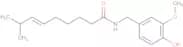
CAS:<p>M01481 - Capsaicin, natural extract (mixture of Capsaicinoids)</p>Formula:C18H27NO3Purity:≥60%Color and Shape:SolidMolecular weight:305.4182-(4-Bromo-benzoylamino)-6-methyl-4,5,6,7-tetrahydro-benzo[b]thiophene-3-carboxylic acid
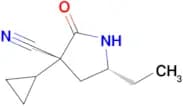
CAS:Molecular weight:394.2799987792969(3r,5r)-3-Cyclopropyl-5-ethyl-2-oxo-pyrrolidine-3-carbonitrile
CAS:Purity:98%Molecular weight:178.235000610351563-[(allylamino)carbonyl]bicyclo[2.2.1]heptane-2-carboxylic acid
CAS:Purity:95.0%Molecular weight:223.272003173828121',4'-dihydro-3'H-spiro[piperidine-4,2'-quinoxalin]-3'-one hydrochloride
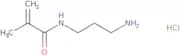
CAS:Purity:95.0%Molecular weight:253.72999572753906N-(3-Aminopropylmethacrylamide HCl
CAS:<p>N-(3-Aminopropylmethacrylamide HCl is a water-soluble optical sensor that has been used in the field of bioanalysis. This compound has been shown to react with propranolol hydrochloride and produce a fluorescent product. The fluorescence intensity depends on the concentration of propranolol hydrochloride, which can be measured using an optical detector. N-(3-Aminopropylmethacrylamide HCl is synthesized from trifluoroacetic acid and 3-aminopropylamine using a solid-phase synthesis technique. This compound has also been used as a ligand for affinity chromatography and as a template molecule in nonsteroidal anti-inflammatory drug research.</p>Formula:C7H14N2O·HClPurity:Min. 95%Color and Shape:Brown White Yellow PowderMolecular weight:178.66 g/molN-(n-Butyl)thiophosphoric triamide
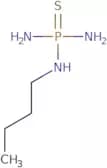
CAS:<p>N-(n-Butyl)thiophosphoric triamide is a triamide herbicide that inhibits the plant enzyme fatty acid synthase. It has been shown to inhibit the uptake of glycol ethers, such as glycol esters, into plants by acting on the glycol ester hydroxyl group. This chemical also inhibits the synthesis of fatty acids in plants and reduces lipid content in perennial ryegrass and solanum tuberosum. N-(n-Butyl)thiophosphoric triamide also inhibits nitrous oxide emissions from wastewater treatment plants.</p>Formula:C4H14N3PSPurity:Min. 95%Color and Shape:White PowderMolecular weight:167.21 g/mol2-Bromo-N,N-diethylacetamide
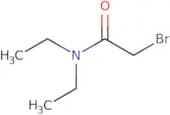
CAS:<p>2-Bromo-N,N-diethylacetamide is a chemical compound that is used as an amide. It has been shown to have anti-inflammatory properties and can be used for the treatment of inflammatory lesions. This drug also has been shown to inhibit the production of 3-bromopropylamine hydrobromide in laboratory animals. 2-Bromo-N,N-diethylacetamide binds to cellular proteins such as mt2 receptors and can be used for the treatment of nervous system diseases such as depression. The titration calorimetry shows that 2-Bromo-N,N-diethylacetamide is a good candidate for use in biomolecular applications due to its low toxicity and high thermal stability.</p>Formula:C6H12BrNOPurity:Min. 95%Color and Shape:LiquidMolecular weight:194.07 g/mol2-Veratramide
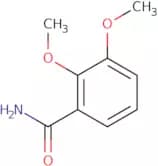
CAS:<p>2-Veratramide is a drug that belongs to the group of amides. It is a highly soluble, water-soluble and lipophilic molecule. The molecular modeling study revealed that it has a hydroxyl group in its structure and a hydrogen bond with the intramolecular hydrogen atom. 2-Veratramide has been observed to inhibit protein synthesis and cellular proliferation by binding to cancer cells or inflammatory cells. It also binds to dopamine receptors, inhibiting uptake of dopamine and subsequent activation of downstream signaling pathways. 2-Veratramide is an inhibitor of nitric oxide synthase (NOS), which plays an important role in inflammation, vascular tone, neurotransmission, and cell proliferation.<br>2-Veratramide inhibits NOS by competitively binding to the heme moiety at the active site of the enzyme, thereby blocking access to substrate arginine.</p>Formula:C9H11NO3Purity:Min. 97%Color and Shape:PowderMolecular weight:181.19 g/mol4-Amino-N-benzylbenzamide
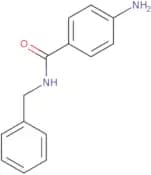
CAS:<p>4-Amino-N-benzylbenzamide is a high quality chemical that is an intermediate in the synthesis of other useful compounds. It is a reagent for organic synthesis, and has many uses as a complex compound, as well as being a useful building block for more complicated molecules. 4-Amino-N-benzylbenzamide is also used as a speciality chemical in research labs, and can be used as a versatile building block to make different products.</p>Formula:C14H14N2OPurity:Min. 95%Color and Shape:PowderMolecular weight:226.27 g/mol3-Oxo-2-phenyl butanamide
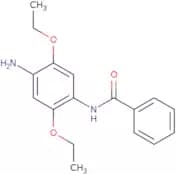
CAS:Controlled Product<p>3-Oxo-2-phenyl butanamide is an amphetamine that has been shown to be a potential marker for wastewater. 3-Oxo-2-phenyl butanamide is one of the many intermediates in the synthesis of amphetamine from phenylacetone and can be found in wastewater as an impurity. This compound has also been used as a marker for wastewater treatment malfunctioning. 3-Oxo-2-phenyl butanamide is excreted into the environment through urine, and its presence can be measured in water samples by gas chromatography/mass spectrometry or liquid chromatography/mass spectrometry.</p>Formula:C10H11NO2Purity:Min. 95%Color and Shape:PowderMolecular weight:177.2 g/molN-(4-Amino-2,5-diethoxyphenyl)-benzamide
CAS:<p>4-Amino-2,5-diethoxyphenyl)benzamide is a small molecule that inhibits the enzyme activity of polymerase chain reaction (PCR), DNA topoisomerase I, and DNA gyrase. It has been shown to inhibit the growth of human leukemia cells in culture. 4-Amino-2,5-diethoxyphenyl)benzamide also inhibits rat liver microsomes and can be used for the treatment of neurodegenerative diseases.</p>Formula:C17H20N2O3Purity:Min. 95%Color and Shape:PowderMolecular weight:300.35 g/mol2-Phenyl-N-phenylacetamide
CAS:<p>2-Phenyl-N-phenylacetamide is an amide that is a potent inhibitor of cholesterol acyltransferase. It has been shown to be effective in animal models of insulin resistance and hypertension, as well as in humans. 2-Phenyl-N-phenylacetamide inhibits the activity of cholesterol acyltransferase by competitive inhibition and thereby reduces the production of triglycerides. This drug also inhibits the synthesis of phospholipids and bile acids, which are important for fat digestion. 2-Phenyl-N-phenylacetamide reacts with phosphorus pentoxide to form phenoxyacetic acid, which is hydrolyzed to phenoxyacetate and phenol. The hydroxy group on phenol reacts with aryl halides to form aryl esters. These reactions lead to the formation of divalent hydrocarbon intermediates such as malonic acid, which can be used for energy production through oxidation or as precursors</p>Formula:C14H13NOPurity:Min. 95%Molecular weight:211.26 g/mol2-Amino-5-methylbenzamide
CAS:<p>2-Amino-5-methylbenzamide (2AMB) is a potent inhibitor of the enzyme dihydropyrimidine dehydrogenase and is used in cancer research for its ability to inhibit tumor cell line growth. 2AMB has been shown to inhibit the synthesis of DNA, RNA, and protein in various human cell lines. The mechanism of this inhibition is not well understood, but it may be due to its ability to inhibit the activity of synthetases involved in nucleotide biosynthesis or by inhibiting the reaction system that converts hydration into ATP.</p>Formula:C8H10N2OPurity:Min. 95%Color and Shape:PowderMolecular weight:150.18 g/mol2-[(2,6-Dichlorophenyl)amino]-N,N-dimethylbenzeneacetamide
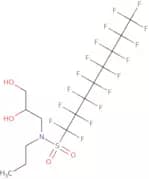
CAS:<p>2-[(2,6-Dichlorophenyl)amino]-N,N-dimethylbenzeneacetamide is a reagent, complex compound and useful intermediate with a CAS number of 21789-06-0. It is a fine chemical that can be used as a building block in the synthesis of other compounds. It has been shown to be useful in the production of speciality chemicals and research chemicals. The versatility of this compound makes it an excellent scaffold for the synthesis of other compounds. This product is not intended for human or animal use.</p>Formula:C16H16Cl2N2OPurity:Min. 95%Color and Shape:PowderMolecular weight:323.22 g/molN-Propyl-N-(2,3-dihydroxypropyl)perfluoro-n-octylsulfonamide
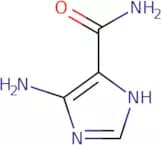
CAS:Controlled Product<p>N-Propyl-N-(2,3-dihydroxypropyl)perfluoro-n-octylsulfonamide is a fine chemical that can be used as a reagent and speciality chemical. It is a versatile building block that can react with other compounds to produce new products. The compound is a complex compound that has been shown to have high quality in the laboratory.</p>Formula:C14H14F17NO4SPurity:Min. 95%Color and Shape:PowderMolecular weight:615.3 g/mol5-Aminoimidazole-4-carboxamide HCl
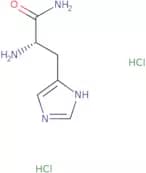
CAS:<p>5-Aminoimidazole-4-carboxamide HCl (5-AICA) is a compound that is used for the treatment of bowel disease. It inhibits the synthesis of 5'-nucleotidase and phosphoribosyl transferase, which are enzymes responsible for the conversion of nucleotide monophosphates to nucleotide diphosphates. This inhibition leads to a decrease in the amount of adenosine triphosphate (ATP) produced by cells, which may be due to its ability to inhibit ATP synthase activity. 5-AICA also has been shown to bind to DNA and inhibit transcriptional activities. The binding of 5-AICA may be due to its ability to form hydrogen bonds with guanine residues in DNA or its capability to form covalent bonds with thymidine residues in DNA. 5-AICA also has been shown to have cytotoxic effects on HL60 cells, as well as other</p>Purity:Min. 95%Color and Shape:PowderMolecular weight:126.12 g/molL-Histidine amide dihydrochloride
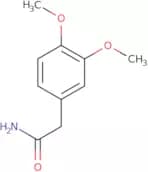
CAS:<p>Please enquire for more information about L-Histidine amide dihydrochloride including the price, delivery time and more detailed product information at the technical inquiry form on this page</p>Formula:C6H10N4O•(HCl)2Purity:Min. 95%Color and Shape:PowderMolecular weight:227.09 g/molHomoveratramide
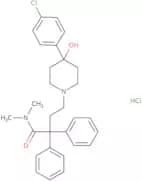
CAS:<p>Homoveratramide is a synthetic drug that is used as an antibacterial agent. It has a broad spectrum of activity against bacteria, fungi, and protozoa. Homoveratramide has been shown to be effective against both Gram-positive and Gram-negative bacteria, including Staphylococcus aureus, Streptococcus pneumoniae, Escherichia coli, Salmonella enterica, Pseudomonas aeruginosa, and Klebsiella pneumoniae. Homoveratramide inhibits the synthesis of DNA by binding to the enzyme ribonucleotide reductase. This produces a bacteriostatic effect on the cell by halting DNA replication and transcription.</p>Formula:C10H13NO3Purity:Min. 95%Color and Shape:PowderMolecular weight:195.22 g/molLoperamide hydrochloride
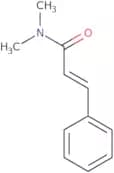
CAS:Controlled Product<p>μ-opioid receptor agonist; calcium channel inhibitor; anti-diarrheal</p>Formula:C29H33ClN2O2•HClPurity:Min. 95%Color and Shape:White PowderMolecular weight:513.5 g/mol(2E)-N,N-Dimethyl-3-phenylprop-2-enamide
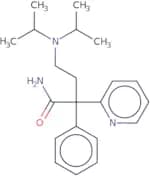
CAS:<p>2,2-diphenyl-N,N-dimethylpropeneamide (DPPA) is a disulfide compound that has photolytic, thermolytic and modelling properties. DPPA can be used to produce alkylcobalt complexes with various substituents at the α position of the phenyl ring. The lactam structure of DPPA has been shown to undergo thermolysis at temperatures of 250°C in a vacuum. Cinnamic acids have been shown to form lactams with DPPA as well as cinnamic acid derivatives. Molecular modelling studies have been conducted on 2,2-diphenyl-N,N-dimethylpropeneamide and its molecular interactions with styrene and amido groups.</p>Formula:C11H13NOPurity:Min. 95%Color and Shape:PowderMolecular weight:175.23 g/molDisopyramid
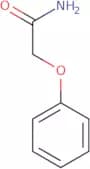
CAS:Controlled Product<p>a-[2-(Diisopropylamino)ethyl]-a-phenyl-2-pyridineacetamide is a hydrogen bond donor. It has been shown to have cytotoxicity in vitro, with parameters that can be used for accurate prediction of descriptors. These descriptors are informative and insightful, which can be used for regression analyses and linear regression methods. The pharmacokinetic properties of a-[2-(Diisopropylamino)ethyl]-a-phenyl-2-pyridineacetamide have been studied in humans and have shown linearity between dose and plasma concentration.</p>Formula:C21H29N3OColor and Shape:White PowderMolecular weight:339.47 g/mol2-Phenoxyacetamide
CAS:<p>2-Phenoxyacetamide is an acylating agent that reacts with a hydroxyl group by substitution to form an ester or amide. It is used in clinical studies to combat insulin resistance and metabolic disorders, such as cancer, inflammatory bowel disease, and diabetes. 2-Phenoxyacetamide has been shown to be effective against a number of bacterial species, including Pseudomonas aeruginosa and Cryptococcus neoformans. The drug also inhibits the production of monoamine neurotransmitters in the brain and has been shown to have anti-inflammatory properties.</p>Formula:C8H9NO2Purity:Min. 95%Color and Shape:PowderMolecular weight:151.16 g/molN-[2-Iodoethyl]trifluoroacetamide
CAS:<p>N-[2-Iodoethyl]trifluoroacetamide is a reactive alkylating agent that is used in the synthesis of biologically active molecules. It reacts with lysines, tryptic and other amino acids to form covalent bonds, which can be cleaved by hydrolysis. The compound also reacts with sulfhydryl groups to produce sulfonium ions, which react with the thiol group at position C6 on the sarcoplasmic reticulum Ca2+ -ATPase to inhibit muscle contraction. N-[2-Iodoethyl]trifluoroacetamide has been shown to cause allergic reactions in rats, mice, and guinea pigs. This drug has also been observed to have an effect on the central nervous system when administered at high doses.</p>Formula:C4H5NOIF3Purity:Min. 95%Color and Shape:PowderMolecular weight:266.99 g/molDodeca 2E,4E,8Z,10E,Z-tetraenoic acid isobutylamide - ca. 10 mg/ml acetonitrile solution
CAS:<p>Dodeca 2E,4E,8Z,10E,Z-tetraenoic acid isobutylamide (DETBA) is a versatile building block that is used in the synthesis of natural products and pharmaceuticals. DETBA can be used as a reaction component in organic synthesis to form complex compounds such as polyesters, polyamides, polyurethanes, and polyimides. It also has high quality and can be used in research or speciality chemical applications.</p>Formula:C16H25NOPurity:Min. 96 Area-%Color and Shape:Clear LiquidMolecular weight:247.38 g/mol2,2'-(Diazene-1,2-diyl)bis(2-methylpropanimidamide) dihydrochloride
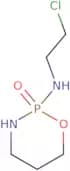
CAS:<p>2,2'-(Diazene-1,2-diyl)bis(2-methylpropanimidamide) dihydrochloride (BPDC) is a synthetic compound that is used as an analytical reagent and a model system for oxidative injury. It has significant cytotoxicity on human cells in cell culture. BPDC induces oxidative damage to proteins and DNA by increasing the production of reactive oxygen species such as hydrogen peroxide, superoxide, and hydroxyl radicals. The mechanism of action is not well understood but may be due to Toll-like receptor signalling pathways. This compound has been shown to inhibit the activity of antioxidant enzymes such as glutathione peroxidase and catalase. It also inhibits the activity of proinflammatory cytokines such as IL-6 and IL-8. BPDC is being investigated for its potential use in bowel disease treatment.</p>Formula:C8H20Cl2N6Purity:Min. 95%Color and Shape:PowderMolecular weight:271.19 g/molN-Dechloroethyl cyclophosphamide
CAS:<p>N-Dechloroethyl cyclophosphamide is a metabolic inhibitor that is used in the treatment of cancer. It is classified as an alkylating agent and inhibits ribonucleotide reductase, which prevents the production of DNA, RNA, and protein. The chemical ionization technique has been used to measure the concentration of this compound in human liver and urine samples. N-Dechloroethyl cyclophosphamide can be analyzed using chromatography or mass spectrometry methods.</p>Formula:C5H12ClN2O2PPurity:Min. 95%Color and Shape:PowderMolecular weight:198.59 g/mol3-Amino-4-chlorobenzamide
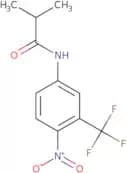
CAS:<p>3-Amino-4-chlorobenzamide is an organic compound that belongs to the class of aminobenzoic acids and is used as a coupling agent in organic synthesis. It reacts with aryl halides or halides to form 3-amino-4-chlorobenzonitrile, which can be converted into anilines by heating with ammonia and ammonium chloride. This reaction has been shown to be reversible with heat. 3-Amino-4-chlorobenzamide is also used as a water absorber in paper products, such as diapers and sanitary napkins.</p>Formula:C7H7ClN2OPurity:Min. 95%Color and Shape:PowderMolecular weight:170.6 g/molFlutamide
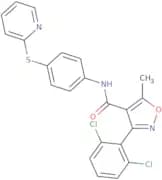
CAS:<p>Non-steroidal androgen receptor antagonist</p>Formula:C11H11F3N2O3Purity:Min. 95%Color and Shape:Off-White PowderMolecular weight:276.21 g/mol(3-(2,6-dichlorophenyl)-5-methylisoxazol-4-yl)-N-(4-(2-pyridylthio)phenyl)formamide
CAS:<p>Please enquire for more information about (3-(2,6-dichlorophenyl)-5-methylisoxazol-4-yl)-N-(4-(2-pyridylthio)phenyl)formamide including the price, delivery time and more detailed product information at the technical inquiry form on this page</p>Purity:Min. 95%Niclosamide
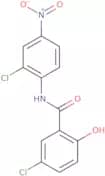
CAS:<p>Chemically a chlorinated salicylanilide, niclosamide is clinically used as an anthelmintic agent. The action of niclosamide has been proven to proceed by inhibiting the STAT3 signaling pathway. Recently, niclosamide, has been considered as an antiproliferative agent in cancer treatment, e.g. melanoma and colorectal cancer. In 2021, niclosamide has been tested for the treatment of COVID-19 patients.</p>Formula:C13H8Cl2N2O4Purity:Min. 98 Area-%Color and Shape:Off-White PowderMolecular weight:327.12 g/molRink amide MBHA resin
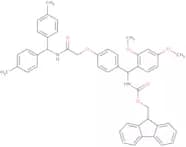
CAS:<p>Solid phase peptide anchor; tool for the Fmoc solid phase synthesis of peptide amides.<br>100-200 mesh. 1% DVB, substitution range 0.3-0.6 meq/g</p>Purity:Min. 95%Color and Shape:PowderN-Benzylbenzamide
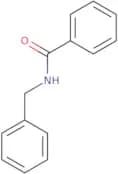
CAS:<p>N-Benzylbenzamide is a molecule that contains an amide group, which is considered to be a hydrogen bond acceptor. The amine group of this compound can also act as a hydrogen bond donor. It has been shown to inhibit the activity of tyrosinase, which is an enzyme responsible for the production of melanin in melanocytes. N-Benzylbenzamide has been shown to have a molecular mechanism similar to that of hydroquinone and other phenolic compounds. In addition, it has been found to decrease microvessel density and inhibit the growth of cancer cells in vitro. This compound is not yet approved for use as a drug but may be used in future research studies as an alternative treatment for cancer.</p>Formula:C14H13NOPurity:Min. 95%Color and Shape:White PowderMolecular weight:211.26 g/molN-(4-Methylphenyl)-2-phenylacetamide
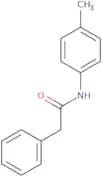
CAS:<p>2-Phenylacetamide is a solvent that can be used as a component in alkylation reactions. It is commonly used as a component of chlorinated solvents and has been shown to catalyze the reaction with benzyl chloride. 2-Phenylacetamide can be used to produce solar cells by sensitizing the surface of silicon wafers with this solvent. Researchers have also studied the alkylation reaction of phenylacetamide with methyl iodide and benzyl chloride, which can be carried out at room temperature and does not require any catalyst. This reaction was found to proceed well under gas chromatographic conditions.</p>Formula:C15H15NOPurity:Min. 95%Molecular weight:225.29 g/molThioctamide
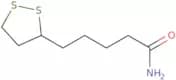
CAS:<p>Thioctamide is a drug that belongs to the class of drugs called sulfonylureas. It is an anti-diabetic drug that has been used for the treatment of insulin-resistant type II diabetes. Thioctamide binds to mitochondrial dehydrogenases and lipoamidases, inhibiting mitochondrial functions and energy metabolism. This leads to a decrease in cellular ATP levels, which can be measured by electrochemical impedance spectroscopy (EIS). The effects of thioctamide on cells can also be determined by examining the response of cells to different concentrations of thioctamide using a cell viability assay. This drug has been shown to inhibit the growth of HL60 cells, with IC50 values ranging from 2.6 µM to 6.4 µM depending on concentration. Thioctamide inhibits the expression of toll-like receptor 4 (TLR4) and integrin receptor β1 in HL60 cells, which may be due to its ability to act</p>Formula:C8H15NOS2Purity:Min. 95 Area-%Color and Shape:Slightly Yellow PowderMolecular weight:205.34 g/mol1-(Aminomethyl)cyclopropanecarboxamide hydrochloride
CAS:<p>1-(Aminomethyl)cyclopropanecarboxamide hydrochloride is a versatile building block that can be used in the synthesis of complex compounds. It has been shown to be an excellent reagent for the synthesis of novel pharmaceuticals and speciality chemicals. This compound is also a useful intermediate for the preparation of high-quality products and can be used as a reaction component or scaffold in synthesis.</p>Formula:C5H10N2O·HClPurity:Min. 95%Color and Shape:White PowderMolecular weight:150.61 g/molGly-pro-4-methoxy-β-naphthylamide hydrochloride
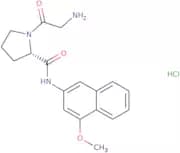
CAS:<p>Gly-pro-4-methoxy-β-naphthylamide hydrochloride is a fine chemical that is useful as a versatile building block and intermediate. It is a research chemical that has been used in the production of other compounds, such as drugs, pesticides, and dyes. This compound is also used to synthesize certain polymers and plastics. Gly-pro-4-methoxy-β-naphthylamide hydrochloride has CAS number 100929-90-6, but it can be found under many other names including 4-(2′,5′dimethylphenyl)-1-(2′hydroxyethyl)piperazine (CAS 105999).</p>Formula:C18H22ClN3O3Purity:Min. 95 Area-%Color and Shape:PowderMolecular weight:363.84 g/molN,N-Dimethylmorpholine-4-carboxamide
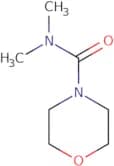
CAS:<p>Dimethylmorpholine-4-carboxamide (DMMC) is an unsymmetrical, synthetic carbamate that has antiviral properties. The antiviral properties of DMMC are due to its ability to inhibit the synthesis of viral proteins by binding to a site on the enzyme RNA polymerase and blocking the formation of a functional enzyme. This agent also has been shown to inhibit the production of nitric oxide in k562 cells. DMMC is marketed for use as an insecticide, but it has not been approved for this use. In crystallography studies, DMMC was found to have high yield and low melting point.</p>Formula:C7H14N2O2Purity:Min. 95%Color and Shape:Colorless PowderMolecular weight:158.2 g/molDorzolamide hydrochloride
CAS:<p>Carbonic anhydrase inhibitor; anti-glaucoma agent</p>Formula:C10H16N2O4S3•HClPurity:Min. 95%Color and Shape:PowderMolecular weight:360.9 g/molL-Alaninamide
CAS:<p>L-Alaninamide is a protonated amino acid that reacts with the bacterial cell membrane and causes it to rupture. L-Alaninamide is synthesized by hydrolysis of the ester bond between butyric acid and serine protease in the presence of immobilized d-alanine. The reaction is carried out at a pH of 5.5, and the release of pressor is observed. This reaction takes place in an aqueous solution containing fatty acids as solvents. The type strain of this amino acid is E. coli.</p>Formula:C3H8N2OPurity:Min. 95%Color and Shape:PowderMolecular weight:88.11 g/molMalonamide
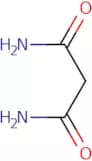
CAS:<p>Malonamide is a natural product with biological properties that include anti-inflammatory activity. It is a receptor antagonist that binds to the nicotinic acetylcholine receptors and blocks the binding of acetylcholine, thereby inhibiting muscle contraction. Malonamide has been shown to have good chemical stability and phosphorus pentoxide tolerance. This compound also has high steric interactions with halogens, which allows it to act as an effective antiseptic agent for wounds or skin infections caused by bacteria such as Staphylococcus aureus or Pseudomonas aeruginosa. Malonamide has been shown to be active against both Gram-positive and Gram-negative bacteria, including methicillin resistant strains. Malonamide binds to copper ions and forms an intramolecular hydrogen bond with the nitrogen atoms in the molecule. This interaction stabilizes its conformation and leads to increased chemical stability in comparison with other nitrogen containing drugs.</p>Formula:C3H6N2O2Purity:Min. 95%Color and Shape:PowderMolecular weight:102.09 g/molN-[(8-Fluoro-2,3-Dihydro-1-Methyl-5-Phenyl-1H-1,4-Benzodiazepin-2-Yl)Methyl]-3-Furancarboxamide
CAS:Controlled Product<p>N-[(8-Fluoro-2,3-Dihydro-1-Methyl-5-Phenyl-1H-1,4-Benzodiazepin-2-Yl)Methyl]-3-Furancarboxamide is a hydrophobic, implanting drug with an iontophoresis device. It has been shown to have therapeutic effects in cancer. The drug is a targetable molecule that can be used for diagnostic purposes and the treatment of various cancers. N-[(8-Fluoro-2,3-Dihydro-1,5 -Phenyl 1H -1,4 Benzodiazepin 2 Yl) Methyl] 3 Furancarboxamide has been shown to inhibit cell proliferation by blocking the synthesis of proteins required for DNA replication and also inhibits the activity of protein kinase C.</p>Purity:Min. 95%N-(3,5-Dichloro-4-Pyridinyl)-2-[1-(4-Fluorobenzyl)-5-Hydroxy-1H-Indol-3-Yl]-2-Oxoacetamide
CAS:Controlled Product<p>N-(3,5-Dichloro-4-Pyridinyl)-2-[1-(4-Fluorobenzyl)-5-Hydroxy-1H-Indol-3-Yl]-2-Oxoacetamide is a prodrug that is metabolized to the active form in vivo. It inhibits the activity of cyclic nucleotide phosphodiesterase (PDE), an enzyme that catalyzes the conversion of cAMP to AMP and PDE, which catalyzes the conversion of cGMP to GMP. This drug has been shown to have a potent inhibitory effect on inflammatory cytokines such as IL-6 and TNFα. N-(3,5-Dichloro-4-pyridinyl)-2-[1-(4 fluorobenzyl)-5 hydroxy 1H indol 3 yl]-2 oxoacetamide has been shown to be effective for treatment of inflammatory diseases such as bronch</p>Formula:C22H14Cl2FN3O3Purity:Min. 95%Molecular weight:458.27 g/molTolbutamide
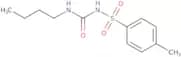
CAS:<p>Tolbutamide is a drug that is used to treat diabetes mellitus type 2. It is an inhibitor of the enzyme glucokinase and thus blocks the phosphorylation of glucose, which prevents its utilization by cells. This results in a decrease of blood glucose levels, which can be useful in the treatment of diabetes mellitus type 2. Tolbutamide has shown potent apoptosis-inducing effects on human breast cancer cells and endothelial cells. These effects are thought to be due to inhibition of protein kinase C (PKC) activity by tolbutamide. Additionally, this drug inhibits insulin secretion from pancreatic beta cells and induces cytochrome P450 enzymes, which may lead to increased metabolism of other drugs.</p>Formula:C12H18N2O3SPurity:Min. 95%Molecular weight:270.35 g/mol

![4-(2-phenylacetyl)-8-propyl-1-oxa-4,8-diazaspiro[4.5]decane-3-carboxylic acid](/_next/image/?url=https%3A%2Fstatic.cymitquimica.com%2Fproducts%2F10%2Fthumb-webp%2FF525718.webp&w=3840&q=75)
![4-(2-chlorobenzoyl)-8-methyl-1-oxa-4-azaspiro[4.5]decane-3-carboxylic acid](/_next/image/?url=https%3A%2Fstatic.cymitquimica.com%2Fproducts%2F10%2Fthumb-webp%2FF525566.webp&w=3840&q=75)
![2-(4-Bromo-benzoylamino)-6-methyl-4,5,6,7-tetrahydro-benzo[b]thiophene-3-carboxylic acid](/_next/image/?url=https%3A%2Fstatic.cymitquimica.com%2Fproducts%2F10%2Fthumb-webp%2FF055360.webp&w=3840&q=75)
![3-[(allylamino)carbonyl]bicyclo[2.2.1]heptane-2-carboxylic acid](/_next/image/?url=https%3A%2Fstatic.cymitquimica.com%2Fproducts%2F10%2Fthumb-webp%2FF315806.webp&w=3840&q=75)
![1',4'-dihydro-3'H-spiro[piperidine-4,2'-quinoxalin]-3'-one hydrochloride](/_next/image/?url=https%3A%2Fstatic.cymitquimica.com%2Fproducts%2F10%2Fthumb-webp%2FF402050.webp&w=3840&q=75)




![2-[(2,6-Dichlorophenyl)amino]-N,N-dimethylbenzeneacetamide](/_next/image/?url=https%3A%2Fstatic.cymitquimica.com%2Fproducts%2F3D%2Fthumb-webp%2FFD21691.webp&w=3840&q=75)
![N-[2-Iodoethyl]trifluoroacetamide](/_next/image/?url=https%3A%2Fstatic.cymitquimica.com%2Fproducts%2F3D%2Fthumb-webp%2FFI52744.webp&w=3840&q=75)






![N-[(8-Fluoro-2,3-Dihydro-1-Methyl-5-Phenyl-1H-1,4-Benzodiazepin-2-Yl)Methyl]-3-Furancarboxamide](/_next/image/?url=https%3A%2Fstatic.cymitquimica.com%2Fproducts%2F3D%2Fthumb-webp%2FFF102093.webp&w=3840&q=75)
![N-(3,5-Dichloro-4-Pyridinyl)-2-[1-(4-Fluorobenzyl)-5-Hydroxy-1H-Indol-3-Yl]-2-Oxoacetamide](/_next/image/?url=https%3A%2Fstatic.cymitquimica.com%2Fproducts%2F3D%2Fthumb-webp%2FFD101748.webp&w=3840&q=75)