


Amides
Amides are a wide range of chemical compounds that contain at least one heterocyclic ring, which has atoms of at least two different elements in the ring structure, and at least one amide group (-CONH2). These compounds are crucial in the synthesis of pharmaceuticals, polymers, and agrochemicals. Amides exhibit unique properties and reactivity, making them valuable intermediates in organic synthesis. At CymitQuimica, we offer a comprehensive selection of high-quality amides to support your research and industrial needs.
Found 16393 products of "Amides"
Sort by
Purity (%)
0
100
|
0
|
50
|
90
|
95
|
100
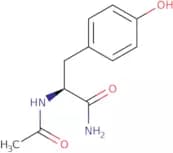
Acetyl-L-tyrosine amide
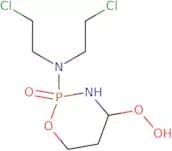
CAS:<p>Acetyl-L-tyrosine amide is an analog of L-tyrosine that is used as an active substance in the field of uv absorption. Acetyl-L-tyrosine amide reacts with sodium hydroxide to form a soluble salt, which has been shown to have binding constants that are comparable to those of human serum. This compound also has fluorescence properties and can be used for the determination of neutral pH. The reaction products formed between acetyl-L-tyrosine amide and sodium hydroxide are hydrolyzed by acids and yield a molecule with rotameric properties. These rotameric properties can be modeled using a protein model without affecting the stability or function of the protein.</p>Formula:C11H14N2O3Purity:Min. 95%Color and Shape:PowderMolecular weight:222.24 g/mol4-Hydroperoxy cyclophosphamide
CAS:<p>4-Hydroperoxycyclophosphamide (4-HPPC) is a cytotoxic agent with anti-cancer properties. It is a prodrug that is converted to 4-hydroxycyclophosphamide, the active form of the drug, by hydrolases in cells. The cytotoxicity of 4-HPPC has been demonstrated using a model system of human erythrocytes and HL60 cells. This drug also has an effect on tumor growth and metastasis, as well as on bowel disease. Rats treated with 4-HPPC showed decreased levels of blood glucose, increased glutathione peroxidase activity, and a decrease in the number of colonic tumors after only one dose. The low-dose group had improved mitochondrial membrane potential and an increase in cell factor receptor activity. These results indicate that 4-HPPC may be a useful anti-cancer compound for treating various types of cancer including colon cancer.</p>Formula:C7H15Cl2N2O4PPurity:Min. 95%Color and Shape:PowderMolecular weight:293.08 g/mol3-(Bromomethyl)benzamide
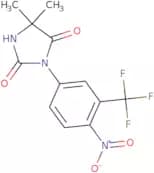
CAS:<p>3-(Bromomethyl)benzamide is a versatile building block that can be used in the synthesis of a variety of complex compounds. It is also useful as a research chemical and as a reagent. 3-(Bromomethyl)benzamide can be used to produce useful intermediates and reaction components. This compound has been shown to be useful as scaffolds for synthetic organic chemistry.</p>Formula:C8H8BrNOPurity:Min. 95%Color and Shape:PowderMolecular weight:214.06 g/molNilutamide
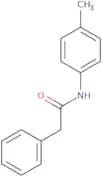
CAS:<p>Nonsteroidal androgen receptor antagonist</p>Formula:C12H10F3N3O4Purity:Min. 95%Color and Shape:PowderMolecular weight:317.22 g/molN-(4-Methylphenyl)-2-phenylacetamide
CAS:<p>2-Phenylacetamide is a solvent that can be used as a component in alkylation reactions. It is commonly used as a component of chlorinated solvents and has been shown to catalyze the reaction with benzyl chloride. 2-Phenylacetamide can be used to produce solar cells by sensitizing the surface of silicon wafers with this solvent. Researchers have also studied the alkylation reaction of phenylacetamide with methyl iodide and benzyl chloride, which can be carried out at room temperature and does not require any catalyst. This reaction was found to proceed well under gas chromatographic conditions.</p>Formula:C15H15NOPurity:Min. 95%Molecular weight:225.29 g/molN-(4-(tert-Butyl)phenyl)-3-(4-chlorophenyl)prop-2-enamide
<p>Please enquire for more information about N-(4-(tert-Butyl)phenyl)-3-(4-chlorophenyl)prop-2-enamide including the price, delivery time and more detailed product information at the technical inquiry form on this page</p>Purity:Min. 95%Color and Shape:Powder2-Amino-4-chlorobenzamide
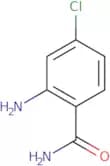
CAS:<p>2-Amino-4-chlorobenzamide is a chemical compound that has been shown to be an effective oxidant in biological systems. It is an oxidative condensation product of 4-chloro-2-nitrobenzoic acid and ammonium chloride, which is formed by the reaction of these two compounds at room temperature. The nature of the functional group on 2-amino-4-chlorobenzamide allows it to be used as a transition state analogue for the study of reactions involving amines and nitrates. This compound can also be used in experiments with isatins, due to its ability to react with ammonia hydroxide to form 2-amino-4,6 dichlorobenzamide.</p>Formula:C7H7ClN2OPurity:Min. 95%Color and Shape:PowderMolecular weight:170.6 g/mol1-Adamantane carboxamide
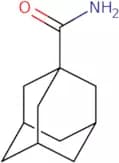
CAS:<p>1-Adamantane carboxamide is a potent inhibitor of amines and its activity has been tested with a reaction solution. The chemical structure of 1-adamantane carboxamide is shown in Figure 1. This molecule also has inhibitory effects on insulin resistance and nervous system diseases. It was found to have an inhibitory effect on the enzyme DOPA decarboxylase, which is involved in the synthesis of dopamine, norepinephrine and epinephrine. The inhibition of this enzyme leads to increased levels of dopamine in the brain, which can lead to improved cognition, mood and motor skills. 1-Adamantane carboxamide also has a hydroxyl group that mimics the polarizer in biomimetic molecules.</p>Formula:C11H17NOPurity:Min. 95%Color and Shape:PowderMolecular weight:179.26 g/mol2-Chloro-4-nitro benzamide
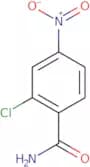
CAS:<p>2-Chloro-4-nitrobenzamide is a drug that belongs to the sulfa drugs. It has been shown to be effective in treating autoimmune diseases, particularly bowel disease and inflammatory bowel disease. 2-Chloro-4-nitrobenzamide inhibits the synthesis of fatty acids by blocking the enzyme acetyl CoA carboxylase, which is involved in the formation of long chain fatty acids. This drug also has immunosuppressive activities, which may be due to its ability to block T cell proliferation. 2-Chloro-4-nitrobenzamide is used as a chemical intermediate for antibiotics such as maduramicin ammonium and salinomycin sodium. It is also used as a dietary supplement or pharmaceutical dosage form for cardiac glycoside drugs such as digoxin.</p>Formula:C7H5ClN2O3Purity:Min. 95%Color and Shape:PowderMolecular weight:200.58 g/mol2-((4-Methylphenyl)sulfonyl)ethanamide
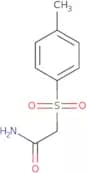
CAS:<p>2-((4-Methylphenyl)sulfonyl)ethanamide is an amide that has been shown to have antibacterial activity. It binds to the DNA of bacteria, inhibiting its replication and transcription. This drug also inhibits the growth of influenza virus in cell culture. 2-((4-Methylphenyl)sulfonyl)ethanamide is a sensor for chloride ions, which may be used as treatments for bacterial infections. This drug is also able to inhibit the replication of bacteria that are resistant to other antibiotics, such as penicillin. The unsaturated alkyl group on this molecule allows it to be activated by radiation treatment, which may be useful in the treatment of cancer cells or viral infections.</p>Formula:C9H11NO3SPurity:Min. 95%Color and Shape:PowderMolecular weight:213.25 g/mol2-Phthalimidoyl-N-(methylsulfonyl)propanamide
<p>2-Phthalimidoyl-N-(methylsulfonyl)propanamide is a fine chemical that is used as a building block for research chemicals. It is a versatile intermediate that can be used as a reaction component. 2-Phthalimidoyl-N-(methylsulfonyl)propanamide has been shown to have high quality and can be used as a reagent in the synthesis of complex compounds.</p>Formula:C12H12N2O5SMolecular weight:296.30 g/molVeratramide
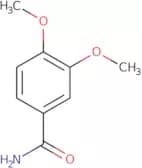
CAS:<p>Veratramide is a levorotatory, vanillic acid that has been synthesized by hydrolysis of esomeprazole. It is an ester of vanillic acid and hydrochloric acid. The cis-isomer is the more active form. Veratramide has been shown to be a prodrug for cisplatin, which is used in the treatment of cancer. Veratramide can also be metabolized to acetyl derivatives or flavonoids such as vitexin and metformin hydrochloride, which have anti-diabetic effects. Veratramide also binds to chloride ion channels, hypervalent ions (e.g., AlCl3), and quaternary ammonium salts (e.g., tetraethylammonium chloride).</p>Formula:C9H11NO3Purity:Min. 95%Color and Shape:PowderMolecular weight:181.19 g/mol4-Chloro-3-nitrobenzamide
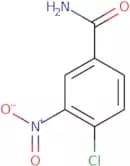
CAS:<p>4-Chloro-3-nitrobenzamide (4CNBA) is a potent inducer of hepatic drug metabolizing enzymes. It reacts with methyl cinnamate to form the 4-chloro-3-nitrobenzamide methyl ester and chloride ions. This reaction is catalyzed by copper, which binds to the 4CNBA molecule. The chloride ion then displaces water from the ester, producing a nitroso intermediate. This intermediate breaks down into an unstable nitrite, which in turn reacts with hydrogen peroxide to form a hydroxylamine intermediate. Hydroxylamine can then react with sulfhydryl groups to produce reactive thiols that are responsible for the induction of detoxification enzymes in the liver.<br>4CNBA has been shown to be toxic at high concentrations and is rapidly detoxified by Phase II enzymes such as glutathione S transferase, UDP glucuronosyltransferase, and N-acetyl</p>Formula:C7H5ClN2O3Purity:Min. 95%Color and Shape:PowderMolecular weight:200.58 g/mol3-[(Aminocarbonyl)amino]-5-[4-(morpholin-4-ylmethyl)phenyl]thiophene-2-carboxamide
CAS:<p>3-[(Aminocarbonyl)amino]-5-[4-(morpholin-4-ylmethyl)phenyl]thiophene-2-carboxamide is a chemical inhibitor that inhibits the activity of kinases. It has been shown to be cytotoxic against cancer cells and to induce apoptosis through a number of different mechanisms. 3-[(Aminocarbonyl)amino]-5-[4-(morpholin-4-ylmethyl)phenyl]thiophene-2-carboxamide binds to DNA and induces DNA repair, which can lead to cell death. This drug also has an anti-inflammatory effect, which may be due to its ability to inhibit pro-inflammatory cytokines such as TNFα and IL1β.</p>Formula:C17H20N4O3SPurity:Min. 95%Color and Shape:PowderMolecular weight:360.43 g/molN,N'-Diallyl-L-tartardiamide
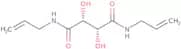
CAS:<p>N,N'-Diallyl-L-tartardiamide is a heparin-like molecule with the ability to bind calcium. It has been shown to be an effective inhibitor of antibody response in mice and can also inhibit periodate treatment of primary amino groups. N,N'-Diallyl-L-tartardiamide has a high degree of solubility in water and is soluble in organic solvents as well. It can be crosslinked to form polymeric matrices that are suitable for use in size-exclusion chromatography. N,N'-Diallyl-L-tartardiamide can also be used as a cross linking agent for agarose gels and gel matrices.</p>Formula:C10H16N2O4Purity:Min. 95%Color and Shape:White PowderMolecular weight:228.25 g/molDisopyramid
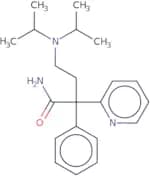
CAS:Controlled Product<p>a-[2-(Diisopropylamino)ethyl]-a-phenyl-2-pyridineacetamide is a hydrogen bond donor. It has been shown to have cytotoxicity in vitro, with parameters that can be used for accurate prediction of descriptors. These descriptors are informative and insightful, which can be used for regression analyses and linear regression methods. The pharmacokinetic properties of a-[2-(Diisopropylamino)ethyl]-a-phenyl-2-pyridineacetamide have been studied in humans and have shown linearity between dose and plasma concentration.</p>Formula:C21H29N3OColor and Shape:White PowderMolecular weight:339.47 g/molPigment Yellow 127
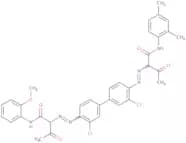
CAS:<p>Please enquire for more information about Pigment Yellow 127 including the price, delivery time and more detailed product information at the technical inquiry form on this page</p>Purity:Min. 95%Acetazolamide
CAS:Controlled Product<p>Inhibits carbonic anhydrase; diuretic</p>Formula:C4H6N4O3S2Purity:98.00 To 102.00%Color and Shape:White PowderMolecular weight:222.25 g/molDeacetamide linezolid phthalimide
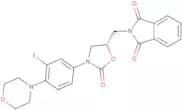
CAS:<p>Deacetamide linezolid phthalimide is a chemical compound that is used as an intermediate in the synthesis of a variety of pharmaceuticals. It has been shown to be useful for the production of a number of compounds, including antibiotics, anti-inflammatory agents, and anticancer drugs. The substance has been shown to be effective in the treatment of bacterial infections and was first discovered in research chemicals. This compound also has a high quality and is used as a reagent for chemical reactions.</p>Formula:C22H20FN3O5Purity:Min. 95%Color and Shape:Slightly Yellow PowderMolecular weight:425.41 g/molN-Methylbis(trifluoroacetamide)
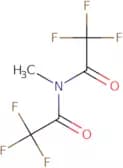
CAS:<p>N-Methylbis(trifluoroacetamide) is a molecule that is used in the preparation of an analytical method. This molecule reacts with human serum and urine to produce a reaction solution. The matrix effect can be seen in metabolic disorders, such as the case of creatine kinase which is not affected by the derivatization. N-Methylbis(trifluoroacetamide) is also used to prepare samples for solid phase microextraction with basic structures that are amines.</p>Formula:C5H3F6NO2Purity:Min. 95%Color and Shape:Clear LiquidMolecular weight:223.07 g/molN-(2-(3,4-dimethoxyphenyl)ethyl)-2-chloropropanamide
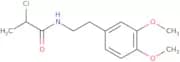
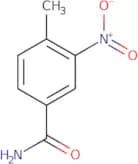
CAS:<p>Please enquire for more information about N-(2-(3,4-dimethoxyphenyl)ethyl)-2-chloropropanamide including the price, delivery time and more detailed product information at the technical inquiry form on this page</p>Purity:Min. 95%4-Methyl-3-nitrobenzamide
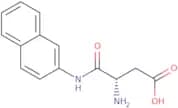
CAS:<p>4-Methyl-3-nitrobenzamide is a nitrile that can be synthesized by the reaction of potassium hydroxide and 3-nitrobenzamide. It has been shown to react with dichloroethane to form 4-methyl-3-nitrobenzoic acid. The optimum temperature for this reaction is 120°C, which leads to a high yield of 4-methyl-3-nitrobenzamide. This product is also available in an isotopic form at high purity.</p>Formula:C8H8N2O3Purity:Min. 95%Color and Shape:PowderMolecular weight:180.16 g/molL-Aspartic acid β-naphthylamide
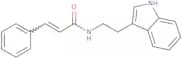
CAS:<p>L-Aspartic acid beta-naphthylamide is a dietary amino acid that is metabolized to oxaloacetate in the liver. This metabolite is then converted to aspartate and glutamate, which are both important for brain functions. L-Aspartic acid beta-naphthylamide has been shown to have regulatory effects on peptide hormones, such as inhibiting the synthesis of angiotensin II and vasopressin in rats. L-Aspartic acid beta-naphthylamide also has anti-cancer properties, which may be due to its ability to inhibit the growth of cancer cells by hydrolyzing proteins and enzymes involved in fatty acid synthesis.</p>Formula:C14H14N2O3Purity:Min. 95%Molecular weight:258.27 g/molN-(2-Indol-3-ylethyl)-3-phenylprop-2-enamide
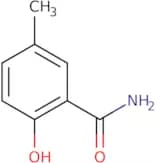
CAS:<p>N-(2-indol-3-ylethyl)-3-phenylprop-2-enamide is a serotonin analog that has been shown to inhibit the production of tryptophan decarboxylase in organisms. This compound has also been shown to be an inhibitor of the biosynthesis of p-coumaric acid, which is involved in the synthesis of lignin, phytoalexins, and other phenolic compounds. N-(2-indol-3-ylethyl)-3-phenylprop-2-enamide may be useful as a fungicide against pyricularia or as an antimicrobial against microbial infections.</p>Formula:C19H18N2OPurity:Min. 95%Color and Shape:PowderMolecular weight:290.36 g/mol2-Hydroxy-5-methylbenzamide
CAS:<p>Labetalol is a β-blocker that is used to treat high blood pressure. Labetalol hydrochloride, the active form of labetalol, is a white, crystalline compound with a melting point of 200 °C. It is soluble in water and has an acidic pH of 2. Labetalol hydrochloride is synthesized by reacting methylbenzene with labetalol, which forms intermediates such as methyl 4-hydroxylbenzoate and methyl 3-hydroxylbenzoate in the process. The intermediates are then recrystallized to form the final product. Labetalol hydrochloride undergoes thermal analysis using thermogravimetry, calorimetry, and residue analysis to determine its purity. This product also undergoes carbonaceous and oxidative analysis by GC-MS for quality control purposes.</p>Formula:C8H9NO2Purity:Min. 95%Color and Shape:PowderMolecular weight:151.16 g/molRink amide PEGA resin
<p>Rink amide PEGA resin is a cation-exchange resin that has been modified with poly(ethylene glycol) and poly(ethylene oxide). It binds to calcium ions, which are required for cell division. Activated resins can be used in animal diagnostic tests to measure blood glucose levels or as an adsorbent for the removal of heavy metals from drinking water. Rink amide PEGA resin can be used to modify polymer conjugates and assay biological properties, such as cancer cells or solid-phase synthesis.</p>Purity:Min. 95%Color and Shape:PowderN-α-Benzoyl-L-arginine amide hydrochloride
CAS:<p>N-alpha-Benzoyl-L-arginine amide hydrochloride (BA) is a synthetic, noncompetitive inhibitor of phosphodiesterase. It has been shown to inhibit protease activity in vitro and rhizosphere enzyme activities in vivo. BA also inhibits the formation of hippuric acid from benzoic acid, which is a reaction catalyzed by the enzyme phosphatase. The kinetics of this inhibition have been studied using a number of different substrates and enzymes. BA binds to the catalytic site on the enzyme, sterically hindering binding of the substrate and preventing hydrolysis.</p>Formula:C13H19N5O2·HClPurity:Min. 95%Color and Shape:PowderMolecular weight:313.78 g/molHeptadecafluoro-N,N-Bis(2-Hydroxyethyl)Octanesulphonamide
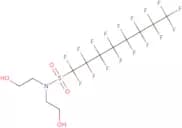
CAS:Controlled Product<p>Heptadecafluoro-N,N-Bis(2-Hydroxyethyl)Octanesulphonamide is a lubricant that is used in the manufacture of polyester films. It is insoluble and has excellent compressive properties. This compound is soluble in both organic solvents and water, and can be applied as a transfer agent or to obviate the need for a separate lubricant. Heptadecafluoro-N,N-Bis(2-Hydroxyethyl)Octanesulphonamide is an inorganic material that does not react with other materials. It also has good deformation resistance and low hardness. The particle size of this compound is between 5 and 10 microns.</p>Formula:C12H10F17NO4SPurity:Min. 95%Molecular weight:587.25 g/mol2-Phenyl-2-(2-piperidyl)acetamide
CAS:<p>2-Phenyl-2-(2-piperidyl)acetamide is an enantiomeric amide that can be used as a chiral building block for the synthesis of other organic compounds. It is synthesized by reacting phenylacetic acid with piperidine. 2-Phenyl-2-(2-piperidyl)acetamide is a primary amide and has been shown to have analgesic properties.</p>Formula:C13H18N2OPurity:Min. 97 Area-%Color and Shape:PowderMolecular weight:218.29 g/molHydroxy flutamide
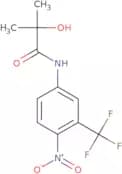
CAS:<p>Hydroxyflutamide is an anti-androgen drug that belongs to the group of nonsteroidal anti-androgens. It has been shown to bind to the androgen receptor with high affinity and inhibit the growth of cancer cells in vitro. Hydroxyflutamide also has a strong antitumor response in vivo, which is due to its ability to inhibit cellular proliferation by binding to DNA polymerase during replication. The drug may also have some activity as an antineoplastic agent because it inhibits the growth of prostate cancer cells. However, hydroxyflutamide has never been tested on humans or animals, so its effects are unknown.</p>Formula:C11H11F3N2O4Purity:Min. 98 Area-%Color and Shape:Yellow PowderMolecular weight:292.21 g/mol2-Methylbenzamide
CAS:<p>2-Methylbenzamide is an amide with a carbonyl group and an intramolecular hydrogen. It has been shown to have synergic effects when combined with piperonyl butoxide in the treatment of autoimmune diseases. This synergistic effect is due to the inhibition of inflammatory mediator release, which can be achieved by blocking the enzyme cyclooxygenase-2. 2-Methylbenzamide has also been shown to inhibit deuterium isotope effect in cd-1 mice, which could make it beneficial for patients who are unable to tolerate other drugs.</p>Formula:C8H9NOPurity:Min. 95%Color and Shape:White PowderMolecular weight:135.16 g/molN'-(2,4-Dimethylphenyl)-N-methylformamide hydrochloride
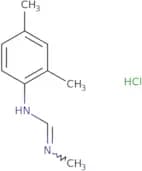
CAS:<p>Bifenthrin is a broad-spectrum, synthetic pyrethroid insecticide that has been used to control pests in the agricultural and residential sectors. It is applied as a spray or dust on plants and animals. Bifenthrin is highly toxic to mammals, with an oral LD50 of less than 10 milligrams per kilogram of body weight in rats and mice. The acute toxicity can be attributed to its ability to inhibit protein synthesis by binding to the cholinesterases, which are found in high concentrations in mammalian tissues.</p>Formula:C10H14N2·HClPurity:Min. 95%Color and Shape:PowderMolecular weight:198.69 g/mol2-Amino-3-benzoylbenzeneacetamide
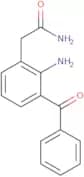
CAS:<p>2-Amino-3-benzoylbenzeneacetamide is an ophthalmic drug that has significant cytotoxicity. It is used to treat inflammation of the retina and macula, as well as other diseases of the eye such as uveitis. 2-Amino-3-benzoylbenzeneacetamide is a nonsteroidal anti-inflammatory drug (NSAID) that inhibits prostaglandin synthesis by blocking cyclooxygenase. This agent has been shown to be effective in reducing pain and inflammation in animal models, but there are no studies on its side effects or analytical methods for detection. There are also no studies on the effectiveness of this drug for treating uveitis.</p>Formula:C15H14N2O2Purity:Min. 95%Color and Shape:PowderMolecular weight:254.28 g/molN-Amino-2-(4-iodophenoxy)ethanamide
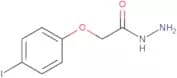
CAS:<p>Please enquire for more information about N-Amino-2-(4-iodophenoxy)ethanamide including the price, delivery time and more detailed product information at the technical inquiry form on this page</p>Formula:C8H9IN2O2Purity:Min. 95%Color and Shape:PowderMolecular weight:292.07 g/molDiclofenac amide
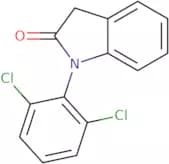
CAS:<p>COX inhibitor; non-steroidal anti-inflammatory drug</p>Formula:C14H9Cl2NOPurity:Min. 95%Color and Shape:Yellow PowderMolecular weight:278.13 g/molN-(2-(3,4-dimethoxyphenyl)ethyl)(2-(4-chlorophenoxy)(3-pyridyl))formamide
CAS:<p>Please enquire for more information about N-(2-(3,4-dimethoxyphenyl)ethyl)(2-(4-chlorophenoxy)(3-pyridyl))formamide including the price, delivery time and more detailed product information at the technical inquiry form on this page</p>Purity:Min. 95%2-Hydroxy-N-(1-phenylpropan-2-yl)acetamide
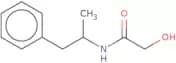
CAS:Controlled Product<p>2-Hydroxy-N-(1-phenylpropan-2-yl)acetamide is a versatile building block that can be used as a reagent or research chemical. This compound is an intermediate in the synthesis of many other organic compounds and has been shown to be useful for the production of pharmaceuticals, agrochemicals, and other industrial chemicals. The CAS number for this compound is 99985-83-8.</p>Formula:C11H15NO2Purity:Min. 95%Color and Shape:PowderMolecular weight:193.24 g/mol3-Hydroxybenzamide
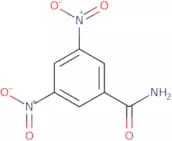
CAS:<p>3-Hydroxybenzamide is a potent inhibitor of the enzyme synthetase and has been shown to inhibit the synthesis of adenosine diphosphate (ADP) ribose. It has been shown to have potent inhibitory activity against the enzyme in both solid and liquid phases. 3-Hydroxybenzamide binds to the carbonyl group of ADP ribose, which prevents it from binding to ATP. This inhibition of the synthesis of nucleotides limits cell proliferation by preventing DNA replication and protein synthesis. 3-Hydroxybenzamide has also been shown to inhibit the growth of mouse leukemia cells in vitro, as well as inhibiting l1210 murine leukemia cells grown in vivo. The mechanism for this inhibition is not yet known, but may be due to its ability to bind with hydrogen bonds or intramolecular hydrogen bonds. 3-Hydroxybenzamide also has a skeleton that can be synthesized asymmetrically by using a chiral</p>Formula:C7H7NO2Purity:Min. 95%Color and Shape:PowderMolecular weight:137.14 g/mol3,5-Dinitrobenzamide
CAS:<p>3,5-Dinitrobenzamide is a sulfa drug that inhibits the growth of bacteria by inhibiting 3-dehydroquinate synthase (EC 4.2.1.23) and 3-dehydroquinate dehydratase (EC 4.2.1.46). The enzyme catalyzes the conversion of 3-dehydroquinic acid to quinic acid, which is an intermediate in the biosynthesis of benzoic acid from glucose. This inhibition occurs because 3,5-dinitrobenzamide forms a glycosidic bond with Cys34 in these enzymes, which prevents their function. This drug has been shown to have significant cytotoxicity against human pathogens and model organisms such as Salmonella typhimurium and Escherichia coli, but not against Saccharomyces cerevisiae or Candida albicans.</p>Formula:C7H5N3O5Purity:Min. 95%Color and Shape:PowderMolecular weight:211.13 g/molN-(4-(4-bromophenyl)-2,5-thiazolyl)hexanamide
CAS:<p>Please enquire for more information about N-(4-(4-bromophenyl)-2,5-thiazolyl)hexanamide including the price, delivery time and more detailed product information at the technical inquiry form on this page</p>Purity:Min. 95%2-Cyanoacetamide
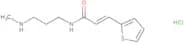
CAS:<p>2-Cyanoacetamide is an organic compound that is used in pharmaceutical preparations. It reacts with malonic acid to form a dioxime, which is a precursor of various drugs. The optimum concentration for the reaction to occur is at 10% (w/v). The reaction mechanism has not been fully elucidated and it involves the transfer of nitrogen from an amide group to a carbonyl group. 2-Cyanoacetamide has shown anti-angiogenic effects in mice by inhibiting the expression of Mcl-1 protein, which is involved in the regulation of apoptosis and inflammation. This drug also has biological functions as a precursor for dopamine, which helps regulate motor and cognitive functions.</p>Formula:C3H4N2OPurity:Min. 98%Color and Shape:White Off-White PowderMolecular weight:84.08 g/mol(E)-N-(3-Methylaminopropyl)-2-thiopheneacrylamide hydrochloride
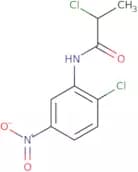
CAS:<p>(E)-N-(3-Methylaminopropyl)-2-thiopheneacrylamide hydrochloride is a high quality, reagent, complex compound, useful intermediate, fine chemical. It has CAS No. 1449108-90-0 and is used as a research chemical and building block in the synthesis of other compounds. (E)-N-(3-Methylaminopropyl)-2-thiopheneacrylamide hydrochloride can be used as a versatile building block in organic synthesis reactions and is an important reaction component for the preparation of speciality chemicals.</p>Formula:C11H17N2OSClPurity:Min. 95%Color and Shape:White PowderMolecular weight:260.78 g/mol2-Chloro-N-(2-chloro-5-nitrophenyl)propanamide
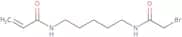
CAS:<p>Please enquire for more information about 2-Chloro-N-(2-chloro-5-nitrophenyl)propanamide including the price, delivery time and more detailed product information at the technical inquiry form on this page</p>Formula:C9H8Cl2N2O3Purity:Min. 95%Molecular weight:263.08 g/molN-(5-Bromoacetamidylpentyl) acrylamide
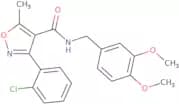
CAS:<p>N-(5-Bromoacetamidylpentyl) acrylamide is employed in the synthesis of substrates used for nucleotide sequence determination, covalently linked to polymer coatings such as poly(N-(5-azidoacetamidylpentyl)acrylamide-co-acrylamide) (PAZAM). Polynucleotide-binding substrates find application as molecular arrays and flow cells.</p>Formula:C10H17BrN2O2Purity:Min. 95%Color and Shape:PowderMolecular weight:277.16 g/molN-((3,4-dimethoxyphenyl)methyl)(3-(2-chlorophenyl)-5-methylisoxazol-4-yl)formamide
CAS:<p>Please enquire for more information about N-((3,4-dimethoxyphenyl)methyl)(3-(2-chlorophenyl)-5-methylisoxazol-4-yl)formamide including the price, delivery time and more detailed product information at the technical inquiry form on this page</p>Purity:Min. 95%3,5-Dihydroxybenzamide
CAS:<p>3,5-Dihydroxybenzamide is an amide derivative that has anticancer activity. This compound inhibits the growth of C. glabrata by inhibiting protein synthesis in the mitochondria and DNA replication in the nucleus. 3,5-Dihydroxybenzamide also inhibits the growth of cancer cells by binding to a molecule that is involved in cancer cell proliferation. The inhibitor molecule binds to a specific site on the molecule, preventing it from forming new cancer cells. The mechanism of action for this compound is not known, but may be due to its ability to bind with chloride ions or its ability to form supramolecular chemistry with other molecules.</p>Formula:C7H7NO3Purity:Min. 95%Color and Shape:PowderMolecular weight:153.14 g/molN-[4-[[(1-Methylethyl)amino]acetyl]phenyl]-methanesulfonamide monohydrochloride
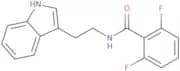
CAS:<p>Please enquire for more information about N-[4-[[(1-Methylethyl)amino]acetyl]phenyl]-methanesulfonamide monohydrochloride including the price, delivery time and more detailed product information at the technical inquiry form on this page</p>Formula:C12H18N2O3S•HClPurity:Min. 95%Color and Shape:PowderMolecular weight:306.81 g/mol(2,6-difluorophenyl)-N-(2-indol-3-ylethyl)formamide
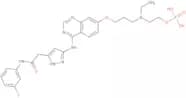
CAS:<p>Please enquire for more information about (2,6-difluorophenyl)-N-(2-indol-3-ylethyl)formamide including the price, delivery time and more detailed product information at the technical inquiry form on this page</p>Purity:Min. 95%AZD 1152
CAS:<p>AZD 1152 is an Aurora kinase inhibitor, which is a type of small-molecule therapeutic agent. It is derived from the pharmaceutical research conducted by AstraZeneca. Its primary mode of action involves the selective inhibition of Aurora B kinase, an enzyme crucial for the regulation of mitosis. By interfering with this enzyme, AZD 1152 disrupts the normal progression of cell division, leading to the inhibition of proliferation and induction of apoptosis in rapidly dividing cells.</p>Formula:C26H31FN7O6PPurity:Min. 97 Area-%Color and Shape:Slightly Yellow PowderMolecular weight:587.54 g/molN-[2-(2,3-Dimethoxyphenyl)ethyl]-2-chlorobenzamide
CAS:Controlled Product<p>N-[2-(2,3-Dimethoxyphenyl)ethyl]-2-chlorobenzamide is a versatile building block that can be used as a reaction component and reagent. It is an intermediate in the synthesis of pharmaceuticals and fine chemicals and has been shown to be useful in the synthesis of complex compounds. This compound reacts with nucleophiles, such as amines and alcohols, by replacing the chloride group with a variety of functional groups. The product is then hydrolyzed to release the original reactant. N-[2-(2,3-Dimethoxyphenyl)ethyl]-2-chlorobenzamide has a CAS number of 320576-19-0 and can be found at ChemDiv.com.</p>Formula:C17H18ClNO3Purity:Min. 95%Molecular weight:319.78 g/mol




![3-[(Aminocarbonyl)amino]-5-[4-(morpholin-4-ylmethyl)phenyl]thiophene-2-carboxamide](/_next/image/?url=https%3A%2Fstatic.cymitquimica.com%2Fproducts%2F3D%2Fthumb-webp%2FFA18119.webp&w=3840&q=75)









![N-[4-[[(1-Methylethyl)amino]acetyl]phenyl]-methanesulfonamide monohydrochloride](/_next/image/?url=https%3A%2Fstatic.cymitquimica.com%2Fproducts%2F3D%2Fthumb-webp%2FFI150565.webp&w=3840&q=75)
![N-[2-(2,3-Dimethoxyphenyl)ethyl]-2-chlorobenzamide](/_next/image/?url=https%3A%2Fstatic.cymitquimica.com%2Fproducts%2F3D%2Fthumb-webp%2FFD66108.webp&w=3840&q=75)