Amides
Amides are a wide range of chemical compounds that contain at least one heterocyclic ring, which has atoms of at least two different elements in the ring structure, and at least one amide group (-CONH2). These compounds are crucial in the synthesis of pharmaceuticals, polymers, and agrochemicals. Amides exhibit unique properties and reactivity, making them valuable intermediates in organic synthesis. At CymitQuimica, we offer a comprehensive selection of high-quality amides to support your research and industrial needs.
Found 16385 products of "Amides"
Sort by
Purity (%)
0
100
|
0
|
50
|
90
|
95
|
100
2-[(2,6-Dichlorophenyl)amino]-N,N-dimethylbenzeneacetamide
CAS:<p>2-[(2,6-Dichlorophenyl)amino]-N,N-dimethylbenzeneacetamide is a reagent, complex compound and useful intermediate with a CAS number of 21789-06-0. It is a fine chemical that can be used as a building block in the synthesis of other compounds. It has been shown to be useful in the production of speciality chemicals and research chemicals. The versatility of this compound makes it an excellent scaffold for the synthesis of other compounds. This product is not intended for human or animal use.</p>Formula:C16H16Cl2N2OPurity:Min. 95%Color and Shape:PowderMolecular weight:323.22 g/mol4-Bromobenzamide
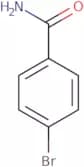
CAS:<p>4-Bromobenzamide is an amide with a hydrogen bond that inhibits the activity of proteases. It has been shown to inhibit the activity of cathepsin C and chymotrypsin in vitro, as well as the proteolytic activity of elastase. 4-Bromobenzamide also has a covalent inhibition effect on protein synthesis. This inhibitor is capable of reducing the levels of glutathione reductase, cytochrome P450, and mycobacterium in cell culture. In addition, 4-bromobenzamide has been shown to have acute toxicities in mice and rats when administered at high doses. However, it does not show any toxic effects on healthy mice or rats when administered at low doses.</p>Formula:C7H6BrNOPurity:Min. 95%Color and Shape:PowderMolecular weight:200.03 g/mol4-Amino-5-chloro-2,3-dihydro-N-[1-(3-methoxypropyl)-4-piperidinyl]-7-benzofurancarboxamide
CAS:<p>The drug 4-Amino-5-chloro-2,3-dihydro-N-[1-(3-methoxypropyl)-4-piperidinyl]-7-benzofurancarboxamide (BZP) is a histamine H2 receptor antagonist. It binds to the histamine H2 receptor in the stomach and duodenum, thereby blocking stomach acid production. BZP has been shown to be effective for treating symptoms of constipation or diarrhoea caused by inflammatory bowel disease or abdominal surgery. BZP also reduces the risk of relapse after surgery but does not affect long term efficacy. This drug is not available in the United States and has significant interactions with other drugs and symptoms including constipation, bowel disease, long term efficacy, and analytical method.</p>Formula:C18H26ClN3O3Purity:Min. 95%Color and Shape:White PowderMolecular weight:367.87 g/mol4-Amino-N-((2R,3S)-3-amino-2-hydroxy-4-phenylbutyl)-N-ispobutylbenzenesulfonamide
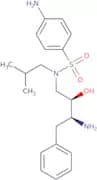
CAS:<p>4-Amino-N-((2R,3S)-3-amino-2-hydroxy-4-phenylbutyl)-N-isobutylbenzenesulfonamide is an amide that is used to treat HIV infections. It has been shown to have potent anti-viral activity against HIV infected cells in the laboratory and can inhibit the replication of HIV by interfering with the virus's ability to use the reverse transcriptase enzyme. 4ABAB has been shown to bind to the enzyme ribonuclease H (crth2), which is responsible for breaking down viral RNA. This binding prevents crth2 from cleaving viral RNA, thus inhibiting DNA synthesis and preventing cell death. 4ABAB also interferes with a hydrogen bond between ethyl group and the hydroxyl group on crth2, leading to a decrease in activity.</p>Formula:C20H29N3O3SPurity:Min. 95%Color and Shape:White PowderMolecular weight:391.53 g/molIndole-3-acetamide
CAS:<p>Indole-3-acetamide is an organic compound that is a component of the natural amino acid tryptophan. Indole-3-acetamide has been shown to be a potential anti-cancer drug. It inhibits prostate cancer cells and wild-type strains by inhibiting fatty acid synthase, which is an enzyme that catalyzes the synthesis of fatty acids. Indole-3-acetamide is also able to increase the production of monoclonal antibodies in mice with antigenic stimulation.</p>Formula:C10H10N2OPurity:Min. 98 Area-%Color and Shape:PowderMolecular weight:174.2 g/mol2-Chloro-N-(3-chloro-4-methylphenyl)propanamide
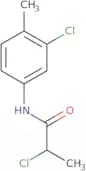
CAS:<p>Please enquire for more information about 2-Chloro-N-(3-chloro-4-methylphenyl)propanamide including the price, delivery time and more detailed product information at the technical inquiry form on this page</p>Formula:C10H11Cl2NOPurity:Min. 95%Molecular weight:232.11 g/molN,3-Diphenylacrylamide
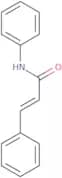
CAS:<p>N,3-Diphenylacrylamide is an amide that has been shown to exhibit carcinoid syndrome in humans. It also inhibits the growth of some human pathogens, including viruses and bacteria, as well as some fungi. The compound is metabolized by a number of enzymes and can be found circulating in the blood. Magnetic resonance spectroscopy has been used to study the structure of this molecule, which is composed of a carbonyl group and hydrogen bond. The effective dose for N,3-Diphenylacrylamide is not known.</p>Formula:C15H13NOPurity:Min. 95%Color and Shape:PowderMolecular weight:223.27 g/molN-[(3S)-2,5-Dioxotetrahydro-3-furanyl]-2,2,2-trifluoroacetamide
CAS:<p>N-[(3S)-2,5-Dioxotetrahydro-3-furanyl]-2,2,2-trifluoroacetamide is a boronic acid that has been used to synthesize polymers. This compound is of interest for the synthesis of hydrophobic amino acids such as threonine and lysine. The high yield and functionalisation of this molecule make it deserving of further investigation.</p>Formula:C6H4F3NO4Purity:Min. 95%Molecular weight:211.1 g/mol2-Piperazin-1-ylacetamide
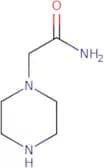
CAS:<p>2-Piperazin-1-ylacetamide hydrochloride is a drug that binds to the protein PCSK9, which transports cholesterol into cells. It blocks the transport of cholesterol and therefore lowers the level of cholesterol in blood. 2-Piperazin-1-ylacetamide hydrochloride is used for the treatment of bowel disease, atrial fibrillation (a type of irregular heartbeat), congestive heart failure, and as an anti-viral agent. This drug has been shown to reduce levels of LDL cholesterol by up to 60%. 2-Piperazin-1-ylacetamide hydrochloride has also been shown to be effective against cancers such as prostate cancer and inflammatory bowel disease.</p>Formula:C6H13N3OPurity:Min. 95%Molecular weight:143.19 g/mol5-Methyl-2-nitrobenzamide
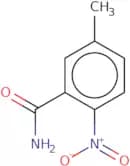
CAS:<p>5-Methyl-2-nitrobenzamide is a compound that has antiproliferative activity and is used as an anticancer drug. This drug inhibits the polymerization of the protein tubulin in cancer cells, thereby inhibiting cell division. It also inhibits the growth of certain tumor cell lines in vitro. 5-Methyl-2-nitrobenzamide was found to inhibit the proliferation of human ovarian carcinoma cells by binding to DNA, preventing transcription and replication of genetic information. In addition, this agent binds to tubulin and prevents its polymerization, leading to inhibition of cell division.</p>Formula:C8H8N2O3Purity:Min. 95%Color and Shape:PowderMolecular weight:180.16 g/mol6-Methylnicotinamide
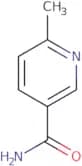
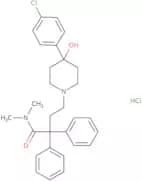
CAS:<p>6-Methylnicotinamide is a transport inhibitor that prevents the uptake of fatty acids and growth factors into cells. It has been shown to inhibit the activity of glutamate receptors by blocking the interaction between these receptors and their binding partners, which are called co-agonists. 6-Methylnicotinamide has also been shown to inhibit the synthesis of virus proteins in vitro and in vivo. There is a lack of evidence on its safety profile. 6-Methylnicotinamide may be used to treat hepatitis C and colorectal carcinoma.</p>Formula:C7H8N2OColor and Shape:White PowderMolecular weight:136.15 g/molLoperamide hydrochloride
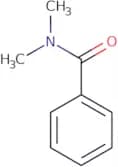
CAS:Controlled Product<p>μ-opioid receptor agonist; calcium channel inhibitor; anti-diarrheal</p>Formula:C29H33ClN2O2•HClPurity:Min. 95%Color and Shape:White PowderMolecular weight:513.5 g/molN,N'-Dimethyl benzamide
CAS:<p>N,N'-Dimethyl benzamide (DMAB) is an aryl halide that reacts with hydrogen to form the corresponding carbonyl group. The reaction solution of DMAB and hydrogen gas produces a chemical structure that resembles a hydrogen bond. DMAB has been shown to have anti-inflammatory effects in animals with inflammatory diseases. It has also been studied for its ability to inhibit the formation of amyloid plaque, which is associated with Alzheimer's disease. In addition, DMAB has been shown to have therapeutic effects against boron nitride and amides.<br>The crystal structure of DMAB can be found in both crystalline polymorphs: monoclinic and triclinic. The triclinic form is stable at room temperature and pressure, while the monoclinic form is only stable at higher temperatures. The monoclinic form is more soluble than the triclinic form, as it contains fewer hydrogen bonds between</p>Formula:C9H11NOPurity:Min. 95%Color and Shape:White PowderMolecular weight:149.19 g/molPantethine
CAS:<p>Pantethine is a dietary supplement, which is a derivative of pantothenic acid, sourced from vitamin B5. As a biologically active compound, it undergoes conversion to pantetheine, which then forms coenzyme A (CoA) and acyl-carrier proteins. This conversion is critical, as CoA is an essential cofactor involved in numerous biochemical reactions that are integral to fatty acid metabolism, among other processes.</p>Formula:C22H42N4O8S2Purity:Min. 95%Color and Shape:PowderMolecular weight:554.72 g/molPigment YellOw 5;2-[(2-NitrOphenyl)azO]-3-OxO-N-phenylbutanamide
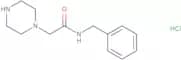
CAS:<p>Please enquire for more information about Pigment YellOw 5;2-[(2-NitrOphenyl)azO]-3-OxO-N-phenylbutanamide including the price, delivery time and more detailed product information at the technical inquiry form on this page</p>Purity:Min. 95%Piperazinophenylacetic acid benzylamide hydrochloride
CAS:<p>Piperazinophenylacetic acid benzylamide hydrochloride is a versatile building block that can be used in the synthesis of complex compounds for research and development. It is a reagent for the preparation of speciality chemicals and also a useful intermediate for the synthesis of reaction components. Piperazinophenylacetic acid benzylamide hydrochloride is a high quality, commercially available chemical that can be used as a scaffold for the preparation of new chemical compounds.</p>Formula:C13H19N3O•HClPurity:Min. 95%Color and Shape:PowderMolecular weight:269.77 g/mol(E)-N-(3-Methylaminopropyl)-2-thiopheneacrylamide hydrochloride
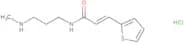
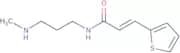
CAS:<p>(E)-N-(3-Methylaminopropyl)-2-thiopheneacrylamide hydrochloride is a high quality, reagent, complex compound, useful intermediate, fine chemical. It has CAS No. 1449108-90-0 and is used as a research chemical and building block in the synthesis of other compounds. (E)-N-(3-Methylaminopropyl)-2-thiopheneacrylamide hydrochloride can be used as a versatile building block in organic synthesis reactions and is an important reaction component for the preparation of speciality chemicals.</p>Formula:C11H17N2OSClPurity:Min. 95%Color and Shape:White PowderMolecular weight:260.78 g/mol2,5-Dimethoxybenzamide
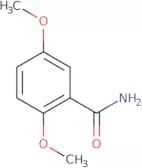
CAS:<p>2,5-Dimethoxybenzamide is a potent inhibitor of the enzyme DECATENASE. This enzyme plays an important role in the biosynthesis of the aromatic amino acids phenylalanine and tyrosine. 2,5-Dimethoxybenzamide has been shown to have anticancer activity in vitro and in vivo. Remoxipride is a synthetic drug that competitively inhibits the action of benzodiazepines on GABA receptors by binding to them with high affinity. It was developed as an antipsychotic agent but was never marketed for this indication due to its adverse effects on motor coordination. Remoxipride has also been shown to have estrogenic activity, which may be due to its ability to bind with high affinity and inhibit the enzyme aromatase, which converts testosterone into estradiol.</p>Formula:C9H11NO3Purity:Min. 95%Color and Shape:PowderMolecular weight:181.19 g/mol2-Hydroxy-N-(1-phenylpropan-2-yl)acetamide
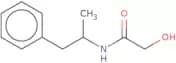
CAS:Controlled Product<p>2-Hydroxy-N-(1-phenylpropan-2-yl)acetamide is a versatile building block that can be used as a reagent or research chemical. This compound is an intermediate in the synthesis of many other organic compounds and has been shown to be useful for the production of pharmaceuticals, agrochemicals, and other industrial chemicals. The CAS number for this compound is 99985-83-8.</p>Formula:C11H15NO2Purity:Min. 95%Color and Shape:PowderMolecular weight:193.24 g/molPigment Orange 36
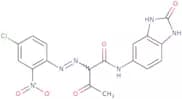
CAS:<p>Pigment Orange 36 is an organic pigment with a light-emitting property. It is soluble in organic solvents, such as benzene and chloroform, but insoluble in water. Pigment Orange 36 has a polycyclic aromatic hydrocarbon structure with ester linkages between the aliphatic hydrocarbon and aromatic hydrocarbon moieties. The molecule consists of two sections: one section is soluble in organic solvents and the other section is soluble in water. The particle size of Pigment Orange 36 ranges from 0.1 to 1 micron in diameter, and it emits light when excited by UV radiation or visible light.</p>Formula:C17H13ClN6O5Purity:Min. 95%Molecular weight:416.8 g/molN,N'-Dimethyl-3,3'-dithiodipropionamide
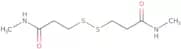
CAS:<p>N,N'-Dimethyl-3,3'-dithiodipropionamide (DTDPA) is a strong oxidizing agent that is used as a catalyst in organic synthesis. It can be used to convert xylene and benzene into products that are less toxic and more easily removed from the environment. DTDPA can also be used to remove 2-methyl-4-isothiazolin-3-one, chloroform, and other pollutants from water. DTDPA has been shown to react with hydrogen peroxide or hydrochloric acid to produce oxygen gas and chlorine, which is an effective disinfectant against bacteria such as Staphylococcus aureus or Pseudomonas aeruginosa. This chemical also reacts with toluene or chloroform to produce peroxides which have been shown to have an anti-inflammatory effect on cells.</p>Formula:C8H16N2O2S2Purity:(Q-1H Nmr) Min 95%Color and Shape:White/Off-White SolidMolecular weight:236.36 g/molN-[1-[2-(4-Ethyl-5-Oxotetrazol-1-Yl)Ethyl]-4-Phenylpiperidin-4-Yl]-N-(2-Fluorophenyl)Propanamide
CAS:Controlled Product<p>N-[1-[2-(4-Ethyl-5-Oxotetrazol-1-Yl)Ethyl]-4-Phenylpiperidin-4-Yl]-N-(2-Fluorophenyl)Propanamide is a drug that is used clinically for the treatment of depression. It is an analog of amitriptyline, an antidepressant and a tricyclic compound. N-[1-[2-(4-Ethyl-5-Oxotetrazol-1-Yl)Ethyl]-4-Phenylpiperidin-4-Yl]-N-(2-Fluorophenyl)Propanamide has been shown to increase the concentration of plasma drug levels by increasing transporter gene expression in muscle tissue. This drug also has clinical pharmacology and thermal expansion properties.</p>Formula:C25H31FN6O2Purity:Min. 95%Molecular weight:466.55 g/mol2-[Ethyl-[2-(3-hydroxy-2,6-dimethyl-anilino)-2-oxo-ethyl]amino]-N-(3-hydroxy-2,6-dimethyl-phenyl)acetamide
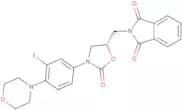
CAS:<p>2-[Ethyl-[2-(3-hydroxy-2,6-dimethyl-anilino)-2-oxo-ethyl]amino]-N-(3-hydroxy-2,6-dimethylphenyl)acetamide is a reaction component that is used in the synthesis of complex compounds. It is a versatile building block and useful intermediate for the synthesis of fine chemicals. This chemical has been shown to be an effective reagent for the preparation of high quality research chemicals. CAS No. 2200280-96-0</p>Formula:C22H29N3O4Purity:Min. 95%Color and Shape:White to off-white solid.Molecular weight:399.48 g/molDeacetamide linezolid phthalimide
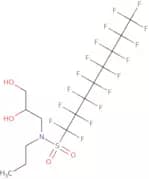
CAS:<p>Deacetamide linezolid phthalimide is a chemical compound that is used as an intermediate in the synthesis of a variety of pharmaceuticals. It has been shown to be useful for the production of a number of compounds, including antibiotics, anti-inflammatory agents, and anticancer drugs. The substance has been shown to be effective in the treatment of bacterial infections and was first discovered in research chemicals. This compound also has a high quality and is used as a reagent for chemical reactions.</p>Formula:C22H20FN3O5Purity:Min. 95%Color and Shape:Slightly Yellow PowderMolecular weight:425.41 g/molN-Propyl-N-(2,3-dihydroxypropyl)perfluoro-n-octylsulfonamide
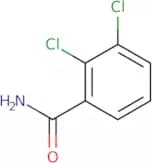
CAS:Controlled Product<p>N-Propyl-N-(2,3-dihydroxypropyl)perfluoro-n-octylsulfonamide is a fine chemical that can be used as a reagent and speciality chemical. It is a versatile building block that can react with other compounds to produce new products. The compound is a complex compound that has been shown to have high quality in the laboratory.</p>Formula:C14H14F17NO4SPurity:Min. 95%Color and Shape:PowderMolecular weight:615.3 g/mol2,3-Dichlorobenzamide
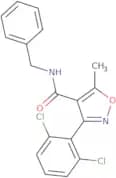
CAS:<p>2,3-Dichlorobenzamide is a herbicide with a stable structure. It has been shown to be effective against the weed species Agropyron repens and other grasses that grow in wetland conditions. 2,3-Dichlorobenzamide inhibits the growth of these plants by causing chlorosis, which is characterized by yellowing of leaves. 2,3-Dichlorobenzamide is toxic to aquatic organisms and can cause pollution in water systems. The molecular electrostatic potential of 2,3-Dichlorobenzamide has been studied using computer models and the parameters have been used to predict its toxicity to various tissues such as nerves or liver cells.</p>Formula:C7H5Cl2NOPurity:Min. 95%Color and Shape:PowderMolecular weight:190.03 g/mol(3-(2,6-dichlorophenyl)-5-methylisoxazol-4-yl)-N-benzylformamide
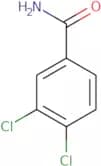
CAS:<p>Please enquire for more information about (3-(2,6-dichlorophenyl)-5-methylisoxazol-4-yl)-N-benzylformamide including the price, delivery time and more detailed product information at the technical inquiry form on this page</p>Purity:Min. 95%3,4-Dichlorobenzamide
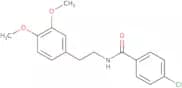
CAS:<p>3,4-Dichlorobenzamide is a synthetic opioid analgesic that binds to the μ-opioid receptor. It has a side-effect profile that is similar to other opioids, with an addiction risk and potential for abuse. 3,4-Dichlorobenzamide has been used in the synthesis of new drugs, such as phenazepam (a benzodiazepine) and etizolam (a thienodiazepine). This drug is chiral and can be synthesized in two stereoisomeric forms: 3-(+)-chloro-N-(2-chlorophenyl)benzamide and 3-(−)-chloro-N-(2-chlorophenyl)benzamide. The former form is marketed under the trade name Analgin, while the latter form is marketed under the trade name Etilex. The (+) form of this drug has a higher affinity for μ receptors than the (−) form.</p>Formula:C7H5Cl2NOPurity:Min. 95%Molecular weight:190.03 g/molN-(2-(3,4-dimethoxyphenyl)ethyl)(4-chlorophenyl)formamide
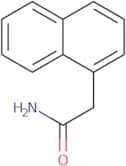
CAS:Controlled Product<p>Please enquire for more information about N-(2-(3,4-dimethoxyphenyl)ethyl)(4-chlorophenyl)formamide including the price, delivery time and more detailed product information at the technical inquiry form on this page</p>Purity:Min. 95%1-Naphthaleneacetamide
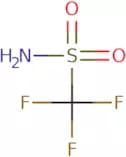
CAS:<p>1-Naphthaleneacetamide is a plant growth regulator that belongs to the class of compounds known as auxins. It inhibits the production of chlorophyll and reduces photosynthetic activity in plants, thereby causing a decrease in chlorophyll content. 1-Naphthaleneacetamide has been shown to have genotoxic effects on human cells in tissue culture. This agent also has an effect on DNA damage and repair and can be used as an analytical method for determining the presence of surfactant sodium dodecyl (SDS) in urine samples by fluorescence spectrometry.</p>Formula:C12H11NOPurity:Min. 98 Area-%Color and Shape:PowderMolecular weight:185.22 g/molTrifluoromethanesulfonamide
CAS:<p>Trifluoromethanesulfonamide is a strong acid that has been shown to inhibit the proteolytic activity of human secretase. It binds to a specific site on the enzyme and prevents it from cleaving the substrate. This inhibition slows down the progression of Alzheimer's disease, Parkinson's disease, and other related disorders. Trifluoromethanesulfonamide has also been shown to bind to metal hydroxides, such as iron hydroxide, which may be due to its ability to form hydrogen bonds with these metals. Structural analysis reveals that trifluoromethanesulfonamide contains a pyrazole ring and two chlorine atoms, one in the para position and one in the meta position.</p>Formula:CH2F3NO2SColor and Shape:PowderMolecular weight:149.09 g/mol2-Hydroxy-N,N,N-trimethylethanaminium salt with 1,1,1-trifluoro-N-[(trifluoromethyl)sulfonyl]methanesulfonamide
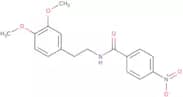
CAS:<p>2-Hydroxy-N,N,N-trimethylethanaminium salt with 1,1,1-trifluoro-N-[(trifluoromethyl)sulfonyl]methanesulfonamide is a hydroxyl group containing ionic liquid that has been used as an extractant. It is activated by a proton to form an oxyanion, which can be protonated again by the extractant to regenerate the ionic liquid. The thermodynamic properties of this ionic liquid are dependent on the concentration of solute and solvent. This ionic solute has been shown to inhibit bacterial growth and is toxic for animals.</p>Formula:C5H14NO•C2F6NO4S2Purity:Min. 95%Color and Shape:White PowderMolecular weight:384.32 g/molN-(2-(3,4-dimethoxyphenyl)ethyl)(4-nitrophenyl)formamide
CAS:Controlled Product<p>Please enquire for more information about N-(2-(3,4-dimethoxyphenyl)ethyl)(4-nitrophenyl)formamide including the price, delivery time and more detailed product information at the technical inquiry form on this page</p>Purity:Min. 95%N-Chloro-4-toluenesulfonamide sodium
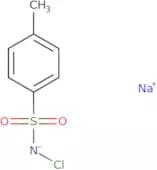
CAS:<p>N-Chloro-4-toluenesulfonamide sodium (NCTS) is a disinfectant that is used to treat wastewater and as a preservative for water. It has been shown to be effective against bacteria, fungi, and viruses. NCTS is an antimicrobial agent that reacts with the matrix in which it is applied to form chloramines-T (NHClO). The chloramines-T inhibits the activity of enzymes such as those involved in DNA synthesis and protein synthesis. This reaction also generates an electric current due to the redox potentials of the reactants. The presence of aziridines in NCTS leads to crosslinking between proteins, which enhances its effectiveness as a disinfectant.<br>NCTS has been shown to have no adverse effects on human erythrocytes or DNA when used at concentrations up to 100 µg/mL.</p>Formula:C7H8ClNO2S•NaPurity:Min. 95%Color and Shape:PowderMolecular weight:228.65 g/molL-Leucine b-naphthylamide hydrochloride
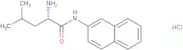
CAS:<p>Please enquire for more information about L-Leucine b-naphthylamide hydrochloride including the price, delivery time and more detailed product information at the technical inquiry form on this page</p>Formula:C16H20N2O·HClPurity:Min. 95%Color and Shape:PowderMolecular weight:292.8 g/mol(2-Chlorophenyl)-N-[4-(trifluoromethyl)phenyl]carboxamide
CAS:<p>This is a high quality reagent, complex compound, useful intermediate, and fine chemical. It is also a useful scaffold and can be used as a reaction component in the synthesis of speciality chemicals. The CAS number for this compound is 3873-79-8. <br>[[Category:Chemical Compounds]]</p>Formula:C14H9ClF3NOPurity:Min. 95%Molecular weight:299.68 g/mol1-(Aminomethyl)cyclopropanecarboxamide hydrochloride
CAS:<p>1-(Aminomethyl)cyclopropanecarboxamide hydrochloride is a versatile building block that can be used in the synthesis of complex compounds. It has been shown to be an excellent reagent for the synthesis of novel pharmaceuticals and speciality chemicals. This compound is also a useful intermediate for the preparation of high-quality products and can be used as a reaction component or scaffold in synthesis.</p>Formula:C5H10N2O·HClPurity:Min. 95%Color and Shape:White PowderMolecular weight:150.61 g/molPicotamide
CAS:<p>Picotamide is a drug that belongs to the class of drugs that inhibit platelet aggregation. This drug is used in the treatment of coronary artery disease and other cardiovascular diseases. Picotamide has been shown to have pharmacological effects on the heart, such as lowering blood pressure and reducing heart rate. It also has a covalent linkage with proteins, which may be due to its ability to activate receptors for biological properties like cell proliferation or differentiation. Picotamide has been shown to prevent infectious diseases, such as septicemia, by inhibiting bacterial growth. The chemical stability of picotamide makes it an attractive candidate for use in gene therapy because it can be stored at room temperature without losing its activity.</p>Formula:C21H20N4O3Purity:Min. 95%Color and Shape:PowderMolecular weight:376.41 g/molQuinfamide
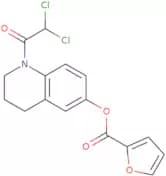
CAS:<p>Quinfamide is a polyunsaturated compound that contains a cevimeline hydrochloride molecule. It is used to treat bowel disease, usually in combination with other drugs. Quinfamide has been shown to have specific treatment effects on the symptoms of inflammatory bowel disease (IBD) when given at doses of 400-800 mg per day for up to 12 weeks. This drug can also be used as an analog for 5-membered heteroaryl compounds, such as benzalkonium chloride, which are also used to treat bowel disease. Quinfamide has been shown to have anti-inflammatory properties and may work by inhibiting fatty acid synthesis or by reducing the number of neutrophils in the gut.</p>Formula:C16H13Cl2NO4Purity:Min. 95%Color and Shape:White PowderMolecular weight:354.18 g/molHexadecanamide
CAS:<p>Hexadecanamide is a reactive amide that has an optimum concentration of 1.5-2.0 M in water and a pH range of 3.0-8.0. Hexadecanamide is oxidized by an oxidation catalyst to form hexadecane, which can be analyzed by gas chromatography or high performance liquid chromatography. The oxidation reaction can be monitored under constant pressure conditions using electrochemical impedance spectroscopy. Hexadecanamide reacts with hydroxyl groups and fatty acids to form hexadecanoic acid, which can be analyzed using gas chromatography or high performance liquid chromatography. Hexadecanamide also reacts with viral life to form hexadecanoic acid, which can be analyzed using gas chromatography or high performance liquid chromatography.<br>Hexadecanamide has been shown to have anti-inflammatory properties, which may be due to its ability to inhibit the production of pro-inflammatory cytokines such as histamine and leukotrienes</p>Formula:C16H33NOPurity:Min. 95%Color and Shape:PowderMolecular weight:255.44 g/molD-Valine amide hydrochloride
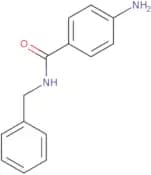
CAS:<p>Please enquire for more information about D-Valine amide hydrochloride including the price, delivery time and more detailed product information at the technical inquiry form on this page</p>Formula:C5H12N2O•HClPurity:Min. 95%Color and Shape:PowderMolecular weight:152.62 g/mol4-Amino-N-benzylbenzamide
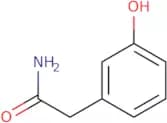
CAS:<p>4-Amino-N-benzylbenzamide is a high quality chemical that is an intermediate in the synthesis of other useful compounds. It is a reagent for organic synthesis, and has many uses as a complex compound, as well as being a useful building block for more complicated molecules. 4-Amino-N-benzylbenzamide is also used as a speciality chemical in research labs, and can be used as a versatile building block to make different products.</p>Formula:C14H14N2OPurity:Min. 95%Color and Shape:PowderMolecular weight:226.27 g/mol2-(3-Hydroxyphenyl)acetamide
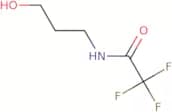
CAS:<p>2-(3-Hydroxyphenyl)acetamide (2HPA) is a sulfonamidochrysoidine compound with analgesic, antipyretic and anti-inflammatory effects. It is used in the treatment of gout, rheumatoid arthritis, osteoarthritis and other inflammatory diseases. 2HPA has been shown to be effective in the treatment of pain following dental surgery. 2HPA is also used as a marker for dietary intake of sulfate and may be a useful indicator for determining the effect of changes in diet on urinary excretion rates. The elimination half-life of 2HPA is approximately 3 hours in humans. This drug can be detected in urine samples from humans within 24 hours after ingestion at concentrations that are proportional to dose.</p>Formula:C8H9NO2Purity:Min. 95%Color and Shape:PowderMolecular weight:151.16 g/molN-(3-Hydroxypropyl)trifluoroacetamide
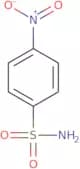
CAS:<p>N-(3-Hydroxypropyl)trifluoroacetamide is an alkaline hydrolysis product of 3-hydroxypropyl trifluoroacetate. It is a primary amino compound that can be used as an intermediate in the production of vinyl ethers and acetals. This chemical is used for the synthesis of vinyl acetals, which are important intermediates in the manufacturing of polymers.</p>Formula:C5H8F3NO2Purity:90%Color and Shape:PowderMolecular weight:171.12 g/mol4-Nitrobenzenesulfonamide
CAS:<p>4-Nitrobenzenesulfonamide is an organic compound that consists of a nitro group, a sulfonamide group, and an amine. It is the active analog of 4-dimethylaminobenzoic acid, which is used as an inhibitor of histamine release in the treatment of allergic reactions. The molecule has been shown to bind to copper ions and triflic acid and has been used as a catalyst for aziridination.</p>Formula:C6H6N2O4SPurity:Min. 96 Area-%Color and Shape:White PowderMolecular weight:202.19 g/mol(E)-N-(3-Methylaminopropyl)-2-thiopheneacrylamide
CAS:<p>(E)-N-(3-Methylaminopropyl)-2-thiopheneacrylamide is a high quality chemical that can be used as an intermediate in the synthesis of complex compounds. It is also a useful scaffold and building block for the synthesis of speciality chemicals with versatile reactions.</p>Formula:C11H16N2OSPurity:Min. 95%Color and Shape:Colorless Clear LiquidMolecular weight:224.32 g/molPolyamide
CAS:<p>Polyamide is a synthetic polymer that contains amide bonds. It is characterized by high water vapor permeability, low water solubility, and good chemical stability. Polyamide has been shown to have growth factor-β1 activity in vitro and in vivo for the treatment of tubulointerstitial injury. Polyamide is also used as a template for the synthesis of DNA. It has been shown to have antioxidant properties and inhibit prostate cancer cells. The polyamide chain can be analyzed using monoclonal antibodies and structural analysis methods such as nuclear magnetic resonance spectroscopy, infrared spectroscopy, x-ray diffraction, or electron microscopy.</p>Purity:Min. 95%Color and Shape:Powder(4-Benzylpiperazinyl)-N-propylformamide
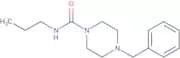
CAS:Controlled Product<p>Please enquire for more information about (4-Benzylpiperazinyl)-N-propylformamide including the price, delivery time and more detailed product information at the technical inquiry form on this page</p>Formula:C15H23N3OPurity:Min. 95%Color and Shape:PowderMolecular weight:261.36 g/mol(8β)-N-[3-(Dimethylamino)propyl]-N-[(ethylamino)carbonyl] -6-(2-propen-1-yl)-ergoline-8-carboxamide
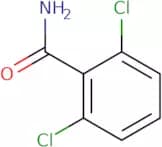
CAS:<p>Agonist of D2 dopamine receptors</p>Formula:C26H37N5O2Purity:Min. 95%Color and Shape:PowderMolecular weight:451.6 g/mol2,6-Dichlorobenzamide
CAS:<p>2,6-Dichlorobenzamide is a chemical compound that belongs to the group of organochlorine compounds. It is soluble in water and has been shown to be an effective treatment for metal contamination in groundwater. 2,6-Dichlorobenzamide reacts with metal ions at the surface of cells by forming an insoluble metal chloride complex that accumulates inside the cell and leads to cell death. 2,6-Dichlorobenzamide has been shown to be toxic to bacteria, particularly gram-positive bacteria such as Staphylococcus aureus and Bacillus subtilis. This compound also binds to bacterial membrane lipids with high affinity constants. This activity may be due to its ability to form lipid hydroperoxides and free radicals.</p>Formula:C7H5Cl2NOPurity:Min. 95%Color and Shape:PowderMolecular weight:190.03 g/mol
![2-[(2,6-Dichlorophenyl)amino]-N,N-dimethylbenzeneacetamide](/_next/image/?url=https%3A%2Fstatic.cymitquimica.com%2Fproducts%2F3D%2Fthumb-webp%2FFD21691.webp&w=3840&q=75)

![4-Amino-5-chloro-2,3-dihydro-N-[1-(3-methoxypropyl)-4-piperidinyl]-7-benzofurancarboxamide](/_next/image/?url=https%3A%2Fstatic.cymitquimica.com%2Fproducts%2F3D%2Fthumb-webp%2FFA27248.webp&w=3840&q=75)

![N-[(3S)-2,5-Dioxotetrahydro-3-furanyl]-2,2,2-trifluoroacetamide](/_next/image/?url=https%3A%2Fstatic.cymitquimica.com%2Fproducts%2F3D%2Fthumb-webp%2FFD97166.webp&w=3840&q=75)

![Pigment YellOw 5;2-[(2-NitrOphenyl)azO]-3-OxO-N-phenylbutanamide](/_next/image/?url=https%3A%2Fstatic.cymitquimica.com%2Fproducts%2F3D%2Fthumb-webp%2FFP40385.webp&w=3840&q=75)
![N-[1-[2-(4-Ethyl-5-Oxotetrazol-1-Yl)Ethyl]-4-Phenylpiperidin-4-Yl]-N-(2-Fluorophenyl)Propanamide](/_next/image/?url=https%3A%2Fstatic.cymitquimica.com%2Fproducts%2F3D%2Fthumb-webp%2FFE102162.webp&w=3840&q=75)
![2-[Ethyl-[2-(3-hydroxy-2,6-dimethyl-anilino)-2-oxo-ethyl]amino]-N-(3-hydroxy-2,6-dimethyl-phenyl)a…](/_next/image/?url=https%3A%2Fstatic.cymitquimica.com%2Fproducts%2F3D%2Fthumb-webp%2FFE145458.webp&w=3840&q=75)
![2-Hydroxy-N,N,N-trimethylethanaminium salt with 1,1,1-trifluoro-N-[(trifluoromethyl)sulfonyl]metha…](/_next/image/?url=https%3A%2Fstatic.cymitquimica.com%2Fproducts%2F3D%2Fthumb-webp%2FFH103048.webp&w=3840&q=75)
![(2-Chlorophenyl)-N-[4-(trifluoromethyl)phenyl]carboxamide](/_next/image/?url=https%3A%2Fstatic.cymitquimica.com%2Fproducts%2F3D%2Fthumb-webp%2FFC145671.webp&w=3840&q=75)





![(8β)-N-[3-(Dimethylamino)propyl]-N-[(ethylamino)carbonyl] -6-(2-propen-1-yl)-ergoline-8-carboxamide](/_next/image/?url=https%3A%2Fstatic.cymitquimica.com%2Fproducts%2F3D%2Fthumb-webp%2FFD19622.webp&w=3840&q=75)