


Carboxylic Acids
Carboxylic acids are organic molecules characterized by having a carboxyl-type functional group (-COOH). These acids are fundamental in various chemical reactions, including esterification, amidation, and decarboxylation. Carboxylic acids are widely used in the production of pharmaceuticals, polymers, and agrochemicals. In this section, you can find a large number of carboxylic acids ready to be used. At CymitQuimica, we provide a broad range of high-quality carboxylic acids to support your research and industrial applications.
Found 12453 products of "Carboxylic Acids"
Sort by
Purity (%)
0
100
|
0
|
50
|
90
|
95
|
100
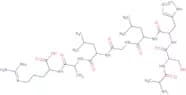
Osteoblast Activating Peptide (human) trifluoroacetate salt
<p>Please enquire for more information about Osteoblast Activating Peptide (human) trifluoroacetate salt including the price, delivery time and more detailed product information at the technical inquiry form on this page</p>Formula:C120H196N38O37SPurity:Min. 95%Molecular weight:2,795.14 g/molChloromethyl acetate
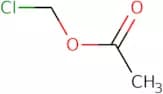
CAS:<p>Chloromethyl acetate is a potent antibacterial agent that inhibits the growth of bacteria by inhibiting the synthesis of fatty acids. It also has an inhibitory effect on adenosine receptors and is used to treat congestive heart failure, inflammatory diseases, metabolic disorders, and other conditions. Chloromethyl acetate has been shown to be effective against a number of bacterial strains, including methicillin-resistant Staphylococcus aureus (MRSA), Streptococcus pneumoniae, and Mycobacterium tuberculosis. Chloromethyl acetate binds to the cyanoformate group in the bacterial cell wall by competitive inhibition. This binding prevents the formation of an antibiotic-inhibitor complex with the enzyme fatty acid synthase that is required for fatty acid biosynthesis, inhibiting protein synthesis and cell division.</p>Formula:C3H5ClO2Purity:Min. 95%Molecular weight:108.52 g/molH-Ala-His-Lys-OH acetate salt
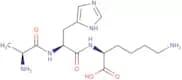
CAS:<p>H-Ala-His-Lys-OH acetate salt is a copper complex that has been shown to have antioxidant properties in vitro. It has been studied for use as an analog of the vitamin C, which is a cofactor for collagen synthesis and follicular keratinization. Copper complexes with H-Ala-His-Lys-OH acetate salt have been shown to inhibit the formation of reactive oxygen species (ROS) and to stimulate collagen production by human dermal fibroblasts in vitro. This compound also stimulates the growth of human skin cells in vitro, which may be due to its ability to induce fibroblast proliferation.</p>Formula:C15H26N6O4Purity:Min. 95%Molecular weight:354.4 g/mol(His(3-Me)2)-TRH trifluoroacetate salt
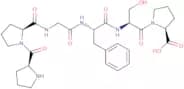
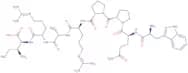
CAS:<p>Please enquire for more information about (His(3-Me)2)-TRH trifluoroacetate salt including the price, delivery time and more detailed product information at the technical inquiry form on this page</p>Formula:C17H24N6O4Purity:Min. 95%Molecular weight:376.41 g/molH-Pro-Pro-Gln-OH trifluoroacetate salt
CAS:<p>Please enquire for more information about H-Pro-Pro-Gln-OH trifluoroacetate salt including the price, delivery time and more detailed product information at the technical inquiry form on this page</p>Formula:C15H24N4O5Purity:Min. 95%Molecular weight:340.38 g/mol2-Bromo-3-methylbenzoic acid
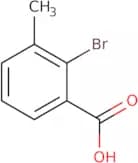
CAS:<p>2-Bromo-3-methylbenzoic acid is an alcohol that has been shown to be selective for the stereoselective synthesis of chiral secondary alcohols. It has been used in the reduction of 2-formylphenylboronic acid, yielding a mixture of the two possible diastereomers, and in the reductive elimination of carboxylic acids, which can be used as an alternative to the Baylis-Hillman reaction. The compound also has inhibitory activity against several bacteria, including methicillin resistant Staphylococcus aureus (MRSA) and Mycobacterium tuberculosis. 2-Bromo-3-methylbenzoic acid is photochromic and changes color from yellow to red when exposed to UV light.</p>Formula:C8H7BrO2Purity:Min. 95%Color and Shape:PowderMolecular weight:215.04 g/molNeuropeptide VF (124-131) (human) trifluoroacetate salt
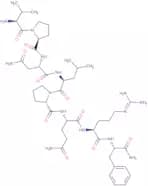
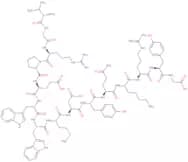
CAS:<p>Neuropeptide VF (124-131) (human) trifluoroacetate salt H-Val-Pro-Asn-Leu-Pro-Gln-Arg-Phe-NH2 trifluoroacetate salt is a peptide that is synthesized in the hypothalamus and is involved in the regulation of gonadotropin secretion. It has been shown to inhibit cell growth in vitro and to have an inhibitory effect on cancer cells. This peptide also binds to receptors α, adenohypophyseal, cellular, testicular, vasoactive intestinal peptide, messenger RNA, estradiol benzoate, cancer, and progesterone receptor.</p>Formula:C45H72N14O10Purity:Min. 95%Molecular weight:969.14 g/molProtein Kinase P34 (cd2) Substrate trifluoroacetate salt
CAS:<p>H-ADAQHATPPKKKRKVEDPKDF-OH peptide, which can act as a substrate of Protein Kinase P34 (cd2). The peptide is supplied as a trifluoroacetate salt.</p>Formula:C106H172N32O32Purity:Min. 95%Molecular weight:2,406.7 g/mol(D-Tyr5,D-Trp6)-LHRH trifluoroacetate salt
CAS:<p>Please enquire for more information about (D-Tyr5,D-Trp6)-LHRH trifluoroacetate salt including the price, delivery time and more detailed product information at the technical inquiry form on this page</p>Formula:C64H82N18O13Purity:Min. 95%Molecular weight:1,311.45 g/molTri-tert-butyl 1,4,7,10-Tetraazacyclododecane-1,4,7-triacetate
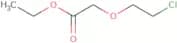
CAS:<p>Tri-tert-butyl 1,4,7,10-Tetraazacyclododecane-1,4,7-triacetate is a molecule that has been used in the diagnosis of cervical cancer. This drug binds to the metal chelator and is then attached to a water molecule by the functional group. This process makes the compound more stable and prevents it from reacting with other molecules. The cyclic peptide is then attached to the tri-tert-butyl 1,4,7,10-Tetraazacyclododecane-1,4,7-triacetate molecule which can be detected by an MRI scan.</p>Formula:C26H50N4O6Purity:Min. 95%Molecular weight:514.7 g/molEthyl 2-(2-chloroethoxy)acetate
CAS:<p>Please enquire for more information about Ethyl 2-(2-chloroethoxy)acetate including the price, delivery time and more detailed product information at the technical inquiry form on this page</p>Formula:C6H11ClO3Purity:Min. 95%Molecular weight:166.6 g/mol4,4',4''-Nitrilotribenzoic acid
CAS:<p>4,4',4''-Nitrilotribenzoic acid is a low molecular weight activated compound with a hexane molecule and luminescence properties. This compound has been used in the detection of human pathogens, for example, Salmonella enterica serovar Typhimurium. The uptake of 4,4',4''-nitrilotribenzoic acid by these bacteria has been shown to be due to its peroxidase-like activity. 4,4',4''-Nitrilotribenzoic acid has also been used for the activation of polybenzimidazole and for polymerization reactions in polybenzimidazole films. The time required for polymerization depends on the concentration of 4,4',4''-nitrilotribenzoic acid used.</p>Formula:C21H15NO6Purity:Min. 95%Molecular weight:377.35 g/molMca-Pro-b-cyclohexyl-Ala-Gly-Nva-His-Ala-Dap (Dnp)-NH2 trifluoroacetate salt
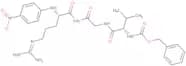
CAS:<p>Please enquire for more information about Mca-Pro-b-cyclohexyl-Ala-Gly-Nva-His-Ala-Dap (Dnp)-NH2 trifluoroacetate salt including the price, delivery time and more detailed product information at the technical inquiry form on this page</p>Formula:C51H65N13O15Purity:Min. 95%Molecular weight:1,100.14 g/molZ-Val-Gly-Arg-pNA acetate salt
CAS:<p>Please enquire for more information about Z-Val-Gly-Arg-pNA acetate salt including the price, delivery time and more detailed product information at the technical inquiry form on this page</p>Formula:C27H36N8O7Purity:Min. 95%Molecular weight:584.62 g/molBradykinin (2-7) acetate salt
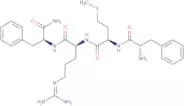
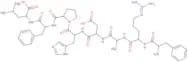
CAS:<p>Please enquire for more information about Bradykinin (2-7) acetate salt including the price, delivery time and more detailed product information at the technical inquiry form on this page</p>Formula:C29H40N6O8Purity:Min. 95%Molecular weight:600.66 g/molH-Phe-D-Met-Arg-Phe-NH2 trifluoroacetate salt
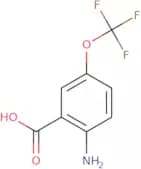
CAS:<p>Please enquire for more information about H-Phe-D-Met-Arg-Phe-NH2 trifluoroacetate salt including the price, delivery time and more detailed product information at the technical inquiry form on this page</p>Formula:C29H42N8O4SPurity:Min. 95%Molecular weight:598.76 g/mol2-Amino-5-(trifluoromethoxy)benzoic acid
CAS:<p>Please enquire for more information about 2-Amino-5-(trifluoromethoxy)benzoic acid including the price, delivery time and more detailed product information at the technical inquiry form on this page</p>Formula:C8H6F3NO3Purity:Min. 95%Molecular weight:221.13 g/mol(Des-Gly10,D-His2,D-Ser(tBu)6,Pro-NHEt 9)-LHRH acetate salt
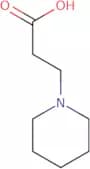
<p>Please enquire for more information about (Des-Gly10,D-His2,D-Ser(tBu)6,Pro-NHEt 9)-LHRH acetate salt including the price, delivery time and more detailed product information at the technical inquiry form on this page</p>Formula:C60H86N16O13Purity:Min. 95%Molecular weight:1,239.42 g/mol3-Piperidin-1-ylpropanoic acid
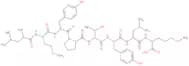
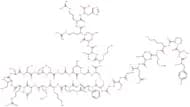
CAS:<p>3-Piperidin-1-ylpropanoic acid is a hydroxylated compound that belongs to the group of aromatic hydrocarbons. It has been shown to inhibit the activity of enzymes such as model studies and test compounds, which are used in biological samples. 3-Piperidin-1-ylpropanoic acid is not active against mouse tumor cells and does not show any locomotor activity. The terminal half life of this drug has been determined in urine samples from mice at 20 hours.</p>Formula:C8H15NO2Purity:Min. 95%Molecular weight:157.21 g/mol(Ile5,Trp23,Tyr36)-pTH-Related Protein (1-36) (human, mouse, rat) trifluoroacetate salt
CAS:<p>Please enquire for more information about (Ile5,Trp23,Tyr36)-pTH-Related Protein (1-36) (human, mouse, rat) trifluoroacetate salt including the price, delivery time and more detailed product information at the technical inquiry form on this page</p>Formula:C196H308N58O53Purity:Min. 95%Molecular weight:4,324.9 g/mol(Cys(Et)2·7)-a-CGRP (human) trifluoroacetate salt
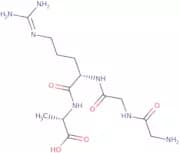
CAS:<p>Please enquire for more information about (Cys(Et)2·7)-a-CGRP (human) trifluoroacetate salt including the price, delivery time and more detailed product information at the technical inquiry form on this page</p>Formula:C167H277N51O49S2Purity:Min. 95%Molecular weight:3,847.43 g/molH-Gly-Gly-Arg-Ala-OH acetate salt
CAS:<p>Please enquire for more information about H-Gly-Gly-Arg-Ala-OH acetate salt including the price, delivery time and more detailed product information at the technical inquiry form on this page</p>Formula:C13H25N7O5Purity:Min. 95%Molecular weight:359.38 g/mol(H-Cys-4MbNA)2 acetate salt (Disulfide bond)
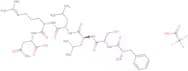
CAS:<p>Please enquire for more information about (H-Cys-4MbNA)2 acetate salt (Disulfide bond) including the price, delivery time and more detailed product information at the technical inquiry form on this page</p>Formula:C28H30N4O4S2Purity:Min. 95%Molecular weight:550.69 g/molH-Ser-Leu-Ser-Leu-Ser-Pro-Gly-OH trifluoroacetate salt
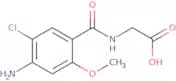
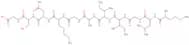
CAS:<p>Please enquire for more information about H-Ser-Leu-Ser-Leu-Ser-Pro-Gly-OH trifluoroacetate salt including the price, delivery time and more detailed product information at the technical inquiry form on this page</p>Formula:C28H49N7O11Purity:Min. 95%Molecular weight:659.73 g/molN-Des(2-diethylamino) metoclopramide acetic acid
CAS:<p>N-Des(2-diethylamino) metoclopramide acetic acid is a benzyl ester of metoclopramide, a prodrug that is metabolized to the active form in the body. It has been shown to be effective against healthy human subjects and hplc analyses of biological samples have shown it to be a metabolite of metoclopramide. N-Des(2-diethylamino) metoclopramide acetic acid is used as a catalyst for catalytic hydrogenation reactions, such as the conversion of methyl esters into ethyl or butyl esters. It can also be used for catalytic hydrogenation reactions with diazomethane, such as those required for the synthesis of quinolones.</p>Formula:C10H11ClN2O4Purity:Min. 95%Molecular weight:258.66 g/molBoc-15-amino-4,7,10,13-tetraoxapentadecanoic acid
CAS:<p>Boc-15-amino-4,7,10,13-tetraoxapentadecanoic acid is a PEG compound with two different functional groups (also known as heterobifunctional). Unlike homobifunctional PEG compounds (same functional group on both ends), this type of compounds are more versatile as have two different anchor points. Boc-15-amino-4,7,10,13-tetraoxapentadecanoic acid is used as a linker and spacer to add a PEG moiety, via pegylation (a bioconjugation technique) to proteins, peptides, oligonucleotides, small molecules and nanoparticles.</p>Formula:C16H31NO8Purity:Min. 95%Molecular weight:365.42 g/mol(4S,5R)-3-Benzoyl-2-(4-methoxyphenyl)-4-phenyl-5-oxazolidinecarboxylic acid
CAS:<p>Please enquire for more information about (4S,5R)-3-Benzoyl-2-(4-methoxyphenyl)-4-phenyl-5-oxazolidinecarboxylic acid including the price, delivery time and more detailed product information at the technical inquiry form on this page</p>Formula:C24H21NO5Purity:Min. 95%Color and Shape:White To Off-White SolidMolecular weight:403.43 g/mol3-Benzoyl acrylic acid
CAS:<p>3-Benzoyl acrylic acid is an organic compound that is the product of a chemical reaction between benzaldehyde and acetic anhydride. It contains a carboxylic acid group, an hydroxyl group, a nitro group, and a particle. 3-Benzoyl acrylic acid has been shown to inhibit the growth factor epidermal growth factor (EGF). This inhibition occurs by binding to the receptor for EGF on the cell membrane and blocking its activation. 3-Benzoyl acrylic acid also inhibits fatty acid synthesis and mitochondrial membrane potential, which may be due to its ability to form ester hydrochloride.</p>Formula:C10H8O3Purity:Min. 95%Color and Shape:PowderMolecular weight:176.17 g/molAdrenomedullin 5 (primate) trifluoroacetate salt
CAS:<p>Please enquire for more information about Adrenomedullin 5 (primate) trifluoroacetate salt including the price, delivery time and more detailed product information at the technical inquiry form on this page</p>Formula:C253H394N82O71S2Purity:Min. 95%Molecular weight:5,784.48 g/molDimethyl benzyl carbinol acetate
CAS:<p>Dimethyl benzyl carbinol acetate is a polymer that forms a film on the skin and prevents water loss. It has been shown to have enzyme-inhibiting properties, which may be due to its ability to prevent geranyl production. Dimethyl benzyl carbinol acetate has also been used as a sealant in microcapsules, which are then broken down by enzymes in order to release the contents of the capsule. Dimethyl benzyl carbinol acetate can also be used as an antimicrobial agent, where it inhibits bacterial cell growth by interfering with fatty acid synthesis.</p>Purity:Min. 95%BAM-22P (8-22) trifluoroacetate salt
CAS:<p>BAM-22P (8-22) trifluoroacetate salt is a compound that has been shown to be an effective drug for the treatment of pain. It has been shown to have an effect on bone cancer, which can be activated by serotonin. This compound may be beneficial in treating nerve injury and fibrosarcoma cells. BAM-22P (8-22) trifluoroacetate salt is an allosteric modulator of the serotonin receptor and may be used as a treatment for pain in wild-type mice. The molecule is also a serotonin reuptake inhibitor, which prevents the reuptake of serotonin into the presynaptic neuron. This leads to increased levels of serotonin in the synapse and increased pain relief.</p>Formula:C91H127N25O23SPurity:Min. 95%Molecular weight:1,971.2 g/mol(Met(O)27)-Glucagon (1-29) (human, rat, porcine) trifluoroacetate salt
CAS:<p>Please enquire for more information about (Met(O)27)-Glucagon (1-29) (human, rat, porcine) trifluoroacetate salt including the price, delivery time and more detailed product information at the technical inquiry form on this page</p>Formula:C153H225N43O50SPurity:Min. 95%Molecular weight:3,498.75 g/mol(Des-Thr5)-Glucagon trifluoroacetate salt
CAS:<p>Please enquire for more information about (Des-Thr5)-Glucagon trifluoroacetate salt including the price, delivery time and more detailed product information at the technical inquiry form on this page</p>Formula:C149H218N42O47SPurity:Min. 95%Molecular weight:3,381.65 g/molHexanedioic acid
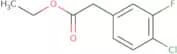
CAS:<p>Hexanedioic acid is a glycol ether that is used as an extraction solvent. It has been shown to be a good solvent for the separation of organic acids and aromatic compounds, such as malonic acid and caproic acid. Hexanedioic acid has also been shown to be a good solvent for the removal of sulfur and nitrogen compounds from water vapor. Hexanedioic acid can also be used as an oxidation catalyst in the chemical industry. Hexanedioic acid is stable in acidic and alkaline environments, but not in basic environments.</p>Formula:C6H10O4Color and Shape:White Off-White PowderMolecular weight:146.14 g/mol(4-Chloro-3-fluorophenyl)acetic acid ethyl ester
CAS:<p>Please enquire for more information about (4-Chloro-3-fluorophenyl)acetic acid ethyl ester including the price, delivery time and more detailed product information at the technical inquiry form on this page</p>Formula:C10H10ClFO2Purity:Min. 95%Molecular weight:216.64 g/mola-(Trichloromethyl)benzyl acetate
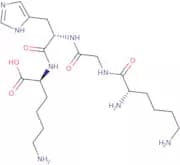
CAS:<p>a-(Trichloromethyl)benzyl acetate is an organic compound with the formula CHClCOCH. It is a colorless liquid which is soluble in organic solvents. This compound exhibits oxidative carbonylation activity, and has been shown to be used for the coating of particles, detergent compositions, and analytical methods. The microcapsules are prepared by encapsulating a fatty acid in a glycol ether. The health effects of this compound are not well understood but it is believed that it may have some carcinogenic properties.</p>Formula:C10H9Cl3O2Purity:Min. 95%Molecular weight:267.54 g/molSPARC (119-122) (mouse) acetate salt
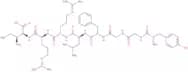
CAS:<p>SPARC (119-122) (mouse) is an acetate salt of H-Lys-Gly-His-Lys-OH. SPARC (119-122) has been shown to be a mimetic of the c-terminal region of the protein SPARC and can bind to many metal ions including Zn2+, Mn2+, Cu2+, Co2+, Ni2+ and Mg2+. The binding affinity for these metals is dose dependent, with saturation occurring at high concentrations. This property may make this compound a therapeutic target for drug discovery strategies.</p>Formula:C20H36N8O5Purity:Min. 95%Molecular weight:468.55 g/molDynorphin A (1-8) acetate salt
CAS:<p>Dynorphin A (1-8) acetate salt H-Tyr-Gly-Gly-Phe-Leu-Arg-Arg-Ile-OH acetate salt is a synthetic, nonpeptide opioid agonist. It binds to the delta receptor and inhibits nociception in the central nervous system. This compound has been shown to produce acute phase and subchronic toxicity in rats and has been shown to possess antinociceptive effects in mice. Dynorphin A (1-8) acetate salt H-Tyr-Gly-Gly-Phe-Leu-Arg-Arg-Ile-OH acetate salt has also been shown to antagonize the enzyme inhibitors of phospholipase A2, cyclooxygenase, and lipoxygenase.<br>MECHANISM OF ACTION: Dynorphin A (1–8) is an endogenous peptide that modulates neurotransmission at the</p>Formula:C46H72N14O10Purity:Min. 95%Molecular weight:981.15 g/molBeclomethasone 21-acetate 17-propionate
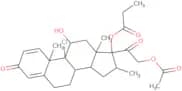
CAS:Controlled Product<p>Please enquire for more information about Beclomethasone 21-acetate 17-propionate including the price, delivery time and more detailed product information at the technical inquiry form on this page</p>Formula:C27H35ClO7Purity:Min. 95%Molecular weight:507.02 g/molH-Val-Lys-Lys-Arg-OH acetate salt
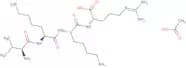
CAS:Controlled Product<p>Please enquire for more information about H-Val-Lys-Lys-Arg-OH acetate salt including the price, delivery time and more detailed product information at the technical inquiry form on this page</p>Formula:C23H47N9O5Purity:Min. 95%Molecular weight:529.68 g/molGalanin (2-11) amide trifluoroacetate salt
CAS:<p>Galanin (2-11) amide trifluoroacetate salt H-Trp-Thr-Leu-Asn-Ser-Ala-Gly-Tyr-Leu-Leu is a galanin analog and a ligand for the galanin receptor 1. It has affinity for the receptors in the brain, which are involved in cognition, and is used to study Alzheimer's disease. Galanin (2-11) amide trifluoroacetate salt H-Trp-Thr-Leu-Asn-Ser -Ala -Gly -Tyr -Leu -Leu is a member of the family of neuropeptides and neuromodulators that regulate nerve injury and alzheimer's disease.</p>Formula:C54H81N13O14Purity:Min. 95%Molecular weight:1,136.3 g/mol3-Hydroxy-3-methylglutaric acid
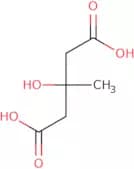
CAS:<p>3-Hydroxy-3-methylglutaric acid is an organic acid that is a valuable intermediate in the chemical production of epidermal growth factor. 3-Hydroxy-3-methylglutaric acid also has been shown to be useful as a reagent for the detection of bacterial strains, including E. coli, Salmonella enterica, and Pseudomonas aeruginosa. The enzyme activities of 3-hydroxy-3-methylglutaric acid are not well understood, but it has been shown to have effects on congestive heart failure and bowel disease. 3-Hydroxy-3-methylglutaric acid may be used in the treatment of inflammatory bowel disease due to its ability to inhibit certain enzymes responsible for inflammation and pain. The long term toxicity and symptoms associated with 3-hydroxy-3-methylglutaric acid have not yet been studied, but it has been shown to have no effect on cardiac function</p>Formula:C6H10O5Purity:Min. 95%Molecular weight:162.14 g/mol1-{[5-(Cyclopropylcarbonyl)-1-methyl-4,5,6,7-tetrahydro-1H-pyrazolo[4,3-c]pyridin-3-yl]carbonyl}piperidine-4-carboxylic acid
CAS:<p>Please enquire for more information about 1-{[5-(Cyclopropylcarbonyl)-1-methyl-4,5,6,7-tetrahydro-1H-pyrazolo[4,3-c]pyridin-3-yl]carbonyl}piperidine-4-carboxylic acid including the price, delivery time and more detailed product information at the technical inquiry form on this page</p>Formula:C18H24N4O4Purity:Min. 95%Molecular weight:360.41 g/molOvokinin trifluoroacetate salt
CAS:<p>Please enquire for more information about Ovokinin trifluoroacetate salt including the price, delivery time and more detailed product information at the technical inquiry form on this page</p>Formula:C48H67N13O11Purity:Min. 95%Molecular weight:1,002.13 g/molPACAP-38 (28-38) (human, chicken, mouse, ovine, porcine, rat) trifluoroacetate salt
CAS:<p>PACAP-38 (28-38) is a peptide hormone that is produced in the brain and regulates various physiological processes. It has been shown to have effects on intestinal, pancreatic, and lung cells. PACAP-38 (28-38) is a potent antagonist of vasoactive intestinal polypeptide (VIP), which has been implicated in the regulation of gastrointestinal motility and fluid secretion. The peptide also inhibits cancer cell proliferation by activating cell death pathways.</p>Formula:C61H110N24O14Purity:Min. 95%Molecular weight:1,403.68 g/molUndecanoic acid
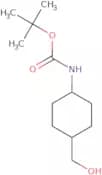
CAS:<p>Undecanoic acid is a fatty acid that belongs to the class of saturated fatty acids. It has been shown to have a number of biological effects, including lowering cholesterol levels, preventing and treating opportunistic fungal infections, and as a contraceptive. Undecanoic acid is also known to increase the body mass index (BMI) in mice and may be useful in the treatment of coronary heart diseases in humans.</p>Formula:C11H22O2Purity:Min. 95%Color and Shape:PowderMolecular weight:186.29 g/moltert-Butyl trans-4-(hydroxymethyl)cyclohexylcarbamate
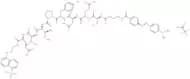
CAS:<p>Please enquire for more information about tert-Butyl trans-4-(hydroxymethyl)cyclohexylcarbamate including the price, delivery time and more detailed product information at the technical inquiry form on this page</p>Formula:C12H23NO3Purity:Min. 95%Molecular weight:229.32 g/molDABCYL-γ-Abu-Ser-Gln-Asn-Tyr-Pro-Ile-Val-Gln-EDANS trifluoroacetate salt
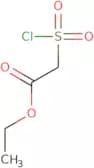
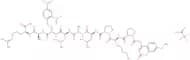
CAS:<p>Please enquire for more information about DABCYL-gamma-Abu-Ser-Gln-Asn-Tyr-Pro-Ile-Val-Gln-EDANS trifluoroacetate salt including the price, delivery time and more detailed product information at the technical inquiry form on this page</p>Formula:C73H97N17O18SPurity:Min. 95%Molecular weight:1,532.72 g/molEthyl 2-(chlorosulfonyl)acetate
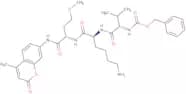
CAS:<p>Ethyl 2-(chlorosulfonyl)acetate is a drug candidate that inhibits the enzyme cholesterol acyltransferase (ACAT), which is responsible for the formation of cholesterol esters. It has been shown to be effective in animal models for the treatment of metabolic disorders, such as hypercholesterolemia and hypertriglyceridemia. In addition, it has been shown to inhibit the activity of serine proteases, which are involved in coagulation, amido hydrolase, and nucleophilic attack reactions. Ethyl 2-(chlorosulfonyl)acetate has also been shown to activate gene product in cellular studies with mouse fibroblasts.</p>Purity:Min. 95%Color and Shape:PowderMolecular weight:186.61 g/molZ-Val-Lys-Met-AMC acetate salt
CAS:<p>Bortezomib is a proteasome inhibitor that binds to the catalytic site of the proteasome and inhibits its activity. Bortezomib is used as an anticancer agent to treat multiple myeloma, T-cell lymphomas, and other cancers. It has been shown to inhibit the growth of cancer cells and slow tumor progression in animal models. The drug has also been shown to decrease insulin resistance in mice with high blood sugar levels by inhibiting histone deacetylase (HDAC). This inhibition leads to increased expression of genes that are involved in glucose metabolism and decreased expression of genes that regulate fat production.<br>The drug also binds tightly to the insulin receptor, which may lead to improved glucose uptake into cells.</p>Formula:C34H45N5O7SPurity:Min. 95%Molecular weight:667.82 g/molVIP Receptor-Binding Inhibitor L-8-K trifluoroacetate salt
CAS:<p>Please enquire for more information about VIP Receptor-Binding Inhibitor L-8-K trifluoroacetate salt including the price, delivery time and more detailed product information at the technical inquiry form on this page</p>Formula:C50H77N9O12SPurity:Min. 95%Molecular weight:1,028.27 g/molAmyloid β-Protein (1-42) (scrambled) trifluoroacetate salt
CAS:<p>Please enquire for more information about Amyloid beta-Protein (1-42) (scrambled) trifluoroacetate salt including the price, delivery time and more detailed product information at the technical inquiry form on this page</p>Formula:C203H311N55O60SPurity:Min. 95%Molecular weight:4,514.04 g/molAntifreeze Polypeptide 6 (winter flounder) trifluoroacetate salt
CAS:<p>Antifreeze Polypeptide 6 (AFP6) is a protein that belongs to the family of antifreeze proteins. AFP6 binds to ion channels and prevents the flow of ions, which prevents the formation of ice crystals. It also has been shown to interact with other proteins, such as receptors and peptides. This protein has been shown to be a research tool for studying cell biology and pharmacology. The CAS number for AFP6 is 122604-16-4.</p>Formula:C133H225N43O51•xC2HF3O2Purity:Min. 95%Molecular weight:3,242.47 g/molOctreotide trifluoroacetate salt (Dimer, Parallel) (
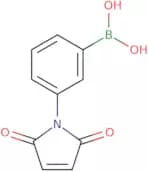
<p>Please enquire for more information about Octreotide trifluoroacetate salt (Dimer, Parallel) ( including the price, delivery time and more detailed product information at the technical inquiry form on this page</p>Formula:C98H132N20O20S4Purity:Min. 95%Molecular weight:2,038.48 g/mol3-Maleimidophenyl boronic acid
CAS:<p>Please enquire for more information about 3-Maleimidophenyl boronic acid including the price, delivery time and more detailed product information at the technical inquiry form on this page</p>Formula:C10H8NO4BPurity:Min. 95%Molecular weight:216.99 g/molC-Peptide 2 (rat) trifluoroacetate salt
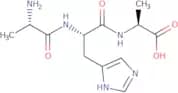
CAS:<p>Please enquire for more information about C-Peptide 2 (rat) trifluoroacetate salt including the price, delivery time and more detailed product information at the technical inquiry form on this page</p>Formula:C135H222N38O49Purity:Min. 95%Molecular weight:3,161.43 g/molH-Ala-His-Ala-OH acetate salt
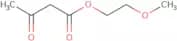
CAS:<p>Please enquire for more information about H-Ala-His-Ala-OH acetate salt including the price, delivery time and more detailed product information at the technical inquiry form on this page</p>Formula:C12H19N5O4Purity:Min. 95%Molecular weight:297.31 g/mol2-Methoxyethyl acetoacetate
CAS:<p>2-Methoxyethyl acetoacetate is used as a raw material for coatings. It has been shown to be an effective calcium antagonist in the treatment of leukemia and other cancers. 2-Methoxyethyl acetoacetate has also been shown to inhibit the growth of HL-60 cells when it is incubated with these cells in the presence of hydrochloric acid, malonic acid, and quinoline derivatives. The reaction produces chlorine gas, which is toxic to cells.</p>Formula:C7H12O4Purity:Min. 95%Color and Shape:Clear LiquidMolecular weight:160.17 g/molTGF α (1-50) (rat) trifluoroacetate salt
CAS:<p>Please enquire for more information about TGF alpha (1-50) (rat) trifluoroacetate salt including the price, delivery time and more detailed product information at the technical inquiry form on this page</p>Formula:C244H361N71O71S6Purity:Min. 95%Molecular weight:5,617.31 g/molNeuronostatin-19 (human, canine, porcine) trifluoroacetate salt
<p>Please enquire for more information about Neuronostatin-19 (human, canine, porcine) trifluoroacetate salt including the price, delivery time and more detailed product information at the technical inquiry form on this page</p>Formula:C90H151N29O25Purity:Min. 95%Molecular weight:2,039.34 g/molAtrial Natriuretic Factor (5-27) (human) trifluoroacetate salt
CAS:<p>Please enquire for more information about Atrial Natriuretic Factor (5-27) (human) trifluoroacetate salt including the price, delivery time and more detailed product information at the technical inquiry form on this page</p>Formula:C97H154N34O32S3Purity:Min. 95%Molecular weight:2,404.67 g/molTRAP-6 ammonium acetate salt
CAS:<p>TRAP-6 is a biocompatible polymer that is used to prevent adhesion of platelets to the endothelium and activation of coagulation. TRAP-6 has been shown to be effective in preventing inflammatory bowel disease, as well as other bowel diseases, by inhibiting the release of inflammatory cytokines such as fibrinogen and erythropoietin. This drug has been shown to have clinical relevance in treating inflammatory bowel disease in animal models. TRAP-6 can also be used to inhibit the growth of bacteria by binding to bacterial cells or by inducing their death. In addition, TRAP-6 can bind with monoclonal antibodies and target specific cells for destruction.</p>Formula:C34H56N10O9Purity:Min. 95%Molecular weight:748.87 g/molCART (55-102) (human) trifluoroacetate salt
CAS:<p>CART (55-102) is a specific amino acid that has been shown to bind to the CART receptor. It has been found in human and rat tissue, including the brain, pituitary gland, and pancreas. This compound is thought to be involved in regulating appetite and energy expenditure. The CART (55-102) trifluoroacetate salt has been shown to be active in a variety of animal models for obesity and diabetes, as well as for reducing food intake.</p>Formula:C225H365N65O65S7Purity:Min. 95%Molecular weight:5,245.17 g/molPhenyl pyruvic acid
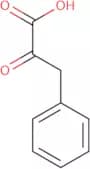
CAS:<p>Phenyl pyruvic acid is a sodium salt of phenylpyruvic acid that can be synthesized from phenylalanine, an amino acid. It has been shown to have antioxidant and anti-inflammatory properties. Phenyl pyruvic acid was found to inhibit oxidative injury caused by sodium nitroprusside in the rat brain, liver, and heart. Phenyl pyruvic acid also increased the activity of 3t3-l1 preadipocytes and improved energy metabolism in these cells. The synthesis of phenylpyruvate is catalyzed by a decarboxylase enzyme and it can be converted into insulin or phenylalanine.</p>Formula:C9H8O3Purity:Min. 95%Color and Shape:PowderMolecular weight:164.16 g/molC3a (70-77)
CAS:<p>C3a is a molecule that is part of the complement system. It was first discovered in leukocytes and has since been detected in other populations. C3a is a chemotactic factor for neutrophils and eosinophils, which are types of white blood cells. C3a binds to the surface of cells by means of protein-antibody interactions, and it can also act as an anaphylatoxin by binding to mast cell receptors.</p>Formula:C35H61N13O10Purity:Min. 95%Molecular weight:823.94 g/molOrotic acid anhydrous
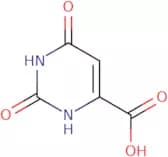
CAS:<p>Orotic acid anhydrous is a hydrogen bonding interaction that can be found in biological systems. It plays a role in the physiological effects of orotic acid, which is a metabolite of uridine and an intermediate in the synthesis of pyrimidine nucleotides. Orotic acid has antimicrobial properties and has been shown to inhibit enzyme activities involved in energy metabolism, such as polymerase chain reaction (PCR) and adenosine triphosphate (ATP) synthase. Orotic acid also inhibits the growth of bacteria, fungi, and parasites. Orotic acid anhydrous is used for treating myocardial infarcts or brain functions. The untreated group was given no treatment at all.</p>Formula:C5H4N2O4Purity:Min. 98 Area-%Color and Shape:White PowderMolecular weight:156.1 g/molH-Arg-Arg-Arg-Arg-Arg-Arg-OH trifluoroacetate salt
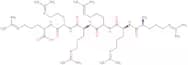
CAS:<p>H-Arg-Arg-Arg-Arg-Arg-Arg-OH trifluoroacetate salt is a compound that can be used as a cancer treatment. It has been shown to inhibit the growth of human retinal pigmented epithelial cells (p. pastoris) and induce apoptosis in these cells. H-Arg-Arg-Arg-Arg-Arg-Arg-OH trifluoroacetate salt interacts with the membrane of cells, blocking the binding site for growth factor and preventing the activation of downstream signaling pathways. This agent also binds to lysine residues on peptides, which are then degraded by proteases. H-Argo Arg Arg Arg Arg Arg Arg OH trifluoroacetate salt has been shown to have an affinity for flavone luteolin at neutral pH, as well as fatty acid molecules.</p>Formula:C36H74N24O7Purity:Min. 95%Molecular weight:955.13 g/mol[p-Terphenyl]-4,4''-dicarboxylic acid
CAS:<p>4,4’-Dicarboxy-p-terphenyl is a disulfide amide with the molecular formula C14H10N2O2S. It is a chemical compound that has been shown to have antimicrobial activity. The antibacterial activity of 4,4’-Dicarboxy-p-terphenyl was evaluated by preparing a series of in vitro assays. The results showed that 4,4’-Dicarboxy-p-terphenyl inhibited the growth of bacteria and fungi at concentrations above 10 μg/mL. This drug also has been demonstrated to be effective against trifluoroacetic acid (TFA) induced congestive heart failure in experimental models. 4,4’-Dicarboxy-p-terphenyl has been found to have therapeutic potential for the treatment of metabolic disorders such as diabetes and hypertension. Structural analysis revealed that this drug contains a redox</p>Formula:C20H14O4Purity:Min. 95%Molecular weight:318.32 g/molAlloferon - in acetate salt
CAS:<p>Alloferon is a drug that affects the body's biological processes and has been shown to have anticancer and antimicrobial properties. Alloferon binds to histidine residues on peptidoglycan, inhibiting bacterial cell wall synthesis and the development of resistance to antibiotics. It also interacts with amide groups in proteins, which are essential for their biological activity. In addition, Alloferon binds to peptides in the form of an amide bond. This interaction makes Alloferon a bioinorganic molecule that can be used as an antimicrobial agent against microbial infections.</p>Formula:C52H75N22O16Purity:Min. 95%Molecular weight:1,264.29 g/molFmoc-D-thiazolidine-4-carboxylic acid
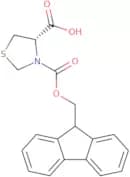
CAS:<p>Please enquire for more information about Fmoc-D-thiazolidine-4-carboxylic acid including the price, delivery time and more detailed product information at the technical inquiry form on this page</p>Formula:C19H17NO4SPurity:Min. 95%Molecular weight:355.41 g/molTyr-Lys-Gly-(Cyclo(Glu26-Lys29),Pro34)-Neuropeptide Y (25-36) trifluoroacetate salt
CAS:<p>Please enquire for more information about Tyr-Lys-Gly-(Cyclo(Glu26-Lys29),Pro34)-Neuropeptide Y (25-36) trifluoroacetate salt including the price, delivery time and more detailed product information at the technical inquiry form on this page</p>Formula:C91H145N27O20Purity:Min. 95%Molecular weight:1,937.29 g/molH-Cys-psi(CH2NH)Val-psi(CH2NH)Phe-Met-OH trifluoroacetate salt
CAS:<p>FTI-277 is a peptidomimetic compound that inhibits HIV-1 protease. FTI-277 is an orally active, potent, and selective inhibitor of HIV-1 protease. The drug has been shown to be effective in the treatment of HIV infection in various clinical trials. FTI-277 inhibited HIV replication in activated cells and disrupted virion production by binding to the target enzyme. FTI-277 also has potential for use as a diagnostic tool for detecting the presence of HIV in body fluids.</p>Formula:C22H38N4O3S2Purity:Min. 95%Molecular weight:470.69 g/mol(D-Lys6)-LHRH trifluoroacetate salt
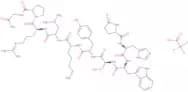
CAS:<p>Please enquire for more information about (D-Lys6)-LHRH trifluoroacetate salt including the price, delivery time and more detailed product information at the technical inquiry form on this page</p>Formula:C59H84N18O13·xC2HF3O2Purity:Min. 95%Color and Shape:White To Off-White SolidMolecular weight:1,253.41 g/molp-Sulfophenylazochromotropic acid trisodium salt
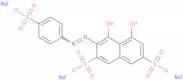
CAS:<p>p-Sulfophenylazochromotropic acid trisodium salt is a chemical that can be used as a building block for the synthesis of various organic compounds. It is an intermediate for the synthesis of other chemicals and can be used as a research chemical in laboratories. This compound has been shown to be useful in the production of pharmaceuticals, agrochemicals, and dyes. CAS No. 23647-14-5.</p>Formula:C16H9N2Na3O11S3Purity:Min. 95 Area-%Color and Shape:Yellow PowderMolecular weight:570.42 g/molCART (61-102) (human, rat) trifluoroacetate salt
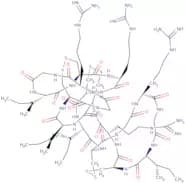
CAS:<p>Please enquire for more information about CART (61-102) (human, rat) trifluoroacetate salt including the price, delivery time and more detailed product information at the technical inquiry form on this page</p>Formula:C189H310N58O56S7Purity:Min. 95%Molecular weight:4,515.3 g/molRetrocyclin-1 trifluoroacetate salt
CAS:<p>Retrocyclin-1 trifluoroacetate salt is a synthetic antimicrobial peptide, which is derived from humanized sequences based on the theta-defensin family, originally found in certain primates. Retrocyclin-1 is particularly notable for its circular structure which contributes to its stability and biological activity. The peptide is produced through a process of solid-phase peptide synthesis, designed to mimic the native cyclic conformation of natural theta-defensins.</p>Formula:C74H128N30O18S6Purity:Min. 95%Molecular weight:1,918.4 g/molγ3-MSH trifluoroacetate salt
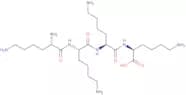
CAS:<p>Please enquire for more information about Gamma3-MSH trifluoroacetate salt including the price, delivery time and more detailed product information at the technical inquiry form on this page</p>Formula:C126H188N44O37SPurity:Min. 95%Molecular weight:2,943.18 g/molH-Lys-Lys-Lys-Lys-OH acetate salt
CAS:<p>H-Lys-Lys-Lys-Lys-OH acetate salt is a fatty acid that has been shown to form stable complexes with DNA and act as an intercalator. It also provides a repair mechanism for DNA, which may be due to its ability to bind to stem cell factor (SCF) and increase the proliferation of stem cells. H-Lys-Lys-Lys-Lys-OH acetate salt has significant cytotoxicity against viruses, such as human immunodeficiency virus type 1 (HIV1) and human papilloma virus type 16. This drug can also be used as an adjuvant in monoclonal antibody production by stimulating the production of antibodies from mouse spleen cells. H-Lys-Lys-Lys-Lys-OH acetate salt has been shown to inhibit the growth of E. coli K12 and Bacteria Corynebacterium diphtheriae, both of</p>Formula:C24H50N8O5Purity:Min. 95%Molecular weight:530.7 g/mol4-(Dodecyloxy)benzoic Acid
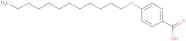
CAS:<p>4-(Dodecyloxy)benzoic acid is a white crystalline solid that can be synthesized from triazine, fatty acid, and 4-hydroxyphenylacetic acid. It has been found to be an efficient photosensitizer for the generation of singlet oxygen in organic systems. The photochemical properties of this compound have been studied using FT-IR spectroscopy and light emission and it has been found to emit in the near infrared region. 4-(Dodecyloxy)benzoic acid also has a mesomorphic phase, which can be seen as a change in its optical properties when heated or cooled. This chemical is hydrophobic with low solubility in water.</p>Purity:Min. 95%Dehydroacetic acid sodium salt
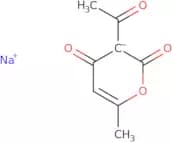
CAS:<p>Dehydroacetic acid sodium salt is a chemical compound with the formula CH3COOCH2NaO2. It is an ionic liquid that can be used as a preservative or stabilizer in foods and other products. Dehydroacetic acid sodium salt has been shown to inhibit the growth of bacteria and fungi in biological studies. The analytical method for dehydroacetic acid sodium salt is based on x-ray diffraction data, which is used to identify its purity and concentration. The reaction solution includes dehydroacetic acid, water vapor, sodium salts, phosphorus pentoxide, and control analysis.</p>Formula:C8H7O4NaPurity:Min. 95%Color and Shape:PowderMolecular weight:190.13 g/mol(Phe1,Ser2)-TRAP-6 trifluoroacetate salt
CAS:<p>Please enquire for more information about (Phe1,Ser2)-TRAP-6 trifluoroacetate salt including the price, delivery time and more detailed product information at the technical inquiry form on this page</p>Formula:C34H56N10O9Purity:Min. 95%Molecular weight:748.87 g/molGRF (1-29) amide (human) acetate salt
CAS:<p>Growth hormone-releasing factor (GRF) is a peptide fragment of amino acids 1–2 from GHRH (growth hormone-releasing hormone). This 1-29 region is the shortest fully functional fragment of GHRH. GRF is also known as sermorelin. Sermorelin binds to the growth hormone-releasing hormone receptor (GHRH-R), and acts as a surrogate for GHRH, causing growth hormone secretion.human: H-YADAIFTNSYRKVLGQLSARKLLQDIMSR-NH2rat: H-HADAIFTSSYRR I LGQLYARKLLHEIMNR-NH2</p>Formula:C149H246N44O42SPurity:Min. 95%Molecular weight:3,357.88 g/molFibronectin Adhesion-Promoting Peptide trifluoroacetate salt
CAS:<p>Fibronectin Adhesion-Promoting Peptide trifluoroacetate salt H-Trp-Gln-Pro-Pro-Arg-Ala-Arg-Ile-OH trifluoroacetate salt (FAP) is a synthetic peptide that promotes fibronectin adhesion. It binds to the amino acid sequence in the C terminal end of fibronectin, which is known to be responsible for binding to actin filaments and growth factors. FAP has been shown to promote wound healing by stimulating the proliferation of corneal epithelial cells in vitro. The mechanism of action of FAP may be due to its ability to bind to chloride ions, which are involved in the regulation of cell proliferation and migration.</p>Formula:C47H74N16O10Purity:Min. 95%Molecular weight:1,023.19 g/molAc-Arg-Leu-Arg-AMC trifluoroacetate salt
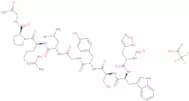
CAS:<p>Ac-Arg-Leu-Arg-AMC trifluoroacetate salt is a mitochondrial biogenesis activator that has been shown to increase the levels of proteins in the mitochondria. These proteins are required for mitochondrial membrane potential, ATP production, and protein homeostasis. Ac-Arg-Leu-Arg-AMC trifluoroacetate salt has been shown to increase the number of pluripotency markers in human liver cells and to reduce insulin resistance in animals. The drug also increases the expression of ubiquitin ligases and proteasomes, which are enzymes that degrade damaged proteins. Ac-Arg-Leu-Arg-AMC trifluoroacetate salt may be used for treating liver diseases or disorders as well as obesity.</p>Formula:C30H46N10O6•C2HF3O2Purity:Min. 96 Area-%Color and Shape:PowderMolecular weight:756.77 g/molFormyl-LHRH (2-10) trifluoroacetate salt
CAS:<p>Please enquire for more information about Formyl-LHRH (2-10) trifluoroacetate salt including the price, delivery time and more detailed product information at the technical inquiry form on this page</p>Formula:C51H70N16O12Purity:Min. 95%Molecular weight:1,099.2 g/mol(Tyr0)-BNP-32 (human) trifluoroacetate salt
CAS:<p>Please enquire for more information about (Tyr0)-BNP-32 (human) trifluoroacetate salt including the price, delivery time and more detailed product information at the technical inquiry form on this page</p>Formula:C152H253N51O44S4Purity:Min. 95%Molecular weight:3,627.22 g/molSplenopentin acetate salt
CAS:<p>Splenopentin acetate salt H-Arg-Lys-Glu-Val-Tyr-OH acetate salt is an experimental drug that belongs to the group of peptide hormones. It has been shown to have beneficial effects on bowel disease in animal models and also has anti-inflammatory properties. Splenopentin acetate salt H-Arg-Lys-Glu-Val-Tyr-OH acetate salt activates the T cell receptor and stimulates cytokine production, thereby reducing inflammation and relieving symptoms of autoimmune diseases. Splenopentin acetate salt H-Arg-Lys-Glu-Val-Tyr-OH acetate salt also stimulates colonies of cells called macrophages, which then produce inflammatory mediators such as IL1, IL2, IL4, and IL6. This agent is biocompatible with human cells in vitro (in a test tube).</p>Formula:C31H51N9O9Purity:Min. 95%Molecular weight:693.79 g/molNeuropeptide Y (porcine) trifluoroacetate salt
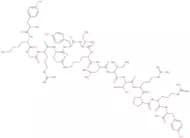
CAS:<p>Neuropeptide Y (porcine) trifluoroacetate salt H-Tyr-Pro-Ser-Lys-Pro-Asp-Asn-Pro-Gly-Glu-Asp-Ala-Pro-Ala-Glu-Asp-Leu -Ala -Arg Tyr Tyr Ser Ala Leu Arg His Tyr Ile Asn Leu Ile Thr Arg Gln Arg Tyr NH2 trifluoroacetate salt is a peroxidase enzyme that is biotinylated and purified from porcine sources. It has been used as an antiserum in the development of a plate sealer.</p>Formula:C190H287N55O57Purity:Min. 95%Molecular weight:4,253.65 g/moluPAR (84-95) (human) trifluoroacetate salt
CAS:<p>Please enquire for more information about uPAR (84-95) (human) trifluoroacetate salt including the price, delivery time and more detailed product information at the technical inquiry form on this page</p>Formula:C62H98N18O20SPurity:Min. 95%Molecular weight:1,447.62 g/molβ-Casomorphin (1-3) amide acetate salt
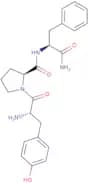
CAS:<p>Beta-casomorphin (1-3) amide acetate salt (BCMA) is a peptide that belongs to the class of opioid compounds. It is an amino acid and has been shown to be a potent agonist at opioid receptors. BCMA is used in vivo as a tritiated ligand for mapping the distribution of opioid receptors in rat brain. The affinity of BCMA for opioid receptors increases with dose, and its antinociceptive effects are dose-dependent. Beta-casomorphin (1-3) amide acetate salt has also been shown to have affinity for enkephalins, which are naturally occurring peptides that bind to opioid receptors.</p>Formula:C23H28N4O4Purity:Min. 95%Molecular weight:424.49 g/mol(Tyr34)-pTH (7-34) amide (bovine) trifluoroacetate salt
CAS:<p>Please enquire for more information about (Tyr34)-pTH (7-34) amide (bovine) trifluoroacetate salt including the price, delivery time and more detailed product information at the technical inquiry form on this page</p>Formula:C156H244N48O40S2Purity:Min. 95%Molecular weight:3,496.04 g/molMca-Pro-Lys-Pro-Leu-Ala-Leu-Dap (Dnp)-Ala-Arg-NH2 trifluoroacetate salt
CAS:<p>Please enquire for more information about Mca-Pro-Lys-Pro-Leu-Ala-Leu-Dap (Dnp)-Ala-Arg-NH2 trifluoroacetate salt including the price, delivery time and more detailed product information at the technical inquiry form on this page</p>Formula:C61H89N17O17Purity:Min. 95%Molecular weight:1,332.46 g/mol5-FAM-HIV-1 tat Protein (47-57) trifluoroacetate salt
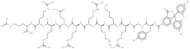
CAS:<p>Please enquire for more information about 5-FAM-HIV-1 tat Protein (47-57) trifluoroacetate salt including the price, delivery time and more detailed product information at the technical inquiry form on this page</p>Formula:C85H128N32O20Purity:Min. 95%Molecular weight:1,918.13 g/mol3-Methoxyphenylboronic acid
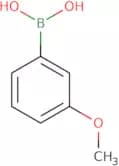
CAS:<p>3-Methoxyphenylboronic acid is a photophysical molecule that can be used as an analytical reagent in plant physiology and analytical chemistry. 3-Methoxyphenylboronic acid reacts reversibly with copper ions to form a complex. The binding constants of the copper complex depend on the pH of the solution, which can be altered by adding a phosphate derivative to the solution. This reaction was investigated using cross-coupling techniques and showed that the binding constants for this complex are dependent on the type of solvent used. 3-Methoxyphenylboronic acid has also been used to measure glucose levels in blood samples.</p>Formula:C7H9BO3Purity:Min. 95%Color and Shape:White PowderMolecular weight:151.96 g/mol4-Difluoromethoxyphenylboronic acid pinacol ester
CAS:<p>Please enquire for more information about 4-Difluoromethoxyphenylboronic acid pinacol ester including the price, delivery time and more detailed product information at the technical inquiry form on this page</p>Formula:C13H17BF2O3Purity:Min. 95%Molecular weight:270.08 g/molAmyloid β-Protein (35-25) trifluoroacetate salt
CAS:<p>Please enquire for more information about Amyloid beta-Protein (35-25) trifluoroacetate salt including the price, delivery time and more detailed product information at the technical inquiry form on this page</p>Formula:C45H81N13O14SPurity:Min. 95%Color and Shape:PowderMolecular weight:1,060.27 g/molAmylin (8-37) (human) trifluoroacetate salt
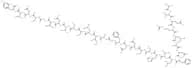
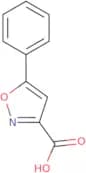
CAS:<p>Please enquire for more information about Amylin (8-37) (human) trifluoroacetate salt including the price, delivery time and more detailed product information at the technical inquiry form on this page</p>Formula:C138H216N42O45Purity:Min. 95%Molecular weight:3,183.45 g/mol5-Phenylisoxazole-3-carboxylic acid
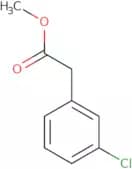
CAS:<p>5-Phenylisoxazole-3-carboxylic acid is a phenoxy compound that has been shown to inhibit the growth of tuberculosis bacteria. This drug binds to the postsynaptic potential in the cell membrane and inhibits the effector proteins from interacting with the receptor, preventing neurotransmitter release. The molecular modeling study showed that 5-Phenylisoxazole-3-carboxylic acid interacts with ethyl esters and rifampin, which inhibits xanthine oxidase. Xanthine oxidase inhibitors are used as a treatment for gout and hyperuricemia. 5-Phenylisoxazole-3-carboxylic acid also has fluorimetric properties, which can be used to measure its concentration in biological samples such as urine or plasma. Nitro groups in this drug make it susceptible to oxidation by nitric oxide, which can be monitored using nmr spectra.</p>Formula:C10H7NO3Purity:Min. 95%Molecular weight:189.17 g/molMethyl 3-chlorophenylacetate
CAS:<p>Methyl 3-chlorophenylacetate is a chemical intermediate that has been used in the synthesis of pharmaceuticals and organic compounds. It has also been used as a reagent for research, especially in the study of organic chemistry. Methyl 3-chlorophenylacetate is a versatile building block and can be used as a reaction component to synthesize other chemicals. This compound is also an excellent scaffold for medicinal chemistry.</p>Formula:C9H9ClO2Purity:Min. 95%Color and Shape:Clear LiquidMolecular weight:184.62 g/mol1b-(4-Fluorophenyl)hexahydro-',7-dihydroxy-7-(1-methylethyl)-1a-phenyl-7a-[(phenylamino)carbonyl]-3H-oxireno[3,4]pyrrolo[2,1-b][1,3] oxazine-3-butanoic Acid
CAS:<p>Please enquire for more information about 1b-(4-Fluorophenyl)hexahydro-',7-dihydroxy-7-(1-methylethyl)-1a-phenyl-7a-[(phenylamino)carbonyl]-3H-oxireno[3,4]pyrrolo[2,1-b][1,3] oxazine-3-butanoic Acid including the price, delivery time and more detailed product information at the technical inquiry form on this page</p>Formula:C33H35FN2O7Purity:Min. 95%Molecular weight:590.64 g/mol



















![1-{[5-(Cyclopropylcarbonyl)-1-methyl-4,5,6,7-tetrahydro-1H-pyrazolo[4,3-c]pyridin-3-yl]carbonyl}pi…](/_next/image/?url=https%3A%2Fstatic.cymitquimica.com%2Fproducts%2F3D%2Fthumb-webp%2FFC119596.webp&w=3840&q=75)





![[p-Terphenyl]-4,4''-dicarboxylic acid](/_next/image/?url=https%3A%2Fstatic.cymitquimica.com%2Fproducts%2F3D%2Fthumb-webp%2FFT28045.webp&w=3840&q=75)








![1b-(4-Fluorophenyl)hexahydro-',7-dihydroxy-7-(1-methylethyl)-1a-phenyl-7a-[(phenylamino)carbonyl]-…](/_next/image/?url=https%3A%2Fstatic.cymitquimica.com%2Fproducts%2F3D%2Fthumb-webp%2FFF171220.webp&w=3840&q=75)