Carboxylic Acids
Carboxylic acids are organic molecules characterized by having a carboxyl-type functional group (-COOH). These acids are fundamental in various chemical reactions, including esterification, amidation, and decarboxylation. Carboxylic acids are widely used in the production of pharmaceuticals, polymers, and agrochemicals. In this section, you can find a large number of carboxylic acids ready to be used. At CymitQuimica, we provide a broad range of high-quality carboxylic acids to support your research and industrial applications.
Found 12453 products of "Carboxylic Acids"
Sort by
Purity (%)
0
100
|
0
|
50
|
90
|
95
|
100
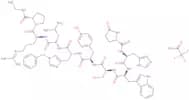
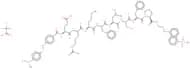
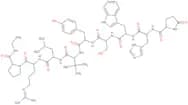
(Des-Gly10,tBu-D-Gly6,Pro-NHEt 9)-LHRH trifluoroacetate
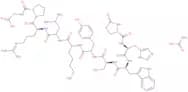
CAS:<p>(Des-Gly10, tBu-D-Gly6,Pro-NHEt 9)-LHRH trifluoroacetate salt Pyr-His-Trp-Ser-Tyr-tBu-D-Gly-Leu-Arg-Pro-NHEt trifluoroacetate salt is a synthetic hormone that is the active form of luteinizing hormone releasing hormone (LHRH), a gonadotropin releasing hormone (GnRH). It has been used in the diagnosis and treatment of prostate cancer. The drug is also used to treat endometriosis and other conditions. It can be administered by injection or as an intranasal spray. The drug inhibits follicular growth and fertility by downregulating estradiol benzoate production.</p>Formula:C59H84N16O12•(C2HF3O2)xPurity:Min. 95%Color and Shape:PowderMolecular weight:1,209.4 g/molAcetyl-Amyloid b-Protein (15-20) amide trifluoroacetate salt
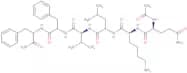
CAS:<p>Please enquire for more information about Acetyl-Amyloid b-Protein (15-20) amide trifluoroacetate salt including the price, delivery time and more detailed product information at the technical inquiry form on this page</p>Formula:C42H63N9O8Purity:Min. 95%Molecular weight:822.01 g/mol4-Acetamidophenyl boronic acid
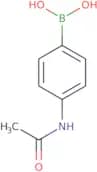
CAS:<p>4-Acetamidophenyl boronic acid is a cross-coupling reagent that has been used in the synthesis of a variety of organic molecules. The reaction is stereoselective and proceeds with high yield. 4-Acetamidophenyl boronic acid has also been used to synthesize amides and azobenzenes, which can be substituted with chloride or uv irradiation to give chloroazobenzene or benzotriazole respectively. 4-Acetamidophenyl boronic acid has shown potent inhibition against the enzyme cyclooxygenase 2 (COX2) and acidic hydrolysis.</p>Purity:Min. 95%Neuronostatin-19 (mouse, rat) trifluoroacetate salt
<p>Please enquire for more information about Neuronostatin-19 (mouse, rat) trifluoroacetate salt including the price, delivery time and more detailed product information at the technical inquiry form on this page</p>Formula:C91H153N29O26Purity:Min. 95%Molecular weight:2,069.37 g/molUroguanylin Topoisomer B (human) trifluoroacetate salt
<p>Please enquire for more information about Uroguanylin Topoisomer B (human) trifluoroacetate salt including the price, delivery time and more detailed product information at the technical inquiry form on this page</p>Formula:C64H102N18O26S4Purity:Min. 95%Molecular weight:1,667.86 g/mol2,4-Dihydroxy-5-methylbenzoic acid
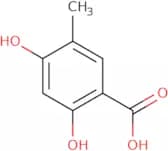
CAS:<p>2,4-Dihydroxy-5-methylbenzoic acid is a high quality chemical that can be used as a reagent, intermediate, or building block. It has many uses in the production of fine chemicals and research chemicals. 2,4-Dihydroxy-5-methylbenzoic acid is also a versatile building block for organic synthesis reactions. This compound has shown to have anti-inflammatory properties and may be useful as a treatment for arthritis.</p>Formula:C8H8O4Purity:Min. 95%Color and Shape:PowderMolecular weight:168.15 g/mol2-Amino-a-(methoxyimino)-4-thiazoleacetic acid
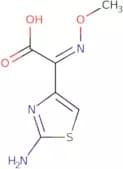
CAS:<p>2-Amino-a-(methoxyimino)-4-thiazoleacetic acid is a reaction product of cefotaxime and n-dimethyl formamide. It has been shown to be an effective agent for the treatment of wastewater with a high organic content. 2-Amino-a-(methoxyimino)-4-thiazoleacetic acid also reacts with chloride ions to form cleavage products that are soluble in water, making it an ideal choice for wastewater treatment. This compound is not toxic and can be used as a drug to treat patients with infections caused by bacteria resistant to other antibiotics. 2-Amino-a-(methoxyimino)-4-thiazoleacetic acid binds to mismatched base pairs in DNA, inhibiting DNA synthesis and causing cell death by apoptosis.</p>Formula:C6H7N3O3SPurity:Min. 95%Molecular weight:201.2 g/mol(D-Lys6)-LHRH (free acid) acetate salt
CAS:Controlled Product<p>Please enquire for more information about (D-Lys6)-LHRH (free acid) acetate salt including the price, delivery time and more detailed product information at the technical inquiry form on this page</p>Formula:C59H83N17O14Purity:Min. 95%Molecular weight:1,254.4 g/molDihydro-5-furylboronic acid pinacol ester
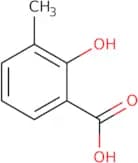
CAS:<p>Please enquire for more information about Dihydro-5-furylboronic acid pinacol ester including the price, delivery time and more detailed product information at the technical inquiry form on this page</p>Formula:C10H17BO3Purity:Min. 95%Molecular weight:196.05 g/mol3-Methylsalicylic acid
CAS:<p>3-Methylsalicylic acid is a naturally occurring carboxylate that has been shown to be an inhibitor of the hydrogenation of polyunsaturated fatty acids. 3-Methylsalicylic acid inhibits the binding of benzyl groups to intramolecular hydrogen and hydroxyl groups, which are required for the formation of a covalent bond. The antiproliferative effect of 3-methylsalicylic acid on cancer cells is due to its ability to inhibit protein synthesis by blocking the enzyme carboxylase. 3-Methylsalicylic acid also has anti-inflammatory properties and can be used as an antiseptic and analgesic.</p>Formula:C8H8O3Purity:Min. 95%Color and Shape:White PowderMolecular weight:152.15 g/molNaphthenic acid
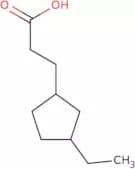
CAS:<p>Naphthenic acid is a metal chelate that is used in synchronous fluorescence spectroscopy. It has been shown to have biodegradation properties and can be used as an indicator for water quality. Naphthenic acid has been found to be a potent inhibitor of corrosion and is often used as an additive to petroleum products, such as gasoline, that are made from crude oil. Naphthenic acid also has acute toxicities and can cause toxicity studies on humans. It is able to inhibit energy metabolism in cells by binding to the mitochondrial membrane, which may be due to its ability to bind with benzalkonium chloride. Naphthenic acid can also be used for analytical methods, such as electrochemical impedance spectroscopy, because it has high sensitivity and specificity.</p>Formula:C7H10O2Color and Shape:Clear LiquidMolecular weight:126.15 g/molMca-Gly-Lys-Pro-Ile-Leu-Phe-Phe-Arg-Leu-Lys(Dnp)-D-Arg-NH2 trifluoroacetate salt
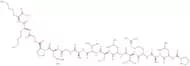
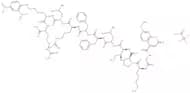
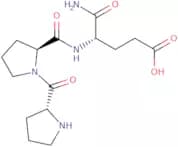
CAS:<p>Please enquire for more information about Mca-Gly-Lys-Pro-Ile-Leu-Phe-Phe-Arg-Leu-Lys(Dnp)-D-Arg-NH2 trifluoroacetate salt including the price, delivery time and more detailed product information at the technical inquiry form on this page</p>Formula:C85H122N22O19Purity:Min. 95%Molecular weight:1,756.02 g/molH-D-Pro-Pro-Glu-NH2 trifluoroacetate salt
CAS:<p>Please enquire for more information about H-D-Pro-Pro-Glu-NH2 trifluoroacetate salt including the price, delivery time and more detailed product information at the technical inquiry form on this page</p>Formula:C15H24N4O5Purity:Min. 95%Molecular weight:340.38 g/molMethyl diethylphosphonoacetate
CAS:<p>Methyl diethylphosphonoacetate is a chemical compound that contains a hydroxy group, an alkynyl group and a disulfide bond. It is used as a control agent in the production of polyurethane foams, and has also been shown to inhibit the growth of bladder cancer cells. The UV absorption peak at 220 nm can be used to identify this chemical compound. Methyl diethylphosphonoacetate reacts with proton to form diethylphosphonoacetate, which then undergoes an elimination reaction with fatty acids to form aliphatic hydrocarbons. This reaction mechanism was first proposed by Stork and co-workers in 1960. Methyl diethylphosphonoacetate also binds to thrombin receptor, which may lead to anti-inflammatory effects.</p>Formula:C7H15O5PPurity:Min. 95%Molecular weight:210.16 g/mol(p-Chloro-D-Phe6,Leu17)-VIP (human, mouse, rat) trifluoroacetate salt
CAS:<p>VIP is a potent vasoactive neuropeptide that is found in the heart, brain, and gut. It has been shown to be a potent inhibitor of guanethidine-induced contractions in the femoral vein, as well as atrial contractions. VIP also inhibits spontaneous contractions in the fundic region of the stomach and intestinal motility. VIP has been shown to inhibit vasoactive intestinal polypeptide-induced contractions in isolated rat ileum. VIP is expressed primarily in the enteric nervous system and throughout the gastrointestinal tract.</p>Formula:C148H239ClN44O42Purity:Min. 95%Molecular weight:3,342.21 g/molH-Asn-AMC trifluoroacetate salt
CAS:<p>Please enquire for more information about H-Asn-AMC trifluoroacetate salt including the price, delivery time and more detailed product information at the technical inquiry form on this page</p>Formula:C14H15N3O4Purity:Min. 95%Molecular weight:289.29 g/mol2,2-Dimethyl-4-oxo-3,8,11,14-tetraoxa-5-azahexadecan-16-oic acid
CAS:<p>2,2-Dimethyl-4-oxo-3,8,11,14-tetraoxa-5-azahexadecan-16-oic acid (DMTA) is a versatile building block that can be used in the synthesis of a wide variety of compounds. DMTA is an important intermediate for the synthesis of complex molecules and is a useful scaffold for drug development. It has been shown to be an effective reagent for the synthesis of 2,4,6-trinitrobenzenesulfonic acid as well as other useful compounds. DMTA also has high quality and purity with CAS No. 462100-06-7 and is a speciality chemical.</p>Formula:C13H25NO7Purity:Min. 95%Color and Shape:Colorless PowderMolecular weight:307.34 g/molMca-(Asn670,Leu671)-Amyloid β/A4 Protein Precursor770 (667-674)-Dap (Dnp) ammonium acetate salt
CAS:<p>Please enquire for more information about Mca-(Asn670,Leu671)-Amyloid beta/A4 Protein Precursor770 (667-674)-Dap (Dnp) ammonium acetate salt including the price, delivery time and more detailed product information at the technical inquiry form on this page</p>Formula:C56H73N13O26Purity:Min. 95%Molecular weight:1,344.25 g/molHIV-1 tat Protein (49-57) trifluoroacetate salt
CAS:<p>Please enquire for more information about HIV-1 tat Protein (49-57) trifluoroacetate salt including the price, delivery time and more detailed product information at the technical inquiry form on this page</p>Formula:C53H106N30O11Purity:Min. 95%Molecular weight:1,339.6 g/molCRAMP-18 (mouse) trifluoroacetate salt
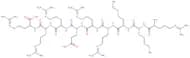
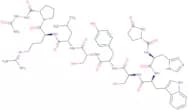
CAS:<p>Please enquire for more information about CRAMP-18 (mouse) trifluoroacetate salt including the price, delivery time and more detailed product information at the technical inquiry form on this page</p>Formula:C101H171N27O24Purity:Min. 95%Molecular weight:2,147.61 g/mol(Des-Gly10,D-Leu6,[13C6]Leu7,Pro-NHEt 9)-LHRH trifluoroacetate salt
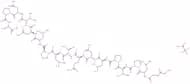
<p>Please enquire for more information about (Des-Gly10,D-Leu6,[13C6]Leu7,Pro-NHEt 9)-LHRH trifluoroacetate salt including the price, delivery time and more detailed product information at the technical inquiry form on this page</p>Purity:Min. 95%Prion Protein (106-126) (human) (scrambled) trifluoroacetate salt
CAS:<p>Please enquire for more information about Prion Protein (106-126) (human) (scrambled) trifluoroacetate salt including the price, delivery time and more detailed product information at the technical inquiry form on this page</p>Formula:C80H138N26O24S2Purity:Min. 95%Molecular weight:1,912.24 g/molConjugated linoleic acid - liquid
CAS:<p>Conjugated linoleic acid (CLA) is a fatty acid found in beef and dairy products. It is a conjugated form of linoleic acid, which means it has two or more double bonds in its chemical structure. CLA may help to regulate energy metabolism by inhibiting the activity of enzymes involved in fat and carbohydrate metabolism. CLA has also been shown to have inhibitory properties against polymerase chain reaction (PCR), an enzyme that copies DNA during cell division. CLA has also been shown to reduce the symptoms of bowel disease, including reducing inflammation and improving insulin sensitivity. CLA may suppress body weight gain and fat accumulation in humans, as well as reduce the development of type 2 diabetes mellitus. In addition, CLA may be effective against infectious diseases such as tuberculosis and HIV/AIDS because it can lower levels of pro-inflammatory cytokines like tumor necrosis factor-α (TNF-α)</p>Formula:C18H32O2Purity:Min. 95%Color and Shape:Slightly Yellow Clear LiquidMolecular weight:280.45 g/molSPLUNC1 (22-39) trifluoroacetate salt
CAS:<p>Please enquire for more information about SPLUNC1 (22-39) trifluoroacetate salt including the price, delivery time and more detailed product information at the technical inquiry form on this page</p>Formula:C82H135N21O25Purity:Min. 95%Molecular weight:1,815.08 g/molAcetyl-ACTH (4-24) (human, bovine, rat) trifluoroacetate salt
CAS:<p>Please enquire for more information about Acetyl-ACTH (4-24) (human, bovine, rat) trifluoroacetate salt including the price, delivery time and more detailed product information at the technical inquiry form on this page</p>Formula:C123H193N37O26SPurity:Min. 95%Molecular weight:2,638.15 g/mol(D-Ser6,Azagly10)-LHRH acetate salt
CAS:<p>Please enquire for more information about (D-Ser6,Azagly10)-LHRH acetate salt including the price, delivery time and more detailed product information at the technical inquiry form on this page</p>Formula:C55H76N18O14Purity:Min. 95%Molecular weight:1,213.3 g/mol16-Hydroxyhexadecanoic acid
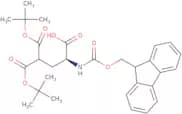
CAS:<p>16-Hydroxyhexadecanoic acid is a fatty acid that contains 16 carbons and 2 hydroxyl groups. It can be found in rat liver microsomes, where it binds to the cytochrome P450 enzyme, inhibiting its activity. The structural analysis of this compound has been shown to have intermolecular hydrogen bonding between the nitrogen atoms and the oxygen atoms in the hydroxyl group. 16-Hydroxyhexadecanoic acid also exhibits phase transition temperatures, which are increased by adding water molecules. This compound also has an inhibitory effect on recombinant cytochrome P450 enzymes from p. pastoris and can be used as a substrate for methyl myristate metabolism. In addition, 16-hydroxyhexadecanoic acid binds to dinucleotide phosphate (NADPH) and fluoresces when excited at 340 nm using a fluorescence detector.</p>Formula:C16H32O3Purity:Min. 95%Color and Shape:White PowderMolecular weight:272.42 g/molN-Fmoc-L-γ-carboxyglutamic acid γ,γ-di-t-butyl ester
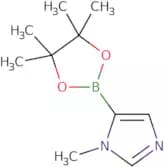
CAS:<p>Please enquire for more information about N-Fmoc-L-gamma-carboxyglutamic acid gamma,gamma-di-t-butyl ester including the price, delivery time and more detailed product information at the technical inquiry form on this page</p>Formula:C29H35NO8Purity:Min. 95%Molecular weight:525.59 g/mol1-Methyl-1H-imidazole-5-boronic acid pinacol ester
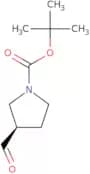
CAS:<p>Please enquire for more information about 1-Methyl-1H-imidazole-5-boronic acid pinacol ester including the price, delivery time and more detailed product information at the technical inquiry form on this page</p>Formula:C10H17BN2O2Purity:Min. 95%Molecular weight:208.07 g/mol(R)-tert-Butyl 3-formylpyrrolidine-1-carboxylate
CAS:<p>Please enquire for more information about (R)-tert-Butyl 3-formylpyrrolidine-1-carboxylate including the price, delivery time and more detailed product information at the technical inquiry form on this page</p>Formula:C10H17NO3Purity:Min. 95%Color and Shape:Clear LiquidMolecular weight:199.25 g/molPancreatic Polypeptide (1-17)-(Ala31, Aib 32)-Neuropeptide Y (18-36) (human) trifluoroacetate salt
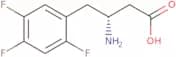
CAS:<p>Please enquire for more information about Pancreatic Polypeptide (1-17)-(Ala31, Aib 32)-Neuropeptide Y (18-36) (human) trifluoroacetate salt including the price, delivery time and more detailed product information at the technical inquiry form on this page</p>Formula:C189H287N55O53SPurity:Min. 95%Molecular weight:4,209.71 g/mol(R)-3-Amino-4-(2,4,5-trifluorophenyl)butyric acid
CAS:<p>(R)-3-Amino-4-(2,4,5-trifluorophenyl)butyric acid is an antibacterial agent that inhibits the enzyme acetylcholine esterase. This inhibition prevents the breakdown of acetylcholine, leading to increased levels of this neurotransmitter in the brain and an enhancement of cholinergic transmission. (R)-3-Amino-4-(2,4,5-trifluorophenyl)butyric acid has been shown to be effective against bacterial strains resistant to β-lactam antibiotics. The synthesis of taxol as well as other β-amino acids has been demonstrated using a variety of enzymatic methods. A reaction scheme for the synthesis of nicotinic acetylcholine has also been proposed. (R)-3-Amino-4-(2,4,5-trifluorophenyl)butyric acid is a dipept</p>Formula:C10H10F3NO2Purity:Min. 95%Color and Shape:PowderMolecular weight:233.19 g/mol(D-Trp12,Tyr34)-pTH (7-34) amide (bovine) trifluoroacetate salt
CAS:<p>Please enquire for more information about (D-Trp12,Tyr34)-pTH (7-34) amide (bovine) trifluoroacetate salt including the price, delivery time and more detailed product information at the technical inquiry form on this page</p>Formula:C165H251N49O40S2Purity:Min. 95%Molecular weight:3,625.2 g/mol(D-Trp32)-Neuropeptide Y (porcine) trifluoroacetate salt
CAS:<p>Please enquire for more information about (D-Trp32)-Neuropeptide Y (porcine) trifluoroacetate salt including the price, delivery time and more detailed product information at the technical inquiry form on this page</p>Formula:C197H290N56O56Purity:Min. 95%Molecular weight:4,338.75 g/mol(Des-octanoyl)-Ghrelin (human) acetate salt
CAS:<p>Acetate salt</p>Formula:C141H235N47O41·xC2H4O2Purity:Min. 95%Molecular weight:3,244.67 g/mol2-Hydroxy nicotinic acid
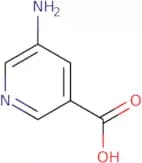
CAS:<p>2-Hydroxy nicotinic acid is a carboxylate with a hydroxyl group. The compound has been shown to produce light emission in the presence of ultraviolet radiation and picolinic acid, which is an electron acceptor. This reaction is catalyzed by NADH oxidase and requires the presence of molecular oxygen. 2-Hydroxy nicotinic acid has also been shown to inhibit the activity of enzymes that are involved in the synthesis of nicotinamide adenine dinucleotide (NAD), including nicotinamide phosphoribosyltransferase (NAMPT), which produces NAD from niacinamide, and nicotinate phosphoribosyltransferase (NPT). The optimum concentration for this compound is between 1-2 mM. 2-Hydroxy nicotinic acid can be synthesized from natural compounds such as vitamin B3 or nicotinamide riboside through hydrolysis.</p>Formula:C6H5NO3Purity:Min. 95%Color and Shape:PowderMolecular weight:139.11 g/mol5-Aminopyridine-3-carboxylic acid
CAS:<p>5-Aminopyridine-3-carboxylic acid (5APC) is a structural analog of nicotinic acid that has been shown to have anti-inflammatory effects. 5APC inhibits the production of inflammatory cytokines, such as IL-10 and IL-17, by inhibiting the activation of NFκB and MAPK pathways. This drug also has significant inhibitory activities against dextran sulfate sodium (DSS)-induced acute colitis in experimental models. 5APC is thought to act by interrupting the assembly of p38 mitogen activated protein kinase (MAPK) and nuclear factor kappa B (NFκB) signaling complexes.</p>Formula:C6H6N2O2Purity:Min. 95%Molecular weight:138.12 g/molZ-Phe-Lys-2,4,6-trimethylbenzoyloxy-methylketone trifluoroacetate salt
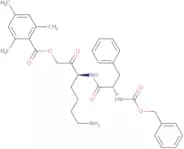
CAS:<p>Z-Phe-Lys-2,4,6-trimethylbenzoyloxy-methylketone trifluoroacetate salt is a proteolytic enzyme that has been shown to have bone resorption and tissue destructive properties. It is active against porphyromonas and bactericidal against fibrinogen. Z-Phe-Lys-2,4,6-trimethylbenzoyloxy-methylketone trifluoroacetate salt also inhibits the formation of osteoclasts by inhibiting the uptake and protease activity of extracellular matrix proteins such as fibrinogen. This drug is currently being researched for possible use in the treatment of Alzheimer's Disease.</p>Formula:C34H41N3O6Purity:Min. 95%Molecular weight:587.71 g/mol1-Methylpiperidine-4-carboxylic acid hydrochloride
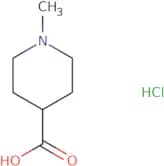
CAS:<p>1-Methylpiperidine-4-carboxylic acid hydrochloride is a betaine. Betaines are intermediates in the biosynthesis of phosphocholine, which is an important component of all cell membranes. 1-Methylpiperidine-4-carboxylic acid hydrochloride has been analyzed and quantified in fruits and plants such as beets, bananas, oranges, and tomatoes. It can be found in the roots of plants and has been shown to inhibit abiotic stress. This compound is also present in the human body as a result of its ingestion from food sources. 1-Methylpiperidine-4-carboxylic acid hydrochloride inhibits proline synthesis by competing with glycine for the enzyme choline acetyltransferase. It also inhibits synthesis of pipecolic acid (a precursor for histamine) by competing with glycine for the enzyme choline acetyltransferase.</p>Formula:C7H14NO2ClPurity:Min. 95%Molecular weight:179.64 g/molVIP (4-28) (human, mouse, rat) trifluoroacetate salt
CAS:<p>Please enquire for more information about VIP (4-28) (human, mouse, rat) trifluoroacetate salt including the price, delivery time and more detailed product information at the technical inquiry form on this page</p>Formula:C134H221N39O36SPurity:Min. 95%Molecular weight:2,986.5 g/molMercaptoacetic acid sodium salt
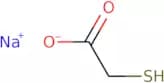
CAS:<p>Mercaptoacetic acid sodium salt (MAS) is an oxidation catalyst that is used to convert ethyl alcohol into acetic acid. It has been shown to be a good catalyst for the oxidation of hydroxyl groups in the presence of metal hydroxides or inorganic acids, such as sodium carbonate. MAS has also been shown to be toxic to human serum and is not recommended for use in humans. The toxicity of MAS may be due to its ability to react with fatty acids and form mercaptans, which are volatile compounds that can cause irritation. Mercaptoacetic acid sodium salt reacts with potassium dichromate and forms mercaptans and other products, which may contribute to its toxicity.</p>Formula:C2H3NaO2SPurity:(Titration) Min. 90%Color and Shape:PowderMolecular weight:114.1 g/molTRAP-5 amide trifluoroacetate salt
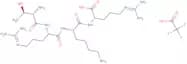
CAS:<p>Please enquire for more information about TRAP-5 amide trifluoroacetate salt including the price, delivery time and more detailed product information at the technical inquiry form on this page</p>Formula:C30H51N9O6Purity:Min. 95%Molecular weight:633.78 g/mol4-[4-(N-Boc)piperazin-1-yl]phenylboronic acid pinacol ester
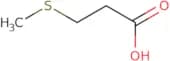
CAS:<p>Please enquire for more information about 4-[4-(N-Boc)piperazin-1-yl]phenylboronic acid pinacol ester including the price, delivery time and more detailed product information at the technical inquiry form on this page</p>Formula:C21H33BN2O4Purity:Min. 95%Color and Shape:PowderMolecular weight:388.31 g/mol3-Methylthiopropionic acid
CAS:<p>3-Methylthiopropionic acid is a bacterial metabolite that can serve as an alternative carbon source for the production of amino acids. 3-Methylthiopropionic acid is used to study the effect of matrix on enzyme activities, and has been shown to have protein-binding properties. The compound also serves as a precursor in the synthesis of tiglic acid, which is a lysine precursor. 3-Methylthiopropionic acid has been found to be effective in slowing the growth of cancer cells. It has been shown to inhibit fatty acid synthesis, and may also inhibit methionine synthetase activity and cell proliferation.</p>Formula:C4H8O2SPurity:Min. 95%Color and Shape:Colourless To Pale Yellow LiquidMolecular weight:120.17 g/mol3-(4-Methoxybenzoyl)acrylic acid
CAS:<p>Please enquire for more information about 3-(4-Methoxybenzoyl)acrylic acid including the price, delivery time and more detailed product information at the technical inquiry form on this page</p>Formula:C11H10O4Purity:Min. 95%Color and Shape:PowderMolecular weight:206.19 g/molObestatin (human) trifluoroacetate salt
CAS:<p>Please enquire for more information about Obestatin (human) trifluoroacetate salt including the price, delivery time and more detailed product information at the technical inquiry form on this page</p>Formula:C116H176N32O33Purity:Min. 95%Molecular weight:2,546.83 g/molMca-Arg-Pro-Lys-Pro-Tyr-Ala-Nva-Trp-Met-Lys(Dnp)-NH2 trifluoroacetate salt
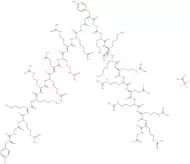
CAS:<p>Please enquire for more information about Mca-Arg-Pro-Lys-Pro-Tyr-Ala-Nva-Trp-Met-Lys(Dnp)-NH2 trifluoroacetate salt including the price, delivery time and more detailed product information at the technical inquiry form on this page</p>Formula:C79H105N19O19SPurity:Min. 95%Molecular weight:1,656.86 g/molTAT 2-4 trifluoroacetate salt
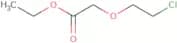
CAS:<p>Trifluoroacetate salt</p>Formula:C132H240N66O29Purity:Min. 95%Molecular weight:3,215.75 g/molEthyl 2-(2-chloroethoxy)acetate
CAS:<p>Please enquire for more information about Ethyl 2-(2-chloroethoxy)acetate including the price, delivery time and more detailed product information at the technical inquiry form on this page</p>Formula:C6H11ClO3Purity:Min. 95%Molecular weight:166.6 g/molGLP-1 (1-36) amide (human, bovine, guinea pig, mouse, rat) trifluoroacetate salt
CAS:<p>Please enquire for more information about GLP-1 (1-36) amide (human, bovine, guinea pig, mouse, rat) trifluoroacetate salt including the price, delivery time and more detailed product information at the technical inquiry form on this page</p>Formula:C184H273N51O57Purity:Min. 95%Molecular weight:4,111.45 g/molMethoxycarbonyl-D-Nle-Gly-Arg-pNA acetate salt
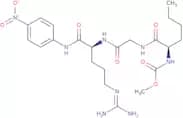
CAS:<p>Please enquire for more information about Methoxycarbonyl-D-Nle-Gly-Arg-pNA acetate salt including the price, delivery time and more detailed product information at the technical inquiry form on this page</p>Formula:C22H34N8O7Purity:Min. 95%Molecular weight:522.56 g/molpTH (1-37) (human) trifluoroacetate salt
CAS:<p>Please enquire for more information about pTH (1-37) (human) trifluoroacetate salt including the price, delivery time and more detailed product information at the technical inquiry form on this page</p>Formula:C195H316N58O54S2Purity:Min. 95%Molecular weight:4,401.09 g/molNeurokinin B trifluoroacetate salt
CAS:<p>Neurokinin B trifluoroacetate salt H-Asp-Met-His-Asp-Phe-Phe-Val-Gly-Leu-Met-NH2 trifluoroacetate salt is a synthetic peptide that is a potent and selective antagonist of the NMDA receptor. Neurokinin B trifluoroacetate salt H-Asp-Met-His-Asp-Phe-Phe-Val-Gly-Leu-Met NH2 trifluoroacetate salt has been shown to be effective in animal models of chronic pain, neuropathic pain, and bone age delay. This synthetic peptide has also been shown to be effective in the treatment of squamous cell carcinoma and acid lesions in human subjects. The molecular weight of this compound is 624.6 g/mol.br><br>Neurokinin B trifluoroacetate salt H Asp Met His Asp P</p>Formula:C55H79N13O14S2Purity:Min. 95%Molecular weight:1,210.43 g/molBradykinin (2-9) acetate salt
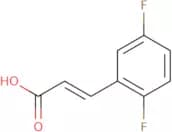
CAS:<p>Acetate salt</p>Formula:C44H61N11O10Purity:Min. 95%Molecular weight:904.02 g/moltrans-2,5-Difluorocinnamic acid
CAS:<p>Trans-2,5-difluorocinnamic acid is a monomer that belongs to the group of organic acids. It is used as a solvent and in analytical methods. Trans-2,5-difluorocinnamic acid is also used to transport other substances and can be used in reactions with other molecules. Trans-2,5-difluorocinnamic acid has been shown to be neuropathic and has been tested for its ability to cause cataracts, but has not shown any evidence of mutagenicity.</p>Formula:C9H6F2O2Purity:Min. 95%Color and Shape:PowderMolecular weight:184.14 g/molAcetyl-PACAP-38 (human, mouse, ovine, porcine, rat) trifluoroacetate salt
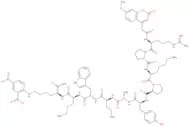
CAS:<p>Please enquire for more information about Acetyl-PACAP-38 (human, mouse, ovine, porcine, rat) trifluoroacetate salt including the price, delivery time and more detailed product information at the technical inquiry form on this page</p>Formula:C205H333N63O54SPurity:Min. 95%Molecular weight:4,576.3 g/molH-Glu(EDANS)-Lys-Pro-Ala-Lys-Phe-Phe-Arg-Leu-Lys(DABCYL)-NH2 trifluoroacetate salt
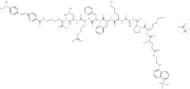
CAS:<p>Please enquire for more information about H-Glu(EDANS)-Lys-Pro-Ala-Lys-Phe-Phe-Arg-Leu-Lys(DABCYL)-NH2 trifluoroacetate salt including the price, delivery time and more detailed product information at the technical inquiry form on this page</p>Formula:C88H124N22O15SPurity:Min. 95%Molecular weight:1,762.13 g/molMca-Pro-Leu-Gly-Leu-Dap (Dnp)-Ala-Arg-NH2 trifluoroacetate salt
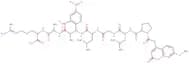
CAS:<p>Please enquire for more information about Mca-Pro-Leu-Gly-Leu-Dap (Dnp)-Ala-Arg-NH2 trifluoroacetate salt including the price, delivery time and more detailed product information at the technical inquiry form on this page</p>Formula:C49H68N14O15Purity:Min. 95%Molecular weight:1,093.15 g/molSyntide 2 trifluoroacetate salt
CAS:<p>Syntide 2 is a diacylglycerol, which has been found to have a number of biochemical properties. It is an activator of protein kinase C and has been shown to be reactive in vitro assays. Syntide 2 has also been found to activate the light chain kinase in plant physiology. This compound has also been shown to promote neuronal death and may have a role in transcriptional regulation. Syntide 2 is used as a model system for studying the physiological function of α subunit-containing proteins.</p>Formula:C68H122N20O18Purity:Min. 95%Molecular weight:1,507.82 g/molExendin-4 (1-8) trifluoroacetate salt
CAS:<p>Please enquire for more information about Exendin-4 (1-8) trifluoroacetate salt including the price, delivery time and more detailed product information at the technical inquiry form on this page</p>Formula:C35H51N11O13Purity:Min. 95%Molecular weight:833.85 g/molTLQP-21 (mouse, rat) trifluoroacetate salt
CAS:<p>Please enquire for more information about TLQP-21 (mouse, rat) trifluoroacetate salt including the price, delivery time and more detailed product information at the technical inquiry form on this page</p>Formula:C107H170N40O26Purity:Min. 95%Molecular weight:2,432.75 g/molAnti-Kentsin trifluoroacetate salt
CAS:<p>Please enquire for more information about Anti-Kentsin trifluoroacetate salt including the price, delivery time and more detailed product information at the technical inquiry form on this page</p>Formula:C22H45N11O6Purity:Min. 95%Molecular weight:559.66 g/molH-Arg-ε-aminocaproyl-Arg-ε-aminocaproyl-Arg-ε-aminocaproyl-Arg-ε-aminocaproyl-Arg-ε-aminocaproyl-Arg-e psilon-aminocaproyl-Arg-OH trifluoroacetate salt
CAS:<p>Please enquire for more information about H-Arg-epsilon-aminocaproyl-Arg-epsilon-aminocaproyl-Arg-epsilon-aminocaproyl-Arg-epsilon-aminocaproyl-Arg-epsilon-aminocaproyl-Arg-e psilon-aminocaproyl-Arg-OH trifluoroacetate salt including the price, delivery time and more detailed product information at the technical inquiry form on this page</p>Formula:C78H152N34O14Purity:Min. 95%Molecular weight:1,790.26 g/molH-Lys-Leu-OH acetate salt
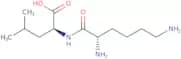
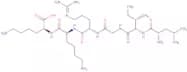
CAS:<p>H-Lys-Leu-OH acetate salt is a derivatized amino acid ester that is used for the detection of lysine and leucine. It is used as an analyte in microextraction, with a sensitivity of 0.25 ng/mL, which can be increased to 0.5 ng/mL by derivatization. H-Lys-Leu-OH acetate salt has been used in the detection of acids and bases, particularly carboxylic acids and basic amino acids, respectively.</p>Formula:C12H25N3O3·C2H4O2Purity:Min. 95%Molecular weight:319.4 g/molZ-Val-Arg-Pro-DL-Arg-fluoromethylketone trifluoroacetate salt
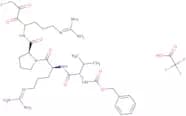
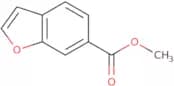
CAS:<p>Please enquire for more information about Z-Val-Arg-Pro-DL-Arg-fluoromethylketone trifluoroacetate salt including the price, delivery time and more detailed product information at the technical inquiry form on this page</p>Formula:C31H49FN10O6Purity:Min. 95%Molecular weight:676.78 g/molMethyl benzofuran-6-carboxylate
CAS:<p>Methyl benzofuran-6-carboxylate is a synthetic retinoid that is a conformationally constrained analogue of retinoic acid, which is one of the most powerful biological molecules. Methyl benzofuran-6-carboxylate has been shown to be an effective anti-inflammatory agent and may be useful in the treatment of inflammatory skin diseases. It also inhibits the production of proinflammatory cytokines and chemokines, such as TNF-α, IL-1β, IL-8, CCL2, CXCL1, and CXCL2. Methyl benzofuran-6-carboxylate binds to specific receptors on cell surfaces to inhibit the production of inflammatory mediators. The drug also has been shown to have antiangiogenic activity. This property may be due to its ability to inhibit the production of vascular endothelial growth factor (VEGF) and other angiogenic factors.</p>Formula:C10H8O3Purity:Min. 95%Molecular weight:176.17 g/molNeuropeptide Y (human, rat) trifluoroacetate salt
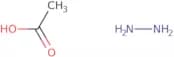
CAS:<p>Please enquire for more information about Neuropeptide Y (human, rat) trifluoroacetate salt including the price, delivery time and more detailed product information at the technical inquiry form on this page</p>Formula:C189H285N55O57SPurity:Min. 95%Molecular weight:4,271.69 g/molHydrazine acetate
CAS:Controlled Product<p>Hydrazine acetate is an organic solution that has a glycoconjugate. It is also found in uridine, hydrogen bond and serine protease. Hydrazine acetate has been shown to have a benzyl group and carbonyl group. Hydrazine acetate interacts with trifluoroacetic acid and particle. This drug can be used for the treatment of autoimmune diseases, such as rheumatoid arthritis, and infectious diseases such as HIV/AIDS. Hydrazine acetate has shown high values for growth factor activity, which may be due to its ability to inhibit the enzyme ns3 protease in the synthesis of proinflammatory cytokines.</p>Formula:C2H4O2·H4N2Purity:Min. 95%Color and Shape:White PowderMolecular weight:92.1 g/mol(Val438)-Tyrosinase (432-444) (human) acetate salt
CAS:<p>H-SYLQDSVPDSFQD-OH peptide, corresponding to amino acids 432-444 of human Tyrosinase. The peptide is supplied as an acetate salt.</p>Formula:C65H93N15O26Purity:Min. 95%Molecular weight:1,500.52 g/mol(Des-Gly10,D-Tyr5,D-His(Bzl)6,Pro-NHEt 9)-LHRH trifluoroacetate salct
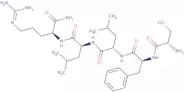
CAS:<p>Please enquire for more information about (Des-Gly10,D-Tyr5,D-His(Bzl)6,Pro-NHEt 9)-LHRH trifluoroacetate salct including the price, delivery time and more detailed product information at the technical inquiry form on this page</p>Formula:C66H86N18O12Purity:Min. 95%Molecular weight:1,323.5 g/molH-Tyr-Gln-Ser-Leu-Arg-Trp-NH2 acetate salt
CAS:Controlled Product<p>Please enquire for more information about H-Tyr-Gln-Ser-Leu-Arg-Trp-NH2 acetate salt including the price, delivery time and more detailed product information at the technical inquiry form on this page</p>Formula:C40H58N12O9Purity:Min. 95%Molecular weight:850.96 g/molPyromeconic acid
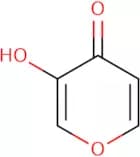
CAS:<p>Pyromeconic acid is a trifluoroacetic acid derivative that has been shown to have anti-inflammatory properties. Pyromeconic acid has a redox potential of -0.07 V at pH 7 and can act as a reducing agent in biological systems. It has been shown to inhibit the methylation of pueraria lobata and the transferase activity of methionine synthase, which plays a role in the synthesis of proteins. Pyromeconic acid also inhibits the production of sesquiterpene lactones in carthamus tinctorius, which are responsible for its anti-inflammatory effects. It is an acidic chemical that contains a hydroxyl group and coordinates with metals such as copper, zinc, and nickel.</p>Formula:C5H4O3Purity:Min. 95%Color and Shape:Off-White To Light (Or Pale) Yellow SolidMolecular weight:112.08 g/mol(2-(2-Methoxyethoxy)ethoxy)acetic acid
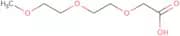
CAS:<p>2-(2-Methoxyethoxy)ethoxy)acetic acid (MEAA) is a cell stabilizer that can be used in the treatment of cancer, diabetes, and other diseases. MEAA has been shown to inhibit the growth of cells by binding to and stabilizing the cytoskeleton through inhibition of protein synthesis. It also prevents the activation of pro-inflammatory cytokines and reactive oxygen species. MEAA's magnetic resonance spectroscopy properties have been studied in detail and it has been shown to bind well with silver ions. MEAA has also been shown to have high cytotoxicity when combined with laser ablation therapy.</p>Formula:C7H14O5Purity:90%Color and Shape:Clear LiquidMolecular weight:178.18 g/molAzilsartan medoxomil
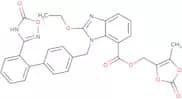
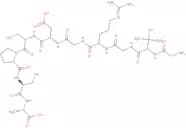
CAS:<p>Azilsartan medoxomil is an antihypertensive drug, which is a prodrug of the angiotensin II receptor blocker azilsartan. It is synthesized through a chemical process involving the modification of the medoxomil ester, converting it into its active form upon absorption in the gastrointestinal tract. The primary mode of action of azilsartan medoxomil involves selective antagonism of the angiotensin II type 1 (AT1) receptor. By blocking the effects of angiotensin II—a potent vasoconstrictor—azilsartan medoxomil effectively reduces vascular resistance, leading to decreased blood pressure.</p>Formula:C30H24N4O8Purity:Min. 95%Color and Shape:White PowderMolecular weight:568.53 g/molH-Gly-Pen-Gly-Arg-Gly-Asp-Ser-Pro-Cys-Ala-OH trifluoroacetate salt (Disulfide bond between Pen2 and Cys9)
CAS:<p>Gly-Pen-Gly-Arg-Gly-Asp-Ser-Pro-Cys (GPEG) is a peptide that modulates the function of muscle cells and is present in collagen. GPEG has been shown to improve oxidative damage, which occurs during exercise. The effect of GPEG on muscle cells is dependent on the dose. Low doses of GPEG activate proteins that are involved in transcription and increases the synthesis of oxidative enzymes, while high doses inhibit these proteins. GPEG also modulates integrin receptor expression and decreases fibronectin production by vascular smooth muscle cells.</p>Formula:C35H57N13O14S2Purity:Min. 95%Molecular weight:948.04 g/molCathelicidin LL 37
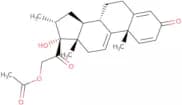
CAS:<p>LL-37 is a potent antimicrobial peptide that has been shown to be effective against cancer cells and is currently being investigated as a potential antineoplastic agent. LL-37 binds to the leukocyte receptor, which leads to chemotaxis, increased expression of p53 and apoptosis. LL-37 also induces apoptotic cell death in epithelial tissues, both in vitro and in vivo. This peptide has been shown to induce death in cancer cells, as well as cell death in other types of cells.</p>Formula:C205H340N60O53Purity:Min. 95%Molecular weight:4,493.27 g/mol17-α,21-Dihydroxy-16-a-methylpregna-1,4,9(11)-triene-3,20-dione 21-acetate
CAS:Controlled Product<p>Please enquire for more information about 17-alpha,21-Dihydroxy-16-a-methylpregna-1,4,9(11)-triene-3,20-dione 21-acetate including the price, delivery time and more detailed product information at the technical inquiry form on this page</p>Formula:C24H30O5Purity:Min. 95%Molecular weight:398.49 g/molIntermedin-53 (human) trifluoroacetate salt
<p>Please enquire for more information about Intermedin-53 (human) trifluoroacetate salt including the price, delivery time and more detailed product information at the technical inquiry form on this page</p>Formula:C247H395N83O73S3Purity:Min. 95%Molecular weight:5,791.49 g/mol3,5-Diiodothyroformic acid
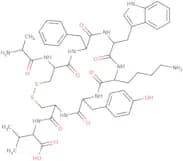
CAS:<p>3,5-Diiodothyroformic acid is a fine chemical that is used as a versatile building block in organic synthesis. It is also an intermediate for research chemicals and speciality chemicals. In addition to its use as a reagent, 3,5-Diiodothyroformic acid has been shown to be useful as a building block for the synthesis of pharmaceuticals and agricultural chemicals.</p>Formula:C13H8I2O4Purity:Min. 95%Molecular weight:482.01 g/molUrotensin II-Related Peptide (human, mouse, rat) trifluoroacetate salt
CAS:<p>Urotensin II is a peptide that is expressed in the brain and has hypotensive effects. It is an endogenous ligand for the urotensin II receptor, which is found in various tissues including the heart, vascular system, and lungs. Urotensin II-Related Peptide (URP) was identified from cDNA sequences of human, mouse, and rat tissues. The URP consists of a sequence of amino acids with a molecular weight of 1219. This peptide has been shown to have diagnostic use in tissues and animals as well as being immunoreactive in monoclonal antibodies. The gene encoding URP has been cloned and its protein product has been characterized by mass spectroscopy.</p>Formula:C49H64N10O10S2Purity:Min. 95%Molecular weight:1,017.23 g/molAmyloid β-Protein (16-20) trifluoroacetate salt
CAS:<p>Amyloid beta-protein (Aβ) is a peptide that is associated with the development of Alzheimer's disease. The Aβ(16-20) trifluoroacetate salt (ATF) has been used in the diagnosis of Alzheimer's disease by fluorescence microscopy. This compound binds to hyaluronic acid and has been used as a coating for optical fibers and other materials, such as coatings for mitochondria for use in live cell imaging. The ATF also interacts with mitochondria and alters mitochondrial membrane potential, which may be due to its ability to displace cardiolipin from the inner mitochondrial membrane. ATF binds to unsymmetrical dimethylarginine (DMA), an endogenous nitric oxide synthase inhibitor, and selectively inhibits only cancer cells that have elevated levels of DMA. ATFP also induces spontaneous apoptosis in human carcinoma cells when bound to these cells via a photoconjugation reaction with bioconjugate chemistry.</p>Formula:C35H52N6O6Purity:Min. 95%Molecular weight:652.82 g/mol(Cys26)-Amyloid b-Protein (1-40) trifluoroacetate salt
CAS:<p>Please enquire for more information about (Cys26)-Amyloid b-Protein (1-40) trifluoroacetate salt including the price, delivery time and more detailed product information at the technical inquiry form on this page</p>Formula:C194H295N53O57S2Purity:Min. 95%Molecular weight:4,345.87 g/molTyr-(D-Dab 4,Arg5,D-Trp8)-cyclo-Somatostatin-14 (4-11) trifluoroacetate salt
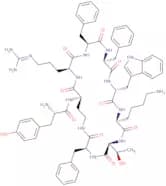
CAS:<p>Please enquire for more information about Tyr-(D-Dab 4,Arg5,D-Trp8)-cyclo-Somatostatin-14 (4-11) trifluoroacetate salt including the price, delivery time and more detailed product information at the technical inquiry form on this page</p>Formula:C67H85N15O11Purity:Min. 95%Molecular weight:1,276.49 g/molDansyl-Tyr-Val-Gly-OH trifluoroacetate salt
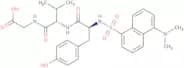
CAS:<p>Dansyl-Tyr-Val-Gly-OH trifluoroacetate salt is a glyoxylate analog that can be used as a substrate in the kinetic assays for glyoxalase I. The enzyme catalyses the conversion of this compound to Dansylglyoxal, which can be detected by absorbance at 360 nm. The second order rate constant and acidic pH of the reaction have been determined using biophysical experiments and expressed as a function of substrate concentration. Inactivates papilloma virus, which is the virus that causes genital warts, at low concentrations.</p>Formula:C28H34N4O7SPurity:Min. 95%Molecular weight:570.66 g/molMca-(Asn670,Leu671)-Amyloid β/A4 Protein Precursor770 (667-676)-Lys(Dnp)-Arg-Arg amide trifluoroacetate salt
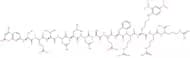
CAS:<p>Please enquire for more information about Mca-(Asn670,Leu671)-Amyloid beta/A4 Protein Precursor770 (667-676)-Lys(Dnp)-Arg-Arg amide trifluoroacetate salt including the price, delivery time and more detailed product information at the technical inquiry form on this page</p>Formula:C86H125N27O29Purity:Min. 95%Molecular weight:2,001.08 g/molFibronectin Fragment (1954-1959) trifluoroacetate salt
CAS:<p>Please enquire for more information about Fibronectin Fragment (1954-1959) trifluoroacetate salt including the price, delivery time and more detailed product information at the technical inquiry form on this page</p>Formula:C32H63N11O7Purity:Min. 95%Molecular weight:713.91 g/molD-Isoascorbic acid
CAS:<p>D-Isoascorbic acid is a sodium salt of ascorbic acid. It is used for the prevention and treatment of scurvy, which is caused by vitamin C deficiency. D-Isoascorbic acid functions as an electron donor in biochemical reactions and has been shown to have physiological effects. Ascorbic acid (vitamin C) is a water-soluble antioxidant that can react with hydrogen fluoride in vitro to form free radicals that may cause damage to cells. In addition, D-Isoascorbic acid can be used as a model system for the study of ascorbic acid and p-hydroxybenzoic acid. The analytical method for determining these compounds involves electrochemical impedance spectroscopy.</p>Formula:C6H8O6Purity:Min. 95%Color and Shape:White PowderMolecular weight:170 g/molAmyloid β-Protein (1-40) (scrambled) trifluoroacetate salt
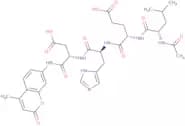
CAS:<p>Please enquire for more information about Amyloid beta-Protein (1-40) (scrambled) trifluoroacetate salt including the price, delivery time and more detailed product information at the technical inquiry form on this page</p>Formula:C194H295N53O58SPurity:Min. 95%Molecular weight:4,329.81 g/molAc-Leu-Glu-His-Asp-AMC trifluoroacetate salt
CAS:<p>Ac-Leu-Glu-His-Asp-AMC trifluoroacetate salt is a synthetic peptide that is derived from the amino acid sequence of caspases. Ac-Leu-Glu-His-Asp-AMC trifluoroacetate salt induces apoptosis in insect and E. coli cells by protease activity, which leads to cell death. The sequence of this peptide is found in Drosophila melanogaster and has been shown to induce apoptosis in insect cells. Caspases are enzymes that regulate apoptosis and play a key role in cell death.</p>Formula:C33H41N7O11Purity:Min. 95%Molecular weight:711.72 g/mol1-Butanesulfonic acid sodium
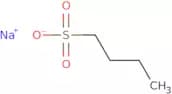
CAS:<p>1-Butanesulfonic acid sodium salt is a perfluorinated compound that inhibits the activity of various enzymes in the body, such as kinases and phosphatases. It has been used to study the effects of these enzymes on chemical reactions. 1-Butanesulfonic acid sodium salt is also used to detect the presence of selenium compounds in urine samples. The inhibition of an enzyme by this compound results in a decreased rate of reaction and a change in kinetic behavior. This can be observed by measuring the time it takes for the reaction to reach half its maximum value. Sodium taurocholate, chloride, and trifluoroacetic acid are all reagents that are commonly used with this compound when performing kinetic studies. 1-Butanesulfonic acid sodium salt has been shown to inhibit cholesterol synthesis in many animal models. In addition, this compound has been shown to bind to and inhibit plasma mass spectrometry by chromatography on silica gel from human plasma</p>Formula:C4H10O3S•NaPurity:Min. 95%Color and Shape:PowderMolecular weight:161.18 g/molFibrinopeptide B (human) trifluoroacetate salt
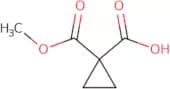
CAS:<p>Fibrinopeptide B is a fibrinogen-derived peptide that has shown to inhibit the growth of HL-60 cells. It may be active as a receptor antagonist for thrombin and caproic acid. Fibrinopeptide B also inhibits angiogenesis by inhibiting the binding of acidic, basic proteins to the vascular endothelium in atherosclerotic lesions. The biological sample can be obtained from human serum or plasma.</p>Formula:C66H93N19O25Purity:Min. 95%Molecular weight:1,552.56 g/molCyclopropane-1,1-dicarboxylic acid, methylester
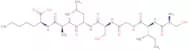
CAS:<p>Please enquire for more information about Cyclopropane-1,1-dicarboxylic acid, methylester including the price, delivery time and more detailed product information at the technical inquiry form on this page</p>Formula:C6H8O4Purity:Min. 95%Color and Shape:PowderMolecular weight:144.13 g/molH-Ser-Ile-Gly-Ser-Leu-Ala-Lys-OH trifluoroacetate salt
CAS:<p>H-Ser-Ile-Gly-Ser-Leu-Ala-Lys-OH trifluoroacetate salt is a recombinant, fluorescent, hydrazide, labile protein that has been synthesized with a murine amino acid sequence. This protein has been shown to be reactive with the cytokine IL2 and can be used for labeling of cells or proteins in cytometric analysis. The N-terminal end of this protein is acidic, allowing for it to react with periodate or hydroxylamine for tagging purposes.</p>Formula:C29H54N8O10Purity:Min. 95%Molecular weight:674.79 g/molTyrosinase (206-214) (human) acetate salt
CAS:<p>H-AFLPWHRLF-OH peptide, corresponding to amino acids 206-214 of human Tyrosinase. The peptide is supplied as an acetate salt.</p>Formula:C61H83N15O10Purity:Min. 95%Molecular weight:1,186.41 g/mol(Pro34)-Peptide YY (human) trifluoroacetate salt
CAS:<p>Please enquire for more information about (Pro34)-Peptide YY (human) trifluoroacetate salt including the price, delivery time and more detailed product information at the technical inquiry form on this page</p>Formula:C194H294N54O56Purity:Min. 95%Molecular weight:4,278.74 g/molDABCYL-Glu-Arg-Nle-Phe-Leu-Ser-Phe-Pro-EDANS trifluoroacetate salt
CAS:<p>Please enquire for more information about DABCYL-Glu-Arg-Nle-Phe-Leu-Ser-Phe-Pro-EDANS trifluoroacetate salt including the price, delivery time and more detailed product information at the technical inquiry form on this page</p>Formula:C76H98N16O15SPurity:Min. 95%Molecular weight:1,507.76 g/mol(Asp371)-Tyrosinase (369-377) (human) trifluoroacetate salt
CAS:<p>Trifluoroacetate salt</p>Formula:C42H66N10O16S2Purity:Min. 95%Molecular weight:1,031.16 g/molAc-Ala-Ala-Val-Ala-Leu-Leu-Pro-Ala-Val-Leu-Leu-Ala-Leu-Leu-Ala-Pro-Ile-Glu-Thr-Asp-aldehyde trifluoroacetate salt
CAS:<p>Please enquire for more information about Ac-Ala-Ala-Val-Ala-Leu-Leu-Pro-Ala-Val-Leu-Leu-Ala-Leu-Leu-Ala-Pro-Ile-Glu-Thr-Asp-aldehyde trifluoroacetate salt including the price, delivery time and more detailed product information at the technical inquiry form on this page</p>Formula:C95H162N20O26Purity:Min. 95%Molecular weight:2,000.42 g/mol4,4-Difluorocyclohexaneacetic acid
CAS:<p>Please enquire for more information about 4,4-Difluorocyclohexaneacetic acid including the price, delivery time and more detailed product information at the technical inquiry form on this page</p>Formula:C8H12F2O2Purity:Min. 95%Molecular weight:178.18 g/mol3,5-Difluorobenzoic acid
CAS:<p>3,5-Difluorobenzoic acid is a pharmaceutical preparation that has been used in the treatment of inflammatory diseases and cancer. It is an enantiomer of 5-Fluorobenzoic acid. 3,5-Difluorobenzoic acid can be synthesized from 2,4-dichlorophenoxyacetic acid by cycloaddition process with fluorine. Magnetic resonance spectroscopy has shown that 3,5-Difluorobenzoic acid binds to oxytocin receptor. The binding of 3,5-Difluorobenzoic acid to oxytocin receptor leads to the activation of its G protein coupled receptor activity. This causes an increase in intracellular cAMP levels and subsequently leads to the inhibition of bacterial enzyme ns3 protease and cardiac hypertrophy induced by chronic angiotensin II infusion.</p>Purity:Min. 95%






![(Des-Gly10,D-Leu6,[13C6]Leu7,Pro-NHEt 9)-LHRH trifluoroacetate salt](/_next/image/?url=https%3A%2Fstatic.cymitquimica.com%2Fproducts%2F3D%2Fthumb-webp%2FFD109775.webp&w=3840&q=75)







![4-[4-(N-Boc)piperazin-1-yl]phenylboronic acid pinacol ester](/_next/image/?url=https%3A%2Fstatic.cymitquimica.com%2Fproducts%2F3D%2Fthumb-webp%2FFN162753.webp&w=3840&q=75)