Carboxylic Acids
Carboxylic acids are organic molecules characterized by having a carboxyl-type functional group (-COOH). These acids are fundamental in various chemical reactions, including esterification, amidation, and decarboxylation. Carboxylic acids are widely used in the production of pharmaceuticals, polymers, and agrochemicals. In this section, you can find a large number of carboxylic acids ready to be used. At CymitQuimica, we provide a broad range of high-quality carboxylic acids to support your research and industrial applications.
Found 12453 products of "Carboxylic Acids"
Sort by
Purity (%)
0
100
|
0
|
50
|
90
|
95
|
100
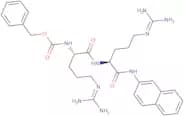
Z-Arg-Arg-bNA acetate salt
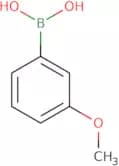
CAS:<p>Please enquire for more information about Z-Arg-Arg-bNA acetate salt including the price, delivery time and more detailed product information at the technical inquiry form on this page</p>Formula:C30H39N9O4Purity:Min. 95%Molecular weight:589.69 g/mol3-Methoxyphenylboronic acid
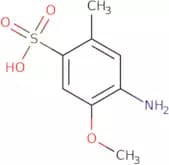
CAS:<p>3-Methoxyphenylboronic acid is a photophysical molecule that can be used as an analytical reagent in plant physiology and analytical chemistry. 3-Methoxyphenylboronic acid reacts reversibly with copper ions to form a complex. The binding constants of the copper complex depend on the pH of the solution, which can be altered by adding a phosphate derivative to the solution. This reaction was investigated using cross-coupling techniques and showed that the binding constants for this complex are dependent on the type of solvent used. 3-Methoxyphenylboronic acid has also been used to measure glucose levels in blood samples.</p>Formula:C7H9BO3Purity:Min. 95%Color and Shape:White PowderMolecular weight:151.96 g/mol4-Amino-5-methoxy-2-methylbenzenesulfonic acid
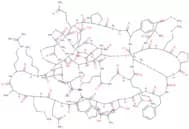
CAS:<p>4-Amino-5-methoxy-2-methylbenzenesulfonic acid is a compound that has been used as an additive to analytical reagents in order to improve their sensitivity. This compound is used as the sodium salt, which is water soluble and has a high degree of reproducibility. 4-Amino-5-methoxy-2-methylbenzenesulfonic acid has also been used for the validation of analytical methods, including calibration and cytotoxicity testing. The validation procedure includes colorants, spectra analysis, impurities, and solvents.</p>Formula:C8H11NO4SPurity:Min. 95%Color and Shape:PowderMolecular weight:217.24 g/molAPL1b25 trifluoroacetate salt
CAS:<p>Please enquire for more information about APL1b25 trifluoroacetate salt including the price, delivery time and more detailed product information at the technical inquiry form on this page</p>Formula:C98H166N28O35SPurity:Min. 95%Molecular weight:2,328.6 g/molSubstance P (5-11) trifluoroacetate salt
CAS:<p>Substance P is a bifunctional neuropeptide that acts as both a neurotransmitter and a neurohormone. The amino acid sequence of Substance P is H-Gln-Gln-Phe-Phe-Gly-Leu-Met-NH2. It is found in the brain and spinal cord, but also in other tissues such as the parotid gland and stomach. This peptide is released from nerve cells when they are stimulated by pain or anxiety, and it causes contraction of smooth muscles in the lungs, uterus, and gastrointestinal tract. Animal studies have shown that Substance P can be toxic to neonatal animals, leading to hypothyroidism and death. In vitro studies have shown that this peptide can induce the growth of glioma cells and tumors.</p>Formula:C41H60N10O9SPurity:Min. 95%Molecular weight:869.04 g/molChlorotoxin trifluoroacetate salt
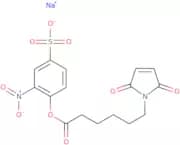
CAS:<p>Chlorotoxin trifluoroacetate salt is a chlorotoxin derivative that has been modified to be more soluble in aqueous solutions. It is used to identify skin cancer and other forms of cancer, as well as for the study of cellular function and structure. The molecule can be injected into tissue or cells, where it binds to nuclei and causes cell death. Chlorotoxin trifluoroacetate salt has minimal toxicity in humans and can be used on histological specimens with little disruption to the tissue. This reagent may also be used to target intracellular targets such as glioma cells.</p>Formula:C158H249N53O47S11Purity:Min. 95%Molecular weight:3,995.72 g/molε-Maleimidocaproic acid-(2-nitro-4-sulfo)-phenyl ester·sodium salt
CAS:<p>Epsilon-Maleimidocaproic acid-(2-nitro-4-sulfo)-phenyl ester·sodium salt (EMAP) is a crosslinker that belongs to the group of heterobifunctional reagents. It has been used to conjugate monoclonal antibodies with other molecules, such as toxins. EMAP is activated by the dianion generated by protonation of the nitro groups on the phenyl ring and reacts with free amines or thiols in proteins. EMAP can be used for labeling immunotoxins for diagnostic use, maximizing detection sensitivity, and crosslinking DNA molecules for use in molecular cloning experiments.</p>Formula:C16H15N2NaO9SPurity:Min. 95%Molecular weight:434.35 g/mol1-Naphthyl acetate
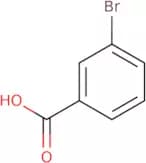
CAS:<p>1-Naphthyl acetate is a cell-permeable esterase substrate that can be used for the treatment of lymphocytic leukemia, lung cancer, and Alzheimer's disease. It has been shown to inhibit tumor growth in mice by inhibiting cytochrome P450 enzymes. In addition, 1-naphthyl acetate has been found to be effective at inhibiting protein kinase activity in human cells. As a result, it may have potential as a therapeutic agent for leukemia and Alzheimer's disease.</p>Formula:C12H10O2Purity:Min. 95%Color and Shape:PowderMolecular weight:186.21 g/mol3-Bromobenzoic acid
CAS:<p>3-Bromobenzoic acid is a molecule that is classified as a Group P2. It has an electronegativity of 1.3 and an acidity of 0.8, which are both in the middle range of values for this group. 3-Bromobenzoic acid is soluble in water and is soluble in ethanol, acetone, and ether. The chemical structure of 3-bromobenzoic acid can be determined by its monoclonal antibody binding sites, electrochemical impedance spectroscopy data, and Langmuir adsorption isotherm data. 3-Bromobenzoic acid reacts with hydrochloric acid to form benzoate and HCl gas. Chronic exposure to 3-bromobenzoic acid has been shown to cause glutamate dehydrogenase inhibition, leading to an accumulation of p-hydroxybenzoic acid in the body. This compound also reacts with thiourea or</p>Formula:C7H5BrO2Purity:Min. 95%Color and Shape:PowderMolecular weight:201.02 g/molGalanin (human) trifluoroacetate salt
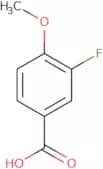
CAS:<p>Please enquire for more information about Galanin (human) trifluoroacetate salt including the price, delivery time and more detailed product information at the technical inquiry form on this page</p>Formula:C139H210N42O43Purity:Min. 95%Molecular weight:3,157.41 g/mol3-Fluoro-4-methoxybenzoic acid
CAS:<p>3-Fluoro-4-methoxybenzoic acid is a dipolar molecule with a fluorine atom. It has been synthesized experimentally and the yields are determined by the experimental conditions. 3-Fluoro-4-methoxybenzoic acid has two isomers, which can be differentiated by their resonances. The molecule also has an asymmetric C3(CF)2Cl group in the middle of its structure that can rotate freely.</p>Formula:C8H7FO3Purity:Min. 95%Color and Shape:PowderMolecular weight:170.14 g/mol([ring-D5]Phe8)-Angiotensin II acetate salt
CAS:<p>Please enquire for more information about ([ring-D5]Phe8)-Angiotensin II acetate salt including the price, delivery time and more detailed product information at the technical inquiry form on this page</p>Formula:C50H66D5N13O12Purity:Min. 95%Molecular weight:1,051.21 g/molpTH (28-48) (human) trifluoroacetate salt
CAS:<p>Please enquire for more information about pTH (28-48) (human) trifluoroacetate salt including the price, delivery time and more detailed product information at the technical inquiry form on this page</p>Formula:C95H150N28O29Purity:Min. 95%Molecular weight:2,148.38 g/molMatrix Protein M1 (58-66) (Influenza A virus) trifluoroacetate salt
CAS:<p>Please enquire for more information about Matrix Protein M1 (58-66) (Influenza A virus) trifluoroacetate salt including the price, delivery time and more detailed product information at the technical inquiry form on this page</p>Formula:C49H75N9O11·C2HF3O2Purity:Min. 95%Molecular weight:1,080.2 g/molAmylin (human) trifluoroacetate salt
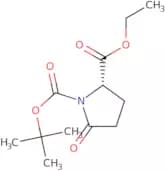
CAS:<p>Amylin is a hormone that regulates the release of insulin from the pancreas. Amylin is a protein that consists of 39 amino acids, and in its natural form it is not soluble in water. The amyloid fibrils are insoluble aggregates of proteins that can be found in the brain tissue of patients with Alzheimer's disease. Amylin has been shown to have an entrapment efficiency greater than 96% by using polymeric particles with a diameter less than 50 microns. These particles are able to increase water solubility and nutrient metabolism, as well as improve evaporation rates. They also provide an increased surface area for absorption and pharmacological properties. Amylin has been shown to lower postprandial glycemia when used with insulin in type II diabetes mellitus patients, and may also be an anorectic agent.</p>Formula:C165H261N51O55S2Purity:Min. 95%Molecular weight:3,903.28 g/molN-Boc-L-pyroglutamic acid ethyl ester
CAS:<p>N-Boc-L-pyroglutamic acid ethyl ester is a chiral building block that can be used for the preparation of amides. It is a good activating agent and is used to synthesize amide bonds from carboxylic acids. N-Boc-L-pyroglutamic acid ethyl ester can be used to synthesize sulfoxides and piperidines, which are ligands. It is also an amido, stereoselective and DPP-4 inhibitor. This chemical simplifies catalysis reactions by replacing the use of toxic solvents.</p>Formula:C12H19NO5Purity:Min. 95%Molecular weight:257.28 g/molCatestatin (human) trifluoroacetate
CAS:<p>Please enquire for more information about Catestatin (human) trifluoroacetate including the price, delivery time and more detailed product information at the technical inquiry form on this page</p>Formula:C104H164N32O27SPurity:Min. 95%Molecular weight:2,326.68 g/molMethyl 4-tert-butylphenylacetate
CAS:<p>Methyl 4-tert-butylphenylacetate is a chemical compound that has been used in various research collaborations. It is also used as a solvent for the production of octanoic acid and isobutyric acid, which are important chemical compounds for use in the food industry. The utilisation of methyl 4-tert-butylphenylacetate has been studied by researchers in relation to its maltol, levulinate and hexanoic acid derivatives. This compound can be used as a replacement for other chemicals such as sulfate, butanedione and propylene glycol in industrial applications.</p>Formula:C13H18O2Purity:Min. 95%Molecular weight:206.28 g/molCell-permeable Caspase-1 Inhibitor I trifluoroacetate salt
CAS:<p>Please enquire for more information about Cell-permeable Caspase-1 Inhibitor I trifluoroacetate salt including the price, delivery time and more detailed product information at the technical inquiry form on this page</p>Formula:C97H160N20O24Purity:Min. 95%Molecular weight:1,990.43 g/mol(Gly1,Ser3·22,Gln4·34,Thr6,Arg19,Tyr21,Ala23·31, Aib 32)-Pancreatic Polypeptide (human) trifluoroacetate salt
CAS:<p>Please enquire for more information about (Gly1,Ser3·22,Gln4·34,Thr6,Arg19,Tyr21,Ala23·31, Aib 32)-Pancreatic Polypeptide (human) trifluoroacetate salt including the price, delivery time and more detailed product information at the technical inquiry form on this page</p>Formula:C183H281N57O54S2Purity:Min. 95%Molecular weight:4,207.67 g/mol4-[(4-chlorophenyl)-2-pyridinylmethoxy]-1-piperidinecarboxylic acid ethylester
CAS:<p>Please enquire for more information about 4-[(4-chlorophenyl)-2-pyridinylmethoxy]-1-piperidinecarboxylic acid ethylester including the price, delivery time and more detailed product information at the technical inquiry form on this page</p>Formula:C20H23ClN2O3Purity:Min. 95%Molecular weight:374.86 g/mol(D-Tyr27·36,D-Thr32)-Neuropeptide Y (27-36) trifluoroacetate salt
CAS:<p>Please enquire for more information about (D-Tyr27·36,D-Thr32)-Neuropeptide Y (27-36) trifluoroacetate salt including the price, delivery time and more detailed product information at the technical inquiry form on this page</p>Formula:C61H99N19O15Purity:Min. 95%Molecular weight:1,338.56 g/molH-Pro-Lys-OH acetate salt
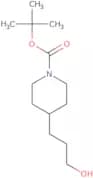
CAS:<p>H-Pro-Lys-OH acetate salt is a synthetic compound that is specific for histidine residues. It catalyzes the hydrolysis of fibrinogen to form fibrin, which can be used in the formation of blood clots. This molecule has been shown to have a number of sequences and acid analysis. H-Pro-Lys-OH acetate salt can be used as an additive in food products. The incubation process should be done at pH 4.5 and the reaction should be stopped by adding tripeptides followed by using ion-exchange chromatography or SDS polyacrylamide gel electrophoresis to analyze the amino acids present in the product.</p>Formula:C11H21N3O3Purity:Min. 95%Molecular weight:243.3 g/molTert-butyl 4-(3-hydroxypropyl)tetrahydro-1(2H)-pyridinecarboxylate
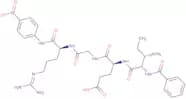
CAS:<p>Please enquire for more information about Tert-butyl 4-(3-hydroxypropyl)tetrahydro-1(2H)-pyridinecarboxylate including the price, delivery time and more detailed product information at the technical inquiry form on this page</p>Formula:C13H25NO3Purity:Min. 95%Molecular weight:243.34 g/molBz-Ile-Glu-Gly-Arg-pNA acetate salt
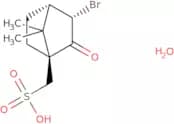
CAS:<p>Bz-Ile-Glu-Gly-Arg-pNA acetate salt is an anticoagulant that binds to heparin. It has been shown to inhibit protease activity in soybean trypsin by binding to the active site of the enzyme. Bz-Ile-Glu-Gly-Arg-pNA acetate salt has also been shown to have a molecular weight of heparin and a protein synthesis inhibition rate of fibrinogen, which is responsible for coagulation.</p>Formula:C32H43N9O9Purity:Min. 95%Molecular weight:697.74 g/mol(+)-3-Bromo-10-camphorsulfonic acid monohydate
CAS:<p>Please enquire for more information about (+)-3-Bromo-10-camphorsulfonic acid monohydate including the price, delivery time and more detailed product information at the technical inquiry form on this page</p>Formula:C10H15BrO4S•H2OPurity:Min. 95%Color and Shape:PowderMolecular weight:329.21 g/molOxyntomodulin (bovine, dog, porcine) trifluoroacetate salt
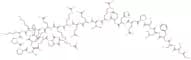
CAS:<p>Please enquire for more information about Oxyntomodulin (bovine, dog, porcine) trifluoroacetate salt including the price, delivery time and more detailed product information at the technical inquiry form on this page</p>Formula:C192H295N59O60SPurity:Min. 95%Molecular weight:4,421.82 g/mol(Des-octanoyl)-Ghrelin (human) trifluoroacetate salt
CAS:<p>Trifluoroacetate salt</p>Formula:C141H235N47O41Purity:Min. 95%Molecular weight:3,244.67 g/molBz-Val-Gly-Arg-AMC trifluoroacetate salt
CAS:<p>Bz-Val-Gly-Arg-AMC is a growth factor that activates the extracellular signal-regulated protein kinase (ERK) pathway. The activation of this pathway results in an increase in cellular proliferation and inhibition of tumor growth. Bz-Val-Gly-Arg-AMC has been shown to activate ERK by interacting with VSMCs, which are cells that act as a structural component of blood vessels and play a role in regulating blood flow. This compound also induces phosphorylation of glycogen synthase kinase 3β and inhibits its activity, leading to increased protein synthesis through glycolysis. Bz-Val-Gly-Arg-AMC can be used as an inhibitor to bortezomib, a proteolytic enzyme that is used to treat cancer.</p>Formula:C30H37N7O6Purity:Min. 95%Molecular weight:591.66 g/mol(Trp11,D-Phe15·16)-SDF-1 (7-16) (Dimer) (human, cat, mouse) trifluoroacetate salt
<p>Please enquire for more information about (Trp11,D-Phe15·16)-SDF-1 (7-16) (Dimer) (human, cat, mouse) trifluoroacetate salt including the price, delivery time and more detailed product information at the technical inquiry form on this page</p>Formula:C134H180N34O26S2Purity:Min. 95%Molecular weight:2,747.21 g/mol4-(Trimethylsilyl)pheNylboroNic acid
CAS:<p>4-(Trimethylsilyl)phenylboronic acid is a molecule that can be used as an acceptor in fluorescence. It has been shown to have acceptor properties, which means it is able to absorb light energy and transfer it to other molecules. This chemical can be used in microscopy and cross-coupling reactions. 4-(Trimethylsilyl)phenylboronic acid has been shown to undergo thermally activated transport properties and to be isomeric. The molecule also has cross-coupling reactions with anilines, which are important for the production of pharmaceuticals and other organic compounds. 4-(Trimethylsilyl)phenylboronic acid has a high affinity for chloride ions, making it a good candidate for use in solar cells.</p>Formula:C9H15BO2SiPurity:Min. 95%Molecular weight:194.11 g/molFmoc-ε-aminocaproic acid-Wang resin (200-400 mesh)
<p>Please enquire for more information about Fmoc-epsilon-aminocaproic acid-Wang resin (200-400 mesh) including the price, delivery time and more detailed product information at the technical inquiry form on this page</p>Purity:Min. 95%Neuromedin S (rat) trifluoroacetate salt
CAS:<p>Please enquire for more information about Neuromedin S (rat) trifluoroacetate salt including the price, delivery time and more detailed product information at the technical inquiry form on this page</p>Formula:C193H307N57O49SPurity:Min. 95%Molecular weight:4,241.92 g/molGLP-1 (7-37) (human, bovine, guinea pig, mouse, rat) trifluoroacetate salt
CAS:Controlled Product<p>Please enquire for more information about GLP-1 (7-37) (human, bovine, guinea pig, mouse, rat) trifluoroacetate salt including the price, delivery time and more detailed product information at the technical inquiry form on this page</p>Formula:C151H228N40O47Purity:Min. 95%Molecular weight:3,355.67 g/molGalanin Message Associated Peptide (1-41) amide trifluoroacetate salt
CAS:<p>Please enquire for more information about Galanin Message Associated Peptide (1-41) amide trifluoroacetate salt including the price, delivery time and more detailed product information at the technical inquiry form on this page</p>Formula:C206H326N56O64SPurity:Min. 95%Molecular weight:4,643.2 g/molGRF (bovine) trifluoroacetate salt
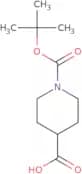
CAS:<p>Growth hormone-releasing factor (GRF) or GHRH (growth hormone-releasing hormone).Binds to the growth hormone-releasing hormone receptor (GHRH-R), causing growth hormone secretion.porcine: H-YADAIFTNSYRKVLGQLSARKLLQDIMSRQQGERNQEQGARVRL-NH2bovine: H-YADAIFTNSYRKVLGQLSARKLLQDIMNRQQGERNQEQGAKVRL-NH2ovine: H-YADAIFTNSYRKILGQLSARKLLQDIMNRQQGERNQEQGAKVRL-NH2human: H-YADAIFTNSYRKVLGQLSARKLLQDIMSRQQGESNQERGARARL-NH2</p>Formula:C220H366N72O66SPurity:Min. 95%Molecular weight:5,107.77 g/molN-Boc-isonipecotic acid
CAS:<p>N-Boc-isonipecotic acid is a potent antitumor agent that has been clinically shown to be effective against leukemia and lymphoma. It has potent antibacterial activity against Gram-positive bacteria such as Staphylococcus aureus and Streptococcus pyogenes. N-Boc-isonipecotic acid binds to the gyrase enzyme, which is used by these bacteria to maintain the integrity of their DNA, inhibiting protein synthesis and cell division. This drug also has anti-inflammatory properties. N-Boc-isonipecotic acid inhibits prostaglandin synthesis in cells, which may be due to its ability to inhibit the production of tumor necrosis factor α (TNFα) in macrophages.</p>Formula:C11H19NO4Purity:Min. 95%Molecular weight:229.27 g/molAcetyl-Exenatide trifluoroacetate salt
CAS:<p>Please enquire for more information about Acetyl-Exenatide trifluoroacetate salt including the price, delivery time and more detailed product information at the technical inquiry form on this page</p>Formula:C186H284N50O61SPurity:Min. 95%Molecular weight:4,228.61 g/molBiotinyl-Obestatin (rat) trifluoroacetate salt
CAS:<p>Please enquire for more information about Biotinyl-Obestatin (rat) trifluoroacetate salt including the price, delivery time and more detailed product information at the technical inquiry form on this page</p>Formula:C124H188N36O33SPurity:Min. 95%Molecular weight:2,743.11 g/molUrocortin II (mouse) trifluoroacetate salt
CAS:<p>Please enquire for more information about Urocortin II (mouse) trifluoroacetate salt including the price, delivery time and more detailed product information at the technical inquiry form on this page</p>Formula:C187H320N56O50Purity:Min. 95%Molecular weight:4,152.89 g/molEthyl imidazole-2-carboxylate
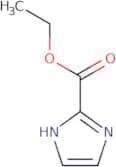
CAS:<p>Ethyl imidazole-2-carboxylate is a β-glucosidase inhibitor that has shown selectivity for cancer cells. This drug inhibits the activity of β-glucosidase, an enzyme that catalyzes the hydrolysis of terminal non-reducing β-D-glucose residues from oligo-, di-, and polysaccharides, which are substrates for glycosylation. Dasatinib is a type of drug that inhibits Bcr-Abl tyrosine kinase and is used in the treatment of chronic myeloid leukemia and other cancers. The inhibition of this enzyme may lead to increased levels of thymidine (a nucleotide) and therefore, DNA synthesis. Dasatinib also blocks the function of ribonucleotide reductases, which are enzymes that reduce ribonucleotides to deoxyribonucleotides. This mechanism prevents DNA replication by inhibiting the production of new DNA</p>Purity:Min. 95%16-Mercaptohexadecanoic acid
CAS:<p>16-Mercaptohexadecanoic acid (16MHDA) is a fatty acid that has been shown to be an effective inhibitor of the enzyme fatty acid synthase. This enzyme is responsible for the synthesis of long-chain polyunsaturated fatty acids and their derivatives, which are key components of cell membranes and also act as signaling molecules. 16MHDA can be used in the treatment of diseases such as psoriasis, rheumatoid arthritis, and cancer. 16MHDA has been shown to have a high detection sensitivity and activity index when used in electrochemical impedance spectroscopy experiments. The x-ray diffraction data show that 16MHDA forms an acid complex with its substrate, which is thought to be the reaction mechanism. Colloidal gold has been used to study the interaction between 16MHDA and DNA duplexes. This compound was also found to have monoclonal antibody binding properties in human serum samples.</p>Formula:C16H32O2SPurity:Min. 95%Color and Shape:PowderMolecular weight:288.49 g/molTIP-39 trifluoroacetate salt
CAS:<p>Please enquire for more information about TIP-39 trifluoroacetate salt including the price, delivery time and more detailed product information at the technical inquiry form on this page</p>Formula:C202H325N61O54SPurity:Min. 95%Molecular weight:4,504.19 g/molAcetyl-ACTH (2-24) (human, bovine, rat) trifluoroacetate salt
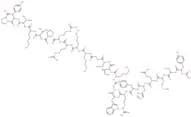
CAS:<p>Please enquire for more information about Acetyl-ACTH (2-24) (human, bovine, rat) trifluoroacetate salt including the price, delivery time and more detailed product information at the technical inquiry form on this page</p>Formula:C135H207N39O30SPurity:Min. 95%Molecular weight:2,888.4 g/mol1H-Pyrrole-2,5-dicarboxylic acid
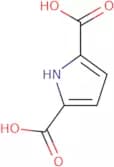
CAS:<p>1H-Pyrrole-2,5-dicarboxylic acid is a biosynthetic precursor of the amide functional group. It is synthesized from the carboxylic acid functional group and ferrocene. It has been shown to be a putative precursor of pyrrole-2-carboxylic acid in the pyrrole system. 1H-Pyrrole-2,5-dicarboxylic acid reacts with carbon tetrachloride and diethyl iminodiacetate in refluxing chloroform to produce coelicolor. The reaction mechanism for this transformation is unknown, but it is hypothesized that it involves a radical mechanism.</p>Formula:C6H5NO4Purity:Min. 95%Molecular weight:155.11 g/mol(D-Lys6)-LHRH (free acid) acetate salt
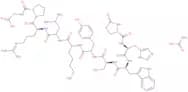
CAS:Controlled Product<p>Please enquire for more information about (D-Lys6)-LHRH (free acid) acetate salt including the price, delivery time and more detailed product information at the technical inquiry form on this page</p>Formula:C59H83N17O14Purity:Min. 95%Molecular weight:1,254.4 g/molMca-(Asn670,Leu671)-Amyloid β/A4 Protein Precursor770 (667-674)-Dap (Dnp) ammonium acetate salt
CAS:<p>Please enquire for more information about Mca-(Asn670,Leu671)-Amyloid beta/A4 Protein Precursor770 (667-674)-Dap (Dnp) ammonium acetate salt including the price, delivery time and more detailed product information at the technical inquiry form on this page</p>Formula:C56H73N13O26Purity:Min. 95%Molecular weight:1,344.25 g/molOrphan GPCR SP9155 Agonist P550 (mouse) trifluoroacetate salt
CAS:<p>Please enquire for more information about Orphan GPCR SP9155 Agonist P550 (mouse) trifluoroacetate salt including the price, delivery time and more detailed product information at the technical inquiry form on this page</p>Formula:C126H195N37O37Purity:Min. 95%Molecular weight:2,820.12 g/molConjugated linoleic acid - liquid
CAS:<p>Conjugated linoleic acid (CLA) is a fatty acid found in beef and dairy products. It is a conjugated form of linoleic acid, which means it has two or more double bonds in its chemical structure. CLA may help to regulate energy metabolism by inhibiting the activity of enzymes involved in fat and carbohydrate metabolism. CLA has also been shown to have inhibitory properties against polymerase chain reaction (PCR), an enzyme that copies DNA during cell division. CLA has also been shown to reduce the symptoms of bowel disease, including reducing inflammation and improving insulin sensitivity. CLA may suppress body weight gain and fat accumulation in humans, as well as reduce the development of type 2 diabetes mellitus. In addition, CLA may be effective against infectious diseases such as tuberculosis and HIV/AIDS because it can lower levels of pro-inflammatory cytokines like tumor necrosis factor-α (TNF-α)</p>Formula:C18H32O2Purity:Min. 95%Color and Shape:Slightly Yellow Clear LiquidMolecular weight:280.45 g/mol(Des-Gly10,D-His2,D-Ser4,D-Leu6,Pro-NHEt 9)-LHRH trifluoroacetate salt
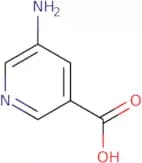
<p>Please enquire for more information about (Des-Gly10,D-His2,D-Ser4,D-Leu6,Pro-NHEt 9)-LHRH trifluoroacetate salt including the price, delivery time and more detailed product information at the technical inquiry form on this page</p>Formula:C59H84N16O12Purity:Min. 95%Molecular weight:1,209.4 g/mol5-Aminopyridine-3-carboxylic acid
CAS:<p>5-Aminopyridine-3-carboxylic acid (5APC) is a structural analog of nicotinic acid that has been shown to have anti-inflammatory effects. 5APC inhibits the production of inflammatory cytokines, such as IL-10 and IL-17, by inhibiting the activation of NFκB and MAPK pathways. This drug also has significant inhibitory activities against dextran sulfate sodium (DSS)-induced acute colitis in experimental models. 5APC is thought to act by interrupting the assembly of p38 mitogen activated protein kinase (MAPK) and nuclear factor kappa B (NFκB) signaling complexes.</p>Formula:C6H6N2O2Purity:Min. 95%Molecular weight:138.12 g/molAmyloid β-Protein (1-37) trifluoroacetate salt
CAS:<p>Please enquire for more information about Amyloid beta-Protein (1-37) trifluoroacetate salt including the price, delivery time and more detailed product information at the technical inquiry form on this page</p>Formula:C182H274N50O55SPurity:Min. 95%Molecular weight:4,074.49 g/molNeuroendocrine Regulatory Peptide-2 (rat) trifluoroacetate salt
<p>Please enquire for more information about Neuroendocrine Regulatory Peptide-2 (rat) trifluoroacetate salt including the price, delivery time and more detailed product information at the technical inquiry form on this page</p>Formula:C175H290N56O59Purity:Min. 95%Molecular weight:4,122.52 g/molω-Agatoxin IVa trifluoroacetate
CAS:<p>Omega-agatoxin IVa trifluoroacetate is a neurotoxin that inhibits voltage-dependent calcium channels. It blocks the opening of these channels, leading to an increase in cytosolic calcium. This toxin has been shown to be effective in treating autoimmune diseases and also has shown antimicrobial effects against bacteria. Omega-agatoxin IVa trifluoroacetate has a pathogenic mechanism that involves the inhibition of neuronal death by glutamate through its ability to block the release of glutamate from the presynaptic neuron. This toxin also binds to cerebellar Purkinje neurons and prevents them from firing, which leads to paralysis. Omega-agatoxin IVa trifluoroacetate is a glycosylated peptide with a disulfide bond that can be isolated using preparative high performance liquid chromatography (HPLC).</p>Formula:C217H360N68O60S10Purity:Min. 95%Molecular weight:5,202.26 g/mol4-[4-(N-Boc)piperazin-1-yl]phenylboronic acid pinacol ester
CAS:<p>Please enquire for more information about 4-[4-(N-Boc)piperazin-1-yl]phenylboronic acid pinacol ester including the price, delivery time and more detailed product information at the technical inquiry form on this page</p>Formula:C21H33BN2O4Purity:Min. 95%Color and Shape:PowderMolecular weight:388.31 g/molTos-Gly-Pro-Lys-AMC trifluoroacetate salt
CAS:<p>Please enquire for more information about Tos-Gly-Pro-Lys-AMC trifluoroacetate salt including the price, delivery time and more detailed product information at the technical inquiry form on this page</p>Formula:C30H37N5O7SPurity:Min. 95%Molecular weight:611.71 g/molTAT 2-4 trifluoroacetate salt
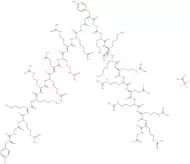
CAS:<p>Trifluoroacetate salt</p>Formula:C132H240N66O29Purity:Min. 95%Molecular weight:3,215.75 g/moltrans-2,5-Difluorocinnamic acid
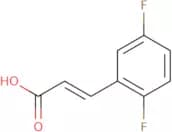
CAS:<p>Trans-2,5-difluorocinnamic acid is a monomer that belongs to the group of organic acids. It is used as a solvent and in analytical methods. Trans-2,5-difluorocinnamic acid is also used to transport other substances and can be used in reactions with other molecules. Trans-2,5-difluorocinnamic acid has been shown to be neuropathic and has been tested for its ability to cause cataracts, but has not shown any evidence of mutagenicity.</p>Formula:C9H6F2O2Purity:Min. 95%Color and Shape:PowderMolecular weight:184.14 g/molAcetyl-PACAP-38 (human, mouse, ovine, porcine, rat) trifluoroacetate salt
CAS:<p>Please enquire for more information about Acetyl-PACAP-38 (human, mouse, ovine, porcine, rat) trifluoroacetate salt including the price, delivery time and more detailed product information at the technical inquiry form on this page</p>Formula:C205H333N63O54SPurity:Min. 95%Molecular weight:4,576.3 g/molH-Lys-Gly-Lys-OH acetate salt
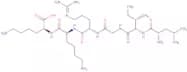
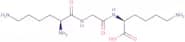
CAS:<p>The solute-solvent interaction is the process in which solutes are dissolved in a solvent. The solute is the substance that is dissolved and the solvent is the liquid that holds the solute. There are two types of interactions between an ionic solute and a polar solvent: electrostatic and hydrophobic. Electrostatic interactions are due to charge differences, while hydrophobic interactions are due to differences in molecular size or shape. In simulations, molecular dynamics was used to study how ligands interact with receptors using a thermodynamic model system. A frequency shift was observed when ligand binding occurred, which indicates that binding can be detected by monitoring changes in frequency.</p>Formula:C14H29N5O4Purity:Min. 95%Molecular weight:331.41 g/molNeuromedin B trifluoroacetate salt
CAS:<p>Neuromedin B is a peptide hormone that is produced by the hypothalamus and regulates many physiological processes such as energy metabolism, appetite, and sleep. Neuromedin B is a member of the family of guanine nucleotide-binding proteins (G proteins) that bind to G protein-coupled receptors on the surface of cells. It has been shown to stimulate calcium release from intracellular stores in response to an increase in cytosolic Ca2+. Neuromedin B has been shown to have anti-inflammatory effects on infectious diseases such as meningitis, sepsis, and tuberculosis, which may be due to its ability to inhibit neutrophil migration. Neuromedin B also stimulates hippocampal formation activity in rats during the rotarod test, which may be due to its effects on dopamine release.</p>Formula:C52H73N15O12SPurity:Min. 95%Molecular weight:1,132.3 g/molH-Glu-Arg-OH acetate salt
CAS:Controlled Product<p>Please enquire for more information about H-Glu-Arg-OH acetate salt including the price, delivery time and more detailed product information at the technical inquiry form on this page</p>Formula:C11H21N5O5Purity:Min. 95%Molecular weight:303.32 g/molNeuroendocrine Regulatory Peptide-2 (human) trifluoroacetate salt
<p>Please enquire for more information about Neuroendocrine Regulatory Peptide-2 (human) trifluoroacetate salt including the price, delivery time and more detailed product information at the technical inquiry form on this page</p>Formula:C173H288N56O57Purity:Min. 95%Molecular weight:4,064.48 g/mol(2-Amino-2-oxoethoxy)acetic acid
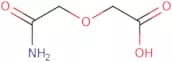
CAS:<p>2-Amino-2-oxoethoxy)acetic acid is a product that can be used as a transport agent in the process of extracting glycosides. It has been shown to have strong adsorption properties and is able to extract glycosides from plant material. 2-Amino-2-oxoethoxy)acetic acid has a high affinity for calcium, which is an important component in the adsorption mechanism.</p>Formula:C4H7NO4Purity:Min. 95%Molecular weight:133.1 g/molRANTES (3-68) (human) trifluoroacetate salt
<p>Please enquire for more information about RANTES (3-68) (human) trifluoroacetate salt including the price, delivery time and more detailed product information at the technical inquiry form on this page</p>Formula:C342H522N94O97S5Purity:Min. 95%Molecular weight:7,662.71 g/mol3-Pyridineboronic acid
CAS:<p>3-Pyridineboronic acid is an antimicrobial agent that is used to treat bacterial and fungal infections. 3-Pyridineboronic acid is a prodrug that is metabolized to its active form, pyridinium boronate. This drug has been shown to be effective in the treatment of hypoxic tumors in mice, which are resistant to other anticancer drugs. 3-Pyridineboronic acid also has acidic properties and can be used as an antiseptic for the treatment of skin and eye infections. It can also be used as a hydrogen bonding partner when combined with halides, such as chloride or bromide ions. The drug binds to human serum proteins and forms an acidic complex that prevents bacterial growth by inhibiting protein synthesis. 3-Pyridineboronic acid also inhibits prostate cancer cells by competitively inhibiting the enzyme 4-pyridinylboronic acid reductase (4PBAR).</p>Formula:C5H6BNO2Purity:Min. 95%Molecular weight:122.92 g/molKemptamide trifluoroacetate salt
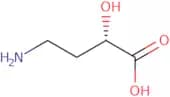
CAS:<p>Kemptamide is a peptide that has been shown to have cytotoxic and anti-proliferative effects on renal cancer cells. It is a synthetic analogue of an endogenous peptide, Lys-Lys-Arg-Pro-Gln-Arg-Ala-Thr-Ser-Asn-Val-Phe, that is found in porcine kidney. Kemptamide’s cytotoxic activity may be due to its ability to inhibit the activity of phosphatases. Kemptamide also has regulatory properties and can modulate the expression of genes that are involved in cell growth and apoptosis. This peptide has been shown to be reactive with kidney cells, which may lead to its therapeutic effect on renal cancer.</p>Formula:C65H112N24O18Purity:Min. 95%Molecular weight:1,517.74 g/mol(S)-(-)-4-Amino-2-hydroxybutyric acid
CAS:<p>(S)-(-)-4-Amino-2-hydroxybutyric acid is an antibacterial agent that binds to the bacterial ribosome and prevents protein synthesis. It has been shown to be active against a range of bacteria, including Mycobacterium tuberculosis, Salmonella typhimurium, Staphylococcus aureus, and Streptococcus pyogenes. (S)-(-)-4-Amino-2-hydroxybutyric acid is also used in the analytical determination of other substances such as trifluoroacetic acid and malic acid. The pH optimum for this compound's activity is between 6.5 and 8.5.</p>Formula:C4H9NO3Purity:Min. 95%Color and Shape:White To Yellow SolidMolecular weight:119.12 g/molSuc-Ala-Ala-Pro-Abu-pNA trifluoroacetate salt
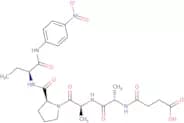
CAS:<p>Please enquire for more information about Suc-Ala-Ala-Pro-Abu-pNA trifluoroacetate salt including the price, delivery time and more detailed product information at the technical inquiry form on this page</p>Formula:C25H34N6O9Purity:Min. 95%Molecular weight:562.57 g/molPrepro-Neuromedin S (70-103) (human) trifluoroacetate salt
<p>Please enquire for more information about Prepro-Neuromedin S (70-103) (human) trifluoroacetate salt including the price, delivery time and more detailed product information at the technical inquiry form on this page</p>Formula:C180H271N49O44SPurity:Min. 95%Molecular weight:3,857.45 g/molTLQP-21 (mouse, rat) trifluoroacetate salt
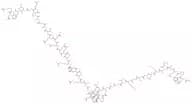
CAS:<p>Please enquire for more information about TLQP-21 (mouse, rat) trifluoroacetate salt including the price, delivery time and more detailed product information at the technical inquiry form on this page</p>Formula:C107H170N40O26Purity:Min. 95%Molecular weight:2,432.75 g/molPancreastatin (dephosphorylated) (porcine) trifluoroacetate salt
CAS:<p>Pancreastatin is a cytosolic protein that inhibits the production of peptide hormones such as glucagon, insulin, and gastrin. It is used to treat bowel disease, including carcinoid syndrome and inflammatory bowel disease. Pancreastatin has been shown to inhibit the activity of cyclase enzymes that are responsible for the production of these hormones. Pancreatic beta-cells produce pancreatic polypeptide (PP), which is converted by pancreastatin into inactive PP2. Pancreatic alpha-cells produce somatostatin (SS), which is converted by pancreastatin into inactive SS2. Pancreatic delta cells produce pancreatic polypeptide (PP), which is not affected by pancreastatin. Pancreatic somatostatinomas secrete SS, which is not affected by pancreastatin.</p>Formula:C214H330N68O76SPurity:Min. 95%Molecular weight:5,103.39 g/molBuccalin trifluoroacetate salt
CAS:<p>Buccalin is a cholinergic pharmaceutical drug that has been shown to have metabolic, growth factor, and chemotactic activities. It has been used in the treatment of various autoimmune diseases and infectious diseases. The mechanism of action for buccalin is unknown. Buccalin has been shown to have receptor activity in a variety of diagnostic agents such as monoclonal antibodies and fatty acids. It binds to acetylcholine receptors at the neuromuscular junction, leading to activation of muscle fibers by acetylcholine release from nerve endings.</p>Formula:C45H72N12O15SPurity:Min. 95%Molecular weight:1,053.19 g/molHydrazine acetate
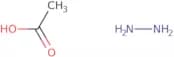
CAS:Controlled Product<p>Hydrazine acetate is an organic solution that has a glycoconjugate. It is also found in uridine, hydrogen bond and serine protease. Hydrazine acetate has been shown to have a benzyl group and carbonyl group. Hydrazine acetate interacts with trifluoroacetic acid and particle. This drug can be used for the treatment of autoimmune diseases, such as rheumatoid arthritis, and infectious diseases such as HIV/AIDS. Hydrazine acetate has shown high values for growth factor activity, which may be due to its ability to inhibit the enzyme ns3 protease in the synthesis of proinflammatory cytokines.</p>Formula:C2H4O2·H4N2Purity:Min. 95%Color and Shape:White PowderMolecular weight:92.1 g/mol(2-{Ethyl-[4-(4-nitro-phenylazo)-phenyl]-amino}-ethoxy)-acetic acid-4-nitro-phenyl ester
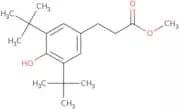
CAS:<p>Please enquire for more information about (2-{Ethyl-[4-(4-nitro-phenylazo)-phenyl]-amino}-ethoxy)-acetic acid-4-nitro-phenyl ester including the price, delivery time and more detailed product information at the technical inquiry form on this page</p>Formula:C24H23N5O7Purity:Min. 95%Molecular weight:493.47 g/mol3,5-di-tert-Butyl-4-hydroxyphenylpropionic acid methyl ester
CAS:<p>3,5-di-tert-butyl-4-hydroxyphenylpropionic acid methyl ester is a compound that has been used as an analytical reagent and as a precursor to other chemicals. It is a white solid with a melting point of about 40°C. 3,5-di-tert-butyl-4-hydroxyphenylpropionic acid methyl ester is soluble in hexane, benzene, and diethylether. It also reacts with fatty acids to produce polymers. 3,5-di-tert-butyl-4-hydroxyphenylpropionic acid methyl ester has been shown to be an effective antibacterial agent against Gram negative bacteria such as Escherichia coli and Pseudomonas aeruginosa.</p>Formula:C18H28O3Purity:90%Color and Shape:Off-White PowderMolecular weight:292.41 g/molUrotensin II-Related Peptide (human, mouse, rat) trifluoroacetate salt
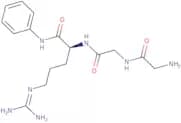
CAS:<p>Urotensin II is a peptide that is expressed in the brain and has hypotensive effects. It is an endogenous ligand for the urotensin II receptor, which is found in various tissues including the heart, vascular system, and lungs. Urotensin II-Related Peptide (URP) was identified from cDNA sequences of human, mouse, and rat tissues. The URP consists of a sequence of amino acids with a molecular weight of 1219. This peptide has been shown to have diagnostic use in tissues and animals as well as being immunoreactive in monoclonal antibodies. The gene encoding URP has been cloned and its protein product has been characterized by mass spectroscopy.</p>Formula:C49H64N10O10S2Purity:Min. 95%Molecular weight:1,017.23 g/molH-Gly-Gly-Arg-anilide acetate salt
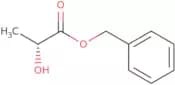
CAS:<p>Please enquire for more information about H-Gly-Gly-Arg-anilide acetate salt including the price, delivery time and more detailed product information at the technical inquiry form on this page</p>Formula:C16H25N7O3Purity:Min. 95%Molecular weight:363.42 g/molD-Lactic acid benzyl ester
CAS:<p>D-Lactic acid benzyl ester is a chiral molecule that can be used as a feedstock for the production of D-lactic acid. It has been shown to catalyze hydrogenation reactions with an enhanced reaction rate and high selectivity when compared to other methods. The catalytic activity of D-lactic acid benzyl ester can be increased by using zeolites or iron catalyst, which are more expensive than the ligand used in this study. In addition, D-lactic acid benzyl ester was found to be more effective at catalysing the reaction between alkenes and hydrogen gas than other known catalysts. These findings indicate that it may be possible to use D-lactic acid benzyl ester as a cost-effective alternative to other catalysts in industrial processes.</p>Formula:C10H12O3Purity:Min. 95%Molecular weight:180.2 g/molCaloxin 2A1 trifluoroacetate salt
CAS:<p>Please enquire for more information about Caloxin 2A1 trifluoroacetate salt including the price, delivery time and more detailed product information at the technical inquiry form on this page</p>Formula:C64H91N19O22Purity:Min. 95%Molecular weight:1,478.52 g/molSarafotoxin B trifluoroacetate salt
CAS:<p>Component of snake venom; part of a family of vasoconstrictor isopeptides</p>Formula:C110H159N27O34S5Purity:Min. 95%Molecular weight:2,563.93 g/molFibronectin Fragment (1954-1959) trifluoroacetate salt
CAS:<p>Please enquire for more information about Fibronectin Fragment (1954-1959) trifluoroacetate salt including the price, delivery time and more detailed product information at the technical inquiry form on this page</p>Formula:C32H63N11O7Purity:Min. 95%Molecular weight:713.91 g/molGastric Inhibitory Polypeptide (3-42) (human) trifluoroacetate salt
CAS:<p>Please enquire for more information about Gastric Inhibitory Polypeptide (3-42) (human) trifluoroacetate salt including the price, delivery time and more detailed product information at the technical inquiry form on this page</p>Formula:C214H324N58O63SPurity:Min. 95%Molecular weight:4,749.28 g/molAc-Leu-Glu-His-Asp-AMC trifluoroacetate salt
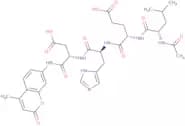
CAS:<p>Ac-Leu-Glu-His-Asp-AMC trifluoroacetate salt is a synthetic peptide that is derived from the amino acid sequence of caspases. Ac-Leu-Glu-His-Asp-AMC trifluoroacetate salt induces apoptosis in insect and E. coli cells by protease activity, which leads to cell death. The sequence of this peptide is found in Drosophila melanogaster and has been shown to induce apoptosis in insect cells. Caspases are enzymes that regulate apoptosis and play a key role in cell death.</p>Formula:C33H41N7O11Purity:Min. 95%Molecular weight:711.72 g/mol(Des-Gly10,tBu-D-Gly6,Pro-NHEt 9)-LHRH trifluoroacetate
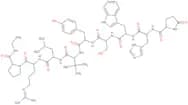
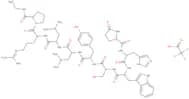
CAS:<p>(Des-Gly10, tBu-D-Gly6,Pro-NHEt 9)-LHRH trifluoroacetate salt Pyr-His-Trp-Ser-Tyr-tBu-D-Gly-Leu-Arg-Pro-NHEt trifluoroacetate salt is a synthetic hormone that is the active form of luteinizing hormone releasing hormone (LHRH), a gonadotropin releasing hormone (GnRH). It has been used in the diagnosis and treatment of prostate cancer. The drug is also used to treat endometriosis and other conditions. It can be administered by injection or as an intranasal spray. The drug inhibits follicular growth and fertility by downregulating estradiol benzoate production.</p>Formula:C59H84N16O12•(C2HF3O2)xPurity:Min. 95%Color and Shape:PowderMolecular weight:1,209.4 g/molMethyl diethylphosphonoacetate
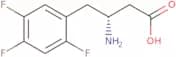
CAS:<p>Methyl diethylphosphonoacetate is a chemical compound that contains a hydroxy group, an alkynyl group and a disulfide bond. It is used as a control agent in the production of polyurethane foams, and has also been shown to inhibit the growth of bladder cancer cells. The UV absorption peak at 220 nm can be used to identify this chemical compound. Methyl diethylphosphonoacetate reacts with proton to form diethylphosphonoacetate, which then undergoes an elimination reaction with fatty acids to form aliphatic hydrocarbons. This reaction mechanism was first proposed by Stork and co-workers in 1960. Methyl diethylphosphonoacetate also binds to thrombin receptor, which may lead to anti-inflammatory effects.</p>Formula:C7H15O5PPurity:Min. 95%Molecular weight:210.16 g/mol(R)-3-Amino-4-(2,4,5-trifluorophenyl)butyric acid
CAS:<p>(R)-3-Amino-4-(2,4,5-trifluorophenyl)butyric acid is an antibacterial agent that inhibits the enzyme acetylcholine esterase. This inhibition prevents the breakdown of acetylcholine, leading to increased levels of this neurotransmitter in the brain and an enhancement of cholinergic transmission. (R)-3-Amino-4-(2,4,5-trifluorophenyl)butyric acid has been shown to be effective against bacterial strains resistant to β-lactam antibiotics. The synthesis of taxol as well as other β-amino acids has been demonstrated using a variety of enzymatic methods. A reaction scheme for the synthesis of nicotinic acetylcholine has also been proposed. (R)-3-Amino-4-(2,4,5-trifluorophenyl)butyric acid is a dipept</p>Formula:C10H10F3NO2Purity:Min. 95%Color and Shape:PowderMolecular weight:233.19 g/molVIP sulfoxide (human, mouse, rat) trifluoroacetate salt
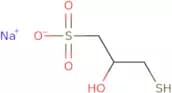
CAS:<p>Please enquire for more information about VIP sulfoxide (human, mouse, rat) trifluoroacetate salt including the price, delivery time and more detailed product information at the technical inquiry form on this page</p>Formula:C147H238N44O43SPurity:Min. 95%Molecular weight:3,341.8 g/mol2-Hydroxy-3-mercapto-1-propanesulfonic acid sodium salt
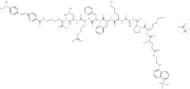
CAS:<p>2-Hydroxy-3-mercapto-1-propanesulfonic acid sodium salt (2HMP) is a diagnostic agent that can be used for the detection of bacterial infections. The conformational properties of 2HMP are similar to those of ATP, which allows it to bind to the polymerase chain reaction enzyme and initiate an enzymatic reaction. This leads to the production of a signal that can be detected by spectrophotometry or fluorometry. 2HMP has also been shown to have chemokine activity in vitro, but this has not been tested in vivo. 2HMP is a competitive inhibitor of human protein serine proteases, such as trypsin and chymotrypsin, with an IC50 value of approximately 1 μM.</p>Formula:C3H7NaO4S2Purity:Min. 95%Molecular weight:194.2 g/molH-Glu(EDANS)-Lys-Pro-Ala-Lys-Phe-Phe-Arg-Leu-Lys(DABCYL)-NH2 trifluoroacetate salt
CAS:<p>Please enquire for more information about H-Glu(EDANS)-Lys-Pro-Ala-Lys-Phe-Phe-Arg-Leu-Lys(DABCYL)-NH2 trifluoroacetate salt including the price, delivery time and more detailed product information at the technical inquiry form on this page</p>Formula:C88H124N22O15SPurity:Min. 95%Molecular weight:1,762.13 g/molZ-Val-Arg-Pro-DL-Arg-fluoromethylketone trifluoroacetate salt
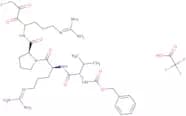
CAS:<p>Please enquire for more information about Z-Val-Arg-Pro-DL-Arg-fluoromethylketone trifluoroacetate salt including the price, delivery time and more detailed product information at the technical inquiry form on this page</p>Formula:C31H49FN10O6Purity:Min. 95%Molecular weight:676.78 g/molAzilsartan medoxomil
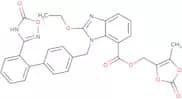
CAS:<p>Azilsartan medoxomil is an antihypertensive drug, which is a prodrug of the angiotensin II receptor blocker azilsartan. It is synthesized through a chemical process involving the modification of the medoxomil ester, converting it into its active form upon absorption in the gastrointestinal tract. The primary mode of action of azilsartan medoxomil involves selective antagonism of the angiotensin II type 1 (AT1) receptor. By blocking the effects of angiotensin II—a potent vasoconstrictor—azilsartan medoxomil effectively reduces vascular resistance, leading to decreased blood pressure.</p>Formula:C30H24N4O8Purity:Min. 95%Color and Shape:White PowderMolecular weight:568.53 g/mol3,5-Diiodothyroformic acid
CAS:<p>3,5-Diiodothyroformic acid is a fine chemical that is used as a versatile building block in organic synthesis. It is also an intermediate for research chemicals and speciality chemicals. In addition to its use as a reagent, 3,5-Diiodothyroformic acid has been shown to be useful as a building block for the synthesis of pharmaceuticals and agricultural chemicals.</p>Formula:C13H8I2O4Purity:Min. 95%Molecular weight:482.01 g/molCell-permeable Caspase-3 Inhibitor I trifluoroacetate salt
CAS:<p>Please enquire for more information about Cell-permeable Caspase-3 Inhibitor I trifluoroacetate salt including the price, delivery time and more detailed product information at the technical inquiry form on this page</p>Formula:C94H158N20O27Purity:Min. 95%Molecular weight:2,000.38 g/molOrotic acid hydrate
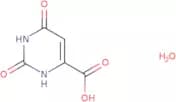
CAS:<p>Orotic acid hydrate is a synthetic compound that is designed to be a growth regulator. Orotic acid hydrate is synthesized by reacting the orotate with pyridoxine hydrochloride, followed by crystallizing the product. Hydrogen bonds form between the water molecules and fatty acids in the crystals of OA hydrate. These hydrogen bonds stabilize the crystal structure and allow for its use as a growth regulator. The stability of this molecule can also be attributed to its ability to form hydrogen bonds with other molecules such as α-tocopherol, calcium carbonate, and synthetic cannabinoids. Orotic acid hydrate has been shown to have an effect on cancer cells because it reacts with daunorubicin in solution and inhibits DNA synthesis, inhibiting cell growth.</p>Formula:C5H4N2O4·H2OPurity:Min. 95 Area-%Color and Shape:PowderMolecular weight:174.11 g/molPAR-2 (1-6) (mouse, rat) trifluoroacetate salt
CAS:<p>Please enquire for more information about PAR-2 (1-6) (mouse, rat) trifluoroacetate salt including the price, delivery time and more detailed product information at the technical inquiry form on this page</p>Formula:C29H55N9O8Purity:Min. 95%Molecular weight:657.8 g/mol2-Bromo-4,5-dimethoxybenzoic acid
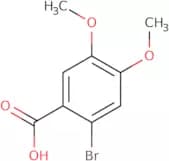
CAS:<p>2-Bromo-4,5-dimethoxybenzoic acid is a synthetic compound that belongs to the group of anticancer drugs. It is a potent inhibitor of mitochondrial membrane depolarization and has been shown to inhibit tumor growth in vivo. 2-Bromo-4,5-dimethoxybenzoic acid also induces cell death by demethylation and hydroxylation of DNA, leading to apoptosis. This compound is synthesized by reacting 3,4-dihydroxybenzoic acid with bromine and potassium hydroxide. Surrogates such as amides are used for this synthesis because the original product is not stable enough. Protocatechuic acid can be produced from 2-bromo-4,5-dimethoxybenzoic acid through hydrolysis.</p>Formula:C9H9BrO4Purity:Min. 95%Color and Shape:PowderMolecular weight:261.07 g/moltert-Butyl 7-bromo-3,4-dihydroisoquinoline-2(1H)-carboxylate
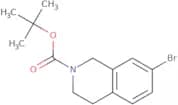
CAS:<p>Please enquire for more information about tert-Butyl 7-bromo-3,4-dihydroisoquinoline-2(1H)-carboxylate including the price, delivery time and more detailed product information at the technical inquiry form on this page</p>Formula:C14H18BrNO2Purity:Min. 95%Color and Shape:PowderMolecular weight:312.2 g/molMethylboronic acid pinacol ester
CAS:<p>Methylboronic acid pinacol ester is an orally administered compound that inhibits the activity of peptidases and imidazole derivatives. It is used as a medicinal preparation for the treatment of cancer and other diseases. Methylboronic acid pinacol ester has been shown to inhibit the growth of bacteria, including Gram-positive bacteria such as methicillin-resistant Staphylococcus aureus (MRSA) and Clostridium perfringens. This compound also has an inhibitory effect on hydroxyl group metabolism, which may be related to its anti-inflammatory properties.</p>Formula:C7H15BO2Purity:Min. 95%Color and Shape:Colourless liquid.Molecular weight:142 g/mol4-Methylbenzyl acetate
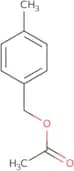
CAS:<p>4-Methylbenzyl acetate is a monocarboxylic acid that is an oxidation product of benzyl esters. It has been found to be a suitable catalyst for the oxidation of wastewater containing monocarboxylic acids, including acetic acid, propionic acid and butyric acid. The catalytic mechanism of 4-methylbenzyl acetate was found to be an acylation reaction in which the carboxyl group of 4-methylbenzyl acetate acts as an acylating agent with the hydrogen atom of the substrate. The reaction mechanism for this process is similar to that for other types of carboxylic acids, such as propionate and butyrate. 4-Methylbenzyl acetate also has functional groups that allow it to act as both a base and a nucleophile in addition to its ability to act as an acylating agent.</p>Formula:C10H12O2Purity:Min. 95%Molecular weight:164.2 g/mol




![([ring-D5]Phe8)-Angiotensin II acetate salt](/_next/image/?url=https%3A%2Fstatic.cymitquimica.com%2Fproducts%2F3D%2Fthumb-webp%2FFR110025.webp&w=3840&q=75)




![4-[(4-chlorophenyl)-2-pyridinylmethoxy]-1-piperidinecarboxylic acid ethylester](/_next/image/?url=https%3A%2Fstatic.cymitquimica.com%2Fproducts%2F3D%2Fthumb-webp%2FFP152183.webp&w=3840&q=75)













![4-[4-(N-Boc)piperazin-1-yl]phenylboronic acid pinacol ester](/_next/image/?url=https%3A%2Fstatic.cymitquimica.com%2Fproducts%2F3D%2Fthumb-webp%2FFN162753.webp&w=3840&q=75)






![(2-{Ethyl-[4-(4-nitro-phenylazo)-phenyl]-amino}-ethoxy)-acetic acid-4-nitro-phenyl ester](/_next/image/?url=https%3A%2Fstatic.cymitquimica.com%2Fproducts%2F3D%2Fthumb-webp%2FFE111186.webp&w=3840&q=75)