Carboxylic Acids
Carboxylic acids are organic molecules characterized by having a carboxyl-type functional group (-COOH). These acids are fundamental in various chemical reactions, including esterification, amidation, and decarboxylation. Carboxylic acids are widely used in the production of pharmaceuticals, polymers, and agrochemicals. In this section, you can find a large number of carboxylic acids ready to be used. At CymitQuimica, we provide a broad range of high-quality carboxylic acids to support your research and industrial applications.
Found 12453 products of "Carboxylic Acids"
Sort by
Purity (%)
0
100
|
0
|
50
|
90
|
95
|
100
Amyloid β-Protein (16-20) trifluoroacetate salt
CAS:<p>Amyloid beta-protein (Aβ) is a peptide that is associated with the development of Alzheimer's disease. The Aβ(16-20) trifluoroacetate salt (ATF) has been used in the diagnosis of Alzheimer's disease by fluorescence microscopy. This compound binds to hyaluronic acid and has been used as a coating for optical fibers and other materials, such as coatings for mitochondria for use in live cell imaging. The ATF also interacts with mitochondria and alters mitochondrial membrane potential, which may be due to its ability to displace cardiolipin from the inner mitochondrial membrane. ATF binds to unsymmetrical dimethylarginine (DMA), an endogenous nitric oxide synthase inhibitor, and selectively inhibits only cancer cells that have elevated levels of DMA. ATFP also induces spontaneous apoptosis in human carcinoma cells when bound to these cells via a photoconjugation reaction with bioconjugate chemistry.</p>Formula:C35H52N6O6Purity:Min. 95%Molecular weight:652.82 g/molCathelicidin LL 37
CAS:<p>LL-37 is a potent antimicrobial peptide that has been shown to be effective against cancer cells and is currently being investigated as a potential antineoplastic agent. LL-37 binds to the leukocyte receptor, which leads to chemotaxis, increased expression of p53 and apoptosis. LL-37 also induces apoptotic cell death in epithelial tissues, both in vitro and in vivo. This peptide has been shown to induce death in cancer cells, as well as cell death in other types of cells.</p>Formula:C205H340N60O53Purity:Min. 95%Molecular weight:4,493.27 g/mol(Des-Gly10,D-Tyr5,D-His(Bzl)6,Pro-NHEt 9)-LHRH trifluoroacetate salct
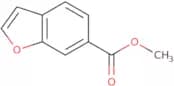
CAS:<p>Please enquire for more information about (Des-Gly10,D-Tyr5,D-His(Bzl)6,Pro-NHEt 9)-LHRH trifluoroacetate salct including the price, delivery time and more detailed product information at the technical inquiry form on this page</p>Formula:C66H86N18O12Purity:Min. 95%Molecular weight:1,323.5 g/molMethyl benzofuran-6-carboxylate
CAS:<p>Methyl benzofuran-6-carboxylate is a synthetic retinoid that is a conformationally constrained analogue of retinoic acid, which is one of the most powerful biological molecules. Methyl benzofuran-6-carboxylate has been shown to be an effective anti-inflammatory agent and may be useful in the treatment of inflammatory skin diseases. It also inhibits the production of proinflammatory cytokines and chemokines, such as TNF-α, IL-1β, IL-8, CCL2, CXCL1, and CXCL2. Methyl benzofuran-6-carboxylate binds to specific receptors on cell surfaces to inhibit the production of inflammatory mediators. The drug also has been shown to have antiangiogenic activity. This property may be due to its ability to inhibit the production of vascular endothelial growth factor (VEGF) and other angiogenic factors.</p>Formula:C10H8O3Purity:Min. 95%Molecular weight:176.17 g/molAcetyl-PACAP-38 (human, mouse, ovine, porcine, rat) trifluoroacetate salt
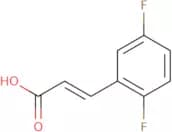
CAS:<p>Please enquire for more information about Acetyl-PACAP-38 (human, mouse, ovine, porcine, rat) trifluoroacetate salt including the price, delivery time and more detailed product information at the technical inquiry form on this page</p>Formula:C205H333N63O54SPurity:Min. 95%Molecular weight:4,576.3 g/moltrans-2,5-Difluorocinnamic acid
CAS:<p>Trans-2,5-difluorocinnamic acid is a monomer that belongs to the group of organic acids. It is used as a solvent and in analytical methods. Trans-2,5-difluorocinnamic acid is also used to transport other substances and can be used in reactions with other molecules. Trans-2,5-difluorocinnamic acid has been shown to be neuropathic and has been tested for its ability to cause cataracts, but has not shown any evidence of mutagenicity.</p>Formula:C9H6F2O2Purity:Min. 95%Color and Shape:PowderMolecular weight:184.14 g/molpTH (1-37) (human) trifluoroacetate salt
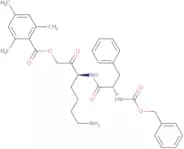
CAS:<p>Please enquire for more information about pTH (1-37) (human) trifluoroacetate salt including the price, delivery time and more detailed product information at the technical inquiry form on this page</p>Formula:C195H316N58O54S2Purity:Min. 95%Molecular weight:4,401.09 g/molZ-Phe-Lys-2,4,6-trimethylbenzoyloxy-methylketone trifluoroacetate salt
CAS:<p>Z-Phe-Lys-2,4,6-trimethylbenzoyloxy-methylketone trifluoroacetate salt is a proteolytic enzyme that has been shown to have bone resorption and tissue destructive properties. It is active against porphyromonas and bactericidal against fibrinogen. Z-Phe-Lys-2,4,6-trimethylbenzoyloxy-methylketone trifluoroacetate salt also inhibits the formation of osteoclasts by inhibiting the uptake and protease activity of extracellular matrix proteins such as fibrinogen. This drug is currently being researched for possible use in the treatment of Alzheimer's Disease.</p>Formula:C34H41N3O6Purity:Min. 95%Molecular weight:587.71 g/mol16-Hydroxyhexadecanoic acid
CAS:<p>16-Hydroxyhexadecanoic acid is a fatty acid that contains 16 carbons and 2 hydroxyl groups. It can be found in rat liver microsomes, where it binds to the cytochrome P450 enzyme, inhibiting its activity. The structural analysis of this compound has been shown to have intermolecular hydrogen bonding between the nitrogen atoms and the oxygen atoms in the hydroxyl group. 16-Hydroxyhexadecanoic acid also exhibits phase transition temperatures, which are increased by adding water molecules. This compound also has an inhibitory effect on recombinant cytochrome P450 enzymes from p. pastoris and can be used as a substrate for methyl myristate metabolism. In addition, 16-hydroxyhexadecanoic acid binds to dinucleotide phosphate (NADPH) and fluoresces when excited at 340 nm using a fluorescence detector.</p>Formula:C16H32O3Purity:Min. 95%Color and Shape:White PowderMolecular weight:272.42 g/mol(Des-Gly10,D-Leu6,[13C6]Leu7,Pro-NHEt 9)-LHRH trifluoroacetate salt
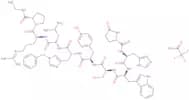
<p>Please enquire for more information about (Des-Gly10,D-Leu6,[13C6]Leu7,Pro-NHEt 9)-LHRH trifluoroacetate salt including the price, delivery time and more detailed product information at the technical inquiry form on this page</p>Purity:Min. 95%Mca-(Asn670,Leu671)-Amyloid β/A4 Protein Precursor770 (667-674)-Dap (Dnp) ammonium acetate salt
CAS:<p>Please enquire for more information about Mca-(Asn670,Leu671)-Amyloid beta/A4 Protein Precursor770 (667-674)-Dap (Dnp) ammonium acetate salt including the price, delivery time and more detailed product information at the technical inquiry form on this page</p>Formula:C56H73N13O26Purity:Min. 95%Molecular weight:1,344.25 g/mol3-Methylsalicylic acid
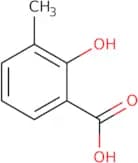
CAS:<p>3-Methylsalicylic acid is a naturally occurring carboxylate that has been shown to be an inhibitor of the hydrogenation of polyunsaturated fatty acids. 3-Methylsalicylic acid inhibits the binding of benzyl groups to intramolecular hydrogen and hydroxyl groups, which are required for the formation of a covalent bond. The antiproliferative effect of 3-methylsalicylic acid on cancer cells is due to its ability to inhibit protein synthesis by blocking the enzyme carboxylase. 3-Methylsalicylic acid also has anti-inflammatory properties and can be used as an antiseptic and analgesic.</p>Formula:C8H8O3Purity:Min. 95%Color and Shape:White PowderMolecular weight:152.15 g/molLithium acetoacetate
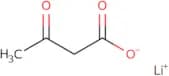
CAS:<p>Lithium acetoacetate is a compound that is used in the treatment of cancer. It is a salt that contains lithium and acetoacetate. Lithium acetoacetate has been shown to be clinically relevant for the treatment of cancer, particularly in patients who have not responded well to other treatments. This drug has also been shown to induce apoptosis in animal cells, which may be due to its ability to produce acid.</p>Formula:C4H6O3•LiPurity:Min. 95%Color and Shape:PowderMolecular weight:109.03 g/molEthyl imidazole-2-carboxylate
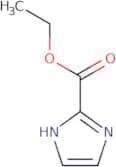
CAS:<p>Ethyl imidazole-2-carboxylate is a β-glucosidase inhibitor that has shown selectivity for cancer cells. This drug inhibits the activity of β-glucosidase, an enzyme that catalyzes the hydrolysis of terminal non-reducing β-D-glucose residues from oligo-, di-, and polysaccharides, which are substrates for glycosylation. Dasatinib is a type of drug that inhibits Bcr-Abl tyrosine kinase and is used in the treatment of chronic myeloid leukemia and other cancers. The inhibition of this enzyme may lead to increased levels of thymidine (a nucleotide) and therefore, DNA synthesis. Dasatinib also blocks the function of ribonucleotide reductases, which are enzymes that reduce ribonucleotides to deoxyribonucleotides. This mechanism prevents DNA replication by inhibiting the production of new DNA</p>Purity:Min. 95%Bz-Val-Gly-Arg-AMC trifluoroacetate salt
CAS:<p>Bz-Val-Gly-Arg-AMC is a growth factor that activates the extracellular signal-regulated protein kinase (ERK) pathway. The activation of this pathway results in an increase in cellular proliferation and inhibition of tumor growth. Bz-Val-Gly-Arg-AMC has been shown to activate ERK by interacting with VSMCs, which are cells that act as a structural component of blood vessels and play a role in regulating blood flow. This compound also induces phosphorylation of glycogen synthase kinase 3β and inhibits its activity, leading to increased protein synthesis through glycolysis. Bz-Val-Gly-Arg-AMC can be used as an inhibitor to bortezomib, a proteolytic enzyme that is used to treat cancer.</p>Formula:C30H37N7O6Purity:Min. 95%Molecular weight:591.66 g/mol(+)-3-Bromo-10-camphorsulfonic acid monohydate
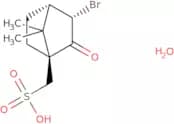
CAS:<p>Please enquire for more information about (+)-3-Bromo-10-camphorsulfonic acid monohydate including the price, delivery time and more detailed product information at the technical inquiry form on this page</p>Formula:C10H15BrO4S•H2OPurity:Min. 95%Color and Shape:PowderMolecular weight:329.21 g/molBz-Ile-Glu-Gly-Arg-pNA acetate salt
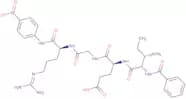
CAS:<p>Bz-Ile-Glu-Gly-Arg-pNA acetate salt is an anticoagulant that binds to heparin. It has been shown to inhibit protease activity in soybean trypsin by binding to the active site of the enzyme. Bz-Ile-Glu-Gly-Arg-pNA acetate salt has also been shown to have a molecular weight of heparin and a protein synthesis inhibition rate of fibrinogen, which is responsible for coagulation.</p>Formula:C32H43N9O9Purity:Min. 95%Molecular weight:697.74 g/mol[2-fluoro-4-(trifluoromethyl)phenyl]boronic Acid
CAS:<p>2-Fluoro-4-(trifluoromethyl)phenylboronic acid is a boron compound that can be used to synthesize a variety of target products. 2-Fluoro-4-(trifluoromethyl)phenylboronic acid occurs in the form of an oil and is an impurity in the target product, phenylboronic acid. This impurity can be removed by reacting with lithium benzotrifluoride. Lithiated 2-fluoro-4-(trifluoromethyl)phenylboronic acid is then reacted with phenylboronic acid to give lithiated phenylboronic ester in high yield. The lithiation reaction can be carried out under alkaline conditions or under a condition where the reactants are dissolved in water.</p>Formula:C7H5BF4O2Purity:Min. 95%Molecular weight:207.92 g/molOxalic acid dihydrate
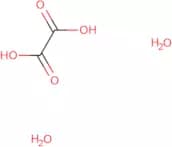
CAS:<p>Oxalic acid dihydrate is an organic compound with the molecular formula of (C2H2O4)2. It has a molecular weight of 226.07 g/mol and a melting point of 173°C. The intermolecular hydrogen bonding between the hydroxyl groups and the fatty acid chains creates an oxalic acid molecule that is able to exist in two different structures, alpha and beta. Alpha oxalic acid molecules have a particle phase transition temperature of -10°C, while beta oxalic acid molecules have a particle phase transition temperature of 30°C. Oxalic acid dihydrate is soluble in n-dimethylformamide (DMF) and hydrochloric acid (HCl). br>br> Oxalic acid dihydrate is used as an additive in metal-working fluids, which are used during machining processes to prevent corrosion. It also acts as a catalyst for transfer reactions between phosphorus pentoxide</p>Formula:C2H2O4•(H2O)2Purity:Min. 95%Molecular weight:126.07 g/molAmyloid β-Protein (35-25) trifluoroacetate salt
CAS:<p>Please enquire for more information about Amyloid beta-Protein (35-25) trifluoroacetate salt including the price, delivery time and more detailed product information at the technical inquiry form on this page</p>Formula:C45H81N13O14SPurity:Min. 95%Color and Shape:PowderMolecular weight:1,060.27 g/mol




![(Des-Gly10,D-Leu6,[13C6]Leu7,Pro-NHEt 9)-LHRH trifluoroacetate salt](/_next/image/?url=https%3A%2Fstatic.cymitquimica.com%2Fproducts%2F3D%2Fthumb-webp%2FFD109775.webp&w=3840&q=75)


![[2-fluoro-4-(trifluoromethyl)phenyl]boronic Acid](/_next/image/?url=https%3A%2Fstatic.cymitquimica.com%2Fproducts%2F3D%2Fthumb-webp%2FFF105416.webp&w=3840&q=75)