Carboxylic Acids
Carboxylic acids are organic molecules characterized by having a carboxyl-type functional group (-COOH). These acids are fundamental in various chemical reactions, including esterification, amidation, and decarboxylation. Carboxylic acids are widely used in the production of pharmaceuticals, polymers, and agrochemicals. In this section, you can find a large number of carboxylic acids ready to be used. At CymitQuimica, we provide a broad range of high-quality carboxylic acids to support your research and industrial applications.
Found 12453 products of "Carboxylic Acids"
Sort by
Purity (%)
0
100
|
0
|
50
|
90
|
95
|
100
Amyloid β-Protein (1-37) trifluoroacetate salt
CAS:<p>Please enquire for more information about Amyloid beta-Protein (1-37) trifluoroacetate salt including the price, delivery time and more detailed product information at the technical inquiry form on this page</p>Formula:C182H274N50O55SPurity:Min. 95%Molecular weight:4,074.49 g/mol(Cys26)-Amyloid b-Protein (1-40) trifluoroacetate salt
CAS:<p>Please enquire for more information about (Cys26)-Amyloid b-Protein (1-40) trifluoroacetate salt including the price, delivery time and more detailed product information at the technical inquiry form on this page</p>Formula:C194H295N53O57S2Purity:Min. 95%Molecular weight:4,345.87 g/molH-Leu-Ser-Lys-Leu-NH2 trifluoroacetate salt
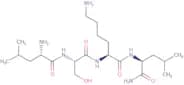
CAS:<p>L-Leu-Ser-Lys-Leu-NH2 is a cyclic peptide with the amino acid sequence H-Leu-Ser-Lys-Leu. It has been shown to have receptor activity and can be used as an experimental model of growth factors. L-Leu-Ser-Lys-Leu was found to stimulate collagen synthesis in a collagen gel, which may be due to its ability to inhibit the release of growth factor β1. L-Leu-Ser Lys Leu also has anti cancer effects by inhibiting the proliferation of malignant brain cells, as well as tubulointerstitial injury and renal cell carcinoma. This compound may also have some use in treating subarachnoid hemorrhage and fetal bovine serum (FBS) for tissue culture.</p>Formula:C21H42N6O5Purity:Min. 95%Molecular weight:458.6 g/mol2-Hydroxyethanesulfonic acid sodium salt
CAS:<p>2-Hydroxyethanesulfonic acid sodium salt is a drug that is used to treat metabolic disorders such as cystinuria and hyperchloremic metabolic acidosis. It is also used for the treatment of water-vapor related respiratory problems and cataracts, as well as for the prevention of renal stone formation. This drug is made through electrochemical impedance spectroscopy of taurine in reaction solution with phosphorus pentoxide. 2-Hydroxyethanesulfonic acid sodium salt has been shown to increase locomotor activity in rats by improving their biochemical properties. This compound binds to the chloride ion receptor site on the Na+/K+ ATPase, causing an inhibition of the enzyme's function.</p>Formula:C2H5O4S·NaPurity:Min. 95%Color and Shape:White PowderMolecular weight:148.11 g/mol...(Ala13)-Apelin-13 (human, bovine, mouse, rat) trifluoroacetate salt
CAS:<p>Apelin-13 is a peptide hormone that is involved in the regulation of cardiovascular, respiratory and gastrointestinal functions. It has been shown to stimulate receptor activity and pain sensitivity in animal models. Apelin-13 has been shown to act as an opioid receptor agonist, meaning that it binds to the opioid receptors and activates them. This activation leads to an increase in the production of growth factors and matrix metalloproteinases, which are proteins that break down collagen and other substances in the body. The increased production of these substances can lead to inflammation and tissue destruction. Apelin-13 also interacts with several other receptors including CB2 (a cannabinoid receptor), GPCR (a G protein-coupled receptor), CRHR1 (a corticotropin releasing hormone receptor 1) and Naloxone (an opioid antagonist).</p>Formula:C63H107N23O16S·xC2HF3O2Purity:Min. 95%Molecular weight:1,474.74 g/molNeuromedin U-8 (porcine) trifluoroacetate salt
CAS:<p>Neuromedin U-8 (porcine) trifluoroacetate salt H-Tyr-Phe-Leu-Phe-Arg-Pro-Arg-Asn-NH2 trifluoroacetate salt is a molecule that inhibits the action of vasoactive intestinal peptide. It is a peptide hormone that has been shown to be involved in the regulation of bowel function and blood pressure. Neuromedin U-8 (porcine) trifluoroacetate salt H-Tyr-Phe-Leu-Phe-Arg-Pro-Arg-Asn NH2 trifluoroacetate salt has also been shown to inhibit cell proliferation, cancer, and inflammatory bowel disease. Neuromedin U 8 (porcine) trifluoroacetate salt H Tyr Phe Leu Phe Arg Pro Arg Asn NH2 trifluoroacetate salt binds to the receptor for</p>Formula:C54H78N16O10Purity:Min. 95%Molecular weight:1,111.3 g/molAmyloid β-Protein (1-40) (scrambled) trifluoroacetate salt
CAS:<p>Please enquire for more information about Amyloid beta-Protein (1-40) (scrambled) trifluoroacetate salt including the price, delivery time and more detailed product information at the technical inquiry form on this page</p>Formula:C194H295N53O58SPurity:Min. 95%Molecular weight:4,329.81 g/molUndecanoic acid
CAS:<p>Undecanoic acid is a fatty acid that belongs to the class of saturated fatty acids. It has been shown to have a number of biological effects, including lowering cholesterol levels, preventing and treating opportunistic fungal infections, and as a contraceptive. Undecanoic acid is also known to increase the body mass index (BMI) in mice and may be useful in the treatment of coronary heart diseases in humans.</p>Formula:C11H22O2Purity:Min. 95%Color and Shape:PowderMolecular weight:186.29 g/mol1-Butanesulfonic acid sodium
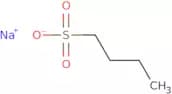
CAS:<p>1-Butanesulfonic acid sodium salt is a perfluorinated compound that inhibits the activity of various enzymes in the body, such as kinases and phosphatases. It has been used to study the effects of these enzymes on chemical reactions. 1-Butanesulfonic acid sodium salt is also used to detect the presence of selenium compounds in urine samples. The inhibition of an enzyme by this compound results in a decreased rate of reaction and a change in kinetic behavior. This can be observed by measuring the time it takes for the reaction to reach half its maximum value. Sodium taurocholate, chloride, and trifluoroacetic acid are all reagents that are commonly used with this compound when performing kinetic studies. 1-Butanesulfonic acid sodium salt has been shown to inhibit cholesterol synthesis in many animal models. In addition, this compound has been shown to bind to and inhibit plasma mass spectrometry by chromatography on silica gel from human plasma</p>Formula:C4H10O3S•NaPurity:Min. 95%Color and Shape:PowderMolecular weight:161.18 g/molD-α-Hydroxyisovaleric acid
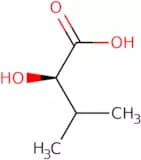
CAS:<p>D-alpha-Hydroxyisovaleric acid is a compound that is used to synthesize stereoisomers. It is also a component of supramolecular chemistry and has been used in the construction of supramolecular polymers. D-alpha-Hydroxyisovaleric acid can be found in some plants, such as valinomycin, isovaleric acid, and metarhizium. This stereoisomer can be synthetized from the hydroxy group and an amino acid or peptide. D-alpha-Hydroxyisovaleric acid has the ability to degrade nonribosomal peptides into smaller molecules through its hydrolytic properties. It also inhibits Verticillium dahliae, which causes wilt disease in plants, by inhibiting the synthesis of hydroxycarboxylates. D-alpha-Hydroxyisovaleric acid is biodegradable and can be used for industrial purposes as well as pharmaceuticals.</p>Formula:C5H10O3Purity:Min. 95%Color and Shape:White PowderMolecular weight:118.13 g/molH-Leu-Trp-Met-Arg-Phe-OH acetate salt
CAS:<p>H-Leu-Trp-Met-Arg-Phe-OH acetate salt is a molecule that transports amino acids across the cell membrane of bacteria, preventing bacterial growth. It is produced by proctolin and functional groups in dental plaque. This compound has been shown to inhibit the growth of bacteria in vitro by binding to hypochlorous acid, which is part of the antimicrobial activity of human neutrophils. H-Leu-Trp-Met-Arg-Phe-OH acetate salt has been used as a tracer for studying amino acid transport in E. coli cells and its uptake into extracellular vesicles. The product can also be used as an antiplaque agent due to its ability to inhibit the acid transport system and uptake of amino acids from the environment.</p>Formula:C37H53N9O6SPurity:Min. 95%Molecular weight:751.94 g/molAcetyl-Exenatide trifluoroacetate salt
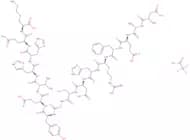
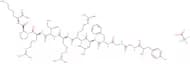
CAS:<p>Please enquire for more information about Acetyl-Exenatide trifluoroacetate salt including the price, delivery time and more detailed product information at the technical inquiry form on this page</p>Formula:C186H284N50O61SPurity:Min. 95%Molecular weight:4,228.61 g/molDynorphin A (1-11) amide trifluoroacetate salt
CAS:<p>Dynorphin A (1-11) amide trifluoroacetate salt is a modified form of the opioid peptide dynorphin, which is a natural ligand for kappa-opioid receptors. It has affinity for the surface receptors and can be used to study the modifications that occur in cell function. Dynorphin A (1-11) amide trifluoroacetate salt has been shown to decrease cell function when it interacts with these surface receptors, which are found in brain homogenates and other tissues. Dynorphin A (1-11) amide trifluoroacetate salt also has an effect on brain cells, which may be due to its ability to alter conformational changes in proteins by binding to them. This can lead to alterations in the structure of certain enzymes or receptor proteins.</p>Formula:C63H104N22O12Purity:Min. 95%Molecular weight:1,361.64 g/mol(Gln11)-Amyloid b-Protein (1-28) trifluoroacetate salt
CAS:<p>Please enquire for more information about (Gln11)-Amyloid b-Protein (1-28) trifluoroacetate salt including the price, delivery time and more detailed product information at the technical inquiry form on this page</p>Formula:C145H210N42O45Purity:Min. 95%Molecular weight:3,261.47 g/molDABCYL-Glu-Arg-Nle-Phe-Leu-Ser-Phe-Pro-EDANS trifluoroacetate salt
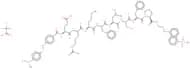
CAS:<p>Please enquire for more information about DABCYL-Glu-Arg-Nle-Phe-Leu-Ser-Phe-Pro-EDANS trifluoroacetate salt including the price, delivery time and more detailed product information at the technical inquiry form on this page</p>Formula:C76H98N16O15SPurity:Min. 95%Molecular weight:1,507.76 g/mol(Asp371)-Tyrosinase (369-377) (human) trifluoroacetate salt
CAS:<p>Trifluoroacetate salt</p>Formula:C42H66N10O16S2Purity:Min. 95%Molecular weight:1,031.16 g/mol(Sar 1,Ile4·8)-Angiotensin II trifluoroacetate salt
CAS:<p>Please enquire for more information about (Sar 1,Ile4·8)-Angiotensin II trifluoroacetate salt including the price, delivery time and more detailed product information at the technical inquiry form on this page</p>Formula:C43H75N13O9Purity:Min. 95%Molecular weight:918.14 g/mol4-Methoxycarbonylphenylboronic acid
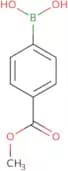
CAS:<p>4-Methoxycarbonylphenylboronic acid is an organic compound that can be synthesized from biphenyl. It is a diazonium salt with a bidentate ligand and a carbonyl group, which allows it to form an intermolecular hydrogen bond. The phenyl group of 4-methoxycarbonylphenylboronic acid can be oxidized to the corresponding carboxylic acid or reduced to the corresponding alcohol.<br>4-Methoxycarbonylphenylboronic acid is also soluble in halides, iodinations, and mercaptoacetic acid. This compound has been used as an acceptor in the oxidation of aluminium with diborane as a catalyst. 4-Methoxycarbonylphenylboronic acid has also been used to synthesize other compounds such as metronidazole (a drug) and erythromycin (an antibiotic).</p>Formula:C8H9BO4Purity:Min. 95%Color and Shape:White PowderMolecular weight:179.97 g/mol(Des-Ser3)-ACTH (1-24) (human, bovine, rat) trifluoroacetate salt
<p>Please enquire for more information about (Des-Ser3)-ACTH (1-24) (human, bovine, rat) trifluoroacetate salt including the price, delivery time and more detailed product information at the technical inquiry form on this page</p>Formula:C133H205N39O29SPurity:Min. 95%Molecular weight:2,846.36 g/molFITC-epsilonAhx-Amyloid b-Protein (1-42) trifluoroacetate salt
<p>Please enquire for more information about FITC-epsilonAhx-Amyloid b-Protein (1-42) trifluoroacetate salt including the price, delivery time and more detailed product information at the technical inquiry form on this page</p>Formula:C230H333N57O66S2Purity:Min. 95%Molecular weight:5,016.58 g/mol3-Benzoyl acrylic acid
CAS:<p>3-Benzoyl acrylic acid is an organic compound that is the product of a chemical reaction between benzaldehyde and acetic anhydride. It contains a carboxylic acid group, an hydroxyl group, a nitro group, and a particle. 3-Benzoyl acrylic acid has been shown to inhibit the growth factor epidermal growth factor (EGF). This inhibition occurs by binding to the receptor for EGF on the cell membrane and blocking its activation. 3-Benzoyl acrylic acid also inhibits fatty acid synthesis and mitochondrial membrane potential, which may be due to its ability to form ester hydrochloride.</p>Formula:C10H8O3Purity:Min. 95%Color and Shape:PowderMolecular weight:176.17 g/mol3'-(2-Propylamine)benzoic acid methyl ester
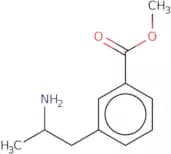
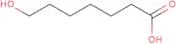
CAS:<p>3'-(2-Propylamine)benzoic acid methyl ester is a high quality, complex compound that can be used as a reagent, speciality chemical, or reaction component. It has a wide range of applications in the synthesis of pharmaceuticals, agrochemicals, and other biologically active compounds. 3'-(2-Propylamine)benzoic acid methyl ester is also a versatile building block and useful intermediate in organic synthesis.</p>Formula:C11H15NO2Purity:Min. 95%Molecular weight:193.24 g/mol7-Hydroxyheptanoic acid
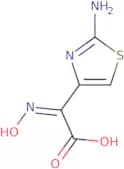
CAS:<p>7-Hydroxyheptanoic acid is a fatty acid that has the hydroxyl group on the seventh carbon. It is biosynthesized from the hydroxylation of heptanal, which is catalyzed by a monooxygenase. The hydroxyl group in 7-hydroxyheptanoic acid can be oxidized to form a carboxylic acid (e.g., 7-ketoheptanoic acid). 7-hydroxyheptanoic acid can also be used as a coating material because it has functional groups and is biodegradable and metal ion free.</p>Formula:C7H14O3Purity:Min. 95%Molecular weight:146.18 g/mol(Z)-2-(2-Aminothiazol-4-yl)-2-(hydroxyimino)acetic acid
CAS:<p>Please enquire for more information about (Z)-2-(2-Aminothiazol-4-yl)-2-(hydroxyimino)acetic acid including the price, delivery time and more detailed product information at the technical inquiry form on this page</p>Formula:C5H5N3O3SPurity:Min. 95%Molecular weight:187.18 g/molOsteostatin amide trifluoroacetate
CAS:<p>Please enquire for more information about Osteostatin amide trifluoroacetate including the price, delivery time and more detailed product information at the technical inquiry form on this page</p>Formula:C142H229N43O57•(C2HF3O2)xPurity:Min. 95%Molecular weight:3,450.59 g/molN-α-Boc-Nβ-1-(4,4-dimethyl-2,6-dioxocyclohex-1-ylidene)ethyl-D-2,3-diaminopropionic acid
CAS:<p>Please enquire for more information about N-alpha-Boc-Nbeta-1-(4,4-dimethyl-2,6-dioxocyclohex-1-ylidene)ethyl-D-2,3-diaminopropionic acid including the price, delivery time and more detailed product information at the technical inquiry form on this page</p>Formula:C18H28N2O6Purity:Min. 95%Molecular weight:368.42 g/molTri-tert-butyl 1,4,7,10-Tetraazacyclododecane-1,4,7-triacetate
CAS:<p>Tri-tert-butyl 1,4,7,10-Tetraazacyclododecane-1,4,7-triacetate is a molecule that has been used in the diagnosis of cervical cancer. This drug binds to the metal chelator and is then attached to a water molecule by the functional group. This process makes the compound more stable and prevents it from reacting with other molecules. The cyclic peptide is then attached to the tri-tert-butyl 1,4,7,10-Tetraazacyclododecane-1,4,7-triacetate molecule which can be detected by an MRI scan.</p>Formula:C26H50N4O6Purity:Min. 95%Molecular weight:514.7 g/molChlorotoxin trifluoroacetate salt
CAS:<p>Chlorotoxin trifluoroacetate salt is a chlorotoxin derivative that has been modified to be more soluble in aqueous solutions. It is used to identify skin cancer and other forms of cancer, as well as for the study of cellular function and structure. The molecule can be injected into tissue or cells, where it binds to nuclei and causes cell death. Chlorotoxin trifluoroacetate salt has minimal toxicity in humans and can be used on histological specimens with little disruption to the tissue. This reagent may also be used to target intracellular targets such as glioma cells.</p>Formula:C158H249N53O47S11Purity:Min. 95%Molecular weight:3,995.72 g/molDynorphin A (1-13) amide trifluoroacetate salt
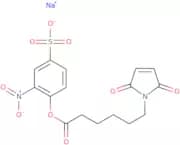
CAS:<p>Please enquire for more information about Dynorphin A (1-13) amide trifluoroacetate salt including the price, delivery time and more detailed product information at the technical inquiry form on this page</p>Formula:C75H127N25O14Purity:Min. 95%Molecular weight:1,602.97 g/molε-Maleimidocaproic acid-(2-nitro-4-sulfo)-phenyl ester·sodium salt
CAS:<p>Epsilon-Maleimidocaproic acid-(2-nitro-4-sulfo)-phenyl ester·sodium salt (EMAP) is a crosslinker that belongs to the group of heterobifunctional reagents. It has been used to conjugate monoclonal antibodies with other molecules, such as toxins. EMAP is activated by the dianion generated by protonation of the nitro groups on the phenyl ring and reacts with free amines or thiols in proteins. EMAP can be used for labeling immunotoxins for diagnostic use, maximizing detection sensitivity, and crosslinking DNA molecules for use in molecular cloning experiments.</p>Formula:C16H15N2NaO9SPurity:Min. 95%Molecular weight:434.35 g/molα-Helical CRF (9-41) trifluoroacetate salt
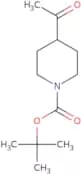
CAS:<p>Please enquire for more information about Alpha-Helical CRF (9-41) trifluoroacetate salt including the price, delivery time and more detailed product information at the technical inquiry form on this page</p>Formula:C166H274N46O53S2Purity:Min. 95%Molecular weight:3,826.36 g/mol4-Acetyl-piperidine-1-carboxylic acid tert-butyl ester
CAS:<p>4-Acetylpiperidine-1-carboxylic acid tert-butyl ester is a tert-butyl ester of 4-acetylpiperidine. It can be prepared by the reaction of sodium azide with chloroform and tert-butyl alcohol. The resulting product is a white solid that can be used as an intermediate in organic synthesis.</p>Formula:C12H21NO3Purity:Min. 95%Molecular weight:227.3 g/mol3-Amino-4-fluorobenzoic acid
CAS:<p>3-Amino-4-fluorobenzoic acid is a hydrocarbon that is used as an analgesic. It has been shown to be nontoxic and has analgesic effects in the intestinal tract. 3-Amino-4-fluorobenzoic acid also has radiopaque properties, which makes it useful for diagnosis and treatment of certain types of cancer and other tumors. The analgesic effect of 3-amino-4-fluorobenzoic acid may be due to its ability to act as a competitive antagonist at the N -methyl--aspartate (NMDA) receptor, which is important in pain perception.</p>Formula:C7H6FNO2Purity:Min. 95%Molecular weight:155.13 g/mol4-(3-(Trifluoromethyl)-3H-diazirin-3-yl)benzoic acid
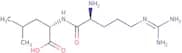
CAS:<p>4-(3-(Trifluoromethyl)-3H-diazirin-3-yl)benzoic acid is a diazirine that is used to form copper complexes. These complexes are then used as diagnostic agents for the detection of nucleic acids in biological samples, such as wheat germ and human tissue. 4-(3-(Trifluoromethyl)-3H-diazirin-3-yl)benzoic acid may also be used in the production of polymer films. It has been shown to have a dihedral angle (C), which is an important factor in the properties of surfactants. The properties of 4-(3-(Trifluoromethyl)-3H-diazirin-3-yl)benzoic acid depend on its functional groups, fatty acids, and dimethylformamide content.</p>Formula:C9H5F3N2O2Purity:Min. 95%Color and Shape:White/Off-White SolidMolecular weight:230.14 g/molH-Arg-Leu-OH acetate salt
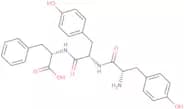
CAS:<p>H-Arg-Leu-OH acetate salt is a synthetic version of the natural amino acid Arginine. It has been shown to have anti-inflammatory effects and to inhibit the growth of cancer cells in cell culture. H-Arg-Leu-OH acetate salt also inhibits the production of messenger RNA that leads to the synthesis of inflammatory proteins and growth factors, as well as light emission, which may be due to its effect on response elements in cells.</p>Formula:C12H25N5O3Purity:Min. 95%Molecular weight:287.36 g/molH-Tyr-Tyr-Phe-OH acetate salt
CAS:<p>H-Tyr-Tyr-Phe-OH acetate salt is a reaction product of the matrix-assisted laser desorption ionization (MALDI) technique. It is an analog of tyrosine, with a hydroxyl group substituted for the amino group. The protonation state of this molecule has been determined by the hydration constant and the centroid to be a neutral pH. Using hydrogen bonding, H-Tyr-Tyr-Phe-OH acetate salt binds to the mitochondria in cells, which may lead to a higher rate of reaction.</p>Formula:C27H29N3O6Purity:Min. 95%Molecular weight:491.54 g/molFibronectin Fragment (1376-1380) trifluoroacetate salt
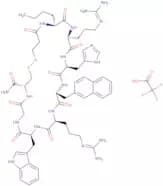
CAS:<p>Please enquire for more information about Fibronectin Fragment (1376-1380) trifluoroacetate salt including the price, delivery time and more detailed product information at the technical inquiry form on this page</p>Formula:C24H39N11O8Purity:Min. 95%Molecular weight:609.64 g/mol(Deamino-Cys3, Nle 4,Arg5,D-2-Nal 7,Cys11)-a-MSH (3-11) amide trifluoroacetate salt
CAS:<p>Please enquire for more information about (Deamino-Cys3, Nle 4,Arg5,D-2-Nal 7,Cys11)-a-MSH (3-11) amide trifluoroacetate salt including the price, delivery time and more detailed product information at the technical inquiry form on this page</p>Formula:C56H76N18O9S2Purity:Min. 95%Molecular weight:1,209.45 g/mol7-Amino-3-vinyl-3-cephem-4-carboxylic acid
CAS:<p>7-Amino-3-vinyl-3-cephem-4-carboxylic acid (AVC) is a synthetic, inorganic acid that is used clinically. It is produced by the hydrolysis of chlorocarboxylic acids and has been shown to be effective as an antihypertensive agent. AVC has also been used as a catalyst for acylation reactions with chlorides and trifluoroacetic acid. This process yields a reaction yield that can be up to 95% with the use of catalysts such as aluminum chloride or zinc chloride. AVC has been shown to be an environmentally safe alternative to hydrogen chloride, which has been linked to environmental pollution.</p>Formula:C9H10N2O3SPurity:Min. 95 Area-%Color and Shape:PowderMolecular weight:226.25 g/molBombesin trifluoroacetate salt
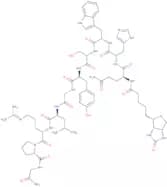
CAS:<p>Trifluoroacetate salt</p>Formula:C71H110N24O18SPurity:Min. 95%Molecular weight:1,619.85 g/molBiotinyl-(Gln1)-LHRH trifluoroacetate salt Biotinyl-Gln-His-Trp-Ser-Tyr-Gly-Leu-Arg-Pro-Gly-NH2 trifluoroacetate salt
CAS:<p>Please enquire for more information about Biotinyl-(Gln1)-LHRH trifluoroacetate salt Biotinyl-Gln-His-Trp-Ser-Tyr-Gly-Leu-Arg-Pro-Gly-NH2 trifluoroacetate salt including the price, delivery time and more detailed product information at the technical inquiry form on this page</p>Formula:C65H92N20O15SPurity:Min. 95%Molecular weight:1,425.62 g/molH-Gly-His-Arg-Pro-NH2 acetate salt
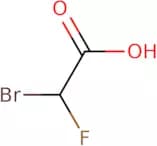
CAS:<p>Please enquire for more information about H-Gly-His-Arg-Pro-NH2 acetate salt including the price, delivery time and more detailed product information at the technical inquiry form on this page</p>Formula:C19H32N10O4Purity:Min. 95%Molecular weight:464.52 g/molBromofluoroacetic Acid
CAS:<p>Bromofluoroacetic acid is a synthetic, chiral molecule with the chemical formula CF3CO2H. It has the molecular weight of 109.07 and a boiling point of 212 °C. Bromofluoroacetic acid is used in industry as an intermediate for fluoroacetic acid. It is also used to manufacture bromofluorocarbons, which are used as propellants in aerosol sprays. Bromofluoroacetic acid has been studied in clinical studies as a treatment for epilepsy and as an antimicrobial agent against bacteria such as Staphylococcus aureus and Enterobacter aerogenes.</p>Formula:C2H2BrFO2Purity:Min. 95%Molecular weight:156.94 g/mol(3R)-3-[(tert-Butoxycarbonyl)amino]-4-(2,4-difluorophenyl)butanoic acid
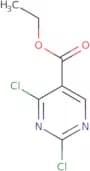
CAS:<p>Please enquire for more information about (3R)-3-[(tert-Butoxycarbonyl)amino]-4-(2,4-difluorophenyl)butanoic acid including the price, delivery time and more detailed product information at the technical inquiry form on this page</p>Formula:C15H19F2NO4Purity:Min. 95%Molecular weight:315.31 g/molEthyl 2,4-dichloropyrimidine-5-carboxylate
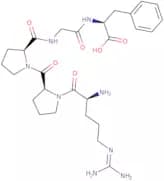
CAS:<p>Please enquire for more information about Ethyl 2,4-dichloropyrimidine-5-carboxylate including the price, delivery time and more detailed product information at the technical inquiry form on this page</p>Formula:C7H6Cl2N2O2Purity:Min. 95%Molecular weight:221.04 g/molBradykinin (1-5) trifluoroacetate salt
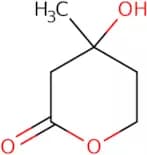
CAS:<p>Bradykinin (1-5) trifluoroacetate salt H-Arg-Pro-Pro-Gly-Phe-OH is a peptide that has been shown to have anti-cancer properties. The effect of Bradykinin (1-5) trifluoroacetate salt H-Arg-Pro-Pro-Gly-Phe-OH on prostate cancer cells was studied in vitro by measuring the extent of cell growth. The results showed a dose dependent decrease in tumor growth rate, suggesting that this peptide may be useful as an adjuvant therapy for prostate cancer. Bradykinin (1-5) trifluoroacetate salt H-Arg-Pro-Pro-Gly-Phe has also been shown to inhibit diabetic nephropathy and reduce proteinuria in diabetic patients. This peptide may also be used to diagnose prostate cancer because it binds to the thrombin receptor, which is present on cancer cells but not</p>Formula:C27H40N8O6Purity:Min. 95%Molecular weight:572.66 g/molD,L-Mevalonic acid lactone
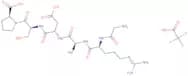
CAS:<p>Mevalonic acid lactone is a natural compound that has been shown to have an effect on mitochondrial membrane potential. It has also been shown to inhibit the drug transporter P-glycoprotein, which is involved in the transport of drugs out of cells. Mevalonic acid lactone has also demonstrated an anti-inflammatory effect, as it inhibits the production of TNF-α and IL-6 in human serum. This compound also possesses antioxidant properties, which may be due to its hydroxyl group and phenoxy groups. Mevalonic acid lactone can be used as a model system for sesquiterpene lactones, and it is able to improve mitochondrial functions by inhibiting pyrazole ring formation.</p>Formula:C6H10O3Purity:Min. 95%Color and Shape:PowderMolecular weight:130.14 g/molH-Gly-Arg-Ala-Asp-Ser-Pro-OH trifluoroacetate salt
CAS:<p>H-Gly-Arg-Ala-Asp-Ser-Pro-OH trifluoroacetate salt is a peptide that binds to the α5β1 integrin receptor. It has been shown to inhibit the growth of carcinoma cell lines and induce apoptosis in tumor cells by binding to receptors on the surface of cancer cells. H-Gly-Arg-Ala-Asp-Ser-Pro-OH trifluoroacetate salt has also been shown to be effective against damaged tissue, such as adhesions, and promote wound healing by stimulating collagen production. This agent also has genotoxic effects and can cause DNA damage. H-Gly-Arg-Ala-Asp-Ser-Pro -OH trifluoroacetate salt may also have an antiapoptotic effect through its ability to bind with basic proteins, proapoptotic proteins, and epidermal growth factor receptor.</p>Formula:C23H39N9O10Purity:Min. 95%Molecular weight:601.61 g/molAmyloid β-Protein (1-16) trifluoroacetate salt
CAS:<p>Amyloid beta-Protein (1-16) trifluoroacetate salt is a modified form of amyloid beta protein. It is synthesized by the modification of amino acids with trifluoroacetic acid and can be used to study the pathogenesis of Alzheimer's disease. Amyloid beta-Protein (1-16) trifluoroacetate salt has been shown to bind to β-amyloid, which is thought to be the main component of plaques in Alzheimer's disease. This binding inhibits the formation of β-amyloid aggregates, which are associated with neurotoxicity and neuronal cell death.</p>Formula:C84H119N27O28Purity:Min. 95%Molecular weight:1,955.01 g/molIloprost
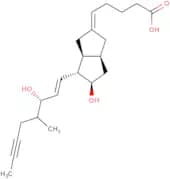
CAS:<p>Iloprost is a cyclase inhibitor that is used to treat pulmonary hypertension. It relaxes the smooth muscle cells in the lungs, which causes an increase in blood flow and oxygen levels to the heart and other organs. Iloprost also decreases the production of PGE2 and lowers blood pressure. Iloprost has been shown to be effective in treating chronic viral hepatitis and pulmonary diseases such as primary pulmonary hypertension. This drug can cause hypotension, so it should not be taken by patients with low blood pressure or those who are taking other drugs that can cause hypotension.</p>Formula:C22H32O4Purity:Min. 95%Color and Shape:Solidified MassMolecular weight:360.49 g/mol


















![(3R)-3-[(tert-Butoxycarbonyl)amino]-4-(2,4-difluorophenyl)butanoic acid](/_next/image/?url=https%3A%2Fstatic.cymitquimica.com%2Fproducts%2F3D%2Fthumb-webp%2FFB99243.webp&w=3840&q=75)