Carboxylic Acids
Carboxylic acids are organic molecules characterized by having a carboxyl-type functional group (-COOH). These acids are fundamental in various chemical reactions, including esterification, amidation, and decarboxylation. Carboxylic acids are widely used in the production of pharmaceuticals, polymers, and agrochemicals. In this section, you can find a large number of carboxylic acids ready to be used. At CymitQuimica, we provide a broad range of high-quality carboxylic acids to support your research and industrial applications.
Found 12453 products of "Carboxylic Acids"
Sort by
Purity (%)
0
100
|
0
|
50
|
90
|
95
|
100
2-Iodo-5-methoxybenzoic acid
CAS:<p>2-Iodo-5-methoxybenzoic acid is a macrocyclic compound that has been synthesized in the Wittig reaction. It was first prepared by catalyzed intramolecular aryl demethylation of 2-iodo-5-nitrobenzoic acid, followed by coupling with methyl vinyl ketone. The cytotoxic activity of this compound is due to its ability to inhibit the synthesis of protein and DNA and induce apoptosis. This molecule has been shown to be effective against liverworts and ethers.</p>Formula:C8H7IO3Purity:Min. 95%Color and Shape:PowderMolecular weight:278.04 g/molAPL1b28 trifluoroacetate salt
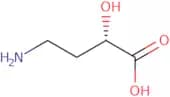
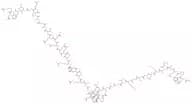
CAS:<p>Please enquire for more information about APL1b28 trifluoroacetate salt including the price, delivery time and more detailed product information at the technical inquiry form on this page</p>Formula:C109H185N31O39SPurity:Min. 95%Molecular weight:2,585.89 g/mol(S)-(-)-4-Amino-2-hydroxybutyric acid
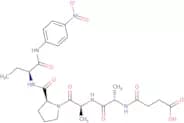
CAS:<p>(S)-(-)-4-Amino-2-hydroxybutyric acid is an antibacterial agent that binds to the bacterial ribosome and prevents protein synthesis. It has been shown to be active against a range of bacteria, including Mycobacterium tuberculosis, Salmonella typhimurium, Staphylococcus aureus, and Streptococcus pyogenes. (S)-(-)-4-Amino-2-hydroxybutyric acid is also used in the analytical determination of other substances such as trifluoroacetic acid and malic acid. The pH optimum for this compound's activity is between 6.5 and 8.5.</p>Formula:C4H9NO3Purity:Min. 95%Color and Shape:White To Yellow SolidMolecular weight:119.12 g/molSuc-Ala-Ala-Pro-Abu-pNA trifluoroacetate salt
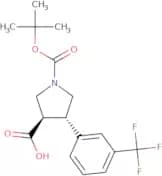
CAS:<p>Please enquire for more information about Suc-Ala-Ala-Pro-Abu-pNA trifluoroacetate salt including the price, delivery time and more detailed product information at the technical inquiry form on this page</p>Formula:C25H34N6O9Purity:Min. 95%Molecular weight:562.57 g/molBoc-(±)-trans-4-(3-trifluoromethylphenyl)pyrrolidine-3-carboxylic acid
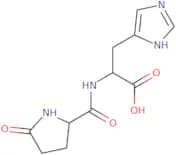
CAS:<p>Please enquire for more information about Boc-(±)-trans-4-(3-trifluoromethylphenyl)pyrrolidine-3-carboxylic acid including the price, delivery time and more detailed product information at the technical inquiry form on this page</p>Formula:C17H20F3NO4Purity:Min. 95%Molecular weight:359.34 g/molLHRH (1-2) (free acid) acetate salt
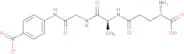
CAS:<p>LHRH (1-2) (free acid) acetate salt Pyr-His-OH acetate salt is an analog of the natural hormone LHRH. It is a member of the amide category and has been shown to have a constant level in human serum. LHRH (1-2) (free acid) acetate salt Pyr-His-OH acetate salt is resistant to renal proximal tubule uptake and has an acidic pH optimum, which inhibits its uptake into cells. This drug also has an inhibitory effect on the reaction products of hydrogen chloride and proximal tubules.</p>Formula:C11H14N4O4Purity:Min. 95%Molecular weight:266.25 g/molH-Glu(Ala-Gly-pNA)-OH trifluoroacetate salt
CAS:<p>Please enquire for more information about H-Glu(Ala-Gly-pNA)-OH trifluoroacetate salt including the price, delivery time and more detailed product information at the technical inquiry form on this page</p>Formula:C16H21N5O7Purity:Min. 95%Molecular weight:395.37 g/molPeptide YY (13-36) (canine, mouse, porcine, rat) trifluoroacetate salt
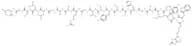
CAS:<p>Please enquire for more information about Peptide YY (13-36) (canine, mouse, porcine, rat) trifluoroacetate salt including the price, delivery time and more detailed product information at the technical inquiry form on this page</p>Formula:C135H209N41O38Purity:Min. 95%Molecular weight:3,014.36 g/molPancreastatin (dephosphorylated) (porcine) trifluoroacetate salt
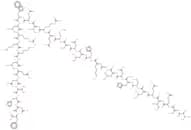
CAS:<p>Pancreastatin is a cytosolic protein that inhibits the production of peptide hormones such as glucagon, insulin, and gastrin. It is used to treat bowel disease, including carcinoid syndrome and inflammatory bowel disease. Pancreastatin has been shown to inhibit the activity of cyclase enzymes that are responsible for the production of these hormones. Pancreatic beta-cells produce pancreatic polypeptide (PP), which is converted by pancreastatin into inactive PP2. Pancreatic alpha-cells produce somatostatin (SS), which is converted by pancreastatin into inactive SS2. Pancreatic delta cells produce pancreatic polypeptide (PP), which is not affected by pancreastatin. Pancreatic somatostatinomas secrete SS, which is not affected by pancreastatin.</p>Formula:C214H330N68O76SPurity:Min. 95%Molecular weight:5,103.39 g/molAcetyl-GRP (20-26) (human, porcine, canine) trifluoroacetate salt
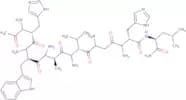
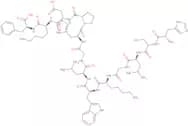
CAS:<p>Acetyl-GRP (20-26) (human, porcine, canine) trifluoroacetate salt Ac-His-Trp-Ala-Val-Gly-His-Leu-NH2 trifluoroacetate salt is a prophylactic and/or therapeutic compound that has been shown to be effective in the treatment of a number of different diseases. This compound has been shown to have neuroprotective and antiinflammatory effects, as well as being an effective treatment for autoimmune disorders. Acetyl-GRP (20-26) (human, porcine, canine) trifluoroacetate salt Ac-His-Trp-Ala-Val-Gly-His-Leu NH2 trifluoroacetate salt also has the potential to be used as a prophylactic or therapeutic agent against cancer, fibrotic disease, and inflammatory disease.</p>Formula:C41H57N13O8Purity:Min. 95%Molecular weight:859.97 g/molBiotinyl-(Des-Bromo)-Neuropeptide B (1-23) (human) trifluoroacetate salt
CAS:<p>Please enquire for more information about Biotinyl-(Des-Bromo)-Neuropeptide B (1-23) (human) trifluoroacetate salt including the price, delivery time and more detailed product information at the technical inquiry form on this page</p>Formula:C117H176N32O32SPurity:Min. 95%Molecular weight:2,574.91 g/mol3-Fluorophenyl boronic acid
CAS:<p>Please enquire for more information about 3-Fluorophenyl boronic acid including the price, delivery time and more detailed product information at the technical inquiry form on this page</p>Formula:C6H6BFO2Purity:Min. 95%Color and Shape:PowderMolecular weight:139.92 g/molH-Arg-Ala-OH acetate salt
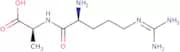
CAS:<p>H-Arg-Ala-OH acetate salt (HAA) is a histidine analogue that has been found to have physiological function as an endogenous substrate for serine protease. HAA acts as a competitive inhibitor of the serine protease enzyme by binding to the active site serine in the active site. The molecule is a disulfide bond and can be synthesized by the microorganism Corynebacterium glutamicum. This salt was extracted from yellowtail and found to inhibit corynebacterium glutamicum. X-ray absorption studies showed that the molecule contains a single amino acid, which is an analog of histidine.</p>Formula:C9H19N5O3Purity:Min. 95%Molecular weight:245.28 g/molOrotic acid hydrate
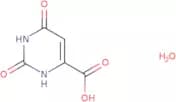
CAS:<p>Orotic acid hydrate is a synthetic compound that is designed to be a growth regulator. Orotic acid hydrate is synthesized by reacting the orotate with pyridoxine hydrochloride, followed by crystallizing the product. Hydrogen bonds form between the water molecules and fatty acids in the crystals of OA hydrate. These hydrogen bonds stabilize the crystal structure and allow for its use as a growth regulator. The stability of this molecule can also be attributed to its ability to form hydrogen bonds with other molecules such as α-tocopherol, calcium carbonate, and synthetic cannabinoids. Orotic acid hydrate has been shown to have an effect on cancer cells because it reacts with daunorubicin in solution and inhibits DNA synthesis, inhibiting cell growth.</p>Formula:C5H4N2O4·H2OPurity:Min. 95 Area-%Color and Shape:PowderMolecular weight:174.11 g/molBoc-Leu-Ser-Thr-Arg-AMC trifluoroacetate salt
CAS:<p>Boc-Leu-Ser-Thr-Arg-AMC trifluoroacetate salt is a synthetic substrate that is used in enzyme assays. The hydrolysis of the peptidyl ester bond by the enzyme results in release of AMC and an unstable intermediate, which reacts with AMC to form a stable fluorescent product. This product can be detected using various chromatographic techniques. Boc-Leu-Ser-Thr-Arg-AMC trifluoroacetate salt has been shown to be an effective anticoagulant for blood clotting and it is also used as a second order rate constant in the determination of coagulation factors.</p>Formula:C34H52N8O10Purity:Min. 95%Molecular weight:732.82 g/molBuccalin trifluoroacetate salt
CAS:<p>Buccalin is a cholinergic pharmaceutical drug that has been shown to have metabolic, growth factor, and chemotactic activities. It has been used in the treatment of various autoimmune diseases and infectious diseases. The mechanism of action for buccalin is unknown. Buccalin has been shown to have receptor activity in a variety of diagnostic agents such as monoclonal antibodies and fatty acids. It binds to acetylcholine receptors at the neuromuscular junction, leading to activation of muscle fibers by acetylcholine release from nerve endings.</p>Formula:C45H72N12O15SPurity:Min. 95%Molecular weight:1,053.19 g/mol(D-Tyr5,D-Trp6)-LHRH trifluoroacetate salt
CAS:<p>Please enquire for more information about (D-Tyr5,D-Trp6)-LHRH trifluoroacetate salt including the price, delivery time and more detailed product information at the technical inquiry form on this page</p>Formula:C64H82N18O13Purity:Min. 95%Molecular weight:1,311.45 g/molPAR-2 (1-6) amide (human) (scrambled) trifluoroacetate salt
CAS:<p>Please enquire for more information about PAR-2 (1-6) amide (human) (scrambled) trifluoroacetate salt including the price, delivery time and more detailed product information at the technical inquiry form on this page</p>Formula:C28H54N8O7Purity:Min. 95%Molecular weight:614.78 g/molMyelin Proteolipid Protein (139-151) (depalmitoylated) (human, bovine, dog, mouse, rat) trifluoroacetate salt
CAS:<p>MPLP(139-151) is a peptide that is derived from the myelin proteolipid protein (PLP). MPLP(139-151) has been shown to inhibit macrophage inflammatory in vitro and brain inflammation in vivo. The inhibition of macrophages was mediated by the induction of apoptosis and inhibition of NF-κB. MPLP(139-151) also induced regression of experimental autoimmune encephalomyelitis in mice, which suggests that it might be useful as a therapeutic agent for multiple sclerosis or other inflammatory diseases.</p>Formula:C72H104N20O16SPurity:Min. 95%Molecular weight:1,537.79 g/mol3-Fluoro-2-nitrobenzoic acid
CAS:<p>3-Fluoro-2-nitrobenzoic acid is an anhydrous nitrating agent that reacts with 5-fluoro-2-nitrobenzoic acid to produce 3,5-difluoronitrobenzene. This reaction mixture is introduced into a reaction vessel and heated in the presence of sulfuric acid. 3-Fluoro-2-nitrobenzoic acid is used in the production of dyes and pharmaceuticals.</p>Formula:C7H4FNO4Purity:Min. 95%Color and Shape:PowderMolecular weight:185.11 g/mol4-[5-(4-Pentyloxyphenyl)isoxazol-3-yl]benzoic acid
CAS:<p>Please enquire for more information about 4-[5-(4-Pentyloxyphenyl)isoxazol-3-yl]benzoic acid including the price, delivery time and more detailed product information at the technical inquiry form on this page</p>Formula:C21H21NO4Purity:Min. 95%Molecular weight:351.4 g/molAngiotensin (1-12) (mouse, rat) trifluoroacetate salt
CAS:<p>Please enquire for more information about Angiotensin (1-12) (mouse, rat) trifluoroacetate salt including the price, delivery time and more detailed product information at the technical inquiry form on this page</p>Formula:C77H109N19O17Purity:Min. 95%Molecular weight:1,572.81 g/mol(His(3-Me)2)-TRH trifluoroacetate salt
CAS:<p>Please enquire for more information about (His(3-Me)2)-TRH trifluoroacetate salt including the price, delivery time and more detailed product information at the technical inquiry form on this page</p>Formula:C17H24N6O4Purity:Min. 95%Molecular weight:376.41 g/molDSP
CAS:<p>DSP is a widely used disulfide crosslinker in ADC synthesis. It forms reversible conjugates via intracellular reduction, enabling payload release.</p>Formula:C14H16N2O8S2Purity:Min. 95%Color and Shape:SolidMolecular weight:404.42 g/molN-Methyliminodiacetic Acid
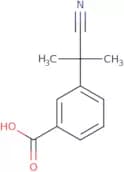
CAS:<p>N-Methyliminodiacetic acid is a monosodium salt that is produced by the reaction of methylamine and malonic acid. It has been shown to have an inhibitory effect on enzymes and metabolic rates in the human body. The structure of N-methyliminodiacetic acid contains a hydroxyl group, which can form hydrogen bonding interactions with nitrogen atoms in proteins, forming a chelate ligand. This type of binding is thought to be responsible for its ability to inhibit enzyme activities and metabolic rate.</p>Formula:C5H9NO4Purity:Min. 95%Molecular weight:147.13 g/mol3-(2-Cyanopropan-2-yl)benzoic acid
CAS:<p>Please enquire for more information about 3-(2-Cyanopropan-2-yl)benzoic acid including the price, delivery time and more detailed product information at the technical inquiry form on this page</p>Formula:C11H11NO2Purity:Min. 95%Molecular weight:189.21 g/mol2-[(5-Chloropyridin-2-yl)amino]-2-oxoacetic acid ethyl ester monohydrochloride
CAS:<p>Intermediate in the synthesis of edoxaban</p>Formula:C9H9ClN2O3·HClPurity:Min. 95%Molecular weight:265.09 g/mol(±)7-epiJasmonic acid
CAS:<p>(±)7-EpiJasmonic acid is a carotenoid ester that has been found to have biological properties for weed control. It is the methyl ester of jasmonic acid, which is a fatty acid. The compound has been shown to be effective in suppressing plant diseases such as powdery mildew. The chemical transformation of (±)7-epiJasmonic acid can occur through methylation, hydroxylation, or nitro group formation. This process leads to the production of methyl jasmonate and nitrophenol. These compounds have been shown to have fertility effects on lettuce plants by increasing the number of seeds and seedlings produced.</p>Formula:C12H18O3Purity:Min. 95%Molecular weight:210.27 g/molVasonatrin Peptide (VNP) trifluoroacetate salt
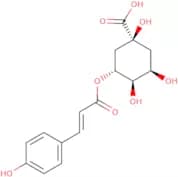
CAS:<p>Please enquire for more information about Vasonatrin Peptide (VNP) trifluoroacetate salt including the price, delivery time and more detailed product information at the technical inquiry form on this page</p>Formula:C123H198N36O36S3Purity:Min. 95%Molecular weight:2,853.31 g/mol3-p-Coumaroylquinic acid
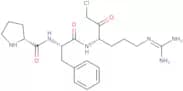
CAS:<p>3-p-Coumaroylquinic acid is a natural compound found in plants. It has been shown to have antibacterial properties and can be used as an alternative to antibiotics for the treatment of opportunistic fungal infections. 3-p-Coumaroylquinic acid exhibits hypoglycemic activity, which may be due to its ability to inhibit glucose absorption by the gut. This compound can also be analyzed using a surface methodology that involves analyzing the surface of an object with a chemical reagent.</p>Formula:C16H18O8Purity:Min. 95%Color and Shape:PowderMolecular weight:338.31 g/molH-D-Pro-Phe-Arg-chloromethylketone trifluoroacetate salt
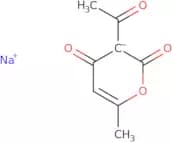
CAS:<p>H-D-Pro-Phe-Arg-chloromethylketone trifluoroacetate salt is a polyvalent antivenom that is used in the treatment of snakebites and insect stings. It has been shown to be effective in the treatment of life-threatening envenomations, including bites from cobras and other rattlesnakes. This drug is not active against nonactivated venom, such as those from bees or spiders. H-D-Pro-Phe-Arg-chloromethylketone trifluoroacetate salt binds to the cytolysin, which prevents its activity by inactivating it. The drug also has a vasoconstrictive effect, which limits blood flow to tissues and may reduce tissue damage caused by venom toxins.</p>Formula:C21H31ClN6O3Purity:Min. 95%Molecular weight:450.96 g/molDehydroacetic acid sodium salt
CAS:<p>Dehydroacetic acid sodium salt is a chemical compound with the formula CH3COOCH2NaO2. It is an ionic liquid that can be used as a preservative or stabilizer in foods and other products. Dehydroacetic acid sodium salt has been shown to inhibit the growth of bacteria and fungi in biological studies. The analytical method for dehydroacetic acid sodium salt is based on x-ray diffraction data, which is used to identify its purity and concentration. The reaction solution includes dehydroacetic acid, water vapor, sodium salts, phosphorus pentoxide, and control analysis.</p>Formula:C8H7O4NaPurity:Min. 95%Color and Shape:PowderMolecular weight:190.13 g/mol5,7-Dimethyl-[1,2,4]triazolo[1,5-a]pyrimidine-2-carboxylic acid
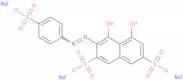
CAS:<p>Please enquire for more information about 5,7-Dimethyl-[1,2,4]triazolo[1,5-a]pyrimidine-2-carboxylic acid including the price, delivery time and more detailed product information at the technical inquiry form on this page</p>Formula:C8H8N4O2Purity:Min. 95%Molecular weight:192.17 g/molp-Sulfophenylazochromotropic acid trisodium salt
CAS:<p>p-Sulfophenylazochromotropic acid trisodium salt is a chemical that can be used as a building block for the synthesis of various organic compounds. It is an intermediate for the synthesis of other chemicals and can be used as a research chemical in laboratories. This compound has been shown to be useful in the production of pharmaceuticals, agrochemicals, and dyes. CAS No. 23647-14-5.</p>Formula:C16H9N2Na3O11S3Purity:Min. 95 Area-%Color and Shape:Yellow PowderMolecular weight:570.42 g/molpTH (2-34) (human) acetate salt
CAS:<p>Please enquire for more information about pTH (2-34) (human) acetate salt including the price, delivery time and more detailed product information at the technical inquiry form on this page</p>Formula:C178H286N54O49S2Purity:Min. 95%Molecular weight:4,030.64 g/molH-D-Leu-Thr-Arg-pNA acetate salt
CAS:<p>Please enquire for more information about H-D-Leu-Thr-Arg-pNA acetate salt including the price, delivery time and more detailed product information at the technical inquiry form on this page</p>Formula:C22H36N8O6Purity:Min. 95%Molecular weight:508.57 g/molD,L-Mevalonic acid lactone
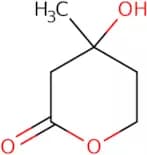
CAS:<p>Mevalonic acid lactone is a natural compound that has been shown to have an effect on mitochondrial membrane potential. It has also been shown to inhibit the drug transporter P-glycoprotein, which is involved in the transport of drugs out of cells. Mevalonic acid lactone has also demonstrated an anti-inflammatory effect, as it inhibits the production of TNF-α and IL-6 in human serum. This compound also possesses antioxidant properties, which may be due to its hydroxyl group and phenoxy groups. Mevalonic acid lactone can be used as a model system for sesquiterpene lactones, and it is able to improve mitochondrial functions by inhibiting pyrazole ring formation.</p>Formula:C6H10O3Purity:Min. 95%Color and Shape:PowderMolecular weight:130.14 g/mol(His(1-Me)2)-LHRH trifluoroacetate salt
CAS:<p>Please enquire for more information about (His(1-Me)2)-LHRH trifluoroacetate salt including the price, delivery time and more detailed product information at the technical inquiry form on this page</p>Formula:C56H77N17O13Purity:Min. 95%Molecular weight:1,196.32 g/molN-α-Boc-Nβ-1-(4,4-dimethyl-2,6-dioxocyclohex-1-ylidene)ethyl-D-2,3-diaminopropionic acid
CAS:<p>Please enquire for more information about N-alpha-Boc-Nbeta-1-(4,4-dimethyl-2,6-dioxocyclohex-1-ylidene)ethyl-D-2,3-diaminopropionic acid including the price, delivery time and more detailed product information at the technical inquiry form on this page</p>Formula:C18H28N2O6Purity:Min. 95%Molecular weight:368.42 g/molDibenzoyl-D-(+)-tartaric acid monohydrate
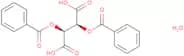
CAS:<p>Dibenzoyl-D-(+)-tartaric acid monohydrate is a weak organic acid that can be used as a neutralizing agent. It has been shown to react with hydrochloric acid, calcium carbonate, and other inorganic acids to form water soluble salts. This compound is also useful for the separation of enantiomers in chromatography and for the determination of the rate of reaction between an organic molecule and an inorganic acid. Dibenzoyl-D-(+)-tartaric acid monohydrate has been used as a template molecule for determining thermodynamic data on various molecules.</p>Formula:C18H14O8·H2OPurity:Min. 95%Color and Shape:White To Off-White SolidMolecular weight:376.31 g/mol2-Pyrimidine-carboxylic acid
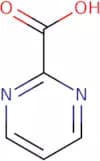
CAS:<p>2-Pyrimidine-carboxylic acid is a biologically active molecule that can be found in the human body. It is a derivative of pyrimidine, which belongs to the group of purines. 2-Pyrimidine-carboxylic acid has been shown to inhibit the nicotinic acetylcholine receptor and α7 nicotinic acetylcholine receptor, which are receptors for acetylcholine. This molecule also has antihypertensive activity and has been shown to have therapeutic effects in psychotic disorders. 2-Pyrimidine-carboxylic acid binds to picolinic acid, which is an important intermediate in the metabolism of tryptophan, and hydroxyl group, which is essential for many biological functions. It also reacts with copper ions and forms a complex that is x-ray crystal structure confirmed. This complex may be used as a herbicide resistance inducer or as a chemical species for receptor binding studies or chemical reactions.</p>Formula:C5H4N2O2Purity:Min. 95%Color and Shape:PowderMolecular weight:124.1 g/mol4,4-Difluorocyclohexaneacetic acid
CAS:<p>Please enquire for more information about 4,4-Difluorocyclohexaneacetic acid including the price, delivery time and more detailed product information at the technical inquiry form on this page</p>Formula:C8H12F2O2Purity:Min. 95%Molecular weight:178.18 g/molMercuric acetate
CAS:Controlled Product<p>Mercuric acetate is a salt of mercuric and acetic acid. It is used as an antiseptic, disinfectant, and preservative in the food industry. Mercuric acetate has been shown to have anti-inflammatory properties and is used for the treatment of inflammatory bowel disease. The ester linkage between the two molecules allows it to be hydrolysed into its components by enzymes such as esterases or glucuronidases, which may be one of the reasons for its therapeutic effects. Mercuric acetate also reacts with biological molecules, including proteins, nucleic acids, and carbohydrates. This reaction mechanism may contribute to its other biological properties such as lowering blood sugar levels and inhibiting glycolysis in cells that depend on sodium-dependent glucose transport mechanisms.</p>Formula:C4H6HgO4Purity:Min. 95%Molecular weight:318.68 g/mol(Des-Pyr 1,Des-Gly10,D-Leu6,Pro-NHEt 9)-LHRH trifluoroacetate salt
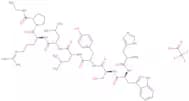
CAS:<p>Please enquire for more information about (Des-Pyr 1,Des-Gly10,D-Leu6,Pro-NHEt 9)-LHRH trifluoroacetate salt including the price, delivery time and more detailed product information at the technical inquiry form on this page</p>Formula:C54H79N15O10Purity:Min. 95%Molecular weight:1,098.3 g/mol[4-(1-Cyano-1-methylethyl)phenyl]boronic acid
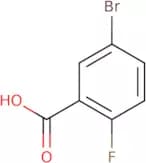
CAS:<p>Please enquire for more information about [4-(1-Cyano-1-methylethyl)phenyl]boronic acid including the price, delivery time and more detailed product information at the technical inquiry form on this page</p>Formula:C10H12BNO2Purity:Min. 95%Molecular weight:189.02 g/mol5-Bromo-2-fluorobenzoic acid
CAS:<p>5-Bromo-2-fluorobenzoic acid is a potential drug that can be used to treat diseases such as malaria. It is also used in the synthesis of fluorine compounds, such as fluoroarenes. 5-Bromo-2-fluorobenzoic acid is activated by deprotonation with butyllithium and reacts with chlorine to give the product of 5-bromo-2-chlorobenzoic acid. The reagent chlorotrimethylsilane may also be used for this reaction. Substitution of fluorine for chlorine at the 2 position yields the desired product, 5-bromo-2-(trifluoromethyl)benzoic acid. This compound is a useful intermediate for making other drugs, including those that are important for treating cancer and viral infections.</p>Formula:C7H4BrFO2Purity:Min. 95%Color and Shape:PowderMolecular weight:219.01 g/molD-Isoascorbic acid
CAS:<p>D-Isoascorbic acid is a sodium salt of ascorbic acid. It is used for the prevention and treatment of scurvy, which is caused by vitamin C deficiency. D-Isoascorbic acid functions as an electron donor in biochemical reactions and has been shown to have physiological effects. Ascorbic acid (vitamin C) is a water-soluble antioxidant that can react with hydrogen fluoride in vitro to form free radicals that may cause damage to cells. In addition, D-Isoascorbic acid can be used as a model system for the study of ascorbic acid and p-hydroxybenzoic acid. The analytical method for determining these compounds involves electrochemical impedance spectroscopy.</p>Formula:C6H8O6Purity:Min. 95%Color and Shape:White PowderMolecular weight:170 g/molAmyloid β-Protein (16-20) trifluoroacetate salt
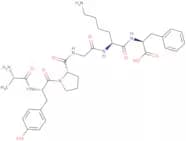
CAS:<p>Amyloid beta-protein (Aβ) is a peptide that is associated with the development of Alzheimer's disease. The Aβ(16-20) trifluoroacetate salt (ATF) has been used in the diagnosis of Alzheimer's disease by fluorescence microscopy. This compound binds to hyaluronic acid and has been used as a coating for optical fibers and other materials, such as coatings for mitochondria for use in live cell imaging. The ATF also interacts with mitochondria and alters mitochondrial membrane potential, which may be due to its ability to displace cardiolipin from the inner mitochondrial membrane. ATF binds to unsymmetrical dimethylarginine (DMA), an endogenous nitric oxide synthase inhibitor, and selectively inhibits only cancer cells that have elevated levels of DMA. ATFP also induces spontaneous apoptosis in human carcinoma cells when bound to these cells via a photoconjugation reaction with bioconjugate chemistry.</p>Formula:C35H52N6O6Purity:Min. 95%Molecular weight:652.82 g/mol(Ala1)-PAR-4 (1-6) (mouse) trifluoroacetate salt
CAS:<p>(Ala1)-PAR-4 (1-6) (mouse) trifluoroacetate salt H-Ala-Tyr-Pro-Gly-Lys-Phe-OH trifluoroacetate salt is a potent inhibitor of protein kinase C, and has been shown to inhibit the growth of prostate cancer cells. It also inhibits phosphorylation of epidermal growth factor receptors, which leads to lower levels of epidermal growth factor in the cell. This drug also has antiplatelet effects and may be used as an antiplatelet agent for patients with vascular disease or diabetes.</p>Formula:C34H47N7O8Purity:Min. 95%Molecular weight:681.78 g/molAnnexin A1 (1-11) (dephosphorylated) (human, bovine, chicken, porcine) trifluoroacetate salt
CAS:<p>Annexin A1 (1-11) is a peptide that is part of the annexin family. It is involved in the degranulation of cells and inhibits inflammation by inhibiting the production of pro-inflammatory cytokines. Annexin A1 (1-11) has been shown to be an anti-inflammatory compound as it binds to phospholipids on the surface of neutrophils, leading to inhibition of their chemotaxis and phagocytosis. This peptide also interacts with other annexins and prevents apoptosis by blocking caspase activity. Finally, it has been found that annexin A1 (1-11) can promote the healing of wounds in mice by accelerating reepithelialization and reducing scar formation. The concentration required for these effects are nanomolar concentrations.</p>Formula:C63H94N14O17SPurity:Min. 95%Molecular weight:1,351.57 g/mol







![4-[5-(4-Pentyloxyphenyl)isoxazol-3-yl]benzoic acid](/_next/image/?url=https%3A%2Fstatic.cymitquimica.com%2Fproducts%2F3D%2Fthumb-webp%2FFP61482.webp&w=3840&q=75)


![2-[(5-Chloropyridin-2-yl)amino]-2-oxoacetic acid ethyl ester monohydrochloride](/_next/image/?url=https%3A%2Fstatic.cymitquimica.com%2Fproducts%2F3D%2Fthumb-webp%2FFC63138.webp&w=3840&q=75)


![5,7-Dimethyl-[1,2,4]triazolo[1,5-a]pyrimidine-2-carboxylic acid](/_next/image/?url=https%3A%2Fstatic.cymitquimica.com%2Fproducts%2F3D%2Fthumb-webp%2FFD12883.webp&w=3840&q=75)





![[4-(1-Cyano-1-methylethyl)phenyl]boronic acid](/_next/image/?url=https%3A%2Fstatic.cymitquimica.com%2Fproducts%2F3D%2Fthumb-webp%2FFC121870.webp&w=3840&q=75)