Aldehydes
Aldehydes are organic compounds containing a carbonyl group (C=O) bonded to at least one hydrogen atom. These versatile compounds are fundamental in various chemical reactions, including oxidation, reduction, and nucleophilic addition. Aldehydes are essential building blocks in the synthesis of pharmaceuticals, fragrances, and polymers. At CymitQuimica, we provide a diverse selection of high-quality aldehydes to support your research and industrial applications.
Found 8540 products of "Aldehydes"
Sort by
Purity (%)
0
100
|
0
|
50
|
90
|
95
|
100
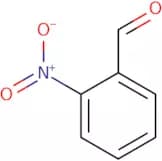
2-Nitrobenzaldehyde
CAS:<p>2-Nitrobenzaldehyde is a nitro compound that reacts with the intramolecular hydrogen of an alkene to form a nitroalkane. It is used as an antimicrobial agent, in which it inhibits the growth of bacteria by reacting with the intermolecular hydrogen bonding in the bacterial cell membrane. In addition, 2-Nitrobenzaldehyde has been shown to inhibit fatty acid synthesis and transfer reactions. The optimum concentration for this chemical is 0.01% to 0.1%. This chemical is soluble in both water and organic solvents, such as methanol and ethanol.</p>Formula:C7H5NO3Purity:Min. 98 Area-%Color and Shape:PowderMolecular weight:151.12 g/mol2-Bromo-4,5-difluorobenzaldehyde
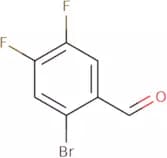
CAS:<p>2-Bromo-4,5-difluorobenzaldehyde is a chemical intermediate and speciality chemical. It is an important building block for the synthesis of organic compounds, such as pharmaceuticals and agrochemicals. This product is a versatile building block, which can be used in a wide range of reactions and is suitable for use as an intermediate or scaffold. It has high quality and complex structure that can be used to synthesize a number of different compounds.</p>Formula:C7H3BrF2OPurity:Min. 97%Color and Shape:PowderMolecular weight:221 g/mol4-Hydroxybutyraldehyde
CAS:Controlled Product<p>4-Hydroxybutyraldehyde is a carbonyl group that contains a zirconium oxide fragment. It is acidic and can be used as an inhibitor of tumor cells. 4-Hydroxybutyraldehyde has been shown to deuterium isotope effect on the reaction mechanism. This chemical ionization process leads to the production of an H3+ cation, which reacts with the sample in order to produce a protonated product. The hydrogenated form of this molecule undergoes an addition reaction with butyrolactone, forming the desired product. The synthetic pathway for this molecule starts with metal carbonyl complexes, which react with nucleophiles such as ammonia or amines to produce 4-hydroxybutyraldehyde.</p>Formula:C4H8O2Purity:Min. 95%Color and Shape:Clear LiquidMolecular weight:88.11 g/mol2-Hydroxy-5-methoxy-3-nitrobenzaldehyde
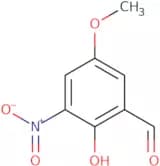
CAS:<p>2-Hydroxy-5-methoxy-3-nitrobenzaldehyde is a 6-membered aromatic compound that has been shown to have anti-cancer properties. It has been shown to inhibit the proliferation of cancer cells by inhibiting protein synthesis, as well as inducing apoptosis. This compound also inhibits the growth of colon cancer cells and cervical cancer cells in culture. 2-Hydroxy-5-methoxy-3-nitrobenzaldehyde has an inhibitory effect on the growth of cancer cells and may be used for treatment against tumors.</p>Formula:C8H7NO5Purity:Min. 95%Color and Shape:PowderMolecular weight:197.14 g/mol4-Bromo-3-methylbenzaldehyde
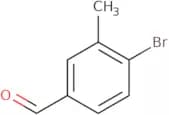
CAS:<p>4-Bromo-3-methylbenzaldehyde is a versatile building block that is used in the synthesis of many complex compounds. It can be used as a reactant, reagent, or speciality chemical. 4-Bromo-3-methylbenzaldehyde is an intermediate for the production of other chemicals and has been shown to be useful in the synthesis of various scaffolds. This product has been shown to have high purity and quality.</p>Formula:C8H7BrOPurity:Min. 95%Color and Shape:Yellow PowderMolecular weight:199.04 g/mol2,5-Difluoro-4-hydroxybenzaldehyde
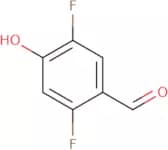
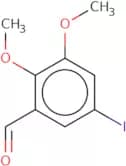
CAS:<p>2,5-Difluoro-4-hydroxybenzaldehyde is a chemical compound that belongs to the class of pyrazoles. It has been shown to inhibit the activity of multinuclear enzymes, such as tautomerase and hydrolases. This inhibition is due to the conformational changes in these enzymes induced by 2,5-difluoro-4-hydroxybenzaldehyde. 2,5-Difluoro-4-hydroxybenzaldehyde also displays biological activity against various types of cancer cells. This can be attributed to its ability to inhibit protein synthesis through inhibition of RNA transcription and translation.</p>Formula:C7H4F2O2Purity:Min. 95%Color and Shape:SolidMolecular weight:158.1 g/mol5-Iodo-2,3-dimethoxybenzaldehyde
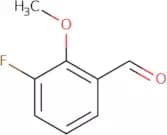
CAS:<p>5-Iodo-2,3-dimethoxybenzaldehyde is a fine chemical that is useful as a scaffold for the synthesis of other compounds. It can be used as an intermediate for research chemicals or as a reaction component in the synthesis of complex compounds. 5-Iodo-2,3-dimethoxybenzaldehyde is used for the manufacture of high quality reagents and building blocks.</p>Formula:C9H9IO3Purity:Min. 95%Color and Shape:PowderMolecular weight:292.07 g/mol3-Fluoro-2-methoxybenzaldehyde
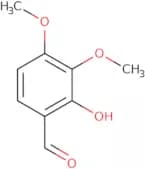
CAS:<p>3-Fluoro-2-methoxybenzaldehyde is a synthetic chemical that has been used as a precursor in the synthesis of pharmaceuticals and other organic compounds. 3-Fluoro-2-methoxybenzaldehyde can be prepared through the lithiation, chloromethylation, or trimethylation of 3-fluoroacetophenone. The compound can be oxidized to 3,4-dihydrobenzofuran with peroxide at low temperature. This conversion can be achieved using a variety of reagents, such as boron tribromide or boron trichloride.</p>Formula:C8H7FO2Purity:Min. 95%Color and Shape:Colorless PowderMolecular weight:154.14 g/mol2-Hydroxy-3,4-dimethoxybenzaldehyde
CAS:<p>2-Hydroxy-3,4-dimethoxybenzaldehyde is a molecule that has an acidic character. It has been shown to be able to form a copper complex with good optical properties. A method using this compound as the monomer was found to be efficient for synthesizing polymers with size exclusion chromatography. 2-Hydroxy-3,4-dimethoxybenzaldehyde is a monocarboxylic acid that contains an aliphatic hydrocarbon and hydroxyl group. It can also act as a monomer in polymerization reactions and can be used in chemical structures such as multidrugs, which are made from large molecules of different types of atoms. The acid catalyst is required for these reactions to take place.</p>Formula:C9H10O4Purity:Min. 95%Color and Shape:PowderMolecular weight:182.17 g/mol3,4-Dihydroxy-2-nitrobenzaldehyde
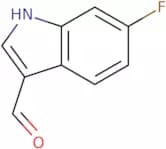
CAS:<p>3,4-Dihydroxy-2-nitrobenzaldehyde is a high quality chemical that is used as a reagent and as an intermediate in the synthesis of complex compounds. It has many uses, including being a useful building block for speciality chemicals, research chemicals, and reaction components. 3,4-Dihydroxy-2-nitrobenzaldehyde is versatile and can be used in the synthesis of various types of compounds. This compound is also an excellent scaffold for drug discovery.</p>Formula:C7H5NO5Purity:Min. 95%Color and Shape:PowderMolecular weight:183.12 g/mol6-Fluoroindole-3-carboxaldehyde
CAS:<p>6-Fluoroindole-3-carboxaldehyde (6FLA) is a synthetic compound that inhibits biosynthesis of the phytoalexins salicylic acid and lignin in plants. It also inhibits the β-glucuronidase enzyme, which hydrolyzes the glucuronide conjugates of phenolic compounds and xenobiotics. 6FLA has been shown to cause mild liver damage in rats, but its effects on humans are unknown. 6FLA may be used as a detectable substance for assays.</p>Formula:C9H6FNOPurity:Min. 95%Molecular weight:163.15 g/mol5-Hydroxy-3-methyl-1H-pyrazole-4-carbaldehyde
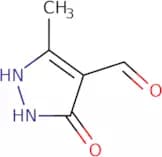
CAS:<p>5-Hydroxy-3-methyl-1H-pyrazole-4-carbaldehyde is an organic compound that is used as a building block in the synthesis of a variety of complex compounds. It can be used as a reaction component and is also useful in the production of speciality chemicals. 5-Hydroxy-3-methyl-1H-pyrazole-4-carbaldehyde has been shown to form complexes with metals, such as copper, silver, and gold. These complexes are useful for research into catalytic reactions and electrochemistry. This chemical is also used in the production of pharmaceuticals, agrochemicals, and other high quality reagents.</p>Formula:C5H6N2O2Purity:Min. 95%Color and Shape:PowderMolecular weight:126.11 g/mol5-(4-Chlorophenyl)-2-furaldehyde
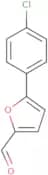
CAS:<p>5-(4-Chlorophenyl)-2-furaldehyde (5-CPFA) is an antitubercular drug that inhibits the growth of tuberculosis bacteria by disrupting the synthesis of DNA. It is a functional theory that 5-CPFA inhibits the bacterial enzyme, chalcone hydroxylase, which is involved in the conversion of chalcones to flavones. This inhibition prevents the formation of reactive oxygen species and leads to cell death. The mechanism of action for 5-CPFA has been shown to be due to its ability to form covalent bonds with metal ions such as copper, zinc, and iron. When exposed to ultraviolet radiation, this compound reacts with these metal ions and causes bond cleavage in DNA strands. The resulting damage in DNA strands leads to cell death within hours.</p>Formula:C11H7ClO2Purity:Min. 95%Color and Shape:PowderMolecular weight:206.62 g/mol3-Methoxy-4-methylbenzaldehyde
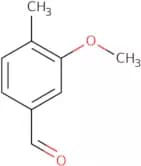
CAS:<p>3-Methoxy-4-methylbenzaldehyde is a chemical compound that belongs to the class of phenylpropanoids. It has been shown to have a variety of uses, including as a drug substance and in natural products. 3-Methoxy-4-methylbenzaldehyde can be used for labeling, mass spectrometric detection, physicochemical techniques, and chromatographic science. The compound can be detected using electron ionization, mass spectrometric detection, or chromatographic science. Isomers of this compound are often difficult to identify due to the presence of other similar compounds.</p>Formula:C9H10O2Purity:Min. 95%Color and Shape:PowderMolecular weight:150.17 g/mol3-Sulfobenzaldehyde sodium salt
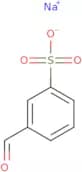
CAS:<p>3-Sulfobenzaldehyde sodium salt is a novel anticancer agent that inhibits the activity of HDACs. It has shown a strong inhibitory effect on cancer cells in vivo, and can be used for the treatment of tumors. 3-Sulfobenzaldehyde sodium salt has an anti-proliferative effect on cancer cells, which may be due to its ability to inhibit the activity of HDACs and acetylation mediated by these enzymes. This drug also has an anti-proliferative effect in tumor growth, which may be due to its ability to inhibit the HDAC cycle and acetylation, leading to cell death.</p>Formula:C7H5NaO4SPurity:85%MinColor and Shape:PowderMolecular weight:208.17 g/molo-Anisaldehyde
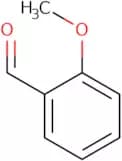
CAS:<p>o-Anisaldehyde is a chemical compound that has the molecular formula CH3CHO. It is an aromatic compound that contains a hydroxyl group (-OH) bonded to a benzene ring. o-Anisaldehyde is soluble in water and reacts with copper chloride to form copper (II) o-anisate, which can be used as a reagent for oxidation reactions. It also forms coordination compounds with metal ions like zinc and iron. The crystal structure of o-anisaldehyde has been determined by x-ray crystallography and shows that it contains two asymmetric carbon atoms, which are oriented in opposite directions. This molecule can be synthesized from phenol or catechol by heating them with an acidified solution of sodium nitrite in ethanol. The reaction mechanism of this process involves the formation of an oxime intermediate followed by hydrolysis. The kinetics data of this reaction have been obtained using titration calorimetry and kinetic energy measurements show that the reaction</p>Formula:C8H8O2Purity:Min. 95%Color and Shape:PowderMolecular weight:136.15 g/mol1,10-Phenanthroline-2-carbaldehyde
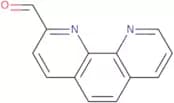
CAS:<p>1,10-Phenanthroline-2-carbaldehyde is a phenylhydrazone compound that has been shown to have anticancer activity. It is also a supramolecular complex, which means it can form hydrogen bonds and coordinate bonds with other molecules. The anticancer activity of 1,10-phenanthroline-2-carbaldehyde may be due to its ability to inhibit the growth of prostate carcinoma cells. This compound also inhibits the growth of human cervical carcinoma cells by binding to their DNA and inhibiting the synthesis of RNA and protein. 1,10-Phenanthroline-2-carbaldehyde is being studied for its potential as an inhibitor of tumor angiogenesis.<br>1,10-Phenanthroline-2-carbaldehyde has been shown to have antiplatelet aggregation effects in platelets from healthy humans as well as those with type 2 diabetes mellitus or chronic kidney disease.</p>Formula:C13H8N2OPurity:Min. 90 Area-%Color and Shape:Off-White PowderMolecular weight:208.22 g/mol2,4-Dimethoxy-6-methylbenzaldehyde
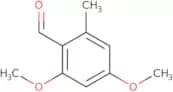
CAS:<p>2,4-Dimethoxy-6-methylbenzaldehyde is a biomolecular that belongs to the class of depsidones. It is a tetracyclic compound that has been isolated from the fungus Antrodia camphorata and the lichen Xanthoria polycarpa. 2,4-Dimethoxy-6-methylbenzaldehyde has been shown to inhibit the growth of fungi by preventing oxidative phosphorylation in mitochondria. This compound also shows regioselectivity for phenanthrenes, which are aromatic hydrocarbons with two benzene rings and one or more methyl groups on each ring. The synthesis of 2,4-dimethoxy-6-methylbenzaldehyde is achieved through a Witting reaction between olefinic compounds and diethyl malonate in the presence of base. 2,4-Dimethoxy-6-methylbenzaldehyde can also be synthesized by oxidizing dib</p>Formula:C10H12O3Purity:Min. 95%Color and Shape:PowderMolecular weight:180.2 g/mol4-(Dimethylamino)benzaldehyde
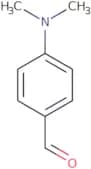
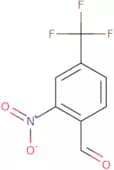
CAS:<p>4-(Dimethylamino)benzaldehyde (4DMAB) is an analytical reagent used to identify sulfa drugs. It has been shown to react with sulfonamides by the formation of a complex ion, which can be detected by analytical methods such as electrochemical impedance spectroscopy or ultraviolet spectroscopy. 4DMAB has also been studied for its anticarcinoid properties. The carcinoid syndrome is characterized by a tumor that releases serotonin and other substances into the bloodstream, causing severe diarrhea, flushing, and bronchial spasms. Studies have shown that 4DMAB inhibits the release of serotonin in this condition. As a result, it may be effective against carcinoid syndrome.</p>Formula:C9H11NOPurity:Min. 95%Color and Shape:White Slightly Yellow PowderMolecular weight:149.19 g/mol2-Nitro-4-(trifluoromethyl)benzaldehyde
CAS:<p>2-Nitro-4-(trifluoromethyl)benzaldehyde is an immunosuppressive agent that binds to the active site of the enzyme nitric oxide synthase, inhibiting its activity. This drug has been shown to be active against human immunocompromised patients and those with a history of melamine exposure. It also inhibits the production of nitric oxide, which is associated with inflammation. 2-Nitro-4-(trifluoromethyl)benzaldehyde has been shown to bind to vinylic positions on proteins, leading to immunosuppression.</p>Formula:C8H4F3NO3Purity:Min. 95%Color and Shape:PowderMolecular weight:219.12 g/mol3-Fluoro-2-methylbenzaldehyde - 80%
CAS:<p>3-Fluoro-2-methylbenzaldehyde is a colorless liquid that has a strong odor. It is used as an intermediate in organic synthesis, especially for the production of fluorine compounds. 3-Fluoro-2-methylbenzaldehyde is also used to study the bioconversion of aldehydes and reductases in fungi. This chemical can be detected by its spectra and its ability to react with fluorine. 3-Fluoro-2-methylbenzaldehyde can also be synthesized by reacting naphthalene with anisole and hydrogen fluoride gas.</p>Formula:C8H7FOPurity:Min. 95%Color and Shape:Clear LiquidMolecular weight:138.14 g/mol3-Chloro-5-fluorobenzaldehyde
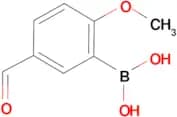
CAS:Formula:C7H4ClFOPurity:98%Color and Shape:SolidMolecular weight:158.562-Methoxy-5-formylphenylboronic acid
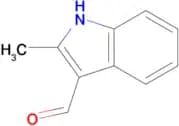
CAS:Formula:C8H9BO4Purity:97%Color and Shape:Crystalline Powder,PowderMolecular weight:179.972-Methyl-1H-indole-3-carbaldehyde
CAS:Formula:C10H9NOPurity:97%Color and Shape:Solid, Beige powderMolecular weight:159.1884-(4,4,5,5-Tetramethyl-1,3,2-dioxaborolan-2-yl)furan-2-carbaldehyde
CAS:Formula:C11H15BO4Purity:97%Molecular weight:222.05Methyl 3-bromo-5-formylbenzoate
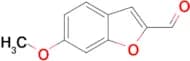
CAS:Formula:C9H7BrO3Purity:95%Color and Shape:SolidMolecular weight:243.0566-METHOXYBENZOFURAN-2-CARBALDEHYDE
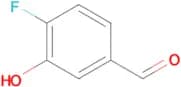
CAS:Formula:C10H8O3Purity:98%Color and Shape:No data available.Molecular weight:176.1714-Fluoro-3-hydroxybenzaldehyde
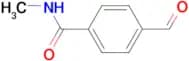
CAS:Formula:C7H5FO2Purity:95%Color and Shape:SolidMolecular weight:140.1134-Formyl-N-methyl-benzamide
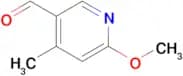
CAS:Formula:C9H9NO2Purity:97%Color and Shape:SolidMolecular weight:163.1766-Methoxy-4-methylnicotinaldehyde
CAS:Formula:C8H9NO2Purity:98%Color and Shape:SolidMolecular weight:151.1658-BROMOIMIDAZO[1,2-A]PYRIDINE-2-CARBALDEHYDE
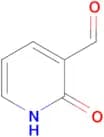
CAS:Formula:C8H5BrN2OPurity:97%Color and Shape:SolidMolecular weight:225.0452-Oxo-1,2-dihydro-3-pyridinecarbaldehyde
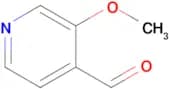
CAS:Formula:C6H5NO2Purity:95%Color and Shape:SolidMolecular weight:123.1113-Methoxyisonicotinaldehyde
CAS:Formula:C7H7NO2Purity:95%Color and Shape:SolidMolecular weight:137.1383-(4-Ethoxy-phenyl)-1H-pyrazole-4-carbaldehyde
CAS:Formula:C12H12N2O2Purity:95+%Molecular weight:216.242-Fluoro-3-methylbenzaldehyde
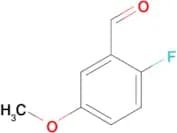
CAS:Formula:C8H7FOPurity:95%Color and Shape:LiquidMolecular weight:138.1412-Fluoro-5-methoxybenzaldehyde
CAS:Formula:C8H7FO2Purity:98%Color and Shape:Solid, No data available.Molecular weight:154.14









![8-BROMOIMIDAZO[1,2-A]PYRIDINE-2-CARBALDEHYDE](/_next/image/?url=https%3A%2Fstatic.cymitquimica.com%2Fproducts%2F10%2Fthumb-webp%2FF303995.webp&w=3840&q=75)