Pharmaceutical Standards
Pharmaceutical standards are a comprehensive set of reference materials essential for ensuring the safety, efficacy, and quality of pharmaceutical products. This category includes standards for active pharmaceutical ingredients (APIs), which are the core components responsible for therapeutic effects. Additionally, it covers compounds and metabolites relevant to both the pharmaceutical and veterinary industries, providing benchmarks for the accurate measurement and analysis of these substances. Nitrosamine control standards are crucial for detecting and mitigating potentially harmful nitrosamines in drug formulations. Toxicology standards help assess the safety and potential adverse effects of pharmaceutical compounds. Furthermore, enzyme activators and inhibitors standards are vital for research and development, enabling precise studies of biochemical pathways and drug mechanisms. These pharmaceutical standards are indispensable tools for regulatory compliance, quality control, and research, ensuring that pharmaceutical products meet stringent safety and effectiveness criteria.
Subcategories of "Pharmaceutical Standards"
- APIs for research and impurities(273,123 products)
- Enzyme Activators and Inhibitors(2,827 products)
- Nitrosamines(2,606 products)
- Pharmaceutical and Veterinary Compounds and Metabolites(2,577 products)
- Toxicology(13,654 products)
Found 7836 products of "Pharmaceutical Standards"
Sort by
Purity (%)
0
100
|
0
|
50
|
90
|
95
|
100
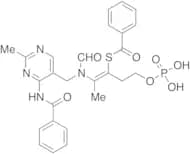
Benfotiamine-Amide
CAS:Controlled Product<p>Stability Hygroscopic<br>Applications Benfotiamine-Amide is an analog of Benfotiamine, which is a Vitamin B1 analog. Synthetic S-acyl derivative of Thiamine (T344185).<br>References Stracke, H., et al.: Exper. Clin. Endocrinol., Diabetes, 116, 600 (2008), Gohil, V., et al.: Nat., Biotechnol., 28, 249 (2010),<br></p>Formula:C26H27N4O7PSColor and Shape:NeatMolecular weight:570.55Norketamine-d4 (1 mg/ml in Acetonitrile)
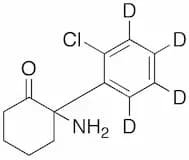
CAS:Controlled ProductFormula:C12H10D4ClNOColor and Shape:Colourless To Light YellowMolecular weight:227.72rac Indapamide-N-sulfonamido-β-D-glucuronide (Mixture of Diastereomers)
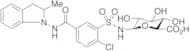
<p>Stability Hygroscopic<br>Applications rac Indapamide-N-sulfonamido-β-D-glucuronide_x000D__x000D_(Mixture of Diastereomers) is a compound useful in organic synthesis.<br></p>Formula:C22H24ClN3O9SPurity:>85%Color and Shape:Off White SolidMolecular weight:541.964-Hydroxy Omeprazole Sulfide
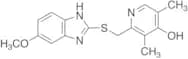
CAS:Controlled Product<p>Stability Light Sensitive<br>Applications An intermediate in the preparation of Omeprazole metabolites.<br>References Hoffmann, K., et al.: Drug Metab. Disposition, 14, 341 (1986), Andersson, T., et al.: Brit. J. Clin. Pharmacol., 36, 521 (1993),<br></p>Formula:C16H17N3O2SColor and Shape:NeatMolecular weight:315.39Juvenile Hormone B 3 (Mixture of Diastereomers), Technical Grade
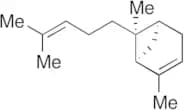
CAS:Controlled Product<p>Applications Juvenile Hormone B 3 is a sesquiterpenoid produced by the larval ring gland and adult corpus allatum (CA) of Drosophila melanogaster. Juvenile hormones regulate development, reproduction, diapause, and polyphenisms.<br>References Wang, Ch., et al.: Gen. Comp. Endocr., 176, 347 (2012); Bendena, W.G., et al.: Gen. Comp. Endocr., 172, 56 (2011); Wyatt, G., Davey, K.: Adv. Insect Physiol., 26, 1 (1996); Nijhout, H.: Insect Hormones (Princeton Univ. Press, Princeton) (1994)<br></p>Formula:C16H26O4Color and Shape:NeatMolecular weight:282.38(4R,6S)-6-[(1E)-2-[4-(4-Fluorophenyl)-6-(1-methylethyl)-2-[methyl(methylsulfonyl)amino]-5-pyrimidinyl]ethenyl]-2,2-dimethyl-1,3-dioxane-4-acetic Acid 1,1-Dimethylethyl Ester
CAS:Controlled Product<p>Impurity Rosuvastatin EP Impurity F<br>Applications (4R,6S)-6-[(1E)-2-[4-(4-Fluorophenyl)-6-(1-methylethyl)-2-[methyl(methylsulfonyl)amino]-5-pyrimidinyl]ethenyl]-2,2-dimethyl-1,3-dioxane-4-acetic Acid 1,1-Dimethylethyl Ester (Rosuvastatin EP Impurity F) is a Rosuvastatin (R700500) intermediate as HMG-CoA reductase inhibitor.<br>References Beck, et al.: J. Med. Chem., 33, 52 (1999),<br></p>Formula:C29H40FN3O6SColor and Shape:NeatMolecular weight:577.71N-(Methyl-d3)-4-phenylpyridinium Iodide
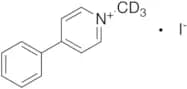
CAS:Controlled Product<p>Applications A labelled dopaminergic neurotoxin; a selective cytostatic agent in small-cell lung cancer cell lines with neuroendocrine properties.<br> Not a dangerous good if item is equal to or less than 1g/ml and there is less than 100g/ml in the package<br>References Marini, A.M. et al.: J, Nat. Cancer Inst., 84, 1582 (1992); Singh, M. et al.: Arch. Biochem. Biophys., 286, 138 (1991); Santiago, M. et al.: J. Neurosci. Meth., 108, 181 (2001);<br></p>Formula:C122H3H9N·IColor and Shape:NeatMolecular weight:300.15Hederagenin
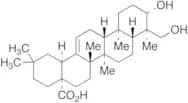
CAS:<p>Applications Triterpenoid which can inhibit the proliferation of leukemia HL-60 cells.<br>References Cho, J., et al.: Pulmon. Pharmacol. Ther., 23, 190 (2010), Gohil, V., et al.: Nat. Biotechnol., 28, 249 (2010), Saha, S., et al.: J. Agric. Food Chem., 58, 434 (2010),<br></p>Formula:C30H48O4Color and Shape:NeatMolecular weight:472.70Dabigatran Carboxamide Ethyl Ester
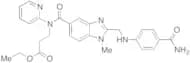
CAS:<p>Applications Dabigatran Carboxamide Ethyl Ester is an impurity of Dabigatran Etexilate Mesylate (D100150) which is a nonpeptide, direct thrombin inhibitor.<br>References Hauel, N., et al.: J. Med. Chem., 45, 1757 (2002); Mungall, D., et al.: Curr. Opin. Invest. Drugs, 3, 095 (2002); Stangier, J., et al.: J. Clin. Pharmacol., 45, 555 (2005)<br></p>Formula:C27H28N6O4Color and Shape:Off-WhiteMolecular weight:500.5516α-Hydroxy Estrone
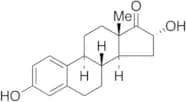
CAS:<p>Impurity Estriol EP Impurity H<br>Applications 16α-Hydroxy Estrone (Estriol EP Impurity H) is a major metabolite of Estradiol.<br>References Fishman, H.G, et al.: Biochemistry, 8, 4304 (1969), Ryan, Sugar, J., et al.: J. Clin. Endocrinol. Metab., 50, 137 (1980), Numazawa, M., et al.: Steroids, 38, 149 (1981), Travis, R., et al.: Breast Cancer Res., 5, 239 (2003),<br></p>Formula:C18H22O3Color and Shape:White To BeigeMolecular weight:286.372-Hydroxy Atorvastatin Calcium Salt
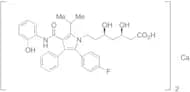
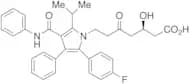
CAS:Controlled Product<p>Applications di(2-Hydroxy Atorvastatin) Calcium Salt is a metabolite of Atorvastatin Calcium Salt (A791750), a selective, competitive HMG-CoA reductase inhibitor. Atorvastatin is the only drug in its class specfically indicated for lowering both elevated LDL-cholesterol and triglycerides in patients with hypercholesterolemia.<br>References Kearney, A.S., et al.: Pharm. Res., 10, 1461 (1993); Heinonen, T.M., et al.: Clin. Ther., 18, 853 (1996); Whitfield, L.R., et al.: Eur. J. Drug Metab. Pharmacokinet., 25, 97 (2000)<br></p>Formula:C66H68CaF2N4O12Color and Shape:White To YellowMolecular weight:1187.35(4-Bromophenyl)urea
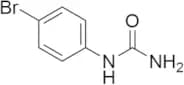
CAS:<p>Applications (4-Bromophenyl)urea (cas# 1967-25-5) is a useful research chemical.<br> Not a dangerous good if item is equal to or less than 1g/ml and there is less than 100g/ml in the package<br></p>Formula:C7H7N2OBrColor and Shape:Off-White To PurpleMolecular weight:215.05Pirenoxine
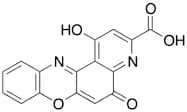
CAS:Controlled Product<p>Applications Pirenoxine, is a medication used in the possible treatment and prevention of cataracts.<br>References Liao, J. H. et al.: Inorganic Chemistry. 50 (1): 365–377.<br></p>Formula:C16H8N2O5Color and Shape:NeatMolecular weight:308.25Conduritol A
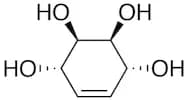
CAS:Controlled Product<p>Applications Conduritol A (cas# 526-87-4) is a compound useful in organic synthesis.<br></p>Formula:C6H10O4Color and Shape:NeatMolecular weight:146.14Nor Verapamil Hydrochloride
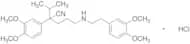
CAS:<p>Impurity Verapamil EP Impurity J HCl<br>Applications Nor Verapamil Hydrochloride (Verapamil EP Impurity J HCl) is a metabolite of Verapamil.<br>References Mutlib, A.E., et al.: The Journal of Pharm. & Exp. Therapeutics, 252, 2, 593 (1989)<br></p>Formula:C26H37ClN2O4Color and Shape:WhiteMolecular weight:477.04Diclofenac Carboxylic Acid (Diclofenac Metabolite)
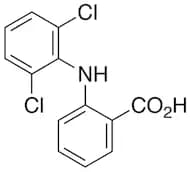
CAS:Controlled Product<p>Applications Metabolite of Diclofenac.<br>References Duffy, J.C., et al.: J. Pharm. Pharmacol., 48, 883 (1996), Oza, V., et al.: J. Med. Chem., 45, 321 (2002), Bajaj, S., et al.: Bioorg. Med. Chem., 12, 3695 (2004), Teffera, Y., et al.: Drug Metabolism Lett., 2, 35 (2008),<br></p>Formula:C13H9Cl2NO2Color and Shape:Off-WhiteMolecular weight:282.12Mianserin N-Oxide
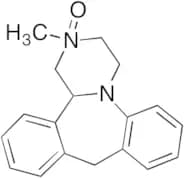
CAS:Controlled Product<p>Applications A metabolite of Mianserin.<br>References Begg, E., et al.: Br. J. Clin. Pharmacol., 27, 445 (1989), Tybring, G., et al.: Ther. Drug Monit., 17, 516 (1995), Namera, A., et al.: J. Anal. Toxicol. 22, 396 (1998), van Nederkassel, A., et al.: J. Pharm. Biomed. Anal., 32, 233 (2003),<br></p>Formula:C18H20N2OColor and Shape:NeatMolecular weight:280.362-O-Desmethyl Cisapride
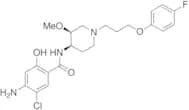
CAS:Controlled Product<p>Applications Minor Cisapride (C496400) metabolite.<br>References Meuldermans, W., et al.; Drug Metab. Disposition, 16, 410 (1988), Lowry J., et al.; Clin. pharmacol. ther., 73, 209 (2003), Shao L., et al.: Bioorg. Med. Chem. Lett., 19, 5679 (2009),<br></p>Formula:C22H27ClFN3O4Color and Shape:NeatMolecular weight:451.92epi Dienogest
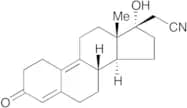
Controlled Product<p>Applications epi Dienogest, is metabolite of Dienogest (D441870), a derivative of 19-Nortestosterone, that in combination with estrogencan acts as oral contraceptive.<br>References Hubner, M., et al.: Arzneim.-Forsch., 30, 401 (1980), Spona, J., et al.: Contraception, 56, 185 (1997), Foster, R.H., et al.: Drugs, 56, 825 (1998),<br></p>Formula:C20H25NO2Color and Shape:NeatMolecular weight:311.42Mosapride Citric Amide Disodium Salt
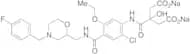
CAS:Controlled Product<p>Stability Hygroscopic<br>Applications Disodium salt of Mosapride (M731000) derivative.<br>References Yoshida, N., et al.: Arch. Int. Pharmacodyn. Ther., 300, 51 (1989), Yatera, S., et al.: Japan. Pharmacol. Ther., 21, 21 (1993), Ruth, M., et al.: Aliment Pharmacol. Ther., 12, 35 (1998),<br></p>Formula:C27H29ClFN3Na2O9Color and Shape:NeatMolecular weight:639.96Ezetimibe Tetrahydropyran Impurity
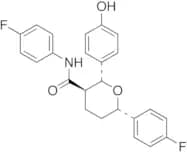
CAS:<p>Impurity Ezetimibe Tetrahydropyran Impurity<br>Applications Ezetimibe (E975000) tetrahydropyran impurity.<br></p>Formula:C24H21F2NO3Color and Shape:NeatMolecular weight:409.432-Carboxybenzoyl Amlodipine
CAS:Controlled Product<p>Impurity Amlodipine EP Impurity H<br>Applications Amlodipine Besilate (A633500) impurity. Used in the process for preparing Amlodipine benzenesulfonate. Amlodipine EP Impurity H<br></p>Formula:C28H29ClN2O8Color and Shape:NeatMolecular weight:556.99Enzalutamide Carboxylic Acid
CAS:<p>Applications Enzalutamide Carboxylic Acid is used as hormone therapies to prevent androgen-fuled growth of castrate-resistant prostate cancer.<br>References Tomasz, M.B., et al.: New Engl, J. Med., 424, 371 (2014);<br></p>Formula:C20H13F4N3O3SColor and Shape:NeatMolecular weight:451.395-Oxo Atorvastatin
CAS:<p>Applications Atorvastatin Derivative<br></p>Formula:C33H33FN2O5Color and Shape:NeatMolecular weight:556.62Theobromine-d6
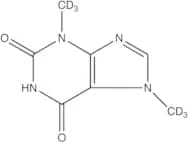
CAS:Controlled Product<p>Stability Hygroscopic<br>Applications A labelled metabolite of Caffeine.<br>References Suto, M., et al.: Anticancer Drug Des., 6, 107 (1991), Burkart, V., et al.: Nat. Med., 5, 314 (1999), Hassa, P., et al.: J. Biol. Chem., 278, 45145 2003), Veres, B., et al.: J. Pharmacol. Exp. Ther., 310, 247(2004),<br></p>Formula:C72H6H2N4O2Color and Shape:WhiteMolecular weight:186.20Diltiazem-d3 Hydrochloride
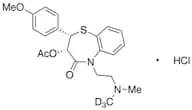
CAS:Controlled Product<p>Applications Labelled Diltiazem (D460620). A calcium channel blocher with vasodilating activity. Antianginal; antihypertensive; antiarrhythmic (class IV).<br>References Sato, et al.: Arzneim.-Forsch., 21, 1338 (1971), Smirnov, S.R.: Eur. J. Pharmacol., 360, 81 (1998), Hansson, L., et al.: Lancet, 356, 359 (2000),<br></p>Formula:C22H24D3ClN2O4SColor and Shape:NeatMolecular weight:454.09-Deschloro-9-bromo Beclomethasone Dipropionate
CAS:Controlled Product<p>Impurity Beclomethasone Dipropionate EP Impurity D<br>Applications 9-Deschloro-9-bromo Beclomethasone Dipropionate (Beclomethasone Dipropionate EP Impurity D) is an impurity of Beclomethasone Dipropionate (B131030).<br>References Shou, M. et al.: J. Pharmac. Biomed. Anal., 50, 356 (2009); Johnston, S. et al.: J. Chrom. Sci., 48, 733 (2010);<br></p>Formula:C28H37BrO7Color and Shape:NeatMolecular weight:565.491-Nitronaphthalene
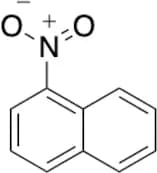
CAS:Controlled Product<p>Applications 1-Nitronaphthalene as a nitroaromatic compound is studied for mutagenicity, as nitroaromatics are used in everyday products from polmers, dyes to drugs.<br>References Tawari, N., et al.: Int J Pharm Pharm Sci., 6, 149-157 (2014)<br></p>Formula:C10H7NO2Color and Shape:NeatMolecular weight:173.17Butropium Bromide
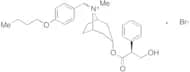
CAS:<p>Applications Anticholinergic. Antispasmodic.<br>References Fujita, et al.: J. Labelled Compd., 9, 149 (1972), Tanaka, et al.: J. Pharm. Soc. Jpn., 92, 510 (1972), Kawamoto H., et al.: Arzneim.-Forsch., 35, 1475 (1985),<br></p>Formula:C28H38NO4·BrColor and Shape:NeatMolecular weight:532.514-Hydroxy-N-desbutyl Bupivacaine
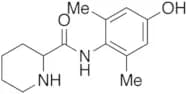
CAS:Controlled Product<p>Applications Bupivacaine metabolite.<br>References Goehl, T. J. et al.: Xenobiotica 3, 761 (1973)<br></p>Formula:C14H20N2O2Color and Shape:NeatMolecular weight:248.32Benzoic Acid
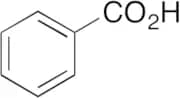
CAS:Controlled Product<p>Impurity Mefenamic Acid EP Impurity D<br>Applications Benzoic Acid is used in the synthesis of 1,3,4-oxadiazoles with pharmaceutical activity. Also used in the synthesis of selective human A3 adenosine receptor antagonists.<br>References Rouhani, M. et al.: Ultrason. Biochem., 21, 262 (2014); Squarcialupi, L. et al.: J. Medic. Chem., 56, 2256 (2013);<br></p>Formula:C7H6O2Color and Shape:WhiteMolecular weight:122.12Atorvastatin Lactam Sodium Salt Impurity
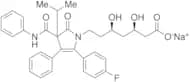
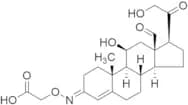
CAS:<p>Impurity Atorvastatin Pyrrolidone Analog (USP)<br>Stability Light Sensitive<br>Applications A photodegradation product of Atorvastatin (a cyclic impurity of Atorvastatin). Atorvastatin Pyrrolidone Analog (USP).<br>References Roger, D., et al.: Clin. Exp. Dermatol., 19, 88 (1994), Cosa, G., et al.: Photochem. Photobiol., 80, 159 (2004), Kerwin, B., et al.: J. Pharm. Sci., 96, 1468 (2007),<br></p>Formula:C33H34FN2O6·NaColor and Shape:WhiteMolecular weight:596.62Aldosterone 3-(O-Carboxymethyl)oxime (>80%)
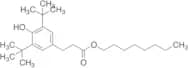
CAS:Controlled ProductFormula:C23H31NO7Color and Shape:NeatMolecular weight:433.493,5-Bis(1,1-dimethylethyl)-4-hydroxy-benzenepropanoic Acid C7-9-Branched Alkyl Esters
CAS:<p>Applications Octyl-3,5-di-tert-butyl-4-hydroxyhydrocinnamate (cas# 125643-61-0) is an intermediate in synthesizing 7,9-Di-tert-butyl-1-oxaspiro[4.5]deca-6,9-diene-2,8-dione (D493755), an antioxidant naturally found in aerial parts of Gmelina asiatica Linn (Verbenaceae). It is also found in essential oils of some Stachys species from Mediterranean area. It is an impurity of Irganox used in the food packaging.<br>References Merlin, N., et al.: Pharmacogn. Res., 1, 152 (2009); Conforti, F., et al.: Food Chem., 116, 898 (2009), Riquet, A. et al.: Food Chem., 199, 59 (2016);<br></p>Formula:C25H42O3Color and Shape:ColourlessMolecular weight:390.61Dimefline Hydrochloride
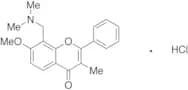
CAS:Controlled Product<p>Applications Dimefline is a new respiratory stimulant drug.<br> Not a dangerous good if item is equal to or less than 1g/ml and there is less than 100g/ml in the package<br>References Edwards, J.M., et al.: J. Nat. Prod., 42, 85 (1979), Setnikar, I., et al.: Arzneim.-Forsch., 11 1109 (1961),<br></p>Formula:C20H21NO3·HClColor and Shape:NeatMolecular weight:359.85Daidzein 7-β-D-Glucuronide 4’-Sulfate Disodium Salt
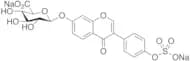
CAS:<p>Stability Very Hygroscopic<br>Applications Mixed conjugate of dietary phytoestrogen.<br>References Adlercreutz, H;., et al.: J. Steroid Mol. Biol., 52, 97 (1995), Kinjo, J., et al.: Biol. Pharm. Bull., 27, 185 (2004),<br></p>Formula:C21H16Na2O13SColor and Shape:NeatMolecular weight:554.39DL-Lanthionine
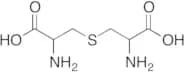
CAS:Controlled Product<p>Applications DL-Lanthionine is a thioether-amino acid which when present in peptides results in antimicrobial activity. Peptides with this amino acid within it become part of a group named lantibiotics.<br>References Lohans, C, et al.: J. Am. Chem. Sic., 136, 13150 (2014);<br></p>Formula:C6H12N2O4SColor and Shape:NeatMolecular weight:208.24(R,S)-Equol
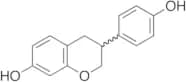
CAS:Controlled Product<p>Applications (R,S)-Equol is a human urinary metabolite of the soy isoflavones Daidzein (D103500).<br>References Heinonen, S., et al.: Anal. Biochem., 274, 211 (1999), Setchell, K., et al.: J. Nutr., 132, 3577 (2002), Thigpen, J., et al.: Comp. Med., 53, 607 (2003), Yee, S., et al.: Food Chem. Toxicol., 46, 2713 (2008),<br></p>Formula:C15H14O3Color and Shape:NeatMolecular weight:242.27(E)-Betamethasone-∆17,20 21-Aldehyde
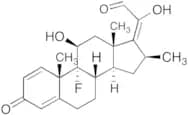
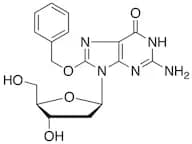
CAS:Formula:C22H27FO4Color and Shape:NeatMolecular weight:374.458-Benzyloxy-2’-deoxyguanosine
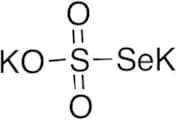
CAS:Controlled Product<p>Applications 8-Benzyloxy-2’-deoxyguanosine (cas# 96964-90-8) is a compound useful in organic synthesis.<br>References Wang, Y., et al.: Chem. Res. Toxicol., 19, 837 (2006),<br></p>Formula:C17H19N5O5Color and Shape:NeatMolecular weight:373.36Selenosulfuric Acid Dipotassium Salt, Technical Grade
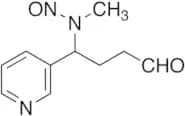
CAS:Controlled Product<p>Applications Selenosulfuric Acid Disodium Salt is used in the synthesis of CdSe photocatalysts with enhanced photocatalytic ativitys. Possible application towards industrial wastewater treatment and pollutant removal.<br>References Lim, C. et al.: Bull. Korean Chem Soc., 32, 1657 (2011);<br></p>Formula:K2O3SSeColor and Shape:NeatMolecular weight:237.224-(N-Methyl-N-nitrosamino)-4-(3-pyridyl)butanal
CAS:Controlled Product<p>Applications A tobacco smoke-derived nitrosamine which is activated by multiple human cytochrome P 450s including the polymorphic human cytochrome P 4502D6.<br> Not a dangerous good if item is equal to or less than 1g/ml and there is less than 100g/ml in the package<br>References Castonguay, A., et al.: Cancer Lett., 46, 93 (1989), Crespi, C.L., et al.: Carcinogenesis, 12, 1197 (1991),<br></p>Formula:C10H13N3O2Color and Shape:Light Brown LiquidMolecular weight:207.23N-Formyl Varenicline
CAS:Controlled Product<p>Applications A metabolite of Varenicline. Metabolite M5.<br>References Dow, J., et al.: Drug Metab. Dispos., 22, 738 (1994), Toide, K., et al.: Biochem. Pharmacol., 67, 1269 (2004), Coe, J., et al.: J. Med. Chem., 48, 3474 (2005), Doll, R., et al.: Br. J. Cancer, 92, 426 (2005),<br></p>Formula:C14H13N3OColor and Shape:NeatMolecular weight:239.27Sodium Azide
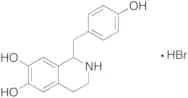
CAS:<p>Applications Sodium azide is commonly used as a preservative in aqueous laboratory reagents and biological samples. Sodium azide’s toxicity can be attributed to its role as a reversible inhibitor of mitochondrial respiration and insulin secretion in human pancreatic cells. Acts as a catalyst for: Oxidative decarboxylation & Michael addition reactions.Used as a reagent for synthesis of Blue fluorescent copolymers; Metal phosphonates & Arenes via aminations. Actively involved in regioselective synthesis of prianosin B.<br> Not a dangerous good if item is equal to or less than 1g/ml and there is less than 100g/ml in the package<br>References Chang, S. & Lamm, S.: Int. J. Toxicol., 22, 175 (2003); Misler, S., et al.: Pflügers Archiv., 421, 289 (1992)<br></p>Formula:N3·NaColor and Shape:White To Off-WhiteMolecular weight:65.01Higenamine Hydrobromide Salt
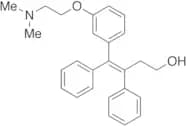
CAS:Controlled Product<p>Applications Higenamine acts through inhibition of middle cerebral artery occlusion (MCAO)-mediated HMGB1 release in vivo. Useful towards ischemic injuries.<br>References Ha, Y. et al.: Apoptosis., 17, 463 (2012);<br></p>Formula:C16H18BrNO3Color and Shape:Off-WhiteMolecular weight:352.22cis-β-Hydroxy Tamoxifen
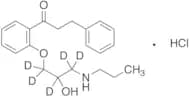
CAS:Controlled Product<p>Applications A hydroxylated analogue of Tamoxifen (T006000) with anti-estrogenic properties.<br>References Ruenitz, P.C. et al.: J. Med. Chem., 25, 1056 (1982)<br></p>Formula:C26H29NO2Color and Shape:NeatMolecular weight:387.51Propafenone-d5 Hydrochloride
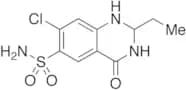
CAS:Controlled ProductFormula:C21H23D5ClNO3Color and Shape:Off-WhiteMolecular weight:382.94Quinethazone
CAS:Controlled Product<p>Applications Quinethazone is a thiazide diuretic used to treat hypertension.<br>References DeLuca, F.M.: Sett. Med., 54, 747 (1966); Dettli, L. et al.: Ann. N.Y. Acad. Sci., 139, 471 (1966);<br></p>Formula:C10H12ClN3O3SColor and Shape:NeatMolecular weight:289.74Igepal CO-520
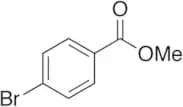
CAS:<p>Applications Igepal is a nonionic surfactant.<br> Not a dangerous good if item is equal to or less than 1g/ml and there is less than 100g/ml in the package<br>References Sedgqwick, M. et al.: Langmuir, 25, 5496 (2009);<br></p>Formula:(C2H4O)n·C15H24OColor and Shape:Colourless4-Bromobenzoic Acid Methyl Ester
CAS:<p>Applications 4-Bromobenzoic Acid Methyl Ester is halogenated benzoate used as a reagent in organic synthesis. 4-Bromobenzoic Acid Methyl Ester can be used to stimulate microbial dechlorination of PCBs. 4-Bromobenzoic Acid Methyl Ester is also used in the preparation of stable radioiodinating reagent to label monoclonal antibodies for radiotherapy of cancer.<br>References Wilbur, D.S. et al.: J. Nuclear Med., 30, 216 (1989); DeWeerd, K.A. et al.: Environ. Sci. Technol., 33, 2057 (1999);<br></p>Formula:C8H7BrO2Color and Shape:Off-WhiteMolecular weight:215.04Pilocarpic Acid Sodium Salt
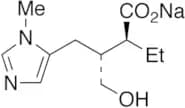
CAS:Controlled Product<p>Impurity Pilocarpine Hydrochloride EP Impurity B<br>Stability Hygroscopic<br>Applications Pilocarpic Acid Sodium Salt is an imidazole derivative used in the preparation of novel sequentially labile pilocarpine prodrugs for improved ocular delivery.<br>References Bungaard, H. et al.: J. Med. Chem., 28, 978 (1985); Jarvinen, T.e t al.: Int. J. Pharmac., 79, 233 (1992);<br></p>Formula:C11H17N2O3·NaColor and Shape:WhiteMolecular weight:248.25Oxindole-3-acetic Acid-13C6
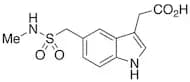
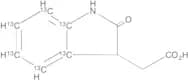
CAS:Controlled Product<p>Applications Oxindole-3-acetic Acid-13C6 is labelled derivative of Indoleacetic Acid (I577342) which has the potential to be used in anti-cancer therapy in conjunction with horseradish peroxidase.<br>References Kawano, T. et al.: Gen. Hypo. 60, 664 (2003)<br></p>Formula:C6C4H9NO3Color and Shape:NeatMolecular weight:197.1396α-Hydroxy Norethindrone Acetate
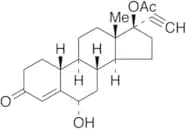
CAS:Controlled Product<p>Applications An oxidative product of the drug Norethindrone (N676000). Norethindrone impurity.<br>References Reif, V., et al.: Pharmaceutical Res., 4, 54 (1987), Rao, P., et al.: Steroids, 59, 621 (1994),<br></p>Formula:C22H28O4Color and Shape:Off-WhiteMolecular weight:356.46trans-Hydroxy Glimepiride
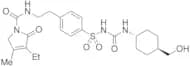
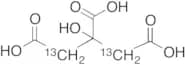
CAS:Controlled Product<p>Applications An active metabolite of Glimepiride.<br>References Muller, G., et al.: Diabetes, 42, 1852 (1993), Kramer, W., et al.: Biochem. Biophys. Acta, 119, 278 (1994),<br></p>Formula:C24H34N4O6SColor and Shape:NeatMolecular weight:506.62Citric acid-2,4-13C2
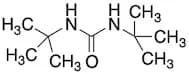
CAS:Controlled Product<p>Applications Citric acid-2,4-13C2 is an isotopic analog of citric acid (C521000), a component of the Krebs cycle.<br></p>Formula:C2C4H8O7Color and Shape:White To Light YellowMolecular weight:194.11N,N'-Di-tert-Butylurea
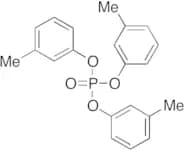
CAS:Controlled Product<p>Applications N,N'-Di-tert-Butylurea can be used in synthetic preparation and structural characterization of polynuclear gold and bimetallic gold/silver complexes for carbon-hydrogen functionalization of carbonyl compounds and homogeneous carbonylation of amines.<br>References Smirnova, E., et al.: Angew Chem Int Edit, 55, 7487 (2016)<br></p>Formula:C9H20N2OColor and Shape:White To Off-WhiteMolecular weight:172.268Phosphoric Acid Tris(3-methylphenyl) Ester
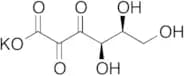
CAS:Controlled Product<p>Applications Phosphoric Acid Tris(3-methylphenyl) Esteris a human urinary organophosphate flame retardant metabolite. It is also used to study properties of supercooled liquids.<br> Not a dangerous good if item is equal to or less than 1g/ml and there is less than 100g/ml in the package<br>References Schindler, B., et al.: J. Chromat. B, 877, 375 (2009); Heuberger, G., et al.: J. Phys. Chem., 100, 15255 (1996); Blochowicz, T., et al.: J. Chem. Phys., 118, 7544 (2003)<br></p>Formula:C21H21O4PColor and Shape:Light YellowMolecular weight:368.362,3-Diketogulonic Acid Potassium Salt (Technical Grade)
CAS:<p>Stability Temperature Sensitive<br>Applications 2,3-Diketogulonic Acid Potassium Salt is an intermediate in biodegradation of Ascorbic Acid (A786990).<br>References Kagawa, Y.: J. Biochem., 51, 134 (1962); Otsuka, M., et al.: Agric. Biol. Chem., 50, 531 (1986);<br></p>Formula:C6H7O7·KColor and Shape:NeatMolecular weight:230.21Dihydro Ferulic Acid Methyl Ester
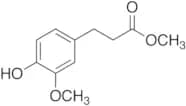
CAS:Controlled Product<p>Applications A protected caffeine metabolite with high antioxidant activity. It is a very sensitive biomarker for the consumption of relatively small amount of coffee.<br>References Buchanan, C., et al.: J. Sci. Food Agric., 71, 459 (1996), Andreasen, M., et al.: J. Agric. Food Chem., 49, 5679 (2001), Poquet, L., et al.: Drug Metab. Dispos., 36, 190 (2008),<br></p>Formula:C11H14O4Color and Shape:NeatMolecular weight:210.235-Hydroxycytosine
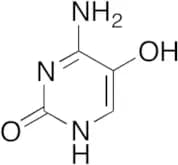
CAS:Controlled Product<p>Applications 5-Hydroxycytosine, is been identified as an anomalous base of phage H-17 DNA. It is also a monosubstituted cytosine, as nucleotide-base antimetabolite-type potential anticarcinogen.<br>References Khromov, I. S. Doklady Akademii Nauk SSSR, 240, 1486 (1978); Ladik, J., et al.: Magyar Kemiai Folyoirat, 76, 589 (1970);<br></p>Formula:C4H5N3O2Color and Shape:NeatMolecular weight:127.104-(Methoxy-d3)-α-methyl-benzeneethanamine Hydrochloride
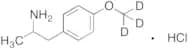
CAS:Controlled Product<p>Applications 4-(Methoxy-d3)-α-methyl-(αS)-benzeneethanamine Hydrochloride is the labelled form of 4-Methoxyamphetamine Hydrochloride (M261015), which is the HCl salt of 4-Methoxyamphetamine. 4-Methoxyamphetamine is a designer drug belonging to the amphetamine class and releases 5-hydroxytryptamine in brain tissue.<br> Not a dangerous good if item is equal to or less than 1g/ml and there is less than 100g/ml in the package<br>References Menon, M., et al.: J. Pharmacol. Exp. Ther., 197, 272 (1976);<br></p>Formula:C10H12D3NO·HClColor and Shape:Off-WhiteMolecular weight:204.71Calcium Chloride Hydrate
CAS:<p>Applications Calcium Chloride Dihydrate is used in the preparation of bisphosphonates used in attacking cancer cells.<br>References Liu, D. et al.: Chem. Comm., 48, 2668 (2012);<br></p>Formula:Ca·2Cl·2H2OColor and Shape:NeatMolecular weight:147.01apo-Ipratropium Bromide
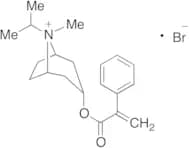
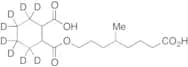
CAS:<p>Applications apo-Ipratropium Bromide is an intermediate used in the preparation of quaternary salts of alkaloids.<br>References Ivanov, V., et al.: Farmatsiya17, 18 (1967)<br></p>Formula:C20H28NO2·BrColor and Shape:NeatMolecular weight:394.341,2-Cyclohexanedicarboxylic Acid Mono 4-Methyl-7-carboxy-heptyl Ester-d8
CAS:Controlled Product<p>Stability Hygroscopic<br>Applications 1,2-Cyclohexanedicarboxylic Acid Mono 4-Methyl-7-carboxy-heptyl Ester-d8 is labelled 1,2-Cyclohexanedicarboxylic Acid Mono 4-Methyl-7-carboxy-heptyl Ester (C987315) which is a possible metabolite of the di(isononyl)cyclohexane-1,2-dicarboxylate (DINCH) monoester (MINCH).<br>References Koch, H., et al.: Arch. Toxicol., 87, 799 (2013)<br></p>Formula:C17H20D8O6Color and Shape:NeatMolecular weight:336.451, N6-Etheno-2'-deoxyadenosine-13C5
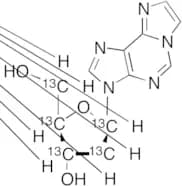
Controlled Product<p>Applications 1, N6-Etheno-2’-deoxyadenosine-13C5 is caused by exposure to pollutants. It is an isotopically labeled analog of the 2’-Deoxyguanosine adduct.<br></p>Formula:C713C5H13N5O3Color and Shape:NeatMolecular weight:280.231-Nitropiperazine
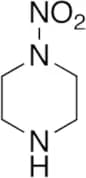
CAS:Controlled Product<p>Applications A nitro substituted piperazine.<br></p>Formula:C4H9N3O2Color and Shape:NeatMolecular weight:131.13Isovaleryl L-Carnitine-d9 Chloride
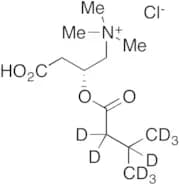
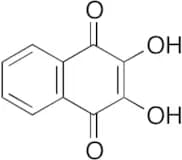
CAS:Controlled Product<p>Stability Hygroscopic<br>Applications Isovaleryl L-Carnitine-d9 Chloride is labelled Isovaleryl L-Carnitine Chloride (I917580) which is used to prepare carnitine benzyl esters as neuroprotectant prodrugs.<br>References Gong, X., et al.: J. Chem. Res., 6, 327 (2008)<br></p>Formula:C12H15D9ClNO4Color and Shape:NeatMolecular weight:290.832,3-Dihydroxy-1,4-naphthoquinone
CAS:Controlled Product<p>Applications 2,3-dihydroxynaphthoquinone (cas# 605-37-8) is a useful research chemical.<br></p>Formula:C10H6O4Color and Shape:NeatMolecular weight:190.15Cinnamic Acid
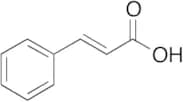
CAS:Controlled Product<p>Applications Cinnamic Acid is rac-form of trans-Cinnamic Acid (P336185) which is used in the synthesis of amides and esters through coupling reactions involving carboxylic acids and amines and N-methylation of amides and O-methylation of carboxylic acids.<br>References Kunishima, M. et al.: Tetrahedron, 55, 13159 (1999); Xia, Q. et al.: Org. Lett., 15, 3326 (2013);<br></p>Formula:C9H8O2Color and Shape:White To Off-WhiteMolecular weight:148.159N-Acetyl-L-tyrosine
CAS:Controlled Product<p>Applications N-Acetyl-L-tyrosine is an analogue of L-tyrosine which stimulate the transport of L-Tyr, mainly by the ASC system.<br>References Jara, J. et al.: Melanoma Res., 1, 15 (1991),<br></p>Formula:C11H13NO4Color and Shape:Off-WhiteMolecular weight:223.23Methyl-(4-nitrophenylethyl)-(4-nitrophenoxyethyl)amine
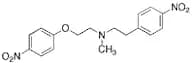
CAS:Controlled Product<p>Applications Methyl-(4-nitrophenylethyl)-(4-nitrophenoxyethyl)amine (cas# 115287-37-1) is a compound useful in organic synthesis.<br></p>Formula:C17H19N3O5Color and Shape:NeatMolecular weight:345.351,8-Dihydroxynaphthylene-3,6-disulfonic acid
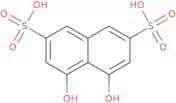
CAS:<p>1,8-Dihydroxynaphthylene-3,6-disulfonic acid is a sulfonic acid that has been shown to be an effective biocide for wastewater treatment. It has the ability to form stable complexes with organic matter and is not readily degraded by chemical reactions. 1,8-Dihydroxynaphthylene-3,6-disulfonic acid has been shown to have a strong affinity for certain metals and can be used to remove them from wastewater. This compound is also able to form stable complexes with metal ions in solution, which leads to the removal of these metals from the water column. The optimum concentration of 1,8-dihydroxynaphthylene-3,6-disulfonic acid varies depending on the specific metal being targeted and ranges from 0.01% to 0.1%.</p>Formula:C10H8O8S2Purity:Min. 95%Color and Shape:White PowderMolecular weight:320.3 g/mol4,4'-Diamino-3,3'-dimethyldiphenylmethane
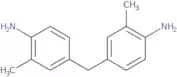
CAS:<p>4,4'-Diamino-3,3'-dimethyldiphenylmethane is a reactive dye that is used in the diagnosis of cervical cancer. It has been shown to suppress the expression of tumor suppressor genes by binding to DNA and interfering with transcription. This dye is also a polyvinyl compound that binds to proteins through an amine group. The bound form of 4,4'-Diamino-3,3'-dimethyldiphenylmethane can be detected using an electrode and hydroxyl group as a diode. Multivariate logistic regression was used to determine the relationship between the bound form of 4,4'-Diamino-3,3'-dimethyldiphenylmethane and women who have not had any symptoms of cervical cancer. A section was taken from each subject's cervix and stained with 4,4'-Diamino-3,3'-dimethyldiphenylmethane</p>Formula:C15H18N2Purity:Min. 95%Color and Shape:PowderMolecular weight:226.32 g/mol4'-Methoxy-3',β-dimethyl-β-nitrostyrene
<p>4'-Methoxy-3',beta-dimethyl-beta-nitrostyrene is a fine chemical that belongs to the group of versatile building blocks. It is an intermediate for the synthesis of complex compounds, research chemicals, and speciality chemicals. 4'-Methoxy-3',beta-dimethyl-beta-nitrostyrene is a useful reagent in organic synthesis and can be used as a reaction component or scaffold. It has been shown to have high quality and it can be used as a useful building block.</p>Formula:C11H13NO3Purity:Min. 95%Color and Shape:PowderMolecular weight:207.23 g/mol3-Methoxy-4-nitrobenzoic acid methyl ester
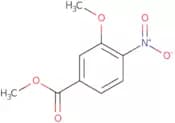
CAS:<p>3-Methoxy-4-nitrobenzoic acid methyl ester is a dianellidin, a type of natural product. It is an ionizing acid that catalyzes the reaction between carboxylic acids and hydroxyl compounds. This compound is used to produce some drugs, such as methyldopate, which is an antiarrhythmic drug that slows heart rate. The catalytic rate of 3-methoxy-4-nitrobenzoic acid methyl ester can be increased by buffers and solvents (e.g., methanol). These compounds increase the concentration of the reactants in solution and reduce the activation energy required for the reaction to take place. Uncatalyzed reactions are slow because there are no molecules to act as intermediates in the process.</p>Formula:C9H9NO5Purity:95%NmrColor and Shape:PowderMolecular weight:211.17 g/mol6-Bromo-2-naphthol
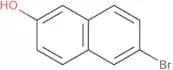
CAS:<p>6-Bromo-2-naphthol is a hydroxylated aromatic compound that is used as a reagent in organic chemistry. It has shown to be an excellent substrate for the cavity test and can be used to detect the presence of a hydroxyl group in other molecules. The nmr spectra of 6-bromo-2-naphthol shows two peaks at 5.1 ppm and 7.5 ppm with a broad peak at 2.6 ppm, which is characteristic of 3-bromoquinoline. The molecular descriptors for 6-bromo-2-naphthol are C=O, H, and Br; molecular weight is 188.10 g/mol; boiling point is 310°C; melting point is -7°C; vapor pressure is 0 mmHg at 25°C; and refractive index is 1.6333 (20°C). The reaction solution of 6-brom</p>Formula:C10H7BrOPurity:Min. 95%Color and Shape:PowderMolecular weight:223.07 g/mol4-(Hydroxymethyl)benzoic acid methyl ester
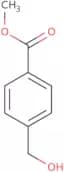
CAS:<p>4-(Hydroxymethyl)benzoic acid methyl ester is a quinazolinone that has been used as an anticancer drug. It is synthesized by cross-coupling of 4-hydroxymethylbenzoic acid and methyl iodide with a cobaltic catalyst, followed by dehydrogenation. The synthesis can also be achieved using a molybdenum catalyst, leading to the same product. 4-(Hydroxymethyl)benzoic acid methyl ester is an efficient method for the synthesis of this compound and has shown anti-cancer activity in animal models. It inhibits serine proteases, including matrix metalloproteinases (MMPs) and cathepsin B, which are enzymes involved in cancer cell invasion and metastasis.</p>Formula:C9H10O3Purity:Min. 95%Color and Shape:PowderMolecular weight:166.17 g/mol(S)-2-Amino-3-(3,4-dihydroxyphenyl)-2-methylpropionic acid sesquihydrate
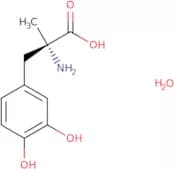
CAS:<p>(S)-2-Amino-3-(3,4-dihydroxyphenyl)-2-methylpropionic acid sesquihydrate is a synthetic drug that is used for the treatment of metabolic disorders such as diabetes mellitus. It has been shown in animal studies to increase locomotor activity and decrease bowel disease. It also has an effect on α7 nicotinic acetylcholine receptors and 2 adrenergic receptors.</p>Formula:C10H13NO4•(H2O)1Purity:Min 98%Color and Shape:PowderMolecular weight:238.24 g/mol3-Chloro-7-hydroxy-4-methylcoumarin
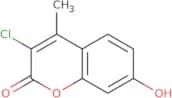
CAS:<p>3-Chloro-7-hydroxy-4-methylcoumarin is a Michaelis–Menten kinetics inhibitor that binds to the bacterial 16S ribosomal RNA and inhibits transcription and protein synthesis. This compound has been studied for wastewater treatment, where it was shown to be effective in treating sodium citrate. 3-Chloro-7-hydroxy-4-methylcoumarin is also used as an inhibitor of coumarin derivatives, which are compounds that have been shown to have antiinflammatory properties. 3CMC inhibits transcription by binding to the polymerase chain reaction (PCR) product. It has also been shown to bind to the nonpolar solvent, which prevents the formation of a complex with the enzyme DNA gyrase, leading to cell death by inhibiting protein synthesis. Fluorescence techniques have been used to study this type of inhibition in a model system.</p>Formula:C10H7ClO3Purity:Min. 95%Color and Shape:PowderMolecular weight:210.61 g/mol2-Fluoro-1-naphthalenecarboxaldehyde
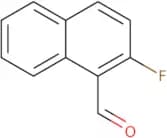
CAS:<p>2-Fluoro-1-naphthalenecarboxaldehyde is a high quality, complex compound that can be used as a versatile building block in the synthesis of many different compounds. As a reagent, it is used for the conversion of alcohols to ketones, esters to acid chlorides and amides to nitriles. It is also an intermediate in the synthesis of other chemicals such as 2-fluoronaphthalene, 2-(2-fluoroethyl)naphthalene, 1H-indole-2-carboxylic acid, and 3-(2-fluoropropyl)benzothiazole.</p>Formula:C11H7FOPurity:Min. 95%Color and Shape:PowderMolecular weight:174.17 g/molL-Methionine
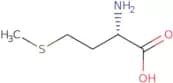
CAS:<p>L-Methionine is a non-essential amino acid that belongs to the group of essential amino acids. It is a major constituent of proteins and is used in the metabolism of lipids, carbohydrates, and nucleic acids. Methionine is also involved in the synthesis of cysteine, which is an important antioxidant. L-Methionine can be found in many foods such as eggs, dairy products, fish, poultry, soybean products, peanuts, beans and seeds. Studies have shown that L-methionine has effects on liver function and may be useful for prevention or treatment of liver disorders such as primary sclerosing cholangitis (PSC). This compound also plays a role in the formation of body tissues and cells. L-Methionine has been shown to increase glutathione levels which are important for detoxification reactions and protection against oxidative stress. It also helps regulate calcium metabolism by reducing calcium absorption from food and increasing excretion via</p>Formula:C5H11NO2SPurity:(Titration) 98.5 To 101.5%Color and Shape:White PowderMolecular weight:149.21 g/molSorbitan monolaurate
CAS:<p>Sorbitan monolaurate is a natural compound that can be isolated from the seeds of the Cucurbitaceae family. It is used in sample preparation for biocompatible polymers, as well as for detergent compositions. Sorbitan monolaurate has been shown to act as an absorption enhancer, which may be due to its ability to form hydrogen bonds with other molecules and its capacity to interact with sodium citrate. Sorbitan monolaurate also has biological properties such as the inhibition of autoimmune diseases, malonic acid production, and bacterial growth.</p>Formula:C18H34O6Purity:Min. 95%Color and Shape:Slightly Yellow Clear LiquidMolecular weight:346.46 g/molOctakis(trimethylsiloxy)silsesquioxane
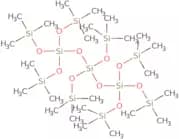
CAS:<p>Octakis(trimethylsiloxy)silsesquioxane is a cross-linking agent that forms covalent bonds with ethylene diamine and aluminium ions. It has been shown to be active against bacterial species such as Staphylococcus aureus, Pseudomonas aeruginosa, and Escherichia coli. Octakis(trimethylsiloxy)silsesquioxane binds to the calcium carbonate of the cell wall, forming a complex that prevents the bacteria from adhering to surfaces. The fluidity of octakis(trimethylsiloxy)silsesquioxane particles allows them to penetrate the cell membrane and inhibit protein synthesis by binding to ribosomes. Octakis(trimethylsiloxy)silsesquioxane can also be used as an encapsulation agent for drugs in order to prevent their degradation by enzymes in the gastrointestinal tract.</p>Formula:C24H72O20Si16Purity:Min. 95%Color and Shape:Clear LiquidMolecular weight:1,130.18 g/mol4-Nitrocinnamyl alcohol
CAS:<p>4-Nitrocinnamyl alcohol is an antiarrhythmic agent that is structurally related to the nitro group. It is produced by a synthetic process, and it has been shown to be mediated by piperidine. This compound is prepared by catalytic chlorinating of primary alcohols in the presence of hydrotalcite or catalysis with tosylates.</p>Formula:C9H9NO3Purity:Min. 95%Color and Shape:PowderMolecular weight:179.17 g/mol4'-Methylacetophenone
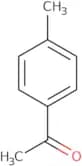
CAS:<p>4'-Methylacetophenone is a solvent that is used in the chemical industry, mainly for the production of trifluoroacetic acid. It has also been shown to be an effective antimicrobial agent, which is due to its ability to dissolve lipids and proteins. The mechanism of action of 4'-methylacetophenone is not fully understood, but it has been suggested that this compound reacts with fatty acids and pyrazole rings in the cell membrane and disrupts lipid bilayers. 4'-Methylacetophenone can be used as a reagent for solid phase microextraction in analytical chemistry. In addition, it reacts with acidic compounds (e.g., sulfuric acid) to produce insoluble salts and can be used as an analytical method for determining the concentration of these compounds.</p>Formula:C9H10OPurity:Min. 95%Color and Shape:Clear LiquidMolecular weight:134.18 g/mol1-(2-Thiazolylazo)-2-naphthol
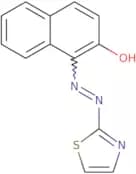
CAS:<p>1-(2-Thiazolylazo)-2-naphthol is a fluorescent dye that is used in analytical chemistry, cell culture, and flow cytometry. It has been shown to be useful for the detection of cancer cells. The fluorescence of 1-(2-Thiazolylazo)-2-naphthol can also be used to measure the levels of high-sensitivity c-reactive protein (hsCRP) in serum or plasma. This dye has a strong absorption band at 460 nm, which is attributed to its aromatic heterocyclic ring. Hydrogen bonding interactions are the driving force behind this dye's fluorescence.</p>Formula:C13H9N3OSPurity:Min. 98%Color and Shape:PowderMolecular weight:255.3 g/mol2'-Hydroxy-2,4,4',6'-tetramethoxychalcone
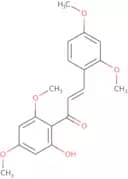
CAS:<p>2'-Hydroxy-2,4,4',6'-tetramethoxychalcone (HTMC) is a bioactive substance that has been shown to have anticancer properties. HTMC has been shown to have allopathic effects in a statistically significant manner and has been used in traditional herbal medicine for centuries. The mechanisms of action are not well understood but may be due to its ability to inhibit the activity of arjunic acid and flavonoids. HTMC is found in plants such as tropical trees and herbs from India, including Acacia catechu and Tinospora cordifolia. It also has pharmacological properties, which may be due to its derivates that are isolated from these plants. HTMC shows no adverse effects on humans when taken orally at doses up to 1 g/day for 28 days.</p>Formula:C19H20O6Purity:Min. 95%Color and Shape:PowderMolecular weight:344.36 g/mol3,5-Dichlorophenylthiourea
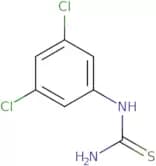
CAS:<p>3,5-Dichlorophenylthiourea is an inorganic compound that can be used as a corrosion inhibitor. It is an acidic compound with a magnetic resonance spectrum that contains amide peaks. This substance is also bifunctional and reacts with potassium dichromate to form an ammonium salt. 3,5-Dichlorophenylthiourea has been shown to inhibit the growth of C. neoformans in human serum and may be useful as a chemotherapy agent for this type of infection. The substance has also been shown to have some effect on chloride ions and may be useful as an environmental pollution control agent or as a chemical substance. 3,5-Dichlorophenylthiourea may react with alkanolamines or polyvinyls in order to form new compounds.</p>Purity:Min. 95%Dipyrazino[2,3-f:2',3'-h]quinoxaline-2,3,6,7,10,11-hexacarbonitrile
CAS:<p>Dipyrazino[2,3-f:2',3'-h]quinoxaline-2,3,6,7,10,11-hexacarbonitrile is a molecular compound that consists of an aromatic hydrocarbon and boron nitride. It has been shown to have optical properties and an ancillary effect on the transport properties of other molecules. Dipyrazino[2,3-f:2',3'-h]quinoxaline-2,3,6,7,10,11-hexacarbonitrile is also a molecule that can participate in intramolecular hydrogen bonding. This compound has been shown to have coordination geometry with nitrogen atoms that are capable of accepting electrons from other molecules. Dipyrazino[2,3-f:2',3'-h]quinoxaline-2,3,6,7,10,11-hexacarbonitrile is used in diodes as an efficient</p>Formula:C18N12Purity:Min. 95%Color and Shape:PowderMolecular weight:384.27 g/mol4,7-Dimethylcoumarin
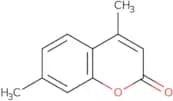
CAS:<p>4,7-Dimethylcoumarin is an alkylating agent that can be used to synthesize coumarin derivatives. It has been shown to have potent antagonistic effects on the serotonin 5-HT1A receptor and the d2 receptor. 4,7-Dimethylcoumarin has been shown to bind to these receptors and block their activation by other ligands. This leads to a decrease in receptor affinity for ethylenamine (5-HT1A) or dopamine (d2). The alkylation process of 4,7-dimethylcoumarin with bovine serum albumin (BSA) can be used as an analytical method to determine the concentration of this compound in biological samples.</p>Formula:C11H10O2Purity:Min. 95%Color and Shape:PowderMolecular weight:174.2 g/mol4'-Chloro-2'-hydroxyacetophenone
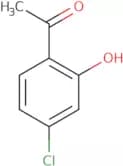
CAS:<p>4'-Chloro-2'-hydroxyacetophenone is a hydrazone compound that has been shown to have an inhibitory effect on the growth of cancer cells. The crystal structure was determined using X-ray diffraction data and the parameters were refined using a program called WITWIG. Hydrazones are classified as orthorhombic with space group Pbcn. The compound has been shown to be magnetic and it is soluble in organic solvents. 4'-Chloro-2'-hydroxyacetophenone has a molecular weight of 206.079 g/mol, which indicates that it is an organic molecule. It also contains a hydroxyl group and two chlorine atoms, one of which is attached to the acetophenone nucleus. This molecule can coordinate with metal ions to form complexes, such as mononuclear complexes, or polynuclear complexes with more than one metal ion.</p>Formula:C8H7ClO2Purity:Min. 95%Color and Shape:Clear LiquidMolecular weight:170.59 g/mol4-Acetoxycinnamic acid
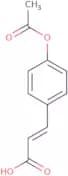
CAS:<p>4-Acetoxycinnamic acid is a staphylococcal bactericide that inhibits bacterial growth and is active against many gram-positive bacteria, including Staphylococcus aureus. It is also active against many gram-negative bacteria, such as Escherichia coli and Pseudomonas aeruginosa. 4-Acetoxycinnamic acid has been shown to inhibit the growth of Staphylococcus aureus in an in vitro experiment by interfering with membrane permeability and inhibiting lipid synthesis. 4-Acetoxycinnamic acid has been shown to have antimicrobial activity against gram-positive and gram-negative bacteria, including methicillin resistant S. aureus (MRSA).</p>Formula:C11H10O4Purity:Min. 97 Area-%Color and Shape:PowderMolecular weight:206.19 g/mol3,4-Dihydroxybenzoic acid methyl ester
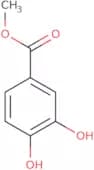
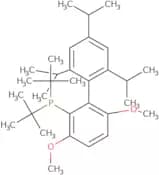
CAS:<p>3,4-Dihydroxybenzoic acid methyl ester is a natural compound that has been isolated from Linteus. This compound has been shown to have antiinflammatory activity and to inhibit the production of pro-inflammatory cytokines, such as tumor necrosis factor-alpha (TNF-α) and interleukin 1β (IL-1β). It also inhibits toll-like receptor 4 (TLR4), which is a protein that can bind to lipopolysaccharides on the surface of bacteria. 3,4-Dihydroxybenzoic acid methyl ester has been found to decrease mitochondrial membrane potential in cells treated with hydrogen fluoride. This agent is used in organic synthesis for the preparation of derivatives with high purity. The extract from Etoac can be used as a model organism for the study of its structure and function.</p>Formula:C8H8O4Purity:Min. 95%Color and Shape:PowderMolecular weight:168.15 g/mol2-(Di-tert-butylphosphino)-2',4',6'- triisopropyl-3,6-dimethoxy-1,1'-biphenyl
CAS:<p>2-(Di-tert-butylphosphino)-2',4',6'-triisopropyl-3,6-dimethoxy-1,1'-biphenyl is a nucleophilic compound that can be used in amination reactions. It has been used to synthesize fluorinated compounds by reacting with various halides under palladium catalysis. This reaction is an efficient method for the synthesis of 5-membered heteroaryl compounds and pyrazole rings. 2-(Di-tert-butylphosphino)-2',4',6'-triisopropyl-3,6-dimethoxy-1,1'-biphenyl has also been shown to inhibit the growth of carcinoma cell lines and profiles in aminoimidazoles.</p>Formula:C31H49O2PPurity:Min. 97 Area-%Color and Shape:White Off-White PowderMolecular weight:484.69 g/molCholesterol hydrogen succinate
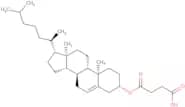
CAS:Controlled Product<p>Cholesterol hydrogen succinate is a cholesterol derivative that inhibits the activity of various receptors, including the LDL-receptor which is involved in the uptake of cholesterol from the blood. It also has inhibitory properties against infectious diseases and can be used as an experimental model for coronary heart disease. Cholesterol hydrogen succinate has been shown to inhibit the phase transition temperature (Tc) of human serum. This drug also possesses anti-oxidative properties and has been shown to have protective effects on mitochondrial membrane potential. The biological properties of this compound include its ability to induce hemisuccinate formation by hydrolyzing cholesteryl esters and inhibit endoxifen activity.</p>Formula:C31H50O4Purity:Min. 95%Color and Shape:PowderMolecular weight:486.73 g/mol(5-Chloro-2-methoxyphenyl)(4-(3-nitrophenyl)(2,5-thiazolyl))amine
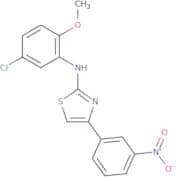
CAS:<p>Please enquire for more information about (5-Chloro-2-methoxyphenyl)(4-(3-nitrophenyl)(2,5-thiazolyl))amine including the price, delivery time and more detailed product information at the technical inquiry form on this page</p>Purity:Min. 95%


![(4R,6S)-6-[(1E)-2-[4-(4-Fluorophenyl)-6-(1-methylethyl)-2-[methyl(methylsulfonyl)amino]-5-pyrimidi…](/_next/image/?url=https%3A%2Fstatic.cymitquimica.com%2Fproducts%2FTR%2Fthumb-webp%2FF595400.webp&w=3840&q=75)












![Dipyrazino[2,3-f:2',3'-h]quinoxaline-2,3,6,7,10,11-hexacarbonitrile](/_next/image/?url=https%3A%2Fstatic.cymitquimica.com%2Fproducts%2F3D%2Fthumb-webp%2FFD42747.webp&w=3840&q=75)