Pharmaceutical Standards
Pharmaceutical standards are a comprehensive set of reference materials essential for ensuring the safety, efficacy, and quality of pharmaceutical products. This category includes standards for active pharmaceutical ingredients (APIs), which are the core components responsible for therapeutic effects. Additionally, it covers compounds and metabolites relevant to both the pharmaceutical and veterinary industries, providing benchmarks for the accurate measurement and analysis of these substances. Nitrosamine control standards are crucial for detecting and mitigating potentially harmful nitrosamines in drug formulations. Toxicology standards help assess the safety and potential adverse effects of pharmaceutical compounds. Furthermore, enzyme activators and inhibitors standards are vital for research and development, enabling precise studies of biochemical pathways and drug mechanisms. These pharmaceutical standards are indispensable tools for regulatory compliance, quality control, and research, ensuring that pharmaceutical products meet stringent safety and effectiveness criteria.
Subcategories of "Pharmaceutical Standards"
- APIs for research and impurities(273,123 products)
- Enzyme Activators and Inhibitors(2,827 products)
- Nitrosamines(2,606 products)
- Pharmaceutical and Veterinary Compounds and Metabolites(2,577 products)
- Toxicology(13,654 products)
Found 7836 products of "Pharmaceutical Standards"
Sort by
Purity (%)
0
100
|
0
|
50
|
90
|
95
|
100
5-Bromothiophene-2-carboxylic acid methyl ester
CAS:<p>5-Bromothiophene-2-carboxylic acid methyl ester is an alkene that is used in the synthesis of molybdenum trioxide and other polyhalogenated compounds. It can be prepared by alkylation of 5-bromothiophene with ethyl bromoacetate in the presence of carbon tetrachloride and a halide, such as bromine. The use of photophysical optimization has been shown to significantly improve the yield of this reaction. The reactive nature of 5-bromothiophene-2-carboxylic acid methyl ester makes it suitable for use in organic synthesis. This compound has been shown to have a positive effect on bone mass, which may be due to its ability to inhibit osteoclasts, reducing the activity of these cells that break down bone tissue.</p>Formula:C6H5BrO2SPurity:Min. 95%Color and Shape:PowderMolecular weight:221.07 g/mol(2S)-N-Boc-2-amino-4-azido-butanoic acid methyl ester
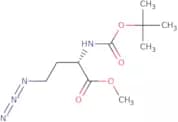
CAS:<p>(2S)-N-Boc-2-amino-4-azido-butanoic acid methyl ester is a high quality, reagent, complex compound, useful intermediate, fine chemical that is used as a building block in the synthesis of speciality chemicals.</p>Formula:C10H18N4O4Purity:Min. 95%Color and Shape:PowderMolecular weight:258.27 g/mol3-Bromocinnamic acid ethyl ester
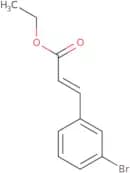
CAS:<p>3-Bromocinnamic acid ethyl ester is a chemical that is useful as a building block for the synthesis of more complex compounds. It is an intermediate in the synthesis of organic compounds and can be used as a reaction component. 3-Bromocinnamic acid ethyl ester has CAS No. 24398-80-9 and is a reagent that can be used to synthesize other chemicals. 3-Bromocinnamic acid ethyl ester is also useful as a scaffold in the development of new drugs, because it has an amide bond, which may lead to new types of drug molecules with different properties.</p>Formula:C11H11BrO2Purity:Min. 95%Molecular weight:255.11 g/mol7-Methoxy-1-naphthaldehyde
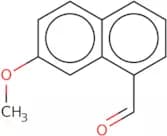
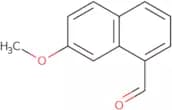
CAS:<p>7-Methoxy-1-naphthaldehyde is an aldehyde that is synthesized from acetaldehyde and 7-methoxy-1-naphthol. It has been shown to inhibit the cytosolic aldehyde dehydrogenase, which converts acetaldehyde to acetate. This reaction is one of the major routes for the metabolism of alcohol in humans. 7-Methoxy-1-naphthaldehyde can be used as a substrate in immunochemical assays, and its synthetic scheme has been published. 7MNA was also found to have cytotoxic effects on human liver cells in vitro.</p>Formula:C12H10O2Purity:Min. 95%Molecular weight:186.21 g/molCholesterol 3-sulfate sodium
CAS:<p>Cholesterol 3-sulfate sodium salt is a fine chemical that is used as a versatile building block and reagent. It is a useful intermediate that can be used in the synthesis of complex compounds, speciality chemicals, and reaction components. Cholesterol 3-sulfate sodium salt can be used to synthesize cholesterol derivatives. This compound has been shown to have high reactivity with nucleophiles and can be used as a building block for other organic compounds. The CAS number for Cholesterol 3-sulfate sodium salt is 2864-50-8.</p>Formula:C27H45NaO4SPurity:Min. 95%Color and Shape:White PowderMolecular weight:488.7 g/mol1-(4-Cyanophenyl)-2-nitropropene
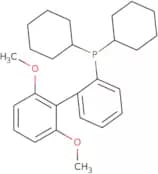
<p>Please enquire for more information about 1-(4-Cyanophenyl)-2-nitropropene including the price, delivery time and more detailed product information at the technical inquiry form on this page</p>Formula:C10H8N2O2Purity:Min. 95%Molecular weight:188.18 g/mol2-Dicyclohexylphosphino-2',6'-dimethoxybiphenyl
CAS:<p>2-Dicyclohexylphosphino-2',6'-dimethoxybiphenyl is a fluorescent chemical that has been used to study interactions of fatty acids and halides. It is also used in the synthesis of palladium complexes, which have been shown to be effective for hydrogenation reactions. 2-Dicyclohexylphosphino-2',6'-dimethoxybiphenyl can be synthesized from 2,6-dichlorobenzaldehyde and dicyclohexylphosphine by the addition of trifluoroacetic acid. The synthesis proceeds via a substitution reaction with methoxy groups on the aromatic ring. This product fluoresces under ultraviolet light at 351 nm.</p>Formula:C26H35O2PPurity:Min. 95%Color and Shape:PowderMolecular weight:410.53 g/mol7a-Hydroxy cholesterol
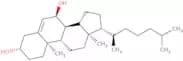
CAS:Controlled Product<p>7a-Hydroxycholesterol is a cholesterol metabolite that has been shown to inhibit the proliferation of 3T3-L1 preadipocytes and HL-60 cells. This compound also inhibits the growth of tumor cells by inhibiting the enzyme activities necessary for cell division and synthesis. 7a-Hydoxycholesterol has been found to be a potent inducer of cholesterol biosynthesis in cultured liver cells, which may be due to its ability to inhibit the conversion of cholesterol into bile acids. 7a-hydroxycholesterol has also been shown to inhibit viral replication in vitro. It binds to mitochondrial DNA and inhibits ATP production, leading to inhibition of mitochondrial membrane potential and cell death. 7a-hydroxycholesterol is also known as an oxysterol because it can be made from 25(OH)D3 or 2,5(OH)2D3. A high level of this metabolite is associated with atherosclerosis or formation of cholesterol deposits on artery walls</p>Formula:C27H46O2Purity:Min. 95%Color and Shape:White PowderMolecular weight:402.65 g/mol4-Hydroxy duloxetine
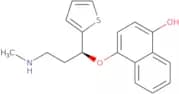
CAS:<p>Duloxetine is a potent inhibitor of cytochrome P450, which is an enzyme that metabolizes many drugs. Duloxetine inhibits the glucuronidation of 4-hydroxy duloxetine, leading to increased levels in the blood. Duloxetine has been shown to be effective in the treatment of diabetic neuropathy, with statistically significant improvements in symptoms and nerve conduction velocity. The pharmacokinetics of duloxetine has been studied in both rats and humans. In rats, duloxetine was found to have a large volume of distribution and a long half-life, suggesting that it is not well absorbed into the blood stream. In humans, duloxetine is metabolized by CYP2D6 and CYP3A4 enzymes. It has been shown to interact with other drugs such as warfarin, tizanidine, tramadol, and fluconazole.</p>Formula:C18H19NO2SPurity:Min. 95%Color and Shape:Beige To Light Brown SolidMolecular weight:313.42 g/molHydroquinone-2,2'-diacetic acid
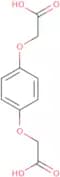
CAS:<p>Hydroquinone-2,2'-diacetic acid is a labile and water soluble ester with activating properties. It is used in bioconjugate chemistry for the modification of proteins and peptides. Hydroquinone-2,2'-diacetic acid can be reused and has been shown to react with a wide range of synthons or linkers. This compound has been shown to induce apoptosis in cancer cells. Hydroquinone-2,2'-diacetic acid also has fluorescence properties that are sensitive to copper ions, making it useful for analytical applications such as protein quantification and detection of metal ions.</p>Formula:C10H10O6Purity:Min. 98 Area-%Color and Shape:PowderMolecular weight:226.18 g/molO-Benzyl-L-tyrosine benzyl ester 4-toluenesulfonate
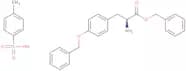
CAS:<p>O-Benzyl-L-tyrosine benzyl ester 4-toluenesulfonate salt is a fine chemical that belongs to the category of useful scaffolds and versatile building blocks. It is a high quality reagent that can be used as a reaction component in the preparation of complex compounds. This compound has shown to be useful in research on various types of drugs, including analgesics, antibiotics, antihistamines, antidepressants, antipsychotics and others.</p>Formula:C23H23NO3•C7H8O3SPurity:Min. 95%Color and Shape:White solid.Molecular weight:533.64 g/molPigment Red 38;Diethyl 4,4'-[(3,3'-dichlOrO[1,1'-biphenyl]-4,4'-diyl)bis(azO)]bis[4,5-dihydrO-5-OxO-1-phenyl-1H-pyrazOle-3-carbOxyla te]
CAS:<p>Pigment Red 38 is a red dye that is used in the production of magnetic particles, cross-linking agents, and fluorescent dyes. Pigment Red 38 has a hydroxyl group at the 4 position and a methyl ethyl group at the 2 position. It can be synthesized from diethyl 4,4'-(3,3'-dichlorobiphenyl)-4,4'-diylbisazolate. Pigment Red 38 is thermoreversible because it can be converted to its anhydrous form when heated or dissolved in water and then reconverted back to its original form when cooled or dried. The pigment was named for its ability to produce light emission when exposed to ultraviolet radiation. Pigment Red 38 has a diameter of 6 nm and reacts with coordination complexes to form particle clusters with diameters ranging from 10-200 nm.</p>Purity:Min. 95%Lopinavir metabolite M-3/M-4
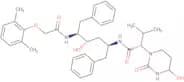
CAS:<p>Lopinavir is an antiviral drug that inhibits HIV protease, an enzyme involved in the replication of the virus. It is metabolized to form M-3 and M-4, which are active against HIV protease. Lopinavir has been shown to have antiviral activities against HIV-1 and HIV-2. The activity of lopinavir against HIV protease may be due to its ability to bind to the active site of this enzyme and inhibit its catalytic activity.</p>Formula:C37H48N4O6Purity:Min. 95%Molecular weight:644.8 g/molPigment YellOw 5;2-[(2-NitrOphenyl)azO]-3-OxO-N-phenylbutanamide
CAS:<p>Please enquire for more information about Pigment YellOw 5;2-[(2-NitrOphenyl)azO]-3-OxO-N-phenylbutanamide including the price, delivery time and more detailed product information at the technical inquiry form on this page</p>Purity:Min. 95%2-Bromo-4-chlorobenzoic acid methyl ester
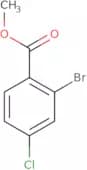
CAS:<p>2-Bromo-4-chlorobenzoic acid methyl ester is a versatile chemical that can be used as a building block in the synthesis of many complex chemical compounds. It is also a useful reagent, and can be used to synthesize speciality chemicals. 2-Bromo-4-chlorobenzoic acid methyl ester has a high quality that makes it useful for research purposes. It is also an important intermediate in the synthesis of other compounds and has been found to be an effective scaffold for drug discovery. This compound is also commercially available under CAS No. 57381-62-1.</p>Formula:C8H6BrClO2Purity:Min. 95%Color and Shape:Clear LiquidMolecular weight:249.49 g/mol6a-Hydroxy budesonide
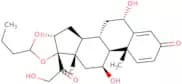
CAS:<p>Please enquire for more information about 6a-Hydroxy budesonide including the price, delivery time and more detailed product information at the technical inquiry form on this page</p>Formula:C25H34O7Purity:Min. 95%Color and Shape:PowderMolecular weight:446.53 g/molKinetin-9-glucoside
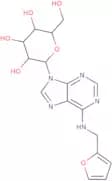
CAS:<p>Kinetin-9-glucoside is a conjugate of kinetin and glucose. It has been shown to inhibit the growth of several types of bacteria, including Pseudomonas aeruginosa, Staphylococcus aureus, and Streptococcus pyogenes. Kinetin-9-glucoside also has anti-inflammatory properties that may be due to its ability to inhibit prostaglandin synthesis. Kinetin-9-glucoside is used in tissue culture for the induction of plant regeneration from callus tissue or from excised root tissues. Kinetin-9-glucoside has been shown to stimulate the formation of apical roots in plantlets and promote cell division in neuronal cells.</p>Formula:C16H19N5O6Purity:Min. 95 Area-%Color and Shape:PowderMolecular weight:377.35 g/mol1-(4-Acetoxyphenyl)-2-nitropropene
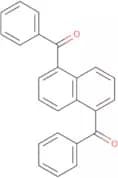
<p>Please enquire for more information about 1-(4-Acetoxyphenyl)-2-nitropropene including the price, delivery time and more detailed product information at the technical inquiry form on this page</p>Formula:C11H11NO4Purity:Min. 95%Molecular weight:221.21 g/mol1,5-Dibenzoylnaphthalene
CAS:<p>1,5-Dibenzoylnaphthalene (1,5-DBN) is a reactive anion radical that can be used to synthesize flavonoids. It can be used in the preparation of dyestuffs and reacts quickly with aldehydes in Friedel-Crafts reactions. 1,5-DBN is also antibacterial and has been shown to inhibit the growth of Staphylococcus aureus and Clostridium perfringens. It is toxic to humans when ingested and should be handled with care.</p>Formula:C24H16O2Purity:Min. 95%Color and Shape:PowderMolecular weight:336.38 g/mol(±)-a-Tocopherol phosphate disodium salt
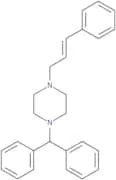
CAS:<p>(±)-a-Tocopherol phosphate disodium salt is a synthetic form of vitamin E and is used in skin care products and supplements. Like vitamin E it has antioxidant properties.</p>Formula:C29H49Na2O5PPurity:Min 97%Color and Shape:PowderMolecular weight:554.66 g/mol1-trans-Cinnamyl-4-diphenylmethylpiperazine
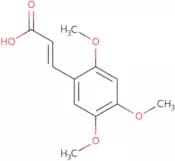
CAS:<p>Calcium channel blocker; piperazine derivative</p>Formula:C26H28N2Purity:Min. 95%Color and Shape:White PowderMolecular weight:368.51 g/mol2,4,5-Trimethoxycinnamic acid
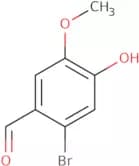
CAS:<p>2,4,5-Trimethoxycinnamic acid is a phenolic acid that is found in plants. It is a precursor to many other compounds that are biologically active, such as the caffeic acids and their derivatives. 2,4,5-Trimethoxycinnamic acid has been shown to have anti-cancer effects on cervical cancer cells. It also exhibits biological properties and has been used as an ingredient in traditional Chinese medicine.</p>Formula:C12H14O5Purity:Min. 95%Color and Shape:PowderMolecular weight:238.24 g/mol6-Bromovanillin
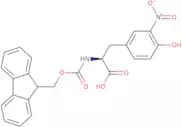
CAS:<p>6-Bromovanillin is a hydroxymethyl derivative of vanillin that has been shown to react with a number of aldehydes in organic reactions. 6-Bromovanillin can be used as a precursor for the synthesis of piperonal and haplophyllum. In addition, 6-bromovanillin can be decarboxylated to form 4-hydroxybenzoic acid.</p>Formula:C8H7BrO3Purity:Min. 95%Molecular weight:231.04 g/molFmoc-3-nitro-L-tyrosine
CAS:<p>Fmoc-3-nitro-L-tyrosine is an intermediate in the synthesis of a fluorogenic substrate for the determination of tyrosine residues in peptides by reverse phase high performance liquid chromatography (RP-HPLC). The product is synthesized by solid phase methods. Fmoc-3-nitro-L-tyrosine is prepared by reacting 3,4,5,6-tetrafluoroacetophenone with L-tyrosine in piperidine. The product can be cleaved to yield the residues and hydroxyl groups. The fluorogenic nature of Fmoc-3-nitro-L-tyrosine enables it to be used as a quenching reagent for the fluorescence of other compounds. This product can also be modified to become fluorescent or enzymatically active.</p>Formula:C24H20N2O7Purity:Min. 95%Color and Shape:PowderMolecular weight:448.42 g/mol2-Bromo-6-nitrophenol
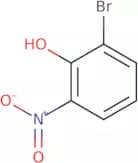
CAS:<p>2-Bromo-6-nitrophenol is a synthetic chemical that is used as an intermediate in the synthesis of other chemicals. It can be prepared by reacting ammonium formate with hydroxyl group of 2-bromo-6-nitropyridine. The reaction yield can be improved by activating the hydroxyl group and removing impurities through a dehydration reaction. The time required for the reaction to occur can be shortened by using acetonitrile as a solvent instead of water. This chemical is also synthesized by coupling metal salts with nitro groups or amines, which are called Suzuki coupling reactions.</p>Formula:C6H4BrNO3Color and Shape:PowderMolecular weight:218 g/molDL-alanine-β-naphthylamide hydrochloride
CAS:<p>DL-Alanine-beta-naphthylamide hydrochloride is a fine chemical that is used as a building block for other compounds. It can be used in the synthesis of complex compounds and as a reagent to synthesize speciality chemicals and research chemicals. DL-Alanine-beta-naphthylamide hydrochloride is also a versatile building block that can be used as an intermediate in organic reactions or as a reaction component. This compound has CAS No. 74144-49-3 and is soluble in water.</p>Formula:C13H15ClN2OPurity:Min. 95%Color and Shape:PowderMolecular weight:250.72 g/mol2,3-Difluoro-6-methoxybenzoic acid methyl ester
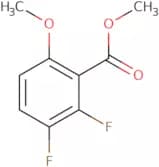
CAS:<p>2,3-Difluoro-6-methoxybenzoic acid methyl ester is a versatile building block that can be used in the production of fine chemicals and research chemicals. It is an intermediate for the synthesis of complex compounds and can be used as a reagent or speciality chemical in research. 2,3-Difluoro-6-methoxybenzoic acid methyl ester is also a useful building block for the synthesis of drugs.</p>Formula:C9H8F2O3Purity:Min. 95%Molecular weight:202.15 g/mol5-Formyl nicotinic acid methyl ester
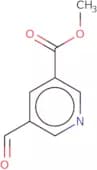
CAS:<p>5-Formyl nicotinic acid methyl ester (5-FNA) is a derivative of nicotinic acid that is used in research to measure the level of nicotine in urine. The affinity of 5-FNA for nicotine is much stronger than the affinity of acetone. 5-FNA is detectable in urine samples from humans and animals, and it can be used to study the health effects of tobacco use. It has also been used for toxicology research on animals and detection methods for tobacco use among humans. 5-FNA binds to nicotine receptors on cells and antibodies are produced against these receptors. The antibodies can be detected by an immunosorbant assay or radioimmunoassay, which are two techniques that are often used in 5-FNA studies.</p>Formula:C8H7NO3Purity:(%) Min. 98%Color and Shape:PowderMolecular weight:165.15 g/molPropionic acid 2-naphthyl ester
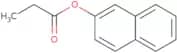
CAS:<p>Propionic acid 2-naphthyl ester is an antibiotic that is produced by Rhodobacter sphaeroides and belongs to the class of carboxylate phosphatase inhibitors. It is a potent inhibitor of acid phosphatases, which are enzymes found in many bacteria, fungi, and plants. It has been shown to inhibit the growth of various types of cancer cells, including melanoma and lung cancer cells. Propionic acid 2-naphthyl ester also binds to antigen-presenting cells and induces the production of cytokines such as IL-6, IL-8, IL-10, and TNF-α. This compound also inhibits cholinesterases in the blood plasma and brain tissue.</p>Formula:C13H12O2Purity:Min. 90%Color and Shape:PowderMolecular weight:200.23 g/mol2-Nitro-3,4,5-trimethoxybenzoic acid methyl ester
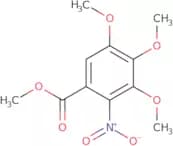
CAS:<p>2-Nitro-3,4,5-trimethoxybenzoic acid methyl ester is a potential anticancer agent. It has been shown to inhibit the growth of cancer cells in vitro and demonstrates anticancer activity against human tumor xenografts in mice. This compound binds to the epidermal growth factor receptor (EGFR) and inhibits its activity. This binding causes downstream signalling pathways to be suppressed, which ultimately prevents tumor cells from proliferating. 2-Nitro-3,4,5-trimethoxybenzoic acid methyl ester also has directional properties that may allow for selective targeting of cancerous cells.<br>2-Nitro-3,4,5-trimethoxybenzoic acid methyl ester is a white crystalline powder with an orthorhombic crystal system and an amine group on each end of the molecule.</p>Formula:C11H13NO7Purity:Min. 95%Color and Shape:PowderMolecular weight:271.22 g/molPyronin Y
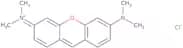
CAS:<p>Pyronin Y is a fluorescent dye that binds to DNA in the presence of a polymerase chain reaction. It is used as a model system for studying the effects of drugs on cells and their response to chemotherapy. Pyronin Y has been shown to be an efflux pump inhibitor and has demonstrated multidrug resistance in cancer cells. It can be used to study drug resistance mechanisms, such as the efflux pumps, by using optical sensors or chemiluminescent reaction. Pyronin Y is also used in biological samples such as blood and tissue cultures for research purposes.</p>Formula:C17H19N2OClPurity:Min. 95%Color and Shape:Green PowderMolecular weight:302.8 g/mol9'-cis-Neoxanthin - solution in ethanol (sold by weight of solution)
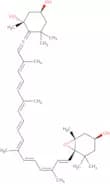
CAS:<p>9'-cis-Neoxanthin is a carotenoid that belongs to the class of xanthophylls. It is found in high concentrations in the seeds of peas, spinach, and corn. 9'-cis-Neoxanthin has been shown to inhibit prostate cancer cells by targeting their transcriptional regulation. 9'-cis-Neoxanthin is a precursor for violaxanthin, which is a powerful antioxidant that can scavenge free radicals. This molecule also binds to DNA polymerase and inhibits its activity. The structural analysis of 9'-cis-Neoxanthin has revealed that it contains two chromophores: one with an oxygenated end (the neoxanthin side chain) and one with an unsaturated end (the other side chain).</p>Formula:C40H56O4Purity:Min. 97 Area-%Color and Shape:Clear LiquidMolecular weight:600.87 g/mol3-Iodo-L-thyronine
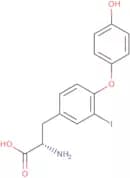
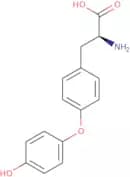
CAS:<p>3-Iodo-L-thyronine is a thyroid hormone that is synthesized from thyroxine. It has a high maximal response in humans and it may be useful for the treatment of hypothyroidism. 3-Iodo-L-thyronine is not active against rat liver microsomes because it is a noncompetitive inhibitor. The clinical relevance of this drug needs to be evaluated before it can be used as a therapeutic agent, but its analytical methods are similar to those used for other thyroid hormones, such as T3, T4, and 3,5,3'-triiodothyronine. This molecule has been successfully detected in human serum and tissues by using an analytical method based on iodoacetic acid.</p>Formula:C15H14INO4Purity:Min. 95%Color and Shape:PowderMolecular weight:399.18 g/mol2,7-Dichloro-1,8-naphthyridine
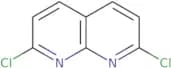
CAS:<p>2,7-Dichloro-1,8-naphthyridine is a structural analog of the functional group 2,7-dichloroquinoline. The protonated form of this molecule reacts with aryl chlorides to produce hydrogen bonds and generate supramolecular complexes. These complexes have been shown to be stable in solution and have low efficiency for electron transfer reactions. This compound has been shown to react with fluorine gas to generate reduction products with an nmr spectrum that is different from that of 2,7-dichloroquinoline. Crystallographic studies on this molecule show hydrogen bonding interactions between the molecules.</p>Formula:C8H4Cl2N2Purity:Min. 95%Color and Shape:Yellow PowderMolecular weight:199.04 g/mol2,6-Dichlorocinnamic acid
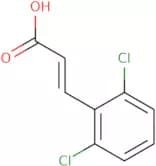
CAS:<p>2,6-Dichlorocinnamic acid is an organic compound that is used as a reagent in the synthesis of other chemicals. 2,6-Dichlorocinnamic acid has been used as a component in the synthesis of various kinds of fine chemicals and useful building blocks. This chemical is also used as a speciality chemical and research chemical. 2,6-Dichlorocinnamic acid can be used as a versatile building block for the preparation of various compounds. It can be synthesized by heating cinnamic acid with chlorine gas and then reacting it with sodium hydroxide.</p>Formula:C9H6Cl2O2Purity:Min. 95%Color and Shape:PowderMolecular weight:217.05 g/mol2-Methoxy-1-naphthaldehyde
CAS:<p>2-Methoxy-1-naphthaldehyde is a potential chemical intermediate for the synthesis of a variety of biologically active compounds. It has been shown to have anti-tumor activity in solid tumours and can be used as a precursor for the production of new drugs that inhibit the growth of cancer cells. 2-Methoxy-1-naphthaldehyde is synthesized via an intramolecular hydrogen addition reaction with salicylaldehyde, which generates resonance stabilization. It also has an intermolecular hydrogen bond with naphthalene to form the dimer or trimer. The vibrational spectra and analytical methods are used to identify the functional groups present in 2-Methoxy-1-naphthaldehyde, which includes a hydrogen bond between the two methoxy groups. Computational methods can be used to predict how different molecules bind to this chemical intermediate and its role in biological activity.</p>Formula:C12H10O2Purity:Min. 95%Color and Shape:PowderMolecular weight:186.21 g/molBiotin-PEG4-propionic acid
CAS:<p>Biotin-PEG4-propionic acid is a PEG compound with two different functional groups (also known as heterobifunctional). Unlike homobifunctional PEG compounds (same functional group on both ends), this type of compounds are more versatile as have two different anchor points. Biotin-PEG4-propionic acid is used as a linker and spacer to add a PEG moiety, via pegylation (a bioconjugation technique) to proteins, peptides, oligonucleotides, small molecules and nanoparticles.</p>Formula:C21H37N3O8SPurity:Min. 95%Color and Shape:PowderMolecular weight:491.6 g/molL-Thyronine
CAS:<p>L-Thyronine is a hormone that is synthesized in the thyroid gland and has a variety of biological functions. It is used to treat congestive heart failure, atherosclerosis, and other types of heart disease. L-Thyronine binds to receptors on cells and activates them, which stimulates production of energy for the cell. L-Thyronine also increases the number of mitochondria in cells and regulates the production of nitric oxide, which plays an important role in vascular relaxation. L-Thyronine can be administered orally or intravenously as a solution. The clinical response to treatment is evaluated by measurement of serum thyroxin levels before and after administration of L-Thyronine.</p>Formula:C15H15NO4Purity:Min. 95%Color and Shape:PowderMolecular weight:273.28 g/molN-(1-Naphthyl)phthalamic acid
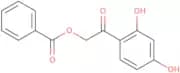
CAS:<p>N-(1-Naphthyl)phthalamic acid (NPA) is a plant growth regulator that is used to increase the yield and quality of crops. It inhibits the production of ethylene, which is a plant hormone responsible for fruit ripening and senescence. NPA also has been shown to affect the levels of fatty acids in plants. The effects of NPA on mitochondrial cytochrome P450 enzymes have been studied using electrochemical impedance spectroscopy (EIS). This study showed that NPA can inhibit the activity of these enzymes, which may be due to its ability to bind to them or alter their structure.</p>Formula:C18H13NO3Purity:Min. 95%Color and Shape:Light (Or Pale) Purple To Purple SolidMolecular weight:291.3 g/molω-Benzoyloxy resacetophenone
CAS:<p>Omega-benzoyloxy resacetophenone (OBOP) is a high quality reagent that is used as a building block for the synthesis of complex compounds. OBOP can be used as an intermediate for the production of fine chemicals and research chemicals. It is also a versatile building block that can be used in reactions to produce speciality chemicals. OBOP is soluble in most organic solvents and has a melting point of 140-142 degrees Celsius. The chemical formula for OBOP is C14H14O3.</p>Formula:C15H12O5Purity:Min. 95%Color and Shape:PowderMolecular weight:272.25 g/mol2-Nitrophenylhydrazine
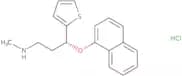
CAS:<p>2-Nitrophenylhydrazine is a drug that is used as an anti-inflammatory agent. It is a nonsteroidal anti-inflammatory drug (NSAID) that acts by blocking the production of prostaglandins in the body, preventing inflammation and pain. 2-Nitrophenylhydrazine can be used to treat conditions such as arthritis, gout, and rheumatoid arthritis. This drug also has the ability to remove organic contaminants from water. 2-Nitrophenylhydrazine binds with fatty acids in wastewater treatment plants, forming an insoluble complex that precipitates out of solution. The compound inhibits the activity of hydrogen bond and methyl ethyl groups, which are needed for the biosynthesis of polyunsaturated fatty acids like phytanic acid and diphenyl ether.</p>Formula:C6H7N3O2Purity:Min. 95%Color and Shape:PowderMolecular weight:153.14 g/mol(R)-N-Methyl-3-(1-naphthoxy)-3-(2-thienyl)propylamine hydrochloride
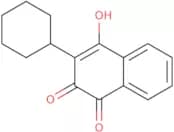
CAS:Controlled Product<p>(R)-N-Methyl-3-(1-naphthoxy)-3-(2-thienyl)propylamine hydrochloride is a nonsteroidal anti-inflammatory drug that has been shown to be effective for the treatment of osteoarthritis, rheumatoid arthritis, ankylosing spondylitis, and chronic low back pain. This drug can also be used for other inflammatory conditions such as psoriasis and Crohn's disease. The mechanism of action of (R)-N-Methyl-3-(1-naphthoxy)-3-(2-thienyl)propylamine hydrochloride is not fully understood. It may work by blocking the synthesis of prostaglandins in the body. This drug is metabolized in the liver to its active form, which binds to cyclooxygenase 1 and 2 enzymes to inhibit the production of prostaglandins. It also inhibits human serum x-ray</p>Formula:C18H19NOS•HClPurity:Min. 95%Color and Shape:White To Off-White SolidMolecular weight:333.88 g/mol2-Hydroxy-3-cyclohexyl-1,4-naphthoquinone
CAS:<p>Parvaquone is a drug used in the diagnosis and treatment of rheumatoid arthritis. It is a synthetic naphthoquinone that inhibits the production of prostaglandins by inhibiting cyclooxygenase enzymes, which are involved in the biosynthesis of these compounds. Parvaquone also has antimicrobial effects against some bacteria, fungi, and viruses. The bioavailability of parvaquone is low due to its high lipophilicity and poor aqueous solubility. When it does enter the bloodstream, it binds to plasma proteins such as albumin or alpha-1-acid glycoprotein. Parvaquone binds to collagen and other macromolecules in tissues, where it inhibits the synthesis of DNA by binding to the polymerase chain reaction (PCR). This binding leads to inhibition of transcription factors that regulate cell growth, leading to decreased cell division and tissue proliferation. Parvaquone also has some anti-inflammatory properties due</p>Formula:C16H16O3Purity:Min. 95%Color and Shape:Yellow PowderMolecular weight:256.3 g/mol2-(2,2-dimethyl(3-oxaindan-4-yloxy))-5-nitropyridine
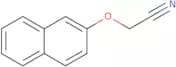
CAS:<p>Please enquire for more information about 2-(2,2-dimethyl(3-oxaindan-4-yloxy))-5-nitropyridine including the price, delivery time and more detailed product information at the technical inquiry form on this page</p>Purity:Min. 95%2-(2-naphthyloxy)ethanenitrile
CAS:<p>Please enquire for more information about 2-(2-naphthyloxy)ethanenitrile including the price, delivery time and more detailed product information at the technical inquiry form on this page</p>Formula:C12H9NOPurity:Min. 95%Color and Shape:PowderMolecular weight:183.21 g/molHuman growth hormone (1-43)
CAS:<p>Human growth hormone is a polypeptide hormone that stimulates the growth of tissues and organs. It also plays a role in the regulation of the metabolism of carbohydrates, fats, and proteins. It is produced by cells in the anterior pituitary gland and acts on cells in many different parts of the body to regulate cell function. Growth hormone is used as a research tool in endocrinology and cell biology. It can be used to study how hormones affect cells both in vitro and in vivo.<br>A recombinant form of human growth hormone (r-hGH) has been approved for treatment of children with deficient or insufficient growth due to idiopathic short stature, chronic renal insufficiency, Turner syndrome, Prader-Willi syndrome, or familial short stature.<br>HGH may also be used to treat adults who are experiencing age-related muscle loss or wasting associated with HIV/AIDS or cancer cachexia.</p>Formula:C240H358N62O67SPurity:Min. 95%Molecular weight:5,215.85 g/mol4'-Hydroxyacetophenone
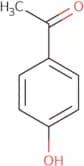
CAS:<p>4'-Hydroxyacetophenone is a natural compound that belongs to the group of p-hydroxybenzaldehyde esters. The biological properties of 4'-hydroxyacetophenone are not well understood. It has been shown to have insecticidal properties in vivo, and it is also known to function as an inhibitor of hydrogen fluoride. 4'-Hydroxyacetophenone has been shown to have anti-obesity effects in animal studies, which may be due to its ability to inhibit fatty acid synthase activity. This compound also has a number of glycoside derivatives that exhibit antibiotic or anticancer activities.</p>Formula:C8H8O2Purity:Min. 95%Color and Shape:PowderMolecular weight:136.15 g/mol2,4-Dichlorophenylthiourea
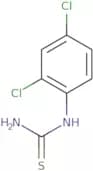
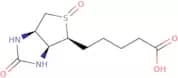
CAS:<p>2,4-Dichlorophenylthiourea is a hydrogen-bonding molecule that has dihedral angles of 109.5° and a molecular weight of 202.2 g/mol. 2,4-Dichlorophenylthiourea has been shown to form dimers with benzene and hydrogen bonds with itself and other molecules.</p>Purity:Min. 95%(+)-Biotin sulfoxide
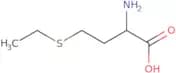
CAS:<p>Biotin sulfoxide is a biotin derivative that can be used to treat a number of human pathogens. This drug has been shown to inhibit the growth of wild-type strains in vivo and in vitro, as well as human pathogens. Biotin sulfoxide is a metal chelate that binds to molybdenum in the bacterial cell wall and prevents the formation of bacterial enzymes, such as reductase and sulfoxide reductase. This binding leads to a decrease in enzyme activities, which results in decreased protein synthesis and cell division. Biotin sulfoxide also has an inhibitory effect on light signal production, which may be due to its inhibition of proteins involved in electron transport. When administered orally, this drug can accumulate in the plasma and tissues, leading to chronic effects.</p>Formula:C10H16N2O4SPurity:Min. 95%Color and Shape:PowderMolecular weight:260.31 g/molDL-Ethionine
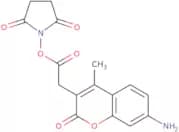
CAS:<p>DL-Ethionine is a compound that is formed when the amino acid methionine is converted to ethionine. It has been shown to induce the formation of acid in the liver and pancreas, which can lead to pancreatitis. Experimental models have shown that DL-ethionine causes liver injury by inhibiting tissue repair mechanisms, such as the polymerase chain reaction. This inhibition prevents DNA synthesis, leading to cell death. The mechanism of DL-ethionine induced toxicity is currently being investigated.</p>Formula:C6H13NO2SColor and Shape:PowderMolecular weight:163.24 g/mol7-Amino-4-methyl-3-coumarinacetic acid N-succinimidyl ester
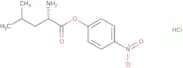
CAS:<p>7-Amino-4-methyl-3-coumarinacetic acid N-succinimidyl ester is a synthetic amino acid with a reactive carboxylic acid group. It is used as a crosslinker in biochemistry and has been shown to have biological properties in plants. 7-Amino-4-methyl-3-coumarinacetic acid N-succinimidyl ester reacts with the acidic groups of proteins, DNA, or RNA, and is an important component of some second order rate constants. This chemical is also used for the neutralization of histological stains such as haematoxylin.</p>Formula:C16H14N2O6Purity:Min. 90 Area-%Color and Shape:PowderMolecular weight:330.29 g/molL-Leucine 4-nitrophenyl ester hydrochloride
CAS:<p>L-Leucine 4-nitrophenyl ester hydrochloride is a reaction component, reagent, and useful scaffold that is used in the synthesis of complex compounds. It is a versatile building block and useful intermediate that can be used to synthesize fine chemicals such as pharmaceuticals, agrochemicals, or dyes. L-Leucine 4-nitrophenyl ester hydrochloride has CAS number 75691-76-8.</p>Formula:C12H16N2O4•HClPurity:Min. 95%Molecular weight:288.73 g/mol5,6,7,8-Tetrahydro-1-naphthoic acid
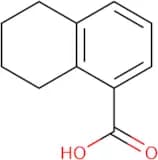
CAS:<p>5,6,7,8-Tetrahydro-1-naphthoic acid is a synthetic organic compound that is used to make dyes and paints. It has toxic properties and can cause irritation of the skin or lungs. The mechanism of its toxicity is not known, but it may be due to the formation of reactive oxygen species in the body or the inhibition of monoamine oxidase. 5,6,7,8-Tetrahydro-1-naphthoic acid exhibits dose-dependent toxicity with increasing doses resulting in more severe reactions. It also has a high potential for long term carcinogenicity.</p>Formula:C11H12O2Purity:Min. 95%Molecular weight:176.21 g/mol5-Chlorovanillic acid
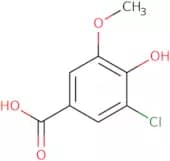
CAS:<p>5-Chlorovanillic acid is a weight compound that belongs to the group of methoxylated compounds. It is a precursor in the catabolic pathway of vanillic acid, which is synthesized from p-hydroxybenzoic acid. This compound can be found as one of the major phenolic acids in many plants and fruits, such as strawberries and apples. 5-Chlorovanillic acid has been shown to be an inhibitor for the growth of bacterial strains in culture, including C. perfringens. It has also been shown to have anti-inflammatory properties by inhibiting prostaglandin synthesis.</p>Formula:C8H7ClO4Purity:80%Color and Shape:PowderMolecular weight:202.59 g/mol5-Azacytosine
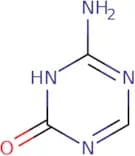
CAS:<p>Intermediate in the synthesis of Decitabine</p>Formula:C3H4N4OPurity:Min. 95%Color and Shape:PowderMolecular weight:112.09 g/molCholecalciferol impurity A
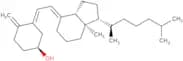
CAS:<p>Cholecalciferol impurity A is a cholecalciferol impurity that is used in oral hypoglycaemic drugs. It has been shown to be effective in the treatment of type 1 and type 2 diabetes, as well as multiple sclerosis, rheumatoid arthritis, and other autoimmune diseases. Cholecalciferol impurity A binds to the response element for vitamin D3 and mediates gene expression. It also activates calcium-dependent signaling pathways, which are important for bone metabolism and the immune system. This drug has been shown to reduce disease activity by increasing blood levels of natriuretic peptide levels and reducing blood sampling times in animal models.</p>Formula:C27H44OPurity:Min. 90 Area-%Color and Shape:White Yellow PowderMolecular weight:384.64 g/mol(R)-(-)-Ibuprofen
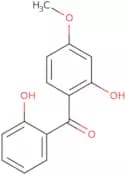
CAS:<p>Ibuprofen is a nonsteroidal anti-inflammatory drug (NSAID) that is used to treat pain and inflammation. It belongs to the group of fatty acid derivatives, which are drugs that block the production of prostaglandins. Ibuprofen has been shown to have contraceptive effects in humans and experimental models, as well as an effect on human serum lipoproteins. Ibuprofen has also been shown to inhibit the synthesis of prostaglandins in rat liver microsomes and asymmetric synthesis in wastewater treatment. Its pharmacokinetic properties are determined by its absorption rate, distribution volume, and metabolism rate. The kinetic behavior of ibuprofen is affected by matrix effect and the kinetic behavior of ibuprofen is also affected by its pharmacokinetic properties such as isooctane, carcinoma cell lines, etc.</p>Formula:C13H18O2Purity:Min. 95%Color and Shape:White PowderMolecular weight:206.28 g/mol2,2'-Dihydroxy-4-methoxybenzophenone
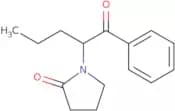
CAS:<p>2,2'-Dihydroxy-4-methoxybenzophenone (DHMB) is a chemical compound used in the manufacturing of sunscreens. It is also used as an antioxidant and antiinflammatory agent in topical preparations. The genotoxic effects of DHMB are well documented, but it is unclear whether these effects are due to UV radiation or other mechanisms. DHMB has been shown to be toxic to cells in vivo and in vitro. There have been reports of skin cancer developing on the ears of rats following chronic exposure to this chemical. DHMB binds to the estrogen receptor, which may be responsible for its genotoxic activity. This chemical has also been shown to inhibit the growth of bacteria such as Pseudomonas aeruginosa and Escherichia coli by binding with fatty acids on the cell membrane surface. DHMB is used for wastewater treatment because it can bind with heavy metals and remove them from water sources.</p>Formula:C14H12O4Purity:Min. 95%Color and Shape:Yellow To Dark Yellow SolidMolecular weight:244.24 g/mola-(2-Oxopyrrolidino)valerophenone
CAS:Controlled Product<p>a-2-Oxopyrrolidino)valerophenone is a useful scaffold for the synthesis of complex compounds. It is a versatile building block and can be used as a reaction component or reagent in organic synthesis. This compound is also a high quality research chemical with CAS No. 1220881-04-8.</p>Formula:C15H19NO2Purity:Min. 95%Color and Shape:White SolidMolecular weight:245.32 g/molHydroxy naphthol blue
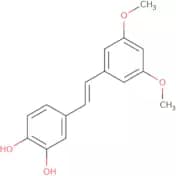
CAS:<p>羟基萘酚蓝是一种合成偶氮染料,是一种含有官能团RN=N-R的化合物。羟基萘酚蓝三钠盐和二钠盐用作分光光度法测定碱土和镧系元素含量的指示剂,最长为~650 nm(λ麦克斯= 647.6 纳米)。羟基萘酚蓝钠盐的常见用途的一个例子是通过测量钙和镁的浓度来确定水的硬度。在碱性或碱性pH值下,羟基萘酚蓝与金属离子形成粉红色/红色络合物,用EDTA滴定后,羟基萘酚蓝被释放出来,使溶液变成蓝色,指示终点。</p>Formula:C20H11N2O11S3·3NaColor and Shape:Black Blue PowderMolecular weight:620.48 g/mol3'-Hydroxypterostilbene
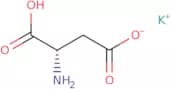
CAS:<p>3'-Hydroxypterostilbene is a natural compound that is found in blueberries, grapes, and other plants. It has been shown to have antioxidant properties and may help to prevent the growth of cancer cells. 3'-Hydroxypterostilbene has also been shown to inhibit tumor growth by inhibiting autophagy and mitochondrial membrane potential. This compound may also be useful for treating microbial infections due to its ability to inhibit bacterial growth by targeting ribosomes.</p>Formula:C16H16O4Purity:Min. 95%Color and Shape:SolidMolecular weight:272.3 g/molL-Aspartic acid potassium
CAS:<p>L-Aspartic acid potassium salt is a pyrazinoic acid derivative that is used for the treatment of bowel disease. L-Aspartic acid potassium salt prevents the formation of toxic metabolites by inhibiting the enzyme aspartate aminotransferase, which converts aspartate to oxaloacetate. This compound also has an inhibitory effect on cell factor and energy metabolism in cells. L-Aspartic acid potassium salt has been shown to have low potency against malignant cells in culture. !--END--></p>Formula:C4H7NO4•KPurity:Min. 95%Color and Shape:PowderMolecular weight:172.2 g/mol5-(2-Fluorovinyl)-2'-Deoxyuridine
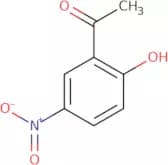
CAS:<p>5-(2-Fluorovinyl)-2'-Deoxyuridine is a hydrophobic analogue of acyclovir that has potent activity against herpes simplex virus type 1. It inhibits the synthesis of viral DNA, and thus prevents the formation of plaques in tissue culture. This drug also inhibits cell proliferation and viral production by l1210 cells as well as lung fibroblasts. 5-(2-Fluorovinyl)-2'-Deoxyuridine has shown inhibitory effects against uninfected cells, but not against cells infected with herpes simplex virus type 2.</p>Formula:C11H13FN2O5Purity:Min. 95%Molecular weight:272.23 g/mol2-Hydroxy-5-nitroacetophenone
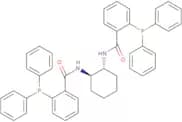
CAS:<p>2-Hydroxy-5-nitroacetophenone is a synthetic molecule that has two functional groups. It is synthesized by reacting morpholine with malonic acid. 2-Hydroxy-5-nitroacetophenone is an electron donor, which means it can accept electrons from other molecules. This compound can be used as a diagnostic tool for cancer cells because it reacts with oxygen to form polyhedra, which are indicative of cancer senescence. In addition, this compound can be used to measure the concentration of plasma mass spectrometers by using electron spin resonance (ESR) and magnetic resonance imaging (MRI). The unpaired electrons on the nitro group of the molecule react with oxygen in the air to form polyhedra and give off characteristic signals in ESR and MRI. These signals are proportional to the concentration of unpaired electrons and therefore provide a quantitative measurement of 2-hydroxy-5 nitroacetophenone in solution.</p>Formula:C8H7NO4Purity:Min. 95%Color and Shape:PowderMolecular weight:181.15 g/mol(1R,2R)-(+)-1,2-Diaminocyclohexane-N,N'-bis(2'-diphenylphosphinobenzoyl)
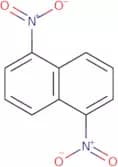
CAS:<p>(+)-1,2-Diaminocyclohexane-N,N'-bis(2'-diphenylphosphinobenzoyl) is an important chemical building block and intermediate that can be used in a wide range of organic synthesis. This compound is a versatile building block with high quality and has been shown to be useful for the synthesis of complex compounds. (+)-1,2-Diaminocyclohexane-N,N'-bis(2'-diphenylphosphinobenzoyl) can be used as a reagent in many reactions. CAS No. 138517-61-0 is a fine chemical that has been widely used in research laboratories around the world.</p>Formula:C44H40N2O2P2Purity:Min. 95%Color and Shape:White PowderMolecular weight:690.75 g/mol1,5-Dinitronaphthalene
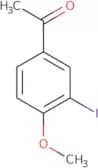
CAS:<p>1,5-Dinitronaphthalene is a test compound that has been used in the analytical method to determine the presence of basophilic leukemia cells. This reaction mechanism involves hydrogen bonding interactions with naphthalene, which is a test sample. The results are then read by chromatographic science and solubility data are collected. The 1,5-dinitronaphthalene can be used as a test compound for steric interactions with other compounds. It can also be used to measure the solubility of other compounds in different solvents.</p>Formula:C10H6N2O4Purity:Min. 97.0 Area-%Molecular weight:218.17 g/mol3'-Iodo-4'-methoxyacetophenone
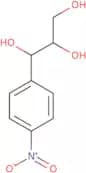
CAS:<p>3'-Iodo-4'-methoxyacetophenone is a chemical compound that is used in the synthesis of other organic compounds. It is a byproduct of the reaction between acetophenone and iodomethane. 3'-Iodo-4'-methoxyacetophenone is soluble in most solvents, such as ethanol, ether, chloroform, and acetone. The compound has a CAS number of 79324-77-9.</p>Formula:C9H9IO2Purity:Min. 95%Color and Shape:PowderMolecular weight:276.07 g/mol1-(4-Nitrophenyl)glycerol
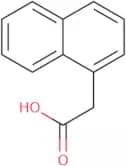
CAS:<p>1-(4-Nitrophenyl)glycerol has been shown to inhibit the growth of Gram-positive bacteria, including Streptococcus faecalis, and Gram-negative bacteria, including Pseudomonas aeruginosa. It is also used as a sample preparation for antimicrobial resistance testing.</p>Formula:C9H11NO5Purity:Min. 97 Area-%Color and Shape:Off-White PowderMolecular weight:213.19 g/mol1-Naphthylacetic acid
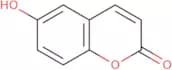
CAS:<p>1-Naphthylacetic acid is a fluorescent compound that can be used as a chemical marker for the identification of sodium salts. It has an optimum concentration of 0.1 mg/L and a maximum concentration of 1 mg/L in water. The fluorescence detector is set to measure the synchronous fluorescence at a wavelength of 515 nm. 1-Naphthylacetic acid is soluble in water and organic solvents, but insoluble in nonpolar solvents such as ether, chloroform, or benzene. This compound can be used for the detection of pesticides with a chemical structure similar to that of 1-naphthylacetic acid, such as 2-chloro-4-(trifluoromethoxy)phenol and 2-chloro-5-(trifluoromethoxy)phenol, using dispersive solid phase extraction (DSPE). The product description should include:</p>Formula:C12H10O2Purity:Min. 98 Area-%Color and Shape:White PowderMolecular weight:186.21 g/mol6-Hydroxycoumarin
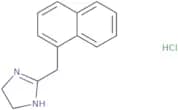
CAS:<p>6-Hydroxymethylcoumarin is a reactive, hydroxyl-containing molecule that has been shown to have inhibitory properties against the bacteria Pseudomonas aeruginosa. It is an inhibitor of nucleophilic substitutions, which are necessary for the synthesis of DNA and RNA. 6-Hydroxycoumarin has been shown to be effective in vitro against p. aeruginosa and other bacteria with similar mechanisms of action. Coumarins have also been found to be cytotoxic and cancerous in nature, as well as inhibiting growth factor activity. They are also used as pharmaceutical preparations for treating gastric ulcers due to their ability to inhibit the production of hydrochloric acid by parietal cells in the stomach lining.</p>Formula:C9H6O3Purity:Min. 95 Area-%Color and Shape:PowderMolecular weight:162.14 g/mol4,5-Dihydro-2-(1-naphthylmethyl)-1H-imidazole hydrochloride
CAS:<p>4,5-Dihydro-2-(1-naphthylmethyl)-1H-imidazole hydrochloride is a fatty acid that functions as an adrenergic receptor agonist. It has been shown to be effective in the diagnosis of cutaneous squamous cell carcinoma. 4,5-Dihydro-2-(1-naphthylmethyl)-1H-imidazole hydrochloride has also shown to have anti-cancer effects in animal models of cancer. This drug binds to fatty acid esters and can be used as a crosslinking agent for polymers. 4,5-Dihydro-2-(1-naphthylmethyl)-1H-imidazole hydrochloride is available as a sodium citrate solution for injection.</p>Formula:C14H14N2·HClPurity:Min. 98 Area-%Color and Shape:White PowderMolecular weight:246.74 g/molb-Propiolactone
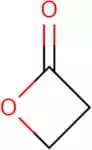
CAS:Controlled Product<p>b-Propiolactone is a plant extract that is found in soybeans. It has been shown to have antiviral properties and can inhibit the growth of certain viruses. b-Propiolactone binds to the active site of an enzyme called RNA polymerase, which blocks RNA synthesis and inhibits viral replication. This compound has also been shown to inhibit virus replication in vitro assays as well as antibody response against hepatitis B. The biological effects of b-propiolactone are thought to be due to its ability to bind with group p2 protein monoclonal antibodies, which may have implications for the prevention of pandemic influenza.</p>Formula:C3H4O2Purity:Min. 95%Color and Shape:Clear LiquidMolecular weight:72.06 g/molLovastatin
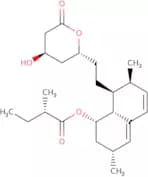
CAS:<p>HMG-CoA reductase inhibitor; mevalonic acid synthesis inhibitor</p>Formula:C24H36O5Purity:Min. 98 Area-%Color and Shape:White PowderMolecular weight:404.54 g/mol3-Bromo-4-methoxybenzoic acid methyl ester
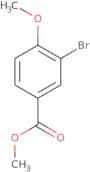
CAS:<p>3-Bromo-4-methoxybenzoic acid methyl ester is an isomer of 4-methoxybenzoic acid. It is a natural product that can be found in dihydroisoquinoline and in the ethyl formate oxidation products. There are two ways to synthesize this compound: by oxidation of diphenyl ethers or by hydrolysis of chloride acetaldehyde. 3-Bromo-4-methoxybenzoic acid methyl ester has been shown to have cellular toxicity against human cells and biphenyl.</p>Formula:C9H9BrO3Purity:Min. 95%Color and Shape:PowderMolecular weight:245.07 g/mol3-Keto cholesterol
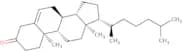
CAS:Controlled Product<p>3-Keto cholesterol is a substance that is naturally found in the body. It is an intermediate in the production of bile acids and cholesterol, which are necessary for digestion. 3-Keto cholesterol is also involved in the synthesis of other substances, including vitamin D and steroid hormones. 3-Keto cholesterol has been shown to play a role in the prevention of coronary heart disease, as it has antioxidant properties and can prevent oxidation of low-density lipoprotein (LDL). 3-Keto cholesterol can also inhibit viral life by blocking toll-like receptor 4 (TLR4) signaling pathways. This prevents inflammatory responses caused by TLR4 activation, which may be related to atherosclerosis.</p>Formula:C27H44OPurity:Min. 95%Color and Shape:White PowderMolecular weight:384.64 g/molGlutaric anhydride
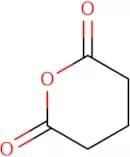
CAS:<p>Glutaric anhydride is a reactive anhydride that can be used to synthesize esters. It is chemically stable and has good thermal stability, so it can be used at elevated temperatures. Glutaric anhydride reacts with the carboxylic acid group of organic compounds to form an ester linkage. This reaction has been shown to take place in biological systems, such as glutaric acid in the human body. Glutaric anhydride is also used for the synthesis of pharmaceuticals and other organic compounds, as well as eye drops for treating eye disorders. The reaction mechanism of glutaric anhydride is not fully understood, but it is believed that it takes place through a radical-based mechanism.</p>Formula:C5H6O3Purity:Min. 98 Area-%Color and Shape:White PowderMolecular weight:114.1 g/molApomorphine
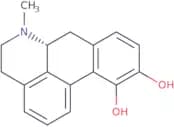
CAS:Controlled Product<p>Apomorphine is a chemical compound that can be used as an analytical tool to study the effects of dopamine on physiological processes, and pharmacological agents on pharmacokinetics. It is also used in the treatment of Parkinson's disease. Apomorphine is a potent agonist at dopaminergic receptors in the central nervous system, and has been shown to increase locomotor activity and improve the rotarod test performance in rats. Apomorphine binds to dopamine receptors in the brain, replacing dopamine as it becomes depleted. The drug also blocks reuptake of dopamine by neurons and increases release of dopamine from nerve terminals. Apomorphine has a short half-life of about 2 hours, but may have potential for long-term treatment because its effects can last up to 24 hours.</p>Formula:C17H17NO2Purity:Min. 95%Color and Shape:PowderMolecular weight:267.32 g/mol(2-Nitrophenyl)acetone
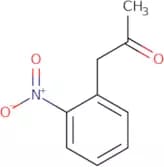
CAS:<p>2-Nitrophenylacetone is a polycyclic compound with an alkyl group, phenyl group, and a diterpenoid substituent. It is acylated with an acetate group on the 2-nitrophenyl group. The skeleton of this molecule contains a ketone (C=O) framework. The hydrogen atom in the molecule constitutes its chemistry. This molecule has been expressed in E. coli and purified to homogeneity. It constitutes the first example of a ketone containing framework for which biomolecular chemistry has been studied.</p>Formula:C9H9NO3Purity:Min. 95%Color and Shape:PowderMolecular weight:179.17 g/mol2,4-Dichlorocinnamic acid
CAS:<p>2,4-Dichlorocinnamic acid is a diphenolase inhibitor that is used in the treatment of lactic acidosis. It inhibits the glyoxylate cycle enzyme, muscle monophenolase activity, and tyrosinase activity. 2,4-Dichlorocinnamic acid also binds to tyrosinase and inhibits the reaction scheme. The binding of this drug to tyrosinase causes irreversible inhibition of the enzyme's catalytic site. 2,4-Dichlorocinnamic acid has been shown to have a low degree of cell toxicity and has a kinetic effect on adsorption kinetics.</p>Formula:C9H6Cl2O2Purity:Min. 95%Color and Shape:White PowderMolecular weight:217.05 g/mol4-Hydroxy-3'-methoxystilbene
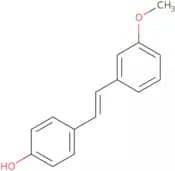
CAS:<p>4-Hydroxy-3'-methoxystilbene is a chemical that is used as a reaction component or reagent in the synthesis of other compounds. It can be used as a building block for the synthesis of complex molecules and fine chemicals. 4-Hydroxy-3'-methoxystilbene is an intermediate for the production of high quality research chemicals. It has been reported to be useful in the synthesis of pharmaceuticals, agrochemicals, and pesticides.</p>Formula:C15H14O2Purity:Min. 95%Color and Shape:White PowderMolecular weight:226.27 g/mol4,4'-Bis(bromomethyl)-2,2'-bipyridine
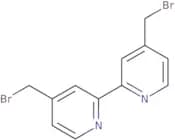
CAS:<p>4,4'-Bis(bromomethyl)-2,2'-bipyridine is a cyclic molecule that can be synthesized by the reaction of 4-bromo-2,2'-bipyridine with a brominating agent. It is used as a precursor to ruthenium catalysts in organic synthesis, and as an additive in dendrimers. The compound has been shown to have light absorption properties and can be used in photovoltaics and electropolymerization.</p>Formula:C12H10N2Br2Purity:Min. 95%Color and Shape:PowderMolecular weight:342.03 g/mol4-Nitrophenyl propionate
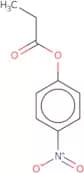
CAS:<p>4-Nitrophenyl propionate is a synthetic surfactant that is used in many products, including detergents, fabric softeners, and dishwashing liquids. It has been shown to have a positioning effect on the enzyme lipase and to shift its enzymatic activity. 4-Nitrophenyl propionate can be used as a catalyst for sodium fusidate in the synthesis of microemulsions. The catalytic activity of 4-nitrophenyl propionate is constant and it has high catalytic efficiency.</p>Formula:CH3CH2COOC6H4NO2Purity:Min. 95%Color and Shape:White PowderMolecular weight:195.17 g/mol1,2,3,4-Tetrahydro-2,7-naphthyridine
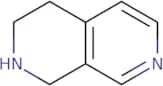
CAS:<p>1,2,3,4-Tetrahydro-2,7-naphthyridine (1,2,3,4-THN) is a synthetic compound that can be made by the cross-coupling of an aryl halide with an organometallic reagent. It is used in the synthesis of polymers and as a precursor for pharmaceuticals. The reaction proceeds in two steps; first, deprotonation of the imine to form an enamine intermediate followed by intramolecular cyclization to produce 1,2,3,4-THN. This compound is hydrolyzed under acidic conditions to release methyl iodide and ammonia.</p>Formula:C8H10N2Purity:Min. 95.0 Area-%Color and Shape:Clear LiquidMolecular weight:134.18 g/molIbogamine-18-carboxylic acid methyl ester
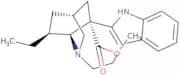
CAS:<p>Ibogamine is a naturally occurring alkaloid that is found in the roots of plants from the Apocynaceae family. It has been shown to be low-potency and act as an α7 nicotinic acetylcholine receptor agonist. Ibogamine also possesses transport properties through the blood-brain barrier. In addition, it has been shown to inhibit coronaridine-induced convulsions in mice and alkaloids have been isolated from its leaves. Molecular docking analysis has shown that ibogamine binds to the protein data of hep-2 cells, which are used for tissue culture. Ibogamine is a monoterpenoid indole alkaloid with anti-inflammatory properties. It has been shown to have activity against infectious diseases such as tissue culture and plate test experiments, which are used to study fatty acid synthesis and β-oxidation respectively.</p>Formula:C21H26N2O2Purity:Min. 98 Area-%Color and Shape:PowderMolecular weight:338.44 g/molAzithromycin impurity B
CAS:<p>Azithromycin impurity B is a synthetic heterocycle that can be detected with chromatographic, spectroscopic, and other analytical methods. It is an impurity in the drug azithromycin, which is used to treat bacterial infections. Azithromycin impurity B has been shown to have a detection sensitivity of 1 part per million (ppm) and can be found in the following acetonitrile solvents: benzalkonium chloride, erythrocin, and viscosity-adjusting agents. This compound also has functional groups such as methyl alcohol and chloride.</p>Formula:C38H72N2O11Purity:Min. 95%Color and Shape:PowderMolecular weight:732.99 g/mol2-Cyanocinnamic acid
CAS:<p>2-Cyanocinnamic acid is a fatty acid that has been shown to inhibit the synthesis of proteins. It binds to cytochrome c oxidase, inhibiting mitochondrial respiration and electron transport, leading to decreased ATP production. 2-Cyanocinnamic acid is not easily transported out of mitochondria, which leads to its accumulation in the mitochondrial matrix. This accumulation causes synergistic inhibition with glutamate, leading to a decrease in ATP production and an increase in intracellular levels of reactive oxygen species (ROS). The use of 2-cyanoacrylic acid as a mitochondrial transport inhibitor has been proposed for the treatment of obesity and diabetes.<br>2-Cyanocinnamic acid also inhibits fatty acid uptake by binding to the protein translocase at the outer membrane of cells. This binding prevents monomers from entering the cell, where they are broken down by beta oxidation and converted into acetyl-CoA, which can be used for energy production or stored as triglycer</p>Formula:C10H7NO2Purity:Min. 95%Molecular weight:173.17 g/mol3’,5’-Bis-O-benzoyl-2’-deoxy-2’-fluoro-β-D-arabino-6-azidouridine
CAS:<p>Please enquire for more information about 3’,5’-Bis-O-benzoyl-2’-deoxy-2’-fluoro-beta-D-arabino-6-azidouridine including the price, delivery time and more detailed product information at the technical inquiry form on this page</p>Purity:Min. 95%L-Aspartic acid b-benzyl ester
CAS:<p>L-Aspartic acid b-benzyl ester (L-ABE) is a cytostatic drug that is biodegradable and can be used in a variety of animal species. It has been shown to inhibit the growth of cancer cells in vitro and in vivo, as well as micelles. L-ABE inhibits the action of dehydroascorbic acid reductase, an enzyme that reduces dehydroascorbic acid to ascorbic acid. This inhibition leads to an increase in the concentration of dehydroascorbic acid, which may cause cell death by damaging DNA. L-ABE also has been shown to inhibit P-glycoprotein (Pgp), leading to increased accumulation of anticancer drugs such as doxorubicin, which can lead to cell death.</p>Formula:C11H13NO4Purity:Min. 95%Color and Shape:White PowderMolecular weight:223.23 g/molGlyoxylic acid methyl ester dimethyl acetal
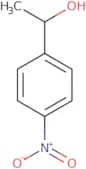
CAS:<p>Glyoxylic acid methyl ester dimethyl acetal is a synthetic chemical that is used as a control agent in the production of pharmaceutical preparations. It has been shown to inhibit the replication of syncytial viruses, including the human respiratory syncytial virus (RSV). Glyoxylic acid methyl ester dimethyl acetal binds to methoxy groups and coagulation factors, which may be responsible for its anti-coagulation properties. The optical properties of this compound are similar to those of glyoxylate. This chemical has also been shown to have an effect on blood pressure.</p>Formula:C5H10O4Purity:Min. 95%Color and Shape:Clear LiquidMolecular weight:134.13 g/mol4-Nitrophenylmethylcarbinol
CAS:<p>4-Nitrophenylmethylcarbinol is a nitro compound that has been isolated from the nitration of 4-nitrophenol. It is used as a reagent to synthesize β-unsaturated ketones. The inhibitory effect of 4-nitrophenylmethylcarbinol is due to the presence of two nitro groups and one methyl group on its structure. This compound has been shown to have an inhibitory effect on glucose 6-phosphate dehydrogenase, which functions in cellular respiration by catalyzing the conversion of glucose 6-phosphate to glucose 1,6-bisphosphate. The inhibition of this enzyme leads to a reduction in the formation of ATP and NADPH, which are essential for cell growth. 4-Nitrophenylmethylcarbinol also has reductase activities that allow it to reduce phosphotriesters (e.g., DNA) and dehydrogenase deficiency (e.g., py</p>Formula:C8H9NO3Purity:Min. 95%Color and Shape:Orange Clear LiquidMolecular weight:167.16 g/mol3-Acetoxy-2,4-dimethoxyacetophenone
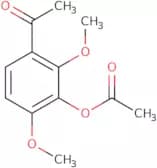
CAS:<p>3-Acetoxy-2,4-dimethoxyacetophenone is a chemical building block that has been shown to be useful in the synthesis of complex compounds. This compound can be used as a reaction component and reagent in organic synthesis. 3-Acetoxy-2,4-dimethoxyacetophenone can be used as a versatile building block for the synthesis of high quality research chemicals and speciality chemicals. It is also a useful intermediate for the preparation of fine chemicals such as pharmaceuticals, agrochemicals, and dyestuffs. 3-Acetoxy-2,4-dimethoxyacetophenone has CAS number 63604-86-4.</p>Formula:C12H14O5Purity:Min. 95%Molecular weight:238.24 g/mol2,2'-Azino-bis(3-ethylbenzothiazoline-6-sulfonic acid) diammonium salt
CAS:<p>ABTS can be used as a peroxidase substrate that gives a metastable cation when in the presence of H2O2. 2,2'-Azino-bis (3-ethylbenzothiazoline-6-sulfonic acid) or ABTS is commonly used in the enzyme-linked immunosorbent assay (ELISA). ABTS is chosen because the enzyme facilitates the reaction to give a green end-product with an absorbance maximum of 420nm and can therefore be detected with a spectrophotometer.</p>Formula:C18H24N6O6S4Purity:Min. 98.0 Area-%Color and Shape:PowderMolecular weight:548.68 g/molTipranavir disodium
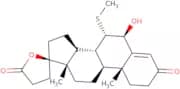
CAS:<p>Anti-viral; HIV protease inhibitor</p>Formula:C31H31F3N2Na2O5SPurity:Min. 95%Molecular weight:646.63 g/mol6b-Hydroxy-7a-(thiomethyl) spironolactone
CAS:<p>6b-Hydroxy-7a-(thiomethyl) spironolactone is a drug that is metabolized in the liver and excreted in the bile. It has been found to be safe and effective for the treatment of ascites due to cirrhosis. The pharmacokinetics of 6b-hydroxy-7a-(thiomethyl) spironolactone are linear, with a plasma elimination rate of 0.3 mg/kg/h. The elimination half-life for 6b-hydroxy-7a-(thiomethyl) spironolactone is about 3 hours. 6b-Hydroxy-7a-(thiomethyl) spironolactone has been found to be eliminated from the body at a constant rate, regardless of age, gender or weight. The population studied was healthy adult males who ingested 6b-hydroxy-7a-(thiometh</p>Formula:C23H32O4SPurity:Min. 95%Color and Shape:PowderMolecular weight:404.56 g/molOnjisaponin B
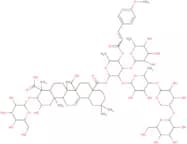
CAS:<p>Onjisaponin B is a triterpenoid saponin that has been shown to have anti-angiogenic effects, neuroprotective properties, and autophagy inducing activity. Onjisaponin B has also been shown to inhibit the production of tumor necrosis factor-α (TNF-α) in cultured PC12 cells. The anti-inflammatory effects of this compound may be due to its ability to induce autophagy. This compound induces autophagy by activating the mechanistic target of rapamycin (mTOR) pathway, which leads to the induction of autophagy through the activation of AMP kinase. Onjisaponin B has been found in plants used in traditional Chinese medicine and other Asian countries.</p>Formula:C75H112O35Purity:Min. 95%Color and Shape:White PowderMolecular weight:1,573.67 g/molo-Nitrocinnamaldehyde
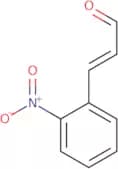
CAS:<p>o-Nitrocinnamaldehyde is an aldehyde that belongs to the group of β-unsaturated aldehydes. It has been shown to inhibit cancer cell growth in vitro and in vivo. o-Nitrocinnamaldehyde inhibits xanthine oxidase by preventing the oxidation of hypoxanthine to xanthine and xanthine to uric acid. This prevents the formation of superoxide radicals, which are known carcinogens. The compound also inhibits aldehyde dehydrogenase, which prevents the oxidation of nitro compounds that have been generated by nitrosation reactions. These reactions are catalyzed by nitric oxide synthases (NOS) and convert nitrate into nitrite and then into reactive nitrogen species such as peroxynitrites. o-Nitrocinnamaldehyde also inhibits uv absorption, which may be due to its ability to form supramolecular aggregates with other organic molecules or metal ions.</p>Formula:C9H7NO3Purity:Min. 95%Molecular weight:177.16 g/mol4-Chloro-3-hydroxybenzoic acid methyl ester
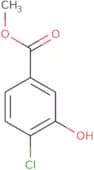
CAS:<p>4-Chloro-3-hydroxybenzoic acid methyl ester is a high quality, versatile building block that can react as a reagent to form complex compounds. It is also used as an intermediate in the synthesis of other fine chemicals. 4-Chloro-3-hydroxybenzoic acid methyl ester is a useful scaffold for chemical research and has been shown to be a speciality chemical with many uses. This compound is also useful as an intermediate in the synthesis of other fine chemicals, such as pharmaceuticals or agrochemicals.</p>Formula:C8H7ClO3Purity:Min. 98%Color and Shape:White PowderMolecular weight:186.59 g/mol1-(3-Bromobenzoyl)-2-(2-naphthoyl)-hydrazine
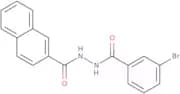
CAS:<p>1-(3-Bromobenzoyl)-2-(2-naphthoyl)-hydrazine is a building block with a high quality and versatile scaffold. It is used as a reaction component in the synthesis of complex compounds, fine chemicals and speciality chemicals. 1-(3-Bromobenzoyl)-2-(2-naphthoyl)-hydrazine has been shown to be an effective reagent for the preparation of polycyclic aromatic hydrocarbons. This chemical is also a useful intermediate in the production of pharmaceuticals, pesticides, dyes, and perfumes.</p>Formula:C18H13BrN2O2Purity:Min. 95%Color and Shape:PowderMolecular weight:369.21 g/molFormyl-L-methionine
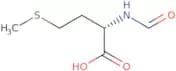
CAS:<p>Formyl-L-methionine is a form of methionine produced by the human body. It is found in proteins, peptides, and polypeptides as an amino acid residue. Methionine is one of the essential amino acids needed by humans. Methionine can be converted to formyl-L-methionine by the enzyme methioninase, which is found in bacteria such as Escherichia coli. The conversion of methionine to formyl-L-methionine may be important for antigen binding sites on antibodies. The N-terminal part of the protein can be recognized by antibodies, which are then able to bind to antigenic determinants on bacteria and other pathogens.</p>Formula:C6H11NO3SPurity:Min. 95%Color and Shape:PowderMolecular weight:177.22 g/mol1-(4-Aminophenyl)ethanone oxime
CAS:<p>4-Aminoacetophenone oxime is an organic compound that is soluble in water and methanol. It has a molecular weight of 169.17 g/mol, a melting point of 190 °C, and a boiling point of 260 °C. 4-Aminoacetophenone oxime has been shown to have antimicrobial activity against Gram-positive bacteria, such as Staphylococcus aureus, but not against Gram-negative bacteria. This compound can be used as a ligand for metal ions such as copper and zinc, which are important in biological processes. The magnetic properties of 4-aminoacetophenone oxime make it possible to detect the molecule using nuclear magnetic resonance spectroscopy.<br>4-Aminoacetophenone oxime can be synthesized by reacting 5-nitrosalicylaldehyde with ammonium acetate in the presence of hydrochloric acid:</p>Formula:C8H10N2OPurity:Min. 95%Color and Shape:PowderMolecular weight:150.18 g/mol



![Pigment Red 38;Diethyl 4,4'-[(3,3'-dichlOrO[1,1'-biphenyl]-4,4'-diyl)bis(azO)]bis[4,5-dihydrO-5-Ox…](/_next/image/?url=https%3A%2Fstatic.cymitquimica.com%2Fproducts%2F3D%2Fthumb-webp%2FFP43985.webp&w=3840&q=75)
![Pigment YellOw 5;2-[(2-NitrOphenyl)azO]-3-OxO-N-phenylbutanamide](/_next/image/?url=https%3A%2Fstatic.cymitquimica.com%2Fproducts%2F3D%2Fthumb-webp%2FFP40385.webp&w=3840&q=75)