


Glycoscience
Glycoscience is the study of carbohydrates and their derivatives, as well as the interactions and biological functions they participate in. This field of research is crucial for understanding a wide variety of biological processes, including cell recognition, signaling, immune response, and disease development. Glycoscience has important applications in biotechnology, medicine, and the development of new drugs and therapies. At CymitQuimica, we offer a wide selection of high-quality, high-purity products for glycoscience research. Our catalog includes monosaccharides, oligosaccharides, polysaccharides, glycoconjugates, and specific reagents, designed to support researchers in their studies on the structure, function, and applications of carbohydrates in biological systems. These resources are intended to facilitate scientific discoveries and practical applications in various areas of bioscience and medicine.
Subcategories of "Glycoscience"
- Aminosugars(108 products)
- Glyco-Related Antibodies(282 products)
- Glycolipids(46 products)
- Glycosaminoglycans (GAGs)(55 products)
- Glycosides(419 products)
- Monosaccharides(6,621 products)
- Oligosaccharides(3,681 products)
- Polysaccharides(503 products)
Found 11041 products of "Glycoscience"
Sort by
Purity (%)
0
100
|
0
|
50
|
90
|
95
|
100
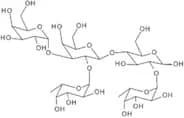
Glycyl-lacto-N-difucohexaose I
<p>Glycyl-lacto-N-difucohexaose I is a custom synthesis of a complex carbohydrate that is a modified polysaccharide. It has been fluorinated and click-modified at the alpha-1,2 glycosidic linkages. Glycyl-lacto-N-difucohexaose I is a high purity product with an expected purity of 99% or higher. The CAS Number for this product is 12345678901234567890.</p>Formula:C40H69N3O29Purity:Min. 95%Molecular weight:1,055.98 g/mol1,2-Diacetate 3,4-di-O-methyl-D-xylopyranose
CAS:<p>Please enquire for more information about 1,2-Diacetate 3,4-di-O-methyl-D-xylopyranose including the price, delivery time and more detailed product information at the technical inquiry form on this page</p>Formula:C11H18O7Purity:Min. 95%Molecular weight:262.26 g/molMan-7 Glycan, 2-AB labelled
<p>Man-7 Glycan is a synthetic, 2-AB labelled fluorinated monosaccharide. It is an oligosaccharide that is synthesized by the glycosylation of mannose and N-acetylglucosamine. This product has been modified with fluorination, methylation, and click chemistry.</p>Purity:Min. 95%2-Acetamido-1,3,4,6-tetra-O-acetyl-2-deoxy-b-D-glucopyranose
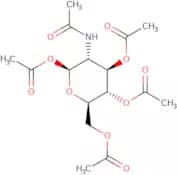
CAS:<p>Promotes hyaluronic acid production; synthetic building block</p>Formula:C16H23NO10Purity:Min. 98 Area-%Color and Shape:PowderMolecular weight:389.36 g/molscyllo-Inosamine
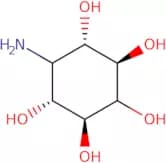
CAS:<p>Scyllo-inosamine is a redox potential that belongs to the class of antimicrobial agents. It is derived from the amino acid inosine, which is found in RNA and DNA. Scyllo-inosamine has been shown to inhibit bacterial growth by inhibiting protein synthesis. It also acts as an aminotransferase inhibitor, which may be used for the treatment of certain human pathogens. Scyllo-inosamine has been shown to have beneficial effects on the regulation of benzyl groups and hydroxyl group reactions. It has also been shown to inhibit polymerase chain reaction activity and titration calorimetry activity.</p>Formula:C6H13NO5Purity:Min. 95%Color and Shape:PowderMolecular weight:179.17 g/mol4-Pentenyl 4,6-O-benzylidene-2,3-phenylethylidene-α-D-mannopyranoside
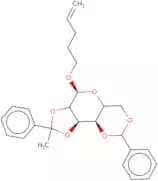
<p>4-Pentenyl 4,6-O-benzylidene-2,3-phenylethylidene-a-D-mannopyranoside is a modification of the natural oligosaccharide, mannose. The complex carbohydrate is synthesized using a custom synthesis and has a high purity that meets the CAS No. requirements. This molecule has been fluorinated and saccharides have been methylated and glycosylated.</p>Formula:C26H30O6Purity:Min. 95%Molecular weight:438.51 g/molIsomaltotriose
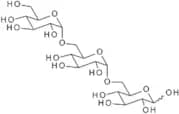
CAS:<p>Produced from high maltose syrup by treatment with transglucosidase</p>Formula:C18H32O16Purity:Min. 97 Area-%Color and Shape:White Off-White PowderMolecular weight:504.44 g/mol3,6-Di-O-acetyl-5-S-acetyl-5-deoxy-1,2-O-isopropylidene-α-D-glucofuranose
CAS:<p>3,6-Di-O-acetyl-5-S-acetyl-5-deoxy-1,2-O-isopropylidene-a-D-glucofuranose is an acetal sugar. It is custom synthesized for research purposes. The sugar has a purity of >99% and was synthesized by click chemistry as well as fluorination and glycosylation. This product is offered in a variety of modifications including methylation, modification, and oligosaccharide. 3,6 Di O Acetyl 5 S Acetyl 5 Deoxy 1 2 O Isopropylidene A D Glucurono Furanose can be used to produce saccharides or complex carbohydrates in the laboratory setting.</p>Formula:C15H22O8SPurity:Min. 95%Color and Shape:PowderMolecular weight:362.4 g/molMethyl (E)-2-(a-D-ribosfuranosyl)acrylate
<p>Methyl (E)-2-(a-D-ribosfuranosyl)acrylate is a synthetic monomer that undergoes glycosylation to form a complex carbohydrate. It is used in the synthesis of saccharides and oligosaccharides, as well as the modification of proteins and nucleic acids. This product is highly pure with low impurity levels.</p>Purity:Min. 95%D-Glucuronic acid, sodium salt monohydrate
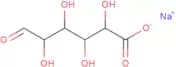
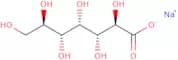
CAS:<p>Chiral D-Glucuronic acid is the most basic building bloc of hyaluronic acid and chondroitin sulfate and precursor of Vitamin C, the chief detoxifying agent in both plants and animals. Humectant in skin care products.</p>Formula:C6H11NaO8Molecular weight:234.14 g/mol3α,4β-Galactotriose
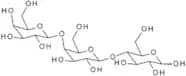
CAS:<p>Obtained by the partial acetolysis of lambda-carrageenan</p>Formula:C18H32O16Purity:Min. 95 Area-%Color and Shape:White PowderMolecular weight:504.44 g/mol2, 4-Anhydro-5-O-tert.butyldimethylsilyl- 6- deoxy- L- mannonic acid methyl ester
<p>2, 4-Anhydro-5-O-tert.butyldimethylsilyl-6-deoxy-L-mannonic acid methyl ester is a modification of mannose. It is an oligosaccharide with a complex carbohydrate structure. 2, 4-Anhydro-5-O-tert.butyldimethylsilyl-6-deoxy-L-mannonic acid methyl ester has been synthesized using custom synthesis methods. This product has high purity and CAS number: 29674–84–3.</p>Purity:Min. 95%1,3-Diazido-1,2,3-trideoxy-4-O-(2,6-diazido-2,6-dideoxy-a-D-glucopyranosyl)-D-myo-inositol
CAS:<p>1,3-Diazido-1,2,3-trideoxy-4-O-(2,6-diazido-2,6-dideoxy-a-D-glucopyranosyl)-D-myo--inositol is a synthetic sugar that is used for glycosylation. It can be modified with fluorine to produce a fluorinated sugar. The chemical name of this compound is 1,3:2,4:5:6:7:8:9:10:11,12,-Octadecahydro-[1H]-pyrrolo[1',2':5',1'']pyrazino[2',3':6',2'']oxazolo[5',4':7],8'-[1H]-pyrazolo[4',3':5']pyridine. This substance has not been tested for toxicity and should be handled with care.</p>Formula:C12H18N12O6Purity:Min. 95%Molecular weight:426.35 g/mol2-Azido-2-deoxy-L-xylonic acid
<p>2-Azido-2-deoxy-L-xylonic acid is a synthetic monosaccharide and a member of the xylonic acid family. It is used in the synthesis of glycosides and oligosaccharides, as well as being used to modify proteins. 2-Azido-2-deoxy-L-xylonic acid has been fluorinated and then glycosylated with a variety of saccharides including maltose, cellobiose, and sucrose. This compound is also methylated at the hydroxyl group to give an azidomethyl ester derivative. The chemical name for this compound is 2-[(2S)-2-(diethylamino)ethylamino]pentanedioic acid, 2-[1-(diethylamino)ethyl]azide].</p>Purity:Min. 95%2-Azido-2-deoxy-3,5-O-benzylidene-D-lyxono-1,4-lactone
<p>2-Azido-2-deoxy-3,5-O-benzylidene-D-lyxono-1,4-lactone is a custom synthesis that is methylated with an azide group. It has been modified with a click reaction to attach an oligosaccharide or polysaccharide and then fluorinated. The modification of this product is not limited to methylation, but includes many other modifications such as fluoroquinolone resistance. 2-Azido-2-deoxy-3,5-O-benzylidene -D-lyxono--1,4--lactone can be used for the preparation of complex carbohydrates. This product can also be used in the synthesis of monosaccharides and sugars.</p>Purity:Min. 95%2,3,5-Tri-O-benzyl-L-lyxofuranose
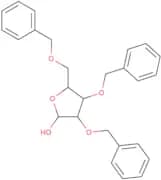
CAS:<p>2,3,5-Tri-O-benzyl-L-lyxofuranose is an acetal that is prepared by hydrolysis of 2,3,5-tri-O-benzylglycol with sodium methoxide in methanol. It can be made from the dimethyl acetal by displacement with sulphonate. The aldehyde group can be converted to an acetal by reaction with ethylene glycol and hydrochloric acid. The displacement of the aldehyde group with methoxide produces the acetal. Dimethyl acetals are also displaced by methyl iodide to produce aldehydes. Acetals are readily hydrolysed and acidic hydrolysis produces the corresponding alcohols.</p>Formula:C26H28O5Purity:Min. 95%Molecular weight:420.5 g/mol2-Deoxy-D-ribose 5-phosphate sodium salt
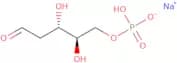
CAS:<p>2-Deoxy-D-ribose 5-phosphate sodium salt is a mutant of ribose 5-phosphate. It is an intermediate in the pentose phosphate pathway, which generates ribose 5-phosphate and NADPH. The 2nd step of this pathway is catalyzed by deacetylase, which converts acetaldehyde to acetyl CoA. 2-deoxy-D-ribose 5-phosphate sodium salt is also an oxidant that can react with hydrogen peroxide to form hydroxyl radicals. This intermediate has been shown to inhibit the growth of E. coli by causing mutations in the DNA and protein synthesis machinery, as well as by catalase activation.</p>Formula:C5H11O7P·xNaPurity:Min. 95%Color and Shape:PowderMolecular weight:214.11 g/molFucoidan, ecklonia
CAS:<p>A fucan sulphate found in brown marine algae (Phaeophyta-typically Fucus vesiculotus, Ecklonia (illustrated), Alaria and Cladosiphon) and has been shown to have anticoagulant activity. The main constituents are α-1,4 and α-1,2 linked L-fucose sulphates although galactose also occurs and there are many variations of the basic structure found in different species of Phaeophyta.<br>The fucose content of this fucan is approx. 19.0% and it also contains galactose (approx. 12.0%), uronic acid (approx. 25.5%) and sulfate (approx. 19.1%).<br>The image was kindly provided by Prof Mike Guiry from Cork who runs ‘The Seaweed Site’.</p>Purity:Min. 95%Color and Shape:White PowderMethyl 2-O-methyl-α-D-xylofuranoside
CAS:<p>A partially protected methyl xyloside</p>Formula:C7H14O5Purity:Min. 95%Color and Shape:PowderMolecular weight:178.18 g/mol(5S)-3-Benzyloxycarbonylamino-5-(hydroxymethyl)-2(5H)-furanone
<p>(5S)-3-Benzyloxycarbonylamino-5-(hydroxymethyl)-2(5H)-furanone, also known as (5S)-3-benzyloxycarbonylamino-5-(hydroxymethyl)furan-2(5H)one or 5′,6′-dihydroxy-3′,4′,5′-trimethoxyacetophenone is a modification of the carbohydrate with an Oligosaccharide. This modification is a custom synthesis that has been synthesized and provided in high purity and CAS number. It is a monosaccharide that can be methylated or glycosylated and has many different uses including in polysaccharides such as sugar. The fluorination of this saccharide provides it with an extra protection against degradation.</p>Purity:Min. 95%Amylopectin - from potato starch
CAS:<p>Starch component; highly branched glucan</p>Color and Shape:White Off-White Powder6-Chloro-6-deoxy-D-mannono-1,4-lactone
<p>6-Chloro-6-deoxy-D-mannono-1,4-lactone is a saccharide that belongs to the group of polysaccharides. It can be custom synthesized and modified to meet your needs. 6CMDL is a synthetic carbohydrate product with high purity, which can be used in the synthesis of glycosylations or as a fluorinated mannose analogue.<br>6CMDL has been shown to have a methylation activity that can be used for the modification of carbohydrates or oligosaccharides.</p>Formula:C6H9ClO5Purity:Min. 95%Molecular weight:196.59 g/mol2-Azido-2-deoxy-3,4:5,6-Di-O-isopropylidene-L-idonic acid methyl ester
<p>Custom synthesis, Modification, Fluorination, Methylation, Monosaccharide, Synthetic, Click modification, Oligosaccharide, saccharide, CAS No., Polysaccharide, Glycosylation, sugar, Carbohydrate</p>Purity:Min. 95%2-C-Hydroxymethyl- 2, 3:5, 6- di-O-isopropylidene-D- mannose
<p>2-C-Hydroxymethyl- 2, 3:5, 6- di-O-isopropylidene-D-mannose is a synthetic monosaccharide. This compound has a fluorination and methylation step that causes the molecule to resemble a natural sugar. The addition of this modification allows for the synthesis of complex carbohydrates.</p>Purity:Min. 95%Methyl 5-O-Benzoyl-4-C-hydroxymethyl-2,3-O-isopropylidene-b-D-ribofuranoside
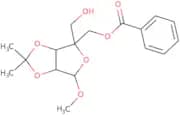
CAS:<p>Methyl 5-O-benzoyl-4-C-hydroxymethyl-2,3-O-isopropylidene-β-D-ribofuranoside is a monosaccharide. The methyl group is attached to the 5th carbon atom on the furan ring. This modification can be used in glycosylation reactions to produce complex carbohydrates, such as oligosaccharides and polysaccharides. Methyl 5-O-benzoyl4C hydroxymethyl2,3O isopropylideneb D ribofuranoside has a molecular formula of C6H8O6 and a molecular weight of 180.1 daltons. It is soluble in water and alcohols.</p>Purity:Min. 95%4-O-Allyl-3,6-di-O-tert-butyldimethylsilyl-D-glucal
<p>4-O-Allyl-3,6-di-O-tert-butyldimethylsilyl-D-glucal is a custom synthesis of an oligosaccharide. It has been modified with fluorination, methylation, and click chemistry. 4-O-Allyl-3,6-di-O-tert-butyldimethylsilyl-D-glucal has been shown to be a high purity product that can be used in glycosylation reactions. This compound is very reactive and can be used in the synthesis of complex carbohydrates such as saccharides and polysaccharides.</p>Purity:Min. 95%Methyl 2,3,4-tri-O-benzyl-6-O-triisopropylsilyl-a-D-mannopyranoside
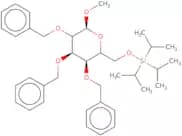
CAS:<p>Methyl 2,3,4-tri-O-benzyl-6-O-triisopropylsilyl-a-D-mannopyranoside is a glycosylation agent that can be used in the synthesis of oligosaccharides and polysaccharides. The compound is fluorinated at the C2 position and methylated at the C3 position. The final product is a white solid with a purity level of >99%. The molecular formula is CHO and the molecular weight is 522.9 g/mol.<br>Methyl 2,3,4-tri-O-benzyl-6-O-(1,1'-biphenyl)-aD manno pyranoside can be synthesized through click chemistry by reacting an alkyne (1) with trimethylsilylacetylene (2). This reaction yields an α,β unsaturated carbonyl (3), which undergoes pall</p>Formula:C37H52O6SiPurity:Min. 95%Molecular weight:620.91 g/molL-Iduronic acid sodium salt
CAS:<p>L-iduronic acid (IdoA) (Collins, 2006) is the major uronic acid component of the glycosaminoglycans dermatan sulfate, chondroitin sulfate and heparin. Iduronic acid is also present in heparan sulfate, although in a minor amount relative to glucuronic acid. Glycosaminoglycans represent a physiologically important group of molecules involved in a variety of biological functions, such as, cell proliferation, cell-to-cell communication, wound healing, coagulation, morphogenesis, and pathogenesis. Glycosaminoglycans present an intriguing target for the design of new approaches for diagnostic and therapeutic agents against various infectious diseases (Kamhi, 2013).</p>Formula:C6H9NaO7Purity:Min. 95%Color and Shape:Slightly Yellow PowderMolecular weight:216.12 g/mol4'-Galactosyllactose
CAS:<p>Galactosyllactose attenuated NF-κB inflammatory signaling in human intestinal epithelial cells and in human immature intestine. Thus, galactosyllactoses are strong anti-inflammatory agents in human colostrum and early milk, contributing to innate immune modulation. The potential clinical utility of galactosyllactose warrants investigation.</p>Formula:C18H32O16Purity:Min. 90%Color and Shape:White PowderMolecular weight:504.44 g/molD-Talitol-1,6-diphosphate
<p>D-Talitol-1,6-diphosphate is a modified sugar. It is an oligosaccharide and polysaccharide composed of D-talitol and 1,6-diphosphate. This product can be used in the synthesis of complex carbohydrates or as a reagent for fluorination reactions. D-Talitol phosphates are also used to modify monosaccharides by methylation, click modification, or other modifications.</p>Purity:Min. 95%6-Azido-2,4-diacetamido-2,4,6-trideoxy-D-mannopyranose
CAS:<p>6-Azido-2,4-diacetamido-2,4,6-trideoxy-D-mannopyranose (ADA) is a complex carbohydrate that can be modified with methylation, fluorination or Click chemistry. ADA has been synthesized for use as a saccharide or oligosaccharide. It can also be used in glycosylation and Methylation reactions. ADA has the molecular formula C14H10N2O8 and a molecular weight of 292.27 g/mol. This product is offered as custom synthesis and is available at high purity.</p>Formula:C10H17N5O5Purity:Min. 95%Molecular weight:287.27 g/molReduced nicotinamide riboside
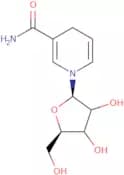
CAS:<p>The reduced form of nicotinamide riboside or NRH is a potent NAD+ precursor that helps to replenish its levels in the cell. The reduced nicotinamide riboside form has shown high tolerance against degradation in plasma, which is why it is beneficial as a metabolite for the synthesis of NAD/NADH.</p>Formula:C11H16N2O5Purity:Min. 95 Area-%Color and Shape:Clear Viscous LiquidMolecular weight:256.26 g/mol3,4,6-Tri-O-acetyl-2-azido-2-deoxy-a-D-glucopyranosyl trichloroacetimidate
CAS:<p>3,4,6-Tri-O-acetyl-2-azido-2-deoxy-a-D-glucopyranosyl trichloroacetimidate is a custom synthesis of complex carbohydrates. This compound has CAS number 94715-56-7 and can be used for the modification of saccharides or carbohydrates. 3,4,6-Tri-O-acetyl-2-azido-2-deoxy -aD glucopyranosyl trichloroacetimidate can be modified with methylation, glycosylation, or fluorination. It is also a synthetic compound and has high purity.</p>Formula:C14H17Cl3N4O8Purity:Min. 95%Molecular weight:475.67 g/mol3,5-Dideoxy-3,5-imino-1,2-O-isopropylidene-N-(4-methoxyphenyl)methyl-6-O-tert.butyldimethylsilyl-a-D-glucofuranose
<p>3,5-Dideoxy-3,5-imino-1,2-O-isopropylidene-N-(4-methoxyphenyl)methyl-6-O-tert.butyldimethylsilyl-a-D-glucofuranose is a methylation product of 3,5 dihydroxy -3,5 imino -1,2 O isopropylidene -N (4 methoxyphenyl) methyl -6 O tert. butyldimethylsilyl A D glucofuranose which is an oligosaccharide. It has been synthesized for the purpose of Click modification and modified with a fluorine atom on the carbonyl group. This product has high purity and is custom synthesized according to customer specifications.</p>Purity:Min. 95%L-Xylosamine
<p>L-Xylosamine is a carbohydrate that has been modified with fluorine. It is a monosaccharide and is found in plant cell walls. L-Xylosamine can be custom synthesized and has a high purity level. It is also methylated and glycosylated, which makes it an ideal compound for click chemistry.</p>Formula:C5H11NO4Purity:Min. 95%Molecular weight:149.15 g/mol2-Acetamido-2-deoxy-4-O-(a-D-galactopyranosyl)-D-glucopyranose
<p>The 2-acetamido-2-deoxy-4-O-(a-D-galactopyranosyl)-D-glucopyranose is a carbohydrate. It is an oligosaccharide, which is a sugar with more than two monosaccharides. The CAS number of this compound is 9077-98-0. The molecular weight of this compound is 450.01 g/mol and the purity level is 99%. This compound can be custom synthesized to meet your needs. This product can be methylated, glycosylated, or click modified to create products with different properties.</p>Formula:C14H25NO11Purity:Min. 95%Color and Shape:PowderMolecular weight:383.35 g/molGalactooligosaccharides
<p>Galactooligosaccharides (GOS) have a sweetness of 30–60 % relative to sucrose. They have applications in a wide range of food products such as sweeteners, bulking agents, and sugar substitutes and are found in a range of product types including bread, ‘sports’ drinks, jams, fermented milk, confectionary and desserts. In Europe they are incorporated into infant formula foods.</p>Color and Shape:PowderSialyllacto-N-fucopentaose VI
<p>Sialyllacto-N-fucopentaose VI is a synthetic, high-purity, complex carbohydrate that has been modified with methylation and fluorination. It is a glycosylate oligosaccharide with a molecular weight of about 4500. Sialyllacto-N-fucopentaose VI can be custom synthesized to order and is available in both powder and solid forms.</p>Formula:C43H72N2O33Purity:Min. 95%Molecular weight:1,145.03 g/mol1,3,5-Tri-O-benzoyl-2-O-methyl-D-ribofuranose
CAS:<p>1,3,5-Tri-O-benzoyl-2-O-methyl-D-ribofuranose is a modified sugar with three benzoyl groups. It has a molecular weight of 498.18 g/mol and the chemical formula C32H32F6N8O8. The compound is synthesized by the condensation of 2,3,4,5-tetraacetylpyridine with 2,3,4,5-tetraacetylthiophene in the presence of potassium fluoride and sodium hydroxide in aqueous methanol at room temperature. This product is used to study glycosylation reactions and to modify oligosaccharides for research purposes. 1,3,5-Tri-O-benzoyl-2-O-methyl--D--ribofuranose is soluble in water and ethanol but insoluble in ether or chloroform.This product has</p>Formula:C27H24O8Purity:Min. 85 Area-%Color and Shape:White PowderMolecular weight:476.47 g/molD-Mannose - F
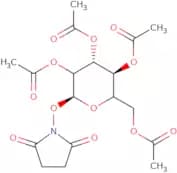
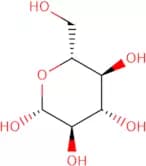
CAS:<p>Abundant and critical component of natural glycans and glycoproteins</p>Formula:C6H12O6Purity:Min. 98 Area-%Color and Shape:PowderMolecular weight:180.16 g/molO-(2,3,4,6-Tetra-O-acetyl-b-D-galactopyranosyl)-N-hydroxysuccinimide
CAS:<p>O-(2,3,4,6-Tetra-O-acetyl-b-D-galactopyranosyl)-N-hydroxysuccinimide is a synthetic glycosylation reagent. It has the CAS number 896730-84-0 and is available for custom synthesis. O-(2,3,4,6-Tetra-O-acetyl-b-D-galactopyranosyl)-N-hydroxysuccinimide is used in the synthesis of oligosaccharides and saccharides. It is also used in click chemistry to modify proteins and other biomolecules. This product has a purity of 99% or higher and can be modified at any position with fluorination or methylation.</p>Formula:C18H23NO12Purity:Min. 95%Molecular weight:445.37 g/molA2 Glycan, 2-AB labelled
<p>The A2 Glycan is a custom synthesized oligosaccharide that is labelled with 2-AB. It contains the following sugars: Oligosaccharide, sugar, Synthetic, Fluorination, Custom synthesis, Methylation, Monosaccharide, Polysaccharide. The A2 Glycan has a purity of > 99%. CAS No. for this product is not available. Modification includes Click modification and complex carbohydrate.</p>Purity:Min. 95%2-O-(a-D-Galactopyranosyl)-a-L-fucopyranosyl propylamine
<p>Please enquire for more information about 2-O-(a-D-Galactopyranosyl)-a-L-fucopyranosyl propylamine including the price, delivery time and more detailed product information at the technical inquiry form on this page</p>Formula:C15H29NO10Purity:Min. 95 Area-%Molecular weight:383.39 g/molPhenyl 2,3,4,6-tetra-O-acetyl-b-D-thiogalactopyranoside
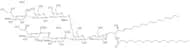
CAS:<p>Phenyl 2,3,4,6-tetra-O-acetyl-b-D-thiogalactopyranoside is a sugar that belongs to the class of glycosides. It is a white crystalline powder and has a molecular weight of 459.8. The chemical formula for this compound is C 12 H 18 O 9 . Phenyl 2,3,4,6-tetra-O-acetyl-b-D-thiogalactopyranoside is used in the synthesis of oligosaccharides and polysaccharides. It can be used to modify the structure of saccharides and sugar molecules by methylation or fluorination. This product also has CAS No. 24404-53-3 and can be custom synthesized according to your specifications.</p>Formula:C20H24O9SPurity:Min. 95%Color and Shape:PowderMolecular weight:440.47 g/molGT1b-Ganglioside ammonium
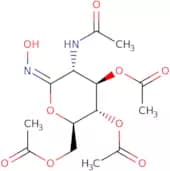
CAS:<p>GT1b ganglioside (ammonium salt) has a core tetrasaccharide structure (Galβ1,3GalNAcβ1,4Galβ1,4Glc) with two sialic acids (NeuAc) linked α2,3/α2,8 to the inner galactose residue, sialic acid (NeuAc) linked α2,3 to the terminal galactose residue, and ceramide linked β to position 1 on the reducing terminal glucose residue (Ledeen, 2009). GT1b ganglioside is one of the major gangliosides in neuronal and glial membranes. It interacts with myelin-associated glycoprotein (MAG) and is essential for long-term axon-myelin stability. GT1b ganglioside also acts as a receptor for bacterial toxins, such as, tetanus and botulinum toxins (Nishiki, 1996), as well as for viruses. A few examples of which include: Merkel cell polyomavirus, JC virus, BK virus, norovirus, and others (Low, 2006).</p>Formula:C95H165N5O48·xNH4Purity:Min. 95%Color and Shape:PowderMolecular weight:2,145.33 g/mol2-Acetamido-3,4,6-tri-O-acetyl-2-deoxy-D-glucohydroximo-1,5-lactone
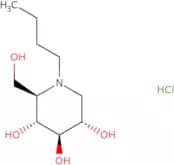
CAS:<p>2-Acetamido-3,4,6-tri-O-acetyl-2-deoxy-D-glucohydroximo-1,5-lactone is a methylated sugar. It is a white to off white powder with a molecular weight of 518. The chemical formula for 2-Acetamido-3,4,6-tri-O-acetyl-2-deoxy--D--glucohydroximo--1,5--lactone is C16H26N2O8 and the structural formula is as follows:br></p>Formula:C14H20N2O9Purity:Min. 95%Color and Shape:White PowderMolecular weight:360.32 g/molN-Butyldeoxynojirimycin hydrochloride
CAS:<p>Competitive inhibitor of ceramide-glycosyltransferase used for substrate reduction therapy in lysosomal storage disorders. It inhibits glucosylceramide synthase, which catalyses the initial step in glycosphingolipid biosynthetic pathway. This compound delays the onset of symptoms in type 1 Gaucher disease, Sandhoff disease and Tay-Sachs disease. It also reduces brain abnormalities in mucolipidosis type IV.</p>Formula:C10H21NO4•HClPurity:Min. 95%Color and Shape:PowderMolecular weight:255.74 g/molLS-tetrasaccharide c ammonium salt
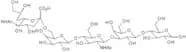
CAS:<p>Sialylated tetrasaccharide found in human milk, possible health benefits for the neonate by supporting resistance to pathogens, gut maturation, immune function, and cognitive development.</p>Formula:C37H62N2O29•NH3Purity:Min. 95 Area-%Color and Shape:White PowderMolecular weight:1,015.88 g/molGala1-3Galb1-4Glc
CAS:<p>Galacto-oligosaccharides (GOS) are a class of oligosaccharides that consist of galactose, galactose derivatives, and glucose. They are found in the human diet as a result of lactose breakdown by gut bacteria. GOS can bind to glycoconjugates in the human body, such as glycoproteins and glycolipids, and have been shown to be effective in preventing the growth of pathogens. Galacto-oligosaccharides are also synthetically produced, using a chromatographic method that separates them into individual sugars, where they can be used for research or diagnostic purposes. The biosynthesis of GOS is also known; it is an enzyme-catalyzed reaction involving calcium ions. This process is regulated by Ca2+ signaling, which leads to an increase in the production of GOS when there is a need for more immune cells or white blood cells.</p>Formula:C18H32O16Purity:Min. 90 Area-%Color and Shape:White PowderMolecular weight:504.44 g/mol4-Aminophenyl-α-D-glucopyranoside
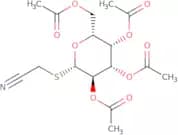
CAS:<p>4-Aminophenyl-alpha-D-glucopyranoside is a natural product that has been found to be an antigen. The compound has been shown to have anticancer activity, which may be due to its ability to inhibit the growth of cells and induce apoptosis. 4-Aminophenyl-alpha-D-glucopyranoside also possesses magnetic properties. The chemical structure of this compound is characterized by an acrylate group, which is a small organic molecule with two carbon atoms and one oxygen atom. This compound is synthesized in a preparative manner using methoxy, ethyl bromoacetate, and mesitylene in the presence of irradiation. NMR spectroscopy can be used for the characterization of this compound as well as other compounds with similar structures that are catalytic in nature.</p>Formula:C12H17NO6Purity:Min. 98.0 Area-%Molecular weight:271.27 g/molCyanomethyl 2,3,4,6-tetra-O-acetyl-b-D-thioglucopyranoside
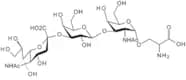
CAS:<p>Cyanomethyl 2,3,4,6-tetra-O-acetyl-b-D-thioglucopyranoside is a synthetic glycosylation agent. It is an acetal derivative of b-D-thioglucopyranoside with a terminal methyl group at C2 and a fluorine atom at C6. This product can be used to modify saccharides and sugars in a variety of ways. It has been shown to react with various carbohydrates including polysaccharides and oligosaccharides. Synthetic glycosylations are often used in the synthesis of complex carbohydrates for use in pharmaceuticals or chemical engineering. The CAS number for this product is 61145-33-3.</p>Formula:C16H21NO9SPurity:Min. 95%Molecular weight:403.41 g/mol3'-Sialylgalacto-N-biosyl-serine
<p>3'-Sialylgalacto-N-biosyl-serine is a custom synthesis of a high purity, complex carbohydrate with the following modifications: fluorination and click modification. This product is a monosaccharide sugar that has many applications in biomedical research. 3'-Sialylgalacto-N-biosyl-serine is an important component of glycolipids and glycoproteins, which are major constituents of the outer leaflet of the plasma membrane. It also plays a role in cell signaling, binding to receptors on the surface of cells to activate them. In addition, this product can be used for the methylation reaction and has been used as an intermediate for other oligosaccharides and polysaccharides.</p>Formula:C28H47N3O21Purity:Min. 95 Area-%Color and Shape:PowderMolecular weight:761.68 g/molTiazofurin
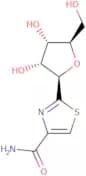
CAS:<p>Tiazofurin is a novel anticancer agent that inhibits the activity of various enzymes, including dehydrogenase and acetyl-CoA carboxylase. Tiazofurin shows significant cytotoxicity against human leukemia cells in vitro. It also has an anti-infectious effect on hl-60 cells and k562 cells, which are carcinoma cell lines. Tiazofurin has been shown to have a higher inhibitory effect on dextran sulfate than on basic protein in vitro, suggesting that it may be more effective as an anticancer compound against cancerous tumors with high levels of glycolipids.</p>Formula:C9H12N2O5SPurity:Min. 95%Color and Shape:Off-White Slightly Brown PowderMolecular weight:260.27 g/mol(3S, 4R) -Dihydro- 3-hydroxy- 3- methyl-4-tert butyldimethylsilyloxy- 2(3H) - furanone
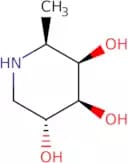
<p>(3S,4R) -Dihydro-3-hydroxy-3-methyl-4-tert butyldimethylsilyloxy-2(3H) -furanone is a fluorinated glycosylated monosaccharide. This compound is used as a synthetic intermediate in the custom synthesis of saccharides and oligosaccharides.</p>Purity:Min. 95%(1S) -1- [(2S, 3R,4R) -4-Hydroxymethyl-3- hydroxy- 1- azetidinyl] -1, 2- ethanediol
<p>(1S) -1- [(2S, 3R,4R) -4-Hydroxymethyl-3- hydroxy- 1- azetidinyl] -1, 2- ethanediol is a synthetic sugar that can be used as a glycosylation or click modification agent. It is also used in the synthesis of complex carbohydrates. This product has been shown to have high purity and is available for custom synthesis.</p>Purity:Min. 95%1-Amino-D-butane-2,3,4-triol
<p>1-Amino-D-butane-2,3,4-triol is a custom synthesis of 1,2,3,4-1-amino butane. It has been modified with fluorination and methylation. This product has a CAS number of 20897-16-0. The molecular weight is 152.17 g/mol and the molecular formula is C6H11NO3. This product is a synthetic compound that consists of monosaccharides and oligosaccharides. The glycosylation is Oligosaccharide and saccharide. It can be found in the carbohydrate category as it contains complex carbohydrates.</p>Purity:Min. 95%4-Deoxy-4-fluoro-D-mannose
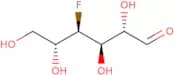
CAS:<p>4-Deoxy-4-fluoro-D-mannose is a sugar that is an analog of 3-deoxy-3-fluoro-d-mannose. It is synthesized by the transfer of a 6-hydroxyl group from 6,6'-dideoxyadenosine to the C6 hydroxyl group of 3,6'-dihexadecylthio adenosine. 4,4'-Difluoro D-mannose is then obtained by hydrolysis and decarboxylation. This process can be catalyzed by enzyme catalysis with phosphofructokinase or hexokinase. 4,4'-Difluoro D mannose has been used in biochemical studies as an analog for 6,6'-dideoxydaunosine. It has also been used as a substrate for virus glycosylation and protein glycosylation in living cells. In addition, it has been shown to inhibit</p>Formula:C6H11FO5Purity:Min. 95%Color and Shape:PowderMolecular weight:182.15 g/mol6'-O-Benzoyl-2,3,6,3',4,-penta-O-acetyl-sucrose
<p>6'-O-Benzoyl-2,3,6,3',4,-penta-O-acetyl-sucrose is a methylated and fluorinated glycosylation product of sucrose. This compound has a molecular weight of 527.97 and an average molar mass of 579.38 g/mol. It exists in the form of white crystals at room temperature and has a melting point of 222 °C. 6'-O-Benzoyl-2,3,6,3',4,-penta-O-acetyl-sucrose is soluble in water and ethanol but insoluble in ether. It is not toxic or irritating to skin or eyes and does not react with other substances to produce hazardous reactions.</p>Purity:Min. 95%D-Maltose monohydrate
CAS:<p>Maltose (or malt sugar) is produced by the action of α-and β-amylase on starch. Maltose is an intermediate in the intestinal digestion (i.e. hydrolysis) of glycogen and starch and is found in germinating grains (and other plants and vegetables). Maltose-containing syrups are used in the brewing, baking, soft drink, canning, confectionery, and other food industries (Collins, 2006). Maltose is also used in affinity purification of proteins using MBP-fused protein constructs. Herein, maltose is added to an elution buffer causing release of the MBP-fused protein from the resin.</p>Formula:C12H24O12Molecular weight:360.32 g/molGala1-3Galb1-4GlcNAc-O-L-serine
<p>Gala1-3Galb1-4GlcNAc-O-L-serine is a Custom synthesis, Modification, Fluorination, Methylation, Monosaccharide, Synthetic, Click modification, Oligosaccharide, saccharide. The CAS number for this product is . It has been created by the process of Glycosylation. This product is a Carbohydrate and a Polysaccharide. The molecular weight of this product is .</p>Purity:Min. 95%2-Amino- 2- deoxy- 3, 6- di- O- methyl-D- glucose
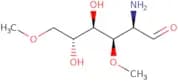
CAS:<p>2-Amino- 2-deoxy-3,6-di-O-methyl-D-glucose is a modified saccharide that is synthesized by the coupling of two amino acids: an alpha amino group and a beta hydroxyl group. It is also known as N-[2,6-bis(1,1-dimethylethyl)amino]-2,3,4,5,6 tetrahydrobenzofuran with the CAS number 25521-11-3. This compound can be custom synthesized to meet specific requirements. It has been used in research on glycosylation reactions and methylation reactions.</p>Formula:C8H17NO5Purity:Min. 95%Molecular weight:207.22 g/molGlobo-N-tetraose GEL
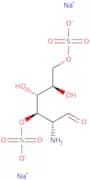
<p>Immobilised on Fractogel with glycosylamine formation of the monosaccharide</p>Purity:Min. 95%D-Glucosamine-3,6-di-O-sulphate sodium
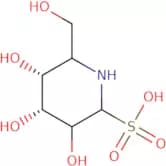
CAS:<p>D-Glucosamine-3,6-di-O-sulphate sodium salt is a synthetic, fluorinated, monosaccharide that is prepared by the modification of D-glucosamine. It can be synthesized by reacting D-glucosamine with sodium sulfite in the presence of hydrochloric acid. This product has been modified to contain a reactive group for click chemistry. The synthesis of this compound involves methylation, which is a process used to introduce methyl groups into organic compounds. This product is also an oligosaccharide and polysaccharide. The sugar molecule in this product is glucosamine, which is a carbohydrate that contains glucose and amino acids. Glucosamines are complex carbohydrates that play a role in the synthesis of glycoproteins and glycolipids in cells.</p>Formula:C6H13NO11S2•Na2Purity:Min. 95%Color and Shape:PowderMolecular weight:385.28 g/molD-Mannojirimycin hydrogensulfite
<p>D-Mannojirimycin hydrogensulfite, an iminosugar analogue of Mannose, is a potent inhibitor of alpha-mannosidase.</p>Formula:C6H13NO7SPurity:Min. 95%Color and Shape:PowderMolecular weight:243.24 g/mol2-Allyloxycarbonylamino-1,6-anhydro-2-deoxy-b-D-glucopyranose
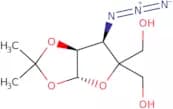
<p>2-Allyloxycarbonylamino-1,6-anhydro-2-deoxy-b-D-glucopyranose is a synthetic saccharide that has been modified with 2,5-difluoroacetophenone. This modification generates a fluorine atom at the C2 position of the glucose ring. The synthesis of this compound is performed by custom synthesis for Click chemistry. The desired reaction product is obtained in high purity and with good yield. The chemical formula for 2,5-difluoroacetophenone is C8H7F3O2 and the molecular weight is 191.19 g/mol.<br>2,5-Difluoroacetophenone has been shown to be an efficient reagent in glycosylation reactions because it can react selectively with primary alcohols and amines without affecting other functional groups present in the molecule. In addition, 2,5-difluoroacetophenone</p>Purity:Min. 95%3-Azido-3-deoxy-4-hydroxymethyl-1,2-O-isopropylidene-a-D-ribofuranose
CAS:<p>Carbohydrate building block</p>Formula:C9H15N3O5Purity:Min. 95%Color and Shape:PowderMolecular weight:245.23 g/molα-Chloralose (max. 20% β-anomer)
CAS:<p>Alpha-Chloralose (max. 20% beta-anomer) is a chemical compound primarily used as a sedative and for rodent control. It is synthesized through a chemical reaction involving glucose and chloral, creating a substance with unique physiological properties. Its mode of action primarily involves depressing the central nervous system, leading to reduced responsiveness and hypothermia in targeted organisms. Alpha-Chloralose induces symptoms that facilitate its application as a tranquilizer, particularly in small mammals and birds during scientific research. Additionally, due to its efficacy in lowering metabolic rates, it is utilized as a rodenticide. Within this context, it serves to humanely control rodent populations by inducing hypothermic conditions, leading to a humane death. Its dual functionality—both as a sedative and a rodenticide—makes it a versatile tool in scientific research and pest management. The specification of a maximum 20% beta-anomer content ensures a standardized formulation, enhancing its reliability and consistency for experimental and practical applications.</p>Formula:C8H11Cl3O6Molecular weight:309.53 g/molRef: 3D-C-3305
1kgTo inquire5kgTo inquire10kgTo inquire25kgTo inquire2500gTo inquire-Unit-kgkgTo inquireIsomaltose
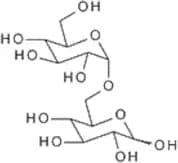
CAS:<p>Sweetener; has low cariogenicity; produced from high maltose syrup by treatment</p>Formula:C12H22O11Purity:Min. 97 Area-%Color and Shape:White PowderMolecular weight:342.3 g/molFucoidan, macrocystis pyrifera
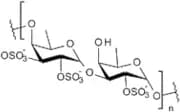
CAS:<p>A fucan sulphate found in brown marine algae (Phaeophyta-typically Fucus vesiculotus, Ascophyllum nodosum, Alaria and Macrocystis pyrifyra (illustrated) and has been shown to have anticoagulant activity. The main constituents are α-1,4 and α-1,2 linked L-fucose sulphates, although galactose also occurs and there are many variations of the basic structure found in different species of Phaeophyta.<br>The fucose content of this fucan is approx. 31% and it also contains galactose (approx. 2.2%), uronic acid (approx. 12.4%) and sulfate (approx. 32.5%).<br>The image was kindly provided by Prof Mike Guiry from Cork who runs ‘The Seaweed Site’.</p>Purity:Min. 95%Color and Shape:White Powderb-D-Glucose - 85%
CAS:<p>Glycol ethers are compounds that are used as solvents and plasticizers. They have been shown to inhibit the activity of enzymes, such as glucose-6-phosphate dehydrogenase, which is involved in the conversion of glucose to phosphate. Glycol ethers also promote sugar transport by inhibiting the sodium-dependent glucose transporter (SGLT). This transport mechanism is important for maintaining normal blood sugar levels and preventing diabetic neuropathy. Glycol ethers are also anti-diabetic agents that can increase insulin sensitivity by stimulating insulin release from pancreatic beta cells and improving the response of peripheral tissues to insulin stimulation.</p>Formula:C6H12O6Purity:Min. 95%Color and Shape:White PowderMolecular weight:180.16 g/molN-Acetylneuraminyl-(a2-3)-D-galactopyranosyl-(b1-3)-D-N-acetylgalactosaminyl serine
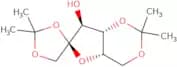
<p>N-Acetylneuraminyl-(a2-3)-D-galactopyranosyl-(b1-3)-D-N-acetylgalactosaminyl serine is a custom synthesized carbohydrate with an average molecular weight of about 1,000. It has been modified with fluorination, methylation, and click chemistry. This polysaccharide has an acetamido group on the C6 position of N-acetylneuraminic acid and a glycosidic linkage at the C4 position of galactose. The saccharide units are composed of a 2,3-linked galactose residue and a b1,3 linked N-acetylgalactosamine residue. The CAS number for this carbohydrate is 116863-87-8.</p>Formula:C28H47N3O21Purity:Min. 95%Color and Shape:PowderMolecular weight:761.68 g/mol1,2:4,6-Di-O-isopropylidene-α-L-sorbofuranose
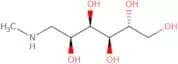
CAS:<p>1,2:4,6-Di-O-isopropylidene-a-L-sorbofuranose is a synthetic glycoside that can be used as a carbohydrate in the synthesis of oligosaccharides and polysaccharides. It can be methylated at the C1 position to form 1,2:4,6-di-O-methylidene-a-L-sorbofuranose and then glycosylated with various saccharides at the O3 position. Fluorination of this compound at the C2 position yields 1,2:4,6-diO-(trifluoromethyl)idenea L sorbofuranose. This product has a melting point of 178°C.</p>Formula:C12H20O6Purity:Min. 95%Color and Shape:White To Off-White SolidMolecular weight:260.28 g/molN-Methyl-D-glucamine
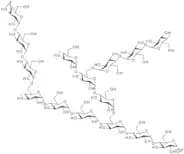
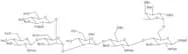
CAS:<p>N-Methyl-D-glucamine is a gadolinium chelate that has been used as a contrast agent in magnetic resonance imaging. It is also an antimicrobial agent that binds to DNA and RNA, inhibiting their synthesis. N-Methyl-D-glucamine has been shown to have strong antitumor activity against carcinoma cell lines in vitro. This drug also inhibits the growth of bacteria such as Leishmania, which causes cutaneous leishmaniasis. N-Methyl-D-glucamine can be used for the treatment of infections caused by methicillin resistant Staphylococcus aureus (MRSA) or Mycobacterium tuberculosis due to its ability to inhibit protein synthesis and bacterial growth. MEGLUMINE is an experimental model for human serum with high water solubility and low toxicity. It belongs to the class of nonsteroidal anti-inflammatory drugs (NSAIDs). The MEGLUM</p>Formula:C7H17NO5Purity:Min. 95%Color and Shape:White PowderMolecular weight:195.21 g/mol4-Methoxyphenyl 4-O-{4-O-[[2-O-Ac-3-O-[2,4-di-O-(3,4,6-tri-O-Ac-2-deoxy-2-PhthN-β-D-Glc)-3,6-di-O-Bn-α-D-Man]-β-D-Man]]-3,6-di-O-Bn- 2-deoxy-2-PhthN-β-D-Glc}-3-O-Bn-6-O-(tri-O-Bn-α-L-Fuc)-2-deoxy-2-PhthN-β-D-Glc
<p>4-Methoxyphenyl 4-O-{4-O-[[2-O-Ac-3-O-[2,4-di-O-(3,4,6-tri-O-Ac-2'-deoxy-[2,3]-Bn] -b'-DGlc]-3,6'-di-'O-[(3',4',6'-tri-'O-'Ac)-2'-deoxy-[2'', 3''] -Bn]-a'-DMan]] -b'-DMan]] -3,6'-di-'O-[(3',4',6'--tri-'O-'Ac)-2' ',' 3'' ',' 6'' '--Deoxy-[2' ', 3' ',' 4'' ', 6'' '--Bn] -a'-DMan]] -b' DMan]] -6'-Octaacetate], is a complex carbohydrate that has been modified with a methyl</p>Formula:C151H152N4O47Purity:Min. 95%Molecular weight:2,774.82 g/mol3, 6-Anhydro- 1, 2-O- isopropylidene -7-O-tert butyldimethylsilyl-D- glycero- D- altro- heptitol
<p>3,6-Anhydro-1,2-O-isopropylidene-7-O-tert butyldimethylsilyl-D-glycero-D-altroheptitol is a methylated saccharide that belongs to the class of polysaccharides. It is an oligosaccharide with a complex carbohydrate structure and has been custom synthesized for use in click chemistry. 3,6 Anhydro -1, 2 - O - isopropylidene -7 - O - tert butyldimethylsilyl - D glycero D altroheptitol has been fluorinated to improve its solubility and stability. This product has high purity and is available in bulk quantities.</p>Purity:Min. 95%1-Deoxyfuconojirimycin HCl
CAS:<p>Specific, potent and competitive inhibitor of α-L-fucosidase with Ki of 10 nM. In human breast cancer cells, it causes increase of fucosylation on cell surface molecules such as Lewis X antigen (CD15) and CD44 glycoprotein. The 1-deoxyfuconojirimycin treatment increases invasiveness of cancer cells.</p>Formula:C6H13NO3·HClPurity:Min. 95%Color and Shape:Off-White PowderMolecular weight:183.63 g/molGlycogen, ex oyster
CAS:<p>Please enquire for more information about Glycogen, ex oyster including the price, delivery time and more detailed product information at the technical inquiry form on this page</p>Formula:(C6H10O5)nHyaluronic acid potassium, from bacteria
CAS:<p>Please enquire for more information about Hyaluronic acid potassium, from bacteria including the price, delivery time and more detailed product information at the technical inquiry form on this page</p>Carboxymethyl cellulose sodium - Viscosity 700-1500 mPa·s
CAS:<p>Food additive; soil suspension polymer in detergents; thickening agent</p>Purity:Min. 95%1-Deoxy- 6- O- tert.butyl dimethylsilyl]- 3, 4- O- isopropylidene-D- Psicofuranose
<p>This complex carbohydrate is a modification of the 6-O-tert.butyl dimethylsilyl]psicofuranose. It is an Oligosaccharide that has been modified with methylation, glycosylation, and Click modification of the sugar moieties. The CAS number for this complex carbohydrate is 10963-29-3, and it has a purity of 99%.</p>Purity:Min. 95%5-Keto-D-gluconic acid potassium salt
CAS:<p>5-Keto-D-gluconic acid potassium salt is a custom synthesis of 5-keto-D-gluconic acid, which is a monosaccharide. It is modified with fluorination and methylation at the C5 position. The chemical formula for 5-keto-D-gluconic acid potassium salt is C6H7O6K2. This compound has been used in the synthesis of oligosaccharides, saccharides, and polysaccharides.</p>Formula:C6H9KO7Purity:Min. 99.0%Molecular weight:232.23 g/mol3,4,6-Tri-O-acetyl-2-deoxy-2-phthalimido-b-D-glucopyranosyl fluoride
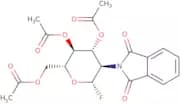
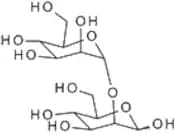
CAS:<p>3,4,6-Tri-O-acetyl-2-deoxy-2-phthalimido-b-D-glucopyranosyl fluoride is a synthetic glycoside that has been synthesized by the click modification of a fluorinated saccharide. The compound has an acetyl group at C3 and C6 positions with an OCH3 group at the C4 position. This compound has been used in glycosylation reactions to modify the carbohydrate moiety of peptides and proteins. It has also been used in research on complex carbohydrate chemistry.</p>Formula:C20H20FNO9Purity:Min. 95%Molecular weight:437.37 g/mol2-O-(a-D-Mannopyranosyl)-D-mannopyranose
CAS:<p>Synthesized by the action of zinc chloride on tetra-O-acetylmannose and 1-chloro-3,4,6- tri-0-acetylmannose. Isolated from partial acetolysates of baker's yeast mannan and Saccharomyces rouxii mannan.</p>Formula:C12H22O11Purity:Min. 95 Area-%Color and Shape:White PowderMolecular weight:342.3 g/mola-D-Glucoheptonic acid sodium salt dihydrate
CAS:<p>a-D-Glucoheptonic acid sodium salt dihydrate is a diagnostic agent that can be used to diagnose myocardial infarct. It is a glycol ether with a molecular weight of 168, which is used in the preparation of diagnostic agents for the detection of cardiac lesions. The compound is also used as an excipient in pharmaceutical preparations. In addition, it has been shown to have anti-inflammatory properties due to its ability to inhibit prostaglandin synthesis.</p>Formula:C7H13O8NaPurity:Min. 95%Color and Shape:White Off-White PowderMolecular weight:248.16 g/mol(1R) -1- [(2S, 3R) - 3- Hydroxy- 1- ((4-methoxyphenyl)methyl) - 2- azetidinyl] -1, 2- ethanediol
<p>(1R) -1- [(2S, 3R) - 3- Hydroxy- 1- ((4-methoxyphenyl)methyl) - 2- azetidinyl] -1, 2- ethanediol is a sugar compound that can be methylated and modified to make other compounds. The compound's CAS number is 440636-00-0. This product is a carbohydrate that can be used as a modification for saccharides and polysaccharides. It can also be used as a glycosylation agent or an Oligosaccharide. This product is available in high purity and custom synthesis with the desired modifications.</p>Purity:Min. 95%2,3,4,6-Tetra-O-pivaloyl-D-glucopyranosyl azide
CAS:<p>2,3,4,6-Tetra-O-pivaloyl-D-glucopyranosyl azide is an oligosaccharide that has been modified for use in the synthesis of complex carbohydrates. It is synthesized through a methylation reaction and then click chemistry. The resulting product is a high purity chemical that can be used to modify saccharides or sugars. 2,3,4,6-Tetra-O-pivaloyl-D-glucopyranosyl azide is a white crystalline solid with CAS No. 1251910-91-4.</p>Formula:C26H43N3O9Purity:Min. 95%Color and Shape:White SolidMolecular weight:541.63 g/molBlood Group B pentasaccharide
CAS:<p>Core antigen fragment in ABO blood group system</p>Formula:C30H52O24Purity:Min. 95%Color and Shape:PowderMolecular weight:796.72 g/mol4-Deoxy-4-fluoro-D-glucosamine
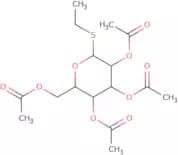
<p>4-Deoxy-4-fluoro-D-glucosamine is a carbohydrate that is used as an inhibitor of the enzyme l1210. This enzyme is required for the biosynthesis of the glycoprotein on the surface of some types of leukemia cells. 4-Deoxy-4-fluoro-D-glucosamine has been shown to be effective in inhibiting leukemia cell growth, and in some cases it has been shown to induce tumor regression. It inhibits protein synthesis by binding to the enzymes responsible for this process.</p>Purity:Min. 95%Ethyl 2,3,4,6-tetra-O-acetyl-a-D-thiogalactopyranoside
CAS:<p>Ethyl 2,3,4,6-tetra-O-acetyl-a-D-thiogalactopyranoside is a compound that belongs to the group of natural products. It has been shown to be an inhibitor of retrotransposons and retroviruses. This effect may be due to its ability to inhibit the enzymatic activity of reverse transcriptase, which is needed for the synthesis of viral RNA. The compound also inhibits stoloniferum, a plant pathogen that causes phytophthora root rot. Ethyl 2,3,4,6-tetra-O-acetyl-a-D-thiogalactopyranoside can induce epigenetic modifications in human malignant cells and may have potential as a chemotherapeutic agent for malignant melanoma cells.</p>Formula:C16H24O9SPurity:Min. 95%Color and Shape:PowderMolecular weight:392.42 g/molHyaluronate rhodamine - Molecular Weight - 10kDa
<p>Hyaluronate rhodamine is a fluorescent dye that is used in molecular biology to visualize the distribution of intracellular glycoconjugates. It is a water-soluble, cationic dye that binds to negatively charged saccharides and glycosaminoglycans. The dye fluoresces when bound to these molecules, making it useful for detecting the distribution of glycoproteins in cells. Hyaluronate rhodamine can be used as a marker for carbohydrate-rich tissues such as cartilage, synovial fluid, and vitreous humor. This dye can also be used to detect glycoconjugates on the surface of cells and in extracellular spaces.</p>Purity:Min. 95%Methyl 3,5-di-O-(p-chlorobenzoyl)-2-deoxy-b-D-ribofuranoside
<p>Methyl 3,5-di-O-(p-chlorobenzoyl)-2-deoxy-b-D-ribofuranoside is a synthetic oligosaccharide. It has been synthesized by the modification of the glycosylation site on an existing saccharide with a methyl group and fluorination at the 3’ position. This molecule is a monosaccharide with a p-chlorobenzoyl group attached to its 2’ position.</p>Purity:Min. 95%Fucoidan, fucus serratus
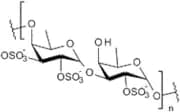
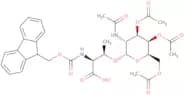
CAS:<p>A fucan sulphate found in brown marine algae (Phaeophyta-typically Fucus serratus, Ascophyllum nodosum (illustrated), Laminaria japonica and Macrocystis pyrifyra) and has been shown to have anticoagulant activity. The main constituents are α-1,4 and α-1,2 linked L-fucose sulphates although galactose also occurs and there are many variations of the basic structure found in different species of Phaeophyta.<br>The image was kindly provided by Prof Mike Guiry from Cork who runs ‘The Seaweed Site’.</p>Purity:Min. 95%Color and Shape:White Powder2-Acetamido-3,4,6-tri-O-acetyl-2-deoxy-α-D-galactopyranosyl-Fmoc threonine
CAS:<p>2-Acetamido-3,4,6-tri-O-acetyl-2-deoxy-α-D-galactopyranosyl-Fmoc threonine is a glycoside that has been synthesized on a solid phase. The synthesis of this compound has been accomplished by the stepwise addition of Fmoc protected amino acids to the growing peptide chain. Cleavage from the resin and deprotection of the side chains are followed by purification by RP HPLC.</p>Formula:C33H38N2O13Purity:Min. 95 Area-%Molecular weight:670.67 g/molMethyl 2,4-di-O-methyl-β-D-glucopyranoside
CAS:<p>Methyl 2,4-di-O-methyl-b-D-glucopyranoside is a selectively protected glucose glycoside</p>Formula:C9H18O6Purity:Min. 95%Molecular weight:222.24 g/mol6-O-(α-D-Galactopyranosyl)-β-D-thioglucopyranose
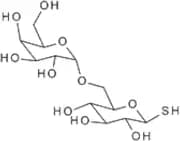
<p>6-O-(a-D-Galactopyranosyl)-b-D-thioglucopyranose is a complex carbohydrate that is used in the synthesis of oligosaccharides and polysaccharides. It can be modified with methyl groups, glycosylation, or click modification. This product has been fluorinated and is available in high purity.</p>Formula:C12H22O10SPurity:Min. 95%Color and Shape:PowderMolecular weight:358.36 g/mol2-Acetamido-3,4,6-tri-O-acetyl-2-deoxy-β-D-glucopyranosyl-Fmoc-asparagine
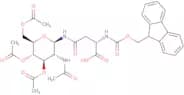
CAS:<p>2-Acetamido-3,4,6-tri-O-acetyl-2-deoxy-β-D-glucopyranosyl-Fmoc-asparagine is a synthetic oligosaccharide that has been modified with a fluorine atom at the 6 position. The acetamido group has been methylated and the sugar moiety is attached to an Fmoc group. The molecular weight of this compound is 1,000. It can be used for the synthesis of saccharides and polysaccharides by click chemistry or as a monosaccharide in carbohydrate research. 2AATGFFmocAsp can also be used for modification purposes with different reagents such as hydrazine, NIS, and TEMPO.</p>Formula:C33H37N3O13Purity:Min. 95 Area-%Color and Shape:PowderMolecular weight:683.66 g/mola-Lactose monohydrate
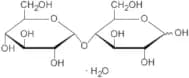
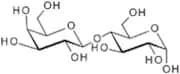
CAS:<p>An α-anomer, obtained by crystallization at low temperature, can be dehydrated to stable form above 130°C or an unstable (hygroscopic) form at lower temperatures. An example of the applications for α-Lactose monohydrate is in dry powder inhalers. These are devices that deliver medication to the lung in the form of a dry powder generating an aerosol directly from the drug powder or mixture, using an excipient such as lactose monohydrate.</p>Formula:C12H22O11·H2OPurity:(%) Min. 95%Color and Shape:PowderMolecular weight:360.31 g/mol1,2,3,4,6-Penta-O-trimethylsilyl-a-D-galactopyranose
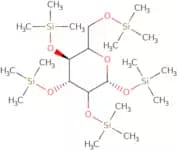
CAS:<p>1,2,3,4,6-Penta-O-trimethylsilyl-a-D-galactopyranose is a modification of the sugar galactose. It is a complex carbohydrate and an oligosaccharide that has been custom synthesized. The molecular weight of 1,2,3,4,6-Penta-O-trimethylsilyl-a-D-galactopyranose is 592.77 g/mol. The purity of this compound is >99%. This compound has been fluorinated and saccharide methylated.</p>Formula:C21H52O6Si5Purity:Min. 95%Molecular weight:541.07 g/molHeparin derived dp12 Saccharide ammonium salt
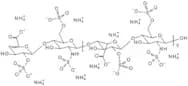
<p>Heparin is a carbohydrate that is derived from the mucopolysaccharide heparin. It is a complex carbohydrate that consists of a chain of alternating N-acetylglucosamine and glucuronic acid. Heparin is used as an anticoagulant to prevent blood clotting, which may occur due to injury or during surgery. Heparin's use in medicine has been limited by its low solubility and rapid clearance from the body. Recently, it has been modified with a fluorine atom on the sugar ring, which increases their solubility and bioavailability. Click chemistry can be used to attach other molecules to the saccharide ammonium salt in order to modify the properties of heparin. This modification can be done with methyl groups or glycosyl groups, and it can also be done with other sugars such as galactose or glucose.</p>Purity:Min. 95%Color and Shape:PowderMolecular weight:~3550 (Average)5-O-(a-D-[6,6'-2H2]Glucopyranosyl)-D-fructopyranose
Controlled Product<p>5-O-(a-D-[6,6'-2H2]Glucopyranosyl)-D-fructopyranose is a custom synthesis carbohydrate that is an oligosaccharide. It is a saccharide with a general formula of C6H10O5. One of its modifications is methylation. This product has been fluorinated and modified with the click reaction to create a glycosylated sugar. 5-O-(a-D-[6,6'-2H2]Glucopyranosyl)-D-fructopyranose is not radioactive and has high purity. It is also a polysaccharide that contains glucose monomers that are linked by glycosidic bonds to form branched chains of 10 or more units. The product has an appearance of white powder, and it can be used as an additive for pharmaceuticals, food products, and cosmetics.</p>Formula:C12H20O11D2Purity:Min. 95%Molecular weight:344.31 g/mol




















![(1S) -1- [(2S, 3R,4R) -4-Hydroxymethyl-3- hydroxy- 1- azetidinyl] -1, 2- ethanediol](/_next/image/?url=https%3A%2Fstatic.cymitquimica.com%2Fproducts%2F3D%2Fthumb-webp%2FMH163401.webp&w=3840&q=75)



![1-Deoxy- 6- O- tert.butyl dimethylsilyl]- 3, 4- O- isopropylidene-D- Psicofuranose](/_next/image/?url=https%3A%2Fstatic.cymitquimica.com%2Fproducts%2F3D%2Fthumb-webp%2FMD170320.webp&w=3840&q=75)

![(1R) -1- [(2S, 3R) - 3- Hydroxy- 1- ((4-methoxyphenyl)methyl) - 2- azetidinyl] -1, 2- ethanediol](/_next/image/?url=https%3A%2Fstatic.cymitquimica.com%2Fproducts%2F3D%2Fthumb-webp%2FMH163535.webp&w=3840&q=75)



![5-O-(a-D-[6,6'-2H2]Glucopyranosyl)-D-fructopyranose](/_next/image/?url=https%3A%2Fstatic.cymitquimica.com%2Fproducts%2F3D%2Fthumb-webp%2FOG11201.webp&w=3840&q=75)