Glycoscience
Glycoscience is the study of carbohydrates and their derivatives, as well as the interactions and biological functions they participate in. This field of research is crucial for understanding a wide variety of biological processes, including cell recognition, signaling, immune response, and disease development. Glycoscience has important applications in biotechnology, medicine, and the development of new drugs and therapies. At CymitQuimica, we offer a wide selection of high-quality, high-purity products for glycoscience research. Our catalog includes monosaccharides, oligosaccharides, polysaccharides, glycoconjugates, and specific reagents, designed to support researchers in their studies on the structure, function, and applications of carbohydrates in biological systems. These resources are intended to facilitate scientific discoveries and practical applications in various areas of bioscience and medicine.
Subcategories of "Glycoscience"
- Aminosugars(108 products)
- Glyco-Related Antibodies(282 products)
- Glycolipids(46 products)
- Glycosaminoglycans (GAGs)(55 products)
- Glycosides(419 products)
- Monosaccharides(6,621 products)
- Oligosaccharides(3,681 products)
- Polysaccharides(503 products)
Found 11041 products of "Glycoscience"
Sort by
Purity (%)
0
100
|
0
|
50
|
90
|
95
|
100
Nojirimycin 1-sulfonic acid
CAS:<p>Nojirimycin 1-sulfonic acid is a synthetic compound that has been shown to be an inhibitor of glycosylation. It is a modification of nojirimycin, which is a natural product that has been used as an anti-inflammatory agent for years. Nojirimycin 1-sulfonic acid (NJA) binds to the active site of the glycosyltransferase enzyme and prevents the transfer of sugar from the donor substrate to the acceptor substrate. This inhibits the synthesis of complex carbohydrates, oligosaccharides, and polysaccharides. The fluorination on NJA's sulfonate group also makes it more soluble in water, which increases its activity.</p>Formula:C6H13NO7SPurity:Min. 95%Color and Shape:White PowderMolecular weight:243.24 g/molLevofloxacin acyl-b-D-glucuronide
CAS:<p>Levofloxacin acyl-b-D-glucuronide is a metabolite of levofloxacin and belongs to the class of fluoroquinolone antibiotics. It has been shown to be effective against rhesus monkeys in efficacy studies. Levofloxacin acyl-b-D-glucuronide is eliminated via the urine, with >90% excreted within 24 hours. The majority of this drug is excreted as an active n-oxide form with a half-life of 8 hours.</p>Formula:C24H28FN3O10Purity:Min. 95%Molecular weight:537.49 g/molLacto-N-fucopentaose II-APD-KLH
CAS:<p>Lacto-N-fucopentaose II-APD-KLH is a fluorinated, monosaccharide, synthetic, oligosaccharide, complex carbohydrate. It has CAS No. 21973-23-9 and a custom synthesis. Lacto-N-fucopentaose II-APD-KLH can be used as a glycosylation or polysaccharide with click modification or methylation. The high purity of this product is 99%.</p>Purity:Min. 95%Maltotetraose-APD-HSA
<p>Maltotetraose-APD-HSA is a complex carbohydrate with a high purity. Maltotetraose-APD-HSA is a synthetic oligosaccharide that has been modified by glycosylation, methylation, and fluorination. It is an alpha 1,4 linked maltotetraose that has been conjugated to HSA. Maltotetraose-APD-HSA has the CAS number 113789-04-8 and its molecular weight is 495.7 Da. Maltotetraose-APD-HSA can be found in the monosaccharides saccharide and carbohydrate categories.</p>Purity:Min. 95%GM2-Oligosaccharide-spacer-NH2 ammonium
<p>GM2-Oligosaccharide-spacer-NH2 ammonium is a complex carbohydrate with an oligosaccharide spacer and a hydrophobic NH2 group. The product is custom synthesized to your specifications and is available in high purity. It can be modified with fluorination or click chemistry. GM2-Oligosaccharide-spacer-NH2 ammonium is used in the synthesis of polysaccharides, saccharides, and carbohydrates. Some of its applications include modifying proteins, monosaccharides, and sugars.</p>Formula:C44H75N7O27·NH3Purity:Min. 95%Molecular weight:1,151.13 g/molFosinoprilat acyl-b-D-glucuronide
CAS:<p>Fosinoprilat acyl-b-D-glucuronide is a modified fosinoprilat which is an orally active, potent and long lasting inhibitor of angiotensin-converting enzyme (ACE) with a high degree of selectivity for ACE. It has been shown to be effective in the treatment of hypertension, congestive heart failure, and diabetic nephropathy. Fosinoprilat acyl-b-D-glucuronide has been synthesized by click modification from L-fosinoprilat. The carbohydrate moiety is attached to the methyl group of the amine group on the saccharide backbone. This drug exhibits low toxicity and good stability in vivo.</p>Formula:C29H42NO11PPurity:Min. 95%Molecular weight:611.62 g/mol5-Amino-5-deoxy-1,2-O-isopropylidene-6-O-trityl-a-D-galactofuranose
CAS:<p>5-Amino-5-deoxy-1,2-O-isopropylidene-6-O-trityl-a-D-galactofuranose is a fluorinated analog of the natural sugar galactose. This compound has been used as a substrate for the synthesis of modified oligosaccharides and polysaccharides. It is also used in research for its ability to act as a methylation reagent. 5ADOGF has been modified with click chemistry to form 5-(2,3,4,5,6,7,8,9,10) -aminopropylidene-[beta]-D-[alpha]-D-[beta]-D-[alpha]-D-[beta]-D-[alpha] -galactofuranose (APGDF). The CAS number for this compound is 109681-00-7.</p>Formula:C18H31NO5Purity:Min. 95%Molecular weight:461.55 g/molFluorescein isothiocyanate-dextran - Average MW 10,000
CAS:<p>Fluorescein dextran (FD) is widely used as both an anterograde and retrograde tracer in neurons and for numerous other applications. It is biologically rather inert having α-1,6-linked glucose residues resistant to cleavage by most endogenous cellular glycosidases. It has low immunogenicity and makes an ideal long-term tracer for live cells. FD also serves as a valuable marker for cell loading of macromolecules by micro-injection, vesicular fusion, and electroporation, as well as for the uptake and internal processing of exogenous materials by phagocytotic and endocytic pathways.</p>Purity:Min. 95%a-D-Glucopyranoside-b-D-fructofuranosyl octadecanoate
CAS:<p>Quantification of a-D-glucopyranoside-b-D-fructofuranosyl octadecanoate is possible by real-time PCR. The polymerase chain reaction (PCR) technique is used to detect the presence or absence of DNA or RNA. This process starts with the enzyme DNA polymerase and deoxyribonucleotide triphosphates, which use a primer sequence to synthesize complementary strands of DNA from the template. The resulting double stranded DNA molecule is then heated to separate the two strands, and one strand is used as a template for the next cycle of synthesis. Real-time PCR is an analytical technique that permits quantification in real time because it includes an internal control; this technique can also be used to measure gene expression levels in developmental processes. Quantitative results were obtained using real time PCR analysis on conidia and mycelium of pathogenic fungi.</p>Formula:C30H56O12Purity:Min. 95%Molecular weight:608.76 g/molBenzyl 4-O-(2-acetamido-2-deoxy-3,4,6-tri-O-acetyl-b-D-glucopyranosyl)-N-acetyl-a-D-muramic acid methyl ester
<p>This substance is a custom synthesis, which is created in the laboratory. The modification of this product has been done by fluorination, methylation, and monosaccharide synthesis. This substance is a synthetic compound that belongs to the group of oligosaccharides. It is a saccharide that contains an oxygen atom and belongs to the group of complex carbohydrates. It has been shown to be effective against cancer cells in vitro and has been used as a diagnostic agent for breast cancer.</p>Formula:C33H46N2O16Purity:Min. 95%Molecular weight:726.72 g/mol1,2-Di-O-acetyl-4-O-allyl-3-O-benzyl-a-L-rhamnpyranose
<p>1,2-Di-O-acetyl-4-O-allyl-3-O-benzyl-a-L-rhamnpyranose is a synthetic monosaccharide that contains an O,O'-diacetyl group on the 2' position. This product is a complex carbohydrate that has been modified with fluorination and methylation. It can be used as a custom synthesis or as a glycosylation or polysaccharide modification. 1,2-Di-O-acetyl-4-O-allyl-3,6'-di(benzoyloxy)-a,a'-dimethyl rhamnopyranose is soluble in water and is of high purity.</p>Formula:C20H26O7Purity:Min. 95%Molecular weight:378.42 g/molResveratrol-4’-O-(6”-galloyl)glucoside
CAS:<p>Resveratrol-4’-O-(6”-galloyl)glucoside is a methylated, saccharide complex carbohydrate. It is an oligosaccharide that has been modified with click chemistry and glycosylation. Resveratrol-4’-O-(6”-galloyl)glucoside is synthesized in high purity through a custom synthesis process that includes fluorination and modification of the sugar. This product can be used as an ingredient in pharmaceuticals, food additives, or dietary supplements.</p>Formula:C27H26O12Purity:Min. 95%Molecular weight:542.49 g/mol3,4,6-Tri-O-acetyl-a-D-glucopyranose 1,2-(ethyl orthoacetate)
CAS:<p>3,4,6-Tri-O-acetyl-a-D-glucopyranose 1,2-(ethyl orthoacetate) is a custom synthesis that can be used as a fluorination agent or methylating agent. This compound has been modified by the click modification reaction to attach oligosaccharides and saccharides to proteins and polysaccharides. 3,4,6-Tri-O-acetyl-a-D-glucopyranose 1,2-(ethyl orthoacetate) is a high purity synthetic carbohydrate with a purity of 99.5%.</p>Formula:C16H24O10Purity:Min. 95%Molecular weight:376.35 g/molDicyclohexylidene pinitol
CAS:<p>Dicyclohexylidene pinitol is a synthetic, cyclic oligosaccharide with an interesting structure. It is produced by the Click modification of a sugar, followed by a fluorination step and glycosylation. The methylation of the sugar can also be performed to produce this product. Its CAS number is 1037-92-1. Dicyclohexylidene pinitol has been used as an intermediate in the synthesis of saccharides, polysaccharides and other carbohydrates.</p>Formula:C19H30O6Purity:Min. 95%Molecular weight:354.44 g/molUDP-D-galactosamine disodium salt
CAS:<p>UDP-D-galactosamine disodium salt is a type of sugar that is a substrate for UDP-glucuronosyltransferase (UGT), which catalyzes the transfer of galactose from UDP-D-galactose to other molecules. The product of this reaction is UDP-D-galacturonic acid. It is produced in the liver, where it participates in the synthesis of glycoproteins, glycolipids, and glycosaminoglycans. In addition, it can be found in the distal tubule of the kidney and in leukemia cells. The histological analysis of rat liver tissue showed that UDP-D-galactosamine disodium salt is present in hepatocytes. This sugar also helps with protein synthesis and activates uridine, which can be used as a carbon source. Histological analysis also revealed that UDP-D-galactosamine disodium salt plays an important role in glucose metabolism, as well as</p>Formula:C15H23N3O16P2Na2Purity:Min. 95%Color and Shape:PowderMolecular weight:609.28 g/molm-Topolin-9-glucoside
CAS:<p>M-topolin-9-glucoside is a synthetic sugar that has been modified by the introduction of fluorine atoms at C-2, C-3, and C-4. This sugar is used to study the interactions between carbohydrates and proteins. It is also used for the synthesis of oligosaccharides as well as for glycosylation and methylation reactions. M-topolin-9-glucoside is a monosaccharide that has been glycosylated and methylated. It can be used as a replacement for glucose in some reactions due to its stability and low cost.</p>Formula:C18H21N5O6Purity:Min. 95%Color and Shape:PowderMolecular weight:403.39 g/molIsofagomine hydrochloride
CAS:<p>Inhibitor of lysosomal acid β-glucosidase (GlcCerase/glucocerebrosidase) with IC50 in nanomolar range for wildtype and mutant enzyme. It behaves as pharmacological chaperon by binding to instable GlcCerase active site at neutral pH values and facilitating the protein folding. In acidic lysosomes, isofagomine gets release from the enzyme active site. This results in increased levels of functional glucocerebrosidase and brings therapeutic benefits to patients with Gaucher disease.</p>Formula:C6H13NO3·HClPurity:Min. 95%Color and Shape:PowderMolecular weight:183.63 g/molLactose-sp-biotin
<p>Lactose-sp-biotin is a complex carbohydrate that has been modified with biotin. It is synthesized by the click modification of lactose and spacer arm, followed by glycosylation with biotin. Lactose-sp-biotin is soluble in water, which makes it suitable for use as a food additive. This product can also be used for labeling and identification of biomolecules in various fields such as fluorescence, immunoassay, or immunohistochemistry.</p>Formula:C31H54N4O14SPurity:Min. 95%Color and Shape:PowderMolecular weight:738.85 g/mol6-O-Benzoyl-3-O-triisopropylsilyl-D-galactal
<p>This is a synthetic sugar that can be custom synthesized based on the customer's specifications. 6-O-Benzoyl-3-O-triisopropylsilyl-D-galactal is a monosaccharide and an oligosaccharide that can be modified with a click modification, methylation, and glycosylation. It is a complex carbohydrate that has been shown to have anti-inflammatory properties. The glycosylation of this sugar can also be customized for specific purposes. This product has CAS number 132702-24-2 and is available at 95% purity or higher.</p>Formula:C22H34O5SiPurity:Min. 95%Molecular weight:406.59 g/molCarboxymethyl cellulose sodium - Viscosity 300-600 mPa·s
CAS:<p>Food additive; soil suspension polymer in detergents; thickening agent</p>Purity:Min. 95%Glycerone phosphate hemimagnesium salt hydrate
CAS:<p>Glycerone phosphate hemimagnesium salt hydrate is a substrate molecule that is used in the control analysis of dihydroxyacetone phosphate. Glycerone phosphate hemimagnesium salt hydrate is an optimum concentration for 3T3-L1 preadipocytes and has been shown to have an effect on energy metabolism. Glycerone phosphate hemimagnesium salt hydrate also has enzymatic activity, which can lead to neuronal death or skin cancer. This compound is a monosodium salt that can be found in cytosolic calcium, which is present in cells and helps regulate muscle contraction. Glycerone phosphate hemimagnesium salt hydrate can also be found in basic proteins that are vital for cell function.</p>Formula:C3H5O6P·xH2OMgPurity:Min. 95 Area-%Color and Shape:PowderMolecular weight:180.19 g/mol1,2,3-Tri-O-acetyl-4,6-O-benzylidene-b-D-glucopyranose
CAS:<p>This is a glycosylation product of 1,2,3-Tri-O-acetyl-4,6-O-benzylidene-b-D-glucopyranose with methyl and acetate groups. It is a synthetic oligosaccharide that has been fluorinated at the 4' position to provide protection from degradation. This product is custom synthesized for customers. It contains saccharides that are related to polysaccharides and complex carbohydrates. The compound is of high purity and does not contain any impurities. Click modification of the glucose moiety provides protection against enzymatic degradation by enzymes such as aminoglycoside N′ acetyltransferase.</p>Formula:C19H22O9Purity:Min. 95%Molecular weight:394.37 g/mol4-O-(2-O-Methyl-b-D-galactopyranosyl)-D-glucopyranose
CAS:<p>4-O-(2-O-Methyl-b-D-galactopyranosyl)-D-glucopyranose is a disaccharide. The lacto-n-biose unit is a nonreducing sugar that contains an alpha, beta unsaturated 1,6 glycosidic bond and a lactose molecule. 4-O-(2-O-Methyl-b-D-galactopyranosyl)-D-glucopyranose has been found to stimulate the synthesis of galectin in vitro, which may be due to its ability to bind to lectins. This disaccharide can also cause denaturation at high temperatures.</p>Formula:C13H24O11Purity:Min. 95%Molecular weight:356.32 g/molBenzyl 2-acetamido-2-deoxy-D-glucopyranoside
CAS:<p>Benzyl 2-acetamido-2-deoxy-D-glucopyranoside is a fluorinated glycosylation reagent that has been developed for the synthesis of complex carbohydrates, oligosaccharides, and saccharides. This compound is also useful in the modification of natural products and as a synthetic intermediate. Benzyl 2-acetamido-2-deoxy-D-glucopyranoside is an excellent substrate for Click chemistry, which can be used to modify saccharide units. The purity of this product is high, with no detectable impurities.</p>Formula:C15H21NO6Purity:Min. 95%Molecular weight:311.33 g/mol(4R)-Benzyl-4-deoxy-4-C-nitromethyl-b-D-arabinopyranoside
CAS:<p>(4R)-Benzyl-4-deoxy-4-C-nitromethyl-b-D-arabinopyranoside is a custom synthesis of an oligosaccharide. It is a polysaccharide, which are complex carbohydrates that consist of many sugar molecules linked together. The saccharide in this compound has been modified with methylation and glycosylation, which are important modifications for the structure and function of saccharides. This compound also contains a carbohydrate modification called click chemistry, where two molecules are connected by a copper ion. There is high purity in this compound and it has been fluorinated to increase its biological stability.<br>Molecular Formula: C11H14O6N2O3<br>Molecular Weight: 282.25<br>CAS Number: 383173-71-5<br>Purity: >99%</p>Formula:C13H17NO6Purity:Min. 95%Molecular weight:283.28 g/molb-D-Lactosyltrichloroacetimidate heptaacetate
CAS:<p>b-D-Lactosyltrichloroacetimidate heptaacetate is a glycosylation product of the b-D-lactose and trichloroacetic anhydride. This compound is used in the synthesis of oligosaccharides and polysaccharides. It has been shown to be a fluorinated, methylated, or click modified monosaccharide or disaccharide which can be prepared through custom synthesis, or by modification of existing saccharides. This compound has been found to have high purity with a CAS number of 1142022-76-1.</p>Formula:C28H36Cl3NO18Purity:Min. 95%Molecular weight:780.94 g/molParicalcitol 25-b-D-glucuronide
CAS:<p>Paricalcitol 25-b-D-glucuronide is a synthetic analogue of calcitriol, which is the active form of vitamin D. It is a high-purity glycosylate with an average molecular weight of 522.5 Da and a purity of >98%. Paricalcitol 25-b-D-glucuronide has been shown to be effective in prevention or treatment of secondary hyperparathyroidism in patients with chronic kidney disease (CKD). This compound has shown to inhibit calcium absorption in the gut and increase urinary excretion of calcium. It also increases serum phosphate levels, which may lead to increased calcium phosphate deposition in bone. Paricalcitol 25-b-D-glucuronide is methylated at the 25 position, which prevents it from being metabolized by the liver. This modification allows for higher concentrations to be administered without causing toxicity.</p>Formula:C33H52O9Purity:Min. 95%Molecular weight:592.76 g/molCurcumin b-D-glucuronide
CAS:<p>Curcumin b-D-glucuronide is a glucuronide conjugate of the curcumin molecule. It has been shown to have anticancer activity in mouse tumor models and human metastatic colorectal cancer cell lines by inducing apoptosis. Curcumin b-D-glucuronide is metabolized by the liver microsomes of rats, and thus may be useful for the prevention of colon cancer. Curcumin b-D-glucuronide also has anti-inflammatory properties that are due to its inhibition of prostaglandin E2 (PGE2) levels in humans.</p>Formula:C27H28O12Purity:85%MinMolecular weight:544.158084-Iodophenyl 2-acetamido-2-deoxy-b-D-glucopyranoside
CAS:<p>4-Iodophenyl 2-acetamido-2-deoxy-b-D-glucopyranoside is a modification of an oligosaccharide. It is synthesized using custom chemistry and purified to high purity. This compound is a monosaccharide that is methylated and glycosylated. CAS No. 38229-81-1</p>Formula:C14H18INO6Purity:Min. 95%Molecular weight:423.2 g/molLacto-N-neotetraosa-APD-HSA
<p>Lacto-N-neotetraosa-APD-HSA is a synthetic monosaccharide that is structurally similar to tetrasaccharide and pentasaccharide. It can be synthesized by click chemistry and has been modified by fluorination and acetylation. Lacto-N-neotetraosa-APD-HSA has a high purity and is an excellent candidate for applications in the food industry, such as sugar substitutes.</p>Purity:Min. 95%3'-O-(b-D-Glucopyranosyl)-L-DOPA
Controlled Product<p>3'-O-(b-D-Glucopyranosyl)-L-DOPA is a modification of L-DOPA. It is an oligosaccharide that is a complex carbohydrate. 3'-O-(b-D-Glucopyranosyl)-L-DOPA has been synthesized and purified to high purity, with CAS No. 85825-69-7. This compound can be methylated and glycosylated, and it can form polysaccharides (sugar). 3'-O-(b-D-Glucopyranosyl)-L-DOPA can also be fluorinated, which may inhibit the enzyme bromelain that breaks down this compound in the gastrointestinal tract.</p>Formula:C15H21NO9Purity:Min. 95%Molecular weight:359.33 g/mol2-(Acetylamino)-1-O-benzyl-2-deoxy-3,4-O-isopropylidene-6-O-(2,3,4,6-tetra-O-acetyl-b-D-galactopyranosyl)-D-galactopyranoside
CAS:<p>The chemical name of this compound is 2-(Acetylamino)-1-O-benzyl-2-deoxy-3,4-O-isopropylidene-6-O-(2,3,4,6-tetra-O-acetylbDgalactopyranosyl)-Dgalactopyranoside. It is a synthetic compound and its molecular formula is C17H22N2O8. The molecular weight of this compound is 412.46 g/mol. CAS No. 352273-66-6</p>Formula:C32H43NO15Purity:Min. 95%Molecular weight:681.68 g/mol2,3,4-Tri-O-benzoyl-a-L-rhamnopyranosyl fluoride
CAS:<p>The 2,3,4-Tri-O-benzoyl-a-L-rhamnopyranosyl fluoride is a complex carbohydrate that is custom synthesized. It is an oligosaccharide and polysaccharide that can be modified with methylation and glycosylation to make it more useful for research purposes. This molecule has been modified with high purity fluorination to increase its stability. Synthetic carbohydrates are used in many different applications such as medical treatments, diagnostic tools, and food additives.</p>Formula:C27H23FO7Purity:Min. 95%Molecular weight:478.47 g/mol8-D-Glucopyranosyl-7,8,9,10-tetrahydro-6,10-methano-6H-pyrazino[2,3-h][3]benzazepine
<p>Please enquire for more information about 8-D-Glucopyranosyl-7,8,9,10-tetrahydro-6,10-methano-6H-pyrazino[2,3-h][3]benzazepine including the price, delivery time and more detailed product information at the technical inquiry form on this page</p>Formula:C19H23N3O5Purity:Min. 95%Molecular weight:373.4 g/molForssman antigen triaose
<p>Tumor associated antigen and target for the development of anti-cancer vaccines.</p>Formula:C22H38N2O16Purity:(Hplc-Ms) Min. 90 Area-%Color and Shape:PowderMolecular weight:586.54 g/mol1,6,6'-Tri-O-tritylsucrose pentaacetate
CAS:<p>1,6,6'-Tri-O-tritylsucrose pentaacetate is a sugar that is synthesized by the process of fluorination and monosaccharide. It has a molecular formula of C12H18O9F. This compound can be used as a synthetic sugar in glycosylation reactions or as an Oligosaccharide for complex carbohydrate synthesis. The 1,6,6'-Tri-O-tritylsucrose pentaacetate can also be modified with methylation or click chemistry for high purity.</p>Formula:C79H74O16Purity:Min. 95%Molecular weight:1,279.42 g/molMethyl-O-(2-azido-3,4-di-O-benzyl-2-deoxy-a-D-glucopyranosyl)-(1-4)-O-(2,3-di-O-benzyl-b-D-glucopyranosyluronicacid)- (1-4)-O-(2-azi do-2-deoxy-a-D-glucopyranosyl)-(1-4)-O-(3-O-benzyl-a-L-idopyranosyluronic acid)-(1-4)-3-O-benzyl- 2-benzyloxycarbonyla
CAS:<p>Maltodextrin is a polysaccharide that is made up of glucose units linked together by alpha-glycosidic bonds. Maltodextrin is commonly used as a food additive, but it also has several industrial applications. It can be used to produce escherichia coli, which is a bacterium that produces maltose and amylopectin. Maltodextrin can also be used as an animal feed supplement or as an ingredient in baby food. The glycosidic bond between the glucose units are metabolized by mouse enzymes to produce maltose and glycogen, which are both plant metabolites. Maltodextrin consists of unbranched subunits with linear chains of alpha-1,4-linked glucose residues that have alpha-1,6-linked branches at every second residue. This means that maltodextrin has a glycosidic linkage between the two glucose molecules in the chain and one of these links will always be an alpha-</p>Formula:C81H91N7O27Purity:Min. 95%Molecular weight:1,594.62 g/mol2-Acetamido-1,3,4,6-tetra-O-acetyl-2-deoxy-D-gluconhydroximo-1,5-lactone
CAS:<p>2-Acetamido-1,3,4,6-tetra-O-acetyl-2-deoxy-D-gluconhydroximo-1,5-lactone is a custom synthesis. It is a modification of natural sugars. It has fluorination and methylation to make the product more stable. The product is an oligosaccharide that is a saccharide with two monosaccharides attached together. It is made up of complex carbohydrates.</p>Formula:C16H22N2O10Purity:Min. 95%Molecular weight:402.35 g/molMaltotetradecaose
CAS:<p>1,4-glucotetradecaose derived from starch by hydrolysis and chromatography</p>Formula:C84H142O71Purity:Min. 95%Molecular weight:2,287.98 g/mol2-Azido-4,6-O-benzylidene-N-Boc-1,2,5-trideoxy-1,5-imino-D-glucitol
CAS:<p>2-Azido-4,6-O-benzylidene-N-Boc-1,2,5-trideoxy-1,5-imino-D-glucitol is a synthetic carbohydrate that has been modified with fluorine. The modification has been shown to have an inhibitory effect on the growth of cancer cells. 2-Azido-4,6-O-benzylidene can be used for the synthesis of glycosides and polysaccharides. It can also be used as a click modification agent for proteins.</p>Formula:C14H24N4O5Purity:Min. 95%Molecular weight:328.36 g/mol2-Acetamido-2-deoxy-D-galactopyranose diphospho undecapyrenyl
<p>This is a gene product that belongs to the family of histone proteins. It is a bacterial enzyme that participates in the biosynthesis of glycan, which plays an important role in bacterial pathogenicity and antigen expression. The 2-acetamido-2-deoxy-D-galactopyranose diphospho undecaprenyl (AGDP) has been shown to inhibit cancer cells by inhibiting histone protein acetylation. This inhibits DNA methylation, which may lead to tumorigenesis. Structural studies have also shown that AGDP binds to bacterial enzyme with high affinity and specificity, suggesting that it could be used as a potential antibacterial agent.</p>Formula:C63H103NO12P2Purity:Min. 95%Molecular weight:1,128.44 g/mol2.5-Dimethyl-4-hydroxy-3(2H)-furanone-b-D-glucoside-6'-malonate
CAS:<p>2.5-Dimethyl-4-hydroxy-3(2H)-furanone-b-D-glucoside-6'-malonate is a methylated monosaccharide with a molecular formula of C8H10O3 and a molecular weight of 208.18 g/mol. It is synthesized by the reaction of 3,4,5-trimethoxybenzaldehyde with 2,5-dimethylhydroquinone in the presence of sodium carbonate and malonic acid under refluxing conditions. 2.5-Dimethyl-4-hydroxy-3(2H)-furanone-b-D glucoside 6'-malonate has been used in the synthesis of oligosaccharides and polysaccharides. This product is available for custom synthesis, click modification, fluorination and saccharide modification.</p>Formula:C15H20O11Purity:Min. 95%Molecular weight:376.31 g/mola-L-Fucose-1-phosphate
<p>a-L-Fucose-1-phosphate is a Glycosylation, complex carbohydrate, Methylation, Click modification, Polysaccharide, Fluorination, saccharide, Modification, sugar, Oligosaccharide and Synthetic product. a-L-Fucose-1-phosphate is available for custom synthesis and can be ordered with high purity.</p>Purity:Min. 95%N6-Isopentenyladenine-7-glucoside
CAS:<p>N6-Isopentenyladenine-7-glucuronide is a synthetic monosaccharide that is used in the synthesis of complex carbohydrates. It is also a fluorinated compound that has been modified to form a glucuronide, which is an organic compound with a sugar and an alcohol group. N6-Isopentenyladenine-7-glucuronide can be used as a raw material for the production of oligosaccharides and polysaccharides, which are complex carbohydrates. This product can be custom synthesized to meet different requirements. It is available in high purity and the CAS number for this product is 59384-58-6.</p>Formula:C16H23N5O5Purity:Min. 95%Molecular weight:365.38 g/molD-Arabinose-2-D
CAS:<p>Please enquire for more information about D-Arabinose-2-D including the price, delivery time and more detailed product information at the technical inquiry form on this page</p>Formula:C5H10O5Purity:Min. 95%Molecular weight:151.14 g/mol10,11-Dihydro-10-hydroxycarbamazepine O-b-D-glucuronide
CAS:<p>10,11-Dihydro-10-hydroxycarbamazepine O-b-D-glucuronide is a sugar that is synthesized by the modification of 10,11-dihydrocarbamazepine. It has been shown to inhibit the growth of Mycobacterium tuberculosis in a dose dependent manner. This compound has also been shown to inhibit the synthesis of DNA and RNA in bacterial cells, which may be due to its ability to inhibit glycosylation and methylation reactions.</p>Formula:C21H22N2O8Purity:Min. 95%Molecular weight:430.41 g/mol1,2,4,6-Tetra-O-acetyl-3-O-benzyl-a-D-mannopyranose
CAS:<p>Tetra-O-acetyl-3-O-benzyl-a-D-mannopyranose is a modification of mannose. It is a complex carbohydrate that belongs to the class of oligosaccharides and has CAS No. 65827-58-9. The molecular weight of this compound is 462.76 g/mol. Tetra-O-acetyl-3-O-benzyl mannopyranose is synthesized for use as an analytical reagent to study the glycosylation and methylation reactions in carbohydrates, as well as for use in diagnostic kits for the detection of penicillinase and erythromycin resistance genes. This product has high purity, custom synthesis, and can be used as a monosaccharide or polysaccharide sugar in glycosylation reactions. Tetra O acetyl 3 O benzyl mannopyranose can also be fluorinated</p>Formula:C21H26O10Purity:Min. 95%Molecular weight:438.43 g/mol4-Aminophenyl 1-thio-b-D-xylopyranoside
CAS:<p>4-Aminophenyl 1-thio-b-D-xylopyranoside is a custom synthesis of an oligosaccharide that is used as a model compound for the study of glycosylation. The saccharide is modified with methyl groups and fluorinated at the C4 position. This product has CAS No. 62205-43-0 and has high purity, making it ideal for research purposes.</p>Formula:C11H15NO4SPurity:Min. 95%Molecular weight:257.31 g/mol2,3,4,6-Tetra-O-benzoyl-a-D-galactopyranosyl trichloroacetimidate
CAS:<p>This is a custom synthesized compound. The chemical structure is a modification of 2,3,4-tri-O-benzoyl-a-D-galactopyranosyl trichloroacetimidate. The synthesis of this compound involves the fluorination of the 2,3,4-tri-O-benzoyl-a-D-galactopyranosyl trichloroacetimidate followed by methylation to yield the 2,3,4,6-tetra-O-benzoyl a D galactopyranosyl trichloroacetimidate. This compound can be used to modify sugars in order to create oligosaccharides and polysaccharides for research purposes.</p>Formula:C36H28Cl3NO10Purity:Min. 95%Molecular weight:740.97 g/molHeparin disaccharide IV-H
CAS:<p>A modified heparin disaccharide</p>Formula:C12H19NO10Purity:Min. 95%Molecular weight:337.28 g/mol2-Acetamido-3-O-(2,3,4,6-tetra-O-acetyl-b-D-galactopyranosyl)-4-O-acetyl-6-O-(2,3,4,6-tetra-O-benzoyl-b-D-galactopyranosyl)-2-deoxy- a-D-galactopyranosyl-Fmoc threonine tert-butyl ester
<p>2-Acetamido-3-O-(2,3,4,6-tetra-O-acetyl-b-D-galactopyranosyl)-4-O-acetyl-6-O-(2,3,4,6-tetra-O-benzoyl-b-D -galactopyranosyl)-2 deoxy a D galactopyranosyl Fmoc threonine tert butyl ester is a custom synthesis with high purity and custom synthesis. This product is recommended for methylation and glycosylation reactions. It is a complex carbohydrate that has been modified by fluorination and saccharide.</p>Formula:C81H86N2O29Purity:Min. 95%Molecular weight:1,551.55 g/molPropionyl 3,4,6-tri-O-acetyl-2-acetamido-2-deoxy-b-D-thiogalactopyranoside
CAS:<p>Propionyl 3,4,6-tri-O-acetyl-2-acetamido-2-deoxy-b-D-thiogalactopyranoside is a modification of the natural glycoside, galactose. It is an oligosaccharide that can be synthesized from D-galactose and propionic acid in the presence of triethyl orthoformate. The molecular weight of this compound is 706.07 g/mol. Propionyl 3,4,6-tri-O-acetyl-2-acetamido-2-deoxygalactopyranoside has been shown to inhibit the growth of bacteria by binding to the 50S ribosomal subunit and preventing transcription and replication.</p>Formula:C17H25NO10SPurity:Min. 95%Molecular weight:435.45 g/mol1-Deoxy-1-nitro-L-galactitol
CAS:<p>1-Deoxy-1-nitro-L-galactitol is a compound that has been shown to inhibit serine protease and glutaminyl cyclase activity. It is commonly used in laboratory settings as a potassium substitute in media formulations. This compound belongs to the class of monosaccharides known as glutaminyl derivatives. It has been studied for its potential as an inhibitor of nafamostat, a serine protease inhibitor used in the treatment of pancreatitis and disseminated intravascular coagulation (DIC). Additionally, 1-Deoxy-1-nitro-L-galactitol has been investigated for its potential as a disinfectant and as an adrenergic receptor agonist. Preliminary studies have also suggested antiviral properties against certain viruses. Further research is needed to fully understand the potential applications of this compound.</p>Formula:C6H13NO7Purity:Min. 95%Molecular weight:211.17 g/molSodium pectate
CAS:<p>The characteristic structure of pectin is a linear chain of α-(1,4)-linked D-galacturonic acid that forms the pectin-backbone, a homogalacturonan (pectic acid). The polygalacturonic acid is partly esterified with methyl groups and the free acid groups may be partly or fully neutralized with sodium, potassium or ammonium ions. The ratio of esterified galacturonic acid groups to total galacturonic acid groups - termed the degree of esterification (DE) - has vital influence on the properties of pectin, especially the solubility and the gel forming characteristics. The mechanism for gel formation with calcium ions is known as ‘The egg box’. Into this backbone, there are regions where galacturonic acid is replaced by (1,2)-linked L-rhamnose. From the rhamnose residues, sidechains of various neutral sugars branch off. This type of pectin is called rhamnogalacturonan-I (RG-I). Up to every 25th galacturonic acid in the main chain is replaced with rhamnose. Some stretches consist of alternating galacturonic acid and rhamnose – “hairy regions”, others with lower density of rhamnose – “smooth regions”. The neutral sugars are mainly D-galactose, L-arabinose and D-xylose, the types and proportions of neutral sugars varying with the origin of pectin. Another structural type of pectin is rhamnogalacturonan II (RG-II), which is a less frequent complex, highly branched polysaccharide.</p>Purity:Min. 95%Color and Shape:Powder1,6:3,4-Bis-[O-(2,3-dimethoxybutane-2,3-diyl)]-2-O-trifluoromethanesulphonyl-5-O-benzolyl-myo-inositol
CAS:<p>1,6:3,4-Bis-[O-(2,3-dimethoxybutane-2,3-diyl)]-2-O-trifluoromethanesulphonyl-5-O-benzolyl-myo-inositol is a Glycosylation product with CAS No. 1068089-34-8. It is a synthetic oligosaccharide that contains an Oligosaccharide sugar and a Polysaccharide saccharide. The product has been Fluorinated and Custom synthesized for Methylation. Click modification has been performed on the complex carbohydrate to produce the desired Modification in High purity.</p>Formula:C26H35F3O13SPurity:Min. 95%Molecular weight:644.61 g/molBenzyl 2-acetamido-4,6-O-benzylidene-2-deoxy-3-O-(b-D-galactopyranosyl)-a-D-galactopyranoside
<p>Benzyl 2-acetamido-4,6-O-benzylidene-2-deoxy-3-O-(b-D-galactopyranosyl)-a-D-galactopyranoside is a methylated and fluorinated monosaccharide. It is used in the synthesis of complex carbohydrates and oligosaccharides. The modification of this compound can be done with click chemistry, which is a process that allows for the rapid assembly of molecules on surfaces. This product has been shown to have high purity, making it suitable for use in research or production.</p>Formula:C28H35NO11Purity:Min. 95%Molecular weight:561.58 g/mol1,4-β-D-Glucosyl-D-mannobiose
CAS:<p>1,4-β-D-Glucosyl-D-mannobiose is a specialized carbohydrate substrate, which is derived from complex polysaccharides typically found in plant cell walls. It acts as a substrate for endo-1,4-β-mannanase, an enzyme that cleaves specific glycosidic bonds within mannans. This substrate facilitates the investigation of enzymatic activity by allowing the measurement of endo-1,4-β-mannanase efficiency and specificity under controlled conditions.In biochemical enzyme assays, 1,4-β-D-Glucosyl-D-mannobiose serves as a critical component for quantifying mannanase activity. It enables researchers to study the enzyme's role in various biological processes, including polysaccharide degradation. Additionally, this product is invaluable in in vitro diagnostic analyses where precise enzyme activity assessment is crucial for understanding pathological states or the functionality of industrial enzyme preparations. Its applications extend to biotechnology research, where it aids in the formulation of enzyme-based solutions and optimization of enzymatic reactions in diverse biological and industrial contexts.</p>Formula:C18H32O16Purity:Min. 95%Molecular weight:504.4 g/mol2,3,4-Tri-O-benzoyl-L-fucopyranose
CAS:<p>2,3,4-Tri-O-benzoyl-L-fucopyranose is a sugar that belongs to the class of carbohydrates. It is a glycosylation product that has been modified by Click chemistry. This sugar has also been fluorinated and methylated. 2,3,4-Tri-O-benzoyl-L-fucopyranose can be used in the synthesis of oligosaccharides and monosaccharides.</p>Formula:C27H24O8Purity:Min. 95%Molecular weight:476.47 g/mol2,3,4-Tri-O-acetyl-b-D-arabinopyranosyl cyanide
CAS:<p>2,3,4-Tri-O-acetyl-b-D-arabinopyranosyl cyanide is a synthetic sugar used in the synthesis of complex carbohydrates. It is a white to light yellow powder that is soluble in water and alcohol. This compound can be used to modify saccharides, such as monosaccharides and oligosaccharides. It has been shown that 2,3,4-tri-O-acetyl-b-D-arabinopyranosyl cyanide can be used for the fluorination of saccharides with high purity and modification.</p>Formula:C11H15N3O7Purity:Min. 95%Molecular weight:301.3 g/mol3-Deoxy-3,3-difluoro-1,2:5,6-di-O-isopropylidene-a-D-glucofuranose
<p>3-Deoxy-3,3-difluoro-1,2:5,6-di-O-isopropylidene-a-D-glucofuranose is a sugar. It is a glycosylation product of the natural amino acid lysine with glucose. This modification increases the solubility and stability of lysine in biological systems. 3DG can be methylated to form 3DG monomethyl ether and 3DG dimethyl ether. Both these derivatives are also used as a fluorescent probe for detecting saccharides at low concentrations. 3DG can be fluorinated to form 3DG difluoromethyl ether, which has been shown to have anti-inflammatory properties. These properties may be due to its ability to inhibit prostaglandin synthesis by inhibiting prostaglandin synthase activity.</p>Formula:C12H18F2O5Purity:Min. 95%Molecular weight:280.27 g/mol1-Deoxy-L-idonojirimycin hydrochloride
CAS:<p>1-Deoxy-L-idonojirimycin hydrochloride is a chaperone that is structurally related to the natural substrate, L-idonojirimycin. It has been found to interact with recombinant human Hsp70 and Hsp90. 1-Deoxy-L-idonojirimycin hydrochloride enhances the kinetic and thermodynamic parameters of these chaperones in vitro. The structural analysis of this compound revealed that it binds to both Hsp70 and Hsp90, which may be due to its ability to mimic the natural substrate's binding site on these chaperones.</p>Formula:C6H14ClNO4Purity:Min. 95%Molecular weight:199.63 g/molPropranolol-2-O-b-D-glucuronide
CAS:<p>Propranolol-2-O-b-D-glucuronide is a metabolite of propranolol hydrochloride. It has been shown to have low bioavailability in humans and rats. Propranolol-2-O-b-D-glucuronide is eliminated via the kidney, with an elimination rate that is faster than the parent drug propranolol hydrochloride. The glucuronide conjugate of propranolol, which is found in urine samples, has been shown to be a potential biomarker for glomerular filtration rate and renal function.</p>Formula:C22H29NO8Purity:Min. 95%Color and Shape:White to off-white solid.Molecular weight:435.47 g/mol1,3-a-1,6-a-D-Mannotriosyl trichloroacetimidate
<p>1,3-α-D-mannopyranosyl trichloroacetimidate (1,3-α-DMTCA) is a fluorinated monosaccharide that is used as a building block for the synthesis of oligosaccharides and polysaccharides. The synthesis of 1,3-α-DMTCA involves the reaction of α,β-unsaturated chloral hydrate with mannose in aqueous solution. This produces an intermediate product that undergoes glycosylation with glycosylation reagents like glycosyl chloride to yield 1,3-α-DMTCA. The chemical structure of 1,3-α-DMTCA can be modified by various reactions including methylation or click modification. 1,3 DMTCA is also available as a high purity material.<br>1,3 α - D - mannosyltetrahydrochlorofonuimidoksyl</p>Purity:Min. 95%1,6-Anhydro-2,4-di-O-p-toluenesulfonyl-β-D-glucopyranose
CAS:<p>1,6-Anhydro-2,4-di-O-p-toluenesulfonyl-b-D-glucopyranose is a fluorinated sugar that is synthesized by the reaction of 1,6 anhydro-2,4 di O p toluenesulfonyl b D glucopyranose and osmium tetroxide. The synthesis of this compound involves the use of high purity reagents and solvents. This product can be custom synthesized to order with a minimum quantity of 500 grams.</p>Formula:C20H22O9S2Purity:Min. 95%Molecular weight:470.52 g/mol2,3,6-Trimethyl-γ-cyclodextrin
CAS:<p>This gamma-cyclodextrin (γ-CD) derivative is a modified cyclic oligosaccharide composed of eight glucose units, featuring a larger cavity size than α- and β-cyclodextrins. This structural characteristic allows γ-CDs to form inclusion complexes with a wider range of guest molecules, making it particularly versatile in various industries. In the food sector, it is used as a carrier and stabilizer for flavors, fat-soluble vitamins, and polyunsaturated fatty acids, protecting volatile compounds from evaporation. In pharmaceuticals, it enhances the solubility and bioavailability of poorly water-soluble drugs and, thanks to its larger ring size, allows for the encapsulation of larger molecules or even entire drug molecules. γ-CDs and derivatives are also used for environmental remediation and, in analytical chemistry, for the extraction and concentration of target substances.</p>Formula:C72H128O40Purity:Min. 95%Color and Shape:PowderMolecular weight:1,633.8 g/mol2-Deoxy-D-ribose-anilide
CAS:<p>2-Deoxy-D-ribose-anilide is a fluorinated monosaccharide that is used as a synthetic building block for the synthesis of oligosaccharides, polysaccharides, and other complex carbohydrates. This compound has been modified with methyl groups and click chemistry to form new types of sugars. 2-Deoxy-D-ribose-anilide is also available in high purity and can be used for glycosylation reactions.</p>Formula:C11H15NO3Purity:Min. 95%Color and Shape:Off-White To Light (Or Pale) Yellow SolidMolecular weight:209.24 g/mol6-O-(a-D-Maltotriosyl)-D-glucopyranose tetradecaacetate
<p>6-O-(a-D-Maltotriosyl)-D-glucopyranose tetradecaacetate is a carbohydrate that belongs to the class of saccharides. It is synthesized from D-glucose by glycosylation and methylation. 6-O-(a-D-Maltotriosyl)-D-glucopyranose tetradecaacetate is a complex carbohydrate with a high purity and custom synthesis. It can be used in click chemistry, due to its reactive group on the C6 position.</p>Formula:C52H70O35Purity:Min. 95%Molecular weight:1,255.09 g/molMethyl a-D-mannofuranoside
CAS:<p>Methyl a-D-mannofuranoside is a synthetic sugar that has been modified by the addition of fluorine at C-1 and methylation at C-2. This modification provides the compound with desired physical properties, such as increased stability and solubility. Methyl a-D-mannofuranoside can be used in the synthesis of oligosaccharides, which are complex carbohydrates consisting of three to ten monosaccharides linked together by glycosidic bonds. It is also used for click chemistry modifications.</p>Formula:C7H14O6Purity:Min. 95%Molecular weight:194.18 g/molBlood Group B pentasaccharide type II
<p>Gala1-3(Fuca1-2)Galb1-4GlcNAcb1-3Gal (B antigen pentasaccharide Type II)</p>Formula:C32H55NO25Purity:Min. 95%Molecular weight:853.79 g/molChitosan - non-animal origin
CAS:<p>Chitosan is the deacetylated form of chitin. The polysaccharide is deacetylated in order to render it soluble, which is then possible at pH values of less than 7 (normally in dilute acid). This then allows the material to be used in a number of industrial applications as a binder and film former.</p>Formula:(C6H11NO4)n2-Acetamido-6-O-(2-acetamido-2-deoxy-b-D-glucopyranosyl)-3-O-(b-D-galactopyranosyl)-2-deoxy-a-D-galactopyranose
CAS:<p>2-Acetamido-6-O-(2-acetamido-2-deoxy-β-D-glucopyranosyl)-3-O-(β-D-galactopyranosyl)-2,6-dideoxy--a,D--galactopyranose is a trisaccharide that is anomeric with n acetylglucosamine and a residue.</p>Formula:C22H38N2O16Purity:Min. 95%Molecular weight:586.54 g/molMethyl 2,3,4-tri-O-benzyl-b-L-thiofucopyranoside
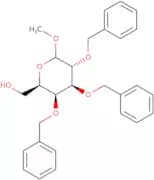
CAS:<p>Methyl 2,3,4-tri-O-benzyl-b-L-thiofucopyranoside is a glycosyl acceptor that can be used in the synthesis of oligosaccharides. It is also an intermediate for the production of antifungal drugs such as fluconazole.</p>Formula:C28H32O4SPurity:Min. 95%Molecular weight:464.62 g/mol(-)-Lyoniresinol 9'-O-glucoside
CAS:<p>This chemical is a custom synthesis of (-)-Lyoniresinol 9'-O-glucoside. The chemical is a modification of (-)-Lyoniresinol 9'-O-glucoside and fluorinated at the C2 position. It is also methylated on the C3 position. The chemical is synthesized by click chemistry, which involves the use of copper(II) ions as catalysts to generate covalent bonds between two molecules. This chemical has been shown to be an oligosaccharide with saccharide chains that are linked together by glycosylation. There are six sugar residues in this compound: glucose, galactose, rhamnose, xylose, glucuronic acid, and mannitol. This compound has CAS number 143236-02-6 and molecular weight of 881.5 g/mol (CAS No.).</p>Formula:C28H38O13Purity:Min. 95%Molecular weight:582.59 g/molPhenyl 2-deoxy-2-fluoro-a-D-glucopyranoside
<p>Phenyl 2-deoxy-2-fluoro-a-D-glucopyranoside is a sugar that belongs to the group of saccharides. It is a synthetic compound and is often used as an intermediate in the synthesis of complex carbohydrates, such as glycosides. Phenyl 2-deoxy-2-fluoro-a-D-glucopyranoside has been shown to have high purity, which makes it suitable for custom synthesis. This compound can be methylated and glycosylated, which increases its biological activity. The structure of this sugar can also be modified by fluorination, making it suitable for use in fluorescence studies.</p>Formula:C12H15FO5Purity:Min. 95%Molecular weight:258.24 g/mol1,2,3,4-Tetra-O-acetyl-D-xylopyranose
CAS:<p>1,2,3,4-Tetra-O-acetyl-D-xylopyranose is a molecule that is derived from D-xylose. It has been shown to inhibit the growth of fungi such as T. rubrum and L. candidum by acetylation of l-threonine at the C2 position. This molecule can be recycled and its inhibitory activity can be increased through acetylation of the hydroxymethyl group on the C4 position. The mechanism of inhibition is not known but it may be due to steric hindrance or peracylation.</p>Formula:C13H18O9Purity:Min. 95%Molecular weight:318.28 g/mol1,2,3,4-Tetra-O-isobutyryl-b-D-glucuronide methyl ester
CAS:<p>1,2,3,4-Tetra-O-isobutyryl-b-D-glucuronide methyl ester is a custom synthesis that is used to modify oligosaccharides and polysaccharides. It is a high purity product with a purity of >99%. This product has been fluorinated and modified to create a complex carbohydrate. 1,2,3,4-Tetra-O-isobutyryl-b-D-glucuronide methyl ester is an example of a sugar that has been synthesized in the lab.</p>Formula:C23H36O11Purity:Min. 95%Color and Shape:White PowderMolecular weight:488.53 g/molN-Diphenylmethylene-O-(2,3,6,2',3',4',6'-hepta-O-acetyl-b-D-lactosyl)-L-serine, benzyl ester
CAS:<p>N-Diphenylmethylene-O-(2,3,6,2',3',4',6'-hepta-O-acetyl-b-D-lactosyl)-L-serine, benzyl ester is a complex carbohydrate that is used for the modification of saccharides. This compound has been synthesized using Click chemistry and NMR spectroscopy. It has a CAS number of 337903-59-0 and is an off white solid with a melting point of 155°C to 158°C.</p>Formula:C49H55NO20Purity:Min. 95%Molecular weight:977.96 g/molN-(1-Deoxy-D-fructos-1-yl)-L-serine
CAS:<p>The N-glycation of proteins is a process that occurs when protein reacts with glucose, which is called glycation. This process can lead to the formation of reactive oxygen species and subsequent oxidative stress. The oxidation of proteins can also lead to the formation of advanced glycation end products (AGEs), which are associated with complications such as diabetes, atherosclerosis, and cataracts. This product is an example of a protein that has undergone glycation. It has been shown to react with glucose in an enzymatic reaction and form glucose-derivatives called fructosamines, which are used for monitoring the level of glycation in humans. Fructosamines have been correlated with basic treatments such as medications or insulin therapy.</p>Formula:C9H17NO8Purity:Min. 95%Molecular weight:267.23 g/molBenzyl 2-acetamido-3-O-(2,3,4-tri-O-benzyl-a-L-fucopyranosyl)-4,6-O-benzylidene-2-deoxy-a-D-glucopyranoside
CAS:<p>Benzyl 2-acetamido-3-O-(2,3,4-tri-O-benzyl-a-L-fucopyranosyl)-4,6-O-benzylidene-2-deoxy-a-D-glucopyranoside is a high purity custom synthesis sugar. This compound has been synthesized by Click modification of the amino acid glycoside and fluorination of the sugar. It is an Oligosaccharide with a saccharide chain composed of Monosaccharides and Carbohydrates. The CAS number for this compound is 196941 – 73 – 8.</p>Formula:C49H53NO10Purity:Min. 95%Molecular weight:815.95 g/mol3-Deoxy-1,2:5,6-di-O-isopropylidene-a-D-xylo-hexofuranose
CAS:<p>3-Deoxy-1,2:5,6-di-O-isopropylidene-a-D-xylo-hexofuranose is a synthetic sugar that is used in the preparation of oligosaccharides. It can be modified with fluorine and methyl groups and has many applications in research. 3-Deoxy-1,2:5,6-di-O-isopropylidene-a-D-xylo hexofuranose has been shown to be a key intermediate in the synthesis of glycosides. This sugar can also be used as a starting material to prepare polysaccharides by glycosylation or complex carbohydrate by oligosaccharide modification.</p>Formula:C12H20O5Purity:Min. 95%Molecular weight:244.28 g/molBenzyl 2-acetamido-2-deoxy-4,6-O-benzylidene-3-O-(2,3,4,6-tetra-O-acetyl-b-D-galactopyranosyl)-a-D-galactopyranoside
CAS:<p>Benzyl 2-acetamido-2-deoxy-4,6-O-benzylidene-3-O-(2,3,4,6-tetra-O-acetyl-b-D-galactopyranosyl)-a-D galactopyranoside is a complex carbohydrate with a CAS number of 8632784. It is an oligosaccharide that is modified with methylation and glycosylation. This molecule has a molecular weight of 907.19 and the purity level is high at 99%. This product can be used for fluoroquinolone resistance research or as an intermediate for other chemical modifications.</p>Formula:C36H43NO15Purity:Min. 95%Molecular weight:729.72 g/mol4-Methoxyphenyl 2-azido-4,6-O-benzylidene-2-deoxy-a-D-galactopyranose
CAS:<p>4-Methoxyphenyl 2-azido-4,6-O-benzylidene-2-deoxy-a-D-galactopyranose is a custom synthesis of an oligosaccharide. It is a polysaccharide that contains a modified sugar with a methyl group at position C6 and a benzyl group at position 4. The glycosylation of this sugar is the result of an enzymatic process involving the transfer of glucose from UDP to C6. This modification is called Click chemistry, which can be done in vivo or in vitro using chemical reactions. This product has high purity and can be used as an inhibitor for bacterial growth or as a catalyst for organic synthesis.</p>Formula:C20H21N3O6Purity:Min. 95%Molecular weight:399.4 g/mol7-Hydroxy coumarin 2,3,4-tri-O-acetyl-b-D-glucuronide methyl ester
CAS:<p>7-Hydroxy coumarin 2,3,4-tri-O-acetyl-b-D-glucuronide methyl ester is a high purity custom synthesis sugar. The synthesis of this product is achieved by the Click modification, fluorination, and glycosylation. This product has a CAS number 168286-97-3. It is also a synthetic product that was created by methylation and modification. This product can be used in complex carbohydrate research as it is an oligosaccharide and monosaccharide saccharide.<br>END></p>Formula:C22H22O12Purity:Min. 95%Molecular weight:478.4 g/molO-(Methyl b-D-glucopyranosyluronate)-(1,3)-2-deoxy-2-trichloroacetamido-D-galactopyranose
<p>Methyl b-D-glucopyranosyluronate- (1,3)-2-deoxy-2-trichloroacetamido-D-galactopyranose is a fluorinated sugar that is synthesized from the glycosylation of methyl 2,3,4,6-tetrafluoro-b-D-(1,3) glucopyranoside with trichloroacetyl D-(1,3) galactopyranose. This compound is soluble in water and has a CAS number of 1058858. This product can be used as a reagent for glycosylation reactions such as Click chemistry and Methylation. It also has applications in carbohydrate modification and high purity custom synthesis.</p>Purity:Min. 95%Fructose-L-tryptophan
CAS:<p>Please enquire for more information about Fructose-L-tryptophan including the price, delivery time and more detailed product information at the technical inquiry form on this page</p>Formula:C17H22N2O7Purity:Min. 95%Molecular weight:366.37 g/molHepta-O-acetyl-β-Lactosyl-N-Fmoc-L-serine
CAS:<p>Hepta-O-acetyl-β-Lactosyl-N-Fmoc-L-serine is a methylated and saccharide modified polysaccharide that is synthesized by the click chemistry reaction. It has been used in the synthesis of complex carbohydrates, such as glycosides. Hepta-O-acetyl-β-Lactosyl-N-Fmoc-L-serine is an oligosaccharide with a molecular weight of 1,400 Da. The fluorination of this product helps to increase its purity. This product can be custom synthesized to meet your needs.</p>Formula:C44H51NO22Purity:Min. 95%Color and Shape:Off-White PowderMolecular weight:945.88 g/mol4-Deoxy-D-chitobiose heptaacetate
CAS:<p>4-Deoxy-D-chitobiose heptaacetate is a synthetic compound that has been modified by the addition of a heptaacetate group. This modification provides an additional site for attachment to other molecules, such as nucleic acids or proteins. The fluorination of this saccharide provides further protection against degradation and increases its stability in aqueous solutions. 4-Deoxy-D-chitobiose heptaacetate is available in high purity and can be custom synthesized to meet your needs.</p>Formula:C26H38N2O15Purity:Min. 95%Molecular weight:618.58 g/molTipranovir b-D-glucuronide
CAS:<p>Tipranovir b-D-glucuronide is a high purity, custom synthesis, sugar modified, fluorinated, glycosylated, and methylated oligosaccharide that has been modified to form a complex carbohydrate. It is synthesized from saccharides and monosaccharides using Click chemistry. The glycosylation of the molecule can be achieved by either the addition of a glycosyl donor or removal of an alcohol group. Tipranovir b-D-glucuronide also contains a methyl group on the C6 hydroxyl position. This molecule is used as a synthetic intermediate in the production of pharmaceuticals and other products.</p>Formula:C37H41F3N2O11SPurity:Min. 95%Molecular weight:778.79 g/molGlycyl-lactose
<p>Glycyl-lactose is a high purity, custom synthesis sugar that has been modified by fluorination, glycosylation, and methylation. This product is an oligosaccharide with a complex carbohydrate structure. Glycyl-lactose is synthesized from the monosaccharide glucose and the disaccharide lactose. This product can be used for Click chemistry reactions to modify proteins or other molecules on its surface. The CAS number for this product is 565-00-2.</p>Formula:C14H26N2O11Purity:Min. 95%Molecular weight:398.36 g/mol4,6-O-Benzylidene-N-Boc-1,5-imino-D-glucitol
CAS:<p>Methylation is a chemical reaction that transfers a methyl group to an organic molecule. It is one of the most common modifications in organic chemistry and can be used to synthesize saccharides and oligosaccharides, as well as to modify polysaccharides. This compound is a glycosylated benzylidene-N-Boc-1,5-imino-D-glucitol, which has been modified by Click chemistry. It was synthesized from 4,6-O-benzylidene-N-Boc-1,5-imino-D-mannitol with a custom synthesis protocol. The final product has high purity and is available for purchase at CAS No. 133697-16-2.</p>Formula:C18H25NO6Purity:Min. 95%Molecular weight:351.39 g/mol5-(Acetylamino)-2,6-anhydro-3,4,5-trideoxy-4-[[(1,1-dimethylethoxy)carbonyl]amino]-D-glycero-D-galacto-non-2-enonic acid
CAS:<p>5-(Acetylamino)-2,6-anhydro-3,4,5-trideoxy-4-[[(1,1-dimethylethoxy)carbonyl]amino]-D-glycero-D-galacto-non-2-enonic acid is an oligosaccharide sugar. It is a complex carbohydrate that contains a methylated glycosylation site and is fluorinated. The CAS number for 5-(Acetylamino)-2,6-anhydro-3,4,5-trideoxy-4-[(1,1dimethylethoxy)carbonyl]amino]-DglyceroDgalacto non 2 enonic acid is 16683074. This product can be custom synthesized to your specifications and has high purity.</p>Formula:C16H26N2O9Purity:Min. 95%Molecular weight:390.39 g/molBenzyl 2-acetamido-3-O-(2,3,4,6-tetra-O-acetyl-b-D-galactopyranosyl)-4,6-O-benzylidene-2-deoxy-a-D-glucopyranose
<p>2-Acetamido-3,4,6-tri-O-acetyl-b-D-galactopyranosyl bromide is an intermediate in the synthesis of 2,6-dideoxyglucose and has been used as a model for the glycosidic linkage to fluoroquinolones. The compound is a white solid that can be synthesized by reacting D-galactose with acetamidobenzene in the presence of sodium hydroxide and chloroacetone.<br>The molecular weight of this compound is 703.1 g/mol.<br>This product was developed through custom synthesis and modification. It is available at high purity.</p>Formula:C36H43NO15Purity:Min. 95%Molecular weight:729.72 g/molR-Hydroxy topiramate
CAS:<p>R-Hydroxy topiramate is the stable isotope of the active pharmaceutical ingredient, topiramate. It can be used for the calibration of liquid chromatography and mass spectrometry methods. R-Hydroxy topiramate is prepared by dilution of a solution of topiramate with water, followed by elution from an ion exchange resin with methanol. The eluent is dried under vacuum to remove methanol and finally dissolved in a minimal volume of acetonitrile. R-Hydroxy topiramate is used to measure concentrations of lamotrigine and zonisamide in plasma and serum samples.</p>Formula:C12H21NO9SPurity:Min. 95%Molecular weight:355.36 g/mol2,5-Anhydro-3,4-dibenzyl-D-glucitol
CAS:<p>2,5-Anhydro-3,4-dibenzyl-D-glucitol is a synthetic monosaccharide that has been modified to have a 2,5 anhydro ring and an O-linked glycosylation. It is used in the synthesis of polysaccharides and oligosaccharides. The fluorination at the 3 position protects against degradation by acid hydrolysis. The 2,5 anhydro ring makes this product more stable than other sugars because it does not undergo epimerization reactions with other sugars. This product can be custom synthesized to meet your needs. Please contact us for more information about this product.</p>Formula:C20H24O5Purity:Min. 95%Molecular weight:344.4 g/mol2-Amino-1,3-bis(1,6-anhydro-2,3-O-isopropylidene-b-D-mannopyranose-4-O-yl)-propane
CAS:<p>2-Amino-1,3-bis(1,6-anhydro-2,3-O-isopropylidene-b-D-mannopyranose-4-O-yl)-propane is a carbohydrate with the molecular formula C10H20N2O8. It is a synthetic sugar that is soluble in water and alcohol. 2AAP can be custom synthesized by modification of natural sugars and saccharides. This product has a high purity level (>99%) and can be methylated or glycosylated to create other products. The synthesis of this product is accomplished through click chemistry. Click chemistry uses copper (II) sulfate as an oxidizing agent to generate reactive oxygen species that can react with other molecules to form new bonds between them.</p>Formula:C21H33NO10Purity:Min. 95%Molecular weight:459.49 g/mol2-Chloroethyl-2,3,4,6-tetra-O-acetyl-a-D-mannopyranoside
CAS:<p>2-Chloroethyl-2,3,4,6-tetra-O-acetyl-a-D-mannopyranoside is a glycosylation agent. It can be used to modify glycoproteins and glycolipids by reacting with the hydroxyl groups of saccharides. 2-Chloroethyl-2,3,4,6-tetra-O-acetyl-a-D-mannopyranoside is also used for the synthesis of oligosaccharides and monosaccharides. This product has been shown to react with proteins at a rate of around 1% per hour in aqueous media at pH 7.5 at room temperature.</p>Formula:C16H23ClO10Purity:Min. 95%Molecular weight:410.8 g/mol6-O-Benzoyl-D-glucal
CAS:<p>6-O-Benzoyl-D-glucal is a bromide that is an arbutin derivative. It is used as an anti-inflammatory, antiallergic, and analgesic agent. 6-O-Benzoyl-D-glucal is also a glucoside that has been shown to have substituents and elimination reactions with phenols. In the leaves of proteaceae plants, it acts as a substituent in esters and glycosides, which are eliminated during the metabolism of those compounds. 6-O-Benzoyl-D-glucal can be synthesized from glucose by oxidation of the phenolic hydroxyl groups with potassium permanganate or chromium trioxide.</p>Purity:Min. 95%Maltoheptaose hydrate
CAS:<p>Maltoheptaose hydrate is a mixture of oligosaccharides and monosaccharides that has been shown to be effective as a biocide. Maltoheptaose hydrate has been shown to be an effective radiation absorber, with the ability to absorb microwaves and other forms of radiation. The compound also has the capacity to form hydrogen bonds, which can lead to the formation of alcohols in solution. This property makes maltoheptaose hydrate a useful recording agent for microwave radiation, as well as being able to absorb alcohols. Maltoheptaose hydrate is composed of both monomeric and monosaccharides, which are saccharides.</p>Formula:C42H74O37Purity:Min. 95%Molecular weight:1,171 g/molPhenyl 2-deoxy-2-phthalimido-b-D-thioglucopyranoside
CAS:<p>Phenyl 2-deoxy-2-phthalimido-b-D-thioglucopyranoside is a glycosylation agent that has a glycone with a pyranoside at the 3′ position and an amide bond at the 2′ position. It is used in the synthesis of oligosaccharides and polysaccharides, as well as for Click modification. The compound is also used to modify proteins and saccharides. Phenyl 2-deoxy-2-phthalimido-b-D-thioglucopyranoside has been shown to be stable when heated, making it useful for complex carbohydrate synthesis.</p>Formula:C20H19NO6SPurity:Min. 98 Area-%Color and Shape:PowderMolecular weight:401.43 g/mol2-N-(S'-Acetyl-2'-thioacetyl)-2-deoxy-D-glucamine
<p>2-N-(S'-Acetyl-2'-thioacetyl)-2-deoxy-D-glucamine is a monosaccharide and is the acetylated form of 2-deoxyglucose. It can be used as a methyl donor, click reagent, or fluorinating agent. This product has been custom synthesized to meet your specifications and has been shown to have purity greater than 99%.</p>Formula:C10H17NO7SPurity:Min. 95%Color and Shape:White to off-white solid.Molecular weight:295.31 g/molLactose octaacetate
CAS:<p>Lactose octaacetate is a complex carbohydrate that is used in the synthesis of oligosaccharides and polysaccharides. It has been modified by click chemistry to introduce a fluorinated group, which can be useful for fluorinating other molecules. Lactose octaacetate is also used as a precursor for the synthesis of sugar monomers, such as glucose and galactose. This product is available in high purity and with various modifications.</p>Formula:C28H38O19Purity:Min. 95%Molecular weight:678.6 g/mol6-O-(2,3,4,6-Tetra-O-acetyl-a-D-mannopyranosyl)-1,2,3,4-tetra-O-benzyl-a-D-mannopyranoside
<p>6-O-(2,3,4,6-Tetra-O-acetyl-a-D-mannopyranosyl)-1,2,3,4-tetra-O-benzyl-a-D-mannopyranoside is an oligosaccharide with a complex carbohydrate structure. This chemical is a custom synthesis and it has high purity. 6-O-(2,3,4,6-Tetra-O-acetyl-a-D-mannopyranosyl)-1,2,3,4-- tetra--O--benzyl--A--mannopyranoside is used as an intermediate for the production of other compounds. The CAS number for this compound is</p>Formula:C48H54O15Purity:Min. 95%Molecular weight:870.93 g/molPBS 57
CAS:<p>PBS 57 is a pluripotent cell-derived protein that has been shown to be a potent vaccine adjuvant. PBS 57 is derived from the plasma of pregnant women and contains the following antigenic determinants: glucose, human albumin, and human immunoglobulin G. PBS 57 can stimulate both humoral and cellular immunity in mice with deficiencies in antibody production or T cells. PBS 57 has also been shown to have strong pro-inflammatory cytokine activity, which may be due to its ability to induce galacturonic acid release from macrophages.</p>Formula:C50H96N2O9Purity:Min. 95%Molecular weight:869.31 g/mol1,2,6-Tri-O-methyl-D-glucopyranoside
CAS:<p>1,2,6-Tri-O-methyl-D-glucopyranoside is a synthetic sugar that has been modified by fluorination and glycosylation. This product is a white crystalline powder with a melting point of 185°C. The chemical formula for this product is C5H12O5.</p>Formula:C9H18O6Purity:Min. 95%Molecular weight:222.24 g/molHydroxyethyl cellulose - Viscocity 4500-6500mPa·s
CAS:<p>Water thickener; rheological control additive; has industrial appplications</p>Purity:Min. 95%1,2:5,6-Di-O-isopropylidene-3-O-p-toluenesulfonyl-a-D-gulofuranose
<p>1,2:5,6-Di-O-isopropylidene-3-O-p-toluenesulfonyl-a-D-gulofuranose is a custom synthesis with a CAS number. It is a complex carbohydrate that has been modified with methylation and glycosylation. This product is also fluorinated and has been synthesized using the Click modification. The 1,2:5,6-Di-O-isopropylidene-3-O-p-toluenesulfonyl-a -D -gulofuranose is an Oligosaccharide that is highly pure and of high purity.</p>Formula:C19H26O8SPurity:Min. 95%Molecular weight:414.47 g/mol2-Acetamido-4-O-(2-acetamido-2-deoxy-a-D-glucopyranosyl)-2-deoxy-D-galactopyranose
CAS:<p>2-Acetamido-4-O-(2-acetamido-2-deoxy-a-D-glucopyranosyl)-2-deoxy-D-galactopyranose is a Custom synthesis of an oligosaccharide that is synthesized by the modification of natural sugars. This product has been fluorinated, methylated and modified with click chemistry. It is saccharide consisting of two monosaccharides, which are 2 acetamido 4 O-(2 acetamido 2 deoxy a D glucopyranosyl)-2 deoxy D galactopyranose and 2 deoxy D galactose. The molecular weight of this compound is 528.5 g/mol.</p>Formula:C16H28N2O11Purity:Min. 95%Molecular weight:424.4 g/mol17-b-Estradiol-d3 3-b-D-glucuronide
<p>17-b-Estradiol-d3 3-b-D-glucuronide is a custom synthesis of a complex carbohydrate. It has CAS No. and is a modification of the saccharides, methylation, glycosylation and click modification. This compound is fluorinated for high purity and synthetic.</p>Formula:C24H29D3O8Purity:Min. 95%Molecular weight:451.52 g/mol2-Octyldodecyl-D-xylopyranoside
CAS:<p>2-Octyldodecyl-D-xylopyranoside is a synthetic, fluorinated glycosylated monosaccharide. The chemical name for this compound is 2-octyldodecyl-D-xylopyranoside and the CAS number is 423772-95-6. It is a white to off white solid that has Glycosylation and Methylation. This compound can be modified with Click modification and Polysaccharide. It has a molecular weight of 400.25 g/mol and it's molecular formula is C32H62O14F2N2O8S2. 2-Octyldodecyl-D-xylopyranoside can be used as a methyl donor in the synthesis of glycoproteins, glycolipids, glycopeptides, polysaccharides, oligosaccharides, or other complex carbohydrates. It is also used in fluor</p>Formula:C25H50O5Purity:Min. 95%Color and Shape:White solid.Molecular weight:430.66 g/molMethyl 2,3,4-tri-O-benzyl-L-fucopyranoside
CAS:<p>Methyl 2,3,4-tri-O-benzyl-L-fucopyranoside is a fluorinated sugar that belongs to the category of carbohydrates. This compound is synthesized from D-galactose and 3,4,5-tri-O-benzyl L-fucose by glycosylation with methyl 2,3,4-tri-O-benzyl L-fucopyranoside. The synthetic route starts with an acetic acid esterification of D-galactose with benzaldehyde in the presence of pyridine and triethylamine to yield methyl 2,3,4-triacetoxybenzoate. A reaction with 3,4,5 trihydroxyphenylacetic acid in the presence of pyridine and triethylamine leads to a glycosylation between the two compounds. The resulting product is then subjected to hydrogenolysis using palladium on</p>Formula:C28H32O5Purity:Min. 95%Molecular weight:448.55 g/molSucrose 1,6,6'-tricarboxylic acid trimethyl ester
CAS:<p>Sucrose 1,6,6'-tricarboxylic acid trimethyl ester is a carbohydrate that has been fluorinated and methylated. It is a synthetic sugar that can be custom synthesized by our chemists to meet your specifications. This product is very pure and has a high degree of purity. It can be used as an oligosaccharide or as a monosaccharide in glycosylation or methylation reactions. Sucrose 1,6,6'-tricarboxylic acid trimethyl ester is also known as sucrose 3-fluoro-3-methylbutyrate, CAS No. 289711-92-8, or C12H18O7F3.</p>Formula:C15H22O14Purity:Min. 95%Molecular weight:426.33 g/mol1,2,3,4-Tetra-O-acetyl-L-xylopyranose
CAS:<p>1,2,3,4-Tetra-O-acetyl-L-xylopyranose is a custom synthesis product. It is a sugar that is found in glycosaminoglycans and proteoglycans. This product can be customized through the modification of the sugar with fluorination, methylation, acetylation or other modifications. This product has a CAS number of 142130-89-0 and can be synthesized from sucrose using Click chemistry. The chemical name for this compound is 1,2,3,4-Tetra-O-[(trimethylsilyl)acetyl]-L-xylopyranose.</p>Formula:C13H18O9Purity:Min. 95%Molecular weight:318.28 g/mol3-O-Triisopropylsilyl-D-galactal
<p>3-O-Triisopropylsilyl-D-galactal is a carbohydrate that belongs to the group of sugars. It is an oligosaccharide with a complex structure, which is synthesized from D-galactal by treatment with triisopropylsilyl chloride in pyridine. 3-O-Triisopropylsilyl-D-galactal is used as a reagent for the methylation and glycosylation of proteins and nucleic acids. This compound has been shown to inhibit the enzyme carboxypeptidase A, which may be due to its ability to act as an inhibitor of carbohydrate binding. 3-O-Triisopropylsilyl-D-galactal has also been shown to bind specifically to erythrocyte membranes, suggesting that it could be used as a potential diagnostic marker for glycogen storage diseases.</p>Formula:C15H30O4SiPurity:Min. 95%Molecular weight:302.48 g/mol2-Azido-4,6-O-benzylidene-N-(tert-butoxycarbonyl)-1,2,5-trideoxy-1,5-imino-D-glucitol
CAS:<p>2-Azido-4,6-O-benzylidene-N-(tert-butoxycarbonyl)-1,2,5-trideoxy-1,5-imino-D-glucitol is a custom synthesis of an oligosaccharide. It is a complex carbohydrate that contains saccharide units linked by glycosidic bonds. 2-Azido-4,6-O-benzylidene -N-(tert butoxycarbonyl)-1,2,5 trideoxy 1,5 imino D glucitol has been modified with methylation and fluorination. The modification can be accomplished with the click chemistry method. This product is offered in high purity and is synthesized in a laboratory setting.</p>Formula:C18H24N4O5Purity:Min. 95%Molecular weight:376.41 g/molEthyl 2,3,4-tri-O-acetyl-6-azido-6-deoxy-a-D-thiomannopyranoside
<p>Ethyl 2,3,4-tri-O-acetyl-6-azido-6-deoxy-a-D-thiomannopyranoside is a synthetic sugar that is fluorinated with trifluoromethanesulfonic acid. It has been used in glycosylation reactions, as well as modifications of complex carbohydrates and polysaccharides. This product can be custom synthesized to meet the needs of our customers. Ethyl 2,3,4-tri-O-acetyl-6-azido-6-deoxy -a D -thiomannopyranoside is a high purity chemical with CAS number 181454.</p>Formula:C14H21N3O7SPurity:Min. 95%Molecular weight:375.4 g/mol2,3,5-Tri-O-benzoyl-b-D-ribofuranosyl isothiocyanate
CAS:<p>2,3,5-Tri-O-benzoyl-b-D-ribofuranosyl isothiocyanate is a synthetic compound consisting of a benzoyl group attached to the 2' position of the ribose sugar. This modification has been shown to increase the stability of oligosaccharides and complex carbohydrates in aqueous solutions. 2,3,5-Tri-O-benzoyl-b-D-ribofuranosyl isothiocyanate can be used for the fluorination of saccharides and oligosaccharides. It can also be used for glycosylation or methylation reactions with monosaccharides or polysaccharides.</p>Formula:C27H21NO7SPurity:Min. 95%Molecular weight:503.52 g/mol3-Indolyl b-D-glucopyranoside trihydrate
CAS:<p>Precursor of the uremic toxin indoxyl sulfate</p>Formula:C14H17NO6·3H2OPurity:Min. 95%Molecular weight:349.33 g/mol1,2,3,4-Tetra-O-acetyl-b-L-xylopyranose
CAS:<p>1,2,3,4-Tetra-O-acetyl-b-L-xylopyranose is a carbohydrate that can be synthesized by the fluorination of a xylose. This modification can be done to any sugar or oligosaccharide and has high purity. The methylation and glycosylation of 1,2,3,4-tetra-O-acetyl-b-L-xylopyranose are also available for custom synthesis.</p>Purity:Min. 95%Biotin-dextran MW 10000
<p>Biotin dextran is widely used as both an anterograde and retrograde tracer in neurons and for numerous other applications. It is biologically rather inert having α-1,6-linked glucose residues resistant to cleavage by most endogenous cellular glycosidases. It has low immunogenicity and makes an ideal long-term tracer for live cells. Biotin dextran also serves as a valuable marker for cell loading of macromolecules by microinjection, vesicular fusion, and electroporation, as well as for the uptake and internal processing of exogenous materials by phagocytotic and endocytic pathways.</p>Purity:Min. 95%Color and Shape:PowderNGA4 N-Glycan
CAS:<p>NGA4 N-glycan is a monosaccharide that is methylated and glycosylated to form an oligosaccharide. It has a molecular weight of 1205 g/mol. This product can be used in the production of glycoconjugates, which are used in the treatment of cancer and inflammatory diseases.</p>Formula:C66H110N6O46Purity:Min. 95%Color and Shape:PowderMolecular weight:1,723.59 g/mol2,3-O-Isopropylidene-L-apiose
CAS:<p>2,3-O-Isopropylidene-L-apiose is a synthetic monosaccharide with a fluorinated substituent at the C2 position. It is an oligosaccharide that has been custom synthesized for glycosylation and polysaccharide modifications. The chemical name of 2,3-O-Isopropylidene-L-apiose is 2,3-O-(2,3,4,5,6) -Heptafluoroisopropylidene apiose. The CAS number for this compound is 70147-51-2. This product is available in high purity.</p>Formula:C8H14O5Purity:Min. 95%Molecular weight:190.19 g/molGM3NeuGc-Ganglioside
<p>Ganglioside GM3NeuGc (sodium salt) has a core disaccharide structure (Galβ1,4Glc) with N-glycolyl sialic acid linked α2,3 to the galactose residue, and ceramide linked β to position 1 on the reducing terminal glucose residue (Ledeen, 2009). GM3(NeuGc) ganglioside is of interest due to its restrictive expression in normal human tissues, according to immunohistochemical studies, using either polyclonal or monoclonal antibodies. However, both immunohistochemical and biochemical methods have strongly suggested its over-expression in human breast tumours (Oliva, 2006). It is seen as a possible tumor-associated carbohydrate antigen for cancer immunotherapy (Changping, 2019).</p>Purity:Min. 95%Color and Shape:White PowderDibromodulcitol
CAS:<p>Dibromodulcitol (DBD) is a water soluble compound that is used in analytical chemistry to measure the concentration of bromine. It has been used as a radioprotectant and is also an analog of the natural hormone, epidermal growth factor. DBD can be measured by colorimetric methods or by enzyme-linked immunosorbent assay (ELISA). This chemical is found in wastewater and has been shown to inhibit the growth of cancer cells through its effects on fatty acid metabolism. DBD has also been shown to have pharmacokinetic properties, as it can be detected in biological samples for up to 2 hours after injection.</p>Formula:C6H12Br2O4Purity:Min. 95%Molecular weight:307.97 g/mol8-Ethoxycarbonylheptyl N,N'-di-O-acetyl-b-chitobioside
<p>8-Ethoxycarbonylheptyl N,N'-di-O-acetyl-b-chitobioside is a custom synthesis of an oligosaccharide. It is a complex carbohydrate that is composed of saccharides and has a CAS number. 8-Ethoxycarbonylheptyl N,N'-di-O-acetyl-b-chitobioside is modified with methylation, glycosylation and click modification. This product is also fluorinated. 8-Ethoxycarbonylheptyl N,N'-di-O-acetyl-b-chitobioside has high purity and can be used as a sugar in the synthesis of other compounds.</p>Formula:C26H46N2O13Purity:Min. 95%Molecular weight:594.65 g/molEthyl b-D-fructofuranoside
CAS:<p>Ethyl b-D-fructofuranoside is a synthetic compound that is used in the synthesis of oligosaccharides and polysaccharides. It can be custom synthesized to suit the needs of the customer. This product is available for sale as a white powder with a purity of at least 99%.</p>Formula:C8H16O6Purity:Min. 95%Molecular weight:208.21 g/mol2,3,6,2',3',4',6'-Hepta-O-acetyl-b-D-lactosyl isothiocyanate
CAS:<p>2,3,6,2',3',4',6'-Hepta-O-acetyl-b-D-lactosyl isothiocyanate is a fluorinated oligosaccharide that has been custom synthesized with a click modification. This compound is a high purity product and can be used in the synthesis of complex carbohydrates.</p>Formula:C27H35NO17SPurity:Min. 95%Molecular weight:677.64 g/molMethyl 6-azido-6-deoxy-2,3-di-O-benzyl-a-D-glucopyranoside
CAS:<p>Methyl 6-azido-6-deoxy-2,3-di-O-benzyl-a-D-glucopyranoside is a custom synthesized compound that belongs to the group of glycosylation. It is an Oligosaccharide, sugar, Synthetic, Fluorination, Custom synthesis, Methylation, Monosaccharide, Polysaccharide and saccharide. This compound has CAS No. 54522-58-6 and a molecular weight of 598.29 g/mol. The purity level is >99% and the modification level is Click modification.</p>Formula:C21H25N3O5Purity:Min. 95%Molecular weight:399.18 g/mol4-Methylumbelliferyl 2,3,4,6-tetra-O-acetyl-b-D-galactopyranoside
CAS:<p>4-Methylumbelliferyl 2,3,4,6-tetra-O-acetyl-b-D-galactopyranoside is a custom synthesis that has been modified with fluorination and methylation. This product is glycosylated and has a complex carbohydrate structure. It can be used for the modification of saccharides or for the synthesis of oligosaccharides and polysaccharides. 4MUF2,3,4,6TetraOAcGalpyr is soluble in water and has a purity of >99%.</p>Formula:C24H26O12Purity:Min. 95%Molecular weight:506.46 g/molNeu5Troc[1Me,4789Ac]a(2-3)Gal[26Bn]-b-MP
CAS:<p>Neu5Troc[1Me,4789Ac]a(2-3)Gal[26Bn]-b-MP is a fatty acid that is localized in the microstructural component of the brain. The wild-type mice were given a diet containing Neu5Troc[1Me,4789Ac]a(2-3)Gal[26Bn]-b-MP and their brains were examined for changes in serotonin levels. Structural analysis showed that this fatty acid was not incorporated into serotonin receptors in the brain. Carbides were found to be responsible for the observed effects on serotonin levels.</p>Formula:C48H56Cl3NO20Purity:Min. 95%Molecular weight:1,073.31 g/molMemantine N-cellobioside
CAS:<p>Reductive amination of memantine with disaccharide.</p>Formula:C24H41NO10Purity:Min. 95%Molecular weight:503.58 g/mol3-O-(2-Acetamido-3,4,6-tri-O-acetyl-2-deoxy-D-glucopyranosyl)-1,2-di-O-benzyl-4,6-O-benzylidene-D-mannopyranoside
<p>3-O-(2-Acetamido-3,4,6-tri-O-acetyl-2-deoxy-D-glucopyranosyl)-1,2-di-O-benzyl-4,6-O-benzylidene--D--mannopyranoside is an oligosaccharide that has a high purity and custom synthesis. This compound is synthesized by Click modification of the sugar with fluorination. The glycosylation and methylation reactions are then carried out to obtain the final product. 3--0-(2--Acetamido--3,4,6--tri--O--acetyl--2--deoxy---D----glucopyranosyl)--1,2--di--O-----benzyl----4,6---O------benzylidene----D--------mannopyranoside is used in the synthesis of oligosaccharides for</p>Formula:C41H47NO14Purity:Min. 95%Molecular weight:777.83 g/mol(2R,4R)-2-[D-Xylo-tetrahydroxybut-1-yl]-1,3-thiazolidine-4-carboxylic acid
CAS:<p>(2R,4R)-2-[D-Xylo-tetrahydroxybut-1-yl]-1,3-thiazolidine-4-carboxylic acid is a methylated saccharide that has been modified by the click chemistry method. It is a synthetic product with high purity and good quality. This compound can be used for glycosylation and oligosaccharide synthesis. (2R,4R)-2-[D-Xylo-tetrahydroxybut-1-yl]-1,3-thiazolidine-4-carboxylic acid has CAS No. 110270-19-4 and can be found in complex carbohydrates in nature.</p>Formula:C8H15NO6SPurity:Min. 95%Molecular weight:253.27 g/mol4-Aminophenyl b-D-thioglucopyranoside
CAS:<p>4-Aminophenyl b-D-thioglucopyranoside is a compound that belongs to the group of small molecules and has been studied for its potential use as a drug to treat brain tumours. It has been shown that 4-Aminophenyl b-D-thioglucopyranoside binds to centromeric DNA sequences in mammalian cells, which can lead to inhibition of transcription and replication. This inhibitory effect on transcription and replication is due to the inhibition of acetyltransferase enzymes by 4-Aminophenyl b-D-thioglucopyranoside.</p>Formula:C12H17NO5SPurity:Min. 95%Molecular weight:287.33 g/mol3',4'-O-Carbonyl-6,6'-di-O-tert-butyldimethylsilyl lactal
CAS:<p>3',4'-O-Carbonyl-6,6'-di-O-tert-butyldimethylsilyl lactal is a fluorinated carbohydrate that can be used as a building block for the synthesis of oligosaccharides. It is an important sugar in glycosylation, click chemistry and methylations. This compound has been shown to have high purity and is available for custom synthesis.</p>Formula:C25H46O10Si2Purity:Min. 95%Molecular weight:562.8 g/molButyl 2-acetamido-3,4,6-tri-O-acetyl-2-deoxy-b-D-glucopyranoside
CAS:<p>Butyl 2-acetamido-3,4,6-tri-O-acetyl-2-deoxy-b-D-glucopyranoside is a custom synthesis that can be used for glycosylation. It has CAS No. 155197-37-8 and it is a fluorination of a monosaccharide with an acetamide group. This product is an oligosaccharide that contains a complex carbohydrate consisting of many sugar residues linked together by glycosidic bonds. The modification of this product includes methylation and sugar substitution.</p>Formula:C18H29NO9Purity:Min. 95%Molecular weight:403.42 g/molN-Acetyl-D-[UL-13C6]glucosamine
CAS:<p>N-Acetyl-D-[UL-13C6]glucosamine is a complex carbohydrate that contains a sugar at the end of a glycosidic bond. This product is modified with methylation, glycosylation, and fluorination. It has CAS No. 127959-06-2, High purity, and is custom synthesized for your specific needs.</p>Formula:C6C2H15NO6Purity:Min. 95%Molecular weight:227.21 g/molb-D-Glucosyl C4-ceramide
CAS:<p>b-D-Glucosyl C4-ceramide is a synthetic, fluorinated polysaccharide that has been modified with methylation, saccharide and glycosylation. This product is a complex carbohydrate consisting of a polymer of D-glucose units linked by β-(1→4) bonds. It is used in the synthesis of polysaccharides and oligosaccharides. The b-D-glucosyl C4-ceramide can be custom synthesized to meet customer specifications for purity, molecular weight and other physical properties.</p>Formula:C28H53NO8Purity:Min. 95%Molecular weight:531.72 g/molMethyl 6-deoxy-2-O-methyl-a-D-galactopyranoside
CAS:<p>Methyl 6-deoxy-2-O-methyl-a-D-galactopyranoside is a custom synthesis that has been modified with fluorination, methylation and click chemistry. The product is a monosaccharide or oligosaccharide that is synthetic and can be used as a sugar or carbohydrate. It has CAS No. 59981-27-0 and can be found in Polysaccharides, Glycosylations, Carbohydrates, Complex Carbohydrates.</p>Formula:C8H16O5Purity:Min. 95%Molecular weight:192.21 g/mol2-Deoxy-3,4-O-isopropylidene-D-arabinopyranose
<p>2-Deoxy-3,4-O-isopropylidene-D-arabinopyranose is a synthetic sugar that has a high purity and can be custom synthesized. It is an oligosaccharide with a methylation and fluorination modification. This sugar can be used in glycosylation reactions to produce polysaccharides or complex carbohydrates. 2-Deoxy-3,4-O-isopropylidene-D-arabinopyranose is also used in click modifications. The CAS number for this compound is 5263038-92-2.</p>Purity:Min. 95%2,3-O-Cyclohexylidene-b-D-ribofuranose
CAS:<p>2,3-O-Cyclohexylidene-b-D-ribofuranose is a monosaccharide that is used in the synthesis of complex carbohydrates. This compound possesses a cyclic structure that contains an oxygen atom at the 2 position and a hydroxyl group at the 3 position. It has been modified by fluorination, methylation, glycosylation, and click chemistry. The chemical name for this compound is 2,3-O-Cyclohexylideneb-D-ribofuranose.</p>Formula:C11H18O5Purity:Min. 95%Molecular weight:230.26 g/mol3,5,6-Tri-O-benzyl-D-glucofuranose
CAS:<p>3,5,6-Tri-O-benzyl-D-glucofuranose is a crystalline and white or off-white powder. It is soluble in water and toluene, but insoluble in chlorinated solvents. The chemical has been synthesized from benzoic acid and D-glucose. 3,5,6-Tri-O-benzyl-D-glucofuranose is used as a reagent for the synthesis of polyhydroxybutyrate (PHB) polymers that are biodegradable and can be used as thermoplastic polyesters. This compound has been shown to be potentially hazardous to the environment due to its high reactivity with chloride ions in the presence of benzyl alcohols.</p>Formula:C27H30O6Purity:Min. 95%Molecular weight:450.54 g/molBlood group A type 3/4 tetrasaccharide
<p>Gala1-3(Fuca1-2)Galb1-3GalNAc</p>Formula:C28H48N2O20Purity:Min. 95%Molecular weight:732.68 g/mol5-Deoxy-5-[di-(2-hydroxyethyl)-amino]-1,2-O-isopropylidene-a-D-xylofuranose
CAS:<p>5-Deoxy-5-[di-(2-hydroxyethyl)-amino]-1,2-O-isopropylidene-a-D-xylofuranose is a custom synthesis that is a complex carbohydrate. It is an Oligosaccharide, Polysaccharide, and Modification of saccharides. This product has been synthesized using the Click modification of sugars, Carbohydrate and Methylation or Glycosylation. It has been Fluorinated and Synthetic. 5-Deoxy-5-[di-(2-hydroxyethyl)-amino]-1,2-O-isopropylidene-a-D-xylofuranose is a high purity product that is Monosaccharide and has been modified with methyl groups and glycosyl groups.</p>Formula:C12H23NO6Purity:Min. 95%Molecular weight:277.32 g/molMogroside II A2
CAS:<p>Mogroside II A2 is a fructan that is found in the fruit of the plant Glycosmis erythrorhiza, which is a member of the family Rutaceae. This compound has been shown to have immune-modulating properties and is used as an ingredient in some pharmaceutical drugs. Mogroside II A2 has also been demonstrated to have antiviral activity and may be helpful for cancer treatment. The effects of this compound on kidney fibrosis are unclear; however, it does have anti-inflammatory properties.</p>Formula:C42H72O14Purity:Min. 95%Color and Shape:PowderMolecular weight:801.01 g/mol4,6-O-Benzylidene-2,3-di-O-(4-methoxybenzyl)-a-D-galactopyranosyl fluoride
<p>4,6-O-Benzylidene-2,3-di-O-(4-methoxybenzyl)-a-D-galactopyranosyl fluoride is a glycosylation reagent that is used in the synthesis of complex carbohydrates. This product is a fluorinated sugar with a CAS number and a high purity. It can be custom synthesized to order.</p>Formula:C29H31FO7Purity:Min. 95%Molecular weight:510.55 g/molEthyl 2,4,6-tri-O-benzoyl-a-D-thiomannopyranoside
<p>Ethyl 2,4,6-tri-O-benzoyl-a-D-thiomannopyranoside is a modification of the oligosaccharide mannan. It is an important component of glycoproteins and glycolipids found in plants, fungi, and bacteria. In plants, this modification plays a role in seed dormancy and germination. In fungi, it is involved in the synthesis of cell walls. In bacteria, it has been shown to be involved in the synthesis of peptidoglycan cell walls. Ethyl 2,4,6-tri-O-benzoyl-a-D-thiomannopyranoside is also used as a reagent for the methylation of carbohydrates and to introduce fluorine atoms into saccharides.<br>Methylation: The introduction of a methyl group into a molecule by the addition of S-adenosyl methionine (SAM) to form S-(</p>Formula:C29H28O8SPurity:Min. 95%Molecular weight:536.59 g/molMethyl 4,6-dichloro-4,6-dideoxy-a-D-galactopyranoside
CAS:<p>Methyl 4,6-dichloro-4,6-dideoxy-a-D-galactopyranoside is an innovative sweetener that can be used in food and drinks. It is a type of sugar alcohol with a sweet taste similar to sucrose. This substance is not metabolized by bacteria in the intestine or absorbed into the bloodstream. Methyl 4,6-dichloro-4,6-dideoxy-a-D-galactopyranoside has been shown to inhibit the activity of nerve cells by preventing the release of neurotransmitters such as glutamate and GABA. This inhibition mechanism is thought to be due to its ability to enhance the release of chloride ions from nerve cells. The model Euclidean was used to predict the potential stimulatory effect on tympanic membrane (eardrum) cells when exposed to methyl 4,6-dichloro-4,6-dideoxy-a-D</p>Formula:C7H12Cl2O4Purity:Min. 95%Molecular weight:231.08 g/mol3-O-Acetyl-6-O-benzoyl-5-O-methylsulfonyl-1,2-O-isopropylidene-α-D-glucofuranose
CAS:<p>3-O-Acetyl-6-O-benzoyl-5-O-methylsulfonyl-1,2-O-isopropylidene-a-D-glucofuranose is a custom synthesis that can be methylated, glycosylated, or modified with click chemistry. It is a polysaccharide that can be used as an intermediate for saccharide and oligosaccharide synthesis. 3-O-Acetyl 6 - O - benzoyl - 5 - O - methylsulfonyl - 1,2 - O - isopropylidene - a D glucofuranose has high purity and can be obtained in large quantities through custom synthesis.</p>Formula:C19H24O10SPurity:Min. 95%Molecular weight:444.45 g/molOlmesartan acid O-b-D-glucuronide
CAS:<p>Olmesartan acid O-b-D-glucuronide is a synthetic, high purity, and custom synthesis oligosaccharide. It can be fluorinated in the presence of a base to give a fluorinated compound with the following CAS number: 369395-57-3. Olmesartan acid O-b-D-glucuronide is an oligosaccharide that has been modified by click chemistry. This modification results in a polysaccharide that contains saccharides connected through ether linkages. The saccharides are made up of monosaccharides and disaccharides, which are all sugars.</p>Formula:C30H34N6O9Purity:Min. 95%Molecular weight:622.63 g/mol1,2-O-Di-O-acetyl-5-O-benzoyl-3-O-methyl-D-ribofuranose
CAS:<p>1,2-O-Di-O-acetyl-5-O-benzoyl-3-O-methyl -D-ribofuranose is a custom synthesis of a fluorinated sugar. It has been modified through fluorination at the C5 position and methylation at the O1 and O2 positions. This product can be used in the synthesis of oligosaccharides and saccharides that are glycosylated with sugars.</p>Formula:C17H20O8Purity:Min. 95%Molecular weight:352.34 g/molrac-Lotaustralin
<p>Lotaustralin is a glycosylated, fluorinated, methylated, and modified synthetic compound. Lotaustralin has been shown to inhibit the growth of bacteria by binding to the ribosomes in bacterial cells. It also inhibits the production of inflammatory cytokines and lipopolysaccharide in mice. Lotaustralin is made synthetically through custom synthesis and modification. The purity of the drug exceeds 99%.</p>Formula:C11H19NO6Purity:Min. 95%Molecular weight:261.27 g/molPhenyl 4,6-diazido-2,3-di-O-benzyl-4,6-dideoxy-b-D-thioglucopyranoside
CAS:<p>Phenyl 4,6-diazido-2,3-di-O-benzyl-4,6-dideoxy-b-D-thioglucopyranoside (PDB) is a modification of the Oligosaccharide. It is synthesized using Custom synthesis and has high purity. PDB is a complex carbohydrate that has a CAS No. 688744-55-0 and belongs to the Monosaccharides and Polysaccharides group. This carbohydrate can be methylated or glycosylated and has Fluorination activity.</p>Formula:C26H32N6O3SPurity:Min. 95%Molecular weight:508.64 g/molBenzyl 2,4-di-O-benzoyl-D-xylopyranoside
CAS:<p>Benzyl 2,4-di-O-benzoyl-D-xylopyranoside is a glycosylated benzyl alcohol derivative. It has been shown to have high purity, high yield and good stability in the presence of base. This product is available for custom synthesis, which can be tailored to your desired specifications.</p>Formula:C26H24O7Purity:Min. 95%Molecular weight:448.46 g/mol5-(Acetylamino)-2-chloro-2,5-dideoxy-3-S-phenyl-3-thio-D-erythro-a-L-gluco-2-nonulopyranosonic acid methyl ester 4,7,8,9-tetraacetat e
CAS:<p>5-(Acetylamino)-2-chloro-2,5-dideoxy-3-S-phenyl-3-thio-D-erythro-a-L-gluco-2,4,6-triulopyranosonic acid methyl ester 4,7,8,9 -tetraacetate is a synthetic compound that is modified with a fluorine atom. It is used as a reagent in the synthesis of oligosaccharides and polysaccharides. 5-(Acetylamino)-2,5 dideoxy 3S phenyl 3thio D erythro a L glucopyranosonic acid methyl ester 4 7 8 9 tetraacetate has the CAS number 120104 58 7. This compound can be synthesized from 2 chloro acetamide and 5 (acetylamino) 2 chloro 2 hydroxy pyridine. The molecular weight of this product is 5</p>Formula:C26H32ClNO12SPurity:Min. 95%Molecular weight:618.05 g/molMethyl 2,3-anhydro-b-D-ribopyranoside
CAS:<p>Methyl 2,3-anhydro-b-D-ribopyranoside is a custom synthesis chemical with CAS No. 3150-13-8. This product is an oligosaccharide that is a polysaccharide and saccharide. It has fluorination and modification properties. This product is high purity and can be modified to suit the needs of customers. Methyl 2,3-anhydro-b-D-ribopyranoside is a monosaccharide sugar with a carbonyl group on the second carbon atom of the chain.</p>Formula:C6H10O4Purity:Min. 95%Molecular weight:146.1 g/molβ-Cyclodextrin polymer crosslinked with epichlorohydrin
<p>β-Cyclodextrin polymer crosslinked with epichlorohydrin (β-CD-EP) is a high molecular weight, water-insoluble compound that combines the advantageous properties of cyclodextrins and polymers. It is synthesized by crosslinking β-cyclodextrin molecules with epichlorohydrin (either the R- or S-isomer, although is normally a racemic mixture) under strongly alkaline conditions. This material retains the host-guest complex formation ability of cyclodextrins while offering enhanced stability and physicochemical properties. In pharmaceuticals, β-CD-EP serves as an effective drug carrier, improving the solubility and bioavailability of poorly water-soluble drugs, masking unpleasant tastes, and enabling controlled release of active ingredients. Its insoluble nature makes it particularly useful in environmental applications for removing organic pollutants and heavy metals from water. In analytical chemistry, β-CD-EP is employed for the extraction and concentration of target substances, such as mycotoxins from beverages. The polymer's unique structure, featuring a dense, hydrophobic cross-linked core and a more hydrophilic surface, contributes to its dual adsorption mechanism through the inclusion of complex formation and physical adsorption. Recent advancements have led to β-CD-EP variants with ionic functional groups, expanding its potential in water treatment and pharmaceutical formulations.</p>Color and Shape:PowderHydroxyterbinafine b-D-glucuronide
CAS:<p>Hydroxyterbinafine b-D-glucuronide is a synthetic monosaccharide that has been modified by the addition of a fluorine atom. Hydroxyterbinafine b-D-glucuronide is an oligosaccharide or polysaccharide, which is composed of at least two saccharides. It is obtained from the hydrolysis of methylated hydroxyterbinafine. This compound has been shown to have antiviral, antifungal and anticancer activities.</p>Formula:C27H33NO7Purity:Min. 95%Molecular weight:483.57 g/molMethyl 4,5,7,8,9-penta-O-acetyl-2,6-anhydro-3-deoxy-D-glycero-D-galacto-non-2-enonate
CAS:<p>Methyl 4,5,7,8,9-penta-O-acetyl-2,6-anhydro-3-deoxy-D-glycero-D-galacto-non-2-enonate is a custom synthesis with fluorination and methylation modifications. It is an oligosaccharide that has saccharide units linked by glycosylation. The carbohydrate moiety of the compound consists of a complex carbohydrate containing a sugar unit (saccharide) linked by glycosylation to two other saccharides. Methyl 4,5,7,8,9-penta -O -acetyl -2,6 -anhydro -3 -deoxy – D – glycero – D – galacto – non – 2 -enonate contains one monosaccharide (sugar) unit and three polysaccharides (complex carbohydrates).</p>Formula:C22H26O13Purity:Min. 95%Molecular weight:498.43 g/mol3-[(2,3,4,6-Tetra-O-acetyl-b-D-glucopyranosyl)thio]-propanoic acid
CAS:<p>3-[(2,3,4,6-Tetra-O-acetyl-b-D-glucopyranosyl)thio]-propanoic acid is a modification of an oligosaccharide. It is a complex carbohydrate that has been modified with methylation and glycosylation. This product is synthesized from the raw material, which is a high purity monosaccharide or polysaccharide. 3-[(2,3,4,6-Tetra-O-acetyl-b-D-glucopyranosyl)thio]-propanoic acid has CAS No. 325410 2 and Mw of 835.5 g/mol. The molecular weight and purity are determined by high performance liquid chromatography (HPLC). The product is soluble in water and ethanol.</p>Formula:C17H24O11SPurity:Min. 95%Molecular weight:436.43 g/mol3-Deoxy-3-fluoro-D-myo-inositol
CAS:<p>3-Deoxy-3-fluoro-D-myo-inositol, also known as myo-inositol 3-O-(2'-deoxy) (dFMI), is a natural product found in the brain that has been shown to selectively inhibit the growth of trophozoites. It can bind to nonselective cations and block intracellular Ca2+ channels. This causes an increase in cytosolic Ca2+ concentration, which activates a cytosolic Ca2+ signal cascade. These effects show that dFMI is capable of inhibiting the growth of trophozoites by blocking the function of Ca2+ channels and increasing cytosolic Ca2+.</p>Formula:C6H11FO5Purity:Min. 95%Molecular weight:182.15 g/mol1,2:5,6-Di-O-isopropylidene-3-O-tosyl-a-D-gulofuranose
CAS:<p>1,2:5,6-Di-O-isopropylidene-3-O-tosyl-a-D-gulofuranose is an oligosaccharide modification. The compound is a complex carbohydrate that can be synthesized with high purity and monosaccharide methylation. It can be used as a glycosylation or saccharide fluorination agent for the synthesis of polysaccharides. 1,2:5,6-Di-O-isopropylidene-3-O-tosyl-a-D-gulofuranose is also known by its CAS number 19131–06–7.</p>Formula:C19H26O8SPurity:Min. 95%Molecular weight:414.47 g/molBenzyl 3,4,6-tri-O-acetyl-2-deoxy-2-phthalimido-b-D-glucopyranoside
CAS:<p>Benzyl 3,4,6-tri-O-acetyl-2-deoxy-2-phthalimido-b-D-glucopyranoside is a carbohydrate compound that is used in the synthesis of complex carbohydrates and glycoproteins. This product can be custom synthesized to customer specifications using our unique capabilities. It is a high purity, methylated, glycosylated, and click modified sugar.</p>Formula:C27H27NO10Purity:Min. 95%Molecular weight:525.52 g/molGalb1-3Galb1-4GlcNAcb1-3Galb1-4Glc
CAS:<p>Galb1-3Galb1-4GlcNAcb1-3Galb1-4Glc is a complex carbohydrate that is synthesized from Galb1-4GlcNAcb1-3Galb1-4Glc and 3,6-anhydro-L-galactose. It has been modified with fluorination to prevent degradation. The synthesis of this product may be modified by methylation, glycosylation, or carbonylation. Galb1-3Galb1-4GlcNAcb1-3Galb1-4Glc has CAS No. 443660-52-4 and a purity of 96%. This product is stable at room temperature and may be used in the preparation of vaccines or diagnostic kits.</p>Formula:C32H55NO26Purity:Min. 95%Molecular weight:869.77 g/mol3,5-Di-O-benzyl-4-C-hydroxymethyl-1,2-O-isopropylidene-a-D-ribofuranose
<p>3,5-Di-O-benzyl-4-C-hydroxymethyl-1,2-O-isopropylidene-a-D-ribofuranose is a modification of D(+)-ribofuranose. It is a white to off white solid that is soluble in water and ethanol. 3,5-Di-O--benzyl--4--C--hydroxymethyl--1,2--O--isopropylidene--a-(D)--ribofuranose has an odorless taste and is used as a carbohydrate for use in pharmaceuticals. This oligosaccharide has been shown to be synthesized using the following methods: Custom synthesis, Synthetic, and High purity. 3,5-Di--O---benzyl---4---C---hydroxymethyl-----1,2----O-----isopropylidene----a-(D)----ribofuran</p>Purity:Min. 95%Hydroxypropyl cellulose - Average MW 200,000
CAS:<p>In water, hydroxypropyl cellulose forms liquid crystals with many mesophases depending on concentration. These mesophases include isotropic, anisotropic, nematic and cholesteric, the latter resulting in many colors such as violet, green and red. Pharmaceutical applications include treatments for medical conditions such as dry eye syndrome (keratoconjunctivitis sicca), recurrent corneal erosions, decreased corneal sensitivity, exposure and neuroparalytic keratitis. It is also used as a binder in tablets. Hydroxypropylcellulose is also used as a thickener, a binder and emulsion stabiliser in foods with E number E463. HPC is used as a support matrix for DNA separations by capillary and microchip electrophoresis.</p>Color and Shape:Powder2,3,4,6-Tetra-O-acetyl-a-D-glucopyranose
CAS:<p>2,3,4,6-Tetra-O-acetyl-a-D-glucopyranose is a chemical compound that is the product of the reaction between metabisulfite and anhydrous acetone in a refluxing process. The reaction can be done in two ways: one with thiourea and sodium metabisulfite or another with recycled acetone. The yield of this compound is dependent on the reaction time and process. 2,3,4,6-Tetra-O-acetyl-a-D-glucopyranose has been used as a raw material for the production of pharmaceuticals such as steroids and antibiotics.</p>Formula:C14H20O10Purity:Min. 95%Molecular weight:348.3 g/mol3,4,6-Tri-O-acetyl-2-deoxy-2-phthalimido-a-D-galactopyranosyl fluoride
CAS:<p>3,4,6-Tri-O-acetyl-2-deoxy-2-phthalimido-a-D-galactopyranosyl fluoride is a synthetic glycoside of anhydrogalactose. It is a white crystalline powder and is soluble in water. 3,4,6-Tri-O-acetyl-2-deoxygalactofuranose has been used to study the reaction of glycosides with fluorinating agents. This product can be custom synthesized.</p>Formula:C20H20FNO9Purity:Min. 95%Molecular weight:437.37 g/mol1,6, 2,3-Dianhydro-β-D-talopyranose
CAS:<p>1,6, 2,3-Dianhydro-beta-D-talopyranose is a fluorinated sugar that is an intermediate in the synthesis of complex carbohydrates. It has been used as a monosaccharide building block and can also be used to synthesize oligosaccharides and polysaccharides. 1,6, 2,3-Dianhydro-beta-D-talopyranose can be modified with methylation or click chemistry to alter its properties. This product is a carbohydrate that has been modified for research purposes.</p>Formula:C6H8O4Purity:Min. 95%Molecular weight:144.12 g/molMannostatin A hydrochloride
CAS:<p>Mannostatin A is a prodrug that is activated in the body by cleavage of the ester linkage. It has been shown to be a specific inhibitor of feedback inhibition of protein synthesis and cleavage at the carboxyl-terminal end. Mannostatin A has also been shown to inhibit, selectively, the synthesis of proteins in bacteria. In addition, it is possible that this drug may be converted into an inactive form by conjugation with glucuronic acid or by oxidation.</p>Formula:C6H14ClNO3SPurity:Min. 95%Molecular weight:215.7 g/mol4'-O-(b-D-2'',3'',4'',6''-Tetra-O-acetyl-glucopyranosyl)-4-nitrophloretin
CAS:<p>4'-O-(b-D-2'',3'',4'',6''-Tetra-O-acetyl-glucopyranosyl)-4-nitrophloretin is a modified carbohydrate that contains glucose, glucuronic acid, and nitrobenzene. It is a synthetic compound with a high purity and custom synthesis. The 4'-O-(b-D-2'',3'',4'',6''-Tetra-O-acetyl-glucopyranosyl)-4-nitrophloretin has been methylated, glycosylated, and click modified for research purposes.</p>Formula:C29H31NO15Purity:Min. 95%Molecular weight:633.55 g/mol2,3,4,6-Tetra-O-acetyl-b-D-glucopyranosyl-N-Fmoc-L-threonine
CAS:<p>2,3,4,6-Tetra-O-acetyl-b-D-glucopyranosyl-N-Fmoc-L-threonine is a Fluorination compound that is synthesized by the modification of natural carbohydrate. It's CAS number is 130548-92-4 and it's molecular weight is 464.8 Da. The purity of this compound is > 98% and the chemical formula is C24H36N2O10. 2,3,4,6-Tetra-O-acetyl-b-D-glucopyranosyl -N - Fmoc - L - threonine can be used in Polysaccharide synthesis for click modifications or methylations.</p>Formula:C33H37NO14Purity:Min. 95%Molecular weight:671.66 g/molDifucosyl-para-lacto-N-hexaose III
<p>Difucosyl-para-lacto-N-hexaose III is a custom synthesis. It is an oligosaccharide that belongs to the class of polysaccharides. It has a molecular weight of 1,000 Da and contains two monosaccharides: difucose and para-lactohexose. This product can be modified with fluorination or click chemistry. Difucosyl-para-lacto-N-hexaose III has a purity of > 98% and CAS No., which is 93794-37-5.</p>Purity:Min. 95%Methyl 4,6-dichloro-4,6-dideoxy-a-D-glucopyranoside
<p>Methyl 4,6-dichloro-4,6-dideoxy-a-D-glucopyranoside is a fluorinated carbohydrate that belongs to the class of monosaccharides and is synthetically produced. Methyl 4,6-dichloro-4,6-dideoxy-a-D-glucopyranoside is an oligosaccharide that has been modified with a click reaction. This product can be used in glycosylation reactions with polysaccharides or as an intermediate for the production of other modified sugars. Methyl 4,6-dichloro-4,6-dideoxy--D--glucopyranoside has high purity and CAS No. 8013695.</p>Formula:C7H12Cl2O4Purity:Min. 95%Molecular weight:231.08 g/molα-Man-PEG3-Amine
CAS:<p>Please enquire for more information about α-Man-PEG3-Amine including the price, delivery time and more detailed product information at the technical inquiry form on this page</p>Formula:C12H25NO8Purity:Min. 95%Molecular weight:311.33 g/molp-Methoxyphenyl 1-thio-b-D-galactopyranoside
CAS:<p>p-Methoxyphenyl 1-thio-β-D-galactopyranoside is a synthetic carbohydrate that has been modified with fluorine. It is a complex carbohydrate and an oligosaccharide that can be synthesized using a custom synthesis. This product is high purity, methylated, glycosylated, and click modified.</p>Purity:Min. 95%5-Deoxy-1,2-O-isopropylidene-5-[(2S-pyridin-4-yl-pyrrolidine)-1-yl]-a-D-xylofuranose
CAS:<p>5-Deoxy-1,2-O-isopropylidene-5-[(2S-pyridin-4-yl-pyrrolidine)-1-yl]-a-D-xylofuranose is a synthetic glycoside that can be used in the synthesis of complex carbohydrates. The compound is fluorinated and has been custom synthesized to include methylation and click modification. 5DIOXFURANOSE can be used in the synthesis of saccharides and oligosaccharides with various applications, including drug development and medical research.</p>Formula:C17H24N2O4Purity:Min. 95%Molecular weight:320.39 g/molAllyl 2-acetamido-3,4,6-tri-O-acetyl-2-deoxy-b-D-glucopyranoside
CAS:<p>Allyl 2-acetamido-3,4,6-tri-O-acetyl-2-deoxy-b-D-glucopyranoside is a synthetic glycoside that can be used as a building block for the synthesis of oligosaccharides and polysaccharides. It has been shown to have high purity and custom synthesis. This molecule is fluorinated at the 3 position and glycosylated at the 4 position. Allyl 2-acetamido-3,4,6-tri-O-acetyl-2-deoxy-b-D--glucopyranoside is also methylated at the 6 position.</p>Formula:C17H25NO9Purity:Min. 95%Molecular weight:387.39 g/mol1,4-β-D-Cellotriitol
CAS:<p>1,4-b-D-Cellotriitol is a methylated cellobiose with a 1,4 glycosidic linkage. It is an oligosaccharide that can be used for the synthesis of complex carbohydrates. This product has a high purity and is custom synthesis.</p>Formula:C18H34O16Purity:Min. 95%Molecular weight:506.45 g/molN-Ethyl glucamine
CAS:<p>N-Ethyl glucamine is a nonsteroidal anti-inflammatory drug (NSAID) that belongs to the class of drugs called salicylates. It is a prodrug that is hydrolyzed in vivo to form salicylic acid and ethylene glycol. The sub-effective dose of N-ethyl glucamine has been shown to be effective against various types of cancer cells, including lung, colon, breast, prostate, and skin cancers. This drug also has an effect on lipid metabolism and can be used for the treatment of metabolic disorders such as hyperlipidemia. N-Ethyl glucamine has been shown to have anti-inflammatory properties by inhibiting prostaglandin synthesis.</p>Formula:C9H19NO5Purity:Min. 95%Molecular weight:221.25 g/molBenzyl 2-acetamido-4,6-O-benzylidene-2-deoxy-a-D-galactopyranoside
CAS:<p>Benzyl 2-acetamido-4,6-O-benzylidene-2-deoxy-a-D-galactopyranoside is a synthetic fluorinated carbohydrate that has been custom synthesized and modified with a click modification. This high purity product is available in the form of an oligosaccharide or a complex carbohydrate. It can be used in glycosylation and polysaccharide synthesis.</p>Formula:C22H25NO6Purity:Min. 95%Molecular weight:399.44 g/mol2-C-Methyl-D-erythritol 4-phosphate
CAS:<p>2-C-Methyl-D-erythritol 4-phosphate is a natural product that can be found in plants. It has been used as a substrate molecule for kinetic study of phosphorolytic enzymes and as an antimicrobial agent in cell culture.</p>Purity:Min. 95%6-O-Desmethyl donepezil b-D-glucuronide
CAS:<p>6-O-Desmethyl donepezil b-D-glucuronide is a sugar that is synthesized by the reaction of 6-O-desmethyl donepezil with β-D-glucuronic acid. This compound is a metabolite of donepezil and has been shown to have similar properties to its parent compound. 6-O-Desmethyl donepezil b-D-glucuronide is useful for the treatment of Alzheimer's disease, as it prevents the breakdown of acetylcholine in the brain. It also binds to sigma receptors and has been shown to have antidepressant activity in mice.</p>Formula:C29H35NO9Purity:Min. 95%Molecular weight:541.59 g/mol2-Formylphenyl 2-acetamido-2-deoxy-b-D-glucopyranoside
CAS:<p>2-Formylphenyl 2-acetamido-2-deoxy-b-D-glucopyranoside is a custom synthesis that is modified with a fluorination. It is an oligosaccharide that contains a methylation and glycosylation. This product is an Oligosaccharide, which is a complex carbohydrate. The synthesis of this product is high purity and has been synthesized by the methylation and glycosylation of monosaccharides. This compound has been synthesized from high purity chemicals, including saccharides, such as glucose or fructose. The compound's CAS number is 15430-78-1.</p>Formula:C15H19NO7Purity:Min. 95%Molecular weight:325.31 g/mol2-Hydroxyestradiol-17-O-b-D-glucuronide
CAS:<p>2-Hydroxyestradiol-17-O-b-D-glucuronide is a custom synthesis of an oligosaccharide and polysaccharide. It is modified with methylation, glycosylation, and carbamylation, and fluorinated to produce a high purity product. This product can be synthesized with a click modification or glycosylation, but is not available for purchase as a monosaccharide.</p>Formula:C24H32O9Purity:Min. 95%Molecular weight:464.51 g/molp-Methoxytopolin-9-glucoside
<p>p-Methoxytopolin-9-glucoside is a Glycosylation product that is used in the synthesis of glycoproteins. It is synthesized by methylation and fluorination of p-methoxyphenol, followed by glycosylation with glucosamine. The monosaccharide units of this product are then modified to give a variety of oligosaccharides. This product can be custom synthesized for different customers, depending on their specifications. The final purity of this product is at least 98%.</p>Formula:C19H23N5O6Purity:Min. 95%Molecular weight:417.42 g/molNicotine-N-(4-deoxy-4,5-didehydro)-b-D-glucuronide
CAS:<p>Nicotine-N-(4-deoxy-4,5-didehydro)-b-D-glucuronide is a synthetic glycosylated nicotine derivative. It is a white to slightly yellow powder that is soluble in water and alcohol. Nicotine-N-(4-deoxy-4,5-didehydro)-b-D-glucuronide has been shown to be effective against methicillin resistant Staphylococcus aureus (MRSA) and Clostridium perfringens, although is not active against acid fast bacteria such as Mycobacterium tuberculosis or Mycobacterium avium complex. This product has been custom synthesized with the goal of providing high purity and modification.</p>Formula:C16H20N2O5Purity:Min. 95%Molecular weight:320.34 g/mol6-O-Benzoyl-3-O-triisopropylsilyl-D-glucal
<p>6-O-Benzoyl-3-O-triisopropylsilyl-D-glucal is a saccharide that contains an O-benzoyl group and a triisopropylsilyl protecting group. It is also referred to as benzoylglucal. 6-O-Benzoyl-3-O-triisopropylsilyl-D-glucal can be used as a Click modification, which is the addition of a carbon atom in the form of a methylene bridge using copper catalysis in the presence of azide or acetate. In this synthesis, an O6 ether from the glycosylation reaction reacts with an activated carbon atom from the Click modification. This product may be used for glycosylation, which is the process by which sugars are added to proteins or other molecules. 6-O-Benzoylglycosides can be synthesized to modify carbohydrates</p>Formula:C22H34O5SiPurity:Min. 95%Molecular weight:406.59 g/mol1,2,3,4,6-Penta-O-benzoyl-b-D-mannopyranose
CAS:<p>1,2,3,4,6-Penta-O-benzoyl-b-D-mannopyranose is a custom synthesis that can be modified with fluorination or methylation. It is a monosaccharide and a synthetic saccharide that can also be used as an oligosaccharide.</p>Formula:C41H32O11Purity:Min. 95%Molecular weight:700.7 g/mol1,3,4,6-Tetra-O-acetyl-2-O-(2,3,4-tri-O-benzoyl-a-L-fucopyranosyl)-a-D-galactopyranose
CAS:<p>1,3,4,6-Tetra-O-acetyl-2-O-(2,3,4-tri-O-benzoyl-a-L-fucopyranosyl)-a-D-galactopyranose is a high purity, custom synthesis of an oligosaccharide consisting of a complex carbohydrate. The saccharide is modified with methylation and glycosylation. This product has been fluorinated and synthesized through the Click chemistry.</p>Formula:C41H42O17Purity:Min. 95%Molecular weight:806.76 g/molMethyl 2-deoxy-5-O-[(1,1-dimethylethyl)diphenylsilyl]-β-D-erythro-pentofuranoside
CAS:<p>Methyl 5-O-(tert-butyldiphenylsilyl)-2-deoxy-b-D-ribofuranoside is a modified sugar that is used in the synthesis of oligosaccharides. This compound has been shown to be easily synthesized from 2,3,4,6-tetraacetylbenzoyl chloride and methyl 5-hydroxyisophthalate. Methyl 5-O-(tert-butyldiphenylsilyl)-2-deoxy-b-D-ribofuranoside is not found in nature and can be used as a precursor for glycosylation reactions.</p>Formula:C22H30O4SiPurity:Min. 95%Molecular weight:386.56 g/molAmiprilose
CAS:<p>Amiprilose is a nonsteroidal anti-inflammatory drug that inhibits the production of IL-2. Amiprilose has been shown to inhibit IL-17a, which is an inflammatory cytokine, in skin cells and mononuclear cells. It also inhibits cell proliferation by binding to the il-2 receptor on muscle cells. Amiprilose has been shown to be effective as a pharmacological agent for treating autoimmune diseases such as rheumatoid arthritis and psoriasis.</p>Formula:C14H27NOPurity:Min. 95%Molecular weight:225.37 g/molBenzyl N-acetyl-4,6-O-benzylidene-a-isomuramic acid
CAS:<p>Benzyl N-acetyl-4,6-O-benzylidene-a-isomuramic acid is a high purity custom synthesis. It is a sugar that has been modified by click chemistry, fluorination, glycosylation, and methylation. The modification of this compound includes the addition of an acetamide group to the hydroxyl group on carbon 2 and a benzylidene acetal at carbon 4. This compound has been synthesized to be used as a monosaccharide or an oligosaccharide in complex carbohydrates.</p>Formula:C25H29NO8Purity:Min. 95%Molecular weight:471.5 g/mol4-Nitrobenzyl 2,3,4,6-tetra-O-acetyl-b-D-thiogalactopyranoside
<p>4-Nitrobenzyl 2,3,4,6-tetra-O-acetyl-b-D-thiogalactopyranoside is a synthetic glycoside that can be used as the precursor to other carbohydrate derivatives. It is an efficient and economical method for the synthesis of 4-nitrobenzyl 2,3,4,6-tetra-O-acetyl-b-D-thiogalactopyranoside. This product has been shown to be stable in water and in organic solvents. The purity of this compound is greater than 99%.</p>Formula:C21H25NO11SPurity:Min. 95%Molecular weight:499.49 g/molMethyl 3-O-benzyl-a-L-rhamnopyranoside
CAS:<p>Methyl 3-O-benzyl-a-L-rhamnopyranoside is a synthetic, fluorinated sugar that is used as a glycosylation and methylation reagent. It can be used for the synthesis of oligosaccharides, polysaccharides, and saccharides in the laboratory. Methyl 3-O-benzyl-a-L-rhamnopyranoside is not found in any natural sources.</p>Formula:C14H20O5Purity:Min. 95%Molecular weight:268.31 g/mol4-Methoxyphenyl 4-O-(3,6-di-O-benzyl-2-deoxy-4-O-levulinoyl-2-phthalimido-b-D-glucopyranosyl)-3-O-benzyl-6-O-tert-butyldimethylsilyl -2-deoxy-2-phthalimido-b-D-glucopyranoside
<p>4-Methoxyphenyl 4-O-(3,6-di-O-benzyl-2-deoxy-4-O-levulinoyl-2-phthalimido-b-D-glucopyranosyl)-3,6,3'-tri O -benzylidene -2,4′-(1,3,5) triazine -6,7′-[1,3]dioxane</p>Formula:C67H72N2O16SiPurity:Min. 95%Molecular weight:1,189.38 g/mol1-OAcetyl-2-O-benzoyl-3-O-tert-butyldiphenylsilyl-L-threofuranose
CAS:<p>1-OAcetyl-2-O-benzoyl-3-O-tert-butyldiphenylsilyl-L-threofuranose is a modification of the carbohydrate. It is an oligosaccharide that has been synthesized by custom synthesis. It is an artificial monosaccharide type with a methyl group at C1 and a tertiary butyldiphenylsilyl group at C2. The CAS number for this compound is 1971879-01-2, and it has been fluorinated. This compound belongs to the saccharide class, which includes sugars and polysaccharides.</p>Purity:Min. 95%Phosphatidyl 1-(D-2,3-dideoxy-myo-inositol)
CAS:<p>Phosphatidyl 1-(D-2,3-dideoxy-myo-inositol) is a cell cycle inhibitor that belongs to the group of apoptosis proteins. It has been shown to induce apoptosis in prostate cancer cells and T-cell leukemia cells. This protein has protease activity and can bind to IGF-I, which is a growth factor that plays a role in tumor development. Phosphatidyl 1-(D-2,3-dideoxy-myo-inositol) also inhibits the growth of certain bacteria through an ester hydrochloride treatment. This protein can cause apoptosis by binding to a response element on the promoter of target genes, which leads to changes in gene expression.</p>Formula:C28H57O9PPurity:Min. 95%Molecular weight:568.72 g/molMethyl 3,4-O-isopropylidene-6-O-trityl-a-D-galactopyranoside
CAS:<p>Methyl 3,4-O-isopropylidene-6-O-trityl-a-D-galactopyranoside is a synthetic, high purity carbohydrate. It is an oligosaccharide that has been modified with fluorination and methylation. Methyl 3,4-O-isopropylidene-6-O-tritylgalactopyranoside is used for the synthesis of glycosides and oligosaccharides.</p>Formula:C29H32O6Purity:Min. 95%Molecular weight:476.57 g/molMethyl 2,3,4-tri-O-benzyl-D-galactopyranoside
CAS:<p>Methyl 2,3,4-tri-O-benzyl-D-galactopyranoside is an Oligosaccharide that contains three benzyl groups. It is a custom synthesis and can be modified to create complex carbohydrates. Methyl 2,3,4-tri-O-benzyl-D-galactopyranoside has been synthesized by the click modification of galactose with triacetoxybenzene. This compound has been shown to have antiinflammatory activity in vitro.</p>Formula:C28H32O6Purity:Min. 95%Molecular weight:464.56 g/molLacto-N-difucohexaose I-BSA
<p>Lacto-N-difucohexaose I-BSA is a high purity, custom synthesis sugar that is fluorinated, glycosylated, and methylated. It has been modified to be an oligosaccharide or monosaccharide with saccharides. Lacto-N-difucohexaose I-BSA is a complex carbohydrate that is made up of several different sugars. This product can be used for many purposes such as Click modification and Fluorination.</p>Purity:Min. 95%Color and Shape:Powder
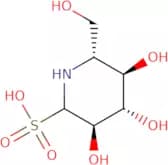

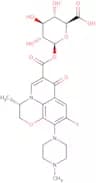

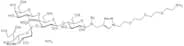
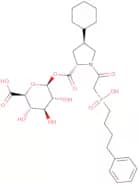
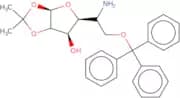
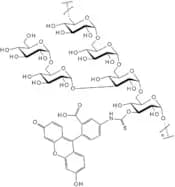

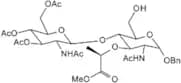

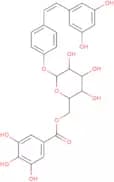

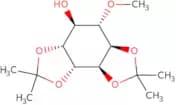

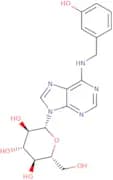
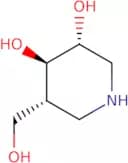

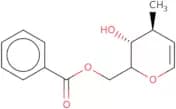
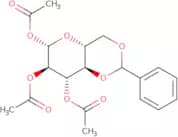


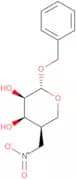

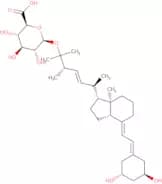
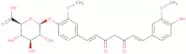
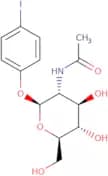
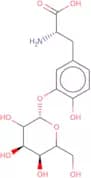
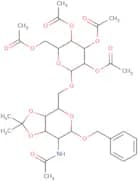
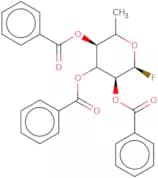
![8-D-Glucopyranosyl-7,8,9,10-tetrahydro-6,10-methano-6H-pyrazino[2,3-h][3]benzazepine](/_next/image/?url=https%3A%2Fstatic.cymitquimica.com%2Fproducts%2F3D%2Fthumb-webp%2FMG183915.webp&w=3840&q=75)
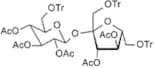

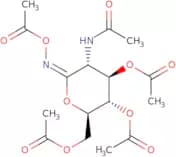
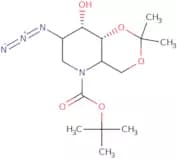
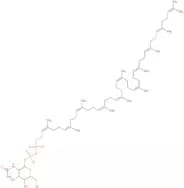
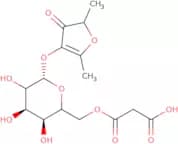
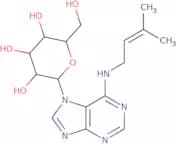
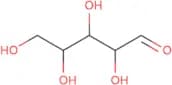
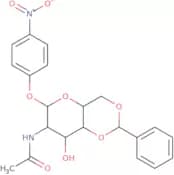
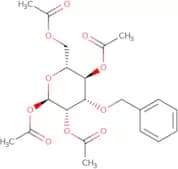

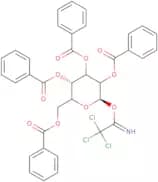
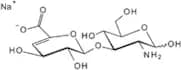
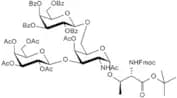
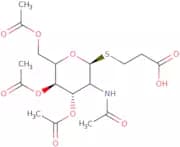
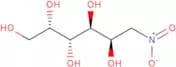
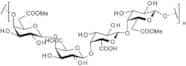
![1,6:3,4-Bis-[O-(2,3-dimethoxybutane-2,3-diyl)]-2-O-trifluoromethanesulphonyl-5-O-benzolyl-myo-inos…](/_next/image/?url=https%3A%2Fstatic.cymitquimica.com%2Fproducts%2F3D%2Fthumb-webp%2FMB16636.webp&w=3840&q=75)
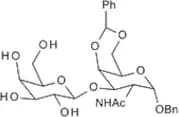
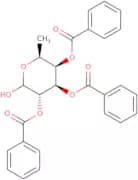
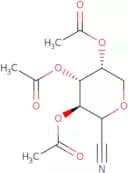
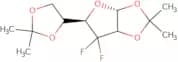
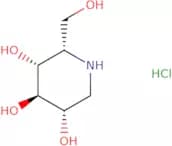
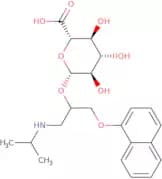
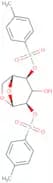

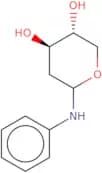
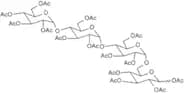
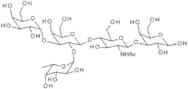

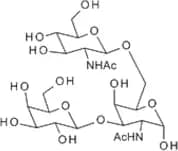


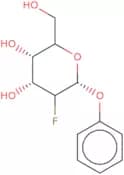
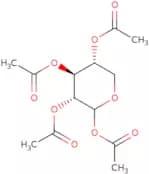

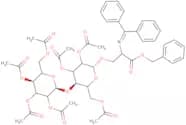
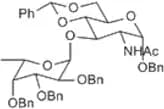

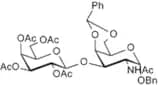

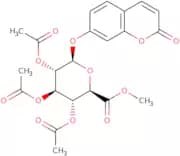


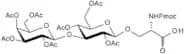
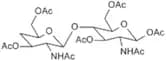
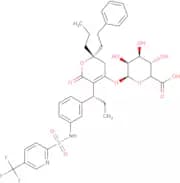
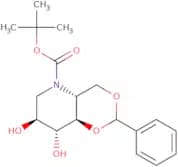
![5-(Acetylamino)-2,6-anhydro-3,4,5-trideoxy-4-[[(1,1-dimethylethoxy)carbonyl]amino]-D-glycero-D-gal…](/_next/image/?url=https%3A%2Fstatic.cymitquimica.com%2Fproducts%2F3D%2Fthumb-webp%2FMA58736.webp&w=3840&q=75)
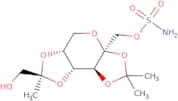
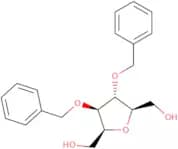
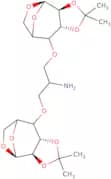
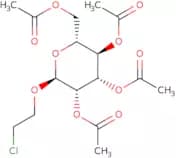
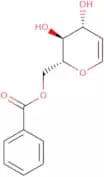
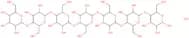
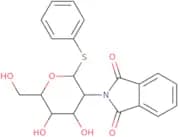

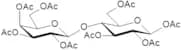
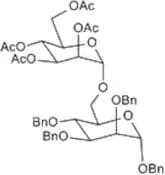
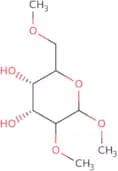
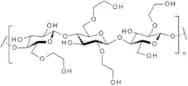

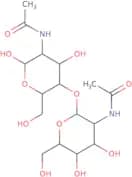
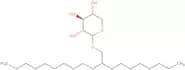
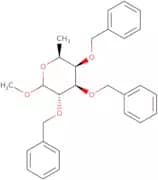
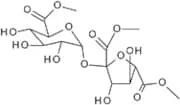
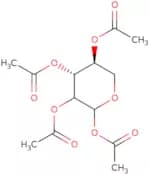
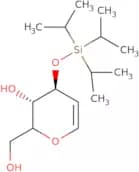
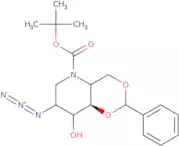
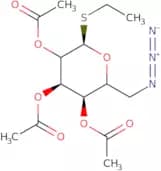
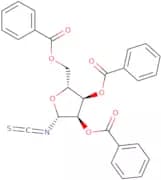
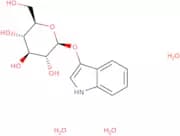
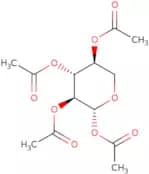

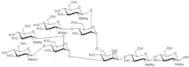
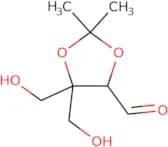

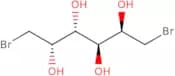
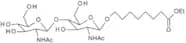
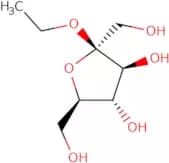
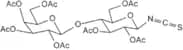

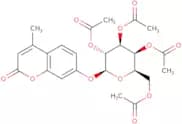
![Neu5Troc[1Me,4789Ac]a(2-3)Gal[26Bn]-b-MP](/_next/image/?url=https%3A%2Fstatic.cymitquimica.com%2Fproducts%2F3D%2Fthumb-webp%2FON60599.webp&w=3840&q=75)
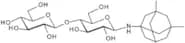
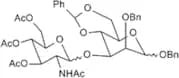
![(2R,4R)-2-[D-Xylo-tetrahydroxybut-1-yl]-1,3-thiazolidine-4-carboxylic acid](/_next/image/?url=https%3A%2Fstatic.cymitquimica.com%2Fproducts%2F3D%2Fthumb-webp%2FMX01042.webp&w=3840&q=75)

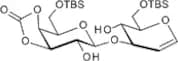
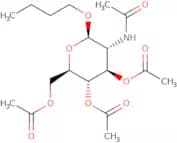
![N-Acetyl-D-[UL-13C6]glucosamine](/_next/image/?url=https%3A%2Fstatic.cymitquimica.com%2Fproducts%2F3D%2Fthumb-webp%2FMA44797.webp&w=3840&q=75)


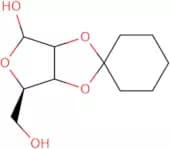
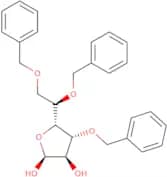
![5-Deoxy-5-[di-(2-hydroxyethyl)-amino]-1,2-O-isopropylidene-a-D-xylofuranose](/_next/image/?url=https%3A%2Fstatic.cymitquimica.com%2Fproducts%2F3D%2Fthumb-webp%2FMD07492.webp&w=3840&q=75)
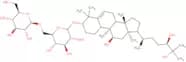
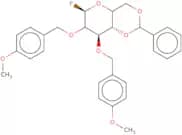


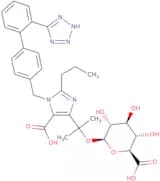
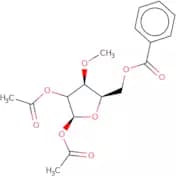
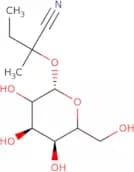
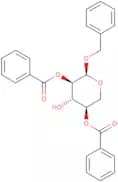
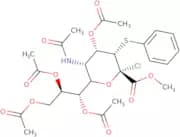
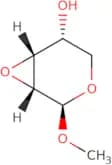
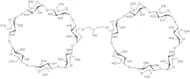
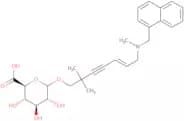

![3-[(2,3,4,6-Tetra-O-acetyl-b-D-glucopyranosyl)thio]-propanoic acid](/_next/image/?url=https%3A%2Fstatic.cymitquimica.com%2Fproducts%2F3D%2Fthumb-webp%2FMT01467.webp&w=3840&q=75)
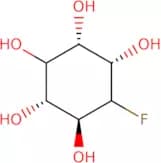

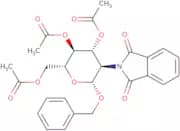



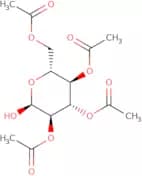
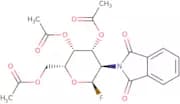
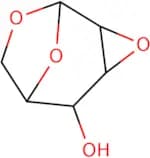
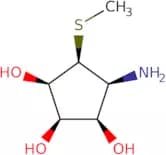


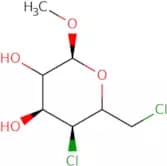
![5-Deoxy-1,2-O-isopropylidene-5-[(2S-pyridin-4-yl-pyrrolidine)-1-yl]-a-D-xylofuranose](/_next/image/?url=https%3A%2Fstatic.cymitquimica.com%2Fproducts%2F3D%2Fthumb-webp%2FMD07489.webp&w=3840&q=75)
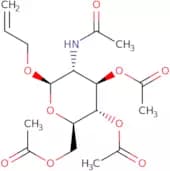
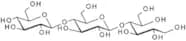
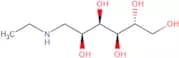
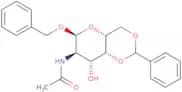
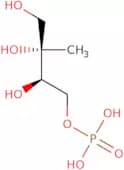

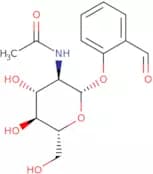
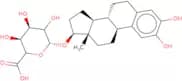

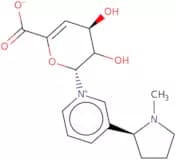

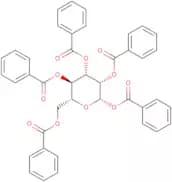
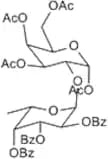
![Methyl 2-deoxy-5-O-[(1,1-dimethylethyl)diphenylsilyl]-β-D-erythro-pentofuranoside](/_next/image/?url=https%3A%2Fstatic.cymitquimica.com%2Fproducts%2F3D%2Fthumb-webp%2FMM06067.webp&w=3840&q=75)