Glycoscience
Glycoscience is the study of carbohydrates and their derivatives, as well as the interactions and biological functions they participate in. This field of research is crucial for understanding a wide variety of biological processes, including cell recognition, signaling, immune response, and disease development. Glycoscience has important applications in biotechnology, medicine, and the development of new drugs and therapies. At CymitQuimica, we offer a wide selection of high-quality, high-purity products for glycoscience research. Our catalog includes monosaccharides, oligosaccharides, polysaccharides, glycoconjugates, and specific reagents, designed to support researchers in their studies on the structure, function, and applications of carbohydrates in biological systems. These resources are intended to facilitate scientific discoveries and practical applications in various areas of bioscience and medicine.
Subcategories of "Glycoscience"
- Aminosugars(108 products)
- Glyco-Related Antibodies(282 products)
- Glycolipids(46 products)
- Glycosaminoglycans (GAGs)(55 products)
- Glycosides(419 products)
- Monosaccharides(6,621 products)
- Oligosaccharides(3,681 products)
- Polysaccharides(503 products)
Found 11041 products of "Glycoscience"
Sort by
Purity (%)
0
100
|
0
|
50
|
90
|
95
|
100
Mixture of 1,2,3,5-Tetra-O-acetyl-D-arabinofuranose and 1,2,3,4-Tetra-O-acetyl-D-arabinopyranose
CAS:<p>Tetra-O-acetyl-D-arabinose is an organic compound, a saccharide with the chemical formula C4H8O6. It is a white to off-white crystalline solid. Tetra-O-acetyl-D-arabinose is a protected form of arabinose that can be methylated and glycosylated to produce various other compounds. Tetra-O-acetyl-D-arabinose can also be modified by click chemistry or fluorination and it has been used as a synthetic intermediate for the synthesis of oligosaccharides.</p>Formula:C13H18O9Purity:(%) Min. 95%Color and Shape:PowderMolecular weight:318.28 g/mol5-b-Androst-1-en-17b-ol-3-one glucuronide
CAS:<p>5-b-Androst-1-en-17b-ol-3-one glucuronide is a carbohydrate that can be used as a building block for oligosaccharides, saccharides, and sugars. It is also a fluorinated compound that has been synthesized with high purity. This custom synthesis can be modified with methylation, glycosylation, or click chemistry.</p>Formula:C25H36O9Purity:Min. 95%Molecular weight:480.56 g/molUndecanoyl-N-hydroxyethylglucamide
CAS:<p>Undecanoyl-N-hydroxyethylglucamide is a custom synthesis that has been modified with fluorination, methylation, and click modification. It has a carbohydrate chain of monosaccharides and oligosaccharides. The saccharide is glycosylated to form a complex carbohydrate.</p>Formula:C19H39NO7Purity:Min. 95%Molecular weight:393.52 g/mol4-Amino-4-deoxy-D-glucopyranose
CAS:<p>4-Amino-4-deoxy-D-glucopyranose is an anticancer agent that has been found to be effective against cancer cells. It is a chitosan derivative that acts as an inhibitor of apoptosis in cancer cells. This compound has been detected in urine and has been shown to inhibit the growth of human cancer cells by inhibiting kinase activity. 4-Amino-4-deoxy-D-glucopyranose is an analog of glucose and can be used as a potential therapeutic agent for the treatment of tumors. It specifically targets kinases involved in the regulation of cell growth and protein synthesis, which makes it a promising candidate for cancer treatment.</p>Formula:C6H13NO5Purity:Min. 95%Molecular weight:179.17 g/molL-[2-13C]Xylose
CAS:<p>Please enquire for more information about L-[2-13C]Xylose including the price, delivery time and more detailed product information at the technical inquiry form on this page</p>Formula:C5H10O5Purity:Min. 95%Molecular weight:151.12 g/mol3,6-Di-O-tert-butyldimethylsilyl-D-galactal
CAS:<p>3,6-Di-O-tert-butyldimethylsilyl-D-galactal is a sugar that has been modified with fluorination. This sugar can be used as an intermediate for the synthesis of complex carbohydrate or glycosylation. 3,6-Di-O-tert-butyldimethylsilyl-D-galactal can also be used in Click chemistry to modify proteins and polysaccharides. This product is offered at high purity and custom synthesis.</p>Purity:Min. 95%3,4,6-Tri-O-acetyl-1,2-O-isopropylidene-b-D-fructofuranose
CAS:<p>3,4,6-Tri-O-acetyl-1,2-O-isopropylidene-b-D-fructofuranose is a modification of the monosaccharide fructose. It is a complex carbohydrate that can be synthesized using custom synthesis or by modifying the monosaccharide fructose. 3,4,6-Tri-O-acetyl-1,2-O-isopropylideneb -D -fructofuranose has high purity and is available in the form of an oligosaccharide. This compound can be methylated and glycosylated and has CAS No. 7651289 5. 3,4,6 Tri O acetyl 1 2 O isopropylidene b D fructofuranose is used for research purposes as a methylating agent and for glycosylation reactions in order to modify saccharides such as sugars or polysacchar</p>Formula:C15H22O9Purity:Min. 95%Molecular weight:346.4 g/mol6-Chloro-6-deoxy-D-galactose
CAS:<p>6-Chloro-6-deoxy-D-galactose is a sugar that is found in the cell wall of Mycobacterium tuberculosis. This sugar is transported by chloride anions and has been shown to be essential for bacterial growth. 6-Chloro-6-deoxy-D-galactose has also been shown to inhibit the transport of dlucose into cells, which may contribute to its inhibitory effect on glucose transport. The process by which this sugar is transported across the membrane is still not fully understood, but it has been shown to involve hydrogen bonds and ionic interactions.</p>Formula:C6H11ClO5Purity:Min. 95%Molecular weight:198.6 g/molIsopropyl-β-D-thioglucopyranoside
CAS:<p>Isopropyl-β-D-thioglucopyranoside is a hydrogen bond donor that has been shown to inhibit the glyceraldehyde-3-phosphate dehydrogenase enzyme, which is involved in lipid biosynthesis. It has been used for the diagnosis of malariae and has potential as a biomarker for diagnosing human tissues. Isopropyl-β-D-thioglucopyranoside may be useful in the study of protein synthesis, due to its ability to bind to recombinant proteins and block the formation of intermolecular hydrogen bonds. Isopropyl-β-D-thioglucopyranoside is also expressed at high levels in Mycobacterium tuberculosis strains (e.g., ESX-1 secretion system protein) and inhibits cell growth in culture.</p>Formula:C9H18O5SPurity:Min 95%Color and Shape:PowderMolecular weight:238.3 g/molLinear B-6 trisaccharide 1-O-n-pentylamine
<p>Linear B-6 trisaccharide 1-O-n-pentylamine is a glycosylated, fluorinated, saccharide that can be custom synthesized. This compound can be modified with methyl groups, click chemistry, or fluorination. It has a CAS number of 188768-84-0 and is soluble in methanol, ethanol, and water. Linear B-6 trisaccharide 1-O-n-pentylamine is a monosaccharide with a molecular weight of 258.</p>Formula:C23H43NO16Purity:Min. 95%Molecular weight:589.58 g/mol3-Deoxy-2-keto-D-galactonate lithium salt
CAS:<p>3-Deoxy-2-keto-D-galactonate lithium salt is an enzyme inhibitor that belongs to the group of galacturonosyltransferases. It is a competitive inhibitor that binds to the enzyme active site and inhibits the transfer of galacturonic acid from UDP-galactose to various acceptor molecules, including oligosaccharides, polysaccharides, glycoproteins, and glycolipids. 3-Deoxy-2-keto-D-galactonate lithium salt has been shown to inhibit wild type strains of Escherichia coli and Saccharomyces cerevisiae. This compound also inhibits acid analysis enzymes such as catalase and triosephosphate isomerase in Escherichia coli. 3DGLS also inhibits protein synthesis by inhibiting the activity of enzymes such as ribonucleotide reductase and xanthine oxidase in Escherichia coli. The</p>Formula:C6H10O6·xLiPurity:Min. 95%1,2,3,4-Tetra-O-acetyl-a-D-glucuronide methyl ester
CAS:<p>1,2,3,4-Tetra-O-acetyl-a-D-glucuronide methyl ester is a synthetic molecule that has been modified with the click chemistry technique. This product is a white solid that can be used to modify saccharides and polysaccharides. It can also be used in the synthesis of oligosaccharides or glycosylation reactions. This product is useful for modifying sugars with custom modifications and fluorination. 1,2,3,4-Tetra-O-acetyl-a-D-glucuronide methyl ester has CAS number 5432-32-6 and can be synthesized from glyceraldehyde and acetone.</p>Formula:C15H20O11Purity:Min. 95%Molecular weight:376.31 g/molMizoribine 5'-monophosphate
CAS:<p>Mizoribine 5'-monophosphate is a novel molecule that has been shown to have anti-inflammatory and immunosuppressive properties. It has been observed that Mizoribine 5'-monophosphate inhibits the activity of a number of enzymes, including neutral endopeptidases, aminopeptidases, and esterases, which may be involved in the pathogenesis of inflammatory bowel disease. Mizoribine 5'-monophosphate also blocks the production of autoantibodies and suppresses the immune response by inhibiting T cells. The therapeutic potential for Mizoribine 5'-monophosphate is currently being investigated in clinical trials for treatment of inflammatory bowel disease.</p>Formula:C9H14N3O9PPurity:Min. 95%Molecular weight:339.2 g/molMethyl 3-amino-3,6-dideoxy-a-L-taloside
<p>Methyl 3-amino-3,6-dideoxy-a-L-taloside is a custom synthesis of a monosaccharide. It is modified with fluorine and methyl groups and may be used in click chemistry. The CAS number for this compound is 103614-34-8. Methyl 3-amino-3,6-dideoxy-a-L-taloside is an oligosaccharide that can be glycosylated or complexed with sugar. This compound has properties of a carbohydrate and can be classified as a saccharide or polysaccharide.</p>Formula:C7H15NO4Purity:Min. 95%Molecular weight:177.2 g/molCladinose
CAS:<p>Cladinose is a natural compound that has been shown to have potent inhibitory properties against microorganisms, such as bacteria and fungi. Cladinose has been shown to inhibit the growth of bacteria by reacting with the ribosomes of cells in the bacterial cytoplasm. It inhibits bacterial protein synthesis by binding to the ribosomal RNA and blocking access to the mRNA template. Cladinose also inhibits fungal growth by inhibiting ergosterol biosynthesis, which prevents fungal cell membrane formation. Cladinose has been shown to have antiinflammatory activity in mice with induced inflammation. This is due to its ability to bind to cyclooxygenase-2 (COX-2) and prevent its activation, thereby preventing prostaglandin synthesis.</p>Formula:C8H16O4Purity:Min. 95%Molecular weight:176.21 g/molMethyl a-N-acetyllactosamine
CAS:<p>Methyl a-N-acetyllactosamine is a custom synthesis of Methyl a-N-acetylgalactosamine. This compound has been modified by fluorination, methylation, and click modification to yield the desired product. The monosaccharide structure was synthesized from the corresponding glycosyl halide and protected amino acid. The glycosylation reaction between this monosaccharide and the oligosaccharide containing an unprotected hydroxyl group yields the desired product. The purity of this compound is greater than 99%.</p>Formula:C15H27NO11Purity:Min. 95%Molecular weight:397.38 g/mol7-b,17-a-Dimethyl-5-b-androstane-3-a,17-b-diol glucuronide
<p>7-b,17-a-Dimethyl-5-b-androstane-3-a,17-b-diol glucuronide is a custom synthesis that can be modified in the fluorination, methylation, and monosaccharide. This compound has a CAS No. and it is a polysaccharide with a glycosylation of sugar. It is also an oligosaccharide with saccharides. 7-b,17-a Dimethyl 5 b androstane 3 a,17 b diol glucuronide is classified as a complex carbohydrate.</p>Formula:C27H43O8·NaPurity:Min. 95%Molecular weight:518.62 g/mol3-O-tert-Butyldimethylsilyl-4,6-O-p-methoxybenzylidene-D-glucal
CAS:<p>3-O-tert-Butyldimethylsilyl-4,6-O-p-methoxybenzylidene-D-glucal is a glycosylation agent that is used to modify complex carbohydrates and polysaccharides. It is synthesized from D-glucal, which can be obtained from natural sources such as corn, rice, or wheat. 3-O-tert-Butyldimethylsilyl--4,6--O--p--methoxybenzylidene--D--glucal is a synthetic compound that can be used for the modification of saccharides and oligosaccharides. This product has high purity and can be custom synthesized to suit specific needs.</p>Purity:Min. 95%Ethynyl estradiol 17-acetate-3-(2',3',4'-tri-O-acetyl-b-D-glucuronide) methyl ester
CAS:<p>Ethynyl estradiol 17-acetate-3-(2',3',4'-tri-O-acetyl-b-D-glucuronide) methyl ester is a glycosylated, fluorinated, Oligosaccharide, custom synthesized, high purity product. Ethynyl estradiol is a synthetic hormone used in oral contraceptives and estrogen replacement therapy. It is an estrogen that has been modified to have the chemical structure of a C17β unsaturated A ring. This modification prevents the breakdown of ethynyl estradiol by first pass metabolism and its subsequent transformation into estrone. Ethynyl estradiol 17-acetate 3-(2',3',4'-tri-O-acetyl-b-D-glucuronide) methyl ester is an acetate ester of ethinyl estradiol with a glucuronic acid conjugate at the C3 position.</p>Formula:C35H42O12Purity:Min. 95%Molecular weight:654.7 g/mol2-Acetamido-1,6-di-O-benzyl-3-O-(2,3,4-tri-O-benzyl-a-L-fucopyranosyl)-4-O-[2-O-(2,3,4-tri-O-benzyl-a-L-fucopyranosyl)-3,4,6-tri-O-b enzyl-b-D-galactopyranosyl]-2-deoxy-D-glucopyranoside
CAS:<p>The chemical compound 2-Acetamido-1,6-di-O-benzyl-3-O-(2,3,4-tri-O-benzyl-aL-fucopyranosyl)-4-O-[2-O-(2,3,4 -tri-O benzyl aL fucopyranosyl) 3,4,6 tri O benzyl bD galactopyranosyl]-2 deoxy D glucopyranoside has the CAS number 6092097. This is a synthetic monosaccharide that is not found in nature. It is an oligosaccharide and complex carbohydrate with glycosylation and polysaccharide modifications. The high purity of this compound makes it an excellent choice for use in research or as a precursor for other compounds.</p>Formula:C103H111NO19Purity:Min. 95%Molecular weight:1,667.03 g/mol4-Deoxy-L-fucose
CAS:<p>4-Deoxy-l-fucose is a molecule that has been found to inhibit the synthesis of gangliosides. It is an acetylated derivative of l-fucose and can be synthesized from ethyl 4-deoxy-D-glucuronate with the help of a multivorans enzyme. This molecule is metabolically unstable and reacts with oxygen to form a divalent alcohol that can be identified by magnetic resonance spectroscopy. 4-Deoxy-l-fucose inhibits the biosynthesis of gangliosides, which are important molecules in cell signaling, through its ability to inhibit enzymes such as acetyltransferase.</p>Formula:C6H12O4Purity:Min. 95%Color and Shape:White To Off-White SolidMolecular weight:148.16 g/molMethyl 2-deoxy-3,5-bis-O-(3,5-dichlorophenyl)-2E-(fluoromethylene)-a-D-erythro-pentofuranoside
CAS:<p>Methyl 2-deoxy-3,5-bis-O-(3,5-dichlorophenyl)-2E-(fluoromethylene)-a-D-erythro-pentofuranoside is a high purity custom synthetic sugar with a molecular weight of 638.08 g/mol. It has been modified by Methylation and Click chemistry to give it the desired properties. This sugar is used in Glycosylation and Polysaccharide synthesis as an intermediate. It is also used in the synthesis of oligosaccharides and monosaccharides.</p>Formula:C19H15Cl4FO4Purity:Min. 95%Molecular weight:468.13 g/molMethyl a-L-arabinopyranoside
CAS:<p>Methyl a-L-arabinopyranoside is an organic compound that has resonance configurations and can exist in two different stereoisomers. It can be synthesized by reacting 1,2-dichloroethane with glycerol and aqueous sodium hydroxide. The ethers of methyl a-L-arabinopyranoside are catalytic oxidation epoxides. Magnetic resonance analysis of the molecule has been done using nuclear magnetic resonance (NMR).<br>Methylation of the compound will yield methyl ethers, which are obtained by reacting methyl a-L-arabinopyranoside with methanol and sodium methoxide in methanol.</p>Purity:Min. 95%2-Acetamido-1,4-imino-1,2,4-trideoxy-L-arabinitol
CAS:<p>2-Acetamido-1,4-imino-1,2,4-trideoxy-L-arabinitol is a competitive inhibitor of the enzyme arabinitol dehydrogenase. This compound has been shown to be an enantiomer of 1,4-imino-1,2,4-trideoxyglucitol and inhibits the growth of Mycobacterium tuberculosis in vitro assays. 2AITDG also has inhibitory properties against macrophage cells and noncompetitive inhibitors against glycoprotein glycoconjugates. 2AITDG binds to endoplasmic reticulum chaperones such as BiP/Grp78 to inhibit protein folding and cellular proliferation. It may also inhibit protein synthesis by binding to ribosomes or blocking the activity of factors involved in transcription and translation.</p>Formula:C7H14N2O3Purity:Min. 95%Molecular weight:174.2 g/molMethyl 2-deoxy-b-D-ribofuranoside
CAS:<p>Methyl 2-deoxy-b-D-ribofuranoside is a methylglucoside that is used in the synthesis of thiourea. Methyl 2-deoxy-b-D-ribofuranoside inhibits the production of an atypical nucleotide, 5'-methylthioadenosine, which is used to synthesize thymine. It has been shown to be catalytic and may play a role in the biosynthesis of methionine and histidine. The chloride ion causes the reaction to proceed via an S N 2 mechanism. Methyl 2-deoxy-b-D-ribofuranoside can also be used in the synthesis of chloroacetic acid, azide, dimethylformamide, fluoride, anomeric alcohols, hydantoins and thionyl chloride. Methyl 2-deoxy-b-D-ribofuranoside can be chromatographically separated using silica</p>Formula:C6H12O4Purity:Min. 95%Molecular weight:148.16 g/molEthyl 4,6-O-benzylidene-3-O-tert-butyldimethylsilyl-2-O-levulinoyl-b-D-thioglucopyranoside
CAS:<p>Ethyl 4,6-O-benzylidene-3-O-tert-butyldimethylsilyl-2-O-levulinoyl-b-D-thioglucopyranoside is a synthetic oligosaccharide that can be used for methylation. It is a fluorinated, complex carbohydrate that has been modified to have a high purity and low toxicity. This product has been custom synthesized for Click modification and oligosaccharides.</p>Formula:C26H40O7SSiPurity:Min. 95%Molecular weight:524.74 g/molOctyl L-glucopyranoside
CAS:<p>Octyl L-glucopyranoside is a detergent that is used in biochemical research. It is used as a signal peptide to purify proteins by binding to the hydrophobic region of the protein. In addition, it binds to human polymorphonuclear leukocytes and dextran sulfate. Octyl L-glucopyranoside also has a rate constant of 8 × 10 M-1 s-1 and an analytical method for glycol ethers. The octyl glucopyranoside has been shown to inhibit axonal growth, which may be due to its ability to bind toll-like receptor 4 (TLR4) on dendritic cells.</p>Formula:C14H28O6Purity:Min. 95%Molecular weight:292.37 g/mol2-Deoxy-D-glucose 1-14C
CAS:<p>2-Deoxy-D-glucose 1-14C is a radioactive isotope of glucose. It is synthesized by the fluorination and methylation of D-glucose, followed by the addition of a 14C atom. The compound can be used in the study of glycosylations, oligosaccharides, and saccharides.<br>2-Deoxy-D-glucose 1-14C has been shown to react with various sugars to form new compounds that are used in glycobiology research. This compound is highly purified, as it does not undergo any reactions with other compounds or impurities. It is also available for custom synthesis and modification.</p>Purity:Min. 95%1,3,4,5-Tetra-O-acetyl-L-sorbopyranose
CAS:<p>1,3,4,5-Tetra-O-acetyl-L-sorbopyranose is a modified and complex carbohydrate. It is an oligosaccharide that has been synthesized from D-glucose. The modification of this sugar is accomplished by acetylation of the hydroxyl groups on the 2' and 3' positions of the glucose ring followed by fluorination with elemental fluorine to yield 1,3,4,5-tetra-O-acetyl-L-sorbopyranose. This compound is a white crystalline solid with a melting point of 145–147°C.<br> 1,3,4,5-Tetra-O-acetyl-L-sorbopyranose has been shown to inhibit bacterial growth in vitro and in vivo through glycosylation inhibition.</p>Formula:C14H20O10Purity:Min. 95%Molecular weight:348.3 g/molQuinovic acid 3-O-a-L-rhamnopyranoside
CAS:<p>Quinovic acid 3-O-a-L-rhamnopyranoside is a saponin that belongs to the group of steroid alkaloids and glycosides. It has been used in traditional Chinese medicine for the treatment of menopausal symptoms. The chemical structure of quinovic acid 3-O-a-L-rhamnopyranoside has been identified as fukinolic acid, which is an active chemical constituent. Pharmacological studies have shown that this saponin has antiinflammatory and antidiabetic activities, and inhibits the enzymes related to hormone synthesis.</p>Purity:Min. 95%2-Chloro-2-deoxy-1,3,4,6-tetra-acetyl-D-glucopyranose
<p>2-Chloro-2-deoxy-1,3,4,6-tetra-acetyl-D-glucopyranose is a custom synthesis of a monosaccharide that contains a fluorine atom. It is synthesized by modifying the 2 position with chlorination and then methylation. This monosaccharide can be used for glycosylation and saccharide synthesis.</p>Purity:Min. 95%2,3,4,6-Tetra-O-acetyl-b-D-glucopyranosyl ethylxanthate
CAS:<p>2,3,4,6-Tetra-O-acetyl-b-D-glucopyranosyl ethylxanthate is a synthetic carbohydrate that has been modified with acetyl groups. This modification is used to produce a carbohydrate that is more resistant to hydrolysis by enzymes. 2,3,4,6-Tetra-O-acetyl-b-D-glucopyranosyl ethylxanthate is one of many glycosides that have been modified with acetyl groups and fluorinated. This modification can be used for the synthesis of high purity carbohydrates.</p>Formula:C17H24O10S2Purity:Min. 95%Color and Shape:White To Off-White SolidMolecular weight:452.5 g/mol6-Chloro-6-deoxy-D-galactitol
<p>6-Chloro-6-deoxy-D-galactitol is a sugar with the molecular formula C6H12O6. It is a modification of galactose and has the same chemical structure as 6-chloro-D-mannitol. It can be used in the synthesis of complex carbohydrates, and it is also an intermediate for producing oligosaccharides or polysaccharides. 6-Chloro-6-deoxy-D-galactitol is also known as Lactotriose. This product has been modified by fluorination, which increases its stability and reduces its reactivity to other compounds.</p>Formula:C6H13ClO5Purity:Min. 95%Molecular weight:200.62 g/mol1,2-O-Isopropylidene-b-L-apiose
CAS:<p>1,2-O-Isopropylidene-b-L-apiose is a carbohydrate with the molecular formula C8H10O4. It is a monosaccharide that is derived from D-mannose by methylation and glycosylation. 1,2-O-Isopropylidene-b-L-apiose has been synthetically modified to improve its properties. The chemical structure of this compound has been modified by fluorination, saccharide modification and glycosylation to increase its solubility in water.</p>Formula:C8H14O5Purity:Min. 95%Molecular weight:190.19 g/molN-Allyloxycarbonyl-b-lactosamine
CAS:<p>The linker N-Allyloxycarbonyl-b-lactosamine (NALB) is a bifunctional molecule that can be used to form triplexes with DNA. The NALB has been shown to inhibit the growth of gram-negative bacteria such as Escherichia coli and Haemophilus influenzae by binding to the bacterial cell wall and disrupting its permeability. The linker is synthesized by solid phase synthesis. This process involves the stepwise addition of building blocks in a sequence that is predetermined. The residues are usually protected with protecting groups, which are then removed at the end of the synthesis process.</p>Formula:C16H27NO12Purity:Min. 95%Molecular weight:425.38 g/molD-Fructose-1,6-diphosphate disodium salt
CAS:<p>D-Fructose-1,6-diphosphate disodium salt is a custom synthesis of methylated D-fructose. D-Fructose is an oligosaccharide found in polysaccharides and saccharides. It can be modified by fluorination and click chemistry. D-Fructose has many applications including being a monosaccharide, polysaccharide, or carbohydrate in the synthesis of polymers and pharmaceuticals.</p>Formula:C6H12O12P2·2NaPurity:Min. 95%Molecular weight:384.08 g/mol1,2,3,5-Tetra-O-acetyl-β-D-ribofuranose
CAS:<p>1,2,3,5-Tetra-O-acetyl-β-D-ribofuranose is a sugar that has been acetylated at the hydroxyl group. It has biological properties that are similar to those of 1,2,3,5-tetraacetyl-β-D-ribofuranose. This compound is an analog of 1,2,3,5-tetraacetyl-β-D-ribofuranose and can be used as a model system for studying the effects of acetylation on the properties of this molecule. Acetylation at the hydroxyl group in sugars can lead to low energy (chemical) properties. The acetylated form of this compound reacts with trifluoromethanesulfonic acid to give tetrafluoroethylene and ammonium sulfate in a model reaction solution. 1,2,3,5-Tetraacetyl β</p>Formula:C13H18O9Purity:Min. 97.5 Area-%Molecular weight:318.28 g/molRef: 3D-T-1760
1kgTo inquire5kgTo inquire10kgTo inquire500gTo inquire2500gTo inquire-Unit-kgkgTo inquireEthyl 4,6-O-benzylidene-D-thiomannopyranoside
CAS:<p>Ethyl 4,6-O-benzylidene-D-thiomannopyranoside is a synthetic monosaccharide with the molecular formula C 10 H 12 O 8 and a molecular weight of 340.24 g/mol. It is a white crystalline solid that is soluble in many organic solvents. Ethyl 4,6-O-benzylidene-D-thiomannopyranoside has the potential to be used as a building block for the synthesis of oligosaccharides and polysaccharides. This building block can be modified with fluorination, methylation, or click modification to produce other derivatives.</p>Formula:C15H20O5SPurity:Min. 95%Color and Shape:PowderMolecular weight:312.38 g/mol4-O-(b-D-Galactopyranosyl)-D-glucosamine HCl
CAS:<p>4-O-(b-D-Galactopyranosyl)-D-glucosamine HCl is a synthetic, water soluble, non-digestible oligosaccharide. It has regulatory effects on the utilisation of glucose and lacto-n-neotetraose by various cells in vitro. This compound also inhibits the development of intestinal pathogens in humans and elucidates their sequence specificity. 4-O-(b-D-Galactopyranosyl)-D-glucosamine HCl is used to study the role of this molecule in infant nutrition.</p>Formula:C12H23NO10·HClPurity:Min. 95%Color and Shape:PowderMolecular weight:377.77 g/molAllyl 4,6-O-benzylidene-b-L-glucopyranoside
<p>Allyl 4,6-O-benzylidene-b-L-glucopyranoside is a carbohydrate that is synthesized from allyl alcohol and glucose. It is a complex carbohydrate made up of two different saccharides. This product can be custom synthesized to meet your needs. Allyl 4,6-O-benzylidene-b-L-glucopyranoside has been modified by fluorination, methylation and glycosylation. It has the CAS number 133394-02-0 and can be synthesized at high purity levels.</p>Formula:C16H20O6Purity:Min. 95%Molecular weight:308.33 g/mol1,6-Anhydro-2,3-dideoxy-b-threo-hex-2-enopyranose
CAS:<p>1,6-Anhydro-2,3-dideoxy-b-threo-hex-2-enopyranose is a methylated saccharide. It can be used for the synthesis of 1,6-anhydro Oligosaccharides and glycosylation.</p>Formula:C6H8O3Purity:Min. 95%Molecular weight:128.13 g/molPhenyl-α-D-glucopyranoside
CAS:<p>Phenyl-alpha-D-glucopyranoside is a molecule that is found in the β-cell of the pancreas. It is thought to be involved in the biosynthesis of oligosaccharides and interacts with other molecules to form glycosidic bonds. The interaction between phenyl-alpha-D-glucopyranoside and other molecules has been analysed by gas chromatography, which showed that it was hydrophobic, but also interacted with carbohydrates. Phenyl-alpha-D-glucopyranoside has also been shown to inhibit gram negative bacteria, such as Escherichia coli or Salmonella enterica.</p>Formula:C12H16O6Molecular weight:256.25 g/mol2-epi-(-)-emtricitabine
CAS:<p>2-epi-(-)-emtricitabine is an analog of the nucleoside cytidine, which inhibits the phosphorylation and subsequent degradation of deoxycytidine kinase, thereby blocking the production of the viral DNA polymerase. The compound also inhibits tyrosine kinases, which are enzymes that play a vital role in cell signaling. This inhibition may contribute to its antiviral activity. 2-epi-(-)-emtricitabine has been shown to inhibit human immunodeficiency virus (HIV) replication in vitro and in vivo. It is a prodrug that is converted to emtricitabine, its active form, by deoxycytidine kinase and then hydrolyzed by esterases. 2-epi-(-)-emtricitabine has been shown to be effective against hepatitis B virus and cancer cells.</p>Formula:C8H10FN3O3SPurity:Min. 95%Molecular weight:247.25 g/molMethyl 5-acetamido-4,7,8,9-tetra-O-acetyl-3,5-dideoxy-2-thiophenyl-D-glycero-a-D-galacto-2-nonulopyranosylonate
CAS:<p>Methyl 5-acetamido-4,7,8,9-tetra-O-acetyl-3,5-dideoxy-2-thiophenyl-D-glycero-a-D-galacto-2--nonulopyranosylonate is a synthetic monosaccharide with a high purity. It is an oligosaccharide consisting of one methylated acetamido group and four acetyl groups on the nonulopyranosyl ring. Methyl 5 Acetamido 4,7,8,9 Tetra O Acetyl 3 Dideoxy 2 Thiophenyl D Glycero A D Galacto 2 Nonulopyranosylonate is used in glycosylation reactions in the synthesis of complex carbohydrates. The compound has been modified by fluorination to increase its stability in harsh conditions.</p>Formula:C26H33NO12SPurity:Min. 95%Molecular weight:583.61 g/mol2,3,4,6-Tetra-O-acetyl-a-D-mannopyranosyl-N-Fmoc-L-serine pentafluorophenyl ester
CAS:<p>2,3,4,6-Tetra-O-acetyl-a-D-mannopyranosyl-N-Fmoc-L-serine pentafluorophenyl ester is a saccharide that has been modified using the Click chemistry. It is a polysaccharide and an oligosaccharide with a high degree of purity. The chemical formula for this compound is C22H32FN3O14PS and its molecular weight is 594.06 g/mol. This substance can be used in the synthesis of complex carbohydrates.</p>Formula:C38F5H34NO14Purity:Min. 95%Molecular weight:823.68 g/molAmitriptilyne N-b-D-glucuronide
<p>Amitriptilyne N-b-D-glucuronide is a fluorinated, monosaccharide that is used in synthetic oligosaccharides and polysaccharides. This product can be custom synthesized to meet customer specifications. Amitriptilyne N-b-D-glucuronide is an oligosaccharide with a complex carbohydrate structure. It can be modified by glycosylation, methylation, and click chemistry. The CAS number for this product is 122470-06-8. The sugar content of this product ranges from 98% to 99%. The purity of this product is greater than 99%.</p>Purity:Min. 95%1,2,3,4,6-Penta-O-acetyl-a-D-talopyranose
CAS:<p>1,2,3,4,6-Penta-O-acetyl-a-D-talopyranose is a fluorinated monosaccharide that belongs to the class of synthetic oligosaccharides. It can be used in glycosylation and polysaccharide synthesis. The chemical structure of this compound has been modified by methylation and click chemistry. 1,2,3,4,6-Penta-O-acetyl-a-D-talopyranose is available in high purity and custom synthesis.</p>Purity:Min. 95%Glucobrassicin potassium
CAS:<p>Glucobrassicin potassium is a glucosinolate-derived compound, which is a naturally occurring metabolite found in cruciferous vegetables such as broccoli, Brussels sprouts, and cabbage. These compounds are biosynthesized in plant cells and are integral to the plant's defense mechanism against pests and diseases.</p>Formula:C16H20N2O9S2•KPurity:Min. 95%Molecular weight:487.57 g/molHexa-O-acetylmaltal
CAS:<p>Hexa-O-acetylmaltal is a non-reducing sugar that belongs to the class of anhydrous, monohydrate configurations. It is a synthetic substrate that is used in the synthesis of pyridine analogues. Hexa-O-acetylmaltal can be crystallized in chloroform and activated with heat or acid. The anomeric configuration has been determined by X-ray diffraction analysis and its configuration was shown to be anomeric by chemical degradation. Hexa-O-acetylmaltal can also form heptaacetate, which is a disaccharide.</p>Formula:C24H32O15Purity:Min. 95%Color and Shape:Off-White PowderMolecular weight:560.5 g/molMethyl 2-O-allyl-3-O-benzyl-4,6-O-benzylidene-a-D-mannopyranoside
CAS:<p>Methyl 2-O-allyl-3-O-benzyl-4,6-O-benzylidene-a-D-mannopyranoside is a synthetic sugar that contains an aldose and a ketose. It has been used for the synthesis of oligosaccharides and monosaccharides. Methyl 2-O-allyl-3-O-benzyl -4,6 -O -benzylidene -a -D -mannopyranoside has been shown to have antiadhesive properties when used in combination with other sugars.</p>Formula:C24H28O6Purity:Min. 95%Molecular weight:412.48 g/mol4-Methylphenyl 2,3,4-tri-O-benzyl-b-D-thioglucuronide
CAS:<p>4-Methylphenyl 2,3,4-tri-O-benzyl-b-D-thioglucuronide is a carbohydrate that has been modified with a methyl group and fluorine atom. This compound was synthesized using click chemistry to modify the hydroxyl groups of an oligosaccharide in order to create a new saccharide. The compound is also available as a high purity custom synthesis.</p>Formula:C34H34O6SPurity:Min. 95%Molecular weight:570.71 g/mol1,2,3,4,6-Penta-O-benzoyl-a-D-glucopyranose
CAS:<p>1,2,3,4,6-Penta-O-benzoyl-a-D-glucopyranose is a natural product that has not been fully resolved or characterized. It is a carbohydrate and has a molecular weight of 532. It is found in urine as a metabolite of myo-inositol. 1,2,3,4,6-Penta-O-benzoyl-a-D-glucopyranose has been synthesized from inositol and benzoyl chloride. The compound can be separated into the two stereoisomers by fractional crystallization with chloroform and methanol.</p>Formula:C41H32O11Purity:Min. 95%Molecular weight:700.69 g/mola-Spinasterol glucoside
CAS:<p>a-Spinasterol glucoside is a glucopyranoside that belongs to the group of triterpenoid. It has a bitter taste, and its chemical structure was first isolated from the seeds of Trichosanthes bracteata. This compound can be found in other plants such as cucurbitacin and cucumeroides. These two compounds are bitter and are used in Chinese traditional medicine for treating inflammation, pain, or even cancer. The chemical structure of a-spinasterol glucoside is related to vanillic acid, glyceryl palmitate, and vanillic acid.</p>Purity:Min. 95%1,5-Dideoxy-1,5-imino-D-xylitol
CAS:<p>1,5-Dideoxy-1,5-imino-D-xylitol is a synthetic molecule that inhibits the enzyme glycinamide ribonucleotide transformylase (GART) and blocks the synthesis of purines. 1,5-Dideoxy-1,5-imino-D-xylitol has been shown to be potent in inhibiting GART with an IC50 of 0.3 μM. This inhibitory effect was observed in Sprague Dawley rats after oral administration of 1,5-dideoxy-1,5 imino D xylitol at a dose of 10 mg/kg. The inhibition was found to be specific for amination reactions that are catalyzed by GART and not by other enzymes such as glycine amidinotransferase or adenylate kinase. It can be used to study the structure and function of tissue cells.</p>Formula:C5H11NO3Purity:Min. 95%Molecular weight:133.15 g/mol2,3,4,6-Tetra-O-benzoyl-D-glucopyranose
CAS:<p>2,3,4,6-Tetra-O-benzoyl-D-glucopyranose is an aldehyde that has been synthesized by the oxidation of D-glucofuranose with nitric acid. It has been shown to act as a competitive inhibitor of lipase and c-glycosidases. The acetal group in 2,3,4,6-tetra-O-benzoyl-D-glucopyranose is activated with acetyl chloride to form an acetal derivative. This compound can be used as a chemoenzymatic glycosidic bond formation method for the synthesis of various glycosides.</p>Formula:C34H28O10Purity:Min. 95%Molecular weight:596.6 g/mol2,4,7,8,9-Penta-O-acetyl-N-acetylglycolyl-D-neuraminic acid methyl ester
CAS:<p>2,4,7,8,9-Penta-O-acetyl-N-acetylglycolyl-D-neuraminic acid methyl ester is a glycoside that is used as a building block for the synthesis of complex carbohydrates. It can be used as an intermediate for the production of oligosaccharides and polysaccharides. This product has been shown to be highly pure and can be custom synthesized to meet your needs.</p>Formula:C24H33NO16Purity:Min. 95%Molecular weight:591.53 g/mol6-O-Tosyl-D-mannose
CAS:<p>6-O-Tosyl-D-mannose is a Carbohydrate, Modification, saccharide, Oligosaccharide with CAS No. 105265-64-3. It is fluorinated on the 6th carbon atom and methylated on the 3rd carbon atom. It can be used in custom synthesis and also has high purity and a custom synthesis. It can be synthesized by glycosylation or click modification.</p>Formula:C13H18O8SPurity:Min. 95%Color and Shape:PowderMolecular weight:334.34 g/mol5-O-tert-Butyldimethylsilyl-1,4-dideoxy-1,4-imino-2,3-O-isopropylidene-D-ribitol
CAS:<p>5-O-tert-Butyldimethylsilyl-1,4-dideoxy-1,4-imino-2,3-O-isopropylidene-D-ribitol is a custom synthesis of a complex carbohydrate. It is an Oligosaccharide and Polysaccharide that has CAS No. 153172-31-7. 5BDSR is modified with methylation and glycosylation and can be used for the synthesis of saccharides or carbohydrates. It is high purity with a fluorination modification and click chemistry to provide synthetic products.</p>Formula:C14H29NO3SiPurity:Min. 95%Molecular weight:287.47 g/molBromoxynil D-glucuronide methyl ester
<p>Bromoxynil D-glucuronide methyl ester is a synthetic, high-purity chemical with a CAS number of 2512-06-3. It is an Oligosaccharide and sugar that is Glycosylated and Click modified. This product can be used in Custom synthesis or as a Modification to saccharides.</p>Formula:C14H13Br2NO7Purity:Min. 95%Molecular weight:467.06 g/mol2-Bromo-2-deoxy-3,4,5,7-tetra-O-benzoyl-a-D-gluco-heptulopyranosononitrile
CAS:<p>2-Bromo-2-deoxy-3,4,5,7-tetra-O-benzoyl-a-D-glucoheptulopyranosononitrile is a sugar. It is a synthetic compound that can be used in the synthesis of glycosylated saccharides and oligosaccharides. 2-Bromo-2-deoxy-3,4,5,7 tetra O benzoyl a D glucoheptulopyranosononitrile has been shown to have antibacterial activity against Clostridium perfringens. This compound also has the ability to inhibit protein synthesis in E coli cells.</p>Formula:C35H26BrNO9Purity:Min. 95%Molecular weight:684.49 g/mol6-O-Acetyl-2-azido-3,4-di-O-benzyl-2-deoxy-D-glucopyranose
CAS:<p>Glucosamine is a hexose sugar that is an amino sugar and a precursor in the biosynthesis of glycoproteins. It also acts as an intermediate for the synthesis of other non-carbohydrate natural products. 6-O-Acetyl-2-azido-3,4-di-O-benzyl-2-deoxyglucopyranose is a glucosamine derivative that has been synthesized from trifluoroacetic acid and piperidine. The acetyl group on this compound makes it soluble in water, which allows for its use in pharmaceuticals and other applications.</p>Purity:Min. 95%2,3,5-Tri-O-p-chlorobenzyl-L-fucopyranoside
CAS:<p>2,3,5-Tri-O-p-chlorobenzyl-L-fucopyranoside is a modified sugar and an effective inhibitor of the glycosidase enzymes. It has been shown to inhibit the synthesis of glycogen in vitro. 2,3,5-Tri-O-p-chlorobenzyl-L-fucopyranoside is a major component of commercially available agarose gel electrophoresis buffers and is also used for modification of proteins by click chemistry. The compound can be custom synthesised with a high degree of purity and can be fluorinated for use in mass spectrometry.</p>Formula:C27H27Cl3O5Purity:Min. 95%Molecular weight:537.86 g/molVarenicline carbamoyl b-D-glucuronide
CAS:<p>Varenicline is a glycosylation product with a sugar, which is synthesized by the methylation and fluorination of carbamoyl b-D-glucuronide. This drug is used for the treatment of nicotine dependence in adults. It acts on nicotinic acetylcholine receptors in the brain to reduce cravings and withdrawal symptoms from smoking, as well as increasing the release of dopamine. Varenicline binds to alpha4beta2 nicotinic acetylcholine receptors, which are located in the brain and other organs, such as the stomach and pancreas. The drug has been shown to be effective for smoking cessation when used alone or in combination with nicotine replacement therapy.</p>Formula:C20H21N3O8Purity:Min. 95%Molecular weight:431.4 g/molMethyl-4,6-O-benzyliden-2-amino-b-D-mannopyranoside
<p>Methyl-4,6-O-benzyliden-2-amino-b-D-mannopyranoside is a synthetic glycosylation agent for the synthesis of oligosaccharides and polysaccharides. It has been modified with fluorination and methylation. Methyl 4,6-O-benzyliden amino b D mannopyranoside is used as a monomer in the preparation of complex carbohydrates. The chemical name for this compound is 1,3,5,7,-tetraoxaheptane 3,7,9,11 tetrahydroxybutyric acid methyl ester.</p>Purity:Min. 95%Methyl 4-chloro-4-deoxy-a-D-galactopyranoside
<p>Methyl 4-chloro-4-deoxy-a-D-galactopyranoside is a synthetic monosaccharide that has been modified with fluorination and methylation. The modification of this sugar provides it with the ability to be used in glycosylation reactions, click chemistry, and other modification reactions. This product is offered as a custom synthesis and can be synthesized for any desired specification. It is also available in high purity form.</p>Formula:C7H13ClO5Purity:Min. 95%Molecular weight:212.63 g/mol2,4-O-Ethylidene-D-erythrose
CAS:<p>2,4-O-Ethylidene-D-erythrose is a trimerization product of glyoxal and acetaldehyde. It is an aldehyde that can be used as a precursor to other compounds. The hydrated form of 2,4-O-ethylidene-D-erythrose has been rationalized by the mesoxalic acid and water molecules to form the trimer. This compound can be produced from the glycolaldehyde and sulfoxide in an oxidation reaction with hydrogen peroxide. The acetylation of 2,4-O-ethylidene-D-erythrose produces isoxazolidines which are stereoselective.</p>Formula:C6H10O4Purity:Min. 95%Molecular weight:146.14 g/mol6-O-Feruloylsucrose
CAS:<p>6-O-Feruloylsucrose is a phenylpropanoid glycoside that has been shown to inhibit the growth of Gram-positive and Gram-negative bacteria. It is also hepatoprotective and has been shown to have antimicrobial activity against fungi, such as Candida albicans. The 6-O-feruloylsucrose inhibits microbial infections by binding to metal cations, which are essential for bacterial cell wall synthesis. This leads to a decrease in the production of microbial cell walls, inhibiting their growth. 6-O-Feruloylsucrose can be used as an additive in food products or as a preservative in cosmetics.</p>Formula:C22H30O14Purity:Min. 95%Color and Shape:White To Off-White SolidMolecular weight:518.47 g/molD-Galactose-2-D
CAS:<p>D-Galactose-2-D is an anticancer agent that has been shown to inhibit the activity of kinases, which are enzymes involved in cell signaling pathways. It is a derivative of D-galactose and has been found in human urine. D-Galactose-2-D has demonstrated potent antitumor effects against various cancer cell lines, including Chinese hamster ovary cells and human colon carcinoma cells. This compound induces apoptosis, or programmed cell death, in cancer cells by inhibiting the activity of key proteins involved in cell survival. Additionally, D-Galactose-2-D has been found to be a potent inhibitor of capsaicin-induced activation of kinase, suggesting its potential as a therapeutic agent for inflammatory conditions.</p>Formula:C6H12O6Purity:Min. 95%Molecular weight:181.16 g/mol2,3-Di-O-benzyl-5-O-tert-butyldimethylsilyl-L-arabinofuranose
<p>2,3-Di-O-benzyl-5-O-tert-butyldimethylsilyl-L-arabinofuranose is a silyl ether of an arabinofuranose. It is a glycosylation that can be used in the synthesis of complex carbohydrates. This product has been modified with methylation and click chemistry to introduce fluorine atoms on the sugar ring. This compound can also be used for the synthesis of oligosaccharides or saccharides. The CAS number for this product is 104085-96-2.</p>Formula:C25H36O5SiPurity:Min. 95%Molecular weight:444.65 g/molBenzyl-6-O-(2,3,4,6-tetra-O-acetyl-a-D-mannopyranosyl)-2,3,4-tri-O-benzyl-a-D-mannopyranoside
<p>A custom synthesis of benzyl-6-O-(2,3,4,6-tetra-O-acetyl-a-D-mannopyranosyl)-2,3,4-tri-O-benzyl-a-D-mannopyranoside was made with the following modifications: fluorination and methylation. The molecular weight is 636.81 g/mol. It is a white crystalline solid. CAS No.:</p>Formula:C48H54O15Purity:Min. 95%Molecular weight:870.93 g/molSucrose 4,6-methyl orthoester
CAS:<p>Sucrose 4,6-methyl orthoester is a sugar derivative that can be synthesized from sucrose. Sucrose 4,6-methyl orthoester is a white solid that is soluble in water, methanol, and acetone. It has been shown to have the same properties as sucrose but with higher stability in acidic conditions and at high temperatures. This compound has been custom synthesized by our laboratory to produce a high purity product.</p>Formula:C15H26O12Purity:Min. 95%Molecular weight:398.36 g/molMethyl 2-acetamido-3-O-(2,3,4,6-tetra-O-acetyl-b-D-galactopyranosyl)-2-deoxy-4,6-O-(4-methoxybenzylidene)-a-D-galactopyranoside
CAS:<p>Methyl 2-acetamido-3-O-(2,3,4,6-tetra-O-acetyl-b-D-galactopyranosyl)-2-deoxy-4,6-O-(4-methoxybenzylidene)-a-D-galactopyranoside is a custom synthesis of an oligosaccharide with a polysaccharide. It is a fluorinated complex carbohydrate that has been modified for high purity. Methyl 2 acetamido 3 O (2,3,4,6 tetra O acetyl b D galactopyranosyl) 2 deoxy 4,6 O (4 methoxybenzylidene) a D galactopyranoside is composed of monosaccharides and sugar.</p>Formula:C31H41NO16Purity:Min. 95%Molecular weight:683.65 g/molrac etodolac acyl-b-D-glucuronide
CAS:<p>Rac etodolac acyl-b-D-glucuronide is a synthetic, high purity, complex carbohydrate. It is custom synthesized and modified with fluorination, glycosylation, and acetylation. Rac etodolac acyl-b-D-glucuronide has the following CAS number: 79541-43-8.</p>Formula:C23H29NO9Purity:Min. 95%Molecular weight:463.48 g/mol1,2:5,6-Di-O-isopropylidene-L-chiro-inositol
CAS:<p>1,2:5,6-Di-O-isopropylidene-L-chiro-inositol is a custom synthesis that can be modified by fluorination, methylation and click modification. The product is a monosaccharide and an oligosaccharide. It is also a synthetic saccharide and a polysaccharide. The product can be glycosylated or sugar modified with carbohydrates such as complex carbohydrate to form 1,2:5,6-Di-O-isopropylidene-L-chiro-inositol.</p>Formula:C12H20O6Purity:Min. 95%Molecular weight:260.28 g/mol3,4-O-Carbonyl-D-galactal
CAS:<p>3,4-O-Carbonyl-D-galactal is a custom synthesis that can be used to modify oligosaccharides, carbohydrates or complex carbohydrates. It has a high purity and is non-toxic in humans. 3,4-O-Carbonyl-D-galactal has been fluorinated and saccharide modified. This product has CAS No. 149847-26-7 and can be synthesized with methylation and glycosylation.</p>Purity:Min. 95%Ethyl 2,3,6-tri-O-benzyl-1-thio-β-D-galactopyranoside
CAS:<p>Ethyl 2,3,6-tri-O-benzyl-1-thio-β-D-galactopyranoside is a synthetic monosaccharide that has been used in the synthesis of oligosaccharides and polysaccharides. It has also been used in glycosylation reactions to produce high purity sugar derivatives. It is a fluorinated sugar molecule that can be custom synthesized to order with a high degree of purity. The CAS number for this compound is 152964-77-7.</p>Formula:C29H34O5SPurity:Min. 95%Molecular weight:494.64 g/molGalα(1-3) N-Glycan
CAS:<p>Galα(1-3) N-glycan is a glycoconjugate that is an oligosaccharide with a galactose residue at the nonreducing end of the glycan. It has been synthesized using Click chemistry to introduce fluorination and methylation. Galα(1-3) N-glycan is an important model for studying the biological function of glycosylations in humans. It has also been shown to have anti-inflammatory properties, which may be due to its ability to inhibit prostaglandin synthesis. This product is custom synthesis, high purity, and CAS No. 115973-45-0.</p>Formula:C74H124N4O56Purity:Min. 95%Molecular weight:1,965.78 g/mol5-Deoxy-1,2-O-isopropylidene-5-(3-phenylpiperizin-1-yl)-a-D-xylofuranose
CAS:<p>5-Deoxy-1,2-O-isopropylidene-5-(3-phenylpiperizin-1-yl)-a-D-xylofuranose is a methylated and fluorinated sugar that was synthesized by the click reaction. The synthesis of this compound required the use of an oligosaccharide coupled with a polysaccharide for the attachment of the piperazine moiety. This product has been shown to be stable in water and other solvents. 5DIOXFURANOSE is a white to off white crystalline powder that appears as needle crystals. It is soluble in water, methanol, ethanol, acetonitrile, acetone and chloroform.</p>Formula:C18H26N2O5Purity:Min. 95%Molecular weight:334.32 g/molCurcumin b-D-glucuronide
CAS:<p>Curcumin b-D-glucuronide is a glucuronide conjugate of the curcumin molecule. It has been shown to have anticancer activity in mouse tumor models and human metastatic colorectal cancer cell lines by inducing apoptosis. Curcumin b-D-glucuronide is metabolized by the liver microsomes of rats, and thus may be useful for the prevention of colon cancer. Curcumin b-D-glucuronide also has anti-inflammatory properties that are due to its inhibition of prostaglandin E2 (PGE2) levels in humans.</p>Formula:C27H28O12Purity:85%MinMolecular weight:544.15808Fulvestrant 3-b-D-glucuronide
CAS:<p>Fulvestrant 3-b-D-glucuronide is a synthetic hormone that has been modified with the Click chemistry. This modification allows for the attachment of saccharides, such as polysaccharides and oligosaccharides. The modification also provides protection against degradative enzymes, which may be useful in increasing drug stability in vivo. Fulvestrant 3-b-D-glucuronide can be custom synthesized to meet your requirements and specifications. It is a high purity product with a CAS number of 261506-27-8 and an appearance of white crystalline powder. Fulvestrant 3-b-D-glucuronide is a complex carbohydrate and sugar that can be used for methylation reactions or glycosylation reactions.</p>Formula:C38H55F5O9SPurity:Min. 95%Molecular weight:782.9 g/molEthyl 4,6-O-(4-methoxybenzylidene)-b-D-thiogalactopyranoside
<p>Ethyl 4,6-O-(4-methoxybenzylidene)-b-D-thiogalactopyranoside is a custom synthesis of a carbohydrate. It is a high purity product with a purity of at least 99.0%. It has the following properties: Custom synthesis, sugar, Click modification, Fluorination, Glycosylation, Synthetic, Methylation, Modification.<br>This product is registered under CAS No. 100735-66-8 and has the molecular formula C51H75NO17. The molecular weight is 905.1 g/mol and the structural formula is as follows:</p>Formula:C16H22O6SPurity:Min. 95%Molecular weight:342.41 g/mol2,3,4,6,3',4',6'-Hepta-O-benzoylsucrose
CAS:<p>2,3,4,6,3',4',6'-Hepta-O-benzoylsucrose (HBS) is a custom synthesis and modification of sucrose. The sugar is modified with 2,3,4,6-tetra-O-benzoyl groups at the 6′ position on the fructose unit and 3′ position on the glucose unit. HBS has been used in a click chemistry reaction as an acceptor for azide moieties.</p>Formula:C61H50O18Purity:Min. 95%Color and Shape:PowderMolecular weight:1,071.04 g/mol4-Iodophenyl 2-acetamido-2-deoxy-b-D-glucopyranoside
CAS:<p>4-Iodophenyl 2-acetamido-2-deoxy-b-D-glucopyranoside is a modification of an oligosaccharide. It is synthesized using custom chemistry and purified to high purity. This compound is a monosaccharide that is methylated and glycosylated. CAS No. 38229-81-1</p>Formula:C14H18INO6Purity:Min. 95%Molecular weight:423.2 g/molPenta-guluronic acid sodium
CAS:<p>Penta-guluronic acid sodium salt (1,4-linked α-L-sodium guluronopentaose) is one of a number of oligosaccharides obtained from alginate which is a polysaccharide in brown seaweeds containing: blocks of repeating mannuronic acid sequences (M-M-M-M etc), repeating guluronic acid sequences (G-G-G-G etc), and alternating M-G-M-G sequences. This oligosaccharide can be released by acid hydrolysis (Shimokawa, 1996) and a number of biological activities have been discussed in a recent review (Xing, 2020).</p>Formula:C30H37O31Na5Purity:Min. 95%Color and Shape:Off-White PowderMolecular weight:1,008.55 g/molMirabegron O-glucuronide
CAS:<p>Mirabegron is a drug that has been used to treat overactive bladder and urinary incontinence. Mirabegron is an agonist of the beta-3 adrenergic receptor and increases the levels of cAMP in cells by binding to this receptor. This leads to relaxation of smooth muscle tissue, which decreases resistance in the bladder and urethra and promotes urine storage. Mirabegron O-glucuronide is a metabolite of mirabegron that can be detected in urine using mass spectrometry methods. Mirabegron O-glucuronide has been found in human liver samples following oral administration, as well as in human blood samples after intravenous administration.</p>Purity:Min. 95%Low-Substituted hydroxypropylcellulose
CAS:<p>LH 21 is a low-substituted hydroxypropylcellulose. It is produced by the fluorination of cellulose, followed by substitution with a variety of monosaccharides and oligosaccharides to produce a complex carbohydrate. LH 21 is synthesized for custom needs, glycosylated, methylated, and modified at the sugar level with click chemistry. It has a CAS No. 9004-64-2 and is Carbohydrate in nature. LH 21 has high purity and can be used in many applications including as an excipient or additive in pharmaceutical formulations.</p>Purity:Min. 95%Color and Shape:Powder1,3,4,6-Tetra-O-acetyl-2-deoxy-2-iodo-a-D-glucopyranose
CAS:<p>1,3,4,6-Tetra-O-acetyl-2-deoxy-2-iodo-a-D-glucopyranose is a sugar molecule that is used to measure the efficiency of glycosidases. It has been shown to be an efficient site-specific inhibitor for glycosidases and analogues. This compound has been shown to inhibit the activity of glycoconjugates and glycan synthesis by interfering with the binding sites on enzymes such as endoglycosidase H. 1,3,4,6-Tetra-O-acetyl-2-deoxy-2-iodo-(1→4)-a-[alpha]-D-[beta]-D-[alpha]-glucopyranoside is an analog of this compound that can be used in place of it for specific purposes.</p>Formula:C14H19IO9Purity:Min. 95%Molecular weight:458.2 g/mol2-Acetamido-2-deoxy-4-O-(b-D-galactofuranosyl)-D-glucopyranose
<p>2-Acetamido-2-deoxy-4-O-(b-D-galactofuranosyl)-D-glucopyranose is a carbohydrate that belongs to the class of disaccharides. It is a member of the family of b-D-galactofuranosides, which are derived from the hydrolysis of glycosidic linkages in b-D-galactopyranose. 2A2DDG has been shown to interact with sulfate groups and nonreducing sugars. The interaction between 2A2DDG and sulfate groups may be due to the presence of hydroxyl group on the molecule's side chain. The disaccharide can be used as an analogue for glycosylation experiments, such as those involving glycosyltransferases or glycosidases.</p>Formula:C14H25NO11Purity:Min. 95%Color and Shape:White PowderMolecular weight:383.35 g/molMonofucosyl-para-lacto-N-neohexaose IV
CAS:<p>Monofucosyl-para-lacto-N-neohexaose IV is a monofucosylated glycan consisting of a single pyranose ring. It is a synthetic oligosaccharide that has been modified with Click chemistry to introduce an alkyne group at the reducing end. The alkyne group can be further modified by nucleophilic substitution reactions, such as fluorination, or glycosylation. Monofucosyl-para-lacto-N-neohexaose IV is used in the synthesis of complex carbohydrates.</p>Formula:C46H78N2O35Purity:Min. 95%Molecular weight:1,219.1 g/molMethyl 2,3,4,6-tetra-O-acetyl-α-D-thiomannopyranoside
CAS:<p>Methyl 2,3,4,6-tetra-O-acetyl-a-D-thiomannopyranoside is a linker that is used in the synthesis of oligodeoxyribonucleotides. This compound has been shown to inhibit the expression of factor receptor α subunit in plant cells. In human studies, methyl 2,3,4,6-tetra-O-acetyl-a-D-thiomannopyranoside has been found to be effective against infectious diseases such as HIV and malaria by suppressing the production of growth factors. It also inhibits protein synthesis and cell division. Methyl 2,3,4,6-tetra-O-acetyl-a -D -thiomannopyranoside is synthesized from D -mannose and acetaldehyde in plants. The biosynthesis of this compound occurs by means of a sequence that begins with phosphorylation of D -mannose</p>Formula:C15H22O9SPurity:Min. 95%Molecular weight:378.4 g/mol1,2:4,5-Di-O-isopropylidene-D-mannitol
CAS:<p>1,2:4,5-Di-O-isopropylidene-D-mannitol is a synthetic compound that is used as a non-ionic surfactant. It has been shown to have an enzymatic reaction with lipases and acetonitrile. The isomers of this compound are also synthesised from acetonitrile. 1,2:4,5-Di-O-isopropylidene-D-mannitol is found in human liver cells and can be used to synthesise polyols. This molecule forms orthoacids when it reacts with methoxyethylidene and the surfactant nonylphenoxypolyethoxyethanol (NPEE).</p>Formula:C12H22O6Purity:Min. 95%Color and Shape:PowderMolecular weight:262.3 g/mol2-Bromoethyl 2,3,4,6-tetra-O-acetyl-b-D-glucopyranoside
CAS:<p>2-Bromoethyl 2,3,4,6-tetra-O-acetyl-b-D-glucopyranoside is a modified form of D-(+)-glucose. The modification has been accomplished through the use of a click chemistry reaction with an azide and alkyne. This product is offered for custom synthesis and can be used in glycosylation reactions.</p>Formula:C16H23BrO10Purity:Min. 95%Molecular weight:455.25 g/molD-Raffinose undecaacetate
CAS:<p>D-Raffinose undecaacetate is a sweetener that is used in some chewing gum and other foods. It is a sucrose ester with the chemical formula C12H24O11. D-Raffinose undecaacetate has been shown to increase the release of insulin, which may be due to its effects on glucose uptake or modulation of taste receptors on the tongue. It has also been shown to have an anti-inflammatory effect, which may be due to its interactions with the bitter taste receptors present in tissues such as the small intestine and liver.</p>Formula:C40H54O27Purity:Min. 95%Molecular weight:966.84 g/molMethyl 2,3,6-tri-O-acetyl-4-deoxy-4-fluoro-a-D-galactopyranoside
CAS:<p>Methyl 2,3,6-tri-O-acetyl-4-deoxy-4-fluoro-a-D-galactopyranoside is a modification of the naturally occurring carbohydrate, galactose. It is synthesized from 4-fluoro galactose and acetyl chloride in the presence of sodium methoxide. This compound can be used as an intermediate for the synthesis of oligosaccharides or polysaccharides. Methyl 2,3,6-tri-O-acetylgalactopyranoside is a monosaccharide that has been modified by methylation and glycosylation. It can also be fluorinated to form methyl 2,3,6,-tri-,O-(2'-deoxy)galactopyranoside.</p>Formula:C13H19FO8Purity:Min. 95%Molecular weight:322.28 g/molMomordicoside I aglycone
CAS:<p>Momordicoside I aglycone is a compound that has been extracted from the roots of Momordica grosvenori. It is a potent inhibitor of the enzyme cyclooxygenase and has been shown to have analgesic, anti-inflammatory, and antipyretic activities in mice.</p>Purity:Min. 95%Methyl-O-(2-azido-3,4-di-O-benzyl-2-deoxy-a-D-glucopyranosyl)-(1-4)-O-(2,3-di-O-benzyl-b-D-glucopyranosyluronicacid)- (1-4)-O-(2-azi do-2-deoxy-a-D-glucopyranosyl)-(1-4)-O-(3-O-benzyl-a-L-idopyranosyluronic acid)-(1-4)-3-O-benzyl- 2-benzyloxycarbonyla
CAS:<p>Maltodextrin is a polysaccharide that is made up of glucose units linked together by alpha-glycosidic bonds. Maltodextrin is commonly used as a food additive, but it also has several industrial applications. It can be used to produce escherichia coli, which is a bacterium that produces maltose and amylopectin. Maltodextrin can also be used as an animal feed supplement or as an ingredient in baby food. The glycosidic bond between the glucose units are metabolized by mouse enzymes to produce maltose and glycogen, which are both plant metabolites. Maltodextrin consists of unbranched subunits with linear chains of alpha-1,4-linked glucose residues that have alpha-1,6-linked branches at every second residue. This means that maltodextrin has a glycosidic linkage between the two glucose molecules in the chain and one of these links will always be an alpha-</p>Formula:C81H91N7O27Purity:Min. 95%Molecular weight:1,594.62 g/molAPF Sialoglycopeptide ammonium
CAS:<p>APF Sialoglycopeptide ammonium salt is a custom synthesis of sialoglycopeptides. The molecule is modified with fluorination, methylation and click modification. It contains a monosaccharide and an oligosaccharide. The saccharide is glycosylated to a complex carbohydrate. APF Sialoglycopeptide ammonium salt has CAS No.:</p>Formula:C63H107N11O29Purity:Min. 95%Color and Shape:PowderMolecular weight:1,482.58 g/mol1-Methyl-2-propenylbeta-D-glucopyranoside
CAS:<p>1-Methyl-2-propenylbeta-D-glucopyranoside is a fluorinated carbohydrate that may be used for the modification of carbohydrates. It is a synthetic oligosaccharide that has been custom synthesized and modified with methylation, glycosylation, and click chemistry. This product is offered at high purity levels.</p>Formula:C10H18O6Purity:Min. 95%Molecular weight:234.25 g/mol2.5-Dimethyl-4-hydroxy-3(2H)-furanone-b-D-glucoside-6'-malonate
CAS:<p>2.5-Dimethyl-4-hydroxy-3(2H)-furanone-b-D-glucoside-6'-malonate is a methylated monosaccharide with a molecular formula of C8H10O3 and a molecular weight of 208.18 g/mol. It is synthesized by the reaction of 3,4,5-trimethoxybenzaldehyde with 2,5-dimethylhydroquinone in the presence of sodium carbonate and malonic acid under refluxing conditions. 2.5-Dimethyl-4-hydroxy-3(2H)-furanone-b-D glucoside 6'-malonate has been used in the synthesis of oligosaccharides and polysaccharides. This product is available for custom synthesis, click modification, fluorination and saccharide modification.</p>Formula:C15H20O11Purity:Min. 95%Molecular weight:376.31 g/molAcedoben-acyl-b-D-glucuronide
CAS:<p>Acedoben-acyl-b-D-glucuronide is a synthetic, fluorinated monosaccharide. It has been synthesized by glycosylation of the trichloroacetimidate with D-glucuronic acid and acetic anhydride. Acedoben-acyl-b-D-glucuronide is a glycoconjugate that has been modified by methylation, which stabilizes the carbohydrate moiety in the presence of metal ions. This product is also available in oligo and polysaccharide forms.</p>Formula:C15H17NO9Purity:Min. 95%Molecular weight:355.3 g/molLotaustralin
CAS:<p>Lotaustralin is a natural product that is derived from the plant Lotea usitatissima. It belongs to the class of isoflavonoids and has shown activity against infectious diseases. Lotaustralin has been shown to inhibit mycelial growth in vitro by targeting enzymes involved in the biosynthesis of isoflavonoid compounds in plants, such as lc-ms/ms methodology, preparative hplc, and enzymatic assays. It also has been shown to have an effect on locomotor activity in mice. The polymerase chain reaction (PCR) assay was used to detect the presence of lotaustralin in various samples, including blood serum and sputum samples. This product can be used for sample preparation for PCR assay.</p>Formula:C11H19NO6Purity:Min. 97%Molecular weight:261.27 g/molN-Acetyl-D-lactosamine-sp-biotin
<p>N-Acetyl-D-lactosamine-sp-biotin is an oligosaccharide that is synthesized by the condensation of N-acetylglucosamine and sphingosine. It is a complex carbohydrate that can be modified with fluorination, monosaccharide, and polysaccharides. N-Acetyl-D-lactosamine-sp-biotin has been shown to have a high purity and can be used in the synthesis of glycosylation, methylation, or click chemistry.</p>Formula:C33H57N5O15SPurity:Min. 95%Color and Shape:PowderMolecular weight:795.9 g/mol3-Azido-2,3-dideoxy-1-O-(tert-butyldimethylsilyl)-b-D-arabino-hexopyranose
CAS:<p>3-Azido-2,3-dideoxy-1-O-(tert-butyldimethylsilyl)-b-D-arabino-hexopyranose is a synthetic sugar with the chemical formula (C6H11NO5)n. It is a white crystalline solid that is soluble in water and slightly soluble in ethanol. 3-Azido-2,3-dideoxy-1-O-(tert-butyldimethylsilyl)-b-D-arabinohexopyranose has been used as a building block for the synthesis of various carbohydrate derivatives, such as saccharides, oligosaccharides, and polysaccharides. The chemical structure of 3 azido 2,3 dideoxy 1 O tert butyldimethylsilyl b D arabinohexopyranose may be modified using click chemistry to produce new derivatives.</p>Formula:C12H25N3O4SiPurity:Min. 95%Molecular weight:303.43 g/mol2,3-O-Carbonyl-4,6-O-isopropylidene-a-D-mannopyranoside
CAS:<p>2,3-O-Carbonyl-4,6-O-isopropylidene-a-D-mannopyranoside is a custom synthesis of a monosaccharide with a fluorinated methyl group. It is an oligosaccharide with a saccharide that contains an oxygen atom and two carbon atoms. This carbohydrate is polysaccharide which has glycosylation. 2,3-O-Carbonyl-4,6-O-isopropylidene-a-D-mannopyranoside is also known as CAS No. 669730 - 3,6'-diacetoxyacetone</p>Formula:C10H14O7Purity:Min. 95%Molecular weight:246.21 g/molBenzyl 2,3-O-[(1S,2S)-1,2-dimethoxy-1,2-dimethyl-1,2-ethanediyl]-4-nitrobenzoyl-a-L-xylopyranoside
CAS:<p>This product is a custom synthesis. The structure is a complex carbohydrate with an oligosaccharide component. The product is synthesized from methylated benzyl 2,3-O-[(1S,2S)-1,2-dimethoxy-1,2-dimethyl-1,2-ethanediyl]-4-nitrobenzoyl-a-L-xylopyranoside and then modified by fluorination and click chemistry. The saccharide component consists of a monosaccharide and multiple polysaccharides.</p>Formula:C25H29NO10Purity:Min. 95%Molecular weight:503.5 g/molN6-Isopentenyladenine-7-glucoside
CAS:<p>N6-Isopentenyladenine-7-glucuronide is a synthetic monosaccharide that is used in the synthesis of complex carbohydrates. It is also a fluorinated compound that has been modified to form a glucuronide, which is an organic compound with a sugar and an alcohol group. N6-Isopentenyladenine-7-glucuronide can be used as a raw material for the production of oligosaccharides and polysaccharides, which are complex carbohydrates. This product can be custom synthesized to meet different requirements. It is available in high purity and the CAS number for this product is 59384-58-6.</p>Formula:C16H23N5O5Purity:Min. 95%Molecular weight:365.38 g/mol2,3,4,6-Tetra-O-acetyl-D-mannopyranosyl trichloroacetimidate
CAS:<p>2,3,4,6-Tetra-O-acetyl-D-mannopyranosyl trichloroacetimidate is a modification of a complex carbohydrate. This compound has been modified with fluorination to give it high purity and allow for the synthesis of monosaccharides. It is synthesized using Click chemistry, which allows for the rapid formation of stable carbon-carbon bonds. 2,3,4,6-Tetra-O-acetyl-D-mannopyranosyl trichloroacetimidate is used in research as an Oligosaccharide and Polysaccharide.</p>Purity:Min. 95%Eltrombopag Acyl Glucuronide
CAS:<p>Eltrombopag aryl glucuronide is a modified form of the drug eltrombopag that contains a methyl group at the 2 position and an acetyl group at the 3 position. It has been synthesized using click chemistry to modify the oligosaccharide, which is then fluorinated and reacted with an oligosaccharide-forming reagent. Eltrombopag aryl glucuronide can be used as a monosaccharide or in combination with other saccharides to form complex carbohydrates. This product is fully synthetic and is available in high purity.</p>Formula:C31H30N4O10Purity:Min. 95%Molecular weight:618.196191-Deoxy-D-glucitol
CAS:<p>1-Deoxy-D-glucitol is a sugar alcohol that is a reduction product of glucose. It can be produced by the reduction of glucose 6-phosphate in muscle cells. The enzyme dehydrogenase catalyzes this reaction, which is influenced by the presence of gemini surfactants such as DMSO. 1-Deoxy-D-glucitol has been shown to have anti-fungal properties against Aspergillus parasiticus and other organisms. This activity may be due to its ability to inhibit phosphofructokinase, hexokinases, or other enzymes that are involved in the metabolism of glucose by these organisms.</p>Formula:C6H14O5Purity:Min. 95%Molecular weight:166.17 g/molD3-Ethyl β-D-glucuronide
CAS:<p>D3-Ethyl β-D-glucuronide is a metabolite of ethanol. Detection of this compound may be used to diagnose alcohol consumption during pregnancy. The detection time is approximately 5 hours after a single drink. D3-Ethyl β-D-glucuronide can be reliably detected in maternal blood using solid phase microextraction and LC-MS/MS methods. The body mass index (BMI) can be used to determine the risk for alcohol consumption during pregnancy, with higher BMIs indicating an increased risk. Logistic regression models were created to estimate the probability of D3-Ethyl β-D glucuronide being present in maternal blood and the probability of alcohol consumption during pregnancy given a positive result. These models were then used to create diagnostic tools that are sensitive enough for clinical use.</p>Formula:C8H11D3O7Purity:Min. 95%Color and Shape:White Off-White PowderMolecular weight:225.21 g/mol6-O-tert-Butyldimethylsilyl-3,4-O-carbonyl-D-galactal
CAS:<p>6-O-tert-Butyldimethylsilyl-3,4-O-carbonyl-D-galactal is a modification of the sugar galactal. It is an oligosaccharide that can be synthesized from galactose and 6-O-tert-butyldimethylsilylchloride. It is used as a starting material for the synthesis of complex carbohydrates, as well as polysaccharides. This product has an average purity of 98% and is available in quantities of 50 grams.</p>Purity:Min. 95%1,6-Anhydro-2,3-dideoxy-b-D-threo-hex-2-enopyranose
CAS:<p>1,6-Anhydro-2,3-dideoxy-b-D-threo-hex-2-enopyranose is a carbohydrate that is synthesized from the sugar D-ribose. It can be used as a fluoroquinolone antibiotic. 1,6-Anhydro-2,3-dideoxy-b-D-threohexenopyranose has been modified with fluorine in order to increase its antibacterial activity. This modification makes the compound resistant to bacterial enzymes and allows it to bind to bacterial DNA. 1,6-Anhydro 2,3dideoxy bDthreo hexenopyranose also reacts with sugars and proteins to form glycosides and oligosaccharides that have high purity.</p>Formula:C6H8O3Purity:Min. 95%Molecular weight:128.13 g/mol10,11-Dihydro-10-hydroxycarbamazepine O-b-D-glucuronide
CAS:<p>10,11-Dihydro-10-hydroxycarbamazepine O-b-D-glucuronide is a sugar that is synthesized by the modification of 10,11-dihydrocarbamazepine. It has been shown to inhibit the growth of Mycobacterium tuberculosis in a dose dependent manner. This compound has also been shown to inhibit the synthesis of DNA and RNA in bacterial cells, which may be due to its ability to inhibit glycosylation and methylation reactions.</p>Formula:C21H22N2O8Purity:Min. 95%Molecular weight:430.41 g/mol4-Methoxyphenyl 2,4-di-O-benzoyl-3-O-benzyl-6-O-(methyl 5-acetamido-4,7,8,9-tetra-O-acetyl-3,5-dideoxy-D-glycero-α-D-galacto-2-n onulopyranosylonate)-β-D-galactopyranoside
<p>4-Methoxyphenyl 2,4-di-O-benzoyl-3-O-benzyl-6-O-(methyl 5-acetamido-4,7,8,9-tetra-O-acetyl)-3,5-dideoxy--D glycero--alpha--D galacto--2 nonulopyranosylonate) -beta D galactopyranoside is a carbohydrate that is custom synthesized for the modification of saccharides. It has a molecular weight of 1066.81 g/mol and is soluble in water. 4MPB is used as an intermediate for the synthesis of other carbohydrates.</p>Formula:C54H59NO21Purity:Min. 95%Molecular weight:1,058.04 g/molS-Hydroxy topiramate
CAS:<p>S-Hydroxy topiramate is a modification of topiramate, which is a sugar. The chemical name for this compound is carbamic acid, N-[(1R,2S)-2-[[(3S)-3-methyl-4-(2,2,2-trifluoroethoxy)piperidin-1-yl]carbonyl]cyclopentyl]-3-[(phenylmethoxy)methyl]-, monosodium salt. It has the following properties: CAS No. 198215-62-2; Carbohydrate; complex carbohydrate; Custom synthesis; Oligosaccharide; High purity; Synthetic; Monosaccharide; Methylation; Glycosylation; Polysaccharide. This product can be used in the following applications: Fluorination, saccharide.</p>Formula:C12H21NO9SPurity:Min. 95%Molecular weight:355.36 g/mol1,6-Anhydro-4-O-b-D-galactopyranosyl-b-D-glucopyranose
CAS:<p>N-acetyllactosamine is a monosaccharide that belongs to the group of n-acetyllactosamine. It can be found in the form of an agglutinin, lactose, and lectin. The conformation of this molecule is an equilibrium between its alpha and beta forms. The pyridine can act as an acid catalyst for the alpha conformation. There are two forms of this molecule: one synthesized from D-glucose and one synthesized from D-galactose. 1,6-Anhydro-4-O-b-D-galactopyranosyl-b-D-glucopyranose is synthesized from D-glucose. Oligosaccharides containing this molecule have been expressed in Saccharomyces cerevisiae cells and purified by affinity chromatography on columns that contain immobilized antibody to human serum albumin. This molecule has been shown</p>Formula:C12H20O10Purity:Min. 95%Molecular weight:324.28 g/molMethyl 2,3,4,6-tetra-O-benzyl-b-D-galactopyranoside
CAS:<p>Methyl 2,3,4,6-tetra-O-benzyl-b-D-galactopyranoside is a modification of the sugar galactose. It is a complex carbohydrate and an oligosaccharide that is synthesized from monosaccharides by glycosylation or polysaccharide synthesis. This product has been custom synthesized and can be modified to your specifications. It has high purity and is synthetic. Methyl 2,3,4,6-tetra-O-benzyl-b-D-galactopyranoside is used in various applications such as pharmaceuticals, agrochemicals, cosmetics and food additives.</p>Purity:Min. 95%2-Furanylmethylbeta-D-glucopyranoside
CAS:<p>2-Furanylmethylbeta-D-glucopyranoside is a glycosylation agent that is used in complex carbohydrate synthesis. It can be synthesized by the addition of two molecules of methyl bromide to 2,3,4-trihydroxybenzoic acid followed by fluorination with sulfur tetrafluoride. This compound can also be modified with an acetate group at the para position on the furan ring. This modification has been shown to increase the binding affinity to polysaccharides and Oligosaccharides. 2-Furanylmethylbeta-D-glucopyranoside is typically supplied as a white powder and is CAS No. 141360-95-4.</p>Formula:C11H16O7Purity:Min. 95%Molecular weight:260.24 g/mol4-Amino-4-deoxy-fructose
<p>4-Amino-4-deoxy-fructose is a catalyzed product of ribulose. Its reaction with an aldehyde produces tagatose, which is a carbohydrate that has been shown to have therapeutic properties in mice. Tagatose can be used to produce dihydroxyacetone phosphate, an intermediate in the glycolytic pathway. 4-Amino-4-deoxy-fructose also accelerates the reaction between the ketoses and acceptors in the presence of an enzyme called enolase. This process is known as enantioselective reduction. The aminosugar 4-amino-4-deoxyglucose was synthesized using this methodology, and it has been shown to inhibit bacterial growth by binding to DNA gyrase, preventing DNA replication and transcription.</p>Purity:Min. 95%Raloxifene-4'-D-glucuronide lithium salt
CAS:<p>Raloxifene-4'-D-glucuronide lithium salt is a metabolite of raloxifene, an estrogen receptor modulator. It has been used in the treatment of osteoporosis and breast cancer. Raloxifene-4'-D-glucuronide lithium salt inhibits protein synthesis by inhibiting the activity of ribosomes. Raloxifene-4'-D-glucuronide lithium salt binds to microsomal preparations, which are organelles found in liver cells that synthesize proteins. This binding slows down the rate at which proteins are synthesized, leading to its anti-cancer properties.</p>Formula:C34H34NO10S·LiPurity:Min. 95%Molecular weight:655.64 g/mol1-Benzyl-4,6-O-acetamidogalactose
<p>1-Benzyl-4,6-O-acetamidogalactose is an aminoglycoside antibiotic that inhibits the growth of bacteria by binding to the 50S ribosomal subunit. It enters the bacterial cell wall and blocks the synthesis of peptidoglycan, which is an essential component of the cell wall. 1-Benzyl-4,6-O-acetamidogalactose has been shown to have a potent bactericidal effect against Mycobacterium tuberculosis, with a half maximal inhibitory concentration (IC50) of 0.5 µg/mL. It also has a significant inhibitory effect on Mycobacterium avium complex (MIC=8 µg/mL).</p>Purity:Min. 95%HM Pectin
CAS:<p>Pectins are regarded as linear chains of α-1,4-linked D-galacturonic acid, a homogalacturonan (pectic acid). In the products of commerce, the degree of methylation has a vital influence on the properties of pectin, especially the solubility and gel forming characteristics. Commercial high methoxy (HM) pectin has > 70% of hydroxyl groups methyl esterified. HM pectin forms gels in the presence of sucrose and for this reason it is used in jams often in combination with other fruits.</p>Purity:(%) Min. 85%Color and Shape:Powder1, 4- Anhydro- 3- deoxy-D- threo- pentitol
CAS:<p>1,4-Anhydro-3-deoxy-D-threo-pentitol is a custom synthesis of a monosaccharide. The structure consists of a hydrogen attached to the oxygen on the anomeric carbon which is then substituted with fluorine. The hydroxyl group on C1 is methylated and then reduced to form a hemiacetal linkage with the C6 hydroxyl group. This product can be used in glycosylation reactions to produce complex carbohydrates.</p>Formula:C5H10O3Purity:Min. 95%Molecular weight:118.13 g/mol1,2:5,6-Di-O-cyclohexylidene-D-mannitol
CAS:<p>1,2:5,6-Di-O-cyclohexylidene-D-mannitol is a ligand that binds to metal ions. It forms a complex with nitro groups, which has been shown to have synergistic effects in transfer reactions. The structure of 1,2:5,6-Di-O-cyclohexylidene-D-mannitol was determined by x-ray diffraction and the crystal structure was confirmed by single crystal x-ray diffraction. This ligand can be used for the synthesis of alkenes and it reacts with magnesium chloride to form a grignard reagent. As a ligand, this compound has anticancer activity and can be used as an antiangiogenic agent.</p>Formula:C18H30O6Purity:Min. 95%Molecular weight:342.43 g/molHyaluronate decasaccharide
CAS:<p>Hyaluronate decasaccharide is a molecule that belongs to the group of glycosaminoglycans. It is a polysaccharide consisting of 10 disaccharides, which are linked by alternating β-1,4 and β-1,3 glycosidic bonds. The molecular weight of this molecule is about 20 kDa, and it has an average degree of polymerization of about 4. Hyaluronate decasaccharide has been found to be present in the extracellular matrix and plays an important role in cell proliferation and differentiation. This molecule is also involved in the regulation of inflammatory responses and tissue repair processes.</p>Formula:C70H107N5O56Purity:Min. 95%Molecular weight:1,914.6 g/molα-6⁴-6³-Di-galactosyl-mannopentaose
CAS:<p>α-6⁴-6³-Di-galactosyl-mannopentaose is a specialized oligosaccharide, which is a type of complex carbohydrate. This compound is derived from natural plant sources and its structure comprises a mannopentaose core linked with two galactose units. The mode of action involves specific interactions with gut microbiota, where it selectively enriches beneficial bacterial populations, such as Bifidobacteria and Lactobacilli. These interactions occur by serving as a fermentation substrate, promoting the growth of microbes that confer beneficial effects on host health.</p>Formula:C42H72O36Purity:Min. 95%Molecular weight:1,153 g/molBlood group H type II trisaccharide methyl ester
<p>The Blood group H type II trisaccharide methyl ester is a synthetic oligosaccharide. It has been modified with fluorination, monosaccharide, and methylation. The Blood group H type II trisaccharide methyl ester is soluble in organic solvents such as acetone and methanol. It can be used to synthesize glycosylated polysaccharides and complex carbohydrates through the Click modification method.</p>Purity:Min. 95%1,3,4,6-Tetra-O-acetyl-2-deoxy-2-trifluoroacetamido-D-glucopyranose
CAS:<p>1,3,4,6-Tetra-O-acetyl-2-deoxy-2-trifluoroacetamido-D-glucopyranose is a carbohydrate that has been modified with fluorine and acetyl groups. It is used as a precursor to other saccharides. The compound is synthesized by the reaction of 1,3,4,6-tetra -O-acetyl glucose with trifluoroacetic anhydride in methylene chloride. It can be custom synthesized for research purposes. This product has high purity and is sold in both liquid and powder form.</p>Formula:C16H20F3NO10Purity:Min. 95%Molecular weight:443.33 g/molLaminarioctaose
CAS:<p>Ex algal/bacterial polysaccharides-value in b1-3 glucanase assays & diagnostics</p>Formula:C48H82O41Purity:Min. 95%Molecular weight:1,315.14 g/molBenzyl 3-O-(2,3,4,6-tetra-O-benzyl-a-D-galactopyranosyl)-4,6-O-benzylidene-D-galactopyranose
CAS:<p>Benzyl 3-O-(2,3,4,6-tetra-O-benzyl-a-D-galactopyranosyl)-4,6-O-benzylidene-D-galactopyranose is an oligosaccharide with a complex carbohydrate structure. It is a synthetic sugar that has been modified by fluorination and monosaccharide modifications. The product has a CAS No. of 155835-96-4 and can be custom synthesized to meet specific requirements. It is available in high purity and can be used in glycosylation reactions or click chemistry modifications.</p>Formula:C54H56O11Purity:Min. 95%Molecular weight:881.04 g/mol5-O-Benzyl-1-deoxy-D-xylulose
CAS:<p>5-O-Benzyl-1-deoxy-D-xylulose is a sugar which is obtained by the catalytic hydrogenolysis of 5-o-benzyl-1,5-pentanediol. It is an intermediate in the synthesis of xylitol from sorbitol and can be used in the production of benzaldehyde. The reaction mechanism involves aldol condensation with elimination of water to form hydroxyacetone, followed by chemoenzymatic dehydration to give 1,5 pentanediol. This compound is also used as an intermediate for the synthesis of D-xylulose.</p>Formula:C12H16O4Purity:Min. 95%Molecular weight:224.25 g/molN-Glycinyl-1-deoxy-D-glucitol
CAS:<p>N-Glycinyl-1-deoxy-D-glucitol is a custom synthesis product. It is an oligosaccharide that can be modified to produce polysaccharides or saccharides. The chemical name of this product is methyl 2,6-anhydro-2,6-dideoxyglucitol and the molecular weight is 242.17 g/mol. The CAS number for this compound is 57195-13-8 and it has a purity level of >99%. This compound can be used in a wide variety of applications such as Methylation, Click modification, Carbohydrate chemistry, Oligosaccharide chemistry, Polysaccharide chemistry, saccharide chemistry, Fluorination chemistry, complex carbohydrate chemistry and Monosaccharide chemistry.</p>Formula:C8H17NO7Purity:Min. 95%Molecular weight:239.22 g/mol1,2,3,4-Tetra-O-acetyl-b-D-glucuronide benzyl ester
CAS:<p>1,2,3,4-Tetra-O-acetyl-b-D-glucuronide benzyl ester is a modification of the original 1,2,3,4-tetra-O-acetyl-b-D-glucuronide. It is an oligosaccharide that contains a complex carbohydrate. 1,2,3,4-Tetra-O-acetyl-b-D-[14C] glucuronide benzyl ester is a synthetic compound and has been shown to be high purity with monosaccharides and methylation. This substance also has glycosylation and polysaccharide properties. The fluorination of this carbohydrate has been shown to increase its stability under acid conditions.</p>Formula:C21H24O11Purity:Min. 95%Molecular weight:452.42 g/molPropionyl 3,4,6-tri-O-acetyl-2-acetamido-2-deoxy-b-D-thiogalactopyranoside
CAS:<p>Propionyl 3,4,6-tri-O-acetyl-2-acetamido-2-deoxy-b-D-thiogalactopyranoside is a modification of the natural glycoside, galactose. It is an oligosaccharide that can be synthesized from D-galactose and propionic acid in the presence of triethyl orthoformate. The molecular weight of this compound is 706.07 g/mol. Propionyl 3,4,6-tri-O-acetyl-2-acetamido-2-deoxygalactopyranoside has been shown to inhibit the growth of bacteria by binding to the 50S ribosomal subunit and preventing transcription and replication.</p>Formula:C17H25NO10SPurity:Min. 95%Molecular weight:435.45 g/mol2-O-(b-D-Galactopyranosyl)-D-xylopyranose
CAS:<p>2-O-(b-D-Galactopyranosyl)-D-xylopyranose is a synthetic monosaccharide that is the product of glycosylation, fluorination, and methylation. This compound is a custom synthesis and has been modified by click chemistry to make it more stable. This product has high purity and can be used in the synthesis of complex carbohydrates. The CAS number for this compound is 91463-78-4.</p>Formula:C11H20O10Purity:Min. 95%Molecular weight:312.27 g/mol1,2,3,4-Tetra-O-pivaloyl-b-D-glucuronide methyl ester
CAS:<p>Protected glucuronide</p>Formula:C27H44O11Purity:Min. 95%Molecular weight:544.63 g/molL-[6-13C]Sorbose
CAS:<p>L-[6-13C]Sorbose is a modified sugar that is synthesized from D-glucose, L-sorbose, and 13C-labeled methyl groups. This compound can be used to study the methylation and glycosylation of polysaccharides and oligosaccharides.</p>Formula:C513CH12O6Purity:Min. 95%Molecular weight:181.15 g/mol2-Acetamido-4,6-O-benzylidene-2-deoxy-D-gluconhydroximo-1,5-lactone
CAS:<p>2-Acetamido-4,6-O-benzylidene-2-deoxy-D-gluconhydroximo-1,5-lactone is a high purity, custom synthesis sugar. This compound has been shown to have click modification, fluorination, glycosylation and methylation. 2-Acetamido-4,6-O-benzylidene-2-deoxy-D-gluconhydroximo 1,5 -lactone is also a synthetic carbohydrate. This compound has been shown to be an oligosaccharide and monosaccharide. It is saccharide with complex carbohydrate properties.</p>Formula:C15H18N2O6Purity:Min. 95%Molecular weight:322.31 g/mol1-O-Acetyl-2-deoxy-3,5-di-O-toluoyl-b-D-erythropentofuranose
CAS:<p>1-O-Acetyl-2-deoxy-3,5-di-O-toluoyl-b-D-erythropentofuranose is a monosaccharide that belongs to the group of complex carbohydrates. It is synthetically derived and has been modified with fluorination and acetylation. 1OATBDE is used as a selective labeling agent for glycosyls in glycoconjugates.</p>Purity:Min. 95%Man6GlcNAc (I)
CAS:<p>Man6GlcNAc (I) is a synthetic, fluorinated, monosaccharide that can be modified to produce a wide range of products. This product has been shown to have high purity and can be customized for specific applications. It is used in the production of complex carbohydrates with click modification and methylation. Man6GlcNAc (I) is often used as an intermediate in the synthesis of oligosaccharides such as glycosylated proteins or glycans.</p>Formula:C44H75NO36Purity:Min. 95%Color and Shape:PowderMolecular weight:1,194.05 g/mol3-O-tert-Butyldiphenylsilyl-D-galactal
<p>3-O-tert-Butyldiphenylsilyl-D-galactal is a glycosylation agent that can be used in the synthesis of oligosaccharides, sugar derivatives, and polysaccharides. It is synthesized by reacting 3-bromoacetophenone with D-galactal. This product is a white powder that is soluble in methanol and DMF. The CAS number for this product is 53533-71-3.</p>Purity:Min. 95%Phenyl 4,6-O-benzylidene-a-D-thioglucopyranoside
<p>Phenyl 4,6-O-benzylidene-a-D-thioglucopyranoside is a custom synthesized compound with CAS No. This chemical is an alpha,alpha,alpha-trifluoroacetamido derivative of the natural carbohydrate thioglucose. Phenyl 4,6-O-benzylidene-a-D-thioglucopyranoside is a complex carbohydrate that can be modified by fluorination to produce a simple sugar. Modification of this compound can also produce monosaccharides with various levels of purity.</p>Formula:C19H20O5SPurity:Min. 95%Molecular weight:360.42 g/molHyaluronate fluorescein - Molecular Weight - 250kDa
<p>Hyaluronate fluorescein is a large molecular weight, high-molecular weight, high-purity, highly modified carbohydrate. It is a synthetic oligosaccharide that has been chemically modified with methylation and saccharide. Hyaluronate fluorescein is synthesized using Click chemistry to add a fluorescent tag at the reducing end of the molecule. This product can be used for custom synthesis and glycosylation. Hyaluronate fluorescein is available in various sizes including 250kDa.</p>Purity:Min. 95%NA3 N-Glycan
CAS:<p>NA3 N-glycan is a base that forms glycosidic bonds with other molecules. It has been shown to be pharmacologically active in tissues and has a safety profile. NA3 N-glycan is metabolized by the serine protease, which cleaves it from its glycosylated protein. The resulting molecule lacks a reactive group, which prevents it from forming toxic reactions with other molecules. NA3 N-glycan has been used for pharmacokinetic modeling and for mass spectrometric measurements of proteins in human serum and plasma.</p>Formula:C76H127N5O56Purity:Min. 95%Color and Shape:Solid.Molecular weight:2,006.82 g/mola-Cyclodextrin sulfate sodium salt
CAS:<p>Alpha-cyclodextrin (α-CD) derivative with a hydrophilic exterior and lipophilic cavity (smaller than β-CDs and γ-CDs) to allocate certain guest molecules. This structural characteristic enables applications in molecular encapsulation, solubility enhancement, and stabilization across multiple industries. In pharmaceuticals, it serves as a drug delivery vehicle, enhancing the bioavailability and stability of active ingredients. The food industry utilizes it as a stabilizer for flavors, colors, and nutrients, as well as a functional ingredient for its effects on lipid metabolism. In cosmetics, it acts as a complex agent for fragrances and active components. Its applications extend to analytical chemistry for chiral separation and to materials science for developing smart materials and nanosystems.</p>Purity:Min. 95%Color and Shape:White Powder1,2,3,4-Tetra-O-acetyl-L-lyxopyranose
CAS:<p>1,2,3,4-Tetra-O-acetyl-L-lyxopyranose is a sugar that is modified with a click reaction to create an acetal. The acetal can be used for glycosylation or methylation in order to produce complex carbohydrates. This carbohydrate has been shown to be useful for the synthesis of oligosaccharides and monosaccharides.</p>Formula:C13H18O9Purity:Min. 95%Molecular weight:318.28 g/molp-Topolin-9-glucoside
CAS:<p>p-Topolin-9-glucoside is a custom synthesis that has been modified with fluorination, methylation, and click modification. It is a monosaccharide that is synthetically made and has been shown to have antiviral activity against herpes simplex virus type 1 (HSV-1) in vitro. p-Topolin-9-glucoside is also an oligosaccharide that can be glycosylated and contains saccharides. It is a synthetic carbohydrate with CAS No. 1046433-04-8.</p>Formula:C18H21N5O6Purity:Min. 95%Molecular weight:403.39 g/mol2,3,4,6-Tetra-O-acetyl-a-D-mannopyranosyl ethylxanthate
CAS:<p>2,3,4,6-Tetra-O-acetyl-a-D-mannopyranosyl ethylxanthate is an oligosaccharide that can be used as a building block for the synthesis of complex carbohydrates and glycosylation. It is synthesized by the reaction of 2,3,4,6-tetraacetylmannose with ethylxanthate in the presence of triethylamine. This compound is used for methylation reactions and click modification. It can also be used to modify saccharides and monosaccharides. The chemical formula of this compound is C14H24O8.</p>Formula:C17H24O10S2Purity:Min. 95%Molecular weight:452.5 g/mol1,2:3,4-Di-O-isopropylidene-a-D-galacturonic acid hydrazide
CAS:<p>This is a custom synthesis of a 1,2:3,4-di-O-isopropylidene-a-D-galacturonic acid hydrazide. This product has been modified with fluorination. The molecular weight of this compound is 498.88 g/mol and the purity is greater than 99%. It also has a CAS number: 262856-80-4.</p>Formula:C12H20N2O6Purity:Min. 95%Molecular weight:288.3 g/molClerosterol glucoside
CAS:<p>Leaves are a part of the vascular system of a plant. They are typically large, flattened, and have parallel veins. Leaves can be either simple or compound. The leaves of most plants have serrated edges and a single vein or rib that runs along the center of each leaf.</p>Purity:Min. 95%Methyl 5-acetamido-4,7,8,9-tetra-O-benzyl-2-chloro-2,3,5-trideoxy-3-phenylthio-D-erytho-b-L-gluco-2-nonulopyranosonate
CAS:<p>Methyl 5-acetamido-4,7,8,9-tetra-O-benzyl-2-chloro-2,3,5-trideoxy-3-phenylthio-D-erytho-b-L-gluco -2 nonulopyranosonate is a modification of an oligosaccharide. It is a complex carbohydrate that contains a high degree of polymerization and is soluble in water. The CAS number for this product is 120308 - 52 - 3. Methyl 5 - acetamido - 4 , 7 , 8 , 9 - tetra - O - benzyl - 2 - chloro - 2 , 3 , 5 - trideoxy - 3 phenylthio D erythro b L glycosonate can be used as a custom synthesis or as a synthetic product. This product has high purity and is synthesized from monosaccharides and polysacchar</p>Formula:C46H48ClNO8SPurity:Min. 95%Molecular weight:810.39 g/molA2 N-Glycan
CAS:<p>A2 N-glycan is a complex carbohydrate that is found in invertebrates and mammals. The A2 N-glycan was found to be the most abundant of all glycoproteins in invertebrates, with a relative abundance of over 50%. It has been shown that the A2 N-glycan can be modified by covalent linking to proteins, differentiating it from other glycans. These modifications may have an effect on the structural stability of the molecule and its susceptibility to environmental degradation. The A2 N-glycan also plays an important role in immunity, as it is immunogenic and can stimulate antibody production. This carbohydrate is uniquely found in humans, which suggests that it may have some importance in human physiology.</p>Formula:C84H138N6O62Purity:Min. 95%Color and Shape:SolidMolecular weight:2,224 g/mol2,3,4-Tri-O-benzoyl-L-fucopyranose
CAS:<p>2,3,4-Tri-O-benzoyl-L-fucopyranose is a sugar that belongs to the class of carbohydrates. It is a glycosylation product that has been modified by Click chemistry. This sugar has also been fluorinated and methylated. 2,3,4-Tri-O-benzoyl-L-fucopyranose can be used in the synthesis of oligosaccharides and monosaccharides.</p>Formula:C27H24O8Purity:Min. 95%Molecular weight:476.47 g/molPhenyl 2,3,4-tri-O-methyl-a-L-thiorhamnopyranoside
CAS:<p>Phenyl 2,3,4-tri-O-methyl-a-L-thiorhamnopyranoside is a custom synthesis. It is an Oligosaccharide, Polysaccharide, saccharide, Carbohydrate that is Fluorinated and has a high purity. Phenyl 2,3,4-tri-O-methyl-a-L-thiorhamnopyranoside is also Modification and has Monosaccharides as well as sugar. It was synthetically made in the lab.</p>Formula:C15H22O4SPurity:Min. 95%Color and Shape:White solid.Molecular weight:298.4 g/mol2,3,4-Tri-O-acetyl-b-D-arabinopyranosyl cyanide
CAS:<p>2,3,4-Tri-O-acetyl-b-D-arabinopyranosyl cyanide is a synthetic sugar used in the synthesis of complex carbohydrates. It is a white to light yellow powder that is soluble in water and alcohol. This compound can be used to modify saccharides, such as monosaccharides and oligosaccharides. It has been shown that 2,3,4-tri-O-acetyl-b-D-arabinopyranosyl cyanide can be used for the fluorination of saccharides with high purity and modification.</p>Formula:C11H15N3O7Purity:Min. 95%Molecular weight:301.3 g/molMethyl a-D-laminarabioside heptaacetate
CAS:<p>Methyl a-D-Lamarabioside heptaacetate is a synthetic, fluorinated monosaccharide derived from the natural compound D-Lamarabioside. It is used as a building block for the synthesis of novel oligosaccharides and glycosylated proteins. This product also has applications in medical research and development, such as for the design of new drugs and vaccines, as well as in biotechnology and chemical engineering. Methyl a-D-laminarabioside heptaacetate is soluble in water with a melting point of 230°C. It can be used to modify proteins with high purity by introducing glycosylation sites. This product is also useful for click chemistry reactions.</p>Formula:C27H38O18Purity:Min. 95%Molecular weight:650.58 g/molBenzyl 2,3-O-isopropylidene-6-O-trityl-5-keto-a-D-mannofuranoside 5-oxime
CAS:<p>The synthesis of benzyl 2,3-O-isopropylidene-6-O-trityl-5-keto-a-D-mannofuranoside 5-oxime is accomplished by the reaction of a D-mannose with phloroglucinol in the presence of sodium methoxide. The product is purified by column chromatography.</p>Formula:C35H35NO6Purity:Min. 95%Molecular weight:565.66 g/mol2,3,4,6-Tetra-O-acetyl-a-D-galactopyranosyl-Fmoc serine
CAS:<p>2,3,4,6-Tetra-O-acetyl-a-D-galactopyranosyl-Fmoc serine is a custom synthesis that has been modified by fluorination and methylation. It is a monosaccharide with CAS No. 1351605-34-8 and Polysaccharide with Glycosylation and sugar Carbohydrate. This molecule has a complex carbohydrate structure with many glycosylation sites.</p>Formula:C32H35NO14Purity:Min. 95%Molecular weight:657.62 g/molBenzyl 2-acetamido-3-O-(2,3,4,6-tetra-O-acetyl-b-D-galactopyranosyl)-2-deoxy-a-D-galactopyranoside
CAS:<p>Benzyl 2-acetamido-3-O-(2,3,4,6-tetra-O-acetyl-b-D-galactopyranosyl)-2-deoxy-a-D-galactopyranoside is a modification of an oligosaccharide. This product is synthesized by custom synthesis and is available in high purity. It has CAS No. 90754-57-7 and a monosaccharide methylation pattern. This product can be used in the synthesis of complex carbohydrates, as well as glycosylation and polysaccharide synthesis. It can also be used as a sugar or fluorination reagent for saccharides.</p>Formula:C29H39NO15Purity:Min. 95%Molecular weight:641.62 g/molBenzyl 5-Aldo-2,3-O-isopropylidene-a-D-mannopentenofuranoside
CAS:<p>Benzyl 5-Aldo-2,3-O-isopropylidene-a-D-mannopentenofuranoside is a synthetic carbohydrate that is a modification of the saccharide mannose. This product contains a methylated benzyl group and an acetal linkage to the D-mannopentenofuranose. The fluorination of the C5 position on this sugar provides an additional level of stability to this molecule. This product is custom synthesized and can be modified according to customers' specifications. It has been shown to be stable in water at pH levels between 2 and 12 and can be stored at room temperature for up to two years without degradation.</p>Formula:C15H18O5Purity:Min. 95%Molecular weight:278.3 g/molMethyl 6-deoxy-3,4-O-isopropylidene-2-O-methyl-α-D-galactopyranoside
CAS:<p>Methyl 6-deoxy-3,4-O-isopropylidene-2-O-methyl-a-D-galactopyranoside is a custom synthesis that can be modified with fluorination, methylation, and monosaccharide modification. This product can also be used in click modification, oligosaccharide synthesis, saccharide modification, and glycosylation. Methyl 6-deoxy-3,4-O-isopropylidene-2-O-methyl-aD galactopyranoside is a CAS No. 7413523 2 and is a Polysaccharide. It has Carbohydrate properties and complex carbohydrate characteristics.</p>Formula:C11H20O5Purity:Min. 95%Molecular weight:232.28 g/mol1,4-b-D-Cellohexaitol
CAS:<p>1,4-B-D-cellobiohexaitol is a potent inhibitor of cellobiose phosphorylase and has been shown to inhibit the activity of this enzyme in a competitive manner. 1,4-B-D-cellobiohexaitol binds to cellulose and other sugars, which may be related to its toxicity. It is not toxic to animals because they do not have the same sugar binding sites as bacteria. 1,4-B-D-cellobiohexaitol has been shown to be effective against Streptomyces lividans and S. coelicolor. This substance inhibits Streptomyces growth by binding to glucose and galactose present in the cell wall of these organisms.</p>Formula:C36H64O31Purity:Min. 95%Molecular weight:992.87 g/mol1,2,3-Tri-O-benzyl-4,6-O-benzylidene-a-D-mannopyranose
CAS:<p>1,2,3-Tri-O-benzyl-4,6-O-benzylidene-a-D-mannopyranose is a custom synthesis of a sugar. It is modified with fluorination, methylation and glycosylation. This sugar has an average molecular weight of 586.5 g/mol and is composed of three monosaccharides: D-(+)-mannose, D-(+)-glucose and D-(+)-galactose. 1,2,3-Tri-O-benzyl-4,6-O-benzylidene--a--D--mannopyranose can be used in the synthesis of oligosaccharides and polysaccharides.</p>Formula:C34H34O6Purity:Min. 95%Molecular weight:538.63 g/mol3,6-Di-O-acetyl-4-O-benzyl-D-galactal
CAS:<p>3,6-Di-O-acetyl-4-O-benzyl-D-galactal is a custom synthesis of a polysaccharide. It is modified with fluorination, methylation, and click chemistry. The final product contains a glycosyl group that has been modified with an acetyl group. This modification occurs at the C3 position of the sugar unit. The CAS number for this compound is 165524-90-3.</p>Formula:C17H20O6Purity:Min. 95%Molecular weight:320.35 g/mol5-Deoxy-L-lyxose
CAS:<p>5-Deoxy-L-lyxose is a marine bioactive molecule that belongs to the group of 5-deoxy sugars. Its ring structure is similar to that of ribulose, and it has been found in marine sponges. This compound has a hydroxyl group in its structure and can be oxidized to produce orange pigments. The compound's nmr spectra show it to be an isomer of benzoate, with the sodium salt being more soluble in water than the sodium salts of other 5-deoxy sugars. 5-Deoxy-L-lyxose is also conjugated with amino acids or peptides.</p>Formula:C5H10O4Purity:Min. 95%Molecular weight:134.13 g/mol2,3,4,6-Tetra-O-benzyl-D-galactopyranosyl trichloroacetimidate
CAS:<p>2,3,4,6-Tetra-O-benzyl-D-galactopyranosyl trichloroacetimidate (TBG) is a glycosylation agent that is used in the synthesis of d-chiro-inositol. It is an effective glycosylation agent because TBG can react with a variety of alcohols and amines to produce products of high purity. The product has been shown to be effective in the synthesis of fagopyritol and other related compounds.</p>Formula:C36H36Cl3NO6Purity:Min. 95%Color and Shape:Off-White SolidMolecular weight:685.03 g/molBenzyl 2-acetamido-3,6-di-O-benzoyl-2-deoxy-a-D-galactopyranoside
CAS:<p>Benzyl 2-acetamido-3,6-di-O-benzoyl-2-deoxy-a-D-galactopyranoside is a water soluble white solid. It is the monosaccharide of an oligosaccharide made up of D-galactose and benzoyl groups that are attached to each other with a glycosidic bond. The chemical name for this compound is 3,6'-diacetyloxybenzoic acid, O-(2,3,4,5,6,-pentaacetyl)-D-galactopyranose. This compound has been custom synthesized in our lab and its final purification was done by high performance liquid chromatography (HPLC) on a Chiralpak AD column. The purity of this compound was determined by HPLC analysis to be 98%, as well as by high resolution mass spectrometry (HRMS).</p>Formula:C29H29NO8Purity:Min. 95%Molecular weight:519.54 g/mol1,2,3,4-Tetra-O-acetyl-D-xylopyranose
CAS:<p>1,2,3,4-Tetra-O-acetyl-D-xylopyranose is a molecule that is derived from D-xylose. It has been shown to inhibit the growth of fungi such as T. rubrum and L. candidum by acetylation of l-threonine at the C2 position. This molecule can be recycled and its inhibitory activity can be increased through acetylation of the hydroxymethyl group on the C4 position. The mechanism of inhibition is not known but it may be due to steric hindrance or peracylation.</p>Formula:C13H18O9Purity:Min. 95%Molecular weight:318.28 g/molb-Estradiol 17-(b-D-glucuronide) sodium salt
CAS:<p>b-Estradiol 17-(b-D-glucuronide) sodium salt is a fluorinated, monosaccharide, synthetic, oligosaccharide, complex carbohydrate. The glycosylation of the sugar at the C3 position of the b-estradiol molecule is accomplished by the use of dibenzoyl-L-tartaric acid and N,N'-dicyclohexylcarbodiimide as coupling agents. This product can be used for custom synthesis and modification of carbohydrates. It has been fluorinated to increase its stability and to prevent oxidation. The CAS No. for this product is 15087-02-2.</p>Formula:C24H31O8NaPurity:Min. 95%Molecular weight:470.49 g/mol2,3,4-Tri-O-benzoyl-D-glucuronide methyl ester
CAS:<p>2,3,4-Tri-O-benzoyl-D-glucuronide methyl ester is a modification of an oligosaccharide. It has a molecular formula of C12H22O11 and a molecular weight of 342.34 g/mol. This compound has been synthesized by custom synthesis and has high purity. 2,3,4-Tri-O-benzoyl-D-glucuronide methyl ester can be used as a pharmaceutical intermediate or in the manufacture of other chemicals such as glycosides or polysaccharides. It is also used in the synthesis of sugars such as glucose and fructose and can be found in many foods such as honey and milk.br>br>2,3,4-Tri-O-benzoyl-D-glucuronide methyl ester may be used to identify complex carbohydrates with a specific structure based on its fluorescence properties. This compound is registered under</p>Formula:C28H24O10Purity:Min. 95%Molecular weight:520.14 g/mol5-Azido-1,2,3,6-tetra-O-pivaloyl-2-deoxy-D-galactofuranoside
<p>5-Azido-1,2,3,6-tetra-O-pivaloyl-2-deoxy-D-galactofuranoside is a custom synthesis of a fluorinated sugar. It is an oligosaccharide that is synthesized through a glycosylation reaction with the use of a click modification. 5-Azido-1,2,3,6-tetra-O-pivaloyl-2-deoxy-D -galactofuranoside has been modified with methyl groups to produce high purity.</p>Formula:C26H43N3O9Purity:Min. 95%Molecular weight:541.63 g/molAcemetacin-acyl-β-D-glucuronide
CAS:<p>Acemetacin-acyl-b-D-glucuronide is a synthetic, fluorinated, glycosylated carbohydrate. It is a custom synthesis and has high purity. The CAS No. 1260603-31-3.</p>Formula:C27H26ClNO12Purity:Min. 95%Color and Shape:PowderMolecular weight:591.96 g/mol6,6'-Di-O-tert-butyldiphenylsilyl-lactal
CAS:<p>6,6'-Di-O-tert-butyldiphenylsilyl-lactal is an oligosaccharide that has been modified with a click modification. This chemical is synthesized from lactal and contains three monosaccharides. The monosaccharides are 6,6'-di-O-tert-butyldiphenylsilyl-lactal and two different sugars. It is a white to off white solid that is soluble in water. The chemical can be used for glycosylation reactions or for other modifications of carbohydrates.</p>Purity:Min. 95%2,3,5-Tri-O-acetyl-b-L-ribofuranosyl chloride
<p>2,3,5-Tri-O-acetyl-b-L-ribofuranosyl chloride is a custom synthesis of an oligosaccharide. It is a complex carbohydrate that has been modified by methylation and glycosylation. This product is a high purity, fluorinated saccharide with a CAS number. It undergoes the Click modification and has been synthesized through the use of carbohydrate chemistry.</p>Purity:Min. 95%Phosphatidyl 1-(3-deoxy-2-O-methyl-D-myo-inositol)
CAS:<p>Phosphatidyl 1-(3-deoxy-2-O-methyl-D-myo-inositol), also known as phosphatidylinositol (PI) is a lipid molecule that is the main component of cell membranes. PI is synthesized from glucose in the cytosol and then transported to the Golgi where it is converted into its final form, phosphatidylcholine. PI has been shown to inhibit chitinase activity in human HL60 cells and leukemia cells and may be an effective treatment for cancer.</p>Formula:C29H59O10PPurity:Min. 95%Molecular weight:598.75 g/mol3-O-Acetyl-1,2:5,6-di-O-isopropylidene-a-D-gulofur-3-enose
CAS:<p>3-O-Acetyl-1,2:5,6-di-O-isopropylidene-a-D-gulofur-3-enose is a carbohydrate that belongs to the group of saccharides. It is a synthetic sugar that has been modified with fluorination and methylation. This compound has high purity and can be custom synthesized to meet your requirements. 3-O-Acetyl-1,2:5,6-di-O--isopropylidene--a--D--gulofur--3--enose is an important sugar in glycosylation reactions. It can react with proteins or peptides to form glycosidic bonds in a process called click chemistry.</p>Formula:C14H20O7Purity:Min. 95%Molecular weight:300.31 g/molb-D-Mannopyranosyl nitromethane
CAS:<p>b-D-Mannopyranosyl nitromethane is a fluorinated monosaccharide. It is used in the synthesis of oligosaccharides and polysaccharides. This compound is also used for glycosylation, methylation, and click modification of sugar molecules. b-D-Mannopyranosyl nitromethane has CAS No. 93302-92-2 and can be custom synthesized to meet your needs.</p>Formula:C7H13NO7Purity:Min. 95%Molecular weight:223.61 g/molDifucosyllacto-N-neohexaose I
CAS:<p>Difucosyllacto-N-neohexaose I is a fluorinated oligosaccharide that was synthesized by click chemistry. The synthesis of this compound involved the addition of a methyl group to the penultimate carbon on the reducing end of a disaccharide. Fluorination was then performed to introduce a trifluoromethyl group onto the sugar ring, which is an important step in obtaining a high level of purity. This compound has been shown to be effective in inhibiting bacterial growth and can be used as an antibacterial agent for prevention and treatment of various infections.</p>Formula:C52H88N2O39Purity:Min. 95%Molecular weight:1,365.25 g/mol3-Deoxy-1,2:5,6-di-O-isopropylidene-a-D-xylo-hexofuranose
CAS:<p>3-Deoxy-1,2:5,6-di-O-isopropylidene-a-D-xylo-hexofuranose is a synthetic sugar that is used in the preparation of oligosaccharides. It can be modified with fluorine and methyl groups and has many applications in research. 3-Deoxy-1,2:5,6-di-O-isopropylidene-a-D-xylo hexofuranose has been shown to be a key intermediate in the synthesis of glycosides. This sugar can also be used as a starting material to prepare polysaccharides by glycosylation or complex carbohydrate by oligosaccharide modification.</p>Formula:C12H20O5Purity:Min. 95%Molecular weight:244.28 g/mol7-Hydroxy coumarin 2,3,4-tri-O-acetyl-b-D-glucuronide methyl ester
CAS:<p>7-Hydroxy coumarin 2,3,4-tri-O-acetyl-b-D-glucuronide methyl ester is a high purity custom synthesis sugar. The synthesis of this product is achieved by the Click modification, fluorination, and glycosylation. This product has a CAS number 168286-97-3. It is also a synthetic product that was created by methylation and modification. This product can be used in complex carbohydrate research as it is an oligosaccharide and monosaccharide saccharide.<br>END></p>Formula:C22H22O12Purity:Min. 95%Molecular weight:478.4 g/mol2,4-O-Benzylidene-1-O-tosyl-D-threitol
CAS:<p>2,4-O-Benzylidene-1-O-tosyl-D-threitol is a synthetic sugar that has been modified. It can be used in the synthesis of oligosaccharides and monosaccharides as well as complex carbohydrates. 2,4-O-Benzylidene-1-O-tosyl-D-threitol is a high purity product with a purity level of 99%. This product can be custom synthesized to meet your needs.</p>Formula:C18H20O6SPurity:Min. 95%Molecular weight:364.41 g/mol4,6-O-Benzylidene-N-Boc-1,5-imino-D-glucitol
CAS:<p>Methylation is a chemical reaction that transfers a methyl group to an organic molecule. It is one of the most common modifications in organic chemistry and can be used to synthesize saccharides and oligosaccharides, as well as to modify polysaccharides. This compound is a glycosylated benzylidene-N-Boc-1,5-imino-D-glucitol, which has been modified by Click chemistry. It was synthesized from 4,6-O-benzylidene-N-Boc-1,5-imino-D-mannitol with a custom synthesis protocol. The final product has high purity and is available for purchase at CAS No. 133697-16-2.</p>Formula:C18H25NO6Purity:Min. 95%Molecular weight:351.39 g/mol5-(Acetylamino)-2,6-anhydro-3,4,5-trideoxy-4-[[(1,1-dimethylethoxy)carbonyl]amino]-D-glycero-D-galacto-non-2-enonic acid
CAS:<p>5-(Acetylamino)-2,6-anhydro-3,4,5-trideoxy-4-[[(1,1-dimethylethoxy)carbonyl]amino]-D-glycero-D-galacto-non-2-enonic acid is an oligosaccharide sugar. It is a complex carbohydrate that contains a methylated glycosylation site and is fluorinated. The CAS number for 5-(Acetylamino)-2,6-anhydro-3,4,5-trideoxy-4-[(1,1dimethylethoxy)carbonyl]amino]-DglyceroDgalacto non 2 enonic acid is 16683074. This product can be custom synthesized to your specifications and has high purity.</p>Formula:C16H26N2O9Purity:Min. 95%Molecular weight:390.39 g/mol3-Deoxy-1,2:5,6-di-O-isopropylidene-a-L-gulofuranose
<p>3-Deoxy-1,2:5,6-di-O-isopropylidene-a-L-gulofuranose is a synthetic monosaccharide that is used in the synthesis of oligosaccharides and polysaccharides. The chemical has been modified with fluorination, methylation, and click chemistry to produce a range of products. This product can be custom synthesized to meet the needs of customers. It has a CAS No. and purity of >99%.</p>Formula:C12H20O5Purity:Min. 95%Molecular weight:244.28 g/molMethyl 2,3,6-tri-O-benzoyl-a-D-glucopyranoside
CAS:<p>Methyl 2,3,6-tri-O-benzoyl-a-D-glucopyranoside is a biodegradable polymer that can be used for the prevention of boron diffusion into a prosthesis. It is also resistant to corrosion. Methyl 2,3,6-tri-O-benzoyl-a-D-glucopyranoside has been shown to have a transition temperature of 232 °C and this property makes it suitable for use in high temperature applications. This material is resistant to refractory environments and can be used as an additive in thermodynamic systems.</p>Formula:C28H26O9Purity:Min. 98 Area-%Color and Shape:PowderMolecular weight:506.5 g/molL-Glycero-D-gluco-heptose
CAS:<p>L-Glycero-D-gluco-heptose is a hexadecanoic acid that is used as a synthetic intermediate. L-Glycero-D-gluco-heptose can be synthesized from benzyl alcohol and galactose in a two step process. The first step involves the esterification of benzyl alcohol with galactose to form an acetal, while the second step involves hydrolysis of this acetal to form L-Glycero-D-gluco-heptose. The chemical data for L-Glycero-D-gluco-heptose has been determined by gas chromatography (GC) and mass spectrometry (MS). GC allows for the separation and identification of fatty acids, oligosaccharides, and other organic compounds, which are then identified by MS.</p>Formula:C7H14O7Purity:Min. 95%Color and Shape:PowderMolecular weight:210.18 g/mol2-Acetamido-3,4,6-tri-O-acetyl-N',N-cbz-ε-aminocaproyl-2-deoxy-b-D-glucopyranosyl amine
CAS:<p>2-Acetamido-3,4,6-tri-O-acetyl-N',N-cbz-epsilonaminocaproyl-2-deoxy-bDglucopyranosyl amine is a custom synthesis of an oligosaccharide. It is a complex carbohydrate that is synthesized by the modification of an acetamido group on the 2 position and a glycosylation at the 3' position. This product is also fluorinated at the 4' position and has been shown to have high purity with a CAS number of 56146-88-4. The structure of this compound has not been determined due to its complexity.</p>Formula:C28H39N3O11Purity:Min. 95%Molecular weight:593.62 g/mol8-Methoxycarbonyloctanoyl 2,3,4,6-tetra-O-acetyl-b-D-galactopyranoside
CAS:<p>8-Methoxycarbonyloctanoyl 2,3,4,6-tetra-O-acetyl-b-D-galactopyranoside is a carbohydrate which is synthesized by the reaction of 8-methoxycarbonyloctanoic acid and D-galactose. It is an oligosaccharide that has been modified with fluorine on the C2 position of the sugar ring. This product can be used as an analytical reagent for saccharides and carbohydrates.</p>Formula:C23H36O12Purity:Min. 95%Molecular weight:504.52 g/mol6-O-Acetyl-1,2:3,4-di-O-isopropylidene-α-D-galactopyranose
CAS:<p>Glycosylation is the chemical process of adding sugars to other molecules. It often occurs in the cell, but can also be done in a lab. The process of glycosylation is called O-glycosylation when it attaches a carbohydrate molecule to an amino acid or protein, and it's called N-glycosylation when it attaches a carbohydrate molecule to nitrogen-containing compounds such as proteins or nucleic acids. 6-O-Acetyl-1,2:3,4-di-O-isopropylidene-a-D-galactopyranose is a synthetic compound that is used as an intermediate in the synthesis of glycoproteins and other complex carbohydrates. This product has been modified by fluorination and acetylation. It has been shown to inhibit cancer cell proliferation, induce apoptosis (cell death), and increase chemosensitivity in cancer cells.</p>Formula:C14H22O7Purity:Min. 95%Molecular weight:302.32 g/molAllyl 2,3,4,6-tetra-O-benzyl-a-D-glucopyranoside
CAS:<p>Allyl 2,3,4,6-tetra-O-benzyl-a-D-glucopyranoside is a synthetic monosaccharide. It can be used in the synthesis of complex carbohydrates by glycosylation and polysaccharide modification. It can also be used for click chemistry modification, methylation, and sugar modifications. Allyl 2,3,4,6-tetra-O-benzyl-a-D-glucopyranoside is of high purity and is available for custom synthesis.</p>Formula:C37H40O6Purity:Min. 95%Molecular weight:580.71 g/mol4,7,8,9-Tetra-O-acetyl-N- acetyl- 2- S- 2- propyn- 1- yl- 2- thio- a- neuraminic acid methyl ester
CAS:<p>This product is a custom synthesis of an oligosaccharide. It is a complex carbohydrate that is synthesized from monosaccharides and polysaccharides in the form of a sugar. The product has been fluorinated to improve its purity. This product can be used for glycosylation, methylation, or modification of complex carbohydrates.</p>Formula:C23H31NO12SPurity:Min. 95%Molecular weight:545.56 g/mola-D-Galactose-1-phosphate disodium salt
<p>a-D-Galactose-1-phosphate disodium salt is a carbohydrate with a molecular weight of 277.14 Da. It is an oligosaccharide that belongs to the group of saccharides and sugars. It is also known as an Methylated, Glycosylated, Click-modified Galactose Analogue. This product has been custom synthesised for use in research, and has a high purity level.</p>Formula:C6H11Na2O9PPurity:Min. 95%Molecular weight:304.1 g/molTrandolaprilat acyl-D-glucuronide
CAS:<p>Trandolaprilat acyl-D-glucuronide is a synthetic compound that has been designed for the treatment of hypertension. Trandolaprilat acyl-D-glucuronide is an active metabolite of trandolapril, which is a prodrug of trandolaprilat. Trandolaprilat acyl-D-glucuronide is glycosylated and has high purity with low impurities. It can be custom synthesized to meet your requirements. The CAS number for this compound is 1260610-97-6.</p>Formula:C28H38N2O11Purity:Min. 95%Molecular weight:578.61 g/molN-Acetyl-D-glucosamine-d3
CAS:<p>N-acetyl-D-glucosamine is a regiospecific and stereoselective hydrochloride of D-glucosamine. It is used as a building block for the synthesis of peptides, proteins, and other biological molecules. N-Acetyl-D-glucosamine is synthesized by reacting ethylene diamine with trifluoroacetic acid in the presence of hydrochloric acid. The proton at C2 in the NMR spectrum was found to be diagnostic for the compound. Solid phase microextraction (SPME) was used to extract this compound from a mixture of many components, and it was then analyzed using magnetic resonance spectroscopy (NMR).</p>Formula:C8H12D3NO6Purity:Min. 95%Molecular weight:224.23 g/molLactulose - liquid
CAS:<p>Lactulose is a non-absorbable sugar used in the treatment of constipation and hepatic encephalopathy. It is used by mouth for constipation and either by mouth or in the rectum for hepatic encephalopathy. It generally begins working after 8-12 hours, but may take up to 2 days to improve constipation.</p>Formula:C12H22O11Purity:Min. 95%Molecular weight:342.3 g/mol2-N-(S'-Acetyl-2'-thioacetyl)-2-deoxy-D-glucamine
<p>2-N-(S'-Acetyl-2'-thioacetyl)-2-deoxy-D-glucamine is a monosaccharide and is the acetylated form of 2-deoxyglucose. It can be used as a methyl donor, click reagent, or fluorinating agent. This product has been custom synthesized to meet your specifications and has been shown to have purity greater than 99%.</p>Formula:C10H17NO7SPurity:Min. 95%Color and Shape:White to off-white solid.Molecular weight:295.31 g/molLactose octaacetate
CAS:<p>Lactose octaacetate is a complex carbohydrate that is used in the synthesis of oligosaccharides and polysaccharides. It has been modified by click chemistry to introduce a fluorinated group, which can be useful for fluorinating other molecules. Lactose octaacetate is also used as a precursor for the synthesis of sugar monomers, such as glucose and galactose. This product is available in high purity and with various modifications.</p>Formula:C28H38O19Purity:Min. 95%Molecular weight:678.6 g/molBlood group A trisaccharide-GEL
<p>ABO trisaccharide immobilised on Fractogel with glycosylamine formation</p>Purity:Min. 95%Chondroitin sulphate hexasaccharide ammonium salt
<p>Chondroitin sulphate hexasaccharide ammonium salt is a synthetic glycoconjugate that is used as a drug for the treatment of osteoarthritis and other joint diseases. It is a complex carbohydrate consisting of glucuronic acid, galactose, N-acetylgalactosamine, and sulfate residues. Chondroitin sulphate hexasaccharide ammonium salt has high purity and can be custom synthesized to your specifications. This product is methylated with an acetyl group at carbon 6. The monosaccharides are modified by glycosylation with glucose or mannose residues. Chondroitin sulphate hexasaccharide ammonium salt has been click-modified to include a carboxylic acid moiety on the primary amine group at carbon 2 and an amino group on the terminal amino group at carbon 3.</p>Purity:Min. 95%Color and Shape:PowderMolecular weight:1,488 g/molD-Tagatose-6-phosphate lithium salt
CAS:<p>D-Tagatose-6-phosphate lithium salt is a bacterial strain that belongs to the group of polyols. It is an epimerization product of D-tagatose, which is converted by the enzyme tagatose kinase to D-tagatose-6-phosphate. D-Tagatose-6-phosphate lithium salt can be used as a substrate for the enzymes galactitol dehydrogenase and galactitol 1,2-dioxygenase, which are involved in the metabolism of D-tagatose.</p>Formula:C6H13O9P·xLiPurity:Min. 95%Molecular weight:260.14 g/mol


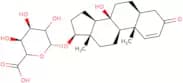
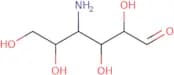
![L-[2-13C]Xylose](/_next/image/?url=https%3A%2Fstatic.cymitquimica.com%2Fproducts%2F3D%2Fthumb-webp%2FDUA50663.webp&w=3840&q=75)
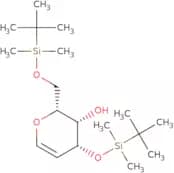

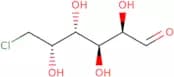
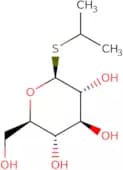
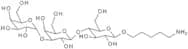
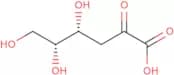
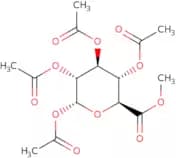
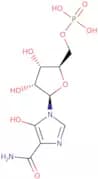
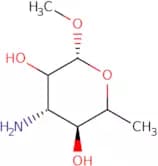
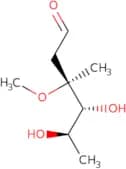
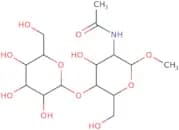


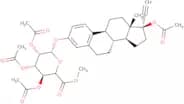
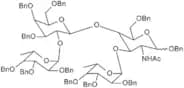
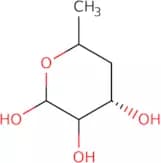

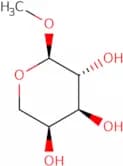
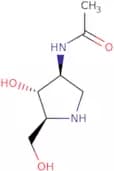
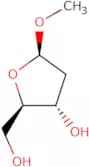
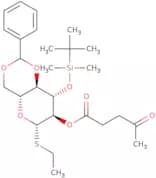


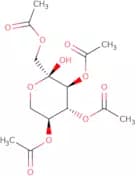
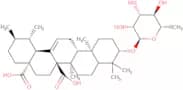

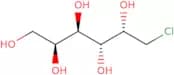
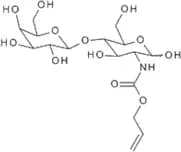

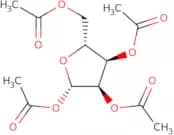

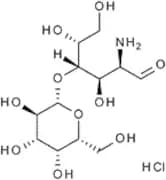

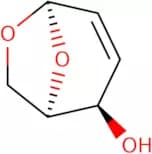


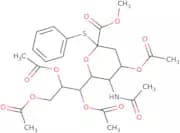


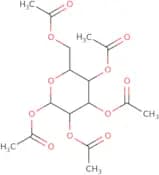
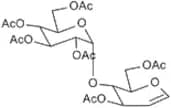
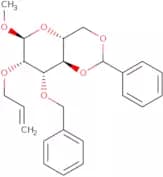
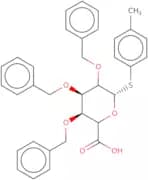

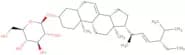
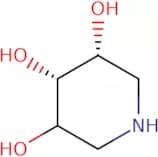
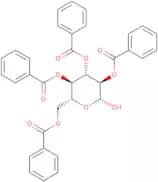
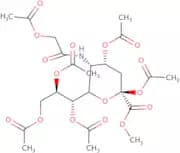
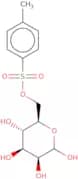
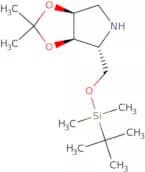
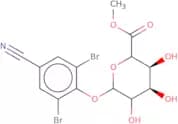
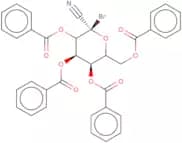
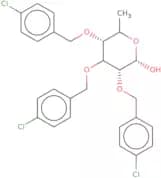
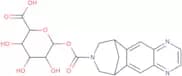

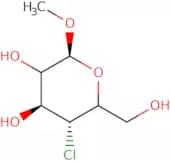
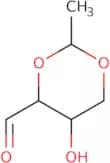
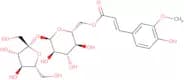
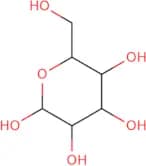
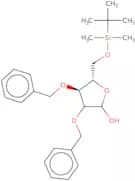

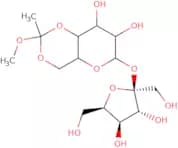

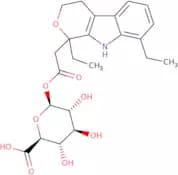

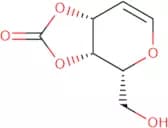
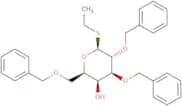

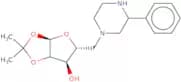
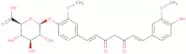

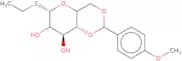
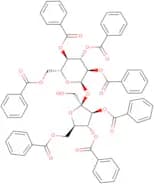
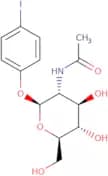
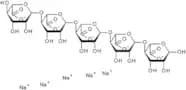
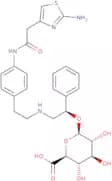
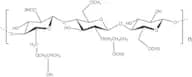
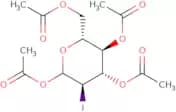
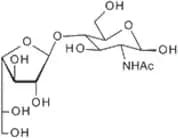



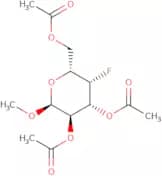
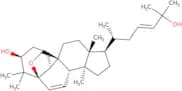

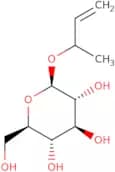
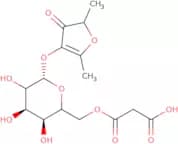
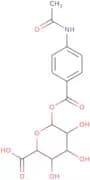
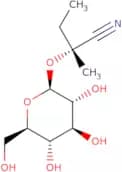
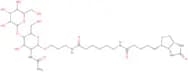
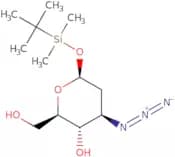
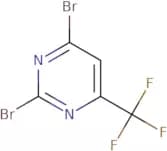
![Benzyl 2,3-O-[(1S,2S)-1,2-dimethoxy-1,2-dimethyl-1,2-ethanediyl]-4-nitrobenzoyl-a-L-xylopyranoside](/_next/image/?url=https%3A%2Fstatic.cymitquimica.com%2Fproducts%2F3D%2Fthumb-webp%2FMB16613.webp&w=3840&q=75)
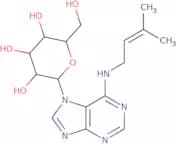
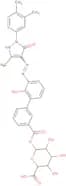

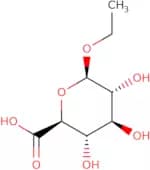
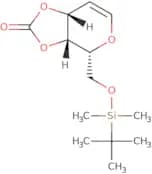
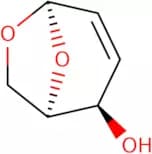
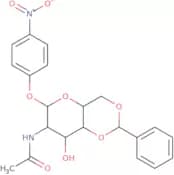
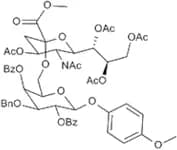
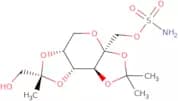

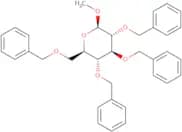
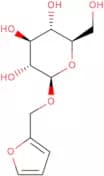
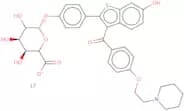
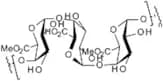

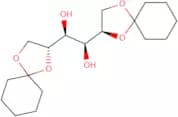
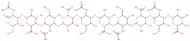
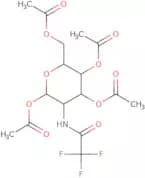
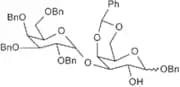

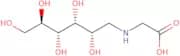
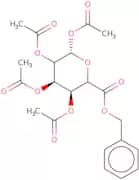
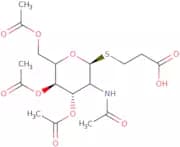

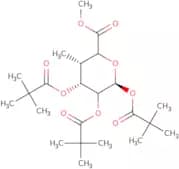
![L-[6-13C]Sorbose](/_next/image/?url=https%3A%2Fstatic.cymitquimica.com%2Fproducts%2F3D%2Fthumb-webp%2FMS35536.webp&w=3840&q=75)
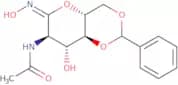
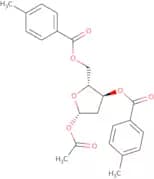

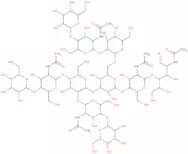
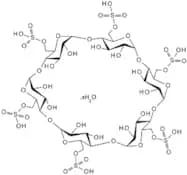


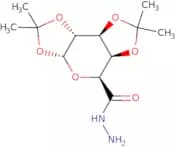
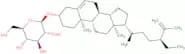
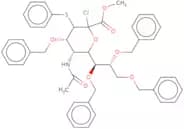
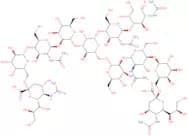
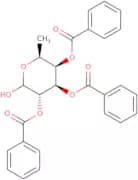
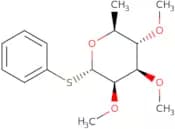
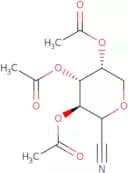
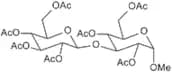

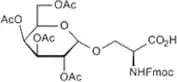
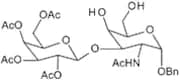
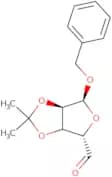


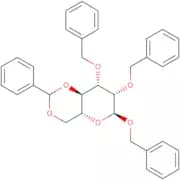
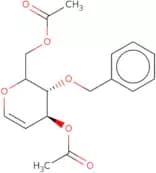
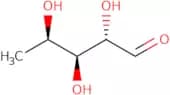
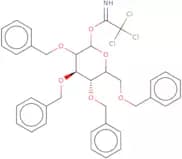
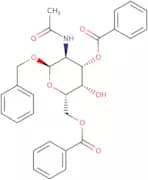
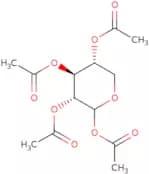
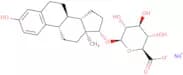
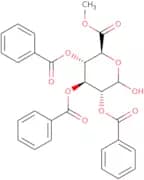
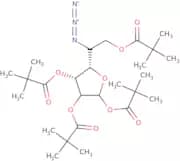
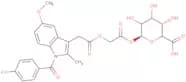
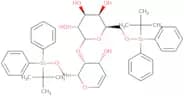

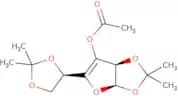
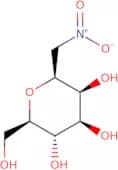
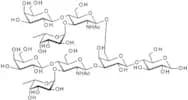

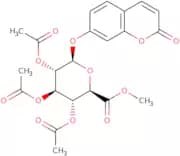

![5-(Acetylamino)-2,6-anhydro-3,4,5-trideoxy-4-[[(1,1-dimethylethoxy)carbonyl]amino]-D-glycero-D-gal…](/_next/image/?url=https%3A%2Fstatic.cymitquimica.com%2Fproducts%2F3D%2Fthumb-webp%2FMA58736.webp&w=3840&q=75)