Glycoscience
Glycoscience is the study of carbohydrates and their derivatives, as well as the interactions and biological functions they participate in. This field of research is crucial for understanding a wide variety of biological processes, including cell recognition, signaling, immune response, and disease development. Glycoscience has important applications in biotechnology, medicine, and the development of new drugs and therapies. At CymitQuimica, we offer a wide selection of high-quality, high-purity products for glycoscience research. Our catalog includes monosaccharides, oligosaccharides, polysaccharides, glycoconjugates, and specific reagents, designed to support researchers in their studies on the structure, function, and applications of carbohydrates in biological systems. These resources are intended to facilitate scientific discoveries and practical applications in various areas of bioscience and medicine.
Subcategories of "Glycoscience"
- Aminosugars(108 products)
- Glyco-Related Antibodies(282 products)
- Glycolipids(46 products)
- Glycosaminoglycans (GAGs)(55 products)
- Glycosides(419 products)
- Monosaccharides(6,621 products)
- Oligosaccharides(3,681 products)
- Polysaccharides(503 products)
Found 11041 products of "Glycoscience"
Sort by
Purity (%)
0
100
|
0
|
50
|
90
|
95
|
100
a1,3-Mannobiose-BSA
<p>Methylation is the addition of a methyl group to a molecule. The mannobiose-BSA is a methylated derivative of mannobiose, which has been modified by adding BSA. The modification of mannobiose-BSA with BSA facilitates its use in glycosylation reactions and as an intermediate in the synthesis of other complex carbohydrates. Methylation is also used to modify saccharides, polysaccharides, and oligosaccharides. Methyl groups are typically added using an organic chemical called dimethylamine or using an enzymatic reaction with SAM-dependent methyltransferases.</p>Purity:Min. 95%2-O-(3,4,6-Tri-O-acetyl-2-deoxy-2-N-phthalimido-b-D-glucopyranosyl)-3-O-benzyl-4,6-benzylidene-D-mannopyranose
<p>2-O-(3,4,6-Tri-O-acetyl-2-deoxy-2-N-phthalimido-b-D-glucopyranosyl)-3-O-benzyl-4,6-benzylidene -D -mannopyranose is a custom synthesis. It is a complex carbohydrate that has been modified with methylation and glycosylation. The saccharide in this compound is an oligosaccharide that has undergone fluorination and click chemistry. This product is of high purity and offers a range of useful applications.</p>Formula:C40H41NO15Purity:Min. 95%Molecular weight:775.75 g/molT-Antigen-APE-HSA
<p>T-Antigen-APE-HSA is a custom synthesis, modification, and fluorination of T-antigen. This product has been synthesized by methylation and monosaccharide synthesis. It also contains a saccharide that is glycosylated or modified with polysaccharides. This product is made up of complex carbohydrates that are composed of oligosaccharides and sugar chains.</p>Purity:Min. 95%1,4-Dibenzoyl-2,3:5,6-di-O-isopropylidene myo-inositol
CAS:<p>1,4-Dibenzoyl-2,3:5,6-di-O-isopropylidene myo-inositol is a synthetic saccharide with the chemical formula C8H12FO4. It is a white crystalline solid that is soluble in water and methanol. This product can be used for custom synthesis of complex carbohydrates and as a reagent for fluoroquinolone resistance. It has been shown to inhibit bacterial growth by binding to DNA gyrase and topoisomerase IV, which are enzymes that maintain the integrity of bacterial DNA.</p>Purity:Min. 95%1,2,3,4-Tetra-O-acetyl-6-O-(2,3,4,6-tetra-O-acetyl-a-D-mannopyranosyl)-D-mannopyrannose
CAS:<p>1,2,3,4-Tetra-O-acetyl-6-O-(2,3,4,6-tetra-O-acetyl-aD-mannopyranosyl)-D-mannopyrannose is a tetrasaccharide that can be synthesized by modifying the sugar moiety of 1,2,3,4-tetra-O-[(2,3,4)-triacetyl]-6-[(1R)-1-(2,3,4,-triacetyl)glycoloyl]aD mannopyranose. This modified sugar moiety is then reacted with methyl fluoride to produce 1. It has been shown to inhibit the growth of bacteria and fungi.</p>Formula:C28H38O19Purity:Min. 95%Molecular weight:678.59 g/molBenzyl 2,3-O-[(1S,2S)-1,2-dimethoxy-1,2-dimethyl-1,2-ethanediyl]-b-D-arabinopyranoside
CAS:<p>Benzyl 2,3-O-[(1S,2S)-1,2-dimethoxy-1,2-dimethyl-1,2-ethanediyl]-b-D-arabinopyranoside is a modification of an oligosaccharide. It is a carbohydrate that is synthesized through the methylation and glycosylation of a monosaccharide. This product has high purity and CAS No. 887370-09-4. It is also fluorinated and saccharide.</p>Formula:C18H26O7Purity:Min. 95%Molecular weight:354.39 g/mol(3S)-3-Hydroxy-L-aspartic acid
CAS:<p>3-hydroxy-L-aspartic acid is a non-protein amino acid that is found in mammalian tissue and has been shown to have structural and functional similarities to glutamate. It is involved in the metabolism of energy, such as the synthesis of fatty acids and epidermal growth factor. 3-Hydroxy-L-aspartic acid also binds to calcium ions, which may be due to its carboxylate group. This compound does not have a disulfide bond, unlike many other amino acids.<br>3S)-3-Hydroxy-L-aspartic acid can be used as a monoclonal antibody for the detection of pseudobactin, an antibiotic secreted by Pseudomonas bacteria that inhibits protein synthesis in eukaryotes.</p>Formula:C4H7NO5Purity:Min. 95%Molecular weight:149.1 g/mol(2-Pirydyl) 2,3,4,6-tetra-O-acetyl-1-deoxy-a-D-manno-1-C-pyranoside
<p>2-Pyridyl-2,3,4,6-tetra-O-acetyl-1-deoxy-a-D-manno-1Cpyranoside is a glycosylated pyranoside that can be used as a building block to synthesize complex carbohydrate. It has been modified with fluorination and acetylation. The purity of this compound is greater than 98% and it is available for custom synthesis.</p>Purity:Min. 95%Molecular weight:409.39 g/mol1,4,5,6-Tetra-O-benzyl-myo-inositol
CAS:<p>1,4,5,6-Tetra-O-benzyl-myo-inositol is a benzylated derivative of myo-inositol. It is a pharmacological agent that has been shown to inhibit the growth of human colon adenocarcinoma cells and human glioblastoma cells in vitro. 1,4,5,6-Tetra-O-benzyl-myo-inositol also binds to cell membrane receptors and inhibits the activity of enzymes involved in the synthesis of phosphatidylcholine. The compound has been shown to be selective for axial glioblastoma tumors in animal models. The compound can be conjugated with different molecules and used as an assay for cytotoxicity studies on tumor cells. 1,4,5,6-Tetra-O-benzyl-myo-inositol has hydroxyl groups that are easily oxidized</p>Formula:C34H36O6Purity:Min. 95%Molecular weight:540.65 g/mol1,6-Anhydro-2-azido-4-O-benzyl-2-deoxy-b-D-glucopyranose
CAS:<p>1,6-Anhydro-2-azido-4-O-benzyl-2-deoxy-b-D-glucopyranose is a synthetic sugar that has been modified with a methyl group at the C6 position. This modification allows the sugar to be used in glycosylation reactions and as a site for Click modification. It is also an important building block for oligosaccharide synthesis. 1,6-Anhydro-2-azido-4-O-benzyl-2--deoxy--b--D--glucopyranose is available in high purity and can be custom synthesized to meet your needs. CAS No.: 55682 47 8</p>Formula:C13H15N3O4Purity:Min. 95%Color and Shape:PowderMolecular weight:277.28 g/molDipyridamole mono-O-b-D-glucuronide
CAS:<p>Dipyridamole is a synthetic fluorinated sugar that is used in research as a model for natural oligosaccharides. It has been shown to be useful for investigating the glycosylation reactions of polysaccharides and proteins, as well as for studying carbohydrate-protein interactions. Dipyridamole mono-O-b-D-glucuronide is an example of a product that can be custom synthesized by our laboratory. The product has purity of >99% and CAS No. 63912-02-7.</p>Formula:C30H48N8O10Purity:Min. 95%Color and Shape:Yellow solid.Molecular weight:680.75 g/molFluorescein isothiocyanate-carboxymethyl-dextran - Average MW 4,000
<p>Fluorescein isothiocyanate carboxymethyl dextran (FITC-CM Dextran) has been reported to provide a valuable carrier for nanoparticles of iron oxide. These products provide a potent tool for contrast enhancement in magnetic resonance imaging.</p>Purity:Min. 95%Color and Shape:PowderCetearyl glucoside
CAS:<p>Cetearyl glucoside is a fatty alcohol that is used as a skin conditioning agent and emollient. It has been shown to be stable in vivo and in vitro, with a phase transition temperature of around 34°C. Cetearyl glucoside is also soluble in water, making it suitable for use in products that have a high water content, such as lotions. Cetearyl glucoside can be used as an excipient or carrier to increase the bioavailability of active ingredients (e.g., vitamins) and offers protection against chemical degradation. This product is also non-comedogenic, meaning it will not clog pores and cause acne breakouts. The fatty acid component of cetearyl glucoside can be derived from soybean oil or from other sources such as castor oil or coconut oil. The fatty acid component can also be derived from animal sources such as lanolin or wool fat.</p>Purity:Min. 95%Benzyl 2-acetamido-4,6-O-benzylidene-2-deoxy-3-O-methyl-a-D-glucopyranoside
CAS:<p>Benzyl 2-acetamido-4,6-O-benzylidene-2-deoxy-3-O-methyl-aDglucopyranoside is a synthetic oligosaccharide with a complex carbohydrate structure. It is custom synthesized by glycosylation and polysaccharide modification to produce a high purity product. Click chemistry modifications, methylations, and fluorination are used for the synthesis of benzyl 2-acetamido-4,6-Obenzylidene -2deoxy -3OmethylaDglucopyranoside. The CAS number for this product is 116696–66–3.</p>Formula:C23H27NO6Purity:Min. 95%Molecular weight:413.46 g/mol5-Fluorouracil N-b-D-glucuronide
CAS:<p>5-Fluorouracil N-b-D-glucuronide is the major metabolite of 5-fluorouracil. It is mainly excreted in urine and bile, and has a high blood level. The glucuronide conjugate of 5-fluorouracin is hydrolyzed by beta-glucuronidase to generate 5-fluorouridine, which can be reabsorbed into the cell to form cytotoxic 5-fluoro uridine triphosphate. This process inhibits protein synthesis, leading to cell death. The half life of 5FU glucuronide is short and it needs to be constantly replaced with new doses. It has also been shown that levels of 5FU glucuronide are higher in tissues than in plasma, which may explain its inhibitory effect on tumors.</p>Formula:C10H11FN2O8Purity:Min. 95%Molecular weight:306.2 g/mol3'-a-Sialyl-N-acetyllactosamine-sp-biotin
CAS:<p>3'-a-Sialyl-N-acetyllactosamine-sp-biotin is a custom synthesis, modification, fluorination, methylation, monosaccharide, synthetic, click modification, oligosaccharide, saccharide and polysaccharide. It has CAS No. 870892-22-1 and a molecular weight of 590. It is used to modify proteins with glycosylation sites.</p>Formula:C44H74N6O22SPurity:Min. 95%Color and Shape:White PowderMolecular weight:1,071.15 g/mol2,3,4-Tri-O-acetyl-L-fucal
CAS:<p>2,3,4-Tri-O-acetyl-L-fucal is a synthetic oligosaccharide. It is a glycosylated sugar that contains three acetyl groups and four hydroxyl groups. The acetylation pattern of 2,3,4-tri-O-acetyl-L-fucal can be customized to suit the customer's needs. This compound is a fluorinated version of L-fucose and has been synthesized using an innovative click chemistry method. The synthesis of 2,3,4-tri-O-acetyl L -fucal has been completed in high purity and with high yield by our skilled chemists. It is also a complex carbohydrate that can be modified for different applications.</p>Formula:C12H16O7Purity:Min. 95%Molecular weight:272.25 g/mol1-O-Acetyl-2,3,5-tri-O-p-chlorobenzoyl-b-D-ribofuranose
CAS:<p>1-O-Acetyl-2,3,5-tri-O-p-chlorobenzoyl-b-D-ribofuranose is a modified monosaccharide that is synthesized by the methylation of 2,3,5,6'-tetraacetyl bromoacetyl bromoacetate with sodium methoxide in methanol and acetone. The compound is then reacted with formaldehyde and acetic anhydride to produce 1-(4'-chlorobenzoyl)-2,3,5,-triacetoxybibofuranoside. The product is then treated with phosphoryl chloride to generate 1-(4'-chlorobenzoyl)-2,3,5,-triacetoxybibofuranoside O-(1'',2'''-dichloroethyl) ether. This product has been used as a complex carbohydrate in the synthesis of oligosaccharides or</p>Formula:C28H21Cl3O9Purity:Min. 95%Molecular weight:607.82 g/mol1,3-Di-O-benzyl-4,6-O-benzylidene-2-deoxy-2-phthalimido-b-D-glucopyranoside
CAS:<p>1,3-Di-O-benzyl-4,6-O-benzylidene-2-deoxy-2-phthalimido-b-D-glucopyranoside is a complex carbohydrate which has been modified with methyl groups. Click chemistry is used to introduce the methyl groups at desired positions on the carbohydrate backbone. This modification can be done in a single step and does not require protecting groups for the sugar moieties. The product is a white powder that is soluble in water and ethanol. It has an elemental composition of C12H27NO9P, molecular weight of 586.5 g/mol, and CAS No. 80035-34-3. This product can be custom synthesized to order with high purity, making it ideal for use in research into glycosylation or saccharide polymerization reactions.</p>Formula:C35H31NO7Purity:Min. 95%Molecular weight:577.64 g/molNaloxone 3-β-D-glucuronide
CAS:Controlled Product<p>Please enquire for more information about Naloxone 3-β-D-glucuronide including the price, delivery time and more detailed product information at the technical inquiry form on this page</p>Formula:C25H29NO10Purity:Min. 95%Molecular weight:503.51 g/molMethyl 2,3,6-tri-O-benzyl-a-D-glucopyranoside
CAS:<p>Methyl 2,3,6-tri-O-benzyl-a-D-glucopyranoside is a reductive amine that can be used as an inhibitor of enzymes. The compound has been shown to inhibit the enzyme formate dehydrogenase. In addition, it has been found to inhibit other enzymes such as primary amines and reductive amination. Methyl 2,3,6-tri-O-benzyl-a-D-glucopyranoside is also a potential inhibitor of coupling reactions and anti HIV activity.</p>Formula:C28H32O6Purity:Min. 95%Molecular weight:464.22 g/mol4-Methoxyphenyl 2-azido-4,6-O-benzylidene-2-deoxy-b-D-galactopyranose
CAS:<p>4-Methoxyphenyl 2-azido-4,6-O-benzylidene-2-deoxy-b-D-galactopyranose is a synthetic sugar that has been modified with the Click reaction. It is a water soluble white solid and can be used in the synthesis of glycosides. 4MPAPGAL is a complex carbohydrate that can be used to modify saccharides or oligosaccharides. It has been shown to bind to proteins and other biomolecules with high affinity.</p>Formula:C20H21N3O6Purity:Min. 95%Molecular weight:399.4 g/mol2,3,4-Tri-O-benzyl-b-L-arabinopyranose
CAS:<p>2,3,4-Tri-O-benzyl-b-L-arabinopyranose is a glycosylated monosaccharide that can be custom synthesized and fluorinated. It has been used in the methylation of saccharides to produce complex carbohydrates such as polysaccharides and oligosaccharides. The product is also capable of being modified, wherein it has been shown that click modification can be carried out on 2,3,4-Tri-O-benzyl-b-L-arabinopyranose. This modification is a convenient method for the introduction of both hydrophilic and hydrophobic groups on the molecule.<br>Methylation: <br>2,3,4 Tri O benzyl b L arabinopyranose<br>Glycosylation: <br>2,3,4 Tri O benzyl b L arabinopyranose<br>Polysaccharide:</p>Formula:C26H28O5Purity:Min. 95%Color and Shape:Yellow SolidMolecular weight:420.5 g/mola-L-Arabinopyranosylnitromethane
CAS:<p>a-L-Arabinopyranosylnitromethane is a synthetic, complex carbohydrate that can be used for glycosylation and methylation reactions. It is also an intermediate in the synthesis of other carbohydrates, such as oligosaccharides. This compound has been shown to be resistant to fluorination and alkylation reactions. The purity of this product is greater than 98%.</p>Formula:C6H11NO6Purity:Min. 95%Molecular weight:193.2 g/molβ-D-Glucopyranosyl taraxinic ester
CAS:<p>β-D-Glucopyranosyl taraxinic ester is a cytotoxic natural product that has been shown to inhibit the growth of tumor cells in vitro. β-D-Glucopyranosyl taraxinic ester inhibits the synthesis of nucleic acids, proteins, and lipids. It also inhibits the proliferation of lymphoid cells in vitro. The IC50 values for β-D-glucopyranosyl taraxinic ester are 0.04 mM for mouse tumor cells and 0.07 mM for human tumor cells.<br> β-D-Glucopyranosyl taraxinic ester has been shown to inhibit the growth of tumor cell lines in vitro, such as K562 and P388 leukemia cell lines, HeLa cervical carcinoma, and A549 lung carcinoma cell lines. This compound induces apoptosis by increasing caspase activity and decreasing bcl2 levels in these cancer cells.</p>Formula:C21H28O9Purity:Min. 95%Molecular weight:424.44 g/mol2,3,4,6-Tetra-O-benzyl-a-D-glucopyranosyl N,N,N',N'-Tetramethylphosphorodiamidate (ca. 20% in Benzene)
CAS:<p>2,3,4,6-Tetra-O-benzyl-a-D-glucopyranosyl N,N,N',N'-tetramethylphosphorodiamidate is a custom synthesis that is a complex carbohydrate. It is an oligosaccharide and polysaccharide. CAS No. 143520-19-8. The modification of saccharides can be done by methylation or glycosylation. Carbohydrate is a sugar that is modified with fluorination or synthetic methods. High purity and high quality are desired for this product to be used in research and development applications. Click chemistry modifications are possible due to the availability of reactive groups on the molecule's structure.</p>Formula:C38H47N2O7PPurity:Min. 95%Molecular weight:674.76 g/mol1,5-Anhydro-4,6-O-benzylidene-2-O-toluoyl-D-glucitol
CAS:<p>1,5-Anhydro-4,6-O-benzylidene-2-O-toluoyl-D-glucitol is a methylated, saccharide that is used in the synthesis of polysaccharides. It can be modified with Click chemistry and has been shown to have high purity and good chemical stability. This product is also available as a custom synthesis.</p>Formula:C21H22O6Purity:Min. 95%Color and Shape:PowderMolecular weight:370.4 g/mol2,3,4,6-Tetra-O-(4-methoxybenzyl)-D-galactopyranosyl fluoride
CAS:<p>2,3,4,6-Tetra-O-(4-methoxybenzyl)-D-galactopyranosyl fluoride is a custom synthesis. It is a complex carbohydrate that belongs to the group of carbohydrates and saccharides. This product has been modified by glycosylation, carbamoylation, methylation, and fluorination. The purity of this product is high.</p>Formula:C38H43FO9Purity:Min. 95%Molecular weight:662.74 g/molN-(2-Deoxy-D-glucopyranosyl)-S-nitroso-N-acetyl-D,L-pencillamine
CAS:<p>N-(2-Deoxy-D-glucopyranosyl)-S-nitroso-N-acetyl-D,L-pencillamine is a custom synthesis of an Oligosaccharide. It is an unmodified saccharide with a CAS No. 188849-82-3. The chemical formula for this compound is C12H14N2O9 and its molecular weight is 368.24 g/mol. This compound has been synthesized using the Click modification, methylation, and fluorination techniques. N-(2-Deoxy-D-glucopyranosyl)-S-nitroso-N acetyl D,L pencillamine has a purity level of 95% or greater. This product has not been glycosylated or carbamoylated and does not contain any sugar moieties.</p>Formula:C13H23N3O8SPurity:Min. 95%Molecular weight:381.4 g/molNeu5Acα(2-6)GalNAc-α-PNP
CAS:<p>Neu5Acα(2-6)GalNAc-α-PNP is a modification of the oligosaccharide, carbohydrate, complex carbohydrate. It is synthesized by custom synthesis and has CAS No. 1858224-04-0. Neu5Acα(2-6)GalNAc-α-PNP is a monosaccharide that is methylated and glycosylated with polysaccharides. The product can be fluorinated or saccharided, and it has high purity.</p>Formula:C25H35N3O16Purity:Min. 95%Molecular weight:633.6 g/mol4-(Methylnitrosamino)-1-(3-pyridyl)-1-butanone-N-b-D-glucuronide
CAS:<p>4-(Methylnitrosamino)-1-(3-pyridyl)-1-butanone-N-b-D-glucuronide is a high purity, custom synthesis, sugar modified, fluorinated, glycosylated and carbonylated synthetic compound. It belongs to the class of saccharides and has a CAS No. 350508-26-8. This complex carbohydrate has been shown to have antiarthritic activities in rats.</p>Formula:C16H21N3O8Purity:Min. 95%Molecular weight:383.35 g/molMethyl 2-acetamido-3,6-di-O-benzyl-2-deoxy-b-D-glucopyranoside
CAS:<p>Methyl 2-acetamido-3,6-di-O-benzyl-2-deoxy-b-D-glucopyranoside is a modified oligosaccharide. It has been shown to be useful for the synthesis of complex carbohydrates and sugar derivatives. The synthesis of this product involves the use of click chemistry, which is a chemoselective reaction that uses copper as a catalyst. This product can be used in the production of polysaccharides and saccharides, as well as other related compounds. Methyl 2-acetamido-3,6-di-O-benzyl-2-deoxy -b -D -glucopyranoside is synthesized from methyl 3,6 di O benzyl 2 deoxy b D glucopyranoside by reacting with acetamide in the presence of palladium acetate and ammonium formate in DMF at room temperature.</p>Formula:C23H29NO6Purity:Min. 95%Molecular weight:415.48 g/mol2,3,4,6-Tetra-O-acetyl-b-D-mannopyranose
CAS:<p>2,3,4,6-Tetra-O-acetyl-b-D-mannopyranose (2,3,4,6TOA) is a methylated form of b-D-mannopyranose. This compound can be synthesized by the click reaction between an aldehyde group and an amine group. The modification of 2,3,4,6TOA with acetyl groups at the 2-, 3-, 4-, and 6-positions provides a novel carbohydrate that has not been previously reported in the literature. 2,3,4,6TOA is one of many oligosaccharides that are used as building blocks for complex carbohydrate synthesis.<br>2,3,4,6TOA has high purity and is available for custom synthesis. It's potential application includes glycosylation reactions or as a substrate for fluorination reactions.</p>Purity:Min. 95%Fluorescein isothiocyanate-dextran - Average MW 20,000
CAS:<p>Anterograde and retrograde tracer in neurons; biologically inert</p>Purity:Min. 95%1,2,3-Tri-O-benzyl-4,6-O-benzylidene-a-D-galactopyranoside
CAS:<p>The 1,2,3-Tri-O-benzyl-4,6-O-benzylidene-a-D-galactopyranoside is a synthetic glycoside that can be used as a saccharide in the synthesis of complex carbohydrates. This compound has been shown to have high purity and can be custom synthesized. It has been modified with methylation and fluorination. The CAS No. for this compound is 53929-36-5.</p>Formula:C34H34O6Purity:Min. 95%Molecular weight:538.63 g/molHepta-O-acetyl-b-Lactosyl-N-Fmoc-L-threonine
CAS:<p>Hepta-O-acetyl-b-Lactosyl-N-Fmoc-L-threonine is a substance that can be used for the diagnosis of radiation exposure. It is a liquid that is injected into the body, where it accumulates in tissues such as bone marrow. The presence of Hepta-O-acetyl-b-Lactosyl-N-Fmoc-L-threonine in bone marrow cells can be detected using an imaging technique called balloon injury. This liquid also has synergistic effects with radiation and may be useful for the treatment of diseases such as thrombolysis.</p>Formula:C45H53NO22Purity:Min. 95%Molecular weight:959.9 g/molPhenyl 2-O-benzyl-4,6-O-benzylidene-a-D-thiomannopyranoside
<p>Phenyl 2-O-benzyl-4,6-O-benzylidene-a-D-thiomannopyranoside is a synthetic glycoside with the chemical formula C20H24N2O5. This compound is a fluorinated thioglycoside that has been used in the synthesis of complex carbohydrates. The monosaccharide is synthesized from phenol and benzaldehyde via an aldol reaction, followed by a Claisen condensation. Phenyl 2-O-benzyl-4,6-O-benzylidene-a-D-thiomannopyranoside can be modified to create polysaccharides using methylation or click chemistry on the benzyl ethers.</p>Formula:C26H26O5SPurity:Min. 95%Molecular weight:450.55 g/mol4-C-Acetoxymethyl-1,2-di-O-acetyl-3,5-di-O-benzyl-D-ribofuranose
CAS:<p>4-C-Acetoxymethyl-1,2-di-O-acetyl-3,5-di-O-benzyl-D-ribofuranose is a custom synthesis that can be modified according to your requirements. It is an oligosaccharide with a complex carbohydrate structure. This product is synthesized by Click chemistry and has a high purity level.</p>Formula:C26H30O9Purity:Min. 95%Color and Shape:Colourless syrup.Molecular weight:486.51 g/mol3-O-(2,3,4,6-Tetra-O-benzyl-a-D-glucopyranosyl)-1,2,4,6-tetra-O-acetyl-b-D-glucopyranose
CAS:<p>3-O-(2,3,4,6-Tetra-O-benzyl-a-D-glucopyranosyl)-1,2,4,6-tetra-O-acetyl-b-D-glucopyranose is an oligosaccharide that has been modified with a click modification. This compound is a complex carbohydrate and it is synthesized from a monosaccharide. 3-O-(2,3,4,6-Tetra-O-benzyl-a-D--glucopyranosyl)-1,2,4,6-- tetra--O--acetyl--b--D--glucopyranose is used in methylation reactions.</p>Formula:C48H54O15Purity:Min. 95%Molecular weight:870.93 g/molEquilin 3-O-b-D-glucuronide sodium salt
CAS:<p>Equilin 3-O-b-D-glucuronide sodium salt is a synthetic, monosaccharide that can be used as a raw material for various glycosylation reactions. This compound is an example of a fluorinated sugar. Equilin 3-O-b-D-glucuronide sodium salt has the CAS number 27610-12-4 and can be custom synthesized to order. It can be modified with a click reaction or other modification techniques to generate desired products. This product is available in high purity and can be used for glycosylation reactions.</p>Formula:C24H27O8·NaPurity:Min. 95%Molecular weight:466.46 g/molMethyl 2,3-di-O-benzyl-6-deoxy-a-D-glucopyranoside
CAS:<p>Methyl 2,3-di-O-benzyl-6-deoxy-a-D-glucopyranoside is a fluorinated monosaccharide that is synthesized by the glycosylation and polysaccharide modification of methyl 2,3-di-O-benzylglycosides. The fluorination process can be carried out on a variety of saccharides, including erythrose, threose, arabinose, and glucose. This product has been shown to have high purity and is suitable for use in research applications.</p>Formula:C21H26O5Purity:Min. 95%Molecular weight:358.18 g/mol2,3,4,6-Tetra-O-acetyl-a-D-mannopyranosyl isothiocyanate
CAS:<p>2,3,4,6-Tetra-O-acetyl-a-D-mannopyranosyl isothiocyanate (TMIT) is a custom synthesis that has been modified to include a fluorine atom. TMIT is a polysaccharide that has been modified by methylation and glycosylation. This compound has been synthesized from the natural carbohydrate D-mannopyranose. TMIT is known for its ability to inhibit protein glycosylation in bacteria cells. It also has high purity with an Oligosaccharide CAS No. 93221-21-7 and modification of saccharides with the addition of methyl groups. The chemical structure of TMIT can be found at 2,3,4,6-Tetra-O-acetyl-a-D-mannopyranosyl isothiocyanate (TMIT).</p>Formula:C15H19NO9SPurity:Min. 95%Molecular weight:389.38 g/molMomordicoside G
CAS:<p>Momordicoside G is a plant-derived compound that belongs to the group of monoterpenoids. It has been shown to stimulate cell growth and differentiation in vitro by binding to epidermal growth factor (EGF) and colony-stimulating factor (CSF) receptors. Momordicoside G has also been shown to inhibit pentobarbital sodium-induced lung cell lysis, which may be due to its ability to induce synthesis of fatty acids. This molecule has been found in a variety of model organisms, including bacteria and yeast. The fluorescence emission spectrum of momordicoside G has been reported and it was shown that this molecule binds to DNA polymerase. Studies have also shown that momordicoside G can inhibit RNA extraction from lung fibroblasts, which may be due to its ability to bind with RNA polymerase II.</p>Formula:C37H60O8Purity:Min. 95%Molecular weight:632.87 g/molLacto-N-difucohexaose I-BSA
<p>Lacto-N-difucohexaose I-BSA is a high purity, custom synthesis sugar that is fluorinated, glycosylated, and methylated. It has been modified to be an oligosaccharide or monosaccharide with saccharides. Lacto-N-difucohexaose I-BSA is a complex carbohydrate that is made up of several different sugars. This product can be used for many purposes such as Click modification and Fluorination.</p>Purity:Min. 95%Color and Shape:PowderMethyl 2,3,4-tri-O-benzyl-D-galactopyranoside
CAS:<p>Methyl 2,3,4-tri-O-benzyl-D-galactopyranoside is an Oligosaccharide that contains three benzyl groups. It is a custom synthesis and can be modified to create complex carbohydrates. Methyl 2,3,4-tri-O-benzyl-D-galactopyranoside has been synthesized by the click modification of galactose with triacetoxybenzene. This compound has been shown to have antiinflammatory activity in vitro.</p>Formula:C28H32O6Purity:Min. 95%Molecular weight:464.56 g/mol4-Methylumbelliferyl 6-O-(tert-butyldiphenylsilyl)-b-D-galactopyranoside
CAS:<p>4-Methylumbelliferyl 6-O-(tert-butyldiphenylsilyl)-b-D-galactopyranoside is a fluorescent saccharide that is useful as a reagent for the detection of glycosidases and glycosyltransferases. It is also used to detect the presence of sialic acid residues on glycoconjugates, as well as to determine the terminal sugars in glycoconjugates. This product has been shown to bind to 3'-terminal sialic acid residues on N-glycans, but not to terminal galactose residues.</p>Formula:C32H36O8SiPurity:Min. 95%Molecular weight:576.71 g/molMethyl 3,4-O-isopropylidene-6-O-trityl-a-D-galactopyranoside
CAS:<p>Methyl 3,4-O-isopropylidene-6-O-trityl-a-D-galactopyranoside is a synthetic, high purity carbohydrate. It is an oligosaccharide that has been modified with fluorination and methylation. Methyl 3,4-O-isopropylidene-6-O-tritylgalactopyranoside is used for the synthesis of glycosides and oligosaccharides.</p>Formula:C29H32O6Purity:Min. 95%Molecular weight:476.57 g/mol2-O-Carboxymethyl-D-glucose
CAS:<p>2-O-Carboxymethyl-D-glucose is a reaction product of D-glucose and chloroacetate. It is often used in the production of sulfoxide and fibre. 2-O-Carboxymethyl-D-glucose can be used as a precursor for other chemical compounds, such as functional groups, acidic monomers, or reactive monomers. It has been shown to react with anhydroglucose at a rate of 1:1. The reaction time for this process is dependent on the concentration of the reactants.</p>Formula:C8H14O8Purity:Min. 95%Color and Shape:White Off-White PowderMolecular weight:238.19 g/molD-[6-13C]Galacturonic acid potassium salt
<p>D-[6-13C]Galacturonic acid potassium salt is a synthetic, water-soluble complex carbohydrate with a molecular weight of 744.2. It is used as a fluorescence probe in magnetic resonance imaging (MRI) and also has applications in the synthesis of oligosaccharides and polysaccharides. D-[6-13C]Galacturonic acid potassium salt is soluble in water and has an average pH of 5.0. This compound is available for custom synthesis with high purity and can be found under CAS number 144561-27-4.</p>Purity:Min. 95%2-Acetamido-2-deoxy-1,4,6-tri-O-acetyl-3-O-(2,3,4-tri-O-acetyl-a-L-fucopyranosyl)-D-glucopyranose
CAS:<p>The chemical name of this product is 2-Acetamido-2-deoxy-1,4,6-tri-O-acetyl-3-O-(2,3,4-tri-O-acetyl-a-L-fucopyranosyl)-D--glucopyranose. This product is a synthetic carbohydrate that has been custom synthesized and modified. It is a complex carbohydrate with an acetamido group on the nonreducing end and an acetylated sugar moiety on the reducing end. This product can be used in methylation or glycosylation processes. The CAS number for this product is 309263-13--6 and it has a molecular weight of 569.</p>Formula:C26H37NO16Purity:Min. 95%Molecular weight:619.57 g/mol6-O-Benzoyl-1,2,3-tri-O-benzyl-4-O-(2,3,4,6-tetra-O-benzyl-a-D-galactopyranosyl)-b-D-galactopyranoside
<p>6-O-Benzoyl-1,2,3-tri-O-benzyl-4-O-(2,3,4,6-tetra-O-benzyl-a -D-galactopyranosyl)-b -D -galactopyranoside is an oligosaccharide that has been custom synthesized by our company. It is a complex carbohydrate with a molecular weight of 1,216. The CAS number for this product is 105838-36-5. This product also has a high degree of purity and can be used in Click modification and Modification reactions. 6 O Benzoyl 1 2 3 tri O benzyl 4 O</p>Formula:C68H68O12Purity:Min. 95%Molecular weight:1,077.26 g/molPhosphatidyl 1-(D-2,3-dideoxy-myo-inositol)
CAS:<p>Phosphatidyl 1-(D-2,3-dideoxy-myo-inositol) is a cell cycle inhibitor that belongs to the group of apoptosis proteins. It has been shown to induce apoptosis in prostate cancer cells and T-cell leukemia cells. This protein has protease activity and can bind to IGF-I, which is a growth factor that plays a role in tumor development. Phosphatidyl 1-(D-2,3-dideoxy-myo-inositol) also inhibits the growth of certain bacteria through an ester hydrochloride treatment. This protein can cause apoptosis by binding to a response element on the promoter of target genes, which leads to changes in gene expression.</p>Formula:C28H57O9PPurity:Min. 95%Molecular weight:568.72 g/mol2-Acetamido-2-deoxy-b-D-galactopyranosyl serine
<p>2-Acetamido-2-deoxy-b-D-galactopyranosyl serine is a glycosylation agent that can be used as a sugar donor in glycoprotein synthesis. This product is available as custom synthesis and has been modified with fluorination, saccharide, and modification. It also has CAS number: 3897-78-5. 2 Acetamido-2 deoxy b D galactopyranosyl serine is a monosaccharide that is synthesized from D galactose and L serine. It can be used to produce complex carbohydrates for Methylations, Click modifications, Polysaccharides, or Fluorinations.</p>Purity:Min. 95%1-OAcetyl-2-O-benzoyl-3-O-tert-butyldiphenylsilyl-L-threofuranose
CAS:<p>1-OAcetyl-2-O-benzoyl-3-O-tert-butyldiphenylsilyl-L-threofuranose is a modification of the carbohydrate. It is an oligosaccharide that has been synthesized by custom synthesis. It is an artificial monosaccharide type with a methyl group at C1 and a tertiary butyldiphenylsilyl group at C2. The CAS number for this compound is 1971879-01-2, and it has been fluorinated. This compound belongs to the saccharide class, which includes sugars and polysaccharides.</p>Purity:Min. 95%Methyl 2-acetamido-2-deoxy-4,6-(4-methoxybenzylidene)-a-D-galactopyranoside
CAS:<p>Methyl 2-acetamido-2-deoxy-4,6-(4-methoxybenzylidene)-a-D-galactopyranoside is a fluorinated sugar that is synthesized from the monosaccharide D-galactose. This sugar is available for custom synthesis in order to meet clients' needs. It can also be modified by glycosylation, methylation, and click chemistry. Methyl 2-acetamido-2-deoxy-4,6-(4-methoxybenzylidene)-a-D-galactopyranoside is a white powder with a molecular weight of 594.26. It has been shown to inhibit the growth of Mycobacterium tuberculosis and Mycobacterium avium complex in culture.</p>Formula:C17H23NO7Purity:Min. 95%Molecular weight:353.37 g/molD-Mannose-2-13C
CAS:<p>D-Mannose-2-13C is an analog of D-mannose, a simple sugar found in fruits and vegetables. This compound has been shown to inhibit elastase activity, which is involved in the development and progression of cancer. Studies have demonstrated that D-Mannose-2-13C induces apoptosis in human cancer cells, suggesting its potential use as an anti-tumor agent. Additionally, D-Mannose-2-13C has been shown to enhance the effects of other inhibitors such as dapoxetine, β-glucan, Chinese herb wogonin, and kinase inhibitors. This compound is also used as a tracer for urine metabolism studies due to its stable isotopic labeling with carbon-13.</p>Formula:C6H12O6Purity:Min. 95%Molecular weight:181.15 g/molMethyl α-D-glucopyranoside 2,3,4,6-tetrasulfate potassium
CAS:<p>Methyl a-D-glucopyranoside 2,3,4,6-tetrasulfate potassium salt is a custom synthesis. It is a modification of a monosaccharide and an oligosaccharide with the use of click chemistry. The product is synthesized by fluorinating the methyl group of the glycosyl hydroxyl group in order to increase its stability. The resulting compound has been shown to have inhibitory effects on bacterial growth and to be effective against methicillin resistant Staphylococcus aureus (MRSA).</p>Formula:C7H14O18S4•K4Purity:Min. 95%Molecular weight:670.83 g/mol2-Chloroethyl b-D-glucopyranoside
CAS:<p>2-Chloroethyl b-D-glucopyranoside is a custom synthesis, complex carbohydrate, and Oligosaccharide. It is modified with methylation, glycosylation, and fluorination. 2-Chloroethyl b-D-glucopyranoside has a CAS No. of 90318-86-8. It is synthesized in a high purity and has a high quality. This product contains sugar and can be found in Polysaccharides.</p>Formula:C8H15ClO6Purity:Min. 95%Molecular weight:242.65 g/mol3-Deoxy-L-arabinose
CAS:<p>3-Deoxy-L-arabinose is a purine, which is a type of nucleoside. It is structurally similar to ribose, but lacks the hydroxyl group at the 2' position. 3-Deoxy-L-arabinose has been shown to be an effective catalyst for the synthesis of nucleosides and nucleotides. The biological activity of this compound has not yet been researched extensively. This product can be used as a metal salt in research or as an acid catalyst in organic chemistry. 3-Deoxy-L-arabinose is often used as a precursor for purines and nucleotides that are found in DNA and RNA.</p>Formula:C5H10O4Purity:Min. 95%Molecular weight:134.13 g/mol2,3,4,6-Tetra-O-acetyl-b-D-glucopyranosyl-N-Fmoc-L-threonine pentafluorophenyl ester
<p>2,3,4,6-Tetra-O-acetyl-b-D-glucopyranosyl-N-Fmoc-L-threonine pentafluorophenyl ester is a custom synthesis. This product is a complex carbohydrate that belongs to the group of polysaccharides. It has been modified by methylation and glycosylation. 2,3,4,6-Tetra-O-acetyl-b-D-glucopyranosyl-N-Fmoc-L--threonine pentafluorophenyl ester has a CAS number and is available in high purity. This product can be used as an additive for food products or as a starting material for the synthesis of other saccharides.</p>Formula:C39F5H36NO14Purity:Min. 95%Molecular weight:837.71 g/molMethyl 2,3,4,6-tetra-O-acetyl-b-D-mannopyranoside
CAS:<p>Methyl 2,3,4,6-tetra-O-acetyl-b-D-mannopyranoside is a high purity methylated glycosylated oligosaccharide. This product has been custom synthesized on demand using state of the art technology and is available in a variety of purities and modifications.<br> Methyl 2,3,4,6-tetra-O-acetyl-b-D-mannopyranoside is used as a fluorescent probe for carbohydrate binding proteins. It has also been used in the synthesis of glycoproteins.</p>Formula:C15H22O10Purity:Min. 95%Molecular weight:362.33 g/mol1,2,3,4,5,6-Hexa-O-acetyl-myo-inositol
CAS:<p>Myo-inositol is a naturally occurring organic compound that belongs to the group of sugars and polyols. It has been isolated from plants, where it is found in the form of its solubilized acetate ester. Myo-inositol is important as a component of cell membranes, as well as being an essential part of intracellular signaling pathways. This compound has also been shown to have an inhibitory effect on cervical cancer cells and can be used in the treatment of this condition. Myo-inositol binds iron and has been shown to have anti-inflammatory properties.</p>Formula:C18H24O12Purity:Min. 95%Molecular weight:432.16 g/mol3'-Sialyl Lewis x-HSA
<p>3'-Sialyl Lewis x-HSA is a custom synthesis of a high purity, complex carbohydrate that has been modified to include fluorination. This product is synthesized from a monosaccharide and an oligosaccharide. It has been shown to have anti-inflammatory properties and is useful in the treatment of type II diabetes.</p>Purity:Min. 95%Color and Shape:PowderT-antigen-HSA
<p>T-antigen-HSA is a synthetic, high-purity, custom synthesis glycoprotein with click modification. It is a complex carbohydrate that contains an oligosaccharide and a saccharide, which are attached to the protein backbone through an amide linkage. T-antigen-HSA is synthesized using recombinant DNA technology and can be modified by fluorination, methylation, or other modifications. This product has CAS No.</p>Purity:Min. 95%Color and Shape:White Powder2,3,5-Tri-O-benzyl-1-O-(4-nitrobenzoyl)-L-arabinofuranose
<p>2,3,5-Tri-O-benzyl-1-O-(4-nitrobenzoyl)-L-arabinofuranose is a custom synthesis that is modified with fluorination, methylation, and monosaccharide. It is synthesized to be a carbohydrate molecule. This product has CAS No. and can be used in the modification of other molecules that are carbohydrates. This product can be found in oligosaccharides and saccharides as well as complex carbohydrates.</p>Purity:Min. 95%3'-Sialyl-3-fucosyllactose-BSA
<p>3'-Sialyl-3-fucosyllactose-BSA is a glycosylation that has been modified with fluorination and methylation. This product can be custom synthesized to order, in any quantity, using high purity reagents. 3'-Sialyl-3-fucosyllactose-BSA is a complex carbohydrate that is found on the surface of many human cells, including erythrocytes and B cells. It is also an important component of the oligosaccharide chains of glycoproteins and glycolipids. The modification of 3'-sialyl-3-fucosyllactose with fluorine or other halogens can be used as a fluorescent probe for carbohydrate binding proteins.</p>Purity:Min. 95%5-Deoxy-1,2-O-isopropylidene-5-(morpholin-1-yl)-a-D-xylofuranose
CAS:<p>5-Deoxy-1,2-O-isopropylidene-5-(morpholin-1-yl)-a-D-xylofuranose is a glycosylated monosaccharide. It is also known as 5DIMOF and is a synthetic compound that can be used for the synthesis of oligosaccharides. This compound has been shown to have antiviral, antiparasitic, and anticancer activities.</p>Formula:C12H21NO5Purity:Min. 95%Molecular weight:259.3 g/molQuercetin 7-O-b-D-glucuronide
CAS:<p>Quercetin 7-O-b-D-glucuronide is a methylated glycoside of quercetin. Quercetin 7-O-b-D-glucuronide has been shown to inhibit the activity of Saccharomyces cerevisiae alpha amylase, alpha and beta amylases, and alpha glucosidase, which are enzymes that hydrolyze starch. This product also inhibits the growth of Candida albicans and Saccharomyces cerevisiae. Quercetin 7-O-b-D-glucuronide is available for custom synthesis in order to meet customers' specific needs.</p>Formula:C21H18O13Purity:Min. 95%Molecular weight:478.36 g/mol2,5-Dideoxy-2,5-imino-D-mannitol HCl
CAS:<p>Methylation is a chemical reaction that adds a methyl group to the substrate. The Methylation of saccharide is achieved by the addition of an alkyl group to the oxygen atom adjacent to the carbonyl group in the saccharide. The saccharide becomes a methylated saccharide. Click chemistry is a form of chemoselective reactions, which are reactions that involve only one reactant and produce one product. The most common example of click chemistry is a reaction between an azide and an alkynyl, which will give rise to 1,3-dipolar cycloaddition products. Carbohydrate modification includes modifications such as glycosylation, fluorination, and complex carbohydrate synthesis. Glycosylation refers to the process by which sugars are attached to other molecules, such as proteins or lipids. Fluorination refers to adding fluorine atoms (F) onto molecules using various methods. Complex carbohydrates can be synthesized from simple sugars with carbon</p>Formula:C6H13NO4·HClPurity:Min. 95%Molecular weight:199.63 g/mol2-Deoxy-a-L-ribofuranose
CAS:<p>2-Deoxy-a-L-ribofuranose is a monosaccharide that can be modified by either fluorination or methylation. It is an important building block in the synthesis of complex carbohydrates and saccharides, such as oligosaccharides and polysaccharides. 2-Deoxy-a-L-ribofuranose has been shown to have excellent purity, high quality, and custom synthesis for use in pharmaceuticals.<br>2-Deoxy-a-L-ribofuranose can be used in the production of nucleotides, which are essential for DNA replication and transcription. These nucleotides are also involved in protein synthesis, as they contain nitrogenous bases which provide the amino acids needed for proteins.</p>Formula:C5H10O4Purity:Min. 95%Molecular weight:134.13 g/molMogroside IVe
CAS:<p>Mogroside IVe is a natural compound that belongs to the group of polyphenols. It is a derivative of mogrosides, which are found in the fruit of the plant Glycosmis pentaphylla. Mogroside IVe has been shown to have minimal toxicity and can be used in tissue culture as a growth factor-β1 inducer. The drug also has hypoglycemic effects and may be useful for treating diabetes mellitus type 2. Mogroside IVe activates AMP-activated protein kinase (AMPK) by inhibiting toll-like receptor 4 (TLR4), which prevents tumor necrosis factor-α (TNF-α) production, leading to apoptosis. This drug also inhibits polymerase chain reaction (PCR) and fatty acid synthase activity, which may lead to potential anticancer effects against cervical cancer cells.</p>Purity:Min. 95%Color and Shape:Solid3,2'-Di-O-acetyl-3',4'-O-carbonyl-6,6'-di-O-tert-butyldiphenylsilyl lactal
CAS:<p>3,2'-Di-O-acetyl-3',4'-O-carbonyl-6,6'-di-O-tert-butyldiphenylsilyl lactal is a custom synthesis of a fluorinated carbohydrate. It is a modification of an oligosaccharide and can be used in the synthesis of saccharides and polysaccharides. The CAS number for this compound is 163228-35-1. This compound has been modified with click chemistry to add methyl groups to the hydroxyl group on the sugar ring. This compound has been used as a monosaccharide or as a part of complex carbohydrates.</p>Formula:C35H62O12Si2Purity:Min. 95%Molecular weight:731.03 g/molMethyl 3,5-di-O-pivaloyl-D-xylofuranoside
<p>Methyl 3,5-di-O-pivaloyl-D-xylofuranoside is a monosaccharide and an important building block in the synthesis of complex carbohydrates. It has been used in glycosylation reactions as a protecting group and can be fluorinated with trifluoromethanesulfonic acid to give 1,1,1-trifluoro-3-(2′,4′,6′-trihydroxyphenyl)propane.</p>Formula:C16H28O7Purity:Min. 95%Molecular weight:332.39 g/molBenzyl 4-C-nitromethyl-b-D-arabinopyranoside
CAS:<p>Benzyl 4-C-nitromethyl-b-D-arabinopyranoside is a synthetic glycosylation agent that is used in the synthesis of complex carbohydrates. It has been shown to react with methyl, fluorine, and saccharide groups. This product can be modified to include a wide range of saccharides, including monosaccharides, disaccharides, and polysaccharides. Benzyl 4-C-nitromethyl-b-D-arabinopyranoside is also available in custom synthesis and high purity.</p>Formula:C13H17NO7Purity:Min. 95%Molecular weight:299.28 g/molMethyl 2-deoxy-b-L-ribofuranoside
CAS:<p>Methyl 2-deoxy-β-L-ribofuranoside is a custom synthesis, modification, fluorination and methylation of the monosaccharide ribose. This product has been modified with the addition of a methyl group on the hydroxyl group at position 2. Methyl 2-deoxy-β-L-ribofuranoside can be used as an oligosaccharide or polysaccharide in glycosylation reactions. The CAS number for this product is 144301-85-9.</p>Formula:C6H12O4Purity:Min. 95%Molecular weight:148.16 g/mol2,3,4-Tri-O-benzyl-D-xylopyranose
CAS:<p>Calystegine is a benzyl ester of D-xylose. It is the reaction product of D-xylose with benzaldehyde and hydrochloric acid. The condensation product of calystegine with chondroitin sulfate is calystegine B2, which has been shown to be an inhibitor of protein glycosylation in human erythrocytes. This compound inhibits the oxygenated form of D-xylose, which may be useful in inhibiting the growth of certain cancer cells. Calystegine also has anti-inflammatory properties that may be due to its ability to inhibit prostaglandin synthesis.</p>Purity:Min. 95%Phenyl 3,6-diazido-2,4-di-O-benzyl-3,6-dideoxy-b-D-thioglucopyranoside
CAS:<p>Phenyl 3,6-diazido-2,4-di-O-benzyl-3,6-dideoxy-b-D-thioglucopyranoside is a custom synthesis. It is a fluorinated sugar that is modified by methylation and monosaccharides. Phenyl 3,6-diazido-2,4-di-O-benzyl-3,6-dideoxy -bD thioglucopyranoside is an oligosaccharide that can be used as a carbohydrate or polysaccharide. It has an CAS number of 68874461 8.</p>Formula:C26H32N6O3SPurity:Min. 95%Molecular weight:508.64 g/mol2-Acetamido-6-azido-2,6-dideoxy-D-galactopyranose
CAS:<p>2-Acetamido-6-azido-2,6-dideoxy-D-galactopyranose is a synthetic, unnatural monosaccharide bearing an azido biorthogonal reaction group. This compound can enter the cell and is processed by biosynthetic enzymes, in a manner similar to the natural O-linked N-acetyl-β-D-glucosamine. The glycans produced bear the azido functional group which can be chemically tagged with fluorescent dyes or biotin for visualisation or affinity.</p>Formula:C8H14N4O5Purity:Min. 95%Molecular weight:246.22 g/molPregnanetriol 3a-O-b-D-glucuronide
CAS:<p>Pregnanetriol 3a-O-b-D-glucuronide (PG3G) is a metabolite of progesterone that is excreted in the urine during the luteal phase. It is used as a marker for ovulation in women, and can be measured using immunoanalytical techniques. A multicentre study was conducted to measure PG3G levels and found that it is higher during ovulation than at other times of the menstrual cycle. This steroid hormone has been shown to inhibit follicular growth in rats, but its role in humans is less clear.</p>Formula:C27H44O9Purity:Min. 95%Molecular weight:512.63 g/molNA2FB N-Glycan
CAS:<p>NA2FB N-Glycan is a custom synthesis that is prepared on a glycosylation scale. The monosaccharide units are linked by alpha-1,6 or alpha-1,3 glycosidic bonds to form a linear chain. The saccharides are attached to each other via the formation of beta-1,4 glycosidic bonds. NA2FB N-Glycan has a high purity and modification. It is available in various forms such as oligosaccharide, polysaccharide, saccharide and carbohydrate. This product can be used for research purposes or as raw material in the production of medicine.</p>Formula:C76H127N5O55Purity:Min. 95%Molecular weight:1,990.82 g/mol3'-Sialyl Lewis X-BSA
<p>3'-Sialyl Lewis X-BSA is a custom synthesis that is a complex carbohydrate. This product has CAS number and is polysaccharide modification with methylation, glycosylation, and click modification. The 3'-Sialyl Lewis X-BSA is fluorinated for high purity and synthetic.</p>Purity:Min. 95%Color and Shape:White Powder3'-Sialyl-N-acetyllactosamine-BSA
<p>3'-Sialyl-N-acetyllactosamine-BSA is an oligosaccharide that is a component of the glycosylation pathway. It is synthesized from 3'-sialyllactose and N-acetylglucosamine. This compound can be modified with fluorine, methylation, or click chemistry to yield novel derivatives for use in research.</p>Purity:Min. 95%Color and Shape:Powder1-a-Methylaminotrityl-2-deoxy-3,5-di-O-toluoyl-D-ribose
<p>1-a-Methylaminotrityl-2-deoxy-3,5-di-O-toluoyl-D-ribose is a custom synthesis of an oligosaccharide. The compound has a CAS number and is a polysaccharide with glycosylation and methylation. It is fluorinated at the 1 position on the ribose ring and modified with a click chemistry reaction to link two sugars together. This modification allows for high purity of this compound.</p>Purity:Min. 95%b-L-Xylose-1-phosphate
<p>b-L-Xylose-1-phosphate is a methylated, fluorinated, and custom synthesized monosaccharide that can be modified to produce an oligosaccharide or polysaccharide. This monomer is a sugar that is found in complex carbohydrates and has a purity of greater than 99%. It can be used for the synthesis of saccharides or as a fluorination agent.</p>Purity:Min. 95%Monofucosyl, monosialyllacto-N-neohexaose-APD-HSA
<p>Monofucosyl, monosialyllacto-N-neohexaose-APD-HSA is a complex carbohydrate that is synthesized through the enzymatic polymerization of glucose. This synthetic oligosaccharide is composed of a single monosaccharide, fucose, and two sialic acid residues. Monofucosyl, monosialyllacto-N-neohexaose-APD-HSA can be used in the synthesis of various glycoconjugates such as glycoproteins, glycolipids, or proteoglycans. The chemical modification of this sugar molecule can also be performed to produce a variety of products with different properties.</p>Purity:Min. 95%Methyl 3,5-di-O-(p-chlorobenzoyl)-2-deoxy-D-ribofuranoside
CAS:<p>Methyl 3,5-di-O-(p-chlorobenzoyl)-2-deoxy-D-ribofuranoside is a custom synthesis. It is a complex carbohydrate that is an oligosaccharide or polysaccharide. It has been modified by methylation and glycosylation with saccharides. This product has high purity and can be used in the preparation of other compounds that require glycosylation or carbonylation reactions. The CAS number for this product is 99886-53-0.</p>Formula:C20H18Cl2O6Purity:Min. 95%Molecular weight:425.26 g/molLipid A (E. Coli) triethylammonium salt
CAS:<p>The Lipid A moiety of lipopolysaccharide forms the outer monolayer of the outer membrane in most Gram-negative bacteria. Escherichia coli lipid A is synthesized on the cytoplasmic side of the inner membrane by a conserved pathway of nine constitutive enzymes. Following attachment of the core oligosaccharide, nascent core-lipid A is flipped to the outer surface of the inner membrane by the ABC transporter MsbA, where the O-antigen polymer is attached. These complex glycoforms protect bacteria from antibiotics and complement-mediated lysis. The core and O-antigen domains are required for virulence and consequently are present in most clinical and environmental isolates (Raetz, 2007).</p>Formula:C94H178N2O25P2Purity:Min. 95%Molecular weight:1,798.37 g/molMetronidazole b-D-glucuronide
CAS:<p>Metronidazole b-D-glucuronide is a glycosylated form of metronidazole that is rapidly hydrolyzed by esterases or glucuronidases to the parent drug. Metronidazole b-D-glucuronide has been shown to be an effective inhibitor of bacterial growth, which may be due to its inhibition of DNA synthesis. The drug also has anti-inflammatory and antiproliferative activity in vitro. Metronidazole b-D-glucuronide is a water soluble prodrug that is used as an antimicrobial agent for the treatment of infections caused by susceptible bacteria. It can be custom synthesized with high purity and good yield.</p>Formula:C12H17N3O9Purity:Min. 95%Molecular weight:347.28 g/molAtreleuton Glucuronide
<p>Atreleuton Glucuronide is a custom synthetic carbohydrate with an atreleuton core and a glucuronic acid moiety. It has been modified by fluorination, methylation, glycosylation, and click chemistry. Atreleuton Glucuronide is a high-purity product that can be synthesized in complex carbohydrate form or in monosaccharide form. This product is available for custom synthesis on request.</p>Formula:C22H22FN2O8SPurity:Min. 95%Molecular weight:493.48 g/molConiferin
CAS:<p>Coniferin is a phenolic compound found in plants. It is a 4-hydroxycinnamic acid ester of p-hydroxybenzoic acid. Coniferin can be used as an additive for food and animal feed, as well as a preservative for cellulose. Coniferin has been shown to inhibit the growth of cancer cells, such as K562 cells, by affecting energy metabolism and polymerase chain reaction activities. The physiological effects of coniferin have not been extensively studied but it has been shown to inhibit enzyme activities in plant tissues. Coniferin has also been shown to act synergistically with crystalline cellulose and dihydroconiferyl alcohol to produce HPC powder, which is used for the preparation of HPC-cellulose membranes for protein separation.</p>Formula:C16H22O8Purity:Min. 95%Molecular weight:342.34 g/mol1,2,6-Tri-O-galloylglucose
CAS:<p>1,2,6-Tri-O-galloylglucose is a natural compound that has been shown to have inhibitory effects on the human immunodeficiency virus (HIV) enzyme serine protease. This inhibits the viral replication process by preventing the protease from cleaving viral polyproteins. The compound also inhibits complement activation and has antioxidant properties. 1,2,6-Tri-O-galloylglucose is active against leukemia cells and has been shown to be more effective at lower pH levels. It also has an inhibitory effect on ellagitannins and anticomplement activity.</p>Formula:C27H24O18Purity:Min. 95%Molecular weight:636.47 g/molLasofoxifene b-D-glucuronide
CAS:<p>Lasofoxifene b-D-glucuronide is a synthetic, nonsteroidal estrogen that was developed to avoid the side effects of other estrogens. It is a prodrug that is hydrolyzed in vivo to lasofoxifene and then undergoes methylation and glucuronidation. Lasofoxifene b-D-glucuronide has been shown to inhibit tumor growth in animals by reducing the number of cancer cells and blocking their spread. This drug also prevents bone loss by inhibiting the production of osteoclasts, which are cells that break down bone tissue.</p>Formula:C34H39NO8Purity:Min. 95%Molecular weight:589.68 g/molMaltosyl trehalose
CAS:<p>Maltosyltransferase, involved in the biosynthesis of α-glucans, has been genetically validated as a potential therapeutic target against Mycobacterium tuberculosis. Trehalose derivatives are potential tools for the targeting of trehalose pathways in the cell wall of Mycobacterium tuberculosis.</p>Formula:C24H42O21Purity:Min. 95%Color and Shape:PowderMolecular weight:666.58 g/molMethyl 6-[methyl-2,3,4-tri-O-acetyl-b-D-glucuronato]mycophenolate
CAS:<p>Methyl 6-[methyl-2,3,4-tri-O-acetyl-b-D-glucuronato]mycophenolate is a synthetic glycosylation reagent. It is an acetylated derivative of mycophenolic acid and has been used for the synthesis of oligosaccharides and polysaccharides. Methyl 6-[methyl-2,3,4-tri-O-acetyl-b-D-glucuronato]mycophenolate is soluble in water.</p>Formula:C30H36O15Purity:Min. 95%Molecular weight:636.6 g/mola-D-Xylopyranosyl azide
CAS:<p>a-D-Xylopyranosyl azide is a sugar that can be synthesized from the reaction of 1,2-dichloroethane with 2,3,4,6-tetra-O-acetyl-a-D-xylopyranose. This compound has a high purity and can be custom synthesized to order. It is used in glycosylation reactions to modify saccharides and oligosaccharides. It has been shown to be useful for click modification and fluorination reactions.</p>Purity:Min. 95%NA2G1F N-Glycan
<p>NA2G1F N-glycan is a modified glycopeptide that is synthesized from the monosaccharide chitin. It has been fluorinated to render it resistant to proteolytic degradation and has been glycosylated with sialic acid residues. NA2G1F N-glycan can be used for use in click chemistry, methylation, or glycosylation. The molecular weight of this product is between 5 and 50 kDa, with a purity of > 98%.</p>Formula:C62H104N4O45Purity:Min. 95%Color and Shape:PowderMolecular weight:1,625.49 g/molMethyl 2,3,6-tri-O-benzoyl-4-O-trifluoromethanesulfonyl-a-D-galactopyranoside
CAS:<p>Methyl 2,3,6-tri-O-benzoyl-4-O-trifluoromethanesulfonyl-a-D-galactopyranoside is a glycosylation product that is synthesized by the reaction of methyl 4,6-dichlorohexanoate and D-galactose. The compound has been modified with a trifluoromethanesulfonyl group at the 6 position on the benzene ring. This modification allows for an increased stability in acidic conditions.</p>Formula:C29H25F3O11SPurity:Min. 95%Molecular weight:638.56 g/mol2-Keto-D-galactonic acid
CAS:<p>2-Keto-D-galactonic acid is a chemical compound that is used as an intermediate in the synthesis of antibiotics. It has been found to inhibit the growth of bacteria, such as Erwinia carotovora and Escherichia coli. The 2-keto-d-galactonic acid can be crystallized in two forms: an amorphous form or a crystalline form.</p>Purity:Min. 95%6'-Sialyllactosyl azide
<p>6'-Sialyllactosyl azide is a modified carbohydrate that can be synthesized from sialic acid and azide. The synthesis of 6'-sialyllactosyl azide is a modification of the glycosylation reaction. It is a monosaccharide, methylated at the hydroxyl group, and has one glycosylation site with a glycose molecule attached to it. This product has high purity and CAS number. It is also synthesized using synthetic methods and has a molecular weight of 232.6 g/mol.</p>Purity:Min. 95%a-Heptasaccharide
CAS:<p>a-Heptasaccharide is a complex carbohydrate that is synthesized from glycerol and seven monosaccharides. It is used in the synthesis of other carbohydrates and as a fluorination reagent.</p>Formula:C46H78N2O34Purity:Min. 95 Area-%Color and Shape:PowderMolecular weight:1,203.13 g/mol1,4-b-Xylobiose hexaacetate
CAS:<p>1,4-b-Xylobiose hexaacetate is a sugar that is used in the glycosylation of complex carbohydrates. It can be synthesized from xylose and acetaldehyde by Methylation and Click modification. 1,4-b-Xylobiose hexaacetate has been fluorinated to give a stable product. This product is soluble in water, ethanol, acetone, DMF, DMSO and other organic solvents. It can also be used for methylation or polysaccharide synthesis. The CAS number for this compound is 58024-20-7.</p>Formula:C22H30O15Purity:Min. 95%Color and Shape:White PowderMolecular weight:534.46 g/mol2-Acetamido-3,4-di-O-acetyl-6-O-[a-2-(4,7,8,9-tetra-O-acetyl-N-acetyl-D-neuraminic acid methyl ester)]-2-deoxy-a-D-galactopyranosyl Fmocthreonine
<p>This is a custom synthesis for a polysaccharide. The CAS number is not available. It is a complex carbohydrate that contains an oligosaccharide. This polysaccharide has been modified with methylation and glycosylation, as well as click modification. It can be fluorinated to increase the purity. It is a sugar with high purity.</p>Formula:C51H63N3O24Purity:Min. 95%Molecular weight:1,102.05 g/mol3-Deoxy-D-ribose
CAS:<p>3-Deoxy-D-ribose is a monosaccharide with a molecular formula of CH(OH)CO. It is the 3-deoxy form of ribose and its pyranose ring has an oxygen atom at the 3 position. 3-Deoxy-D-ribose can be synthesized by periodate treatment of glyceric acid in the presence of hydrochloric acid, followed by hydrolysis to produce sorbose and then reaction with glycolaldehyde to produce D-glycero-D-galactopyranosyl bromide. The final step is conversion to 3-deoxyribose by reaction with aqueous ammonia.<br>3-Deoxyribose inhibits ribulose synthesis, which prevents the formation of an intermediate molecule required for the synthesis of fatty acids and phospholipids.</p>Purity:Min. 95%GM1-Pentasaccharide, APD-HSA conjugate
<p>GM1 pentasaccharide, APD-HSA has a core tetrasaccharide structure (Galβ1,3GalNAcβ1,4Galβ1,4Glc) with a single sialic acid residue linked α2,3 to the inner galactose residue. Human serum albumin (HSA) is attached β to position 1 of the reducing glucose moiety via an acetylphenylenediamine (APD)â¯linker (Ledeen, 2009). This type of conjugate has been useful in the study of the role of GM1 ganglioside in the diarrheal response caused by cholera toxin (Cervin, 2018).</p>Purity:Min. 95%1,2:3,4-Di-O-isopropylidene-b-D-arabinopyranose
CAS:<p>1,2:3,4-Di-O-isopropylidene-b-D-arabinopyranose is a synthetic carbohydrate that can be modified with fluorination or methylation. It is a high purity and custom synthesis product.</p>Formula:C11H18O5Purity:Min. 95%Molecular weight:230.26 g/mol2-Acetamido-4-O-(2-acetamido-2-deoxy-a-D-galactopyranosyl)-2-deoxy-D-galactopyranose
CAS:<p>2-Acetamido-4-O-(2-acetamido-2-deoxy-a-D-galactopyranosyl)-2-deoxy-D-galactopyranose is a complex carbohydrate that has been modified by fluorination, saccharide modification, and methylation. This product is synthetically produced and can be custom synthesized to meet your specifications. It has a high purity level of 99% with a monosaccharide content of 97%.</p>Formula:C16H28N2O11Purity:Min. 95%Molecular weight:424.4 g/mol7-b,17-a-Dimethyl-5-b-androstane-3-a,17-b-diol glucuronide
<p>7-b,17-a-Dimethyl-5-b-androstane-3-a,17-b-diol glucuronide is a custom synthesis that can be modified in the fluorination, methylation, and monosaccharide. This compound has a CAS No. and it is a polysaccharide with a glycosylation of sugar. It is also an oligosaccharide with saccharides. 7-b,17-a Dimethyl 5 b androstane 3 a,17 b diol glucuronide is classified as a complex carbohydrate.</p>Formula:C27H43O8·NaPurity:Min. 95%Molecular weight:518.62 g/molMethyl 2,3-O-isopropylidene-5-O-benzyl-b-D-ribofuranoside
CAS:<p>Methyl 2,3-O-isopropylidene-5-O-benzyl-b-D-ribofuranoside is a modified sugar that is synthesized by the methylation of 5-O-benzyl bromoformate with Methyl 2,3,4,5,-tetraacetoxybromobenzene. This compound is also known as Methyl 2,3,4,5,-tetraacetoxybromobenzene. It has CAS No. 33019-63-5 and molecular weight of 290.</p>Formula:C16H22O5Purity:Min. 95%Molecular weight:294.34 g/mol4-Deoxy-L-fucose
CAS:<p>4-Deoxy-l-fucose is a molecule that has been found to inhibit the synthesis of gangliosides. It is an acetylated derivative of l-fucose and can be synthesized from ethyl 4-deoxy-D-glucuronate with the help of a multivorans enzyme. This molecule is metabolically unstable and reacts with oxygen to form a divalent alcohol that can be identified by magnetic resonance spectroscopy. 4-Deoxy-l-fucose inhibits the biosynthesis of gangliosides, which are important molecules in cell signaling, through its ability to inhibit enzymes such as acetyltransferase.</p>Formula:C6H12O4Purity:Min. 95%Color and Shape:White To Off-White SolidMolecular weight:148.16 g/molA2G1 N-Glycan
<p>A2G1 N-glycan is a high purity, methylated, custom modified oligosaccharide with a fluorinated terminal monosaccharide. It is an oligosaccharide composed of a mixture of saccharides and is synthesized using Click chemistry to introduce the fluorination at the C-3 position. A2G1 N-glycan has been shown to be useful in various applications, such as Methylation, Custom synthesis, Click modification, CAS No., Oligosaccharide, Polysaccharide, saccharide, Carbohydrate, Fluorination, complex carbohydrate.</p>Purity:Min. 95%Color and Shape:PowderMolecular weight:1,625 g/molHyaluronate biotin - Molecular Weight - 20kDa
<p>Hyaluronate biotin is a high purity, complex carbohydrate that has been modified with methylation and glycosylation. It has a molecular weight of 20kDa and is supplied as a powder. It is a white to off-white solid that can be dissolved in water or buffer solutions. This product can be used as an excipient in the manufacture of biologics such as vaccines, antibodies, enzymes, or other therapeutic proteins.</p>Purity:Min. 95%Methyl 2-deoxy-3,5-bis-O-(3,5-dichlorophenyl)-2E-(fluoromethylene)-a-D-erythro-pentofuranoside
CAS:<p>Methyl 2-deoxy-3,5-bis-O-(3,5-dichlorophenyl)-2E-(fluoromethylene)-a-D-erythro-pentofuranoside is a high purity custom synthetic sugar with a molecular weight of 638.08 g/mol. It has been modified by Methylation and Click chemistry to give it the desired properties. This sugar is used in Glycosylation and Polysaccharide synthesis as an intermediate. It is also used in the synthesis of oligosaccharides and monosaccharides.</p>Formula:C19H15Cl4FO4Purity:Min. 95%Molecular weight:468.13 g/mol2-Naphthylmethyl 2-acetamido-2-deoxy-b-D-glucopyranoside
CAS:<p>2-Naphthylmethyl 2-acetamido-2-deoxy-b-D-glucopyranoside is a synthetic, fluorinated monosaccharide. It is a custom synthesis that can be glycosylated and methylated to produce polysaccharides. It has been shown to inhibit cancer cell growth in vitro and in vivo by inhibiting protein synthesis.</p>Formula:C19H23NO6Purity:Min. 95%Molecular weight:361.39 g/mol4-Methoxyphenyl 4-O-{4-O-[[2,4-di-O-Ac-3-O-[2,4-di-O-(3,4,6-tri-O-Ac-2-PhthN -b-D-Glc)-3,6-di-O-Bn-a-D-Man]-6-O-[3,4-di-O-Ac-2,6-di- O-(3,4,6-tri-O-Ac-2-PhthN -b-D-Glc)-a-D-Man]-b-D-Man]]-3,6-di-O-Bn-2-PhthN-b-D-Glc}-3-O-Bn-6-O-(tri-O-Bn-a-L-Fuc)-2-Ph
CAS:<p>4-Methoxyphenyl 4-O-{4-O-[2,4-di-O-(3,4,6-tri-O-Ac-2-PhthN -bDGlc)-3,6-di-O-(3,4,6,-tri-OAc)aDMan]-bDMan} 3,6 di O-(3,4,6,-tri Ac) a D Man] 2 PhthN b D Glc} 6 O (tri Ac) a L Fuc} 2 PhthN b D Glc} 3 O Bn 6 O (tri Ac) a L Fuc} 2 PhthN b D Glc} is an oligosaccharide. It is custom synthesized to include methylation and glycosylation modifications. This product is for use in research only and should not be used in humans.</p>Formula:C203H206N6O73Purity:Min. 95%Molecular weight:3,897.8 g/molMethyl a-L-arabinopyranoside
CAS:<p>Methyl a-L-arabinopyranoside is an organic compound that has resonance configurations and can exist in two different stereoisomers. It can be synthesized by reacting 1,2-dichloroethane with glycerol and aqueous sodium hydroxide. The ethers of methyl a-L-arabinopyranoside are catalytic oxidation epoxides. Magnetic resonance analysis of the molecule has been done using nuclear magnetic resonance (NMR).<br>Methylation of the compound will yield methyl ethers, which are obtained by reacting methyl a-L-arabinopyranoside with methanol and sodium methoxide in methanol.</p>Purity:Min. 95%A2F Glycan, 2-AB labelled
<p>A2F Glycan is an oligosaccharide that is synthesized from 2-AB labelled methylated saccharides. It can be used in the synthesis of polysaccharides and as a click modification. A2F Glycan has a CAS number, which allows for custom synthesis, and it is available in high purity. The glycosylation of this product can be modified to suit the needs of the customer. The fluorination of A2F Glycan helps with the synthesis process and provides a complex carbohydrate with few impurities.</p>Purity:Min. 95%1,6-Anhydro-2,3-O-isopropylidene-4-O-(2,3,4,6-tetra-O-acetyl-a-D-mannopyranosyl)-b-D-mannopyranose
CAS:<p>1,6-Anhydro-2,3-O-isopropylidene-4-O-(2,3,4,6-tetra-O-acetyl-a-D-mannopyranosyl)-b-D-mannopyranose is a methylated saccharide that has been modified with a click reaction. This product is available for custom synthesis and modification. It is an oligosaccharide with high purity and can be synthesized or modified to be glycosylated or fluorinated. The CAS number for this product is 67591 05 3.</p>Formula:C23H32O14Purity:Min. 95%Molecular weight:532.5 g/molUDP-a-D-Xylose disodium
CAS:<p>UDP-a-D-Xylose disodium is a fluorinated synthetic monosaccharide that has been synthesized to produce an oligosaccharide. It is a complex carbohydrate with glycosylation and polysaccharide modifications, which can be modified by methylation or click chemistry. This product is usually used as a custom synthesis for research purposes.</p>Purity:Min. 95%Methyl b1-4-D-xylobioside
CAS:<p>Methyl b1-4-D-xylobioside is a bioreactor that binds to the carbohydrate binding domain of the enzyme. It has been shown to be reactive with galactose and other glycosides, and is used as a substrate for electrophotographic analysis. This product also has immobilized properties, which make it suitable for use in an acceptor column in order to purify oligosaccharides or gene products with similar sequences. Methyl b1-4-D-xylobioside is used as a selective inhibitor of tuberculosis by binding to the enzyme mycobactin synthase, which is involved in the biosynthesis of mycolic acids.</p>Formula:C11H20O9Purity:Min. 95%Molecular weight:296.27 g/molBenzyl 2-acetamido-3,4-di-O-acetyl-6-O-(2,3,4,6-tetra-O-acetyl-a-D-glucopyranosyl)-2-deoxy-a-D-galactopyranoside
<p>Benzyl 2-acetamido-3,4-di-O-acetyl-6-O-(2,3,4,6-tetra-O-acetyl-aDglucopyranosyl)-2deoxy-. D.galactopyranoside (BzAGDP) is a complex carbohydrate that belongs to the group of oligosaccharides. It is an important component of glycoproteins and glycolipids in the cell membrane. BzAGDP has been synthesized by custom synthesis and has high purity with a CAS number of 80612-95-5. The chemical name for BzAGDP is benzyl 2 acetamido 3,4 di O acetyl 6 O (2,3 4 6 tetra O acetyl a D glucopyranosyl) 2 deoxy-. D galactopyranoside. The molecular formula is C21H32O7 and the molecular weight</p>Formula:C33H43NO17Purity:Min. 95%Molecular weight:725.69 g/molMan-7D1 N-Glycan
CAS:<p>Man-7D1 N-glycan is a synthetic, fluorinated, monosaccharide oligosaccharide that is custom synthesized for glycosylation. It has been shown to be an effective substrate for glycosylation and can be used in the synthesis of complex carbohydrates. The modification of Man-7D1 N-glycan includes fluorination, methylation, and click chemistry. This product is available in high purity and with a CAS number 83178-05-6.</p>Formula:C58H98N2O46Purity:Min. 95%Color and Shape:White to off-white solid.Molecular weight:1,559.38 g/mol1,3,4,6-Tetra-O-acetyl-2-deoxy-D-glucopyranose
CAS:<p>1,3,4,6-Tetra-O-acetyl-2-deoxy-D-glucopyranose is a custom synthesis that has been modified with fluorination and methylation. The product is a monosaccharide that is synthetic and click modification. It is an oligosaccharide or complex carbohydrate that contains saccharide units. 1,3,4,6-Tetra-O-acetyl-2-deoxy-D-glucopyranose is a sugar that has the CAS number 6951591. It can be used in glycosylation reactions to produce polysaccharides.</p>Formula:C14H20O9Purity:Min. 95%Color and Shape:White To Off-White SolidMolecular weight:332.3 g/molN-Acetylmuramic acid methyl ester
CAS:<p>N-Acetylmuramic acid methyl ester is a methylated form of saccharides that are used in the synthesis of polysaccharides. It is synthesized by the addition of methanol to N-acetylmuramic acid, and can be used as a raw material for glycosylation reactions. This compound has been shown to have high purity and can be custom synthesized. The fluorination of this compound has been reported to improve its reactivity and stability.</p>Formula:C12H21NO8Purity:Min. 95%Molecular weight:307.3 g/molPomolic acid 28-O-b-D-glucopyranosyl ester
CAS:<p>Pomolic acid is a saponin isolated from the ethanol extract of Astragalus membranaceus. Pomolic acid has a nitrite reductase inhibitory effect and inhibits cell proliferation in certain cells, such as those found in the pancreas. The chemical structure of pomolic acid and its derivatives are similar to those of steroid glycosides and steroid alkaloids. It also has the ability to disrupt DNA replication and reduce insulin resistance. The use of pomolic acid in Chinese medicine formulas is reported to be effective for treating diabetes mellitus type 2, hyperlipidemia, and obesity.</p>Purity:Min. 95%Keto-D-fructose phthalazin-1-ylhydrazone
CAS:<p>Keto-D-fructose phthalazin-1-ylhydrazone is an Methylation and saccharide that can be used for the Click modification of polysaccharides, oligosaccharides, and carbohydrates. It is also used for the Modification of glycosylated proteins, as well as for the synthesis of complex carbohydrates. This compound has been shown to be effective in a number of synthetic reactions, including Fluorination. Keto-D-fructose phthalazin-1-ylhydrazone has a CAS Number of 1082040-10-5.</p>Formula:C14H18N4O5Purity:Min. 95%Molecular weight:322.32 g/mol1,2,3,4-Tetra-O-acetyl-a-D-galacturonic acid methyl ester
CAS:<p>1,2,3,4-Tetra-O-acetyl-a-D-galacturonic acid methyl ester is a custom synthesis that has been modified with fluorination and methylation. The monosaccharide is an acetylated form of galacturonic acid. This synthetic compound has been shown to be effective in inhibiting the glycosylation of polysaccharides. Its saccharide chain includes four monosaccharides linked by glycosidic bonds. 1,2,3,4-Tetra-O-acetyl-a-D-galacturonic acid methyl ester is used as a sugar in the production of complex carbohydrates.</p>Purity:Min. 95%Methyl 2,3,4,6-tetra-O-benzyl-D-mannopyranoside
CAS:<p>Methyl 2,3,4,6-tetra-O-benzyl-D-mannopyranoside is a benzylated sugar that has been glycosidically linked to an amino acid. This product has been shown to be a contaminant in the synthesis of other compounds and can be used as a chloride or benzylating reagent. It is used in the preparation of glycosyl halides and condensations. Methyl 2,3,4,6-tetra-O-benzyl-D-mannopyranoside is also used in the synthesis of natural products such as flavones and alkaloids.</p>Formula:C35H38O6Purity:Min. 95%Molecular weight:554.67 g/mol3,4-Di-O-acetyl-1,6-anhydro-2-deoxy-2-fluoro-b-D-glucopyranose
CAS:<p>3,4-Di-O-acetyl-1,6-anhydro-2-deoxy-2-fluoro-b-D-glucopyranose is a synthetic sugar that has been modified to include a fluorine atom. It is a complex carbohydrate that is used in the synthesis of glycosides. 3,4-Di-O-acetyl-1,6-anhydro-2,3 -difluoro b D glucopyranose can be used in the synthesis of an acetylated glycoside with click chemistry. This modification can be achieved through methylation and/or glycosylation reactions. 3,4 Di O acetyl 1,6 anhydro 2 deoxy 2 fluoro b D glucopyranose can also be used in the synthesis of oligosaccharides or saccharides by modifying either its glycone or reducing end.</p>Formula:C10H13FO6Purity:Min. 95%Molecular weight:248.21 g/mol3,4,6-Tri-O-acetyl-2-deoxy-2-phthalimido-D-glucopyranosyl bromide
CAS:<p>3,4,6-Tri-O-acetyl-2-deoxy-2-phthalimido-D-glucopyranosyl bromide is a synthetic compound that has been used in the synthesis of glycosides and oligosaccharides. It can be used to prepare an artificial sugar with a click modification. The chemical structure consists of three acetyl groups on the 2′ position on the sugar ring, which may be methylated or fluorinated. The compound is insoluble in water and melts at 161°C. 3,4,6-Tri-O-acetyl-2-deoxy-2-phthalimido-D-glucopyranosyl bromide is classified as a carbohydrate and is soluble in alcohols, ethers, and chloroform.</p>Formula:C20H20BrNO9Purity:Min. 95%Molecular weight:498.28 g/mol4-Methoxyphenyl 2,3,6-tri-O-benzyl-4-O-(2,6-di-O-benzyl-b-D-galactopyranosyl)-b-D-glucopyranoside
CAS:<p>4-Methoxyphenyl 2,3,6-tri-O-benzyl-4-O-(2,6-di-O-benzyl-b-D-galactopyranosyl)-b-D-glucopyranoside is a custom synthesis that belongs to the class of complex carbohydrate. It has been modified by methylation and glycosylation. This product is a fluorinated saccharide and has been synthesized using click chemistry. The purity of this product is high.</p>Formula:C54H58O12Purity:Min. 95%Molecular weight:899.03 g/molMethyl 1-O-benzyl-2,3-O-isopropylidene-a-D-manno-hept-5-enofuranoside
<p>Methyl 1-O-benzyl-2,3-O-isopropylidene-a-D-manno-hept-5-enofuranoside is a custom synthesis of a glycoconjugate consisting of a methylated monosaccharide. This compound is modified with fluorination and methylation. It has been shown to inhibit the growth of methicillin resistant Staphylococcus aureus (MRSA) and Clostridium perfringens. The structure of this compound has not been determined yet.</p>Formula:C19H24O6Purity:Min. 95%Molecular weight:348.39 g/mol6-o-Benzyl D-mannose
CAS:<p>Please enquire for more information about 6-o-Benzyl D-mannose including the price, delivery time and more detailed product information at the technical inquiry form on this page</p>Formula:C12H16O6Purity:Min. 95%Molecular weight:256.25 g/molMan-3b N-Glycan
CAS:<p>Man-3b N-Glycan is a glycan with a mannose backbone and an N-acetylglucosamine branch. This glycan can be customized to the user’s specification, including the desired sugar sequence and the length of the oligosaccharide. Man-3b N-Glycans are synthesized by modification of commercially available saccharides or by custom synthesis.</p>Formula:C34H58N2O26Purity:Min. 95%Molecular weight:910.82 g/mol1-13C-L-Arabinose
CAS:<p>1-13C-L-Arabinose is a metabolite of the sugar, L-arabinose. This compound is formed by escherichia bacteria and can be found in the urine of mice. 1-13C-L-Arabinose has been shown to inhibit the growth of escherichia coli and has a six membered ring structure.</p>Formula:CC4H10O5Purity:Min. 95%Color and Shape:White PowderMolecular weight:151.13 g/mol2-[(Azidoacetyl)amino]-2-deoxy-D-galactose
CAS:<p>Azide funcationalised galactosamine. Can be used in click chemistry.</p>Purity:Min. 95%Molecular weight:262.22 g/molMethyl 6-O-(b-D-galactopyranosyl)-b-D-galactopyranoside
<p>Methyl 6-O-(b-D-galactopyranosyl)-b-D-galactopyranoside is a white crystalline solid that belongs to the category of carbohydrates. It is a synthetic carbohydrate with a molecular weight of 496.06 and a CAS number of 3489-94-3. This product has been custom synthesized for research purposes, and can be purchased in high purity (>98%) from various suppliers. It is an oligosaccharide that contains a single sugar unit, which is galactose. This product has been modified with fluorination and methylation to prevent hydrolysis by esterases and glucuronidases, respectively. It also has glycosylation sites on the terminal glucose residues that allow for further modification with other carbohydrates or proteins. The methyl 6-O-(b-D-galactopyranosyl)-b-D-galactopyranoside can be used as an affinity ligand</p>Formula:C13H24O11Purity:Min. 95%Molecular weight:356.32 g/mol4-Methylumbelliferyl 2,3,4-tri-O-benzoyl-6-O-(tert-butyldiphenylsilyl)-b-D-galactopyranoside
CAS:<p>This is a fluorinated monosaccharide that is synthesized by glycosylation. It is a synthetic oligosaccharide with a complex carbohydrate structure, which has been modified with click chemistry. This product has CAS No. 920975-58-2 and can be custom synthesized to meet your needs. It is methylated and high purity and can be used for glycosylation, polysaccharides, or custom synthesis.</p>Formula:C53H48O11SiPurity:Min. 95%Molecular weight:889.03 g/mol(4-Chlorophenyl)methyl-β-D-glucopyranoside
CAS:<p>4-Chlorophenyl)methyl-beta-D-glucopyranoside is a modified saccharide that is used as a synthetic building block in the synthesis of complex carbohydrates. It is also possible to use 4-chlorophenyl)methyl-beta-D-glucopyranoside as an intermediate in the synthesis of oligosaccharides. The compound has been shown to be stable under acidic conditions, making it useful for the modification of polysaccharides.</p>Formula:C13H17ClO6Purity:Min. 95%Molecular weight:304.72 g/molα-D-Mannose-1-phosphate bis(cyclohexylammonium)
CAS:<p>a-D-Mannose-1-phosphate bis(cyclohexylammonium) salt is a sugar that has the CAS number 51306-17-3 and is listed as a synthetic compound. It is a white to off-white powder that can be used in many different applications, including as an enzyme inhibitor, protein modifier, and prodrug. The modification of this sugar can include fluorination, glycosylation, methylation, or modification with other sugars. This product also has a high purity and custom synthesis.</p>Formula:C6H13O9P•C12H26N2Purity:Min. 95%Color and Shape:PowderMolecular weight:458.48 g/mol4-Fluorophenyl 2-acetamido-2-deoxy-b-D-glucopyranoside
CAS:<p>4-Fluorophenyl 2-acetamido-2-deoxy-b-D-glucopyranoside is a synthetic carbohydrate that has been modified with fluorine. It is a complex carbohydrate, which is a sugar composed of several monosaccharides linked together by glycosidic bonds. 4-Fluorophenyl 2-acetamido-2-deoxy-b-D-glucopyranoside can be methylated and glycosylated to produce desired structures. This product can be custom synthesized to meet your specifications. It is available in high purity and can be used for research purposes.</p>Formula:C14H18FNO6Purity:Min. 95%Molecular weight:315.29 g/mol1,3,5-Tri-O-acetyl-2-deoxy-2-fluoro-a-D-arabinofuranose
CAS:<p>1,3,5-Tri-O-acetyl-2-deoxy-2-fluoro-a-D-arabinofuranose is a sugar that is modified with fluorine. It has been synthesized using the "click" reaction methodology and is available for custom synthesis. This synthetic sugar can be used in glycosylation reactions or as a monosaccharide or polysaccharide in complex carbohydrate click chemistry. This product is of high purity and can be modified with methyl groups or other functional groups to suit your needs.</p>Formula:C11H15FO7Purity:Min. 95%Molecular weight:278.23 g/molN-Formyl-1-amino-1-deoxy-D-glucitol
CAS:<p>N-Formyl-1-amino-1-deoxy-D-glucitol (NFA) is a custom synthesis that has been modified by fluorination, methylation, and monosaccharide click modification. It is a saccharide with CAS No. 89182-60-5. NFA is a synthetic sugar with complex carbohydrate properties.</p>Purity:Min. 95%6-Azido-6-deoxy-2,3-O-isopropylidene-a-L-sorbofuranose
CAS:<p>6-Azido-6-deoxy-2,3-O-isopropylidene-a-L-sorbofuranose is a custom synthesis that is methylated with the click modification. This chemical can be used in the synthesis of oligosaccharides and polysaccharides. It has a purity of over 99%. This product is available for purchase as a monosaccharide or sugar.</p>Formula:C9H15N3O5Purity:Min. 95%Molecular weight:245.24 g/mol1,2,3,6-Tetra-O-acetyl-4-O-(2,3,4,6-tetra-O-acetyl-b-D-mannopyranosyl)-D-glucopyranose
CAS:<p>1,2,3,6-Tetra-O-acetyl-4-O-(2,3,4,6-tetra-O-acetyl-b-D-mannopyranosyl)-D-glucopyranose is a synthetic sugar that has been modified by the methylation of the hydroxyl groups at C1 and C6 with acetaldehyde. This sugar is used in glycosylation reactions to modify proteins and other biomolecules. The product is a white crystalline solid that has a CAS number of 132341-46-9. It can be custom synthesized for research purposes or as a high purity material for commercial use.</p>Formula:C28H38O19Purity:Min. 95%Molecular weight:678.59 g/molD-Allose-1,2,3,4,5,6-13C6
CAS:<p>D-Allose is a sugar that is modified with a fluorine atom at position 6. This modification can be used to trace the origin of D-allose in complex carbohydrates such as glycogen and glycosylated proteins. The addition of a 13C6 atom allows for the identification of this sugar through mass spectrometry and nuclear magnetic resonance (NMR) analysis.</p>Formula:C6H12O6Purity:Min. 95%Color and Shape:White PowderMolecular weight:186.06 g/molPhenyl 2-acetamido-2-deoxy-a-D-galactopyranoside
CAS:<p>Phenyl 2-acetamido-2-deoxy-a-D-galactopyranoside is a high purity, custom synthesis, and synthetic carbohydrate. It is a modification of the natural sugar D-galactose by the addition of two acetamido groups at the C2 and C3 positions. Phenyl 2-acetamido-2-deoxy-a-D-galactopyranoside has been fluorinated to allow for chemoselective binding to DNA. This product is methylated at the C1 position, glycosylated at the C6 position, and click modified at the C5 position.</p>Formula:C14H19NO6Purity:Min. 95%Molecular weight:297.3 g/molMethyl 2,3-dideoxy-3-fluoro-5-O-pivaloyl-a-D-ribofuranoside
CAS:<p>Methyl 2,3-dideoxy-3-fluoro-5-O-pivaloyl-a-D-ribofuranoside is a custom synthesis of the monosaccharide methyl 2,3-dideoxy-3-fluoro-5-(O-(2,2,2,-trifluoroethoxy)carbonyl)a-D-ribofuranoside. It has been modified by the addition of a pivaloyl group in order to enhance its stability and inhibit enzymatic degradation. This product is available for purchase as a custom synthesis with high purity and modification for use in oligosaccharides and polysaccharides.</p>Purity:Min. 95%Trichloroethyl 2,3,4-tri-O-acetyl-b-D-glucopyranosiduronic acid methyl ester
CAS:<p>Trichloroethyl 2,3,4-tri-O-acetyl-b-D-glucopyranosiduronic acid methyl ester is a synthetic carbohydrate that can be used for glycosylation reactions. Trichloroethyl 2,3,4-tri-O-acetyl-b-D-glucopyranosiduronic acid methyl ester is an intermediate in the synthesis of oligosaccharides and complex carbohydrates. It can be used to modify the sugar component of glycoproteins and glycopeptides.</p>Formula:C15H19Cl3O10Purity:Min. 95%Molecular weight:465.66 g/mol4-Methoxyphenyl 4-O-[6-O-(methyl 5-acetamido-4,7,8,9-tetra-O-acetyl-3,5-dideoxy-D-glycero-b-D-galacto-2-nonulopyranosylonate)-2,3-di -O-benzyl-b-D-galactopyranosyl]-2,3,6-tri-O-benzyl-b-D-glucopyranoside
<p>4-Methoxyphenyl 4-O-[6-O-(methyl 5-acetamido-4,7,8,9-tetra-O-acetyl-3,5-dideoxy-D-glycero-b-D-galacto 2 nonulopyranosylonate)-2,3 -di -O -benzyl b D galactopyranosyl]-2,3,6 -tri -O benzyl b D glucopyranoside is a modification of a sugar molecule. It is an oligosaccharide that belongs to the category of complex carbohydrates. The sugar is synthesized from monosaccharides and polysaccharides. The chemical name for the sugar is 4 methoxyphenyl 4 O-[6 O (methyl 5 acetamido 4 7 8 9 tetra O acetyl 3 5 dideoxy D glycero b D galacto 2 nonul</p>Purity:Min. 95%6-Ethoxygeniposide
CAS:<p>6-Ethoxygeniposide is a fluorinated monosaccharide that is used in the synthesis of complex carbohydrates. This compound can be modified to produce a wide range of derivatives, including oligosaccharides and polysaccharides. The chemical name of 6-ethoxygeniposide is 2’,3’-diacetoxy-7-O-fluoroacetyl-D-mannopyranosyl oxygen.</p>Formula:C19H28O11Purity:Min. 95%Molecular weight:432.42 g/mol2,3-O-Isopropylidene-1,5-di-O-toluoyl-b-D-ribofuranose
CAS:<p>2,3-O-Isopropylidene-1,5-di-O-toluoyl-b-D-ribofuranose (IPDT) is a saccharide that is modified with a methyl group at the 2' position of the ribose. This modification can be used to control the rate of glycosylation reactions, or to synthesize oligosaccharides and complex carbohydrates. IPDT is also an important precursor for click chemistry reactions, which are used in the synthesis of polymers and other organic compounds.</p>Formula:C24H26NO7Purity:Min. 95%Molecular weight:440.47 g/molThioglucosides
<p>Thioglucosides are a type of sugar that is modified with a thiol group at the C-3 position. A thioglucose can be synthesized by methylation, click modification, and fluorination. Thioglucoses have been used in the past for the production of oligosaccharides and polysaccharides, as well as in complex carbohydrate research. They are also used in the production of high purity monosaccharide sugars. This product is available for custom synthesis to meet your needs.</p>Purity:Min. 95%(4-Methoxyphenyl)methylbeta-D-glucopyranoside
CAS:<p>(4-Methoxyphenyl)methylbeta-D-glucopyranoside is a synthetic sugar that is used for research purposes. It has been modified with fluorine and methyl groups to create a new compound that can be used as a fluorescence probe for DNA. This sugar has been synthesized by glycosylation of 4-methoxyphenol, followed by an oxidation reaction. The molecular weight of this compound is 792.7 g/mol, and it has been assigned the CAS number 81381-72-8.</p>Formula:C14H20O7Purity:Min. 95%Molecular weight:300.3 g/mol2-O-Benzoyl-4,6-O-benzylidene-a-D-glucopyranoside
<p>2-O-Benzoyl-4,6-O-benzylidene-a-D-glucopyranoside is a synthetic carbohydrate with a structure that is similar to that of glucose. It has been shown to have anti-inflammatory properties in animal models and can be used for the treatment of inflammatory bowel disease and Crohn's disease. This compound has also been shown to inhibit the growth of bacteria such as Streptococcus pyogenes, Staphylococcus aureus, and Escherichia coli. 2-O-Benzoyl-4,6-O-benzylidene--aD glucopyranoside is soluble in water and has high purity with an average of 98%.</p>Formula:C20H20O7Purity:Min. 95%Molecular weight:372.37 g/molLactosyl-b-1,1'-N-octanoyl-L-threo-sphingosine
CAS:<p>Lactosyl-b-1,1'-N-octanoyl-L-threo-sphingosine is a glycosylation agent that is used in the synthesis of complex carbohydrates. This compound has been shown to be stable in aqueous solutions and can be used for the modification of saccharides, oligosaccharides, and polysaccharides. Lactosyl-b-1,1'-N-octanoyl-L-threo-sphingosine is also useful for the fluorination of sugars. The CAS number for this compound is 939036-94-9.</p>Formula:C38H71NO13Purity:Min. 95%Molecular weight:749.97 g/molD-Gluconic acid calcium salt monohydrate
CAS:<p>D-Gluconic acid calcium salt monohydrate (DGC) is a metabolite of the digestion of glucose. It is a calcium salt that is usually formed in the gut due to the neutralization of acids by sodium bicarbonate. DGC has been shown to be effective for treatment of bowel diseases such as ulcerative colitis, but has not been tested for other conditions. DGC has been shown to have antioxidant properties, which may be responsible for its therapeutic effects in treating bowel disease. The structural analysis of DGC show that it can form stable complexes with many drugs and therefore may interfere with their absorption and distribution into tissue cells. It also can increase the risk of drug interactions because it inhibits P-glycoprotein, an efflux pump protein that pumps drugs out of cells. DGC also may cause metabolic disorders due to its ability to inhibit enzymes involved in glycolysis and gluconeogenesis, including pyruvate kinase, phosphofructokin</p>Formula:C12H22CaO14·H2OPurity:Min. 95%Molecular weight:448.39 g/mol6-O-Benzoyl-3-O-tert-butyldimethylsilyl-D-glucal
<p>6-O-Benzoyl-3-O-tert-butyldimethylsilyl-D-glucal is a custom synthesis that is used in the modification of monosaccharides and oligosaccharides. It is a synthetic molecule that has been modified with fluorination, methylation, and click chemistry. This product is a saccharide with a CAS number.</p>Formula:C19H28O5SiPurity:Min. 95%Molecular weight:364.51 g/molGlobotriose-GEL
<p>Immobilised on Fractogel with glycosylamine formation of the monosaccharide</p>Purity:Min. 95%Color and Shape:White LiquidMethyl 2,3,4-tri-O-acetyl-b-D-thiogalacturonide methyl ester
CAS:<p>Methyl 2,3,4-tri-O-acetyl-b-D-thiogalacturonide methyl ester is a modified carbohydrate that has been synthesized for use as a building block in the synthesis of complex carbohydrates. The compound is readily available and can be custom synthesized to meet your specifications. It is also available as a fluorinated form. This product is manufactured by a process called Click chemistry and it has been shown to have high purity, making it suitable for use in pharmaceuticals and other applications.</p>Formula:C14H20O9SPurity:Min. 95%Molecular weight:364.37 g/molMethyl b-D-glucopyranoside hemihydrate
CAS:<p>Methyl b-D-glucopyranoside hemihydrate is a white crystalline solid that is soluble in water. It is a synthetic product, which can be custom synthesized and modified to suit the needs of customers. Methyl b-D-glucopyranoside hemihydrate is used for the synthesis of glycosidic substances and as a raw material for saccharide derivatives. This compound has been shown to have high purity, and is often used in the production of oligosaccharides and monosaccharides.</p>Formula:C7H14O6H2OPurity:Min. 95%Color and Shape:White to off-white solid.Molecular weight:203.19 g/mol6'-Sulpho Lewisx-BSA
<p>6'-Sulpho Lewisx-BSA is a complex carbohydrate that contains a saccharide moiety with a sulfated Lewisx epitope. It has been synthesized using click chemistry and modified with methylation and fluorination to yield the desired structure. The carbohydrate is of high purity and can be used in research as a model for glycosylation and glycosidic linkage. The carbohydrate also has properties that are analogous to those observed in glycoconjugates, such as antibodies and lectins.</p>Purity:Min. 95%3-[(2,3,4,6-Tetra-O-acetyl-b-D-galactopyranosyl)thio]-propanoic acid
CAS:<p>3-[(2,3,4,6-Tetra-O-acetyl-b-D-galactopyranosyl)thio]-propanoic acid is a modified carbohydrate with the chemical formula (C14H12O4S). It is an oligosaccharide composed of a saccharide and a sugar. The saccharide portion of 3-[(2,3,4,6-Tetra-O-acetyl-b-D-galactopyranosyl)thio]-propanoic acid is classified as a carbohydrate and has CAS number 79360-05-7. The sugar portion of 3-[(2,3,4,6-Tetra-O-acetyl-b-D</p>Formula:C17H24O11SPurity:Min. 95%Molecular weight:436.43 g/molA1F Glycan, 2-AB labelled
<p>2-AB labelled A1F Glycan is a complex carbohydrate. It is custom synthesized and high purity. The CAS number for this compound is 12863-00-8.</p>Purity:Min. 95%β-L-Fucopyranosyl phosphate
CAS:<p>b-L-Fucopyranosyl phosphate is a glycosylphosphate that is expressed on the cell surface of many organisms and is an analog of the natural sugar. It has been shown to be a competitive inhibitor, uncompetitive inhibitor, or stereoselective of glycoconjugates. b-L-Fucopyranosyl phosphate binds to the lectin receptor by binding at the monosaccharide in the terminal position, which prevents the attachment of glycoconjugates to this receptor. This binding decreases cellular adhesion and causes cells to become less adherent to other cells or surfaces. The ph optimum for b-L-fucopyranosyl phosphate is 7.5 and it can be used in vitro as a preparative hplc column eluent for lectins.</p>Formula:C6H13O8PPurity:Min. 95%Color and Shape:PowderMolecular weight:244.14 g/mol2,3,6,2',3',4',6'-Hepta-O-acetyl-b-D-cellobiosyl azide
CAS:<p>2,3,6,2',3',4',6'-Hepta-O-acetyl-b-D-cellobiosyl azide is a sugar that belongs to the group of carbohydrates. It is modified with fluorination and glycosylation. The CAS number for this compound is 33012-50-9. 2,3,6,2',3',4',6'-Hepta-O-acetyl-b-D-cellobiosyl azide has been synthesized and its chemical modification has been studied. This compound has an average degree of polymerization (DP) of 10. The molecular weight of 2,3,6,2',3',4',6'-Hepta-O-acetyl-b -D -cellobiosyl azide is 569.27 g/mol.</p>Formula:C26H35N3O17Purity:Min. 95 Area-%Color and Shape:PowderMolecular weight:661.6 g/mol4,6-O-Benzylidene-1,3-di-O-methyl-a-D-mannopyranoside
CAS:<p>4,6-O-Benzylidene-1,3-di-O-methyl-a-D-mannopyranoside is an antiviral agent that has been shown to inhibit the replication of a number of RNA and DNA viruses. The compound binds to the active site of the virus and reacts with nucleophilic groups on the sugar ring. This reaction leads to a nitro group being introduced into the sugar ring of the virus. This nitro group is then alkylated by nucleophilic groups in proteins and other cellular components. 4,6-O-Benzylidene-1,3-di-O-methyla D mannopyranoside has been shown to inhibit hepatitis A virus (HAV) infection in vitro and in vivo.</p>Formula:C15H20O6Purity:Min. 95%Molecular weight:296.32 g/mol(2S, 4S, 4'R) [4,4'-bi-1,3-dioxolane]-2-methanol-2,2'-dimethyl
CAS:<p>2,4-Dioxolane is a synthetic compound with the molecular formula (2S, 4S, 4'R) [4,4'-bi-1,3-dioxolane]-2-methanol-2,2'-dimethyl. It was first synthesized in 1963 by C. L. Hedrick and coworkers at Eli Lilly and Company as a potential drug for the treatment of schizophrenia. The chemical structure of 2,4-dioxolane consists of two oxetanes linked together with an ether bond. In this molecule both hydroxyl groups are on the same side of the carbon chain.</p>Formula:C9H16O5Purity:Min. 95%Molecular weight:204.22 g/molGlycyl-lacto-N-neotetraose
<p>Glycyl-lacto-N-neotetraose is a complex carbohydrate that is custom synthesized and has high purity. It is an Oligosaccharide, Carbohydrate, and Polysaccharide that can be modified with methylation and glycosylation. This product can be used in the synthesis of other monosaccharides or saccharides to form complex carbohydrates. Glycyl-lacto-N-neotetraose is also fluorinated on one of its hydroxyl groups to produce an active water soluble compound for use in research.</p>Formula:C28H49N3O21Purity:Min. 95%Molecular weight:763.7 g/mol1-Hydroxypyrene-d9
CAS:Controlled Product<p>1-Hydroxypyrene-d9 is a genotoxic aromatic hydrocarbon that can be found in the environment as a byproduct of combustion and cigarette smoke. It has been shown to cause DNA damage through oxidative stress and genotoxicity. This compound can be used for the detection of naphthalene in bile samples and urine samples. 1-Hydroxypyrene-d9 also has potential use in cancer research as it can be used to detect oxidative damage to DNA in cells. It has been shown to have synchronous fluorescence with DNA, which makes it useful for quantification of DNA. 1-Hydroxypyrene-d9 is analysed using analytical methods such as fluorescence spectrometry, synchronous fluorescence, and sample preparation.</p>Formula:C16HD9OPurity:Min. 95%Color and Shape:PowderMolecular weight:227.3 g/mol4-O-Acetyl-3,6-di-O-(3,4,6-tri-O-acetyl-1,2-ethylidene-b-D-mannopyranosyl)-1,2-ethylidene-b-D-mannopyranose
CAS:<p>Methylation of 4-O-acetyl-3,6-di-O-(3,4,6-tri-O-acetyl-1,2-ethylidene bDmannopyranosyl)-1,2-ethylidene bDmannopyranose with methyl iodide and potassium carbonate in the presence of sodium hydroxide leads to the formation of 4-O-acetyl 3,6 di O-(3,4,6 tri O acetyl 1 , 2 ethylene b D mannopyranosyl)-1 , 2 ethylene b D mannopyranose. This compound is a polysaccharide that is similar to cellulose. It is used in the synthesis of complex carbohydrates.</p>Formula:C38H52O25Purity:Min. 95%Molecular weight:908.8 g/mol3,4,6-Tri-O-acetyl-2-azido-2-deoxy-D-galactose - non-animal origin
CAS:<p>3,4,6-Tri-O-acetyl-2-azido-2-deoxy-D-galactose (TADA) is a non-animal origin sugar that can be custom synthesized to meet your needs. TADA is modified with fluorination, glycosylation, and methylation to increase its stability and improve its properties. It also has an acetate group at the 3 position of the glucose molecule for easy conjugation with proteins. TADA is used in glycosylations to produce oligosaccharides and monosaccharides.</p>Formula:C12H17N3O8Purity:Min. 98 Area-%Molecular weight:331.28 g/molD-Glucose 6-phosphate, disodium salt
CAS:<p>D-Glucose 6-phosphate, disodium salt is an antibiotic that is used to treat gram-negative bacterial infections. It binds to the bacterial ribosome and inhibits protein synthesis, which leads to cell death by inhibiting the production of proteins vital for cell division. This drug has been shown to be active against a wide range of bacteria, including resistant strains such as Escherichia coli and Salmonella typhimurium. D-Glucose 6-phosphate, disodium salt also has anti-inflammatory properties and can be used as an anti-bacterial agent in the treatment of typhoid fever.</p>Formula:C6H11O9Na2PMolecular weight:304.10 g/mol4-Methoxyphenyl 2-acetamido-4-O-[2-O-acetyl-3,6-di-O-(2,3,4,6-tetra-O-acetyl-a-D-mannopyranosyl)-4-O-benzyl-b-D-mannopyranosyl]-3,6- di-O-benzyl-2-deoxy-b-D-glucopyranoside
<p>This product is a custom synthesis and modification of a natural product. The chemical name is 4-Methoxyphenyl 2-acetamido-4-O-[2-O-acetyl-3,6-di-O-(2,3,4,6-tetra-O-acetyl-aDmannopyranosyl)-4-ObenzylbDmannopyranosyl]-3,6diOBenzyl2deoxybDglucopyranoside. This molecule has been fluorinated with trifluoromethanesulfonic acid in the presence of polystyrene as an initiator to form the desired compound. The molecular weight of this molecule is 1,895.09 g/mol. This product was synthesized by methylation using methanol and ammonium chloride as reagents in the presence of tetrapropylammonium perruthenate as catalyst for the process.</p>Formula:C72H87NO31Purity:Min. 95 Area-%Color and Shape:PowderMolecular weight:1,462.45 g/molGlycyl-lacto-N-tetraose
<p>Glycyl-lacto-N-tetraose is an oligosaccharide that is modified with lactose. The structure of this carbohydrate is a glycosyl linkage between two glucose residues, plus a galactose residue at the non-reducing end of the chain. This sugar has been custom synthesized and purified to be free of other carbohydrates or contaminants. Glycyl-lacto-N-tetraose has a CAS number of 55719-02-1 and can be used in many applications including as a pharmaceutical ingredient, food additive, or cosmetic ingredient.</p>Formula:C28H49N3O21Purity:Min. 95%Molecular weight:763.7 g/molSialyl-dimeric Lex-nona-APD-HSA
<p>Sialyl-dimeric Lex-nona-APD-HSA is a monosaccharide that belongs to the group of complex carbohydrates. It is a custom synthesis product, which has been synthesized by the methylation and glycosylation of a high purity oligosaccharide. The structural formula for this product is C14H30FNO6S2. This product is highly purified and has been fluorinated at one hydroxyl group. Sialyl-dimeric Lex-nona-APD-HSA has CAS No. 569078-29-4 and molecular weight of 432.5 g/mol.br><br>br><br>This product can be used as a synthetic sugar in various applications such as food, pharmaceuticals, cosmetics, and agrochemicals industries.br><br>br><br>The following are some properties of this compound: <br>1) Nonvolatile solids content: 98%</p>Purity:Min. 95%CMP-Pseudaminic acid
<p>CMP-Pseudaminic acid is a chemical compound that belongs to the group of thuringiensis. It is biosynthesized by the action of enzymes, which catalyze the conversion of sialic acid to CMP-pseudaminic acid. This process is carried out in two steps. The first step involves a reaction between sialic acid and ATP and the second step entails an enzymatic reaction between CMP-pseudaminic acid and UDP-glucose. X-ray crystal structures have been obtained for both steps of this process, with the second step being more complex than the first. Chemical diversity has been observed in pseudaminics, with some being glycosylated while others are not. Analysis with spectrometry has shown that pseudaminics are highly o-glycosylated at their hydroxy groups and have high levels of carbon atoms as well as hydroxyl groups. Structural analysis has revealed that pseudaminics</p>Formula:C22H32N5O15PPurity:Min. 95%Molecular weight:637.49 g/molDulcitol
CAS:<p>Dulcitol is a sugar alcohol that is used in the food industry and as an alternative to sucrose. Dulcitol can be found in wastewater treatment and has been shown to be an inhibitor of wild-type strains of Escherichia coli and Bacteroides fragilis. It also inhibits the growth of Gram-positive bacteria, such as Staphylococcus aureus, by inhibiting their ability to synthesize DNA. Dulcitol is metabolized through a number of metabolic transformations, including hydrolysis by esterases or glucuronidases, oxidation by cytochrome P450 enzymes, reduction by glutathione reductase, or conjugation with glucuronic acid. Dulcitol can also inhibit the activity of certain enzymes such as protein kinase C (PKC).</p>Formula:C6H14O6Purity:Min. 99.0 Area-%Molecular weight:182.17 g/molRef: 3D-D-9500
1kgTo inquire5kgTo inquire10kgTo inquire25kgTo inquire2500gTo inquire-Unit-kgkgTo inquireMethyl 2-deoxy-b-D-ribofuranoside
CAS:<p>Methyl 2-deoxy-b-D-ribofuranoside is a methylglucoside that is used in the synthesis of thiourea. Methyl 2-deoxy-b-D-ribofuranoside inhibits the production of an atypical nucleotide, 5'-methylthioadenosine, which is used to synthesize thymine. It has been shown to be catalytic and may play a role in the biosynthesis of methionine and histidine. The chloride ion causes the reaction to proceed via an S N 2 mechanism. Methyl 2-deoxy-b-D-ribofuranoside can also be used in the synthesis of chloroacetic acid, azide, dimethylformamide, fluoride, anomeric alcohols, hydantoins and thionyl chloride. Methyl 2-deoxy-b-D-ribofuranoside can be chromatographically separated using silica</p>Formula:C6H12O4Purity:Min. 95%Molecular weight:148.16 g/molHuman urine oligosaccharides
<p>This mixture contains some of the neutral and sialylated oligosaccharides found in human urine.</p>Purity:Min. 95%Monosialyl, difucosyllacto-N-neohexaose
<p>Monosialyl, difucosyllacto-N-neohexaose is a high purity, custom synthesis sugar that can be modified with fluorination and glycosylation. It has CAS No. and has the following properties: oligosaccharide, monosaccharide, saccharide, complex carbohydrate. Monosialyl, difucosyllacto-N-neohexaose is a synthetic carbohydrate that is used in click modification and methylation. This product can also be used for glycosylation and modification.</p>Formula:C63H105N3O47Purity:Min. 95%Molecular weight:1,656.5 g/molGNA2 N-Glycan
<p>GNA2 N-glycan is a custom-synthesized modified oligosaccharide that is a complex carbohydrate. It is a high purity, methylated and glycosylated polysaccharide sugar with fluorination. GNA2 N-glycan has CAS No. 1295-70-1 and is monosaccharide. It has a molecular weight of 266.</p>Purity:Min. 95%[UL-13C18]Maltotriose hydrate
<p>Maltotriose hydrate is a synthetic glycosylation product that is synthesized by the fluorination of maltotriose. Maltotriose hydrate is a sugar with a 3-D structure that is similar to maltodextrin, but with one less glucose residue. Maltotriose hydrate can be used in the synthesis of oligosaccharides and polysaccharides and has been shown to have high purity. Maltotriose hydrate can be modified by a variety of reactions, such as methylation, monosaccharide modification, or click chemistry. It has an CAS number and can be custom synthesized for clients' needs.</p>Formula:C18H32O16·xH2OPurity:Min. 95%Color and Shape:White SolidMolecular weight:522.3 g/mol1,3,4,5-Tetra-O-acetyl-L-sorbopyranose
CAS:<p>1,3,4,5-Tetra-O-acetyl-L-sorbopyranose is a modified and complex carbohydrate. It is an oligosaccharide that has been synthesized from D-glucose. The modification of this sugar is accomplished by acetylation of the hydroxyl groups on the 2' and 3' positions of the glucose ring followed by fluorination with elemental fluorine to yield 1,3,4,5-tetra-O-acetyl-L-sorbopyranose. This compound is a white crystalline solid with a melting point of 145–147°C.<br> 1,3,4,5-Tetra-O-acetyl-L-sorbopyranose has been shown to inhibit bacterial growth in vitro and in vivo through glycosylation inhibition.</p>Formula:C14H20O10Purity:Min. 95%Molecular weight:348.3 g/mol2-Acetamido-4-O-(2-acetamido-2-deoxy-b-D-glucopyranosyl)-2-deoxy-D-muramic acid
CAS:<p>2-Acetamido-4-O-(2-acetamido-2-deoxy-b-D-glucopyranosyl)-2-deoxy-D-muramic acid is a synthetic, monosaccharide that is used in the synthesis of complex carbohydrates. 2AA2DMUA has been modified with methylation, glycosylation, and fluorination. This product has a CAS No. 41137-10-4 and can be custom synthesized for your needs.</p>Formula:C19H32N2O13Purity:Min. 95%Molecular weight:496.46 g/mol4-Methylphenyl 3,4,6-tri-O-acetyl-2-O-benzyl-b-D-thiogalactopyranoside
CAS:<p>4-Methylphenyl 3,4,6-tri-O-acetyl-2-O-benzyl-b-D-thiogalactopyranoside is a synthetically produced saccharide typically used as a building block in oligo-saccharide synthesis.</p>Formula:C26H30O8SPurity:Min. 95%Molecular weight:502.58 g/molD-Xylose-BSA
<p>D-Xylose-BSA is an anaesthetic agent that is used to treat depression and postoperative pain. It is a natural compound that has been found in the blood cells of humans and animals. D-Xylose-BSA interacts with endogenous receptors for biotinylated D-xylose on granulocytes, which leads to activation of these cells and consequent release of inflammatory mediators. The ability of D-xylose-BSA to bind to microbial surfaces may be due to its chemical structure, which consists of a glycosilated hydrophilic part and a lipid part. D-Xylose-BSA also binds to polymorphonuclear leukocytes, postoperative erythrocytes, and replanted skin grafts.</p>Purity:Min. 95%Decasaccharide dp10
<p>Decasaccharide dp10 is a complex carbohydrate that is made up of ten monosaccharides. It is a synthetic oligosaccharide that has been fluorinated and glycosylated. The decasaccharide has been synthesized using click chemistry and methylation, before being purified to produce a high-purity product. Decasaccharide dp10 can be used in the modification of complex carbohydrates, as well as for the synthesis of glycans with customized structures.</p>Formula:C60H155N25O95S15Purity:Min. 95%Molecular weight:3,227.97 g/molMethyl 2-deoxy-a-L-ribofuranoside
CAS:<p>Methyl 2-deoxy-a-L-ribofuranoside is a modification of a monosaccharide. It is synthesized by reacting 2,3,4,6-tetra-O-methylglucose with sodium nitrite in the presence of hydrochloric acid. Methyl 2-deoxy-a-L-ribofuranoside is used to modify saccharides and polysaccharides.</p>Formula:C6H12O4Purity:Min. 95%Molecular weight:148.16 g/molPalbociclib N-glucuronide
<p>Palbociclib N-glucuronide is a synthetic, modified sugar that is used in the synthesis of carbohydrates. It has a molecular weight of 542.34 and was originally synthesized by glycosylation and methylation of palbociclib. The chemical formula for Palbociclib N-glucuronide is C10H18N4O5•C6H7O6•2HCOOH.</p>Formula:C30H37N7O8Purity:Min. 95%Molecular weight:623.66 g/mol(+)-1,4-Di-O-benzyl-D-threitol
CAS:<p>(+)-1,4-Di-O-benzyl-D-threitol is a carbohydrate which is an enantiomer of D-threitol. It has been used as a model membrane to investigate the interaction of divalent cations with the lipid bilayer. The (+) form of this compound has been shown to be catalytic in the desymmetrization of racemic mixtures of carbohydrates. This enantiomer can be readily chromatographically separated from its mirror image by chiral chromatography techniques.</p>Formula:C18H22O4Purity:Min. 95%Molecular weight:302.36 g/mola-D-Galactose-PAA-biotin
<p>a-D-Galactose-PAA-biotin is a carbohydrate compound that has been modified by the addition of a PAA group and biotin. This compound can be synthesized with high purity and is available for custom synthesis. It is an oligosaccharide, a sugar, and a saccharide. The CAS number for this compound is 97320-93-4.</p>Purity:Min. 95%Color and Shape:Solid1,2-O-Isopropylidene-b-L-apiose
CAS:<p>1,2-O-Isopropylidene-b-L-apiose is a carbohydrate with the molecular formula C8H10O4. It is a monosaccharide that is derived from D-mannose by methylation and glycosylation. 1,2-O-Isopropylidene-b-L-apiose has been synthetically modified to improve its properties. The chemical structure of this compound has been modified by fluorination, saccharide modification and glycosylation to increase its solubility in water.</p>Formula:C8H14O5Purity:Min. 95%Molecular weight:190.19 g/molAllyl 4,6-O-benzylidene-a-D-glucopyranoside
CAS:<p>Allyl 4,6-O-benzylidene-a-D-glucopyranoside is a custom synthesis of an oligosaccharide. It is a complex carbohydrate that belongs to the group of saccharides. This product is methylated and glycosylated, and contains a hexose sugar (glucose) at its reducing end. Allyl 4,6-O-benzylidene-a-D-glucopyranoside has been fluorinated with hydrogen fluoride gas in order to increase its purity. This product is synthesized by click chemistry and has CAS number 65987-12-4.</p>Formula:C16H20O6Purity:Min. 95%Molecular weight:308.33 g/molD-Fructose-1,6-diphosphate disodium salt
CAS:<p>D-Fructose-1,6-diphosphate disodium salt is a custom synthesis of methylated D-fructose. D-Fructose is an oligosaccharide found in polysaccharides and saccharides. It can be modified by fluorination and click chemistry. D-Fructose has many applications including being a monosaccharide, polysaccharide, or carbohydrate in the synthesis of polymers and pharmaceuticals.</p>Formula:C6H12O12P2·2NaPurity:Min. 95%Molecular weight:384.08 g/molNeocarrabiose (b anomer, crystalline)
CAS:<p>Neocarrabiose is a complex carbohydrate that is synthesized by the methylation of carrageenan. It has a molecular weight of about 1,000 Daltons and consists of a linear chain of alternating units of D-galactose and D-glucuronic acid. Neocarrabiose is used in the production of polysaccharides such as heparin, glycosaminoglycans, and polysulfated glycosaminoglycans. The enzyme modification process converts the anomeric configuration to L-arabinofuranose in order to produce polysaccharides with high purity.</p>Formula:C12H20O10Purity:Min. 95%Molecular weight:324.28 g/mol5-Deoxy-3,4-di-O-methyl-D-arabinose
<p>5-Deoxy-3,4-di-O-methyl-D-arabinose is a custom synthesis that is a complex carbohydrate. It has been modified by methylation and glycosylation. This product is soluble in water and can be used as a saccharide or sugar. The product has been fluorinated and modified with click chemistry to provide high purity.</p>Purity:Min. 95%Rhein D-Glucuronide (mixture of 1 & 8 Isomers)
<p>Rhein D-Glucuronide is a mixture of 1 and 8 isomers. It is a natural product that has been modified by methylation and saccharide modification. The CAS number for Rhein D-Glucuronide is 7062-00-2. This product can be custom synthesized to meet your needs. Rhein D-Glucuronide has the following properties: Polysaccharides, Click modification, Modification, Oligosaccharides, Custom synthesis, Glycosylation, High purity, Carbohydrate sugar, Synthetic and Fluorination. Rhein D-Glucuronide is a complex carbohydrate with high purity.</p>Purity:Min. 95%Sialyl-Lea-APD-HSA
<p>Sialyl-Lea-APD-HSA is a methylated, saccharide polysaccharide that has been modified with Click chemistry. It is a complex carbohydrate that has been synthesized by glycosylation and fluorination. The CAS number for this product is 123456-78-9. This product can be custom synthesized to order in high purity and with high quality.</p>Purity:Min. 95%Ethyl 4,6-O-benzylidene-D-thiomannopyranoside
CAS:<p>Ethyl 4,6-O-benzylidene-D-thiomannopyranoside is a synthetic monosaccharide with the molecular formula C 10 H 12 O 8 and a molecular weight of 340.24 g/mol. It is a white crystalline solid that is soluble in many organic solvents. Ethyl 4,6-O-benzylidene-D-thiomannopyranoside has the potential to be used as a building block for the synthesis of oligosaccharides and polysaccharides. This building block can be modified with fluorination, methylation, or click modification to produce other derivatives.</p>Formula:C15H20O5SPurity:Min. 95%Color and Shape:PowderMolecular weight:312.38 g/mol4-Amino-2,6-anhydro-3,4-dideoxy-D-glycero-D-galacto-non-2-enoic acid
CAS:<p>4-Amino-2,6-anhydro-3,4-dideoxy-D-glycero-D-galacto-non-2-enoic acid is a modified oligosaccharide that is used in biochemical and medicinal research. This product can be custom synthesized to order and may be available as an off the shelf product. It has high purity and is available with a monosaccharide or methylated glycosylated saccharide. The CAS number for this product is 263155-12-0.</p>Formula:C9H15NO7Purity:Min. 95%Molecular weight:249.22 g/mol


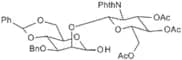
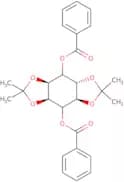
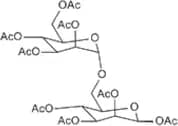
![Benzyl 2,3-O-[(1S,2S)-1,2-dimethoxy-1,2-dimethyl-1,2-ethanediyl]-b-D-arabinopyranoside](/_next/image/?url=https%3A%2Fstatic.cymitquimica.com%2Fproducts%2F3D%2Fthumb-webp%2FMB16615.webp&w=3840&q=75)
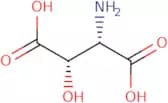
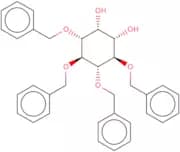

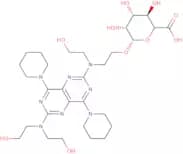
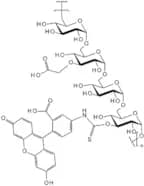
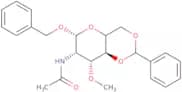
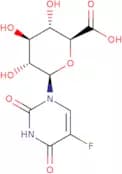
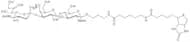

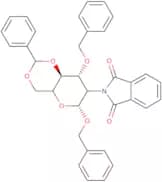
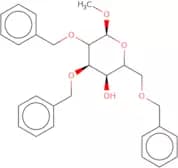

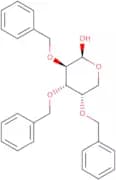

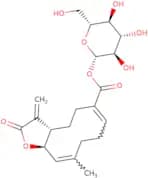
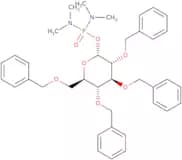
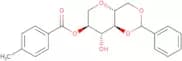


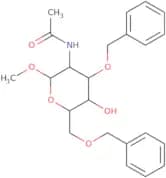
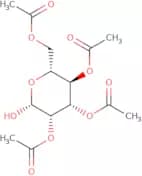
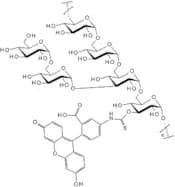

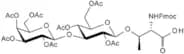

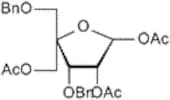
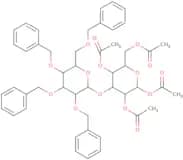
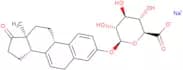

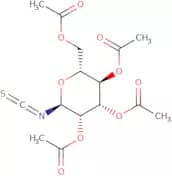

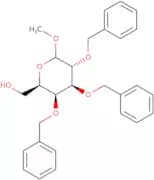


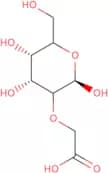
![D-[6-13C]Galacturonic acid potassium salt](/_next/image/?url=https%3A%2Fstatic.cymitquimica.com%2Fproducts%2F3D%2Fthumb-webp%2FMG170938.webp&w=3840&q=75)
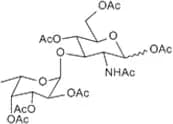
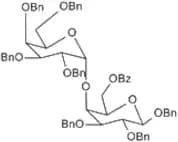


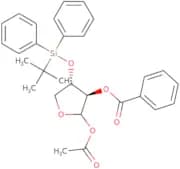
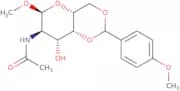

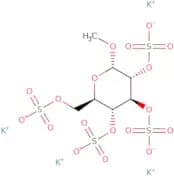
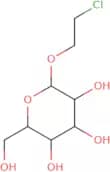
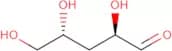
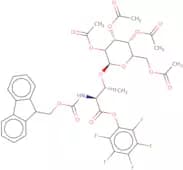

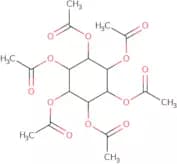

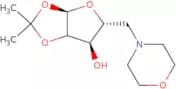
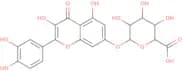
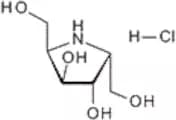
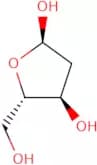
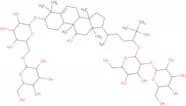
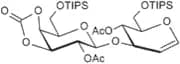
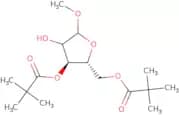


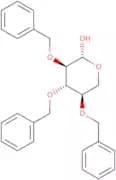

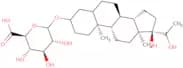


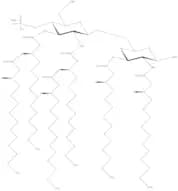

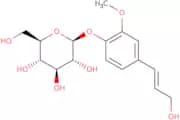
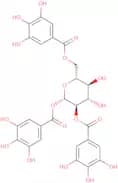

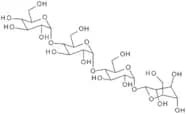
![Methyl 6-[methyl-2,3,4-tri-O-acetyl-b-D-glucuronato]mycophenolate](/_next/image/?url=https%3A%2Fstatic.cymitquimica.com%2Fproducts%2F3D%2Fthumb-webp%2FMM04556.webp&w=3840&q=75)
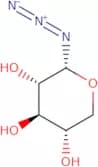
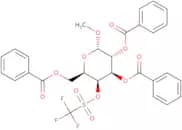
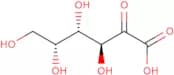
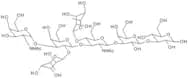
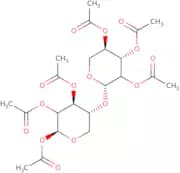
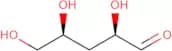
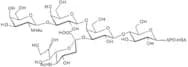

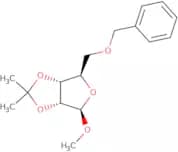
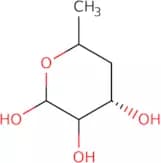
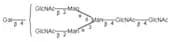


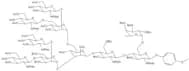
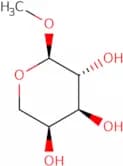
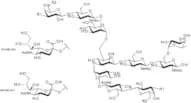
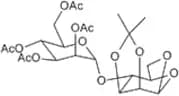

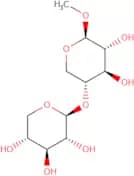
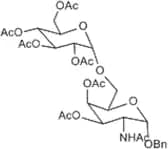
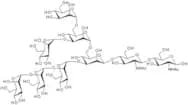
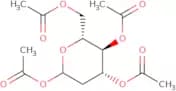
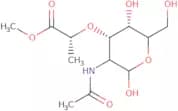
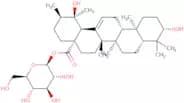
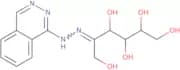

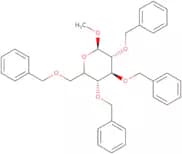
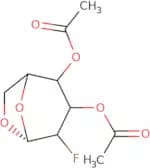
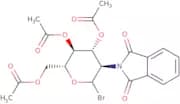
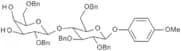

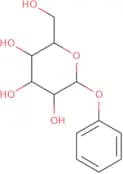
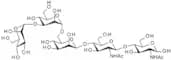
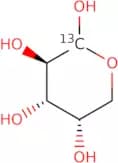
![2-[(Azidoacetyl)amino]-2-deoxy-D-galactose](/_next/image/?url=https%3A%2Fstatic.cymitquimica.com%2Fproducts%2F3D%2Fthumb-webp%2FMA32519.webp&w=3840&q=75)
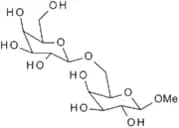
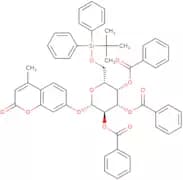
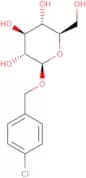


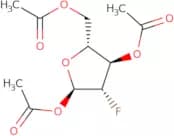
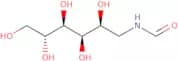
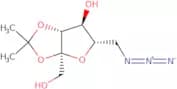
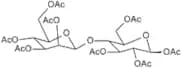

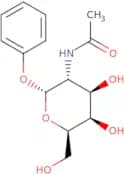
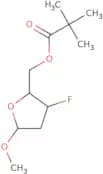
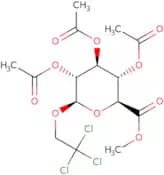

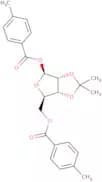
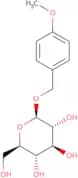


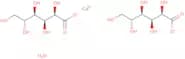
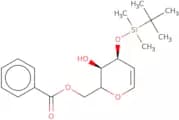
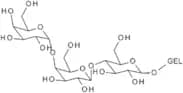
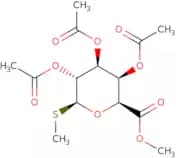

![3-[(2,3,4,6-Tetra-O-acetyl-b-D-galactopyranosyl)thio]-propanoic acid](/_next/image/?url=https%3A%2Fstatic.cymitquimica.com%2Fproducts%2F3D%2Fthumb-webp%2FMT04253.webp&w=3840&q=75)
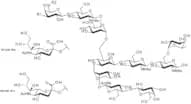
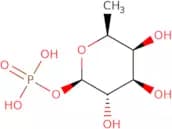
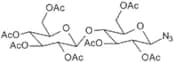
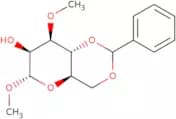
![(2S, 4S, 4'R) [4,4'-bi-1,3-dioxolane]-2-methanol-2,2'-dimethyl](/_next/image/?url=https%3A%2Fstatic.cymitquimica.com%2Fproducts%2F3D%2Fthumb-webp%2FMM44925.webp&w=3840&q=75)
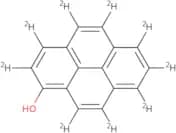
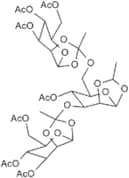

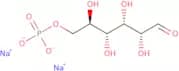
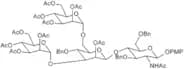

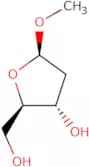
![[UL-13C18]Maltotriose hydrate](/_next/image/?url=https%3A%2Fstatic.cymitquimica.com%2Fproducts%2F3D%2Fthumb-webp%2FOM45239.webp&w=3840&q=75)