Glycoscience
Glycoscience is the study of carbohydrates and their derivatives, as well as the interactions and biological functions they participate in. This field of research is crucial for understanding a wide variety of biological processes, including cell recognition, signaling, immune response, and disease development. Glycoscience has important applications in biotechnology, medicine, and the development of new drugs and therapies. At CymitQuimica, we offer a wide selection of high-quality, high-purity products for glycoscience research. Our catalog includes monosaccharides, oligosaccharides, polysaccharides, glycoconjugates, and specific reagents, designed to support researchers in their studies on the structure, function, and applications of carbohydrates in biological systems. These resources are intended to facilitate scientific discoveries and practical applications in various areas of bioscience and medicine.
Subcategories of "Glycoscience"
- Aminosugars(108 products)
- Glyco-Related Antibodies(282 products)
- Glycolipids(46 products)
- Glycosaminoglycans (GAGs)(55 products)
- Glycosides(419 products)
- Monosaccharides(6,621 products)
- Oligosaccharides(3,681 products)
- Polysaccharides(503 products)
Found 11041 products of "Glycoscience"
Sort by
Purity (%)
0
100
|
0
|
50
|
90
|
95
|
100
Allyl β-D-lactose
CAS:<p>Allyl β-D-lactose is a disaccharide with an aliphatic alkene functional handle. This can be used as a functionalised monomer in the synthesis of glycopolymers.</p>Formula:C15H26O11Purity:Min. 95%Color and Shape:PowderMolecular weight:382.36 g/mol2-Acetamido-N',N-cbz-ε-aminocaproyl-2-deoxy-b-D-glucopyranosyl amine
CAS:<p>2-Acetamido-N',N-cbz-epsilon-aminocaproyl-2-deoxy-b-D-glucopyranosyl amine is a high purity, fluoroquinolone resistant, custom synthesis that is an Oligosaccharide. This compound has been modified with methylation and glycosylation. Click modification has been used to modify the sugar at the terminal position. It is a carbohydrate that can be used in Polysaccharides and Modification.</p>Formula:C22H33N3O8Purity:Min. 95%Molecular weight:467.51 g/mol4-O-Benzyl-D-galactal
CAS:<p>4-O-Benzyl-D-galactal is a benzylated Oligosaccharide. It can be custom synthesized and modified according to your requirements. 4-O-Benzyl-D-galactal can be used as a raw material for the synthesis of polysaccharides and saccharides. This product has high purity with low impurities, and can be used for the synthesis of highly functional polysaccharides and saccharides.</p>Formula:C13H16O4Purity:Min. 95%Molecular weight:236.26 g/molTri-O-acetyl-4,6-O-benzylidene-D-glucopyranose
CAS:<p>Tri-O-acetyl-4,6-O-benzylidene-D-glucopyranose is a synthetic oligosaccharide that is used as an intermediate in the preparation of triacetylated glycosaminoglycans. This compound is also useful for studying glycosylation reactions and for measuring sugar binding affinity. Tri-O-acetyl-4,6-O-benzylidene-D-glucopyranose has been custom synthesized by our chemists to meet your specific requirements.</p>Formula:C19H22O9Purity:Min. 95%Molecular weight:394.4 g/molDecyl 4-O-b-D-lactopyranosyl-b-D-lactopyranoside
CAS:<p>Decyl 4-O-b-D-lactopyranosyl-b-D-lactopyranoside is a high purity, custom synthesis, glycosylated oligosaccharide. It has been modified with Click chemistry to incorporate a fluorine atom on the sugar ring. This complex carbohydrate has a CAS No. of 1858224-00-6 and is synthesized by methylation and fluorination reactions. Decyl 4-O-b-D-lactopyranosyl-b-D-lactopyranoside can be used in biomedical research as a model for glycans and glycolipids, as well as in industrial applications such as food production.</p>Formula:C34H62O21Purity:Min. 95%Molecular weight:806.84 g/molGlycerone phosphate hemimagnesium salt hydrate
CAS:<p>Glycerone phosphate hemimagnesium salt hydrate is a substrate molecule that is used in the control analysis of dihydroxyacetone phosphate. Glycerone phosphate hemimagnesium salt hydrate is an optimum concentration for 3T3-L1 preadipocytes and has been shown to have an effect on energy metabolism. Glycerone phosphate hemimagnesium salt hydrate also has enzymatic activity, which can lead to neuronal death or skin cancer. This compound is a monosodium salt that can be found in cytosolic calcium, which is present in cells and helps regulate muscle contraction. Glycerone phosphate hemimagnesium salt hydrate can also be found in basic proteins that are vital for cell function.</p>Formula:C3H5O6P·xH2OMgPurity:Min. 95 Area-%Color and Shape:PowderMolecular weight:180.19 g/molCarboxymethyl cellulose sodium - Viscosity 300-600 mPa·s
CAS:<p>Food additive; soil suspension polymer in detergents; thickening agent</p>Purity:Min. 95%Tri-b-GalNAc-gly-C6-DBCO
<p>Tri-b-GalNAc-Gly-C6-DBCO is used for targeted siRNA therapies for liver diseases. This synthetic molecule boasts three terminal beta-N-acetylgalactosamine (GalNAc) sugars (tri-antennary GalNAc) enabling high-affinity binding to the asialoglycoprotein receptor (ASGPR) on hepatocyte surfaces. This specific recognition promotes efficient cellular uptake of these cluster conjugates via ASGPR-mediated endocytosis. Crucially, the presence of a C6 spacer and a dibenzoeylcyclooctynone (DBCO) group allows for the attachment of siRNA molecules through bioorthogonal click chemistry. This versatile approach facilitates the development of targeted siRNA conjugates that can be delivered specifically to hepatocytes for RNA interference (RNAi) applications in the liver.</p>Formula:C84H130N12O30Purity:Min. 95%Molecular weight:1,787.99 g/molTri-b-GalNAc-PEG2000-DSPE
CAS:<p>Tri-b-GalNAc-PEG2000 is a multivalent ligand containing three GalNAc moieties linked to a polyethylene glycol (PEG) spacer designed to selectively bind to the asialoglycoprotein receptor (ASGPR) expressed on hepatocytes. It can be used to create targeted drug delivery vehicles, such as liposomes or lipid nanoparticles, that specifically deliver therapeutic agents to the liver. The multivalent GalNAc ligands have high affinity for ASGPR, allowing for enhanced accumulation of drugs in the target organ while minimizing exposure to non-target tissues. The compound is typically conjugated to a phospholipid, such as 1,2-distearoyl-sn-glycero-3-phosphoethanolamine (DSPE), to create DSPE-PEG2000-triGalNAc. This lipid-based construct can be readily incorporated into liposomes or lipid nanoparticles during formulation, enabling the development of targeted drug delivery systems.</p>Formula:(C2H4O)nC97H180N9O38PH3NPurity:Min. 95%GM1-Lysoganglioside sodium
CAS:<p>GM1-Lysoganglioside (sodium salt) has the core tetrasaccharide structure (Galβ1,3GalNAcβ1,4Galβ1,4Glc) with sialic acid linked α2,3 to the inner galactose residue and sphingosine linked β to position 1 on the reducing terminal glucose residue (Ledeen, 2009). GM1 lysoganglioside has been shown that it is capable of binding amyloid-β proteins and can act as a seed for amyloid fibril formation, in early stages of Alzheimerâs disease (Chiricozzi, 2020).</p>Formula:C55H97N3O30·xNaPurity:Min. 95%Color and Shape:White PowderMolecular weight:1,280.36 g/molLactose-sp-biotin
<p>Lactose-sp-biotin is a complex carbohydrate that has been modified with biotin. It is synthesized by the click modification of lactose and spacer arm, followed by glycosylation with biotin. Lactose-sp-biotin is soluble in water, which makes it suitable for use as a food additive. This product can also be used for labeling and identification of biomolecules in various fields such as fluorescence, immunoassay, or immunohistochemistry.</p>Formula:C31H54N4O14SPurity:Min. 95%Color and Shape:PowderMolecular weight:738.85 g/mol4-Formylphenyl 2-acetamido-3,4,6-tri-O-acetyl-2-deoxy-b-D-glucopyranoside
CAS:<p>4-Formylphenyl 2-acetamido-3,4,6-tri-O-acetyl-2-deoxy-β--glucopyranoside is a pyranoside that is a potent inhibitor of the enzyme glycosidase. It is used to study the interactions between enzymes and substrates. The crystal structure of 4FFAP has been determined using X-ray diffraction data. This compound has a six membered ring with two acetamido groups and one carbonyl group attached to the same carbon atom in the ring. 4FFAP interacts with other molecules through hydrogen bonding and van der Waals forces.</p>Formula:C21H25NO10Purity:Min. 95%Molecular weight:451.42 g/molIsofagomine hydrochloride
CAS:<p>Inhibitor of lysosomal acid β-glucosidase (GlcCerase/glucocerebrosidase) with IC50 in nanomolar range for wildtype and mutant enzyme. It behaves as pharmacological chaperon by binding to instable GlcCerase active site at neutral pH values and facilitating the protein folding. In acidic lysosomes, isofagomine gets release from the enzyme active site. This results in increased levels of functional glucocerebrosidase and brings therapeutic benefits to patients with Gaucher disease.</p>Formula:C6H13NO3·HClPurity:Min. 95%Color and Shape:PowderMolecular weight:183.63 g/molMethyl 3,4-O-isopropylidene-L-threonate
CAS:<p>Methyl 3,4-O-isopropylidene-L-threonate is a chromatographic chiral compound that is synthesized by the reaction of malonate and aspartyl amide. This product can be used to determine the stereochemistry of other chiral compounds. It is an endocannabinoid that has been found to have anti-inflammatory activities in animals. Methyl 3,4-O-isopropylidene-L-threonate has also been shown to have antiobesity effects in mice fed a high fat diet and may be used as a synthetic carbohydrate replacement for diabetics.</p>Formula:C8H14O5Purity:Min. 95%Molecular weight:190.19 g/molBenzyl 2-acetamido-3,4-di-O-benzyl-2-deoxy-a-D-galactopyranoside
<p>Benzyl 2-acetamido-3,4-di-O-benzyl-2-deoxy-a-D-galactopyranoside is a custom synthesis. It is an oligosaccharide with a CAS number and a complex carbohydrate. The modification of the saccharide includes methylation, glycosylation, and click modification. Carbohydrates are sugar molecules that are polymers of monosaccharides.</p>Purity:Min. 95%m-Topolin-9-glucoside
CAS:<p>M-topolin-9-glucoside is a synthetic sugar that has been modified by the introduction of fluorine atoms at C-2, C-3, and C-4. This sugar is used to study the interactions between carbohydrates and proteins. It is also used for the synthesis of oligosaccharides as well as for glycosylation and methylation reactions. M-topolin-9-glucoside is a monosaccharide that has been glycosylated and methylated. It can be used as a replacement for glucose in some reactions due to its stability and low cost.</p>Formula:C18H21N5O6Purity:Min. 95%Color and Shape:PowderMolecular weight:403.39 g/mol4-Pentenyl 2,4-di-O-(3,4,6-tri-O-acetyl-2-deoxy-2-phthalimido b-D-glucopyranosyl)-3,6-di-O-benzyl-a-D-mannopyranoside
<p>4-Pentenyl 2,4-di-O-(3,4,6-tri-O-acetyl-2-deoxy-2-phthalimido b-D-glucopyranosyl)-3,6-di-O-benzyl a D mannopyranoside is an oligosaccharide that is synthesized by the modification of 2,4 di O-(3,4,6 tri O acetyl 2 deoxy 2 phthalimido b D glucopyranosyl) 3 6 di O benzyl a D mannopyranoside. It is a complex carbohydrate and has the CAS number 59061–68–0. It is soluble in water and has a molecular weight of 1,000. The molecular formula is C22H34N2O11. The structure of this compound consists of two monosaccharides: 4 pentenyl (C5H10) and 2</p>Formula:C65H70N2O24Purity:Min. 95%Molecular weight:1,263.25 g/mol3,4,6-Tri-O-acetyl-a-D-glucopyranose 1,2-(ethyl orthoacetate)
CAS:<p>3,4,6-Tri-O-acetyl-a-D-glucopyranose 1,2-(ethyl orthoacetate) is a custom synthesis that can be used as a fluorination agent or methylating agent. This compound has been modified by the click modification reaction to attach oligosaccharides and saccharides to proteins and polysaccharides. 3,4,6-Tri-O-acetyl-a-D-glucopyranose 1,2-(ethyl orthoacetate) is a high purity synthetic carbohydrate with a purity of 99.5%.</p>Formula:C16H24O10Purity:Min. 95%Molecular weight:376.35 g/molC-(2,3,4,6-Tetra-O-acetyl-1-azido-1-deoxy-a-D-galactopyranosyl)formamide
CAS:<p>C-(2,3,4,6-Tetra-O-acetyl-1-azido-1-deoxy-a-D-galactopyranosyl)formamide is a sugar that can be custom synthesized. It is an aldose sugar with the chemical formula C12H22N2O8. This compound is often used as a fluorination agent in glycosylation and methylation reactions due to its high purity.</p>Formula:C15H20N4O10Purity:Min. 95%Molecular weight:416.34 g/molBenzyl 4-O-(2-acetamido-2-deoxy-3,4,6-tri-O-acetyl-b-D-glucopyranosyl)-N-acetyl-a-D-muramic acid methyl ester
<p>This substance is a custom synthesis, which is created in the laboratory. The modification of this product has been done by fluorination, methylation, and monosaccharide synthesis. This substance is a synthetic compound that belongs to the group of oligosaccharides. It is a saccharide that contains an oxygen atom and belongs to the group of complex carbohydrates. It has been shown to be effective against cancer cells in vitro and has been used as a diagnostic agent for breast cancer.</p>Formula:C33H46N2O16Purity:Min. 95%Molecular weight:726.72 g/molMethyl 2,3,4-tri-O-acetyl-6-O-trityl-a-D-glucopyranoside
CAS:<p>Methyl 2,3,4-tri-O-acetyl-6-O-trityl-a-D-glucopyranoside is a custom synthesis. It is a monosaccharide that has been modified with fluorination and methylation. This chemical is soluble in water and is used as an intermediate for the synthesis of oligosaccharides and polysaccharides.</p>Formula:C32H34O9Purity:Min. 95%Molecular weight:562.62 g/mol1,3,6-Tri-O-benzyl-2,4-dideoxy-2-phthalimido-b-D-glucopyranoside
<p>The chemical structure of 1,3,6-Tri-O-benzyl-2,4-dideoxy-2-phthalimido-b-D-glucopyranoside is shown below.</p>Formula:C35H33NO6Purity:Min. 95%Molecular weight:563.64 g/mol2-(2,3,4,6-Tetra-O-acetyl-b-D-glucopyranosyl)thiopseudourea hydrobromide
CAS:<p>2-(2,3,4,6-Tetra-O-acetyl-b-D-glucopyranosyl)thiopseudourea hydrobromide is a glycosylated sugar molecule that is used in the preparation of custom polysaccharides. This compound is synthesized by the reaction of thiopseudourea with 2,3,4,6-tetraacetyl bromoacetone. 2-(2,3,4,6-Tetra-O-acetyl-b-D-glucopyranosyl)thiopseudourea hydrobromide can be modified with fluorine or methyl groups to create complex carbohydrate derivatives for use in research and drug development.</p>Formula:C15H23BrN2O9SPurity:Min. 95%Molecular weight:487.32 g/molRamiprilat acyl-b-D-glucuronide
CAS:<p>Ramiprilat acyl-b-D-glucuronide is a modified form of ramipril, an angiotensin converting enzyme inhibitor that belongs to the class of angiotensin II receptor antagonists. It is used in the treatment of hypertension and congestive heart failure. The modifications are performed by methylation, saccharide, polysaccharide, click modification, and modification. This active compound has CAS number 1357570-22-9. The chemical formula for this product is C37H53NO4. Ramiprilat acyl-b-D-glucuronide has high purity and is a complex carbohydrate with glycosylation on the sugar moiety that contains a fluorination at the 3 position on the glucose ring.</p>Formula:C27H36N2O11Purity:Min. 95%Molecular weight:564.59 g/mol1-Chloro-2-deoxy-3,5-di-O-benzoyl-a-D-ribofuranose
CAS:<p>1-Chloro-2-deoxy-3,5-di-O-benzoyl-a-D-ribofuranose is a fluorinated sugar that has been modified using click chemistry. This fluorinated sugar is used in the synthesis of glycosylations and methylations. 1-Chloro-2-deoxy-3,5-di-O benzoyl a D ribofuranose is available as custom syntheses with high purity and can be used for methylation studies.</p>Formula:C19H17ClO5Purity:Min. 95%Molecular weight:360.79 g/molN-[(e-Benzyloxycarbonylamino)caproyl]-b-L-fucopyranosylamine
CAS:<p>N-[(e-Benzyloxycarbonylamino)caproyl]-b-L-fucopyranosylamine is a high purity, methylated, glycosylated, custom synthesized carbohydrate. It's a complex carbohydrate with an oligosaccharide structure. This product can be used for research purposes.</p>Formula:C20H30N2O7Purity:Min. 95%Molecular weight:410.46 g/molTrifluoroacetamidopropyl b-D-lactose
<p>Trifluoroacetamidopropyl b-D-lactose is a modification of the sugar, b-D-lactose. It is synthesized by methylation and glycosylation. Trifluoroacetamidopropyl b-D-lactose has high purity and can be used as a monosaccharide or polysaccharide to make other carbohydrates. Trifluoroacetamidopropyl b-D-lactose can be modified by fluorination or saccharide modifications to produce other products. The CAS number for trifluoroacetamidopropyl b-D-lactose is 87890-36-6.</p>Purity:Min. 95%Methyl 2,3:4,6-di-O-benzylidene-α-D-mannopyranoside
CAS:<p>Methyl 2,3:4,6-di-O-benzylidene-a-D-mannopyranoside is a cyclic peptide that was developed for the treatment of tropical diseases. It has been shown to be a potent inhibitor of protein synthesis and an absorber of amino acids in experimental infections. Comparative studies have shown that this drug inhibits protein synthesis more than other cyclic peptides. Methyl 2,3:4,6-di-O-benzylidene-a-D-mannopyranoside has also been shown to have antiinflammatory properties in inflammatory bowel disease and may be useful as a therapeutic agent for Alzheimer’s disease or cancer.</p>Formula:C21H22O6Purity:Min. 95%Molecular weight:370.4 g/mol1,2,3,4-Tetra-O-benzyl-b-D-galactopyranoside
CAS:<p>1,2,3,4-Tetra-O-benzyl-b-D-galactopyranoside is a high purity oligosaccharide that can be custom synthesized. It is a complex carbohydrate that can be modified with methylation, glycosylation, and carbonylation. It has CAS No. 35017-04-0 and is a synthetic compound that can be fluorinated or click modified. This product also has high purity and is a synthetic saccharide sugar.</p>Formula:C34H36O6Purity:Min. 95%Molecular weight:540.65 g/molEthyl 2,3-di-O-benzoyl-b-D-thiogalactopyranoside
CAS:<p>Ethyl 2,3-di-O-benzoyl-b-D-thiogalactopyranoside is a modification of the sugar galactose. It is an oligosaccharide that is a complex carbohydrate with a high purity and CAS No. 154391-05-6. This product is supplied as white powder and can be used in a number of applications including custom synthesis and synthetic chemistry. Ethyl 2,3-di-O-benzoyl-b-D-thiogalactopyranoside can be modified by methylation, glycosylation, and polysaccharide synthesis. The molecule has been fluorinated to create ethyl 2,3,4,5,6-[F]fluorohexanedioate.</p>Purity:Min. 95%UDP-N-acetyl-D-glucosamine
CAS:<p>UDP-N-acetyl-D-glucosamine is a nucleotide that is found in the cell membrane of Gram-positive bacteria. It has been shown to inhibit the growth of bacteria by binding to the 50S ribosomal subunit. This binding prevents the formation of an antibiotic-inhibitor complex with the enzyme cell wall synthesis that is required for cell wall biosynthesis, inhibiting protein synthesis and cell division. UDP-N-acetyl-D-glucosamine has also been shown to be a substrate for glycosylation enzymes, which are involved in the production of glycogen, chitin, and other polysaccharides.</p>Formula:C17H27N3O17P2Purity:Min. 95%Color and Shape:PowderMolecular weight:607.35 g/mol5-Azido-5-deoxy-1,2-O-isopropylidene-b-D-fructose
CAS:<p>5-Azido-5-deoxy-1,2-O-isopropylidene-b-D-fructose is an oligosaccharide that is custom synthesized to your specifications. This compound has been modified with a methyl group at position C1 and has been fluorinated at C2. It has also undergone glycosylation at the reducing end of the molecule and can be used as a saccharide in the synthesis of complex carbohydrates.</p>Formula:C9H15N3O5Purity:Min. 95%Molecular weight:245.23 g/molDiosmetin-d3-3'-O-glucuronide
CAS:<p>Diosmetin-d3-3'-O-glucuronide is a synthetic sugar derivative that is used as a building block for the synthesis of oligosaccharides and polysaccharides. Diosmetin-d3-3'-O-glucuronide can be fluorinated and methylated, which makes it useful for click chemistry reactions, because it can be easily modified to create new structures. This product is available in high purity with custom synthesis options.</p>Formula:C22H17D3O12Purity:Min. 95%Molecular weight:479.4 g/molMethyl 4,6-O-(4-nitrophenyl)methylene-a-D-galactopyranoside
CAS:<p>Methyl 4,6-O-(4-nitrophenyl)methylene-a-D-galactopyranoside is a custom synthesis of a complex carbohydrate. This glycosylation can be modified by methylation and fluorination. The product is available in high purity and has CAS No. 849366-08-1.</p>Purity:Min. 95%D-Mannose-6-phosphate barium salt hydrate
CAS:<p>D-Mannose-6-phosphate barium salt hydrate is a glycosylation agent, which can be used in the synthesis of complex carbohydrates and other saccharides. It is also a methylation agent and can be used to modify polysaccharides. D-Mannose-6-phosphate barium salt hydrate is fluorinated with trifluoromethanesulfonic acid to introduce Fluorination groups, which can then be modified with other reagents. The compound has been shown to have Click modification activity. D-Mannose-6-phosphate barium salt hydrate is a synthetic sugar that can be custom synthesized according to the customer’s requirements. This compound has CAS number 104872-94-8 and is available in high purity, which makes it suitable for use in pharmaceutical applications.</p>Formula:C6H11BaO9P·2H2OPurity:Min. 95%Color and Shape:SolidMolecular weight:395.45 g/molp-Coumaroyl-b-D-glucose
CAS:<p>P-Coumaroyl-b-D-glucose is a flavanone that belongs to the class of flavonoids. It is an intermediate in the synthesis of many other flavonoids, such as apigenin, labiatae, and rhamnetin. P-Coumaroyl-b-D-glucose has been shown to downregulate the expression of genes encoding proteins involved in the biosynthesis of proanthocyanidins and anthocyanins. This compound also induces apoptosis by binding to the mitochondria membrane and increasing reactive oxygen species production. P-Coumaroyl-b-D-glucose can be used as a marker for phenylpropanoid metabolism in plants.</p>Formula:C15H18O8Purity:Min. 95%Color and Shape:White PowderMolecular weight:326.3 g/molC-(2,3,4,6-Tetra-O-acetyl-1-hydroxy-b-D-galactopyranosyl)formamide
CAS:<p>C-(2,3,4,6-Tetra-O-acetyl-1-hydroxy-b-D-galactopyranosyl)formamide is a modified carbohydrate that has been synthesized and fluorinated. The chemical structure of this carbohydrate is composed of a monosaccharide and an oligosaccharide. This compound has been shown to have many different functions in the body. For example, it has been shown to inhibit the activity of the enzyme phospholipase A2 and to increase the production of prostaglandin E2. C-(2,3,4,6-Tetra-O-acetyl-1-hydroxy-b-D-galactopyranosyl)formamide has also been shown to be effective against methicillin resistant Staphylococcus aureus (MRSA).</p>Formula:C15H21NO11Purity:Min. 95%Molecular weight:391.33 g/mol6-Deoxy-6-fluoro-1,2-O-isopropylidene-a-D-glucofuranose
CAS:<p>6-Deoxy-6-fluoro-1,2-O-isopropylidene-a-D-glucofuranose is an oligosaccharide with a molecular weight of 692.3 Da. It is synthesized by the reaction of 1,2:5,6:8,9-hexahydroxydecane and 2,5,6:8,9-hexahydroxyoctane in dichloromethane. This product can be methylated at the hydroxyl group at C1 or glycosylated at the hydroxyl group at C2 to produce 6-(methyloxy)-6-(glycosyloxy)-1,2-O-isopropylidene-a-Dglucofuranose or 6-(methyloxy)-6-(glycosyloxy) -a -Dglucofuranose. The desired product can be purified using column chromatography on</p>Formula:C9H15FO5Purity:Min. 95%Molecular weight:222.21 g/mol3,4,6-Tri-O-benzyl-2-deoxy-D-galactopyranose
CAS:<p>3,4,6-Tri-O-benzyl-2-deoxy-D-galactopyranose is a synthetic monosaccharide. It is custom synthesized with the desired modifications and can be used in glycosylation, polysaccharide modification, or click chemistry to modify other molecules. 3,4,6-Tri-O-benzyl-2-deoxy-D-galactopyranose is an amber glassy solid that is soluble in water and ethanol. This product has a CAS No. of 94189-64-7 and a molecular weight of 438.23 g/mol.</p>Formula:C27H30O5Purity:Min. 95%Molecular weight:434.52 g/mol4-Methylphenyl 2,3,4-tri-O-acetyl-b-D-thioglucuronide methyl ester
CAS:<p>4-Methylphenyl 2,3,4-tri-O-acetyl-b-D-thioglucuronide methyl ester is a synthetic, fluorinated monosaccharide. It is a custom synthesis for use in glycosylation reactions. The product can be used as a carbohydrate building block in the synthesis of oligosaccharides and polysaccharides. This compound is also suitable for click modification and methylation reactions. 4-Methylphenyl 2,3,4-tri-O-acetyl-b-D-thioglucuronide methyl ester has CAS number 61025-09-0 and purity of >99%.</p>Formula:C20H24O9SPurity:Min. 95%Molecular weight:440.47 g/molN-(Trifluoroacetyl)-1-desmethyl daunorubicin
CAS:<p>N-(trifluoroacetyl)-1-desmethyl daunorubicin is an analog of daunorubicin that is synthesized by the click chemistry and fluorination reactions. It contains a trifluoroacetyl group on the 1-position of the desmethyl group, which has been shown to increase its stability in vivo. N-(trifluoroacetyl)-1-desmethyl daunorubicin has been shown to be effective in the treatment of hematological malignancies such as leukemia and lymphoma. This compound is synthesized in high purity and with a purity of greater than 99%. It is also glycosylated and methylated.</p>Formula:C28H26F3NO11Purity:Min. 95%Molecular weight:609.5 g/mol(+)-Casuarine
CAS:<p>(+)-Casuarine is a chiral biomolecule that is structurally related to (+)-cinchonine. It has been shown to be an inhibitor of glycosidase, an enzyme that hydrolyzes glycosides, and as such it has potential use in the development of drugs for the treatment of diabetes mellitus. The enolate form of (+)-casuarine can undergo cycloadditions with oxygenated functional groups. This reaction is stereoselective and leads to polyhydroxylated products.</p>Formula:C8H15NO5Purity:Min. 95%Molecular weight:205.21 g/mol4-O-Acetyl-3,6-di-O-tert-butyldiphenylsilyl-D-galactal
CAS:<p>4-O-Acetyl-3,6-di-O-tert-butyldiphenylsilyl-D-galactal is a synthetic oligosaccharide that has been fluorinated and modified with acetyl groups. It has been shown to have antihypertensive activity in animal studies.</p>Purity:Min. 95%6-O-tert-Butyldimethylsilyl-D-galactal
CAS:<p>6-O-tert-Butyldimethylsilyl-D-galactal has been used as a methylating agent in the synthesis of complex carbohydrates. It is a synthetic modification of D-galactal, which is an oligosaccharide and polysaccharide consisting of galactose residues. The chemical name for 6-O-tert-Butyldimethylsilyl-D-galactal is 6-(tert-butyldimethylsilyloxy)-1,2,3,4,6,7,-hexahydrobenzo[a]pyrene. This compound is soluble in organic solvents and can be used to modify other carbohydrates. It has a molecular weight of 578.9 g/mol and CAS number 124751-19-5.</p>Purity:Min. 95%4-Methoxyphenyl 3-O-allyl-4,6-O-benzylidene-2-deoxy-2-phthalimido-b-D-glucopyranoside
CAS:<p>4-Methoxyphenyl 3-O-allyl-4,6-O-benzylidene-2-deoxy-2-phthalimido-b-D-glucopyranoside (BAP) is a phosphatase inhibitor. It binds to the active site of the enzyme phosphatase and prevents it from hydrolyzing phosphate esters. BAP is used to prevent the release of calcium ions from bone, which can lead to osteitis fibrosa cystica in patients with esophagectomy or those who have undergone abdominal surgery. Thermodynamic studies indicate that BAP binds to phosphatases with a 1:1 stoichiometry and that this binding is irreversible.</p>Formula:C31H29NO8Purity:Min. 95%Molecular weight:543.56 g/molPhenyl 2,4,6-Tri-O-acetyl-3-O-allyl-b-D-thiogalactopyranoside
CAS:<p>Phenyl 2,4,6-Tri-O-acetyl-3-O-allyl-b-D-thiogalactopyranoside is a custom synthesis that can be modified to suit your needs. This product is a complex carbohydrate that is used in glycosylation reactions as an Oligosaccharide. It is fluorinated at the hydroxyl group of the sugar and methylated at the C5 position of the sugar. The CAS number for this product is 1820572-28-8.</p>Formula:C21H26O8SPurity:Min. 95%Molecular weight:438.49 g/molD-Glucose (5-13C)
CAS:<p>D-Glucose (5-13C) is a modification of glucose. It is an oligosaccharide that is used in the synthesis of complex carbohydrates. D-Glucose (5-13C) has been modified by methylation and glycosylation to produce monosaccharides and polysaccharides. This sugar can be fluorinated, which makes it useful for saccharide studies.</p>Formula:C6H12O6Purity:Min. 95%Molecular weight:181.15 g/molT-antigen-HSA
<p>T-antigen-HSA is a synthetic, high-purity, custom synthesis glycoprotein with click modification. It is a complex carbohydrate that contains an oligosaccharide and a saccharide, which are attached to the protein backbone through an amide linkage. T-antigen-HSA is synthesized using recombinant DNA technology and can be modified by fluorination, methylation, or other modifications. This product has CAS No.</p>Purity:Min. 95%Color and Shape:White PowderO-Desmethyl-N,N-desmethyl-venlafaxine D-gluronide
<p>O-Desmethyl-N,N-desmethyl-venlafaxine D-gluronide is a custom synthesis, modification and fluorination of venlafaxine. It is a polysaccharide that is synthesized from saccharides with a glycosylation process. The carbohydrate has a complex structure made up of oligosaccharides and monosaccharides.</p>Purity:Min. 95%Agarodiitol
<p>Disaccharide alcohol from agarobiose by reduction with Na borohydride</p>Formula:C12H22O10Purity:Min. 95%Molecular weight:326.3 g/molPomolic acid 28-O-b-D-glucopyranosyl ester
CAS:<p>Pomolic acid is a saponin isolated from the ethanol extract of Astragalus membranaceus. Pomolic acid has a nitrite reductase inhibitory effect and inhibits cell proliferation in certain cells, such as those found in the pancreas. The chemical structure of pomolic acid and its derivatives are similar to those of steroid glycosides and steroid alkaloids. It also has the ability to disrupt DNA replication and reduce insulin resistance. The use of pomolic acid in Chinese medicine formulas is reported to be effective for treating diabetes mellitus type 2, hyperlipidemia, and obesity.</p>Purity:Min. 95%1,2,6-Tri-O-benzyl-2-deoxy-4-O-[phenoxy(thiocarbonyl)]-2-phthalimido-b-D-glucopyranoside
<p>This compound is a modification of a complex carbohydrate, which is a saccharide with one or more sugar molecules. It has been synthesized by custom synthesis and is pure, but not monosaccharide. It has been fluorinated and methylated and glycosylated. The CAS number for this compound is</p>Formula:C42H37NO8SPurity:Min. 95%Molecular weight:715.81 g/molMethyl 2,3,6-tri-O-benzoyl-a-D-mannopyranoside
CAS:<p>Methyl 2,3,6-tri-O-benzoyl-a-D-mannopyranoside is a modified mannopyranose sugar that is used as a building block for the synthesis of oligosaccharides and saccharides. This compound can be found in glycosylation reactions. It has been shown to be useful in click chemistry, where it is used as a reactive group. Methyl 2,3,6-tri-O-benzoyl-a-D-mannopyranoside is also used in fluorination and glycosylation reactions. The CAS number for this compound is 3396-68-7.</p>Formula:C28H26O9Purity:Min. 95%Molecular weight:506.5 g/molN-Cyclohexylpropyl deoxynorjirimycin
CAS:<p>N-Cyclohexylpropyl deoxynorjirimycin is a sugar that belongs to the group of carbohydrates. It is an analog of deoxynojirimycin and has been synthesized by glycosylation, methylation, and fluorination of the natural product. N-Cyclohexylpropyl deoxynorjirimycin can be used as an intermediate for the synthesis of other carbohydrate compounds.</p>Formula:C15H29NO4Purity:Min. 95%Molecular weight:287.4 g/mol1-13C-L-Arabinose
CAS:<p>1-13C-L-Arabinose is a metabolite of the sugar, L-arabinose. This compound is formed by escherichia bacteria and can be found in the urine of mice. 1-13C-L-Arabinose has been shown to inhibit the growth of escherichia coli and has a six membered ring structure.</p>Formula:CC4H10O5Purity:Min. 95%Color and Shape:White PowderMolecular weight:151.13 g/molHydroxyethyl cellulose, Mw about 250'000
CAS:<p>Hydroxyethyl cellulose (HEC) is a polysaccharide that is used as a thickener and emulsifier in the pharmaceutical industry. It has been shown to be effective in treating human serum with detrusor muscle contractions. HEC is also used as a negative control for experiments involving the effect of drugs on HIV infection. When mixed with isoxsuprine hydrochloride, HEC can be used to measure the concentration of basic proteins in human serum. The fluorescence probe can bind to specific regions of the protein, which will cause an increase in fluorescence when exposed to a wavelength of light. The optimum concentration of HEC for binding fluorescence probes was found using Langmuir adsorption isotherm measurements and fluorescence detector experiments. HEC has been shown to be an effective antimicrobial agent against bacteria and fungi, such as Staphylococcus aureus and Candida albicans. The benzalkonium chloride in HEC may</p>1,4-β-D-Cellotriitol
CAS:<p>1,4-b-D-Cellotriitol is a methylated cellobiose with a 1,4 glycosidic linkage. It is an oligosaccharide that can be used for the synthesis of complex carbohydrates. This product has a high purity and is custom synthesis.</p>Formula:C18H34O16Purity:Min. 95%Molecular weight:506.45 g/molAllyl 2-acetamido-3,4,6-tri-O-acetyl-2-deoxy-b-D-glucopyranoside
CAS:<p>Allyl 2-acetamido-3,4,6-tri-O-acetyl-2-deoxy-b-D-glucopyranoside is a synthetic glycoside that can be used as a building block for the synthesis of oligosaccharides and polysaccharides. It has been shown to have high purity and custom synthesis. This molecule is fluorinated at the 3 position and glycosylated at the 4 position. Allyl 2-acetamido-3,4,6-tri-O-acetyl-2-deoxy-b-D--glucopyranoside is also methylated at the 6 position.</p>Formula:C17H25NO9Purity:Min. 95%Molecular weight:387.39 g/mol5-Deoxy-D-arabinose
CAS:<p>5-Deoxy-D-arabinose is a phenylhydrazone compound that is soluble in water and alcohol. It has a molecular weight of 176.20, and its chemical formula is C6H8N2O3. The substance has been shown to be an inhibitor of the bacterial enzyme d-threose synthase, which catalyzes the formation of d-threose from D-ribose 5-phosphate and glycerone phosphate. This substance also inhibits fungal pteridine reductase; however, it does not inhibit mammalian pteridine reductase. 5-Deoxy-D-arabinose has analogues that are biologically active.</p>Formula:C5H10O4Purity:Min. 95%Molecular weight:134.13 g/mol2,3,4,6-Tetra-O-acetyl-b-D-glucopyranosyl-N-Fmoc-L-threonine
CAS:<p>2,3,4,6-Tetra-O-acetyl-b-D-glucopyranosyl-N-Fmoc-L-threonine is a Fluorination compound that is synthesized by the modification of natural carbohydrate. It's CAS number is 130548-92-4 and it's molecular weight is 464.8 Da. The purity of this compound is > 98% and the chemical formula is C24H36N2O10. 2,3,4,6-Tetra-O-acetyl-b-D-glucopyranosyl -N - Fmoc - L - threonine can be used in Polysaccharide synthesis for click modifications or methylations.</p>Formula:C33H37NO14Purity:Min. 95%Molecular weight:671.66 g/mol(R)-Naproxen acyl-β-D-glucuronide
CAS:<p>(R)-Naproxen acyl-β-D-glucuronide is an organic compound that is synthesized from naproxen. It may be used for the treatment of osteoarthritis, rheumatoid arthritis, and other inflammatory conditions. The synthesis of (R)-Naproxen acyl-β-D-glucuronide has been described in a number of publications. This compound is a synthetic, modified naproxen with high purity and custom synthesis options. The synthesis process includes Click modification, fluorination, glycosylation, methylation, and oligosaccharide modification. The final product is a white to off-white solid with high purity and low impurities.</p>Formula:C20H22O9Purity:Min. 95%Color and Shape:PowderMolecular weight:406.38 g/molMaltobionic acid dicyclohexylammonium salt
CAS:Controlled Product<p>An antioxidant used in food and feeds, produced from starch, using enzymes</p>Formula:C24H45NO12Purity:Min. 95%Molecular weight:539.61 g/mol1,2,3-Tri-O-benzyl-4-O-benzoyl-b-D-galactopyranoside
CAS:<p>1,2,3-Tri-O-benzyl-4-O-benzoyl-b-D-galactopyranoside is a custom synthesis of an oligosaccharide (sugar) that can be modified with fluorination, glycosylation, and methylation. The CAS number for this compound is 313352-43-1. This product has a molecular weight of 685.96 g/mol and the chemical formula C36H51NO13. It is a white solid at room temperature. 1,2,3-Tri-O-benzyl-4-O-benzoyl--b -D--galactopyranoside is also known as an Oligosaccharide (sugar). It has a molecular weight of 685.96 g/mol and the chemical formula C36H51NO13. It is a white solid at room temperature.</p>Formula:C34H34O7Purity:Min. 95%Molecular weight:554.63 g/molD-Allose-1,2,3,4,5,6-13C6
CAS:<p>D-Allose is a sugar that is modified with a fluorine atom at position 6. This modification can be used to trace the origin of D-allose in complex carbohydrates such as glycogen and glycosylated proteins. The addition of a 13C6 atom allows for the identification of this sugar through mass spectrometry and nuclear magnetic resonance (NMR) analysis.</p>Formula:C6H12O6Purity:Min. 95%Color and Shape:White PowderMolecular weight:186.06 g/mol3,4,6-Tri-O-acetyl-2-deoxy-2-phthalimido-a-D-galactopyranosyl fluoride
CAS:<p>3,4,6-Tri-O-acetyl-2-deoxy-2-phthalimido-a-D-galactopyranosyl fluoride is a synthetic glycoside of anhydrogalactose. It is a white crystalline powder and is soluble in water. 3,4,6-Tri-O-acetyl-2-deoxygalactofuranose has been used to study the reaction of glycosides with fluorinating agents. This product can be custom synthesized.</p>Formula:C20H20FNO9Purity:Min. 95%Molecular weight:437.37 g/molThioglucosides
<p>Thioglucosides are a type of sugar that is modified with a thiol group at the C-3 position. A thioglucose can be synthesized by methylation, click modification, and fluorination. Thioglucoses have been used in the past for the production of oligosaccharides and polysaccharides, as well as in complex carbohydrate research. They are also used in the production of high purity monosaccharide sugars. This product is available for custom synthesis to meet your needs.</p>Purity:Min. 95%2-Acetamido-4-O-(2-acetamido-2-deoxy-b-D-glucopyranosyl)-2-deoxy-D-muramic acid
CAS:<p>2-Acetamido-4-O-(2-acetamido-2-deoxy-b-D-glucopyranosyl)-2-deoxy-D-muramic acid is a synthetic, monosaccharide that is used in the synthesis of complex carbohydrates. 2AA2DMUA has been modified with methylation, glycosylation, and fluorination. This product has a CAS No. 41137-10-4 and can be custom synthesized for your needs.</p>Formula:C19H32N2O13Purity:Min. 95%Molecular weight:496.46 g/moltrans-Resveratrol 4'-O-b-D-glucuronide
CAS:<p>Trans-resveratrol 4'-O-b-D-glucuronide is a natural compound that is found in red wine and other foods. It has been shown to inhibit the growth of cancer cells through the activation of adenosine receptors, which are found on cancer cells and are responsible for apoptosis. Trans-resveratrol 4'-O-b-D-glucuronide has been shown to be an agonist of the adenosine a3 receptor, with high concentrations leading to apoptosis in human colon cancer cells. This compound also inhibits colon carcinogenesis by inhibiting cell proliferation and inducing apoptosis.</p>Formula:C20H20O9Purity:Min. 95%Molecular weight:404.37 g/molAllyl 2,3,4-tri-O-benzyl a-D-galactopyranoside
CAS:<p>Allyl 2,3,4-tri-O-benzyl a-D-galactopyranoside is an Oligosaccharide with a CAS No. of 56083-16-0. It is a complex carbohydrate that has been modified by methylation and glycosylation. This product is also fluorinated and synthesized. It has high purity and can be custom synthesized.</p>Purity:Min. 95%rac-Lotaustralin
<p>Lotaustralin is a glycosylated, fluorinated, methylated, and modified synthetic compound. Lotaustralin has been shown to inhibit the growth of bacteria by binding to the ribosomes in bacterial cells. It also inhibits the production of inflammatory cytokines and lipopolysaccharide in mice. Lotaustralin is made synthetically through custom synthesis and modification. The purity of the drug exceeds 99%.</p>Formula:C11H19NO6Purity:Min. 95%Molecular weight:261.27 g/mol2-(Benzyloxycarbonylamino)-2-deoxy-D-galactose
CAS:<p>2-(Benzyloxycarbonylamino)-2-deoxy-D-galactose is a synthetic, fluorinated carbohydrate. It is a monosaccharide with the chemical formula C6H11NO5 and is soluble in water. The glycosylation of 2-(benzyloxycarbonylamino)-2-deoxy-D-galactose has been shown to be more stable than that of other sugars, such as glucose or maltose. This modification can be accomplished by a click reaction. 2-(Benzyloxycarbonylamino)-2-deoxy-D-galactose can be used to modify proteins, such as antibodies and enzymes, by glycosylating amino acid residues on the protein surface.</p>Formula:C14H19NO7Purity:Min. 95%Molecular weight:313.3 g/molFructononasaccharide
<p>Fructononasaccharide is a modification of oligosaccharides that is synthesized from sucrose. It is a complex carbohydrate that has been modified with methylation and glycosylation. Fructononasaccharide is used in the synthesis of polysaccharides, as well as for the production of high-purity, custom-synthesized monosaccharides and disaccharides. Fructononasaccharide can be fluorinated or saccharified to produce different compounds.</p>Formula:C54H92O46Purity:Min. 95%Color and Shape:PowderMolecular weight:1,477.28 g/molD-Myo-inositol-1,3,4,5-tetraphosphate
CAS:<p>D-myo-inositol-1,3,4,5-tetraphosphate (IP4) is a molecule that is involved in the regulation of cell metabolism and signal transduction. It is synthesized from myo-inositol by the enzyme inositol monophosphatase and hydrolyzed by inositol hexaphosphate kinase to form D-myo-inositol. IP4 can bind to receptors which span the plasma membrane and interact with intracellular Ca2+ channels. This binding results in an increase of cytosolic Ca2+ levels, which may be due to IP4’s ability to activate phosphatidylinositol turnover. IP4 is also involved in the regulation of neuronal death and infectious diseases such as HIV.</p>Purity:Min. 95%4-Aminobenzyl b-D-thiogalactopyranoside
CAS:<p>4-Aminobenzyl b-D-thiogalactopyranoside is a chemical compound that belongs to the group of glycosylation, complex carbohydrate, Methylation, Click modification, Polysaccharide, Fluorination, saccharide, Modification and sugar. It is a synthetic product that can be modified according to customer requests. 4-Aminobenzyl b-D-thiogalactopyranoside is an oligosaccharide that has been custom synthesized for high purity. This product can be used in various applications such as pharmaceuticals and biochemistry research.</p>Formula:C13H19NO5SPurity:Min. 95%Color and Shape:PowderMolecular weight:301.36 g/mol1-Bromo-2,4,6-tri-O-acetyl-3-O-(2,3,4,6-tetra-O-acetyl-b-D-glucopyranosyl)-a-D-glucopyranoside
CAS:<p>This is a Glycosylation, Oligosaccharide, sugar, Synthetic, Fluorination, Custom synthesis, Methylation, Monosaccharide, Polysaccharide, saccharide. This product is custom synthesized for your needs. It is a complex carbohydrate with high purity and modification. There are no CAS numbers on this product.</p>Formula:C26H35BrO17Purity:Min. 95%Molecular weight:699.45 g/molD-Galactose-BSA
<p>D-Galactose-BSA is a modified carbohydrate that is synthesized by the selective substitution of the hydroxyl group on the beta-carbon of D-galactose. This modification enhances the binding affinity of D-galactose to bovine serum albumin (BSA), which is used as a carrier protein for many biological assays. The fluorination step in this synthesis creates reactive sites on the molecule, which are then available for chemical modifications such as methylation or glycosylation. D-Galactose-BSA can be custom synthesized to meet your specifications for purity, stability, and activity.</p>Color and Shape:White PowderD-Gluco-hexodialdose
CAS:<p>D-Gluco-hexodialdose is a chiral intermediate useful for both research and industry.</p>Formula:C6H10O6Purity:Min. 90%Color and Shape:PowderMolecular weight:178.14 g/mol(S)-Ketoprofen b-D-glucuronide
CAS:<p>(S)-Ketoprofen metabolite. Soluble in DMSO and methanol</p>Formula:C22H22O9Purity:Min. 95%Color and Shape:Off-White To Light (Or Pale) Yellow SolidMolecular weight:430.4 g/molα-6⁴-6³-Di-galactosyl-mannopentaose
CAS:<p>α-6⁴-6³-Di-galactosyl-mannopentaose is a specialized oligosaccharide, which is a type of complex carbohydrate. This compound is derived from natural plant sources and its structure comprises a mannopentaose core linked with two galactose units. The mode of action involves specific interactions with gut microbiota, where it selectively enriches beneficial bacterial populations, such as Bifidobacteria and Lactobacilli. These interactions occur by serving as a fermentation substrate, promoting the growth of microbes that confer beneficial effects on host health.</p>Formula:C42H72O36Purity:Min. 95%Molecular weight:1,153 g/molα-GalCer analog 8
CAS:<p>α-GalCer analog 8 is a high purity, custom synthesis, synthetic α-galactocerebrosidase enzyme that has been modified to include 8 fluorine atoms. The enzyme is glycosylated at the N-terminal and methylated at the C-terminal. The modification of this enzyme with an oligosaccharide and monosaccharide moiety improves its stability in vivo. α-GalCer analog 8 is used for the treatment of Gaucher's disease, which is caused by the accumulation of complex carbohydrates in the body. This condition can be managed using α-GalCer analog 8 because it hydrolyzes these complex carbohydrates into their monosaccharides.</p>Formula:C50H97N3O8Purity:Min. 95%Molecular weight:868.32 g/molCellulose acetate hydrogen phthalate
CAS:<p>Cellulose acetate phthalate (CAP) finds use in the formulation of pharmaceuticals, such as the enteric coating of tablets or capsules and for controlled release formulations, where it is often used with other coating agents such as ethyl cellulose. It contains about 50% acetate and 25% as the phthalate ester with the rest as free hydroxyl groups. Enteric coatings based on CAP are resistant to acidic gastric fluids, but easily soluble in mildly basic medium of the intestine. The pH-sensitive solubility of CAP is mainly determined (as are other properties of this mixed ester) by the degree of substitution and by the molar ratio (acetyl and phthaloyl groups).</p>Purity:Min. 95%3,5-Di-O-benzyl-2-deoxy-2-fluoro-D-ribono-1,4-lactone
CAS:<p>Synthetic building block</p>Formula:C19H19FO4Purity:Min. 95%Color and Shape:PowderMolecular weight:330.35 g/mol1,2,3,4-Tetra-O-acetyl-β-D-ribopyranose
CAS:<p>1,2,3,4-Tetra-O-acetyl-b-D-ribopyranose is a lipase inhibitor that belongs to the class of lipolytic enzymes. It has been shown to be an effective inhibitor of lipases and has demonstrated enantiopure selectivity for the hydrolysis of racemic mixtures. This substance is used in industrial processes as a surrogate for other more expensive substances. The 1,2,3,4-Tetra-O-acetyl-b-D-ribopyranose has been used as a screening tool to identify potential inhibitors of human pancreatic lipase. The results have shown that this compound inhibits the activity of this enzyme with high specificity and sensitivity.</p>Formula:C13H18O9Purity:Min. 95%Color and Shape:PowderMolecular weight:318.28 g/molEthynyl estradiol 17-b-D-glucuronide
CAS:<p>Ethynyl estradiol 17-b-D-glucuronide is a custom synthesized compound. It is a complex carbohydrate that contains oligosaccharides and polysaccharides. The saccharide component of this compound is methylated, glycosylated, or carbamoylated. The synthesis of ethynyl estradiol 17-b-D-glucuronide was achieved by click chemistry and fluorination. This newly synthesized drug has been shown to have high purity and fluoroquinolone resistance.</p>Formula:C26H32O8Purity:Min. 95%Molecular weight:472.53 g/molL-[6-13C]Sorbose
CAS:<p>L-[6-13C]Sorbose is a modified sugar that is synthesized from D-glucose, L-sorbose, and 13C-labeled methyl groups. This compound can be used to study the methylation and glycosylation of polysaccharides and oligosaccharides.</p>Formula:C513CH12O6Purity:Min. 95%Molecular weight:181.15 g/mol4-Epi-daunosamine
CAS:<p>4-Epi-daunosamine is a glycopeptide antibiotic that is used to treat infections caused by Gram-positive bacteria. It binds to the cell wall of these bacteria and inhibits the synthesis of new cell walls. This causes the cells to burst and die, which leads to bacterial death. 4-Epi-daunosamine has been shown to be effective against animal pathogens such as Streptococcus pneumoniae, Haemophilus influenzae, and Clostridium perfringens. 4-Epi-daunosamine also has a low level of toxicity in humans, but can cause adverse effects such as nausea and vomiting if taken in large doses.</p>Formula:C6H11NO3Purity:Min. 95%Molecular weight:145.16 g/mol2,3,4-Tri-O-benzoyl-a-L-fucopyranosyl trichloroacetimidate
CAS:<p>This compound is a custom synthesis that has been modified by fluorination and methylation. It has the structure of an oligosaccharide, with a saccharide at its core, and is composed of a glycosylated sugar. The saccharide consists of an acetimidate moiety attached to a benzoyl group. This compound can be used as part of a modification process for the production of polysaccharides or complex carbohydrates in order to create more efficient products.</p>Formula:C29H24Cl3NO8Purity:Min. 95%Molecular weight:620.86 g/mol3',4'-O-Carbonyl-6,6'-di-O-tert-butyldimethylsilyl lactal
CAS:<p>3',4'-O-Carbonyl-6,6'-di-O-tert-butyldimethylsilyl lactal is a fluorinated carbohydrate that can be used as a building block for the synthesis of oligosaccharides. It is an important sugar in glycosylation, click chemistry and methylations. This compound has been shown to have high purity and is available for custom synthesis.</p>Formula:C25H46O10Si2Purity:Min. 95%Molecular weight:562.8 g/molLewis Y tetrasaccharide-sp-biotin
CAS:<p>Lewis Y tetrasaccharide-sp-biotin is a biotinylated oligsaccharide</p>Formula:C45H77N5O22SPurity:Min. 95%Color and Shape:PowderMolecular weight:1,072.18 g/molAllyl 2,3,4,-tri-O-benzyl-b-L-fucopyranoside
CAS:<p>Please enquire for more information about Allyl 2,3,4,-tri-O-benzyl-b-L-fucopyranoside including the price, delivery time and more detailed product information at the technical inquiry form on this page</p>Formula:C30H34O5Purity:Min. 95%Molecular weight:474.59 g/mol4,6-O-(p-Methoxybenzylidene)-D-glucal
<p>4,6-O-(p-Methoxybenzylidene)-D-glucal is a methylated sugar with the CAS number of 51444-87-7. It is a modified sugar that has been chemically synthesized and is available for custom synthesis. This chemical is used to modify saccharides and polysaccharides in order to produce a glycosylation. 4,6-O-(p-Methoxybenzylidene)-D-glucal can also be fluorinated in order to create complex carbohydrates. This chemical has high purity and can be synthesized at a low cost.</p>Purity:Min. 95%2-Acetamido-4,6-O-benzylidene-2-deoxy-b-D-glucopyranosyl azide
CAS:<p>2-Acetamido-4,6-O-benzylidene-2-deoxy-b-D-glucopyranosyl azide is a synthetic carbohydrate that has been modified with an azide group. This modification allows for the introduction of a variety of different functional groups to be incorporated into the carbohydrate. This synthetic carbohydrate can be used as a sugar or glycosylation acceptor in chemical synthesis, and it is soluble in water. The CAS number for this compound is 168397-51-1.</p>Formula:C15H18N4O5Purity:Min. 95%Molecular weight:334.33 g/molMemantine N-cellobioside
CAS:<p>Reductive amination of memantine with disaccharide.</p>Formula:C24H41NO10Purity:Min. 95%Molecular weight:503.58 g/molN-ω-(2-Acetamido-2-deoxy-b-D-glucopyranosyl)-N-a-Boc-L-asparagine
CAS:<p>N-omega-(2-Acetamido-2-deoxy-b-D-glucopyranosyl)-N-aBocL-asparagine is a custom synthesis of an oligosaccharide that has been modified by fluorination, methylation and Click chemistry. This product is also a monosaccharide, saccharide or carbohydrate that is used in the modification of proteins. It has CAS No. 137255-40-4 and can be used as a synthetic building block for the synthesis of various saccharides with glycosylation reactions.</p>Formula:C17H29N3O10Purity:Min. 95%Molecular weight:435.43 g/molEthyl 2-acetamido-2-deoxy-b-D-thiogalactopyranoside
CAS:<p>Ethyl 2-acetamido-2-deoxy-b-D-thiogalactopyranoside is a custom synthesis of an oligosaccharide, polysaccharide that is modified with methylation and glycosylation. The modification of the saccharide is done by click chemistry and it has been fluorinated. This product is a complex carbohydrate that can be used as a sugar or in pharmaceuticals. It is synthesized to have high purity and it can be used in processes such as glycosylation, carbamoylation, or fluorination.</p>Formula:C10H19NO5SPurity:Min. 95%Molecular weight:265.33 g/mol1-a-Methyl-5-a-androstan-3-a-ol-17-one glucuronide
<p>1-a-Methyl-5-a-androstan-3-a-ol-17-one glucuronide is a synthetic, fluorinated, and modified monosaccharide. It has a molecular weight of 244.062 g/mol and its chemical formula is C10H9FO6. The CAS number for this compound is 47597-62-1. This product can be custom synthesized or ordered as a high purity product. 1-a-Methyl 5a -androstan 3a -ol 17one glucuronide has been shown to be useful in glycosylation reactions with oligosaccharides, sugars, and polysaccharides. This product can also be used in Click chemistry modifications to complex carbohydrates.</p>Formula:C26H39O8·Na·H2OPurity:Min. 95%Molecular weight:520.59 g/mol4-Methylumbelliferyl 2,3,4,6-tetra-O-acetyl-b-D-galactopyranoside
CAS:<p>4-Methylumbelliferyl 2,3,4,6-tetra-O-acetyl-b-D-galactopyranoside is a custom synthesis that has been modified with fluorination and methylation. This product is glycosylated and has a complex carbohydrate structure. It can be used for the modification of saccharides or for the synthesis of oligosaccharides and polysaccharides. 4MUF2,3,4,6TetraOAcGalpyr is soluble in water and has a purity of >99%.</p>Formula:C24H26O12Purity:Min. 95%Molecular weight:506.46 g/molMethyl-3,5-O-isopropylidine-D-xylofuranose
CAS:<p>Methyl-3,5-O-isopropylidine-D-xylofuranose is an oligosaccharide that is synthesized in the laboratory. It is a complex carbohydrate with many glycosylation and polysaccharide chains. This compound can be used in the synthesis of various other compounds and has been shown to have high purity. Methyl-3,5-O-isopropylidine-D-xylofuranose has CAS No. 112245-59-7 and fluorination properties.</p>Formula:C9H16O5Purity:Min. 95%Molecular weight:204.22 g/mol2,6-Anhydro-3-deoxy-D-lyxo-hept-2-enonimidamide monohydrochloride
CAS:<p>2,6-Anhydro-3-deoxy-D-lyxo-hept-2-enonimidamide monohydrochloride is a fluorinated sugar that has been custom synthesized to be used as a glycosylation or polysaccharide modification. It has been methylated and click modified to increase its purity. 2,6-Anhydro-3-deoxy-D-lyxo-hept-2-enonimidamide monohydrochloride is also known by the CAS number 180336-29-2.</p>Formula:C7H12N2O4·HClPurity:Min. 95%Molecular weight:224.64 g/molN-Acetylserotonin β-D-glucuronide
CAS:<p>N-Acetylserotonin β-D-glucuronide is a metabolite of melatonin, which is synthesized in the pineal gland. It is excreted in human urine and can be used as a biomarker for melatonin synthesis. N-Acetylserotonin β-D-glucuronide has been shown to have pharmacologic effects on humans and other species, but its health effects are not well understood. The use of this compound as a biomarker for human melatonin synthesis has been validated in vitro and in vivo. It is also used as a marker for kidney function, particularly chronic kidney disease (CKD). This analysis can be performed using urinary samples that contain glucuronide conjugates of N-acetylserotonin β-D-glucuronide.</p>Formula:C18H22N2O8Purity:Min. 97 Area-%Color and Shape:Off-White PowderMolecular weight:394.38 g/mol3-Cyclohexylpropyl-b-D-glucopyranoside
CAS:<p>3-Cyclohexylpropyl-b-D-glucopyranoside is a synthetic glycoside that is used as an intermediate in the production of complex carbohydrates. This product is custom synthesized and available at a purity of 99%. It can be modified with methylation, glycosylation, or click chemistry. The saccharide can also be fluorinated for use in the synthesis of other products. 3-Cyclohexylpropyl-b-D-glucopyranoside has been shown to be stable during storage at room temperature for up to three months.</p>Formula:C15H28O6Purity:Min. 95%Molecular weight:304.38 g/mol2-(L-Rhamno-tetrahydroxypentyl)-4(R)-1,3-thiazolidine-4-carboxylic acid
CAS:<p>2-(L-Rhamno-tetrahydroxypentyl)-4(R)-1,3-thiazolidine-4-carboxylic acid is a synthetic sugar. It has been modified with fluorination, glycosylation, and methylation. It can be used as a saccharide for a complex carbohydrate.</p>Formula:C10H19NO6SPurity:Min. 95%Molecular weight:281.33 g/molMethyl 3-deoxy-D-arabino-heptulopyranoside-7-phosphate
CAS:<p>Methyl 3-deoxy-D-arabino-heptulopyranoside-7-phosphate is a custom synthesis that can be modified for fluorination, methylation, or monosaccharide modification. It is a monosaccharide that has been synthesized and modified with a click modification. This glycosylated carbohydrate has been synthesized from a saccharide and polysaccharide. The CAS number of this compound is 91382-81-9.</p>Formula:C8H15O10PPurity:Min. 95%Molecular weight:302.17 g/molLipid A (Salmonella) triethylammonium
<p>Lipid A is a complex carbohydrate that is found in the outer membrane of Gram-negative bacteria. The lipid A molecule consists of a long chain of fatty acids linked to a phosphate group, with sugar and phosphate groups attached. Lipid A is important for the virulence of many Gram-negative bacteria, including Salmonella. Fluorination, monosaccharide, oligosaccharide and polysaccharide modifications are used to modify lipid A to increase its immunogenicity as an adjuvant or vaccine component. Click modification and methylation are also used to alter lipid A structure. This product has been custom synthesized in our lab using high purity ingredients.</p>Formula:C110H208N2O26P2Purity:Min. 95%Molecular weight:2,036.77 g/molRhamnolipids C12
CAS:<p>Rhamnose based 'green' surfactant</p>Formula:C18H34O7Purity:Min. 95%Molecular weight:362.46 g/molGM3NeuGc-Ganglioside
<p>Ganglioside GM3NeuGc (sodium salt) has a core disaccharide structure (Galβ1,4Glc) with N-glycolyl sialic acid linked α2,3 to the galactose residue, and ceramide linked β to position 1 on the reducing terminal glucose residue (Ledeen, 2009). GM3(NeuGc) ganglioside is of interest due to its restrictive expression in normal human tissues, according to immunohistochemical studies, using either polyclonal or monoclonal antibodies. However, both immunohistochemical and biochemical methods have strongly suggested its over-expression in human breast tumours (Oliva, 2006). It is seen as a possible tumor-associated carbohydrate antigen for cancer immunotherapy (Changping, 2019).</p>Purity:Min. 95%Color and Shape:White PowderHyaluronate rhodamine - Molecular Weight - 1500kDa
<p>Hyaluronate rhodamine is a synthetic, high-purity, fluorinated, hydrophilic oligosaccharide. It is a complex carbohydrate with a molecular weight of 1500kDa and a very low viscosity. Hyaluronate rhodamine has been modified to include Click chemistry that provides the potential for site-specific modification on the sugar backbone. The fluorination process can be customized to produce the desired degree of substitution (DS) and functionalization for specific applications. This product has been glycosylated and polysaccharide modified to create an oligosaccharide that is suitable for use in therapeutic and diagnostic applications.</p>Purity:Min. 95%Biotin-dextran MW 10000
<p>Biotin dextran is widely used as both an anterograde and retrograde tracer in neurons and for numerous other applications. It is biologically rather inert having α-1,6-linked glucose residues resistant to cleavage by most endogenous cellular glycosidases. It has low immunogenicity and makes an ideal long-term tracer for live cells. Biotin dextran also serves as a valuable marker for cell loading of macromolecules by microinjection, vesicular fusion, and electroporation, as well as for the uptake and internal processing of exogenous materials by phagocytotic and endocytic pathways.</p>Purity:Min. 95%Color and Shape:Powder3-Indolyl b-D-glucopyranoside trihydrate
CAS:<p>Precursor of the uremic toxin indoxyl sulfate</p>Formula:C14H17NO6·3H2OPurity:Min. 95%Molecular weight:349.33 g/molRhamnogalacturonan - from potato
CAS:<p>Pectin is a highly complex polysaccharide matrix that is found in the primary walls of dicotyledenous and monocotyledenous plants and gymnosperms, including potato. A key fragment of this complex is rhamnogalacturonan I, containing a backbone of the repeating disaccharide [-4)-α-D-GalpA-(1,2)-α-L-Rhap-(1,]. Several applications for RG1 have been described including drug targeting to the colon via the oral administration route for local treatment of e.g. inflammatory bowel disease and colon cancer. This has several advantages such as needle-free administration and low infection risk. In the gastro-intestinal tract RG-I is only degraded by the action of the colonic microflora. High purity rhamnogalacturonan I is also used in research, biochemical enzyme assays and in vitro diagnostic analysis.</p>Purity:Min. 95%2-Acetamido-2-deoxy-N-(2-(2-aminoethoxy)ethoxy)acetylaminohexanoyl-b-D-glucopyranosylamine
CAS:<p>2-Acetamido-2-deoxy-N-(2-(2-aminoethoxy)ethoxy)acetylaminohexanoyl-b-D-glucopyranosylamine is a modification of oligosaccharide and a carbohydrate. This chemical has been custom synthesized and is available in high purity. It is a complex carbohydrate, which belongs to the group of saccharides. 2-Acetamido-2-deoxy-N-(2-(2-aminoethoxy)ethoxy)acetylaminohexanoyl-b-D-glucopyranosylamine has CAS No. 208668901 and can be found under glycosylation, methylation, and fluorination.</p>Formula:C20H38N4O9Purity:Min. 95%Molecular weight:478.54 g/molD-Arabinose diethyldithioacetal
CAS:<p>D-Arabinose diethyldithioacetal is a nitro compound that is used as an anticoagulant. It has a high degree of water solubility and can be administered intravenously. D-Arabinose diethyldithioacetal is formed from d-arabinose and diethyl dithiocarbamate by reaction with boron trifluoride etherate in the presence of hydrochloric acid. This produces the nitro group, which can then react with a hydroxymethyl group to form the final product. The reaction proceeds through two steps: first, the hydroxy methyl group converts to a trifluoroacetic acid derivative, followed by addition of nitric acid to produce the desired product. The final product contains two benzyl groups and two functional groups, which are responsible for its anticoagulant properties.</p>Formula:C9H20O4S2Purity:Min. 95%Color and Shape:Off-white solid.Molecular weight:256.38 g/mol2-Acetamido-3,4,6-tri-O-acetyl-2-deoxy-b-D-glucopyranosyl-(N-Fmoc)-L-serine pentafluorophenyl ester
CAS:<p>2-Acetamido-3,4,6-tri-O-acetyl-2-deoxy-b-D-glucopyranosyl-(N-Fmoc)-L-serine pentafluorophenyl ester is a custom synthesis product. The synthesis of this compound was done by methylating 2,3,4,6-tetra O acetyl b D glucopyranoside with N Fmoc protected serine and then click modification to the carbonyl group. This product is a saccharide that has been fluorinated at the C5 position. It is an oligosaccharide that contains a complex carbohydrate that has been modified by monosaccharides and sugars. This product has high purity and is synthesized to order.</p>Formula:C38F5H35N2O13Purity:Min. 95%Molecular weight:822.68 g/molMethyl 2,3-O-isopropylidene-5-O-(4-toluenesulfonyl)-b-D-ribofuranoside
CAS:<p>Methyl 2,3-O-isopropylidene-5-O-(4-toluenesulfonyl)-b-D-ribofuranoside is a nucleoside derivative. It is a deprotected nucleoside that can be used as an alkylation agent. Methyl 2,3-O-isopropylidene-5-O-(4-toluenesulfonyl)-b-D-ribofuranoside is the sodium salt of 5'-O-(4-(methylsulfonyl)benzenesulfonate) -2'-deoxyadenosine. This compound is used in the preparation of other nucleosides, including 5'-O-(4-(methylsulfonyl)benzenesulfonate) -2'-deoxycytidine and 5'-O-(4-(methylsulfonyl)benzenesulfonate) -2'-</p>Purity:Min. 95%2-Azido-4,6-O-benzylidene-N-(tert-butoxycarbonyl)-1,2,5-trideoxy-1,5-imino-D-glucitol
CAS:<p>2-Azido-4,6-O-benzylidene-N-(tert-butoxycarbonyl)-1,2,5-trideoxy-1,5-imino-D-glucitol is a custom synthesis of an oligosaccharide. It is a complex carbohydrate that contains saccharide units linked by glycosidic bonds. 2-Azido-4,6-O-benzylidene -N-(tert butoxycarbonyl)-1,2,5 trideoxy 1,5 imino D glucitol has been modified with methylation and fluorination. The modification can be accomplished with the click chemistry method. This product is offered in high purity and is synthesized in a laboratory setting.</p>Formula:C18H24N4O5Purity:Min. 95%Molecular weight:376.41 g/mol3-O-Triisopropylsilyl-D-galactal
<p>3-O-Triisopropylsilyl-D-galactal is a carbohydrate that belongs to the group of sugars. It is an oligosaccharide with a complex structure, which is synthesized from D-galactal by treatment with triisopropylsilyl chloride in pyridine. 3-O-Triisopropylsilyl-D-galactal is used as a reagent for the methylation and glycosylation of proteins and nucleic acids. This compound has been shown to inhibit the enzyme carboxypeptidase A, which may be due to its ability to act as an inhibitor of carbohydrate binding. 3-O-Triisopropylsilyl-D-galactal has also been shown to bind specifically to erythrocyte membranes, suggesting that it could be used as a potential diagnostic marker for glycogen storage diseases.</p>Formula:C15H30O4SiPurity:Min. 95%Molecular weight:302.48 g/mol6-deoxy-6-iodo-γ-cyclodextrin
CAS:<p>This gamma-cyclodextrin (γ-CD) derivative is a modified cyclic oligosaccharide composed of eight glucose units, featuring a larger cavity size than α- and β-cyclodextrins. This structural characteristic allows γ-CDs to form inclusion complexes with a wider range of guest molecules, making it particularly versatile in various industries. In the food sector, it is used as a carrier and stabilizer for flavors, fat-soluble vitamins, and polyunsaturated fatty acids, protecting volatile compounds from evaporation. In pharmaceuticals, it enhances the solubility and bioavailability of poorly water-soluble drugs and, thanks to its larger ring size, allows for the encapsulation of larger molecules or even entire drug molecules. γ-CDs and derivatives are also used for environmental remediation and, in analytical chemistry, for the extraction and concentration of target substances.</p>Formula:C48H72I8O32Purity:Min. 95%Color and Shape:PowderMolecular weight:2,176.3 g/mol1,2,3,4-Tetra-O-acetyl-L-xylopyranose
CAS:<p>1,2,3,4-Tetra-O-acetyl-L-xylopyranose is a custom synthesis product. It is a sugar that is found in glycosaminoglycans and proteoglycans. This product can be customized through the modification of the sugar with fluorination, methylation, acetylation or other modifications. This product has a CAS number of 142130-89-0 and can be synthesized from sucrose using Click chemistry. The chemical name for this compound is 1,2,3,4-Tetra-O-[(trimethylsilyl)acetyl]-L-xylopyranose.</p>Formula:C13H18O9Purity:Min. 95%Molecular weight:318.28 g/molBenzyl 2-acetamido-4,6-O-benzylidene-2-deoxy-a-D-muramic acid methyl ester
CAS:<p>Benzyl 2-acetamido-4,6-O-benzylidene-2-deoxy-a-D-muramic acid methyl ester is a synthetic modification of the natural pentapeptide HEXIMARAN. It is used as a fluorinating agent that adds fluoride to complex carbohydrates.</p>Formula:C26H31NO8Purity:Min. 95%Color and Shape:SolidMolecular weight:485.83 g/molN-(Dithiocarboxy)-N-methyl-D-glucamine sodium salt
CAS:<p>N-(Dithiocarboxy)-N-methyl-D-glucamine sodium salt is a carbohydrate that can be synthesized by the reaction of D-glucamine with 2,4,6-trichlorobenzene dicarboxylic acid. This product is often used as a modifying agent for saccharides and oligosaccharides. N-(Dithiocarboxy)-N-methyl-D-glucamine sodium salt has CAS No. 91840-27-6 and the molecular formula C12H14Cl3NO5S2Na. The molecular weight is 503.95 g/mol.</p>Formula:C8H16NO5S2NaPurity:Min. 95 Area-%Color and Shape:PowderMolecular weight:293.34 g/molOnitisin 2'-O-glucoside
CAS:<p>Onitisin 2'-O-glucoside is a modification of the natural oligosaccharide onitisin. It is a complex carbohydrate that belongs to the group of sugars. Onitisin 2'-O-glucoside is custom synthesized and its purity level is high. The chemical structure of this compound consists of a monosaccharide methylated with fluorine, glycosylated, and polysaccharided. This compound has been shown to be active against methicillin resistant Staphylococcus aureus (MRSA) and Mycobacterium tuberculosis.</p>Purity:Min. 95%Octyl b-D-mannopyranoside
CAS:<p>Octyl b-D-mannopyranoside is a sugar that belongs to the group of complex carbohydrates. It is used in chemical synthesis and is commonly used for click modification, fluorination, glycosylation, carbamoylation, methylation, and other modifications. Octyl b-D-mannopyranoside is a white or off-white powder that can be dissolved in water or alcohols. It has a molecular weight of 536.88 g/mol.</p>Formula:C14H28O6Purity:Min. 95%Color and Shape:White To Off-White SolidMolecular weight:292.37 g/mol3-O-Benzyl-a-D-mannopyranose
CAS:<p>3-O-Benzyl-a-D-mannopyranose is a sugar that is used in the synthesis of complex carbohydrates. It is a synthetic compound that can be fluorinated, glycosylated, or methylated to produce desired compounds. 3-O-Benzyl-a-D-mannopyranose has a CAS number of 65877-63-6 and can be used in the synthesis of oligosaccharides, monosaccharides, and saccharides. This product has high purity and is available for custom synthesis.</p>Formula:C13H18O6Purity:Min. 95%Molecular weight:270.28 g/mol3,4,5,6-Tetra-O-acetyl-D-myo-inositol
CAS:<p>3,4,5,6-Tetra-O-acetyl-D-myo-inositol is a carbohydrate that can be used as a monosaccharide or an oligosaccharide. It is produced by the modification of inositol with acetate and fluoride. The compound has been shown to have anti-inflammatory properties and can be used as a drug target for treating inflammation. 3,4,5,6-Tetra-O-acetyl-D-myo-inositol is also methylated and glycosylated.</p>Formula:C14H20O10Purity:Min. 95%Molecular weight:348.3 g/mol2-O-Methyl-D-galactopyranose
<p>2-O-Methyl-D-galactopyranose is a synthetic, fluorinated carbohydrate that is used in the synthesis of oligosaccharides and polysaccharides. This product has a CAS number of 65722-97-8 and a molecular weight of 192.17. 2-O-Methyl-D-galactopyranose has been modified with click chemistry to increase its reactivity for glycosylation reactions.</p>Formula:C7H14O6Purity:Min. 95%Molecular weight:194.18 g/molMethyl 2-O-benzoyl-4,6-O-benzylidene-a-D-glucopyranoside
CAS:<p>Methyl 2-O-benzoyl-4,6-O-benzylidene-a-D-glucopyranoside is a sugar that is used in the synthesis of complex carbohydrates. This product is custom synthesized and has a purity of greater than 98%. It can be used for Click modifications, fluorination, glycosylation, and synthetic purposes. Methyl 2-O-benzoyl-4,6-O-benzylidene-a-D-glucopyranoside also has CAS No. 28642-64-0.</p>Formula:C21H22O7Purity:Min. 95%Molecular weight:386.4 g/molMethyl 2-acetamido-3,6-di-O-benzyl-2-deoxy-a-D-glucopyranoside
CAS:<p>Methyl 2-acetamido-3,6-di-O-benzyl-2-deoxy-a-D-glucopyranoside is a synthetic saccharide that is used in the synthesis of glycosides. This compound has been modified with fluorine to increase its stability and activity. Methyl 2-acetamido-3,6-di-O-benzyl-2-deoxyglucopyranoside can be used as a building block for glycosylation reactions due to its high purity and custom synthesis. It has been shown that this compound has click modification activity.</p>Formula:C23H29NO6Purity:Min. 95%Molecular weight:415.48 g/mol4-Methoxyphenyl 4-O-[6-O-(methyl 5-acetamido-4,7,8,9-tetra-O-acetyl-3,5-dideoxy-D-glycero-b-D-galacto-2-nonulopyranosylonate)-2,3-di -O-benzyl-b-D-galactopyranosyl]-2,3,6-tri-O-benzyl-b-D-glucopyranoside
<p>4-Methoxyphenyl 4-O-[6-O-(methyl 5-acetamido-4,7,8,9-tetra-O-acetyl-3,5-dideoxy-D-glycero-b-D-galacto 2 nonulopyranosylonate)-2,3 -di -O -benzyl b D galactopyranosyl]-2,3,6 -tri -O benzyl b D glucopyranoside is a modification of a sugar molecule. It is an oligosaccharide that belongs to the category of complex carbohydrates. The sugar is synthesized from monosaccharides and polysaccharides. The chemical name for the sugar is 4 methoxyphenyl 4 O-[6 O (methyl 5 acetamido 4 7 8 9 tetra O acetyl 3 5 dideoxy D glycero b D galacto 2 nonul</p>Purity:Min. 95%a-L-Fucose-1-phosphate bis(cyclohexylammonium) salt
CAS:<p>a-L-Fucose-1-phosphate bis(cyclohexylammonium) salt is a synthetic, high purity, custom synthesis that is used for Click modification. It can be synthesized by fluorination and glycosylation of fucose. This product has a CAS No. 24333-03-7, and can be modified with methylation and oligosaccharide. It is used in the production of complex carbohydrates such as saccharides and monosaccharides.</p>Formula:C6H13O8P·2C6H13NPurity:Min. 95%Color and Shape:SolidMolecular weight:442.48 g/molN-Formyl-1-amino-1-deoxy-D-glucitol
CAS:<p>N-Formyl-1-amino-1-deoxy-D-glucitol (NFA) is a custom synthesis that has been modified by fluorination, methylation, and monosaccharide click modification. It is a saccharide with CAS No. 89182-60-5. NFA is a synthetic sugar with complex carbohydrate properties.</p>Purity:Min. 95%Perindopril acyl-a-D-glucuronide
<p>Perindopril acyl-a-D-glucuronide is a synthetic small molecule that has been modified with fluorination, methylation, and click modification. It can be used for the synthesis of oligosaccharides and saccharides. Perindopril acyl-a-D-glucuronide is a highly reactive compound that is useful in glycosylation reactions, including Click chemistry. The CAS number for this compound is 217917-05-8. The molecular weight of perindopril acyl-a-D-glucuronide is 284.36 g/mol and the molecular formula is C14H24N2O6•C2H3O2•1/2 H2O.</p>Formula:C25H40N2O11Purity:Min. 95%Molecular weight:544.6 g/mol6-o-Benzyl D-mannose
CAS:<p>Please enquire for more information about 6-o-Benzyl D-mannose including the price, delivery time and more detailed product information at the technical inquiry form on this page</p>Formula:C12H16O6Purity:Min. 95%Molecular weight:256.25 g/molD-[UL-13C6,15N]Glucosamine HCl
<p>D-[UL-13C6,15N]Glucosamine HCl is a complex carbohydrate that can be custom synthesized to order. It is a synthetic sugar that has been modified by Click chemistry. The synthesis of this product requires the use of fluorination and glycosylation reactions. This product can be used in a variety of applications including methylation, modification, or oligosaccharide synthesis. D-[UL-13C6,15N]Glucosamine HCl is also known as glucosamine hydrochloride and has CAS number 1088-96-4.</p>Formula:C6H13NO5·HClPurity:Min. 95%Color and Shape:White PowderMolecular weight:222.58 g/mol1,3,4,6-Tetra-O-acetyl-2-deoxy-2-N-phthalimido-a-D-glucopyranose
CAS:<p>1,3,4,6-Tetra-O-acetyl-2-deoxy-2-N-phthalimido-a-D-glucopyranose is a synthetic carbohydrate with a high purity and custom synthesis. This compound is a sugar that can be modified to glycosylation or methylation for the desired application. It is used as a building block for the synthesis of oligosaccharides, monosaccharides, and complex carbohydrates.</p>Formula:C22H23NO11Purity:Min. 95%Molecular weight:477.42 g/molTarenflurbil-acyl-b-D-glucuronide
CAS:<p>Tarenflurbil-acyl-b-D-glucuronide is a custom synthesis that is a synthetic, high purity compound. This compound is an Oligosaccharide which is a complex carbohydrate that consists of two or more simple sugars linked together in a chain. It is synthesized by modifying the saccharide with Methylation and Glycosylation, Carbohydrates are polymers of sugar molecules. Tarenflurbil-acyl-b-D-glucuronide has been modified with Fluorination and Click chemistry to create an acylated derivative.</p>Formula:C21H21F1O8Purity:Min. 95%Molecular weight:420.39 g/mol1,3,4,6-Tetra-O-acetyl-2-(2,3,4-tri-O-benzyl-a-L-fucopyranosyl)-a-D-galactopyranose
CAS:<p>1,3,4,6-Tetra-O-acetyl-2-(2,3,4-tri-O-benzyl-a-L-fucopyranosyl)-a-D-galactopyranose is a methylated saccharide that has been synthesized to be used in the synthesis of complex carbohydrates. It is also called Tetra O Acetyl D Galactopyranoside. The chemical name of this product is 1,3,4,6 Tetra O Acetyl 2-(2,3,4 Tri O Benzyl A L Fucopyranosyl) A D Galactopyranose Methyl Ester. This product is also known as 6Fluoro 3 Indoxyl Beta D Galactopyranoside. This product can be custom synthesized to order and it can be modified based on customer specifications.</p>Formula:C41H48O14Purity:Min. 95%Molecular weight:764.81 g/molMono-2-O-(p-toluenesulfonyl)-b-cyclodextrin hydrate
CAS:<p>This beta-cyclodextrin (β-CD) derivative is a functionalized cyclic oligosaccharide composed of seven glucose units, characterized by a hydrophilic exterior and a lipophilic cavity (bigger than α-CD and smaller than γ-CDs), which allows it to encapsulate various guest molecules. This structural feature facilitates its use in multiple applications, including pharmaceuticals, food enhancement, and cosmetics. In the pharmaceutical industry, it enhances the solubility and stability of poorly water-soluble drugs, improving their bioavailability and efficacy while also masking unpleasant tastes. The food sector utilizes it as a stabilizer for flavors, colors, and nutrients, extending shelf life by protecting sensitive ingredients from degradation. In cosmetics, it serves as a complexing agent for fragrances and active components, ensuring their stability and controlled release. Its use expands to many other fields, including nanotechnology for drug delivery systems, environmental remediation for extracting organic pollutants, textiles for slow-release fragrances, and analytical chemistry for chiral separation.</p>Formula:C49H76O37S•(H2O)xPurity:Min. 97 Area-%Color and Shape:PowderMolecular weight:1,289.17 g/mol2,3,4-Tri-O-acetyl-6-deoxy-a-D-glucopyranosyl trichloroacetimidate
CAS:<p>2,3,4-Tri-O-acetyl-6-deoxy-a-D-glucopyranosyl trichloroacetimidate is a glycoconjugate that can be synthesized from 2,3,4 tri-O-acetyl-6 deoxyglucose and N-(2,2,2,-trichloroethyl)glycine. It has been shown to be useful for the synthesis of glycosidically bound fluorides. This chemical is an intermediate in the synthesis of saccharide and oligosaccharide derivatives with click modifications. It is also used as a reagent for the modification of polysaccharides with fluorination complexes. The high purity of this compound makes it suitable for use in custom synthesis.</p>Formula:C14H18Cl3NO8Purity:Min. 95%Molecular weight:434.65 g/mol6-O-Benzyl-2,3-di-O-acetyl-methyl-a-D-glucopyranoside
CAS:<p>6-O-Benzyl-2,3-di-O-acetyl-methyl-a-D-glucopyranoside is a high purity synthetic compound with a CAS number of 162284. It is a carbonyl sugar that has been modified with fluorination and methylation. The 6 position of the glucose monosaccharide has been acetylated to give an O6 benzyl group. This compound is used for glycosylation and click chemistry modifications.</p>Formula:C18H24O8Purity:Min. 95%Molecular weight:368.38 g/mol4-Chlorophenyl b-D-glucopyranoside
CAS:<p>4-Chlorophenyl b-D-glucopyranoside is a synthetic, high purity, monosaccharide sugar which can be used as a reagent in the synthesis of oligosaccharides and polysaccharides. It is also used as an intermediate for glycosylation and methylation reactions. 4-Chlorophenyl b-D-glucopyranoside has an CAS number of 4756-30-3 and can be fluorinated for use in saccharide chemistry.</p>Formula:C12H15ClO6Purity:Min. 95%Molecular weight:290.7 g/molA2 N-Glycan
CAS:<p>A2 N-glycan is a complex carbohydrate that is found in invertebrates and mammals. The A2 N-glycan was found to be the most abundant of all glycoproteins in invertebrates, with a relative abundance of over 50%. It has been shown that the A2 N-glycan can be modified by covalent linking to proteins, differentiating it from other glycans. These modifications may have an effect on the structural stability of the molecule and its susceptibility to environmental degradation. The A2 N-glycan also plays an important role in immunity, as it is immunogenic and can stimulate antibody production. This carbohydrate is uniquely found in humans, which suggests that it may have some importance in human physiology.</p>Formula:C84H138N6O62Purity:Min. 95%Color and Shape:SolidMolecular weight:2,224 g/molPhenyl 2,3,4-tri-O-methyl-a-L-thiorhamnopyranoside
CAS:<p>Phenyl 2,3,4-tri-O-methyl-a-L-thiorhamnopyranoside is a custom synthesis. It is an Oligosaccharide, Polysaccharide, saccharide, Carbohydrate that is Fluorinated and has a high purity. Phenyl 2,3,4-tri-O-methyl-a-L-thiorhamnopyranoside is also Modification and has Monosaccharides as well as sugar. It was synthetically made in the lab.</p>Formula:C15H22O4SPurity:Min. 95%Color and Shape:White solid.Molecular weight:298.4 g/molBenzyl 2,3-O-isopropylidene-6-O-trityl-5-keto-a-D-mannofuranoside 5-oxime
CAS:<p>The synthesis of benzyl 2,3-O-isopropylidene-6-O-trityl-5-keto-a-D-mannofuranoside 5-oxime is accomplished by the reaction of a D-mannose with phloroglucinol in the presence of sodium methoxide. The product is purified by column chromatography.</p>Formula:C35H35NO6Purity:Min. 95%Molecular weight:565.66 g/mol4-Methoxyphenyl 4-O-{4-O-[[2,4-di-O-Ac-3-O-[2,4-di-O-(3,4,6-tri-O-Ac-2-PhthN -b-D-Glc)-3,6-di-O-Bn-a-D-Man]-6-O-[3,4-di-O-Ac-2,6-di- O-(3,4,6-tri-O-Ac-2-PhthN -b-D-Glc)-a-D-Man]-b-D-Man]]-3,6-di-O-Bn-2-PhthN-b-D-Glc}-3-O-Bn-6-O-(tri-O-Bn-a-L-Fuc)-2-Ph
CAS:<p>4-Methoxyphenyl 4-O-{4-O-[2,4-di-O-(3,4,6-tri-O-Ac-2-PhthN -bDGlc)-3,6-di-O-(3,4,6,-tri-OAc)aDMan]-bDMan} 3,6 di O-(3,4,6,-tri Ac) a D Man] 2 PhthN b D Glc} 6 O (tri Ac) a L Fuc} 2 PhthN b D Glc} 3 O Bn 6 O (tri Ac) a L Fuc} 2 PhthN b D Glc} is an oligosaccharide. It is custom synthesized to include methylation and glycosylation modifications. This product is for use in research only and should not be used in humans.</p>Formula:C203H206N6O73Purity:Min. 95%Molecular weight:3,897.8 g/mol2-Acetamido-3,4-di-O-acetyl-6-O-[a-2-(4,7,8,9-tetra-O-acetyl-N-acetyl-D-neuraminic acid methyl ester)]-2-deoxy-a-D-galactopyranosyl Fmocthreonine
<p>This is a custom synthesis for a polysaccharide. The CAS number is not available. It is a complex carbohydrate that contains an oligosaccharide. This polysaccharide has been modified with methylation and glycosylation, as well as click modification. It can be fluorinated to increase the purity. It is a sugar with high purity.</p>Formula:C51H63N3O24Purity:Min. 95%Molecular weight:1,102.05 g/mol3',4'-O-Carbonyl-6,6'-di-O-tert-butyldiphenylsilyl lactal
CAS:<p>3',4'-O-Carbonyl-6,6'-di-O-tert-butyldiphenylsilyl lactal is a synthetic oligosaccharide that has been modified with a click modification. It is comprised of 3 different monosaccharides, one saccharide, and one carbonyl group. This carbohydrate is synthesized from the natural sugar D-ribose, which is modified with an O-tert-butyldiphenylsilyl lactal. The synthesis begins with the addition of a methyl group to the sugar's primary hydroxyl group. Then the sugar is reacted with fluorine gas to form an ether bond between the sugar's primary hydroxyl and its secondary hydroxyl. The final step in the synthesis involves glycosylation of the terminal hydroxyl groups on each monosaccharide.</p>Formula:C45H54O10Si2Purity:Min. 95%Molecular weight:811.08 g/molBenzyl 2-acetamido-3,6-di-O-benzoyl-2-deoxy-a-D-galactopyranoside
CAS:<p>Benzyl 2-acetamido-3,6-di-O-benzoyl-2-deoxy-a-D-galactopyranoside is a water soluble white solid. It is the monosaccharide of an oligosaccharide made up of D-galactose and benzoyl groups that are attached to each other with a glycosidic bond. The chemical name for this compound is 3,6'-diacetyloxybenzoic acid, O-(2,3,4,5,6,-pentaacetyl)-D-galactopyranose. This compound has been custom synthesized in our lab and its final purification was done by high performance liquid chromatography (HPLC) on a Chiralpak AD column. The purity of this compound was determined by HPLC analysis to be 98%, as well as by high resolution mass spectrometry (HRMS).</p>Formula:C29H29NO8Purity:Min. 95%Molecular weight:519.54 g/mol1,2-O-Ethylidene b-D-mannopyranose
CAS:<p>1,2-O-Ethylidene b-D-mannopyranose is a complex carbohydrate that is synthesized from the modification of mannose with 1,2-O-ethylidene b-D-mannopyranose. This modification can be accomplished by either methylation or glycosylation. Modification of mannose with 1,2-O-ethylidene b-D-mannopyranose has been shown to increase the stability of the molecule and improve its resistance to degradation. The methylation of mannose with 1,2-O-ethylidene b-D-mannopyranose has been shown to produce a variety of derivatives that may have potential applications in drug design and cancer treatment. This complex carbohydrate is an important component in many saccharides and polysaccharides. It has also been used as a fluorinating agent in organic synthesis.</p>Formula:C8H14O6Purity:Min. 95%Molecular weight:206.2 g/molBlood Group A type II linear trisaccharide
CAS:<p>GalNAca1-3Galb1-4GlcNAc</p>Formula:C22H38N2O16Purity:Min. 95%Molecular weight:586.54 g/mol3-O-Acetyl-1,2:5,6-di-O-isopropylidene-a-D-gulofur-3-enose
CAS:<p>3-O-Acetyl-1,2:5,6-di-O-isopropylidene-a-D-gulofur-3-enose is a carbohydrate that belongs to the group of saccharides. It is a synthetic sugar that has been modified with fluorination and methylation. This compound has high purity and can be custom synthesized to meet your requirements. 3-O-Acetyl-1,2:5,6-di-O--isopropylidene--a--D--gulofur--3--enose is an important sugar in glycosylation reactions. It can react with proteins or peptides to form glycosidic bonds in a process called click chemistry.</p>Formula:C14H20O7Purity:Min. 95%Molecular weight:300.31 g/molD-[1-13C]Xylose
CAS:<p>D-[1-13C]Xylose is a carbon source that is used to study the metabolism of glycolytic carbon in cells. It has been labeled with 13C and can be used as a tracer for the study of the distribution of metabolites, including glucuronic acid, mannose, and xylose. This can be done by nuclear magnetic resonance (NMR) spectroscopy or by using a magnetic resonance spectroscopy technique. The use of D-[1-13C]xylose has been shown to be an effective way to label cryptococcus neoformans cells in order to understand their metabolism.</p>Formula:C5H10O5Purity:Min. 95%Molecular weight:151.12 g/molNA2G1F N-Glycan
<p>NA2G1F N-glycan is a modified glycopeptide that is synthesized from the monosaccharide chitin. It has been fluorinated to render it resistant to proteolytic degradation and has been glycosylated with sialic acid residues. NA2G1F N-glycan can be used for use in click chemistry, methylation, or glycosylation. The molecular weight of this product is between 5 and 50 kDa, with a purity of > 98%.</p>Formula:C62H104N4O45Purity:Min. 95%Color and Shape:PowderMolecular weight:1,625.49 g/mol6-Amino-6-deoxy-D-fructose
CAS:<p>6-Amino-6-deoxy-D-fructose is a custom synthesis that has a methylation at the C1 position. This product is a modified sugar that has the ability to be used as an intermediate in the synthesis of oligosaccharides, polysaccharides, and saccharides. It can also be used as a substitute for glucose in carbohydrate metabolism studies. 6-Amino-6-deoxy-D-fructose is also suitable for fluorination and complex carbohydrate modification experiments. The purity of this product is high, with no detectable impurities. 6-Amino-6-deoxy-D-fructose is a monosaccharide sugar that can be used in synthetic chemistry applications.</p>Purity:Min. 95%Atreleuton Glucuronide
<p>Atreleuton Glucuronide is a custom synthetic carbohydrate with an atreleuton core and a glucuronic acid moiety. It has been modified by fluorination, methylation, glycosylation, and click chemistry. Atreleuton Glucuronide is a high-purity product that can be synthesized in complex carbohydrate form or in monosaccharide form. This product is available for custom synthesis on request.</p>Formula:C22H22FN2O8SPurity:Min. 95%Molecular weight:493.48 g/mol2-Acetamido-6-azido-2,6-dideoxy-D-galactopyranose
CAS:<p>2-Acetamido-6-azido-2,6-dideoxy-D-galactopyranose is a synthetic, unnatural monosaccharide bearing an azido biorthogonal reaction group. This compound can enter the cell and is processed by biosynthetic enzymes, in a manner similar to the natural O-linked N-acetyl-β-D-glucosamine. The glycans produced bear the azido functional group which can be chemically tagged with fluorescent dyes or biotin for visualisation or affinity.</p>Formula:C8H14N4O5Purity:Min. 95%Molecular weight:246.22 g/mol2,6-Deoxyfructosazine
CAS:<p>2,6-Deoxyfructosazine is a type of fructosamine that is derived from inulin. It is used as a matrix for chromatography. The 2,6-deoxyfructosazine molecule has a low molecular weight and can be easily separated from the other components of the plant material by means of chromatography. This compound can also be extracted with ether and then concentrated to produce a product with an analytical yield of up to 98%. The product can then be purified by recrystallization or sublimation. The reaction time required for this process varies depending on the type of solvent used and whether or not it is heated. For example, when using ether as the solvent, the reaction time ranges between 30 minutes to 1 hour at 45 degrees Celsius. However, when using chloroform as the solvent, the reaction time ranges between 3 hours to 5 hours at 40 degrees Celsius.</p>Formula:C12H20N2O7Purity:Min. 95%Color and Shape:PowderMolecular weight:304.3 g/mol2-Acetamido-3,4,6-tri-O-acetyl-N',N-cbz-ε-aminocaproyl-2-deoxy-b-D-glucopyranosyl amine
CAS:<p>2-Acetamido-3,4,6-tri-O-acetyl-N',N-cbz-epsilonaminocaproyl-2-deoxy-bDglucopyranosyl amine is a custom synthesis of an oligosaccharide. It is a complex carbohydrate that is synthesized by the modification of an acetamido group on the 2 position and a glycosylation at the 3' position. This product is also fluorinated at the 4' position and has been shown to have high purity with a CAS number of 56146-88-4. The structure of this compound has not been determined due to its complexity.</p>Formula:C28H39N3O11Purity:Min. 95%Molecular weight:593.62 g/molPhenyl 3,6-diazido-2,4-di-O-benzyl-3,6-dideoxy-b-D-thioglucopyranoside
CAS:<p>Phenyl 3,6-diazido-2,4-di-O-benzyl-3,6-dideoxy-b-D-thioglucopyranoside is a custom synthesis. It is a fluorinated sugar that is modified by methylation and monosaccharides. Phenyl 3,6-diazido-2,4-di-O-benzyl-3,6-dideoxy -bD thioglucopyranoside is an oligosaccharide that can be used as a carbohydrate or polysaccharide. It has an CAS number of 68874461 8.</p>Formula:C26H32N6O3SPurity:Min. 95%Molecular weight:508.64 g/mol4-Aminophenyl 2,3,4-tri-O-acetyl-b-D-glucuronide methyl ester
CAS:<p>4-Aminophenyl 2,3,4-tri-O-acetyl-b-D-glucuronide methyl ester is an organic compound that belongs to the group of Modifications. It is a colorless solid with a melting point of about 200. °C. This product is used in the synthesis of oligosaccharides and carbohydrates. The molecular formula for 4-aminophenyl 2,3,4-tri-O-acetyl-b-D-glucuronide methyl ester is C8H14N2O5 and its molecular weight is 240.24 g/mol. The CAS Registry Number (RN) for this product is 25218-22-8 and its EINECS number is 249 3 578 - 7 .</p>Formula:C19H23NO10Purity:Min. 95%Molecular weight:425.39 g/molChondroitin sulphate hexasaccharide ammonium salt
<p>Chondroitin sulphate hexasaccharide ammonium salt is a synthetic glycoconjugate that is used as a drug for the treatment of osteoarthritis and other joint diseases. It is a complex carbohydrate consisting of glucuronic acid, galactose, N-acetylgalactosamine, and sulfate residues. Chondroitin sulphate hexasaccharide ammonium salt has high purity and can be custom synthesized to your specifications. This product is methylated with an acetyl group at carbon 6. The monosaccharides are modified by glycosylation with glucose or mannose residues. Chondroitin sulphate hexasaccharide ammonium salt has been click-modified to include a carboxylic acid moiety on the primary amine group at carbon 2 and an amino group on the terminal amino group at carbon 3.</p>Purity:Min. 95%Color and Shape:PowderMolecular weight:1,488 g/molN-Nonyldeoxygalactonojirimycin
CAS:<p>N-Nonyldeoxygalactonojirimycin (NDGJ) is a novel antiviral agent that inhibits the activity of viral enzymes, such as polymerase chain reaction and reverse transcriptase. NDGJ has been shown to inhibit the replication of hepatitis viruses in primary cells and human macrophages. The drug also inhibits the replication of human pathogens, such as HIV-1, herpes simplex virus type 1, and cytomegalovirus in cell culture. NDGJ has an effect on hydrophobic amino acids in protein synthesis by binding to them and preventing their attachment to the ribosomal surface. This leads to cell lysis through a process called osmotic shock.</p>Formula:C15H31NO4Purity:Min. 95 Area-%Color and Shape:White Off-White PowderMolecular weight:289.41 g/mol2-Fluoroethyl a-L-fucopyranoside
<p>2-Fluoroethyl a-L-fucopyranoside is a custom synthesis that belongs to the class of methylated sugar derivatives. It is used as a glycosylation agent and has been shown to be useful in the synthesis of oligosaccharides, polysaccharides, and saccharides. 2-Fluoroethyl a-L-fucopyranoside can be fluorinated by heating with elemental fluorine or chlorine gas in an inert atmosphere. This modification can be used for the synthesis of high purity monosaccharides or sugars.</p>Formula:C8H15FO5Purity:Min. 95%Color and Shape:White to off-white solid.Molecular weight:210.2 g/molMethyl-4-deoxy-a-L-threo-hex-4-enopyranosiduronic acid
CAS:<p>Methyl-4-deoxy-a-L-threo-hex-4-enopyranosiduronic acid is a sugar that belongs to the group of complex carbohydrates. This compound is made up of a saccharide and a monosaccharide, which are glycosylated with other saccharides. Methylation and glycosylation of this molecule create an oligosaccharide. The structure of this molecule has been modified by fluorination, methylation, and glycosylation. This product is synthesized from raw materials, such as sugar.<br>Methyl - 4 - deoxy - a - L - threo - hex - 4 - enopyranosiduronic acid is used in Click modification reactions to modify the carbohydrate chain. This product is also used in the synthesis of various compounds with different functions, such as fluoroquinolones or antibiotics.</p>Formula:C7H10O6Purity:Min. 95%Molecular weight:190.15 g/molGala1-3Gal-HSA
<p>Gala1-3Gal-HSA is a modified glycan with three terminal alpha-galactoside units. It is synthesized by the modification of Gala1-3Gal (saccharide) with HSA. This product is also fluorinated, methylated and click-modified. The chemical name for this product is 3-[(2S,3S)-2,3-bis[(carboxymethyl)amino]propyl]-alpha-D-galactopyranosyl-(1→4)-O-[(carboxymethyl)(hydroxyethyl)]-.</p>Purity:Min. 95%Color and Shape:Powder1,2,3,4-Tetra-O-acetyl-L-arabinopyranose
CAS:<p>1,2,3,4-Tetra-O-acetyl-L-arabinopyranose is a custom synthesis that has been modified with fluorination and methylation. The monosaccharide is synthesized by using a Click modification and the oligosaccharides and polysaccharides are glycosylated. This compound has CAS No. 123163-97-3 and is a complex carbohydrate.</p>Purity:Min. 95%Genistein D4-7-O-glucoside
<p>Genistein D4-7-O-glucoside is a custom synthesis of genistein. The modification of the sugar molecule with fluorine and methyl groups, as well as the addition of an oligosaccharide chain, has been completed. This product is under CAS No. which will be provided to qualified customers upon request. Genistein D4-7-O-glucoside is a complex carbohydrate that has been modified by Oligosaccharide and saccharide, with glycosylation occurring at Carbohydrate.</p>Purity:Min. 95%Ethyl 2,3,4-tri-O-benzyl-L-fucopyranoside
<p>Ethyl 2,3,4-tri-O-benzyl-L-fucopyranoside is a polysaccharide that is modified by the addition of benzyl groups to the hydroxyl group at C2. This modification increases the resistance of this compound to degradation by glycosidases and also prevents any undesired reactions with other saccharides. Ethyl 2,3,4-tri-O-benzyl-L-fucopyranoside is a custom synthesis that can be made in high purity and with high carbohydrate content. The CAS number for this compound is 61721–76–8.</p>Formula:C29H34O5Purity:Min. 95%Molecular weight:462.58 g/molMethyl 2-deoxy-2- (trifluoromethyl)-a-D-arabinofuranoside-diacetate
CAS:<p>Methyl 2-deoxy-2- (trifluoromethyl)-a-D-arabinofuranoside-diacetate is a Custom synthesis, complex carbohydrate. It has CAS No. 159945-02-5, Polysaccharide. It has Modification, saccharide, Methylation, Glycosylation, Carbohydrate and Click modification. It is a sugar and it is High purity and Fluorination. It is Synthetic.</p>Formula:C11H15F3O6Purity:Min. 95%Molecular weight:300.23 g/mol2,3,6,2',3',4',6'-Hepta-O-acetyl-a-D-cellobiosyl fluoride
CAS:<p>2,3,6,2',3',4',6'-Hepta-O-acetyl-a-D-cellobiosyl fluoride is a glycosylation product of cellobiose. It has been synthesized by the Click reaction between 2,3,6,2',3',4',6'-hepta-O-acetyl-a-D-cellobiosylamine and ethylene oxide. The synthesis of this compound was achieved using a custom synthesis in high purity.</p>Formula:C26H35FO17Purity:Min. 95%Molecular weight:638.54 g/molTrehalose 6,6'-dimycolate
CAS:<p>Trehalose 6,6'-dimycolate (T6DM) is a trehalose analog with lipophilic side chain. T6DM causes apoptosis by blocking the toll-like receptor 4 (TLR4) and TLR2 pathways. T6DM has also been shown to reduce the inflammatory response caused by lipopolysaccharides (LPS), which are bacterial cell wall components. T6DM is a promising agent for the treatment of infectious diseases such as tuberculosis and other bacterial infections that cause inflammation.Isolated from microbial source: mycobacterium bovis</p>Color and Shape:White PowderMolecular weight:2642.48O-[2-Acetamido-4,6-O-benzylidene-2-deoxy-3-O-(2,3,4,6-tetra-O-acetyl-b-D-galactopyranosyl)-a-D-galactopyranosyl]-N-Fmoc-L-threonine allyl ester
CAS:<p>O-[2-Acetamido-4,6-O-benzylidene-2-deoxy-3-O-(2,3,4,6-tetra-O-acetyl-b-D-galactopyranosyl)-a-D-galactopyranosyl]-N -Fmoc--L--threonine allyl ester is a carbohydrate that can be custom synthesized. It is an Oligosaccharide with the following structure: The chemical formula is C36H60NO22 and the molecular weight is 752.8 g/mol. It has a CAS number of 384346–85–4 and it's Chemical Abstract Service (CAS) name is O-[2-(acetamido)-4,6-[O-(2,3,4,6 tetra‑O‑acetyl‑β‑D‑galactopyranosyl)‑α‑</p>Formula:C51H58N2O19Purity:Min. 95%Molecular weight:1,003.01 g/mol3,4,6-Tri-O-acetyl-2-azido-2-deoxy-D-galactopyranosyl trichloroimidate
CAS:<p>3,4,6-Tri-O-acetyl-2-azido-2-deoxy-D-galactopyranosyl trichloroimidate is a carbohydrate that is custom synthesized. It is a complex carbohydrate that is modified with methylation and glycosylation. This product has high purity, fluorination, and synthetic properties.</p>Purity:Min. 95%1,2,3,6-Tetra-O-benzyl-4-O-(2,3-di-O-benzyl-4,6-O-benzylidene-a-D-mannopyranosyl)-b-D-glucopyranoside
CAS:<p>Tetra-O-benzyl-4-O-(2,3-di-O-benzyl-4,6-O-benzylidene)-a-D-mannopyranosyl)-b-D-glucopyranoside is a carbohydrate that has been modified with fluorination and methylation. It is a saccharide with an oligosaccharide group, which is attached to the 1-, 2-, 3-, 6-, and 4'-positions of the sugar. This product is synthesized by custom synthesis and is available in high purity. Tetra-O-benzyl-4-O-(2,3-di-O--benzyl--4,6--O--benzylidene)-a--D--mannopyranosyl)-b--D--glucopyranoside can be used as a glycosylation or click modification agent.</p>Formula:C61H62O11Purity:Min. 95%Molecular weight:971.14 g/molNGA4B N-Glycan
CAS:<p>NGA4B N-Glycan is a custom synthetic compound that can be modified to include methylation, fluorination, and other modifications. It is an oligosaccharide that is a polysaccharide composed of saccharides. The saccharides are monosaccharides or simple sugars. NGA4B N-Glycan is available at high purity for use in research and as a reagent.</p>Formula:C74H123N7O51Purity:Min. 95%Molecular weight:1,926.79 g/molHesperetin 3'-O-β-D-glucuronide
CAS:<p>Hesperetin 3'-O-beta-D-glucuronide is a glycosylate that is obtained by the glycosylation of hesperidin. Hesperetin 3'-O-beta-D-glucuronide is a sugar with a glycosylation site at the C3 position of the aglycone. It has shown to be an efficient inhibitor of Triglyceride Synthetase, which reduces triglycerides in the body. Hesperetin 3'-O-beta-D-glucuronide also has been shown to inhibit insulin release and increase insulin sensitivity in vitro.</p>Formula:C22H22O12Purity:Min. 95%Molecular weight:478.4 g/mol6,6'-Di-O-tert-butyldimethylsilyl-lactal
CAS:<p>6,6'-Di-O-tert-butyldimethylsilyl-lactal is a synthetic glycosylation reagent that has been used in the synthesis of oligosaccharides and sugar derivatives. This compound is known to have a high purity and can be custom synthesized to meet your specifications. The fluorination reaction of this compound yields 6,6'-di-O-tert-butyldimethylsilyl-lactal, which can be methylated to yield 6,6'-di-O-methyl-lactal. The methylation reaction can be used to introduce a click modification onto the molecule. A complex carbohydrate is formed by the reaction of 6,6'-di-O-methyl lactal with other monosaccharide or polysaccharide. The saccharide group can also be modified with a click modification.</p>Purity:Min. 95%a-D-[2-13C]-Galactopyranosyl 1-phosphate dipotassium salt
CAS:<p>a-D-[2-13C]-Galactopyranosyl 1-phosphate dipotassium salt is a synthetic, fluorinated monosaccharide. It is used as a fluorine probe for glycosylation reactions and for the synthesis of oligosaccharides with novel properties. This product is also used in click chemistry to attach methyl groups to sugars and in methylation studies.</p>Formula:C6H13O9P·2KPurity:Min. 95%Color and Shape:PowderMolecular weight:339.33 g/molN,N'-Diacetyl-3,6,3',4',6'-penta-O-acetyl-1-chlorochitobioside
CAS:<p>N,N'-Diacetyl-3,6,3',4',6'-penta-O-acetyl-1-chlorochitobioside is a galactosyltransferase inhibitor. It prevents the enzymatic transfer of a sugar group from UDP-galactose to an acceptor molecule by binding to the enzyme. N,N'-Diacetyl-3,6,3',4',6'-penta-O-acetyl-1-chlorochitobioside inhibits the enzymatic galactosylation of glycoproteins in cells and has been shown to be effective against bacterial strains resistant to other antibiotics. This drug is also chemoenzymatically synthesized using enzymes and chemical reagents.</p>Formula:C26H37ClN2O15Purity:Min. 95%Molecular weight:653.03 g/molGalnacβ(1-3)GlcNAc-β-PNP
CAS:<p>Galnacβ(1-3)GlcNAc-β-PNP is a modification of galactose. Galnacβ(1-3)GlcNAc-β-PNP is used in the synthesis of complex carbohydrates, including oligosaccharides and polysaccharides. It is also used as a glycosylation or methylation site for the synthesis of sugar chains on proteins and glycoproteins. This product has been fluorinated to increase its stability and solubility in organic solvents.</p>Formula:C22H31N3O13Purity:Min. 95%Molecular weight:545.5 g/mol1,4-b-D-Cellotetraitol
CAS:<p>Cellotetraitol is a carbohydrate that has been isolated from the fungus Penicillium. It is a white crystalline solid that can be synthesized by hydrolyzing cellulose to cellobiose and then heating this sugar with acetic anhydride in the presence of sodium hydroxide. Cellotetraitol has two isomers, one of which is more active than the other. The most active form of cellotetraitol can be obtained as a crystalline solid at room temperature and has an optimal pH of 5. Cellotetraitol can be used for the synthesis of polyacrylamide gels, which are used to separate carbohydrates according to their size and charge.</p>Formula:C24H44O21Purity:Min. 95%Molecular weight:668.59 g/molBenzyl 2-acetamido-3,6-di-O-benzoyl-2,4-dideoxy-4-fluoro-a-D-glucopyranoside
CAS:<p>Benzyl 2-acetamido-3,6-di-O-benzoyl-2,4-dideoxy-4-fluoro-a-D-glucopyranoside is an oligosaccharide that possesses a complex sugar structure. It is custom synthesized in our laboratory and can be fluorinated, methylated, or modified with click chemistry. The compound is stable in water and has a high purity level.</p>Formula:C29H28FNO7Purity:Min. 95%Molecular weight:521.53 g/molXylosyl-cellobiose
CAS:<p>Xylosyl-cellobiose is a monosaccharide that was synthesized and modified by methylation, click modification, and fluorination. The compound has been shown to be complex carbohydrate and an oligosaccharide with a polysaccharide. It is a high-purity substance that can be used for the synthesis of saccharides, carbohydrates, or sugars. CAS No. 129865-02-7</p>Purity:Min. 95%Molecular weight:476.43 g/molEthyl b-D-ribo-hex-3-ulopyranoside
CAS:<p>Ethyl b-D-ribo-hex-3-ulopyranoside is a synthetic, fluorinated monosaccharide that is used as a building block for the synthesis of complex carbohydrates. It is also used in glycosylations, click modifications, and methylations to modify saccharides.</p>Purity:Min. 95%4-Methoxyphenyl 4-O-(2,4,6-tri-O-benzyl-b-D-galactopyranosyl)-2,3,6-tri-O-benzyl-b-D-glucopyranoside
CAS:<p>4-Methoxyphenyl 4-O-(2,4,6-tri-O-benzyl-b-D-galactopyranosyl)-2,3,6-tri-O-benzyl-b-D-glucopyranoside is a suppressor of genes that has been shown to be active in the treatment of leukemia. It suppresses transcription by inhibiting histone H3 acetylation and DNA replication by binding to the dna replication complex at sites of replication. The suppression of genes may be due to its ability to inhibit translation by blocking signal sequences and hybridization with complementary mRNA.</p>Formula:C61H64O12Purity:Min. 95%Molecular weight:989.15 g/molMethyl 2-O-allyl-3-O-(2,3,4,6-tetra-O-acetyl-a-D-mannopyranosyl)-a-D-mannopyranoside
CAS:<p>Methyl 2-O-allyl-3-O-(2,3,4,6-tetra-O-acetyl-a-D-mannopyranosyl)-a-D-mannopyranoside is a modification of the carbohydrate that is synthesized by an acetylation of the mannose residue. It has been synthesized as a potential therapeutic agent for cancer treatment. Methyl 2-O-allyl 3,4,6 tetra O acetyl a D mannoside (MAA) is an oligosaccharide which consists of three monosaccharides: mannose (1), allose (2) and glucose (3). The modification of MAA involves the addition of methyl groups to the allyl group on position 1. This modification can be done through fluorination or methylation. Methylated derivatives have shown anti tumor activity in vivo and in vitro studies. The complex carbohydrate has high purity and</p>Formula:C24H36O15Purity:Min. 95%Molecular weight:564.53 g/mol1-O-Acetyl-2,3,5-tri-O-p-chlorobenzoyl-b-D-ribofuranose
CAS:<p>1-O-Acetyl-2,3,5-tri-O-p-chlorobenzoyl-b-D-ribofuranose is a modified monosaccharide that is synthesized by the methylation of 2,3,5,6'-tetraacetyl bromoacetyl bromoacetate with sodium methoxide in methanol and acetone. The compound is then reacted with formaldehyde and acetic anhydride to produce 1-(4'-chlorobenzoyl)-2,3,5,-triacetoxybibofuranoside. The product is then treated with phosphoryl chloride to generate 1-(4'-chlorobenzoyl)-2,3,5,-triacetoxybibofuranoside O-(1'',2'''-dichloroethyl) ether. This product has been used as a complex carbohydrate in the synthesis of oligosaccharides or</p>Formula:C28H21Cl3O9Purity:Min. 95%Molecular weight:607.82 g/mol4-Methoxyphenyl 6-O-(methyl 5-acetamido-4,7,8,9-tetra-O-acetyl-3,5-dideoxy-D-glycero-a-D-galacto-2-nonulopyranosylonate)-2,3-di-O-be nzyl-b-D-galactopyranoside
<p>4-Methoxyphenyl 6-O-(methyl 5-acetamido-4,7,8,9-tetra-O-acetyl-3,5-dideoxy-D-glycero-a-D-galacto-2-nonulopyranosylonate)-2,3 -di O benzyl b D galactopyranoside is a modified oligosaccharide that is synthesized from the sugar galactose. The methyl group on the 4 position of the phenol end of the molecule is substituted with an acetamide group to form 4 methoxyphenyl 6 O (methyl 5 acetamido 4 7 8 9 tetra O acetyl 3 5 dideoxy D glycero a D galacto 2 nonulopyranosylonate)-2 3 di O benzyl b D galactopyranoside. This molecule has been fluorinated at the 2 and 3 positions</p>Formula:C47H57NO19Purity:Min. 95%Molecular weight:939.95 g/mola-L-Arabinopyranosylnitromethane
CAS:<p>a-L-Arabinopyranosylnitromethane is a synthetic, complex carbohydrate that can be used for glycosylation and methylation reactions. It is also an intermediate in the synthesis of other carbohydrates, such as oligosaccharides. This compound has been shown to be resistant to fluorination and alkylation reactions. The purity of this product is greater than 98%.</p>Formula:C6H11NO6Purity:Min. 95%Molecular weight:193.2 g/molLacto-N-difucohexaose I-BSA
<p>Lacto-N-difucohexaose I-BSA is a high purity, custom synthesis sugar that is fluorinated, glycosylated, and methylated. It has been modified to be an oligosaccharide or monosaccharide with saccharides. Lacto-N-difucohexaose I-BSA is a complex carbohydrate that is made up of several different sugars. This product can be used for many purposes such as Click modification and Fluorination.</p>Purity:Min. 95%Color and Shape:Powder4-Methoxyphenyl 4-O-Acetyl-3,6-di-O-benzyl-2-deoxy-2-phthalimido-b-D-glucopyranoside
CAS:<p>4-Methoxyphenyl 4-O-acetyl-3,6-di-O-benzyl-2-deoxy-2-phthalimido--b-D--glucopyranoside is a synthetic carbohydrate that has been modified with fluorine. It has the chemical formula of C24H21F7NO8P and a molecular weight of 592.56. This compound is used for the synthesis of glycosides and as an intermediate for the synthesis of saccharides and oligosaccharides.</p>Formula:C37H35NO9Purity:Min. 95%Molecular weight:637.68 g/molPhenyl 4-azido-2,3,6-tri-O-benzyl-4-deoxy-b-D-thioglucopyranoside
CAS:<p>Phenyl 4-azido-2,3,6-tri-O-benzyl-4-deoxy-b-D-thioglucopyranoside is a fluorinated monosaccharide that can be synthesized from commercially available starting materials. The compound has been shown to inhibit the glycosylation of proteins and is used in the synthesis of complex carbohydrates such as oligosaccharides and polysaccharides. Phenyl 4-azido-2,3,6-tri-O-benzyl -4 deoxy -b D thioglucopyranoside is a white crystalline solid that has a melting point of 155 ˚C and an assay of 99% purity.</p>Formula:C33H36N3O4SPurity:Min. 95%Molecular weight:570.72 g/mol1,2,3,4-Tetra-O-acetyl-6-deoxy-6-fluoro-a-D-glucopyranose
CAS:<p>1,2,3,4-Tetra-O-acetyl-6-deoxy-6-fluoro-a-D-glucopyranose is a synthetic sugar that contains four acetyl groups and one fluorine atom. It can be used for the synthesis of oligosaccharides and glycosylations. This product is custom synthesized according to customers' requirements, with high purity and good quality.</p>Formula:C14H19FO9Purity:Min. 95%Molecular weight:350.29 g/molMethyl 2,3,4-tri-O-benzyl-D-galactopyranoside
CAS:<p>Methyl 2,3,4-tri-O-benzyl-D-galactopyranoside is an Oligosaccharide that contains three benzyl groups. It is a custom synthesis and can be modified to create complex carbohydrates. Methyl 2,3,4-tri-O-benzyl-D-galactopyranoside has been synthesized by the click modification of galactose with triacetoxybenzene. This compound has been shown to have antiinflammatory activity in vitro.</p>Formula:C28H32O6Purity:Min. 95%Molecular weight:464.56 g/mol1,2,5-Tri-O-acetyl-3-deoxy-D-ribofuranose
CAS:<p>1,2,5-Tri-O-acetyl-3-deoxy-D-ribofuranose is a modification of the sugar 3-deoxyribofuranose. It is a white to off-white powder that is soluble in water and methanol. 1,2,5-Tri-O-acetyl-3-deoxyribofuranose has been shown to be an inhibitor of bacterial growth in vitro as well as antiulcerogenic and cytotoxic. The compound also inhibits the growth of cancer cells and has been shown to inhibit the production of inflammatory cytokines such as tumor necrosis factor alpha and interleukin 1 beta.</p>Formula:C11H16O7Purity:Min. 95%Molecular weight:260.24 g/mol1-OAcetyl-2-O-benzoyl-3-O-tert-butyldiphenylsilyl-L-threofuranose
CAS:<p>1-OAcetyl-2-O-benzoyl-3-O-tert-butyldiphenylsilyl-L-threofuranose is a modification of the carbohydrate. It is an oligosaccharide that has been synthesized by custom synthesis. It is an artificial monosaccharide type with a methyl group at C1 and a tertiary butyldiphenylsilyl group at C2. The CAS number for this compound is 1971879-01-2, and it has been fluorinated. This compound belongs to the saccharide class, which includes sugars and polysaccharides.</p>Purity:Min. 95%Methyl b-D-glucuronide
CAS:<p>Methyl b-D-glucuronide is a glucuronide compound, which is a derivative of D-glucuronic acid. It is typically sourced from the oxidation of glucose, which naturally occurs in plants and the human body. As a derivative, Methyl b-D-glucuronide is involved in the conjugation processes that aid in the detoxification and elimination of various compounds.The mode of action for Methyl b-D-glucuronide centers around its conversion by UDP-glucuronosyltransferases in the conjugation pathway, rendering xenobiotics and endogenous substances more water-soluble for excretion. This ability to facilitate glucuronidation makes it a valuable model compound in biochemical research and pharmacology, particularly in studying metabolism and pharmacokinetics of drugs.In terms of applications, Methyl b-D-glucuronide finds significant use in analytical chemistry and molecular biology. It serves as a reference or control compound in enzyme assays and studies investigating drug metabolism and transport. Additionally, its role in detoxification pathways offers insights into liver function and disease mechanisms, providing a foundation for developing therapeutic interventions. Such versatile uses make it an integral component in physiological and pharmacological research.</p>Purity:Min. 95%Color and Shape:PowderBenzyl 2-acetamido-3,6-di-O-benzoyl-2-deoxy-a-D-glucopyranoside
CAS:<p>A 2-acetamido-3,6-di-O-benzoyl-2-deoxy-a-D-glucopyranoside is a custom synthesis of a complex carbohydrate that has been modified with methylation and glycosylation. It is an Oligosaccharide with Polysaccharide and Modification. The CAS number for this compound is 82827-77-8 and has a purity of 99%. This compound has been fluorinated and synthesized.</p>Formula:C29H29NO8Purity:Min. 95%Molecular weight:519.54 g/molMethyl α-D-glucopyranoside 2,3,4,6-tetrasulfate potassium
CAS:<p>Methyl a-D-glucopyranoside 2,3,4,6-tetrasulfate potassium salt is a custom synthesis. It is a modification of a monosaccharide and an oligosaccharide with the use of click chemistry. The product is synthesized by fluorinating the methyl group of the glycosyl hydroxyl group in order to increase its stability. The resulting compound has been shown to have inhibitory effects on bacterial growth and to be effective against methicillin resistant Staphylococcus aureus (MRSA).</p>Formula:C7H14O18S4•K4Purity:Min. 95%Molecular weight:670.83 g/mol2,3,4-Tri-O-acetyl-1,6-anhydro-b-D-glucopyranose
CAS:<p>2,3,4-Tri-O-acetyl-1,6-anhydro-b-D-glucopyranose is a high purity monosaccharide that is custom synthesized to meet your needs. This product is a sugar with a click modification, fluorination, glycosylation and methylation. It can be used as a synthetic oligosaccharide or monosaccharide in the synthesis of complex carbohydrates. It has CAS No. 13242-55-2 and can be used in saccharides.</p>Formula:C12H16O8Purity:Min. 95%Color and Shape:White PowderMolecular weight:288.25 g/mol4-Methoxyphenyl 3-O-benzyl-4,6-O-benzylidene-b-D-glucopyranoside
CAS:<p>4-Methoxyphenyl 3-O-benzyl-4,6-O-benzylidene-b-D-glucopyranoside is a synthetic sugar. It is an oligosaccharide with a sugar that has been modified by fluorination. The synthesis of this compound can be customized to meet your needs and it is available in high purity. This compound has a CAS number of 303127-81-3.</p>Formula:C27H28O7Purity:Min. 95%Color and Shape:SolidMolecular weight:464.1835
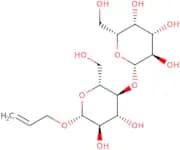

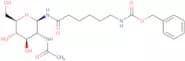
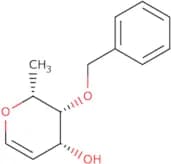

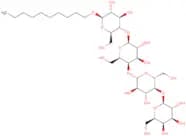
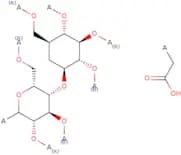
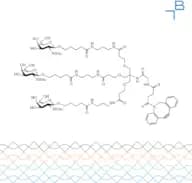
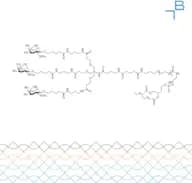
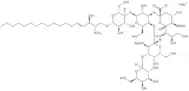

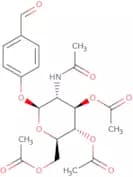
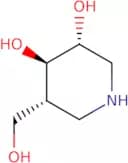


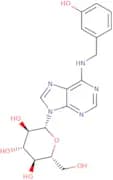
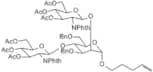

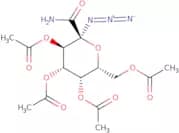
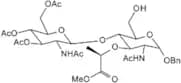
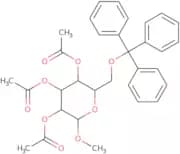
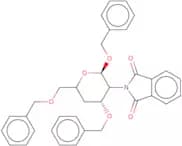
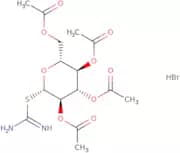
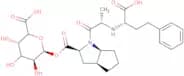

![N-[(e-Benzyloxycarbonylamino)caproyl]-b-L-fucopyranosylamine](/_next/image/?url=https%3A%2Fstatic.cymitquimica.com%2Fproducts%2F3D%2Fthumb-webp%2FMB04503.webp&w=3840&q=75)
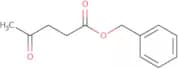
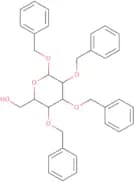

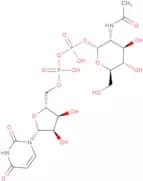

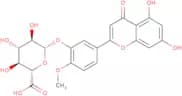
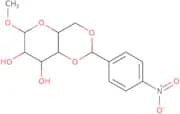
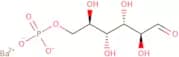
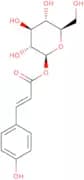
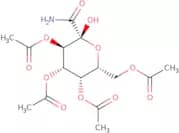
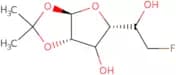
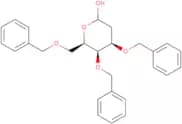

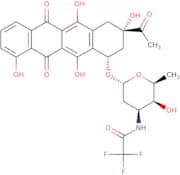
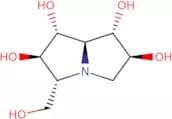
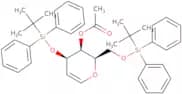

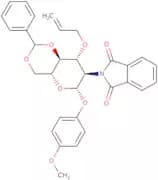
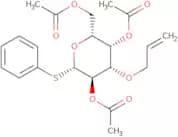
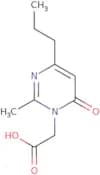
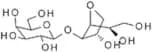
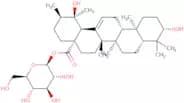
![1,2,6-Tri-O-benzyl-2-deoxy-4-O-[phenoxy(thiocarbonyl)]-2-phthalimido-b-D-glucopyranoside](/_next/image/?url=https%3A%2Fstatic.cymitquimica.com%2Fproducts%2F3D%2Fthumb-webp%2FMT07405.webp&w=3840&q=75)

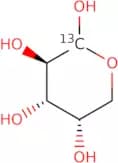

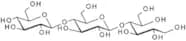
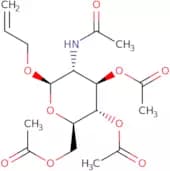
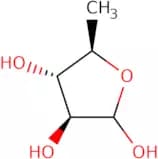

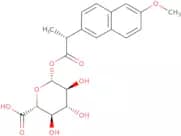


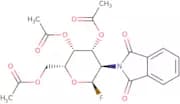


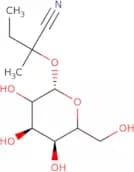
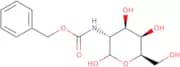
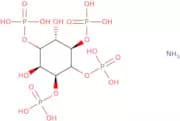
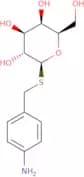
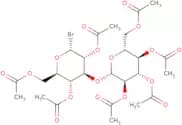

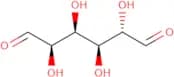
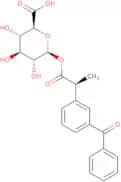
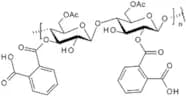
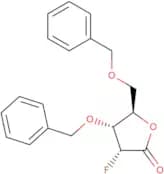
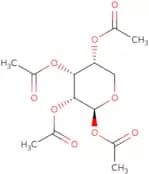
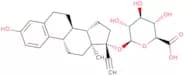
![L-[6-13C]Sorbose](/_next/image/?url=https%3A%2Fstatic.cymitquimica.com%2Fproducts%2F3D%2Fthumb-webp%2FMS35536.webp&w=3840&q=75)

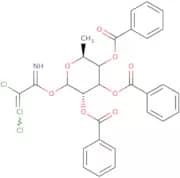
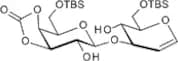
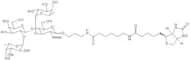
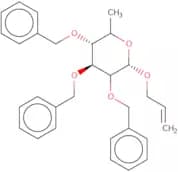
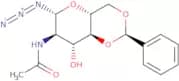
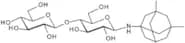
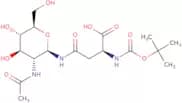
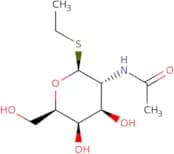
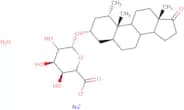
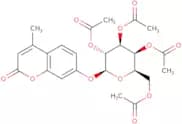
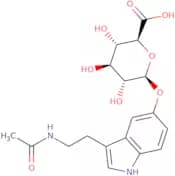
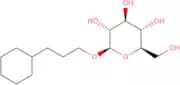
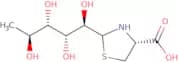




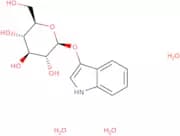
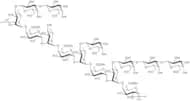

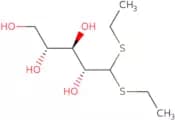
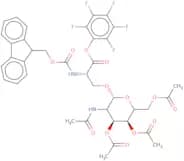
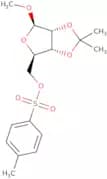
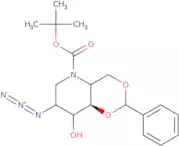
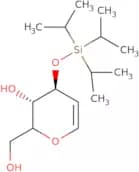

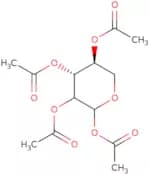
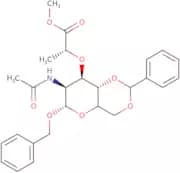

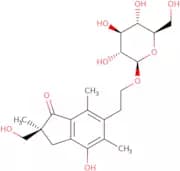
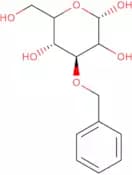
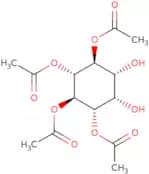

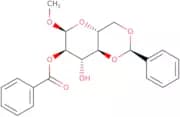
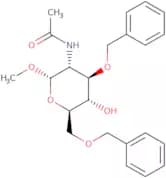

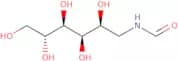
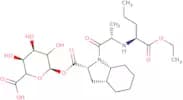
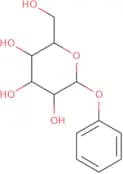
![D-[UL-13C6,15N]Glucosamine HCl](/_next/image/?url=https%3A%2Fstatic.cymitquimica.com%2Fproducts%2F3D%2Fthumb-webp%2FMG15630.webp&w=3840&q=75)
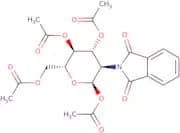
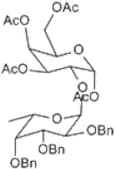
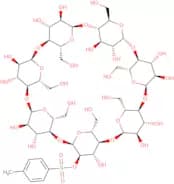

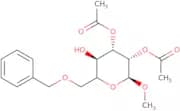
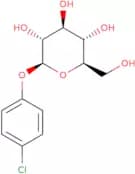
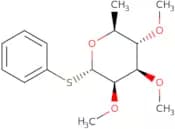

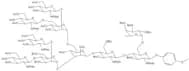
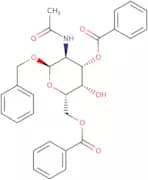

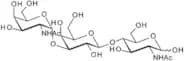
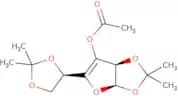
![D-[1-13C]Xylose](/_next/image/?url=https%3A%2Fstatic.cymitquimica.com%2Fproducts%2F3D%2Fthumb-webp%2FVCA84921.webp&w=3840&q=75)


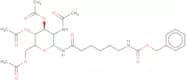

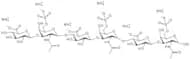
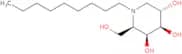

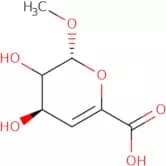


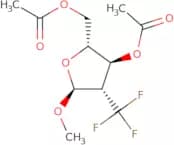
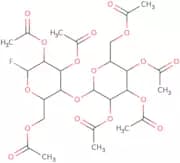
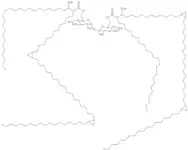
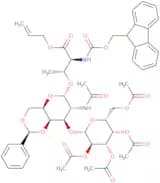
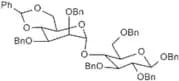


![a-D-[2-13C]-Galactopyranosyl 1-phosphate dipotassium salt](/_next/image/?url=https%3A%2Fstatic.cymitquimica.com%2Fproducts%2F3D%2Fthumb-webp%2FMG138862.webp&w=3840&q=75)