Enzyme, Peptide and Protein Related Compounds
Enzyme, peptide, and protein-related compounds are critical for studying and manipulating biochemical pathways. These compounds include enzymes that catalyze biochemical reactions, peptides that serve as hormones and signaling molecules, and proteins that perform a wide array of functions within organisms. This category encompasses inhibitors, activators, substrates, and other reagents essential for enzymology, proteomics, and peptide research. At CymitQuimica, we offer a diverse selection of high-quality compounds to facilitate your research in enzyme kinetics, protein function, and peptide synthesis, ensuring precise and reliable results.
Subcategories of "Enzyme, Peptide and Protein Related Compounds"
- Amino Acids (AA)(40,509 products)
- Enzymes(3,559 products)
- Peptides(30,720 products)
- Proteins(15,023 products)
Found 1312 products of "Enzyme, Peptide and Protein Related Compounds"
Sort by
Purity (%)
0
100
|
0
|
50
|
90
|
95
|
100
Potassium citrate
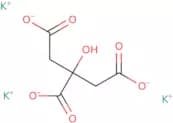
CAS:<p>Potassium citrate is a salt of potassium and citric acid. It is used as an antacid to help relieve the symptoms of heartburn, sour stomach, and acid indigestion. Potassium citrate can also be used as a supplement when the body does not produce enough of this chemical on its own. It is usually taken with calcium pantothenate to provide additional relief for people who have low levels of these chemicals in their urine. The phase transition temperature for potassium citrate is approximately 33°C (91°F).</p>Formula:C6H5K3O7Color and Shape:White Off-White PowderMolecular weight:306.39 g/mol4-Bromoveratrole
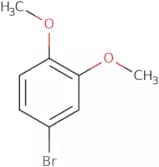
CAS:<p>4-Bromoveratrole is a triphenylene with a molecular weight of 454.42 g/mol and a melting point of 90°C. It has been shown that this molecule binds to the receptor for acetylcholine, which is found in the central nervous system and on muscles. The binding of 4-bromoveratrole to this receptor leads to the release of chloride ions from the cell, which increases the activity of acetylcholine. The detection sensitivity of 4-bromoveratrole in solution was determined by adding malonic acid or hydrochloric acid, which led to an increase in fluorescence intensity. This molecule also has fatty acid and hydroxyl groups that have been shown to have anti-inflammatory properties.</p>Formula:C8H9BrO2Purity:Min. 95%Color and Shape:Clear LiquidMolecular weight:217.06 g/molS-(-)-Tolterodine d-tartrate
CAS:<p>S-(-)-Tolterodine d-tartrate is a fine chemical that belongs to the class of organic compounds. It has been used as a useful scaffold in the synthesis of various complex compounds, such as reaction components and speciality chemicals. In addition, S-(-)-Tolterodine d-tartrate has served as an intermediate for the synthesis of other chemicals.</p>Formula:C22H31NO•C4H6O6Purity:Min. 95%Color and Shape:White to off-white solid.Molecular weight:475.57 g/molDL-Ethyl 2-bromovalerate
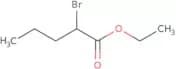
CAS:<p>DL-Ethyl 2-bromovalerate is a fatty acid that inhibits the activity of enzymes involved in fatty acid synthesis. DL-Ethyl 2-bromovalerate has been shown to have anti-inflammatory properties, which may be due to its ability to inhibit prostaglandin synthesis. It also has been found to inhibit the growth of microorganisms such as HIV and Mycobacterium tuberculosis. DL-Ethyl 2-bromovalerate has been used in the treatment of inflammatory bowel disease, as well as congestive heart failure and cardiovascular diseases. This drug also has a pharmacokinetic effect on human population growth, because it can inhibit cell proliferation.</p>Formula:C7H13BrO2Purity:Min. 95%Color and Shape:Clear LiquidMolecular weight:209.08 g/molD-(+)-2-Phosphoglyceric acid sodium hydrate
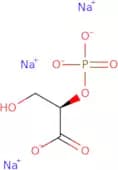
CAS:<p>Please enquire for more information about D-(+)-2-Phosphoglyceric acid sodium hydrate including the price, delivery time and more detailed product information at the technical inquiry form on this page</p>Formula:C3H4Na3O7PPurity:Min. 95 Area-%Color and Shape:PowderMolecular weight:252 g/molrec β-Defensin 2 (human)
CAS:<p>rec beta-Defensin 2 (human) is a recombinant peptide, which is a human-derived antimicrobial protein. It is sourced through recombinant DNA technology, enabling the production of a synthetic version of the natural peptide found in epithelial cells. Its mode of action involves disrupting microbial cell membranes, leading to cell lysis, in addition to modulating the immune response by interacting with immune cells and enhancing the production of cytokines.</p>Purity:Min. 95%Clemastine fumarate
CAS:<p>Histamine (H1) receptor antagonist</p>Formula:C25H30ClNO5Purity:Min. 95%Color and Shape:White PowderMolecular weight:459.96 g/molTetraethylammonium acetate tetrahydrate
CAS:<p>Tetraethylammonium acetate tetrahydrate (TEAT) is a trifluoroacetic acid salt that is used as a cyclase inhibitor. TEAT inhibits the activity of cyclases, which are enzymes that catalyze the formation of cyclic AMP (cAMP). This inhibition prevents the activation of protein kinases and subsequent phosphorylation of cytosolic proteins. TEAT has been shown to inhibit human serum albumin binding, transport properties, and fluorescence detector response in vitro. It also binds to DNA as a hydrogen-bond acceptor and can be used in enzymatic assays for DNA polymerase chain reaction.</p>Formula:C10H23NO2·4H2OColor and Shape:PowderMolecular weight:261.36 g/molL-Thyroxine sodium pentahydrate
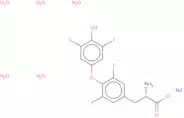
CAS:<p>L-Thyroxine sodium pentahydrate is an organic chemical compound that belongs to the group of thyroxine compounds. It is a white, crystalline solid with a molecular formula of C5H11NNaO4S. L-Thyroxine sodium pentahydrate is used in research as a reagent, scaffold, and intermediate, and can be used as a building block for other chemicals. This chemical has many different uses because it is versatile and reacts easily with other compounds.</p>Formula:C15H20I4NNaO9Color and Shape:PowderMolecular weight:888.93 g/molL-Aspartic acid sodium salt monohydrate
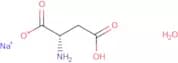
CAS:<p>L-Aspartic acid sodium salt monohydrate is a sodium carbonate salt of L-aspartic acid that has been shown to inhibit the growth of leishmania in vitro. It may also be effective against other protozoa and amoeba, including Entamoeba histolytica and Naegleria fowleri. L-Aspartic acid sodium salt monohydrate inhibits acid formation by inhibiting the enzyme carbonate synthetase. This compound also has potential as a drug target for infantile lysosomal storage disease due to its ability to activate glutamate, which is an amino acid that is deficient in this condition. The surface methodology used for this study was titration calorimetry, which can be used to measure the thermodynamic properties of activated carboxylates.</p>Formula:C4H6NO4Na·H2OColor and Shape:White Off-White Clear LiquidMolecular weight:173.1 g/molL-Lysine hydrate
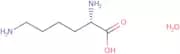
CAS:<p>L-Lysine hydrate is a water-soluble amino acid that is used as an additive in animal feed. L-Lysine has been shown to have minimal toxicity, and can be used for the prevention of colds, flu, and fever. It also has anti-inflammatory effects in humans, which may be due to its ability to inhibit the production of prostaglandins that are involved in pain and inflammation. L-Lysine hydrate binds to several drugs such as nonsteroidal antiinflammatory drugs (NSAIDs) and ethylene diamine dihydrochloride (EDDH), forming stable complexes with them. This binding prevents the NSAID from being broken down by enzymes in the liver and intestines, which can lead to decreased blood levels of these drugs.</p>Formula:C6H14N2O2•H2OPurity:Min. 95%Color and Shape:White PowderMolecular weight:146.19 g/mol2,9-Dimethyl-1,10-phenanthroline hydrochloride monohydrate
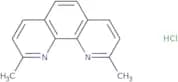
CAS:<p>Chelating agent used to detect aqueous copper ions by electrochemiluminescence</p>Formula:C14H12N2·HCl·H2OColor and Shape:White PowderMolecular weight:262.73 g/molSodium carbonate monohydrate
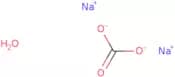
CAS:Controlled Product<p>Sodium carbonate monohydrate is a versatile chemical that can be used as a building block in the synthesis of complex compounds. It is also used as an intermediate in the production of research chemicals or as a reagent. Sodium carbonate monohydrate has high quality and is useful in many reactions. This compound can be used to make various scaffolds, which are structures that provide stability for molecules or atoms during a reaction.</p>Formula:Na2CO3·H2OPurity:Min. 95%Color and Shape:PowderMolecular weight:124 g/molEthyl 6-aminoveratrate
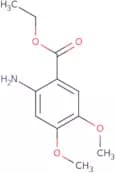
CAS:<p>Ethyl 6-aminoveratrate (EAOV) is a urea derivative that has been shown to have analgesic effects in vitro and in vivo. EAOV was found to be more potent than morphine, but with less side effects. EAOV's antinociceptive effects are due to its ability to inhibit the activity of protein kinase C and phosphorylate the extracellular signal-regulated kinases ERK1/2. EAOV also showed metabolic stability and chemical stability, which may be due to its lack of reactive functional groups. The low potency of EAOV makes it an attractive candidate for research into the development of a new generation of painkillers.</p>Formula:C11H15NO4Purity:Min. 95%Color and Shape:PowderMolecular weight:225.24 g/molKetotifen fumarate
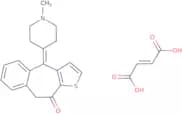
CAS:<p>Ketotifen fumarate is an anti-inflammatory drug that belongs to the class of histamine H1 receptor antagonists. It has been shown to be effective in the treatment of inflammatory bowel diseases, such as Crohn’s disease and ulcerative colitis. Ketotifen fumarate also has biological properties, such as eosinophil cationic protein release inhibition, that are important for its therapeutic effects. In vitro studies have shown that ketotifen fumarate can inhibit h1-receptor mediated responses in a dose-dependent manner. The drug is metabolized by the liver enzyme CYP3A4 and has been shown to interact with other drugs metabolized through this pathway. Ketotifen fumarate is currently being used as a research tool in experimental models of infectious diseases, such as tuberculosis and influenza A virus infection.</p>Formula:C23H23NO5SPurity:Min. 95%Color and Shape:White PowderMolecular weight:425.5 g/molrec IL-2 (human)
CAS:<p>Please enquire for more information about rec IL-2 (human) including the price, delivery time and more detailed product information at the technical inquiry form on this page</p>Purity:Min. 95%Dimethylglyoxime disodium salt octahydrate
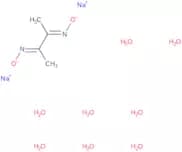
CAS:<p>Dimethylglyoxime is a pesticide that has been used to control insects and nematodes. It has been found to be effective in controlling mosquitoes, flies, and other pests. This compound is also used as an extractor in microextraction. Dimethylglyoxime is not toxic to humans and does not cause any adverse effects on the environment or human health. It can be used with chlorine for wastewater treatment.</p>Formula:C4H8N2Na2O2·8H2OPurity:Min. 95%Color and Shape:PowderMolecular weight:306.22 g/mol1,1'-Dioctadecyl-3,3,3',3'-tetramethylindodicarbocyanine perchlorate
CAS:<p>1,1'-Dioctadecyl-3,3,3',3'-tetramethylindodicarbocyanine perchlorate (DiI) is a useful scaffold for the synthesis of complex compounds. It is a high-quality research chemical that is used in the synthesis of speciality chemicals and fine chemicals. DiI reacts with diazonium salts to produce blue or red fluorescent compounds. This compound can be used as a reagent for the production of amino acids or amines. It also reacts with other organic compounds to form complexes. The CAS number for DiI is 127274-91-3.</p>Formula:C61H99N2•ClO4Purity:Min. 95%Color and Shape:Red To Brown SolidMolecular weight:959.9 g/molEthylenediaminetetraacetic acid disodium dihydrate
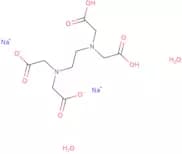
CAS:<p>Hexadentate chelator</p>Formula:C10H14N2Na2O8·2H2OColor and Shape:White PowderMolecular weight:372.24 g/molrec Endothelial IL-8 (human)
CAS:<p>Please enquire for more information about rec Endothelial IL-8 (human) including the price, delivery time and more detailed product information at the technical inquiry form on this page</p>Formula:C397H644N114O111S4Purity:Min. 95%Molecular weight:8,918.33 g/mol