Antimicrobials
Antimicrobials are agents that destroy or inhibit the growth of microorganisms, including bacteria, viruses, fungi, and parasites. These compounds are essential in the prevention and treatment of infections, playing a crucial role in medicine, agriculture, and the food industry. At CymitQuimica, we offer an extensive range of high-quality, high-purity antimicrobials suitable for various scientific and industrial applications. Our catalog includes antibiotics, antifungals, antivirals, and disinfectants, all designed to meet the needs of research and development, as well as clinical and production applications. With our products, professionals can ensure the effectiveness and safety in infection control and public health protection.
Subcategories of "Antimicrobials"
- Antibiotics(4,110 products)
- Antifungals(835 products)
- Antiparasitics(704 products)
- Antivirals(762 products)
Found 2422 products of "Antimicrobials"
Sort by
Purity (%)
0
100
|
0
|
50
|
90
|
95
|
100
Streptidine dihydrochloride
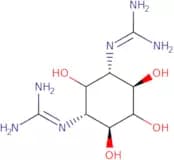
CAS:<p>Streptidine dihydrochloride is a biochemical compound, specifically a derivative of streptomycin, which is obtained through chemical modification of the aminoglycoside antibiotic streptomycin. It is composed of streptidine, a constituent sugar derivative, that is integral to the structure of streptomycin, rendered as a hydrochloride salt to enhance solubility and stability.</p>Formula:C8H18N6O4·2HClPurity:Min. 95%Bombinin-like peptide (blp-1)
CAS:<p>Bombinin-like peptide (blp-1) is an antimicrobial peptide, which is derived from the skin secretion of certain amphibians, specifically the *Bombina* species of frogs. This peptide functions by disrupting microbial cell membranes, leading to cell lysis and death. Its ability to compromise the integrity of the cell membrane makes it effective against a range of pathogenic microorganisms, including bacteria and fungi.</p>Formula:C115H194N34O33Purity:Min. 95%Molecular weight:2,581 g/molCefteram
CAS:<p>Cefteram is a third-generation cephalosporin antibiotic, which is synthesized through chemical processes starting from cephalosporin C, a compound derived from the fungus Acremonium. As a cephalosporin, it functions by inhibiting bacterial cell wall synthesis. This is achieved through the binding to penicillin-binding proteins (PBPs), which are critical in the formation of the bacterial cell wall. By disrupting this process, Cefteram leads to the lysis and death of the bacteria.</p>Formula:C16H17N9O5S2Purity:Min. 95%Color and Shape:White To Off-White SolidMolecular weight:479.5 g/molTCA1
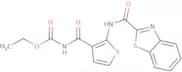
CAS:<p>TCA1 is a synthetic small molecule, which is specifically derived from complex organic synthesis processes, designed to target bacterial metabolic pathways. It operates primarily by inhibiting essential enzymatic functions, thereby disrupting normal metabolic activity within bacterial cells. This inhibitory action results in weakened or halted protein synthesis, directly affecting bacterial growth and proliferation.</p>Formula:C16H13N3O4S2Purity:Min. 95%Molecular weight:375.4 g/molMacrolactin Z
CAS:<p>Please enquire for more information about Macrolactin Z including the price, delivery time and more detailed product information at the technical inquiry form on this page</p>Formula:C29H40O8Purity:Min. 95%Molecular weight:516.6 g/molSulbactam Related Compound A
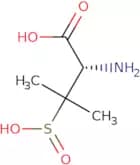
CAS:<p>Sulbactam Related Compound A is a chemical compound often used in pharmaceutical research and development. It is typically derived from the synthetic modification of existing antibiotics to explore new potential therapeutic benefits. The compound functions as a beta-lactamase inhibitor, which is of significant interest to researchers due to its potential to enhance the efficacy of beta-lactam antibiotics. By inhibiting the action of bacterial beta-lactamase enzymes, it permits these antibiotics to remain effective against resistant strains of bacteria.</p>Formula:C5H11NO4SPurity:Min. 95%Molecular weight:181.21 g/molPotassium clavulanate - 1:1 mixture with cellulose, Antibiotic for Culture Media Use Only
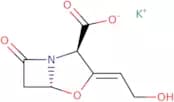
CAS:<p>Potassium clavulanate is a beta-lactamase inhibitor and an antibacterial agent. The presence of potassium clavulanate in culture media inhibits the activity of beta-lactamases, which are enzymes that confer resistance to penicillin and other beta-lactam antibiotics. It also has been shown to be active against bacterial infections such as tuberculosis, sepsis, and pneumonia, where it can inhibit the growth of bacteria by interfering with their ability to form cell walls.</p>Formula:C8H8KNO5Purity:Min. 95.0 Area-%Molecular weight:237.25 g/mol25-O-Deacetyl rifabutin
CAS:<p>25-O-Deacetyl rifabutin is an antibiotic derivative, which is sourced from the semi-synthetic modification of rifabutin, a compound originally derived from the fermentation of the bacterium Amycolatopsis mediterranei. This derivative works by inhibiting bacterial RNA synthesis. It achieves this by specifically targeting the DNA-dependent RNA polymerase enzyme, which is essential for bacterial transcription. The mechanism involves binding to the beta-subunit of the polymerase, thereby blocking the elongation of the RNA chain, which ultimately leads to the death of the bacterial cell.</p>Formula:C44H60N4O10Purity:Min. 95%Color and Shape:Purple PowderMolecular weight:804.97 g/molNarasin
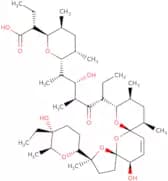
CAS:<p>Narasin is an ionophore antibiotic, which is a fermentation product derived from certain strains of the bacterium *Streptomyces aureofaciens*. It functions by disrupting the ion gradients across cell membranes, specifically facilitating the transport of sodium and potassium ions. This action interferes with the energy metabolism of certain pathogenic microorganisms, rendering them unable to proliferate effectively.</p>Formula:C43H72O11Purity:Min. 95%Molecular weight:765.03 g/mol1-Ethyl-6-fluoro-7-(piperazin-1-yl)quinolin-4(1H)-one
CAS:<p>1-Ethyl-6-fluoro-7-(piperazin-1-yl)quinolin-4(1H)-one is a fluoroquinolone antibiotic, which is a synthetic derivative sourced from the quinolone family. This compound functions by targeting bacterial DNA gyrase and topoisomerase IV, which are crucial enzymes involved in the replication and transcription of bacterial DNA. By inhibiting these enzymes, the antibiotic effectively disrupts DNA replication in susceptible bacterial strains, leading to cell death.</p>Formula:C15H18FN3OPurity:Min. 95%Molecular weight:275.32 g/molOmomycin
CAS:<p>Omomycin is a novel antibiotic, specifically a macrolide, which is derived from microbial sources, primarily soil-dwelling actinomycetes. Its mode of action involves inhibiting bacterial protein synthesis by binding to the 50S ribosomal subunit. This interaction prevents the translocation of peptides during translation, thereby halting bacterial growth and proliferation.</p>Formula:C29H39NO4Purity:Min. 95%Molecular weight:465.6 g/molSparsomycin
CAS:<p>Sparsomycin is an antibiotic compound, which is a secondary metabolite isolated from Streptomyces species. Its mode of action involves the inhibition of protein synthesis by targeting the large subunit of the ribosome, specifically binding to the 50S subunit in bacterial ribosomes and the 60S subunit in eukaryotic ribosomes. This binding interferes with peptide bond formation, thereby disrupting the translational process essential for protein synthesis.</p>Formula:C13H19N3O5S2Purity:Min. 95%Molecular weight:361.4 g/molAminosidine
CAS:<p>Aminosidine is a nucleoside analogue that inhibits the HIV-1 reverse transcriptase and the integrase, which are enzymes involved in viral DNA synthesis. Aminosidine is active against Leishmania spp., but not against bacteria. Aminosidine has been shown to be effective in experimental models of human bowel disease and in patients with inflammatory bowel disease. It was also found to be active against wild-type strains of human immunodeficiency virus type 1, but not resistant mutants. The mechanism of action is the inhibition of cellular mitochondrial membrane potential.</p>Purity:Min. 95%Aztreonam-d6
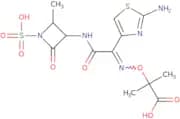
CAS:<p>Aztreonam-d6 is an isotopically labeled antibiotic, which is a synthetic monobactam derived from bacterial fermentation processes with deuterium enrichment. With a beta-lactam structure, Aztreonam-d6 acts by inhibiting bacterial cell wall synthesis, specifically targeting the penicillin-binding protein 3 (PBP3) in Gram-negative bacteria. This action disrupts cell wall construction, leading to cell lysis and death, making it an effective option against certain resistant bacterial strains.</p>Formula:C13H17N5O8S2Purity:Min. 95%Molecular weight:441.5 g/molTrovafloxacin mesylate
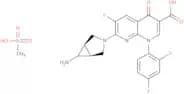
CAS:<p>Trovafloxacin mesylate is a synthetic antibiotic belonging to the fluoroquinolone class, which is derived from chemical synthesis processes rather than natural sources. The mode of action of trovafloxacin mesylate involves the inhibition of bacterial enzymes DNA gyrase and topoisomerase IV. These enzymes are essential for DNA replication, repair, and transcription within the bacterial cell. By inhibiting these enzymes, trovafloxacin mesylate disrupts bacterial DNA processes, leading to cell death and exerting its antibacterial effects.</p>Formula:C21H19F3N4O6SPurity:Min. 95%Molecular weight:512.46 g/mol7-Descarbamoyl 17-amino geldanamycin
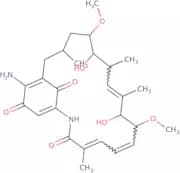
CAS:<p>7-Descarbamoyl 17-amino geldanamycin is a semi-synthetic derivative of the benzoquinone ansamycin antibiotic geldanamycin, which is naturally produced by the bacterium *Streptomyces hygroscopicus*. As an inhibitor of the Heat Shock Protein 90 (Hsp90), it targets this molecular chaperone crucial for the stability and function of numerous oncoproteins. By inhibiting Hsp90, 7-Descarbamoyl 17-amino geldanamycin disrupts protein folding processes, leading to the degradation of client proteins and subsequent disruption of cell signaling pathways involved in tumor growth and survival.</p>Formula:C27H38N2O7Purity:Min. 95%Molecular weight:502.6 g/molBRD-K98645985
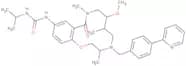
CAS:<p>BRD-K98645985 is a synthetic biochemical reagent, likely developed through chemical synthesis or natural product isolation. It functions as a modulator of specific biochemical pathways, potentially acting as an enzyme inhibitor, receptor agonist, or antagonist. This compound interacts with targeted proteins or cellular mechanisms, altering physiological responses or signaling cascades. The precise mode of action often involves binding to active sites, thereby influencing molecular conformation and activity.</p>Formula:C33H43N5O4Purity:Min. 95%Molecular weight:573.7 g/molOxysanguinarine
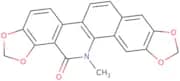
CAS:<p>Oxysanguinarine is an alkaloid compound, which is derived from the plant species of the Papaveraceae family. As a benzophenanthridine alkaloid, it is predominantly extracted from plants such as Sanguinaria canadensis. Its mode of action involves disrupting microbial cell membranes and interfering with enzyme systems, leading to antimicrobial and antifungal effects. This compound exhibits potential in inhibiting the growth of various pathogens, making it a subject of interest in pharmaceutical and microbiological research. Applications of oxysanguinarine extend to studying its efficacy in antimicrobial treatments, exploring its potential as a natural pesticide, and investigating its role in traditional medicine. Due to its complex biochemical interactions, ongoing research aims to better understand its mechanisms and potential therapeutic uses.</p>Formula:C20H13NO5Purity:Min. 95%Molecular weight:347.3 g/molSARS-CoV-IN-1
CAS:<p>SARS-CoV-IN-1 is a small-molecule inhibitor, which is a synthetic compound designed to interfere with viral replication. This compound is sourced through rigorous combinatorial chemistry methods, enabling the precise targeting of viral enzymes. SARS-CoV-IN-1 specifically inhibits the activity of the SARS-CoV-2 main protease (Mpro), an essential enzyme responsible for processing viral polyproteins into functional units necessary for virus replication.</p>Formula:C23H16ClFEN3OPurity:Min. 95%Molecular weight:441.69 g/mol(S)-4-(((R)-6-(2-Chloro-4-fluorophenyl)-5-(methoxycarbonyl)-2-(thiazol-2-yl)-3,6-dihydropyrimidin-4-yl)methyl)morpholine-3-carboxyli c acid
CAS:<p>(S)-4-(((R)-6-(2-Chloro-4-fluorophenyl)-5-(methoxycarbonyl)-2-(thiazol-2-yl)-3,6-dihydropyrimidin-4-yl)methyl)morpholine-3-carboxylic acid is a selective chemical inhibitor, derived from synthetic organic chemistry methodologies. This compound is engineered for precise interaction with a target protein, modulating cellular pathways involved in disease progression. Its unique structure, including the chlorofluorophenyl and thiazolyl moieties, confers high binding affinity and specificity, making it a valuable tool in biochemical research.</p>Formula:C21H20ClFN4O5SPurity:Min. 95%Molecular weight:494.9 g/mol