Steroids
Steroids are a class of organic compounds with a characteristic molecular structure composed of four fused rings. They play a vital role in various biological processes, including as hormones that regulate metabolism, immune function, and reproduction. Steroids are widely used in medicine for their anti-inflammatory, immunosuppressive, and anabolic properties. In research, they are studied for their therapeutic potential in treating conditions such as arthritis, asthma, and hormonal imbalances. At CymitQuimica, you will find a wide selection of steroids, essential for research in pharmacology, biochemistry, and the development of steroid-based therapies.
Subcategories of "Steroids"
Found 1699 products of "Steroids"
Sort by
Purity (%)
0
100
|
0
|
50
|
90
|
95
|
100
Saponin - from quillaja plant - 25%-30% sapogenin content
CAS:<p>Saponin from the quillaja plant is a natural extract characterized by a significant sapogenin content of 25%-30%. This product is derived from the bark of the Quillaja saponaria tree, a native species of Chile. The primary mode of action of these saponins involves the interaction with cell membranes due to their surfactant properties, which can lead to membrane permeabilization and subsequent cellular responses.</p>Purity:Min. 95%Color and Shape:PowderBufalin
CAS:<p>Bufalin is a bufadienolide compound, which is a type of steroid derived primarily from toad venom, specifically from the skin and parotid venom glands of the toad species Bufo gargarizans. Its mode of action involves the inhibition of Na+/K+-ATPase, an enzyme critical for maintaining the electrochemical gradient across cell membranes. By disrupting this gradient, Bufalin affects cellular ion homeostasis and induces apoptosis in various cancer cell lines.</p>Formula:C24H34O4Purity:Min. 95%Color and Shape:White PowderMolecular weight:386.52 g/molβ-Sitosterol β-D-glucoside
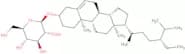
CAS:<p>β-Sitosterol β-D-glucoside is a phytosterol glycoside, which is primarily derived from plant sources such as fruits, vegetables, nuts, and seeds. As a natural component of plant cell membranes, it exhibits bioactive properties. The compound functions by modulating cholesterol metabolism and has anti-inflammatory, immunomodulatory, and antioxidant effects. It achieves this by interfering with the absorption of cholesterol in the intestines and modulating the activity of enzymes involved in its metabolism.</p>Formula:C35H60O6Purity:Min. 98 Area-%Color and Shape:White PowderMolecular weight:576.85 g/molEquilenin
CAS:<p>Equilenin is a steroidal estrogen, which is a type of naturally occurring hormone. It is derived primarily from the urine of pregnant mares and belongs to the class of conjugated equine estrogens. In terms of its mode of action, equilenin functions by binding to estrogen receptors in various tissues, thereby modulating gene expression and influencing cellular activity. This interaction supports the management of estrogen deficiencies in postmenopausal women and can influence the regulation of certain metabolic processes.</p>Formula:C18H18O2Purity:Min. 95%Color and Shape:PowderMolecular weight:266.33 g/molGracillin
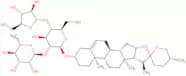
CAS:<p>Gracillin is a steroidal saponin, which is a bioactive compound derived from the plant genus Dioscorea. This natural product is characterized by its complex glycoside structure, where a sugar moiety is attached to a steroid-like aglycone. The mode of action of Gracillin involves its interaction with cellular membranes, leading to increased cell membrane permeability. This action is thought to disrupt normal cellular functions, making it a compound of interest for studying membrane dynamics.</p>Formula:C45H72O17Purity:Min. 95%Color and Shape:White PowderMolecular weight:885.04 g/molPregnenolone acetate
CAS:Controlled Product<p>Pregnenolone acetate is a synthetic compound classified as a steroidal hormone precursor. It is derived from pregnenolone, which is a naturally occurring steroid hormone in the body. Pregnenolone is primarily synthesized from cholesterol, a fundamental component upon which steroidogenesis is based. The acetate form is an ester derivative, which can enhance stability and bioavailability.</p>Formula:C23H34O3Purity:Min. 98 Area-%Color and Shape:White PowderMolecular weight:358.51 g/molPeriplogenin
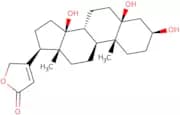
CAS:<p>Periplogenin is a compound classified as a cardiac glycoside, which is typically derived from certain plant species such as those in the Apocynaceae family. These compounds are known for affecting the heart by influencing cellular ion transport mechanisms. The primary mode of action of periplogenin involves inhibition of the Na⁺/K⁺-ATPase pump. This inhibition leads to an increased intracellular concentration of sodium ions, which indirectly increases intracellular calcium levels via the sodium-calcium exchanger. The elevated calcium concentration enhances cardiac muscle contractility, a mechanism often leveraged in treating certain heart conditions.</p>Formula:C23H34O5Purity:Min. 95%Molecular weight:390.51 g/molBetamethasone - Bio-X ™
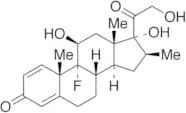
CAS:Controlled Product<p>Betamethasone is a potent anti-inflammatory agent that belongs to the group of corticosteroids. It is used in the treatment of a number of inflammatory diseases, such as allergic states, dermatologic disorders and gastrointestinal disorders. This drug binds to glucocorticoid receptors inhibiting inflammatory signals whilst promoting anti-inflammatory signals.</p>Formula:C22H29FO5Purity:Min. 95%Color and Shape:PowderMolecular weight:392.46 g/molent-Fisetinidol-(4α->8)-catechin-(6->4α)-ent-fisetinidol
CAS:<p>Ent-Fisetinidol-(4alpha->8)-catechin-(6->4alpha)-ent-fisetinidol is a complex flavan-3-ol oligomer, which is a type of polyphenolic compound commonly found in various plant species. This compound is derived primarily from plants such as those in the genus *Acacia* and other similar species rich in condensed tannins. The mode of action of this oligomer involves its ability to engage in antioxidant activities, which include scavenging free radicals and chelating metal ions that facilitate oxidative stress in biological systems.</p>Formula:C45H38O16Purity:Min. 95%Color and Shape:PowderMolecular weight:834.77 g/molHydrocortisone acetate
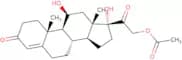
CAS:Controlled Product<p>Hydrocortisone acetate is a synthetic corticosteroid, which is a product derived from the modification of natural adrenal cortex hormones. It functions as an anti-inflammatory and immunosuppressive agent through its interaction with glucocorticoid receptors, leading to the modulation of gene expression involved in immune and inflammatory responses. This interaction inhibits the release of pro-inflammatory mediators and reduces the permeability of capillaries, thereby diminishing inflammation and immune activity.</p>Formula:C23H32O6Purity:Min. 97 Area-%Color and Shape:PowderMolecular weight:404.5 g/molCoumestrol-9-methyl ether
CAS:<p>Coumestrol-9-methyl ether is a synthetic estrogen analogue, which is derived from coumestrol, a naturally occurring phytoestrogen found in various plant sources such as soybeans and clover. This compound is synthesized through chemical modification to enhance its stability and bioactivity, differing from its naturally occurring counterpart by the addition of a methyl group.</p>Formula:C16H10O5Purity:Min. 95%Molecular weight:282.25 g/molUzarigenin
CAS:<p>Uzarigenin is a steroidal sapogenin, which is a naturally derived chemical compound typically extracted from plants belonging to the Apocynaceae family. It is primarily sourced from species like *Cynanchum* and *Xysmalobium*, where it exists as part of glycosidic complexes. The mode of action of uzarigenin involves its interaction with cellular steroid pathways, providing insights into various biological processes involving steroidal regulation and interaction. Such properties make it valuable in the study of steroid biosynthesis and the pharmacodynamics of cardiotonic steroids.</p>Formula:C23H34O4Purity:Min. 97 Area-%Color and Shape:PowderMolecular weight:374.52 g/molCortisone acetate
CAS:Controlled Product<p>Cortisone acetate is a synthetic corticosteroid, which is a derivative of cortisone, a naturally occurring hormone produced by the adrenal cortex. As a pharmaceutical compound, cortisone acetate acts primarily as an anti-inflammatory and immunosuppressive agent. Its mode of action involves the conversion into cortisol, a glucocorticoid, which then interacts with glucocorticoid receptors to modulate the transcription of responsive genes. This process reduces the production of pro-inflammatory cytokines and inhibits the function of immune cells, thereby producing an anti-inflammatory effect.</p>Formula:C23H30O6Purity:95%MinColor and Shape:PowderMolecular weight:402.48 g/molCoumestrol
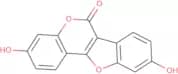
CAS:<p>Coumestrol is a phytoestrogen compound, which is a naturally occurring compound found in a variety of plants, such as soybeans, clover, and alfalfa. It is derived from the metabolic processes within these plants. Coumestrol exhibits estrogenic activity, acting as an agonist for estrogen receptors. This biological activity enables coumestrol to mimic the action of endogenous estrogens, thereby influencing estrogen-responsive pathways.</p>Formula:C15H8O5Purity:Min. 95%Color and Shape:PowderMolecular weight:268.22 g/molZuclomiphene
CAS:Controlled Product<p>Zuclomiphene is a selective estrogen receptor modulator (SERM), which is derived from clomiphene citrate, a mixture containing two isomers, zuclomiphene and enclomiphene. Zuclomiphene acts by binding to estrogen receptors, exhibiting both estrogenic and anti-estrogenic effects depending on the target tissue. This dual action makes it a valuable tool in modulating estrogen receptor activity for scientific research.</p>Formula:C26H28ClNOPurity:Min. 95%Molecular weight:405.96 g/molMestranol
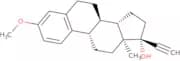
CAS:<p>Mestranol is a synthetic estrogen, which is derived from chemical synthesis. Its mode of action involves being a prodrug of ethinylestradiol, meaning it is metabolized in the liver to its active form, which then binds to estrogen receptors in target tissues. This binding alters the expression of genes, influencing the reproductive system to prevent ovulation. By inhibiting the release of gonadotropins (LH and FSH) from the pituitary, it effectively halts the maturation of ovarian follicles.</p>Formula:C21H26O2Purity:Min. 95%Color and Shape:White PowderMolecular weight:310.43 g/molStigmasterol
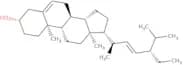
CAS:Controlled Product<p>Phytosterol with anti-osteoarthritic activity; inhibits cholesterol biosynthesis</p>Formula:C29H48OPurity:Min. 95 Area-%Color and Shape:White PowderMolecular weight:412.69 g/mol2'-Hydroxyformononetin
CAS:<p>2'-Hydroxyformononetin is a naturally occurring isoflavone, which is predominantly found in certain plants such as red clover and soy. It is a type of phytoestrogen, which exhibits estrogen-like activity due to its ability to bind estrogen receptors. The mode of action involves modulating estrogen receptor pathways, which in turn can affect various physiological processes related to hormone balance and cell proliferation.</p>Formula:C16H12O5Purity:Min. 95%Color and Shape:PowderMolecular weight:284.26 g/molBakuchiol
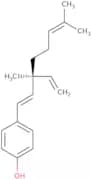
CAS:<p>Phytoestrogen with anti-cancer properties</p>Formula:C18H24OPurity:Min. 95%Color and Shape:Clear LiquidMolecular weight:256.38 g/molCholesterol 3-sulfate sodium
CAS:<p>Cholesterol 3-sulfate sodium salt is a fine chemical that is used as a versatile building block and reagent. It is a useful intermediate that can be used in the synthesis of complex compounds, speciality chemicals, and reaction components. Cholesterol 3-sulfate sodium salt can be used to synthesize cholesterol derivatives. This compound has been shown to have high reactivity with nucleophiles and can be used as a building block for other organic compounds. The CAS number for Cholesterol 3-sulfate sodium salt is 2864-50-8.</p>Formula:C27H45NaO4SPurity:Min. 95%Color and Shape:White PowderMolecular weight:488.7 g/molDihydroformononetin
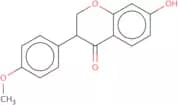
CAS:<p>Dihydroformononetin is an isoflavonoid phytoestrogen, which is a type of naturally occurring compound found primarily in leguminous plants. It is derived from plant sources such as red clover and soybeans, known for their rich isoflavone content. This compound undergoes metabolic conversion in plants and potentially in the human body, exerting effects through interactions with estrogen receptors.</p>Formula:C16H14O4Purity:Min. 95%Color and Shape:White PowderMolecular weight:270.28 g/molLanosterol (Isocholesterol) - Lanosterol 60%
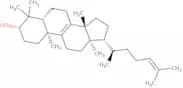
CAS:Controlled Product<p>Composed of Lanosterol (~65%), dihydrolanosterol, agnosterol,dihydroagnosterol.Extracted from wool.</p>Formula:C30H50OPurity:Min. 60 Area-%Color and Shape:White Off-White PowderMolecular weight:426.72 g/molEpibrassinolide
CAS:<p>Epibrassinolide is a plant growth regulator, which is a synthetic analog of brassinosteroids derived from natural plant steroids. It exerts its effects through modulating gene expression and activating signaling pathways that enhance cell elongation, division, and differentiation. Additionally, Epibrassinolide plays a crucial role in improving a plant's tolerance to environmental stresses such as drought, salinity, and temperature extremes. It is widely used in agricultural research and practices to boost crop yield and quality. Researchers apply Epibrassinolide to study its potential in promoting growth, increasing resistance to pathogens, and enhancing overall plant vitality. Its applications extend to various plant species, where it is utilized to explore genetic expressions and physiological adaptations in response to its regulatory effects.</p>Formula:C28H48O6Purity:(%) Min. 85%Color and Shape:White PowderMolecular weight:480.68 g/molWithaferin A
CAS:<p>Withaferin A is a bioactive compound, which is a steroidal lactone with antiproliferative properties. It is derived from the medicinal plant *Withania somnifera*, commonly known as Ashwagandha. Withaferin A exerts its effects by modulating various signaling pathways, including the inhibition of NF-kB and induction of oxidative stress, which lead to apoptotic cell death in cancer cells and reduced inflammation.</p>Formula:C28H38O6Purity:Min. 98 Area-%Color and Shape:White PowderMolecular weight:470.6 g/molPromegestone
CAS:Controlled Product<p>Promegestone is a synthetic progestogen, which is derived from progesterone. It functions by mimicking the effects of natural progesterone in the body, acting primarily on progesterone receptors to modulate reproductive processes. This progestogenic agent alters the lining of the uterus and inhibits gonadotropin production, thereby exerting its effects on ovulation and menstrual cycles.</p>Formula:C22H30O2Purity:Min. 95%Molecular weight:326.47 g/molBetamethasone enol aldehyde Z isomer
CAS:Controlled Product<p>Betamethasone enol aldehyde Z isomer is a synthetic corticosteroid, which is derived from modifications of the naturally occurring glucocorticoid, cortisol. Its structure has been altered to enhance anti-inflammatory and immunosuppressive potency. As a Z isomer, it exhibits specific stereochemistry, potentially affecting its pharmacokinetics and interactions at the molecular level.</p>Formula:C22H27FO4Purity:Min. 95 Area-%Color and Shape:PowderMolecular weight:374.45 g/molPolyphyllin B (Formosanin C)
CAS:<p>Polyphyllin B (Formosanin C) is a natural saponin compound, which is derived from the rhizomes of plants in the genus Paris, particularly Paris polyphylla. Known for its biological activity, Polyphyllin B functions primarily by disrupting cellular membranes and inducing apoptosis in cancer cells through various signaling pathways, including the mitochondrial pathway. This mechanism is attributed to its ability to interfere with cancer cell proliferation and promote cell death, making it a compound of interest in oncological research.</p>Formula:C51H82O20Purity:Min. 95%Color and Shape:PowderMolecular weight:1,015.19 g/molDioscin
CAS:<p>Dioscin is a steroidal saponin, which is a naturally occurring compound found in various plants, notably in species such as Dioscorea nipponica and Dioscorea zingiberensis. These plants belong to the yam family, which are well-regarded for their medicinal properties. The mode of action of dioscin involves modulation of various biochemical pathways, including the suppression of inflammatory cytokines and inhibition of cancer cell proliferation. Additionally, dioscin has been shown to promote apoptosis in cancer cells through the activation of caspases and disruption of mitochondrial function.</p>Formula:C45H72O16Purity:Min. 95%Color and Shape:PowderMolecular weight:869.05 g/molBrassicasterol
CAS:Controlled Product<p>Brassicasterol is a phytosterol, which is synthesized by various plant sources, particularly found in the seeds of plants such as rapeseed, mustard, and some algae. As a sterol, it is structurally similar to cholesterol but differs by having a methyl group at C24. This characteristic structure plays a vital role in its mode of action, modulating membrane fluidity and cell signaling pathways in organisms. In mammalian systems, brassicasterol may contribute to the reduction of cholesterol absorption by competing for incorporation into micelles, thus influencing metabolic pathways related to lipid processing and absorption.</p>Formula:C28H46OPurity:Min. 95 Area-%Color and Shape:Off-White PowderMolecular weight:398.66 g/molBeclomethasone dipropionate
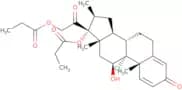
CAS:Controlled Product<p>Beclomethasone dipropionate is a synthetic corticosteroid, which is derived from beclomethasone, a glucocorticoid steroid. Its mode of action involves binding to specific intracellular glucocorticoid receptors. This binding modulates the transcription of glucocorticoid-responsive genes, leading to the synthesis of anti-inflammatory proteins and the inhibition of pro-inflammatory cytokine production. This reduces airway inflammation, edema, and mucus production, and enhances the responsiveness of beta-adrenergic receptors in the bronchial smooth muscle, facilitating bronchodilation.</p>Formula:C28H37ClO7Purity:Min. 95%Color and Shape:PowderMolecular weight:521.04 g/molPolyphyllin D
CAS:<p>Polyphyllin D is a natural compound, which is a steroidal saponin extracted from the rhizome of Paris polyphylla, a traditional Chinese medicinal plant. It exhibits significant biological activities and has garnered interest for its potential therapeutic applications. Polyphyllin D exerts its effects primarily through the disruption of cellular processes, including the induction of apoptosis, modulation of the cell cycle, and inhibition of angiogenesis. It achieves these actions by influencing multiple molecular pathways, such as the mitochondrial apoptotic pathway and autophagy regulation.</p>Formula:C44H70O16Purity:Min. 95%Color and Shape:PowderMolecular weight:855.02 g/molDHED
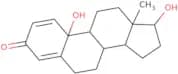
CAS:Controlled Product<p>DHED is a neuroactive steroid precursor, specifically a bioprecursor prodrug of estradiol, which is derived from chemical synthesis pathways. It is unique in its targeted mode of action, as it selectively converts to the active hormone estradiol within the brain via enzymatic processes that occur in situ. This specificity is facilitated by 17β-hydroxysteroid dehydrogenase type 1, which catalyzes the conversion of DHED to estradiol exclusively in the brain, minimizing peripheral estrogenic effects.</p>Formula:C18H24O3Purity:Min. 95%Color and Shape:PowderMolecular weight:288.38 g/molSaponins
CAS:<p>Saponins are naturally occurring glycosides, which are compounds sourced primarily from various plant species, including legumes, herbs, and certain vegetables. These compounds are characterized by their unique structure, comprising a hydrophobic aglycone linked to hydrophilic sugar moieties. This dual nature endows saponins with surfactant-like properties, allowing them to interact with both hydrophilic and hydrophobic molecules.</p>Purity:(Uv) Min. 90%Color and Shape:Brown Off-White PowderFormononetin
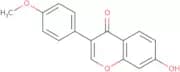
CAS:<p>Formononetin is a naturally occurring isoflavone, which is a type of phytoestrogen found predominantly in legumes like red clover and other related plant species. It is a secondary metabolite that influences various biological processes by interacting with estrogen receptors. Formononetin acts primarily by mimicking or modulating the activity of natural estrogens within the body, binding to estrogen receptors and influencing gene expression and cellular responses.</p>Formula:C16H12O4Purity:Min. 95%Color and Shape:PowderMolecular weight:268.26 g/molAndrosta-1,4,6-triene-3,17-dione
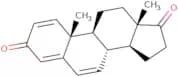
CAS:Controlled Product<p>Androsta-1,4,6-triene-3,17-dione is a steroidal aromatase inhibitor, which is a synthetic compound derived from modifications of naturally occurring steroid structures. Its mode of action involves the inhibition of the aromatase enzyme. Aromatase catalyzes the conversion of androgens into estrogens, a critical step in the biosynthesis of estrogens. By inhibiting this enzyme, Androsta-1,4,6-triene-3,17-dione effectively reduces estrogen levels, which can be of particular interest in research environments exploring the role of estrogens in various biological processes.</p>Formula:C19H22O2Purity:Min. 95%Color and Shape:Yellow PowderMolecular weight:282.38 g/molLanosta-8-en-3-one
CAS:Controlled Product<p>Reduced form of lanosterone</p>Formula:C30H50OPurity:Min. 95%Color and Shape:PowderMolecular weight:426.72 g/molFormononetin-7-O-gentiobioside
CAS:<p>Formononetin-7-O-gentiobioside is an isoflavonoid glycoside, which is a type of naturally occurring compound often found in plants, specifically in the Fabaceae family. This compound is primarily sourced from various legumes and has been studied for its potential bioactive properties due to its unique chemical structure. The mode of action of formononetin-7-O-gentiobioside involves its interaction with biological pathways, where it may exhibit antioxidant, anti-inflammatory, or estrogen-like activities, similar to other isoflavonoids. These interactions are significant in modulating cellular pathways that can contribute to various physiological effects.</p>Formula:C28H32O14Purity:Min. 95%Molecular weight:592.55 g/mol9,10-Secocholesta-5,7,10(19)-trien-3β-ol
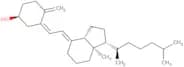
CAS:<p>9,10-Secocholesta-5,7,10(19)-trien-3beta-ol is a secosteroid compound, which is predominantly derived from the photochemical conversion of 7-dehydrocholesterol in the skin upon exposure to ultraviolet B radiation. This compound undergoes a series of hepatic and renal hydroxylations to form active vitamin D metabolites, such as calcitriol. These active forms modulate calcium and phosphate homeostasis through a nuclear receptor-mediated mechanism that governs gene expression relevant to mineral metabolism.</p>Formula:C27H44OPurity:Min. 97 Area-%Color and Shape:White Yellow PowderMolecular weight:384.64 g/molProtodioscin
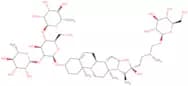
CAS:<p>Protodioscin is a steroidal saponin, which is a naturally occurring glycoside. It is predominantly sourced from the plant Tribulus terrestris but can also be found in other medicinal plants such as Dioscorea species. The mode of action of protodioscin involves its ability to influence the levels of dehydroepiandrosterone (DHEA) and other hormones, potentially affecting physiological functions related to vitality and performance.</p>Formula:C51H84O22Purity:Min. 95%Color and Shape:PowderMolecular weight:1,049.22 g/mol4,4,4-Trimethoxybutanoic Acid Methyl Ester
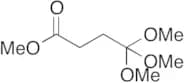
CAS:Controlled Product<p>Applications 4,4,4-Trimethoxybutanoic Acid Methyl Ester is an substituent in the synthesis of Methyl Prednisolone (M325934).<br>References Ueno, H., et al.: J. Med. Chem., 34, 2468 (1991);<br></p>Formula:C8H16O5Color and Shape:NeatMolecular weight:192.2116-Oxo Ethynyl Estradiol
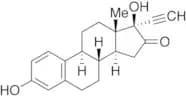
CAS:Controlled Product<p>Impurity Ethinylestradiol EP Impurity H<br>Applications A degradation product of Ethynyl Estradiol (EE), (E685100).<br> Not a dangerous good if item is equal to or less than 1g/ml and there is less than 100g/ml in the package<br></p>Formula:C20H22O3Color and Shape:Off-WhiteMolecular weight:310.39Lanosterol - 90%
CAS:Controlled Product<p>Lanosterol - 90% is a sterol compound, which is a biochemical precursor to steroids. It is derived from various animal and plant sources, typically synthesized through the enzymatic conversion of squalene. Lanosterol functions through a significant role in the biosynthetic pathway of cholesterol and other essential sterols. This involves the cyclization process, where lanosterol is metabolized into cholesterol through a series of reactions catalyzed by specific enzymes.</p>Formula:C30H50OPurity:Min. 95%Color and Shape:White Off-White PowderMolecular weight:426.72 g/molTomatine from Tomato
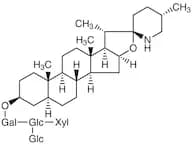
CAS:Formula:C50H83NO21Purity:>80.0%(HPLC)Color and Shape:White to Yellow to Orange powder to crystalMolecular weight:1,034.20Hyodeoxycholic Acid
CAS:Formula:C24H40O4Purity:>98.0%(T)Color and Shape:White to Orange to Green powder to crystalMolecular weight:392.58Ginsenoside Rd
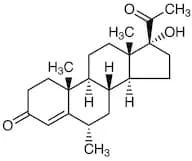
CAS:Formula:C48H82O18Purity:>98.0%(HPLC)Color and Shape:White to Almost white powder to crystalMolecular weight:947.17Medroxyprogesterone
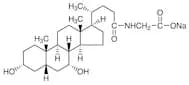
CAS:Formula:C22H32O3Purity:>98.0%(HPLC)Color and Shape:White to Almost white powder to crystalMolecular weight:344.50Sodium Glycochenodeoxycholate
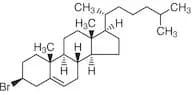
CAS:Formula:C26H42NNaO5Purity:>95.0%(T)(HPLC)Color and Shape:White to Light yellow powder to crystalMolecular weight:471.61Cholesteryl Bromide
CAS:Formula:C27H45BrPurity:>98.0%(T)Color and Shape:White to Amber powder to crystalMolecular weight:449.56Brassinolide
CAS:<p>Plant hormone</p>Formula:C28H48O6Purity:Min. 95 Area-%Color and Shape:White PowderMolecular weight:480.68 g/mol