Flavonoids
Flavonoids are a group of plant metabolites with antioxidant properties that contribute to the color of fruits and flowers. They play a significant role in protecting plants from UV radiation and pathogens. Flavonoids are studied for their potential health benefits, including anti-inflammatory, antiviral, and anticancer properties. They are widely researched in the fields of pharmacology, nutrition, and molecular biology.
Subcategories of "Flavonoids"
- Anthocyanidins(46 products)
- Anthocyanin(46 products)
- Catechin(88 products)
- Chalcones(237 products)
- Pterocarpan(28 products)
Found 2404 products of "Flavonoids"
Sort by
Purity (%)
0
100
|
0
|
50
|
90
|
95
|
100
5-Demethylnobiletin
CAS:<p>5-Demethylnobiletin is a bioactive flavonoid compound, which is primarily isolated from citrus peels, particularly those of the genus Citrus. This compound belongs to the polymethoxyflavone class, well-known for their diverse biological activities. 5-Demethylnobiletin exerts its effects primarily through the modulation of cellular signaling pathways, particularly those involved in inflammatory responses. It has been shown to influence the expression of cytokines and enzymes associated with inflammation, potentially impacting pathways such as NF-kB and MAPK.</p>Formula:C20H20O8Purity:Min. 95%Color and Shape:SolidMolecular weight:388.37 g/mol3-O-Methyl quercetin
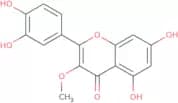
CAS:<p>3-O-Methyl quercetin is a flavonoid derivative, which is a naturally occurring compound found in various plant sources, particularly in fruits and vegetables. This compound is structurally related to quercetin, a well-known flavonoid, and differs by a methoxy group substitution at the 3-position. The biological activity of 3-O-Methyl quercetin is primarily attributed to its antioxidant and anti-inflammatory properties. It acts by scavenging free radicals and modulating enzymatic pathways that influence oxidative stress and inflammation.</p>Formula:C16H12O7Purity:Min. 95 Area-%Color and Shape:PowderMolecular weight:316.26 g/molGenkwanin-4'-glucoside
CAS:<p>Genkwanin-4'-glucoside is a flavonoid glycoside, which is a natural compound derived from various plant sources, including members of the Thymelaeaceae family such as Daphne and Wikstroemia species. This compound is characterized by the attachment of a glucose molecule to the aglycone genkwanin, enhancing its solubility and bioavailability.</p>Formula:C22H22O10Purity:Min. 95%Molecular weight:446.4 g/molDihydrowogonin
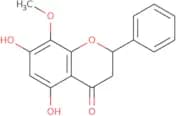
CAS:<p>Dihydrowogonin is a flavonoid compound, predominantly sourced from plants such as Scutellaria baicalensis. It is a derivative of wogonin, exhibiting significant pharmacological properties. As a bioactive compound, dihydrowogonin interacts with various molecular targets, modulating intracellular signaling pathways, thereby exerting anti-inflammatory and neuroprotective effects.</p>Formula:C16H14O5Purity:Min. 95%Molecular weight:286.28 g/mol3,5,4'-Trihydroxy-7-methoxyflavone
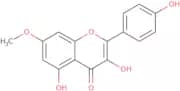
CAS:<p>3,5,4'-Trihydroxy-7-methoxyflavone is a naturally occurring flavonoid compound, which is a type of polyphenolic compound found in various plants. This flavonoid is often isolated from plant sources and is of significant interest due to its potential biochemical and therapeutic properties.</p>Formula:C16H12O6Purity:Min. 98 Area-%Color and Shape:PowderMolecular weight:300.26 g/molGalangin-3-rutinoside
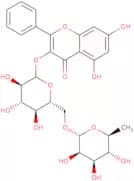
CAS:<p>Galangin-3-rutinoside is a flavonoid glycoside, which is derived from natural plant sources such as members of the Zingiberaceae family, often found in various medicinal herbs. The mode of action of Galangin-3-rutinoside involves its ability to scavenge free radicals and inhibit oxidative stress, while also modulating inflammatory pathways by downregulating pro-inflammatory cytokines and enzymes.</p>Formula:C27H30O14Purity:Min. 95%Color and Shape:PowderMolecular weight:578.52 g/mol4'-O-Methyl quercetin
CAS:<p>4'-O-Methyl quercetin is a naturally occurring flavonoid, which is a derivative of quercetin. It is primarily sourced from various plants where it functions as part of the plant’s defense mechanism. This compound exhibits its mode of action by influencing cellular pathways, particularly those involved in oxidative stress and inflammation. It achieves this by modulating signaling pathways and interacting with cellular receptors, thereby exerting antioxidant and anti-inflammatory effects.</p>Formula:C16H12O7Purity:Min. 95%Color and Shape:Yellow SolidMolecular weight:316.26 g/mol3-Hydroxy-7,8,2'-trimethoxyflavone
CAS:<p>3-Hydroxy-7,8,2'-trimethoxyflavone is a specialized flavone compound, which is a naturally occurring polyphenolic product found in certain plants. It is derived from various botanical sources, where it functions as a secondary metabolite, contributing to the plant's defense mechanisms against pathogens and environmental stress.</p>Formula:C18H16O6Purity:Min. 95%Molecular weight:328.32 g/mol7,8-Dibenzyloxy-4'-methoxyisoflavone
CAS:<p>7,8-Dibenzyloxy-4'-methoxyisoflavone is a synthetic isoflavone derivative, which is a type of organic compound often studied for its potential pharmacological properties. Isoflavones are primarily sourced from certain leguminous plants, where they are naturally occurring phytoestrogens and have been associated with various biological activities.</p>Formula:C30H24O5Purity:Min. 95%Molecular weight:464.51 g/molQuercetin-3-O-sophoroside
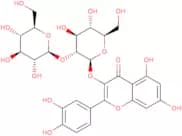
CAS:<p>Quercetin-3-O-sophoroside is a flavonoid glycoside, which is a naturally occurring compound found in various plant sources, such as fruits, vegetables, and herbs. This compound is formed by the binding of the flavonoid quercetin with the disaccharide sophorose. The molecular structure of this compound enables it to exert potent antioxidant effects, scavenging free radicals and reducing oxidative stress at a cellular level.</p>Formula:C27H30O17Purity:Min. 95%Color and Shape:PowderMolecular weight:626.52 g/molLuteolin-7-O-D-glucopyranoside
CAS:<p>Luteolin-7-O-D-glucopyranoside is a flavonoid glycoside, which is a type of naturally occurring compound found predominantly in plants. It serves as a significant bioactive compound and is usually sourced from various plant species, including leaves, flowers, and fruits. The mode of action of Luteolin-7-O-D-glucopyranoside primarily involves its ability to scavenge free radicals, thereby exhibiting strong antioxidant properties. This glycoside form enhances the solubility and stability of luteolin, facilitating its biological activities.</p>Formula:C21H20O11Purity:Min. 98 Area-%Color and Shape:Yellow PowderMolecular weight:448.38 g/mol7,2'-Dibenzyloxy-3',4'-dimethoxyisoflavone
CAS:<p>7,2'-Dibenzyloxy-3',4'-dimethoxyisoflavone is a synthetic isoflavone derivative, which is primarily synthesized from organic intermediates using specialized chemical procedures. This compound belongs to the isoflavone class, a group of compounds often studied for their potential bioactive properties. The mode of action of 7,2'-Dibenzyloxy-3',4'-dimethoxyisoflavone involves interactions with cellular signaling pathways, which could influence various biological activities, such as enzyme inhibition or receptor binding.</p>Formula:C31H26O6Purity:Min. 95%Molecular weight:494.53 g/mol3'-Methoxy-5,7,4'-trihydroxyflavanone
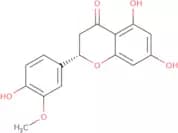
CAS:<p>3'-Methoxy-5,7,4'-trihydroxyflavanone is a flavanone compound, which is a type of flavonoid commonly found in various plants. Flavanones are known for their diverse biological activities and are part of the polyphenol family. This particular compound is often sourced from natural plant extracts, such as those of fruits and herbs, which are rich in flavonoids.</p>Formula:C16H14O6Purity:Min. 97 Area-%Color and Shape:PowderMolecular weight:302.28 g/mol7,8-Methylenedioxy-4'-methoxyisoflavone
CAS:<p>7,8-Methylenedioxy-4'-methoxyisoflavone is a synthetic isoflavone, which is a type of organic compound typically derived from plant sources, known for their diverse biological activities. This compound is structurally characterized by a methoxy group and a methylenedioxy bridge, contributing to its unique chemical behavior. Although synthetic, its structure is inspired by naturally occurring isoflavones found in plants such as soy.</p>Formula:C17H12O5Purity:Min. 95%Molecular weight:296.27 g/mol4'-Hydroxy-3'-methoxyflavanone
CAS:<p>4'-Hydroxy-3'-Methoxyflavanone is a flavanone, which is a type of polyphenolic compound. It is extracted from various plant sources, particularly those belonging to the citrus family. The compound displays a characteristic structural arrangement that includes an aromatic ring with hydroxy and methoxy substituents, imparting unique bioactive properties.</p>Formula:C16H14O4Purity:Min. 95%Molecular weight:270.28 g/molCochliophilin A
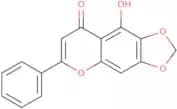
CAS:<p>Cochliophilin A is a specialized secondary metabolite, which is isolated from certain fungal species, notably of the genus *Cochliobolus*. This compound is known for its role as a self-germination and tropic factor, meaning it can influence both the germination and directional growth of fungal spores. The mechanism of action involves its binding to specific receptors on the spore surface, triggering intracellular pathways that promote germination under suitable environmental conditions. Furthermore, it can induce directed growth responses, facilitating interactions between fungi and host organisms in nature.</p>Formula:C16H10O5Purity:Min. 95%Color and Shape:PowderMolecular weight:282.25 g/molBiochanin A-7-methyl ether
CAS:<p>Biochanin A-7-methyl ether is a naturally occurring isoflavone, which is derived from plant sources such as the Fabaceae family. It is a methylated derivative of the isoflavone biochanin A. The compound is predominantly obtained through extraction and purification processes from specific plant materials known to contain isoflavones.</p>Formula:C17H14O5Purity:Min. 98 Area-%Color and Shape:PowderMolecular weight:298.29 g/mol3-Hydroxyflavone
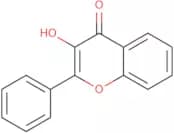
CAS:<p>3-Hydroxyflavone is a naturally derived flavonoid compound found in various plants. As a member of the flavonoid family, it is synthesized through the phenylpropanoid pathway, starting from phenylalanine or tyrosine in plants. Its unique structure allows it to interact with a range of biological targets through its antioxidant, anti-inflammatory, and enzyme modulation properties. The mode of action primarily involves the scavenging of free radicals and reactive oxygen species, as well as the inhibition of specific enzymes such as cyclooxygenases and lipoxygenases. These actions contribute to its protective effects against oxidative stress and inflammation.</p>Formula:C15H10O3Purity:Min. 95%Color and Shape:PowderMolecular weight:238.24 g/mol5,6,7,2'-Tetramethoxyflavone
CAS:<p>5,6,7,2'-Tetramethoxyflavone is a naturally occurring flavonoid, which is a type of polyphenolic compound. It is predominantly sourced from various plant species known for their medicinal properties. Flavonoids are typically derived from the intricate biochemical pathways in plants, where they contribute to the plant's defense mechanisms against environmental stressors.</p>Formula:C19H18O6Purity:Min. 95%Molecular weight:342.34 g/mol7,3'-Dimethoxy-3-methylflavone
<p>7,3'-Dimethoxy-3-methylflavone is a synthetic flavonoid compound, which is based on the structural class of flavones known for their diverse biological activities. Flavonoids are primarily found in plants, where they contribute to pigmentation, UV filtration, symbiotic nitrogen fixation, and plant growth regulation. This particular compound, however, is synthesized in laboratory settings to replicate and modify these natural attributes for specific research purposes.</p>Formula:C18H16O4Purity:Min. 95%Molecular weight:296.32 g/mol