Primary Antibodies
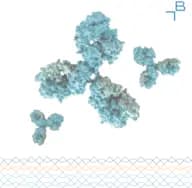
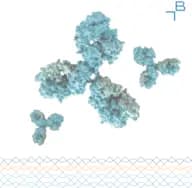
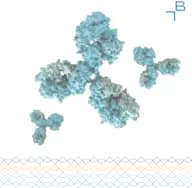
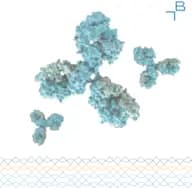
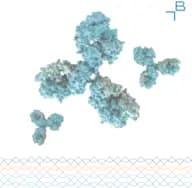
Primary antibodies are immunoglobulins that bind specifically to an antigen of interest, allowing for the detection and quantification of proteins, peptides, or other biomolecules. These antibodies are critical tools in a wide range of applications, including Western blotting, immunohistochemistry, and ELISA. At CymitQuimica, we offer an extensive selection of high-quality primary antibodies that provide specificity and sensitivity for various research needs, including cancer, immunology, and cell biology studies.
Subcategories of "Primary Antibodies"
- Cancer Research Antibodies(3,606 products)
- Cardiovascular Antibodies(2 products)
- Developmental Biology(746 products)
- Epigenetics Antibodies(162 products)
- Immunology Antibodies(2,788 products)
- Metabolism Antibodies(277 products)
- Microbiology Antibodies(736 products)
- Signal Transduction(2,710 products)
- Tags & Cellular Markers(33 products)
Show 1 more subcategories
Found 69953 products of "Primary Antibodies"
Sort by
Purity (%)
0
100
|
0
|
50
|
90
|
95
|
100
UNC84B antibody
<p>UNC84B antibody was raised using a synthetic peptide corresponding to a region with amino acids CWAFQGPQGFAVVRLSARIRPTAVTLEHVPKALSPNSTISSAPKDFAIFG</p>Purity:Min. 95%GABRA5 antibody
<p>GABRA5 antibody was raised using a synthetic peptide corresponding to a region with amino acids AKIKKKREVILNKSTNAFTTGKMSHPPNIPKEQTPAGTSNTTSVSVKPSE</p>Purity:Min. 95%ADAM9 antibody
<p>ADAM9 antibody was raised using a synthetic peptide corresponding to a region with amino acids NKGGNCLLNIPKPDEAYSAPSCGNKLVDAGEECDCGTPKECELDPCCEGS</p>Purity:Min. 95%Arpc4 antibody
<p>Arpc4 antibody was raised in rabbit using the N terminal of Arpc4 as the immunogen</p>Purity:Min. 95%RNF166 antibody
<p>RNF166 antibody was raised in rabbit using the middle region of RNF166 as the immunogen</p>Purity:Min. 95%DBX1 antibody
<p>DBX1 antibody was raised in rabbit using the middle region of DBX1 as the immunogen</p>Purity:Min. 95%ERGIC3 antibody
<p>ERGIC3 antibody was raised using the C terminal of ERGIC3 corresponding to a region with amino acids LTEKHRSFTHFLTGVCAIIGGMFTVAGLIDSLIYHSARAIQKKIDLGKTT</p>Purity:Min. 95%SLC38A5 antibody
<p>SLC38A5 antibody was raised using the N terminal of SLC38A5 corresponding to a region with amino acids GIRAYEQLGQRAFGPAGKVVVATVICLHNVGAMSSYLFIIKSELPLVIGT</p>Purity:Min. 95%POGK antibody
<p>POGK antibody was raised in rabbit using the N terminal of POGK as the immunogen</p>Purity:Min. 95%TCF25 antibody
<p>TCF25 antibody was raised in rabbit using the N terminal of TCF25 as the immunogen</p>Purity:Min. 95%GMF γ antibody
<p>GMF gamma antibody was raised using the middle region of GMFG corresponding to a region with amino acids KVDKDRQMVVLEEEFQNISPEELKMELPERQPRFVVYSYKYVHDDGRVSY</p>Purity:Min. 95%Flt3 Ligand antibody
<p>Flt3 Ligand antibody was raised in rabbit using highly pure recombinant human Flt-3 ligand as the immunogen.</p>Purity:Min. 95%P2RX4 antibody
<p>P2RX4 antibody was raised using the N terminal of P2RX4 corresponding to a region with amino acids VQLLILAYVIGWVFVWEKGYQETDSVVSSVTTKVKGVAVTNTSKLGFRIW</p>Purity:Min. 95%PAFAH1B1 antibody
<p>PAFAH1B1 antibody was raised using the N terminal of PAFAH1B1 corresponding to a region with amino acids MVLSQRQRDELNRAIADYLRSNGYEEAYSVFKKEAELDVNEELDKKYAGL</p>Purity:Min. 95%JAK3 antibody
<p>JAK3 antibody was raised using a synthetic peptide corresponding to a region with amino acids KLLPLDKDYYVVREPGQSPIFWYAPESLSDNIFSRQSDVWSFGVVLYELF</p>Purity:Min. 95%USP48 antibody
<p>USP48 antibody was raised using the C terminal of USP48 corresponding to a region with amino acids PQSGEWYKFNDEDIEKMEGKKLQLGIEEDLAEPSKSQTRKPKCGKGTHCS</p>Purity:Min. 95%UNC84A antibody
<p>UNC84A antibody was raised using a synthetic peptide corresponding to a region with amino acids QDAVTRRPPVLDESWIREQTTVDHFWGLDDDGDLKGGNKAAIQGNGDVGA</p>Purity:Min. 95%Ercc1 antibody
<p>Ercc1 antibody was raised in rabbit using the C terminal of Ercc1 as the immunogen</p>Purity:Min. 95%TH antibody
<p>TH antibody was raised in rabbit using the n terminal of TH as the immunogen</p>Purity:Min. 95%GGTL3 antibody
<p>GGTL3 antibody was raised using the C terminal Of Ggtl3 corresponding to a region with amino acids ILLNSQMLDFSWPNRTANHSAPSLENSVQPGKRPLSFLLPTVVRPAEGLC</p>Purity:Min. 95%TMEM144 antibody
<p>TMEM144 antibody was raised using the middle region of TMEM144 corresponding to a region with amino acids LSTVHHRIVGCSLAVISGVLYGSTFVPIIYIKDHSKRNDSIYAGASQYDL</p>Purity:Min. 95%Dct antibody
<p>Dct antibody was raised in rabbit using the middle region of Dct as the immunogen</p>Purity:Min. 95%PIPOX antibody
<p>PIPOX antibody was raised using the C terminal of PIPOX corresponding to a region with amino acids FVRDHLPDLKPEPAVIESCMYTNTPDEQFILDRHPKYDNIVIGAGFSGHG</p>Purity:Min. 95%Ano6 antibody
<p>Ano6 antibody was raised in rabbit using the middle region of Ano6 as the immunogen</p>Purity:Min. 95%BMP7 antibody
<p>BMP7 antibody was raised in rabbit using highly pure recombinant human BMP-7 as the immunogen.</p>Purity:Min. 95%ADRA1B antibody
<p>ADRA1B antibody was raised in rabbit using the N terminal of ADRA1B as the immunogen</p>Purity:Min. 95%Klhdc9 antibody
<p>Klhdc9 antibody was raised in rabbit using the middle region of Klhdc9 as the immunogen</p>Purity:Min. 95%Tal2 antibody
<p>Tal2 antibody was raised in rabbit using the middle region of Tal2 as the immunogen</p>Purity:Min. 95%GALNT13 antibody
<p>GALNT13 antibody was raised using the N terminal Of Galnt13 corresponding to a region with amino acids CNKCDDKKERSLLPALRAVISRNQEGPGEMGKAVLIPKDDQEKMKELFKI</p>Purity:Min. 95%PFDN2 antibody
<p>PFDN2 antibody was raised in rabbit using the middle region of PFDN2 as the immunogen</p>Purity:Min. 95%ASPH antibody
<p>ASPH antibody was raised using the N terminal of ASPH corresponding to a region with amino acids MAEDKETKHGGHKNGRKGGLSGTSFFTWFMVIALLGVWTSVAVVWFDLVD</p>Purity:Min. 95%ZNF676 antibody
<p>ZNF676 antibody was raised in rabbit using the middle region of ZNF676 as the immunogen</p>Purity:Min. 95%ZNF791 antibody
<p>ZNF791 antibody was raised in rabbit using the middle region of ZNF791 as the immunogen</p>Purity:Min. 95%FZD7 antibody
<p>FZD7 antibody was raised using a synthetic peptide corresponding to a region with amino acids PDFTVFMIKYLMTMIVGITTGFWIWSGKTLQSWRRFYHRLSHSSKGETAV</p>Purity:Min. 95%ACVRL1 antibody
<p>ACVRL1 antibody was raised using the N terminal of ACVRL1 corresponding to a region with amino acids SPHCKGPTCRGAWCTVVLVREEGRHPQEHRGCGNLHRELCRGRPTEFVNH</p>Purity:Min. 95%Carboxypeptidase N1 antibody
<p>Carboxypeptidase N1 antibody was raised using the middle region of CPN1 corresponding to a region with amino acids EWLGNREALIQFLEQVHQGIKGMVLDENYNNLANAVISVSGINHDVTSGD</p>Purity:Min. 95%CLCC1 antibody
<p>CLCC1 antibody was raised in rabbit using the N terminal of CLCC1 as the immunogen</p>Purity:Min. 95%Denosumab
CAS:<p>Monoclonal antibody against RANKL; anti-resorptive agent for osteoperosis treatment</p>Purity:(Sec-Hplc) Min. 95 Area-%Color and Shape:Clear LiquidDengue Virus Type 2 NS1 Antigen, Recombinant
<p>Please enquire for more information about Dengue Virus Type 2 NS1 Antigen, Recombinant including the price, delivery time and more detailed product information at the technical inquiry form on this page</p>Purity:≥95% On 12.5% By Sds-Page. Single Band Visible At Approximately 50 Kda.Color and Shape:PowderHCV Core/NS3/NS4/NS5 Antigen, Recombinant
<p>Contains 0.1% Proclin300 as preservative</p>Purity:Min. 95%Androstenedione antibody
<p>The Androstenedione antibody is a highly specialized antibody that targets and binds to androstenedione, a hormone involved in the production of testosterone and estrogen. This antibody has been extensively studied for its role in various research areas, including hormone regulation, reproductive health, and cancer studies.</p>Purity:Min. 95%HBsAg Mouse Monoclonal Antibody
<p>Please enquire for more information about HBsAg Mouse Monoclonal Antibody including the price, delivery time and more detailed product information at the technical inquiry form on this page</p>Purity:Min. 95%Blinatumomab
CAS:<p>Blinatumomab is a bispecific T-cell engager (BiTE), an immunotherapy specifically designed to target and redirect the body's immune system to attack cancer cells. This is possible as Blinatumomab has two single-chain antibody variable fragments. One of these targets CD3+ on T-cells while the other recognizes CD19 on malignant B-cells. As such the body's T-cells become activated and exert cytotoxic activity on the target cell.<br>Blinatumomab has been approved for the treatment of a type of acute lymphoblastic leukemia (ALL) called Philadelphia chromosome-negative B-cell precursor ALL. This medication has demonstrated efficacy in patients with relapsed or refractory ALL, and it has also been used in the minimal residual disease (MRD) setting to help eliminate any remaining cancer cells after initial treatment. <br>One advantage of Blinatumomab is that, CD3 and CD19 are present in both pediatric and adult patients. As such it can be a potential therapeutic for both patient sets.</p>Dengue Virus Type 1 Envelope Antigen, Recombinant
<p>Please enquire for more information about Dengue Virus Type 1 Envelope Antigen, Recombinant including the price, delivery time and more detailed product information at the technical inquiry form on this page</p>Purity:Min. 95%Pig RBC antibody
<p>Pig RBC antibody was raised in rabbit using porcine erythrocytes as the immunogen.</p>Purity:Min. 95%Panitumumab - buffer solution
CAS:<p>Monoclonal antibody against EGFR</p>Formula:C6398H9878N1694O2016S48Purity:Min. 95 Area-%Color and Shape:Colorless Clear LiquidMolecular weight:144.3 g/molBrucella Abortus Antigen
<p>Please enquire for more information about Brucella Abortus Antigen including the price, delivery time and more detailed product information at the technical inquiry form on this page</p>Dengue Virus Type 3 Envelope Antigen, Recombinant
<p>Please enquire for more information about Dengue Virus Type 3 Envelope Antigen, Recombinant including the price, delivery time and more detailed product information at the technical inquiry form on this page</p>Purity:Min. 95%NCGC00229600
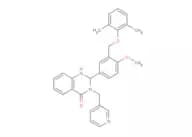
CAS:<p>NCGC00229600: Allosteric inverse TSHR agonist; blocks TSH and antibody TSHR activation; for Graves' disease research.</p>Formula:C30H29N3O3Purity:99.31%Color and Shape:SolidMolecular weight:479.57CA 125 antibody (biotin)
<p>CA 125 antibody (biotin) was raised in mouse using affinity pure human CA 125 antigen as the immunogen.</p>Methotrexate antibody
<p>The Methotrexate antibody is a monoclonal antibody that specifically targets and binds to Methotrexate, a commonly used cytotoxic drug in the field of Life Sciences. This antibody has been extensively tested and validated for its high affinity and specificity towards Methotrexate. It can be used in various applications such as ELISA, Western blotting, immunohistochemistry, and flow cytometry. The Methotrexate antibody works by binding to Methotrexate molecules and preventing their interaction with their target enzymes involved in DNA synthesis. This inhibits the growth of cancer cells and autoimmune responses mediated by activated T-cells. Additionally, this antibody can also be utilized as a tool for studying the intracellular localization and trafficking of Methotrexate within cells. The unique features of this Methotrexate antibody include its ability to recognize both free Methotrexate molecules as well as Methotrexate conjugated to proteins or other biomolecules. It exhibits minimal cross-reactivity with</p>Benzoylecgonine antibody
<p>Benzoylecgonine antibody was raised in mouse using benzoyl ecgonine-BSA as the immunogen.</p>Purity:Min. 95%Mucin antibody
<p>Mucin antibody was raised in mouse using Mucin isolated from ovarian mucinous cysts and colonic mucosa as the immunogen.</p>Cortisol antibody
<p>Cortisol antibody was raised in mouse using cortisol-3 BSA as the immunogen.</p>Tetracycline antibody
<p>The Tetracycline antibody is a highly specific monoclonal antibody that binds to tetracycline, a broad-spectrum antibiotic. This antibody has a high receptor binding affinity and can be used in various applications, such as polymerase chain reactions (PCR), immunohistochemistry, and Western blotting. It specifically targets tetracycline residues in biological samples, allowing for the detection and quantification of this antibiotic. In addition to its use in research, the Tetracycline antibody has potential applications in the field of medicine. It can be used to study the cellular localization of tetracycline within cells or tissues, providing valuable insights into its mechanism of action. Furthermore, this antibody can be utilized to investigate protein-protein interactions involving tetracycline or its derivatives. The Tetracycline antibody is produced using advanced techniques in monoclonal antibody production. It exhibits high specificity and sensitivity, ensuring reliable and accurate results. This antibody is compatible with various sample types, including</p>Purity:≥90%CYFRA21-1 antibody
<p>The CYFRA21-1 antibody is a powerful tool in the field of Life Sciences. This antibody specifically targets fibronectin, a protein involved in cell adhesion and migration. It has cytotoxic properties, making it useful for studying cellular processes and identifying potential therapeutic targets. Additionally, the CYFRA21-1 antibody can be used to detect inhibitory factors or antiphospholipid antibodies in biological samples. It is also effective in detecting insulin antibodies, autoantibodies, and antibodies involved in glycosylation processes. With its high specificity and sensitivity, this monoclonal antibody is an invaluable tool for researchers looking to uncover new insights into various biological pathways and disease mechanisms.</p>Anti-T2A antibody - 0.4mg/mL
<p>2A peptide-linked polycistronic vectors can be used to express multiple proteins from a single open reading frame (ORF). The small 2A peptide sequences, when cloned between genes, allows for efficient, stoichiometric production of discrete protein products within a single vector through a novel "cleavage" event within the 2A peptide sequence. 2A was discovered in the foot-and-mouth disease virus (FMDV, a picornavirus). The 2A peptide acts through ribosomal skipping to allow for the encoding of polyproteins which can dissociate into individual proteins upon translation. Anti-T2A antibody recognises 2A tagged recombinant proteins and is an excellent tool for researchers using 2A peptide based expression systems.<br>0.2mg/ml TEA (Rb L02T), 0.5mg/ml Glycine (Rb L02G). Used for ELISA (1:1000). Reacts with T2A tag.</p>Purity:Min. 95%Color and Shape:PowderAnti-ERK1/2 antibody - 1mg/mL
<p>Extracellular signal-regulated kinase 1/2 (ERK1/2) is a mitogen-activated protein kinase (MAPK) family protein and part of the Ras-Raf-MEK-ERK signalling pathway which plays a key role in controlling cell proliferation, differentiation and cell survival. ERK1/2 acts downstream of activated growth factor receptors, RAF protein kinases and mitogen-activated protein kinase kinases 1 and 2 (MEK1/2). MEK1 and MEK2 activate ERK1/2 by phosphorylation and once activated ERK1/2 enters the nucleus and phosphorylates transcription factors to induce changes in gene expression. In addition to this active ERK1/2 also translocates to other organelles including the endoplasmic reticulum, endosomes, golgi and mitochondria where it influences cell physiology. Overall ERK1/2 phosphorylates more than 200 different substrates including other protein kinases, transcription factors, RNA-binding proteins, regulators of mRNA translation and regulators of cell death. ERK1/2 pathway is strongly implicated in cancer where its hyperactivation underpins the growth and maintenance of many tumour types. Data: Western blot analysis of whole cell extract of Mouse embryonic Fibroblasts (MEFs).</p>Anti-MRGPR-X1 antibody - 1mg/mL
<p>Primate-specific Mas-related G protein-coupled receptor-X1 (MRGPR-X1) is highly enriched in dorsal root ganglia (DRG) neurones as well as in connective tissue mast cells (CTMC) and the leukaemia-derived human mast cell line (LAD)-2. MRGPR-X1 activation induces acute pain and therefore represents a promising target for future pain therapy. MRGPR-X1 is activated by bovine adrenal medulla peptide-8-22 (BAM 8-22) which is cleaved from pro-enkephalin by pro-hormone convertases. Unlike most if not all Gq-coupled receptors MRGPR-X1 does not undergo agonist-promoted endocytosis. Data: Western blot analysis of rat brain preparation. Lane 1: Rat brain preparation (20µg). Secondary: Goat anti-rabbit IgG conjugated to HRP 1:5000.</p>p38 rabbit pAb
<p>The protein encoded by this gene is a member of the MAP kinase family. MAP kinases act as an integration point for multiple biochemical signals, and are involved in a wide variety of cellular processes such as proliferation, differentiation, transcription regulation and development. This kinase is activated by various environmental stresses and proinflammatory cytokines. The activation requires its phosphorylation by MAP kinase kinases (MKKs), or its autophosphorylation triggered by the interaction of MAP3K7IP1/TAB1 protein with this kinase. The substrates of this kinase include transcription regulator ATF2, MEF2C, and MAX, cell cycle regulator CDC25B, and tumor suppressor p53, which suggest the roles of this kinase in stress related transcription and cell cycle regulation, as well as in genotoxic stress response. Four alternatively spliced transcript variants of this gene encoding d</p>Stat3 (phospho Tyr705) rabbit pAb
<p>The protein encoded by this gene is a member of the STAT protein family. In response to cytokines and growth factors, STAT family members are phosphorylated by the receptor associated kinases, and then form homo- or heterodimers that translocate to the cell nucleus where they act as transcription activators. This protein is activated through phosphorylation in response to various cytokines and growth factors including IFNs, EGF, IL5, IL6, HGF, LIF and BMP2. This protein mediates the expression of a variety of genes in response to cell stimuli, and thus plays a key role in many cellular processes such as cell growth and apoptosis. The small GTPase Rac1 has been shown to bind and regulate the activity of this protein. PIAS3 protein is a specific inhibitor of this protein. Mutations in this gene are associated with infantile-onset multisystem autoimmune disease and hyper</p>Mas1 rabbit pAb
<p>This gene encodes a class I seven-transmembrane G-protein-coupled receptor. The encoded protein is a receptor for angiotensin-(1-7) and preferentially couples to the Gq protein, activating the phospholipase C signaling pathway. The encoded protein may play a role in multiple processes including hypotension, smooth muscle relaxation and cardioprotection by mediating the effects of angiotensin-(1-7). [provided by RefSeq, May 2012],</p>4-Methylumbelliferyl β-D-cellobioside
CAS:Formula:C22H28O13Purity:98%Color and Shape:SolidMolecular weight:500.44991999999996Ref: IN-DA0063H1
Discontinued productDNA pol δ cat rabbit pAb
<p>This gene encodes the 125-kDa catalytic subunit of DNA polymerase delta. DNA polymerase delta possesses both polymerase and 3' to 5' exonuclease activity and plays a critical role in DNA replication and repair. Alternatively spliced transcript variants have been observed for this gene, and a pseudogene of this gene is located on the long arm of chromosome 6. [provided by RefSeq, Mar 2012],</p>Ksr-1 rabbit pAb
<p>caution:The sequence shown here is derived from an Ensembl automatic analysis pipeline and should be considered as preliminary data.,function:Location-regulated scaffolding protein connecting MEK to RAF. Promotes MEK and RAF phosphorylation and activity through assembly of an activated signaling complex. By itself, it has no demonstrated kinase activity.,PTM:Phosphorylated on Ser-309 and, to a higher extent, on Ser-404 by MARK3. Dephosphorylated on Ser-404 by PPP2CA. In resting cells, phosphorylated KSR1 is cytoplasmic and in stimulated cells, dephosphorylated KSR1 is membrane-associated.,similarity:Belongs to the protein kinase superfamily. TKL Ser/Thr protein kinase family.,similarity:Contains 1 phorbol-ester/DAG-type zinc finger.,similarity:Contains 1 protein kinase domain.,subcellular location:In unstimulated cells, where the phosphorylated form is bound to a 14-3-3 protein, sequestration in the cytoplasm occurs. Following growth factor treatment, the protein is free for membrane translocation, and it moves from the cytoplasm to the cell periphery.,subunit:Interacts with HSPCA/HSP90, YWHAB/14-3-3, CDC37, MAP2K/MEK, MARK3, PPP2R1A and PPP2CA. Also interacts with RAF and MAPK/ERK, in a Ras-dependent manner (By similarity). The binding of 14-3-3 proteins to phosphorylated KSR prevents the membrane localization.,</p>TGR5 rabbit pAb
<p>This gene encodes a member of the G protein-coupled receptor (GPCR) superfamily. This enzyme functions as a cell surface receptor for bile acids. Treatment of cells expressing this GPCR with bile acids induces the production of intracellular cAMP, activation of a MAP kinase signaling pathway, and internalization of the receptor. The receptor is implicated in the suppression of macrophage functions and regulation of energy homeostasis by bile acids. Alternative splicing results in multiple transcript variants encoding the same protein. [provided by RefSeq, Jul 2008],</p>Active Caspase 3 Mouse mAb
<p>Activation of caspase-3 requires proteolytic processing of its inactive zymogen into activated p17 and p12 fragments. Cleavage of caspase-3 requires aspartic acid at the P1 position.</p>Akt (phospho Ser473) rabbit pAb
<p>The serine-threonine protein kinase encoded by the AKT1 gene is catalytically inactive in serum-starved primary and immortalized fibroblasts. AKT1 and the related AKT2 are activated by platelet-derived growth factor. The activation is rapid and specific, and it is abrogated by mutations in the pleckstrin homology domain of AKT1. It was shown that the activation occurs through phosphatidylinositol 3-kinase. In the developing nervous system AKT is a critical mediator of growth factor-induced neuronal survival. Survival factors can suppress apoptosis in a transcription-independent manner by activating the serine/threonine kinase AKT1, which then phosphorylates and inactivates components of the apoptotic machinery. Mutations in this gene have been associated with the Proteus syndrome. Multiple alternatively spliced transcript variants have been found for this gene. [provided by RefSeq, Jul 2011]</p>P38 (1G1) Mouse mAb
<p>p38 MAP kinase (MAPK) is the mammalian orthologue of the yeast HOG kinase that participates in a signaling cascade controlling cellular responses to cytokines and stress. Isoforms p38α, β, γ and δ have been identified. p38 MAPK is activated by a variety of cellular stresses including osmotic shock, inflammatory cytokines, lipopolysaccharide (LPS), UV light, and growth factors.</p>CaMKIIα/δ (phospho Thr286) rabbit pAb
<p>The product of this gene belongs to the serine/threonine protein kinases family, and to the Ca(2+)/calmodulin-dependent protein kinases subfamily. Calcium signaling is crucial for several aspects of plasticity at glutamatergic synapses. This calcium calmodulin-dependent protein kinase is composed of four different chains: alpha, beta, gamma, and delta. The alpha chain encoded by this gene is required for hippocampal long-term potentiation (LTP) and spatial learning. In addition to its calcium-calmodulin (CaM)-dependent activity, this protein can undergo autophosphorylation, resulting in CaM-independent activity. Two transcript variants encoding distinct isoforms have been identified for this gene. [provided by RefSeq, Nov 2008],</p>Anti-E. coli:HRP Conjugate
CAS:<p>Affinity-purified goat antibody conjugated to HRP in a protein matrix with preservative, 50 ml, component in the E. coli Western Blot Kit, F415</p>Anti-NS/0 HCP
<p>Affinity-purified goat anti-NS/0 HCP. This antibody is part of the NS/0 HCP ELISA Kit (F220).</p>Anti-CHO:HRP Conjugate, 3G
CAS:<p>For use in ELISA. Based on the anti-CHO HCP antibody utilized in CHO HCP ELISA, 3G (F550).</p>Anti-SF9:HRP Conjugate
CAS:<p>Affinity-purified rabbit antibody conjugated to HRP in a protein matrix with preservative, 12 ml</p>Dengue NS1 antibody (Subtype 3)
<p>Mouse monoclonal Dengue NS1 antibody (Subtype 3).Supplied in PBS buffer with sodium azide</p>HIV1-RT antibody (FITC)
<p>HIV1-RT antibody (FITC) was raised in mouse using purified, full length recombinant RT (HIV-1, IIIB) as the immunogen.</p>Luteinizing Hormone beta antibody
<p>Luteinizing hormone antibody was raised in rabbit using LH beta-KLH as the immunogen.</p>Purity:Min. 95%TSH antibody
<p>TSH antibody was raised in rabbit using human pituitary TSH affinity purified antigen as the immunogen.</p>Purity:Min. 95%CKBB antibody
<p>CKBB antibody was raised in rabbit using human CKBB from the brain as the immunogen.</p>Purity:Min. 95%CMV antibody
<p>The CMV antibody is a monoclonal antibody that targets the endothelial growth factor in the body. It is used in life sciences research to study the role of this growth factor in various biological processes. The CMV antibody specifically binds to the nuclear component of the endothelial growth factor and blocks its activity. This antibody has been widely used in studies related to insulin resistance, autoantibodies, and anti-HER2 therapy. Additionally, it has shown potential as a therapeutic agent for inhibiting tumor growth by targeting the epidermal growth factor pathway. The CMV antibody is a valuable tool for researchers studying the mechanisms of cell proliferation and differentiation in different tissues and diseases.</p>HIV1 rev antibody (biotin)
<p>Mouse monoclonal HIV1 rev antibody (biotin); concentration 50 ug/vial</p>HSV2 gC antibody
<p>HSV2 gC antibody was raised in mouse using herpes simplex virus II glycoprotein C (gC) as the immunogen.</p>Purity:Min. 95%cAMP antibody
<p>cAMP antibody was raised in rabbit using succinyl-cAMP-BSA as the immunogen.</p>Purity:Min. 95%HIV1 Nef antibody
<p>HIV1 Nef antibody was raised in mouse using full length nef (HIV-1, ELI) as the immunogen.</p>DHEA 7 Sulfate antibody
<p>DHEA 7 Sulfate antibody was raised in rabbit using dehydroepiandrosterone-3-sulfate-7-oxime-BSA as the immunogen.</p>Purity:Min. 95%Chymotrypsin antibody
<p>Chymotrypsin antibody was raised in rabbit using pancreatic chymotrypsin as the immunogen.</p>Purity:Min. 95%Serotonin antibody
<p>Serotonin antibody was raised in sheep using serotonin-Tg as the immunogen.</p>Purity:Min. 95%HRP2 antibody
<p>The HRP2 antibody is a highly specialized monoclonal antibody used in Life Sciences research. It has a high affinity for streptavidin and can be used in various applications such as immunohistochemistry, Western blotting, and ELISA assays. This antibody specifically targets the hepatocyte growth factor (HGF) and can neutralize its activity. Additionally, it has been shown to bind to other growth factors such as trastuzumab, transferrin, and epidermal growth factor (EGF). The HRP2 antibody is also capable of inhibiting the activity of tumor necrosis factor-alpha (TNF-α), which plays a crucial role in inflammation. With its ability to specifically target activated CXCR4 receptors, this antibody holds great potential in cancer research and therapeutics.</p>THC antibody
<p>THC antibody was raised in goat using delta-6-Tetrahydrocannabinol-KLH as the immunogen.</p>HSV1 + HSV2 ICP35 antibody
<p>HSV1 + HSV2 ICP35 antibody was raised in mouse using herpes simplex virus ICP35 as the immunogen.</p>AGP antibody
<p>Alpha-1 acid glycoprotein antibody was raised in goat using human alpha-1 acid glycoprotein as the immunogen.</p>Purity:Min. 95%hCG alpha antibody
<p>hCG Alpha antibody was raised in goat using Alpha subunit of HCG as the immunogen.</p>Purity:Min. 95%Goat anti Human IgE
<p>Human IgE antibody was raised in goat using human myeloma IgE as the immunogen.</p>Purity:Min. 95%Sheep anti Rabbit IgG
<p>Sheep anti-rabbit IgG was raised in sheep using highly pure rabbit IgG as the immunogen.</p>HIV1 p24 antibody (FITC)
<p>HIV1 p24 antibody (FITC) was raised in rabbit using full length recombinant p24 (HIV-1) produced in baculovirus expression system as the immunogen.</p>CKBB antibody
<p>CKBB antibody was raised in goat using purified human brain CKBB as the immunogen.</p>Purity:Min. 95%Pf HRP2 antibody
<p>Pf HRP2 antibody was raised in mouse using recombinant malaria HRP-2 antigen as the immunogen.</p>Bimagrumab
CAS:<p>Human monoclonal antibody targeting activin receptor type-2B; treatment of muscle loss and weakness</p>Goat anti Rat IgG
<p>Goat anti-rat IgG was raised in goat using highly pure rat IgG as the immunogen.</p>Purity:Min. 95%Cortisol 3 antibody
<p>Cortisol 3 antibody was raised in mouse using cortisol-3-BSA as the immunogen.</p>Estradiol 6 antibody
<p>Estradiol-6 antibody was raised in rabbit using 17 beta-Estradiol-6-BSA as the immunogen.</p>Purity:Min. 95%CD4 (T cell receptor) antibody (FITC)
<p>Mouse monoclonal CD4 (T-cell) antibody (FITC); IgG1; 50 ug/vial; clone 4</p>Mumps virus antibody
<p>Mumps virus antibody was raised in mouse using mumps virus as the immunogen.</p>Praluzatamab
CAS:<p>Anti-activated leukocyte cell adhesion mlecule (ALCAM/CD116) monoclonal antibody</p>ApoA-I antibody
<p>ApoA-I antibody was raised in mouse using human high density lipoprotein as the immunogen.</p>CD4 antibody
<p>CD4 antibody was raised in rabbit using human T-Cell CD4 serum as the immunogen.</p>Purity:Min. 95%SIV mac251 p28 antibody
<p>SIV mac251 p28 antibody was raised in rabbit using full length recombinant p28 (SIVmac251) as the immunogen.</p>Purity:Min. 95%Placental Lactogen antibody
<p>Placental lactogen antibody was raised in rabbit using human placental lactogen as the immunogen.</p>Purity:Min. 95%Progesterone-17-OH antibody
<p>Progesterone 17-OH antibody was raised in rabbit using 17-OH-Progesterone-3-CMO-BSA as the immunogen.</p>Purity:Min. 95%Primidone antibody
<p>Primidone antibody was raised in goat using primidoen-KLH as the immunogen.</p>Purity:Min. 95%NFkB regulatory factor antibody
<p>Rabbit polyclonal NFkB regulatory factor antibody</p>Purity:Min. 95%hCG beta antibody
<p>hCG Beta antibody was raised in goat using hCG beta subunit as the immunogen.</p>Purity:Min. 95%HIV1 p24 antibody
<p>HIV1 p24 antibody was raised in goat using p24 (HIV-1 IIIB) as the immunogen.</p>Purity:Min. 95%Luteinizing Hormone antibody
<p>Luteinizing hormone antibody was raised in goat using human LH as the immunogen.</p>Purity:Min. 95%BNP antibody
<p>Brain natriuretic peptide (BNP) circulates in blood as a peptide hormone with natriuretic, vasodilatory and renin inhibitory properties. BNP is secreted predominantly by the left ventricular myocytes in response to volume expansion and pressure overload. BNP belongs to a family of structurally similar peptide hormones, which includes atrial natriuretic peptide (ANP), BNP, C type natriuretic peptide (CNP) and urodilatin.</p>Nortestosterone antibody
<p>Nortestosterone antibody was raised in rabbit using 19-nortestosterone-17-KLH as the immunogen.</p>Purity:Min. 95%Troponin T antibody
<p>Troponin T antibody was raised in mouse using human cardiac troponin T as the immunogen.</p>cGMP antibody
<p>cGMP antibody was raised in rabbit using cGMP-BSA as the immunogen.</p>Purity:Min. 95%TSH antibody
<p>TSH antibody was raised in mouse using TSH from the human pituitary as the immunogen.</p>Theophylline 8 antibody
<p>Theophylline 8 antibody was raised in rabbit using theophylline-8 as the immunogen.</p>Purity:Min. 95%HIV2 gp105 antibody
<p>HIV2 gp105 antibody was raised in rabbit using purified, full length recombinant gp105 (HIV-2 ROD) as the immunogen.</p>Purity:Min. 95%HIV2 p26 antibody (HRP)
<p>Mouse monoclonal HIV2 p26 antibody (HRP)</p>Purity:> 95% Purity As Estimated By Analysis Of Sds-Page Gel Prior To Labeling.PTH antibody
<p>PTH antibody was raised in rabbit using hPTH-44-68-TBG as the immunogen.</p>Purity:Min. 95%Intrinsic Factor antibody
<p>Intrinsic Factor antibody was raised in rabbit using intrinsic factor as the immunogen.</p>CRP antibody
<p>CRP antibody was raised in mouse using highly pure immuno grade C-RP as the immunogen.</p>PTH antibody
<p>PTH antibody was raised in goat using human PTH human as the immunogen.</p>Purity:Min. 95%Phosphothreonine antibody
<p>Phosphothreonine antibody was raised in rabbit using phosphothreoning as the immunogen.</p>HIV1 gp41 antibody (biotin)
<p>Mouse monoclonal HIV1 gp41 antibody (biotin); immunogen recombinant gp41; IgG1; Supplied in lyophilized form in PBS buffer</p>Bradykinin antibody
<p>Bradykinin antibody was raised in rabbit using bradykinin-BSA as the immunogen.</p>Purity:Min. 95%Histone 2B antibody
<p>Histone 2B antibody was raised in sheep using Intact calf histone H2B-rRNA complex as the immunogen.</p>Purity:Min. 95%Measles Virus Nucleoprotein antibody (FITC)
<p>Goat polyclonal Measles Virus Nucleoprotein antibody (FITC)</p>Clonidine antibody
<p>Clonidine antibody was raised in rabbit using Clonidine-BSA as the immunogen.</p>Purity:Min. 95%HIV1 p24 antibody (FITC)
<p>HIV1 p24 antibody (FITC) was raised in mouse using purified, full length recombinant p24 (HIV-1) produced in baculovirus expression system as the immunogen.</p>Plasminogen antibody
<p>Plasminogen antibody was raised in goat using plasminogen isolated from normal human Plasma as the immunogen.</p>CD8 antibody
<p>The CD8 antibody is a highly specialized monoclonal antibody that targets the glycoprotein CD8 on the surface of cytotoxic T cells. This antibody has been widely used in various life science research applications, including immunoassays and flow cytometry.</p>HIV1 p24 antibody (FITC)
<p>HIV1 p24 antibody (FITC) was raised in mouse using purified, full length recombinant p24 (HIV) produced in baculovirus as the immunogen.</p>Gentamicin antibody
<p>Gentamicin antibody was raised in rabbit using gentamycin-KLH as the immunogen.</p>Purity:DependentHPV11 antibody
<p>HPV11 antibody was raised in mouse using papilloma virus type 11 as the immunogen.</p>Theophylline antibody
<p>Theophylline antibody was raised in mouse using theophylline as the immunogen.</p>CD4 (T cell receptor) antibody (FITC)
<p>Mouse monoclonal CD4 (T-cell) antibody (FITC); IgG1; 100 ug per vial; clone 45</p>Mouse anti Human IgG2 (Fab)
<p>Human IgG2 antibody (Fab) was raised in mouse using human IgG2 (Fab portion) as the immunogen.</p>Digitoxigenin antibody
<p>Digitoxigenin antibody was raised in goat using digitoxigenin as the immunogen.</p>Purity:Min. 95%C Peptide antibody
<p>C Peptide antibody was raised in guinea pig using synthetic human C-Peptide as the immunogen.</p>Histone H3 antibody
<p>Histone-H-3 antibody was raised in sheep using Intact calf histone H3 complexed with RNA as the immunogen.</p>Purity:Min. 95%Estradiol 6,17 beta antibody
<p>Estradiol 6,17 b antibody was raised in rabbit using Estradiol-17 beta-6-CMO-BSA as the immunogen.</p>Purity:Min. 95%Triiodothyronine antibody
<p>Triiodothyronine antibody was raised in goat using triiodothyronine-BSA as the immunogen.</p>Purity:Min. 95%Gastrin antibody
<p>Gastrin antibody was raised in rabbit using human gastrin as the immunogen.</p>Purity:Min. 95%