Primary Antibodies
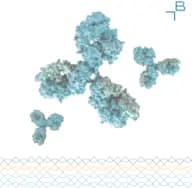
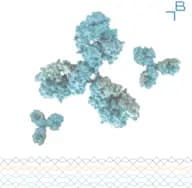
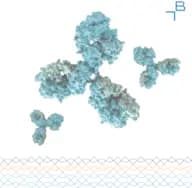
Primary antibodies are immunoglobulins that bind specifically to an antigen of interest, allowing for the detection and quantification of proteins, peptides, or other biomolecules. These antibodies are critical tools in a wide range of applications, including Western blotting, immunohistochemistry, and ELISA. At CymitQuimica, we offer an extensive selection of high-quality primary antibodies that provide specificity and sensitivity for various research needs, including cancer, immunology, and cell biology studies.
Subcategories of "Primary Antibodies"
- Cancer Research Antibodies(3,606 products)
- Cardiovascular Antibodies(2 products)
- Developmental Biology(746 products)
- Epigenetics Antibodies(162 products)
- Immunology Antibodies(2,788 products)
- Metabolism Antibodies(277 products)
- Microbiology Antibodies(736 products)
- Signal Transduction(2,710 products)
- Tags & Cellular Markers(33 products)
Show 1 more subcategories
Found 69953 products of "Primary Antibodies"
Sort by
Purity (%)
0
100
|
0
|
50
|
90
|
95
|
100
Donkey anti Goat IgG
<p>Donkey anti-goat IgG was raised in donkey using highly pure goat IgG as the immunogen.</p>Purity:Min. 95%Bradykinin antibody
<p>Bradykinin antibody was raised in rabbit using bradykinin-BSA as the immunogen.</p>Purity:Min. 95%PTH antibody
<p>PTH antibody was raised in rabbit using hPTH-44-68-TBG as the immunogen.</p>Purity:Min. 95%Digitoxigenin antibody
<p>Digitoxigenin antibody was raised in goat using digitoxigenin as the immunogen.</p>Purity:Min. 95%HIV1 p17 antibody (HRP)
<p>HIV1 p17 antibody (HRP) was raised in goat using recombinant p17 (HIV-1) produced in E. coli as the immunogen.</p>Goat anti Rat IgG
<p>Goat anti-rat IgG was raised in goat using highly pure rat IgG as the immunogen.</p>Purity:Min. 95%ApoA-II antibody
<p>ApoA-II antibody was raised in goat using highly purified human APO A-II as the immunogen.</p>Purity:Min. 95%hCG beta antibody
<p>hCG beta antibody was raised in goat using affinity purified hCG beta as the immunogen.</p>HIV1 Nef antibody
<p>HIV1 Nef antibody was raised in mouse using full length recombinant nef (HIV-1) as the immunogen.</p>HSV1 gC antibody
<p>HSV1 gC antibody was raised in mouse using herpes simplex virus gC-1 as the immunogen.</p>HIV1 p24 antibody (FITC)
<p>HIV1 p24 antibody (FITC) was raised in goat using purified, full length recombinant p24 (HIV-1 IIIB) produced in baculovirus expression system as the immunogen.</p>Estradiol 6 antibody
<p>Estradiol-6 antibody was raised in rabbit using 17 beta-Estradiol-6-BSA as the immunogen.</p>Purity:Min. 95%AGP antibody
<p>Alpha-1 acid glycoprotein antibody was raised in goat using human alpha-1 acid glycoprotein as the immunogen.</p>HSV2 gD antibody
<p>HSV2 gD antibody was raised in mouse using herpes simplex virus 2 glycoprotein D (gD) as the immunogen.</p>Luteinizing Hormone beta antibody
<p>Luteinizing hormone antibody was raised in rabbit using LH beta-KLH as the immunogen.</p>Purity:Min. 95%Chymotrypsin antibody
<p>Chymotrypsin antibody was raised in rabbit using pancreatic chymotrypsin as the immunogen.</p>Purity:Min. 95%Helicobacter pylori antibody
<p>Helicobacter pylori antibody is a molecular docking protein used in Life Sciences. It specifically targets the Helicobacter bacteria, which is known to cause various gastrointestinal diseases. This antibody has been extensively studied and proven to have a high affinity for H. pylori antigens, making it an effective tool for research and diagnostic purposes. Additionally, it has been shown to inhibit the chemokine production by H. pylori, thereby reducing inflammation caused by the bacteria. The antibody can be immobilized on surfaces such as ferritin or glycopeptide for use in assays or diagnostic tests. Monoclonal Antibodies with specific glycosylation patterns are available, allowing researchers to target different epitopes of the bacteria. Furthermore, this antibody has shown potential as a therapeutic agent against H. pylori infections by inhibiting its growth factor TGF-beta and phosphatase activity. Overall, Helicobacter pylori antibody is a valuable tool in the fight against H. pylori-related diseases</p>Thyroxine antibody
<p>Thyroxine antibody was raised in rabbit using thyroxine-BSA as the immunogen.</p>Purity:Min. 95%hCG β antibody
<p>The hCG beta antibody is a monoclonal antibody that specifically targets and neutralizes the human chorionic gonadotropin (hCG) beta subunit. This antibody is known to form dimers, which enhance its binding affinity and neutralizing activity against hCG. It has been widely used in life sciences research to study the role of hCG in various biological processes.</p>Gentamicin antibody
<p>Gentamicin antibody was raised in rabbit using gentamycin-KLH as the immunogen.</p>Purity:DependentTSH β antibody
<p>TSH beta antibody was raised in mouse using human TSH beta as the immunogen.</p>Purity:Min. 95%HRP2 antibody
<p>The HRP2 antibody is an immobilized monoclonal antibody used in Life Sciences. It is specifically designed to target interferon-gamma (IFN-gamma), a cytokine involved in immune response regulation. This antibody can be used for various applications, including the detection and quantification of IFN-gamma in biological samples. Additionally, the HRP2 antibody has been shown to bind to virus surface antigens, insulin-like growth factors, fatty acids, and hormone peptides. Its high specificity and affinity make it a valuable tool in research and diagnostics. Furthermore, this antibody has also been demonstrated to be effective against alpha-synuclein, a protein associated with neurodegenerative diseases such as Parkinson's disease. With its versatility and wide range of applications, the HRP2 antibody is an essential component for any laboratory working in the field of immunology and molecular biology.</p>ApoA-I antibody
<p>ApoA-I antibody was raised in mouse using human high density lipoprotein as the immunogen.</p>ST2 antibody
<p>The ST2 antibody is a powerful tool in the field of Life Sciences. It specifically targets the IL-1 receptor and its binding proteins, making it an essential component in various experiments and research studies. The ST2 antibody is produced by a hybridoma cell line and has been extensively characterized for its specificity and potency.<br><br>One of the key applications of the ST2 antibody is its use as a neutralizing agent for interleukin (IL) signaling pathways. By blocking the interaction between IL-1 receptor and its ligands, the ST2 antibody effectively inhibits downstream signaling events, providing valuable insights into cellular responses mediated by IL-1.<br><br>Moreover, the ST2 antibody has been shown to have a high affinity for histone H1, a protein involved in chromatin structure and gene regulation. This interaction suggests that the ST2 antibody may play a role in modulating chromatin dynamics and epigenetic processes.<br><br>In addition to its research applications, the ST2 antibody can also be used as a</p>HRP2 antibody
<p>The HRP2 antibody is a highly specialized monoclonal antibody used in Life Sciences research. It has a high affinity for streptavidin and can be used in various applications such as immunohistochemistry, Western blotting, and ELISA assays. This antibody specifically targets the hepatocyte growth factor (HGF) and can neutralize its activity. Additionally, it has been shown to bind to other growth factors such as trastuzumab, transferrin, and epidermal growth factor (EGF). The HRP2 antibody is also capable of inhibiting the activity of tumor necrosis factor-alpha (TNF-α), which plays a crucial role in inflammation. With its ability to specifically target activated CXCR4 receptors, this antibody holds great potential in cancer research and therapeutics.</p>HIV2 p26 antibody
<p>HIV2 p26 antibody was raised in mouse using purified, full length recombinant p26 (HIV-2 ROD) produced in E. coli expression system as the immunogen.</p>HSV1 gE antibody
<p>HSV1 gE antibody was raised in mouse using herpes simplex virus I glycoprotein E (gE) as the immunogen.</p>CKBB antibody
<p>CKBB antibody was raised in rabbit using human CKBB from the brain as the immunogen.</p>Purity:Min. 95%Estriol 6 antibody
<p>Estriol 6 antibody was raised in rabbit using estriol-6-BSA as the immunogen.</p>hCG beta antibody
<p>hCG beta antibody was raised in rabbit using HCG beta-KLH as the immunogen.</p>Purity:Min. 95%TSH antibody
<p>TSH antibody was raised in rabbit using human pituitary TSH affinity purified antigen as the immunogen.</p>Purity:Min. 95%Bimagrumab
CAS:<p>Human monoclonal antibody targeting activin receptor type-2B; treatment of muscle loss and weakness</p>Cocaine antibody
<p>Cocaine antibody was raised in goat using cocaine-KLH as the immunogen.</p>Purity:Min. 95%Borrelia burgdorferi antibody
<p>Borrelia burgdorferi antibody was raised in sheep using lyme disease (Borrelia Burdorferi) as the immunogen.</p>Purity:Min. 95%HIV1 p24 antibody
<p>HIV1 p24 antibody is a monoclonal antibody that specifically targets the p24 protein of the human immunodeficiency virus (HIV-1). This antibody has been widely used in research and diagnostic applications in the field of life sciences. It can be used for various purposes, such as detecting the presence of HIV-1 infection, studying viral replication and pathogenesis, and developing new therapeutic approaches. The HIV1 p24 antibody exhibits high specificity and sensitivity, making it a valuable tool for researchers and healthcare professionals working in the field of HIV/AIDS. Additionally, this antibody has cytotoxic properties that can be utilized for targeted therapy against HIV-infected cells. Its unique ability to bind to the p24 protein with high affinity makes it an essential component in the development of diagnostic tests and potential treatments for HIV/AIDS.</p>Purity:Min. 95%HIV1-RT antibody
<p>HIV1-RT antibody was raised in rabbit using full length recombinant RT (HIV-1) as the immunogen.</p>Estradiol 6,17 beta antibody
<p>Estradiol 6,17 b antibody was raised in rabbit using Estradiol-17 beta-6-CMO-BSA as the immunogen.</p>Purity:Min. 95%Triiodothyronine antibody
<p>Triiodothyronine antibody was raised in goat using triiodothyronine-BSA as the immunogen.</p>Purity:Min. 95%Gastrin antibody
<p>Gastrin antibody was raised in rabbit using human gastrin as the immunogen.</p>Purity:Min. 95%HIV1 protease antibody
<p>Rabbit Polyclonal HIV1 protease antibody; 1mg/ml; Supplied in frozen form.</p>CD4 antibody
<p>CD4 antibody was raised in rabbit using human T-Cell CD4 serum as the immunogen.</p>Purity:Min. 95%HIV1-RT antibody (FITC)
<p>HIV1-RT antibody (FITC) was raised in mouse using purified, full length recombinant RT (HIV-1, IIIB) as the immunogen.</p>HIV1 gp41 antibody (FITC)
<p>Mouse monoclonal HIV1 gp41 antibody (FITC); immunogen HIV gp41; IgG1</p>HIV1 gp120 antibody
<p>HIV1 gp120 antibody was raised in rabbit using full length recombinant gp120 (HIV-1) as the immunogen.</p>SIV mac251 gp120 antibody (FITC)
<p>Rabbit polyclonal SIV mac251 gp120 antibody (FITC); full SIV1 mac251 gp120 immunogen</p>cAMP antibody
<p>cAMP antibody was raised in rabbit using succinyl-cAMP-BSA as the immunogen.</p>Purity:Min. 95%Myoglobin antibody
<p>Myoglobin antibody was raised in goat using human heart myoglobin as the immunogen.</p>HIV1 gp41 antibody (biotin)
<p>Mouse monoclonal HIV1 gp41 antibody (biotin); immunogen recombinant gp41; IgG1; Supplied in lyophilized form in PBS buffer</p>Treponema pallidum antibody
<p>Treponema pallidum antibody was raised in goat using Treponema pallidum as the immunogen.</p>Purity:Min. 95%CD4 (T cell receptor) antibody (FITC)
<p>Mouse monoclonal CD4 (T-cell) antibody (FITC); IgG1; 100 ug per vial; clone 45</p>Cortisol 3 antibody
<p>Cortisol 3 antibody was raised in mouse using cortisol-3-BSA as the immunogen.</p>HIV1 Nef antibody (FITC)
<p>HIV1 Nef antibody (FITC) was raised using purified recombinant nef (HIV-1) produced in E.coli expression system as the immunogen.</p>Testosterone 3 antibody
<p>Testosterone antibody was raised in rabbit using testosterone-3 BSA as the immunogen.</p>Purity:Min. 95%HIV1 rev antibody
<p>HIV1 rev antibody was raised in mouse using full length recombinant rev (HIV-1) produced in E.coli expression system as the immunogen.</p>Haloperidol antibody
<p>Haloperidol antibody was raised in rabbit using haloperidol-KLH as the immunogen.</p>Purity:Min. 95%o-Dianisidine Dihydrochloride [for Biochemical Research]
CAS:Formula:C14H16N2O2·2HClPurity:>98.0%(HPLC)Color and Shape:White to Gray to Red powder to crystalMolecular weight:317.21Fluorescein Isothiocyanate (mixture of 5- and 6- isomers)
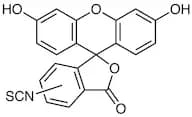
CAS:Formula:C21H11NO5SPurity:>97.0%(T)(HPLC)Color and Shape:Light yellow to Brown powder to crystalMolecular weight:389.38Zika Virus Envelope Antigen Mouse Monoclonal Antibody
<p>This mouse monoclonal antibody is complementary to the Zika envelope protein, with batches of the IgG1k immunoglobulin subclass available. It has been purified by DEAE column chromatography and is presented as a liquid in 0.015M potassium phosphate, 0.85% NaCl, pH 7.2.</p> <p>Transmitted by infected mosquitoes, the Zika virus, although it causes asymptotic and mild symptoms in the majority of cases, it can lead to neurological complications and Guillain-Barr&eacute; syndrome in adults. Furthermore during pregnancy, infants may be born with microcephaly and congenital malformations, known as Zika syndrome. The envelope protein located on the Zika viral membrane and to which this mouse Mab is complementary, is involved in virus and host cell surface receptor binding. It has 3 domains (I, II and III) and a stem-transmembrane domain. Domain I functions to link Domain III (which is the host cell receptor binding domain) to Domain II in order to dimerise and form a fusion loop.</p> <p>The accessible location of the Envelope protein on the viral membrane means it can be an important target for neutralising antibodies and vaccine development. This product can further be used in the rapid lateral flow detection of Zika envelope protein and other antibody and antigen interaction dependent assays such as ELISA and western blot.</p>LCP1 antibody
<p>LCP1 antibody was raised using a synthetic peptide corresponding to a region with amino acids FIKIFHGLKSTDVAKTFRKAINKKEGICAIGGTSEQSSVGTQHSYSEEEK</p>Granzyme B antibody (PE)
<p>Granzyme B antibody (PE) was raised in mouse using human granzyme B as the immunogen.</p>CRP antibody
<p>CRP antibody was raised in mouse using human CRP derived from pleural/ascetic fluid or plasma as the immunogen.</p>CEA antibody
<p>CEA antibody was raised in mouse using human colon adrenocarcinoma as the immunogen.</p>PDE3B antibody
<p>The PDE3B antibody is a protein-based product that belongs to the category of antibodies. It is specifically designed to target and bind to the PDE3B enzyme, which plays a crucial role in various cellular processes. This monoclonal antibody has been extensively tested and validated for its specificity and efficacy.</p>H+K+ ATPase antibody
<p>H, K ATPase antibody was raised in mouse using a 34kDa core peptide purified from deglycosylated hog gastric microsomes as the immunogen.</p>Testosterone 3 antibody
<p>Testosterone 3 antibody was raised in rabbit using testosterone-3 BSA as the immunogen.</p>HSV2 gC antibody
<p>HSV2 gC antibody was raised in mouse using herpes simplex virus II glycoprotein C (gC) as the immunogen.</p>HSPG2 antibody
<p>The 6-Fluoro-3-indoxyl-beta-D-galactopyranoside is a powerful antituberculosis drug belonging to the class of rifamycins. It is specifically designed to combat tuberculosis infection by targeting the active compounds responsible for bactericidal activity. This drug works by binding to DNA-dependent RNA polymerase, effectively preventing transcription and replication, thus inhibiting bacterial growth. The effectiveness of this drug has been extensively studied using advanced techniques such as the patch-clamp technique on human erythrocytes. Furthermore, it undergoes various metabolic transformations, including hydrolysis by esterases or glucuronidases, oxidation by cytochrome P450 enzymes, reduction by glutathione reductase, or conjugation with glucuronic acid. Additionally, it binds specifically to markers expressed at high levels in Mycobacterium tuberculosis strains and inhibits cell growth in culture.</p>SEK1 antibody
<p>SEK1 antibody is a highly specialized product used in the field of Life Sciences. It is available as both polyclonal and monoclonal antibodies, offering researchers flexibility in their experiments. This antibody specifically targets glycopeptides, which are high polymers with glycosylation. It is commonly used for various applications, including the study of hormone peptides and intraocular processes.</p>Purity:Min. 95%VMAT2 antibody
<p>VMAT2 antibody was raised in rabbit using a synthetic peptide from C-terminus of rat VMAT2 conjugated to BSA as the immunogen.</p>Purity:Min. 95%Affinity Purified anti-Human Ferritin Antibody
<p>Affinity Purified Rabbit anti-Human Ferritin Antibody</p>Purity:Min. 95%TTC27 antibody
<p>TTC27 antibody was raised in rabbit using the N terminal of TTC27 as the immunogen</p>Purity:Min. 95%TSH beta antibody F(ab)'2 Fragment
<p>TSH beta antibody was raised against Human TSH (intact).</p>Purity:Min. 95%TPTE antibody
<p>TPTE antibody was raised using the C terminal of TPTE corresponding to a region with amino acids KILIDVFDGPPLYDDVKVQFFYSNLPTYYDNCSFYFWLHTSFIENNRLYL</p>Tetanus toxin antibody
<p>Tetanus toxin antibody is a monoclonal antibody that acts as an inhibitor of the tetanus toxin. It belongs to the class of antibodies known as neutralizing antibodies, which are active agents in the field of life sciences. This monoclonal antibody specifically targets and neutralizes the effects of tetanus toxin by binding to it and preventing it from causing harm. Additionally, this antibody has been shown to have potential therapeutic applications in other areas, such as inhibiting the activity of epidermal growth factor (EGF) and atypical hemolytic autoantibodies. With its versatility and efficacy, this monoclonal antibody offers promising possibilities for medical research and treatment options.</p>Purity:>92% By Gel Electrophoresis And Gel Scanninganti-TGEV Antibody
<p>This Monoclonal anti-TGEV antibody is suitable for ELISA and blotting applications. Reactivity observed with CCV.</p>Purity:Min. 95%anti-TGEV Antibody
<p>This Monoclonal anti-TGEV antibody is suitable for ELISA and blotting applications. Reactivity observed with CCV.</p>Purity:Min. 95%Cip1 antibody
<p>Cip1 antibody was raised in rabbit using residues 139-164 of the p21 protein as the immunogen.</p>Purity:Min. 95%Tetanus toxin antibody
<p>Tetanus toxin antibody is a monoclonal antibody that specifically targets and neutralizes the tetanus toxin. This antibody is derived from alpha-fetoprotein and has been extensively studied in the field of Life Sciences. It binds to the tetanus toxin, preventing it from binding to its target receptors and exerting its toxic effects. Additionally, this antibody has been shown to inhibit the activity of TGF-beta, a growth factor involved in various cellular processes. The binding proteins present in this antibody can effectively block the interaction between TGF-beta and its receptors, leading to the inhibition of downstream signaling pathways. Furthermore, studies have demonstrated that this monoclonal antibody can also bind to autoantibodies and other proteins involved in disease progression. With its high specificity and efficacy, tetanus toxin antibody holds great potential for therapeutic applications in various medical conditions.</p>TSH antibody
<p>TSH antibody was raised in rabbit using human TSH as the immunogen.</p>Purity:Min. 95%HPV18 antibody
<p>HPV18 antibody was raised in mouse using papilloma virus type 18 as the immunogen.</p>PDGFB antibody
<p>PDGFB antibody was raised using the N terminal of PDGFB corresponding to a region with amino acids NRCWALFLSLCCYLRLVSAEGDPIPEELYEMLSDHSIRSFDDLQRLLHGD</p>Purity:Min. 95%FSH antibody
<p>The FSH antibody is a highly specialized immunohistochemistry tool used in the field of Life Sciences. It specifically targets the tumor necrosis factor-alpha (TNF-α) and acts as a kinase receptor growth factor. This polyclonal antibody plays a crucial role in binding proteins and cytotoxicity, particularly against tyrosine kinase receptors.</p>Purity:Min. 95%Mouse Isotyping Kit
<p>Mouse Antibody Isotype Kit is a single-use, lateral flow-based test that in 5 minutes can identify mouse monoclonal antibody class and subclass.Reliable - Comparable results to ELISA assays.Fast - 5 minutes from start to finish.Convenient - Only requires 2 steps - dilute sample and load sample.Inexpensive - No equipment or additional reagents required.Specific - No Reactivity with Fetal Bovine Serum.</p>Purity:Min. 95%VIM antibody
<p>The VIM antibody is a highly specialized monoclonal antibody that targets and neutralizes the activity of interleukin-6 (IL-6), a key growth factor involved in various physiological processes. By inhibiting IL-6, the VIM antibody helps regulate immune responses and reduce inflammation. Additionally, this antibody has been shown to inhibit the production of superoxide, which plays a role in oxidative stress.</p>Purity:Min. 95%SDK1 antibody
<p>SDK1 antibody was raised in rabbit using the middle region of SDK1 as the immunogen</p>Purity:Min. 95%GRK5 antibody
<p>GRK5 antibody was raised in rabbit using a synthetic peptide conjugated to KLH as the immunogen.</p>Purity:Min. 95%Myeloperoxidase antibody
<p>Myeloperoxidase antibody was raised in mouse using human myeloperoxidase as the immunogen.</p>anti-Human Procalcitonin (PCT) Antibody
<p>Purified Mouse anti-Human Procalcitonin antibody (Clone 1B12)</p>Purity:Min. 95%






















![o-Dianisidine Dihydrochloride [for Biochemical Research]](/_next/image/?url=https%3A%2Fstatic.cymitquimica.com%2Fproducts%2F3B%2Fthumb-webp%2FD3893.webp&w=3840&q=75)