


Nucleotides
Nucleotides are organic compounds that serve as the building blocks of nucleic acids, essential for the formation of DNA and RNA. Each nucleotide is composed of a nitrogenous base, a sugar molecule, and one or more phosphate groups. These nucleotides join together to form long chains, creating the genetic material that carries and transmits genetic information in all living organisms. In this section, you will find a wide variety of nucleotides crucial for research in genetics, molecular biology, and biochemistry. They are fundamental for studying genetic processes, synthesizing nucleic acids, and developing diagnostic and therapeutic tools. At CymitQuimica, we offer high-quality nucleotides to support your scientific research and applications, ensuring precision and reliability in your experiments
Subcategories of "Nucleotides"
Found 2634 products of "Nucleotides"
Sort by
Purity (%)
0
100
|
0
|
50
|
90
|
95
|
100
3'-Azido-5'-O-benzoyl-3'-deoxythymidine
CAS:<p>3'-Azido-5'-O-benzoyl-3'-deoxythymidine is a novel antiviral agent that is synthesized by modifying the structure of thymidine. It has been shown to have high antiviral activity against HIV and other viruses in vitro. 3'-Azido-5'-O-benzoyl-3'-deoxythymidine also inhibits tumor growth in animal models and may be useful as an anticancer drug. This compound is found to be active against a number of cancers, including leukemia, colon cancer, and prostate cancer. 3'-Azido-5'-O-benzoyl-3'-deoxythymidine is phosphoramidites for DNA synthesis, which can be used in the production of ribonucleosides or deoxyribonucleosides.</p>Formula:C17H19N5O4Purity:Min. 95%Molecular weight:357.36 g/molCytidine 3',5'-cyclic monophosphate monosodium
CAS:<p>Cytidine 3',5'-cyclic monophosphate monosodium is a phosphotriester that is used as a building block to synthesize ribonucleosides, uridine, guanosine, and cytidine. The phosphate group in the molecule can be removed by nucleophilic substitution with ammonia or sodium hydroxide to form the corresponding nucleosides. Cytidine 3',5'-cyclic monophosphate monosodium has been shown to inhibit bacterial growth.</p>Formula:C9H11N3O7PNaPurity:Min. 95%Color and Shape:White PowderMolecular weight:327.16 g/moltrans-Zeatin riboside-5'-monophosphate sodium salt
CAS:<p>Trans-zeatin riboside-5'-monophosphate sodium salt is a growth rate inhibitor that inhibits protein synthesis by binding to the 30S subunit of the ribosome. This compound has been shown to inhibit cell growth and proliferation in vitro when applied to tissue cultures of tabacum l. and other plants. Trans-zeatin riboside-5'-monophosphate sodium salt is not active against plant tissues grown in vivo, which may be due to its inability to cross the plasma membrane or cell wall.</p>Formula:C15H20N5O8PNa2Purity:Min. 95 Area-%Color and Shape:PowderMolecular weight:475.3 g/molL-Guanosine
CAS:<p>L-Guanosine is an enantiomer of adenosine. It has been shown to be effective in the treatment of autoimmune diseases and viruses, such as HIV. L-Guanosine is activated by phosphorylation, which leads to its binding with DNA and inhibition of viral replication. L-Guanosine is also a potent inhibitor of mammalian cell proliferation. It binds to the enzyme adenosyltransferase, thereby inhibiting the production of nucleotides, which are necessary for DNA synthesis. This inhibition causes cell death due to lack of DNA synthesis and protein production.</p>Formula:C10H13N5O5Purity:Min. 95%Color and Shape:White PowderMolecular weight:283.24 g/mol5-Cyanouridine
CAS:<p>5-Cyanouridine is a pyrimidine nucleoside that is synthesized from uracil. It is a potent inhibitor of the enzyme decarboxylase, which catalyzes the conversion of 5-cytosine to 5-uracil, and has been used for the treatment of malignant lymphoma. 5-Cyanouridine is also a substrate for DNA replication and can be used as a target for antiviral drugs. The drug inhibits viral RNA synthesis by acting on the vesicular stomatitis virus (VSV) in two different ways: first, by inhibiting viral RNA polymerase activity; second, by incorporation into viral DNA. This incorporation can lead to chain termination or to translesion synthesis. 5-Cyanouridine has been shown to inhibit VSV replication in cell culture at concentrations as low as 1 μM.</p>Formula:C10H11N3O6Purity:Min. 95%Color and Shape:PowderMolecular weight:269.21 g/mol5,6-Dihydro-5-methyluridine
CAS:<p>5,6-Dihydro-5-methyluridine is a nucleoside that is found in the human genome. It is a precursor of uridine and can be used to synthesize 5-methylcytosine, which is an epigenetic modification that occurs in DNA. This modification can affect the expression of genes by changing the structure of chromatin. This drug has been identified as a potential drug target for cancer treatment and other diseases. Structural analysis has shown that this compound has a number of hydrogen bonds with oxygen atoms and hydroxyl groups, which may make it more effective than other drugs currently being studied. 5,6-Dihydro-5-methyluridine forms a phylogenetic tree with other compounds that are also found in the human genome, suggesting that it may have evolved through natural selection.</p>Formula:C10H16N2O6Purity:Min. 95%Color and Shape:White Off-White PowderMolecular weight:260.24 g/molAdenosine 5'-phosphosulfate sodium salt, 10 mM in water
CAS:<p>Adenosine 5′-phosphosulfate sodium salt has been used quantify pyrophosphate and in enzyme-linked bioluminescence assay for adenosine triphosphate (ATP).Product provided as 10 mM solution in water.</p>Formula:C10H14N5O10PSPurity:Min. 90.0 Area-%Molecular weight:427.28 g/mol5-Carboxyhydroxymethyluridine
CAS:<p>5-Carboxyhydroxymethyluridine is a hydroxylated nucleoside that is used to study DNA repair. It is a nucleotide analogue that has been modified at the hydroxyl group by methylation. 5-Carboxyhydroxymethyluridine can be converted back to uridine by escherichia coli hydroxylases, but this conversion does not occur in vivo. 5-Carboxyhydroxymethyluridine can be used as a substrate for methyltransferase enzymes, which are involved in DNA repair. The enzyme 5'-methylthioadenosine phosphorylase converts 5-carboxyhydroxymethyluridine into S-adenosylhomocysteine and adenine. This conversion can be reversed by the enzyme methionine synthase. Some homologues of 5-carboxyhydroxymethyluridine have been found in nature and other modifications have been made on the</p>Formula:C11H14N2O9Purity:Min. 95%Color and Shape:PowderMolecular weight:318.24 g/mol5'-O-DMT-2'-O-methylcytidine
CAS:<p>5'-O-DMT-2'-O-methylcytidine is a monophosphate nucleoside of cytidine. It is used as an antiviral agent and has been shown to have anticancer effects in vitro. 5'-O-DMT-2'-O-methylcytidine is synthesized by modification of the natural deoxyribonucleosides, which are then phosphoramidited to form a 5'-O-DMT-2'-O-methylcytidine monophosphate. The synthesis process also produces diphosphate and triphosphate forms of the nucleoside, which can be used for other purposes.</p>Formula:C31H33N3O7Purity:Min. 95%Molecular weight:559.61 g/molGlycinamide ribonucleotide
CAS:<p>Glycinamide ribonucleotide (GAR) is a reactive metabolite that is formed from glycinamide, which is an intermediate in the synthesis of purines. GAR has been shown to bind to intracellular targets and inhibit their enzyme activities. GAR has been shown to inhibit the activity of enzymes that are involved in the synthesis of purines, such as ribonucleotides and nucleoside phosphates. These enzymes have been found in human tissues. GAR also inhibits the polymerase chain reaction (PCR) by binding to DNA and inhibiting its replication. This drug has also been shown to be effective against bowel disease by binding to bacterial dna gyrase, dna topoisomerase, and rna synthesis.</p>Formula:C7H15N2O8PPurity:Min. 80 Area-%Color and Shape:PowderMolecular weight:286.18 g/molN1-Methyladenosine
CAS:<p>N1-Methyladenosine is a nucleoside that has been shown to inhibit the synthesis of proteins in the ribosome, which are essential for all cellular functions. N1-Methyladenosine has been shown to be effective against HIV infection, and has also been used as a chemotherapeutic agent in cancer cells. The optimum concentration of this drug is unknown, but it is known that at high concentrations, it can cause cellular death. N1-Methyladenosine has also been shown to be effective in treating metabolic disorders and autoimmune diseases.</p>Formula:C11H15N5O4Purity:Min. 95%Color and Shape:White PowderMolecular weight:281.27 g/molC2-Methyladenosine
CAS:<p>C2-Methyladenosine is a x-ray crystal structure of the mutant strain of Mycobacterium tuberculosis that has an efficient method for binding to the substrate. The uptake of C2-methyladenosine by the wild type strain was found to be at least four times higher than that of adenosine. The analog was also shown to have pharmacokinetic properties in fat cells, which leads to a decrease in ATP levels.</p>Formula:C11H15N5O4Purity:Min. 96 Area-%Color and Shape:White PowderMolecular weight:281.27 g/molN3-Methylcytidine methosulfate
CAS:<p>N3-Methylcytidine methosulfate is a novel antiviral agent that inhibits the synthesis of DNA and RNA. It has been shown to be effective against hepatitis B virus, herpes simplex virus, varicella-zoster virus, human immunodeficiency virus, and cytomegalovirus. N3-Methylcytidine methosulfate was found to be active in a variety of animal models including mice and rats. This drug has anticancer properties in the treatment of leukemia, lymphoma, and breast cancer. The phosphoramidite derivative of N3-methylcytidine methosulfate is used as an activator for oligonucleotide synthesis.</p>Formula:C10H15N3O5·CH4SO4Purity:Min. 98 Area-%Color and Shape:PowderMolecular weight:369.35 g/molN6-Ethenoadenosine
CAS:<p>N6-Ethenoadenosine is a fluorescent derivative that is used in biology to study the binding of receptor molecules to DNA. N6-Ethenoadenosine binds to the dinucleotide phosphate, which is an important component for many metabolic processes. It also has been shown to be an effective inhibitor of DNA duplexes and ATPase activity. N6-Ethenoadenosine has a glycosidic bond with p-nitrophenyl phosphate, which is a substrate of creatine kinase and can be used as an indicator of its activity. This product is also used as a marker for damaged DNA.</p>Formula:C12H13N5O4Purity:Min. 95%Color and Shape:White PowderMolecular weight:291.26 g/molGuanosine 3',5'-cyclic monophosphate
CAS:<p>Guanosine 3',5'-cyclic monophosphate (cGMP) is a nucleotide that functions as a second messenger in the cell. It is involved in many cellular processes, including mitochondrial functions and energy metabolism. cGMP is synthesized from guanosine triphosphate (GTP) by the enzyme guanine nucleotide-binding protein, which hydrolyzes the phosphate group from GTP to form cGMP. cGMP has been shown to be involved in neuronal death, axonal growth, and glucose uptake in cells. Optimum concentrations of cGMP have been found to be between 1-10 μM. It has also been shown to be an important mediator of cyclic axonal growth and bowel disease. Guanosine 3',5'-cyclic monophosphate can also act as a polymerase chain reaction primer for DNA amplification in vitro.</p>Formula:C10H12N5O7PPurity:Min. 98 Area-%Color and Shape:White PowderMolecular weight:345.21 g/mol2-Chloroisonicotinic acid
CAS:<p>2-Chloroisonicotinic acid is a halogenated derivative of isonicotinic acid where a chlorine atom is substituted at the 2-position of the pyridine ring (next to the carboxylic acid group).</p>Formula:C6H4ClNO2Purity:Min. 95%Color and Shape:PowderMolecular weight:157.55 g/mol2'-Deoxy-2',2'-difluorocytidine 5'-triphosphate triethylammonium salt - Aqueous solution
CAS:<p>2'-Deoxy-2',2'-difluorocytidine 5'-triphosphate triethylammonium salt - Aqueous solution is a nucleoside analog for research purposes</p>Formula:C9H14F2N3O13P3·C24H60N4Color and Shape:Colorless PowderMolecular weight:907.9 g/mol2'-Deoxy-2'-fluoro-5-methylcytidine
CAS:<p>2'-Deoxy-2'-fluoro-5-methylcytidine is a nucleoside analog that is a modified version of cytidine, where the sugar (deoxyribose) has a fluoro modification at the 2' carbon and a methyl group is attached at the 5' position of the cytosine base. This modification confers unique properties that can be useful in research and drug development.</p>Formula:C10H14FN3O4Purity:Min. 95%Color and Shape:Off-White PowderMolecular weight:259.23 g/molN4-Ethenocytidine
CAS:<p>N4-Ethenocytidine is a nucleoside analogue that has been synthesized and shown to be an effective inhibitor of the hepatitis C virus. N4-Ethenocytidine prevents the synthesis of viral RNA by attacking the 3'-hydroxyl group of uridine, which is involved in the formation of ribonucleotides. This compound can also inhibit rat liver microsomes through a hydrated attack on carbonyl groups. The reaction products are trifluoroacetic acid and chloride ions. N4-Ethenocytidine's fluorescence properties have been used to identify its reaction intermediates, which include uridylic acid and 4-etheno-N6-isopentenyladenosine.</p>Formula:C11H13N3O5Purity:Min. 95%Color and Shape:White Off-White PowderMolecular weight:267.24 g/mol5'-O-DMT-2'-O-methyluridine
CAS:<p>5'-O-DMT-2'-O-methyluridine (5'-OMeT) is a phosphoramidite building block of a modified nucleoside that is used in biological research. The stability of 5'-OMeT has been studied by thermal denaturation studies and found to be more stable than other analogues such as 6-azacytidine, 6-azauridine, and 6-azathymidine. This may be due to its increased resistance to endonucleolytic cleavage. 5'-OMeT has not shown any significant biological activity in vivo or in vitro.</p>Formula:C31H32N2O8Purity:Min. 95%Color and Shape:White PowderMolecular weight:560.61 g/mol8-(4-Chlorophenylthio)adenosine 3',5'-cyclic monophosphate monosodium salt
CAS:<p>8-(4-Chlorophenylthio)adenosine 3',5'-cyclic monophosphate monosodium salt (8-CPT-cAMP) is a cytosolic second messenger that regulates physiological processes. It interacts with the G protein coupled receptor 2-adrenergic receptor, and activates adenylyl cyclase to produce cAMP. 8-CPT-cAMP also induces mitochondrial membrane potential depolarization and Ca2+ release from the endoplasmic reticulum, which leads to cell death. The pro-apoptotic protein Bax is upregulated by 8-CPT-cAMP in cells and contributes to cell death.</p>Formula:C16H14ClN5NaO6PSPurity:Min. 97 Area-%Color and Shape:PowderMolecular weight:493.79 g/mol2',3'-Di-O-acetyladenoside
CAS:<p>2',3'-Di-O-acetyladenoside is a nucleoside for use in research applications</p>Formula:C14H17N5O6Purity:Min. 97 Area-%Color and Shape:White PowderMolecular weight:351.31 g/mol2'-O-Methylguanosine
CAS:<p>2'-O-Methylguanosine is a nucleoside that contains a 2'-O-methyl group at the 2' position of the ribose. It is a component of many nucleic acids and is usually found as a minor component in RNA. 2'-O-Methylguanosine has been shown to be an inhibitor of DNA polymerase and an activator of RNA polymerase, which may be due to its ability to form hydrogen bonds with the phosphate backbone. This compound has also been shown to act as a competitive inhibitor for both wild-type and mutant bacterial strains, suggesting that it can inhibit DNA synthesis in bacteria by binding to the enzyme's active site. 2'-O-Methylguanosine is present in relatively high concentrations in tissues, such as liver and muscle, where it is involved in metabolism or energy production. The optimum concentration for detection by analytical methods varies depending on the type of detector used.</p>Formula:C11H15N5O5Purity:Min. 95%Color and Shape:White PowderMolecular weight:297.27 g/mol3'-O-Methylguanosine
CAS:<p>3'-O-Methylguanosine is a nucleoside that is found in the guanine molecule and has been shown to have inhibitory properties against malignant brain tumors. 3'-O-Methylguanosine blocks the synthesis of DNA, RNA, and peptide hormones. It also inhibits the growth of erythromycin-resistant strains of bacteria. The kinetic data for 3'-O-Methylguanosine was obtained from experiments with leukemic mice and carcinoma cell lines. The enzyme glut1 regulates the rate of metabolism of 3'-O-Methylguanosine. It is metabolized by dehydroascorbic acid reductase to 3'-deoxyadenosine monophosphate (dAMP) and then to adenosine monophosphate (AMP). The optimum pH for this reaction is 7.3 at 37 degrees Celsius.</p>Formula:C11H15N5O5Purity:Min. 98 Area-%Color and Shape:White Off-White PowderMolecular weight:297.27 g/mol5-Hydroxycytidine
CAS:<p>5-Hydroxycytidine is a pyrimidine nucleoside that is found in DNA and RNA. It can be produced by the conversion of cytidine 5-monophosphate to cytidine 5'-diphosphate, which is then hydrolyzed to produce 5-hydroxycytidine. This conversion requires the enzyme cytidylate kinase. The structure of 5-hydroxycytidine differs from other pyrimidine nucleosides as its hydroxyl group does not have an acidic proton present. Biological functions that have been attributed to 5-hydroxydihydrocytidylic acid include its ability to inhibit translation and induce cell death in lung cells. This compound has also been shown to modify DNA duplexes and form bioconjugates with proteins or small molecules, such as fluorescein and digoxigenin. These modifications are used in analytical methods such as phase chromatography, nuclear magnetic resonance spectroscopy</p>Formula:C9H13N3O6Purity:Min. 95 Area-%Color and Shape:PowderMolecular weight:259.22 g/mol8-Bromoguanosine hydrate
CAS:<p>8-Bromoguanosine hydrate is a brominated form of guanosine. It is used as a marker for colorectal cancer in urine samples. 8-Bromoguanosine hydrate can be used to calibrate the results of chromatographic analyses and to identify metabolic disorders, such as fatty acid oxidation defects. The compound is also an endogenous ligand that interacts with adenosine receptors and may have pro-apoptotic effects on cancer cells by triggering their death. 8-Bromoguanosine hydrate has been shown to be more effective than other brominated nucleosides in inducing apoptosis in malignant cells, including colorectal carcinoma cells.</p>Formula:C10H12BrN5O5·xH2OPurity:Min. 95%Color and Shape:PowderMolecular weight:362.14 g/mol2'-Deoxy-5-hydroxymethylcytidine
CAS:<p>2'-Deoxy-5-hydroxymethylcytidine is a nucleoside analog that inhibits the enzyme thymidylate synthase. The inhibition of this enzyme leads to a deficiency in the production of thymine, which is essential for DNA synthesis. 2'-Deoxy-5-hydroxymethylcytidine has been shown to be an effective anti-cancer agent in vitro and in vivo. It can also be used as a potential biomarker for cancer and can be used as a polymerase chain reaction (PCR) primer for detection of cancer tissue. This drug binds to the polymerase enzyme, preventing it from performing its function to replicate DNA, thereby halting cell division and causing cell death.</p>Formula:C10H15N3O5Purity:Min. 95%Color and Shape:White Yellow PowderMolecular weight:257.24 g/mol3'-O-Propargyluridine
CAS:<p>3'-O-Propargyluridine is a synthetic nucleoside with an alkyne functional handle on the 3'-position of the sugar</p>Formula:C12H14N2O6Purity:Min. 95%Color and Shape:White PowderMolecular weight:282.25 g/mol5-(Methylaminomethyl)-2-thiouridine
CAS:<p>5-(Methylaminomethyl)-2-thiouridine is a nucleotide that is important for both DNA and RNA synthesis. It is the methyl donor in the formation of dTMP, an essential component of DNA. 5-(Methylaminomethyl)-2-thiouridine is synthesized by the enzyme thioredoxin reductase using NADPH and glutathione as cofactors. The synthesis of this nucleotide is regulated by hydrogen bonding, which may be due to its ability to form a cationic surfactant with a molecule such as typhimurium. This activity may be due to the presence of a disulfide bond that can react with other molecules such as guanine nucleotides.<br>5-(Methylaminomethyl)-2-thiouridine has been shown to have structural analysis and chemical biology applications when used in conjunction with E. coli K-12 cells, Methanobrevib</p>Formula:C11H17N3O5SPurity:(¹H-Nmr) Min. 95 Area-%Color and Shape:PowderMolecular weight:303.34 g/mol2-Chloro-2',3'-O-isopropylideneadenosine
CAS:<p>2-Chloro-2',3'-O-isopropylideneadenosine is a novel, anti-cancer drug that inhibits the synthesis of DNA. It is a phosphoramidite monophosphate with a molecular weight of 288.08 g/mol and an empirical formula C6H12ClNO5PS. The chemical name for this compound is 2-chloro-N-(2,3-diisopropyl)adenine diphosphate. This product has not yet been approved by the FDA for use in humans or animals.</p>Formula:C13H16ClN5O4Purity:Min. 95%Color and Shape:PowderMolecular weight:341.75 g/molN4-Acetyl-2'-deoxy-2'-fluorocytidine
CAS:<p>N4-Acetyl-2'-deoxy-2'-fluorocytidine is a chemical compound that has been the subject of recent research in the field of complex system. It is an aromatic compound that is found in β-pinene, monoterpenes, and other plant products. N4-Acetyl-2'-deoxy-2'-fluorocytidine has not been shown to have any significant biological activity.</p>Formula:C11H14FN3O5Purity:Min. 98 Area-%Color and Shape:White PowderMolecular weight:287.24 g/molCaged GTP
CAS:<p>Caged GTP is a modified nucleotide that is biologixally inactive until exposed to ultraviolet light, where GTP is released.</p>Formula:C18H23N6O16P3Purity:Min. 95 Area-%Color and Shape:White Off-White PowderMolecular weight:672.33 g/mol2',3'-Dideoxyadenosine
CAS:<p>2',3'-Dideoxyadenosine is a nucleoside analog that inhibits HIV replication and is a competitive inhibitor of adenylyl cyclase. This latter action reduces levels of cyclic adenosine monophosphate (cAMP)</p>Formula:C10H13N5O2Purity:Min. 95%Color and Shape:PowderMolecular weight:235.25 g/mol5'-Deoxy-5'-iodoguanosine
CAS:<p>5'-Deoxy-5'-iodoguanosine is a synthetic nucleoside that is used as a molecular probe to study the biochemical and physiological effects of UV irradiation. It has been shown to be reactive under in vitro conditions, and to have functionalities in vivo. 5'-Deoxy-5'-iodoguanosine has been used as a polymerase inhibitor, and it can also be used for the synthesis of oligonucleotides.</p>Formula:C10H12IN5O4Purity:Min. 95%Color and Shape:Yellow PowderMolecular weight:393.14 g/mol2'-Deoxy-5'-O-DMT-N6-methyladenosine
CAS:<p>2'-Deoxy-5'-O-DMT-N6-methyladenosine is a mutant of the natural nucleoside adenosine which has been synthesized as a model for the study of the enzyme ribonucleotide reductase. The mutant has a frameshift mutation, and the resulting protein is unable to catalyze DNA synthesis. It can be complemented by adding wild type nucleotides to regenerate the original sequence. 2'-Deoxy-5'-O-DMT-N6-methyladenosine inhibits the synthetase activity of ribonucleotide reductase and also inhibits polymerization of erythromycin B and styrene.<br>2'-Deoxy-5'-O-DMT-N6-methyladenosine has been shown to inhibit dehydrogenase activity in auxotrophs of Escherichia coli.</p>Formula:C32H33N5O5Purity:Min. 98 Area-%Color and Shape:Off-White PowderMolecular weight:567.64 g/mol5-Chloro-5'-deoxyuridine
<p>5-Chloro-5'-deoxyuridine is a nucleoside that is used as an antiviral agent and anticancer drug. It inhibits the viral DNA polymerase by acting as a phosphoramidite in the synthesis of viral DNA. 5-Chloro-5'-deoxyuridine is also used in the treatment of leukemia cells, which are resistant to other anticancer drugs. The high purity and modified nucleosides make this product highly desirable for research purposes. The novel syntheses of this product make it a desirable choice for many researchers.</p>Formula:C9H11ClN2O5Purity:Min. 95%Color and Shape:PowderMolecular weight:262.65 g/mol2'-Deoxy-N2-DMF-guanosine
CAS:<p>2'-Deoxy-N2-DMF-guanosine is a synthetic nucleoside that is used as a primer in DNA sequencing and hybridization experiments. It binds to the 5' end of single-stranded DNA and is complementary to guanosine. The 2'-deoxy group on the sugar moiety prevents the formation of hydrogen bonds with other bases, which increases stability. In addition, it has a high affinity for dna binding proteins. This synthetic nucleoside has been shown to be useful in clinical diagnostics and can be used as a probe for detecting diazirine residues in DNA sequences.</p>Formula:C13H18N6O4Purity:Min. 97 Area-%Color and Shape:White Off-White PowderMolecular weight:322.33 g/mol2'-Deoxyuridine
CAS:<p>2'-Deoxyuridine (2'-dU) is an intermediate in the synthesis of thymidylate, which is a precursor for DNA synthesis. It can be prepared through high-performance liquid chromatography. 2'-dU has been shown to inhibit the enzymatic activity of enzymes responsible for synthesizing uridine and thymidylate, leading to neuronal death. 2'-dU has also been shown to have a protective effect against mitochondrial dysfunction induced by hydrogen fluoride. It is also known to bind with toll-like receptor 4 (TLR4), which is involved in inflammatory responses. 2'-dU has been used as a fluorescence probe for nucleic acids and as a polymerase chain reaction (PCR) substrate.</p>Formula:C9H12N2O5Purity:Min. 98 Area-%Color and Shape:White PowderMolecular weight:228.21 g/mol3'-Amino-2',3'-dideoxyguanosine
CAS:<p>3'-Amino-2',3'-dideoxyguanosine's lack of a 3'-hydroxyl group makes it a chain terminator for DNA polymerase, a key application in Sanger sequencing. Additionally, the 3'-amino group serves as a functional handle for modifying the 3' end of oligonucleotides with various labels or conjugates, expanding their utility in research and diagnostics.</p>Formula:C10H14N6O3Purity:(%) Min. 95%Color and Shape:Off-White PowderMolecular weight:266.26 g/mol2-Thiouridine
CAS:<p>2-Thiouridine is a uridine derivative that acts as a precursor for protein synthesis. It is synthesized from 2-amino-5-thiazole carboxylic acid and uracil in two steps, first with the formation of 2-thiouridine monophosphate and then with the conversion to 2-thiouridine diphosphate. The synthesis of 2-thiouridine is catalyzed by the enzyme uridine phosphorylase, which converts it to uridine monophosphate. 2-Thiouridine has been shown to have immunomodulatory effects in cell culture systems and animal models. These effects are believed to be due to its ability to act as an inhibitor of fatty acid synthase, which generates fatty acids from acetyl CoA. This process prevents the production of prostaglandins and leukotrienes, thereby reducing inflammation.</p>Formula:C9H12N2O5SPurity:Min. 98 Area-%Color and Shape:White PowderMolecular weight:260.27 g/molXanthosine 5'-monophosphate disodium salt
CAS:<p>Xanthosine 5'-monophosphate disodium salt is a nucleotide that has been shown to react with nitrite in aqueous solution to form xanthosine 5'-monophosphate. The reaction system can be prepared by adding nitrite to a solution of xanthosine 5'-monophosphate disodium salt and deionized water. The crystallization process can be done by adding ethanol dropwise to the reaction system under controlled conditions. Impurities may result from the preparation process, such as sodium chloride, sodium sulfate, and sodium hydroxide.</p>Formula:C10H11N4Na2O9PPurity:Min. 95%Color and Shape:White Slightly Yellow PowderMolecular weight:408.17 g/mol2'-Deoxy-N3-methyluridine
CAS:<p>2'-Deoxy-N3-methyluridine is a nucleoside analog that is used as a substrate in the synthesis of DNA. It can be incorporated into the DNA strand by enzymes called thymidylate synthases. 2'-Deoxy-N3-methyluridine has been shown to inhibit bacterial growth in cell cultures, and it is also active against marine sponges. The protonation state of the molecule determines its hydrophobicity and can be altered by adding a test compound to the solution. Hydrophobic molecules are more likely to bind with water molecules than hydrophilic molecules, which are more soluble in water.</p>Formula:C10H14N2O5Purity:Min. 95%Color and Shape:White PowderMolecular weight:242.23 g/mol2',3'-Dideoxyuridine
CAS:<p>Research tool for anti-viral and anti-cancer studies</p>Formula:C9H12N2O4Purity:Min. 98 Area-%Color and Shape:White PowderMolecular weight:212.21 g/molN4,N4-Dimethylcytidine
CAS:<p>N4,N4-Dimethylcytidine is a nucleoside that is an analog of cytidine. It has antiviral potency against influenza virus and inhibits the RNA-dependent DNA polymerase. N4,N4-Dimethylcytidine can be used to treat influenza and other viruses that are resistant to other antiviral drugs. This drug can be used in cell culture to inhibit the production of mismatched DNA strands, which is important for the replication of RNA viruses such as influenza. N4,N4-Dimethylcytidine also has been shown to be an inhibitor of miRNA activity in mammalian cells.</p>Formula:C11H17N3O5Purity:(%) Min. 95%Color and Shape:White PowderMolecular weight:271.27 g/molN4-Benzoyl-2'-O-methylcytidine
CAS:<p>N4-Benzoyl-2'-O-methylcytidine is a triester of cytidine that is used in various biochemical research applications. It is enzymatically synthesized from cytidine and benzoyl chloride. N4-Benzoyl-2'-O-methylcytidine has been shown to have the same electrophoretic mobility as 5-hydroxyl cytidine, but it does not react with hydroxylamine to produce the corresponding hydroxylated product. This compound has also been used to study nucleic acid structure and function.</p>Formula:C17H19N3O6Purity:Min. 95%Color and Shape:PowderMolecular weight:361.35 g/mol6-Methylpurine-2'-deoxyriboside
CAS:<p>6-Methylpurine-2'-deoxyriboside (6MPdR) is a nucleoside analog that inhibits viral polymerase activity. It is used in the treatment of bowel diseases, such as inflammatory bowel disease and hepatitis C. 6MPdR can be used to treat cancer by inhibiting cellular proliferation and inducing apoptosis. This drug has been shown to inhibit leishmania growth in cell culture. 6MPdR can be administered orally or intravenously, and is pegylated for greater stability in the blood stream.</p>Formula:C11H14N4O3Purity:Min. 95%Color and Shape:PowderMolecular weight:250.25 g/molCoenzyme A hydrate
CAS:<p>Coenzyme A hydrate is essential in the metabolism of fatty acids and the synthesis of acetyl-CoA. It is also employed in pharmaceutical applications, especially in drug development and formulation. Its distinctive properties improve drug solubility and bioavailability, making it an essential component in the creation of therapeutic agents.</p>Formula:C21H36N7O16P3S·xH2OPurity:(Enzymatic) Min. 75%Color and Shape:White Off-White Slightly Yellow PowderMolecular weight:767.54 g/molN-Pyrrolo-2'-deoxycytidine
CAS:<p>N-Pyrrolo-2'-deoxycytidine is a nucleoside analog that is used in the laboratory as a template for DNA synthesis. It has been shown to be an effective inhibitor of human pathogens. N-Pyrrolo-2'-deoxycytidine binds to DNA and prevents replication by interfering with the binding of the enzyme polymerase to the template strand, which leads to denaturation of the complementary strand and blocking of DNA elongation. This drug has been shown to bind specifically to sequences that are unpaired in duplexes, such as single-stranded telomeres. N-Pyrrolo-2'-deoxycytidine can also be used as a fluorescence probe for detecting dsDNA duplexes.</p>Formula:C12H15N3O4Purity:Min. 98 Area-%Color and Shape:PowderMolecular weight:265.27 g/mol2'-Deoxy-2-methoxyadenosine
CAS:<p>2'-Deoxy-2-methoxyadenosine is a nucleoside that has been isolated from the sponge Spongospora. It is a glycosylated nucleoside that contains a formamidine chromophore and an amino function. The molecule has been synthesized by solid-phase synthesis, which involves the use of phosphoramidite chemistry to attach a series of building blocks onto an oligonucleotide template. 2'-Deoxy-2-methoxyadenosine was found to have thermal stability in phosphate buffer solutions and low reactivity with nucleophiles such as ammonia or methylamine. This nucleoside can be used as a substituent in synthetic organic chemistry and has been shown to inhibit the growth of bacteria such as Clostridium perfringens.</p>Formula:C11H15N5O4Purity:Min. 95%Color and Shape:PowderMolecular weight:281.27 g/mol2',3'-Dideoxy-5'-O-DMT-uridine
CAS:<p>2',3'-Dideoxy-5'-O-DMT-uridine is a nucleoside for use in research applications</p>Formula:C30H30N4O6Purity:Min. 95%Color and Shape:White To Off-White SolidMolecular weight:514.58 g/mol2'-Deoxypseudouridine
CAS:<p>2'-Deoxypseudouridine is a nucleotide that is synthesized from the sugar ribose-5-phosphate and uracil. It is used in biological systems to transfer phosphate groups, which are vital to the metabolism of energy. 2'-Deoxypseudouridine also binds to DNA, forming stable complexes with enzymes and other molecules. This nucleotide is often found in oligodeoxynucleotides, which are used as antiviral agents. 2'-Deoxypseudouridine has been shown to have antimicrobial activity against various viruses, including hepatitis B virus (HBV). It has also been tested for its ability to inhibit replication of HIV-1 in vitro. The enzyme glycosylase catalyzes the reaction of 2'-deoxypseudouridine with water, producing an unstable intermediate that spontaneously converts into dUMP and pyrophosphate.</p>Formula:C9H12N2O5Purity:Min. 95%Color and Shape:White PowderMolecular weight:228.21 g/mol5'-O-Benzoyl-2'-deoxyinosine
<p>5'-O-Benzoyl-2'-deoxyinosine is an antiviral agent that inhibits the replication of certain viruses. It is a nucleoside analog that contains a benzoyl group at the 5' position and a 2'-deoxyribose sugar moiety. It has been shown to inhibit the growth of cancer cells in vitro and to produce cytotoxic effects on human lymphocytes. This compound is synthesized by reacting an appropriate ribonucleotide with phosphoramidite reagents, which are used as starting materials for DNA synthesis.</p>Purity:Min. 95%7-Cyano-7-deaza-2'-deoxyadenosine
CAS:<p>7-Cyano-7-deaza-2'-deoxyadenosine is a nucleoside analog that inhibits the growth of virus by competing with deoxyadenosine for incorporation into DNA and RNA. 7-Cyano-7-deaza-2'-deoxyadenosine also stabilizes dna duplexes and prevents them from breaking down. It has been shown to be effective against herpes simplex virus, which causes painful blisters on the skin or genitals. This drug has been used in clinical trials as an antiviral agent. 7-Cyano-7-deaza-2'-deoxyadenosine is synthesized from 2',3'-didehydrocytidine under the following conditions:</p>Formula:C12H13N5O3Purity:Min. 95%Color and Shape:PowderMolecular weight:275.26 g/molUridine-5-oxyacetic acid
CAS:<p>Uridine-5-oxyacetic acid is a molecule that is synthesized from uridine and 5-oxo-4-pyrone. It is an intermediate in the synthesis of pyrimidine nucleotides, which are important for DNA replication, repair, and transcription. Uridine-5-oxyacetic acid has been shown to form stable complexes with subtilisin. These complexes have been determined by X-ray crystallography to be glycosidic bond between the uridine and the enzyme. The enzymatic activity of subtilisin can be inhibited by these complexes, which may lead to frameshifting during bacterial translation. This inhibition leads to a less efficient protein synthesis process and a decrease in the production of gene products.</p>Formula:C11H14N2O9Purity:Min. 98 Area-%Color and Shape:PowderMolecular weight:318.24 g/molMalonyl coenzyme A lithium salt - 97%
CAS:<p>Malonyl-CoA is a metabolite that regulates the storage of fat and the production of energy in adipose tissue. Malonyl coenzyme A lithium salt is a fatty acid, which has been shown to reduce insulin resistance in response to diet in mice. It also has an anti-obesity effect by lowering body weight and reducing fat mass accumulation. The mechanism for this is not fully understood but may involve regulation of tnf-α activity and adipocyte hypertrophy.</p>Formula:C24H37N7O19P3S·xLiPurity:Min. 95%Color and Shape:PowderMolecular weight:852.57 g/mol3'-Deoxyuridine
CAS:<p>3'-Deoxyuridine is a synthetic antibiotic that is used in the treatment of viral infections, such as hepatitis B and C, and HIV. 3'-Deoxyuridine competitively inhibits the synthesis of RNA by binding to the enzyme RNA polymerase. This drug also has antiviral activity against the human cytomegalovirus (CMV) and Hepatitis C virus (HCV). 3'-Deoxyuridine is synthesized from uracil in an organic solvent, trifluoroacetic acid, at low temperatures. The incorporation of deoxynucleoside triphosphates into DNA occurs after cleavage of the terminal phosphate group by water vapor.</p>Formula:C9H12N2O5Purity:Min. 95%Color and Shape:PowderMolecular weight:228.21 g/mol2',3'-Dideoxyguanosine
CAS:<p>2',3'-Dideoxyguanosine is a nucleoside for use in research applications</p>Formula:C10H13N5O3Purity:Min. 95%Color and Shape:PowderMolecular weight:251.25 g/mol4'-Thioadenosine
CAS:<p>4'-Thioadenosine is a nucleoside that has been shown to inhibit the growth of leukemia cells by binding to adenosine receptors. It is also able to inhibit the activity of the mammalian phosphodiesterase PDE4, which is responsible for hydrolyzing cAMP. The cellular effects of 4'-thioadenosine can be seen in HL-60 human cells, and this drug has also shown promising results in animal models of kidney fibrosis and liver cirrhosis. 4'-Thioadenosine has been shown to have anti-inflammatory properties, which may be due to its ability to inhibit prostaglandin synthesis.</p>Formula:C10H13N5O3SPurity:Min. 95 Area-%Color and Shape:PowderMolecular weight:283.31 g/molThymidylyl-3'-5'-thymidine ammonium
CAS:<p>Thymidylyl-3'-5'-thymidine ammonium is a cytotoxic drug that belongs to the class of thymidylate synthase inhibitors. It inhibits enzymes responsible for DNA synthesis and repair by binding to the active site of these enzymes and forming covalent bonds with amino acid residues. Thymidylyl-3'-5'-thymidine ammonium can be used as a therapeutic agent in radiation therapy because it is more effective than other drugs at inhibiting cell growth. Thymidylyl-3'-5'-thymidine ammonium has been shown to inhibit the activity of carcinogenic compounds, such as benzo[a]pyrene and benzene, in a model system. Thymidylyl-3'-5'-thymidine ammonium also has the ability to form covalent bonds with dna duplexes and change their conformational properties.</p>Formula:C20H27N4O12P·NH3Purity:Min. 98 Area-%Color and Shape:White PowderMolecular weight:563.45 g/molN2-DMF-5'-O-DMT-2'-O-methylguanosine
CAS:<p>N2-DMF-5'-O-DMT-2'-O-methylguanosine is a novel nucleoside analog that has antiviral, anticancer and immunomodulating properties. It is synthesized from 2′,3′-dideoxyadenosine 5′-monophosphate by the condensation of 2,6-dimethylaniline with methylguanosine 5′-monophosphate and 5,6-dimethylaniline. The modification of the guanine base in N2-DMF-5'-O-DMT-2'-O-methylguanosine to an O6 -methyl group results in increased affinity for the ribonucleotide reductase enzyme (RNR) and inhibition of DNA synthesis.</p>Formula:C35H38N6O7Purity:Min. 95%Molecular weight:654.71 g/mol6-(β-D-2-Deoxyribofuranosyl)-3,4-dihydro-8H-pyrimido[4,5-c][1,2]oxazin-7-one
CAS:<p>6-(β-D-2-Deoxyribofuranosyl)-3,4-dihydro-8H-pyrimido[4,5-c][1,2]oxazin-7-one is a novel nucleoside that has been shown to have anticancer and antiviral properties. In vitro studies have shown the compound to activate both DNA and RNA synthesis in cells. The compound also inhibits the replication of HIV viruses. 6-(β-D-2-Deoxyribofuranosyl)-3,4-dihydro-8H-pyrimido[4,5-c][1,2]oxazin-7-one is synthesized from ribonucleosides or deoxyribonucleosides through phosphoramidite chemistry. This product is available in high purity and high quality.</p>Formula:C11H15N3O5Purity:Min. 95%Color and Shape:PowderMolecular weight:269.25 g/molGuanosine 5'-diphosphate disodium salt
CAS:<p>Guanosine 5'-diphosphate (GDP) disodium salt is a nucleoside dipsphate and a pyruvate kinase substrate, which converts GDP to GTP.</p>Formula:C10H13N5O11P2·2NaPurity:Min. 90 Area-%Color and Shape:White PowderMolecular weight:487.17 g/mol5-Fluorouridine
CAS:<p>5-Fluorouridine, also called 1-(b-D-ribofuranosyl)-5-fluorouracil and 5-fluoro-D-uridine (FUrd), is a modified uridine nucleoside with a fluorine atom at position 5 of the uracil. 5-Fluorouridine is a highly cytotoxic metabolite of 5-fluorouracil, a drug used to treat a variety of cancers, on the market with the trade name Adrucil. Prodrugs of 5-fluorouridine have been investigated for anti-tumour properties in their own right and are close structural analogues of 5'-deoxy-5-fluorouridine, a cytostatic agent in chemotherapy.</p>Formula:C9H11FN2O6Purity:Min. 95%Color and Shape:White PowderMolecular weight:262.2 g/mol2'-Deoxycytidine
CAS:<p>2'-Deoxycytidine is a deoxyribonucleotide that is used in the synthesis of DNA. It has been shown to have potent antitumor activity against solid tumours and may be useful for the treatment of leukemic mice. This compound has been shown to inhibit the kinase activity of IL-2 receptor and Toll-like receptor, which are proteins that regulate the immune response. 2'-Deoxycytidine also inhibits DNA polymerase activity and thermal expansion, which may make it a good candidate as an anticancer drug.</p>Formula:C9H13N3O4Purity:Min. 99 Area-%Color and Shape:PowderMolecular weight:227.22 g/mol1-(3'-5'-Di-O-benzoyl-2'-deoxy-2'-fluoro-α-L-arabinofuranosyl)thymine
<p>1-(3`-5`-Di-O-benzoyl-2`-deoxy-2`-fluoro-alpha-L-arabinofuranosyl)thymine is a nucleoside analog with modifications that influence its biological activity. It is made up of a thymine base, benzoyl groups that protect hydroxyl functionalities during chemical synthesis and a α-L-linkage, which impacts its biological interactions compared to β-L-nucleosides. This molecule also contains the sugar 2'-Deoxy-2'-fluoro-α-L-arabinofuranose which has a L-arabinose configuration, an α-Anomeric linkage and a 2'-Fluoro substitution. The latter modification has the potential to increase the molecule's metabolic stability and resistance to enzymatic degradation</p>Formula:C24H21FN2O7Purity:Min. 95%Molecular weight:484.89 g/molThymidine
CAS:<p>Thymidine is a nucleoside that is found in cells and is involved in the synthesis of DNA. Thymidine has been shown to inhibit the growth of tumor cells through apoptosis. In addition, thymidine can be used for the treatment of bowel disease by reducing inflammation and increasing the production of mucin. The mechanism by which thymidine exerts its effects on tumor cells is not well understood, but it may involve interactions with dna binding activity and enzyme activities.</p>Formula:C10H14N2O5Purity:Min. 99 Area-%Molecular weight:242.23 g/molRef: 3D-Q-201829
1kgTo inquire5kgTo inquire250gTo inquire500gTo inquire2500gTo inquire-Unit-kgkgTo inquire2'-Deoxy-6-thioguanosine
CAS:<p>2'-Deoxy-6-thioguanosine is a purine nucleoside analog that inhibits the activation of transcription factors such as nuclear factor kappa-B (NF-κB) and activator protein 1 (AP-1). It also inhibits the synthesis of proinflammatory cytokines, such as IL-1β, IL-6, and TNFα. The matrix effect is an important factor in the prevention of tumor progression. 2'-Deoxy-6-thioguanosine has been shown to inhibit cell proliferation and induce apoptosis in squamous cell carcinoma cells by modulating the expression of HLA class II molecules on tumors. It also prevents invasion by blocking matrix metalloproteinase activity. 2'-Deoxy-6-thioguanosine has been found to be effective against bowel diseases such as ulcerative colitis and Crohn's disease, as well as infectious diseases such as HIV/AIDS.</p>Formula:C10H13N5O3SPurity:Min. 97 Area-%Color and Shape:PowderMolecular weight:283.31 g/mol5'-O-DMT-a-thymidine
<p>5'-O-DMT-a-thymidine is a modified nucleoside that is used in the synthesis of DNA and RNA. This product is a high quality and pure monophosphate, which has been modified to reduce its potential for activation by phosphatases. It is suitable for use in anticancer drugs and antiviral agents.</p>Formula:C31H32N2O7Purity:Min. 95%Molecular weight:544.6 g/mol2'-Deoxy-L-cytidine
CAS:<p>2'-Deoxy-L-cytidine is a nucleoside that is naturally found in the cells of E. coli K-12. It is an antioxidant compound that prevents lipid peroxidation and scavenges free radicals, which are generated by certain chemical reactions. 2'-Deoxy-L-cytidine has been shown to have antiviral potency in vitro, but its antiviral activity has not been evaluated in vivo. This compound also inhibits the growth of bacteria that are resistant to tetracycline, such as Mycobacterium tuberculosis and Helicobacter pylori. 2'-Deoxy-L-cytidine may cause drug interactions with other medications because it is metabolized by the CYP450 system and inhibits the activity of cytochrome P450 enzymes.</p>Formula:C9H13N3O4Purity:Min. 98 Area-%Color and Shape:PowderMolecular weight:227.22 g/mol8-Oxoguanosine
CAS:<p>8-Oxoguanosine is an oxidative DNA lesion that has been shown to be a potential biomarker for the detection of cancer cells. 8-Oxoguanosine is produced by a number of pharmacological agents and reactive oxygen species, such as hydrogen peroxide and nitric oxide. It has been shown to bind to DNA duplexes, inhibiting their replication and repair, which may lead to cancer development. The electrochemical detector can detect 8-oxoguanosine at concentrations as low as 1 μM in biological samples.</p>Formula:C10H13N5O6Purity:Min. 98 Area-%Color and Shape:White Off-White PowderMolecular weight:299.24 g/mol3'-Deoxyguanosine
CAS:<p>3'-Deoxyguanosine is a nucleic acid that is involved in the synthesis of polysaccharides and proteins. It has been shown to have an inhibitory effect on the synthesis of collagen, which may be due to its ability to increase hydrogen bonding between the nitrogen atoms and oxygen atoms. 3'-Deoxyguanosine has also been shown to have a protective effect on wheat germ extract, which may be due to its ability to inhibit oxidation reactions. The chemical structure of 3'-deoxyguanosine can be synthesized by reacting deoxyribose with sodium nitrate in the presence of sulfuric acid. This reaction can be monitored using electrochemical impedance spectroscopy (EIS).</p>Formula:C10H13N5O4Purity:Min. 95%Color and Shape:White Off-White PowderMolecular weight:267.25 g/mol2'-Deoxy-5-fluorocytidine
CAS:<p>2'-Deoxy-5-fluorocytidine is a methyltransferase inhibitor that inhibits the activity of DNA methyltransferases. It has been shown to inhibit the activity of DNA methyltransferases in vitro and in vivo, leading to tumor cell death. 2'-Deoxy-5-fluorocytidine has been shown to target intracellular targets, such as histones and ribosomes, which are involved in cancer development. The toxicity of this drug has been studied extensively and it has been shown to have low toxicity in mice. This drug is not toxic for normal cells or animals when administered at high doses.</p>Formula:C9H12FN3O4Purity:Min. 98 Area-%Color and Shape:White PowderMolecular weight:245.21 g/mol2',3',5'-Tri-O-acetyl-5-bromouridine
CAS:<p>2',3',5'-Tri-O-acetyl-5-bromouridine is a nucleoside analog of uridine, a basic building block of RNA. It has the addition of a bromine atom and three acetyl groups. 2',3',5'-Tri-O-acetyl-5-bromouridine can be used in research</p>Formula:C15H17BrN2O9Purity:Min. 90%Molecular weight:449.21 g/mol2'-Deoxy-5'-O-DMT-inosine
CAS:<p>2'-Deoxy-5'-O-DMT-inosine is a chain congener of uridine and cytidine. It is an analog of guanosine, which is found in DNA. 2'-Deoxy-5'-O-DMT-inosine has shown to have cytotoxic effects on the cardiovascular system, as well as inflammatory properties. This drug can also inhibit nitric oxide production and chloride transport. The nitro group in 2'-deoxy-5'-O-DMT-inosine can be removed by ammonolysis or debenzoylation and glycosylation can be added to the molecule with the addition of glucose.</p>Formula:C31H30N4O6Purity:Min. 95%Color and Shape:White PowderMolecular weight:554.61 g/mol3'-O-Methylinosine
CAS:<p>3'-O-Methylinosine is a synthetic nucleoside that inhibits the synthesis of viral DNA and RNA by interacting with the enzyme ribonucleotide reductase. This antiviral agent has been shown to be effective against a wide range of viruses, including human cytomegalovirus, herpes simplex virus type 1, varicella-zoster virus, and influenza A virus. 3'-O-Methylinosine has also been shown to inhibit the growth of cancer cells in vitro and in vivo.</p>Formula:C11H14N4O5Purity:Min. 95%Color and Shape:White PowderMolecular weight:282.25 g/mol2-Amino-2'-O-methyladenosine
CAS:<p>2-Amino-2'-O-methyladenosine is a modified nucleoside based on adenosine with a 2-amino group on the base, and a 2'-O-methyl group on the sugar.</p>Formula:C11H16N6O4Purity:Min. 97 Area-%Color and Shape:White PowderMolecular weight:296.28 g/mol(E)-5-(2-Carboxyvinyl)-2'-deoxyuridine
CAS:<p>(E)-5-(2-Carboxyvinyl)-2'-deoxyuridine is a nucleoside for a range of applications</p>Formula:C12H14N2O7Purity:Min. 97 Area-%Color and Shape:White PowderMolecular weight:298.25 g/molGuanosine 2',3'-cyclic monophosphate sodium
CAS:<p>Guanosine 2',3'-cyclic monophosphate sodium is a novel antiviral agent that has been shown to be effective against HIV, herpesviruses, and vaccinia virus. It is an activator of guanosine 3'-5' cyclic monophosphate (cGMP) and can be used as a substitute for the nucleoside guanosine 5'-triphosphate (GTP). Guanosine 2',3'-cyclic monophosphate sodium inhibits DNA synthesis by inhibiting the activity of ribonucleotide reductase and DNA polymerase. This drug also has anticancer properties, which may be due to its ability to inhibit the production of tumor necrosis factor-α (TNF-α) in mice with lung cancer.</p>Formula:C10H11N5NaO7PPurity:Min. 97 Area-%Color and Shape:PowderMolecular weight:367.19 g/molAdenosine 5'-diphosphate
CAS:<p>Adenosine 5'-diphosphate (ADP) is a nucleoside that is an important component of the cell's energy pathways. ADP plays a role in platelet activation and nitrate reductase, which are enzymes that maintain the integrity of bacterial DNA. Adenosine 5'-diphosphate also has been shown to inhibit neural cell injury and protein oxidation.</p>Formula:C10H15N5O10P2Purity:Min. 95 Area-%Color and Shape:White Off-White PowderMolecular weight:427.2 g/mol8-Bromo-2'-deoxyadenosine
CAS:<p>8-Bromo-2'-deoxyadenosine (8-BrdA) is a reactive chemical that can be used in the study of DNA. It is used to measure the kinetics of oxidative dna damage and to study glycosidic bond cleavage reactions. 8-BrdA reacts with eosinophil peroxidase to yield an oxidant, which can then react with dna duplexes. This reaction has been shown to affect both intramolecular and intermolecular hydrogen bonds. 8-BrdA also has been shown to induce cell death in vitro by apoptosis.</p>Formula:C10H12BrN5O3Purity:Min. 98 Area-%Color and Shape:PowderMolecular weight:330.14 g/mol3'-Deoxy-3'-fluorothymidine
CAS:<p>3'-Deoxy-3'-fluorothymidine is a nucleoside analog that is used to diagnose and treat cancer. It is a prodrug that is metabolized intracellularly by deoxycytidine kinase to the 3'-deoxy-3'-fluoro derivative of thymidine, which competes with natural thymidine for incorporation into DNA. Uptake of 18F-flouride (18F-FDG) in tumor cells has been shown to be proportional to the rate constant (k) of cellular uptake. This process can be quantified using positron emission tomography imaging. The cell cycle inhibitor activity of 3'-deoxy-3'-fluorothymidine has also been demonstrated in vitro and in vivo, inhibiting the proliferation of tumor cells and normal cells in culture, respectively.</p>Formula:C10H13FN2O4Purity:Min. 97 Area-%Color and Shape:White Off-White PowderMolecular weight:244.22 g/mol5-Chloro-2-pyridinecarboxylic acid methyl ester
CAS:<p>5-Chloro-2-pyridinecarboxylic acid methyl ester is a monophosphate nucleoside that can be used in the synthesis of DNA and RNA. It is also an antiviral, anticancer, and anticoagulant agent. 5-Chloro-2-pyridinecarboxylic acid methyl ester has been shown to inhibit DNA replication and transcription by inhibiting the activity of enzymes involved in these processes. It can be used as a building block for the synthesis of DNA and RNA. The purity of this product is high, with no detectable impurities at levels above 0.1%.</p>Formula:C7H6ClNO2Purity:Min. 95%Color and Shape:PowderMolecular weight:171.58 g/molGuanylyl-3'-5'-cytidine ammonium salt
CAS:<p>Guanylyl-3'-5'-cytidine ammonium salt is a nucleoside that is classified as a diphosphate. It has high quality and novel, anticancer and cytotoxic effects. Guanylyl-3'-5'-cytidine ammonium salt is synthesized from guanosine monophosphate (GMP) and cytidine monophosphate (CMP).</p>Formula:C19H25N8O12P·NH3Purity:Min. 95 Area-%Color and Shape:PowderMolecular weight:605.46 g/mol9-(2'-Deoxy-2'-fluoro-β-D-arabinofuranosyl)hypoxantine
CAS:<p>9-(2'-Deoxy-2'-fluoro-β-D-arabinofuranosyl)hypoxantine is a synthetic nucleoside that can be phosphorylated to form 9-(2'-Deoxy-2'-fluoro-β-D-arabinofuranosyl)hypoxantine 5'-triphosphate. This compound has been shown to have antitumor and antiviral activities. It inhibits DNA synthesis by inhibiting the activity of DNA polymerase and RNA polymerase, which are enzymes necessary for the replication of cellular DNA and RNA, respectively. 9-(2'-Deoxy-2'-fluoro-β-D-arabinofuranosyl)hypoxantine is high quality, novel, and CAS No. 98983-40-5.</p>Formula:C10H11FN4O4Purity:Min. 95%Color and Shape:White Off-White PowderMolecular weight:270.22 g/molIsocytidine
CAS:<p>Isocytidine, also known as 2-amino-1-β-D-ribofuranosyl-4(1H)-pyrimidinone, have broad antitumor activity targeting indolent lymphoid malignancies.</p>Formula:C9H13N3O5Purity:Min. 95%Color and Shape:PowderMolecular weight:243.22 g/molN7-Methylguanosine
CAS:<p>N-7-Methylguanosine is a nucleotide that has potent anti-viral activity. It inhibits viral replication by binding to the effector proteins of a virus and preventing translation, transcriptional regulation, and other biochemical processes. N7-Methylguanosine also binds to the x-ray crystal structures of the viral genome and blocks the binding of RNA polymerase to DNA. This drug can be used as an antiviral agent for the treatment of HIV infection and hepatitis B infection. N7-Methylguanosine is not active against some viruses such as herpes simplex virus type 1 or 2, influenza virus type A/B, or rhinovirus type 2.<br>N7-Methylguanosine has been shown to have an effect on body mass index in humans by reducing weight gain in patients with metabolic syndrome. It also has an enzyme form that can be used for therapeutic use in human serum.</p>Formula:C11H15N5O5Purity:Min. 95%Color and Shape:White PowderMolecular weight:297.27 g/molOrotidine 5'-monophosphate trisodium salt
CAS:<p>Ribonuclesides is a novel nucleoside that contains the 2'-deoxyribose phosphate moiety. It is an anticancer drug that inhibits DNA synthesis and blocks viral replication. Ribonucleosides are phosphoramidites and can be used for the synthesis of DNA or RNA, which are important for cellular metabolism. Ribonucleosides also have antiviral properties and can inhibit protein synthesis by blocking the enzyme ribonucleotide reductase.</p>Formula:C10H10N2O11PNa3Purity:Min. 95%Color and Shape:White PowderMolecular weight:434.14 g/mol2'-Deoxy-N6-(2-hydroxyethyl)adenosine
CAS:<p>2'-Deoxy-N6-(2-hydroxyethyl)adenosine is a synthetic nucleoside that is used as a building block for the chemical synthesis of oligonucleotides. It is also an antiviral agent and has been shown to have anticancer properties. 2'-Deoxy-N6-(2-hydroxyethyl)adenosine is used in the manufacture of phosphoramidites, deoxyribonucleosides, and ribonucleosides. This product can be synthesized at high purity and quality, with CAS No. 137058-94-7.</p>Formula:C12H17N5O4Purity:Min. 95%Molecular weight:295.29 g/mol2'-Deoxy-2'-fluorouridine
CAS:<p>2'-Deoxy-2'-fluorouridine is a nucleoside analog that inhibits the replication of wild-type viruses by binding to the viral RNA.</p>Formula:C9H11FN2O5Purity:Min. 95%Color and Shape:White Off-White PowderMolecular weight:246.2 g/mol2'-O-Methylguanosine-5'-triphosphate sodium salt - 100mM aqueous solution
CAS:<p>2'-O-Methylguanosine-5'-triphosphate sodium salt is a nucleotide that is synthesized by the phosphorylation of guanosine at the 5' position. It has been shown to have significant activation of cardiac protein synthesis and translation. This nucleotide has also been shown to stabilize RNA in vitro, which may be due to its ability to activate adenylate cyclase activity. 2'-O-Methylguanosine-5'-triphosphate sodium salt is a potent inhibitor of hepatitis B virus replication, but does not inhibit the replication of other viruses.</p>Formula:C10H18N3O14P3·NaPurity:Min. 95%Color and Shape:Clear LiquidMolecular weight:520.17 g/molS-(4-Nitrobenzyl)-6-thioinosine
CAS:<p>S-(4-Nitrobenzyl)-6-thioinosine (SBT) is a nucleoside with biochemical properties that are similar to those of adenosine. SBT is an equilibrative nucleoside, which means that it can bind to both DNA and RNA. It has been shown to be effective in inhibiting the growth of cancer cells in vitro by binding to DNA. SBT binds to the purine nucleotide transporter and prevents the uptake of uridine, adenosine, and other nucleosides into the cell. This process leads to a decrease in intracellular concentrations of these nucleosides. SBT also binds to divalent metal ions such as copper or zinc, which may affect its activity on cancer cells.</p>Formula:C17H17N5O6SPurity:Min. 98 Area-%Color and Shape:White Off-White PowderMolecular weight:419.41 g/mol5'-(4-Fluorosulfonylbenzoyl)adenosine HCI
CAS:<p>5'-(4-Fluorosulfonylbenzoyl)adenosine HCI is an inhibitor of adenosine deaminase. It has been used as a tool in the diagnosis of autoimmune diseases. 5'-(4-Fluorosulfonylbenzoyl)adenosine HCI binds to the α subunit of mitochondrial ATPase and inhibits its function, leading to a drop in mitochondrial membrane potential. This can be measured by electron paramagnetic resonance spectroscopy, which can detect changes in redox potentials and the presence of disulfide bonds. 5'-(4-Fluorosulfonylbenzoyl)adenosine HCI also binds to DNA synthetase and metal chelate, inhibiting protein synthesis.<br>5'-(4-Fluorosulfonylbenzoyl)adenosine HCI has been shown to inhibit various enzymes such as phosphofructokinase, glycogen phosph</p>Formula:C17H17ClFN5O7SPurity:Min. 97.0 Area-%Molecular weight:489.86 g/molRef: 3D-W-203807
1gTo inquire100mgTo inquire250mgTo inquire500mgTo inquire2500mgTo inquire-Unit-ggTo inquire5'-Deoxyuridine
CAS:<p>5'-Deoxyuridine is an inorganic, phosphite, and isomeric compound. It can be used as a chromatographic analog to purify uridylic acid. The epimerization reaction of 5'-deoxyuridine with galactose can be catalyzed by dehydrogenase or ion-exchange resin. In addition, 5'-deoxyuridine has the same chemical formula as uridine (C5H5N3O3) but has a different structure: in place of the hydroxyl group on carbon number 5, it has a hydrogen atom. 5'-Deoxyuridine has two isomers: one with the hydroxyl group on carbon number 4 and another with the hydroxyl group on carbon number 2.</p>Formula:C9H12N2O5Purity:Min. 95%Color and Shape:White PowderMolecular weight:228.21 g/mol5-Formylcytidine
CAS:<p>5-Formylcytidine is a nucleoside that belongs to the group of pyrimidine nucleosides. It is structurally similar to cytidine, but with a formyl group in place of the hydroxymethyl group on the C5 position. 5-Formylcytidine has been shown to have an inhibitory effect on mitochondrial protein synthesis and cellular functions in mammalian cells.</p>Formula:C10H13N3O6Purity:Min. 97 Area-%Color and Shape:White Off-White PowderMolecular weight:271.23 g/mol5'-O-Trityluridine
CAS:<p>5'-O-Trityluridine is a nucleoside analogue that has been prepared as an oriented, oxidized, hydrogenated, xylene derivative of uridine. It is composed of ribofuranoside and uridine. The orientation is controlled by the use of trityl groups on the 5' and 3' hydroxyl groups. The alkali metal salt isomers are analysed using HPLC and GC. This compound interacts with phosphotriesters and cyclic phosphodiesters.</p>Formula:C28H26N2O6Purity:Min. 95%Color and Shape:White Off-White PowderMolecular weight:486.52 g/moltrans-Zeatin Riboside
CAS:<p>Cytokinins are plant hormones involved in developmental processes and in the modulation of plant immune system. Zeatin was identified as the first naturally occurring cytokinin from the endosperm of corn (latin: Zea mays). Water-soluble trans-Zeatin Riboside is a major long-distance signaling molecule in xylem vessels and its action depends on metabolic conversion in proximity to the site of action. Trans-Zeatin Riboside is a powerful agent used in horticulture to improve shoot growth or to induce callus formation (e.g. in tomato). It is used for plant regeneration from leaf explants (e.g. in potato) and for the direct initiation of shoot cultures from bract axils of many plant species.</p>Formula:C15H21N5O5Molecular weight:351.37 g/molRef: 3D-Z-3000
1gTo inquire50mgTo inquire250mgTo inquire500mgTo inquire2500mgTo inquire-Unit-ggTo inquire2'-Deoxy-2'-fluorocytidine-5'-triphosphate sodium, 100mM aqueous solution
<p>2'-Deoxy-2'-fluorocytidine-5'-triphosphate sodium, 100mM aqueous solution is a nucleoside analog that is modified at both the 2' position of the sugar (deoxyribose) with a fluoro group and the 5' position with a triphosphate group. This compound is an important tool in biochemistry, molecular biology, and drug development, particularly for studying nucleic acid synthesis and genetic processes.</p>Formula:C9H15FN3O13P3•NaxPurity:Min. 95%Molecular weight:485.15 g/mol3'-Deoxy-3'-iodothymidine
CAS:<p>3'-Deoxy-3'-iodothymidine is a nucleoside that is found in DNA. It has a constant of -1.5 and can be protonated to form the anion. The molecule has a reactive radical anion, which is stabilized by electron delocalization with the aromatic rings. 3'-Deoxy-3'-iodothymidine has been studied for use as a medicine for cancer treatment, but it also has applications in biology and chemistry. This compound can be used in conductometry and electron spectroscopy, as well as other chemical experiments that require ionic compounds or radiation.</p>Formula:C10H13IN2O4Purity:Min. 95%Color and Shape:PowderMolecular weight:352.13 g/mol2'-Deoxy-2'-fluoroguanosine-5'-triphosphate tetralithium salt
CAS:<p>2'-Deoxy-2'-fluoroguanosine-5'-triphosphate tetralithium salt is a chemically modified nucleotide used in molecular biology and pharmaceutical research. It is a guanosine analog featuring both a 2'-fluoro substitution on the sugar and a 5'-triphosphate group, with tetralithium as the counterion to improve solubility and stability.</p>Formula:C10H15FN5O13P3·xLiPurity:Min. 95 Area-%Color and Shape:PowderMolecular weight:525.17 g/mol[1',2',3',4',5'-13C5]-Kinetin riboside
<p>[1',2',3',4',5'-13C5]-Kinetin riboside is an adenine derivative linked to a ribose sugar moiety. It has also been labeled with ¹³C, a stable isotope of carbon.</p>Formula:C5C10H17N5O5Purity:Min. 95%Color and Shape:White Clear LiquidMolecular weight:352.29 g/mol2'-Deoxy-5-methylcytidine-5'-triphosphate sodium salt - 10 mM aqueous solution
CAS:<p>2'-Deoxy-5-methylcytidine-5'-triphosphate sodium salt - 10 mM aqueous solution is an inhibitor of the methyl transferase domain that is found in all DNA methyltransferases. It has been shown to inhibit transcriptional regulation and cellular transformation, as well as to induce DNA damage. The optimum pH for this compound is 7.4 and it hydrolyzes at pH levels lower than 5.0.</p>Formula:C10H18N3O13P3Purity:Min. 95%Color and Shape:PowderMolecular weight:481.18 g/mol2'-C-Methylguanosine 5'-monophosphate triethyl ammonium salt - Aqueous solution
<p>2'-C-Methylguanosine 5'-monophosphate triethyl ammonium salt - Aqueous solution is a synthetic nucleotide analog for use in research</p>Formula:C11H16N5O8P·C12H32N2Purity:Min. 95%Color and Shape:Clear liquid.Molecular weight:581.64 g/mol4-Amino-5-chloro-2,6-dimethylpyrimidine
CAS:<p>4-Amino-5-chloro-2,6-dimethylpyrimidine is a supramolecular complex that is characterized by the coordination geometry of its metal ion and the donor atoms. It has been proposed as a potential drug for the treatment of bacterial infections, such as tuberculosis. The 4-Amino-5-chloro-2,6,dimethylpyrimidine is structurally similar to nucleobases and may be able to form hydrogen bonds with water molecules. This molecule also has a high melting point and is not soluble in water. It can be protonated at different pH values and forms complexes with hydroxyl groups found in nucleic acids.</p>Formula:C6H8ClN3Purity:Min. 95%Color and Shape:PowderMolecular weight:157.6 g/mol2,4-Diamino-6,7-dimethylpteridine
CAS:<p>2,4-Diamino-6,7-dimethylpteridine is a ligand that can bind to an orphan cytosine opposite an abasic site in RNA duplexes</p>Formula:C8H10N6Purity:Min. 95%Color and Shape:PowderMolecular weight:190.21 g/mol6-Chloro-9-(b-D-ribofuranosyl)purine
CAS:<p>6-Chloro-9-(b-D-ribofuranosyl)purine is a purine analog that inhibits the synthesis of DNA, RNA, and protein. It has been shown to have physiological effects in cells, and it has been used as a positive control for enzyme activity studies. 6-Chloro-9-(b-D-ribofuranosyl)purine binds to an enzyme called hydroxymethylbilane synthase (HMBS), which inhibits the production of a molecule called tetrahydrobiopterin (THB). THB is essential for the synthesis of nitric oxide (NO), an important neurotransmitter that regulates neuronal death. 6-Chloro-9-(b-D-ribofuranosyl)purine also has significant cytotoxicity against melanoma cells in vitro.</p>Formula:C10H11ClN4O4Purity:Min. 96 Area-%Color and Shape:PowderMolecular weight:286.68 g/molThymidine-5'-diphosphate-4-keto-6-deoxy-D-glucose disodium salt
CAS:<p>Thymidine-5'-diphosphate-4-keto-6-deoxy-D-glucose disodium salt is a precursor in the synthesis of nucleoside sugars in pathways such as rhamnose biosynthesis.</p>Formula:C16H22N2O15P2Na2Purity:Min. 85 Area-%Color and Shape:White PowderMolecular weight:590.28 g/molN6-Benzoyl-3'-O-tert-butyldimethylsilyl-2'-O-(2-methoxyethyl)adenosine
<p>N6-Benzoyl-3'-O-tert-butyldimethylsilyl-2'-O-(2-methoxyethyl)adenosine is a modified nucleoside with antiviral activity. This compound is synthesized by a modified method that avoids the use of phosphoramidites, which are usually used to synthesize nucleosides. N6-Benzoyl-3'-O-tert-butyldimethylsilyl-2'-O-(2-methoxyethyl)adenosine is an activator of viral RNA polymerase and has been shown to be active against HIV and herpes simplex virus type 1.</p>Purity:Min. 95%N6-Cyclopentyl-2'-C-methyl-adenosine
CAS:<p>N6-Cyclopentyl-2'-C-methyl-adenosine is an antiviral agent that inhibits the synthesis of DNA by preventing the formation of RNA from DNA. It has been shown to be effective against HIV and other retroviruses. N6-Cyclopentyl-2'-C-methyl-adenosine is a synthetic nucleoside that is activated by phosphorylation in cells, which leads to the synthesis of monophosphate (5'-AMP). This compound is used for the treatment of cancer and HIV infection.</p>Formula:C16H23N5O4Purity:Min. 95%Color and Shape:PowderMolecular weight:349.39 g/mol2,6-Diamino-9-[3',5'-O-(1,1,3,3-tetraisopropyl-1,3-disiloxanediyl)-β-D-ribofuranosyl]purine
CAS:<p>2,6-Diamino-9-[3',5'-O-(1,1,3,3-tetraisopropyl-1,3-disiloxanediyl)-β-D-ribofuranosyl]purine is a protected nucleoside derivative that can potentially be used as an intermediate in the chemical synthesis of nucleoside analogs, especially for RNA or DNA oligonucleotides. This compounds has a 2,6-Diaminopurine – a purine analog structurally similar to adenine but with an additional amino group at the 2-position and a β-D-ribofuranosyl. The 3′ and 5′ hydroxyl groups of the ribose are protected with a bulky 1,1,3,3-tetraisopropyl-1,3-disiloxanediyl (TIPDS) group. This is a silyl protecting group often used to block reactivity during nucleoside synthesis.</p>Formula:C22H40N6O5Si2Purity:Min. 95%Color and Shape:White To Off-White SolidMolecular weight:524.77 g/mol2'-Deoxy-2'-fluoroguanosine
CAS:<p>2'-Deoxy-2'-fluoroguanosine is a modified nucleoside analog where the base is guanine, the sugar is deoxyribose, and a fluoro group is attached to the 2' position of the sugar ring. This modification potnetially enhances the stability and nuclease resistance of the nucleoside, making it a useful tool in molecular biology and drug development.</p>Formula:C10H12FN5O4Purity:Min. 98 Area-%Color and Shape:White PowderMolecular weight:285.23 g/molDeoxyribonucleic acid low molecular weight from salmon sperm
CAS:<p>This low molecular DNA (deoxyribonucleic acid) from salmon sperm is a fragment that is an effective indicator of the presence of guanine in urine samples, and can be used to detect lipoperoxidation in animal hemocytes. It has also been shown to be a sublethal oxidative stress agent for human urine, which induces irreversible oxidation in the enzyme activities of signal detection. According to some recent research studies, this product is being investigated as an environmental pollutant indicator and could be used as an effective wastewater treatment method.</p>Color and Shape:Powder3',5'-O-(1,1,3,3-Tetraisopropyl-1,3-disiloxanediyl)adenosine
CAS:<p>Used as a protected adenosine nucleoside in RNA synthesis. The 1,1,3,3-tetraisopropyl-1,3-disiloxanediyl (TIPDS or TBDPSi2) group is a bulky, acid-labile protecting group specifically designed to protect the 3' and 5' hydroxyl groups of ribonucleosides during RNA oligonucleotide synthesis.</p>Formula:C22H39N5O5Si2Purity:Min. 95%Color and Shape:PowderMolecular weight:509.76 g/mol2'-C-Methylcytidine 5'-triphosphate triethylammonium salt - aqueous solution
CAS:<p>2'-C-Methylcytidine 5'-triphosphate triethylammonium salt - aqueous solution, is a synthetic nucleotide analog. It has potential application in antiviral research, particularly for studying RNA-dependent RNA polymerase (RdRP) activity in RNA viruses. It mimics the natural cytidine triphosphate (CTP) but includes a 2'-C-methyl modification on the ribose sugar.</p>Formula:C10H18N3O14P3·4C6H15NPurity:Min. 95 Area-%Color and Shape:PowderMolecular weight:901.94 g/mol2'-Deoxy-5'-O-DMT-N6-isobutyryladenosine
CAS:<p>2'-Deoxy-5'-O-DMT-N6-isobutyryladenosine is a modified ribonucleoside that has antiviral and anticancer activity. It is synthesized by modifying the 5' hydroxyl group of the natural nucleoside, 2'-deoxyadenosine, with a 6-aminohexanoic acid to give 2'-deoxy-5'-O-(2,4,6-trimethoxybenzoyl)adenosine. This modification increases the affinity for viral DNA polymerases, leading to higher antiviral activity. The drug also has antitumor effects against human leukemia cells in culture.</p>Formula:C35H37N5O6Purity:Min. 95%Color and Shape:Off-White To Light (Or Pale) Yellow SolidMolecular weight:623.72 g/mol5'-O-DMT-2'-O-(2-methoxyethyl)-5-methyluridine
CAS:<p>5'-O-DMT-2'-O-(2-methoxyethyl)-5-methyluridine is a novel, synthetic nucleoside with antiviral and antitumor activity. It is an analogue of 5'-O-DMT-2'-O-(2-methoxyethyl)uridine, which has been shown to be active against herpes simplex virus type 1 (HSV1) in vitro. The phosphoramidites of 5'-O-DMT-2'-O-(2-methoxyethyl)-5-methyluridine are modified at the 2' position with a methyl group and at the 5' position with a methoxyethyl group. These modifications make it more resistant to degradation by intracellular enzymes. The anticancer activity of 5'-O-DMT-2'-O-(2-methoxyethyl)-5-methyluridine was demonstrated in preclinical studies using human tumor cell lines.</p>Formula:C34H38N2O9Purity:Min. 95%Color and Shape:Off-White PowderMolecular weight:618.67 g/mol9-(2',3',5'-Tri-O-benzyl-β-D-arabinofuranosyl)adenine
CAS:<p>9-(2',3',5'-Tri-O-benzyl-b-D-arabinofuranosyl)adenine is a nucleoside that has shown anticancer and antiviral properties. It inhibits replication of DNA and RNA in cells, which may be due to its ability to inhibit the synthesis of deoxyribonucleotides and ribonucleotides. This compound is synthetically produced from 2',3',5'-tri-O-benzyl b-D-arabinofuranosyl chloride and adenine monophosphate (AMP). 9-(2',3',5'-Tri-O-benzyl-b-D-arabinofuranosyl)adenine is also known as arabinoside A.</p>Formula:C31H31N5O4Purity:Min. 95%Molecular weight:537.61 g/mol5'-Deoxythymidine
CAS:<p>5'-Deoxythymidine is a nucleoside analog with low-energy electrons. This drug inhibits the synthesis of DNA by binding to the ribonucleotide reductase enzyme and preventing the conversion of ribonucleotides to deoxyribonucleotides. 5'-Deoxythymidine has been shown to inhibit cell growth in tumor cell lines, which may be due to its ability to interfere with mirna-mediated gene expression. This drug also has a kinetic effect on regulatory proteins, such as cyclin-dependent kinases, that are involved in the regulation of cell cycle progression.</p>Formula:C10H14N2O4Purity:Min. 95%Color and Shape:PowderMolecular weight:226.23 g/molβ-Nicotinamide adenine dinucleotide
CAS:<p>Nicotinamide adenine dinucleotide (NAD), is a very important and essential coenzyme formed by the union of two nucleotides covalently bond to each other by their phosphates group. NAD is present in cells either in its oxidative form or in its reduced form, NAD+ and NADH respectively. They take part in many redox reactions, carrying electrons from one molecule to another.</p>Formula:C21H27N7O14P2Purity:Min. 95 Area-%Color and Shape:White PowderMolecular weight:663.43 g/molUridine 5'-triphosphate dihydrate trisodium salt
CAS:<p>Uridine 5'-triphosphate dihydrate trisodium salt is a nucleotide that is involved in the synthesis of RNA. This product has been used as a supplement to promote healthy eyes and skin, as well as to treat Alzheimer's disease. It has been shown to be an efficient method for the detection of active substances by hydrophilic interaction chromatography (HILIC). The HILIC method involves separating molecules based on their hydrophobic or hydrophilic properties, which are determined by the ionic strength of the solution. Uridine 5'-triphosphate dihydrate trisodium salt binds with chloride ions, which prevents it from binding with other organic compounds. The chloride ions then serve as an end point that can be detected using ultraviolet light.</p>Formula:C9H12N2O15P3·3Na·2H2OPurity:Min. 95 Area-%Color and Shape:White PowderMolecular weight:586.12 g/molN6,3'-O-Dibenzoyl-2'-deoxyadenosine
CAS:<p>N6,3'-O-Dibenzoyl-2'-deoxyadenosine is a nucleoside that is used as a biochemical reagent in molecular biology. N6,3'-O-Dibenzoyl-2'-deoxyadenosine has been shown to be an inhibitor of the enzyme phosphodiesterase and also binds to DNA. This compound has been shown to have antibacterial activity against Gram-positive bacteria, such as Staphylococcus aureus and Clostridium perfringens. The lipophilicity of this compound allows it to cross the cell membrane and cleave DNA at the site of replication. N6,3'-O-Dibenzoyl-2'-deoxyadenosine is an analog of 6,4’-dihydroxybenzophenone (DBP) and can be synthesized from DBP by reacting with dibenzoyl chloride in chloroform</p>Formula:C24H21N5O5Purity:Min. 98 Area-%Color and Shape:PowderMolecular weight:459.47 g/molN4-Benzoyl-2'-deoxycytidine
CAS:<p>N4-Benzoyl-2'-deoxycytidine is a fluorescent nucleoside that has been used to study the molecular interactions between sugar residues and the phosphate groups of nucleic acids. It is used as a reagent for glycosidation, which involves the formation of a glycosidic linkage between an alcohol group in a saccharide or oligosaccharide and the hydroxyl group in an aromatic acid. N4-Benzoyl-2'-deoxycytidine has also been synthesized by solid-phase techniques. This synthetic method is based on phosphoramidite chemistry and uses an automated DNA synthesizer to produce oligonucleotides with specific sequences. The synthesis of this nucleoside relies on the use of fluorescent dyes such as fluorescein, rhodamine, and coumarin to monitor progress during synthesis.</p>Formula:C16H17N3O5Purity:Min. 95%Color and Shape:White PowderMolecular weight:331.33 g/mol2-Aminoperimidine hydrochloride
CAS:<p>2-Aminoperimidine hydrochloride is the hydrochloride salt of 2-aminoperimidine, a polycyclic aromatic heterocycle featuring a fused naphthalene–pyrimidine ring system with an amino group at the 2-position. The protonated amino group forms a stable crystalline salt with hydrochloric acid, enhancing aqueous solubility and facilitating handling in laboratory applications.</p>Formula:C11H9N3•(HCl)xPurity:Min. 95%Color and Shape:PowderMolecular weight:219.67 g/mol1-(2'-Deoxy-3',5'-di-O-toluoyl-a-D-ribofuranosyl)-4-amino-1,2-dihydro-2-oxo-1,3,5-triazine
CAS:<p>1-(2'-Deoxy-3',5'-di-O-toluoyl-a-D-ribofuranosyl)-4-amino-1,2-dihydro-2-oxo-1,3,5-triazine is a nucleoside derivative that features a modified pyrimidinone (triazine) base attached to a protected deoxyribose sugar. This molecule can be used in research.</p>Formula:C24H24N4O6Purity:Min. 95%Color and Shape:White To Off-White SolidMolecular weight:464.48 g/molN4-Benzoyl-5'-O-DMT-2'-O-(2-methoxyethyl)-5-methylcytidine
CAS:<p>N4-Benzoyl-5'-O-DMT-2'-O-(2-methoxyethyl)-5-methylcytidine is a new nucleoside analogue that is a phosphoramidite. It has been synthesized as an anticancer agent and antiviral drug. N4-Benzoyl-5'-O-DMT-2'-O-(2-methoxyethyl)-5-methylcytidine has been shown to inhibit the growth of human tumor cells in vitro, suggesting that it may have anticancer activity. This compound also inhibits viral replication by inhibiting DNA synthesis and RNA transcription in infected cells.</p>Formula:C41H43N3O9Purity:Min. 97 Area-%Color and Shape:PowderMolecular weight:721.79 g/molN4-Benzoyl-2'-deoxy-2'-fluorocytidine
CAS:<p>N4-Benzoyl-2'-deoxy-2'-fluorocytidine is a novel, synthetic nucleoside that has been shown to inhibit the growth of cancer cells and is being investigated as a potential anticancer drug. N4-Benzoyl-2'-deoxy-2'-fluorocytidine has also been found to be active against HIV, Herpes simplex virus type 1 (HSV-1) and 2 (HSV-2), and influenza A virus. It prevents the replication of viruses by inhibiting DNA synthesis in the host cell.</p>Formula:C16H16FN3O5Purity:Min. 95%Color and Shape:PowderMolecular weight:349.31 g/molCyclic adenosine 5'-diphosphate ribose ammonium salt
CAS:<p>Cyclic Adenosine 5'-diphosphate ribose ammonium salt (CADPRAM) is a potent inhibitor of cyclic nucleotide phosphodiesterases (PDEs). CADPRAM reversibly inhibits PDEs and prevents the hydrolysis of cAMP. This inhibition can lead to an increase in cytosolic Ca2+. CADPRAM also inhibits polymerase chain reaction, which is why it cannot be used for the treatment of infectious diseases. CADPRAM has been shown to inhibit the activity of enzymes that are known to play a role in clinical pathology, such as adenylate cyclase and phosphodiesterase type 3.</p>Formula:C15H21N5O13P2·NH3Purity:Min. 95%Color and Shape:White solid.Molecular weight:558.33 g/molBiotin-5-cytidine-5'-triphosphate lithium salt - 1 mM aqueous solution
CAS:<p>Biotin-5-cytidine-5'-triphosphate lithium salt - 1 mM aqueous solution is a novel, synthetic and highly purified ribonucleoside phosphoramidite. It is used as an activator of nucleic acid synthesis in the preparation of DNA and RNA. Biotin-5-cytidine-5'-triphosphate lithium salt - 1 mM aqueous solution has been shown to be effective against various types of cancer cells, including leukemic cells and breast cancer cells. The drug also inhibits the replication of human immunodeficiency virus (HIV) and herpes simplex virus type 2 (HSV-2).</p>Formula:C22H35N6O16P3S·xLiPurity:Min. 95%Color and Shape:PowderMolecular weight:764.53 g/molThymidine-5'-triphosphate trisodium
CAS:<p>Thymidine-5'-triphosphate or dTTP, is a nucleotide used by the cell to synthesize DNA molecules. Thymidine-5'-triphosphate is used in molecular biology techniques and assays as a substrate of the enzyme DNA polymerase, e.g. polymerase chain reaction (PCR), DNA sequencing, pyrosequencing reactions. Salt form of thymidine-5'-triphosphate has been used in a newly developed detection system for SARS-CoV-2 that combines bioluminescence in real-time (BART) with reverse-transcriptase loop-mediated amplification (RT-LAMP).</p>Formula:C10H17N2O14P3•Na3Purity:(%) Min. 90%Color and Shape:White PowderMolecular weight:551.14 g/mol3'-O-Allylguanosine
<p>3'-O-Allylguanosine is a antiviral agent that belongs to the group of synthetic nucleosides. It is a monophosphate analog of guanosine and an activator of ribonucleotide reductase. 3'-O-Allylguanosine has been shown to be effective against cancer cells in vitro. It has also been shown to inhibit DNA synthesis and promote DNA degradation in human leukemia cells, suggesting its potential use for the treatment of leukemia.</p>Formula:C13H17N5O5Purity:Min. 95%Molecular weight:323.3 g/mol5-Bromo-2'-deoxyuridine
CAS:<p>5-Bromo-2'-deoxyuridine (5-BrDU) is a nitrate reductase inhibitor that prevents the reduction of nitrate to nitrite by inhibiting the enzyme nitrate reductase. It is a genotoxic agent that has been shown to cause DNA damage and cell death in vitro. 5-BrDU has been shown to induce preconditioning in vivo, reducing neuronal injury after ischemia. This drug also binds to NMDA receptors and may be useful as a model system for studying neurodegenerative diseases such as Alzheimer's disease. 5-BrDU has been shown to inhibit the polymerase chain reaction in wild-type strains of bacteria, but not in strains with a mutation in their DNA gyrase genes.</p>Formula:C9H11BrN2O5Purity:Min. 99 Area-%Color and Shape:White Off-White PowderMolecular weight:307.1 g/mol2'-Deoxyadenosine-5'-triphosphate disodium salt
CAS:<p>2'-Deoxyadenosine-5'-triphosphate disodium salt is a nucleotide that is formed from adenosine triphosphate (ATP) and deoxyadenosine monophosphate (dAMP). It is an intermediate in the biosynthesis of fatty acids, which are important components of cell membranes. This nucleotide can be used to measure the light exposure of bacteria. 2'-Deoxyadenosine-5'-triphosphate disodium salt has been shown to have antibacterial activity against some Gram-positive bacteria, such as Staphylococcus aureus. The effective dose for these bacteria is 5 µg/mL with a linear model. The biological properties of this nucleotide are still not fully understood, but it is thought to play a role in blood pressure regulation through its effects on fatty acid synthesis.</p>Formula:C10H14N5O12P3Na2Purity:Min. 95%Color and Shape:White PowderMolecular weight:535.15 g/molCoenzyme A sodium salt hydrate
CAS:<p>Coenzyme A is a biochemical that is required for the synthesis of fat molecules. It also plays an important role in the activation of fatty acids, as well as in the production of collagen and growth factor-β1. Coenzyme A sodium salt hydrate (CAS) is a cofactor that participates in various metabolic processes, including process optimization and conjugation reactions. It has been shown to increase the transcription of insulin-sensitive genes, which may be due to its ability to inhibit the activity of nonsteroidal anti-inflammatory drugs. This product can be used in transfection experiments and fluorescence assays for cervical cancer or insulin sensitivity.</p>Formula:C21H36N7O16P3SNaPurity:Min. 95%Color and Shape:PowderMolecular weight:790.53 g/mol5-Aminouridine
CAS:<p>5-Aminouridine is an analog of uridine that is used in the synthesis of RNA. It inhibits the synthesis of RNA by viruses, and it may also inhibit the synthesis of RNA by cells, including muscle cells. 5-Aminouridine has been shown to inhibit protein synthesis in muscle cells incubated with orotic acid. The drug may also interact with other drugs metabolized by UDP-glucose pyrophosphorylase, such as carbamazepine and phenytoin. This interaction may lead to decreased serum levels of these drugs following treatment with 5-aminouridine.</p>Formula:C9H13N3O6Purity:Min. 90 Area-%Color and Shape:PowderMolecular weight:259.22 g/molN4-Benzoyl-5-methylcytidine
CAS:<p>N4-Benzoyl-5-methylcytidine is a labile chemical that can be uniquely prepared using biochimie. It has been shown to have anticodon activity in assays and is synthesized chemically. The nucleoside is phosphoramidite, which is methylated and reproducible. N4-Benzoyl-5-methylcytidine has been shown to inhibit the growth of cells by blocking the synthesis of purines and pyrimidines. It may also have biophysical properties that are related to its ability to bind to DNA.</p>Formula:C17H19N3O6Purity:Min. 95%Color and Shape:PowderMolecular weight:361.35 g/molN4-Benzoyl-2'-deoxy-5'-O-DMT-cytidine
CAS:<p>N4-Benzoyl-2'-deoxy-5'-O-DMT-cytidine is a pesticide that is used as an acaricide, insecticide, and nematicide. It has been shown to be effective in controlling the growth of E. coli and insects by binding to their membranes and inhibiting lipid synthesis. N4-Benzoyl-2'-deoxy-5'-O-DMT-cytidine binds to the polypeptides in the bacterial cell membrane and inhibits their function, leading to cell death. This drug also has a low toxicity for mammals.</p>Formula:C37H35N3O7Purity:Min. 98 Area-%Color and Shape:White Off-White PowderMolecular weight:633.69 g/mol2'-Deoxy-2',2'-difluoro-5-methyluridine
CAS:<p>2'-Deoxy-2',2'-difluoro-5-methyluridine is a synthetic nucleoside analog for use in research</p>Formula:C10H12F2N2O5Purity:Min. 95%Molecular weight:278.21 g/mol2'-O-Methyladenosine 5'-triphosphate lithium - 100 mM aqueous solution
CAS:<p>2'-O-Methyladenosine 5'-triphosphate lithium is a novel nucleotide that has been synthesized to act as an antiviral and anticancer agent. It can be used in the production of ribonucleosides, deoxyribonucleosides, and modified DNA. It is also a high quality phosphoramidite that can be used in the synthesis of DNA and RNA. 2'-O-Methyladenosine 5'-triphosphate lithium has been shown to inhibit the replication of HIV-1 and other viruses by inhibiting viral transcription. It is also active against cancer cells, with an IC50 value of 0.2 μM for HL-60 cells.</p>Formula:C11H18N5O13P3•Li3Purity:Min. 95%Molecular weight:542 g/mol7-Deazaguanosine
CAS:<p>7-Deazaguanosine is a low energy analog of guanosine that has been shown to be activated by trifluoroacetic acid, which is a chemical reagent that can be used for the activation of nucleosides. 7-Deazaguanosine is used in the treatment of human serum and urine viruses such as hepatitis B virus, herpes simplex virus, and cytomegalovirus. The compound has also been shown to have receptor agonism activity on toll-like receptors. 7-Deazaguanosine has been shown to have antiviral effects against HIV and influenza A (H1N1). 7-Deazaguanosine binds at the viral receptor site and blocks the entry process into cells. This drug also stimulates macrophages to produce cytokines, which are proteins that regulate immune responses.</p>Formula:C11H14N4O5Purity:Min. 95%Color and Shape:Off-White PowderMolecular weight:282.26 g/molN4-Benzoyl-2'-deoxy-5'-O-DMT-5-methylcytidine
CAS:<p>N4-Benzoyl-2'-deoxy-5'-O-DMT-5-methylcytidine is a connector that is used in optical devices. It is a ligand that binds to the constant region of the antibody, which is part of the molecule that protects against bacteria and viruses. The residue has been shown to have variable conformation in tetrahydrofuran and ethyl group. This molecule can be injected into dimethylformamide with an anion chloride or pyrrolidine ring.</p>Formula:C38H37N3O7Purity:Min. 95%Color and Shape:White PowderMolecular weight:647.72 g/mol2′-O-2-Methoxy-2-oxoethyl-5-methyl-cytidine
<p>2′-O-2-Methoxy-2-oxoethyl-5-methylcytidine (2′OMeC) is a synthetic ribonucleoside that is used in DNA synthesis. 2′OMeC is a nucleotide analog that inhibits DNA and RNA synthesis by competitively inhibiting the enzyme activity of DNA polymerase, RNA polymerase, and other enzymes involved in the process. This drug has been shown to inhibit the replication of human immunodeficiency virus type 1 (HIV-1) and hepatitis C virus (HCV). It also has anticancer properties through its ability to inhibit protein synthesis. The novel structure of this drug gives it high quality and purity.</p>Formula:C13H19N3O7Purity:Min. 95%Molecular weight:329.31 g/mol6-Azauridine
CAS:<p>Inhibitor of uridine monophosphate synthase</p>Formula:C8H11N3O6Purity:Min. 95%Color and Shape:White PowderMolecular weight:245.19 g/mol2,4-Diamino-6-hydroxy-5-nitrosopyrimidine
CAS:<p>2,4-Diamino-6-hydroxy-5-nitrosopyrimidine is a nucleoside for use in research applications</p>Formula:C4H5N5O2Purity:Min. 95%Color and Shape:PowderMolecular weight:155.12 g/mol2′-O-[2-(Methylamino)-2-oxoethyl]guanosine
CAS:<p>2′-O-[2-(Methylamino)-2-oxoethyl]guanosine is a monophosphate nucleoside with anticancer properties. It has been shown to activate the transcription of genes that regulate cell growth and differentiation, and to induce apoptosis in tumor cells. This compound is an analog of guanosine, which is not modified at the 2′ position. It has been used to synthesize phosphoramidites for oligonucleotide synthesis, and may be useful as a novel therapeutic agent for cancer treatment.</p>Formula:C13H18N6O6Purity:Min. 95%Molecular weight:354.32 g/molUridine 5'-diphosphate disodium salt
CAS:<p>Agonist of P2Y6 purinoceptor; antagonist of P2Y14</p>Formula:C9H12N2O12P2Na2Purity:Min. 95%Color and Shape:White PowderMolecular weight:448.12 g/mol1-(5-O-Acetyl-2,3-dideoxy-ß-L-glycero-pent-2-enofuranosyl)-5-fluorouracil
CAS:<p>1-(5-O-Acetyl-2,3-dideoxy-ß-L-glycero-pent-2-enofuranosyl)-5-fluorouracil is a modified nucleoside analog with structural alterations that enhance its biological properties and stability. The compound features 5-fluorouracil as the nucleobase, a fluorinated pyrimidine often used in chemotherapy due to its ability to interfere with DNA replication. The sugar component is 2,3-dideoxy-β-L-glycero-pent-2-enofuranose and has a specific glycerol and enol configuration, which alters its interactions with enzymes involved in nucleic acid metabolism. The compound includes a 5-O-acetyl protecting group at the 5'-position, which shields the hydroxyl group during synthesis.</p>Formula:C11H11FN2O5Purity:Min. 95%Molecular weight:270.21 g/mol2'-O-Methyladenosine 5'-triphosphate lithium salt - 100 mM aqueous solution
CAS:<p>2'-O-Methyladenosine 5'-triphosphate lithium salt - 100 mM aqueous solution is a modified nucleoside that has antiviral, anticancer, and antimalarial properties. It also has been shown to activate DNA synthesis and inhibit the growth of cancer cells.</p>Formula:C11H18N5O13P3·xLiPurity:Min. 95%Color and Shape:PowderMolecular weight:521.21 g/mol2',3'-Dideoxyadenosine-5'-monothiophosphate
CAS:<p>2',3'-Dideoxyadenosine-5'-monothiophosphate is a nucleoside for use in research applications</p>Formula:C10H14N5O4PSPurity:Min. 95%Color and Shape:Clear liquid.Molecular weight:331.29 g/mol2'-C-Methyladenosine 5'-triphosphate triethyl ammonium salt - Aqueous solution
CAS:<p>2'-C-Methyladenosine 5'-triphosphate triethyl ammonium salt is a synthetic nucleotide analog of adenosine triphosphate (ATP), modified at the 2'-carbon of the ribose ring. This molecule has potential applications in biochemical, enzymatic, and antiviral research, particularly in studies involving RNA synthesis and viral RNA polymerases.</p>Formula:C35H79N9O13P3Purity:Min. 95%Color and Shape:Colorless PowderMolecular weight:926.98 g/molFludarabine
CAS:<p>Fludarabine is a purine analog and works by interfering with DNA synthesis, which helps to stop the growth of cancer cells.</p>Formula:C10H12FN5O4Purity:Min. 95%Color and Shape:White PowderMolecular weight:285.23 g/mol2'-Deoxy-5-hydroxymethyluridine-5'-triphosphate triethylammonium
CAS:<p>2'-Deoxy-5-hydroxymethyluridine-5'-triphosphate triethylammonium salt (dHMUTP) is a noncompetitive inhibitor of transcriptase activity. It inhibits the synthesis of DNA by binding to RNA polymerase on the template strand, thereby blocking the progress of the enzyme along the DNA. This drug has been shown to be effective in inhibiting viral production and growth in mammalian cells, as well as cancer cell culture. Dihydrofolate reductase is required for dHMUTP to function, and it is metabolized in vivo through hydrolysis by glycosylases or antineoplastic properties by nucleotide excision repair enzymes. These enzymes are present in human cells but absent in bacteria and yeast. The drug also has antineoplastic properties due to its ability to inhibit tumor cell proliferation.</p>Formula:C10H16N2O15P3·C6H16NPurity:Min. 70 Area-%Color and Shape:PowderMolecular weight:599.36 g/mol6-Thioguanosine
CAS:<p>6-Thioguanosine is a purine analog that is used in the treatment of skin cancer and bowel disease. It has been shown to be an inhibitor of leukemia cells and also inhibits the growth of colon cancer cells. 6-Thioguanosine binds to the rate constant for uridine phosphorylation, which prevents the production of DNA. This drug also has an anti-inflammatory effect on bowel disease, which may be due to its ability to inhibit bcl-2 protein expression.<br>6-Thioguanosine is a fluorescent derivative that can be used as a substrate for x-ray diffraction data or as a biological sample in biological studies.</p>Formula:C10H13N5O4SPurity:Min. 95%Color and Shape:Slightly Yellow Slightly Green PowderMolecular weight:299.31 g/mol5,6-Dihydro-2'-deoxyuridine
CAS:<p>5,6-Dihydro-2'-deoxyuridine (dUrd) is a pyrimidine nucleoside that is an important component of DNA. It is phosphorylated by deoxyribonucleoside kinase to form dUrd monophosphate. This compound has been shown to inhibit the activity of catalase and other enzymes that hydrolyze hydrogen peroxide, indicating it may have antiviral properties. The enzyme activities of 5,6-dihydro-2'-deoxyuridine on simplex virus type 1 have been studied in vitro using lymphoblastoid cells. In these studies, the compounds was found to inhibit viral growth and terminate replication. 5,6-Dihydro-2'-deoxyuridine also inhibits the synthesis of DNA by inhibiting oxidative deamination reactions and termini formation in herpes simplex virus type 1. This drug has also been shown to inhibit amine oxidases in hep</p>Formula:C9H14N2O5Purity:Min. 95%Color and Shape:PowderMolecular weight:230.22 g/mol2'-Deoxy-5-ethynylcytidine
CAS:<p>2'-Deoxy-5-ethynylcytidine is a cytosine analog that inhibits the synthesis of viral DNA and the production of new virus particles. It has been shown to inhibit herpes simplex virus type-1 (HSV-1) in cell cultures, as well as other viruses such as vaccinia and adenovirus. 2'-Deoxy-5-ethynylcytidine has also been shown to have anti-cancer properties in animal studies. This drug binds to the cellular nucleic acid, preventing transcription of viral genes into messenger RNA and preventing protein synthesis, thereby inhibiting replication of the virus. 2'-Deoxy-5-ethynylcytidine also inhibits the synthesis of cellular DNA by binding to nuclear DNA.<br>2'-Deoxy-5-ethynylcytidine is an analog of cytosine that binds to dna polymerase and prevents it from adding on new nucleotides, which blocks viral reproduction.</p>Formula:C11H13N3O4Purity:Min. 95%Color and Shape:PowderMolecular weight:251.24 g/mol2'-Deoxy-5-iodouridine
CAS:<p>2'-Deoxy-5-iodouridine (IDU) is a nucleoside that inhibits viral replication by inhibiting the synthesis of viral DNA. IDU has been shown to be a potent inhibitor of murine sarcoma virus and human immunodeficiency virus (HIV). IDU also has inhibitory properties on axonal growth, which may be due to its ability to inhibit DNA polymerase II. 2'-Deoxy-5-iodouridine is biocompatible, non-toxic, and can be used in high concentrations without any acute toxicities.</p>Formula:C9H11IN2O5Purity:Min. 95%Color and Shape:PowderMolecular weight:354.1 g/mol2'-Deoxy-8-oxo-adenosine
CAS:<p>2'-Deoxy-8-oxo-adenosine is a nucleoside that is a hydrogen bond donor. It is an analogue of adenosine, and has been shown to inhibit the growth of breast cancer cells. 2'-Deoxy-8-oxo-adenosine reacts with the enzyme dATP pyrophosphohydrolase to form 8-oxo-2'-deoxyadenosine, which inhibits mitochondrial DNA synthesis by preventing the incorporation of inorganic phosphate into mitochondrial DNA. This process leads to reduced ATP production, leading to cell death. The reactive properties of 2'-Deoxy-8-oxo-adenosine make it suitable for use as a probe molecule in chemical biology, as well as in biochemical studies on human serum.</p>Formula:C10H13N5O4Purity:Min. 95 Area-%Color and Shape:PowderMolecular weight:267.25 g/mol8-Thioguanosine
CAS:<p>8-Thioguanosine is a purine derivative with reactive chlorine atoms. It has been shown to be a potent inhibitor of cellular targets, including monoclonal antibodies, growth factors, and transcription-polymerase chain reactions (PCR). 8-Thioguanosine binds to the antibody response by modulating the function of the B cells. This drug also has immunomodulatory effects that have been shown in animal models. 8-Thioguanosine is used as an immunosuppressant in patients undergoing bone marrow transplants and solid organ transplants.</p>Formula:C10H13N5O5SPurity:Min. 95%Color and Shape:White PowderMolecular weight:315.3 g/mol2',3'-Dideoxy-3'-fluorouridine
CAS:<p>2',3'-Dideoxy-3'-fluorouridine is a synthetic analog of uridine with chemical modifications that disrupt RNA and DNA synthesis. Because of this, it’s often studied or used as an antiviral or anticancer agent.</p>Formula:C9H11FN2O4Purity:Min. 95%Color and Shape:White PowderMolecular weight:230.2 g/mol3'-O-Methyluridine
CAS:<p>3'-O-Methyluridine is a nucleoside that is used in the preparation of oligonucleotides and as a substrate for uridine phosphorylase. It is used to study the termination of RNA synthesis, which occurs when there are no more ribose residues in the RNA template strand. When this happens, an adenosine residue is added by polyphosphate kinase to the 3' end of the RNA strand. This addition causes a release of pyrophosphate and leads to end of DNA synthesis. The acid hydrolysis technique can be used to separate 3'-O-methyluridine from other nucleotides. This reaction produces guanosine, which can be detected using polymerase chain reaction (PCR) techniques such as polyacrylamide gel electrophoresis (PAGE).</p>Formula:C10H14N2O6Purity:Min. 95%Color and Shape:White PowderMolecular weight:258.23 g/molRibavirin 5'-monophosphate dilithium
CAS:<p>Ribavirin is a synthetic nucleoside analog that is used as an antiviral agent. Ribavirin 5'-monophosphate dilithium (RPM) is a high-quality, novel phosphoramidite monophosphate of ribavirin. It has antiviral activity against herpesviruses, adenoviruses, and poxviruses. The antiviral properties of RPM are due to its ability to inhibit viral RNA synthesis through inhibition of the viral enzyme ribonucleotide reductase. RPM is also active against DNA viruses such as human papilloma virus and Epstein-Barr virus.</p>Formula:C8H11Li2N4O8PPurity:Min. 95 Area-%Color and Shape:PowderMolecular weight:336.05 g/mol3'-Deoxyadenosine
CAS:<p>3'-Deoxyadenosine is a nucleoside that is an inhibitor of adenylate cyclase. It has been shown to inhibit the growth of mouse tumor cells and induce apoptosis in HL-60 cells. 3'-Deoxyadenosine inhibits the production of pro-apoptotic protein, which may be due to its ability to activate toll-like receptor 4. 3'-Deoxyadenosine also has strong anti-inflammatory properties and can be used for the treatment of infectious diseases caused by bacteria, such as Mycobacterium tuberculosis or Streptococcus pyogenes. 3'-Deoxyadenosine binds to DNA polymerases and inhibits the replication of DNA by blocking the incorporation of deoxynucleotides into DNA. This compound has been shown to have thermodynamic data consistent with a stable secondary structure at high temperatures.br></p>Formula:C10H13N5O3Purity:Min. 98 Area-%Color and Shape:White PowderMolecular weight:251.25 g/mol2',3'-Dideoxy-3'-fluoro-a-uridine
CAS:<p>2',3'-Dideoxy-3'-fluoro-a-uridine is a synthetic nucleoside analog. This compound is a modified version of uridine. The 2' and 3' hydroxyl groups on the sugar molecule are replaced with hydrogen atoms, and a fluorine atom replaces the hydrogen at the 3' position. This molecule has potential antiviral acitivty and can be used in research applications.</p>Formula:C9H11FN2O4Purity:Min. 95%Color and Shape:White PowderMolecular weight:230.19 g/molD3-Thymidine
CAS:Controlled Product<p>D3-Thymidine is a substance that is formed from the monosaccharide galactose and has been used in biochemical studies. D3-Thymidine has been used as a marker for the damaged DNA of viruses, such as herpes simplex virus type 1, and for the DNA of tumor cells. It has also been used to study the effects of protonation on its function. D3-Thymidine is an unlabeled thymidine derivative that was studied using dichroism spectroscopy. This technique showed that this molecule can exist either in a single form or in two forms with different shapes, depending on its microenvironment.<br>D 3 -thymidine was first synthesized by Dr. Gertrude Buechner at the University of Wisconsin–Madison in 1957. In her experiments, she found that this molecule could be produced by hydrolyzing 2-deoxy-D-ribose with 3 molar equivalents of ammon</p>Formula:C10H11N2O5D3Purity:Min. 95%Color and Shape:PowderMolecular weight:245.25 g/mol2',3',5'-Tri-O-benzoyluridine
CAS:<p>2',3',5'-Tri-O-benzoyluridine is a protected form of the nucleoside uridine. Uridine is a pyrimidine nucleoside consisting of uracil as the nitrogenous base and a ribose sugar linked via a β-N-glycosidic bond at the 1′ position. The hydroxyl groups on the ribose (at positions 2′, 3′, and 5′) are protected with benzoyl groups (–O–CO–C₆H₅).</p>Formula:C30H24N2O9Purity:Min. 95%Color and Shape:White PowderMolecular weight:556.52 g/mol3-Deazauridine
CAS:<p>3-Deazauridine is a uridine analog that inhibits the synthesis of DNA, RNA, and protein. It has been shown to inhibit the activity of 3-deazauridine synthetase in HL-60 cells. 3-Deazauridine also has significant cytotoxicity against colorectal adenocarcinoma cells and synergistic effects when used with other chemotherapeutic agents. The mechanism of action of 3-deazauridine is similar to that of other enzyme inhibitors, such as glycosidic bond formation or competitive inhibition. The sample preparation for this drug is complicated by its insolubility in water.</p>Formula:C10H13NO6Purity:Min. 97 Area-%Color and Shape:White PowderMolecular weight:243.21 g/mol7-Deaza-2',3'-dideoxy-7-iodoguanosine
CAS:<p>7-Deaza-2',3'-dideoxy-7-iodoguanosine is a nucleoside analog that inhibits the synthesis of DNA by inhibiting the activity of DNA polymerase. It is used to treat HIV and other viral infections. The compound is also active against cancer cells and has been shown to inhibit the growth of leukemia cells. 7-Deaza-2',3'-dideoxy-7-iodoguanosine is modified with an iodine atom at the 7 position and has a novel structure. This compound is used in biological research as a substrate for the preparation of phosphate esters such as phosphoramidites for use in oligonucleotide synthesis.</p>Formula:C11H13N4O3IPurity:Min. 95%Color and Shape:White/Off-White SolidMolecular weight:376.15 g/mol5'-O-Trityl-2,3'-anhydrothymidine
CAS:<p>5'-O-Trityl-2,3'-anhydrothymidine is a nucleoside analogue that inhibits HIV reverse transcriptase by binding to the enzyme and preventing RNA chain elongation. The compound is a potent inhibitor of HIV in cell cultures and has been shown to be active against a variety of HIV isolates. 5'-O-Trityl-2,3'-anhydrothymidine has also shown antiviral activity against other RNA viruses such as SARS coronavirus and influenza virus.</p>Formula:C29H26N2O4Purity:Min. 95%Molecular weight:466.53 g/mol3'-Amino-3'-deoxy-5'-O-DMT-thymidine
CAS:<p>3'-Amino-3'-deoxy-5'-O-DMT-thymidine is a specifically designed building block for introducing a 3'-amino group into oligonucleotides, primarily at the 3' terminus. The DMT protecting group facilitates incorporation during standard solid-phase synthesis, and the 3'-amino group provides a versatile handle for post-synthetic modifications and conjugations.</p>Formula:C31H33N3O6Purity:Min. 95%Color and Shape:PowderMolecular weight:543.61 g/mol8-Chloroinosine
CAS:<p>Metabolite of 8-Chloroadenosine</p>Formula:C10H11ClN4O5Purity:Min. 95%Color and Shape:PowderMolecular weight:302.67 g/mol2'-Deoxy-5'-O-DMT-uridine
CAS:<p>2'-Deoxy-5'-O-DMT-uridine is a bifunctional drug that has both antibacterial and anticancer activity. This drug is used to treat leishmania infections, which are caused by protozoan parasites. 2'-Deoxy-5'-O-DMT-uridine suppresses the growth of these organisms by inhibiting RNA synthesis and protein synthesis. It also inhibits proliferation of cancer cells in vivo by targeting cancer cells with high levels of primary amines. 2'-Deoxy-5'-O-DMT-uridine is an effective chemotherapeutic agent that can be used to treat pancreatic cancers with high rates of primary amines (e.g., insulinoma).</p>Formula:C30H30N2O7Purity:Min. 95%Color and Shape:PowderMolecular weight:530.58 g/mol2'-Deoxy-2',2'-difluoro-a-uridine
CAS:<p>2'-Deoxy-2',2'-difluoro-a-uridine is a nucleoside analog with modifications on the 2'-carbon of the ribose sugar and the pyrimidine base uracil. This compound is a synthetic derivative of uridine with two fluorine atoms attached to the 2' carbon of the sugar. The α-stereochemistry of the sugar indicates a specific configuration that influences how the molecule behaves in biological systems, including its interaction with enzymes and incorporation into nucleic acids.</p>Formula:C9H10F2N2O5Purity:Min. 95%Color and Shape:PowderMolecular weight:264.18 g/mol6-Thioguanosine-5'-O-triphosphate sodium - 10mM aqueous solution
CAS:<p>6-Thioguanosine-5'-O-triphosphate sodium salt is a nucleotide analog that inhibits the synthesis of RNA, DNA and protein. It binds to the guanine nucleotide-binding site on the enzyme RNA polymerase and blocks transcription. This leads to a decreased amount of mRNA, thereby slowing or stopping protein production. 6TGTP also has been shown to be effective in treating cancer as it inhibits enzymes involved in cellular metabolism and induces cell death. 6TGTP has been shown to have no effect on mammalian cells when incubated with 10 mM magnesium ion.</p>Formula:C10H16N5O13P3S•NaxPurity:Min. 95%Color and Shape:PowderMolecular weight:539.25 g/mol3'-Phosphoadenosine 5'-phosphosulfate triethylammnonium
CAS:<p>Universal sulfonate donor for in vivo sulfonation by sulfotransferases</p>Formula:C10H15N5O13P2S•4C6H15NPurity:Min. 90 Area-%Color and Shape:PowderMolecular weight:912.03 g/mol2'-Deoxy-5'-O-DMT-2'-fluorocytidine
CAS:<p>2'-Deoxy-5'-O-DMT-2'-fluorocytidine is a novel nucleoside analog. It acts as an activator of the enzyme ribonucleotide reductase, which is essential for DNA synthesis and repair. 2'-Deoxy-5'-O-DMT-2'-fluorocytidine has antiviral activity against herpes simplex virus type 1 (HSV-1) and herpes simplex virus type 2 (HSV-2). This compound also inhibits the growth of various tumor cell lines in culture, including human leukemia cells. In addition, 2'-Deoxy-5'-O-DMT-2'-fluorocytidine has been shown to have antiinflammatory effects in animal studies.</p>Formula:C30H30FN3O6Purity:Min. 95%Color and Shape:White to off-white solid.Molecular weight:547.59 g/mol5'-O-DMT-thymidine
CAS:<p>5’-O-DMT-thymidine is also known as 5’-O-(4,4’-dimethoxytrityl)thymidine. It is a key deoxynucleoside building block that is protected with a dimethoxytrityl group in the 5-O-position of the deoxy-ribose moiety, leaving the 3-hydroxyl free for modification. It is used a convenient starting point for nucleotide synthesis. 5’-O-DMT-thymidine can be converted into 3’-O-phosphoramidite derivatives for oligonucleotide synthesis. Additionally, 5’-O-DMT-thymidine can be converted into more stable 1-N-protected derivatives.</p>Formula:C31H32N2O7Purity:Min. 98 Area-%Color and Shape:White PowderMolecular weight:544.6 g/mol2-Chloroinosine
CAS:<p>2-Chloroinosine is a synthetic nucleoside analog derived from inosine, in which a chlorine atom is substituted at the 2-position of the purine base (hypoxanthine). This modifcation causes altered reactivity and can be used in research applications</p>Formula:C10H11ClN4O5Purity:Min. 95%Color and Shape:PowderMolecular weight:302.67 g/mol2-Thiothymidine
CAS:<p>2-Thiothymidine is a hydrogen bond donor and acceptor that can be used as a substitute for thymine in the synthesis of DNA. 2-Thiothymidine has been shown to have successful in vivo treatment against bladder cancer and skin cells, as well as photochemical properties. It has been shown to inhibit the growth of prostate cancer cells by inhibiting DNA synthesis. 2-Thiothymidine binds to dna duplexes and polymerase chain reactions, which are important for replication of DNA. This drug also inhibits replication by preventing intramolecular hydrogen bonds from forming.<br>2-Thiothymidine is a nucleoside analog that is substituted for thymine during DNA synthesis. It inhibits the growth of prostate cancer cells by inhibiting DNA synthesis. It binds to dna duplexes and polymerase chain reactions, which are important for replication of DNA. This drug also inhibits replication by preventing intramolecular hydrogen bonds from forming.</p>Formula:C10H14N2O4SPurity:Min. 95%Color and Shape:White PowderMolecular weight:258.3 g/mol5-Ethynyluridine
CAS:<p>5-Ethynyluridine (5-EU) is an uracil analogue functionalized with a terminal alkyne group used for nucleotide, and especially RNA, labelling. 5-EU is cell permeable and is incorporated into RNA during its biosynthesis. The terminal alkyne group in 5-EU can react with azide-functionalised fluorophores or biotine, to form a labelled adduct with a triazole linker.</p>Formula:C11H12N2O6Purity:Min. 98 Area-%Color and Shape:PowderMolecular weight:268.22 g/mol7-Deaza-2’-C-methylinosine
<p>7-Deaza-2’-C-methylinosine is an antiviral agent that inhibits the replication of DNA or RNA. It is a nucleoside analog that can be phosphorylated to form a diphosphate or monophosphate. 7-Deaza-2’-C-methylinosine has been shown to have anticancer effects in vitro and in vivo, as well as inhibit the proliferation of cancer cells. This agent also has novel properties due to the presence of the methyl group at position 2’ on the deoxyribose ring.</p>Formula:C11H11N3O6Purity:Min. 95%Color and Shape:PowderMolecular weight:281.22 g/molN6-Methyladenosine
CAS:<p>N6-methyladenosine (m6A) is a modified form of adenosine that contains a methyl group at the N6 position and has a high importance in epigenetics. Among other nucleoside modifications found in mRNA, N6-methyladenosine is the most common and abundant in eukaryotes, and is related to some cancers and viral infections (Huafei, 2020). Moreover, N6-methyladenoside has been reported to regulate RNA abundance in the SARS-CoV-2 infection (Zhang, 2021)</p>Formula:C11H15N5O4Purity:Min. 98.0 Area-%Color and Shape:White PowderMolecular weight:281.27 g/mol7-Deaza-2'-C-methyladenosine
CAS:<p>Anti-HCV agent; inhibitor of viral RNA polymerases</p>Formula:C12H16N4O4Purity:Min. 95 Area-%Color and Shape:Off-White PowderMolecular weight:280.29 g/molThymidine-5'-O-(1-thiotriphosphate) lithium salt - 100mM aqueous solution
<p>Thymidine-5'-O-(1-thiotriphosphate) lithium salt is a novel nucleoside analogue that has antiviral and anticancer properties. It can also be used as a building block for the synthesis of other nucleosides. Thymidine-5'-O-(1-thiotriphosphate) lithium salt is synthesized by reacting thymidine with lithium diisopropylamide (LDA). This nucleoside analogue has been shown to inhibit the growth of certain types of cancer cells in vitro, which may be due to its ability to inhibit DNA synthesis and induce apoptosis.</p>Formula:C10H17N2O13P3S•(Li)xPurity:Min. 95%Molecular weight:498.23 g/molp-Topolin riboside
CAS:<p>p-Topolin riboside is a potent antibacterial agent that binds to the receptor binding site of wild-type mice. This hydrogen bond inhibits the activity of cellular p-topolin riboside, which is required for the synthesis of carotenoids and nitro compounds in mitochondria. p-Topolin riboside has been shown to have anti-aging properties and can inhibit locomotor activity in vivo. It has also been shown to have potent antibacterial effects against bacteria such as MRSA, Pseudomonas aeruginosa, and Enterococcus faecalis.</p>Formula:C17H19N5O5Purity:Min. 95%Color and Shape:White PowderMolecular weight:373.36 g/mol2'-O-Propargyluridine
CAS:<p>2'-O-Propargyluridine is a modified nucleoside that is used in anticancer and antiviral drug synthesis. It is also used as an activator for phosphoramidites. 2'-O-Propargyluridine has been shown to have antiviral activity against herpes simplex virus type 1. This compound has also been shown to be active against cancer cells, with the ability to inhibit tumor growth in vitro and in vivo. 2'-O-Propargyluridine has a novel chemical structure and is not found in nature, which makes it difficult for the body's immune system to recognize and attack it.</p>Formula:C12H14N2O6Purity:Min. 95%Color and Shape:White PowderMolecular weight:282.25 g/mol5-Chlorocytidine
CAS:<p>5-Chlorocytidine is a reactive oxygen species that can be generated by the hypochlorous acid (HOCl) or by atp, which is a nucleotide. 5-Chlorocytidine has been shown to induce apoptosis in virus-infected mammalian cells and macrophage-like cells. It also induces pro-inflammatory cytokines and has potential as a biomarker for leukemia and inflammatory diseases. 5-Chlorocytidine reacts with proteins and lipids in the atherosclerotic lesion to produce other reactive oxygen species, such as hydrogen peroxide, which may lead to cell death.</p>Formula:C9H12ClN3O5Purity:Min. 95 Area-%Color and Shape:White PowderMolecular weight:277.66 g/mol2',3'-Dideoxycytidine
CAS:<p>Anti-viral; reverse transcriptase inhibitor</p>Formula:C9H13N3O3Purity:Min. 98 Area-%Color and Shape:White PowderMolecular weight:211.22 g/mol5-Methyl-2-thiouridine
CAS:<p>5-Methyl-2-thiouridine is a nucleotide that is found in the type strain of Escherichia coli. It has been shown to be an effective inhibitor of protein synthesis, with optimum concentration at 0.1 mM. 5-Methyl-2-thiouridine binds to the ribosome and inhibits its activity. 5-Methyl-2-thiouridine also interacts with human mitochondrial RNA and alters its structure, leading to an antibody response that protects against infection by the bacteria in question. This nucleotide has also been shown to inhibit bacterial growth in wastewater treatment plants. The chemical structures of 5-methyluridine are similar to those of uridine except for a methyl group on the second carbon atom (5 position). The presence of this methyl group confers increased water permeability and decreased kinetic energy on the molecule, which can be detected using nuclear magnetic resonance spectroscopy.</p>Formula:C10H14N2O5SPurity:Min. 95%Color and Shape:White PowderMolecular weight:274.29 g/mol5-Methyl-2′-O-[2-(methylamino)-2-oxoethyl]-cytidine
<p>5-Methyl-2′-O-[2-(methylamino)-2-oxoethyl]-cytidine is a nucleoside that is synthesized by phosphoramidite chemistry. It is a novel chemical compound with antiviral, anticancer, and deoxyribonucleoside properties. This nucleoside is modified in the 5′ position with a methyl group and has been shown to have cytotoxic effects on cancer cells.</p>Formula:C13H20N4O6Purity:Min. 95%Molecular weight:328.33 g/mol2',3',5'-Tri-O-acetylguanosine
CAS:<p>2',3',5'-Tri-O-acetylguanosine is a protected form of the nucleoside guanosine which has potential application as a synthetic intermediate in nucleic acid and nucleoside chemistry.</p>Formula:C16H19N5O8Purity:Min. 95%Color and Shape:White PowderMolecular weight:409.35 g/molN2-Isobutyryl-9-(b-D-arabinofuranosyl)guanine
<p>N2-Isobutyryl-9-(b-D-arabinofuranosyl)guanine is a monophosphate analog of guanine. It is a novel antiviral agent that inhibits the DNA polymerase and RNA polymerase activities of human immunodeficiency virus (HIV). The drug has a high purity and is available in large quantities.</p>Formula:C14H19N5O6Purity:Min. 95%Color and Shape:PowderMolecular weight:353.33 g/mol9-(b-D-Ribofuranosyl)isoguanine
CAS:<p>9-(B-D-Ribofuranosyl)isoguanine is a purine analogue that is an anti-cancer drug. It has low potency and its biological properties are unknown. It has been shown to be an inhibitor of the polymerase chain reaction in vitro, but it is unclear if this activity will translate to in vivo models. 9-(B-D-Ribofuranosyl)isoguanine is structurally similar to pyrazole, which also inhibits the polymerase chain reaction in vitro. A recent study found that 9-(B-D-Ribofuranosyl)isoguanine may act as a toll-like receptor agonist and suppress lipopolysaccharide (LPS)-induced inflammation in mice, which suggests that this drug may have anti-inflammatory properties.</p>Formula:C10H13N5O5Purity:Min. 95%Color and Shape:PowderMolecular weight:283.25 g/mol5'-Carboxy-2',3'-O-isopropylideneadenosine
CAS:<p>5'-Carboxy-2',3'-O-isopropylideneadenosine is a novel deoxyribonucleoside. It has high purity and high quality, good stability, and a low price. This product can be used as the raw material for synthesis of DNA, RNA, and phosphoramidites. It is an anticancer drug and antiviral agent that can be used to synthesize new drugs. It also has strong anti-inflammatory properties.</p>Formula:C13H15N5O5Purity:Min. 95%Color and Shape:PowderMolecular weight:321.3 g/molPseudouridine-5'-triphosphate trisodium salt - 100mM aqueous solution
CAS:<p>Pseudouridine-5'-triphosphate trisodium salt (PUR) is a nucleoside analogue that inhibits the synthesis of RNA. PUR is also a potent inhibitor of DNA synthesis and can be used to inhibit angiogenesis. PUR has been shown to have an effect on vascular endothelial cells, platelets, and cancer cells in vitro. This drug targets the vessels and other target cells such as those found in cardiovascular diseases, ovary, and cancer. PUR has been shown to be effective in vivo studies using mice models for the treatment of osteogenic sarcoma.</p>Formula:C9H12N2O15P3Na3Purity:Min. 95 Area-%Color and Shape:Colorless PowderMolecular weight:550.09 g/molPseudouridine 5'-monophosphate disodium
CAS:<p>Pseudouridine monophosphate disodium is an intermediate in the synthesis of uridylate, a nucleotide that is important for RNA and DNA synthesis. It is synthesized by the enzyme synthetase, which uses ATP as a phosphate donor. The enzyme has been found in rat liver microsomes and cell nuclei. Pseudouridine 5'-monophosphate disodium has an activity index of 2-3 and can be used to prepare samples for analysis by spectroscopy or chromatography. In addition, it has been shown to have biological properties such as anti-inflammatory activities and disease activity against inflammatory bowel diseases (IBD).</p>Formula:C9H13N2O9P•Na2Purity:Min. 95%Color and Shape:PowderMolecular weight:370.18 g/mol2-Deoxycytidine 3',5'-diphosphate sodium salt
CAS:<p>Please enquire for more information about 2-Deoxycytidine 3',5'-diphosphate sodium salt including the price, delivery time and more detailed product information at the technical inquiry form on this page</p>Formula:C9H15N3O10P2•xNaPurity:Min. 95%Color and Shape:PowderMolecular weight:479.14 g/molN1,O2'-Dimethyladenosine
CAS:<p>N1,O2'-Dimethyladenosine is a monophosphate that is an antiviral agent. It has been shown to be a potent activator of the tRNA synthetase enzyme and also inhibits viral DNA synthesis. This drug is synthesized from diphosphate and phosphoramidites. N1,O2'-Dimethyladenosine has been shown to be highly active against viruses such as HIV-1, HIV-2, and HCV. It is also used in the production of modified nucleosides for use in synthetic constructs with therapeutic applications.</p>Formula:C12H17N5O4Purity:(%) Min. 95%Color and Shape:PowderMolecular weight:295.29 g/mol5'-Chloro-5'-deoxyadenosine
CAS:<p>Adenosine analog</p>Formula:C10H12ClN5O3Purity:Min. 98 Area-%Color and Shape:White PowderMolecular weight:285.69 g/molN3-Methyluridine
CAS:<p>N3-Methyluridine is a monosodium salt of N3-methyluridine, which is an analogue of uridine. It is a nucleoside that is used as a precursor for RNA synthesis. In the body, N3-methyluridine is converted to uridine and then phosphorylated to form UMP. The phosphate group on UMP can be hydrolyzed by the enzyme kinase in order to produce ATP. N3-Methyluridine has been shown to be a potential biomarker for metabolic disorders and drug interactions with drugs such as loperamide, which inhibit mitochondrial function by inhibiting the enzyme p2y receptors.</p>Formula:C10H14N2O6Purity:Min. 95%Color and Shape:White PowderMolecular weight:258.23 g/mol1-(2'-Deoxy-2'-fluoro-b-D-arabinofuranosyl)cytosine HCl
CAS:<p>1-(2'-Deoxy-2'-fluoro-b-D-arabinofuranosyl)cytosine HCl is a nucleoside analog for research applications. It contains a β-D-arabinofuranose sugar and a fluorine (F) at the 2'-position increases resistance to enzymatic degradation and alters its biological activity. The presence of the cytosine nucleobase allows it to mimic natural cytidine and be incorporated into DNA and the HCl salt form improves solubility and stability.</p>Formula:C9H12FN3O4·HClPurity:Min. 95%Color and Shape:PowderMolecular weight:281.67 g/molCytidine 5'-diphosphate ethanolamine disodium
CAS:<p>Cytidine 5'-diphosphate ethanolamine disodium salt (CDP-ethanolamine) is a nucleotide that is synthesized in the cytosol. It is a precursor for the synthesis of phosphatidylethanolamines, which are important components of cell membranes. CDP-ethanolamine has been shown to be an inhibitor of enzymes, such as diacylglycerol acyltransferase and acetyl-CoA carboxylase. This inhibition leads to lower cellular levels of diacylglycerols and fatty acids, which may be beneficial for metabolic disorders such as hepatic steatosis and bowel disease.</p>Formula:C11H18Na2N4O11P2Purity:Min. 95 Area-%Color and Shape:White To Off-White SolidMolecular weight:490.21 g/mol5-Methyl-2′-O-[2-(methylamino)-2-oxoethyl]uridine
CAS:<p>5-Methyl-2′-O-[2-(methylamino)-2-oxoethyl]uridine (5MeUrd) is a diphosphate nucleoside that has been modified with a methyl group on the 2′ position. It is a novel, high quality, synthetic nucleoside with antiviral and anticancer properties. 5MeUrd is structurally similar to uridine and cytidine, which are deoxyribonucleosides. The phosphoramidite of 5MeUrd can be used for the synthesis of DNA, RNA, or monophosphate nucleosides in vitro. 5MeUrd has been shown to inhibit human leukemia cells and cancer cell lines in vitro by inhibiting DNA synthesis.</p>Formula:C13H19N3O7Purity:Min. 95%Molecular weight:329.31 g/mol
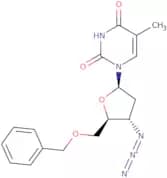


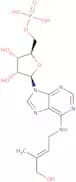


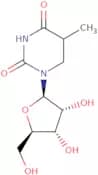

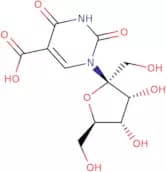


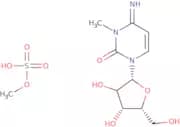
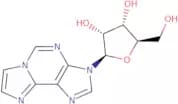

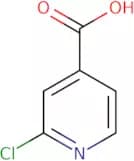


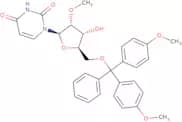
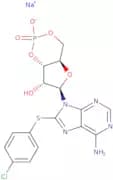
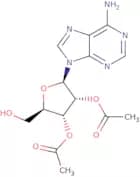
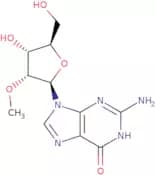


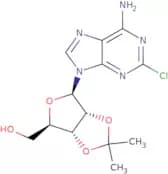


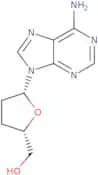
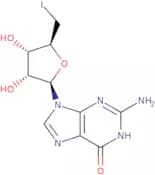
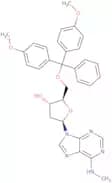

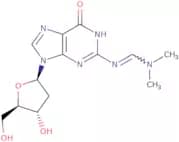
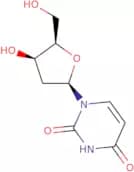


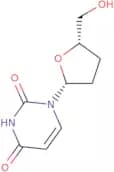
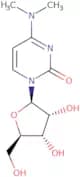


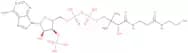


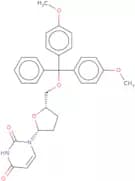


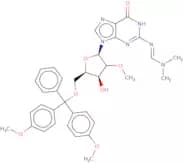
![6-(β-D-2-Deoxyribofuranosyl)-3,4-dihydro-8H-pyrimido[4,5-c][1,2]oxazin-7-one](/_next/image/?url=https%3A%2Fstatic.cymitquimica.com%2Fproducts%2F3D%2Fthumb-webp%2FND145587.webp&w=3840&q=75)


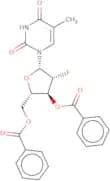


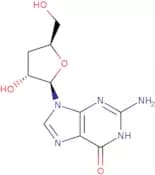


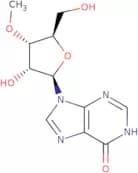

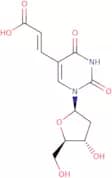


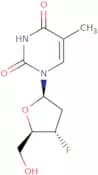


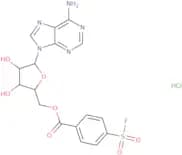


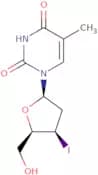

![[1',2',3',4',5'-13C5]-Kinetin riboside](/_next/image/?url=https%3A%2Fstatic.cymitquimica.com%2Fproducts%2F3D%2Fthumb-webp%2FNK161877.webp&w=3840&q=75)


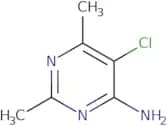
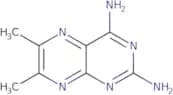
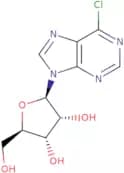
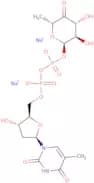

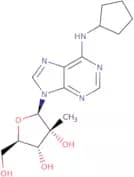
![2,6-Diamino-9-[3',5'-O-(1,1,3,3-tetraisopropyl-1,3-disiloxanediyl)-β-D-ribofuranosyl]purine](/_next/image/?url=https%3A%2Fstatic.cymitquimica.com%2Fproducts%2F3D%2Fthumb-webp%2FND08565.webp&w=3840&q=75)
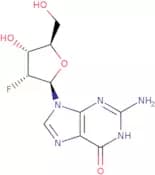

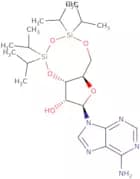


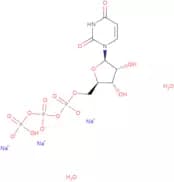
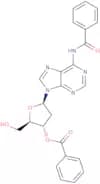
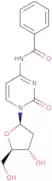


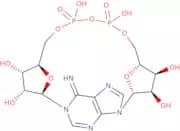


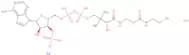


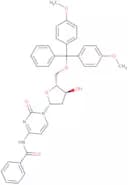
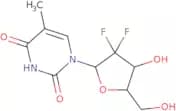



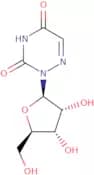
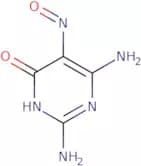
![2′-O-[2-(Methylamino)-2-oxoethyl]guanosine](/_next/image/?url=https%3A%2Fstatic.cymitquimica.com%2Fproducts%2F3D%2Fthumb-webp%2FNM182884.webp&w=3840&q=75)

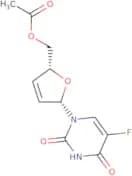

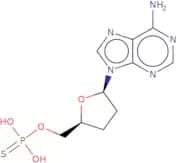
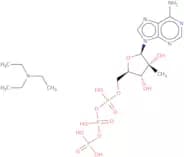

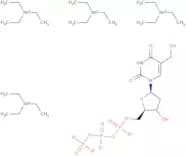
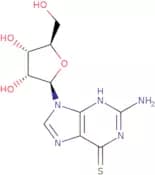
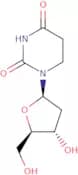
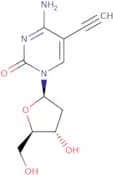

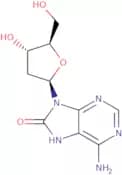


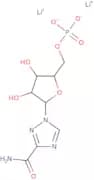
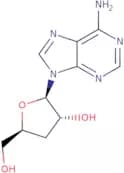


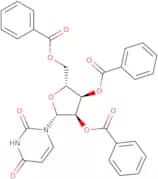
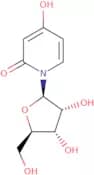
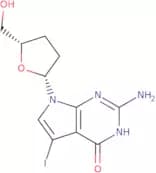

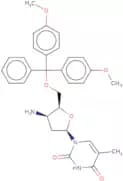


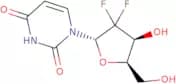
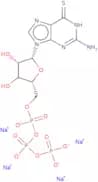


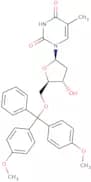

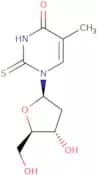
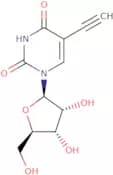

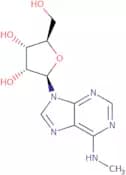


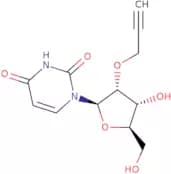

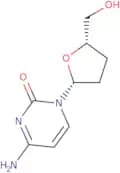
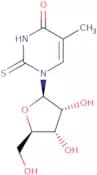
![5-Methyl-2′-O-[2-(methylamino)-2-oxoethyl]-cytidine](/_next/image/?url=https%3A%2Fstatic.cymitquimica.com%2Fproducts%2F3D%2Fthumb-webp%2FNM182888.webp&w=3840&q=75)
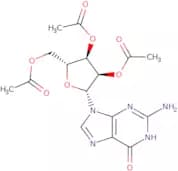
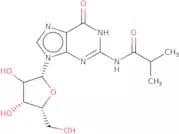
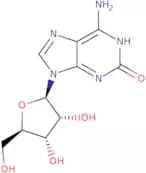
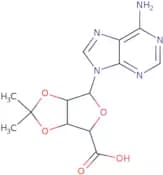
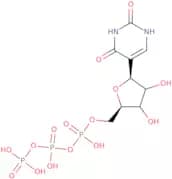


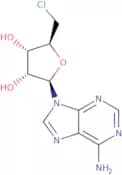
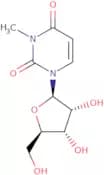
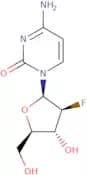
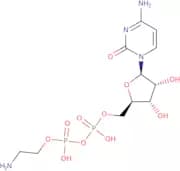
![5-Methyl-2′-O-[2-(methylamino)-2-oxoethyl]uridine](/_next/image/?url=https%3A%2Fstatic.cymitquimica.com%2Fproducts%2F3D%2Fthumb-webp%2FNM182886.webp&w=3840&q=75)