Nucleosides
Nucleosides are fundamental building blocks of nucleic acids, composed of a nitrogenous base attached to a sugar molecule. In this section, you can find a wide variety of nucleosides essential for research in molecular biology, biochemistry, and pharmacology. These compounds play crucial roles in the synthesis of DNA and RNA, and are also vital in various metabolic processes. Nucleosides are used in studying genetic material, developing antiviral and anticancer therapies, and understanding cellular mechanisms. At CymitQuimica, we provide high-quality nucleosides to support your research and development needs, ensuring purity and reliability for your experimental applications.
Found 3567 products of "Nucleosides"
Sort by
Purity (%)
0
100
|
0
|
50
|
90
|
95
|
100
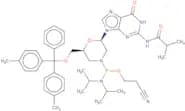
5'-O-DMT-guanosine-(dmf) 3'-succinyl CPG 500 Å (RNA)
<p>5'-O-DMT-guanosine-(dmf) 3'-succinyl CPG 500 Å (RNA) is a synthetic, modified nucleoside with the chemical name 5-O-dimethoxytrityl-guanine. It is a high purity and quality nucleoside that is synthesized from the corresponding ribonucleoside or deoxyribonucleoside by phosphoramidite chemistry. This compound has been shown to have anticancer and antiviral activity. The chemical formula for this compound is C14H12N4O8PS2, molecular weight of 692.5 g/mol, and CAS number 25608-06-0.</p>Purity:Min. 95%5'-O-tert-Butyldimethylsilylthymidine
CAS:<p>5'-O-tert-Butyldimethylsilylthymidine is a nucleoside that is used for the synthesis of oligoribonucleotides. It can be prepared by treating 5'-O-tert-butyldimethylsilylthymidine with alkyl bromides in the presence of microwaves and catalytic amounts of a base such as sodium methoxide. The product is purified by vacuum distillation or column chromatography and can be hydrolyzed to uridine, which has been shown to have anti-inflammatory properties. 5'-O-tert-Butyldimethylsilylthymidine can also be converted into deoxyribose through the use of ultrasound.</p>Formula:C16H28N2O5SiPurity:Min. 95%Molecular weight:356.5 g/mol2’-Deoxy-3’-O-DMT-5'-O-phenoxyacetyladenosine
CAS:<p>2' -Deoxy-3' -O-DMT-5'-O-phenoxyacetyladenosine is an activator of the DNA and RNA polymerases, which are enzymes that synthesize DNA and RNA. It can be used in the synthesis of modified DNA or RNA, as well as to investigate the anticancer activity of nucleosides. This compound has been shown to have antiviral effects in vitro by inhibiting viral protein synthesis. 2' -Deoxy-3' -O-DMT-5'-O-phenoxyacetyladenosine is a novel compound with high purity and high quality. CAS No.: 115388-94-8</p>Formula:C39H37N5O7Purity:Min. 95%Molecular weight:687.74 g/mol3',5'-Diamino-3',5'-dideoxyadenosine
CAS:<p>3',5'-Diamino-3',5'-dideoxyadenosine (3,5-ddA) is a nucleoside that has been shown to be an efficient inhibitor of HIV replication in vitro. It has been used for the treatment of AIDS, but it is not yet approved for this use. 3,5-ddA inhibits the conversion of dATP to dTTP and prevents DNA synthesis by blocking the enzyme ribonucleotide reductase. The drug can be synthesized with high efficiency by using a modified nucleoside amidite approach.</p>Formula:C10H15N7O2Purity:Min. 95%Molecular weight:265.28 g/mol1-(2-C-Methyl-b-D-ribofuranosyl)-1H-1,2,4-triazole-3-carboxamide
CAS:<p>1-(2-C-Methyl-b-D-ribofuranosyl)-1H-1,2,4-triazole-3-carboxamide is a modified nucleoside that is used as an antiviral and anticancer agent. It is a diphosphate derivative of 1-(2'-deoxyribofuranosyl)-1H-1,2,4-triazole. The compound has been shown to have antiviral activity against herpes simplex virus (HSV) type I and HSV type II in vitro. It also inhibits the growth of human tumor cells in culture by interfering with DNA synthesis. The compound has been reported to be active against leukemia cells in vivo but not against normal cells. It has a high level of toxicity at high doses.</p>Purity:Min. 95%Biotin-16-cytidine-5'-triphosphate lithium salt - 1 mM aqueous solution
<p>Biotin-16-cytidine-5'-triphosphate lithium salt - 1 mM aqueous solution is a novel nucleoside that can be used for the treatment of cancer. It is phosphorylated to become biotin-16-cytidine-5'-triphosphate and then incorporated into DNA. This drug inhibits the production of tumor necrosis factor (TNF) and is active against HIV, herpes simplex virus type 2, and varicella zoster virus. Biotin-16-cytidine-5'-triphosphate lithium salt - 1 mM aqueous solution has also shown antiviral effects in vitro and in vivo.</p>Formula:C32H52N8O18P3SPurity:Min. 95%Molecular weight:961.79 g/mol5'-O-DMT-5-methyl-2'-O-pentyluridine 3'-O succinate triethylammonium salt
<p>5'-O-DMT-5-methyl-2'-O-pentyluridine 3'-O succinate triethylammonium salt is a monophosphate nucleoside. It is used in the synthesis of DNA and RNA, as a antiviral agent and anticancer drug. 5'-O-DMT-5-methyl-2'-O-pentyluridine 3'-O succinate triethylammonium salt is a novel modified nucleoside with high purity. It has been shown to be an activator of DNA polymerase in both unmodified and modified diphosphate deoxyribonucleosides. This product is CAS No. 91411-30-1.</p>Formula:C40H45N2O11·C6H16NPurity:Min. 95%Molecular weight:832.01 g/mol2'-Deoxy-2'-fluorouridine-5'-monophosphate
CAS:<p>2'-Deoxy-2'-fluorouridine-5'-monophosphate is a novel anticancer drug that inhibits the proliferation of cancer cells. It is a phosphoramidite monophosphate nucleoside analog and is used in the synthesis of DNA. This product can be used as an antiviral agent against herpes simplex virus and influenza A by inhibiting viral DNA polymerase, as well as being used to treat HIV infection by inhibiting reverse transcriptase. 2'-Deoxy-2'-fluorouridine-5'-monophosphate can also be used to inhibit tumor growth by inhibiting the synthesis of deoxyribonucleosides and nucleotides, thereby preventing DNA replication.</p>Formula:C9H12FN2O8PPurity:Min. 95%Molecular weight:326.17 g/mol5-Bromopyrimidine-4,6(1H,5H)-dione
CAS:<p>5-Bromopyrimidine-4,6(1H,5H)-dione is a novel nucleoside analogue. It can be used as an antiviral agent and an anticancer drug. It inhibits viral DNA replication by competitively binding to the viral DNA polymerase, thereby blocking the incorporation of deoxyribonucleotides into the growing DNA chain. 5-Bromopyrimidine-4,6(1H,5H)-dione also has antitumour activity. It has been shown to inhibit the growth of human cancer cells in vitro and in vivo.</p>Purity:Min. 95%2'-Deoxyguanosine-5'-O-(1-thiotriphosphate) lithium salt - 100mM aqueous solution
CAS:<p>2'-Deoxyguanosine-5'-O-(1-thiotriphosphate) lithium salt is a nucleotide analog that has been shown to inhibit the synthesis of fatty acids and proteins, as well as cause depression in mice. It also has antiviral activity against the type strain of HIV-1 (HXB2). The drug inhibits protein synthesis by preventing the incorporation of amino acids into a growing polypeptide chain. This inhibition can be reversed by adding vitamin D3 or fatty acids. 2'-Deoxyguanosine-5'-O-(1-thiotriphosphate) lithium salt has been shown to have anti-cancer properties due to its ability to induce apoptosis, which is programmed cell death. This drug also has immune functions, such as an increase in natural killer cells and cytokines, as well as improving energy efficiency in the optical system.</p>Formula:C10H16N5O12P3S·xLiPurity:Min. 95%Molecular weight:523.25 g/molEthynyl 2-deoxy-5-O-DMT-ribosyl 3-CE phosphoramidite
CAS:<p>Ethynyl 2-deoxy-5-O-DMT-ribosyl 3-CE phosphoramidite is a monophosphate nucleoside analog. The ethynyl group is attached to the 2'-hydroxyl group of the ribose sugar. This nucleotide analogue inhibits DNA and RNA synthesis by inhibiting DNA polymerase and RNA polymerase. Ethynyl 2-deoxy-5-O-DMT-ribosyl 3-CE phosphoramidite has antiviral activity against Herpes simplex virus type 1 (HSV1) and type 2 (HSV2) in vitro, as well as cytotoxic activity against human leukemia cells in vitro.</p>Formula:C37H45N2O6PPurity:Min. 95%Molecular weight:644.74 g/molGuanylyl-3'-5'-adenosine triethylammonium salt
CAS:<p>Guanylyl-3'-5'-adenosine triethylammonium salt (GAT) is a prodrug that is hydrolyzed in vivo to adenosine 3',5'-cyclic monophosphate (cAMP). GAT has been shown to have anti-inflammatory properties, which may be due to its ability to inhibit prostaglandin synthesis. GAT has also been used as a diagnostic tool for inflammatory bowel disease and infectious diseases of the bowel. It can be used as an adjuvant therapy for treating bowel disease, although it does not affect the course of the disease.</p>Formula:C20H25N10O11P·xC6H15NPurity:Min. 95%Color and Shape:PowderMolecular weight:612.45 g/mol5'-O-DMT-2'-O-propylphthalimidouridine
<p>5'-O-DMT-2'-O-propylphthalimidouridine is a synthetic nucleoside that has antiviral and anticancer properties. It is used as a precursor for the synthesis of other nucleosides, including uridine and cytidine. 5'-O-DMT-2'-O-propylphthalimidouridine can be modified with phosphoramidites to create novel modified nucleosides. The chemical name is 1-(5'-O-dimethoxytrityl)-2-[(2' -propyl)thio]uracil. This drug has CAS number 61381-14-4 and molecular weight of 271.11 g/mol.</p>Formula:C41H39N3O10Purity:Min. 95%Molecular weight:733.78 g/mol9-(2'-O-Acetyl-b-D-arabinofuranosyl)-N2-isobutyrylguanine
<p>9-(2'-O-Acetyl-b-D-arabinofuranosyl)-N2-isobutyrylguanine is a synthetic nucleoside that is activated by phosphorylation. It has been shown to be effective against cancer and viruses, and it has been proven to have a novel mechanism of action. 9-(2'-O-Acetyl-b-D-arabinofuranosyl)-N2-isobutyrylguanine is an analog of the natural product guanosine, which is found in RNA and DNA. 9-(2'-O-Acetyl-b-D-arabinofuranosyl)-N2-isobutyrylguanine can inhibit viral replication by inhibiting the synthesis of viral ribonucleic acid (RNA) and therefore inhibiting protein synthesis.</p>Purity:Min. 95%1,5-Anhydro-3-O-benzoyl-4,6-O-benzylidene-2-deoxy-2-(uracil-1-yl)-D-altro-hexitol
CAS:<p>1,5-Anhydro-3-O-benzoyl-4,6-O-benzylidene-2-deoxy-2-(uracil-1-yl)-D-altrohexitol is a nucleoside that is used in the synthesis of DNA. It has antiviral and anticancer properties.</p>Formula:C24H22N2O7Purity:Min. 95%Color and Shape:SolidMolecular weight:450.45 g/mol4-Amino-7H-pyrrolo[2,3-d]pyrimidine hydrogen sulfate
CAS:<p>4-Amino-7H-pyrrolo[2,3-d]pyrimidine hydrogen sulfate is a rearrangement product of furoxan and a potential intermediate in the biosynthesis of carboxyl compounds. It is also an hypotensive agent that was found to be effective in lowering blood pressure and lowering lipid levels. 4-Amino-7H-pyrrolo[2,3-d]pyrimidine hydrogen sulfate has been shown to have chlorine and peracetic acid reactivity. The compound can be used as a reagent for the synthesis of carboxylic acid derivatives by reacting with arylhydrazones, such as 1,1'-carbonyldiimidazole or 3,4-dimethoxybenzoylhydrazone. 4-Amino-7H-pyrrolo[2,3-d]pyrimidine hydrogen sulfate can also</p>Purity:Min. 95%6-Chloro-9-(2',3'-O-isopropylidene-b-D-ribofuranosyl)purine
CAS:<p>6-Chloro-9-(2',3'-O-isopropylidene-b-D-ribofuranosyl)purine is a nucleoside that is modified by adding an isopropylidene group (i.e., a C=C bond). It is used in the synthesis of oligonucleotides and phosphoramidites. 6-Chloro-9-(2',3'-O-isopropylidene-b-D-ribofuranosyl)purine has been shown to be an activator of the DNA polymerase, which increases its rate of incorporation of deoxyribonucleotide triphosphates into DNA chains. This nucleoside also has antiviral properties and can be used as an anticancer drug, specifically for hematological malignancies such as leukemia. 6-Chloro-9-(2',3'-O-isopropylidene</p>Formula:C13H15ClN4O4Purity:Min. 95%Color and Shape:PowderMolecular weight:326.74 g/mol2'-Deoxy-5'-O-DMT-guanosine-(DMF)-succinyl CPG 1000 Å
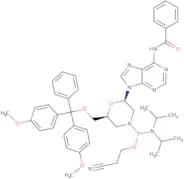
<p>2'-Deoxy-5'-O-DMT-guanosine-(DMF)-succinyl CPG 1000 Å is a phosphoramidite monophosphate with antiviral and anticancer properties. It is synthesized by the reaction of deoxyribonucleosides and activated 2'-deoxy-5'-O-dimethoxytrityl guanosine. This product can be used as an activator for RNA synthesis, in DNA sequencing, and in the synthesis of oligonucleotides. It has also been shown to have antitumor activity against human hepatocellular carcinoma cells.</p>Purity:Min. 95%3'-Azido-N6-benzoyl-5'-O-MMT-2',3'-dideoxyadenosine
<p>3'-Azido-N6-benzoyl-5'-O-MMT-2',3'-dideoxyadenosine is a novel nucleoside analog that is an activator of ribonucleosides and deoxyribonucleosides. It has been shown to inhibit the growth of cancer cells and to be active against herpes simplex virus. 3'-Azido-N6-benzoyl-5'-O-MMT-2',3'-dideoxyadenosine is synthesized with high purity and quality by our skilled chemists.</p>Formula:C37H32N8O4Purity:Min. 95%Molecular weight:652.72 g/molCytidine-5'-triphosphoric acid disodium salt
CAS:<p>Cytidine-5'-triphosphoric acid disodium salt is an unassigned compound that is a potent inhibitor of protein synthesis. It has been shown to have a specific growth rate of 0.0003, which is significantly lower than the growth rate for other tested compounds. Cytidine-5'-triphosphoric acid disodium salt also inhibits the growth of Klebsiella aerogenes, Escherichia coli, and Enterococcus faecalis at concentrations as low as 1 ppm. The compound has been found to be hydraulically resistant and can be used in polyolefin formulations with high resistance to organic solvents. Cytidine-5'-triphosphoric acid disodium salt is also used as a supplement in the production of proteins such as enzymes, antibodies, hormones, and cytokines because it blocks the formation of proteins by interfering with ribosomes and preventing them from binding to mRNA transcripts.</p>Formula:C9H14N3Na2O14P3Purity:Min. 95%Molecular weight:527.12 g/mol5'-Dimethoxytrityl-1-methyl-pseudoUridine, 2'-O-TBDMS-3'-[(2-cyanoethyl)-(N,N-diisopropyl)]-phosphoramidite
CAS:<p>5'-Dimethoxytrityl-1-methyl-pseudoUridine, 2'-O-TBDMS-3'-[(2-cyanoethyl)-(N,N-diisopropyl)]-phosphoramidite is a nucleoside phosphoramidite that is used in the synthesis of oligonucleotides. It is a novel and high quality chemical compound that has been used in the synthesis of DNA and RNA with anticancer activity. 5'-Dimethoxytrityl-1-methyl-pseudoUridine, 2'-O-[TBDMS]3'[(2-cyanoethyl)-(N,N-diisopropyl)]phosphoramidite (DMTPMP) is an oligonucleotide analog that has shown to help prevent viral replication.</p>Formula:C46H63N4O9PSiPurity:Min. 94 Area-%Color and Shape:PowderMolecular weight:875.07 g/mol2'-Deoxycytidine-5'-O-monophosphorothioate sodium salt
CAS:<p>2'-Deoxycytidine-5'-O-monophosphorothioate sodium salt is a nucleoside that is used in the synthesis of DNA. It is also an activator for the phosphoramidite group. This product has novel chemical properties and is CAS No. 63225-09-2. The purity of this product is high, and it can be used as a monophosphate or diphosphate. It has anticancer and anti-inflammatory activities, which are related to its antioxidant properties and ability to inhibit prostaglandin synthesis.</p>Formula:C9H14N3O6PSPurity:Min. 95%Molecular weight:323.26 g/mol5-[N(2-Trifluoroacetamido)ethyl)-3-(E)-acrylamido]-2-deoxyuridine
CAS:<p>5-[N(2-Trifluoroacetamido)ethyl)-3-(E)-acrylamido]-2-deoxyuridine is an anticancer, antiviral, and phosphoramidite DNA synthesis reagent that is modified by the addition of a trifluoroacetamide group. It has been shown to activate monophosphate nucleotides and nucleosides to their corresponding diphosphates and deoxyribonucleosides. 5-[N(2-Trifluoroacetamido)ethyl]-3-(E)-acrylamido]-2-deoxyuridine is synthesized from 2-deoxyuridine which is derived from uracil and phenol. This novel chemical substance has shown promising results in preclinical testing against human cancers and viral infections.</p>Formula:C16H19F3N4O7Purity:Min. 95%Molecular weight:436.34 g/mol2-Methylthio-6-chloropurine riboside
CAS:<p>2-Methylthio-6-chloropurine riboside is an adenosine derivative that acts as a competitive inhibitor of the enzyme RNA polymerase. It is used in the process of translation to inhibit protein synthesis. 2-Methylthio-6-chloropurine riboside is synthesized by reacting 2-methylthioadenosine with 6-chloropurine riboside and then phosphoramidite chemistry.</p>Formula:C12H15CIN4O5SPurity:Min. 95%Molecular weight:466.25 g/mol6-Carboxyfluorescein diacetate N-Hydroxysuccinimide ester
CAS:<p>6-Carboxyfluorescein diacetate N-Hydroxysuccinimide ester is a fluorescence probe that can be used as a marker for biological samples. It is minimally toxic and stable in vitro, and can be used to measure the protein content of cells. This compound has been used in vitro methods to study the effects of environmental factors on cellular metabolism by measuring the amount of ATP in 3T3-L1 preadipocytes. 6-Carboxyfluorescein diacetate N-Hydroxysuccinimide ester has also been used to measure the effectiveness of wastewater treatment processes by analyzing the fluorescence intensity of cells using confocal microscopy. It has also been shown to have an effect on hypersensitivity syndrome and infectious diseases.</p>Formula:C29H19NO11Purity:Min. 95 Area-%Color and Shape:PowderMolecular weight:557.46 g/mol3',5'-Di-O-acetyl-2'-deoxy-D-uridine
CAS:<p>3',5'-Di-O-acetyl-2'-deoxy-D-uridine is a protonated nucleotide that is synthesized from uridine and acetyl coenzyme A. It has been used as a marker for nucleic acids research, because it is stable at temperatures up to 60 degrees Celsius. 3',5'-Di-O-acetyl-2'-deoxy-D-uridine has been shown to have resonances in the proton region at high field strengths and population shifts in the hydrogen bond region.</p>Formula:C13H16N2O7Purity:Min. 95%Molecular weight:312.28 g/molEthyl 2-amino-4-(trifluoromethyl)pyrimidine-5-carboxylate
CAS:<p>Ethyl 2-amino-4-(trifluoromethyl)pyrimidine-5-carboxylate is a small molecule that is a potent inhibitor of diacylglycerol acyltransferase. The compound has been shown to be an efficient inhibitor of this enzyme, which is involved in the synthesis of diacylglycerol. Diacylglycerol acyltransferase catalyzes the transfer of an acyl group from an acyl-carrier protein (ACP) to glycerol 3-phosphate, forming lysophosphatidic acid and releasing CoA. The inhibition of this enzyme leads to drastically reduced levels of diacylglycerol, which may have implications for the treatment of metabolic syndrome and diabetes.</p>Formula:C8H8F3N3O2Purity:Min. 95%Molecular weight:235.16 g/mol1,3-Dimethyl-5-[3-(4,4,5,5-tetramethyl-[1,3,2]dioxaborolan-2-yl)-benzyl]-pyrimidine-2,4,6-trione
CAS:<p>1,3-Dimethyl-5-[3-(4,4,5,5-tetramethyl-[1,3,2]dioxaborolan-2-yl)-benzyl]-pyrimidine-2,4,6-trione is a novel nucleoside that is synthesized from 5-(3-(4,4,5,5-tetramethyl-[1,3,2]dioxaborolan-2-yl)benzyl)pyrimidine and dimethoxytrityl chloride. This compound has antiviral and anticancer properties. It can inhibit the replication of DNA by binding to the 3' hydroxyl group of the deoxyribonucleotide triphosphate. It also inhibits cancer cell growth by inhibiting RNA synthesis and protein synthesis. 1,3-Dimethyl-5-[3-(4,4,5,5-tetramethyl-[1,3 , 2]d</p>Purity:Min. 95%2-Fluoro-9-(2'-deoxy-2'-fluoro-b-D-arabinofuranosyl)adenine
CAS:<p>2-Fluoro-9-(2'-deoxy-2'-fluoro-b-D-arabinofuranosyl)adenine is an antiviral drug that inhibits the synthesis of viral DNA and RNA. It is a synthetic nucleoside analogue with antiviral activity against herpes simplex virus type 1, herpes simplex virus type 2, varicella zoster virus, cytomegalovirus, Epstein Barr virus, and human immunodeficiency virus type 1. This compound is also used as a building block in the preparation of phosphoramidites for chemical synthesis of deoxyribonucleosides. 2-Fluoro-9-(2'-deoxy-2'-fluoro-b-D-arabinofuranosyl)adenine has shown anticancer activity in vitro and can be used to treat various types of cancer.</p>Formula:C10H11F2N5O3Purity:Min. 95%Molecular weight:287.22 g/mol2-Amino-4-hydroxy-6-(trifluoromethyl)pyrimidine
CAS:<p>2-Amino-4-hydroxy-6-(trifluoromethyl)pyrimidine is an activator, which is a substance that activates the enzymes that catalyze chemical reactions. It is a novel material with high purity and high quality. The activator can be used in the synthesis of ribonucleosides, deoxyribonucleosides, nucleosides, and phosphoramidites. 2-Amino-4-hydroxy-6-(trifluoromethyl)pyrimidine has been found to have anticancer and antiviral activities.</p>Purity:Min. 95%2-Aminopyrimidine-5-boronic acid
CAS:<p>2-Aminopyrimidine-5-boronic acid is a synthetic compound that has been shown to inhibit the activity of cellulase enzymes in vitro. It also has neuroprotective effects and potent inhibition against cancer cells. 2-Aminopyrimidine-5-boronic acid's mechanism of action is reversible covalent, meaning that it reacts with DNA by forming an N2-(2'-aminopyrimidine) adduct with guanine at position 6 in the purine ring. This reaction inhibits DNA synthesis, leading to cell death. 2-Aminopyrimidine-5-boronic acid is not currently being used as a cancer therapy, but it is being researched for its potential use in cancer treatments.</p>Formula:C4H6BN3O2Purity:Min. 95%Molecular weight:138.92 g/mol5-Ethynylpyrimidine
CAS:<p>5-Ethynylpyrimidine is a supramolecular alkynyl group that has been shown to inhibit tyrosine kinase activity, cross-coupling, and the synthesis of proteins. It also exhibits luminescent properties and can be used in supramolecular chemistry. 5-Ethynylpyrimidine is a pyrimidine nucleoside, which is an organic compound that is a component of RNA. Pyrimidine nucleosides are important for protein synthesis and are used as luminophores or fluorescent resonance quenchers in biochemical assays for enzyme activity; they have also been shown to inhibit herpes simplex virus (HSV) replication. 5-Ethynylpyrimidine has been found to be able to bind terminal alkynes with high affinity.</p>Formula:C6H4N2Purity:Min. 95%Molecular weight:104.11 g/molAICAR 3',5'-cyclic phosphate
CAS:<p>AICAR 3',5'-cyclic phosphate is an antiviral and anticancer agent that inhibits the production of DNA and RNA, which may be due to its ability to activate AMP-activated protein kinase. AICAR 3',5'-cyclic phosphate has been shown to inhibit the proliferation of human breast cancer cells in vitro. This drug also has anticancer activity against various types of cancers, including prostate cancer and melanoma. AICAR 3',5'-cyclic phosphate is a novel compound that can be used as a phosphoramidite reagent for the synthesis of oligonucleotides.</p>Formula:C9H13N4O7PPurity:Min. 95%Molecular weight:320.2 g/mol5-(2-(Trimethylsilyl)-1-ethynyl)-1-(2',3',5'-tri-O-acetyl-b-D-ribofuranosyl)imidazo-4-carbonitrile
CAS:<p>Ribonucleosides are a class of nucleoside analogues that have been used as antiviral and anticancer agents. Ribonucleosides are synthesized in a two-step process. The first step is the conversion of an appropriate ribose or deoxyribose to the corresponding monophosphate. The second step is the coupling of the monophosphate with an appropriate nucleotide. 5-(2-(Trimethylsilyl)-1-ethynyl)-1-(2',3',5'-tri-O-acetyl-b-D-ribofuranosyl)imidazo-4-carbonitrile is a novel nucleoside analogue, which has been shown to be active against cancer cells and to inhibit viral replication by interacting with DNA polymerase and other enzymes involved in DNA synthesis.</p>Purity:Min. 95%2'-Deoxy-N2-DMF-5'-DMT-2'-fluoroguanosine 3'-CE phosphoramidite
<p>2'-Deoxy-N2-DMF-5'-DMT-2'-fluoroguanosine 3'-CE phosphoramidite is a nucleoside analog that is structurally similar to the natural substrate of DNA polymerase. It can be used in the synthesis of oligonucleotides and as a reagent for the synthesis of modified DNA. The phosphoramidite has antiviral activity and has been shown to have anticancer effects in animal models. It is also used as an activator for deoxyribonucleotide activation, which increases the efficiency of DNA synthesis.</p>Formula:C43H52FN8O7PPurity:Min. 95 Area-%Color and Shape:PowderMolecular weight:842.89 g/mol5-[4-(4,4,5,5-tetramethyl-[1,3,2]dioxaborolan-2-yl)-benzylidene]-pyrimidine-2,4,6-trione
<p>Ribonuclease is an enzyme that cleaves the phosphodiester backbone of ribonucleotide to produce a 5'-phosphate and a 2'-deoxyribonucleoside. Ribonuclease is an activator that activates the synthesis of ribonucleotides, deoxyribonesucleotides and nucleosides. Ribonuclease has antiviral properties which may be due to its ability to inhibit DNA polymerase by catalyzing the hydrolysis of the 2'-deoxyribose-5'-phosphate bond in DNA. Ribonuclease has also been shown to have anticancer activity, which may be due to its ability to inhibit protein synthesis.</p>Purity:Min. 95%8-Aza-7-deaza-2'-deoxy-N2-DMF-5'-O-DMT-guanosine 3'-CE phosphoramidite
CAS:<p>8-Aza-7-deaza-2'-deoxy-N2-DMF-5'-O-DMT-guanosine 3'-CE phosphoramidite is a novel monophosphate derivative of 2' deoxyN2,8-diaminofluorene 5'-O-(4,4′-dimethoxytrityl) guanosine. It can be used as an activator in DNA synthesis or as a precursor for the synthesis of other modified purines and pyrimidines. This compound has been shown to have anticancer activity in mice. It also has antiviral effects against HIV and HSV1. 8-Aza-7-deaza-2'-deoxyN2,8-diaminofluorene 5'-O-(4,4′dimethoxytrityl) guanosine 3′ CE phosphoramidite is soluble in methanol and ethanol and</p>Formula:C43H53N8O7PPurity:Min. 95%Color and Shape:PowderMolecular weight:824.9 g/mol2-Methylthioadenosine 5-monophosphate
CAS:<p>2-Methylthioadenosine 5-monophosphate (2MTA) is an intermediate in purine metabolism that can be synthesized from adenosine monophosphate and methyl mercaptan. 2MTA inhibits the platelet aggregation by inhibiting the function of the P2Y12 receptor, which is a member of the G protein-coupled receptor family. It has been shown to inhibit tumor growth and tumor vasculature, as well as to induce apoptosis in cancer cells. 2MTA also has antiplatelet activity, which may be due to its ability to inhibit cyclooxygenase-1 (COX-1) and cyclooxygenase-2 (COX-2).</p>Formula:C11H16N5O7PSPurity:Min. 95%Molecular weight:393.31 g/molN4-Acetyl-2'-deoxy-5'-O-DMT-cytidine 3'-Q linker CPG 1000Å
<p>N4-Acetyl-2'-deoxy-5'-O-DMT-cytidine 3'-Q linker CPG 1000Å is a nucleoside analog that is used in the synthesis of DNA. It is a phosphoramidite that has been modified with an acetyl group at the 2' position and a Q linker at the 3' position. This product can be used as an antiviral or anticancer agent, as well as for other research purposes. The CAS number for this product is 62660-67-7, and it has been shown to be active against HIV and HCV.</p>Purity:Min. 95%2'-Methyl-guanosine-(iBu)-succinyl-CPG; 500 Å (RNA)
<p>2'-Methyl-guanosine-(iBu)-succinyl-CPG is a modified nucleoside with antiviral and anticancer properties. It is synthesized by the condensation of 2'-methyl-guanosine and succinic anhydride in the presence of tetrazole. The compound is a phosphoramidite, which is used as a building block for DNA synthesis.</p>Purity:Min. 95%2',3'-Di-O-isopropylidene-isocytidine
CAS:<p>2',3'-Di-O-isopropylidene-isocytidine is a nucleoside that belongs to the group of antiviral and anticancer compounds. It is an analog of cytidine, and has been shown to be an activator of phosphoramidites, DNA, and RNA. 2',3'-Di-O-isopropylidene-isocytidine has been shown to have antineoplastic effects on tumor cells by inhibiting rna synthesis and protein synthesis. This compound also inhibits the growth of bacteria, including Mycobacterium tuberculosis and Mycobacterium avium complex. 2',3'-Di-O-isopropylidene-isocytidine has been shown to be a novel modified nucleoside with high purity and high quality.</p>Purity:Min. 95%2’,3’,5’-Tri-O-benzoyl-5-methoxyuridine
CAS:<p>2’,3’,5’-Tri-O-benzoyl-5-methoxyuridine is a modified nucleoside that is structurally similar to the natural nucleoside uridine. It has antiviral properties and can be used as a monophosphate, diphosphate, or nucleotide. 2’,3’,5’-Tri-O-benzoyl-5-methoxyuridine is synthesized by reacting 5′-(triacetyl)aminoimidazole with 5′-(triisopropyl)phosphoroamidite in acetonitrile. The product has been shown to have anticancer activity in vitro and in vivo.</p>Purity:Min. 95%5-Fluorouridine
CAS:<p>5-Fluorouridine is an anticancer drug that belongs to the group of modified nucleosides. It is a synthetic nucleoside analogue that inhibits viral and DNA synthesis and can be used as antiviral agents. 5-Fluorouridine has also been shown to inhibit RNA synthesis in vitro. This compound is converted to uracil by deoxyribonucleotide reductase, which results in the formation of 5-fluoro-2'-deoxyuridine monophosphate (5FdUMP) and 5-fluoro-2'-deoxyuridine diphosphate (5FdUDP). The latter has been shown to inhibit DNA synthesis in vitro.</p>Formula:C9H11FN2O6Purity:Min. 95%Molecular weight:262.19 g/mol3',5'-Bis-o-(t-butyldimethylsilyl)-O4-(2,4,6-triisopropylphenylsulfonyl)thymidine
CAS:<p>3',5'-Bis-o-(t-butyldimethylsilyl)-O4-(2,4,6-triisopropylphenylsulfonyl)thymidine (SQ22536) is a modified nucleoside with anticancer activity. It is a deoxyribonucleoside and phosphoramidate analog of thymidine. SQ22536 can be used in the synthesis of DNA or RNA and as an antiviral agent.<br>It has been shown to inhibit the replication of HIV-1 in vitro by inhibiting HIV reverse transcriptase and DNA polymerase.</p>Formula:C37H64N2O7SSi2Purity:Min. 95%Molecular weight:737.1 g/mol5’-O-DMT-N4-Phenoxyacetyl-2’-O-methylcytidine
<p>5’-O-DMT-N4-Phenoxyacetyl-2’-O-methylcytidine is an Activator and Anticancer agent. The synthesis of this product is based on the modification of cytidine to 2’,4,6,-trimethoxybenzoylcytidine. This product has been shown to be more potent than other cytidine analogs in inhibiting the growth of cancer cells. 5'-O-DMT-N4-Phenoxyacetyl-2'-O-methylcytidine is a novel nucleoside that has been shown to have antiviral activity against human immunodeficiency virus (HIV).</p>Purity:Min. 95%4,5-Dimethoxy-2-nitrobenzyl adenosine 3',5'-cyclic monophosphate
<p>4,5-Dimethoxy-2-nitrobenzyl adenosine 3',5'-cyclic monophosphate is a synthetic nucleotide that can be activated to form an antiviral and anticancer agent. This compound has been shown to inhibit the proliferation of leukemia cells in culture. It also inhibits the synthesis of DNA and RNA, leading to cell death by inhibiting the production of proteins vital for cell division. 4,5-Dimethoxy-2-nitrobenzyl adenosine 3',5'-cyclic monophosphate is a novel nucleoside with high purity and CAS number: 57314-27-1.</p>Formula:C19H21N6O10PPurity:Min. 95%Molecular weight:524.38 g/mol2’,3’-Dideoxy-3’-chloro-5-methyl-5’-O-trityluridine
CAS:<p>2’,3’-Dideoxy-3’-chloro-5-methyl-5’-O-trityluridine (ddCTP) is a novel nucleoside analog that is synthesized by the protection of the 5'-hydroxyl group with an acetyl group followed by a 2',3'-dideoxy substitution. This compound has been shown to have antiviral and anticancer activities. ddCTP is an activator of DNA polymerase and inhibits viral DNA synthesis in vitro. It also inhibits protein synthesis and cell division by binding to the RNA template strand, which prevents it from being used as a template for protein synthesis.</p>Purity:Min. 95%5'-Deoxy-5'-iodo-2',3'-O-isopropylidene-5-chlorouridine
CAS:<p>5'-Deoxy-5'-iodo-2',3'-O-isopropylidene-5-chlorouridine is a novel antiviral agent that inhibits replication of viruses. It is synthesized from 5'-deoxy-5'-iodo-2',3'-O-isopropylideneuridine, which is then phosphorylated by the addition of a phosphate group. This compound has shown to be an activator in the synthesis of ribonucleosides and deoxyribonucleosides. The high purity and high quality of this compound make it suitable for use as a starting material for the synthesis of modified nucleosides for anticancer drugs.</p>Formula:C12H14ClIN2O5Purity:Min. 95%Molecular weight:428.61 g/mol6-(4-Fluorophenyl)pyrimidine-2,4-diamine
CAS:<p>6-(4-Fluorophenyl)pyrimidine-2,4-diamine is an organic compound that has been shown to inhibit the proliferation of cells in vitro and to induce apoptosis. It also inhibits the growth of cancer cells. 6-(4-Fluorophenyl)pyrimidine-2,4-diamine mediates the activation of arylation, which is a chemical reaction that produces a new carbon-carbon bond between two or more molecules. This reaction is involved in the process of angiogenesis. In addition, this compound has been shown to be reactive with other compounds that are known to cause mutations and cellular damage.</p>Formula:C10H9FN4Purity:Min. 95%Molecular weight:204.2 g/mol2',3'-Dideoxycytidine-5'-triphosphate lithium salt - 100mM aqueous solution
CAS:<p>2',3'-Dideoxycytidine-5'-triphosphate lithium salt is a novel nucleoside, which can be used in the synthesis of oligonucleotides and DNA. The phosphoramidite is highly reactive and stable, and has been shown to have antiviral activity against influenza A virus. This chemical has also been shown to inhibit the growth of cancer cells by inhibiting DNA synthesis.</p>Formula:C9H16N3O12P3Purity:Min. 95%Molecular weight:451.16 g/molN2-O-Acetyl-2'-deoxy-3',5'-di-O-acetyl-O6-DPC-a-b-guanosine
<p>N2-O-Acetyl-2'-deoxy-3',5'-di-O-acetyl-O6-DPC-a-b-guanosine is a modified nucleoside that has antiviral and anticancer activities. It is synthesized by the modification of deoxyribonucleosides with acetyl groups at the 2' position, which are then removed using hydrolysis. The resulting product is a phosphoramidite intermediate that can be used in the synthesis of oligodeoxynucleotides. This compound has shown to have high quality and purity, as well as being novel.</p>Purity:Min. 95%O6-Benzyl-8-bromo-3',5'-O(1,1,3,3-tetrakis(isopropyl)-1,3-disiloxanediyl)2'-deoxyguanine
CAS:<p>O6-Benzyl-8-bromo-3',5'-O(1,1,3,3-tetrakis(isopropyl)-1,3-disiloxanediyl)2'-deoxyguanine is a modified nucleoside that is used as an antiviral and anticancer agent. It has been shown to be a potent activator of the immune system. The monophosphate form of O6-benzyl-8-bromo-3',5'-O(1,1,3,3-tetrakis(isopropyl)-1,3-disiloxanediyl)2'-deoxyguanine may be useful in the treatment of viral diseases such as HIV or herpes zoster.</p>Formula:C29H44BrN5O5Si2Purity:Min. 95%Molecular weight:678.77 g/mol5'-O-DMT-2'-O-pentylaminoadenosine
<p>5'-O-DMT-2'-O-pentylaminoadenosine is a phosphoramidite nucleoside monophosphate. It is a novel anticancer and antiviral agent that has been shown to kill cancer cells, inhibit viral replication, and inhibit the synthesis of DNA in the cell. 5'-O-DMT-2'-O-pentylaminoadenosine has been shown to be an effective inhibitor of herpes simplex virus type 1 (HSV1) replication in vitro. This drug also inhibits the synthesis of DNA and RNA by inhibiting nucleoside diphosphate kinase, which is a key enzyme in the metabolism of nucleosides.</p>Formula:C36H42N6O6Purity:Min. 95%Molecular weight:654.77 g/mol2'-Deoxy-5'-O-DMT-5-fluorouridine
<p>2'-Deoxy-5'-O-DMT-5-fluorouridine (2'DFUR) is a synthetic nucleoside that inhibits the synthesis of DNA. 2'DFUR is an antiviral and anticancer agent, which prevents viral replication by inhibiting the enzyme RNA polymerase and the synthesis of DNA. 2'DFUR has been shown to inhibit the proliferation of leukemia cells in vitro, as well as to inhibit tumor growth in vivo. The molecular weight of 2'DFUR is 284.23 g/mol, with a CAS number of 52488-02-9.</p>Formula:C30H29FN2O7Purity:Min. 95%Molecular weight:548.57 g/molAdenosine 3',5'-diphosphate barium salt
CAS:<p>Adenosine 3',5'-diphosphate barium salt is a nucleoside that is used in the synthesis of oligonucleotides. Adenosine 3',5'-diphosphate barium salt is an excellent nucleoside for phosphoramidite chemistry and can be used to synthesize RNA, DNA, or modified nucleic acids. It has antiviral and anticancer activity. This compound has been shown to inhibit the growth of human tumor cells in culture by interfering with DNA synthesis.</p>Formula:C10H13N5O10P2BaPurity:Min. 95%Molecular weight:562.51 g/mol2'-Deoxy-5'-O-DMT-N4-isobutyrylcytidine 3'-CE phosphoramidite
CAS:<p>This is a nucleotide analog that is used as a building block in DNA synthesis. It can be obtained from various sources, such as Sigma-Aldrich, Inc.</p>Purity:Min. 95%Cytidyl-3'-5'-adenosine ammonium salt
<p>Cytidyl-3'-5'-adenosine ammonium salt is a novel synthetic monophosphate nucleoside with antiviral and anticancer properties. It is synthesized from adenosine and cytidine, which are natural nucleosides. Cytidyl-3'-5'-adenosine ammonium salt is a high purity, high quality product that has been modified to target the ribonucleotide reductase enzyme. This enzyme controls the production of DNA in the cell, preventing it from reproducing. This product can be used as an activator for other chemotherapeutic drugs or as an anticancer drug itself.</p>Purity:Min. 95%3'-Azido-3'-deoxythymidine-methyl-D3-b-D-glucuronide sodium salt
Controlled Product<p>3'-Azido-3'-deoxythymidine-methyl-D3-b-D-glucuronide sodium salt is a novel antiviral nucleoside phosphoramidite that has been shown to be an effective activator in the synthesis of diphosphate and triphosphate analogs. The novel antiviral nucleoside phosphoramidite was synthesized from 3'-azido-3'-deoxythymidine, methyl bromoacetate and sodium hydroxide in methanol at room temperature. It is structurally similar to the natural nucleosides, deoxyribonucleosides and ribonucleosides with modifications on the sugar moiety and phosphate group. This compound is a high quality synthetic material for use in pharmaceutical research, as an anticancer agent and as a potential antiviral drug.</p>Formula:C16H17D3N5NaO10Purity:Min. 95%Color and Shape:PowderMolecular weight:468.36 g/mol5-Bromo-2-methylsulfanyl-pyrimidine-4-carboxylic acid
CAS:<p>5-Bromo-2-methylsulfanyl-pyrimidine-4-carboxylic acid is a pyrimidine derivative that inhibits protein kinases. The compound has been shown to inhibit the activity of protein kinase C, which is involved in mediating inflammatory responses, and phosphorylation of the insulin receptor substrate 1. 5-Bromo-2-methylsulfanyl-pyrimidine-4-carboxylic acid is an efficient inhibitor of kinases and can be used as a lead compound for the development of new compounds with therapeutic potential.</p>Formula:C6H5BrN2O2SPurity:Min. 95%Molecular weight:249.09 g/mol8-Azidoadenosine 5'-triphosphate tetralithium salt
<p>8-Azidoadenosine 5'-triphosphate tetralithium salt is a modified nucleoside phosphoramidite. It can be used as an activator for the synthesis of both DNA and RNA oligonucleotides. 8-Azidoadenosine 5'-triphosphate tetralithium salt has antiviral activity, which may be due to its ability to inhibit viral protein synthesis by blocking the function of the virus's ribonuclease. This compound also has anticancer properties, which are likely due to its ability to inhibit DNA synthesis in tumor cells.</p>Formula:C10H15N8O13P3Purity:Min. 95%Color and Shape:Yellow oil.Molecular weight:548.19 g/mol1-(2-Deoxy-b-D-ribofuranosyl)-4-methylindole
CAS:<p>1-(2-Deoxy-b-D-ribofuranosyl)-4-methylindole is a nucleoside that can be used as an activator for phosphoramidite synthesis. It is also known to have antiviral, anticancer, and antimalarial properties. 1-(2-Deoxy-b-D-ribofuranosyl)-4-methylindole has been shown to inhibit the proliferation of human leukemia cells in culture. It has also been shown to suppress HIV replication in vitro by inhibiting viral RNA synthesis.</p>Formula:C14H17NO3Purity:Min. 95%Molecular weight:247.3 g/mol2-Amino-4-(4-fluorophenyl)pyrimidine
CAS:<p>2-Amino-4-(4-fluorophenyl)pyrimidine is a fluorinated derivative of imatinib, which is a chemical that inhibits the activity of tyrosine kinases. It has been shown to be a more potent inhibitor than imatinib, and it also offers high yields and regioselectivity. This compound can be used in organic chemistry to produce fluorinated derivatives.</p>Formula:C10H8FN3Purity:Min. 95%Molecular weight:189.19 g/mol2'-Amino-2'-deoxyguanosine-5'-triphospate tetralithium salt
CAS:<p>2'-Amino-2'-deoxyguanosine-5'-triphosphate tetralithium salt is a novel nucleoside analog that has antiviral and anticancer activities. It is a high quality, modified nucleoside that can be used for the synthesis of deoxyribonucleosides or ribonucleosides. It is synthesized from 2'-amino-2'-deoxyguanosine triphosphate and a lithium salt of tetrabutylammonium. This product has a CAS number of 108269-13-2 and a purity level of ≥99%.</p>Formula:C10H17N6O13P3Li4Purity:Min. 95%Molecular weight:549.96 g/mol2-Amino-benzoyl-9-(5'-O-DMT-b-D-ribofuranosyl)purine
<p>2-Amino-benzoyl-9-(5'-O-DMT-b-D-ribofuranosyl)purine is an anticancer and antiviral agent. It has been shown to be active against many viruses, including herpes simplex virus type 1, herpes simplex virus type 2, cytomegalovirus, and human immunodeficiency virus type 1. This compound also exhibits antitumor activity in mice and rats.</p>Formula:C38H35N5O7Purity:Min. 95%Molecular weight:673.71 g/mol2'-C-Ethynylcytidine
CAS:<p>2'-C-Ethynylcytidine is a synthetic surfactant that can be used in coatings and other surface treatments. It has been shown to inhibit the growth of bacteria and viruses, as well as being effective against a variety of bacterial species. 2'-C-Ethynylcytidine binds to sulfide, which is produced by bacteria, leading to cell death. The antimicrobial activity of 2'-C-Ethynylcytidine is due to its ability to form ester linkages with polyesters, which are able to penetrate the bacterial cell membrane and disrupt the integrity of the cytoplasmic membrane. This leads to leakage of intracellular contents, followed by cell death. 2'-C-Ethynylcytidine also has been shown to bind to metal ions such as silver, copper, zinc and cadmium and prevent their uptake into cells.</p>Purity:Min. 95%2-(2-Methylphenyl)pyrimidine-5-carbaldehyde
CAS:<p>2-(2-Methylphenyl)pyrimidine-5-carbaldehyde is a crystalline solid that has been shown to have synergistic effects with polypropylene. It is synthesized from 2-methylphenylacetonitrile and 2,4-dichloro-6-(trifluoromethyl)pyrimidine in the presence of sodium metal. The product is soluble in alcohols and ethers, but insoluble in water.</p>Formula:C12H10N2OPurity:Min. 95%Molecular weight:198.22 g/mol5'-O-DMT-thymidine 3'-Me phosphoramidite
<p>5’-O-DMT-thymidine 3’-Me phosphoramidite is a novel and modified nucleotide analog that is used as an antiviral agent. It has been shown to be active against herpes simplex virus type 1 (HSV-1) and Epstein-Barr virus (EBV). 5'-O-DMT-thymidine 3’-Me phosphoramidite is not active against HIV, although it has been shown to inhibit the replication of Hepatitis B virus. This compound can also be used in cancer therapy.<br>5'-O-DMT-thymidine 3' -Me phosphoramidite inhibits cellular DNA synthesis by competing with natural thymidine monophosphate (TMP) for incorporation into DNA. The incorporation of 5'-O-DMT-thymidine 3' -Me into DNA leads to a high frequency of mutations, which causes the death of the cell.</p>Formula:C38H48N3O8PPurity:Min. 96 Area-%Color and Shape:White Off-White PowderMolecular weight:705.78 g/mol2'-Deoxy-5'-O-DMT-5-fluoro-4-O-(2,4,6-trimethylphenyl)uridine 3'-CE-phosphoramidite
<p>2'-Deoxy-5'-O-DMT-5-fluoro-4-O-(2,4,6-trimethylphenyl)uridine 3'-CE-phosphoramidite is a novel phosphoramidite monophosphate. It is modified to include fluorine at the 5 position of the uridine moiety and has antiviral activity. This product is a nucleoside with antiviral properties that can be used in cancer treatments. 2'-Deoxy-5'-O-DMT-5-fluoro-4-O-(2,4,6-trimethylphenyl)uridine 3'-CE phosphoramidite is synthesized from deoxyribonucleosides and ribonucleosides by using a high purity process.</p>Purity:Min. 95%5-O-DMT-thymidine 3'-H phosphonate triethylammonium
<p>5-O-DMT-thymidine 3'-H phosphonate triethylammonium is a novel nucleoside analogue with anticancer activity. The monophosphate form of 5-O-DMT-thymidine 3'-H phosphonate triethylammonium is an activator of DNA, RNA, and protein synthesis in vitro. 5-O-DMT-thymidine 3'-H phosphonate triethylammonium has been shown to be active against herpes simplex virus type 1 and 2 and HIV type 1 in vitro.</p>Formula:C37H48N3O9PPurity:Min. 97 Area-%Color and Shape:White/Off-White SolidMolecular weight:709.77 g/mol2'-Deoxycytidine phosphoramidite dimer
<p>2'-Deoxycytidine phosphoramidite dimer is a Novel, high quality, and CAS No. Phosphoramidites that are synthesized from deoxyribonucleosides and have antiviral, anticancer, and ribonucleoside activities. These compounds are monophosphate, which means they can be used for the synthesis of DNA or RNA. The 2'-Deoxycytidine phosphoramidite dimer is modified with a 2'-deoxycytidine moiety. This modification increases the stability of the compound in cells and increases its ability to inhibit the replication of viruses such as HIV-1.</p>Purity:Min. 95%3'-Deoxyadenosine CPG
<p>3'-Deoxyadenosine CPG is a nucleoside that is synthetically manufactured. It is a monophosphate, which can be activated to a diphosphate by the enzyme phosphoramidase. 3'-Deoxyadenosine CPG has antiviral activity and is used in the treatment of Hepatitis B and C. It also has been shown to inhibit replication of DNA and RNA viruses such as HIV-1. 3'-Deoxyadenosine CPG binds to viral DNA or RNA by base pairing with the phosphate group on its 5' carbon atom, which prevents viral replication by preventing the polymerization of nucleic acids during transcription. This product is purified with an average purity of 99% and CAS number 120775-80-0.br>br><br>3'-Deoxyadenosine CPG (3'-DAD) is a modified nucleoside that was synthesized for use in antiviral therapy against hepatitis B virus</p>Purity:Min. 95%6-Chloro-2-iodo-9-(2',3',5'-tri-O-acetyl-b-D-ribofuranosyl)purine
CAS:<p>6-Chloro-2-iodo-9-(2',3',5'-tri-O-acetyl-b-D-ribofuranosyl)purine is a protected purine nucleoside</p>Formula:C16H16ClIN4O7Purity:Min. 95%Molecular weight:538.68 g/molBiotinTEG Phosphoramidite
CAS:<p>BiotinTEG Phosphoramidite is a medicinal compound that acts as an inhibitor of cancer cell growth. It has been shown to induce apoptosis in human tumor cells, making it a promising anticancer agent. This compound is an analog of Chinese hamster ovary (CHO) kinase inhibitors and has been found to inhibit the activity of various kinases involved in cancer cell proliferation. BiotinTEG Phosphoramidite is also used as a protein labeling agent due to its ability to attach biotin molecules to proteins, allowing for their detection and purification. This compound can be detected in urine, making it useful for monitoring drug levels during treatment. Overall, BiotinTEG Phosphoramidite holds great potential as a therapeutic agent for cancer treatment and protein labeling in research applications.</p>Formula:C52H76N5O11PSPurity:Min. 95%Molecular weight:1,010.2 g/mol2'-O-tert-Butyldimethylsilyluridine
CAS:<p>2'-O-tert-Butyldimethylsilyluridine is a nucleoside that is used in DNA synthesis, antiviral research, and anticancer therapy. It is synthesized from 2'-deoxyuridine monophosphate (2'-dUMP) with the aid of a phosphoramidite coupling agent. It has shown to be an effective activator in the synthesis of oligonucleotides, which are short chains of nucleotide units that can be used for various purposes including the treatment of cancer cells. These chains are synthesized by linking together individual nucleosides with phosphate molecules at each end. The bonds between these phosphate groups and the sugar-phosphate backbone of the nucleotide units are called phosphodiester bonds. This synthetic process can be used to produce DNA or RNA strands as well as modified versions of these strands such as those that have been synthesized with other chemical groups on their sugar-phosphate backbones.</p>Formula:C15H26N2O6SiPurity:Min. 95%Color and Shape:PowderMolecular weight:358.46 g/mol5'-O-DMT-2'-O-propynyluridine 3'-CE phosphoramidite
CAS:<p>5'-O-DMT-2'-O-propynyluridine 3'-CE phosphoramidite is a novel nucleoside analogue that can be used to synthesize DNA and RNA. This compound has antiviral and anticancer properties, which may be due to its ability to inhibit the synthesis of RNA. This product is also high quality, high purity, and low cost. 5'-O-DMT-2'-O-propynyluridine 3'-CE phosphoramidite is an excellent chemical intermediate for the synthesis of nucleosides with modified sugar moieties. It can be used in pharmaceuticals and other chemical industries.</p>Formula:C42H49N4O9PPurity:Min. 95%Molecular weight:784.83 g/mol2'-Deoxy-2'-fluoro-2-hydroxy-b-D-arabinoadenosine
CAS:<p>2'-Deoxy-2'-fluoro-2-hydroxy-b-D-arabinoadenosine is a novel nucleoside that was synthesized as a potential antiviral agent. It is an analog of adenosine and has been shown to inhibit the replication of HIV in vitro. This nucleoside is synthesized using a modified phosphoramidite approach and can be used in the synthesis of DNA or RNA. 2'-Deoxy-2'-fluoro-2-hydroxy-b-D-arabinoadenosine has also been shown to have anticancer activity.</p>Formula:C10H12FN5O4Purity:Min. 95%Molecular weight:285.23 g/mol3'-Deoxy-2-fluoroadenosine
CAS:<p>3'-Deoxy-2-fluoroadenosine is a byproduct of the metabolism of nucleoside phosphorylase. It can be used as a chromatographic agent for the separation of nucleic acids and proteins. 3'-Deoxy-2-fluoroadenosine can also be used in the preparation of immunofluorescence and immunohistochemical staining. 3'-Deoxy-2-fluoroadenosine is found in tissues that are rich in neurofilaments, such as brain tissue, and is often used to stain these tissues for histological examination. Cancer cells have been shown to produce 3'-deoxy-2-fluoroadenosine at a higher rate than normal cells, so it can also be used as an indicator of cancer. The thermophilic bacterium Thermus thermophilus produces high levels of this compound during DNA replication, which may be due to its role in the synthesis of d-arabinose from rib</p>Formula:C10H12FN5O3Purity:Min. 95%Molecular weight:269.23 g/mol5'-O-Acetyl-2',3'-O-isopropylideneadenosine
CAS:<p>5'-O-Acetyl-2',3'-O-isopropylideneadenosine is an anti-leishmanial agent that is synthesized from 2,3-O-isopropylideneadenosine by acetylating the 5' hydroxyl group. It was found to be more potent than the parent compound and other related compounds in inhibiting Leishmania amazonensis promastigotes. The proposed mechanism of action of 5'-O-acetyl-2',3'-O-isopropylideneadenosine involves hydrogen bonding with the guanosine moiety of DNA and inhibition of RNA synthesis. This drug also has an effect on carbonyl oxygens and resonances, which are observed in the nmr spectra. The synthetic scheme for this drug starts with uridine, which is converted to cytidine by reacting it with sodium cyanide in aqueous solution at 0°C. Cytidine</p>Formula:C15H19N5O5Purity:Min. 95%Color and Shape:PowderMolecular weight:349.34 g/mol2',3'-Dideoxy-3'-fluorocytidine
CAS:<p>2',3'-Dideoxy-3'-fluorocytidine is a synthetic nucleoside analog that inhibits DNA synthesis by blocking the incorporation of deoxycytidine into DNA. It is used to treat lymphocytic leukemia, hepatitis, and virus infections. 2',3'-Dideoxy-3'-fluorocytidine has been shown to inhibit cell growth in solid tumours. The drug has also been shown to inhibit the production of immunodeficiency viruses such as human immunodeficiency virus type 1 (HIV-1) and human T-lymphotropic virus type I (HTLV-I), which causes acquired immune deficiency syndrome (AIDS). 2',3'-Dideoxy-3'-fluorocytidine inhibits viral replication by inhibiting the activity of the enzyme deaminase, which converts dATP to dTTP. This prevents DNA replication and transcription.</p>Formula:C9H12FN3O3Purity:Min. 95%Molecular weight:229.21 g/molValopicitabine
CAS:<p>Valopicitabine is a prodrug that is converted to its active form, 3'-deoxy-3'-methylvalopicitabine, in the body. Valopicitabine inhibits viral replication by a mechanism that is not yet fully understood. It has been shown to inhibit NS3 protease and induce an interferon response. Valopicitabine has also been shown to inhibit Toll-like receptor 4 (TLR4) activity and elicit an antiviral response. Valopicitabine has low bioavailability, which may be due to its high lipophilicity.</p>Formula:C15H24N4O6Purity:Min. 95%Molecular weight:356.37 g/mol3'-O-Methyl-5'-guanylic acid
CAS:<p>3'-O-Methyl-5'-guanylic acid is a novel antiviral, synthetic deoxyribonucleoside which is activated by phosphoramidites to produce 3'-O-methyl-5'-guanylic acid phosphoramidite. It has high purity and quality and can be used as a nucleoside activator for DNA synthesis. 3'-O-Methyl-5'-guanylic acid has been shown to be an anticancer agent that inhibits the growth of cancer cells in vitro by inhibiting DNA synthesis and cell division. This drug also has a potential use as an antiviral agent.</p>Formula:C11H16N5O8PPurity:Min. 95%Molecular weight:377.25 g/mol3'-Deoxyguanosine-5'-triphosphate lithium salt - 100mM aqueous solution
<p>3'-Deoxyguanosine-5'-triphosphate lithium salt - 100mM aqueous solution is Novel and Antiviral. 3'-Deoxyguanosine-5'-triphosphate lithium salt - 100mM aqueous solution is Synthetic and Deoxyribonucleosides. 3'-Deoxyguanosine-5'-triphosphate lithium salt - 100mM aqueous solution is High quality and Ribonuclesides. 3'-Deoxyguanosine-5'-triphosphate lithium salt - 100mM aqueous solution has CAS No. 51445-81-9, Activator, Phosphoramidites, Modified and Anticancer.</p>Formula:C10H12N5O13P3Li4Purity:Min. 95%Color and Shape:PowderMolecular weight:530.91 g/molInosine 2',3'-cyclic monophosphate sodium salt
CAS:<p>Inosine 2',3'-cyclic monophosphate sodium salt (ICMP) is a phosphodiesterase inhibitor that inhibits the activity of protein kinases and phosphatases. ICMP is used in biochemical studies to inhibit tryptophan metabolism and protein synthesis. It also has been shown to be useful in the study of sequences, such as those found in DNA and RNA. ICMP has been shown to increase the mRNA levels of a number of proteins at lower concentrations than other inhibitors, making it a valuable tool for studying protein synthesis. The enzyme-inhibiting properties of ICMP have been observed in calf thymus DNA and bacterial DNA gyrase, dna topoisomerase, and rna synthesis. ICMP also inhibits caenorhabditis elegans phosphatases and can be used in genetic engineering experiments involving Xenopus oocytes.</p>Purity:Min. 95%NPE-caged- GTP sodium salt
<p>NPE-caged- GTP sodium salt is a novel nucleoside that can be used as a monophosphate or ribonucleotide, which is synthesized through the use of chemical phosphoramidites. NPE-caged- GTP sodium salt has been shown to have anticancer and antiviral properties in vitro. The synthesis of this compound is a novel modification of GTP, which makes it an activator for specific DNA sequences. It also has high purity and high quality.</p>Formula:C18H23N6O16P3·xNaPurity:Min. 95%Molecular weight:672.33 g/mol7,8-Dihydro-8-thioxo-adenosine
CAS:<p>7,8-Dihydro-8-thioxo-adenosine is a synthetic nucleoside that activates the synthesis of DNA and RNA by acting as a ribonucleotide. It also has antiviral and anticancer activities. 7,8-Dihydro-8-thioxo-adenosine is an antiviral agent against herpesviruses and retroviruses. The antitumor activity of this compound is due to its ability to inhibit the proliferation of tumor cells by inhibiting DNA synthesis. 7,8-Dihydro-8-thioxo-adenosine can be used in the treatment of leukemia and other cancers that are sensitive to cytotoxic drugs. This drug has been shown to have low toxicity in rats.</p>Formula:C10H13SN5O4Purity:Min. 95%Molecular weight:299.31 g/molAbacavir carboxylate
CAS:<p>Abacavir carboxylate is a prodrug of abacavir that is activated by the carboxylation of the terminal hydroxyl group in the liver. It has been shown to be quantified using a liquid chromatography-mass spectrometry (LC-MS) method. Abacavir carboxylate has an additional benefit of being less sensitive to degradation by nitrate, which can interfere with the analysis of acyclovir. The deuterium label on abacavir carboxylate ensures that it is not confused with acyclovir and facilitates identification in wastewater samples.</p>Formula:C14H16N6O2Purity:Min. 95%Molecular weight:300.32 g/mol2'-Methyl-cytidine-(Bz)-succinyl-CPG; 500 Å (RNA)
<p>2-Methyl-cytidine-(Bz)-succinyl-CPG; 500 Å (RNA) is a nucleoside analog that is modified with a 2'-methyl group. It is synthesized by the phosphoramidite method, which is performed in a high purity and high quality environment. This product can be used as an activator for DNA synthesis and has been shown to have anti-cancer and antiviral properties.</p>Purity:Min. 95%3,5-Di-O-toluoyl 6-chloropurine-7-b-D-deoxyriboside
CAS:<p>3,5-Di-O-toluoyl 6-chloropurine-7-b-D-deoxyriboside is a modified monophosphate nucleotide with antiviral and anticancer activity. It has been shown to be a potent activator of the enzyme DNA polymerase in vitro. This drug is synthesized by reacting 3,5-di-O-toluoyl 6-chloropurine with boron trichloride at high temperature. The final product was purified by HPLC and characterized using mass spectrometry. The purity of this compound is >99% as determined by HPLC analysis.</p>Formula:C26H23ClN4O5Purity:Min. 95%Molecular weight:506.94 g/mol2'-Deoxy-2'-fluoroguanosine-5'-triphosphate lithium salt - 100mM aqueous solution
CAS:<p>2'-Deoxy-2'-fluoroguanosine-5'-triphosphate lithium salt - 100mM aqueous solution is an antiviral agent of the deoxyribonucleoside family. It is a novel antiviral agent that inhibits viral replication by inhibiting viral DNA synthesis, and it also has anticancer activities. 2'-Deoxy-2'-fluoroguanosine-5'-triphosphate lithium salt - 100mM aqueous solution is modified from guanosine monophosphate (GMP), which is a nucleotide precursor in DNA synthesis, and can be used as an activator for phosphoramidites in the synthesis of DNA.</p>Formula:C10H11FN5O13P3Li4Purity:Min. 95%Color and Shape:LiquidMolecular weight:548.9 g/mol2'-Azido-2'-deoxyguanosine
CAS:<p>2'-Azido-2'-deoxyguanosine is an analog of guanine that is used as a fluorescent probe in biochemical and chemical biology studies. It can be synthesized using the azide method, which involves coupling an azide functional group to an aromatic ring. 2'-Azido-2'-deoxyguanosine can also be modified by a number of modifications, including attachment of fluorescent molecules or biotin for labeling purposes. The chemical structure of this compound has been shown to have a conformation that is similar to that of natural guanosine and uridine. 2'-Azido-2'-deoxyguanosine can be detected by proton nuclear magnetic resonance spectroscopy at about 3 ppm, which corresponds to its chemical shift in the range of 200–300 Hz. This compound also has biochemical properties that are similar to those observed for natural guanine and uridine.</p>Formula:C10H12N8O4Purity:Min. 95%Molecular weight:308.25 g/mol5'-O-Acetyl-3'-azido-2',3'-dideoxy-N2-palmitoylguanosine
CAS:<p>5'-O-Acetyl-3'-azido-2',3'-dideoxy-N2-palmitoylguanosine is a novel antiviral and anticancer agent. It is an analogue of the natural nucleoside guanosine. It has been modified with an acetyl group at the 5' position of the pentose moiety and an azido group at the 2' and 3' positions of the ribose moiety. The acetyl group makes this compound more water soluble, which means it can be easily administered intravenously for treatment of cancer or infection.</p>Formula:C28H44N8O5Purity:Min. 95%Molecular weight:572.7 g/mol(2R,3R,4S,5R)-2-[6-Amino-2-(propylsulfanyl)-9H-purin-9-yl]-5-(hydroxymethyl)oxolane-3,4-diol
CAS:<p>(2R,3R,4S,5R)-2-[6-Amino-2-(propylsulfanyl)-9H-purin-9-yl]-5-(hydroxymethyl)oxolane-3,4-diol is a novel nucleoside that has antiviral and anticancer properties. It is synthesized from deoxyribonucleosides and phosphoramidites by reacting with high purity acetic anhydride in the presence of triethylamine as catalyst. The compound is also known as (2R,3R,4S,5R)-2-[6-Amino-2-(propylsulfanyl)-9H-purin-9-yl]-5-(hydroxymethyl)oxolane-3,4-diol or 2'-deoxy[(2R,3R,4S,5R)-2-[6-(aminopropyls</p>Formula:C13H19N5O4SPurity:Min. 95%Molecular weight:341.39 g/molAdenosine-5'-[-(propargyl)]triphosphate sodium salt
<p>Adenosine-5'-[-(propargyl)]triphosphate sodium salt is a modified nucleoside with anticancer activity. It has been shown to be a potent activator of DNA synthesis and an inhibitor of viral replication. Adenosine-5'-[-(propargyl)]triphosphate sodium salt is not active against bacterial cells, but it can be used in the treatment of cancer. This drug also has antiviral effects, which may be due to its ability to inhibit viral replication by binding to viral RNA polymerases or by inhibiting the transcriptional activation of genes encoding for enzymes that are required for mRNA synthesis.</p>Formula:C13H18N5O13P3Purity:Min. 95%Molecular weight:545.23 g/mol2',3'-Dideoxyadenosine-5'-triphosphate lithium salt - 100mM aqueous solution
CAS:<p>2',3'-Dideoxyadenosine-5'-triphosphate lithium salt is a novel antiviral nucleoside that has the potential to be used in the treatment of various viral infections. It is synthesized from 2',3'-dideoxyadenosine monophosphate and lithium salt, and has been shown to have high antiviral activity against DNA viruses such as herpes simplex virus and adenovirus. It also inhibits the replication of RNA viruses such as influenza A virus, vesicular stomatitis virus, and measles virus. 2',3'-Dideoxyadenosine-5'-triphosphate lithium salt is a modified nucleoside that is phosphoramidite activated with a group at the 2' position on the ribose sugar. The phosphate group can be removed by hydrolysis or enzymatic catalysis, which leaves behind an unsaturated sugar moiety. This leads to an increased rate of incorporation into</p>Formula:C10H12N5O11P3·4LiPurity:Min. 95%Color and Shape:PowderMolecular weight:498.91 g/molN6-Benzoyl-7'-OH-morpholino adenosine
CAS:<p>N6-Benzoyl-7'-OH-morpholino adenosine is a modified nucleoside with antiviral activity. It is being developed as an activator of ribonucleotide reductase and a potential anticancer agent. N6-Benzoyl-7'-OH-morpholino adenosine is synthesized by reacting benzoyl chloride with 7'-O-dimethoxytritylmorpholine. This reaction results in the formation of the desired product, which has been shown to be an activator of ribonucleotide reductase. The synthesis of this compound can be performed on a large scale, making it an attractive candidate for chemotherapeutic use.</p>Formula:C17H18N6O3Purity:Min. 95%Color and Shape:SolidMolecular weight:354.36 g/mol3,7-Dihydro-5-iodo-4-oxo-4H-pyrrolo[2,3-d]pyrimidine
CAS:<p>3,7-Dihydro-5-iodo-4-oxo-4H-pyrrolo[2,3-d]pyrimidine is a novel antiviral drug with anticancer activity. It is an inhibitor of the enzyme ribonucleotide reductase and has been shown to inhibit the production of deoxyribonucleosides in tumor cells. It also inhibits DNA synthesis by inhibiting DNA polymerase. 3,7-Dihydro-5-iodo-4-oxo-4H-pyrrolo[2,3-d]pyrimidine is a high purity product that is available in both monophosphate and diphosphate forms.</p>Formula:C6H4IN3OPurity:Min. 95%Molecular weight:261.02 g/mol2,5-Dioxo-3-sulfo-1-pyrrolidinyl 6-[[5-(hexahydro-2-oxo-1H-thieno[3,4-d]imidazol-4-yl)-1-oxopentyl]amino]hexanoate sodium salt
CAS:<p>2'-Deoxy-5'-O-DMT-N6-methyl-8-oxoadenosine 3'-CE phosphoramidite is a nucleotide analog that is used for the treatment of cancer. It inhibits sugar transport, which leads to tumor cell lysis. 2'-Deoxy-5'-O-DMT-N6-methyl-8-oxoadenosine 3'-CE phosphoramidite binds to glut1 and toll-like receptor 4 in the cell membrane, inhibiting the activation of these cells. This drug has been shown to have an antibody response in myeloma cells and basic fibroblast cell lines.</p>Formula:C20H30N4O9S2•NaPurity:Min. 95%Molecular weight:557.60 g/mol5'-O-DMT-2'-ethylfluoro-5-methyluridine 3'-CE phophoramidite
<p>5'-O-DMT-2'-ethylfluoro-5-methyluridine 3'-CE phophoramidite is an antiviral agent that has been shown to inhibit the replication of HIV in cell culture and to prevent the synthesis of the virus. 5'-O-DMT-2'-ethylfluoro-5-methyluridine 3'-CE phophoramidite inhibits viral replication by acting as a competitive inhibitor of HIV reverse transcriptase and blocking viral DNA synthesis from viral RNA. It has also been shown to have anticancer properties, which may be due to its ability to suppress tumor growth through inhibition of protein synthesis.</p>Purity:Min. 95%Adenosine 2',3'-cyclic monophosphate-5'-monophosphate
<p>Adenosine 2',3'-cyclic monophosphate-5'-monophosphate (AMP-CP) is a nucleotide that is the cyclic form of adenosine monophosphate. It is a modified nucleoside that is used in the synthesis of DNA and RNA, as well as in anticancer and antiviral research. The structure of AMP-CP consists of an adenosine base attached to ribose through a phosphate group at the 3' carbon position. This nucleotide can be converted to adenosine 5'-monophosphate (AMP) by phosphoramidites, which are chemical compounds consisting of an aminopropyl group joined to a phosphoryl group. AMP-CP is also known as diphosphate or deoxyribonucleosides.<br>AMP-CP has shown antiviral activity against herpes simplex virus type 1, HIV, influenza A virus, and vesicular stom</p>Purity:Min. 95%2,2'-Anhydro-5'-O-t-butyldiphenylsilyluridine
CAS:<p>2,2'-Anhydro-5'-O-t-butyldiphenylsilyluridine (2,2'-ABSU) is a novel modified nucleoside that was synthesized in order to be used as an antiviral agent. 2,2'-ABSU has shown to be an effective inhibitor of HIV-1 replication and it has been shown to have anticancer properties. This drug is high quality and can be used for the manufacture of phosphoramidites.</p>Purity:Min. 95%5-Iodo-2’-O-methylcytidine
CAS:<p>5-Iodo-2’-O-methylcytidine is a nucleoside that is used as an activator for the synthesis of ribonucleosides. It is also used in the synthesis of DNA, RNA, and phosphoramidites. 5-Iodo-2’-O-methylcytidine has shown anticancer activity against a variety of cancer cell lines. This novel nucleotide exhibits high quality and purity, with an excellent yield and low impurities. The compound has been assigned CAS No. 847650-69-5 and its physical properties have been described in detail.</p>Formula:C10H14IN3O5Purity:Min. 95%Molecular weight:383.14 g/molN-Acetyl-3',5'-O-(1,1,3,3-tetraisopropyl-1,3-disiloxanediyl)adenosine
CAS:<p>N-Acetyl-3',5'-O-(1,1,3,3-tetraisopropyl-1,3-disiloxanediyl)adenosine is a novel nucleoside analog which has been modified to improve its anticancer activity. This compound is an activator of adenosine deaminase and inhibits the proliferation of various tumor cells. It also blocks the formation of DNA by inhibiting the synthesis of ribonucleotides. N-acetyl-3',5'-O-(1,1,3,3-tetraisopropyl-1,3-disiloxanediyl)adenosine has antiviral properties and can inhibit HIV replication in vitro.</p>Formula:C23H41N3O7Si2Purity:Min. 95%Molecular weight:527.76 g/mol9-(2'-Deoxy-2'-fluoro-b-D-ribofuranosyl)-2-fluoroadenine
CAS:<p>9-(2'-Deoxy-2'-fluoro-b-D-ribofuranosyl)-2-fluoroadenine is a modified nucleoside that is used as an antiviral and anticancer agent. It acts as an activator for the synthesis of DNA, RNA, and protein. 9-(2'-Deoxy-2'-fluoro-b-D-ribofuranosyl)-2-fluoroadenine also inhibits the growth of cancer cells by interfering with the division process. This drug is synthesized from 9-(5'-deoxy-5'-iodo-b-D-ribofuranosyl) -2,6 difluoro adenine (diFdA). The Ribonucleosides are then prepared in a similar manner to other nucleosides by using phosphoramidites. The product is then purified using HPLC.</p>Formula:C10H11F2N5O3Purity:Min. 95%Color and Shape:White PowderMolecular weight:287.23 g/mol2'-Deoxy-6N-DMF-5'-O-DMT-adenosine
CAS:<p>2'-Deoxy-6N-DMF-5'-O-DMT-adenosine is a novel antiviral agent that is activated by phosphoramidites and has high quality, high purity, and good stability. It has been shown to inhibit the replication of DNA by binding to the 3' hydroxyl group of deoxyribonucleotides. 2'-Deoxy-6N-DMF-5'-O-DMT-adenosine also inhibits the synthesis of RNA by binding to nucleoside monophosphates. This compound is synthesized in a modified form as an analog of adenosine and has been shown to be active against herpes simplex virus type 1 (HSV1).</p>Formula:C34H36N6O5Purity:Min. 95%Color and Shape:White Off-White PowderMolecular weight:608.274728-Bromo-2'-deoxy-N2-DMF-5'-O-DMT-guanosine 3'-CE phosphoramidite
CAS:<p>8-Bromo-2'-deoxy-N2-DMF-5'-O-DMT guanosine 3'-CE phosphoramidite is a novel synthetic phosphoramidite and activator for the synthesis of oligodeoxynucleotides. The product is a white to off-white powder with a purity of 99% and an average molecular weight of 635.8. It has been used in the synthesis of oligonucleotides as an activator and monophosphate, including DNA, RNA, and PNA (peptide nucleic acid). 8-Bromo-2'-deoxy-N2-DMF 5'-O DMT guanosine 3'-CE phosphoramidite may be used as an anticancer drug or antiviral agent.</p>Formula:C43H52BrN8O7PPurity:Min. 95%Molecular weight:903.82 g/mol8-Aza-2'-deoxyadenosine
<p>8-Aza-2'-deoxyadenosine is an anion that is cytotoxic to cells and can be activated to form a phosphate ester. It has been shown to have a higher cytotoxicity than adenosine in cell cultures, but is less effective in animal studies. 8-Aza-2'-deoxyadenosine has been shown to have a significant toxicity in rats and mice when administered at doses greater than 500 mg/kg body weight. The activation of 8-aza-2'-deoxyadenosine into the phosphate ester can be stereoselective. This activation has also been shown to cause enhancement of tumor growth inhibition.</p>Purity:Min. 95%Thymidine-5'-diphosphate-6-deoxy-D-allose
<p>Thymidine-5'-diphosphate-6-deoxy-D-allose (TDP) is a high quality monophosphorylated nucleoside that is used as an activator, anticancer, and antiviral agent. TDP has been modified to improve the efficacy and safety of cancer treatments by enhancing the cytotoxicity of chemotherapeutics. TDP also has antiviral properties and can be used in the treatment of HIV infections by inhibiting viral replication.</p>Purity:Min. 95%3'-O-Acetyl-5-benzylaminocarbonyl-2'-O-methyl-5'-O-DMT-uridine
<p>3'-O-Acetyl-5-benzylaminocarbonyl-2'-O-methyl-5'-O-DMT-uridine is a novel, modified nucleoside. This product is an activator of the ribonucleotide reductase enzyme and is used as a precursor in the synthesis of deoxyribonucleosides. It has antiviral activity against herpes simplex virus type 1 and cytomegalovirus. It has also been shown to have anticancer properties, as it inhibits DNA synthesis and tumor cell proliferation without affecting healthy cells. 3'-O-Acetyl-5-benzylaminocarbonyl-2'-O-methyl-5'-O-DMT uridine is synthesized from 5-(3,4,5)-trimethoxybenzaldehyde, 2′(2,6 dichloro)amino]methyl]benzeneacetic acid methyl ester and 5</p>Purity:Min. 95%N6-Benzoyl-9-(2'-deoxy-5'-O-DMT-2'-fluoro-b-D-arabinofuranosyl)adenine 3'-CE phosphoramidite
CAS:<p>N6-Benzoyl-9-(2'-deoxy-5'-O-DMT-2'-fluoro-b-D-arabinofuranosyl)adenine 3'-CE phosphoramidite is an antiviral agent that inhibits the activity of viral DNA polymerase. This chemical has been shown to be effective against herpes virus, pox virus and HIV. N6-Benzoyl-9-(2'-deoxy-5'-O-DMT-2'-fluoro-b-D-arabinofuranosyl)adenine 3'-CE phosphoramidite is a novel nucleotide analogue that contains a modified deoxyribose sugar backbone. It has been shown to be active against cancer cells in vitro, but not in vivo.</p>Formula:C47H51FN7O7PPurity:Min. 95%Color and Shape:PowderMolecular weight:875.95 g/mol2',3'-Cyclic guanosine monophosphate-adenosine monophosphate
CAS:<p>cyclic guanosine monophosphate (cGMP) is increasingly recognized as having widespread consequences for human health which include regulation of biofilm formation as well as virulence. It has now been identified as a specific and high affinity ligand for the GEMM class of bacterial riboswitches that regulate gene expression.</p>Formula:C20H24N10O13P2Purity:Min. 95%Molecular weight:674.41 g/mol2'-O-tert-Butyldimethylsilyl-N2-isobutyrylguanosine
CAS:<p>2'-O-tert-Butyldimethylsilyl-N2-isobutyrylguanosine is an antiviral nucleoside that has been shown to inhibit the activity of a novel human DNA polymerase. This nucleoside is a monophosphate, CAS No. 182007-86-9, and is highly reactive with various phosphoramidites. 2'-O-tert-Butyldimethylsilyl-N2-isobutyrylguanosine is synthesized by the reaction of guanosine with dimethylchlorosilane in the presence of triethylamine. It can be used as a building block for synthesis of oligodeoxyribonucleotides or modified ribonucleotides.</p>Formula:C20H33N5O6SiPurity:Min. 95%Color and Shape:PowderMolecular weight:467.59 g/mol5'-ODMT cEt G Phosphoramidite
CAS:<p>Please enquire for more information about 5'-ODMT cEt G Phosphoramidite including the price, delivery time and more detailed product information at the technical inquiry form on this page</p>Formula:C46H56N7O9PMolecular weight:881.95 g/mol6-Iodo-uridine
CAS:<p>6-Iodo-uridine is an antiviral drug that is used to treat tuberculosis, influenza, and hepatitis. It has a propionyl group in place of the hydroxyl group on the pyrimidine ring. This substitution stabilizes the molecule and prevents it from being broken down by enzymes in the body. 6-Iodo-uridine can be synthesized from uridine through a cross-coupling reaction with formaldehyde and propionaldehyde. 6-Iodo-uridine can also be synthesized by coupling orotic acid 5′ monophosphate decarboxylase with formaldehyde.</p>Formula:C9H11IN2O6Purity:Min. 95%Molecular weight:370.1 g/mol2',3'-Di-O-acetyl-5'-O-DMT-5-methyluridine
<p>2',3'-Di-O-acetyl-5'-O-DMT-5-methyluridine is a monophosphate nucleotide, which is an antiviral agent. It is a novel, high quality and high purity compound. The CAS number for 2',3'-Di-O-acetyl-5'-O-DMT-5-methyluridine is 69681-06-8. It has antiviral activity against the herpes simplex virus type 1 (HSV1) and Epstein Barr virus (EBV). This drug also inhibits DNA synthesis by inhibiting the enzyme DNA polymerase. This product can be used in research to synthesize phosphoramidites, activator molecules, and nucleosides.</p>Purity:Min. 95%2′-O-Succinyladenosine 3′,5′-monophosphate
CAS:<p>Please enquire for more information about 2′-O-Succinyladenosine 3′,5′-monophosphate including the price, delivery time and more detailed product information at the technical inquiry form on this page</p>Formula:C14H16N5O9PPurity:Min. 95%Molecular weight:429.28 g/molN4-Benzoyl-2'-deoxy-5'-O-DMT-3'-O-(methanesulfonyl)cytidine
<p>N4-Benzoyl-2'-deoxy-5'-O-DMT-3'-O-(methanesulfonyl)cytidine is a novel nucleoside with anticancer and antiviral activities. It is synthesized by reacting 4-benzoyl cytidine with 2'-deoxy-5'-O-DMT, followed by the treatment with methanesulfonyl chloride. This compound can be used as an activator of DNA polymerase. It has also been shown to be effective against HIV in vitro.</p>Purity:Min. 95%N4-Benzoyl-3'-O-tert-butyldimethylsilyl-5'-O-DMT-cytidine 2'-CE phosphoramidite
<p>N4-Benzoyl-3'-O-tert-butyldimethylsilyl-5'-O-DMT-cytidine 2'-CE phosphoramidite is a monophosphate nucleotide analog that inhibits the growth of cancer cells by binding to DNA and inhibiting the synthesis of RNA. This drug is a novel, modified nucleoside with anticancer properties. It binds to DNA and inhibits the synthesis of RNA, which may be due to its ability to inhibit the enzyme ribonucleotide reductase. N4-Benzoyl-3'-O-tert-butyldimethylsilyl-5'-O-DMT-cytidine 2'-CE phosphoramidite also has antiviral activity against HIV and Herpes Simplex Virus Type 1 (HSV1).</p>Formula:C52H66N5O9PSiPurity:Min. 95%Molecular weight:964.17 g/mol2'-O-tert-Butyldimethylsilyl-N6-chloroacetyl-N1-methyl-5'-O-MMT-adenosine 3'-CE phosphoramidite
<p>2'-O-tert-Butyldimethylsilyl-N6-chloroacetyl-N1-methyl-5'-O-MMT-adenosine 3'-CE phosphoramidite is an activated monophosphate chemical compound. It is a modified nucleoside that has been used for the synthesis of oligonucleotides and DNA. It also has anticancer, antiviral, and other pharmacological activities.</p>Formula:C48H63ClN7O7PSiPurity:Min. 95%Molecular weight:944.57 g/mol1,N6-Ethenoadenosine-5'-diphosphate, Sodium salt
CAS:<p>Emission max - 415nmMolar extinction coefficient ε [L·mol⁻¹·cm⁻¹] - 6000Fluorescent analogue of 5'-ADP, NA10698</p>Formula:C12H15N5O10P2Purity:Min. 95%Molecular weight:451.22 g/mol2'-O-(2-Ethoxy-2-oxoethyl)adenosine
<p>2'-O-(2-Ethoxy-2-oxoethyl)adenosine is a nucleoside that is a modified version of adenosine. It is phosphorylated to form 2'-O-(2-ethoxy-2-oxoethyl)adenosin-5'-yl monophosphate, which has antiviral activity and is used as an antiviral agent in the treatment of herpes simplex virus. The chemical structure of this nucleoside is novel, and it binds to the ribonucleotide reductase enzyme to prevent the synthesis of DNA and RNA. This drug also has anticancer properties, but it is not active against bacterial infections.</p>Purity:Min. 95%5,6-Dihydro-2'-deoxy-5'-O-DMT-uridine 3'-CE phosphoramidite
<p>5,6-Dihydro-2'-deoxy-5'-O-DMT-uridine 3'-CE phosphoramidite is a modified nucleoside that is used as an activator in DNA synthesis. It has been shown to have anticancer properties by inhibiting the growth of cancer cells. 5,6-Dihydro-2'-deoxy-5'-O-DMT-uridine 3'-CE phosphoramidite is synthesized from the monophosphate form and can be used for the synthesis of both DNA and RNA.</p>Formula:C39H49N4O8PPurity:Min. 95%Molecular weight:732.82 g/mol2',5'-Bis-O-(triphenylmethyl)uridine
CAS:<p>2',5'-Bis-O-(triphenylmethyl)uridine is a synthetic nucleoside that is used in the treatment of leukemia. It is used as an analogue of uridine and guanosine, and is converted to these compounds by decarboxylase enzymes. 2',5'-Bis-O-(triphenylmethyl)uridine has been shown to inhibit the proliferation of L1210 cells in vitro and in vivo, but not normal cells. 2',5'-Bis-O-(triphenylmethyl)uridine also inhibits DNA synthesis by inhibiting the enzyme hydroxylase and carboxylate, which are involved in purine metabolism. This drug binds to the ribonucleotide reductase enzyme and blocks its activity, thereby inhibiting RNA synthesis.</p>Purity:Min. 95%N4-p-Anisoylcytidine
CAS:<p>N4-p-Anisoylcytidine is a labile, crystalline, and water soluble oligoribonucleotide. It is an intermediate in the synthesis of cytidine and phenyl ring. N4-p-Anisoylcytidine can be prepared by reacting p-anisic acid with 4-benzoylcytosine. The reaction yields a mixture of products that can be purified by recrystallization or chromatography. It is hydrolyzed by acidic conditions to yield cytidine and phenyl ring. N4-p-Anisoylcytidine has been used as an intermediate in the synthesis of cytidine, which is subsequently converted to phenyl ring by reaction with benzene. This compound also has been used as an esterification agent for orthoesters.</p>Formula:C17H19N3O7Purity:Min. 95%Molecular weight:377.35 g/mol5'-O-DMT-N2-(4-isopropylphenoxyacetyl)-2'-O-methylguanosine 3'-CE phosphoramidite
<p>This is a phosphoramidite that is used in the synthesis of DNA. The chemical name for this compound is 5'-O-DMT-N2-(4-isopropylphenoxyacetyl)-2'-O-methylguanosine 3'-CE phosphoramidite. This compound has been shown to be an anticancer drug and has high purity, high quality, and novel properties.</p>Formula:C52H62N7O10PPurity:Min. 95%Color and Shape:White PowderMolecular weight:976.09 g/mol1-(3’,5’-Di-O-benzoyl-2'-Deoxy-2'-fluoro-b-D-arabinofuranosyl)uracil
CAS:<p>1-(3’,5’-Di-O-benzoyl-2'-Deoxy-2'-fluoro-b-D-arabinofuranosyl)uracil (1DBUA) is a nucleoside phosphoramidite that is an antiviral agent. It inhibits viral replication by blocking the synthesis of DNA and RNA. 1DBUA does not have any anticancer activity and has been shown to be toxic to cells in culture. The purity of 1DBUA is high and it can be used for the preparation of oligonucleotides. 1DBUA has been modified with a benzoyl group at C1’ position. This modification improves solubility and prevents hydrolysis by esterases or glucuronidases. 1DBUA also acts as an activator in DNA polymerase reactions, which increases the efficiency of DNA synthesis.</p>Purity:Min. 95%2'/3'-O-Trinitrophenyl-adenosine-5'-diphosphate triethylammonium salt
CAS:<p>2'/3'-O-Trinitrophenyl-adenosine-5'-diphosphate triethylammonium salt (TPENAP) is an irreversible inhibitor of the enzyme adenosine kinase. TPENAP binds to the active site of the enzyme and blocks ATP synthesis, resulting in a rapid decrease in ATP levels. TPENAP is a potent fluorescence probe that reacts with tryptophan residues in proteins, thereby enhancing the fluorescence intensity. It has been shown to inhibit actin polymerization and depolymerize actin filaments, which may be due to its ability to inhibit ATP production.</p>Formula:C16H16N8O16P2Purity:Min. 95%Molecular weight:638.29 g/mol5′-O-DMT-LNA N-dmf guanosine
CAS:<p>5′-O-DMT-LNA N-dmf guanosine is a modified nucleoside that has anticancer, antiviral, and anti-inflammatory activities. It binds to the ribonucleotide reductase enzyme, which is an enzyme required for the production of new DNA and RNA. This binding prevents the synthesis of new DNA and RNA in cells, leading to cell death. 5′-O-DMT-LNA N-dmf guanosine has been shown to be active against cancer cells in vitro and in vivo. In addition, it also inhibits replication of human immunodeficiency virus type 1 (HIV) by binding to reverse transcriptase (RT), which is an enzyme critical for HIV replication.</p>Formula:C35H36N6O7Purity:Min. 95%Molecular weight:652.7 g/molEthyl-2,4-diamino-pyrimidine-5-carboxylate
CAS:<p>Ethyl-2,4-diamino-pyrimidine-5-carboxylate is a nucleoside that is used in the synthesis of ribonucleosides and deoxyribonucleosides. It has been shown to be an activator for DNA polymerase and an antiviral agent. Ethyl-2,4-diamino-pyrimidine-5-carboxylate binds to the enzyme DNA polymerase and stimulates its activity by facilitating the conversion of RNA into DNA. This drug also inhibits the replication of virus cells by inhibiting viral RNA synthesis.</p>Formula:C7H10N4O2Purity:Min. 95%Molecular weight:182.18 g/mol5-Fluorouridine-5'-monophosphate sodium salt - 10mM aqueous solution
CAS:<p>5-Fluorouridine-5'-monophosphate sodium salt is a nucleoside analog that is used as an antiviral drug. It inhibits viral DNA synthesis by competitive inhibition of thymidylate, which is a precursor for DNA synthesis. 5-Fluorouridine-5'-monophosphate sodium salt has been shown to be active against human pathogens and cancer cells in vitro. The enzyme activity of 5-fluorouridine-5'-monophosphate sodium salt can be inhibited by the presence of p-nitrophenyl phosphate, which is also a product of the enzymatic reaction. This may lead to synergistic effects in cells with both enzymes present.</p>Formula:C9H12FN2O9PPurity:Min. 95%Color and Shape:Colorless PowderMolecular weight:342.17 g/molS4-(2-Cyanoethyl)-5'-o-(dimethoxytrityl)-4-thiothymidine
CAS:<p>S4-(2-Cyanoethyl)-5'-o-(dimethoxytrityl)-4-thiothymidine is a DNA analog that inhibits the growth of tumor cells. It binds to purine nucleosides and prevents the synthesis of DNA and RNA, which can lead to cell death. S4-(2-Cyanoethyl)-5'-o-(dimethoxytrityl)-4-thiothymidine has been shown to inhibit the growth of tumor cells in vitro. It is an effective inhibitor of HIV replication in vitro, but it does not have any antiviral activity against other viruses. This drug is a modified form of thymidine, which is an important component of DNA.</p>Formula:C34H35N3O6SPurity:Min. 95%Molecular weight:613.7 g/mol3',5'-Bis-O-(t-butyldimethylsilyl)thymidine
CAS:<p>3',5'-Bis-O-(t-butyldimethylsilyl)thymidine is a novel nucleoside phosphoramidite that can be used in the synthesis of oligonucleotides. This compound has antiviral and anticancer activities and is an excellent building block for the synthesis of modified nucleosides. 3',5'-Bis-O-(t-butyldimethylsilyl)thymidine is a high quality, high purity chemical with a CAS number of 40733-26-4.</p>Formula:C22H42N2O5Si2Purity:Min. 95%Molecular weight:470.7 g/mol2-Methylsulfanyl-4-phenylpyrimidine
CAS:<p>2-Methylsulfanyl-4-phenylpyrimidine is a heterocyclic compound that has been shown to be an effective anti-malarial agent. The drug inhibits the growth of malaria parasites by binding to the parasite's DNA and preventing its replication. 2-Methylsulfanyl-4-phenylpyrimidine also recycles the monocyclic pyrimidines, which are nucleophiles, and therefore can be used as a precursor for other drugs.<br>2-Methylsulfanyl-4-phenylpyrimidine is not very soluble in water but is soluble in organic solvents such as ethanol, propylene glycol, or acetone. It has also been found to form stable salts with perchlorate and guanidine.</p>Purity:Min. 95%Cytidine-5'-triphosphate
CAS:<p>Cytidine-5'-triphosphate is a nucleotide that is involved in the biosynthesis of fatty acids. It is synthesized by the enzyme cytidine triphosphate synthetase and converted to cytidine diphosphate (CDP) by the enzyme CTP synthetase. The nitrogen atoms are derived from ammonia. Cytidine-5'-triphosphate is found in mitochondria, where it participates in lipid synthesis. Cytidine-5'-triphosphate may also be used to treat cancer. This drug has been shown to inhibit tumor growth and metastasis, as well as induce apoptosis in cancer cells.</p>Purity:Min. 95%2’,3’,5’-Tri-O-(tert-butyldimethylsilyl)-adenosine
<p>2’,3’,5’-Tri-O-(tert-butyldimethylsilyl)-adenosine is a novel nucleoside that is synthetically modified by the replacement of the ribose sugar with an amino sugar. The modification of the sugar reduces the likelihood of hydrolysis to ribose and phosphate. This product has shown anticancer effects against human tumor cells in vitro and in vivo. It also has antiviral activities against herpes simplex virus type 1 (HSV-1). 2’,3’,5’-Tri-O-(tert-butyldimethylsilyl)-adenosine is a monophosphate nucleoside that inhibits DNA synthesis by inhibiting DNA polymerase. It acts as a competitive inhibitor for deoxyribonucleotides and phosphoramidites, which are used in DNA synthesis. 2’,3’,5’-</p>Purity:Min. 95%2',3'-Di-O-acetyl-5'-deoxy-5-fluoro-N4-(pentoxycarbonxyl)cytidine
CAS:<p>2',3'-Di-O-acetyl-5'-deoxy-5-fluoro-N4-(pentoxycarbonxyl)cytidine is a nucleoside analog that inhibits DNA polymerase and RNA polymerase, which are enzymes vital for the production of DNA and RNA, respectively. This drug has been shown to be effective in treating cancer cells that are resistant to other chemotherapeutic agents. 2',3'-Di-O-acetyl-5'-deoxy-5-fluoro-N4-(pentoxycarbonxyl)cytidine has also been shown to inhibit viral replication by inhibiting viral reverse transcriptase.</p>Formula:C19H26FN3O8Purity:Min. 95%Molecular weight:443.43 g/mol2-Amino-N6-isopentenyladenosine
CAS:<p>2-Amino-N6-isopentenyladenosine is a nucleoside that is an activator of ribonucleotide reductase. It has antiviral properties and can be used as a therapeutic agent for HIV infection. 2-Amino-N6-isopentenyladenosine is also known to have anticancer properties, although it is not well studied.</p>Purity:Min. 95%3'-O-Allylcytidine
<p>3'-O-Allylcytidine is a phosphoramidite nucleoside that is synthesized by the coupling of cytidine with allyl bromoacetate. It has antiviral activity, and has been shown to be active against herpes simplex virus type 1 (HSV-1) and hepatitis B virus (HBV). 3'-O-Allylcytidine has also been shown to inhibit the growth of cells in culture, suggesting that it may have anticancer properties. 3'-O-Allylcytidine is a novel monophosphate nucleoside that has not been previously reported.br></p>Formula:C12H17N3O5Purity:Min. 95%Color and Shape:PowderMolecular weight:283.28 g/mol2',5'-Dideoxyinosine
CAS:<p>2',5'-Dideoxyinosine is a nucleoside that can be used as an antiviral or anticancer agent. It is synthesized from the natural nucleoside inosine by phosphorylation of the hydroxyl group on position 5 of the sugar ring and replacement of the hydroxyl group on position 2 with a deoxyribose. The resulting product has a higher potency than the natural form, and is more stable to enzymatic hydrolysis. 2',5'-Dideoxyinosine has been shown to inhibit DNA polymerase in vitro, and also inhibits RNA synthesis, leading to cell death. In addition, it has been shown to be active against leukemia cells as well as breast cancer cells in vivo.</p>Formula:C10H12N4O3Purity:Min. 95%Molecular weight:236.23 g/mol5'-ODMT cEt N-Bzm5 C Phosphoramidite
CAS:<p>Please enquire for more information about 5'-ODMT cEt N-Bzm5 C Phosphoramidite including the price, delivery time and more detailed product information at the technical inquiry form on this page</p>Formula:C49H56N5O9PMolecular weight:889.97 g/mol5-[3-(Trifluoroacetamido)-E-1-propenyl]-2’- deoxyuridine
CAS:<p>5-[3-(Trifluoroacetamido)-E-1-propenyl]-2’-deoxyuridine is a monophosphate nucleoside analog that inhibits DNA synthesis by inhibiting the activity of ribonucleotide reductase. It is also antiviral, and has been shown to inhibit the growth of human erythroleukemia cells in vitro and to produce cytotoxic effects on murine leukemia cells. 5-[3-(Trifluoroacetamido)-E-1-propenyl]-2’-deoxyuridine is an anticancer drug that has been shown to be effective against a variety of cancers, including those of the breast, lung, prostate, and colon. It has also been shown to have high quality as it does not cause any significant side effects or show cross resistance with other cancer drugs.</p>Formula:C14H16F3N3O6Purity:Min. 95%Molecular weight:379.29 g/mol5-Bromo-2'-deoxy-5'-O-DMT-uridine 3'-CE phosphoramidite
CAS:<p>5-Bromo-2'-deoxy-5'-O-DMT-uridine 3'-CE phosphoramidite is a nucleoside analog and a potential anticancer drug. It is an excellent monophosphate, which can be used as a building block for synthesis of DNA. 5-Bromo-2'-deoxy-5'-O-DMT-uridine 3'-CE phosphoramidite has antiviral activity against HIV and herpes simplex virus, as well as antifungal activity against Candida albicans. This compound has also been shown to have antitumor activity in vitro in the presence of other anticancer drugs.</p>Formula:C39H46BrN4O8PPurity:Min. 95%Molecular weight:809.7 g/mol2'-Deoxyadenosine-5'-carboxylic acid
CAS:<p>dA oxidised at the 5'-position.</p>Formula:C10H11N5O4Purity:Min. 95%Molecular weight:265.23 g/mol2,3'-Anhydrothymidine, methyl-D3
Controlled Product<p>2,3'-Anhydrothymidine, methyl-D3 is a monophosphate nucleoside analogue that has antiviral and anticancer properties. It is a synthetic compound that has been modified to have some of the characteristics of natural DNA. 2,3'-Anhydrothymidine, methyl-D3 is an activator of ribonucleotide reductase and inhibits the synthesis of deoxyribonucleotides in cells. This compound can also be used as an anticancer agent due to its ability to inhibit DNA synthesis in cells.</p>Formula:C10H9D3N2O4Purity:Min. 95%Molecular weight:227.23 g/molN1-Methyladenosine hydroiodide
CAS:<p>N1-Methyladenosine hydroiodide is a novel nucleoside analogue that inhibits viral replication by preventing the formation of viral DNA. It also inhibits the growth of cancer cells and is used as an anticancer drug. N1-Methyladenosine hydroiodide has been shown to be an activator of RNA polymerase II, increasing the production of messenger RNA (mRNA) in human cells. The phosphoramidite form of this compound is used for the synthesis of oligodeoxyribonucleotides, which are chemically modified in order to improve their stability and inhibit degradation by nucleases. N1-Methyladenosine hydroiodide is highly pure and has CAS No. 34308-25-3.</p>Formula:C11H15N5O4·HIPurity:Min. 95%Molecular weight:409.18 g/mol3'-O-Acetyl-2'-deoxy-2'-fluoro-5-methyluridine
<p>3'-O-Acetyl-2'-deoxy-2'-fluoro-5-methyluridine (3'-O-AFA) is a synthetic, novel antiviral agent that has been shown to inhibit the synthesis of DNA and RNA in cells infected with viruses. 3'-O-AFA is an activator that binds to ribonucleosides and deoxyribonucleosides, which are used in the synthesis of DNA and RNA respectively. The phosphoramidites are then converted into monophosphate or diphosphate nucleotides by the enzyme DNA polymerase. 3'-O-AFA is a modified nucleoside which can be incorporated into viral DNA during replication, inhibiting its production. This drug has also been shown to have anticancer properties against human tumor cells and may be effective against other cancers such as leukemia.</p>Formula:C12H15FN2O6Purity:Min. 95%Molecular weight:302.26 g/mol5'-O-DMT-2'-O-methylinosine 3'-CE phosphoramidite
CAS:<p>5'-O-DMT-2'-O-methylinosine 3'-CE phosphoramidite is a novel modified nucleoside analog. It is synthesized from the corresponding ribonucleoside and deoxyribonucleoside by means of a high-yield, convergent method. This compound has antiviral activity against herpes simplex virus type 1 (HSV-1) and cytomegalovirus (CMV) in vitro. 5'-O-DMT-2'-O-methylinosine 3'-CE phosphoramidite also exhibits anticancer activities in cell culture.</p>Formula:C41H49N6O8PPurity:Min. 95%Molecular weight:784.86 g/molBiotin-5-deoxyuridine-5'-triphosphate, lithium salt - 1 mM aqueous solution
<p>Biotin-5-deoxyuridine-5'-triphosphate, lithium salt is a novel phosphoramidite. It has been shown to be an anticancer agent and antiviral agent. Biotin-5-deoxyuridine-5'-triphosphate, lithium salt inhibits the growth of cancer cells by binding to the ribonucleotide reductase enzyme, thereby preventing synthesis of DNA and RNA.</p>Formula:C22H34N5O16P3S·xLiPurity:Min. 95%Molecular weight:749.52 g/mol3',5'-Di-O-Benzoyl-N4-benzoyl-2'-deoxy-2'-fluoroarabinocytidine
CAS:<p>3',5'-Di-O-Benzoyl-N4-benzoyl-2'-deoxy-2'-fluoroarabinocytidine is a novel nucleoside analogue that has been synthesized to inhibit the activity of DNA polymerase. This compound is also an activator of diphosphate and ribonucleoside monophosphate. 3',5'-Di-O-Benzoyl-N4-benzoyl-2'-deoxy-2'-fluoroarabinocytidine has been shown to inhibit the replication of herpes simplex virus type 1 in cell culture and the replication of human cytomegalovirus in cell culture. 3',5'-Di-O-Benzoyl-N4-benzoyl-2'-deoxy-- 2'-fluoroarabinocytidine does not have any antiviral activity against HIV.</p>Purity:Min. 95%O6-Benzyl guanosine
CAS:<p>O6-Benzyl guanosine is a polymerized compound that has been shown to have anticancer efficacy. It has been tested in mice with medulloblastoma, a type of brain tumor, and in rats with breast cancer. O6-Benzyl guanosine was found to be hydrophobic and bound to the methyltransferase enzyme, which resulted in the inhibition of DNA synthesis. The polymerized compound is able to form conjugates with other molecules such as iron oxide nanoparticles or hydrazone derivatives, which can be used for treatments that involve bioconjugate chemistry.</p>Formula:C17H19N5O5Purity:Min. 95%Molecular weight:373.36 g/mol2'-Deoxy-5'-O-DMT-5-fluorouridine 3'-CE phosphoramidite
CAS:<p>2'-Deoxy-5'-O-DMT-5-fluorouridine 3'-CE phosphoramidite is a nucleoside analogue that inhibits the growth of cancer cells. It is used in the synthesis of oligonucleotides, which are used as drugs to treat cancers. This product has high purity and good quality and has been shown to be effective against cancer cells.</p>Formula:C39H46FN4O8PPurity:Min. 95%Color and Shape:PowderMolecular weight:748.8 g/mol3',5'-Di-o-acetyl-O6-phenyl-2'-deoxyinosine
CAS:<p>3',5'-Di-O-acetyl-O6-phenyl-2'-deoxyinosine is a nucleoside analog that has antiviral and anticancer activities. It is an activator of the enzyme ribonucleotide reductase and has been shown to be effective against herpes simplex virus type 1 and 2, cytomegalovirus, Epstein Barr virus, human immunodeficiency virus type 1, and Kaposi sarcoma cells. 3',5'-Di-O-acetyl-O6-phenyl-2'-deoxyinosine also inhibits the production of tumor necrosis factor alpha (TNFα), which can cause inflammatory reactions in the body. This compound is a modified nucleoside with high purity and quality. It has CAS number 133471-06-4.</p>Formula:C20H20N4O6Purity:Min. 95%Molecular weight:412.4 g/mol1,2'-O-Dimethylguanosine
CAS:<p>1,2'-O-Dimethylguanosine is an activator of anticancer activity. It has been shown to inhibit the proliferation of cancer cells in vitro and in vivo. 1,2'-O-Dimethylguanosine is a novel synthetic nucleoside analogue that can be modified to phosphoramidites and ribonucleosides for use as antiviral agents. This compound is also used as a building block for the synthesis of other nucleosides and nucleotides.</p>Formula:C12H17N5O5Purity:Min. 95%Molecular weight:311.29 g/mol5-Chloro-2',3'-O-isopropylidenecytidine
<p>5-Chloro-2',3'-O-isopropylidenecytidine is a synthetic nucleoside that is activated by phosphorylation to form the corresponding nucleotide. It has antiviral and anticancer properties, and can be used as a building block for synthesis of other nucleosides. 5-Chloro-2',3'-O-isopropylidenecytidine is synthesized from 2,4-dichlorophenoxyacetic acid (DCA) and 2,5-dichloroaniline in the presence of sodium cyanide. The compound was first synthesized in 1972 and its chemical structure was determined in 1974. 5-Chloro-2',3'-O-isopropylidenecytidine has been shown to inhibit DNA synthesis by binding to viral diphosphate and deoxyribonucleosides. This compound also inhibits the activity of bacterial DNA gyrase and DNA top</p>Formula:C12H16ClN3O5Purity:Min. 95%Molecular weight:317.73 g/molrac-Lamivudine acid
CAS:<p>Lamivudine is an antiviral drug that is used as a nucleoside analogue. It is a prodrug that is converted to its active form, which inhibits the viral enzyme reverse transcriptase by interfering with the synthesis of viral DNA. Racemic lamivudine acid (LAM) crystallizes in the form of chains with hydrogen bonds oriented in an impurity plane. The LAM molecule has two substituents, one carboxylate and one oxathiolane group.</p>Formula:C8H9N3O4SPurity:Min. 95%Molecular weight:243.24 g/mol5'-ODMT cEt N-Bz A Phosphoramidite
CAS:<p>Please enquire for more information about 5'-ODMT cEt N-Bz A Phosphoramidite including the price, delivery time and more detailed product information at the technical inquiry form on this page</p>Formula:C49H54N7O8PMolecular weight:899.97 g/molN6-Benzoyl-9-(2'-deoxy-5'-O-DMT-2'-fluoro-b-D-arabinofuranosyl)adenine
CAS:<p>N6-Benzoyl-9-(2'-deoxy-5'-O-DMT-2'-fluoro-b-D-arabinofuranosyl)adenine is a synthetic nucleoside that has antiviral activity. It is activated by the enzyme ribonucleotide reductase and inhibits viral DNA synthesis. This agent also inhibits the production of deoxyribonucleosides, which are needed for DNA synthesis. In addition, this compound inhibits bacterial growth by inhibiting the enzyme DNA gyrase. N6-Benzoyl-9-(2'-deoxy-5'-O-DMT-2'-fluoro-b-D-arabinofuranosyl)adenine has novel properties in that it does not contain any ribose or phosphate groups. This product is available as a white powder with a purity of at least 98%.</p>Formula:C38H34FN5O6Purity:Min. 95%Molecular weight:675.71 g/molOctanoyl coenzyme A potassium salt
CAS:<p>Octanoyl CoA is a molecule that belongs to the class of acyl-coenzyme A. It is an important intermediate in fatty acid metabolism and is also used in the synthesis of long-chain fatty acids. Octanoyl CoA can be converted back to acetyl-CoA by enzymes called synthetases, which are active in energy metabolism. Octanoyl CoA has been shown to have clinical relevance for diseases such as acyl chain disorders, carnitine deficiency, and dehydrogenase deficiency. Octanoyl CoA is a potential drug target since it can be converted into octanoic acid, which has been shown to inhibit enzyme activities and protein synthesis.</p>Formula:C29H47N7O17P3S·3KPurity:Min. 95%Color and Shape:PowderMolecular weight:1,008 g/molN,N-Dimethyl-2'-O-methylguanosine
CAS:<p>N,N-Dimethyl-2'-O-methylguanosine is a nucleoside that belongs to the category of nucleosides. It is a chemical structure that has been shown to have research value for the study of nucleic acids and their related diseases. This compound is also used in posttranscriptional mechanisms and phylogenetic studies. N,N-Dimethyl-2'-O-methylguanosine can be synthesized from uridine, ribonucleotide, or other nucleosides through various chemical reactions. It is also used as a structural component in some pharmaceuticals.</p>Formula:C13H19N5O5Purity:Min. 95%Molecular weight:325.32 g/mola-Nicotinamide adenine dinucleotide phosphate
CAS:<p>a-Nicotinamide adenine dinucleotide phosphate (NADP) is a modified form of the natural coenzyme nicotinamide adenine dinucleotide (NAD) and is an important component in cellular metabolism. NADP is also an anticancer agent that inhibits the synthesis of DNA, RNA, and protein. It is used for the treatment of viral infections such as cytomegalovirus (CMV), herpes simplex virus (HSV), varicella zoster virus (VZV), and Epstein-Barr virus (EBV). NADP is also a novel antiviral agent that has been shown to inhibit the enzyme diphosphate kinase, which prevents the production of ATP. This inhibition leads to cell death by disrupting normal energy production. NADP has been shown to be effective against CMV isolates resistant to ganciclovir or foscarnet due to its ability to inhibit DNA synthesis.</p>Formula:C21H28N7O17P3Purity:Min. 95%Molecular weight:743.41 g/mol2-Amino-6-(4-methylphenyl)thio-9-(2',3',5'-tri-O-acetyl-b-D-ribofuranosyl)purine
CAS:<p>2-Amino-6-(4-methylphenyl)thio-9-(2',3',5'-tri-O-acetyl-b-D-ribofuranosyl)purine is a novel nucleoside phosphoramidite that has antiviral and anticancer activity. This compound is a modified nucleoside that inhibits viral replication by inhibiting the synthesis of viral DNA. 2-Amino-6-(4-methylphenyl)thio-9-(2',3',5'-tri-O-acetylbD ribofuranosyl)purine binds to the catalytic site of the enzyme ribonucleotide reductase, which is essential for the production of dNTPs. This chemical also has shown anticancer activity in cell culture against leukemia cells and breast cancer cells, although it was not active against colon cancer cells.</p>Formula:C23H25N5O7SPurity:Min. 95%Molecular weight:515.54 g/mol1-(5'-Deoxy-5'-fluoro-a-D-arabinofuranosyl)-2-nitroimidazole
CAS:<p>1-(5'-Deoxy-5'-fluoro-a-D-arabinofuranosyl)-2-nitroimidazole is an anticancer drug that has been shown to inhibit tumor growth in vivo. This drug binds to the integrin receptor, which is expressed on the surface of cells and is involved in the process of cell adhesion. 1-(5'-Deoxy-5'-fluoro-a-D-arabinofuranosyl)-2-nitroimidazole inhibits tumor growth by inhibiting hypoxic tumor formation. Hypoxia is a condition where there is not enough oxygen for normal cell function. This drug has also been shown to reduce inflammation, which may be due to its ability to inhibit proinflammatory cytokines, such as IL-1β and TNFα, from binding to their receptors on cells. 1-(5'-Deoxy-5'-fluoro-a-D-arabinofuranosyl)-</p>Formula:C8H10FN3O5Purity:Min. 95%Color and Shape:PowderMolecular weight:247.18 g/molN6-Benzoyl-2'-deoxy-5'-O-DMT-adenosine-3'-lcaa-CPG
<p>N6-Benzoyl-2'-deoxy-5'-O-DMT-adenosine-3'-lcaa-CPG is a nucleotide analog with antiviral and anticancer activity. It is considered to be a novel nucleoside analogue. It is synthesized by attaching an acetyl group to the 2' position of the adenosine moiety, which prevents phosphorylation by kinase enzymes. This inhibits DNA synthesis and induces apoptosis in cancer cells.</p>Purity:Min. 95%Color and Shape:Powder2'-Deoxy-2'-fluoroadenosine-5'-triphosphate
CAS:<p>2'-Deoxy-2'-fluoroadenosine-5'-triphosphate is an analog of adenosine triphosphate (ATP). It inhibits the synthesis of RNA by binding to the ribonucleotide reductase enzyme. This inhibition leads to the inhibition of DNA synthesis, which in turn prevents cell division and/or causes cell death. The inhibitory effect of 2'-deoxy-2'-fluoroadenosine-5'-triphosphate on protein and DNA synthesis has been shown in vivo and in vitro using cell culture techniques. This compound inhibits topoisomerase II, a key enzyme in DNA replication, at high concentrations.</p>Formula:C10H15FNO12P3Purity:Min. 95%Molecular weight:509.18 g/mol6-Methylcytidine
CAS:<p>6-Methylcytidine is a nucleoside that is structurally related to uridine, which is an acceptor in DNA and RNA synthesis. It is synthesized from 8-bromoadenosine, which undergoes deamination by cytidine deaminase. 6-Methylcytidine can be used as a building block for the synthesis of other nucleosides with different conformational properties. It has been shown to inhibit the replication of pancreatic cancer cells and has been used in molecular modeling studies. However, its uptake into cells has been found to be very low. This may be due to its conformational properties and the presence of 8-oxoguanosine, which inhibits adenosine uptake into cells.</p>Formula:C10H15N3O5Purity:Min. 95%Molecular weight:257.24 g/mol2'-Deoxy-2'-fluorouridine-5'-triphosphate lithium salt - 100mM aqueous solution
<p>2'-Deoxy-2'-fluorouridine-5'-triphosphate lithium salt is an antiviral drug that inhibits viral DNA replication by inhibiting viral polymerase. It is a novel nucleoside analogue with antiviral activity against RNA viruses, including influenza virus and HIV. 2'-Deoxy-2'-fluorouridine-5'-triphosphate lithium salt can be used as a precursor for the synthesis of modified monophosphate nucleosides, ribonucleosides and phosphoramidites. This product is supplied in high purity (98%) and high quality.</p>Formula:C9H14N2O14P3F·xLiPurity:Min. 95%Molecular weight:486.13 g/molPyrimidine-4-carboxylic acid hydrazide
CAS:<p>Pyrimidine-4-carboxylic acid hydrazide (PCAH) is an antimycobacterial agent that inhibits the growth of Mycobacterium tuberculosis and other related species. PCAH is a ligand that binds to redox active metal ions, forming a supramolecular complex. The carboxyl group on PCAH reacts with the hydroxide ion in the presence of water to produce hydrogen peroxide, which in turn oxidizes the mycolic acids in the cell wall of M. tuberculosis, leading to cell death. The pyridine ring on PCAH is nucleophilic and can react with nucleophiles such as thiols or amines, which are found in proteins or peptides. This reaction results in nucleophilic substitutions, which inhibit bacterial protein synthesis and lead to cell death.</p>Formula:C5H6N4OPurity:Min. 95%Molecular weight:138.13 g/mol8-Aminoadenosine-5'-triphosphate sodium salt - 10mM aqueous solution
CAS:<p>8-Aminoadenosine-5'-triphosphate sodium salt is a phosphoramidite that is used to synthesize antiviral nucleosides. It is a high quality product that can be used as an activator in the synthesis of ribonucleosides and deoxyribonucleosides. 8-Aminoadenosine-5'-triphosphate sodium salt has been shown to inhibit the growth of cancer cells.</p>Formula:C10H17N6O13P3·xNaPurity:Min. 95%Molecular weight:522.2 g/molCytidine 5’-phosphoromorpholidate N,N’-dicyclohexyl-4-morpholinecarboximidamide
CAS:<p>Cytidine 5’-phosphoromorpholidate N,N’-dicyclohexyl-4-morpholinecarboximidamide is a novel cytidine phosphoramidate monophosphate that has been shown to have anticancer and antiviral properties. It can be used as a DNA nucleoside phosphoramidite in the synthesis of oligonucleotides or as an antiviral agent by inhibiting viral RNA replication. Cytidine 5’-phosphoromorpholidate N,N’-dicyclohexyl-4-morpholinecarboximidamide is chemically synthesized in high purity and quality for use in research in the field of DNA, nucleosides, and antiviral agents.</p>Formula:C30H52N7O9PPurity:Min. 95%Molecular weight:685.75 g/mol4'-Ethynylthymidine
CAS:<p>4'-Ethynylthymidine is a novel nucleoside analog that has been shown to be active against HIV-1. It has been shown to inhibit the incorporation of uridine into viral DNA and terminate elongation of viral DNA. 4'-Ethynylthymidine has also been shown to be active against other viruses such as vesicular stomatitis virus, influenza virus, and hepatitis C virus. The cytotoxicity of this drug is significant and may provide potential therapeutics for cancer treatment.</p>Purity:Min. 95%4-Amino-1-(2',3',5'-tri-O-tert-butyldimethylsilyl-b-D-ribofuranosyl)-imidazo[4,5-c]pyridine
CAS:<p>4-Amino-1-(2',3',5'-tri-O-tert-butyldimethylsilyl-b-D-ribofuranosyl)-imidazo[4,5-c]pyridine is a novel nucleoside analogue that has high purity and high quality. It is an activator of DNA synthesis, diphosphate and monophosphate of deoxyribonucleosides, ribonucleosides and analogues. 4-Amino-1-(2',3',5'-tri-O-tert-butyldimethylsilyl-b-D-ribofuranosyl)-imidazo[4,5-c]pyridine has been shown to have antiviral activities against herpes simplex virus type 1 (HSV1) in cell culture.</p>Formula:C29H56N4O4Si3Purity:Min. 95%Molecular weight:609.04 g/molDibutyryladenosine cyclic 3',5'-monophosphate
CAS:<p>Dibutyryladenosine cyclic 3',5'-monophosphate (DBACMP) is a mitochondrial function regulator that inhibits the synthesis of ATP by binding to the methyltransferase enzyme. DBACMP also has an inhibitory effect on other enzymes, such as dna binding activity and enzyme activities involved in cellular energy metabolism. DBACMP inhibits infectious diseases by altering signal pathways, which leads to the production of cytokines and chemokines that have pro-inflammatory effects and stimulate axonal growth. The drug may also bind to the atp-binding cassette transporter and inhibit mitochondrial calcium uptake. DBACMP binds to polymorphonuclear leucocytes and alters cytosolic calcium levels, which may lead to an increased production of protein genes for cell growth.</p>Formula:C18H24N5O8PPurity:Min. 95%Molecular weight:469.39 g/mol2'-Deoxy-2'-methyleneadenosine
CAS:<p>2'-Deoxy-2'-methyleneadenosine is a potential mechanism for the treatment of cancer. It has been shown to be active against the murine leukemia cell line, L1210, and to cause inactivation of the cells. This drug inhibits cellular RNA synthesis by binding to either the ribonucleoside or deoxyribonucleoside pools in the cell and preventing their conversion into nucleotides. 2'-Deoxy-2'-methyleneadenosine has also been shown to be an effective inhibitor of gamma-aminobutyric acid (GABA) uptake and cross-resistance with other drugs that are GABA uptake inhibitors.</p>Formula:C11H13N5O3Purity:Min. 95%Molecular weight:263.25 g/molN2-Methylguanosine-3',5'-cyclic monophosphate
CAS:<p>N2-Methylguanosine-3',5'-cyclic monophosphate is a synthetic nucleoside that is the cyclic monophosphate analog of guanosine. It has antiviral, anticancer, and anti-inflammatory properties. N2-Methylguanosine-3',5'-cyclic monophosphate has been shown to inhibit viral replication in cells by inhibiting the synthesis of viral DNA and RNA. This compound also inhibits cancer cell growth in culture. The antiviral activity may be due to methylation at the 2' position of the sugar moiety, which prevents viral reverse transcriptase from copying viral RNA into DNA. The anticancer activity may be due to inhibition of ribonucleotide reductase and deoxyribonucleotide reductase, which are enzymes that maintain nucleotide pools necessary for DNA synthesis.</p>Formula:C11H13N5O7P·NaPurity:Min. 95%Molecular weight:381.21 g/molGuanosine 5'-O-(1-thiotriphosphate) lithium salt - 100mM aqueous solution
CAS:<p>Guanosine 5'-O-(1-thiotriphosphate) lithium salt is a nucleotide analogue that binds to the guanine nucleotide-binding site on the enzyme. This agent has been shown to inhibit the growth of viruses, such as influenza virus and human immunodeficiency virus, by inhibiting viral transcription. The drug also has antiviral activity against herpesviruses and cytomegalovirus in cell culture. Guanosine 5'-O-(1-thiotriphosphate) lithium salt inhibits the binding of RNA polymerase to DNA templates and prevents the initiation of transcription. It also reduces the expression of a number of genes in cells by inhibiting protein synthesis in the cytoplasm. Guanosine 5'-O-(1-thiotriphosphate) lithium salt may be used for treating congestive heart failure due to its ability to reduce levels of cytosolic Ca2+ ions, which have been shown to promote cardiac my</p>Formula:C10H16N5O13P3S·4LiPurity:Min. 95%Color and Shape:Colourless liquid.Molecular weight:567.01 g/molN6-Benzoyl-2'-deoxy-5'-O-levulinoyladenosine
<p>N6-Benzoyl-2'-deoxy-5'-O-levulinoyladenosine is a modified nucleoside which can be used in the synthesis of DNA. It is phosphorylated to form N6-benzoyl-2'-deoxyadenosine monophosphate (BADAMP), which is converted to N6-benzoyl-2'-deoxyadenosine diphosphate (BADAP) through the action of ATP. The drug has antiviral properties and can be used to treat HIV infection.</p>Formula:C22H23N5O6Purity:Min. 95%Molecular weight:453.46 g/mol4-(4-Methoxyphenyl)-2-pyrimidinethiol
CAS:<p>4-(4-Methoxyphenyl)-2-pyrimidinethiol is a synthetic nucleoside analog. It is a monophosphate that inhibits the production of RNA by inhibiting ribonucleotide reductase. 4-(4-Methoxyphenyl)-2-pyrimidinethiol has antiviral properties and can be used to treat infections caused by herpes simplex virus or HIV. This compound also has anticancer activity and can inhibit DNA synthesis in tumor cells. 4-(4-Methoxyphenyl)-2-pyrimidinethiol can also inhibit bacterial growth and is used as an antibiotic for Mycobacterium tuberculosis, Mycobacterium avium, and other bacteria.</p>Formula:C11H10N2OSPurity:Min. 95%Molecular weight:218.28 g/molRibavirin 5'-monophosphate sodium salt
CAS:<p>Ribavirin is an antiviral drug that is used in the treatment of a number of viral infections, including chronic hepatitis C, respiratory syncytial virus, and influenza. Ribavirin inhibits the synthesis of RNA by interfering with ribonucleotide reductase. Ribavirin 5'-monophosphate sodium salt (RPMPS) is a prodrug that is hydrolyzed to form ribavirin 5'-triphosphate (RTP). This active form inhibits the polymerase chain reaction by binding to DNA polymerase. Ribavirin has been shown to be effective against cell lines resistant to other antiviral drugs such as zirconium oxide. RPMPS has also been shown to be an inhibitor of structural analysis and energy metabolism in erythrocytes.</p>Formula:C8H13N4O8P·xNaPurity:Min. 95%Color and Shape:PowderMolecular weight:324.18 g/molCytidine-5'-triphosphate, lithium salt
<p>Cytidine-5'-triphosphate, lithium salt (CTP, Li) is a monophosphate that is used as a cofactor in the synthesis of DNA and RNA. It is also used for the treatment of viral infections. CTP, Li has antiviral activity against herpes simplex virus type 1 and 2 (HSV-1 and HSV-2), varicella zoster virus (VZV), human cytomegalovirus (CMV) and Epstein-Barr virus (EBV). CTP, Li can be used to inhibit the growth of cancer cells by modifying DNA.</p>Purity:Min. 95%N-Acetyl-3',5'-O-(1,1,3,3-tetraisopropyl-1,3-disiloxanediyl)cytidine
CAS:<p>N-Acetyl-3',5'-O-(1,1,3,3-tetraisopropyl-1,3-disiloxane diyl) cytidine is a novel modified ribonucleoside. It is an activator of DNA and RNA synthesis with anticancer properties. N-Acetyl-3',5'-O-(1,1,3,3-tetraisopropyl-1,3-disiloxane diyl) cytidine has been shown to be effective against influenza A virus and herpes simplex virus type 1. NACCTC has also shown antiviral activity against HIV type 2 in cell culture.</p>Formula:C23H41N3O7Si2Purity:Min. 95%Molecular weight:527.76 g/mol1-[(5E)-5',6'-Dideoxy-6'-diethoxylphosphinyl-2'-O-methyl-b-D-ribo-hex-5-enofuranosyl]uracil 3'-CE phosphoroamidite
<p>1-[(5E)-5',6'-Dideoxy-6'-diethoxylphosphinyl-2'-O-methyl-b-D-ribo-hex-5-enofuranosyl]uracil 3'-CE phosphoroamidite is a nucleoside analog that is a modified form of uracil. It has been shown to inhibit the growth of cancer cells in vitro and in vivo. 1-[(5E)-5',6'-Dideoxy-6'-diethoxylphosphinyl-2'-O-methyl-b-D-ribo-hex-5-enofuranosyl]uracil 3'-CE phosphoroamidite inhibits cellular proliferation by blocking the enzyme ribonucleotide reductase, which plays an essential role in DNA synthesis. This drug also inhibits viral replication by inhibiting reverse transcriptase and integrase, key enzymes in the life cycle of retroviruses and</p>Formula:C22H36N4O9P2Purity:Min. 95%Molecular weight:562.49 g/molUridine-15N2
CAS:<p>Uridine-15N2 is a novel nucleoside that has antiviral, anticancer and antifungal effects. It has been shown to inhibit the growth of tumor cells by blocking the synthesis of DNA and RNA. Uridine-15N2 is synthesized from uridine-5N2 and 15N2 gas. This product is used in molecular biology research as a substrate for DNA polymerase, to study the enzymatic process of DNA replication. It can also be used as an activator for ribonuclesides or deoxyribonucleosides in organic synthesis. Uridine-15N2 is soluble in water and has a high purity.</p>Formula:C9H12N2O6Purity:Min. 95%Molecular weight:244.20 g/mol3',5',N2-Tri-O-acetyl-2'-deoxyguanosine
CAS:<p>Tri-O-acetyl-2'-deoxyguanosine is an anticancer and antiviral agent. It is used as a precursor for the synthesis of deoxyribonucleosides and ribonucleosides. This compound has been shown to be a potent activator of DNA polymerase α, and it also inhibits the replication of diphosphate nucleotides. Tri-O-acetyl-2'-deoxyguanosine has also been found to inhibit influenza virus in vitro.</p>Formula:C16H19N5O7Purity:Min. 95%Molecular weight:393.35 g/molAdenosine 5'-diphosphate potassium salt
CAS:<p>Adenosine 5'-diphosphate potassium salt can be used as a substrate for a variety of protein kinases known as AMP-activated protein kinases (AMPK)</p>Formula:C10H14N5O10P2·KPurity:Min. 95%Color and Shape:PowderMolecular weight:465.29 g/mol4-Methyl-6-phenyl-pyrimidine-2-thiol
CAS:<p>4-Methyl-6-phenyl-pyrimidine-2-thiol is a copper(II) dehalogenating agent that belongs to the group of amplifiers. It has been used in the preparation of syntheses, including as an intermediate in the synthesis of phenylpyrimidines and amidines. The synthesis of 4-methyl-6-phenyl-pyrimidine-2-thiol can be accomplished by condensation of phleomycin with a biaryl. This reaction is followed by oxidation to give a biaryl sulfone, which is then reduced with hydrogen gas and ammonium formate.</p>Formula:C11H10N2SPurity:Min. 95%Molecular weight:202.28 g/mol2,6-Diamino-9-(3'-O-methyl-b-D-ribofuranosyl)purine
CAS:<p>2,6-Diamino-9-(3'-O-methyl-b-D-ribofuranosyl)purine is an activator of antineoplastic drugs. It is a synthetic nucleoside that is modified at the 2' and 6' positions. The modification of the 2' position increases the stability and bioavailability of the drug in vivo. This product can be used to synthesize deoxyribonucleosides, phosphoramidites, ribonucleotides, or antiviral drugs.</p>Formula:C11H16N6O4Purity:Min. 95%Molecular weight:296.29 g/molCytidine-5'-carboxylic acid
CAS:<p>Cytidine-5'-carboxylic acid is a member of the family of phenylephrine, which is a solid-phase peptide synthesized by reacting amino acids with N,O-bis(trimethylsilyl)acetamide and trimethylchlorosilane. Cytidine-5'-carboxylic acid is known to modulate substances that affect cell membrane properties and cause contraction in isolated rat stomachs. It has been shown to bind to the receptor agonist in laboratory animals. The concentration-response curve for cytidine-5'-carboxylic acid was determined in isolated rat stomach preparations.</p>Formula:C9H11N3O6Purity:Min. 95%Molecular weight:257.2 g/mol3-Benzoylpyridine
CAS:<p>3-Benzoylpyridine is a natural product that has been isolated from the plant Plectranthus fruticosus. It is an aromatic compound, with a trifluoromethyl group and a hydroxy group. 3-Benzoylpyridine has been shown to react with amines in the presence of hydrogen gas to form 1H-1,2,3-triazole derivatives. This reaction is catalyzed by light or UV irradiation. The absorption maxima for 3-benzoylpyridine are at 270 nm and 330 nm in water and ethanol, respectively. In addition, 3-benzoylpyridine is able to combine with hydroxide ions to form the corresponding salt, which can be reduced to yield the nitrogen containing heterocyclic ring (3-benzo[b]pyridin).</p>Formula:C12H9NOPurity:Min. 95%Molecular weight:183.21 g/mol3'-Deoxy-5'-O-DMT-3'-fluoro-thymidine
CAS:<p>3'-Deoxy-5'-O-DMT-3'-fluoro-thymidine (3'DFT) is a nucleoside that can be used as an anticancer drug. It is synthesized by the replacement of the 3'-hydroxyl group with a fluorine atom in 5'-O-DMT-3'-fluoro-thymidine. The synthesis of 3'DFT starts with the reaction of 5'O-(4,4'-dimethoxytrityl)-3'-deoxyuridine and 1,2,4,5-tetraisopropyldiazoacetate to form 5'O-(4,4'-dimethoxytrityl)-3'-deoxythymidine. This is followed by a reduction of the ester group to produce 5'O-(4,4'dimethoxytrityl)-3'F-thymidine. An acetate group is then added to</p>Formula:C31H31FN2O6Purity:Min. 95%Molecular weight:546.59 g/mol2'-O-(tert-Butyldimethylsilyl)-3'-deoxy-5'-O-trityluridine
CAS:<p>2'-O-(tert-Butyldimethylsilyl)-3'-deoxy-5'-O-trityluridine is a nucleoside that has antiviral and anticancer properties. It is a monophosphate of uridine, which is an important precursor in the synthesis of DNA and RNA. This product has been modified to improve its purity and quality, making it suitable for use in laboratory research.</p>Formula:C34H40N2O5SiPurity:Min. 95%Molecular weight:584.78 g/mol1-(a-D-Mannopyranosyl)-6-methoxypurine
<p>1-(a-D-Mannopyranosyl)-6-methoxypurine is a synthetic nucleoside that is an activator for the purine receptor. It has been shown to inhibit the growth of various tumor cells and to have antiviral properties. 1-(a-D-Mannopyranosyl)-6-methoxypurine is a novel nucleoside that was first synthesized in 1988, but has not been used in clinical trials or approved by the FDA. This product is made with high purity and high quality standards, and has a CAS number (13961-47-2).</p>Formula:C12H16N4O6Purity:Min. 95%Molecular weight:312.28 g/mol2,6-Dihydro-9-(2',3',5'-tri-O-acetyl-b-D-ribofuranosyl)purine
CAS:Controlled Product<p>2,6-Dihydro-9-(2',3',5'-tri-O-acetyl-b-D-ribofuranosyl)purine is a synthetic activator that is used in the synthesis of nucleosides and nucleotide phosphoramidites. It has been shown to have antiviral activity against herpes simplex virus type 1, herpes simplex virus type 2, and vesicular stomatitis virus.</p>Formula:C16H22N4O7Purity:Min. 95%Molecular weight:382.37 g/mol3'-Amino-N4-benzoyl-2',3'-dideoxy-5'-O-DMT-cytidine
<p>3'-Amino-N4-benzoyl-2',3'-dideoxy-5'-O-DMT-cytidine is a novel 3'-amino nucleoside</p>Formula:C37H36N4O6Purity:Min. 95%Molecular weight:632.71 g/mol3’-Deoxy-3’C-methyladenosine
CAS:<p>3’-Deoxy-3’C-methyladenosine is a reaction product of DNA and cancer cells. This product is generated by the glycosylase enzyme, which removes a methyl group from cytosine to produce 3’-deoxyadenosine. It has been shown that 3’-deoxy-3’C-methyladenosine accumulates in animal tissues after chronic treatment with an anticancer drug and can be detected using chromatographic methods. The presence of this compound in animals can be used as an indicator for carcinogenesis. 3’-Deoxy-3’C-methyladenosine has also been shown to inhibit the replication of mammalian cells.</p>Purity:Min. 95%N4-Benzoyl-5’-O-DMT-morpholinocytidine-N’-CE phosphoramidite
CAS:<p>Please enquire for more information about N4-Benzoyl-5’-O-DMT-morpholinocytidine-N’-CE phosphoramidite including the price, delivery time and more detailed product information at the technical inquiry form on this page</p>Formula:C46H53N6O7PPurity:Min. 98 Area-%Color and Shape:PowderMolecular weight:832.92 g/mol[(2R,3S,4R,5R)-5-(4-Benzamido-2-oxo-1,2-dihydropyrimidin-1-yl)-3-(benzoyloxy)-4-fluoro-4-methyloxolan-2-yl]methyl benzoate
CAS:<p>[(2R,3S,4R,5R)-5-(4-Benzamido-2-oxo-1,2-dihydropyrimidin-1-yl)-3-(benzoyloxy)-4-fluoro-4-methyloxolan-2-yl]methyl benzoate is a novel anticancer drug that selectively inhibits the proliferation of cancer cells. It binds to the DNA and RNA in tumor cells to inhibit nucleotide synthesis and leads to cell death. This product has high purity and is modified for use.</p>Formula:C31H26FN3O7Purity:Min. 95%Molecular weight:571.6 g/mol5'-O-DMT-2,3'-anhydrothymidine
CAS:<p>5'-O-DMT-2,3'-anhydrothymidine is a solvent that is used for labeling nucleic acids. It can be used in positron emission tomography (PET) imaging as a diagnostic tool for cancer and other diseases. 5'-O-DMT-2,3'-anhydrothymidine is also used to carry the radioactive isotope fluorodeoxyglucose (FDG) in positron emission tomography (PET). The FDG is labeled with the PET tracer and then injected into the patient's body. This allows for whole-body visualization of glucose metabolism and tumor cell uptake.</p>Formula:C31H30N2O6Purity:Min. 95%Molecular weight:528.61 g/mol2',3'-Anhydrothymidine
CAS:<p>2',3'-Anhydrothymidine is a nucleoside analogue that has been shown to inhibit HIV-1 transcriptase and polymerase by binding to the enzyme's active site. It also inhibits DNA synthesis in human cells and inhibits the growth of E. coli. 2',3'-Anhydrothymidine is a prodrug that can be taken up by cells, where it is converted into an epoxide, which then binds to the enzyme's active site. This prevents the enzyme from catalyzing reactions and terminating DNA synthesis at the correct point during transcription. 2',3'-Anhydrothymidine may also have immunodeficiency-related benefits due to its ability to bind more tightly to dsDNA than natural nucleotides, causing termination of RNA synthesis at the wrong point.</p>Formula:C10H12N2O5Purity:Min. 95%Molecular weight:240.21 g/molN2-Isobutyryl-5’-O-DMT-morpholinoguanosine-N’-CE phosphoramidite
CAS:<p>A morpholino amidite</p>Formula:C44H55N8O7PPurity:Min. 98 Area-%Color and Shape:PowderMolecular weight:838.93 g/molN6-Benzoyl-5’-O-DMT-morpholinoadenosine-N’-CE phosphoramidite
CAS:<p>A morpholino amidite</p>Formula:C47H53N8O6PPurity:Min. 98 Area-%Color and Shape:PowderMolecular weight:856.95 g/molLauroyl coenzyme A
CAS:<p>Lauroyl CoA is a body-fat molecule that can be formed from acetyl-coenzyme A, which is an intermediate in the metabolism of fatty acids. It is used in analysis as a standard for enzyme activities and as a substrate for reactions involving enzymes with coenzyme A. Reaction mechanisms are determined using titration calorimetry and structural analyses are performed using analytical methods such as infrared spectroscopy and nuclear magnetic resonance spectroscopy. Lauroyl CoA is also used to study the effects of the protein toll-like receptor 4 on hepatic steatosis. The wild-type strain of Escherichia coli was used to measure the activity of bacterial synthetases containing lauroyl CoA.</p>Formula:C33H58N7O17P3SPurity:Min. 95%Color and Shape:PowderMolecular weight:949.84 g/mol


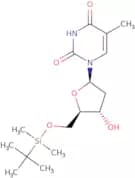
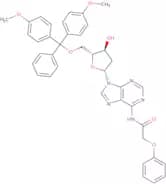
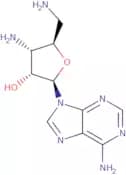
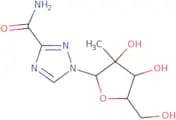
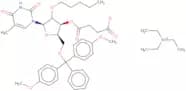
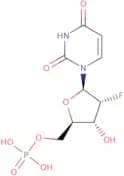
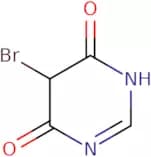

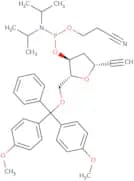
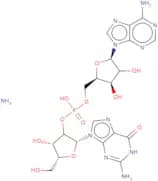
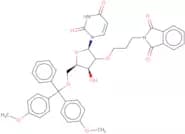

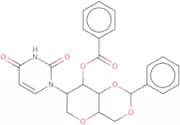
![4-Amino-7H-pyrrolo[2,3-d]pyrimidine hydrogen sulfate](/_next/image/?url=https%3A%2Fstatic.cymitquimica.com%2Fproducts%2F3D%2Fthumb-webp%2FNA44317.webp&w=3840&q=75)
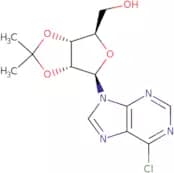

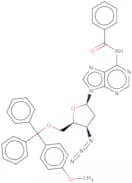
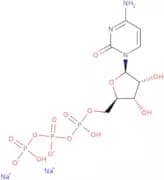
![5'-Dimethoxytrityl-1-methyl-pseudoUridine, 2'-O-TBDMS-3'-[(2-cyanoethyl)-(N,N-diisopropyl)]-phosph…](/_next/image/?url=https%3A%2Fstatic.cymitquimica.com%2Fproducts%2F3D%2Fthumb-webp%2FPD180455.webp&w=3840&q=75)
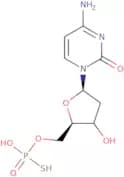
![5-[N(2-Trifluoroacetamido)ethyl)-3-(E)-acrylamido]-2-deoxyuridine](/_next/image/?url=https%3A%2Fstatic.cymitquimica.com%2Fproducts%2F3D%2Fthumb-webp%2FUJB22269.webp&w=3840&q=75)

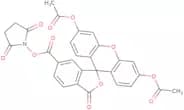
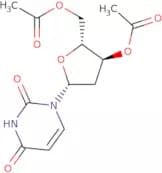
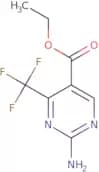
![1,3-Dimethyl-5-[3-(4,4,5,5-tetramethyl-[1,3,2]dioxaborolan-2-yl)-benzyl]-pyrimidine-2,4,6-trione](/_next/image/?url=https%3A%2Fstatic.cymitquimica.com%2Fproducts%2F3D%2Fthumb-webp%2FND44286.webp&w=3840&q=75)
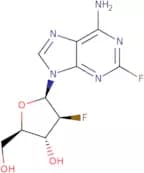
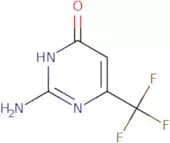
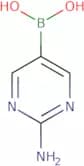
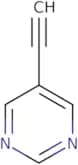
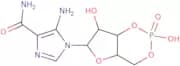
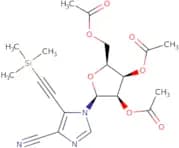
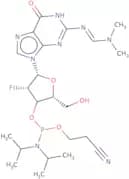
![5-[4-(4,4,5,5-tetramethyl-[1,3,2]dioxaborolan-2-yl)-benzylidene]-pyrimidine-2,4,6-trione](/_next/image/?url=https%3A%2Fstatic.cymitquimica.com%2Fproducts%2F3D%2Fthumb-webp%2FNT44284.webp&w=3840&q=75)
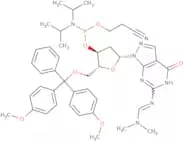
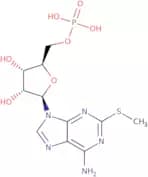


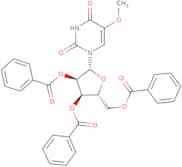
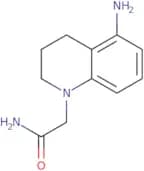
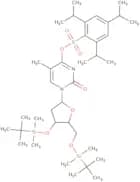


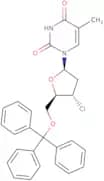
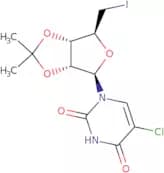
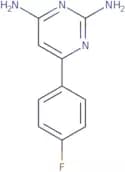
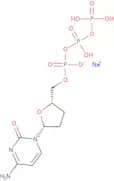

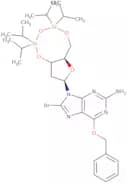
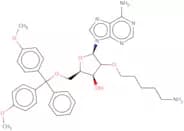
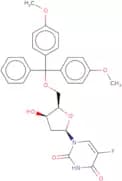
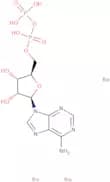
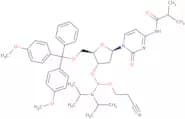

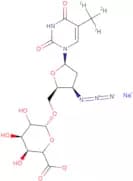

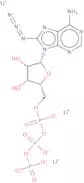
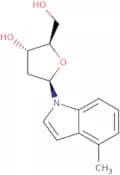
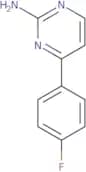
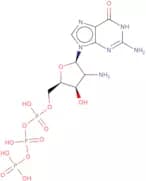
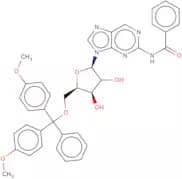
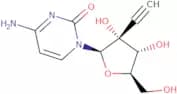
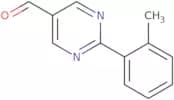
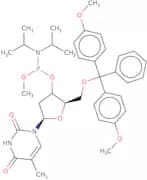




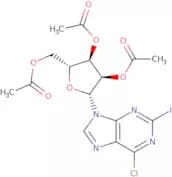
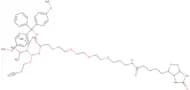

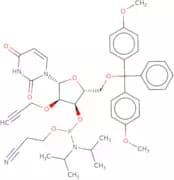

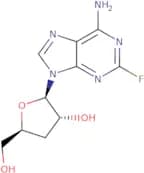
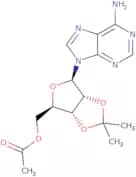

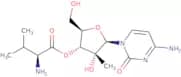
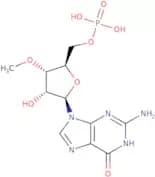
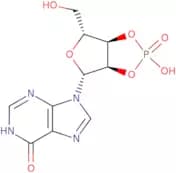

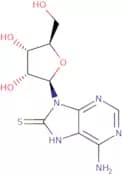
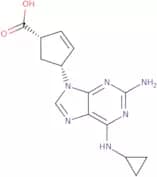

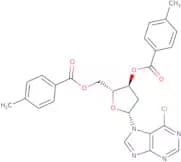
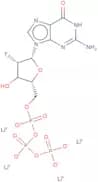
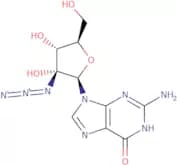
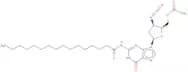
![(2R,3R,4S,5R)-2-[6-Amino-2-(propylsulfanyl)-9H-purin-9-yl]-5-(hydroxymethyl)oxolane-3,4-diol](/_next/image/?url=https%3A%2Fstatic.cymitquimica.com%2Fproducts%2F3D%2Fthumb-webp%2FGBA52853.webp&w=3840&q=75)
![Adenosine-5'-[-(propargyl)]triphosphate sodium salt](/_next/image/?url=https%3A%2Fstatic.cymitquimica.com%2Fproducts%2F3D%2Fthumb-webp%2FNA30542.webp&w=3840&q=75)
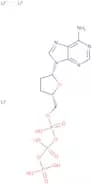
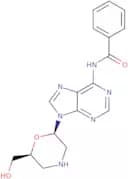
![3,7-Dihydro-5-iodo-4-oxo-4H-pyrrolo[2,3-d]pyrimidine](/_next/image/?url=https%3A%2Fstatic.cymitquimica.com%2Fproducts%2F3D%2Fthumb-webp%2FND57427.webp&w=3840&q=75)
![2,5-Dioxo-3-sulfo-1-pyrrolidinyl 6-[[5-(hexahydro-2-oxo-1H-thieno[3,4-d]imidazol-4-yl)-1-oxopentyl…](/_next/image/?url=https%3A%2Fstatic.cymitquimica.com%2Fproducts%2F3D%2Fthumb-webp%2FPD08913.webp&w=3840&q=75)


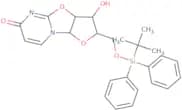
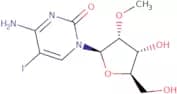
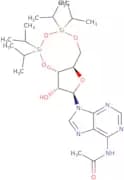
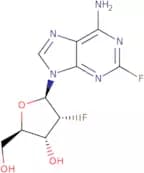

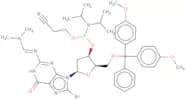
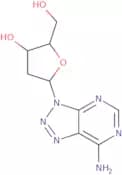


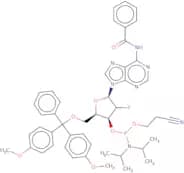
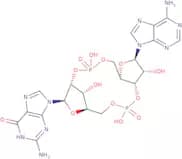
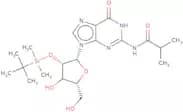

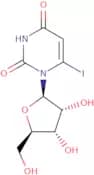



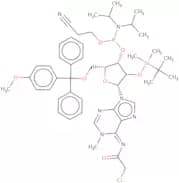

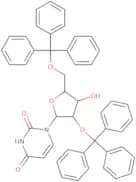
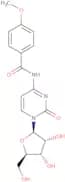
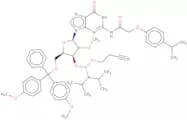


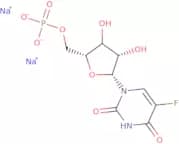
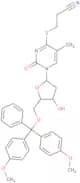
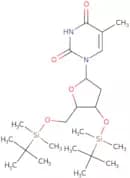
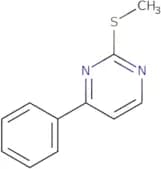
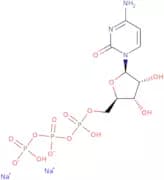

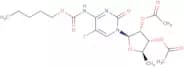

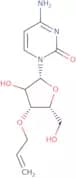
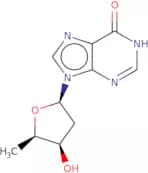

![5-[3-(Trifluoroacetamido)-E-1-propenyl]-2’- deoxyuridine](/_next/image/?url=https%3A%2Fstatic.cymitquimica.com%2Fproducts%2F3D%2Fthumb-webp%2FNT57550.webp&w=3840&q=75)
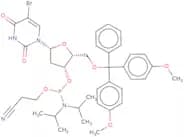

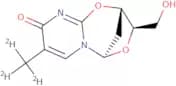
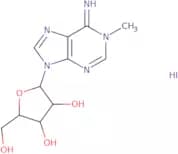
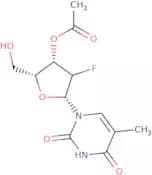
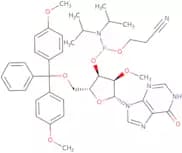

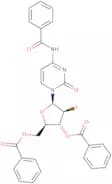
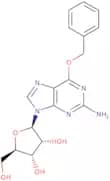
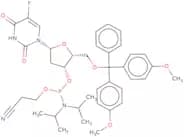
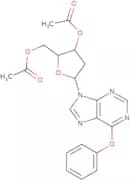
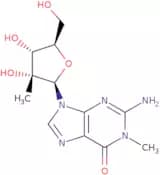
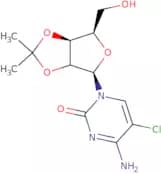
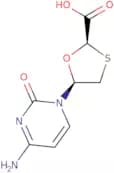

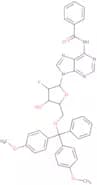
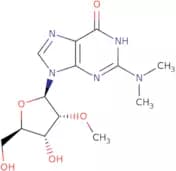
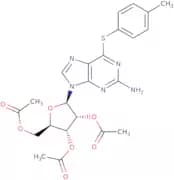
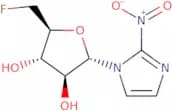
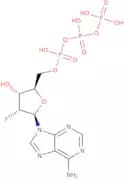
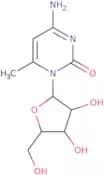


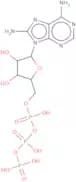

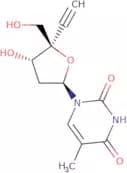
![4-Amino-1-(2',3',5'-tri-O-tert-butyldimethylsilyl-b-D-ribofuranosyl)-imidazo[4,5-c]pyridine](/_next/image/?url=https%3A%2Fstatic.cymitquimica.com%2Fproducts%2F3D%2Fthumb-webp%2FNA04493.webp&w=3840&q=75)
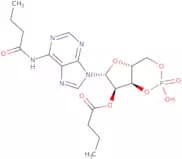
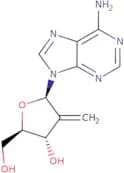


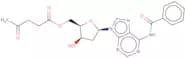
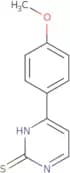
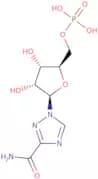

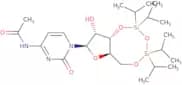
![1-[(5E)-5',6'-Dideoxy-6'-diethoxylphosphinyl-2'-O-methyl-b-D-ribo-hex-5-enofuranosyl]uracil 3'-CE …](/_next/image/?url=https%3A%2Fstatic.cymitquimica.com%2Fproducts%2F3D%2Fthumb-webp%2FPD76593.webp&w=3840&q=75)