Nucleosides
Nucleosides are fundamental building blocks of nucleic acids, composed of a nitrogenous base attached to a sugar molecule. In this section, you can find a wide variety of nucleosides essential for research in molecular biology, biochemistry, and pharmacology. These compounds play crucial roles in the synthesis of DNA and RNA, and are also vital in various metabolic processes. Nucleosides are used in studying genetic material, developing antiviral and anticancer therapies, and understanding cellular mechanisms. At CymitQuimica, we provide high-quality nucleosides to support your research and development needs, ensuring purity and reliability for your experimental applications.
Found 3567 products of "Nucleosides"
Sort by
Purity (%)
0
100
|
0
|
50
|
90
|
95
|
100
2-Chloro-N,N-dimethyl-2’C-methyladenosine
CAS:<p>2-Chloro-N,N-dimethyl-2’C-methyladenosine is a synthetic nucleoside that inhibits viral DNA synthesis. It is a modified deoxyribonucleoside that contains a chloro group at the 2’ position of the sugar ring and a methyl group at the 3’ position. This drug has antiviral activity against herpes simplex virus type 1 (HSV-1) and herpes simplex virus type 2 (HSV-2), respiratory syncytial virus (RSV), and influenza A virus. It also displays anticancer activity in vitro. This drug inhibits cancer cell growth by interfering with DNA replication and triggering apoptosis through inhibition of protein kinase C and activation of caspases.</p>Purity:Min. 95%3’C-Methylguanosine
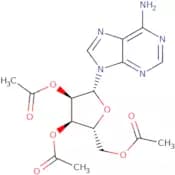
CAS:<p>3’C-Methylguanosine is a nucleoside that inhibits viral replication by acting as an antiviral agent. It is also used in anticancer treatments, and has been shown to be a novel phosphoramidite activator of DNA synthesis. 3’C-Methylguanosine has a CAS number of 115303-89-4, and the molecular weight is 277.3 g/mol. This chemical compound has not been modified or reacted with any other substances, and is suitable for use in research and development.</p>Purity:Min. 95%2,3,5-Tri-O-acetyl α-adenosine
CAS:<p>2,3,5-Tri-O-acetyl α-adenosine is a nucleoside analog of adenosine that has been tri-acetylated. This molecule can be used in research.</p>Formula:C16H19N5O7Purity:Min. 95%Color and Shape:PowderMolecular weight:393.35 g/molCytidine-2'-monophosphate sodium
CAS:<p>Cytidine-2'-monophosphate sodium (CMP) is a nucleotide that is used as a monophosphate or diphosphate. It can be used to synthesize DNA and RNA. CMP also has antiviral, anticancer, and high purity properties. CMP is an activator of DNA polymerases and helps in the synthesis of DNA. It has novel properties that make it different from other nucleotides, such as its modified sugar moiety.</p>Formula:C9H12Na2N3O8PPurity:Min. 90%Color and Shape:PowderMolecular weight:367.18 g/mol2'-O-Propargylcytidine
CAS:<p>2'-O-Propargylcytidine is a novel nucleoside that has been modified from cytidine. It is designed to inhibit the activity of RNA polymerase and to be used in anticancer therapy. The synthesis of 2'-O-propargylcytidine has been achieved by modifying the nucleotide with propargylic chloride, which is then reacted with sodium cyanide. The resulting product is purified by column chromatography and recrystallization.<br>2'-O-Propargylcytidine is a phosphoramidite that can be used for DNA synthesis or as a monophosphate in RNA synthesis. This high purity product has a CAS number of 206552-85-4 and it can be used as an activator for ribonucleosides, such as adenosine, guanosine, uridine, cytidine, and thymidine.</p>Formula:C12H15N3O5Purity:Min. 95%Color and Shape:PowderMolecular weight:281.26 g/mol6-(4-Morpholino)-9-(β-D-ribofuranosyl)-9H-purine
CAS:<p>6-(4-Morpholino)-9-(β-D-ribofuranosyl)-9H-purine is a modified monophosphate analog of adenosine. It is an antiviral agent that inhibits the synthesis of nucleic acids in virus-infected cells, preventing viral replication and spread. 6-(4-Morpholino)-9-(β-D-ribofuranosyl)-9H-purine is also used as a radiosensitizer to treat cancer. This drug is synthesized by high purity, high quality and reliable suppliers.</p>Formula:C14H19N5O5Purity:Min. 95%Color and Shape:PowderMolecular weight:337.33 g/mol2,3'-Anhydro-5'-O-p-anisoyl-N4-benzoyl-2'-deoxycytidine
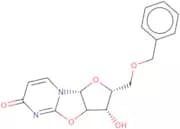
<p>2,3'-Anhydro-5'-O-p-anisoyl-N4-benzoyl-2'-deoxycytidine is a novel nucleoside analogue with antiviral and anticancer properties. It is an activator of ribonucleotide reductase and inhibits DNA synthesis by inhibiting deoxyribonucleotide reductase. 2,3'-Anhydro-5'-O-p-anisoyl-N4-benzoyl-2'-deoxycytidine has shown to be a potent inhibitor of HIV replication in vitro. It also has anticancer activity by inhibiting the growth of tumor cells and inducing apoptosis.</p>Formula:C24H23N3O6Purity:Min. 95%Molecular weight:449.46 g/mol5-(N-Methyl-N-trifluoroacetyl-aminomethyl)-2-thiouridine
CAS:<p>5-(N-Methyl-N-trifluoroacetyl-aminomethyl)-2-thiouridine is a novel antiviral drug that inhibits the synthesis of viral DNA. It has been shown to be effective against HIV, herpes simplex virus and cytomegalovirus (CMV). 5-(N-Methyl-N-trifluoroacetyl-aminomethyl)-2-thiouridine is a nucleoside analogue that can be used as an activating agent in the synthesis of oligonucleotides and phosphoramidites. It has anticancer properties and may also have applications in gene therapy.</p>Purity:Min. 95%6-Amino-3-iodo-4-methoxy-1-(b-D-ribofuranosyl)-1H-pyrazolo[3,4-d]pyrimidine
CAS:<p>6-Amino-3-iodo-4-methoxy-1-(beta-D-ribofuranosyl)-1H-pyrazolo[3,4-d]pyrimidine is a synthetic nucleoside that has antiviral activity. It is an activator of DNA polymerase and can be used to synthesize DNA and RNA. 6AIOMP binds to the ribonucleotide reductases in cells and inhibits their activity. This prevents the conversion of ribonucleotides into deoxyribonucleotides, which are essential for DNA synthesis.</p>Purity:Min. 95%N6-Methyl-2'-O-methyladenosine
CAS:<p>N6-Methyl-2'-O-methyladenosine is a nucleoside that is found in DNA. In some cases, the methyl group in this molecule can be modified, which can change its biological activity. N6-Methyl-2'-O-methyladenosine has been shown to reduce the severity of bowel disease and myocardial infarcts in experimental models. The structural analysis of vessels from patients with atherosclerosis revealed that this molecule inhibits vascular calcification. It also decreases expression of MMP-9, a protein involved in nephropathy and diabetic kidney disease. N6-Methyl-2'-O-methyladenosine is able to inhibit the development of vascular injury by blocking the activation of cells and reducing inflammation through pharmacological agents that are used in experimental models for blood vessel injury.</p>Formula:C12H17N5O4Purity:Min. 97 Area-%Color and Shape:White PowderMolecular weight:295.29 g/mol2'-Deoxy-5'-O-DMT-5-fluoro-O4-(2,4,6-trimethylphenyl)uridine 3'-CE phosphoramidite
CAS:<p>2'-Deoxy-5'-O-DMT-5-fluoro-O4-(2,4,6-trimethylphenyl)uridine 3'-CE phosphoramidite is a nucleoside that has high purity and high quality. It is an anti cancer agent that inhibits the growth of cells by preventing DNA synthesis and RNA synthesis. This product is also used as an antiviral agent for influenza A virus and herpes simplex virus type 1 (HSV1). 2'-Deoxy-5'-O-DMT-5-fluoro-O4-(2,4,6-trimethylphenyl)uridine 3'-CE phosphoramidite is synthesized from ribonucleosides and deoxyribonucleosides. It can be modified to produce monophosphate, diphosphate or triphosphate forms of the nucleotide.</p>Formula:C48H56FN4O8PPurity:Min. 95%Molecular weight:866.95 g/mol5’-O-DMT-2’-b-C-methyladenosine
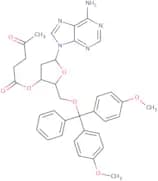
<p>5’-O-DMT-2’-b-C-methyladenosine is a modified nucleoside with antiviral and anticancer activity. It is an activator of DNA synthesis, and can be used as a precursor for phosphoramidites for the synthesis of oligonucleotides. The 5’-O-DMT group in this compound may be replaced with other activating groups to synthesize different modified nucleosides.</p>Purity:Min. 95%3'-Amino-5'-O-tert-butyldimethylsilyl-3'-deoxythymidine
CAS:<p>3'-Amino-5'-O-tert-butyldimethylsilyl-3'-deoxythymidine is a novel synthetic nucleoside that has been shown to have anticancer and antiviral activities. The compound is an activator of the immune system, which may be due to its ability to stimulate the production of interferon and other cytokines. 3'-Amino-5'-O-tert-butyldimethylsilyl-3'-deoxythymidine can also inhibit viral DNA polymerases. This nucleoside has been shown to inhibit the growth of leukemia cells in culture by inhibiting ribonucleotide reductase activity.</p>Formula:C16H29N3O5SiPurity:Min. 95%Molecular weight:371.51 g/mol3'-O-DMT-thymidine 5'-CE phosphoramidite
CAS:<p>3'-O-DMT-thymidine 5'-CE phosphoramidite is a novel, ribonucleoside phosphoramidites for DNA synthesis and antiviral treatment. It is a modified nucleoside that can be incorporated into DNA during the synthesis process. 3'-O-DMT-thymidine 5'-CE phosphoramidite has shown strong anticancer effects in animal models and has been shown to inhibit replication of herpes simplex virus type 1 in cultured cells. This product is manufactured by chemical synthesis, purified by high performance liquid chromatography (HPLC) and is available as a white powder or crystalline solid.</p>Formula:C40H49N4O8PPurity:Min. 95%Color and Shape:PowderMolecular weight:744.83 g/mol3’-deoxy-3’-fluorosangivamycin
CAS:<p>3’-deoxy-3’-fluorosangivamycin is a modified deoxyribonucleoside with antiviral and anticancer properties. It is an activator of DNA polymerase. 3’-deoxy-3’-fluorosangivamycin has been shown to inhibit the replication of human immunodeficiency virus type 1 (HIV-1) in the calf thymus DNA system. This drug is also effective against other viruses, such as herpes simplex virus type 2 (HSV-2), cytomegalovirus (CMV), and influenza A virus. 3′-deoxy-3′-fluorosangivamycin binds to viral DNA and inhibits nucleotide incorporation, leading to inhibition of viral RNA synthesis and protein synthesis.</p>Purity:Min. 95%5’-Deoxy-5’-iodo-2’-O-(2-methoxyethyl)uridine
CAS:<p>5’-Deoxy-5’-iodo-2’-O-(2-methoxyethyl)uridine is a synthetic nucleoside that has antiviral and anticancer properties. This compound is an activator of DNA, which promotes the synthesis of RNA and protein. 5’-Deoxy-5’-iodo-2’-O-(2-methoxyethyl)uridine (IDOX) is an analog of deoxyribonucleosides, ribonucleosides, and monophosphates. IDOX is able to inhibit the replication of certain viruses by acting as a competitive inhibitor. This compound also has the ability to inhibit tumor cells that contain pyrimidine analogs. IDOX is also effective against cancer cells that have developed resistance to chemotherapy drugs such as 5FU or methotrexate.</p>Purity:Min. 95%6-Amino-4-hydroxyamino-2-(b-D-ribofuranosyl)-2H-pyrazolo[3,4-d]pyrimidine
<p>6-Amino-4-hydroxyamino-2-(b-D-ribofuranosyl)-2H-pyrazolo[3,4-d]pyrimidine is a novel synthetic ribonucleotide that inhibits the growth of tumor cells by interfering with DNA synthesis. This compound has been shown to inhibit the replication of HIV and herpes simplex virus type 1. The phosphoramidite monomer is readily available and can be synthesized in high purity and high quality. 6-Amino-4-hydroxyamino-2-(b-D-ribofuranosyl)-2H-pyrazolo[3,4-d]pyrimidine is a modified nucleoside that is activated by phosphorylation at the 5' position. CAS No.: 10266890</p>Purity:Min. 95%2’-O-Acetyl-8-bromo-7-cyano-7-deaza-3’-deoxy-3’-fluoro-5’-O-toluoyladenosine
<p>2'-O-Acetyl-8-bromo-7-cyano-7-deaza-3'-deoxy-3'-fluoro-5'-O-[toluoyl]adenosine (ABT) is a modified nucleoside that has anticancer and antiviral properties. ABT is a monophosphate nucleotide with an acetyl group at the 2' position of the ribose and a toluoyl group on the 7 position of the adenine moiety. In vitro, ABT inhibits tumor proliferation in breast cancer cells and suppresses viral replication in herpes simplex virus type 1 (HSV1) infected cells. ABT also has potential as a novel therapeutic agent for treating cancers and other diseases caused by HSV1 infection.</p>Purity:Min. 95%3’,5’-Di-O-acetyl-2’-azido-2’-deoxyuridine
CAS:<p>Please enquire for more information about 3’,5’-Di-O-acetyl-2’-azido-2’-deoxyuridine including the price, delivery time and more detailed product information at the technical inquiry form on this page</p>Purity:Min. 95%4',5'-Didehydro-2',5'-dideoxy-2'-fluorouridine
CAS:<p>4',5'-Didehydro-2',5'-dideoxy-2'-fluorouridine is a monophosphate of the nucleoside 5FU. It is an antiviral and anticancer agent that inhibits viral DNA synthesis by competitively inhibiting the activity of thymidylate synthase, which converts dUMP to dTMP. 4',5'-Didehydro-2',5'-dideoxy-2'-fluorouridine also induces apoptosis in neoplastic cells. This compound has high purity and quality, and can be used as a phosphoramidite for the synthesis of modified oligonucleotides.</p>Formula:C10H10FNO4Purity:Min. 95%Molecular weight:227.19 g/molPseudothymidine
CAS:<p>Pseudothymidine is the nucleobase analog of thymidine. It is a synthetic substance that has been used in the polymerase chain reactions (PCRs) to form DNA molecules. Pseudothymidine is not naturally found in cells and can be used as a substitute for thymidine during PCR to make more copies of DNA sequences. It has been shown that pseudothymidine can be incorporated into DNA without disrupting the polymerase chain reaction. The thermal denaturation of pseudothymidine is 10 °C lower than that of thymidine, allowing it to be used at higher temperatures with less risk of degradation.</p>Formula:C10H14N2O5Purity:Min. 95%Color and Shape:PowderMolecular weight:242.23 g/molN6-Benzoyl-2'-C-methyladenosine
<p>N6-Benzoyl-2'-C-methyladenosine is synthetic and has antiviral properties. It is a nucleoside that belongs to the group of modified nucleosides. This compound can be used as an activator for DNA synthesis and as a novel monophosphate, diphosphate, or triphosphate. N6-Benzoyl-2'-C-methyladenosine is also available in high purity, with CAS No., and at a competitive price.</p>Purity:Min. 95%2,3'-Anhydrouridine 5'-CE phosphoramidite
<p>2,3'-Anhydrouridine 5'-CE phosphoramidite is a novel modified phosphoramidite that can be used in the synthesis of ribonucleosides and DNA. It has antiviral activity, and is being studied as an anticancer drug. 2,3'-Anhydrouridine 5'-CE phosphoramidite has been shown to inhibit the replication of HIV-1 and herpes simplex virus type 1 (HSV-1). The nucleoside analogs are being studied for their potential use in chemotherapy.</p>Formula:C18H27N4O6PPurity:Min. 95%Molecular weight:426.41 g/mol8-Azido-2'-deoxyadenosine
CAS:<p>8-azido-2-deoxyadenosine is an azide funcationalised nuceleoside</p>Formula:C10H12N8O3Purity:Min. 95%Color and Shape:PowderMolecular weight:292.25 g/mol3'-O-Aminoacetoxy-2'-deoxycytidine
<p>Please enquire for more information about 3'-O-Aminoacetoxy-2'-deoxycytidine including the price, delivery time and more detailed product information at the technical inquiry form on this page</p>Formula:C12H18N4O4Purity:Min. 98 Area-%Color and Shape:PowderMolecular weight:282.30 g/molcGMP sodium salt - Bio-X ™
CAS:<p>Cyclic guanosine monophosphate (cyclic GMP) is a guanine nucleotide that is a cellular regulatory agent and is used to increase the levels of various hormones. This molecule is said to increase levels of hormones such as insulin, oxytocin and acetylcholine. Studies have found this molecule to also activate protein kinases.</p>Formula:C10H12N5O7P•NaPurity:Min. 95%Color and Shape:PowderMolecular weight:368.2 g/mol5'-Amino-5'-deoxythymidine
CAS:<p>5'-Amino-5'-deoxythymidine is a nucleoside that is structurally related to thymidine. It has been shown to be a substrate for fatty acid synthase, which is a key enzyme in the synthesis of membrane lipids. 5'-Amino-5'-deoxythymidine has been shown to induce tumorigenesis in mouse bladder carcinoma cells. This compound also does not form stable complexes with DNA duplexes and can inhibit uptake of thymidylate into cells by competitive inhibition. 5'-Amino-5'-deoxythymidine binds to the cell surface and acts as an antibody response modifier.</p>Formula:C10H15N3O4Purity:Min. 98 Area-%Color and Shape:White Off-White PowderMolecular weight:241.24 g/mol1-(2'-Deoxy-3',5'-di-O-toluoyl-b-D-ribofuranosyl)-4-amino-1,2-dihydro-2-oxo-1,3,5-triazine
CAS:<p>1-(2'-Deoxy-3',5'-di-O-toluoyl-b-D-ribofuranosyl)-4-amino-1,2-dihydro-2-oxo-1,3,5-triazine is a nucleoside derivative that features a modified pyrimidinone (triazine) base attached to a protected deoxyribose sugar. This molecule can be used in research.</p>Formula:C24H24N4O6Purity:Min. 95%Color and Shape:White To Off-White SolidMolecular weight:464.48 g/mol3’-β-Azido-2’,3’-dideoxy-5-fluorouridine
CAS:<p>Please enquire for more information about 3’-beta-Azido-2’,3’-dideoxy-5-fluorouridine including the price, delivery time and more detailed product information at the technical inquiry form on this page</p>Purity:Min. 95%CTP 2Na
CAS:<p>CTP serves as a molecule of high energy. It acts as a coenzyme in glycerophospholipid biosynthesis and protein glycosylation.</p>Formula:C9H14N3Na2O14P3Purity:Min. 95.0 Area-%Color and Shape:White PowderMolecular weight:527.12 g/mol5'-O-Tritylthymidine
CAS:<p>5'-O-Tritylthymidine is a nucleoside that is found in human mitochondrial DNA. It is synthesized from uridine by the enzyme thymidylate synthase and can be converted to thymine by the enzyme thymidine phosphorylase. 5'-O-Tritylthymidine has been shown to inhibit cancer cell growth, but its mechanism of action is not clear. It may inhibit xylene production. 5'-O-Tritylthymidine also causes an increase in p53 activity, which may lead to apoptosis of cancer cells.</p>Formula:C29H28N2O5Purity:Min. 95%Molecular weight:484.54 g/mol1,5-Anhydro-2,3-dideoxy-2-(N2-isobutyrylguanidin-1-yl)-D-glucitol
<p>1,5-Anhydro-2,3-dideoxy-2-(N2-isobutyrylguanidin-1-yl)-D-glucitol is a novel, activator ribonucleosides deoxyribonucleosides diphosphate phosphoramidites modified anticancer antiviral monophosphate nucleosides synthetic high purity CAS No. It has been shown to have anticancer and antiviral properties. This compound also inhibits the replication of HIV in vitro.</p>Formula:C15H21N5O5Purity:Min. 95%Molecular weight:351.37 g/mol2'-Deoxyuridine-5'-triphosphate trisodium
CAS:<p>2'-Deoxyuridine-5'-triphosphate trisodium salt is a fluorophore that is excited by the absorption of light at wavelengths of 365 nm. The emission spectrum ranges from 380 to 500 nm and has a maximum at 480 nm. 2'-Deoxyuridine-5'-triphosphate trisodium salt can be used as a labeling agent for metal ion, molecule, or macrocyclic ligand. It can also be used as an acceptor in fluorescence energy transfer experiments.</p>Formula:C9H15N2O14P3•Na3Purity:Min. 95%Color and Shape:PowderMolecular weight:537.11 g/molClofarabine 5'-triphosphate triethylammonium salt
CAS:<p>Clofarabine is a nucleoside analog that is used to treat various types of cancer, including leukemia, lymphoma, and solid tumours. Clofarabine has been shown to have minimal toxicity in healthy cells and is usually well tolerated by patients. It acts by inhibiting the synthesis of DNA in rapidly dividing cells. This effect can be synergistic with other anti-cancer agents such as the cytotoxic agent Bleomycin. Clofarabine binds to an intracellular target and inhibits DNA synthesis by blocking the enzyme DNA polymerase. Inhibition of this enzyme leads to cell death. Clofarabine has been tested in pediatric patients from age 1 month old up to 18 years old. The drug has been found to be safe for use in this population.</p>Formula:C10H14ClFN5O12P3Purity:Min. 95%Color and Shape:PowderMolecular weight:543.62 g/molDeoxyribonucleic acid low molecular weight from salmon sperm
CAS:<p>This low molecular DNA (deoxyribonucleic acid) from salmon sperm is a fragment that is an effective indicator of the presence of guanine in urine samples, and can be used to detect lipoperoxidation in animal hemocytes. It has also been shown to be a sublethal oxidative stress agent for human urine, which induces irreversible oxidation in the enzyme activities of signal detection. According to some recent research studies, this product is being investigated as an environmental pollutant indicator and could be used as an effective wastewater treatment method.</p>Color and Shape:Powder9-(2'-Deoxy-2'-fluoro-a-D-arabinofuranosyl)guanine
CAS:<p>9-(2'-Deoxy-2'-fluoro-a-D-arabinofuranosyl)guanine is a synthetic nucleoside that is effective against viral and cancer cells. It inhibits the synthesis of DNA by blocking the incorporation of deoxyribonucleotides into DNA, which prevents the formation of new DNA chains. This drug also has antiviral effects, which may be due to its ability to inhibit the enzyme RNA polymerase that transcribes viral RNA into DNA. 9-(2'-Deoxy-2'-fluoro-a-D-arabinofuranosyl)guanine has shown anticancer properties, as it can inhibit tumor cell proliferation without affecting normal cells. This drug is not active against human erythrocytes (red blood cells).</p>Purity:Min. 95%3'-O-Acetyl-2'-deoxy-N2-isobutyrylguanosine
CAS:<p>3'-O-Acetyl-2'-deoxy-N2-isobutyrylguanosine is a modified nucleoside that can be used as an antiviral agent. It is a phosphoramidite that is activated by diphosphate and has been shown to inhibit DNA replication in vitro. 3'-O-Acetyl-2'-deoxy-N2-isobutyrylguanosine also has anticancer activity and can be used to treat leukemia, lymphoma, and myeloma. This high quality product is synthesized from natural deoxyribonucleosides and has a purity of > 98%.</p>Formula:C16H21N5O6Purity:Min. 95%Molecular weight:379.37 g/mol2'-Deoxy-5-(2-hydroxyethyl)-2',3'-di-O-toluoyluridine
<p>2'-Deoxy-5-(2-hydroxyethyl)-2',3'-di-O-toluoyluridine is a novel modified nucleoside with antiviral and anticancer activities. It is synthesized from 2'-deoxyuridine monophosphate, which is activated with bis(trimethylsilyl)acetamide (BSA). This nucleoside has been shown to inhibit the growth of cancer cells in vitro and in vivo.</p>Purity:Min. 95%3'-O-Aminoacetoxythymidine
<p>Amino functionalised thymidine</p>Formula:C13H21N4O4Purity:Min. 98 Area-%Color and Shape:PowderMolecular weight:297.33 g/mol5’-O-Benzoyl-3’-O-(4-methoxybenzoyl)-2’-O,4’-C- methyleneuridine
<p>5'-O-Benzoyl-3'-O-(4-methoxybenzoyl)-2'-O,4'-C-methyleneuridine is a nucleoside that is synthesized from 5'-O-benzoyl-2'-deoxyadenosine and 4'-methoxybenzoyl chloride. It has antiviral and anticancer properties. 5' - O - benzoyl - 3' - O - (4-methoxybenzoyl) - 2' - O,4' - C methyleneuridine is a novel nucleoside with anti-cancer and antiviral effects. It can also be used as an activator for the synthesis of oligonucleotides or as a ribonucleotide phosphoramidite. The chemical name for this compound is 5’ – O – benzoyl – 3’ – O – (4 methoxybenzoyl) – 2</p>Purity:Min. 95%3'-O-Aminoacetoxy-2'-deoxyguanosine
<p>Please enquire for more information about 3'-O-Aminoacetoxy-2'-deoxyguanosine including the price, delivery time and more detailed product information at the technical inquiry form on this page</p>Formula:C13H17N6O4Purity:Min. 98 Area-%Color and Shape:PowderMolecular weight:321.32 g/mol3'-Deoxy-3'-fluoro-5'-O-toluoylthymidine
<p>3'-Deoxy-3'-fluoro-5'-O-toluoylthymidine is a nucleoside that can be used as an antiviral and anticancer agent. It is structurally similar to thymidine, but differs by the replacement of a hydrogen atom at position 3 with a fluorine atom. The replacement of this hydrogen atom with a fluorine atom results in the removal of hydroxyl group from the 5' carbon position on the sugar ring, which is then converted into an ester moiety. 3'-Deoxy-3'-fluoro-5'-O-toluoylthymidine has been shown to inhibit DNA replication, RNA transcription and protein synthesis. This nucleoside also has been found to stimulate apoptosis in cancer cells by inhibiting DNA replication.</p>Formula:C18H19FN2O5Purity:Min. 95%Molecular weight:348.43 g/mol1-(2'-Chloro-2'-deoxy-b-D-arabinofuranosyl)cytosine
CAS:<p>1-(2'-Chloro-2'-deoxy-b-D-arabinofuranosyl)cytosine is a synthetic, modified nucleoside that can be phosphorylated to its monophosphate form. It is an inhibitor of DNA synthesis and the replication of viral DNA. 1-(2'-Chloro-2'-deoxy-b-D-arabinofuranosyl)cytosine has been shown to have anticancer activity in vitro and in vivo. This drug is also active against some RNA viruses such as hepatitis B virus and human immunodeficiency virus type 1 (HIV).</p>Formula:C9H12ClN3O4Purity:Min. 95%Molecular weight:261.66 g/mol6-O-[2-(4-Nitrophenyl)ethyl]-2-[(3-pyridyl)pyrrolidin-1- yl]-2’-deoxyinosine
<p>6-O-[2-(4-Nitrophenyl)ethyl]-2-[(3-pyridyl)pyrrolidin-1- yl]-2’-deoxyinosine is a novel antiviral and anticancer agent that belongs to the class of nucleosides. It is a monophosphate and diphosphate analog of deoxyinosine, which has been modified with a 2-(4-nitrophenyl)ethyl group at the 6 position. This modification prevents phosphorylation by kinases, which inhibits DNA synthesis. The nitro group in 6-O-[2-(4-Nitrophenyl)ethyl]-2-[(3-pyridyl)pyrrolidin-1- yl]-2’-deoxyinosine provides an additional mechanism for inhibiting DNA synthesis by interacting with the DNA minor groove and preventing the binding of DNA polymerase. In addition, this compound has antic</p>Purity:Min. 95%3’-b-C-Methylcytidine
CAS:<p>3’-b-C-Methylcytidine is a nucleoside analog that inhibits the viral enzyme reverse transcriptase and is used as an antiviral agent. 3’-b-C-Methylcytidine binds to DNA and prevents RNA synthesis, which is essential for viral replication. It has been shown to inhibit the growth of cultured cells from human breast cancer and melanoma, suggesting that it also has anticancer activity. 3’-b-C-Methylcytidine can be synthesized in high purity and at high yield using phosphoramidites. This nucleoside analog may be useful in clinical applications due to its ability to activate transcription, which may lead to novel therapeutic strategies.</p>Purity:Min. 95%2,2'-Anhydro-6-methoxycarbonyl-b-D-arabinofuranosyl uracil
CAS:<p>2,2'-Anhydro-6-methoxycarbonyl-b-D-arabinofuranosyl uracil is a novel and high purity anticancer and antiviral agent. It is an activator that has been shown to exhibit antineoplastic activity in vitro. The compound also inhibits the formation of RNA and DNA, which are necessary for the replication of cells. 2,2'-Anhydro-6-methoxycarbonyl-b-D-arabinofuranosyl uracil is a modified nucleoside that has been synthesized by phosphoramidite chemistry. This product can be used for research purposes and as a starting material for the synthesis of other compounds with similar structures.</p>Formula:C11H12N2O7Purity:Min. 95%Molecular weight:284.22 g/mol5'-Azido-2',5'-dideoxy-2'-fluorouridine
CAS:<p>5'-Azido-2',5'-dideoxy-2'-fluorouridine is a novel nucleoside that is a phosphoramidite. It is an antiviral agent that has been shown to inhibit the synthesis of RNA in cells. This drug also inhibits the growth of cancer cells and can be used for the treatment of leukemia, lymphoma, and myeloma. 5'-Azido-2',5'-dideoxy-2'-fluorouridine has been shown to bind to DNA through its azide group and form a stable covalent bond with the N7 position of guanine. This bond prevents the incorporation of adenosine triphosphate (ATP) into DNA, which prevents DNA transcription and replication.</p>Formula:C9H10FN5O4Purity:Min. 95%Molecular weight:271.21 g/molb-Nicotinamide adenine dinucleotide phosphate, reduced tetra(cyclohexylammonium)
CAS:<p>b-Nicotinamide adenine dinucleotide phosphate, reduced tetra(cyclohexylammonium), or NADPH, is involved in redox reactions, where it acts as an electron donor. NADPH is essential for anabolic reactions, such as lipid and cholesterol biosynthesis, and fatty acid chain elongation. It also plays a significant role in antioxidation mechanisms, protecting cells from oxidative stress by neutralizing reactive oxygen species (ROS) and regenerating antioxidants like glutathione</p>Formula:C21H30N7O17P3·4C6H13NPurity:Min. 90 Area-%Color and Shape:Slightly Yellow PowderMolecular weight:1,142.12 g/mol2-Chloro-2',3'-O-isopropylideneadenosine
CAS:<p>2-Chloro-2',3'-O-isopropylideneadenosine is a novel, anti-cancer drug that inhibits the synthesis of DNA. It is a phosphoramidite monophosphate with a molecular weight of 288.08 g/mol and an empirical formula C6H12ClNO5PS. The chemical name for this compound is 2-chloro-N-(2,3-diisopropyl)adenine diphosphate. This product has not yet been approved by the FDA for use in humans or animals.</p>Formula:C13H16ClN5O4Purity:Min. 95%Color and Shape:PowderMolecular weight:341.75 g/molN4-Benzoyl-2’-O-(2-methoxyethyl)cytidine
CAS:<p>N4-Benzoyl-2’-O-(2-methoxyethyl)cytidine is an antiviral nucleoside that inhibits the synthesis of diphosphate, monophosphate, and deoxyribonucleosides of DNA. It has been shown to be effective against cancer cells and inhibit the growth of bacteria. N4-Benzoyl-2’-O-(2-methoxyethyl)cytidine is a novel synthetic nucleoside with high quality and high purity. It is used in the synthesis of oligonucleotide phosphoramidites for use in DNA research, including gene therapy and antisense therapy.</p>Formula:C19H23N3O7Purity:Min. 95%Molecular weight:405.4 g/molClofarabine
CAS:<p>Clofarabine is FDA-approved for treating relapsed or refractory acute lymphoblastic leukaemia (ALL) in children after at least two other types of treatment have failed</p>Formula:C10H11ClFN5O3Purity:Min. 98 Area-%Color and Shape:White Off-White PowderMolecular weight:303.68 g/mol3'-Amino-5'-O-p-anisoyl-N4-benzoyl-2',3'-dideoxycytidine
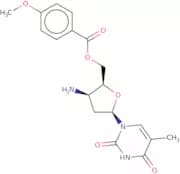
<p>3'-Amino-5'-O-p-anisoyl-N4-benzoyl-2',3'-dideoxycytidine is a synthetic nucleoside that inhibits DNA synthesis by competitively inhibiting the activity of deoxycytidine kinase. 3'-Amino-5'-O-p-anisoyl-N4-benzoyl-2',3'-dideoxycytidine is an antiviral agent and has been shown to be effective against herpes simplex virus type 1 and varicella zoster virus. It has also been shown to have anticancer properties, which may be due to its ability to inhibit the growth of human breast cancer cells in culture.</p>Formula:C24H24N4O6Purity:Min. 95%Molecular weight:464.47 g/mol3'-Deoxy-2'-O-methyladenosine
CAS:<p>3'-Deoxy-2'-O-methyladenosine is a nucleoside that has antiviral and anticancer activity. It is a novel chemical compound with a unique structure, which makes it highly reactive. 3'-Deoxy-2'-O-methyladenosine induces DNA synthesis and cell proliferation in cancer cells. It also inhibits the production of viral DNA and RNA in infected cells by inhibiting the enzyme ribonucleotide reductase, which converts ribonucleotides to deoxyribonucleotides. 3'-Deoxy-2'-O-methyladenosine can be used as an antiviral agent against herpes simplex virus type 1 (HSV1), herpes simplex virus type 2 (HSV2) and human cytomegalovirus (CMV).</p>Formula:C11H15N5O3Purity:Min. 95%Color and Shape:Off-White PowderMolecular weight:265.27 g/mol2’,3’,5’-Tri-O-benzoyl-2’C-methyl-5-methoxyuridine
CAS:<p>2’,3’,5’-Tri-O-benzoyl-2’C-methyl-5-methoxyuridine is a modified nucleoside that is used as an anticancer drug. It is synthesized from 2’,3’,5’triphosphate and 2’C-methyl-5-methoxyuridine. This compound is used to treat leukemia and other cancers by inhibiting the synthesis of DNA. Inhibiting DNA synthesis prevents the reproduction of cancer cells. The chemical structure of this compound was first published in 2007.</p>Purity:Min. 95%9-(b-D-Arabinofuranosyl)hypoxanthine
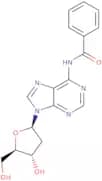
CAS:<p>9-(b-D-Arabinofuranosyl)hypoxanthine is a glycosylated analogue of the incretin hormone glucagon-like peptide-1 (GLP-1). It has been shown to inhibit Streptococcus pyogenes and other bacteria. 9-(b-D-Arabinofuranosyl)hypoxanthine has also been shown to have inhibitory properties against zirconium oxide, pulmonary vasodilation, squamous cell carcinoma, and rate constant. This drug has not been studied in clinical trials for antiviral prophylaxis or arabinoside. The only known side effects are drug interactions with cyclin D2 and nitrate reductase.</p>Formula:C10H12N4O5Purity:Min. 98 Area-%Color and Shape:White PowderMolecular weight:268.23 g/molN6-Benzoyl-2',3'-isopropylideneadenosine
CAS:<p>N6-Benzoyl-2',3'-isopropylideneadenosine is a nucleoside that is structurally related to the natural nucleosides adenosine, deoxyadenosine, and deoxyguanosine. It is an antiviral agent that has been shown to be an activator of the enzyme ribonucleotide reductase. N6-Benzoyl-2',3'-isopropylideneadenosine is a modified nucleoside with high purity and high quality. The CAS number for this compound is 39947-04-1. This compound has not been found in nature, but it can be synthesized by modifying nucleosides or by using phosphoramidites.</p>Formula:C20H21N5O5Purity:Min. 95%Color and Shape:PowderMolecular weight:411.41 g/mol2'-O-(2-Methoxyethyl)uridine
CAS:<p>2'-O-(2-Methoxyethyl)uridine is a nucleoside analog that inhibits the synthesis of DNA, RNA and protein. It can be used as an antimetabolite to treat cancer and prevents tumor growth by interfering with cell division. 2'-O-(2-Methoxyethyl)uridine is often used in combination with other chemotherapeutic drugs. This drug is not active against bacteria and does not inhibit the growth of bacteria. The major disadvantage of this drug is its lack of efficacy against tumors, which may be due to the lack of penetration through the cell membrane or damage to DNA caused by radiation, abiotic factors, or malfunctioning enzymes. 2'-O-(2-Methoxyethyl)uridine has been shown to cause damage to cells by altering their metabolism and affecting the function of their mitochondria. Damage can cause cells to die through apoptosis or necrosis.</p>Formula:C12H18N2O7Purity:Min. 95 Area-%Color and Shape:PowderMolecular weight:302.28 g/mol3'-Amino-2',3'-dideoxyinosine
CAS:<p>3'-Amino-2',3'-dideoxyinosine acts as a chain terminator in DNA synthesis due to the absence of a 3'-hydroxyl group. The 3'-amino group allows for the attachment of various molecules to the 3' end of oligonucleotides, and the inosine base introduces the potential for wobble base pairing, making it a specialized tool for research and potential diagnostic applications.</p>Formula:C10H13N5O3Purity:Min. 95%Molecular weight:251.24 g/mol6-Thioinosine
CAS:<p>6-Thioinosine is a nucleoside analog that is chemically related to 6-mercaptopurine. It inhibits the polymerase chain reaction and has been shown to inhibit aerobic metabolism in aerobacter aerogenes. It also inhibits the growth of hl-60 cells, which are derived from human leukemia cells. 6-Thioinosine has been shown to have anti-inflammatory properties, which may be due to its ability to inhibit prostaglandin synthesis. It also blocks the activity of certain receptors and has a disease activity against infectious diseases such as systemic candidiasis, bacterial endocarditis, and bowel disease.</p>Formula:C10H12N4O4SPurity:Min. 98 Area-%Color and Shape:PowderMolecular weight:284.29 g/molN4-Benzoyl-2'-deoxy-2'-fluorocytidine
CAS:<p>N4-Benzoyl-2'-deoxy-2'-fluorocytidine is a novel, synthetic nucleoside that has been shown to inhibit the growth of cancer cells and is being investigated as a potential anticancer drug. N4-Benzoyl-2'-deoxy-2'-fluorocytidine has also been found to be active against HIV, Herpes simplex virus type 1 (HSV-1) and 2 (HSV-2), and influenza A virus. It prevents the replication of viruses by inhibiting DNA synthesis in the host cell.</p>Formula:C16H16FN3O5Purity:Min. 95%Color and Shape:PowderMolecular weight:349.31 g/mol2’-Deoxy-N4-dimethylcytidine
CAS:<p>2’-Deoxy-N4-dimethylcytidine is a synthetic nucleoside analog that is used to inhibit viral replication in the treatment of AIDS and cancer. It is phosphorylated by adenosine kinase to form deoxydimethylcytidine monophosphate (dDMP), which inhibits viral DNA synthesis by inhibiting the activity of reverse transcriptase, an enzyme involved in the production of viral DNA. 2’-Deoxy-N4-dimethylcytidine has also been shown to inhibit cancer cell growth by interrupting mitosis and inducing apoptosis.</p>Purity:Min. 95%Fialuridine - Bio-X ™
CAS:<p>This product is part of our Bio-X ™ Range. These products are aimed at life science researchers who need high quality ready-to-use products for assay development, screening or other R&D work. With a solubility datasheet and convenient vials, all of our Bio-X ™ products are in stock across our global warehouses for rapid delivery and ease of use.</p>Formula:C9H10FIN2O5Purity:Min. 95%Color and Shape:PowderMolecular weight:372.09 g/molUridine 5'-monophosphate
CAS:<p>Uridine 5'-monophosphate (UMP) is a nucleotide that is synthesized from uridine. Uridine 5'-monophosphate has been shown to have anticancer activity in vitro and in vivo, as well as antiviral activity against herpes viruses. UMP has been shown to inhibit the protein synthesis of cells by inhibiting the enzyme activities of DNA polymerase and RNA polymerase. <br>It also inhibits the synthesis of p2y receptors, which are involved in cell proliferation and differentiation. Further studies suggest that UMP may be an effective anti-inflammatory agent due to its ability to decrease prostaglandin production.</p>Formula:C9H13N2O9PPurity:Min. 95%Color and Shape:White Off-White PowderMolecular weight:324.18 g/molRibavirin 5'-triphosphate tetrasodium salt - 10mM aqueous solution
CAS:<p>Ribavirin triphosphate is the biologically active metabolite of antiviral nucleoside analog ribavirin. In cells, the prodrug ribavirin gets triphosphorylated and in it inhibits viral RNA polymerases, interfering with the synthesis of newly formed RNA.</p>Formula:C8H15N4O14P3·Na4Purity:Min. 95 Area-%Color and Shape:PowderMolecular weight:576.1 g/mol3'-O-Methyladenosine
CAS:<p>3'-O-Methyladenosine (3'OMeA) is a monomethylated adenosine that belongs to the group of nucleosides. It has been found to inhibit the activity of adenosine receptors, which are important for the regulation of blood pressure and central nervous system function. 3'OMeA also inhibits virus replication in human lymphocytes. 3'OMeA is synthesized by reaction with methylamine and purification by column chromatography. The molecule is a potential therapeutic target for HIV/AIDS, as it can be used as a specific agonist in order to block viral entry into cells.</p>Formula:C11H15N5O4Purity:Min. 95%Color and Shape:White PowderMolecular weight:281.27 g/mol5'-O-Benzoyl-2'-deoxyinosine
<p>5'-O-Benzoyl-2'-deoxyinosine is an antiviral agent that inhibits the replication of certain viruses. It is a nucleoside analog that contains a benzoyl group at the 5' position and a 2'-deoxyribose sugar moiety. It has been shown to inhibit the growth of cancer cells in vitro and to produce cytotoxic effects on human lymphocytes. This compound is synthesized by reacting an appropriate ribonucleotide with phosphoramidite reagents, which are used as starting materials for DNA synthesis.</p>Purity:Min. 95%2-Azidoadenosine
CAS:<p>2-Azidoadenosine is a nucleoside analog of adenosine, where the 2'-hydroxyl group of the ribose sugar is replaced with an azido group (–N₃). This substitution imparts unique chemical properties, notably enabling molecules to undergo bioorthogonal reactions, such as click chemistry, which involves the cycloaddition of the azide group with alkynes.</p>Formula:C10H12H8O4Purity:Min. 95%Color and Shape:PowderMolecular weight:308.25 g/mol7-[3,5-Bis-O-[(2,4-dichlorophenyl)methyl]-2-C-methyl-β-D-ribofuranosyl]-4-chloro-5-methyl-7H-pyrrolo[2,3-d]pyrimidine
CAS:<p>7-[3,5-Bis-O-[(2,4-dichlorophenyl)methyl]-2-C-methyl-beta-D-ribofuranosyl]-4-chloro-5-methyl-7H-pyrrolo[2,3-d]pyrimidine is a synthetic nucleoside analog that inhibits the growth of viruses. It is phosphorylated to the monophosphate form by cellular enzymes and then converted to diphosphate form by cellular enzymes. This nucleoside analog is active against herpes simplex virus type 1 and 2, human cytomegalovirus, and influenza A virus. 7-[3,5-Bis-O-[(2,4-dichlorophenyl)methyl]-2-C-methyl--D--ribofuranosyl]-4--chloro--5--methyl--7H--pyrrolo[2,3--d]pyrim</p>Purity:Min. 95%N1-Methylpseudouridine-5'-triphosphate trisodium
<p>Please enquire for more information about N1-Methylpseudouridine-5'-triphosphate trisodium including the price, delivery time and more detailed product information at the technical inquiry form on this page</p>Formula:C10H14N2Na3O15P3Molecular weight:564.11 g/molThymidine-5'-triphosphate trisodium
CAS:<p>Thymidine-5'-triphosphate or dTTP, is a nucleotide used by the cell to synthesize DNA molecules. Thymidine-5'-triphosphate is used in molecular biology techniques and assays as a substrate of the enzyme DNA polymerase, e.g. polymerase chain reaction (PCR), DNA sequencing, pyrosequencing reactions. Salt form of thymidine-5'-triphosphate has been used in a newly developed detection system for SARS-CoV-2 that combines bioluminescence in real-time (BART) with reverse-transcriptase loop-mediated amplification (RT-LAMP).</p>Formula:C10H17N2O14P3•Na3Purity:(%) Min. 90%Color and Shape:White PowderMolecular weight:551.14 g/molTrifluorothymidine
CAS:<p>Treats herpes-associated keratitis and keratoconjunctivitis; antineoplastic</p>Formula:C10H11F3N2O5Purity:Min. 95%Color and Shape:PowderMolecular weight:296.2 g/mol5-Ethynyl-2'-O-methyluridine triphosphate
<p>5-Ethynyl-2'-O-methyluridine triphosphate is a novel nucleoside that contains a methyl group at the 5 position of the uracil ring. It is an antiviral agent for use in the treatment of HIV, herpes simplex virus, cytomegalovirus, and influenza virus infections. 5-Ethynyl-2'-O-methyluridine triphosphate is also used as a precursor to synthesize DNA and RNA. This compound has been shown to have anticancer properties against breast cancer cells.</p>Purity:Min. 95%1-(4’-Azido-3’,5’-di-O-benzoyl-2’-deoxy-2’-fluoro-b-D-arabinofuranosyl)uracil
CAS:<p>1-(4’-Azido-3’,5’-di-O-benzoyl-2’-deoxy-2’-fluoro-b-D-arabinofuranosyl)uracil is a synthetic antiviral agent that inhibits the activity of DNA and RNA polymerases. It also has anticancer properties. The compound is an analogue of 2'-deoxycytidine monophosphate (dCMP). This compound binds to the phosphate group of nucleoside triphosphates and prevents their incorporation into DNA or RNA. 1-(4’-Azido-3’,5’-di-O-benzoyl-2’-deoxy) -2′ fluoro -b D arabinofuranosyl) uracil has been shown to inhibit the growth of cancer cells in vitro.</p>Purity:Min. 95%2-Chloro-2'-deoxyadenosine 5'-triphosphate sodium salt
<p>2-Chloro-2'-deoxyadenosine 5'-triphosphate sodium salt is a nucleoside that can be used in the synthesis of DNA and RNA. It is a synthetic, high quality, and novel compound that has been shown to have antiviral, anticancer, and anti-inflammatory properties. This compound has been shown to inhibit the growth of cancer cells by inhibiting the production of proteins vital for cell division. 2-Chloro-2'-deoxyadenosine 5'-triphosphate sodium salt has also been shown to be an activator of nucleoside phosphorylase and deoxynucleotide kinase, which are enzymes that catalyze the conversion of nucleosides into their corresponding monophosphates.</p>Purity:Min. 95%β-Nicotinamide adenine dinucleotide sodium dihydrate
CAS:<p>Coenzyme and regenerating electron donor in catabolic processes</p>Formula:C21H26N7NaO14P2•(H2O)2Purity:Min. 95%Color and Shape:White PowderMolecular weight:721.44 g/mol3'-Azido-5'-O-benzoyl-3'-deoxythymidine
CAS:<p>3'-Azido-5'-O-benzoyl-3'-deoxythymidine is a novel antiviral agent that is synthesized by modifying the structure of thymidine. It has been shown to have high antiviral activity against HIV and other viruses in vitro. 3'-Azido-5'-O-benzoyl-3'-deoxythymidine also inhibits tumor growth in animal models and may be useful as an anticancer drug. This compound is found to be active against a number of cancers, including leukemia, colon cancer, and prostate cancer. 3'-Azido-5'-O-benzoyl-3'-deoxythymidine is phosphoramidites for DNA synthesis, which can be used in the production of ribonucleosides or deoxyribonucleosides.</p>Formula:C17H19N5O4Purity:Min. 95%Molecular weight:357.36 g/mol5'-O-DMT-uridine 3'-CE phosphoramidite
CAS:<p>5'-O-DMT-uridine 3'-CE phosphoramidite is a novel, modified and activator nucleoside. It can be used as an antiviral agent or in the synthesis of DNA. 5'-O-DMT-uridine 3'-CE phosphoramidite has been shown to be cytotoxic in vitro to cancer cells.</p>Formula:C39H47N4O9PPurity:Min. 95%Molecular weight:746.79 g/mol3'-O-Aminoacetoxy-2'-deoxyadenosine
<p>amino functionalised nucleoside</p>Formula:C13H22N6O3Purity:Min. 98 Area-%Color and Shape:PowderMolecular weight:310.36 g/mol1-(4’-Azido-2’-deoxy-2’-fluoro-b-D-arabinofuranosyl)N4-(n-docosanoyl)-cytosine
<p>1-(4’-Azido-2’-deoxy-2’-fluoro-b-D-arabinofuranosyl)N4-(n-docosanoyl)-cytosine is a deoxyribonucleoside monophosphate with antiviral effects. It is a novel nucleotide analogue that contains an azido group and a 2,4,6-trifluorobenzene moiety. The 4′ position of the sugar is modified with an n-docosanoyl group. 1-(4’Azo-2′deoxy-2′fluoro-bDara)ribonucleosides are synthetic nucleotides that can be used to inhibit viral replication by inhibiting DNA polymerase and RNA polymerase.</p>Purity:Min. 95%8-Azidoadenosine
CAS:<p>8-Azidoadenosine is an adenosine analogue conjugated with an azido group which can be used for oligonucleotide labelling. The azido group reacts with a terminal alkyne via a click reaction, forming the labelled nucleotide containing a triazole linker.</p>Formula:C10H12N8O4Purity:Min. 95%Color and Shape:PowderMolecular weight:308.25 g/molZebularine 3'-CE phosphoramidite
CAS:<p>Zebularine 3'CE phosphoramidite is a novel, high quality activator for modified DNA monophosphate. It is used as an anticancer drug and antiviral agent. Zebularine 3'CE phosphoramidite is a synthetic, diphosphate with high purity and high reactivity. It has been shown to activate deoxyribonucleosides to ribonucleosides in DNA synthesis, as well as being able to inhibit viral RNA synthesis by inhibiting viral polymerase.</p>Formula:C45H61N4O8PSiPurity:Min. 95%Color and Shape:Off-white solid.Molecular weight:845.04 g/molN4,3'-O-Dibenzoyl-2'-deoxycytidine
CAS:<p>N4,3'-O-Dibenzoyl-2'-deoxycytidine is a nucleoside that functions as a base. It is a diester of the naturally occurring nucleoside cytidine and 2′,6′-dibenzoyl-deoxyribose. The compound has been shown to be an inhibitor of DNA polymerases and nuclease activity in vitro. N4,3'-O-Dibenzoyl-2'-deoxycytidine has been shown to inhibit the growth of certain strains of bacteria and can be used for the treatment of tuberculosis. This drug also has anti-inflammatory properties that may be due to its ability to inhibit prostaglandin synthesis. !-- END OF PRODUCT DESCRIPTIONS --></p>Formula:C23H21N3O6Purity:Min. 95%Color and Shape:PowderMolecular weight:435.44 g/molN6-Dimethyl-2’C-methyladenosine
CAS:<p>N6-Dimethyl-2’C-methyladenosine is an antiviral agent that inhibits the synthesis of DNA and RNA by inhibiting the enzyme DNA polymerase. It is a novel nucleoside analogue with high antiviral activity against herpes simplex virus type 1 (HSV-1) and HSV-2. N6-Dimethyl-2’C-methyladenosine has been shown to be more potent than acyclovir, which is currently used to treat these viruses. This compound also enhances the effectiveness of other antiviral drugs, such as ganciclovir, in vitro.</p>Purity:Min. 95%5-Methyl-4’-thiocytidine
CAS:<p>5-Methyl-4’-thiocytidine is an antiviral agent that has been shown to be effective against herpes simplex virus (HSV) type 1 and 2. 5-Methyl-4’-thiocytidine inhibits viral replication by competing with deoxyribonucleosides for incorporation into the viral DNA, which leads to the synthesis of defective DNA. This drug also has anticancer properties and is used in the treatment of leukemia, lymphoma, and carcinomas. 5-Methyl-4’-thiocytidine is a novel monophosphate nucleoside that can be used as an activator for phosphoramidite synthesis. The CAS number for this compound is 1312295-87-6. Synthesis of 5-methyl 4’ thiocytidine requires high purity, high quality nucleosides, and a novel phosphoramidite synthesis procedure.</p>Purity:Min. 95%7-Deaza-2'-deoxyadenosine
CAS:<p>7-Deaza-2'-deoxyadenosine is an oligodeoxynucleotide analog that has been shown to be a potent inhibitor of human ovarian carcinoma cells. It inhibits the uptake of organic anion transporters, which are proteins found in the cell membrane that transport organic anions such as nucleosides and nucleotides. 7-Deaza-2'-deoxyadenosine has also been shown to inhibit DNA synthesis and polymerase chain reactions by binding to the enzyme RNA polymerase II. This drug can be synthesized with solid phase chemistry, making it a highly reproducible product.</p>Formula:C11H14N4O3Purity:Min. 98 Area-%Color and Shape:White PowderMolecular weight:250.26 g/mol2,4,6-Trichloro-5-methylpyrimidine
CAS:<p>2,4,6-Trichloro-5-methylpyrimidine is a nucleoside for use in research applications</p>Formula:C5H3Cl3N2Purity:Min. 95%Color and Shape:PowderMolecular weight:197.45 g/mol5'-O-p-Anisoyl-2,2'-anhydrouridine
<p>5'-O-p-Anisoyl-2,2'-anhydrouridine is a novel nucleoside. It is an activator of ribonucleosides and deoxyribonucleosides. This compound has antiviral activity against HIV and DNA synthesis inhibitory activity against cancer cells. 5'-O-p-Anisoyl-2,2'-anhydrouridine is also a modified nucleoside that can be used for the synthesis of phosphoramidites for the chemical synthesis of oligodeoxynucleotides (ODN).</p>Formula:C17H16N2O7Purity:Min. 95%Molecular weight:360.32 g/mol5'-O-tert-Butyldimethylsilyl-2'-deoxyuridine
<p>5'-O-tert-Butyldimethylsilyl-2'-deoxyuridine (5'-O-TBDMSU) is a modified nucleoside that has antiviral, anticancer and novel activities. It is synthesized by the reaction of 5'-O-tert-butyldimethylsilyl-2'-deoxyuridine with methyl chloroformate. 5'-O-TBDMSU has been shown to inhibit viral replication in cell culture. The antiviral activity of 5'-O-TBDMSU may be due to its ability to inhibit DNA synthesis by inhibiting the incorporation of deoxyribonucleotide triphosphates into DNA or by inhibiting the activity of DNA polymerases. This compound also inhibits the replication of RNA viruses such as HIV and hepatitis C virus, which are dependent on deoxyribonucleosides for their replication.</p>Formula:C15H26N2O5SiPurity:Min. 95%Molecular weight:342.47 g/molN4-Benzoyl-3'-deoxycytidine
CAS:<p>N4-Benzoyl-3'-deoxycytidine is a novel antiviral agent that has shown activity against DNA and RNA viruses. It is an activator of DNA polymerase, which is essential for replication of viral nucleic acids. The compound is a modified nucleoside with a benzoyl group at the 4' position of the ribose moiety. It also has phosphoramidite, monophosphate, and diphosphate analogues. N4-Benzoyl-3'-deoxycytidine binds to the enzyme DNA polymerase, thereby inhibiting its ability to synthesize deoxyribonucleotides from ribonucleotides. This results in inhibition of viral DNA synthesis and subsequent inhibition of viral replication.</p>Formula:C16H17N3O5Purity:Min. 95%Color and Shape:White To Off-White SolidMolecular weight:331.32 g/mol4,6-Diamino-3-iodo-1-(b-D-ribofuranosyl)-1H-pyrazolo[3,4-d]pyrimidine
CAS:<p>4,6-Diamino-3-iodo-1-(b-D-ribofuranosyl)-1H-pyrazolo[3,4-d]pyrimidine is a novel antiviral, modified nucleoside monophosphate. It is an inhibitor of the RNA polymerase and is active against both DNA and RNA viruses. 4,6-Diamino-3-iodo-1-(b-D-ribofuranosyl)-1H-pyrazolo[3,4-d]pyrimidine has been shown to have anticancer properties in vitro and in vivo. It also has been shown to be an activator of the enzyme diphosphate kinase.</p>Purity:Min. 95%L-Thymidine
CAS:<p>L-Thymidine is an antiviral drug that is used in the treatment of chronic hepatitis. It has been shown to be active against a range of viruses, including HIV, HSV, and HBV. L-Thymidine can also be used to treat patients with cancer as an anti-cancer agent. L-Thymidine is a prodrug that is converted into thymidine triphosphate (TTP), which inhibits viral DNA polymerase by competitive inhibition. The antiviral activity of L-Thymidine may be due to its ability to inhibit the synthesis of viral proteins required for viral replication by interfering with the protein production process or by inhibiting the formation of dsDNA during reverse transcription.</p>Formula:C10H14N2O5Purity:Min. 95%Color and Shape:PowderMolecular weight:242.23 g/mol1-Methylpseudouridine
CAS:<p>1-Methylpseudouridine is a substitute for uridine in modified mRNA. This substitution has shown to increase transfection by reducing immuogenicity. The 1-methylpseudouridine substituted mRNA increases protein expression due to low immune stimulation as it evades detection by the edosomal Toll-like receptor (TLR3).</p>Formula:C10H14N2O6Purity:Min. 95 Area-%Color and Shape:PowderMolecular weight:258.23 g/mol5'-O-Benzoyl-2',3'-dideoxy-3'-fluorouridine
<p>5'-O-Benzoyl-2',3'-dideoxy-3'-fluorouridine is a novel nucleoside that is synthesized from ribonucleosides. It is an inhibitor of the RNA polymerase enzyme, which prevents the transcription and replication of DNA. 5'-O-Benzoyl-2',3'-dideoxy-3'-fluorouridine also inhibits viral DNA synthesis by preventing viral RNA from being translated into DNA. This product has been shown to be active against a wide range of viruses, including influenza A virus, herpes simplex virus type 1, and vaccinia virus.</p>Formula:C16H15FN2O5Purity:Min. 95%Molecular weight:334.35 g/molEdU
CAS:<p>2'-Deoxy-5-ethynyluridine (5-EdU) is a modified thymidine analogue containing a terminal alkyne group, which is used for nucleotide labelling. 5-Edu is easily taken up by cells and incorporated by metabolic activation during DNA synthesis. By adding an azide conjugated to a fluorophore or a biotin moiety, a click reaction occurs from the labelled nucleotide linked by a triazole group. 5-Edu are employed in cell proliferation assays, to study DNA and RNA localisation, structure and dynamics, in the synthesis of aptamers with the click-SELEX method, and in other applications such as the preparation of oligonucleotide microarrays and nanoelectronic devices.</p>Formula:C11H12N2O5Purity:Min. 98 Area-%Color and Shape:PowderMolecular weight:252.23 g/molTetrahydrouridine
CAS:<p>Tetrahydrouridine is a pyrimidine nucleoside that has been shown to have inhibitory properties in clinical pathology. Tetrahydrouridine is a natural product derived from the amino acid histidine and is found in the cells of many living organisms. It is believed that tetrahydrouridine may be useful as an adjuvant to radiation therapy, and it has been shown to reduce the toxicity of chemotherapy drugs, such as decitabine and Ara-C. Tetrahydrouridine inhibits enzymes involved in DNA methylation, which can lead to cancer cell death.br><br>Tetrahydrouridine also has inhibitory effects on enzymes that produce cytidine from uracil, which can help prevent the formation of cancerous cells.br><br>Tetrahydrouridine inhibits deaminase activity, which produces uracil from cytosine. This inhibition prevents the production of uracil-cytosine</p>Formula:C9H16N2O6Purity:Min. 95%Color and Shape:White Off-White PowderMolecular weight:248.23 g/mol2-Amino-9-(β-D-ribofuranosyl)purine
CAS:<p>2-Amino-9-(β-D-ribofuranosyl)purine is a purine nucleoside consisting of the base 2-aminopurine linked via an N9-glycosidic bond to β-D-ribofuranose. As an analog of adenosine, it retains structural compatibility with nucleic acids but exhibits distinct biochemical properties, most notably intrinsic fluorescence. This makes it a valuable probe in molecular biology for studying nucleic acid structure, base pairing, and conformational changes, as its fluorescence is sensitive to local stacking interactions and environmental conditions.</p>Formula:C10H13N5O4Purity:Min. 95%Color and Shape:White PowderMolecular weight:267.24 g/molN6-Benzoyl-2'-deoxy-5'-O-DMT-adenosine 3'-CE phosphoramidite
CAS:<p>N6-Benzoyl-2'-deoxy-5'-O-DMT adenosine 3'-CE phosphoramidite is a protected adenosine amidite.</p>Formula:C47H52N7O7PPurity:Min. 98 Area-%Color and Shape:White PowderMolecular weight:857.93 g/mol2'-Azido-2'-deoxy-5'-O-DMT-uridine
CAS:<p>2'-Azido-2'-deoxy-5'-O-DMT-uridine is a nucleoside that has been modified with an azido group at the 2' position. The azido group is used to modify DNA and RNA nucleosides, which are monophosphate, ribonucleosides, and deoxyribonucleosides. This drug may be used as an activator of DNA synthesis or as a antiviral agent. It has been shown to inhibit HIV replication in vitro.</p>Purity:Min. 95%5'-Azido-5'-deoxyuridine
CAS:<p>5'-Azido-5'-deoxyuridine is a synthetic nucleobase that is used in the synthesis of oligodeoxynucleotides. It has been shown to have an inhibitory effect on tumor cells, which may be due to its ability to interact with guanosine diphosphate (GDP) and prevent the formation of GTP. 5'-Azido-5'-deoxyuridine has also been shown to have an inhibitory effect on Mycobacterium tuberculosis and Mycobacterium avium complex, but does not affect other bacteria. 5'-Azido-5'-deoxyuridine interacts with RNA by binding to the phosphate group and inhibiting the synthesis of proteins and DNA.</p>Purity:Min. 95%9-(2'-Deoxy-2'-fluoro-b-D-ribofuranosyl)-isoguanine
<p>9-(2'-Deoxy-2'-fluoro-b-D-ribofuranosyl)-isoguanine is an oligonucleotide with a fluorinated nucleobase that is used to stabilize DNA duplexes. It is synthesized from 5'-deoxy-5'-fluorocytidine, which is a phosphoramidite, and 2',3',5'-triacetylpyrimidine, which is a substituent. The deprotection of the fluorinated oligonucleotide can be achieved by treatment with sodium hydroxide in ethanol or hydrochloric acid in acetic acid. 9-(2'-Deoxy-2'-fluoro-b-D-ribofuranosyl)-isoguanine has been shown to be stable and antiparallel when incorporated into double stranded DNA molecules.</p>Formula:C10H12FN5O4Purity:Min. 95%Color and Shape:White PowderMolecular weight:285.24 g/mol5'-O-p-Anisoylthymidine
<p>5'-O-p-Anisoylthymidine is a novel activator and ribonucleoside that has been synthesized by modifying the structure of thymidine. This compound is active against cancer and antiviral, such as herpes simplex virus type 1, herpes simplex virus type 2, varicella zoster virus, influenza A/PR/8/34 (H1N1), and influenza B/Yamagata/16/88. 5'-O-p-Anisoylthymidine activates viral transcription in cells infected with these viruses by inhibiting the synthesis of deoxyribonucleosides. It also inhibits DNA synthesis by inhibiting the incorporation of deoxyribonucleotides into DNA during replication. This product is CAS No. 138581-03-2 and comes in high purity and high quality.</p>Formula:C18H20N2O7Purity:Min. 95%Molecular weight:376.36 g/mol2'-Deoxy-5-methyl-isocytidine triphosphate
<p>2'-Deoxy-5-methyl-isocytidine triphosphate (2'-DMI-dTP) is a novel nucleoside that is synthesized by phosphoramidite chemistry. 2'-DMI-dTP has antiviral and anticancer activities, and can be used for the treatment of hepatitis B virus (HBV) and human papillomavirus (HPV). It has shown protective effects in animal models of HBV infection. 2'-DMI-dTP inhibits HBV replication by inhibiting DNA synthesis. In addition, it decreases levels of reactive oxygen species in cells treated with HBV. 2'-DMI-dTP also inhibits HPV replication through inhibition of DNA synthesis, which may lead to cancer prevention or treatment.<br>2'-DMI-dTP may be a useful drug candidate for the treatment of other viral infections such as influenza A virus and HIV type 1.</p>Purity:Min. 95%5'-(R)-C-Methyl-2-thiouridine
CAS:<p>5'-(R)-C-Methyl-2-thiouridine is an antiviral agent that inhibits the synthesis of viral RNA by acting as a substrate for thymidine kinase, which converts it to 5'-(R)-C-methyluracil. This drug also has anticancer properties and may be useful in the treatment of leukemia.</p>Purity:Min. 95%2',3'-Dideoxycytidine
CAS:<p>Anti-viral; reverse transcriptase inhibitor</p>Formula:C9H13N3O3Purity:Min. 98 Area-%Color and Shape:White PowderMolecular weight:211.22 g/molQueuine hydrochloride
CAS:<p>Queuine is a modified nucleoside found in tRNA. It is synthesized from guanosine by the enzyme queuine tRNA-ribosyltransferase, which converts guanosine to queuosine. Queuine hydrochloride is a synthetic form of queuine that can be used for research purposes to examine the anticodon loop and other structural features of the molecule. The prokaryotic and eukaryotic organisms studied showed different levels of synthesis of queuine, with bacteria synthesizing more than mammals. Bacteria were found to have a greater affinity for queuine than eukaryotes, which may be due to modification of the trna anticodon loop or to differences in ribosomal proteins.</p>Formula:C12H15N5O3·HClPurity:(%) Min. 90%Color and Shape:Light (Or Pale) Beige To Light (Or Pale) Purple SolidMolecular weight:313.74 g/mol3'-b-Azido-2',3'-dideoxy-5'-O-DMT-uridine
<p>3'-b-Azido-2',3'-dideoxy-5'-O-DMT-uridine is a modified nucleoside that is synthesized by the phosphoramidite method. It is a novel antiviral drug with anticancer properties. This active compound has been shown to be an activator of ribonucleotide reductases, which are enzymes that catalyze the conversion of ribonucleotides to deoxyribonucleotides. 3'-b-Azido-2',3'-dideoxy-5'-O-DMT-uridine is not cytotoxic at concentrations up to 40 mM, and it has been shown to inhibit replication of human immunodeficiency virus type 1 (HIV) in tissue culture.</p>Purity:Min. 95%Thymidine-5'-diphosphate trisodium salt
CAS:<p>Thymidine-5'-diphosphate trisodium salt is a novel anticancer drug that is structurally modified to resemble thymidine. It has antiviral and antitumor effects and can be used as an antineoplastic agent. Thymidine-5'-diphosphate trisodium salt is a high quality, high purity ribonucleoside that can be used in the synthesis of deoxyribonucleosides and phosphoramidites. This drug has shown activity against various types of cancer cells and is being investigated for its potential use in the treatment of leukemia.</p>Formula:C10H13N2Na3O11P2Purity:Min. 95%Color and Shape:White PowderMolecular weight:468.13 g/mol5’(R)-C-Methyladenosine
CAS:<p>5’(R)-C-Methyladenosine is a nucleoside that is used as an antiviral and anticancer agent. It has been shown to inhibit the replication of the human immunodeficiency virus type 1 (HIV-1) in a dose-dependent manner, with an IC50 value of about 0.4 μM for HIV-1 reverse transcriptase activity. In addition, 5’(R)-C-Methyladenosine has been shown to inhibit DNA synthesis and promote apoptosis in cancer cells by inhibiting transcription and translation. The compound also inhibits the growth of tumor cells in mice without affecting normal tissue growth.</p>Purity:Min. 95%1,5-Anhydro-2,3-dideoxy-2-(N6-benzoyladenin-1-yl)-D-glucitol
<p>1,5-Anhydro-2,3-dideoxy-2-(N6-benzoyladenin-1-yl)-D-glucitol is a novel modified nucleoside that is used as an activator in the synthesis of oligodeoxynucleotides and ribonucleosides. It is also used for the synthesis of phosphoramidites for DNA and RNA molecules. This product is available in high purity and quality.</p>Formula:C18H19N5O4Purity:Min. 95%Molecular weight:369.38 g/molN6-Carbamoylthreonyladenosine sodium salt
CAS:<p>N6-Carbamoylthreonyladenosine sodium salt is a fatty acid that is found in the bacterial cell wall. It has been shown to be an essential component of the cell wall for Gram-positive and Gram-negative bacteria. N6-Carbamoylthreonyladenosine sodium salt has been used to study the mechanism of protein synthesis in bacteria, especially how enzymes are involved in this process. Chemical biology studies have shown that this molecule can bind to DNA and inhibit bacterial growth. The crystal structure of N6-Carbamoylthreonyladenosine sodium salt has also been determined using x-ray diffraction data. This molecule inhibits the binding of proteins to DNA, which prevents transcription and replication. The reaction mechanism involves hydrogen bonding between the oxygen atoms on N6-Carbamoylthreonyladenosine sodium salt and divalent metal ions such as magnesium or zinc, which are required for protein synthesis.</p>Formula:C15H19N6O8·NaPurity:Min. 98 Area-%Color and Shape:White PowderMolecular weight:434.34 g/mol2',3'-Di-O-acetyladenoside
CAS:<p>2',3'-Di-O-acetyladenoside is a nucleoside for use in research applications</p>Formula:C14H17N5O6Purity:Min. 97 Area-%Color and Shape:White PowderMolecular weight:351.31 g/mol3-Deaza-2'-O-methyluridine
CAS:<p>3-Deaza-2'-O-methyluridine is a nucleoside that is used as an antiviral agent and in the treatment of leukemia. It has been shown to inhibit the growth of L1210 cells in a dose-dependent manner. 3-Deaza-2'-O-methyluridine also inhibits the synthesis of DNA, RNA, and proteins. The compound is eliminated by renal excretion with a plasma elimination half life of 9 hours. This drug can be administered intramuscularly or intravenously at a dosage of 10 mg/kg every 8 hours, but should not be given more than 5 days without interruption due to accumulation in tissues.</p>Formula:C11H15NO6Purity:Min. 95%Molecular weight:257.24 g/molAdenosine 3',5'-bisphosphate triethylammonium salt - 10mM aqueous solution
CAS:<p>Adenosine 3',5'-bisphosphate triethylammonium salt is a metabolite of adenosine and an ester of triethylamine. The conjugate acid has been isolated from mouse urine. It is a metabolite of adenosine in the liver and is hydrolyzed to adenosine monophosphate and bisphosphate. Adenosine 3',5'-bisphosphate triethylammonium salt is used to study the metabolism of adenosine in mice. It has also been shown that this metabolite can inhibit the growth of E. coli (a bacterium) and mouse erythrocyte mitochondria by blocking ATP synthesis at the level of substrate-level phosphorylation.</p>Formula:C10H15N5O10P2•(C6H15N)xPurity:Min. 95%Molecular weight:427.2 g/molN4-Acetyl-3'-deoxy-3'-C-methylcytidine
<p>N4-Acetyl-3'-deoxy-3'-C-methylcytidine is a novel antiviral drug that is modified from cytidine. It is an activator of the monophosphate pathway of DNA synthesis, which causes the incorporation of N4-acetyl-3'-deoxy-3'-C-methylcytidine into ribonucleosides and deoxyribonucleosides. This compound has been shown to be active against a variety of cancers, including leukemia, colon cancer, breast cancer, and prostate cancer.</p>Formula:C12H17N3O5Purity:Min. 95%Molecular weight:283.28 g/mol3-Acetylpyridine adenine dinucleotide
CAS:<p>A non-physiological analog of nicotinamide adenine dinucleotide (NAD+) in biochemical research, particularly as a tool to study the mechanisms of NAD+-dependent enzymes.</p>Formula:C22H28N6O14P2Purity:Min. 92 Area-%Color and Shape:White Off-White PowderMolecular weight:662.44 g/mol5'-O-Benzyl-2'-deoxy-N6-DMF-adenosine 3'-CE phosphoramidite
<p>5'-O-Benzyl-2'-deoxy-N6-DMF-adenosine 3'-CE phosphoramidite is a novel monophosphate nucleoside that is synthesized by the coupling of 5'-O-benzyl-2'-deoxyadenosine 3'-CE and 2,4,6-trichlorobenzoyl chloride. The product is used as a precursor in the synthesis of various nucleosides and nucleotides. It has antiviral activity against HIV and HSV1.<br>5'-O-Benzyl-2'-deoxyadenosine 3'-CE phosphoramidite has been shown to be effective against Methicillin resistant Staphylococcus aureus (MRSA) and Clostridium perfringens, although it is not active against acid-fast bacteria such as Mycobacterium tuberculosis or Mycobacterium avium complex.</p>Formula:C29H41N8O4PPurity:Min. 95%Molecular weight:596.68 g/molFluorescein-5(6)-carboxamidocaproyl-[5(3-aminoallyl)2-deoxyuridine-5-tr
<p>Fluorescein-5(6)-carboxamidocaproyl-[5(3-aminoallyl)2-deoxyuridine-5-triphosphate] is a modified nucleoside analog that is used as an antiviral agent against herpesviruses. This compound is phosphorylated by the virus encoded thymidine kinase, which converts it to the monophosphate form. Fluorescein-5(6)-carboxamidocaproyl-[5(3-aminoallyl)2-deoxyuridine-5-triphosphate] inhibits DNA synthesis by inhibiting viral DNA polymerase and has been shown to be active against human papillomavirus type 16 (HPV16) in vitro. It has also been shown to inhibit tumor cell proliferation and induce apoptosis in some types of cancer cells.</p>Purity:Min. 95%3'-O-Propargylcytidine
<p>3'-O-Propargylcytidine is a monophosphate nucleoside that belongs to the group of synthetic, novel nucleosides and deoxyribonucleosides. It is a modified form of cytidine with an extra methyl group attached to the 3' position of the ribose sugar. 3'-O-Propargylcytidine has been shown to inhibit cancer cells by binding to DNA and preventing transcription and replication. This compound also inhibits virus replication and has antiviral properties. 3'-O-Propargylcytidine is highly pure and high quality, which makes it a good candidate for use in pharmaceuticals or other applications requiring high purity.</p>Formula:C12H15N3O5Purity:(%) Min. 97%Color and Shape:PowderMolecular weight:281.26 g/mol2'-Deoxy-2'-fluorocytidine-5'-triphosphate tetralithium
CAS:<p>2'-Deoxy-2'-fluorocytidine-5'-triphosphate tetralithium is a modified nucleoside analog where the base is cytosine, the sugar is deoxyribose with a fluoro modification at the 2' position, and the molecule is phosphorylated at the 5' position with a triphosphate group.</p>Formula:C9H11FLi4N3O13P3Purity:Min. 95%Color and Shape:White Off-White PowderMolecular weight:508.88 g/mol[2'-18O]Guanosine
<p>[2'-18O]Guanosine is a novel antiviral that has shown antiviral activity against herpes simplex virus type 1 and cytomegalovirus. It also has anticancer effects, as it inhibits the growth of lymphoma cells by inhibiting DNA synthesis. [2'-18O]Guanosine is a modified nucleotide with an 18-oxygen atom in the 2' position, which prevents its use as a substrate for phosphodiesterases, thereby increasing its stability in vivo. [2'-18O]Guanosine is synthesized from the corresponding ribonucleotide, guanosine monophosphate (GMP), and can be used as an activator for DNA synthesis and an inhibitor of RNA synthesis.</p>Formula:C10H13N518OO4Purity:Min. 95%Molecular weight:285.24 g/mol2'-Deoxy-5'-O-DMT-2'-fluorouridine
CAS:<p>2'-Deoxy-5'-O-DMT-2'-fluorouridine is a medicament that belongs to the group of antineoplastic agents and is used in cancer treatment. It inhibits the synthesis of DNA by inhibiting the enzyme thymidylate synthetase, which is required for the formation of thymine nucleotides. This drug has been shown to be effective against some cancer cells in vitro and in vivo, but not all. 2'-Deoxy-5'-O-DMT-2'-fluorouridine can also inhibit terminal growth phases and induce programmed cell death. Solid phase synthesis has been used to synthesize this molecule as a phosphoramidite.</p>Formula:C30H29FN2O7Purity:Min. 98 Area-%Color and Shape:White PowderMolecular weight:548.57 g/mol5-(N-Isopentenyl-N-trifluoroacetyl)aminomethyluridine
CAS:<p>5-(N-Isopentenyl-N-trifluoroacetyl)aminomethyluridine is a nucleoside analog that is structurally related to cytidine. It was first synthesized in the 1970s, and has been shown to possess antiviral activity against herpes simplex virus type 1. In addition, it has been shown to inhibit DNA synthesis and the formation of DNA double strands. 5-(N-Isopentenyl-N-trifluoroacetyl)aminomethyluridine is an activator of protein kinase C and cyclic AMP phosphodiesterase, as well as a DNA polymerase inhibitor with anticancer properties.</p>Purity:Min. 95%2'-O-Acetyl-3'-deoxy-3'-fluoro-5-methoxy-5'-O-toluoyluridine
CAS:<p>2'-O-Acetyl-3'-deoxy-3'-fluoro-5-methoxy-5'-O-toluoyluridine is a modified nucleoside that has antiviral, anticancer and antimalarial activities. This compound has been synthesized as a monophosphate derivative of the natural nucleoside uridine. It is an activator of DNA polymerase, which helps to synthesize DNA in cells. 2'-O-Acetyl-3'-deoxy-3'-fluoro-5-methoxy-5'-O-toluoyluridine also has anticancer activity due to its ability to inhibit the replication of the human tumor virus KSHV.</p>Purity:Min. 95%2'-Azido-2'-deoxyadenosine
CAS:<p>2'-Azido-2'-deoxyadenosine is a synthetic nucleoside analog of adenosine in which the 2'-hydroxyl group of the ribose sugar is replaced by an azido group (–N₃), and the 3'- and 5'-hydroxyl groups remain intact. This modification confers unique chemical properties, including the ability to participate in bioorthogonal "click" chemistry reactions, particularly azide-alkyne cycloadditions, making it useful for labeling and tracking nucleic acids in biochemical studies. Additionally, the azido substitution can influence enzymatic recognition and incorporation by polymerases, allowing its use in studying nucleic acid metabolism, drug design, and therapeutic nucleoside analog development.</p>Formula:C10H12N8O3Purity:Min. 95%Color and Shape:PowderMolecular weight:292.25 g/mol2’-Deoxy-2’-fluoroadenosine 5’-monophosphate triethyl ammonium salt
<p>2’-Deoxy-2’-fluoroadenosine 5’-monophosphate triethyl ammonium salt is a nucleoside phosphoramidite that acts as an antiviral agent. It is used to treat influenza and herpes simplex virus infections. 2’-Deoxy-2’-fluoroadenosine 5’-monophosphate triethyl ammonium salt also inhibits the growth of cancer cells, but has not been shown to be effective against bacterial or fungal infections.</p>Purity:Min. 95%2'-Deoxyadenosine-5'-monophosphate disodium salt
CAS:<p>2'-Deoxyadenosine-5'-monophosphate disodium salt (DAP) is a white crystalline powder. It is soluble in water and insoluble in ethanol. DAP can be neutralised by aqueous solutions of hydroxide, such as sodium hydroxide or ammonium hydroxide. DAP is also reactive with aluminium oxide, which can be used for drying the compound to form anhydrous particles. DAP reacts with chloride ions to form 2',3'-diacetylpyridine-5'-diphosphate dibasic chloride, which has been shown to inhibit bacterial growth and act as an antibacterial agent. Autoclaving may be required for preparation of this drug due to its sensitivity to heat energy.</p>Formula:C10H12N5Na2O6PPurity:Min. 99 Area-%Color and Shape:White PowderMolecular weight:375.19 g/molCyclopentenyl cytosine
CAS:<p>Cyclopentenyl cytosine is a cytotoxic drug that inhibits the synthesis of DNA, RNA, and proteins. It is a nucleoside analogue that inhibits the enzyme activity of ribonucleotide reductase. Cyclopentenyl cytosine has significant cytotoxicity against hl-60 cells, as well as squamous carcinoma and MDA-MB-231 breast cancer cells. It also has significant activity against cyclopentenyl, dextran sulfate, and mitochondrial functions in vivo in human cells. Cyclopentenyl cytosine binds to the response element on the DNA strand, preventing transcription of genes for protein synthesis and cell division.</p>Formula:C10H13N3O4Purity:Min. 95%Color and Shape:PowderMolecular weight:239.23 g/mol4-Amino-7-(2-deoxy-b-D-ribofuranosyl)-7H-pyrrolo[2,3-d]pyrimidin-5-carboxamide
CAS:<p>4-Amino-7-(2-deoxy-b-D-ribofuranosyl)-7H-pyrrolo[2,3-d]pyrimidin-5-carboxamide is a synthetic compound that inhibits protein synthesis by binding to the 50S ribosomal subunit. It also prevents viral replication by inhibiting the incorporation of amino acids into proteins. 4-Amino-7-(2-deoxy-b-Dribofuranosyl)-7H pyrrolo[2,3 d]pyrimidin 5 carboxamide binds to the 50S ribosomal subunit and blocks tRNA entry into the A site of the ribosome. This binding prevents translation and transcription of mRNA, effectively inhibiting protein synthesis. It has been shown to be effective against murine leukemia virus (MLV), influenza A virus, and herpes simplex virus type 1 (HSV1) in cell culture</p>Formula:C12H15N5O4Purity:Min. 95%Molecular weight:293.28 g/molAdenosine 5'-phosphosulfate sodium salt, 10 mM in water
CAS:<p>Adenosine 5′-phosphosulfate sodium salt has been used quantify pyrophosphate and in enzyme-linked bioluminescence assay for adenosine triphosphate (ATP).Product provided as 10 mM solution in water.</p>Formula:C10H14N5O10PSPurity:Min. 90.0 Area-%Molecular weight:427.28 g/molCytidine 5'-diphosphate disodium salt
CAS:<p>Cytidine 5'-diphosphate disodium salt (CDP) is a monophosphate nucleotide that is an antiviral agent and an anticancer drug. CDP inhibits viral replication by inhibiting the synthesis of DNA, RNA, and proteins. It has been shown to be effective against herpes virus, vaccinia virus, Newcastle disease virus, and influenza A virus. CDP also has anti-cancer effects as it inhibits the growth of various tumor cells in vivo and in vitro. This drug is a phosphoramidite nucleoside that can be used for the modification of other nucleosides or as an activator for DNA synthesis.</p>Formula:C9H13N3O11P2·Na2Purity:Min. 90.0 Area-%Color and Shape:White PowderMolecular weight:447.14 g/mol5-Methylcytidine-5'-monophosphate
CAS:<p>5-Methylcytidine-5'-monophosphate is a nucleotide that is an intermediate in the synthesis of DNA. It is a neutral form and has been sequenced. 5-Methylcytidine-5'-monophosphate is found in cellular components, such as mitochondria and nuclei. The biochemical properties of this molecule are dependent on its methylation state. This molecule also plays a role in mitochondrial functions and nuclear DNA modifications.</p>Formula:C10H16N3O8PPurity:Min. 95%Color and Shape:White Off-White PowderMolecular weight:337.22 g/mol1-(2’-Deoxy-2’-fluoro-b-D-arabinofuranosyl)-N3-(2S)-(2-amino-3-carbonyl]propyluracil
CAS:<p>1-(2’-Deoxy-2’-fluoro-β-D-arabinofuranosyl)-N3-(2S)-(2-amino-3-carbonyl]propyluracil is a novel, anticancer drug. It is active against both RNA and DNA viruses, such as HIV, influenza virus and herpes virus. 1-(2’-Deoxy-2’-fluoro-β-D-arabinofuranosyl)-N3-(2S)-(2-amino-3-carbonyl]propyluracil has been shown to be an activator for phosphoramidites in aqueous solution. This compound is of high purity with CAS No. 2072145–25–4. It is also a synthesized, monophosphate nucleoside that can be used in the production of modified nucleosides for therapeutic purposes or as antiviral agents</p>Purity:Min. 95%5'-O-p-Anisoyl-3'-fluoro-2',3'-dideoxyuridine
<p>5'-O-p-Anisoyl-3'-fluoro-2',3'-dideoxyuridine (5-FAU) is a deoxynucleoside that is synthesized by the phosphoramidite method, and it has been used as an antiviral agent. 5-FAU is a novel nucleoside analog with anticancer activity. It inhibits replication of herpes simplex virus type 1 and 2, varicella zoster virus, and Epstein Barr virus in cell culture. 5-FAU also inhibits HIV replication in vitro and in animal models. The antiviral activity of 5-FAU is due to its inhibition of viral DNA polymerase, which prevents the synthesis of viral DNA from viral RNA templates.</p>Formula:C17H17FN2O6Purity:Min. 95%Molecular weight:364.33 g/mol4’,5’-Didehydro-2’-O-(2-methoxyethyl)uridine
CAS:<p>4’,5’-Didehydro-2’-O-(2-methoxyethyl)uridine (4,5DDMU) is a novel nucleoside analog that is phosphorylated to 4,5-didehydro-2'-O-(2-methoxyethyl)uridine 5'-triphosphate. This nucleoside has been shown to inhibit the proliferation of human cancer cells in vitro and in vivo. 4,5DDMU inhibits viral replication by generating diphosphate derivatives of the viral DNA polymerase enzyme that are unable to synthesize DNA. 4,5DDMU also inhibits HIV replication by inhibiting reverse transcriptase activity in the virus.End></p>Purity:Min. 95%3'-O-Amino-2'-deoxyadenosine
CAS:<p>3'-O-Amino-2'-deoxyadenosine is a novel nucleoside analogue with antiviral and anticancer properties. It was shown to be an activator of the deoxyribonucleotide synthesis process, leading to inhibition of DNA replication in vitro. This compound is synthesized by the reaction of phosphoramidites with 3'-O-amino-2'-deoxyadenosine.</p>Formula:C10H14N6O3Purity:Min. 95%Molecular weight:266.26 g/mol5’-O-DMT-3’-O-levulinyl-2’-deoxyadenosine
CAS:<p>5’-O-DMT-3’-O-levulinyl-2’-deoxyadenosine is a monophosphate antiviral agent. It has been shown to inhibit the activity of DNA and RNA polymerases in vitro. The drug is novel, and its antiviral properties have not been tested in vivo. 5’-O-DMT-3’-O-levulinyl-2’-deoxyadenosine has been synthesized using phosphoramidites and was found to be of high quality and purity. It has also been modified at the 2' position with an acetyl group and at the 3' position with a levulinoyl group.</p>Purity:Min. 95%Adenylyl-3'-5'-adenosine ammonium salt
CAS:<p>Adenylyl-3'-5'-adenosine ammonium salt is a novel and activator. CAS No. 21027-46-3. Ribonuclesides, Deoxyribonucleosides, diphosphate, Phosphoramidites, Modified, Anticancer, Antiviral, monophosphate, Nucleosides, Synthetic. High quality and high purity.</p>Formula:C20H25N10O10PPurity:Min. 95%Molecular weight:596.45 g/molN6-Acetyladenosine
CAS:<p>N6-Acetyladenosine is a nucleoside that belongs to the group of N-acetylated adenosines. It is found in thermophilic organisms and has been shown to be involved in optimal growth. N6-Acetyladenosine has also been found to be an important part of the coding and population modifications of crenarchaeota, archaeal organisms that are phylogenetically related to methanogens. Unfractionated populations of methanogen contain both N6-acetyladenosine residues and other modified adenosines, with each organism differing in the types of modifications they contain. Transfer of these modified adenosines from one organism to another can lead to changes in their coding and population modifications.</p>Formula:C12H15N5O5Purity:Area-% Min. 90 Area-%Color and Shape:White PowderMolecular weight:309.28 g/mol2,4-Dithiothymidine
CAS:<p>2,4-Dithiothymidine (DT) is a chemotherapeutic that has been shown to be clinically effective in the treatment of hematopoietic malignancies. It is an oligothymidylate analogue that contains a pyrimidine heterocycle and an ethylthio group. DT is not a nucleoside analog, but it inhibits DNA synthesis by binding to the enzyme thymidylate synthase and preventing the formation of thymine from uracil. DT also binds to single-stranded DNA with high affinity and alters its conformation, which may inhibit transcription and replication. The photophysical properties of this molecule are studied theoretically using quantum mechanics and population analysis theory. The reagent DT can be used to focus attention on other molecules or conformation states of proteins that might have improved biological activity.</p>Formula:C10H14N2O3S2Purity:Min. 95%Molecular weight:274.36 g/mol5-Aza-N6-benzoyl-5'-O-DMT-2'-deoxycytidine 3'-CE phosphoramidite
CAS:<p>5-Aza-N6-benzoyl-5'-O-DMT-2'-deoxycytidine 3'-CE phosphoramidite is a monophosphate, Synthetic, DNA Activator, Anticancer, Modified, Novel, Nucleosides. It has the CAS No. 929904-98-3 and is High purity.</p>Formula:C46H53N6O9PPurity:Min. 95%Molecular weight:864.92 g/molN6-Succinyl adenosine
CAS:<p>N6-Succinyl adenosine is a biochemical that is involved in the transfer of fatty acids across membranes. It has been shown to be effective in transfection experiments, where it can be used to increase the expression of genes. N6-Succinyl adenosine has also been shown to be an important substrate for various dehydrogenases. Deficiency of these enzymes leads to orotic aciduria, which is characterized by elevated levels of orotic acid in blood and urine and may lead to mental retardation. A linear calibration curve was generated for diagnosis purposes, with the enzyme activities being determined using a logistic regression model.</p>Formula:C14H17N5O8Purity:Min. 95%Color and Shape:White PowderMolecular weight:383.31 g/molPseudouridine-5'-triphosphate trisodium salt - 100mM aqueous solution
CAS:<p>Pseudouridine-5'-triphosphate trisodium salt (PUR) is a nucleoside analogue that inhibits the synthesis of RNA. PUR is also a potent inhibitor of DNA synthesis and can be used to inhibit angiogenesis. PUR has been shown to have an effect on vascular endothelial cells, platelets, and cancer cells in vitro. This drug targets the vessels and other target cells such as those found in cardiovascular diseases, ovary, and cancer. PUR has been shown to be effective in vivo studies using mice models for the treatment of osteogenic sarcoma.</p>Formula:C9H12N2O15P3Na3Purity:Min. 95 Area-%Color and Shape:Colorless PowderMolecular weight:550.09 g/mol2'(3')-O-(4-Benzoyl)benzoyladenosine-5'-triphosphate triethylammonium salt
CAS:<p>2'(3')-O-(4-Benzoyl)benzoyladenosine-5'-triphosphate triethylammonium salt is a nucleoside analog of Adenosine-5'-triphosphate (ATP), a key player in cellular energy transfer. 2'(3')-O-(4-Benzoyl)benzoyl has been added to this molecule as well as a triethylammonium salt which helps to increase the stability of the molecule in solutions. 2'(3')-O-(4-Benzoyl)benzoyladenosine-5'-triphosphate triethylammonium salt has potential use as a tool for understanding how cells use ATP and how changes to ATP affect cellular processes. Other possible uses are in the study of how ATP interacts with enzymes.</p>Formula:C24H24N5O15P3·C6H15NPurity:Min. 75 Area-%Color and Shape:White PowderMolecular weight:816.58 g/mol4-Thiothymidine
CAS:<p>4-Thiothymidine is a nucleoside analog that is converted to thymidine by the enzyme thymidine kinase. It has been shown to inhibit the growth of human skin cancer cells by binding to DNA duplexes and inhibiting the synthesis of new DNA strands. 4-Thiothymidine has also been shown to be effective against radiation-induced damage in cultured human cells and inhibits tumor growth in mice bearing a transplantable mouse skin cancer. 4-Thiothymidine can be used as an inhibitor for chemotherapy or radiation therapy for cancer patients. It is active on both site-specific and cell-specific gene targets, with a reactive hydrogen bond that helps stabilize its formation.</p>Formula:C10H14N2O4SPurity:Min. 98 Area-%Color and Shape:Yellow PowderMolecular weight:258.3 g/molN6-Benzoyl-2'-deoxy-5'-O-DMT-adenosine 3'-O-succinate triethylammonium salt
CAS:<p>N6-Benzoyl-2'-deoxy-5'-O-DMT-adenosine 3'-O-succinate triethylammonium salt is a novel nucleoside analog that has antiviral and anticancer properties. It is a ribonucleotide with an N6-(benzoyl)-2'-deoxyadenosine base linked to the 3' position of the sugar through an acetyl group, with a succinic acid moiety at the 5' position. This drug inhibits DNA synthesis and has been shown to block HIV replication in vitro. It also has activity against human papillomavirus type 16 (HPV16) infections in vivo.</p>Formula:C42H39N5O9·C6H15NPurity:Min. 95%Color and Shape:PowderMolecular weight:858.98 g/mol5-Methoxy-2-thiouridine
CAS:<p>5-Methoxy-2-thiouridine is the peracylated form of thiouracil. It is a reactive oxygen species, which can cause primary site lesions in cells. 5-Methoxy-2-thiouridine is a posttranscriptional modification that leads to conformational changes in the anticodon loop of tRNA molecules. This modification prevents the anticodon from pairing with its corresponding codon during translation, thereby inhibiting protein synthesis. The modifications also affect RNA processing and stability and lead to changes in gene expression.</p>Purity:Min. 95%5'-O-DMT-N2-isobutyryl-2'-O-(2-methoxyethyl)guanosine
CAS:<p>5'-O-DMT-N2-isobutyryl-2'-O-(2-methoxyethyl)guanosine is an antiviral monophosphate nucleoside. It has been shown to be a novel, high purity, and CAS No. 251647-50-4. It is a modified nucleic acid analogue that acts as an activator of ribonucleotide reductase and DNA polymerase. The anticancer activity of this product may be due to its ability to inhibit the synthesis of diphosphate nucleotides.</p>Formula:C38H43N5O9Purity:Min. 98 Area-%Color and Shape:White PowderMolecular weight:713.78 g/molFlavin adenine dinucleotide
CAS:<p>Flavin adenine dinucleotide, also known as FAD, plays a crucial role in several enzymatic reactions involved in metabolism. It is essential for the function of flavoproteins, which are involved in processes such as the electron transport chain and the citric acid cycle.</p>Formula:C27H33N9O15P2Purity:Min. 95%Color and Shape:PowderMolecular weight:785.5 g/mol3’-Bromo-2’,3’-dideoxy-5-methyluridine
CAS:<p>3’-Bromo-2’,3’-dideoxy-5-methyluridine is a nucleoside analog that is an antiviral agent. It has been shown to inhibit HIV in vitro and in animal models. It is active against HIV isolates that are resistant to other nucleoside analogs, such as zalcitabine. 3’-Bromo-2’,3’-dideoxy-5-methyluridine inhibits the viral RNA polymerase and DNA polymerase of the virus by competing with natural substrates for binding sites on these enzymes. This inhibition prevents the production of new viral RNA and DNA and can lead to a decrease in the amount of viral particles found in blood, lymphatic tissues, and cerebrospinal fluid.</p>Purity:Min. 95%8-Thioguanosine
CAS:<p>8-Thioguanosine is a purine derivative with reactive chlorine atoms. It has been shown to be a potent inhibitor of cellular targets, including monoclonal antibodies, growth factors, and transcription-polymerase chain reactions (PCR). 8-Thioguanosine binds to the antibody response by modulating the function of the B cells. This drug also has immunomodulatory effects that have been shown in animal models. 8-Thioguanosine is used as an immunosuppressant in patients undergoing bone marrow transplants and solid organ transplants.</p>Formula:C10H13N5O5SPurity:Min. 95%Color and Shape:White PowderMolecular weight:315.3 g/mol2-Iodoadenosine
CAS:<p>2-Iodoadenosine is a chemical compound that is produced from the oxidation of uridine. It is used in the synthesis of peptides, which are important for biological processes like signal transduction and cell growth. 2-Iodoadenosine can be made by coupling other molecules to an adenosine molecule. This process involves a cross-coupling reaction with palladium catalysts or hydroxylation reactions with sodium borohydride. The resulting product has been shown to have anticancer and anti-microbial activities against protozoan parasites and cyclic peptide structures.</p>Formula:C10H12IN5O4Purity:Min. 97 Area-%Color and Shape:PowderMolecular weight:393.14 g/mol5-Methyl-2-thiouridine
CAS:<p>5-Methyl-2-thiouridine is a nucleotide that is found in the type strain of Escherichia coli. It has been shown to be an effective inhibitor of protein synthesis, with optimum concentration at 0.1 mM. 5-Methyl-2-thiouridine binds to the ribosome and inhibits its activity. 5-Methyl-2-thiouridine also interacts with human mitochondrial RNA and alters its structure, leading to an antibody response that protects against infection by the bacteria in question. This nucleotide has also been shown to inhibit bacterial growth in wastewater treatment plants. The chemical structures of 5-methyluridine are similar to those of uridine except for a methyl group on the second carbon atom (5 position). The presence of this methyl group confers increased water permeability and decreased kinetic energy on the molecule, which can be detected using nuclear magnetic resonance spectroscopy.</p>Formula:C10H14N2O5SPurity:Min. 95%Color and Shape:White PowderMolecular weight:274.29 g/mol3’-Azido-3’-deoxy-5-fluoro-b-L-uridine
CAS:<p>3’-Azido-3’-deoxy-5-fluoro-b-L-uridine is a novel, activator ribonucleoside that is an analog of the natural nucleoside uridine. It has high quality and purity. This compound is used to synthesize deoxyribonucleosides, diphosphate, phosphoramidites, modified, anticancer and antiviral agents.</p>Purity:Min. 95%2',5'-Dideoxyadenosine
CAS:<p>2',5'-Dideoxyadenosine is a nucleotide analog that inhibits the enzyme adenylate cyclase, by binding non-competitively via the P-site</p>Formula:C10H13N5O2Purity:Min. 95%Color and Shape:White Off-White PowderMolecular weight:235.25 g/mol9-(2',3',5'-Tri-O-benzoyl-b-D-ribofuranosyl)-2-chloropurine
CAS:<p>9-(2',3',5'-Tri-O-benzoyl-b-D-ribofuranosyl)-2-chloropurine is a modified nucleoside with anticancer activity. It has been shown to be an effective activator of DNA, RNA, and protein synthesis in vitro. This drug has also been shown to have antiviral properties against herpes simplex virus type 1 (HSV1) and influenza A virus. 9-(2',3',5'-Tri-O-benzoyl-b-D-ribofuranosyl)-2-chloropurine is an analog of the natural purine metabolite hypoxanthine that can be synthesized in high purity.</p>Purity:Min. 95%3,5-Bis-O-(4-methylbenzoyl)-2-C-methyl-D-ribonic acid gama-lactone
CAS:<p>3,5-Bis-O-(4-methylbenzoyl)-2-C-methyl-D-ribonic acid gama-lactone is a novel synthetic nucleoside. It is an activation agent that releases 2'-deoxyuridine 5'-triphosphate from ribonucleotides. This nucleoside has been shown to have antiviral and anticancer properties, as well as the ability to inhibit HIV replication in vitro. It is also used for the preparation of oligonucleotide analogs for use in molecular biology research and molecular medicine.</p>Purity:Min. 95%5'-O-DMT-N2-DMF-guanosine
CAS:<p>5'-O-DMT-N2-DMF-guanosine is a novel nucleoside that has been modified with an acetyl group on the 5'-hydroxyl group. This nucleoside has antiviral, anticancer and deoxyribonucleoside properties. It also activates diphosphate synthesis and inhibits protein synthesis. The drug is synthesized in high purity and quality, making it an excellent activator for phosphoramidites.</p>Formula:C34H36N6O7Purity:(%) Min. 85%Molecular weight:640.69 g/mol8-Methylthioguanosine
CAS:<p>8-Methylthioguanosine is a purine nucleoside that is synthesized from guanosine by the enzyme nucleoside phosphorylase. 8-Methylthioguanosine is used in the treatment of leukemia cells and has been shown to have homogeneity, with a single peak on paper chromatography. It is also an inhibitor of purine nucleotide phosphorylase, which prevents the conversion of guanosine to inosine monophosphate and leads to depletion of intracellular ATP levels. This drug binds tightly to the active site of purine nucleotide phosphorylase and inhibits its activity. 8-Methylthioguanosine may be used as a radiosensitizer for cancer therapy and can be administered intravenously or orally.</p>Purity:Min. 95%5'-O-(4,4'-Dimethoxytrityl)adenosine
CAS:<p>5'-O-(4,4'-Dimethoxytrityl)adenosine is a phosphoramidite that can be used as an activator for the synthesis of DNA. It is also used in the preparation of modified nucleosides and has anticancer activity. 5'-O-(4,4'-Dimethoxytrityl)adenosine is a modified ribonucleoside with high quality and high purity. This product has been shown to have antiviral activity against HIV-1.</p>Formula:C31H31N5O6Purity:Min. 95 Area-%Color and Shape:White Off-White PowderMolecular weight:569.61 g/molN4-Acetyl-5'-O-DMT-2'-O-propynylcytidine 3'-CE phosphoramidite
CAS:<p>N4-Acetyl-5'-O-DMT-2'-O-propynylcytidine 3'-CE phosphoramidite is an activator and antiviral agent that inhibits viral DNA synthesis by terminating the elongation step of viral DNA chain extension. N4-Acetyl-5'-O-DMT-2'-O-propynylcytidine 3'-CE phosphoramidite has a novel structure and is synthesized by modified chemical reactions. It can be used in the synthesis of oligonucleotides or as a building block for the synthesis of other nucleosides.</p>Formula:C44H52N5O9PPurity:Min. 95%Molecular weight:825.89 g/mol2'-Deoxy-6-thioguanosine-5'-monophosphate
CAS:<p>Azathioprine is a drug that suppresses the immune system and is used to treat autoimmune disorders such as rheumatoid arthritis, lupus erythematosus, and inflammatory bowel disease. It is an immunosuppressant that prevents the formation of antibodies by blocking the enzyme thiopurine S-methyltransferase. Azathioprine is metabolized in the liver to 6-mercaptopurine, which has been shown to cause leukopenia. The genetic polymorphism of this enzyme can lead to differences in the metabolism and toxicity of azathioprine therapy.</p>Formula:C10H14N5O6PSPurity:Min. 95%Molecular weight:363.29 g/mol2’C-Methyl-5-methoxyuridine
CAS:<p>2’-C-Methyl-5-methoxyuridine is a nucleoside analog that inhibits viral replication by inhibiting DNA synthesis. It is also used in the treatment of cancer, as it inhibits the growth of tumor cells by altering their genetic material. This drug is a phosphorothioate and can be activated with an activator to form its active form, which is incorporated into DNA during replication. 2’-C-Methyl-5-methoxyuridine has been shown to be effective against many viruses, including human immunodeficiency virus (HIV), herpes simplex virus type 1 (HSV1), and herpes simplex virus type 2 (HSV2). This drug has been shown to cause death of tumor cells via apoptosis or cell cycle arrest at the G0/G1 phase.</p>Purity:Min. 95%3'-Amino-3'-deoxy-D3-thymidine
Controlled Product<p>3'-Amino-3'-deoxy-D3-thymidine is a novel, modified nucleoside of the deoxyribonucleosides group. It is an activator of ribonucleotide reductase and has antiviral properties. 3'-Amino-3'-deoxy-D3-thymidine is an anticancer agent that induces DNA synthesis and inhibits RNA synthesis.</p>Formula:C10H12N3O4D3Purity:Min. 95%Molecular weight:244.27 g/mol2'-Deoxy-5-hydroxyuridine
CAS:<p>2'-Deoxy-5-hydroxyuridine is a hydrated form of uracil that is used in the synthesis of nucleic acids. It is also a substrate for DNA polymerases and has been shown to inhibit the replication of herpes simplex virus. 2'-Deoxy-5-hydroxyuridine has been shown to have biological properties, such as inhibition of radiation-induced transformation, inhibition of cancer cell growth, and antiviral activity. The mechanism by which 2'-deoxy-5-hydroxyuridine inhibits the replication of herpes simplex virus is unclear but may be due to its ability to inhibit cellular metabolism.</p>Formula:C9H12N2O6Purity:Min. 95 Area-%Color and Shape:White PowderMolecular weight:244.21 g/mol9-(3',5'-Di-O-acetyl-2'-O-methyl-b-D-ribofuranosyl)-6-chloropurine
CAS:<p>9-(3',5'-Di-O-acetyl-2'-O-methyl-b-D-ribofuranosyl)-6-chloropurine is a novel and high quality antiviral monophosphate deoxyribonucleoside. It is synthesized from 2'-deoxyadenosine monophosphate, 2'-deoxycytidine monophosphate, and 6-chloropurine by the phosphorylation of nucleosides with a modified phosphoramidite method. The polymerase chain reaction (PCR) amplification of HIV DNA was inhibited with this compound in vitro. This drug also has anticancer activity when it is used in combination with other chemotherapeutic drugs such as gemcitabine, cisplatin, and paclitaxel.</p>Purity:Min. 95%N4-Acetyl-5'-O-DMT-cytidine
CAS:<p>N4-Acetyl-5'-O-DMT-cytidine is an antiviral drug that inhibits the viral DNA polymerase. It is a modified nucleoside, which is activated by phosphorylation. N4-Acetyl-5'-O-DMT-cytidine is used in research for its anticancer properties and has shown to inhibit the growth of cancer cells in vitro. The compound was found to be more potent than cytidine and other modified nucleosides.</p>Formula:C32H33N3O8Purity:Min. 98 Area-%Color and Shape:White PowderMolecular weight:587.63 g/mol2'-Deoxy-2'-fluoro-2'-C-methyl-5-methyluridine
<p>2'-Deoxy-2'-fluoro-2'-C-methyl-5-methyluridine is a modified nucleoside that inhibits the proliferation of cancer cells. It has been shown to be effective against HIV, Hepatitis B and C, influenza, herpes simplex virus type 1 and 2, and human cytomegalovirus. This drug is synthesized by phosphoramidite chemistry and is used as a DNA activator in the synthesis of oligonucleotides. 2'-Deoxy-2'-fluoro-2'-C-methyl-5-methyluridine is a novel compound that exhibits high quality with high purity.</p>Purity:Min. 95%Uridine-3',5'-cyclic monophosphate sodium salt
CAS:<p>Uridine-3',5'-cyclic monophosphate sodium salt is a phosphotriester that is an intermediate in the biosynthesis of nucleosides. It is also a phosphodiesterase inhibitor, which means it inhibits the breakdown of cyclic nucleotides and allows them to accumulate. This drug has been shown to increase platelet production and has anti-inflammatory effects. Uridine-3',5'-cyclic monophosphate sodium salt is a human metabolite that can be synthesized from uridine, which is present in DNA, RNA, and food sources such as meat, eggs, and milk. The synthesis of uridine-3',5'-cyclic monophosphate sodium salt requires phosphoramidite as a precursor.</p>Formula:C9H10N2O8P·NaPurity:Min. 98 Area-%Color and Shape:White PowderMolecular weight:328.2 g/mol7-Iodo-7-deaza-2'-C-methylguanosine
<p>7-Iodo-7-deaza-2'-C-methylguanosine has antiviral activity and is used as a building block in the synthesis of DNA and RNA molecules. 7-Iodo-7-deaza-2'-C-methylguanosine is a novel synthetic nucleoside that has anticancer properties and is used for the treatment of different types of cancer. It is also used for the prevention of viral infections, such as influenza. This product has high purity and is available in its phosphate or monophosphate form.</p>Purity:Min. 95%2'-Deoxy-N2-isobutyryl-5'-O-MMT-guanosine 3'-CE phosphoramidite
<p>2'-Deoxy-N2-isobutyryl-5'-O-MMT-guanosine 3'-CE phosphoramidite is a modified nucleoside analogue with anticancer activity. It is synthesized by reacting 2'-deoxy-N2-isobutyryl-5'-O-methylguanosine with diethyl chlorophosphate in the presence of tetrazole. This novel compound has been shown to have antiviral and antitumor activities as well as high affinity for DNA and RNA.</p>Formula:C43H52N7O7PPurity:Min. 95%Molecular weight:809.91 g/mol2'-C-Methyl-6-S-methyl-6-thioinosine
CAS:<p>2'-C-Methyl-6-S-methyl-6-thioinosine is a modified nucleoside that can be used as an antiviral and anticancer agent. It has been shown to activate the immune system by inducing cytokine production, which leads to increased cytotoxicity against tumor cells. 2'-C-Methyl-6-S-methyl-6-thioinosine has also been shown to inhibit DNA synthesis and induce apoptosis in cancer cells. This product is of high purity and quality, with a CAS number of 172722-76-8.</p>Purity:Min. 95%N4-Benzoyl-5'-O-DMT-2'-O-methylcytidine
CAS:<p>N4-Benzoyl-5'-O-DMT-2'-O-methylcytidine is an antiviral agent that inhibits the replication of a number of DNA viruses, including herpes simplex virus type 1 and type 2. It is a monophosphate inhibitor that binds to the ribonucleotide reductase enzyme, preventing formation of deoxyribonucleotides. N4-Benzoyl-5'-O-DMT-2'-O-methylcytidine is also used as an anticancer agent. This drug has been shown to inhibit the growth of human leukemia cell cultures and can be used for treatment of leukemia in combination with other drugs. The novel properties of this compound make it useful for research purposes and it has been synthesized in high quality at low cost.</p>Formula:C38H37N3O8Purity:Min. 95%Color and Shape:PowderMolecular weight:663.72 g/mol2',3',5'-Tri-O-acetyladenosine
CAS:<p>2',3',5'-Tri-O-acetyladenosine is a chemically protected form of adenosine with potential for use as an intermediate in nucleoside synthesis and nucleic acid chemistry. The hydroxyl (–OH) groups at the 2′, 3′, and 5′ positions of the ribose are protected by acetyl groups (–COCH₃), which can prevent unwanted chemical reactions during chemical synthesis.</p>Formula:C16H19N5O7Purity:Min. 95%Color and Shape:PowderMolecular weight:393.35 g/mol9-(b-L-Arabinofuranosyl)guanine
CAS:<p>9-(b-L-Arabinofuranosyl)guanine (9-Araf) is a nucleoside analogue that is used as an antiviral and anticancer agent. It is synthesized by the reaction of 2,4-diaminopyrimidine with b-L-arabinofuranosyl chloride. This product is soluble in water and ethanol. 9-(b-L-Arabinofuranosyl)guanine has antiviral activity against Herpes simplex virus type 1, herpes simplex virus type 2, cytomegalovirus, and Epstein Barr Virus. In addition to its antiviral activity, 9-(b-L-Arabinofuranosyl)guanine also has anticancer activity against human cancer cells and has been shown to inhibit the growth of leukemic cells in mice.</p>Formula:C10H13N5O5Purity:Min. 95%Molecular weight:283.24 g/molL-Uridine
CAS:<p>L-Uridine is a nucleoside that is the major precursor of RNA and DNA. It is also an equilibrative nucleoside, which means that it can act as either an acid or a base. L-Uridine has been shown to have anti-tumor activity in squamous cell carcinoma and human malignancies. It has also been shown to be an active inhibitor of arabinoside, which is a drug used for the treatment of acute myeloid leukemia (AML). L-Uridine may also have antitumor immunity effects by activating natural killer cells.</p>Formula:C9H12N2O6Purity:Min. 95%Color and Shape:PowderMolecular weight:244.2 g/molb-Nicotinamide adenine dinucleotide reduced form, disodium salt
CAS:<p>β-Nicotinamide adenine dinucleotide reduced form, most commonly known as NADH, is a cofactor involved in the electron transport chain, in the metabolism of amino acids and many other cellular processes such as the synthesis of ATP. It is also a substrate for glutathione peroxidase and superoxide dismutase. The reduced form of NADH can be used as an indicator for glutathione peroxidase activity. In addition, it has been shown to have antioxidant properties by reducing reactive oxygen species (ROS) and inhibiting lipid peroxidation. This product has been used in formulations of synthetic drugs for the treatment of women with long-term effects of menopause, such as osteoporosis and cardiovascular disease. It has also been used in the production of alginate gel, which can be used to create scaffolds for tissue engineering applications. More recently, in bioorganic chemistry, NADH has been used as a source of hydride species for reduction reactions.</p>Formula:C21H27N7O14P2·2NaPurity:Min. 98 Area-%Color and Shape:White PowderMolecular weight:709.4 g/mol6-O-Methyl-2'-deoxyinosine
CAS:<p>6-O-Methyl-2'-deoxyinosine is a modified nucleoside that inhibits the synthesis of DNA and RNA. It is also an anticancer agent, inhibiting the growth of tumor cells by arresting the cell cycle at the G1 phase. 6-O-Methyl-2'-deoxyinosine is a phosphoramidite for use in solid phase synthesis of oligodeoxynucleotides (ODN). This product has high purity, good quality, novel structures and excellent stability.<br>6-O-Methyl-2'-deoxyinosine can be used to inhibit viral replication by preventing viral DNA from being replicated into double stranded DNA. The antiviral activity of 6-O-methyl 2'-deoxyinosine against HIV has been demonstrated in vitro and in vivo using monophosphate forms.</p>Purity:Min. 95%b-Nicotinamide adenine dinucleotide phosphate sodium salt
CAS:<p>Coenzyme and regenerating electron donor in catabolic processes</p>Formula:C21H27N7NaO17P3Purity:Min. 95 Area-%Color and Shape:PowderMolecular weight:765.39 g/mol3'-Amino-5'-O-p-anisoyl-3'-deoxythymidine
<p>3'-Amino-5'-O-p-anisoyl-3'-deoxythymidine is an antiviral agent that is a monophosphate prodrug of 3'-deoxy-5'-O-(4,4'-diaminodiphenylsulfone)thymidine. It is a novel compound with high quality, high purity, and good solubility in water. It has been shown to be an activator of cellular DNA polymerase and ribonucleosides reductase, as well as having anticancer activity. 3'-Amino-5'-O-p-anisoyl-3'-deoxythymidine has been shown to inhibit the growth of human tumor cells in vitro.</p>Formula:C18H21N3O6Purity:Min. 95%Molecular weight:375.38 g/mol5'-O-tert-Butyldimethylsilyl-D3-thymidine 3'-CE phosphoramidite
Controlled Product<p>5'-O-tert-Butyldimethylsilyl-D3-thymidine 3'-CE phosphoramidite is a novel, modified ribonucleoside which is an activator of DNA synthesis and antiviral. It is synthesized by the reaction of 5'-O-tert-butyldimethylsilyl-D3-thymidine with 3'-chloroethoxycyanoethyl phosphate in the presence of tetrazole. The CAS number for this compound is 108881-52-2. This product has been shown to inhibit cancer cells through the inhibition of RNA synthesis and activation of DNA synthesis, as well as inhibiting viral replication.</p>Formula:C25H42N4O6PSiD3Purity:Min. 95%Molecular weight:559.74 g/mol5'-O-Acetyl-2',3'-dideoxy-2',3'-didehydro-5-fluorouridine
CAS:<p>5'-O-Acetyl-2',3'-dideoxy-2',3'-didehydro-5-fluorouridine is a nucleoside analog. It is synthesized by substituting the hydroxyl group of uridine with a fluorine atom and the 2' position of ribose with a 5'-O-acetyl group. This modification prevents the incorporation of this nucleoside into DNA or RNA, making it an effective antiviral and anticancer agent. 5'-O-Acetyl-2',3'-dideoxy-2',3'-didehydro-5-fluorouridine has been shown to be highly active against tumor cells but not normal cells in vitro.</p>Formula:C11H11N2O5Purity:Min. 95%Molecular weight:251.22 g/mol2’-Deoxy-N1-methylguanosine
CAS:Controlled Product<p>2’-Deoxy-N1-methylguanosine is a modified purine nucleoside composed of a N¹-methylguanine, a guanine base where a methyl group is attached to the nitrogen at position 1 (N¹). This methylation blocks normal Watson-Crick base pairing, especially with cytosine, and can affect RNA structure and function. It also contains a 2′-Deoxyribose and has possible research applications</p>Formula:C11H15N5O4Purity:Min. 97 Area-%Color and Shape:PowderMolecular weight:281.27 g/mol5'-O-DMT-5-(furan-2-yl)-2'-O-methylcytidine
<p>5'-O-DMT-5-(furan-2-yl)-2'-O-methylcytidine is a novel nucleoside that can be used as a drug for the treatment of cancers. It is an analog of cytidine, which inhibits the synthesis of DNA and RNA, thereby preventing the replication of cancer cells. 5'-O-DMT-5-(furan-2-yl)-2'-O-methylcytidine has been shown to have antiviral activity against HIV and hepatitis B virus in vitro. The compound also has anticancer activity and is a phosphoramidite monophosphate. This compound is soluble in water and is available at high purity with CAS No. 89937-60-4.</p>Purity:Min. 95%S-Adenosyl-L-methionine p-toluenesulfonate
CAS:<p>Methyl donor and a cofactor for enzyme-catalyzed methylations</p>Formula:C15H23N6O5S•C7H7O3SPurity:Min. 95%Color and Shape:White PowderMolecular weight:570.64 g/molN6-Isobutyryl-2'-O-methyladenosine
<p>N6-Isobutyryl-2'-O-methyladenosine is a nucleoside that has antiviral, anticancer, and anti-inflammatory properties. It is an analog of adenosine that is used in the synthesis of DNA and RNA. It is modified by the incorporation of an iso-butyl group at the 2' position on the ribose ring. N6-Isobutyryl-2'-O-methyladenosine was first synthesized in 1962 and has been extensively studied due to its novel properties. The phosphoramidites are activated with tetrazole or triazole, which are both strong activators. This nucleoside can be synthesized in high purity (>98%) through a modification of the conventional phosphorylation process.</p>Formula:C15H21N5O5Purity:Min. 95%Molecular weight:351.36 g/mol5-(2',3',5'-Tri-O-benzyl-b-D-ribofuranosyl)-3-methyl-2-benzyloxypyridine
CAS:<p>5-(2',3',5'-Tri-O-benzyl-b-D-ribofuranosyl)-3-methyl-2-benzyloxypyridine is a nucleoside analog that inhibits the growth of cancer cells. This compound has been shown to inhibit the synthesis of deoxyribonucleosides and ribonucleosides, and also inhibit the growth of certain viruses. 5-(2',3',5'-Tri-O-benzyl-b-D-ribofuranosyl)-3 methyl -2 benzyloxypyridine can be used as a phosphoramidite or activator in the synthesis of DNA or RNA.</p>Purity:Min. 95%2-Amino-2'-deoxyadenosine
CAS:<p>2-Amino-2'-deoxyadenosine is a modified nucleoside, closely related to adenosine in which the 2'-hydroxyl group is replaced by an amino group. This compound has potential research applications</p>Formula:C10H14N6O3Purity:Min. 98 Area-%Color and Shape:White PowderMolecular weight:266.26 g/mol5-Bromocytidine
CAS:<p>5-Bromocytidine is a pyrimidine nucleoside that has been shown to inhibit the replication of influenza virus in cell culture. It stabilizes the ribonucleotide reductase enzyme, which is responsible for converting ribonucleosides to deoxyribonucleosides. This inhibition prevents the production of viral RNA and protein synthesis, leading to inhibition of viral growth. 5-Bromocytidine has also been shown to have antiviral effects against HIV and herpes simplex virus type 1 (HSV1) in cell cultures.</p>Formula:C9H12BrN3O5Purity:Min. 95%Color and Shape:White PowderMolecular weight:322.11 g/mol(R)-5',P'-Ester with thiodiphosphoric acid ((HO)2P(O)OP(S)(OH)2) adenosine
CAS:<p>(R)-5',P'-Ester with thiodiphosphoric acid ((HO)2P(O)OP(S)(OH)2) adenosine is a nucleoside monophosphate. It has been shown to be an activator of the enzyme adenylate cyclase, which converts ATP into cyclic AMP, a second messenger in cell signaling. (R)-5',P'-Ester with thiodiphosphoric acid ((HO)2P(O)OP(S)(OH)2) adenosine does not have anticancer properties and does not inhibit the production of ribonucleotides or deoxyribonucleotides. This compound is synthesized using novel methods and is of high purity and quality.</p>Formula:C10H12N5Na3O9P2SPurity:Min. 95%Molecular weight:509.21 g/mol5'-O-Benzyl-2,2'-anhydrouridine
<p>5'-O-Benzyl-2,2'-anhydrouridine is a modified nucleoside that has been shown to be active against cancer cells in vitro. It is phosphorylated by the enzyme kinase to form 5'-O-benzyl-2,2'-anhydrouridine monophosphate (BAP). This drug inhibits DNA synthesis and RNA transcription, leading to cell death. It also has antiviral properties and may be used as an anticancer agent. 5'-O-Benzyl-2,2'-anhydrouridine is synthetically produced and can be used in many different ways.<br>The CAS number for this product is .</p>Formula:C16H16N2O5Purity:Min. 95%Molecular weight:316.31 g/molInosine-3',5'-cyclic-monophosphate triethylammonium - 10 mM aqueous solution
<p>Inosine-3',5'-cyclic-monophosphate triethylammonium is a synthetic nucleoside that functions as an activator of the deoxyribonucleotide synthesis. It has antiviral and anticancer properties, and has been shown to have anti-inflammatory activities. Inosine-3',5'-cyclic-monophosphate triethylammonium has been shown to inhibit the growth of cells in culture and induce apoptosis. This is due to its ability to inhibit DNA synthesis by inhibiting the enzyme ribonucleotide reductase.</p>Formula:C10H11N4O7P·NC6H15Purity:Min. 95%Molecular weight:431.38 g/mol1-(4’-Azido-2’-deoxy-2’-fluoro-b-D-arabinofuranosyl)N4-(n-octadecanoyl)-cytosine
<p>1-(4’-Azido-2’-deoxy-2’-fluoro-b-D-arabinofuranosyl)N4-(n-octadecanoyl)-cytosine is an antiviral nucleoside that is synthesized from a 4′ azidodecanoyl derivative of cytosine. It has been shown to be effective against herpes simplex virus type 1 and 2 (HSV1, HSV2), varicella zoster virus (VZV), and Epstein Barr Virus (EBV). The antiviral mechanism of action for this compound is not known.</p>Purity:Min. 95%2’-Deoxy-2’-fluoro-N3-(n-dodecyl)uridine
<p>2’-Deoxy-2’-fluoro-N3-(n-dodecyl)uridine (2DFO) is a novel nucleoside analog that is phosphorylated to 2DFP, which is an antiviral drug that has been shown to inhibit the replication of HIV. 2DFO inhibits the activity of DNA polymerase, RNA polymerase, and reverse transcriptase, preventing the synthesis of viral DNA and RNA. This drug also inhibits the activity of human topoisomerase II alpha and beta, which are enzymes involved in replication and transcription. 2DFO binds to purine nucleosides by competitive inhibition at the enzyme active site, preventing the formation of ribonucleotides from deoxyribonucleosides.</p>Purity:Min. 95%7-Deaza-2'-deoxyguanosine
CAS:<p>7-Deaza-2'-deoxyguanosine is an analog of guanosine that has been shown to inhibit the activity of telomerase. This enzyme synthesizes a sequence of DNA called a telomere, which protects the ends of chromosomes from deterioration and prevents chromosomal end-to-end fusion. 7-Deaza-2'-deoxyguanosine has an inhibitory effect on the polymerase chain reaction (PCR) in mammalian cells and inhibits the transcription-polymerase chain reaction (PCR) in vitro. It has also been shown to be potent against cancer cells. 7-Deaza-2'-deoxyguanosine is synthesized by solid phase synthesis, which is a chemical process that involves attaching one molecule to another molecule with similar structure, using organic solvents as intermediates.</p>Formula:C11H14N4O4Purity:Min. 95%Color and Shape:White PowderMolecular weight:266.26 g/mol9-Deazaguanosine
CAS:<p>9-Deazaguanosine is a naturally occurring purine, which has been shown to inhibit the binding of adenosine deaminase enzyme. This enzyme is responsible for the conversion of adenosine to inosine, and plays a role in the replication of viruses. 9-Deazaguanosine has also been shown to have an inhibitory effect on trichomonas vaginalis, benzyl groups, and anomers. The hydroxyl group on 9-Deazaguanosine interacts with mammalian cells which may be related to its inhibitory effect on leishmania and hepatitis.</p>Formula:C11H14N4O5Purity:Min. 95%Color and Shape:PowderMolecular weight:282.25 g/mol2'-Deoxyguanosine monohydrate
CAS:<p>2'-Deoxyguanosine monohydrate is a novel, modified deoxyribonucleoside that can be used for the treatment of cancer. It is synthesized from 2'-deoxyguanosine 5'-monophosphate and phosphoramidite by reacting with ammonia in DMF at room temperature.<br>The chemical structure of 2-deoxyguanosine monohydrate is shown below:</p>Formula:C10H15N5O5Purity:Min. 99.0 Area-%Molecular weight:285.26 g/mol6-Amino-9-(2',3'-dideoxy-2'-fluoro-β-D-arabinofuranosyl)purine
CAS:<p>6-Amino-9-(2',3'-dideoxy-2'-fluoro-β-D-arabinofuranosyl)purine is a nucleoside analog that is used to treat HIV. It is a prodrug that undergoes phosphorylation by host cell kinases to form its active form, 2'-deoxycytidine monophosphate (2'DCPM). This drug has been shown to inhibit the replication of HIV in vitro and in vivo. 6-Amino-9-(2',3'-dideoxy-2'-fluoro-β-D-arabinofuranosyl)purine has antiviral potency against both group M and N HIV isolates. It also enhances polymerase chain reaction amplification of HIV DNA and can be used in tissue culture experiments to study the effects of drugs on the virus. Clinical trials have shown that 6-amino 9-(2',3'-dideoxy-2</p>Formula:C10H12FN5O2Purity:Min. 95%Color and Shape:White PowderMolecular weight:253.24 g/molN6-Benzoyl-2'-deoxyadenosine
CAS:<p>N6-Benzoyl-2'-deoxyadenosine (BADA) is a nucleoside analog that is used in the diagnosis of infections caused by bacteria. BADA binds to DNA duplexes and alters their structure, which can be detected using electrophoresis. BADA has been shown to have low bioavailability and is insoluble in water, so it must be administered intravenously. It has also been found to have anti-inflammatory properties, which may be due to its ability to inhibit prostaglandin synthesis.</p>Formula:C17H17N5O4Purity:Min. 95%Color and Shape:White PowderMolecular weight:355.35 g/mol5-Formyl-2'-O-methylcytidine
CAS:<p>5-Formyl-2'-O-methylcytidine is a molecule that is involved in cellular processes such as DNA methylation, the addition of a methyl group to the 5 position of a cytosine residue. It has been shown to be an important epigenetic regulator and can be used as a strategy to treat tuberculosis. 5-Formyl-2'-O-methylcytidine is synthesized from guanine, which undergoes conversion into cytosine via enzymatic modification. This process is catalyzed by methyltransferase enzymes and it is usually carried out with S-adenosylmethionine (SAM) as the methyl donor. The product then converts back into guanine through deamination, which can be catalyzed by either adenine phosphoribosyltransferase or adenylate kinase.</p>Formula:C11H15N3O6Purity:Min. 95 Area-%Color and Shape:PowderMolecular weight:285.25 g/mol5-Bromo-2'-deoxy-5'-O-DMT-uridine
<p>5-Bromo-2'-deoxy-5'-O-DMT-uridine is an antiviral nucleoside that is a monophosphate analog of deoxyuridine. 5-Bromo-2'-deoxy-5'-O-DMT-uridine can be used to treat patients with leukemia and other cancers. 5-Bromo-2'-deoxy-5'-O-DMT-uridine has been shown to induce tumor cell apoptosis in vitro and in vivo, as well as inhibit the proliferation of tumor cells by blocking the synthesis of DNA. This drug also has anticancer properties, which are due to its ability to block RNA synthesis.</p>Formula:C30H29BrN2O7Purity:Min. 95%Color and Shape:Off-white to beige solid.Molecular weight:609.48 g/mol



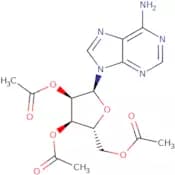
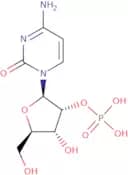
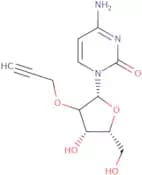
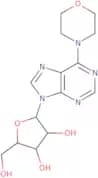
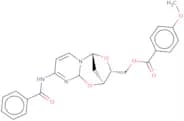
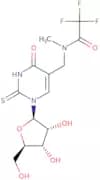
![6-Amino-3-iodo-4-methoxy-1-(b-D-ribofuranosyl)-1H-pyrazolo[3,4-d]pyrimidine](/_next/image/?url=https%3A%2Fstatic.cymitquimica.com%2Fproducts%2F3D%2Fthumb-webp%2FNA162944.webp&w=3840&q=75)

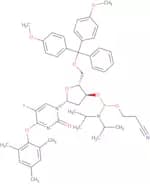

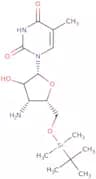
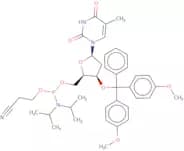


![6-Amino-4-hydroxyamino-2-(b-D-ribofuranosyl)-2H-pyrazolo[3,4-d]pyrimidine](/_next/image/?url=https%3A%2Fstatic.cymitquimica.com%2Fproducts%2F3D%2Fthumb-webp%2FNA162982.webp&w=3840&q=75)

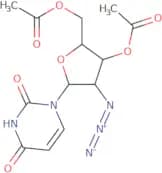
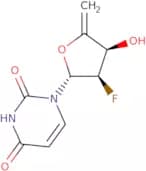
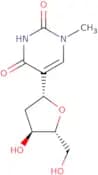


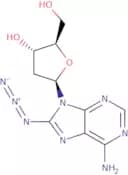

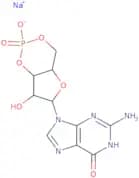
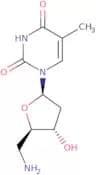
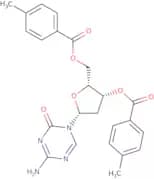

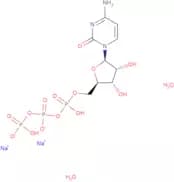
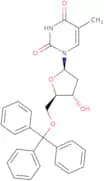
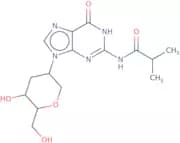
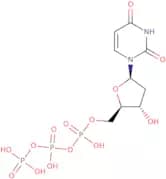
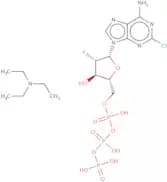


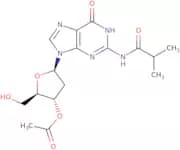




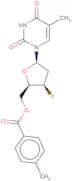
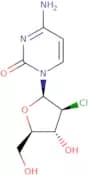
![6-O-[2-(4-Nitrophenyl)ethyl]-2-[(3-pyridyl)pyrrolidin-1- yl]-2’-deoxyinosine](/_next/image/?url=https%3A%2Fstatic.cymitquimica.com%2Fproducts%2F3D%2Fthumb-webp%2FFN162927.webp&w=3840&q=75)

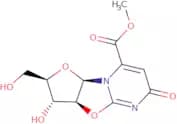
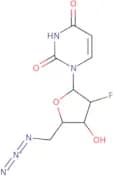
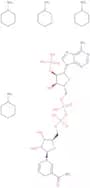
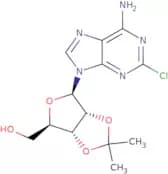


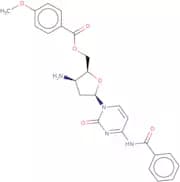
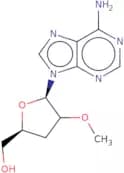
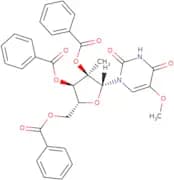
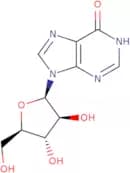
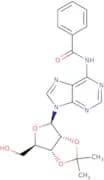
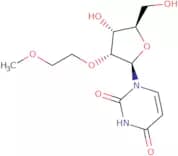
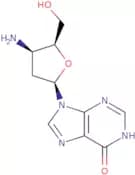
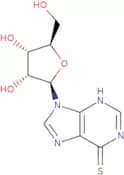

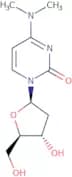
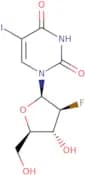


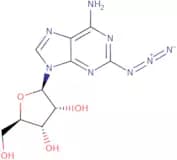
![7-[3,5-Bis-O-[(2,4-dichlorophenyl)methyl]-2-C-methyl-β-D-ribofuranosyl]-4-chloro-5-methyl-7H-pyrro…](/_next/image/?url=https%3A%2Fstatic.cymitquimica.com%2Fproducts%2F3D%2Fthumb-webp%2FNB14091.webp&w=3840&q=75)


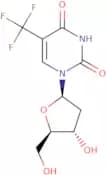



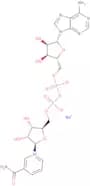
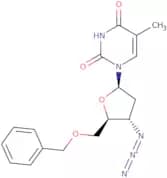
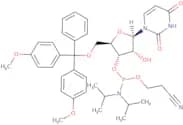


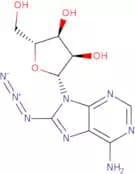
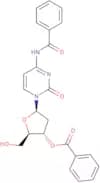

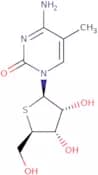
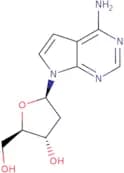
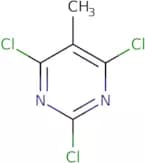
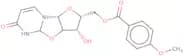
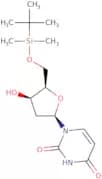
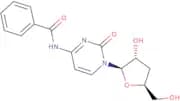
![4,6-Diamino-3-iodo-1-(b-D-ribofuranosyl)-1H-pyrazolo[3,4-d]pyrimidine](/_next/image/?url=https%3A%2Fstatic.cymitquimica.com%2Fproducts%2F3D%2Fthumb-webp%2FND162946.webp&w=3840&q=75)
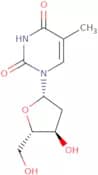
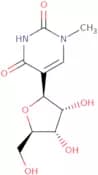

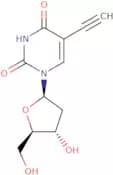
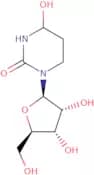

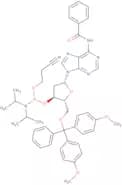

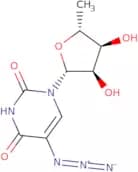

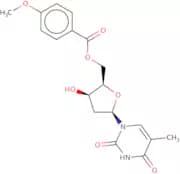


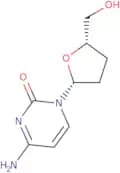
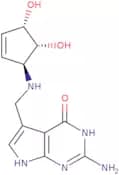

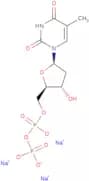

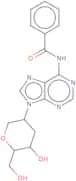
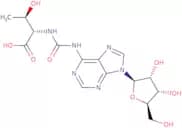
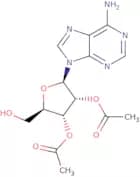
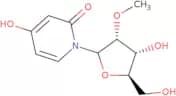
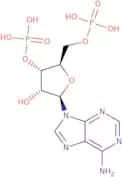
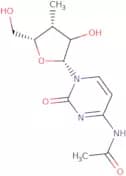
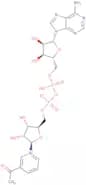


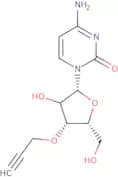
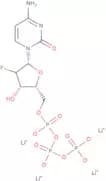
![[2'-18O]Guanosine](/_next/image/?url=https%3A%2Fstatic.cymitquimica.com%2Fproducts%2F3D%2Fthumb-webp%2FNG106386.webp&w=3840&q=75)
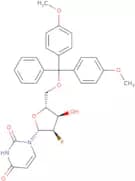
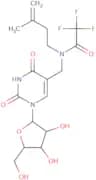


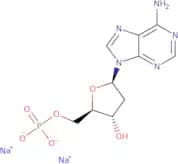
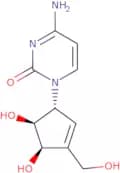
![4-Amino-7-(2-deoxy-b-D-ribofuranosyl)-7H-pyrrolo[2,3-d]pyrimidin-5-carboxamide](/_next/image/?url=https%3A%2Fstatic.cymitquimica.com%2Fproducts%2F3D%2Fthumb-webp%2FNA144685.webp&w=3840&q=75)

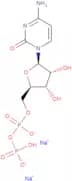
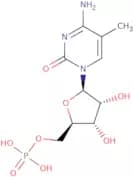
![1-(2’-Deoxy-2’-fluoro-b-D-arabinofuranosyl)-N3-(2S)-(2-amino-3-carbonyl]propyluracil](/_next/image/?url=https%3A%2Fstatic.cymitquimica.com%2Fproducts%2F3D%2Fthumb-webp%2FND162854.webp&w=3840&q=75)