Nucleosides
Nucleosides are fundamental building blocks of nucleic acids, composed of a nitrogenous base attached to a sugar molecule. In this section, you can find a wide variety of nucleosides essential for research in molecular biology, biochemistry, and pharmacology. These compounds play crucial roles in the synthesis of DNA and RNA, and are also vital in various metabolic processes. Nucleosides are used in studying genetic material, developing antiviral and anticancer therapies, and understanding cellular mechanisms. At CymitQuimica, we provide high-quality nucleosides to support your research and development needs, ensuring purity and reliability for your experimental applications.
Found 3567 products of "Nucleosides"
Sort by
Purity (%)
0
100
|
0
|
50
|
90
|
95
|
100
2-Aminoperimidine hydrochloride
CAS:<p>2-Aminoperimidine hydrochloride is the hydrochloride salt of 2-aminoperimidine, a polycyclic aromatic heterocycle featuring a fused naphthalene–pyrimidine ring system with an amino group at the 2-position. The protonated amino group forms a stable crystalline salt with hydrochloric acid, enhancing aqueous solubility and facilitating handling in laboratory applications.</p>Formula:C11H9N3•(HCl)xPurity:Min. 95%Color and Shape:PowderMolecular weight:219.67 g/molXanthosine
CAS:Controlled Product<p>Xanthosine is a purine nucleoside that is formed from the metabolism of adenosine. Xanthosine can be phosphorylated to form xanthosine 5'-monophosphate (XMP), which has been shown to have biochemical properties and metabolic responses in vitro. The p-hydroxybenzoic acid moiety of xanthosine has been shown to have therapeutic potential for the treatment of inflammatory diseases, such as rheumatoid arthritis. It also has a role in the regulation of disease activity, as it is found at high concentrations in human serum, and regulates the proliferation of cells through its binding to nuclear proteins. Xanthosine is an important component of dinucleotide phosphate (NDP) pools that are essential for cell nuclei function. NDPs are also important for DNA synthesis and repair, as well as protein synthesis. Xanthosine 5'-monophosphate can act as a metal chelate and is used in</p>Formula:C10H12N4O6Purity:Min. 98 Area-%Color and Shape:White Off-White PowderMolecular weight:284.23 g/mol2'-Deoxy-5'-O-DMT-N6-methyladenosine
CAS:<p>2'-Deoxy-5'-O-DMT-N6-methyladenosine is a mutant of the natural nucleoside adenosine which has been synthesized as a model for the study of the enzyme ribonucleotide reductase. The mutant has a frameshift mutation, and the resulting protein is unable to catalyze DNA synthesis. It can be complemented by adding wild type nucleotides to regenerate the original sequence. 2'-Deoxy-5'-O-DMT-N6-methyladenosine inhibits the synthetase activity of ribonucleotide reductase and also inhibits polymerization of erythromycin B and styrene.<br>2'-Deoxy-5'-O-DMT-N6-methyladenosine has been shown to inhibit dehydrogenase activity in auxotrophs of Escherichia coli.</p>Formula:C32H33N5O5Purity:Min. 98 Area-%Color and Shape:Off-White PowderMolecular weight:567.64 g/mol5-Chloro-2'-deoxyuridine
CAS:<p>5-Chloro-2'-deoxyuridine is a nucleoside analog that inhibits DNA synthesis by inhibiting the enzyme thymidylate synthetase. It has been used for the treatment of bladder cancer and may also be beneficial in treating other cancers such as colon cancer. 5-Chloro-2'-deoxyuridine is taken up from the intestine by cells, where it is converted to thymidine monophosphate and then to thymidine diphosphate, which inhibits DNA synthesis by interfering with cell division. The mechanism of action is similar to that of cytosine arabinoside, but it does not require activation by intracellular enzymes. 5-Chloro-2'-deoxyuridine can cause cell lysis and can inhibit protease activity during cell culture, which makes it a useful tool for purifying proteins or peptides. The drug has been shown to be an analog of cytosine arabinos</p>Formula:C9H11ClN2O5Purity:Min. 98 Area-%Color and Shape:White PowderMolecular weight:262.65 g/mol5'-O-Benzyl-2'-O-tert-butyldimethylsilyl-N2-Isobutyrylguanosine 3'-CE phosphoramidite
<p>5'-O-Benzyl-2'-O-tert-butyldimethylsilyl-N2-Isobutyrylguanosine 3'-CE phosphoramidite is an antiviral nucleoside that inhibits the synthesis of viral DNA and RNA. It has been shown to be active against herpes simplex virus type 1 (HSV1) and cytomegalovirus (CMV). 5'-O-Benzyl-2'-O-tert-butyldimethylsilyl-N2-Isobutyrylguanosine 3' is a novel modified nucleoside with high purity and excellent solubility in water, ethanol, and DMF. It can be used for the synthesis of oligonucleotides. The chemical name for this compound is 5'-O-(4,4'-dimethoxytrityl)-2'-O-[(benzyloxy)carbonyl]</p>Formula:C36H56N7O7PSiPurity:Min. 95%Molecular weight:757.95 g/mol[1',2',3',4',5'-13C5]-Kinetin riboside-5-triphosphate
<p>Kinetin riboside-5-triphosphate is a synthetic nucleotide analog that inhibits the DNA polymerase. It has antiviral and anticancer properties, as well as being a novel synthetic molecule. Kinetin riboside-5-triphosphate is a phosphoramidite, which is used in the synthesis of oligodeoxyribonucleotides for antiviral treatments. This compound has been shown to inhibit the production of proteins vital for cell division, leading to cell death by inhibiting protein synthesis. Kinetin riboside-5-triphosphate also has antitumor activity and can be used to treat cancer through its inhibition of DNA replication.</p>Purity:Min. 95%Capecitabine
CAS:<p>Pro-drug of 5-FU; anti-cancer agent</p>Formula:C15H22FN3O6Purity:Min. 95%Color and Shape:PowderMolecular weight:359.35 g/molN4-Benzoyl-2'-deoxy-5'-O-DMT-cytidine
CAS:<p>N4-Benzoyl-2'-deoxy-5'-O-DMT-cytidine is a pesticide that is used as an acaricide, insecticide, and nematicide. It has been shown to be effective in controlling the growth of E. coli and insects by binding to their membranes and inhibiting lipid synthesis. N4-Benzoyl-2'-deoxy-5'-O-DMT-cytidine binds to the polypeptides in the bacterial cell membrane and inhibits their function, leading to cell death. This drug also has a low toxicity for mammals.</p>Formula:C37H35N3O7Purity:Min. 98 Area-%Color and Shape:White Off-White PowderMolecular weight:633.69 g/molThymidine-5'-diphosphate-L-rhamnose disodium
CAS:<p>Thymidine-5'-diphosphate-L-rhamnose disodium is a nucleoside that belongs to the class of modified nucleosides. It is a synthetic, modified thymidine with a phosphate group at the 5'-position and L-rhamnose at the 2' position. Thymidine-5'-diphosphate-L-rhamnose disodium has antiviral and anticancer activities, as well as high purity and high quality. This compound has been shown to inhibit HIV replication in vitro and in vivo. Thymidine-5'-diphosphate-L-rhamnose disodium is also used in the synthesis of DNA and RNA.</p>Formula:C16H24N2O15P2Na2Purity:Min. 95 Area-%Color and Shape:PowderMolecular weight:592.29 g/mol2'-Deoxy-5’-O-DMT-N4-Fmoc-5-methylcytidine 3'-CE-phosphoramidite
CAS:<p>2'-Deoxy-5’-O-DMT-N4-Fmoc-5-methylcytidine 3'-CE phosphoramidite is a novel, high purity and high quality nucleoside. It is an activator for modified deoxyribonucleosides and nucleosides. This compound can be used in antiviral, anticancer and DNA applications.</p>Purity:Min. 95%2,3'-Anhydro-2'-deoxyadenosine
<p>2,3'-Anhydro-2'-deoxyadenosine is a DNA nucleoside and phosphoramidite monomer that belongs to the group of deoxyribonucleosides. It can be used as an antiviral and anticancer agent. 2,3'-Anhydro-2'-deoxyadenosine has been shown to inhibit viral replication by preventing the synthesis of viral DNA and RNA. The drug also inhibits tumor growth by interfering with cell division. This drug can be used in the preparation of phosphoramidites for the synthesis of oligonucleotides for research purposes.</p>Formula:C10H11N5O3Purity:Min. 95%Molecular weight:249.23 g/mol5-Fluoro-4’-C-methylcytidine
CAS:<p>5-Fluoro-4’-C-methylcytidine is a novel antiviral agent that is an analog of cytidine and has been shown to inhibit the synthesis of DNA. 5-Fluoro-4’-C-methylcytidine is a phosphoramidite that is synthesized by modifying cytosine nucleoside with fluoro group. It has been shown to be active against cancer cells in vitro. This compound is not active against the herpes virus, but has been shown to have anticancer activity at concentrations less than 10 μM.</p>Purity:Min. 95%N6-Etheno 2'-deoxyadenosine
CAS:<p>N6-Etheno 2'-deoxyadenosine is a nucleoside analogue that inhibits DNA synthesis by binding to the enzyme thymidylate synthase, which catalyzes the conversion of deoxyuridine monophosphate to thymidine monophosphate. This drug has been shown to be genotoxic in vitro and in vivo, as evidenced by its ability to induce chromosomal aberrations in cultured human lymphocytes and disrupt DNA replication in mammalian cells. It also reacts with mismatched base pairs and dna duplexes, leading to their degradation. N6-Etheno 2'-deoxyadenosine binds reversibly to antibodies and can be detected using an analytical method that employs monoclonal antibodies.</p>Formula:C12H13N5O3Color and Shape:White Off-White PowderMolecular weight:275.26 g/mol3',5'-Di-O-acetyl-2'-deoxy-5-iodouridine
CAS:<p>3',5'-Di-O-acetyl-2'-deoxy-5-iodouridine is an inorganic, deoxyribonucleoside. It is the acetyl derivative of 2'-deoxy-5-iodouridine, which is an analog of uracil. 3',5'-Di-O-acetyl-2'-deoxy-5-iodouridine has been shown to have antiviral properties against herpes simplex virus type 1 (HSV1) and herpes simplex virus type 2 (HSV2) in animals. This drug also has antiangiogenic properties, inhibiting the growth of new blood vessels and tissues at the site of a tumour. Studies have shown that 3',5'-di-O acetyl 2'-deoxyuridine can be incorporated into exudates from human cancer patients and can inhibit tumor cell proliferation in vivo.</p>Formula:C13H15IN2O7Purity:Min. 95%Molecular weight:438.18 g/mol2'-Deoxy-2'-fluorocytidine-5'-triphosphate tetralithium
CAS:<p>2'-Deoxy-2'-fluorocytidine-5'-triphosphate tetralithium is a modified nucleoside analog where the base is cytosine, the sugar is deoxyribose with a fluoro modification at the 2' position, and the molecule is phosphorylated at the 5' position with a triphosphate group.</p>Formula:C9H11FLi4N3O13P3Purity:Min. 95%Color and Shape:White Off-White PowderMolecular weight:508.88 g/mol5-b-D-Glucopyranosyl-5-thio-thymidine
<p>5-b-D-Glucopyranosyl-5-thio-thymidine is a monophosphate nucleoside that is chemically modified to be an antiviral agent. It inhibits the synthesis of viral DNA by competing with natural deoxyribonucleosides for incorporation into the growing DNA chain. 5-b-D-Glucopyranosyl-5-thio-thymidine is a novel compound and has not been evaluated in humans. However, it may have anticancer properties due to its ability to inhibit tumor cell proliferation. This drug also has potential as an antiinflammatory agent because it can inhibit the production of prostaglandins from arachidonic acid.</p>Purity:Min. 95%2'-Deoxyuridine
CAS:<p>2'-Deoxyuridine (2'-dU) is an intermediate in the synthesis of thymidylate, which is a precursor for DNA synthesis. It can be prepared through high-performance liquid chromatography. 2'-dU has been shown to inhibit the enzymatic activity of enzymes responsible for synthesizing uridine and thymidylate, leading to neuronal death. 2'-dU has also been shown to have a protective effect against mitochondrial dysfunction induced by hydrogen fluoride. It is also known to bind with toll-like receptor 4 (TLR4), which is involved in inflammatory responses. 2'-dU has been used as a fluorescence probe for nucleic acids and as a polymerase chain reaction (PCR) substrate.</p>Formula:C9H12N2O5Purity:Min. 98 Area-%Color and Shape:White PowderMolecular weight:228.21 g/mol2'-Deoxy 5'-O-DMT-N2-(4-isopropylphenoxyacetyl)guanosine 3'-CE phosphoramidite
CAS:<p>Amidite designed to withstand prolonged exposure to strongly alkaline conditions during heating with ammonium hydroxide solution.</p>Formula:C51H60N7O9PPurity:Min. 95%Color and Shape:PowderMolecular weight:946.06 g/mol2-Deoxyuridine
CAS:<p>2-Deoxyuridine is a nucleoside that is an important nutrient in the synthesis of DNA and RNA. It has been shown to have a conformational effect on the l1210 mouse leukemia cells. 2-Deoxyuridine has been used extensively in biological studies, as it can be used to inhibit tuberculosis. 2-Deoxyuridine binds to the enzyme ribonucleotide reductase and inhibits its activity, preventing DNA synthesis and cell division. The hydrogen bonds between 2-deoxyuridine and uracil are broken, which leads to the conversion of 2-deoxyuridine into uracil. This conversion occurs spontaneously without being catalyzed by any enzymes, so no other cofactors or enzymes are required for this process. Brevibacterium <br>is one of the organisms that produce 2-deoxyuridine from glucose during fermentation. There are two different isomers: DUA and DUA2, which differ only by the arrangement</p>Formula:C9H12N2O5Purity:Min. 95%Molecular weight:228.2 g/mol3'-Amino-2',3'-dideoxyguanosine
CAS:<p>3'-Amino-2',3'-dideoxyguanosine's lack of a 3'-hydroxyl group makes it a chain terminator for DNA polymerase, a key application in Sanger sequencing. Additionally, the 3'-amino group serves as a functional handle for modifying the 3' end of oligonucleotides with various labels or conjugates, expanding their utility in research and diagnostics.</p>Formula:C10H14N6O3Purity:(%) Min. 95%Color and Shape:Off-White PowderMolecular weight:266.26 g/molN4-Benzyl-2'-deoxy-2'-fluoro-5'-O-MMT-cytidine 3'-CE phosphoramidite
<p>N4-Benzyl-2'-deoxy-2'-fluoro-5'-O-MMT-cytidine 3'-CE phosphoramidite is a novel nucleoside analog with anticancer, antiviral and activator properties. This compound has been synthesized by modifying the cytidine base of cytidine monophosphate (CMP) with 2'-deoxy-2'-fluoro methylene methyltetrahydrofuran (MMT) and 4-benzyl group at the 5' position. The modified nucleoside was phosphorylated to form N4-benzyl-2'-deoxy-2'-fluoro-5'-O-MMT-cytidine 3'-CE phosphoramidite. It has shown to have high purity, high quality and good solubility in water.</p>Formula:C45H51FN5O6PPurity:Min. 95%Molecular weight:807.91 g/molADP monosodium salt - Bio-X ™
CAS:<p>Adenosine 5'-diphosphate monosodium salt (ADP) is an adenine nucleotide which is phosphorylated into ATP by the enzyme ATPase. This phosphorylation is essential in cellular homeostasis due to its role in energy storage and nucleic acid metabolism.</p>Formula:C10H15N5O10P2•NaPurity:Min. 95%Color and Shape:PowderMolecular weight:449.18 g/mol2'-Deoxyadenosine monohydrate
CAS:<p>2'-Deoxyadenosine monohydrate (2'-dA) is an adenosine nucleotide that is synthesized by the enzyme adenosine kinase. It is a competitive inhibitor of phosphodiesterase and inhibits the activity of this enzyme, which breaks down cyclic nucleotides to their corresponding monophosphate form. This leads to elevated levels of cAMP, which can cause neuronal death by apoptosis. 2'-dA has been shown to have sublethal effects on neurons at concentrations that are below those required for neuronal death and apoptosis. This may be due to its ability to inhibit the synthesis of ATP, thereby limiting the production of phosphoryl groups from ATP. The inhibition of ATP synthesis also reduces the amount of energy available for other processes within cells.</p>Formula:C10H13N5O3•H2OPurity:Min. 98 Area-%Color and Shape:PowderMolecular weight:269.26 g/mol2-Thiouridine
CAS:<p>2-Thiouridine is a uridine derivative that acts as a precursor for protein synthesis. It is synthesized from 2-amino-5-thiazole carboxylic acid and uracil in two steps, first with the formation of 2-thiouridine monophosphate and then with the conversion to 2-thiouridine diphosphate. The synthesis of 2-thiouridine is catalyzed by the enzyme uridine phosphorylase, which converts it to uridine monophosphate. 2-Thiouridine has been shown to have immunomodulatory effects in cell culture systems and animal models. These effects are believed to be due to its ability to act as an inhibitor of fatty acid synthase, which generates fatty acids from acetyl CoA. This process prevents the production of prostaglandins and leukotrienes, thereby reducing inflammation.</p>Formula:C9H12N2O5SPurity:Min. 98 Area-%Color and Shape:White PowderMolecular weight:260.27 g/mol2'-Deoxy-5-iodocytidine
CAS:<p>2'-Deoxy-5-iodocytidine is a modified monophosphate of deoxyribonucleosides. It is used as an activator in the synthesis of phosphoramidites and nucleosides, as well as in antiviral and anticancer drug development. This product has been shown to have high purity and quality. 2'-Deoxy-5-iodocytidine has also been shown to be active against HIV, hepatitis B, herpes simplex virus type 1, and cytomegalovirus.</p>Formula:C9H12IN3O4Purity:Min. 98 Area-%Molecular weight:353.11 g/molCytidine 3'(2’)-monophosphate
CAS:<p>Cytidine 3’(2’)-monophosphate (CMP) is a biochemical substance that is found in the nucleic acids of cells. It is an equilibrative nucleoside and a precursor to the biosynthesis of uridine and cytidine. CMP is also an intermediate in the synthesis of the coenzyme tetrahydrofolate, which has been shown to inhibit the growth of antibiotic-resistant strains such as Escherichia coli, Pseudomonas aeruginosa, Klebsiella pneumoniae, Staphylococcus aureus, and Enterobacter cloacae. Cytidine 3’(2’)-monophosphate can be converted into cytidine by phosphorylation with ATP or by methylation with S-adenosylmethionine. Cytidine 3’(2’)-monophosphate has been shown to have polymerase chain reaction activity</p>Formula:C9H14N3O8PPurity:Min. 95%Color and Shape:White PowderMolecular weight:323.2 g/molGemcitabine HCl
CAS:<p>Anticancer nucleoside; DNA synthesis interference</p>Formula:C9H11F2N3O4·HClPurity:Min. 98 Area-%Color and Shape:White PowderMolecular weight:299.66 g/molInosine 5'-monophosphate - from Saccharomyces Cerevisiae
CAS:<p>Inosine 5'-monophosphate is a monophosphate that is produced from the purine nucleotide inosine. Inosine 5'-monophosphate has been shown to inhibit the inflammatory response in human cells and mice, which may be due to its ability to inhibit the toll-like receptor TLR2 and TLR4. It also has an antiviral effect against opportunistic fungal pathogens such as Candida albicans. Inosine 5'-monophosphate also inhibits the production of reactive oxygen species by neutrophils, which may be due to its ability to inhibit polymerase chain reaction. The therapeutic potential of this drug is currently being researched for bowel diseases such as Crohn's disease and ulcerative colitis.</p>Formula:C10H13N4O8PPurity:Min. 95%Molecular weight:348.2 g/mol5'-O-DMT-N6-methyl-N6-phenoxyacetyladenosine 3'-CE phosphoramidite
<p>5'-O-DMT-N6-methyl-N6-phenoxyacetyladenosine 3'-CE phosphoramidite is a nucleoside with the formula 2,5'-(2,4,6-trimethoxybenzoyl)thymidine. It is the activated form of 5'-O-(4,4'-dimethoxytrityl)-N6-methyl-N6-phenoxyacetyladenosine 3'-CE phosphoramidite. The compound has been used in chemical synthesis to produce oligonucleotides and other nucleic acid analogs.</p>Formula:C49H56N7O9PPurity:Min. 95%Molecular weight:917.98 g/mol5-Difluoromethyluridine
CAS:<p>5-Difluoromethyluridine is a nucleoside that is modified to be an activator of phosphoramidites. It is used in the synthesis of DNA and RNA, as well as in antiviral and anticancer drugs. 5-Difluoromethyluridine can also be used for the treatment of HIV or AIDS, because it inhibits HIV reverse transcriptase and human T-cell leukemia virus type 1 (HTLV-1). This drug has been shown to have high purity and quality with a CAS number of 110483-84-6.</p>Purity:Min. 95%2'-Deoxy-N2-isobutyryl-5'-O-levulinoyladenosine
<p>2'-Deoxy-N2-isobutyryl-5'-O-levulinoyladenosine is a modified nucleoside that has been shown to have anticancer and antiviral properties. It is synthesized as a phosphoramidite, and the synthesis of this compound has been patented internationally. This novel nucleoside is an activator for both DNA and RNA synthesis. The compound also has high purity, high quality, and is readily available to order from the supplier.</p>Formula:C19H25N5O6Purity:Min. 95%Molecular weight:419.44 g/mol2'-Deoxy-5'-O-DMT-2'-fluoro-N4-phenoxyacetylcytidine
<p>2'-Deoxy-5'-O-DMT-2'-fluoro-N4-phenoxyacetylcytidine is a monophosphate nucleotide analog that is used as an antiviral agent. It inhibits viral replication by inhibiting the activity of DNA polymerase, which is needed to synthesize DNA. 2'-Deoxy-5'-O-DMT-2'-fluoro-N4-phenoxyacetylcytidine has been shown to be effective against HIV and HSV in vitro and in vivo. This nucleotide analog has also been shown to be potent against Hepatitis B viruses and adenovirus type 3.<br>2'-Deoxy-5'-O-DMT-2'-fluoro-N4-phenoxyacetylcytidine is phosphoramidate derivative of cytosine with a fluorine substitution at the 2' position on the sugar moiety, making it a novel compound. The pyrid</p>Formula:C38H36FN3O8Purity:Min. 98 Area-%Color and Shape:Yellow PowderMolecular weight:681.71 g/mol2'-Deoxy-N3-methyluridine
CAS:<p>2'-Deoxy-N3-methyluridine is a nucleoside analog that is used as a substrate in the synthesis of DNA. It can be incorporated into the DNA strand by enzymes called thymidylate synthases. 2'-Deoxy-N3-methyluridine has been shown to inhibit bacterial growth in cell cultures, and it is also active against marine sponges. The protonation state of the molecule determines its hydrophobicity and can be altered by adding a test compound to the solution. Hydrophobic molecules are more likely to bind with water molecules than hydrophilic molecules, which are more soluble in water.</p>Formula:C10H14N2O5Purity:Min. 95%Color and Shape:White PowderMolecular weight:242.23 g/mol2',3'-Dideoxyuridine
CAS:<p>Research tool for anti-viral and anti-cancer studies</p>Formula:C9H12N2O4Purity:Min. 98 Area-%Color and Shape:White PowderMolecular weight:212.21 g/mol2',3'-Dideoxy-6-thio-inosine
CAS:<p>2',3'-Dideoxy-6-thio-inosine is a nucleoside analog that is used in vitro for the investigation of viral replication. 2',3'-Dideoxy-6-thio-inosine is a potent inhibitor of human immunodeficiency virus type 1 (HIV-1) infection, and has been shown to inhibit the synthesis of viral dna. The in vitro activity of this drug against HIV has been shown to be greater than 200 times more potent than zidovudine or didanosine. 2',3'-Dideoxy-6-thio-inosine also inhibits the growth of some cell lines, including those derived from infected T cells, indicating that it may have cytocidal effects.</p>Formula:C10H12N4O2SPurity:Min. 95%Molecular weight:252.29 g/mol2'-Deoxyguanosine 3'-monophosphate sodium
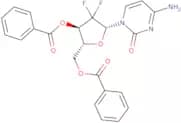
CAS:<p>2'-Deoxyguanosine 3'-monophosphate sodium is a novel, synthetic nucleoside that inhibits DNA replication and transcription. It has been shown to be a potent inhibitor of human immunodeficiency virus type 1 (HIV-1) and human T-cell leukemia virus type I (HTLV-I). 2'-Deoxyguanosine 3'-monophosphate sodium is in the category of nucleosides, which are phosphorylated compounds that can be incorporated into DNA by DNA polymerase. This product has a high purity and is synthesized from diphosphate.</p>Formula:C10H12Na2N5O7PPurity:Min. 95%Color and Shape:White Off-White PowderMolecular weight:391.19 g/mol1-(3',5'-Di-O-benzoyl-2'-chloro-2'-deoxy-β-L-arabinofuranosyl)thymine
CAS:<p>1-(3`,5`-Di-O-benzoyl-2`-chloro-2`-deoxy-beta-L-arabinofuranosyl)thymine is a nucleoside analog for research applications. This compound is made up of a thymine base and the sugar 2'-Chloro-2'-deoxy-β-L-arabinofuranose. The sugar has the L-arabinose configuration and a 2'-Chloro substitution which can alter its interactions with enzymes and enhance resistance to degradation. It also contains benzoyl groups that protect the hydroxyls during chemical synthesis.</p>Formula:C24H21FN2O7Purity:Min. 95%Molecular weight:468.43 g/molN-Acetyl-5-[1,2-bis(acetyloxy)ethyl]-5'-O-DMT-2'-deoxycytidine 3'-CE phosphoramidite
CAS:<p>N-Acetyl-5-[1,2-bis(acetyloxy)ethyl]-5'-O-DMT-2'-deoxycytidine 3'-CE phosphoramidite is a Ribonucleoside, Deoxyribonucleoside, Activator, Antiviral. It is a modified nucleoside with N-(acetyl)-N′-[1,2-bis(acetyloxy)ethyl]glycine esterified to the 5′ position of the ribose and 2′deoxycytidine esterified to the 3′ position of the sugar. <br>N-Acetyl-5-[1,2-bis(acetyloxy)ethyl]-5'-O-DMT-2'-deoxycytidine 3'-CE phosphoramidite has been shown to inhibit HIV replication in vitro and in vivo. This drug also inhibits influenza A viruses and herpes simplex virus type 1 (</p>Formula:C47H58N5O12PPurity:Min. 95%Molecular weight:915.96 g/mol6-Methylpurine-2'-deoxyriboside
CAS:<p>6-Methylpurine-2'-deoxyriboside (6MPdR) is a nucleoside analog that inhibits viral polymerase activity. It is used in the treatment of bowel diseases, such as inflammatory bowel disease and hepatitis C. 6MPdR can be used to treat cancer by inhibiting cellular proliferation and inducing apoptosis. This drug has been shown to inhibit leishmania growth in cell culture. 6MPdR can be administered orally or intravenously, and is pegylated for greater stability in the blood stream.</p>Formula:C11H14N4O3Purity:Min. 95%Color and Shape:PowderMolecular weight:250.25 g/mol8-Bromo-2'-deoxyadenosine
CAS:<p>8-Bromo-2'-deoxyadenosine (8-BrdA) is a reactive chemical that can be used in the study of DNA. It is used to measure the kinetics of oxidative dna damage and to study glycosidic bond cleavage reactions. 8-BrdA reacts with eosinophil peroxidase to yield an oxidant, which can then react with dna duplexes. This reaction has been shown to affect both intramolecular and intermolecular hydrogen bonds. 8-BrdA also has been shown to induce cell death in vitro by apoptosis.</p>Formula:C10H12BrN5O3Purity:Min. 98 Area-%Color and Shape:PowderMolecular weight:330.14 g/mol3’-Azido-3’-deoxy-2-thiouridine
CAS:<p>3’-Azido-3’-deoxy-2-thiouridine is an antiviral agent that is used to synthesize phosphoramidites for the preparation of modified oligonucleotides. 3’-Azido-3’-deoxy-2-thiouridine has been shown to inhibit cancer growth and induce apoptosis in cancer cells, suggesting that it may have anticancer properties. It is also a novel deoxyribonucleoside that can be used as a building block for the synthesis of ribonucleosides. 3’-Azido-3’-deoxy-2-thiouridine is a high quality product with high purity and excellent activator properties. This product has CAS No. 2305416–00–4 and can be used in pharmaceuticals, biotechnology, and other chemical applications.</p>Formula:C9H11N5O4SPurity:Min. 95%Molecular weight:285.28 g/mol2'-Deoxycytidine-5'-monophosphate disodium
CAS:<p>2'-Deoxycytidine-5'-monophosphate disodium (2DdCMP) is a competitive inhibitor of receptor protein tyrosine kinases. It has been shown to inhibit the growth of various human cancer cell lines in vitro and to reduce tumor size in mice bearing transplanted human tumor xenografts. 2DdCMP inhibits the proliferation of cancer cells by interfering with the expression of growth factors that are involved in mitogenesis. This drug also inhibits the growth of new blood vessels, which is essential for tumor formation and progression. 2DdCMP binds to an allosteric site on receptor molecules, thereby blocking the binding site of other proteins such as growth factors and kinases that may be involved in tumorigenesis.</p>Formula:C9H12N3O7PNa2Purity:Min. 95%Color and Shape:White PowderMolecular weight:351.16 g/mol1-(2'-Deoxy-5'-O-DMT-2'-fluoro-b-D-arabinofuranosyl)uracil
CAS:<p>1-(2'-Deoxy-5'-O-DMT-2'-fluoro-b-D-arabinofuranosyl)uracil is a nucleoside analog and contains a uracil base, and a 2'-deoxy-5'-O-DMT-2'-fluoro-b-D-arabinofuranosyl sugar moiety. The 2'-fluoro modification is of particular interest due to its potential to alter the chemical and biological properties of the resulting oligonucleotides. Fluorinated nucleosides and their analogs have been extensively studied for their antiviral and anticancer activities. The incorporation of fluorine into nucleoside analogs can also affect their interaction with DNA and RNA, leading to changes in their therapeutic potential.</p>Formula:C30H29FN2O7Purity:Min. 95%Color and Shape:White To Off-White SolidMolecular weight:548.56 g/mol3'-Deoxy-3'-C-methyluridine
CAS:<p>3'-Deoxy-3'-C-methyluridine is a novel and modified nucleoside that is synthesized from uridine. It is a monophosphate and has been shown to be an activator of the mammalian enzyme ribonucleotide reductase. 3'-Deoxy-3'-C-methyluridine has also been shown to have antiviral effects, as well as anticancer activity in studies with mice. The high purity and high quality of this product make it ideal for use in research, pharmaceuticals, and other applications.</p>Formula:C10H14N2O5Purity:Min. 95%Molecular weight:242.23 g/mol2’-Amino-2’-deoxy-5’-O-DMT-uridine
CAS:<p>2’-Amino-2’-deoxy-5’-O-DMT-uridine is a modified nucleoside that can be used in the synthesis of DNA. It is an antiviral agent and has shown anticancer activity. This compound is a phosphoramidite, which is a chemical intermediate used in the production of DNA. 2’-Amino-2’-deoxy-5’-O-DMT-uridine may also be used as an activator for DNA polymerase and reverse transcriptase enzymes.</p>Purity:Min. 95%5-Aminouridine
CAS:<p>5-Aminouridine is an analog of uridine that is used in the synthesis of RNA. It inhibits the synthesis of RNA by viruses, and it may also inhibit the synthesis of RNA by cells, including muscle cells. 5-Aminouridine has been shown to inhibit protein synthesis in muscle cells incubated with orotic acid. The drug may also interact with other drugs metabolized by UDP-glucose pyrophosphorylase, such as carbamazepine and phenytoin. This interaction may lead to decreased serum levels of these drugs following treatment with 5-aminouridine.</p>Formula:C9H13N3O6Purity:Min. 90 Area-%Color and Shape:PowderMolecular weight:259.22 g/mol5'-O-Benzoyl-2,2'-anhydrouridine
<p>5'-O-Benzoyl-2,2'-anhydrouridine is an antiviral agent that belongs to the group of deoxyribonucleosides. It is a modified nucleoside that is synthesized from 2,4-dihydroxybenzoic acid and 5-aminoimidazole ribonucleotide monophosphate. 5'-O-Benzoyl-2,2'-anhydrouridine can be used as a phosphoramidite synthon for the synthesis of DNA or RNA. The drug has been shown to inhibit the replication of several viruses in cell culture, including herpes simplex virus type 1 (HSV1), herpes simplex virus type 2 (HSV2), varicella zoster virus (VZV), cytomegalovirus (CMV), and Epstein Barr virus (EBV). 5'-O-Benzoyl-2,2'-anhydrouridine also</p>Formula:C16H14N2O6Purity:Min. 95%Molecular weight:330.29 g/mol2'-Deoxyguanosine-5'-monophosphate disodium salt
CAS:<p>2'-Deoxyguanosine-5'-monophosphate disodium salt is an inorganic compound that has a furanose ring. It is used as a monofunctional building block for the synthesis of nucleotide derivatives. The conformations of 2'-deoxyguanosine-5'-monophosphate disodium salt are experimentally determined by x-ray data, which shows that the molecule adopts a twisted conformation with two possible orientations: one where the 2'OH group is oriented toward the phosphate group, and another where it is oriented away from it. The nature of these conformers can be confirmed by analyzing their x-ray diffraction patterns.</p>Formula:C10H12N5Na2O7PPurity:Min. 98 Area-%Color and Shape:White PowderMolecular weight:391.19 g/molCoenzyme A hydrate
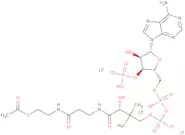
CAS:<p>Coenzyme A hydrate is essential in the metabolism of fatty acids and the synthesis of acetyl-CoA. It is also employed in pharmaceutical applications, especially in drug development and formulation. Its distinctive properties improve drug solubility and bioavailability, making it an essential component in the creation of therapeutic agents.</p>Formula:C21H36N7O16P3S·xH2OPurity:(Enzymatic) Min. 75%Color and Shape:White Off-White Slightly Yellow PowderMolecular weight:767.54 g/molN-Pyrrolo-2'-deoxycytidine
CAS:<p>N-Pyrrolo-2'-deoxycytidine is a nucleoside analog that is used in the laboratory as a template for DNA synthesis. It has been shown to be an effective inhibitor of human pathogens. N-Pyrrolo-2'-deoxycytidine binds to DNA and prevents replication by interfering with the binding of the enzyme polymerase to the template strand, which leads to denaturation of the complementary strand and blocking of DNA elongation. This drug has been shown to bind specifically to sequences that are unpaired in duplexes, such as single-stranded telomeres. N-Pyrrolo-2'-deoxycytidine can also be used as a fluorescence probe for detecting dsDNA duplexes.</p>Formula:C12H15N3O4Purity:Min. 98 Area-%Color and Shape:PowderMolecular weight:265.27 g/mol2'-Deoxy-2-methoxyadenosine
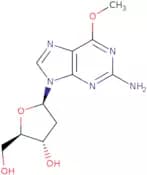
CAS:<p>2'-Deoxy-2-methoxyadenosine is a nucleoside that has been isolated from the sponge Spongospora. It is a glycosylated nucleoside that contains a formamidine chromophore and an amino function. The molecule has been synthesized by solid-phase synthesis, which involves the use of phosphoramidite chemistry to attach a series of building blocks onto an oligonucleotide template. 2'-Deoxy-2-methoxyadenosine was found to have thermal stability in phosphate buffer solutions and low reactivity with nucleophiles such as ammonia or methylamine. This nucleoside can be used as a substituent in synthetic organic chemistry and has been shown to inhibit the growth of bacteria such as Clostridium perfringens.</p>Formula:C11H15N5O4Purity:Min. 95%Color and Shape:PowderMolecular weight:281.27 g/mol5-Methyl-2′-O-[2-(methylamino)-2-oxoethyl]uridine
CAS:<p>5-Methyl-2′-O-[2-(methylamino)-2-oxoethyl]uridine (5MeUrd) is a diphosphate nucleoside that has been modified with a methyl group on the 2′ position. It is a novel, high quality, synthetic nucleoside with antiviral and anticancer properties. 5MeUrd is structurally similar to uridine and cytidine, which are deoxyribonucleosides. The phosphoramidite of 5MeUrd can be used for the synthesis of DNA, RNA, or monophosphate nucleosides in vitro. 5MeUrd has been shown to inhibit human leukemia cells and cancer cell lines in vitro by inhibiting DNA synthesis.</p>Formula:C13H19N3O7Purity:Min. 95%Molecular weight:329.31 g/molAdenosine-2'-monophosphate
CAS:<p>Adenosine-2'-monophosphate is a nucleotide that contains two adenine bases. It is an important precursor in the synthesis of ATP, which is the main source of energy for cells. Adenosine-2'-monophosphate has been shown to inhibit phosphatase and lysine residues, as well as GSH-Px activities in kidney cells, leading to increased glomerular filtration rate. It also activates microglia cells and induces oxidative injury in rat brain tissue. The kinetic data for this molecule suggests that it binds to the enzyme ternary complex formation with a neutral pH optimum.</p>Formula:C10H14N5O7PPurity:Min. 95%Color and Shape:PowderMolecular weight:347.22 g/mol2'-Deoxypseudouridine
CAS:<p>2'-Deoxypseudouridine is a nucleotide that is synthesized from the sugar ribose-5-phosphate and uracil. It is used in biological systems to transfer phosphate groups, which are vital to the metabolism of energy. 2'-Deoxypseudouridine also binds to DNA, forming stable complexes with enzymes and other molecules. This nucleotide is often found in oligodeoxynucleotides, which are used as antiviral agents. 2'-Deoxypseudouridine has been shown to have antimicrobial activity against various viruses, including hepatitis B virus (HBV). It has also been tested for its ability to inhibit replication of HIV-1 in vitro. The enzyme glycosylase catalyzes the reaction of 2'-deoxypseudouridine with water, producing an unstable intermediate that spontaneously converts into dUMP and pyrophosphate.</p>Formula:C9H12N2O5Purity:Min. 95%Color and Shape:White PowderMolecular weight:228.21 g/mol4-Chloro-1-(β-D-2-deoxyribofuranosyl)imidazo[4,5-c]pyridine
CAS:<p>4-Chloro-1-(β-D-2-deoxyribofuranosyl)imidazo[4,5-c]pyridine (4CPD) is a synthetic nucleoside with antiviral properties. It inhibits the synthesis of DNA by competing with natural deoxyribonucleosides for incorporation into the growing DNA strand. 4CPD also has antimicrobial and anticancer activities.<br>The cytotoxic activity of 4CPD was first reported in 1971 and its antiviral activity was discovered in 1972. 4CPD has shown to be an effective inhibitor of HIV replication in vitro and in vivo. In addition, it has been shown to inhibit the growth of cancer cells without affecting normal cells.</p>Formula:C11H12ClN3O3Purity:Min. 95%Molecular weight:269.68 g/mol2'-Deoxy-3,5-dimethylcytidine
CAS:<p>2'-Deoxy-3,5-dimethylcytidine is a nucleoside analog that is an activator of the ribonucleotide reductase enzyme. It has been shown to have anticancer properties in vitro and in vivo. 2'-Deoxy-3,5-dimethylcytidine has also been shown to be effective against HIV and herpes virus infections. 2'-Deoxy-3,5-dimethylcytidine is synthesized from deoxyribonucleosides or nucleosides by phosphitylation with phosphoramidites or diphosphates. The CAS number for this product is 198198-29-7.</p>Formula:C11H17N3O4Purity:Min. 95%Color and Shape:PowderMolecular weight:255.27 g/mol5-Bromo-5'-O-tert-butyldimethylsilyl-N4-(2-hydroxyphenyl)-2',3'-O-isopropylidenecytidine
<p>5-Bromo-5'-O-tert-butyldimethylsilyl-N4-(2-hydroxyphenyl)-2',3'-O-isopropylidenecytidine is a phosphoramidite nucleoside analog that is used as a building block in the preparation of oligonucleotide DNA. It is a novel synthetic nucleoside with antiviral and anticancer properties. 5-Bromo-5'-O-tert-butyldimethylsilyl-N4-(2-hydroxyphenyl)-2',3'-O-isopropylidenecytidine has been shown to inhibit the replication of human immunodeficiency virus (HIV) type 1 and 2, herpes simplex virus type 1, and varicella zoster virus. This product also has an anticancer activity against various tumor cells in vitro.</p>Formula:C23H32BrN3O6SiPurity:Min. 90%Molecular weight:554.5 g/mol1-(2'-Deoxy-2'-fluoro-β-D-arabinofuranosyl)-5-iodouracil
CAS:<p>1-(2'-Deoxy-2'-fluoro-β-D-arabinofuranosyl)-5-iodouracil is a nucleoside analog with antiviral properties. It consists of a modified uracil base (5-iodouracil) attached to a fluorinated arabinofuranosyl sugar moiety. In cell culture, it inhibits the replication of varicella-zoster virus, herpes simplex virus type 1 and 2 and cytomegalovirus.</p>Formula:C9H10FIN2O5Purity:Min. 98 Area-%Color and Shape:White Off-White PowderMolecular weight:372.09 g/mol7-Cyano-7-deaza-2'-deoxyadenosine
CAS:<p>7-Cyano-7-deaza-2'-deoxyadenosine is a nucleoside analog that inhibits the growth of virus by competing with deoxyadenosine for incorporation into DNA and RNA. 7-Cyano-7-deaza-2'-deoxyadenosine also stabilizes dna duplexes and prevents them from breaking down. It has been shown to be effective against herpes simplex virus, which causes painful blisters on the skin or genitals. This drug has been used in clinical trials as an antiviral agent. 7-Cyano-7-deaza-2'-deoxyadenosine is synthesized from 2',3'-didehydrocytidine under the following conditions:</p>Formula:C12H13N5O3Purity:Min. 95%Color and Shape:PowderMolecular weight:275.26 g/molN6-Benzoyl-2'-deoxy-5'-O-DMT-2'-fluoroadenosine 3'-CE phosphoramidite
CAS:<p>Nucleoside phosphoramidites are used in the chemical synthesis of oligonucleotides. N6-Benzoyl-2'-deoxy-5'-O-DMT-2'-fluoroadenosine 3'-CE phosphoramidite, also known as 2'-fluoro-dA CEP, is a modified adenosine with a fluorine atom in the 2’ position to enable the synthesis of non-natural fluorine containing oligonucleotides. Nucleoside phosphoramidites are typically modified by displacement of the diisopropylamine group with the 5’ hydroxyl of the next nucleoside in the presence of an azole catalyst such as 1H-tetrazole or 4,5-dicyanoimidazole. 2'-Fluoro-dA CEP has been used in the synthesis of phosphorothioate oligonucleotides that were highly nuclease resistant yet retained exceptional binding affinity to the RNA targets.</p>Formula:C47H51FN7O7PPurity:97%Color and Shape:PowderMolecular weight:875.95 g/molN4-Acetyl-5'-O-DMT-2'-O-methylcytidine 3'-CE phosphoramidite
CAS:<p>N4-Acetyl-5'-O-DMT-2'-O-methylcytidine 3'-CE phosphoramidite is a novel nucleoside, which is modified with a acetyl group and an O-methylation at the 2' position. It has been shown to inhibit tumor growth in vivo by inducing apoptosis and cell cycle arrest. N4-Acetyl-5'-O-DMT-2'-O-methylcytidine 3'-CE phosphoramidite also has antiviral activity against HIV and can be used to activate transcription from RNA polymerase II promoters. This product is intended for research purposes only.</p>Formula:C42H52N5O9PPurity:Min. 95%Color and Shape:White PowderMolecular weight:801.88 g/mol5'-O-DMT-5-iodouridine
CAS:<p>5'-O-DMT-5-iodouridine is a nucleoside analog that fluoresces under ultraviolet light and has been used as a fluorescent probe to study nucleotide interactions. It can be used as a substitute for thymine in DNA, RNA, and other biological molecules. 5'-O-DMT-5-iodouridine is an analog of thymine that can be incorporated into DNA by mismatch repair enzymes. Structural damage to the DNA strand will cause 5'-O-DMT-5-iodouridine to fluoresce more brightly. This nucleoside analog can also act as a surrogate for thymine during chemical synthesis or enzymatic reactions.</p>Formula:C30H29IN2O8Purity:Min. 95%Molecular weight:672.46 g/molUridine-5-oxyacetic acid
CAS:<p>Uridine-5-oxyacetic acid is a molecule that is synthesized from uridine and 5-oxo-4-pyrone. It is an intermediate in the synthesis of pyrimidine nucleotides, which are important for DNA replication, repair, and transcription. Uridine-5-oxyacetic acid has been shown to form stable complexes with subtilisin. These complexes have been determined by X-ray crystallography to be glycosidic bond between the uridine and the enzyme. The enzymatic activity of subtilisin can be inhibited by these complexes, which may lead to frameshifting during bacterial translation. This inhibition leads to a less efficient protein synthesis process and a decrease in the production of gene products.</p>Formula:C11H14N2O9Purity:Min. 98 Area-%Color and Shape:PowderMolecular weight:318.24 g/mol5'-O-DMT-N2-(4-isopropylphenoxyacetyl)-2'-O-methylguanosine
<p>5'-O-DMT-N2-(4-isopropylphenoxyacetyl)-2'-O-methylguanosine is a synthetic nucleoside with antiviral and anticancer activity. It is a modified nucleotide that has been synthesized by the activation of 2'-deoxyadenosine monophosphate with 4-isopropylphenoxyacetic acid, followed by the addition of methylguanine methyl ester to give 5'-O-DMT-N2-(4-isopropylphenoxyacetyl)-2'-O-methylguanosine. This novel nucleoside is an activator of DNA polymerases and is used for the synthesis of DNA, RNA, and proteins. It has been shown to have anti-inflammatory properties in animal models. 5'-O-DMT-N2-(4-isopropylphenoxyacetyl)-2'-O-methylguanosine was first synthesized</p>Purity:Min. 95%Ribavirin 5'-monophosphate diammonium salt
<p>Ribavirin 5'-monophosphate diammonium salt is a modified nucleoside with antiviral activity. It is synthesized by the reaction of ribavirin and diphosphate, which results in the formation of ribavirin 5'-monophosphate diammonium salt. This product has been shown to be effective against cancer cells, as well as influenza A virus. Ribavirin 5'-monophosphate diammonium salt is a novel compound that has not been previously described in the scientific literature. It is purified to high purity and quality standards.</p>Formula:C8H19N6O8PPurity:Min. 95%Molecular weight:358.25 g/molUDP- β- L- Arabinofuranose
CAS:<p>UDP-β-L-Arabinofuranose is a research tool used in cell biology and pharmacology. It is an activator of ligand binding to receptor, and it binds with high affinity to the ion channels that regulate the flow of ions across the cell membrane. This compound is a ligand for the protein receptor and can be used as an inhibitor for peptide synthesis. UDP-β-L-Arabinofuranose is a high purity product with CAS No. 331001-44-6 and has been shown to inhibit protein interactions in life science experiments.</p>Formula:C14H22N2O16P2Purity:Min. 95%Molecular weight:536.28 g/molPalmitoyl coenzyme A lithium
CAS:<p>Palmitoyl coenzyme A lithium (PCAL) is a synthetic molecule that mimics the properties of palmitoyl-coenzyme A. It is synthesized by attaching a lithium ion to the carboxyl group of palmitoyl-coenzyme A. PCAL has been shown to be effective in protecting against cardiac damage in rats and neonatal mice, as well as preventing whole-body fatty acid accumulation. PCAL also has antiviral effects against certain viruses, such as cytomegalovirus and herpes simplex virus type 1. PCAL may work by binding to the fatty acid synthase enzyme and blocking its activity, which would lead to a decrease in long chain polyunsaturated fatty acids.</p>Formula:C37H66N7O17P3S•LixPurity:90%Color and Shape:PowderMolecular weight:1,011.9 g/mol3'-O-(t-Butyldimethylsilyl)-2'-O-(2-methoxyethyl)-5-methyluridine
CAS:<p>3'-O-(t-Butyldimethylsilyl)-2'-O-(2-methoxyethyl)-5-methyluridine is a novel, modified monophosphate nucleoside that can be activated to the corresponding diphosphate by adenosine kinase. The antiviral activity of 3'-O-(t-Butyldimethylsilyl)-2'-O-(2-methoxyethyl)-5-methyluridine has been demonstrated in vitro and in vivo against various viruses including HIV. In addition, this nucleoside phosphoramidite is used for synthesizing DNA and RNA. This product is CAS No. 1221967-92-5, Phosphoramidites, High purity and has a high quality.</p>Formula:C19H34N2O7SiPurity:Min. 95%Color and Shape:PowderMolecular weight:430.57 g/mol5'-O-DMT-2'-O-hexylphthalimidouridine
<p>5'-O-DMT-2'-O-hexylphthalimidouridine is a novel nucleoside analog with anticancer activity. It is a modified nucleoside that has been synthesized and purified in high purity. 5'-O-DMT-2'-O-hexylphthalimidouridine is an activator of DNA and RNA synthesis and has antiviral properties. It also inhibits the production of tumor necrosis factor alpha (TNFα) by human synovial cells. This compound binds to the RNA polymerase II enzyme, which prevents transcription of genetic material from DNA templates into messenger RNA. This leads to inhibition of protein synthesis and cell death by apoptosis.</p>Formula:C44H45N3O10Purity:Min. 95%Molecular weight:775.86 g/mol1,4-Anhydro-5-O-[bis(4-methoxyphenyl)phenylmethyl]-2-deoxy-D-erythro-pentitol 2-cyanoethyl bis(1-methylethyl)phosphoramidite
CAS:<p>1,4-Anhydro-5-O-[bis(4-methoxyphenyl)phenylmethyl]-2-deoxy-D-erythro-pentitol 2-cyanoethyl bis(1-methylethyl)phosphoramidite is a protected deoxyribose phosphoramidite for potential use as a key building block for DNA synthesis using solid-phase methods.</p>Formula:C35H45N2O6PPurity:Min. 95 Area-%Color and Shape:Clear LiquidMolecular weight:620.73 g/molGemcitabine base
CAS:<p>Gemcitabine is a prodrug that is converted to 5-fluorouracil (5FU) in the body. It has been shown to inhibit the growth of bladder and pancreatic cancer cells by interfering with the synthesis of DNA. Gemcitabine inhibits DNA replication by binding to the epidermal growth factor receptor, which leads to cell death. Gemcitabine also acts as a competitive inhibitor of deoxycytidine kinase, which prevents the formation of deoxycytidine monophosphate from deoxyuridine monophosphate, preventing DNA replication. In addition, gemcitabine can activate apoptosis in some tumor cells by increasing levels of intracellular free calcium, which leads to activation of enzymes such as phospholipases and proteases that degrade proteins, lipids, and nucleic acids.</p>Formula:C9H11F2N3O4Purity:Min. 98 Area-%Color and Shape:White PowderMolecular weight:263.2 g/mol2’C-Methyl-6-thioinosine
CAS:<p>2’C-methyl-6-thioinosine is a nucleoside that belongs to the group of thiodeoxyribonucleosides. It is an activator of ribonucleotide reductase and DNA polymerase, which are enzymes involved in DNA synthesis. 2’C-methyl-6-thioinosine has been shown to be active against cancer cells in vitro. This compound has also been shown to have antiviral properties, including the ability to inhibit viral RNA synthesis and replication.</p>Purity:Min. 95%Malonyl coenzyme A lithium salt - 97%
CAS:<p>Malonyl-CoA is a metabolite that regulates the storage of fat and the production of energy in adipose tissue. Malonyl coenzyme A lithium salt is a fatty acid, which has been shown to reduce insulin resistance in response to diet in mice. It also has an anti-obesity effect by lowering body weight and reducing fat mass accumulation. The mechanism for this is not fully understood but may involve regulation of tnf-α activity and adipocyte hypertrophy.</p>Formula:C24H37N7O19P3S·xLiPurity:Min. 95%Color and Shape:PowderMolecular weight:852.57 g/mol3',5'-Di-O-acetyl-2'-deoxy-5-formylcytidine
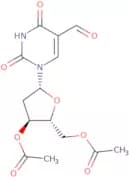
CAS:<p>3',5'-Di-O-acetyl-2'-deoxy-5-formylcytidine is a novel nucleoside phosphoramidite that can be used to synthesize DNA. It has antiviral properties and can be used as an anticancer drug. The cytidine phosphoramidites are activated with trimethylsilyl cyanide, which is the activator. This product is modified and has a CAS number of 1809221-73-5. It has a purity of 99% and an assay of 98%.</p>Formula:C14H17N3O7Purity:Min. 97 Area-%Color and Shape:PowderMolecular weight:339.3 g/molAlloxan hydrate
CAS:<p>A pyrimidine derivative, widely used for the induction of diabetes in experimental animals. It preferentially accumulates in pancreatic β cells in Langerhans islets via glucose transporter GLUT2. In the presence of intracellular thiols such as glutathione, it gets involved in a cyclic redox reaction with its reduction product, dialuric acid. This triggers the production of toxic levels of reactive oxygen species (ROS) and directs the cells in necrosis. Alloxan also inhibits glucokinase, which regulates glucose-induced insulin secretion.</p>Formula:C4H2N2O4•xH2OPurity:Min. 95%Molecular weight:142.07 g/mol2'-Deoxy-5'-O-DMT-N2-isobutyrylguanosine 3'-O-succinate
CAS:<p>2'-Deoxy-5'-O-DMT-N2-isobutyrylguanosine 3'-O-succinate is a nucleoside that is modified by the incorporation of an isobutyryl group at the 2' position. It has shown to be an activator of phosphoramidites and can be used as a precursor for the synthesis of nucleic acids, including DNA and RNA. 2'-Deoxy-5'-O-DMT-N2-isobutyrylguanosine 3'-O-succinate has been shown to have anticancer properties, antiviral properties, and antiinflammatory properties.</p>Formula:C39H41N5O10Purity:Min. 95%Molecular weight:739.77 g/molN2-Isobutyryl-5'-O-Trt-guanosine
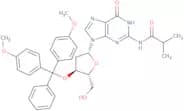
<p>N2-Isobutyryl-5'-O-Trt-guanosine is a modified nucleoside that inhibits the replication of DNA. It has antiviral and anticancer activities, and is a novel phosphoramidite for the synthesis of deoxyribonucleosides. N2-Isobutyryl-5'-O-Trt-guanosine is used in the preparation of phosphoramidites to synthesize oligonucleotides, which are important in research on DNA and RNA.</p>Formula:C33H32N5O6Purity:Min. 95%Molecular weight:594.64 g/mol3'-O-tert-Butyldimethylsilyl-5'-O-DMT-N2-isobutyrylguanosine 2'-CE phosphoramidite
CAS:<p>3'-O-tert-Butyldimethylsilyl-5'-O-DMT-N2-isobutyrylguanosine 2'-CE phosphoramidite is a novel, high quality, DMT protected nucleoside. It is used in the synthesis of DNA and RNA. 3'-O-tert-Butyldimethylsilyl-5'-O-DMT-N2-isobutyrylguanosine 2'-CE phosphoramidite is synthesized by reacting 5'-O-DMT guanosine with isobutyryl chloride to form an intermediate that is then reacted with 3' - hydroxyl group of silylated cytidine to form the desired product. This compound has been shown to be anticancer and can be used as an activator for enzymatic reactions.</p>Formula:C50H68N7O9PSiPurity:Min. 95%Color and Shape:White PowderMolecular weight:970.18 g/molN2-DMF-5'-O-DMT-2'-O-methylguanosine
CAS:<p>N2-DMF-5'-O-DMT-2'-O-methylguanosine is a novel nucleoside analog that has antiviral, anticancer and immunomodulating properties. It is synthesized from 2′,3′-dideoxyadenosine 5′-monophosphate by the condensation of 2,6-dimethylaniline with methylguanosine 5′-monophosphate and 5,6-dimethylaniline. The modification of the guanine base in N2-DMF-5'-O-DMT-2'-O-methylguanosine to an O6 -methyl group results in increased affinity for the ribonucleotide reductase enzyme (RNR) and inhibition of DNA synthesis.</p>Formula:C35H38N6O7Purity:Min. 95%Molecular weight:654.71 g/mol3'-O-Acetyl-2'-deoxyadenosine
CAS:<p>Please enquire for more information about 3'-O-Acetyl-2'-deoxyadenosine including the price, delivery time and more detailed product information at the technical inquiry form on this page</p>Formula:C12H15N5O4Purity:Min. 95%Color and Shape:White PowderMolecular weight:293.29 g/mol2'-Deoxy-5-propynyluridine
CAS:<p>2'-Deoxy-5-propynyluridine is a nucleoside that is naturally synthesized in the body. It is an intermediate in the synthesis of pyrimidine nucleotides and has been shown to be useful for the treatment of cardiac arrhythmias. 2'-Deoxy-5-propynyluridine has also been found to have a stabilizing effect on RNA, enhancing its biological relevance. This compound can be used as a fluorescent probe and can be used to study transcriptional regulation mechanisms.</p>Formula:C12H14N2O5Purity:Min. 95%Color and Shape:PowderMolecular weight:266.26 g/mol2-Amino-2'-O-methyladenosine
CAS:<p>2-Amino-2'-O-methyladenosine is a modified nucleoside based on adenosine with a 2-amino group on the base, and a 2'-O-methyl group on the sugar.</p>Formula:C11H16N6O4Purity:Min. 97 Area-%Color and Shape:White PowderMolecular weight:296.28 g/mol6-Azauridine-5'-monophosphate
CAS:<p>6-Azauridine-5'-monophosphate (6-AU) is a compound that is synthesized by the enzyme Azoarcus sp. 6-AU synthetase and is a precursor to azauridine, an intermediate in the biosynthesis of purines. It has been shown to inhibit bacterial growth in tissue culture and depression in mice. The kinetic data were obtained using a titration calorimetry assay at 25 degrees Celsius using subtilis. This drug also has convulsant effects on animals and can cause orotic aciduria when administered orally in high doses. 6-AU has been shown to be effective against cancer cells as well as infectious diseases such as tuberculosis and malaria.</p>Formula:C8H12N3O9PPurity:Min. 95%Color and Shape:PowderMolecular weight:325.17 g/mol7-(Cyano)-7-deazaguanosine
CAS:<p>7-(Cyano)-7-deazaguanosine is an analog of guanosine that is synthesized by the substitution of two nitrogen atoms by two carbon atoms. 7-(Cyano)-7-deazaguanosine has been shown to be a potent inhibitor of bacterial queuosine biosynthesis and can be used as a research tool for studies on the biosynthesis of nucleic acids. It has also been shown to have anticodon activity, which inhibits the function of the anticodon loop in RNA polymerase.</p>Formula:C12H12N4O4Purity:Min. 95%Molecular weight:276.25 g/mol5'-O-Benzylthymidine 3'-CE phosphoramidite
<p>5'-O-Benzylthymidine 3'-CE phosphoramidite is a novel nucleoside that is synthesized by the reaction of 5'-O-benzylthymidine with a phosphoramidite derivative. This nucleoside has antiviral activity and anticancer activity and is used in research. 5'-O-Benzylthymidine 3'-CE phosphoramidite can be modified to include phosphate groups or other functional groups. It can also be converted to deoxyribonucleosides, monophosphates, or diphosphates for use as DNA precursors.</p>Formula:C26H37N4O6PPurity:Min. 95%Molecular weight:532.58 g/mol3'-Vinyl-thymidine
<p>3'-Vinyl-thymidine is a synthetic nucleoside analog that is used in the treatment of HIV and other viral infections. It is phosphorylated by the host cell to its active form, 3'-thymidine 5'-triphosphate (3'-dTTP). 3'-Vinyl-thymidine inhibits viral DNA synthesis and also has antiviral activity against herpes simplex virus type 2.</p>Purity:Min. 95%3'-Deoxy-3',5-difluorocytidine
CAS:<p>3'-Deoxy-3',5-difluorocytidine is a novel antiviral drug that exhibits broad spectrum activity against both RNA and DNA viruses. It has been shown to be effective against the influenza virus, herpes virus, retrovirus, and vaccinia virus. 3'-Deoxy-3',5-difluorocytidine inhibits viral growth by inhibiting DNA synthesis through inhibition of deoxyribonucleotide triphosphate (dNTP) incorporation into viral DNA. 3'-Deoxy-3',5-difluorocytidine also inhibits protein synthesis by inhibiting the activation of ribonucleotide reductase. This drug has been shown to be highly active in vitro against cancer cells and may have potential as an anticancer agent.</p>Purity:Min. 95%2'-Deoxycytidine
CAS:<p>2'-Deoxycytidine is a deoxyribonucleotide that is used in the synthesis of DNA. It has been shown to have potent antitumor activity against solid tumours and may be useful for the treatment of leukemic mice. This compound has been shown to inhibit the kinase activity of IL-2 receptor and Toll-like receptor, which are proteins that regulate the immune response. 2'-Deoxycytidine also inhibits DNA polymerase activity and thermal expansion, which may make it a good candidate as an anticancer drug.</p>Formula:C9H13N3O4Purity:Min. 99 Area-%Color and Shape:PowderMolecular weight:227.22 g/molN6-Benzoyl-5'-O-DMT-N3-methyladenosine
<p>N6-Benzoyl-5'-O-DMT-N3-methyladenosine is a modified nucleotide. It has antiviral, anticancer and antitumor properties. N6-Benzoyl-5'-O-DMT-N3-methyladenosine is an activator of the phosphodiesterase enzyme that hydrolyzes cAMP. This compound can be used as a potential therapeutic agent for treating leukemia and other cancers.</p>Formula:C39H39N5O7Purity:Min. 95%Molecular weight:689.77 g/mol2'-Deoxy-N2-isobutyrylguanosine
CAS:<p>2'-Deoxy-N2-isobutyrylguanosine (2'-DIBG) is an inhibitor of bacterial translocation that has been shown to inhibit the growth of several bacterial species. This drug binds to fatty acids, which are important for maintaining the integrity of the cell membrane and preventing bacterial translocation. 2'-DIBG also inhibits the production of reactive oxygen species by bacteria, which contributes to its antimicrobial activity. Inflammation can be reduced by inhibiting prostaglandin synthesis with 2'-DIBG. The inhibition of prostaglandin synthesis may be due to its ability to form acid conjugates with fatty acids and dicarboxylic acids, which are precursors for prostaglandins. 2'-DIBG also inhibits the synthesis of adenosine triphosphate (ATP) in bacteria, leading to a decrease in bacterial growth rate.</p>Formula:C14H19N5O5Purity:Min. 95%Color and Shape:White PowderMolecular weight:337.34 g/mol3-Deaza-4’-C-methyluridine
CAS:<p>3-Deaza-4’-C-methyluridine is an activator that can be used in the treatment of cancer. It is a synthetic nucleoside that has been modified to inhibit viral replication. 3-Deaza-4’-C-methyluridine can also be used in antiviral therapy, as it inhibits the synthesis of viral DNA and RNA. This antibacterial agent is a novel nucleoside that has been shown to have high purity and high quality. 3-Deaza-4’-C-methyluridine was first isolated from calf thymus DNA.</p>Formula:C11H15NO6Purity:Min. 95%Molecular weight:257.24 g/mol2'-Azido-2'-deoxycytidine
CAS:<p>2'-Azido-2'-deoxycytidine is a nucleoside analog derived from cytidine, in which the 2'-hydroxyl group of the ribose is replaced by an azido group (–N₃), while the cytosine base and remaining sugar structure are preserved. This substitution imparts the molecule with bioorthogonal reactivity, enabling its use in chemical biology applications such as nucleic acid labeling via azide-alkyne "click" chemistry. The azido group also sterically and electronically alters sugar conformation and enzymatic recognition, which can affect its incorporation into DNA or RNA by polymerases. Consequently, 2'-azido-2'-deoxycytidine is a useful research tool.</p>Formula:C9H12N6O4Purity:Min. 95 Area-%Color and Shape:Slightly Yellow PowderMolecular weight:268.2 g/mol5'-O-Benzoyl-D3-thymidine
Controlled Product<p>5'-O-Benzoyl-D3-thymidine is a nucleoside that is structurally related to thymidine. It can be synthesized by reacting 5'-O-benzoyl-D3-cytosine with thymidine 3',5'-cyclic monophosphate (CMP) and sodium bicarbonate in the presence of riboflavin as an oxidant. The synthesis of 5'-O-benzoyl-D3-thymidine has been shown to be an effective antiviral agent against herpes simplex virus type 1, which has been modified with phenylboronic acid. The anticancer activity of 5'-O-benzoyl-D3-thymidine has also been explored, showing that it inhibits the growth of tumors in mice.</p>Formula:C17H15N2O6D3Purity:Min. 95%Molecular weight:349.36 g/mol2’-Deoxy-8-methylaminoadenosine
CAS:<p>2’-Deoxy-8-methylaminoadenosine is a nucleoside analogue that has antiviral and anticancer activities. It is synthesized by the reaction of 2’-deoxyadenosine with methylamine, which produces an N,N-dimethylated adenosine derivative. This product has been shown to be an inhibitor of RNA synthesis in human cells and animal models. The mechanism of action is thought to be similar to that of other nucleoside analogues, which are believed to exert their anticancer effects by interfering with DNA replication and cell division.</p>Purity:Min. 95%2'-Deoxy-6-hydroxycytidine
CAS:<p>2'-Deoxy-6-hydroxycytidine is an antiviral agent that inhibits the synthesis of DNA, RNA and protein. It has been shown to inhibit the replication of HIV in cell culture and in animal models. 2'-Deoxy-6-hydroxycytidine has also been shown to have anticancer effects. This drug is synthesized by reacting a nucleoside with a diphosphate or monophosphate phosphoramidite. The chemical name for 2'-deoxy-6-hydroxycytidine is 6-[(2R,4S)-4-(dimethylamino)butanoyl]aminopurine riboside monophosphate.</p>Formula:C9H13N3O5Purity:Min. 95%Molecular weight:243.22 g/mol2'-Deoxy-2'-fluoroinosine
CAS:<p>2'-Deoxy-2'-fluoroinosine is a modified nucleoside analog derived from inosine, where the 2' hydroxyl group of the sugar (normally present in ribonucleosides) is replaced with a fluorine atom, and the molecule contains a deoxyribose sugar.</p>Formula:C10H11FN4O4Purity:Min. 95%Color and Shape:White PowderMolecular weight:270.22 g/mol2'-Deoxy-L-cytidine
CAS:<p>2'-Deoxy-L-cytidine is a nucleoside that is naturally found in the cells of E. coli K-12. It is an antioxidant compound that prevents lipid peroxidation and scavenges free radicals, which are generated by certain chemical reactions. 2'-Deoxy-L-cytidine has been shown to have antiviral potency in vitro, but its antiviral activity has not been evaluated in vivo. This compound also inhibits the growth of bacteria that are resistant to tetracycline, such as Mycobacterium tuberculosis and Helicobacter pylori. 2'-Deoxy-L-cytidine may cause drug interactions with other medications because it is metabolized by the CYP450 system and inhibits the activity of cytochrome P450 enzymes.</p>Formula:C9H13N3O4Purity:Min. 98 Area-%Color and Shape:PowderMolecular weight:227.22 g/mol7-Methylguanosine 5'-triphosphate sodium
CAS:<p>7-Methylguanosine 5'-triphosphate sodium salt is a Novel, High purity, Activator, High quality, Modified, Ribonucleosides. CAS No. 104809-18-9. Synthetic, DNA, Phosphoramidites. Anticancer, diphosphate. 7-Methylguanosine 5'-triphosphate sodium salt is an antiviral agent that blocks the synthesis of viral RNA or DNA by inhibiting the enzyme ribonucleotide reductase. It is a monophosphate analog of guanosine triphosphate and may be useful in the treatment of cancer or antiviral therapy because it inhibits cell proliferation and induces apoptosis in tumor cells.</p>Formula:C11H18N5O14P3•NaxPurity:Min. 85 Area-%Color and Shape:PowderMolecular weight:537.21 g/mol2'-Deoxy-5-fluorocytidine
CAS:<p>2'-Deoxy-5-fluorocytidine is a methyltransferase inhibitor that inhibits the activity of DNA methyltransferases. It has been shown to inhibit the activity of DNA methyltransferases in vitro and in vivo, leading to tumor cell death. 2'-Deoxy-5-fluorocytidine has been shown to target intracellular targets, such as histones and ribosomes, which are involved in cancer development. The toxicity of this drug has been studied extensively and it has been shown to have low toxicity in mice. This drug is not toxic for normal cells or animals when administered at high doses.</p>Formula:C9H12FN3O4Purity:Min. 98 Area-%Color and Shape:White PowderMolecular weight:245.21 g/mol8-Bromo-2'-deoxyguanosine
CAS:<p>8-Bromo-2'-deoxyguanosine is a reactive brominated compound that has been shown to stabilize DNA strands. The effects of 8-bromo-2'-deoxyguanosine on the stability of DNA are due to the steric interactions between the bromine and amines in the DNA backbone, which prevent nucleophilic attack. 8-Bromo-2'-deoxyguanosine is an antihistamine, but it has also been used as a precursor for other drugs such as zidovudine, an antiviral drug used in HIV/AIDS therapy. It has also been proposed as a potential treatment for atherosclerosis.</p>Formula:C10H12BrN5O4Purity:Min. 90 Area-%Color and Shape:Off-White PowderMolecular weight:346.14 g/mol2',3',5'-Tri-O-acetyl-5-bromouridine
CAS:<p>2',3',5'-Tri-O-acetyl-5-bromouridine is a nucleoside analog of uridine, a basic building block of RNA. It has the addition of a bromine atom and three acetyl groups. 2',3',5'-Tri-O-acetyl-5-bromouridine can be used in research</p>Formula:C15H17BrN2O9Purity:Min. 90%Molecular weight:449.21 g/mol1-(3,5-Di-o-acetyl-β-D-deoxyribofuranosyl)-4-(1,2,4-triazol-1-yl)-5-methylpyrmidin-2-one
CAS:<p>1-(3,5-Di-o-acetyl-β-D-deoxyribofuranosyl)-4-(1,2,4-triazol-1-yl)-5-methylpyrmidin-2-one is a novel antiviral drug that is synthesized from ribonucleosides and deoxyribonucleosides. It has been shown to be an activator of the enzyme telomerase by binding to the DNA template, which in turn increases the synthesis of telomerase and leads to cell death. The synthesis of this drug includes the use of phosphoramidites and it is CAS No. 80991-41-9. This drug is also anticancerous due to its ability to inhibit the production of RNA.</p>Formula:C16H19N5O6Purity:Min. 95%Molecular weight:377.35 g/mol5’(R)-C-Methylguanosine
CAS:<p>5’-C-Methylguanosine (5’-GMG) is a nucleoside that is the major product of viral RNA replication. It has been shown to be effective against tobacco mosaic virus and other plant viruses, including strains resistant to other nucleosides. 5’-GMG can be used in combination with other antiviral agents as an inoculant or as a systemic agent for treatment of plants infected with viruses. The sensitivity of cowpea chlorotic mottle virus to 5’-GMG was found to be dependent on the strain of the virus. Incubation of infected leaves with 5’-GMG resulted in a greater number of chlorotic lesions than incubation with water or uninfected leaves.</p>Purity:Min. 95%2'-Deoxy-5'-O-DMT-inosine
CAS:<p>2'-Deoxy-5'-O-DMT-inosine is a chain congener of uridine and cytidine. It is an analog of guanosine, which is found in DNA. 2'-Deoxy-5'-O-DMT-inosine has shown to have cytotoxic effects on the cardiovascular system, as well as inflammatory properties. This drug can also inhibit nitric oxide production and chloride transport. The nitro group in 2'-deoxy-5'-O-DMT-inosine can be removed by ammonolysis or debenzoylation and glycosylation can be added to the molecule with the addition of glucose.</p>Formula:C31H30N4O6Purity:Min. 95%Color and Shape:White PowderMolecular weight:554.61 g/mol5'-O-Acetyladenosine
CAS:<p>5'-O-Acetyladenosine is a labile nucleoside that can be converted to adenosine. It is a substrate for the enzyme ribonucleotide reductase, which converts it to adenosine monophosphate. 5'-O-Acetyladenosine has been shown to function as an equilibrating agent in the synthesis of guanosine and other pyrimidine nucleotides. In addition, it is a precursor for the synthesis of purines. 5'-O-Acetyladenosine can be synthesized from trimethyl phosphate and chloride gas yields acetaldehyde, which then reacts with phosphorus oxychloride to form 5'-O-acetyladeninol, which undergoes hydrolysis to yield 5'-O-acetyladenosine. The regioselectivity of this reaction depends on the concentration of reactants and solvents used in the reaction.</p>Formula:C12H15N5O5Purity:Min. 95%Color and Shape:White PowderMolecular weight:309.28 g/mol4-Thiouridine-5'-triphosphate sodium salt - aqueous solution
CAS:<p>4-Thiouridine-5'-triphosphate sodium salt - aqueous solution (4TUTP) is an analog of uridine and can be used as a template for the synthesis of single-stranded DNA. 4TUTP has been shown to have a high affinity for dsDNA, allowing it to form a ternary complex with DNA polymerase and single-stranded DNA template. 4TUTP can also be used to prepare samples for profiling experiments or other molecular studies. It is reactive, so should be handled with caution in order to avoid unwanted crosslinking. 4TUTP may also be used in chloroplast research.</p>Formula:C9H15N2O14P3S·xNaPurity:Min. 95 Area-%Color and Shape:Clear LiquidMolecular weight:500.20 g/mol3'-O-Methylinosine
CAS:<p>3'-O-Methylinosine is a synthetic nucleoside that inhibits the synthesis of viral DNA and RNA by interacting with the enzyme ribonucleotide reductase. This antiviral agent has been shown to be effective against a wide range of viruses, including human cytomegalovirus, herpes simplex virus type 1, varicella-zoster virus, and influenza A virus. 3'-O-Methylinosine has also been shown to inhibit the growth of cancer cells in vitro and in vivo.</p>Formula:C11H14N4O5Purity:Min. 95%Color and Shape:White PowderMolecular weight:282.25 g/mol5-Methoxyuridine
CAS:<p>5-Methoxyuridine is a nucleoside that is structurally related to uridine. It is an intermediate in the biosynthesis of pyrimidines and is also used as a precursor for other compounds. 5-Methoxyuridine has been shown to inhibit protein synthesis by binding to purine receptors and inhibiting the function of protein kinases. The x-ray crystal structures of 5-methoxyuridine bound to two different p2y receptors have been determined. The analytical chemistry of 5-methoxyuridine is based on UV absorption measurements, which are able to identify hydrogen bonds between the base and the sugar moiety. This drug has been investigated for its potential use in cancer therapy due to its ability to inhibit RNA synthesis, which can lead to cell death by incomplete replication or transcription. 5-Methoxyuridine inhibits messenger RNA (mRNA) production in bacteria by interfering with sequence recognition and binding sites within the ribosome and preventing</p>Formula:C10H14N2O7Purity:Min. 98 Area-%Color and Shape:PowderMolecular weight:274.23 g/mol3'-O-Methylcytidine
CAS:<p>3'-O-Methylcytidine is an acidic guanine nucleoside that is a component of RNA. It is a biochemical building block and a co-substrate in the synthesis of DNA and RNA. 3'-O-Methylcytidine has been shown to be hydroxylated by the enzyme cytidine 5'-monophosphate, which leads to its termination when it reaches the ribosome. This nucleoside also inhibits bacterial growth through inhibition of ribosomal function, leading to reduced protein synthesis. 3'-O-Methylcytidine can act as an environmental pollutant, especially in chloride environments such as seawater. It has been found to be globally distributed in dinucleotides and monomethylated forms, with biosynthetic pathways similar to other nucleic acids.</p>Formula:C10H15N3O5Purity:Min. 98 Area-%Color and Shape:White PowderMolecular weight:257.24 g/mol2'-Deoxy-L-guanosine
CAS:<p>2'-Deoxy-L-guanosine is a nucleoside that is used as an antibiotic. It inhibits protein synthesis, which leads to cell death. This drug has a high level of resistance against bacteria and is effective in the treatment of gram-positive bacteria. 2'-Deoxy-L-guanosine binds to the ribose phosphate backbone of DNA, phosphorylating it and preventing the base pairing of adenosine with thymine. This inhibits the production of DNA and RNA, leading to cell death. 2'-Deoxy-L-guanosine has been shown to be active against Listeria monocytogenes and Mycobacterium tuberculosis. The enantiomer form is more potent than the racemic mixture, but both forms are effective antibiotics.</p>Formula:C10H13N5O4Purity:Min. 95%Color and Shape:PowderMolecular weight:267.25 g/molN6-Benzoyl-2'-O-tert-butyldimethylsilyl-5'-O-toluoyladenosine 3'-CE phosphoramidite
<p>N6-Benzoyl-2'-O-tert-butyldimethylsilyl-5'-O-toluoyladenosine 3'-CE phosphoramidite is a novel antiviral nucleoside that has been modified to be more resistant to enzymatic degradation. This nucleoside is synthesized as a high purity, high quality DNA synthon. It is an activator of viral RNA polymerase and inhibits the synthesis of viral DNA, which prevents replication of the virus. N6-Benzoyl-2'-O-tert-butyldimethylsilyl-5'-O-toluoyladenosine 3'-CE phosphoramidite has also shown anticancer activity in preclinical studies.</p>Formula:C40H54N7O7PSiPurity:Min. 95%Molecular weight:803.98 g/mol(E)-5-(2-Carboxyvinyl)-2'-deoxyuridine
CAS:<p>(E)-5-(2-Carboxyvinyl)-2'-deoxyuridine is a nucleoside for a range of applications</p>Formula:C12H14N2O7Purity:Min. 97 Area-%Color and Shape:White PowderMolecular weight:298.25 g/mol6-Chloro-9-(b-D-ribofuranosyl)purine
CAS:<p>6-Chloro-9-(b-D-ribofuranosyl)purine is a purine analog that inhibits the synthesis of DNA, RNA, and protein. It has been shown to have physiological effects in cells, and it has been used as a positive control for enzyme activity studies. 6-Chloro-9-(b-D-ribofuranosyl)purine binds to an enzyme called hydroxymethylbilane synthase (HMBS), which inhibits the production of a molecule called tetrahydrobiopterin (THB). THB is essential for the synthesis of nitric oxide (NO), an important neurotransmitter that regulates neuronal death. 6-Chloro-9-(b-D-ribofuranosyl)purine also has significant cytotoxicity against melanoma cells in vitro.</p>Formula:C10H11ClN4O4Purity:Min. 96 Area-%Color and Shape:PowderMolecular weight:286.68 g/mol3'-Azido-3'-deoxy-N6-methyladenosine
CAS:<p>3'-Azido-3'-deoxy-N6-methyladenosine is a novel modified nucleoside. It has antiviral activity, as it inhibits DNA and RNA synthesis. 3'-Azido-3'-deoxy-N6-methyladenosine is an effective inhibitor of HIV replication in vitro and in vivo and has been shown to inhibit the growth of cancer cells in mice. The compound binds to the ribonucleotide reductase enzyme, which prevents the conversion of ribonucleotides to deoxynucleotides, inhibiting DNA and RNA synthesis. 3'-Azido-3'-deoxy-N6-methyladenosine is being developed as a potential anticancer agent because it may inhibit tumor growth by blocking the production of ATP and reducing intracellular levels of adenosine triphosphate (ATP).</p>Purity:Min. 95%2'-Deoxy-5-propynylcytidine
CAS:<p>Deoxynucleoside with an alkyne handle on the base which can be used for conjugation via click chemistry.</p>Formula:C12H15N3O4Purity:Min. 95%Color and Shape:PowderMolecular weight:265.27 g/mol3'-O-Acetyl-2'-deoxycytidine
CAS:<p>3'-O-acetyl-2'-deoxycytidine is an activator that can be used in the synthesis of deoxyribonucleosides and nucleosides. It is a novel, modified, and high purity chemical entity that has shown anticancer and antiviral properties. 3'-O-acetyl-2'-deoxycytidine is a monophosphate nucleotide, which can be used in the synthesis of various pharmaceuticals. This product has been synthesized using high quality reagents in order to provide the best possible product for research purposes.</p>Formula:C11H15N3O5Purity:Min. 95%Color and Shape:White PowderMolecular weight:269.25 g/molCytidine 2',3'-cyclic monophosphate monosodium
CAS:<p>Cytidine 2',3'-cyclic monophosphate monosodium salt is a nucleotide that is used in the synthesis of DNA and RNA. It has antiviral and anticancer properties. Cytidine 2',3'-cyclic monophosphate monosodium salt is a high purity, high quality nucleotide with strong activator properties. It is also an excellent substrate for DNA polymerases, which may be due to its ability to bind to the phosphate groups on the enzyme's active site. This product can be used as a phosphoramidite during DNA synthesis or as an antiviral agent that inhibits viral replication by inhibiting the formation of viral DNA.</p>Formula:C9H11N3O7P•NaPurity:Min. 95%Color and Shape:PowderMolecular weight:327.16 g/mol2'-Chloro-2'-deoxyuridine
CAS:<p>2'-Chloro-2'-deoxyuridine is a thymidine analog for research applications</p>Formula:C9H11ClN2O5Purity:Min. 95%Color and Shape:PowderMolecular weight:262.65 g/molAdenosine 3',5'-cyclic monophosphate
CAS:<p>Second messenger in intracellular signal transduction</p>Formula:C10H12N5O6PPurity:(%) Min. 95%Color and Shape:White PowderMolecular weight:329.21 g/moltrans-Zeatin Riboside
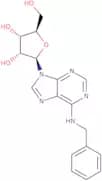
CAS:<p>Cytokinins are plant hormones involved in developmental processes and in the modulation of plant immune system. Zeatin was identified as the first naturally occurring cytokinin from the endosperm of corn (latin: Zea mays). Water-soluble trans-Zeatin Riboside is a major long-distance signaling molecule in xylem vessels and its action depends on metabolic conversion in proximity to the site of action. Trans-Zeatin Riboside is a powerful agent used in horticulture to improve shoot growth or to induce callus formation (e.g. in tomato). It is used for plant regeneration from leaf explants (e.g. in potato) and for the direct initiation of shoot cultures from bract axils of many plant species.</p>Formula:C15H21N5O5Molecular weight:351.37 g/molRef: 3D-Z-3000
1gTo inquire50mgTo inquire250mgTo inquire500mgTo inquire2500mgTo inquire-Unit-ggTo inquire5'-O-DMT-thymidine 3'-Rp-oxazaphospholidine
<p>5'-O-DMT-thymidine 3'-Rp-oxazaphospholidine is a novel nucleoside analogue. It has antiviral activity and can be used to treat infections caused by herpes virus. It also has anticancer activity against some types of cancer cells and can inhibit the growth of tumour cells. 5'-O-DMT-thymidine 3'-Rp-oxazaphospholidine acts as an inhibitor of DNA polymerase, preventing the synthesis of DNA from RNA. It also inhibits ribonucleotide reductase, which is involved in the production of ribonucleotides from diphosphate nucleotides. This drug can be used as a monophosphate or phosphoramidite for the synthesis of oligodeoxyribonucleotides and deoxyribonucleotides.</p>Purity:Min. 95%2'-Deoxy-2'-fluorocytidine-5'-triphosphate sodium, 100mM aqueous solution
<p>2'-Deoxy-2'-fluorocytidine-5'-triphosphate sodium, 100mM aqueous solution is a nucleoside analog that is modified at both the 2' position of the sugar (deoxyribose) with a fluoro group and the 5' position with a triphosphate group. This compound is an important tool in biochemistry, molecular biology, and drug development, particularly for studying nucleic acid synthesis and genetic processes.</p>Formula:C9H15FN3O13P3•NaxPurity:Min. 95%Molecular weight:485.15 g/mol5-Aminouridine hydrochloride
CAS:<p>5-Aminouridine hydrochloride is a novel nucleoside that is an inhibitor of RNA polymerase. It has been shown to be active against cancer cells, and is also effective in the treatment of viral infections such as HIV and hepatitis B. 5-Aminouridine hydrochloride is synthesized by reacting uracil with ammonia and hydrogen chloride. The product can be used as a building block for monophosphate or diphosphate analogs, which are important components in the synthesis of DNA and RNA. This product is available at high purity with low impurity levels.</p>Formula:C9H14ClN3O6Purity:(%) Min. 95%Color and Shape:PowderMolecular weight:295.68 g/mol2'-O-Methylpseudouridine
CAS:<p>2'-O-methylpseudouridine is a modified nucleoside that belongs to the group of modified nucleosides. It is found in ribonucleic acid (RNA) and deoxyribonucleic acid (DNA). 2'-O-methylpseudouridine is a derivative of pseudouridine and can be categorized as a modified nucleotide. The chemical structure of this compound has been shown using reversed-phase high-performance liquid chromatography. This technique can help identify modifications in RNA, such as 5-carbamoylmethyluridine. 2'-O-methylpseudouridine is an epigenetic marker that may be used to study tissues or sequences.</p>Purity:Min. 95%Color and Shape:PowderMolecular weight:258.23 g/molN4-Benzyl-2'-deoxy-2'-fluoro-5'-O-tritylcytidine 3'-CE phosphoramidite
<p>N4-Benzyl-2'-deoxy-2'-fluoro-5'-O-tritylcytidine 3'-CE phosphoramidite is a nucleotide analogue that has antiviral and anticancer properties. It inhibits viral replication by inhibiting the synthesis of viral DNA, which leads to the death of cells infected with viruses. N4-Benzyl-2'-deoxy-2'-fluoro-5'-O-tritylcytidine 3'-CE phosphoramidite also has anticancer activity by inhibiting the proliferation of cancer cells. This drug is synthesized in high purity and high quality.</p>Formula:C44H49FN5O5PPurity:Min. 95%Molecular weight:777.88 g/mol[1',2',3',4',5'-13C5]-Kinetin riboside
<p>[1',2',3',4',5'-13C5]-Kinetin riboside is an adenine derivative linked to a ribose sugar moiety. It has also been labeled with ¹³C, a stable isotope of carbon.</p>Formula:C5C10H17N5O5Purity:Min. 95%Color and Shape:White Clear LiquidMolecular weight:352.29 g/molCarbocyclic inosine
CAS:<p>Carbocyclic inosine is a natural product that has been found to have inhibitory effects on the growth of mammalian cells and soil bacteria. It has been shown to be an analog of guanine, and it binds reversibly to the adenine-binding site of DNA. Carbocyclic inosine inhibits cell nuclei by preventing the formation of RNA and protein, which are essential for cell division. Carbocyclic inosine also inhibits the synthesis of DNA, RNA, and protein in mammalian cells. This agent has allelopathic properties that may be due to its ability to inhibit the growth of other plants.</p>Formula:C11H14N4O4Purity:Min. 95%Molecular weight:266.25 g/molThionicotinamide adenine dinucleotide
CAS:<p>Thionicotinamide adenine dinucleotide is a cofactor in the production of ATP, and is also used as a reagent for determining the activity of dehydrogenases. It is produced by the oxidation of thionocinamide ribonucleotide, which is synthesized from dihydroxyacetone phosphate and phosphoric acid.<br>Thionicotinamide adenine dinucleotide binds to NADP+, which acts as a hydrogen acceptor, and transfers two electrons to it. The nadph then donates an electron to the dehydrogenase, which converts a substrate into its product in a redox reaction.</p>Formula:C21H27N7O13P2SPurity:Min. 95%Color and Shape:Yellow PowderMolecular weight:679.49 g/mol5'-Deoxythymidine
CAS:<p>5'-Deoxythymidine is a nucleoside analog with low-energy electrons. This drug inhibits the synthesis of DNA by binding to the ribonucleotide reductase enzyme and preventing the conversion of ribonucleotides to deoxyribonucleotides. 5'-Deoxythymidine has been shown to inhibit cell growth in tumor cell lines, which may be due to its ability to interfere with mirna-mediated gene expression. This drug also has a kinetic effect on regulatory proteins, such as cyclin-dependent kinases, that are involved in the regulation of cell cycle progression.</p>Formula:C10H14N2O4Purity:Min. 95%Color and Shape:PowderMolecular weight:226.23 g/mol3'-Deoxy-5-methyluridine-5'-Triphosphate,100 mM aqueous solution
CAS:<p>3'-Deoxy-5-methyluridine-5'-triphosphate is a DNA activator that has been synthesized. It is a modified nucleoside and can be used as an antiviral, anti-cancer, and novel drug. 3'-Deoxy-5-methyluridine-5'-triphosphate is a synthetic nucleoside with high purity and high quality. CAS No. 365-08-2</p>Purity:Min. 95%5-Bromouridine
CAS:<p>5-Bromouridine is an energy-related metabolite that is a precursor of uridine. It is a nucleotide base that is incorporated into DNA during DNA replication. 5-Bromouridine has been shown to have radiation resistance and high resistance to viral life. It also binds to the nuclear DNA in cells, where it can act as a transcriptional regulator. 5-Bromouridine is used in the treatment of malignant brain tumors, where it can inhibit tumor growth by binding to the dna of cancer cells and preventing the synthesis of proteins required for cell division. 5-Bromouridine binds with high affinity to basic fibroblast, which may be related to its effects on cancer cells.</p>Formula:C9H11BrN2O6Purity:Min. 95%Color and Shape:White PowderMolecular weight:323.1 g/mol9-(b-D-Ribofuranosyl)purine
CAS:<p>9-(b-D-Ribofuranosyl)purine (9-BRP) is a purine nucleoside that is used in the synthesis of dyes. It has been shown to be an effective inhibitor of the enzyme phosphodiesterase 3B, which breaks down cyclic adenosine monophosphate (cAMP), and therefore can prevent kidney fibrosis. 9-BRP has also been shown to inhibit the synthesis of collagen by binding to cAMP. In addition, 9-BRP binds to DNA and forms hydrogen bonds with nitrogen atoms on the phosphate groups in DNA. This interaction prevents the formation of hydrogen bonds between water molecules in water vapor and phosphate groups, thus slowing down their rate of dissociation from each other. 9-BRP also has a high affinity for Toll-like receptor 4 (TLR4), which is involved in the inflammatory response, making it an ideal therapeutic candidate for treating inflammation and renal fibrosis.</p>Formula:C10H12N4O4Purity:Min. 97 Area-%Color and Shape:PowderMolecular weight:252.23 g/mol5'-O-p-Anisoyl-3'-azido-3'-deoxythymidine
<p>5'-O-p-Anisoyl-3'-azido-3'-deoxythymidine is a phosphoramidite nucleoside which is an antiviral agent. It is a novel chemical entity with anticancer activity and has been shown to inhibit the synthesis of DNA by blocking ribonucleotide reductase. This product has CAS No. 53907-02-6 and is produced using an improved process to provide high purity and quality.</p>Formula:C18H19N5O6Purity:Min. 95%Molecular weight:401.37 g/mol3'-Amino-5'-O-benzyl-3'-deoxy-D3-thymidine
Controlled Product<p>3'-Amino-5'-O-benzyl-3'-deoxy-D3-thymidine is a novel antiviral agent that inhibits the replication of retroviruses. It is an activator of ribonucleotide reductase, which converts ribonucleotides to deoxyribonucleotides. The drug has been shown to inhibit DNA and RNA synthesis in vitro. 3'-Amino-5'-O-benzyl-3'-deoxy-D3-thymidine is also being studied for its anticancer properties.</p>Formula:C17H18N3O4D3Purity:Min. 95%Molecular weight:334.39 g/mol2',3'-Dideoxy-2'-fluorouridine
CAS:<p>2',3'-Dideoxy-2'-fluorouridine (ddFU) is a nucleoside that is used in the treatment of cancer. It inhibits DNA synthesis and cellular proliferation by blocking the activity of DNA polymerase, which is an enzyme required for DNA replication. 2',3'-Dideoxy-2'-fluorouridine has been shown to be an effective agent against leukemias, lymphomas, and solid tumors. In addition, this compound is being studied for its potential use as a radiation sensitizer to enhance the therapeutic effect of radiation therapy in the treatment of cancer.</p>Formula:C9H11FN2O4Purity:Min. 95%Molecular weight:230.19 g/mol2'-Deoxy-2',2'-difluoro-5-methyluridine
CAS:<p>2'-Deoxy-2',2'-difluoro-5-methyluridine is a synthetic nucleoside analog for use in research</p>Formula:C10H12F2N2O5Purity:Min. 95%Molecular weight:278.21 g/molAdenosine 5′-phosphosulfate sodium salt
CAS:<p>Adenosine 5′-phosphosulfate sodium salt has been used quantify pyrophosphate and in enzyme-linked bioluminescence assay for adenosine triphosphate (ATP)</p>Formula:C10H14N5O10PSPurity:Min. 90 Area-%Color and Shape:PowderMolecular weight:427.29 g/mol1-(2'-Deoxy-5'-O-DMT-b-D-xylofuranosyl)cytosine
<p>1-(2'-Deoxy-5'-O-DMT-b-D-xylofuranosyl) cytosine is a modified nucleoside that is phosphoramidite activated by the addition of a diphosphate. The diphosphate group on the sugar moiety may be hydrolyzed to form 1-(2'-deoxy-5'-O-DMT-b-D-xylofuranosyl)cytosine monophosphate. Cytidine is an antiviral and antifungal agent that is used in the treatment of herpes zoster, chronic myeloid leukemia, and other cancers. It has been shown to inhibit DNA synthesis and viral replication in vitro. <br>!--More--><br>Cytidine is an antiviral and antifungal agent that is used in the treatment of herpes zoster, chronic myeloid leukemia, and other cancers. It has been shown to inhibit DNA</p>Purity:Min. 95%5’-Deoxy-5-methyluridine
CAS:<p>5'-Deoxy-5'-methyluridine is an activator of DNA polymerases and a monophosphate analog of thymidine. It has been shown to inhibit the synthesis of viral DNA and is also active against some tumor cells. 5'-Deoxy-5'-methyluridine has been synthesized with high purity and yields, making it a novel candidate for use in antiviral therapy.</p>Purity:Min. 95%N6-Benzoyl-5'-O-DMT-3'-O-methyladenosine 2'-CE-phosphoramidite
CAS:<p>N6-Benzoyl-5'-O-DMT-3'-O-methyladenosine 3'-CE-phosphoramidite is the monophosphate ester of N6-benzoyl-5'-O-dimethoxytrityloxyadenosine 3'-Ce phosphoramidite. It is a novel nucleoside analog that has antiviral and anticancer activities. N6BMT3'OMeA inhibits replication of HIV by inhibiting reverse transcriptase and DNA polymerases, which prevents the production of viral DNA. N6BMT3'OMeA also inhibits the proliferation of cancer cells by binding to DNA, preventing the normal synthesis of RNA and protein molecules.</p>Purity:Min. 95%Color and Shape:PowderL-Adenosine
CAS:<p>L-Adenosine is a nucleoside that is naturally synthesized in the body and is also found in certain foods. It has a variety of functions, including as an adenosine receptor agonist, a transport agent, and a substrate for metabolic pathways. In addition to its function as an adenosine receptor agonist, L-adenosine can be transported into mammalian cells by facilitated diffusion. The uptake of L-adenosine into cells is dependent on the concentration of extracellular adenosine and its concentration-response curve has been determined experimentally. L-Adenosine also acts as an inhibitor of phosphodiesterase enzyme which increases cAMP levels in cells. This increase in cAMP leads to increased calcium ion influx into the cell, which may lead to activation of protein kinase A (PKA) and protein kinase C (PKC). L-Adenosine has been shown to have cardiac effects at high concentrations. These effects may be</p>Formula:C10H13N5O4Purity:Min. 95%Color and Shape:White PowderMolecular weight:267.24 g/mol6-Azauridine
CAS:<p>Inhibitor of uridine monophosphate synthase</p>Formula:C8H11N3O6Purity:Min. 95%Color and Shape:White PowderMolecular weight:245.19 g/mol1-(a-D-Mannopyranosyl)thymine
CAS:<p>1-(a-D-Mannopyranosyl)thymine is a phosphoramidite nucleoside with antiviral activity. It is an analog of thymine, in which the oxygen atom at the 5-position has been replaced by a mannose group and the hydroxyl group at the 4-position has been replaced by a methyl group. This compound has shown to have anticancer properties as well as inhibitory effects on HIV replication. Studies have also shown that 1-(a-D-mannopyranosyl)thymine inhibits proliferation and induces apoptosis in human cancer cell lines.</p>Formula:C11H16N2O7Purity:Min. 95%Color and Shape:Light (Or Pale) Yellow SolidMolecular weight:288.75 g/mol2,4-Diamino-6-hydroxy-5-nitrosopyrimidine
CAS:<p>2,4-Diamino-6-hydroxy-5-nitrosopyrimidine is a nucleoside for use in research applications</p>Formula:C4H5N5O2Purity:Min. 95%Color and Shape:PowderMolecular weight:155.12 g/mol5-(Trifluoromethyl)cytidine
CAS:<p>5-(Trifluoromethyl)cytidine is a reactive chemical that can be detected by transcription, translation, and react probes. It has been shown to react with acid halides and carboxylic groups, which can shift the equilibrium in favor of the reaction product. This chemical is also an antitumor agent that exerts its antitumor activity through inhibition of DNA synthesis at the G1 phase of the cell cycle. 5-(Trifluoromethyl)cytidine was used as a probe for detection of RNA polymerase II in calf thymus DNA.</p>Purity:Min. 95%9-(2'-Deoxy-b-D-xylofuranosyl)adenine
CAS:<p>9-(2'-Deoxy-b-D-xylofuranosyl)adenine is a nucleoside that is used in the treatment of bowel disease, cancer, and other diseases. It is also a potential drug target for antimicrobial agents and pharmacological agents. 9-(2'-Deoxy-b-D-xylofuranosyl)adenine has been shown to inhibit DNA synthesis and cause cell death in mouse tumor cells. It also inhibits adenosine uptake by binding to the A3 receptor, which may be due to its similarity to adenosine. This drug has been shown to have anticancer properties in various carcinoma cell lines. 9-(2'-Deoxy-b-D-xylofuranosyl)adenine is metabolized into deoxyadenosine, which can be converted back into adenosinergic acid or deoxyadenosinergic acid, which are potent inhibitors of DNA polymerase alpha activity.</p>Purity:Min. 95%N4-Benzoyl-1-(2'-deoxy-5'-O-DMT-2'-fluoro-b-D-arabinofuranosyl)cytosine 3'-CE phosphoramidite
CAS:<p>N4-Benzoyl-1-(2'-deoxy-5'-O-DMT-2'-fluoro-b-D-arabinofuranosyl)cytosine 3'-CE phosphoramidite is a nucleoside analog of cytosine, an important component of DNA. N4-Benzoyl-1-(2'-deoxy-5'-O-DMT-2'-fluoro-b-D arabinofuranosyl)cytosine 3'-CE phosphoramidite is a monophosphate derivative that is synthesized from 2',5' fluoro b -D arabinofuranosyl cytidine and benzoyl chloride in the presence of tetrazole. It has been shown to inhibit the growth of cancer cells in vitro and in vivo by inhibiting RNA synthesis. This compound has also been shown to be active against HIV and other viruses, as well as being potentially useful in</p>Formula:C46H51FN5O8PPurity:Min. 95%Color and Shape:White To Off-White SolidMolecular weight:851.92 g/mol3’-O-Levulinyl-2’-deoxyadenosine
CAS:<p>3’-O-Levulinyl-2’-deoxyadenosine is a nucleoside and a prodrug for the anticancer drug 2’,3’-dideoxyadenosine. 3’-O-Levulinyl-2’-deoxyadenosine is an activator of deoxyribonucleic acid (DNA) synthesis and also inhibits DNA repair. In mammals, 3’-O-levulinyl-2’deoxyadenosine is converted to 2’,3′ dideoxyadenosine monophosphate (ddAMP), which can be phosphorylated to ddATP in cells. 3′ -O -levulinyl -2′ -deoxyadenosine has been shown to inhibit the growth of cancer cells in vitro and in vivo.</p>Purity:Min. 95%Adenosine-2-carboxamide
CAS:<p>Adenosine-2-carboxamide (ACA) is a potent and selective adenosine A2A receptor ligand with high affinity and selectivity. This drug has been shown to be a competitive antagonist of the adenosine A2A receptor with an IC50 of 0.8 nM and was highly selective for this receptor over the other adenosine receptors. ACA has also been shown to inhibit binding of radioligands to the adenosine A2A receptor in functional assays, as well as improve binding activity in cell-based assays. These results were confirmed by in silico studies that showed ACA to have high binding affinity, low off-target activity, and good pharmacokinetic properties.</p>Purity:Min. 95%8-Aminoadenosine
CAS:<p>8-Aminoadenosine can be used to study the mitochondrial membrane potential, a critical cellular function in which ATP levels are maintained by oxidative phosphorylation. 8-Aminoadenosine is one of the few drugs that have been shown to increase ATP levels in cells. It does this by increasing the permeability of mitochondria membranes and the rate of electron transport from complex I to complex II. The reaction mechanism is thought to involve an intramolecular hydrogen transfer from NADH to 8-aminoadenosine, forming an unstable intermediate that undergoes a conformational change that enables it to react with oxygen. 8-Aminoadenosine has been shown as an effective treatment for certain autoimmune diseases and resistant breast cancer. It also has anti-inflammatory effects, as well as receptor activity against HIV infection and Toll-like receptors.</p>Formula:C10H14N6O4Purity:Min. 95%Color and Shape:PowderMolecular weight:282.26 g/mol2’-Deoxy-2’-fluoroguanosine 5’-monophosphate triethyl ammonium
CAS:<p>2’-Deoxy-2’-fluoroguanosine 5’-monophosphate triethyl ammonium is a modified nucleotide that inhibits the replication of DNA by blocking the activity of the enzyme ribonuclease (RNase). It has been shown to inhibit the growth of cancer cells and is currently being studied as an anticancer agent. 2'-Deoxy-2'-fluoroguanosine 5'-monophosphate triethyl ammonium has also been shown to have antiviral properties against herpes simplex virus type 1. The compound is a synthetic nucleoside phosphoramidite with high purity and quality, which can be used for synthesis of oligonucleotides and ribonucleosides.</p>Formula:C10H13FN5O7P·C6H15NPurity:Min. 95%Molecular weight:466.4 g/mol3'-Deoxycytidine
CAS:<p>3'-Deoxycytidine is a nucleoside analog used to treat hepatitis. It is an inhibitor of the viral enzyme reverse transcriptase and prevents the synthesis of viral DNA by blocking the formation of low-energy hydrogen bonds between the 3'-hydroxyl group and the 5'-phosphate group of deoxyribonucleotide triphosphates. 3'-Deoxycytidine can be synthesized using solid-phase methods, and has been shown to inhibit human immunodeficiency virus (HIV) in control experiments. This drug also has been shown to have anti-inflammatory effects in experimental bladder inflammation models.</p>Formula:C9H13N3O4Purity:Min. 95%Color and Shape:White PowderMolecular weight:227.22 g/mol5'-O-Benzoylthymidine
CAS:<p>5'-O-Benzoylthymidine is an oxidative, single-stranded DNA (ssDNA) stabilizing agent. It has been shown to stabilize ssDNA by preventing the formation of intrastrand and interstrand disulfide bonds. This agent also destabilizes ssDNA by forming covalent adducts with the 5' ends of oligodeoxyribonucleotides. The stability and destabilization of ssDNA can be used in research on nucleic acid sequences, such as antigene sequences or oligonucleotide sequences.</p>Formula:C17H18N2O6Purity:Min. 95%Molecular weight:346.34 g/molo-Topolin riboside
CAS:<p>o-Topolin riboside is a hydroxy derivative that can be found in Helleborus niger. It has been shown to have hormone-like effects on the body, and is an endogenous compound that can be found in human blood plasma. The dry weight of H. niger leaves was increased by o-topolin riboside, and it also increased the photosynthetic activity of isolated chloroplasts from wheat leaves. The enzyme immunoassays showed that o-topolin riboside binds to both apical and basal surfaces of excised chloroplasts. This binding inhibits the decomposition of pyridine nucleotides, which are necessary for photosynthesis. The binding also inhibits the degradation of starch and glycogen, leading to an increase in carbon dioxide fixation rates.</p>Formula:C17H19N5O5Purity:Min. 95%Color and Shape:White to off-white solid.Molecular weight:373.36 g/mol6-Thioguanosine
CAS:<p>6-Thioguanosine is a purine analog that is used in the treatment of skin cancer and bowel disease. It has been shown to be an inhibitor of leukemia cells and also inhibits the growth of colon cancer cells. 6-Thioguanosine binds to the rate constant for uridine phosphorylation, which prevents the production of DNA. This drug also has an anti-inflammatory effect on bowel disease, which may be due to its ability to inhibit bcl-2 protein expression.<br>6-Thioguanosine is a fluorescent derivative that can be used as a substrate for x-ray diffraction data or as a biological sample in biological studies.</p>Formula:C10H13N5O4SPurity:Min. 95%Color and Shape:Slightly Yellow Slightly Green PowderMolecular weight:299.31 g/mol5,6-Dihydro-2'-deoxyuridine
CAS:<p>5,6-Dihydro-2'-deoxyuridine (dUrd) is a pyrimidine nucleoside that is an important component of DNA. It is phosphorylated by deoxyribonucleoside kinase to form dUrd monophosphate. This compound has been shown to inhibit the activity of catalase and other enzymes that hydrolyze hydrogen peroxide, indicating it may have antiviral properties. The enzyme activities of 5,6-dihydro-2'-deoxyuridine on simplex virus type 1 have been studied in vitro using lymphoblastoid cells. In these studies, the compounds was found to inhibit viral growth and terminate replication. 5,6-Dihydro-2'-deoxyuridine also inhibits the synthesis of DNA by inhibiting oxidative deamination reactions and termini formation in herpes simplex virus type 1. This drug has also been shown to inhibit amine oxidases in hep</p>Formula:C9H14N2O5Purity:Min. 95%Color and Shape:PowderMolecular weight:230.22 g/mol7-Deaza-2',3'-dideoxyguanosine
CAS:<p>7-Deaza-2',3'-dideoxyguanosine is a nucleoside analogue that is silylated on the 2' and 3' hydroxyl groups. It is also substituted with a deoxygenated 7-deaza-2',3'-dideoxyribose moiety. The substitution of the ribose sugar with deoxygenated 7-deaza-2',3'-dideoxyribose prevents the formation of hydrogen bonds between the sugar and phosphate backbones, which inhibits the enzyme ribonucleotide reductase from catalyzing the conversion of ribonucleotides to deoxynucleotides. This in turn blocks DNA synthesis, leading to cell death.br><br>7-Deaza-2',3'-dideoxyguanosine has been shown to be effective against Mycobacterium tuberculosis and Mycobacterium avium complex.</p>Formula:C11H14N4O3Purity:Min. 95%Color and Shape:PowderMolecular weight:250.26 g/mol2'-Deoxy-5-ethynylcytidine
CAS:<p>2'-Deoxy-5-ethynylcytidine is a cytosine analog that inhibits the synthesis of viral DNA and the production of new virus particles. It has been shown to inhibit herpes simplex virus type-1 (HSV-1) in cell cultures, as well as other viruses such as vaccinia and adenovirus. 2'-Deoxy-5-ethynylcytidine has also been shown to have anti-cancer properties in animal studies. This drug binds to the cellular nucleic acid, preventing transcription of viral genes into messenger RNA and preventing protein synthesis, thereby inhibiting replication of the virus. 2'-Deoxy-5-ethynylcytidine also inhibits the synthesis of cellular DNA by binding to nuclear DNA.<br>2'-Deoxy-5-ethynylcytidine is an analog of cytosine that binds to dna polymerase and prevents it from adding on new nucleotides, which blocks viral reproduction.</p>Formula:C11H13N3O4Purity:Min. 95%Color and Shape:PowderMolecular weight:251.24 g/mol3'-Amino-2',3'-dideoxyadenosine
CAS:<p>3'-Amino-2',3'-dideoxyadenosine's lack of a 3'-hydroxyl group makes it a chain terminator for DNA polymerase, a key application in Sanger sequencing. Additionally, the 3'-amino group serves as a functional handle for modifying the 3' end of oligonucleotides with various labels or conjugates, expanding their utility in research and diagnostics.</p>Formula:C10H14N6O2Purity:Min. 98.0 Area-%Color and Shape:White PowderMolecular weight:250.26 g/mol3’-Deoxy-5-methoxyuridine
CAS:<p>3’-Deoxy-5-methoxyuridine is a modified nucleoside that has antiviral and anticancer properties. It is an activator of DNA synthesis, which is the first step in the process of DNA replication. It also inhibits DNA gyrase and topoisomerase II, enzymes that maintain the integrity of bacterial DNA. 3’-Deoxy-5-methoxyuridine phosphoramidites are used in anticancer drugs.</p>Formula:C10H12N2O6Purity:Min. 95%Molecular weight:258.23 g/mol2'-Deoxy-5-formyluridine
CAS:<p>2'-Deoxy-5-formyluridine (2DFO) is a nucleobase analogue that inhibits the enzymatic activity of DNA glycosylases, which are enzymes that remove sugar residues from damaged DNA. 2DFO has been shown to induce apoptosis in cancer cells by inhibiting DNA synthesis and promoting oxidative damage to the cell's DNA. 2DFO has also been shown to inhibit the growth of DU-145 cells in vitro and in vivo models. This drug was found to be more effective at preventing metastasis of colorectal cancer when it was administered with a platinum-based chemotherapy drug.</p>Formula:C10H12N2O6Purity:Min. 95 Area-%Color and Shape:White Off-White PowderMolecular weight:256.21 g/mol2'-Bromo-2'-deoxyuridine
CAS:<p>2'-Bromo-2'-deoxyuridine is a synthetic nucleoside analog of deoxyuridine, in which the 2'-hydroxyl group of the ribose sugar is replaced with a bromine atom (Br) at the 2' position. This modification allows it to be incorporated into DNA during DNA synthesis, where it can replace the normal thymidine. This molecule can potentially be used in molecular biology and cell biology as a thymidine analog to study DNA replication, cell proliferation, and DNA repair.</p>Formula:C9H11BrN2O5Purity:Min. 95%Color and Shape:PowderMolecular weight:307.1 g/mol5'-O-Acetyl-2',3'-dideoxy-3'-fluoro-cytidine
<p>5'-O-Acetyl-2',3'-dideoxy-3'-fluoro-cytidine is an anticancer agent that has been shown to cause DNA chain termination. This drug is a modified nucleoside with the 3' hydroxyl group replaced by a 2',3'-dideoxy group. It inhibits cell division, and is active against various types of cancer cells. 5'-O-Acetyl-2',3'-dideoxy-3'-fluoro-cytidine may be used as a radiosensitizer for cancer therapy, in addition to its use as an antiviral agent.</p>Formula:C11H14FN3O4Purity:Min. 95%Molecular weight:271.25 g/mol4-Amino-6-hydroxy-2-mercapto-5-nitrosopyrimidine ammonium
CAS:<p>The 4-Amino-6-hydroxy-2-mercapto-5-nitrosopyrimidine ammonium salt is a solvent that has been used in the synthesis of various organic and inorganic compounds. It is a five membered ring compound with solvents, such as chlorides, and it can be found in diffraction patterns. 4-Amino-6-hydroxy-2-mercapto-5 nitrosopyrimidine ammonium salt can also act as a ligand in metal complexes. The molecule has carbonyl groups which chelate to the metal atom and form a ring with chlorine atoms.</p>Formula:C4H4N4O2S•NH3Purity:Min. 95%Color and Shape:PowderMolecular weight:189.2 g/molN2-Benzoyl-2'-O-tert-butyldimethylsilyl-5'-O-DMT-guanosine 3'-CE phosphoramidite
<p>N2-Benzoyl-2'-O-tert-butyldimethylsilyl-5'-O-DMT-guanosine 3'-CE phosphoramidite is a novel, modified ribonucleoside that is used for the synthesis of oligodeoxyribonucleotides. It has been shown to have antiviral and anticancer properties. N2-Benzoyl-2'-O-tert-butyldimethylsilyl-5'-O-DMT-guanosine 3'-CE phosphoramidite is an analog of guanosine and has been shown to be an activator of RNA polymerase II. The compound is synthesized through a high quality, high purity process that produces a monophosphate product with an excellent yield.</p>Formula:C53H66N7O9PSiPurity:Min. 95%Molecular weight:1,004.22 g/mol2'-Deoxy-8-oxo-adenosine
CAS:<p>2'-Deoxy-8-oxo-adenosine is a nucleoside that is a hydrogen bond donor. It is an analogue of adenosine, and has been shown to inhibit the growth of breast cancer cells. 2'-Deoxy-8-oxo-adenosine reacts with the enzyme dATP pyrophosphohydrolase to form 8-oxo-2'-deoxyadenosine, which inhibits mitochondrial DNA synthesis by preventing the incorporation of inorganic phosphate into mitochondrial DNA. This process leads to reduced ATP production, leading to cell death. The reactive properties of 2'-Deoxy-8-oxo-adenosine make it suitable for use as a probe molecule in chemical biology, as well as in biochemical studies on human serum.</p>Formula:C10H13N5O4Purity:Min. 95 Area-%Color and Shape:PowderMolecular weight:267.25 g/mol3'-Amino-3'-deoxythymidine
CAS:<p>Also known as AMT, this is a catabolite of the nucleoside analog zidovudine (AZT), a drug used to treat HIV infection.</p>Formula:C10H15N3O4Purity:Min. 98 Area-%Color and Shape:PowderMolecular weight:241.24 g/mol2'-Amino-2'-deoxyinosine
CAS:<p>2'-Amino-2'-deoxyinosine is a modified nucleoside, based on inosine. This compound has a 2'-amino substitution instead of a 2'-hydroxyl group, which has the potential to make the nucleoside more resistant to enzymatic degradation and<br> enhance or alter base-pairing properties.</p>Formula:C10H13N5O4Purity:Min. 95%Color and Shape:PowderMolecular weight:267.24 g/mol2'-O-tert-Butyldimethylsilyl-N2-DMF-5'-O-tritylguanosine 3'-CE phosphoramidite
<p>2'-O-tert-Butyldimethylsilyl-N2-DMF-5'-O-tritylguanosine 3'-CE phosphoramidite (BTS) is a novel, modified nucleoside that has been synthesized to be used in the synthesis of DNA and RNA. This compound is an activator of ribonucleotide reductase and can be used to produce deoxyribonucleosides. BTS has shown anticancer activity in some studies and can also be used as antiviral agents. BTS also has high purity and quality, which makes it suitable for use in pharmaceuticals.</p>Formula:C47H63N8O6PSiPurity:Min. 95%Molecular weight:895.11 g/mol7’-Hydroxy-N2-Isobutyryl-N-trityl-morpholino guanine
CAS:<p>N2-Isobutyryl-7’-HO-N-trityl-morpholino guanosine is a novel nucleoside analog that has been synthesized to have an improved pharmacological profile.</p>Formula:C33H34N6O4Purity:Min. 95%Color and Shape:PowderMolecular weight:578.66 g/molUridine
CAS:<p>Glycosylated pyrimidine analog; RNA component</p>Formula:C9H12N2O6Purity:Min. 98 Area-%Color and Shape:White PowderMolecular weight:244.2 g/mol1-(5'-O-DMT-b-D-xylofuranosyl)thymine
<p>1-(5'-O-DMT-b-D-xylofuranosyl)thymine is a nucleoside that is used as an activator for phosphoramidites. It has antiviral and anticancer activity. 1-(5'-O-DMT-b-D-xylofuranosyl)thymine is also a component of DNA and RNA, and has been found to have antitumour properties.</p>Purity:Min. 95%Polyinosinic acid-polycytidylic acid, homopolymer (1:1)
CAS:<p>Polyinosinic acid-polycytidylic acid (Poly I:C), an agonist of TLR3 toll-like receptors, is a synthetic double-stranded RNA analog, consisting of polyinosinic acid (poly I) paired with polycytidylic acid (poly C), forming a stable duplex structure.PolyI:C stimulates the secretion of pro-inflammatory cytokines and type I interferon through its interaction with endosomal Toll-like receptor 3 (TLR-3) and the cytoplasmic receptors melanoma differentiation-associated gene 5 (MDA-5) and retinoic acid-inducible gene I (RIG-I). This immunostimulant activity makes Poly I:C a useful vaccine adjuvant and is used in vaccine formulations. Poly I:C and its stabilized analogs (e.g., poly-ICLC) are also being actively researched for their dual role in oncology: directly targeting tumors and acting as immune potentiators. For example Poly I:C can induce apoptosis in tumor cells and stimulate immunogenic cell death and is therefore being explored alongside chemotherapy, radiotherapy, and checkpoint inhibitors, helping to overcome resistance mechanisms and strengthen treatment outcomes.We can supply PolyI:C to all stages of your project - from R&D and preclinical phases right up to GMP commercial manufacture. Contact our team for custom Poly I:C products.<br>For more on poly I:C read out blog 'Poly I:C: A Vaccine Adjuvant With Oncological Potential.'</p>Formula:(C10H13N4O8P)x•(C9H14N3O8P)xPurity:(Hplc-Ms) Min. 95.0 Area-%N4-Benzoyl-2'-deoxy-5'-O-DMT-cytidine 3'-CE phosphoramidite
CAS:<p>N4-Benzoyl-2'-deoxy-5'-O-DMT-cytidine 3'-CE phosphoramidite is an activator for the synthesis of DNA and RNA. It is a novel nucleoside analog that inhibits the growth of cancer cells by blocking the synthesis of DNA and RNA. N4-Benzoyl-2'-deoxy-5'-O-DMT-cytidine 3'-CE phosphoramidite also has antiviral properties, which may be due to its ability to inhibit viral protein synthesis. This compound has been shown to be effective against herpes simplex type 1 and 2 viruses (HSV1 and HSV2).</p>Formula:C46H52N5O8PPurity:Min. 98 Area-%Color and Shape:PowderMolecular weight:833.93 g/mol5-Azido-2'-deoxyuridine
CAS:<p>5-Azido-2'-deoxyuridine is a diazonium salt that inhibits the replication of DNA. This compound is synthesized using natural compounds, including 5-azidouracil and formamide. The structure of this compound has been shown to be chromatographically similar to uridine and binds to DNA in vitro. It also has been shown to have biological properties that inhibit the growth of trichomonas vaginalis and dna replication. 5-Azido-2'-deoxyuridine is not very stable in dimethylformamide but can be stored at −20°C for up to two years.</p>Purity:Min. 95%2’,3’,5’-Tri-O-benzoyl-2’C-methyl-5-trifluoromethyluridine
CAS:<p>2’,3’,5’-Tri-O-benzoyl-2’C-methyl-5-trifluoromethyluridine is a nucleoside that has been synthesized from uridine. It is used in the synthesis of deoxyribonucleosides and ribonucleosides. This product can be used for the treatment of cancer and antiviral purposes.</p>Purity:Min. 95%3'-O-Methyluridine
CAS:<p>3'-O-Methyluridine is a nucleoside that is used in the preparation of oligonucleotides and as a substrate for uridine phosphorylase. It is used to study the termination of RNA synthesis, which occurs when there are no more ribose residues in the RNA template strand. When this happens, an adenosine residue is added by polyphosphate kinase to the 3' end of the RNA strand. This addition causes a release of pyrophosphate and leads to end of DNA synthesis. The acid hydrolysis technique can be used to separate 3'-O-methyluridine from other nucleotides. This reaction produces guanosine, which can be detected using polymerase chain reaction (PCR) techniques such as polyacrylamide gel electrophoresis (PAGE).</p>Formula:C10H14N2O6Purity:Min. 95%Color and Shape:White PowderMolecular weight:258.23 g/mol5’-[Biotin TEG] (CUG)28-3’ RNA
<p>5’-[Biotin TEG] (CUG)28-3’ RNA is a novel synthetic biotin-labeled RNA. It is phosphoramidites and ribonucleosides. 5’-[Biotin TEG] (CUG)28-3’ RNA is used as an antiviral agent.</p>Purity:Min. 95%2’,3’,5’-Tri-O-benzoyl-2’C-methyl-3-deazauridine
CAS:<p>2’,3’,5’-Tri-O-benzoyl-2’C-methyl-3-deazauridine is a novel modified nucleoside. It has been shown to be an active DNA activator and to inhibit the replication of RNA and DNA. 2’,3’,5’-Tri-O-benzoyl-2’C-methyl-3-deazauridine has also been shown to have antiviral activity against HIV by inhibiting reverse transcriptase. In addition, it has anticancer effects in experimental models of cancer. 2'',3''',5'''-Tri-'O'-benzoyl-'2'''C-'methyl-'3'''Deazauridine is available as a high purity phosphoramidite.</p>Purity:Min. 95%3'-Azido-5'-O-benzyl-3'-deoxy-D3-thymidine
Controlled Product<p>3'-Azido-5'-O-benzyl-3'-deoxy-D3-thymidine is a novel, activator ribonucleoside that has been synthesized to be used in the treatment of cancer and other diseases. It is an analog of thymidine and is phosphorylated by cellular enzymes to form 3'-azido-5'-O-benzyl-3'-deoxyuridine monophosphate (ABPMP) which inhibits viral DNA synthesis. This compound also shows antiviral effects against influenza A virus in vitro and can inhibit the replication of human immunodeficiency virus type 1 (HIV-1).</p>Formula:C17H16N5O4D3Purity:Min. 95%Molecular weight:360.38 g/mol8-Aza-7-deaza-2'-C-methyladenosine
<p>8-Aza-7-deaza-2'-C-methyladenosine is a DNA nucleoside that can be used as an antiviral and anticancer agent. It is synthesized by reacting 8-aza-7-deazaguanosine monophosphate with 2'-C-methyladenosine. The compound has been shown to have antiviral activity against HIV, HSV, and HCV in vitro. In addition, this compound has been shown to inhibit the growth of human ovarian cancer cells. 8-Aza-7-deaza-2'-C-methyladenosine has also been shown to inhibit the growth of leukemia cells in vitro, which may be due to its ability to activate the p53 tumor suppressor gene.</p>Purity:Min. 95%8-Aza-7-deaza-2'-deoxyadenosine
CAS:<p>8-Aza-7-deaza-2'-deoxyadenosine is a single-stranded DNA analogue that is used as a conjugate to deliver drugs to cells. It has been shown to be effective in the treatment of HIV by suppressing viral replication and the production of infectious virions. The drug is photolabile, which means it can be activated with light and then delivered to cells. 8-Aza-7-deaza-2'-deoxyadenosine has also been shown to inhibit the growth of human immunodeficiency virus (HIV) in vitro, but does not inhibit the growth of other viruses such as herpes simplex virus type 1 or adenovirus.</p>Formula:C10H13N5O3Purity:Min. 95%Color and Shape:PowderMolecular weight:251.24 g/mol1-(2-Deoxy-2-fluoro-b-D-arabinofuranosyl)-5-methyluracil
CAS:<p>1-(2-Deoxy-2-fluoro-b-D-arabinofuranosyl)-5-methyluracil is a nucleoside analog for research applications. It contains a β-D-arabinofuranose sugar and the fluorine (F) substitution at the 2'-position enhances stability and improves resistance to enzymatic degradation. The 5-methyluracil base makes it structurally similar to thymidine, allowing it to be recognized by DNA polymerases and kinases.</p>Formula:C10H13FN2O5Purity:Min. 95 Area-%Color and Shape:White Off-White PowderMolecular weight:260.22 g/molRibavirin 5'-monophosphate dilithium
CAS:<p>Ribavirin is a synthetic nucleoside analog that is used as an antiviral agent. Ribavirin 5'-monophosphate dilithium (RPM) is a high-quality, novel phosphoramidite monophosphate of ribavirin. It has antiviral activity against herpesviruses, adenoviruses, and poxviruses. The antiviral properties of RPM are due to its ability to inhibit viral RNA synthesis through inhibition of the viral enzyme ribonucleotide reductase. RPM is also active against DNA viruses such as human papilloma virus and Epstein-Barr virus.</p>Formula:C8H11Li2N4O8PPurity:Min. 95 Area-%Color and Shape:PowderMolecular weight:336.05 g/molN6-Acetyl-2',3',5'-tri-O-acetyl-8-hydroxyadenosine
<p>N6-Acetyl-2',3',5'-tri-O-acetyl-8-hydroxyadenosine is a modified nucleoside that is used in the synthesis of oligonucleotides. It is an activator with antiviral and anticancer properties, as well as various other biological activities. The CAS number for this product is 91359-02-2. The purity of this product ranges from 99% to 100%. This chemical has not been previously synthesized and has not been modified by any substituents or moieties.</p>Formula:C18H21N5O9Purity:Min. 95%Color and Shape:PowderMolecular weight:451.39 g/mol2,4-Diamino-6,7-dimethylpteridine
CAS:<p>2,4-Diamino-6,7-dimethylpteridine is a ligand that can bind to an orphan cytosine opposite an abasic site in RNA duplexes</p>Formula:C8H10N6Purity:Min. 95%Color and Shape:PowderMolecular weight:190.21 g/mol2'-O-Allyladenosine
CAS:<p>2'-O-Allyladenosine is a synthetic nucleoside analog that has been shown to be a competitive inhibitor of the enzyme guanosine kinase. It has a high yield and can be used as a synthon for the preparation of 2'-deoxyribose nucleosides. The alkylation of allyl groups onto adenosines provides an efficient method for synthesizing allylated purines, which are analogs with increased stability and affinity for DNA sequences. 2'-O-Allyladenosine has been shown to bind to DNA, RNA, and proteins. Its interaction with DNA is stronger than that of unmodified adenosine, due to the presence of two allyl groups that can form hydrogen bonds with the phosphate backbone. This interaction may also lead to increased affinity for sequences containing G-C base pairs.</p>Formula:C13H17N5O4Purity:Min. 95%Color and Shape:PowderMolecular weight:307.31 g/mol2',3'-Dideoxy-3'-fluoroguanosine
CAS:<p>2',3'-Dideoxy-3'-fluoroguanosine is a synthetic nucleoside analog based on guanosine. It is structurally altered to interfere with DNA or RNA synthesis, making it potentially useful as an antiviral or anticancer agent.</p>Formula:C10H12FN5O3Purity:Min. 95%Color and Shape:White PowderMolecular weight:269.24 g/mol1-(3',5'-Di-O-benzoyl-2'-deoxy-2'-fluoro-β-L-arabinofuranosyl)thymine
CAS:<p>1-(3`,5`-Di-O-benzoyl-2`-deoxy-2`-fluoro-beta-L-arabinofuranosyl)thymine is a nucleoside analog with modifications that influence its biological activity. It contains a thymine base and 3',5'-Di-O-benzoyl groups that protect hydroxyl functionalities during chemical synthesis. This molecule also has the sugar 2'-Deoxy-2'-fluoro-β-L-arabinofuranose made up of an L-arabinose configuration and a 2'-Fluoro substitution, the latter of which enhances stability and resistance to enzymatic degradation.</p>Formula:C24H21FN2O7Purity:Min. 95%Molecular weight:468.43 g/molN4-Acetyl-5'-O-Tritylcytidine
<p>N4-Acetyl-5'-O-Tritylcytidine is a novel nucleoside that is a phosphoramidite. It is used in the synthesis of ribonucleosides, deoxyribonucleosides, and DNA. N4-Acetyl-5'-O-Tritylcytidine has antiviral activities.</p>Formula:C30H29N3O5Purity:Min. 95%Molecular weight:511.57 g/molAcetyl coenzyme A lithium
CAS:<p>Acetyl coenzyme A lithium salt is a drug that inhibits the production of acetyl-CoA, which is an important molecule in the metabolism of fatty acids. This drug has been shown to be effective against cancerous cells by inhibiting the synthesis of lysine residues and carnitine. Acetyl coenzyme A lithium salt has also been shown to inhibit the growth of typhimurium, which may be due to its ability to inhibit NADPH-cytochrome p450 reductase. Acetyl coenzyme A lithium salt has not been shown to have any carcinogenic potential in humans, but it has been shown to have carcinogenic potential in animal models.</p>Formula:C23H38N7O17P3S•LixPurity:Min. 85%Color and Shape:PowderMolecular weight:809.57 g/molN6-Benzoyl-2'-deoxy-8-oxoadenosine
CAS:<p>N6-Benzoyl-2'-deoxy-8-oxoadenosine is a base modified deoxy nucleoside</p>Formula:C17H17N5O5Purity:Min. 95%Color and Shape:PowderMolecular weight:371.35 g/mol2'-Deoxy-N4-methylcytidine
CAS:<p>2'-Deoxy-N4-methylcytidine is a modified nucleoside that is used to inhibit the activity of protein kinases. It has been shown to inhibit the function of two different types of enzymes, eukaryotic protein kinase and bacterial RNA polymerase. 2'-Deoxy-N4-methylcytidine inhibits the activity of these enzymes by modifying their structure, which in turn prevents them from carrying out their normal functions. This modification can be achieved through deamination or protonation reactions with this drug. The effects of this drug are nonparametric and are observed at transcript levels.</p>Formula:C10H15N3O4Purity:Min. 97 Area-%Color and Shape:White PowderMolecular weight:241.24 g/mol3',5'-Di-O-acetyl-2'-deoxy-5-formyluridine
CAS:<p>3',5'-Di-O-acetyl-2'-deoxy-5-formyluridine is a novel antiviral agent that is active against viruses of the herpes family. It also has anticancer properties, and may be used to treat leukemia. 3',5'-Di-O-acetyl-2'-deoxy-5-formyluridine inhibits viral DNA synthesis by binding to the ribonucleoside triphosphate at the 5' position of the growing chain, preventing further elongation. This compound also inhibits bacterial growth by inhibiting DNA synthesis and protein synthesis. 3',5'-Di-O-acetyl-2'-deoxy-5-formyluridine can be activated by diphosphorylation to form a nucleoside phosphoramidite that can be used for chemical syntheses of oligonucleotides and other nucleic acids.<br>3',5'-Di-O-acetyl-2'-deoxy</p>Formula:C14H16N2O8Purity:Min. 95 Area-%Color and Shape:White Off-White PowderMolecular weight:340.29 g/mol5,6-Dinitro-1-(b-D-ribofuranosyl)benzamidazole
<p>5,6-Dinitro-1-(b-D-ribofuranosyl)benzamidazole is a novel and synthetic nucleoside analog that is being studied as an anticancer drug. It has been shown to have high antiviral activity against HIV, herpes simplex virus type 1, and herpes simplex virus type 2. 5,6-Dinitro-1-(b-D-ribofuranosyl)benzamidazole is a phosphoramidate prodrug of the natural compound 6-nitrobenzoxazole. This drug is activated by deoxyribonucleosides in vivo to form the monophosphate which inhibits viral DNA synthesis. The phosphoramidate prodrug form of 5,6-dinitrobenzoxazole has been shown to be more potent than the parent compound in inhibiting replication of HIV and herpes simplex virus types 1 and 2. Modified forms of this</p>Purity:Min. 95%N6-Benzyladenosine
CAS:<p>N6-Benzyladenosine is a nucleoside that is synthesized from adenosine and benzylamine. It is a component of the nutrient solution for cell culture studies, which has been shown to have an effect on the hydrophobic effect in cells. This compound also acts as a co-factor for epidermal growth factor and enzyme activities. N6-Benzyladenosine has been used in the development of monoclonal antibodies with covalent linkages. It is also being studied as a potential biomarker for various cancers, including prostate cancer and other solid tumors. In addition, this compound has been shown to be a sesquiterpene lactone with structural analysis and pharmacokinetic properties. N6-Benzyladenosine can be found in plants such as tomato and ginger at physiological levels.</p>Formula:C17H19N5O4Purity:Min. 98 Area-%Color and Shape:White PowderMolecular weight:357.36 g/mol2'-Deoxy-3'-O-DMT-N2-Isobutyrylguanosine
CAS:<p>2'-Deoxy-3'-O-DMT-N2-Isobutyrylguanosine is a synthetic nucleoside that has the ability to activate and inhibit the growth of cancer cells. This compound is a phosphoramidite, and it has been modified by the addition of an isobutyrate group at the 2' position. The structure of this nucleoside is similar to that of natural guanosine, but with an additional 2' oxygen atom. This modification can be used for inhibition of DNA synthesis in cells and may have antiviral effects.</p>Formula:C35H37N5O7Purity:Min. 97 Area-%Molecular weight:639.71 g/mol3'-Deoxyadenosine
CAS:<p>3'-Deoxyadenosine is a nucleoside that is an inhibitor of adenylate cyclase. It has been shown to inhibit the growth of mouse tumor cells and induce apoptosis in HL-60 cells. 3'-Deoxyadenosine inhibits the production of pro-apoptotic protein, which may be due to its ability to activate toll-like receptor 4. 3'-Deoxyadenosine also has strong anti-inflammatory properties and can be used for the treatment of infectious diseases caused by bacteria, such as Mycobacterium tuberculosis or Streptococcus pyogenes. 3'-Deoxyadenosine binds to DNA polymerases and inhibits the replication of DNA by blocking the incorporation of deoxynucleotides into DNA. This compound has been shown to have thermodynamic data consistent with a stable secondary structure at high temperatures.br></p>Formula:C10H13N5O3Purity:Min. 98 Area-%Color and Shape:White PowderMolecular weight:251.25 g/mol2'-Deoxy-6-O-methyl-guanosine
CAS:<p>2'-Deoxy-6-O-methyl-guanosine is a methylated nucleoside that has been shown to inhibit protein synthesis in cancer cells. It does so by inhibiting the synthesis of DNA, which is required for the production of proteins. This compound also inhibits monoclonal antibody production, which may be due to its ability to methylate DNA and prevent dna duplexes from being repaired. 2'-Deoxy-6-O-methyl-guanosine is used as a probe in the detection of human proteins by fluorescence spectroscopy. The sensitivity of this probe has been shown to be greater than 10 ng/mL, making it ideal for use in clinical settings where small quantities of proteins are present.</p>Formula:C11H15N5O4Purity:Min. 95%Color and Shape:PowderMolecular weight:281.27 g/mol3',5'-Di-O-benzoyl-2'-deoxy-2',2'-difluorocytidine
CAS:<p>Used as an intermediate for the preparation of modified oligonucleotides and other cytidine derivatives containing a 2',2'-difluoro modification.</p>Formula:C23H19F2N3O6Purity:Min. 95%Color and Shape:White PowderMolecular weight:471.42 g/mol


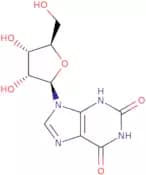
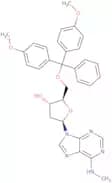
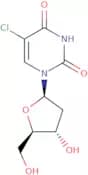
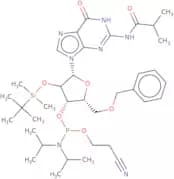
![[1',2',3',4',5'-13C5]-Kinetin riboside-5-triphosphate](/_next/image/?url=https%3A%2Fstatic.cymitquimica.com%2Fproducts%2F3D%2Fthumb-webp%2FNK161879.webp&w=3840&q=75)
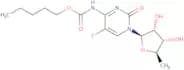
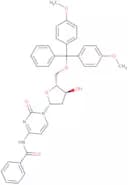

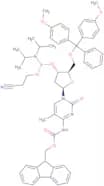
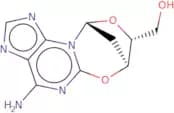

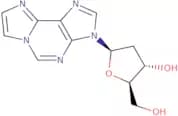
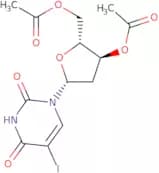
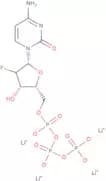

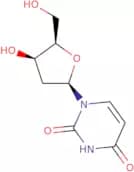
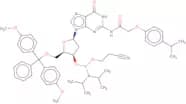
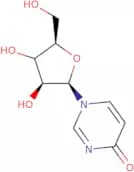

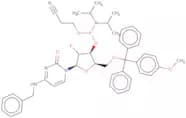
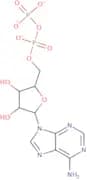


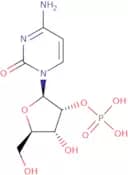
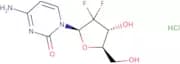
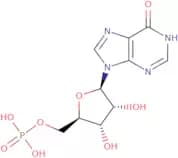
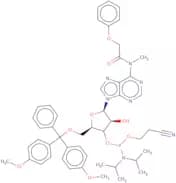
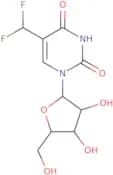
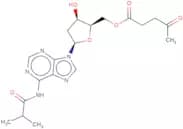
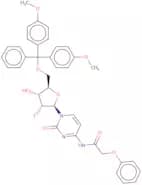

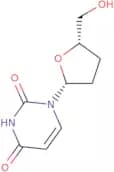
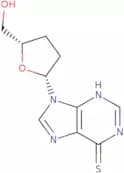
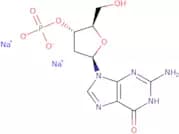
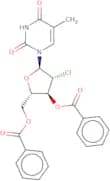
![N-Acetyl-5-[1,2-bis(acetyloxy)ethyl]-5'-O-DMT-2'-deoxycytidine 3'-CE phosphoramidite](/_next/image/?url=https%3A%2Fstatic.cymitquimica.com%2Fproducts%2F3D%2Fthumb-webp%2FPA146815.webp&w=3840&q=75)



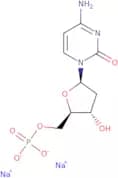

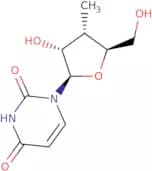
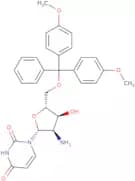

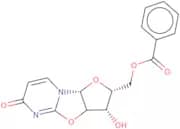
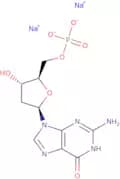
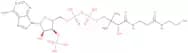


![5-Methyl-2′-O-[2-(methylamino)-2-oxoethyl]uridine](/_next/image/?url=https%3A%2Fstatic.cymitquimica.com%2Fproducts%2F3D%2Fthumb-webp%2FNM182886.webp&w=3840&q=75)


![4-Chloro-1-(β-D-2-deoxyribofuranosyl)imidazo[4,5-c]pyridine](/_next/image/?url=https%3A%2Fstatic.cymitquimica.com%2Fproducts%2F3D%2Fthumb-webp%2FDDA58215.webp&w=3840&q=75)
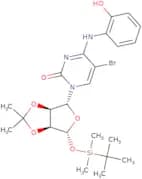
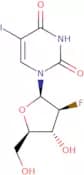

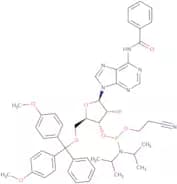
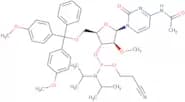
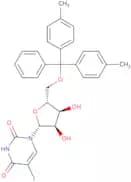





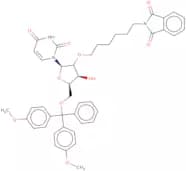
![1,4-Anhydro-5-O-[bis(4-methoxyphenyl)phenylmethyl]-2-deoxy-D-erythro-pentitol 2-cyanoethyl bis(1-m…](/_next/image/?url=https%3A%2Fstatic.cymitquimica.com%2Fproducts%2F3D%2Fthumb-webp%2FPD08984.webp&w=3840&q=75)
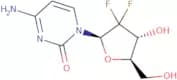


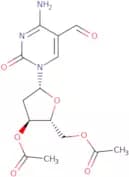

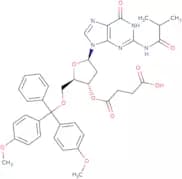


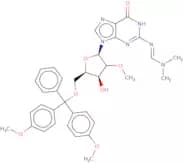
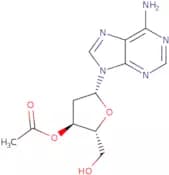


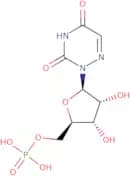
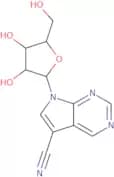
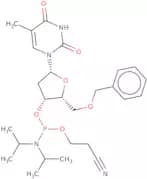
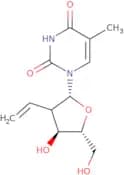
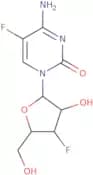

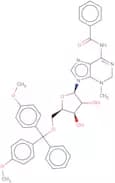
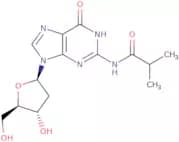

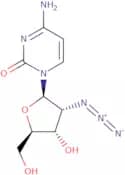
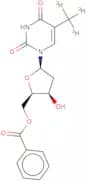
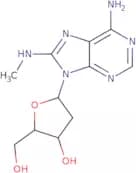
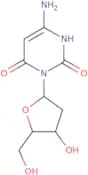
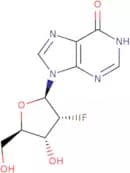

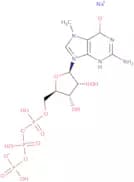

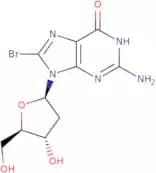

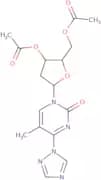
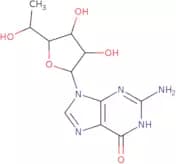

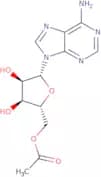
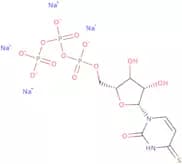
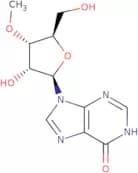
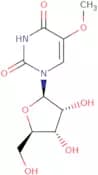
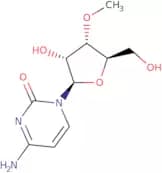
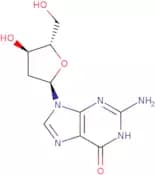
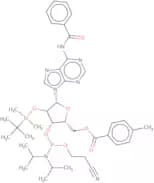
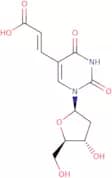
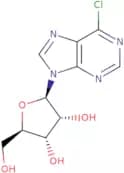
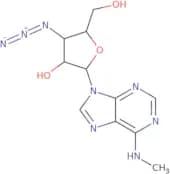
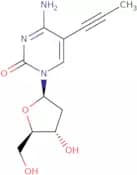


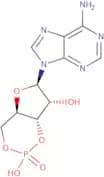


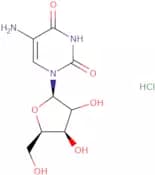
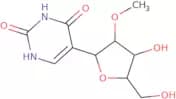
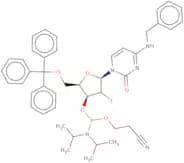
![[1',2',3',4',5'-13C5]-Kinetin riboside](/_next/image/?url=https%3A%2Fstatic.cymitquimica.com%2Fproducts%2F3D%2Fthumb-webp%2FNK161877.webp&w=3840&q=75)
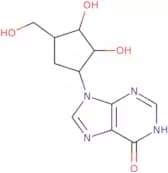
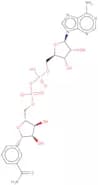

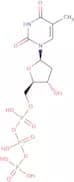
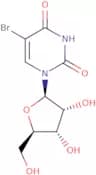
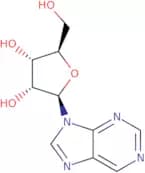
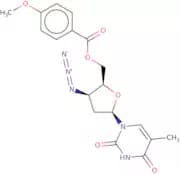

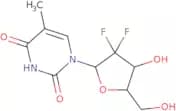
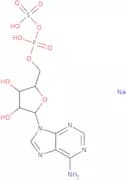


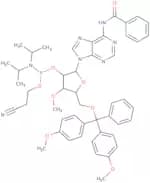
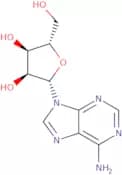
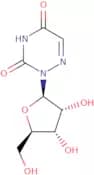


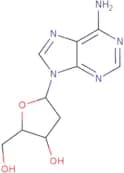
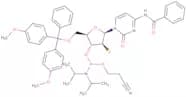

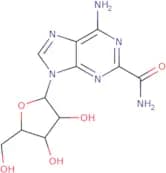
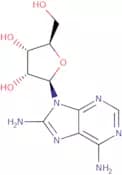

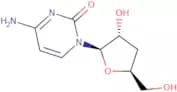

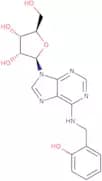
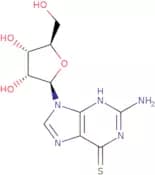
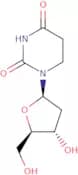
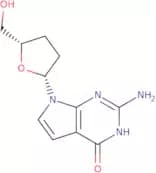
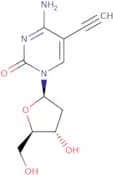


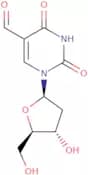
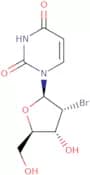
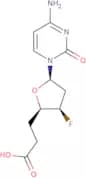
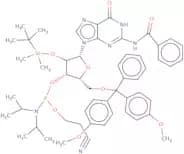
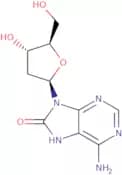

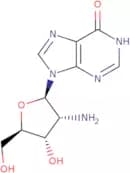


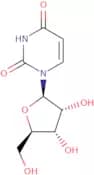






![5’-[Biotin TEG] (CUG)28-3’ RNA](/_next/image/?url=https%3A%2Fstatic.cymitquimica.com%2Fproducts%2F3D%2Fthumb-webp%2FNB180591.webp&w=3840&q=75)