


Benzimidazole and Imidazole Derivatives
Benzimidazole is a compound consisting of a benzene ring fused to an imidazole ring, a five-membered structure containing two nitrogen atoms. Benzimidazole derivatives, such as albendazole, are known for their antiparasitic and antifungal activity, used in the treatment of parasitic infections and certain parasitic diseases in animals and humans. Imidazole, on the other hand, is a five-membered structure with two nitrogen atoms found in various biologically active compounds. Imidazole derivatives, such as metronidazole, have antimicrobial and antiparasitic properties. These compounds are also used in the pharmaceutical industry for treating bacterial infections, parasitic diseases, and some fungal infections, as well as in organic chemistry as catalysts.
At CymitQuimica, we offer high-purity benzimidazoles and imidazoles for research in medicinal chemistry, pharmacology, and biotechnology.
Found 10345 products of "Benzimidazole and Imidazole Derivatives"
Sort by
Purity (%)
0
100
|
0
|
50
|
90
|
95
|
100
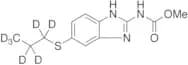
Albendazole-d7
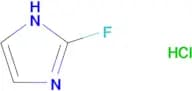
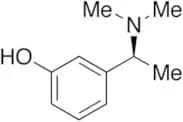
CAS:Controlled Product<p>Applications Labelled Albendazole (A511610). An anthelmintic.<br> Not a dangerous good if item is equal to or less than 1g/ml and there is less than 100g/ml in the package<br>References Zhao, Y., et al.: Org. Biomol. Chem., 6, 4509 (2008), Sanderson, H., et al.: Toxicol. Lett., 187, 84 (2009),<br></p>Formula:C12H8D7N3O2SColor and Shape:NeatMolecular weight:272.372-Fluoro-1H-imidazole hydrochloride
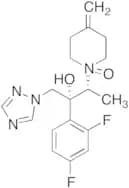
CAS:Purity:95.0%Color and Shape:SolidMolecular weight:122.52999877929688Efinaconazole-N-oxide
CAS:Controlled Product<p>Applications Efinaconazole-N-oxide is a degradation product and potentially a metabolite of the anti-fungal drug Efinaconazole (E435070).<br>References Sugiura, K., et. al.: Antimicrob. Agents CH., 58, 3837 (2014);<br></p>Formula:C18H22F2N4O2Color and Shape:NeatMolecular weight:364.39Omeprazole
CAS:Controlled Product<p>Applications Omeprazole covalently binds to proton pump. It inhibits gastric secretion. Used as an anttiulcerative.<br>References Muller, P., et al.: Arzneimittel-Forsch., 33, 1685 (1983), Wallmark, B., et al.: Biochim. Biophys. Acta., 778, 549 (1984), Morii, M., et al.: J. Biol. chem., 268, 21553 (1993), Ritter, M., et al.: Br. J. Pharmacol., 124, 627 (1998)<br></p>Formula:C17H19N3O3SColor and Shape:White To Light BrownMolecular weight:345.42Fenbendazole Sulfone-d3
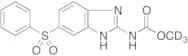
CAS:Controlled Product<p>Applications Labelled version of Fenbendazole Sulfone (F246770), which is a metabolite of Fenbendazole (F246750).<br>References McKellar, Q., et al.: J. Vet. Pharmacol. Ther., 13, 223 (1990), De Ruyck, H., et al.: Food Control., 11, 165 (2000),<br></p>Formula:C15D3H10N3O4SColor and Shape:NeatMolecular weight:334.36rac 5-Hydroxymethyl Tolterodine-d14
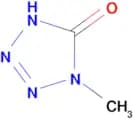
CAS:Controlled ProductFormula:C22H17D14NO2Purity:90%Color and Shape:NeatMolecular weight:355.571-methyl-1,4-dihydro-5H-tetrazol-5-one
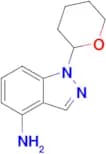
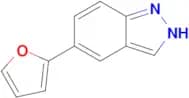
CAS:Purity:95.0%Color and Shape:SolidMolecular weight:100.081001281738281-(Tetrahydro-2H-pyran-2-yl)-1H-indazol-4-amine
CAS:Purity:95.0%Color and Shape:Liquid, No data available.Molecular weight:217.272003173828122-(1H-tetrazol-5-yl)ethanol
CAS:Formula:C3H6N4OPurity:95.0%Color and Shape:SolidMolecular weight:114.1083,5-Didesamino-3,5-dioxo Lamotrigine
CAS:Controlled Product<p>Impurity Lamotrigine EP Impurity D<br>Applications 3,5-Didesamino-3,5-dioxo Lamotrigine (Lamotrigine EP Impurity D) is an impurity of the anticonvulsant Lamotrigine (L173250).<br>References Hlavac, J. et al.: ARKIVOC, 1, 22 (2003);<br></p>Formula:C9H5Cl2N3O2Color and Shape:NeatMolecular weight:258.06Iminodibenzyl 5-Carbonyl Chloride
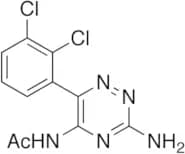
CAS:Controlled ProductFormula:C15H12ClNOColor and Shape:NeatMolecular weight:257.71Lamotrigine N-Acetate
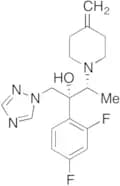
CAS:Controlled Product<p>Applications Lamotrigine N-Acetate is a derivative of the anticonvulsant Lamotrigine (L173250).<br></p>Formula:C11H9Cl2N5OColor and Shape:NeatMolecular weight:298.13Efinaconazole
CAS:Controlled Product<p>Applications Efinaconazole is a topical antifungal for onychomycosis. (Synonyms: KP-103)<br>References Sugiura, K., et. al.: Antimicrob. Agents CH., 58, 3837 (2014);<br></p>Formula:C18H22F2N4OColor and Shape:NeatMolecular weight:348.39Benznidazole
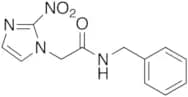
CAS:<p>Applications Benznidazole (BNZ) is traditionally used to treat Chagas disease caused by Trypanosoma cruzi. The drugs used for the treatment of this disease, Nifurtimox and Benznidazole, are toxic and present severe side effects.<br>References Abuin, G., et al.: Mol. Biochem. Parasitol ., 35, 229 (1989), Arora, P., et al.: J. Biol. Chem., 270, 6042 (1995), Campos, M., et al.: J. Immunol., 167, 416 (2001), Faundez, M., et al.: Antimicrob. Agents Chemother., 49, 126 (2005),<br></p>Formula:C12H12N4O3Color and Shape:NeatMolecular weight:260.25Tert-Butyl 2-(4-bromophenyl)-1H-imidazole-1-carboxylate
CAS:Purity:98%Molecular weight:323.19000244140625(4-(3-Methoxypropoxy)-3-methylpyridin-2-yl)methanol Hydrochloride
CAS:Controlled ProductFormula:C11H17NO3·HClColor and Shape:NeatMolecular weight:211.26 + 36.46Atropic Acid
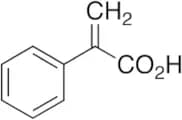
CAS:<p>Impurity Ipratropium EP Impurity D<br>Stability Light Sensitive<br>Applications Atropic acid (Ipratropium EP Impurity D) is an impurity of Ipratropium bromide (I740500) and Atropine Sulfate (A794625).<br>References Lyon, R., et al.: J. Pharm. Sci., 95, 1549 (2006), Loch, M., et al.: Toxicology, 233, 229 (2007), John, H., et al.: Anal. Bioanal. Chem., 396, 751 (2010),<br></p>Formula:C9H8O2Color and Shape:Off-WhiteMolecular weight:148.16Triclabendazole Sulfone
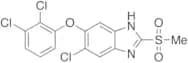
CAS:Controlled Product<p>Applications Triclabendazole Sulfone is a metabolite of Triclabendazole (T774175), the only anthelmintic drug, which is active against immature, mature and adult stages of fluke.<br>References Whelan, M., et al.: J. Chromato., 1275, 41 (2013); Barrera, S., et al.; Antimicrob. Agent. Chemother., 56, 3535 (2012);<br></p>Formula:C14H9Cl3N2O3SColor and Shape:Off-WhiteMolecular weight:391.66rac Desethyl Oxybutynin-d5 Hydrochloride
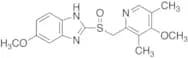
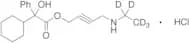
CAS:Controlled Product<p>Applications A labelled metabolite of the drug Oxybutynin (D289475). Used in the treatment of incontinence.<br>References Hughes, K., et al.: Xenobiotica, 22, 859 (1992), Oki, T., et al.: Biol. Pharm. Bull., 24, 491 (2001), Fetscher, C., et al.: Br. J. Pharmacol., 136, 64 (2002), Zobrist, R., et al.: Pharm. Res., 20, 103 (2003)<br></p>Formula:C20H22D5NO3·HClColor and Shape:White To Off-WhiteMolecular weight:334.47 + (36.46)5-Methoxy-2-[(4-methoxy-3,5-dimethylpyridin-2-yl)methanesulfinyl]-1H-1,3-benzodiazole
CAS:Purity:97.0%Color and Shape:SolidMolecular weight:345.4200134277344Propantheline Bromide
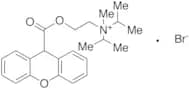
CAS:Controlled Product<p>Applications Propantheline is an antimuscarinic agent used in the treatment of hyperhidrosis (excessive sweating), enuresis (involuntary urination) as well as cramps or spasms of the stomach, intestine and bladder.<br>References Levin, R. et al.: Neurol. Urodyn., 1, 221 (1982); Daniotti, S. et al.: Br. J. Pharmacol., 82, 305 (1984); Moller, J. et al .: Acta Med. Scand., 184, 201 (1968);<br></p>Formula:C23H30NO3·BrColor and Shape:White To Off-WhiteMolecular weight:448.39Oxazepam
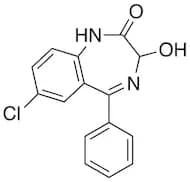
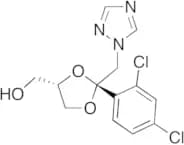
CAS:Controlled Product<p>Applications Anxiolytic; muscle relaxant (skeletal); anticonvulsant; ligand for the GABAA receptor benzodiazepine modulatory site. Controlled substance (depressant).<br>References Goldenthal, E.I., et al.: Toxicol. Appl. Pharmacol., 18, 185 (1971), Sisenwine, et al.: Arzneim. Forsch., 22, 682 (1972), Shearer, C.M., et al.: Anal. Profiles Drug Subs., 3, 441 (1974), Greenblatt, D.J., et al.: Clin. Pharmacokinet., 6, 89 (1981),<br></p>Formula:C15H11ClN2O2Color and Shape:White To Off-WhiteMolecular weight:286.71cis-2-(2,4-Dichlorophenyl)-2-(1H-1,2,4-triazol-1-ylmethyl)-1,3-dioxolane-4-methanol
CAS:Controlled ProductFormula:C13H13Cl2N3O3Color and Shape:NeatMolecular weight:330.173-(2-(6-(tert-Butyl)-1H-benzo[d]imidazol-2-yl)ethyl)cyclobutanone hydrochloride
CAS:Purity:97.0%Molecular weight:306.8299865722656Ref: 10-F656135
1g996.00€5gTo inquire10gTo inquire2.5gTo inquire50mg327.00€100mg425.00€250mg551.00€500mg799.00€1'-Hydroxy Midazolam-β-D-glucuronide
CAS:Controlled Product<p>Applications The major metabolite of Midazolam (M343000(P)). Midazolam is an anesthetic; anticonvulsant; sedative; hypnotic. It is a positive allosteric modulator of the GABAA receptor.<br>References Dundee, J. W., et al.: Drugs, 28, 519 (1984), Lahat, E., et al.: Br. Med. J., 321, 83 (2000)<br></p>Formula:C24H21ClFN3O7Color and Shape:White To Off-WhiteMolecular weight:517.89Voriconazole-d3
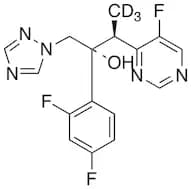
CAS:Controlled Product<p>Applications Labelled Vorizonazole (V760000), used as an antifungal (systemic). An Ergosterol Biosynthesis inhibitor.<br> Not a dangerous good if item is equal to or less than 1g/ml and there is less than 100g/ml in the package<br>References Sanati, H., et al.: Antimicrob. Ag. Chemother., 41, 2492 (1997),<br></p>Formula:C162H3H11F3N5OColor and Shape:White To BeigeMolecular weight:352.33Iminostilbene
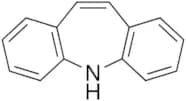
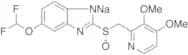
CAS:Controlled Product<p>Impurity Carbamazepine EP Impurity D<br>Applications A metabolite of Carbamazepine (CBZ) (C175840).<br> Not a dangerous good if item is equal to or less than 1g/ml and there is less than 100g/ml in the package<br>References Lertratanangkoon, K., et al.: Drug Metab. Dispos., 10, 1 (1982), Deleu, D., et al.: Eur. J. Clin. Pharmacol., 57, 243 (2001),<br></p>Formula:C14H11NColor and Shape:Yellow To Dark OrangeMolecular weight:193.245-Difluoromethoxy-2-[(3,4-dimethoxy-2-pyridinyl)methyl]thio-1H-benzimidazole
CAS:Purity:95.0%Molecular weight:367.3699951171875rel-(R,R)-Voriconazole
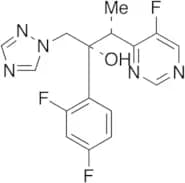
CAS:Controlled Product<p>Applications The (R,R)-enantiomer of Voriconazole. An antifungal (systemic). An ergosterol biosynthesis inhibitor.<br> Not a dangerous good if item is equal to or less than 1g/ml and there is less than 100g/ml in the package<br>References Sanati, H., et al.: Antimicrob. Ag. Chemother., 41, 2492 (1997),<br></p>Formula:C16H14F3N5OColor and Shape:NeatMolecular weight:349.31Omeprazole Sulfone N-Oxide
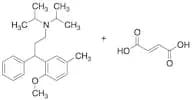
CAS:<p>Impurity Omeprazole EP Impurity I<br>Applications Omeprazole Sulfone N-Oxide (Omeprazole EP Impurity I) is a metabolite of Omeprazole. Impurity I.<br>References Stevens, C.M., et al.: J. Biol. Chem., 75, 182 (1950), Okamoto, S., et al.: Biochem. Biophys. Res. Commun., 101, 440 (1981)<br></p>Formula:C17H19N3O5SColor and Shape:NeatMolecular weight:377.412-Methoxy-5-methyl-N,N-bis(1-methylethyl)-γ-phenyl-benzenepropanamine (2E)-2-Butenedioate
CAS:Controlled Product<p>Impurity Tolterodine USP Related Compound A<br>Applications 2-Methoxy-5-methyl-N,N-bis(1-methylethyl)-γ-phenyl-benzenepropanamine (2E)-2-Butenedioate (Tolterodine USP Related Compound A) is a related compound of Tolterodine (T535795), a muscarinic receptor antagonist.<br>References Nilvebrant, L., et al.: Life Sci., 60, 1129 (1997), Nilvebrant, L., et al.: Eur. J. Pharmacol., 327, 195 (1997), Brynne, N., et al.: Int. J. Clin. Pharmacol. Ther., 35, 287 (1997)<br></p>Formula:C23H33NO·(C4H4O4)Color and Shape:NeatMolecular weight:339.51 + (116.07)cis-[2-(2,4-Dichlorophenyl)-2-(1H-1,2,4-triazol-1-yl-methyl)-1,3-dioxolan-4-yl]methyl Methanesulfonate
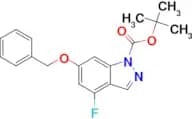
CAS:Controlled Product<p>Applications An intermediate in the synthesis of Itraconazole.<br></p>Formula:C14H15Cl2N3O5SColor and Shape:NeatMolecular weight:408.26Tert-Butyl 6-(benzyloxy)-4-fluoro-1H-indazole-1-carboxylate
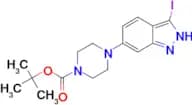
CAS:Purity:95.0%Molecular weight:342.3699951171875Tert-Butyl 4-(3-iodo-1H-indazol-6-yl)piperazine-1-carboxylate
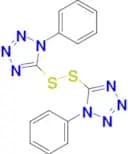
CAS:Purity:95.0%Color and Shape:SolidMolecular weight:428.273986816406251,2-BIS(1-PHENYL-1H-TETRAZOL-5-YL)DISULFANE
CAS:Purity:95.0%Color and Shape:Solid, PowderMolecular weight:354.41000366210945-Methoxy-2-(4-methoxy-3,5-dimethylpyridin-2-yl)-1H-benzo[d]imidazole
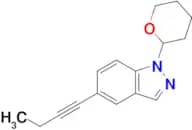
CAS:Controlled Product<p>Applications 5-Methoxy-2-(4-methoxy-3,5-dimethylpyridin-2-yl)-1H-benzo[d]imidazole is an impurity of Omeprazole (O635000), which binds covalently to proton pump. It inhibits gastric secretion. Used as an anttiulcerative.<br>References Muller, P., et al.: Arzneimittel-Forsch., 33, 1685 (1983), Wallmark, B., et al.: Biochim. Biophys. Acta., 778, 549 (1984), Morii, M., et al.: J. Biol. chem., 268, 21553 (1993), Ritter, M., et al.: Br. J. Pharmacol., 124, 627 (1998)<br></p>Formula:C16H17N3O2Color and Shape:NeatMolecular weight:283.335-(but-1-yn-1-yl)-1-(tetrahydro-2H-pyran-2-yl)-1H-indazole
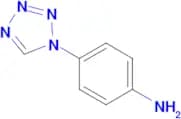
CAS:Purity:98%Molecular weight:254.332992553710944-(1H-Tetrazol-1-yl)aniline
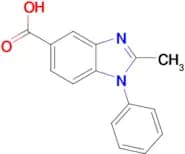
CAS:Formula:C7H7N5Purity:95%Color and Shape:SolidMolecular weight:161.1682-Methyl-1-phenyl-1 H -benzoimidazole-5-carboxylic acid
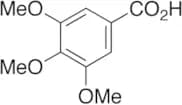
CAS:Purity:95.0%Color and Shape:SolidMolecular weight:252.27299499511723,4,5-Trimethoxybenzoic Acid
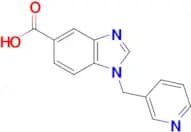
CAS:<p>Applications A metabolite of Trimebutine (T795605(P)), which is an opioid receptor agonist and an antispasmodic.<br>References Dieks, H., et al.: J. Labelled Comp. Radiopharm., 28, 1093 (1990), Delvaux, M., et al.: J. Int. Med. Res., 25, 225 (1997), Lavit, M., et al.: Arzneim.-Forsch., 50, 640 (2000),<br></p>Formula:C10H12O5Color and Shape:White To BeigeMolecular weight:212.201-(pyridin-3-ylmethyl)-1H-benzimidazole-5-carboxylic acid
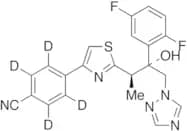
CAS:Purity:95.0%Molecular weight:253.26100158691406Isavuconazole-d4
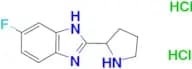
CAS:Controlled Product<p>Applications Labelled Isavuconazole (I777832). It is a new triazole currently undergoing phase III clinical trials. This compound has shown in vitro activity against a large number of clinical important yeasts and molds including Aspergillus spp., Fusarium spp., Scedosporium spp., Candida spp., the Zygomycetes and Cryptococcus spp.<br>References Ohwada, J., et al.: Bioorg. Med. Chem. Lett., 13, 191 (2003), Guinea, J., et al.: Antimicrob. Agents Chemother., 52, 1396 (2008)<br></p>Formula:C22H13D4F2N5OSColor and Shape:White To YellowMolecular weight:441.495-fluoro-2-(2-pyrrolidinyl)-1H-benzimidazole dihydrochloride
CAS:Purity:95.0%Molecular weight:278.1499938964844rel-(1R,3S,5S)-8-Methyl-8-azabicyclo[3,2,1]oct-6-en-yl-2-hydroxy-2,2-dithiophen-2-yl acetate
CAS:Controlled Product<p>Impurity Tiotropium EP impurity D<br>Applications (1R,3S,5S)-8-Methyl-8-azabicyclo[3,2,1]oct-6-en-yl-2-hydroxy-2,2-dithiophen-2-ylacetate is an impurity in the synthesis of Tiotropium Bromide (T444850), a muscarinic receptor antagonist. Bronchodilator.<br>References Haddad, E.-B., et al.: Mol. Pharmacol., 45, 899 (1994); Donohue, J. F., et al.: Chest, 122, 47 (2002); Profita, M., et al.: Allergy, 60, 1361 (2005); Dusser, D., et al.: Eur. Respir. J., 27, 547 (2006);<br></p>Formula:C18H19NO3S2Color and Shape:NeatMolecular weight:361.48Ethyl 2-ethoxy-1-[[(2'-cyanobiphenyl-4-yl)methyl]benzimidazole]-7-carboxylate
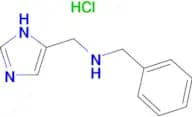
CAS:Purity:95.0%Color and Shape:Liquid, No data available.Molecular weight:425.4880065917969N-((1H-IMIDAZOL-5-YL)METHYL)-1-PHENYLMETHANAMINE HCL
CAS:Purity:95.0%Molecular weight:223.6999969482422Ref: 10-F506290
1gTo inquire2gTo inquire5gTo inquire10gTo inquire100mgTo inquire250mgTo inquire500mgTo inquireAlbendazole Sulfone
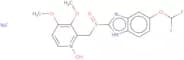
CAS:<p>Impurity Albendazole EP Impurity C / Albendazole Sulfone<br>Applications A metabolite of Albendazole, an anthelmintic. Albendazole EP Impurity C<br>References Dominguez, L., et al.: Farmaco, 50, 697 (1995), De Laurentis, N., et al.: Pharm. Pharmacol. Lett., 6, 2: 51 (1996)<br></p>Formula:C12H15N3O4SColor and Shape:BeigeMolecular weight:297.33(S)-(-)-Pantoprazole Sodium Salt
CAS:Controlled Product<p>Stability Hygroscopic<br>Applications The S-enantiomer of Pantoprazole (P183000).<br>References Simon, W.A., et al.: Biochem. Pharmacol., 39, 1799 (1990),<br></p>Formula:C16H14F2N3O4S·NaColor and Shape:NeatMolecular weight:405.35NAP 226-90
CAS:<p>Impurity Rivastigmine EP Impurity A; Rivastigmin USP Related Compound C<br>Applications NAP 226-90 (Rivastigmine EP Impurity A; Rivastigmin USP Related Compound C) is a S-Enantiomer metabolite of Rivastigmine, a brain selective acetylcholinesterase inhibitor.<br>References Rosler, M., et al.: Br. Med. J., 318, 633 (1999), Jann, M., et al.: Clin. Pharmacokinet., 41, 719 (2002), Frankfort, S., et al.: Int. J. Clin. Pract., 60, 646 (2006),<br></p>Formula:C10H15NOColor and Shape:WhiteMolecular weight:165.23Scopolamine-13C, D3 Hydrobromide
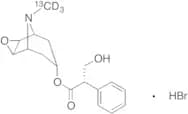
CAS:Controlled Product<p>Applications Scopolamine-13C, d3 Hydrobromide, is the labeled analogue of Scopolamine-d3 Hydrobromide (S200002), an acetylcholine antagonist, used in treatment of motion sickness; antiemetic; antispasmodic; mydriatic; preanesthetic medicant.<br> Not a dangerous good if item is equal to or less than 1g/ml and there is less than 100g/ml in the package<br>References Brand, J.J., et al.: Lancet, 2, 232 (1970), Bowles, J.B., et al.: Anaesthesia, 34, 476 (1979), Clissold, S.P., et al.: Drugs, 29, 189 (1985), Muhtadi, F.J., et al.: Anal. Profiles Drug Subs., 19, 477 (1990),<br></p>Formula:C1613CH19D3BrNO4Color and Shape:Off-WhiteMolecular weight:388.28TRAM-34
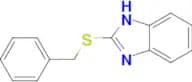
CAS:Controlled Product<p>Applications TRAM-34 blocks intermediate conductance calcium-activated potassium channel IKCa1 with a Kd of 20nM and exhibits exquisite selectivity for the channel. Clotrimazole impurity.<br>References Wulff, H., et al.: J. of Biological Chemistry, 276, 34, 32040 (2001)<br></p>Formula:C22H17ClN2Color and Shape:NeatMolecular weight:344.842-(benzylthio)-1H-benzimidazole
CAS:Purity:95.0%Color and Shape:Solid, White powderMolecular weight:240.32000732421875Nocodazole
CAS:<p>M05733 - Nocodazole</p>Formula:C14H11N3O3SPurity:98%Color and Shape:Solid, Beige powderMolecular weight:301.320007324218755-Methoxy-2-[[(4-methoxy-3,5-dimethyl-2-pyridinyl)methyl]sulfinyl]-1H-benzimidazole N-oxide
CAS:<p>5-Methoxy-2-[[(4-methoxy-3,5-dimethyl-2-pyridinyl)methyl]sulfinyl]-1H-benzimidazole N-oxide is an ammonium salt of a sulfoxide with a chloride. It is also known as esomeprazole magnesium. This drug is used in the preparation of pharmaceutical preparations and is used to treat gastroesophageal reflux disease (GERD), peptic ulcers, and other conditions. The magnesium salt form is a polymorphic substance that has a crystalline form that occurs in nature, called alpha form, and a synthetic form that occurs in laboratory experiments and has been designated beta form. The alpha form exhibits enantioselectivity when it binds to the enzyme pepsin, which causes the drug to have an antiulcer effect.</p>Formula:C17H19N3O4SPurity:Min. 95%Color and Shape:PowderMolecular weight:361.42 g/mol3-Amino-6-(2,3-dichlorophenyl)-1,2,4-triazin-5(4H)-one
CAS:<p>3-Amino-6-(2,3-dichlorophenyl)-1,2,4-triazin-5(4H)-one is a triazine derivative that is used as an analytical reagent and intermediate. It has been used as a wastewater analysis method to measure the concentration of carbamazepine. 3-Amino-6-(2,3-dichlorophenyl)-1,2,4-triazin-5(4H)-one has also been shown to be useful in developing analytical methods for clinical trials. 3DCTKP has also been used to test the matrix effect of carbamazepine by analyzing it in different matrices such as water and human plasma.</p>Formula:C9H6Cl2N4OPurity:Min. 95 Area-%Color and Shape:PowderMolecular weight:257.08 g/mol5-Methoxy-2-[[(3,5-dimethyl-2-pyridinyl)methyl]sulphinyl]-1H-benzimidazole
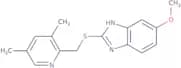
CAS:<p>5-Methoxy-2-[[(3,5-dimethyl-2-pyridinyl)methyl]sulphinyl]-1H-benzimidazole is a natural product. It is an impurity in the drug development process and may be present as an analytical marker for impurities. 5-Methoxy-2-[(3,5-dimethylpyridinium)methyl]sulfinyl]-1Hbenzimidazole is used as a pharmacopoeia standard and can be synthesized on request.</p>Formula:C16H17N3O2SPurity:Min. 95%Color and Shape:PowderMolecular weight:315.39 g/molPantoprazole N-oxide sodium
CAS:<p>Pantoprazole N-oxide sodium is a custom synthesis drug product that is being developed as an impurity standard in the synthesis of Pantoprazole. The compound is also used as a pharmacopoeia analytical standard and a HPLC standard.</p>Formula:C16H15F2N3O5S·NaPurity:Min. 95%Color and Shape:PowderMolecular weight:422.36 g/molN-Desmethyl galanthamine
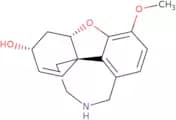
CAS:Controlled Product<p>N-Desmethyl galanthamine is a plant alkaloid that is found in the Huperzia serrata plant. It has been shown to have cholinergic activity and calcium binding properties. N-Desmethyl galanthamine inhibits acetylcholinesterase, an enzyme responsible for the breakdown of acetylcholine, which is a neurotransmitter. This inhibition leads to increased levels of acetylcholine, which results in increased neuron stimulation and improved memory function. N-Desmethyl galanthamine also binds to β2 nicotinic receptor sites and blocks the binding of nicotine, leading to decreased nicotine dependence.</p>Formula:C16H19NO3Purity:Min. 95%Molecular weight:273.33 g/mol(R)-5-Hydroxymethyl tolterodine
CAS:<p>(R)-5-Hydroxymethyl tolterodine is a prodrug that is metabolized by cytochrome P450 3A4 (CYP3A4) in the liver to its active form, tolterodine. This drug can be used as an alternative for gabapentin in the treatment of detrusor muscle overactivity associated with neurogenic bladder dysfunction. The pharmacokinetic properties of (R)-5-hydroxymethyl tolterodine are similar to those of gabapentin, including the elimination half-life and volume of distribution. However, unlike gabapentin, which has been shown to increase the glomerular filtration rate (GFR) and renal blood flow, there is no evidence that this drug has any effect on GFR or renal blood flow. There is also no evidence that (R)-5-hydroxymethyl tolterodine causes any symptoms that may be attributed to</p>Formula:C22H31NO2Purity:Min. 98 Area-%Color and Shape:Off-White PowderMolecular weight:341.49 g/mol5,6-Dimethoxy-2-(4-piperidinyl)methyleneindan-1-one (donepezil impurity)
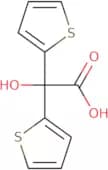
CAS:<p>5,6-Dimethoxy-2-(4-piperidinyl)methyleneindan-1-one (donepezil impurity) is an analytical standard used as a reference in HPLC assays for donepezil. It is also a metabolite of donepezil and has been found to have pharmacological activity similar to that of the parent compound. This impurity is present in donepezil drug products at levels up to 0.5%.</p>Formula:C17H21NO3Purity:Min. 95%Molecular weight:287.35 g/mol2-Hydroxy-2,2-bis(2-thienyl) acetic acid
CAS:<p>2-Hydroxy-2,2-bis(2-thienyl) acetic acid is a long-acting bronchodilator that can be administered by inhalation. It has been used in the clinical development of medicines for the treatment of asthma and chronic obstructive pulmonary disease. 2-Hydroxy-2,2-bis(2-thienyl) acetic acid is chemically related to pyridinium compounds. It is a potent inhibitor of muscarinic receptors and has an anticholinergic profile similar to atropine. The safety profile of this drug seems to be favourable in humans with no major side effects reported so far.</p>Formula:C10H8O3S2Purity:Min. 95%Color and Shape:Yellow PowderMolecular weight:240.3 g/mol5-Methoxy-2-[[(4-methoxy-3,5-dimethyl-2-pyridinyl)methyl]thio]-1H-benzimidazole
CAS:<p>Omeprazole is a drug that belongs to the class of benzimidazole compounds. It is an inhibitor of gastric acid secretion in the stomach, reducing the production of hydrochloric acid and pepsin. Omeprazole has been shown to have greater chemical stability than other proton pump inhibitors (PPIs), with a higher solubility in water and a longer shelf life. Omeprazole also has anti-inflammatory properties, which may be due to its inhibition of prostaglandin synthesis. Omeprazole also exhibits pharmacokinetic properties that are different from other PPIs. Omeprazole is rapidly absorbed following oral administration and has a high bioavailability, which can be attributed to its hydroxyl group. This hydroxyl group allows for esomeprazole (a prodrug) to be formed by hydrolysis in the gut or liver, increasing omeprazole's absorption and bioavailability.</p>Formula:C17H19N3O2SPurity:Min. 95%Color and Shape:PowderMolecular weight:329.42 g/molDi-2-thienylmethanone
CAS:<p>Di-2-thienylmethanone is a pyrazole with an activation energy of about 10.5 kcal/mol. It has been found to be toxic and can cause cell lysis. This molecule has been used in the synthesis of a number of drugs, including thiopental, a barbiturate that is used as an anaesthetic. Di-2-thienylmethanone is also the precursor for the synthesis of fluoroquinolones, which are potent antibacterial agents. The Friedel-Crafts reaction is one way this molecule is synthesized, and it involves the addition of an alkyl halide to an unsaturated double bond. This reaction is named after Charles Friedel and James Crafts who first discovered it in 1877.</p>Formula:C9H6OS2Purity:Min. 95%Color and Shape:White PowderMolecular weight:194.28 g/mol5-Methoxy-2-[[(4-Chloro-3,5-dimethyl-2-pyridinyl)methyl]sulfinyl]-5-methoxy-1H-benzimidazole
CAS:<p>5-Methoxy-2-[(4-chloro-3,5-dimethyl-2-pyridinyl)methyl]sulfinyl]-5-methoxy-1H benzimidazole is a synthetic drug product. It has been used as a positive control in metabolism studies and as an impurity standard. 5-Methoxy 2-[(4-chloro 3,5 dimethyl 2 pyridinyl)methyl]sulfinyl]-5 methoxy 1H benzimidazole is also a metabolite of the active pharmaceutical ingredient (API) which is used to develop drugs. This chemical is synthesized by custom synthesis and can be obtained at high purity levels. The metabolite of this compound is 5 methoxy 2-[(4 chloro 3,5 dimethyl 2 pyridinyl)methyl]sulfonyl]-5 methoxy 1H benzimidazole.</p>Formula:C16H16ClN3O2SPurity:Min. 95%Color and Shape:PowderMolecular weight:349.84 g/mol2-[[[(4-Methoxypropoxy)-3-methyl-2-pyridinyl]methyl]sulfonyl]-1H-benzimidazole
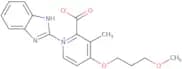
CAS:<p>2-[[[(4-Methoxypropoxy)-3-methyl-2-pyridinyl]methyl]sulfonyl]-1H-benzimidazole is a protonated sulfonamide that is used as an analytical method to detect the presence of other drugs in human liver tissue. It has been shown to inhibit the activity of cytochrome P450 3A4 (CYP3A4), one of the enzymes responsible for metabolizing many drugs. Bromoenol lactone and powder diffraction spectrum are two additional analytical methods that can be used to detect 2-[([(4-methoxypropoxy)-3-methyl-2-pyridinyl]methyl]sulfonyl]-1H-benzimidazole.</p>Formula:C18H21N3O4SPurity:Min. 95%Color and Shape:White/Off-White SolidMolecular weight:375.44 g/mol4-Desmethoxy omeprazole sulfide
CAS:<p>4-Desmethoxy omeprazole sulfide is a metabolite of omeprazole, a drug that is used to treat ulcers and gastroesophageal reflux disease. 4-Desmethoxy omeprazole sulfide is not an impurity in the production of omeprazole, but is present as a natural component of omeprazole. This compound has been shown to be an impurity standard for HPLC analysis. The pharmacopoeia defines 4-desmethoxy omeprazole sulfide as an API impurity in drug products. It is also being studied for its potential use in drug development and research and development.</p>Formula:C16H17N3OSPurity:Min. 95%Color and Shape:White to off-white solid.Molecular weight:299.39 g/molPantoprazole sulphone
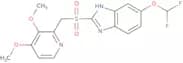
CAS:<p>Pantoprazole sulphone is a proton-pump inhibitor that inhibits the production of stomach acid and protects the esophagus from damage. Pantoprazole sulphone has been shown to be effective in treating heart disease patients and reducing their risk of death. It also has biological properties, including modulating the effects of bosentan, which is used to treat pulmonary arterial hypertension. Pantoprazole sulphone has been shown to be chemically stable and stereoselective, which means it binds more strongly to one site than another. Clinical pharmacology studies have found that pantoprazole sulphone has no effect on abomasal motility or gastric emptying time.</p>Formula:C16H15F2N3O5SPurity:Min. 97 Area-%Color and Shape:PowderMolecular weight:399.37 g/molAlbendazole sulfoxide
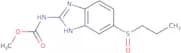
CAS:<p>Albendazole sulfoxide is a sulfoxide of albendazole. The molecular docking analysis of the two molecules showed that the sulfoxide group is located in the same position as the hydroxyl group on albendazole. It has been shown that this replacement of hydroxyl with a sulfoxide group increases the solubility and stability of albendazole, which may be due to hydrogen bonding interactions between these groups. Albendazole sulfoxide has been shown to be an effective treatment for infections caused by parasites such as helminths. However, it should not be used in combination with drugs that are metabolized by cytochrome P450 enzymes because it can inhibit their activity.</p>Formula:C12H15N3O3SPurity:Min. 97 Area-%Color and Shape:White PowderMolecular weight:281.33 g/molPantoprazole sulfide N-oxide
CAS:<p>Pantoprazole sulfide N-oxide is a metabolite of pantoprazole, which is a proton pump inhibitor used to reduce stomach acid production. Pantoprazole sulfide N-oxide is an impurity in pantoprazole that can be detected by HPLC. It has been shown to have about the same biological activity as pantoprazole when given orally.</p>Formula:C16H15F2N3O4SPurity:Min. 95%Color and Shape:Off-White To Yellow SolidMolecular weight:383.37 g/mol2-(3-(1-Benzylpiperidin-4-yl)-2-oxopropyl)-4,5-dimethoxybenzoic acid sodium salt
<p>2-(3-(1-Benzylpiperidin-4-yl)-2-oxopropyl)-4,5-dimethoxybenzoic acid sodium salt is a white to off-white crystalline powder. It is soluble in water and sparingly soluble in alcohol. This product is used as an analytical standard and has been found to be a metabolite of the drug clozapine. 2-(3-(1-Benzylpiperidin-4-yl)-2-oxopropyl)-4,5-dimethoxybenzoic acid sodium salt has also been found to be an impurity in the drug product lamotrigine.</p>Formula:C24H29NO5•NaPurity:Min. 95%Molecular weight:434.49 g/molRabeprazole Impurity 2
CAS:<p>Rabeprazole Impurity 2 is a research and development impurity standard that is used for qualitative analysis. It can be custom synthesized to meet specific needs, and it can also be used in drug product synthesis. Rabeprazole Impurity 2 is a high purity synthetic compound that has been pharmacopoeia-qualified. It can also be used as a metabolite or analytical standard, and it has been studied for its metabolism studies with HPLC-MS. Rabeprazole Impurity 2 has CAS No. 1807988-36-8.</p>Formula:C18H19N3O4Purity:Min. 95%Molecular weight:341.36 g/molPantoprazole sodium hydrate - Mixture of impurities D and F
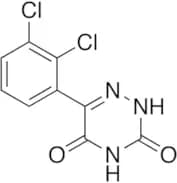
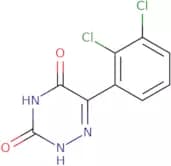
CAS:<p>Pantoprazole sodium hydrate is a custom synthesis that is used as a drug product. The CAS number for this compound is 624742-53-6. This compound has the following impurities: D and F. Pantoprazole sodium hydrate has been shown to be metabolized in vitro by human liver microsomes to its metabolites, including the following: (1) pantoprazol acid, (2) 4-hydroxypantoprazol acid, (3) 4-hydroxyisoxazole acid, and (4) 5-(4-hydroxyphenyl)-2H-1,2-benzoxazin-3(4H)-one. The metabolite 4-hydroxypantoprazol acid has been found to be pharmacologically active in animal models of gastric ulceration and healing.</p>Formula:C17H17F2N3O4SPurity:Min. 95%Color and Shape:Off-white to yellow powder.Molecular weight:397.4 g/mol6-(2,3-Dichlorophenyl)-1,2,4-triazine-3,5(2H,4H)-dione
CAS:<p>6-(2,3-Dichlorophenyl)-1,2,4-triazine-3,5(2H,4H)-dione is a chlorinating agent that converts alcohols to alkyl chlorides. It is used for the conversion of diazotizable aromatic compounds to diazo compounds. This compound has been shown to be neuroprotective in animal models and provides protection against glutamate excitotoxicity. 6-(2,3-Dichlorophenyl)-1,2,4-triazine-3,5(2H,4H)-dione also reacts with nitrite ions to form the corresponding nitroso derivatives. These derivatives can cause DNA damage and are mutagenic. 6-(2,3-Dichlorophenyl)-1,2,4-triazine-3,5(2H,4H)-dione has been shown to react with aminoguanidine to produce a chromat</p>Formula:C9H5Cl2N3O2Purity:Min. 95%Color and Shape:PowderMolecular weight:258.06 g/mol2-[[[4-(3-Methoxypropoxy)-3-methyl-2-pyridinyl]methyl]thio]-1H-benzimidazole
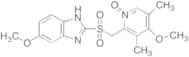
CAS:<p>Rabeprazole is a proton pump inhibitor that is used to treat acid-related disorders such as gastroesophageal reflux disease and peptic ulcers. Rabeprazole inhibits the production of gastric acid by blocking the hydrogen/potassium ATPase that is found in the parietal cells of the stomach. The main mechanism of action for rabeprazole is competitive inhibition of the proton pump, which leads to decreased gastric acid secretion. Rabeprazole can be administered orally or intravenously, with a half-life of about 2 hours. It has been shown to have an effect on human liver cytochrome P450s, but does not affect the activity of recombinant cytochrome P450 3A4 (CYP3A4). In clinical studies, rabeprazole was shown to have no adverse effects on CYP3A4 activity and may even increase it slightly.</p>Formula:C18H21N3O2SPurity:Min. 95%Color and Shape:White PowderMolecular weight:343.44 g/mol5-Methoxy-2-[[(4-methoxy-3,5-dimethyl-2-pyridinyl)methyl]sulphonyl]-1H-benzimidazole N-oxide
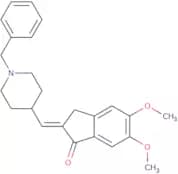
CAS:<p>5-Methoxy-2-[[(4-methoxy-3,5-dimethyl-2-pyridinyl)methyl]sulphonyl]-1H-benzimidazole N-oxide is a cyclic sulfoxide that has shown to be a potent inhibitor of gastric acid secretion. It is an important intermediate in the synthesis of esomeprazole magnesium, a proton pump inhibitor used to treat gastroesophageal reflux disease and other gastrointestinal disorders. 5-Methoxy-2-[(4-methoxy 3,5 dimethyl 2 pyridinyl) methyl] sulphonyl]-1H benzimidazole N oxide is also known as (RS)-N-[4-(4′ methoxyphenyl)-3,5 dimethylpyrazol -2 - ylmethyl] methanesulfonamide. This compound has been shown to have a polymorphic form with two different</p>Formula:C17H19N3O5SPurity:Min. 95%Color and Shape:PowderMolecular weight:377.42 g/mol1-Benzyl-4-(5,6-dimethoxy-1-oxoindan-2-ylidene)methylpiperidine
CAS:<p>1-Benzyl-4-(5,6-dimethoxy-1-oxoindan-2-ylidene)methylpiperidine is an analytical standard and a drug product. It is a synthetic compound that has been shown to have pharmacological effects similar to those of the analgesic or opioid drugs. 1-Benzyl-4-(5,6-dimethoxy-1-oxoindan-2-ylidene)methylpiperidine can be used as an impurity standard for HPLC analyses as well as metabolic studies. This compound is also known to have potential interactions with other drugs.</p>Formula:C24H27NO3Purity:Min. 98 Area-%Color and Shape:PowderMolecular weight:377.48 g/mol2-Hydroxybenzimidazole
CAS:<p>2-Hydroxybenzimidazole is a benzimidazole compound that is used in the treatment of nervous system diseases. It has been shown to have anti-inflammatory properties and can be used in the treatment of syncytial virus infection. 2-Hydroxybenzimidazole inhibits the production of reactive oxygen species and nitric oxide, which are involved in neurodegenerative disorders. The mechanism of action for 2-Hydroxybenzimidazole involves the formation of hydrogen bonds with hydroxyl groups on proteins. It also has been shown to reduce locomotor activity and increase sleep time in mice, which may be due to inhibition of acetylcholine release from cholinergic neurons.</p>Formula:C7H6N2OPurity:Min. 97.5 Area-%Color and Shape:Off-White PowderMolecular weight:134.14 g/molDihydroxy diketo atorvastatin impurity
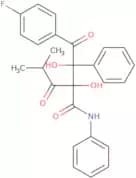
CAS:<p>Dihydroxy diketo atorvastatin impurity is a synthetic impurity that is generated by the metabolism of atorvastatin. This drug product is an analytical standard for the determination of purity, and can also be used to develop high purity drugs.</p>Formula:C26H24FNO5Purity:Min. 95%Molecular weight:449.47 g/mol2-[[[3-Methyl-4-(methylthio)-2-pyridinyl]methyl]sulfinyl]-1H-benzimidazole
CAS:<p>2-[[[3-Methyl-4-(methylthio)-2-pyridinyl]methyl]sulfinyl]-1H-benzimidazole is a synthetic, nonsteroidal anti-inflammatory drug. It is soluble in methanol and ethanol, not soluble in water. The impurity standard of 2-[[[3-Methyl-4-(methylthio)-2-pyridinyl]methyl]sulfinyl]-1H-benzimidazole is 3-[2-[(3,4,5-trimethoxyphenyl)amino]-1H-benzimidazolium methyl sulfate].</p>Formula:C15H15N3OS2Purity:Min. 95%Molecular weight:317.43 g/mol5-Methoxy-2-[[(4-methoxy-3,5-dimethyl-2-pyridinyl)methyl]sulfonyl]-1H-benzimidazole
CAS:<p>5-Methoxy-2-[[(4-methoxy-3,5-dimethyl-2-pyridinyl)methyl]sulfonyl]-1H-benzimidazole is an inhibitor of cytochrome P450 2C19. It has been shown to inhibit the activity of this enzyme in a concentration dependent manner and to enhance the activity of omeprazole by inhibiting its metabolism. 5-Methoxy-2-[(4-methoxy, 3,5 dimethylpyridiniumyl)methyl]sulfonyl]-1H benzimidazole is used as a model system for studying drug interactions due to its ability to inhibit cytochrome P450 2C19 and CYP2C19 protein expression. 5 METHOXY - 2 - [[ ( 4 - METHOXY - 3 , 5 - DIMETHYL - 2 - PYRIDINYL ) M</p>Formula:C17H19N3O4SPurity:Min. 95%Color and Shape:White Off-White PowderMolecular weight:361.42 g/mol







![5-Methoxy-2-[(4-methoxy-3,5-dimethylpyridin-2-yl)methanesulfinyl]-1H-1,3-benzodiazole](/_next/image/?url=https%3A%2Fstatic.cymitquimica.com%2Fproducts%2F10%2Fthumb-webp%2FF358068.webp&w=3840&q=75)


![3-(2-(6-(tert-Butyl)-1H-benzo[d]imidazol-2-yl)ethyl)cyclobutanone hydrochloride](/_next/image/?url=https%3A%2Fstatic.cymitquimica.com%2Fproducts%2F10%2Fthumb-webp%2FF547122.webp&w=3840&q=75)

![5-Difluoromethoxy-2-[(3,4-dimethoxy-2-pyridinyl)methyl]thio-1H-benzimidazole](/_next/image/?url=https%3A%2Fstatic.cymitquimica.com%2Fproducts%2F10%2Fthumb-webp%2FF049541.webp&w=3840&q=75)
![cis-[2-(2,4-Dichlorophenyl)-2-(1H-1,2,4-triazol-1-yl-methyl)-1,3-dioxolan-4-yl]methyl Methanesulfo…](/_next/image/?url=https%3A%2Fstatic.cymitquimica.com%2Fproducts%2FTR%2Fthumb-webp%2FD435745.webp&w=3840&q=75)
![5-Methoxy-2-(4-methoxy-3,5-dimethylpyridin-2-yl)-1H-benzo[d]imidazole](/_next/image/?url=https%3A%2Fstatic.cymitquimica.com%2Fproducts%2FTR%2Fthumb-webp%2FM262960.webp&w=3840&q=75)

![rel-(1R,3S,5S)-8-Methyl-8-azabicyclo[3,2,1]oct-6-en-yl-2-hydroxy-2,2-dithiophen-2-yl acetate](/_next/image/?url=https%3A%2Fstatic.cymitquimica.com%2Fproducts%2FTR%2Fthumb-webp%2FM288620.webp&w=3840&q=75)
![Ethyl 2-ethoxy-1-[[(2'-cyanobiphenyl-4-yl)methyl]benzimidazole]-7-carboxylate](/_next/image/?url=https%3A%2Fstatic.cymitquimica.com%2Fproducts%2F10%2Fthumb-webp%2FF076507.webp&w=3840&q=75)

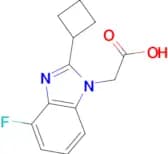
![2-[2-Cyclopropyl-4-fluoro-1H-benzo[d]imidazol-1-yl]acetic acid](/_next/image/?url=https%3A%2Fstatic.cymitquimica.com%2Fproducts%2F10%2Fthumb-webp%2FF476056.webp&w=3840&q=75)
![6-Methyl-2-phenyl-1H-benzo[d]imidazole](/_next/image/?url=https%3A%2Fstatic.cymitquimica.com%2Fproducts%2F10%2Fthumb-webp%2FF727442.webp&w=3840&q=75)


![5-Methoxy-2-[[(4-methoxy-3,5-dimethyl-2-pyridinyl)methyl]sulfinyl]-1H-benzimidazole N-oxide](/_next/image/?url=https%3A%2Fstatic.cymitquimica.com%2Fproducts%2F3D%2Fthumb-webp%2FIM57921.webp&w=3840&q=75)


![5-Methoxy-2-[[(3,5-dimethyl-2-pyridinyl)methyl]sulphinyl]-1H-benzimidazole](/_next/image/?url=https%3A%2Fstatic.cymitquimica.com%2Fproducts%2F3D%2Fthumb-webp%2FIM57917.webp&w=3840&q=75)


![5-Methoxy-2-[[(4-methoxy-3,5-dimethyl-2-pyridinyl)methyl]thio]-1H-benzimidazole](/_next/image/?url=https%3A%2Fstatic.cymitquimica.com%2Fproducts%2F3D%2Fthumb-webp%2FIM57923.webp&w=3840&q=75)

![5-Methoxy-2-[[(4-Chloro-3,5-dimethyl-2-pyridinyl)methyl]sulfinyl]-5-methoxy-1H-benzimidazole](/_next/image/?url=https%3A%2Fstatic.cymitquimica.com%2Fproducts%2F3D%2Fthumb-webp%2FIM57916.webp&w=3840&q=75)
![2-[[[(4-Methoxypropoxy)-3-methyl-2-pyridinyl]methyl]sulfonyl]-1H-benzimidazole](/_next/image/?url=https%3A%2Fstatic.cymitquimica.com%2Fproducts%2F3D%2Fthumb-webp%2FIM57866.webp&w=3840&q=75)


![2-[[[4-(3-Methoxypropoxy)-3-methyl-2-pyridinyl]methyl]thio]-1H-benzimidazole](/_next/image/?url=https%3A%2Fstatic.cymitquimica.com%2Fproducts%2F3D%2Fthumb-webp%2FIM57863.webp&w=3840&q=75)
![5-Methoxy-2-[[(4-methoxy-3,5-dimethyl-2-pyridinyl)methyl]sulphonyl]-1H-benzimidazole N-oxide](/_next/image/?url=https%3A%2Fstatic.cymitquimica.com%2Fproducts%2F3D%2Fthumb-webp%2FIM57920.webp&w=3840&q=75)

![2-[[[3-Methyl-4-(methylthio)-2-pyridinyl]methyl]sulfinyl]-1H-benzimidazole](/_next/image/?url=https%3A%2Fstatic.cymitquimica.com%2Fproducts%2F3D%2Fthumb-webp%2FIM21229.webp&w=3840&q=75)
![5-Methoxy-2-[[(4-methoxy-3,5-dimethyl-2-pyridinyl)methyl]sulfonyl]-1H-benzimidazole](/_next/image/?url=https%3A%2Fstatic.cymitquimica.com%2Fproducts%2F3D%2Fthumb-webp%2FIM57926.webp&w=3840&q=75)