Monosaccharides
Monosaccharides are the simplest form of carbohydrates and serve as fundamental building blocks for more complex sugars and polysaccharides. These single sugar molecules play critical roles in energy metabolism, cellular communication, and structural components of cells. In this section, you will find a wide variety of monosaccharides essential for research in biochemistry, molecular biology, and glycoscience. These compounds are crucial for studying metabolic pathways, glycosylation processes, and developing therapeutic agents. At CymitQuimica, we offer high-quality monosaccharides to support your research needs, ensuring precision and reliability in your scientific investigations.
Subcategories of "Monosaccharides"
- Alloses(11 products)
- Arabinoses(21 products)
- Erythroses(11 products)
- Fructoses(9 products)
- Fucoses(36 products)
- Galactosamine(41 products)
- Galactose(260 products)
- Glucoses(365 products)
- Glucuronic Acids(51 products)
- Glyco-substrates for Enzyme(77 products)
- Guloses(6 products)
- Idoses(4 products)
- Inositols(15 products)
- Lyxoses(4 products)
- Mannoses(65 products)
- O-Glycans(48 products)
- Psicoses(3 products)
- Rhamnoses(10 products)
- Riboses(61 products)
- Sialic Acids(100 products)
- Sorboses(4 products)
- Sugars(173 products)
- Tagatoses(4 products)
- Taloses(8 products)
- Xyloses(20 products)
Show 17 more subcategories
Found 6088 products of "Monosaccharides"
Sort by
Purity (%)
0
100
|
0
|
50
|
90
|
95
|
100
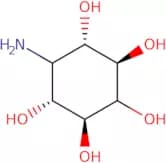
scyllo-Inosamine
CAS:<p>Scyllo-inosamine is a redox potential that belongs to the class of antimicrobial agents. It is derived from the amino acid inosine, which is found in RNA and DNA. Scyllo-inosamine has been shown to inhibit bacterial growth by inhibiting protein synthesis. It also acts as an aminotransferase inhibitor, which may be used for the treatment of certain human pathogens. Scyllo-inosamine has been shown to have beneficial effects on the regulation of benzyl groups and hydroxyl group reactions. It has also been shown to inhibit polymerase chain reaction activity and titration calorimetry activity.</p>Formula:C6H13NO5Purity:Min. 95%Color and Shape:PowderMolecular weight:179.17 g/mol2,3,5-Tri-O-benzyl-D-lyxofuranose
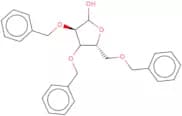
CAS:<p>2,3,5-Tri-O-benzyl-D-lyxofuranose is a custom organic synthesis. The product is an Oligosaccharide and Polysaccharide that belongs to the carbohydrate family. It can be used for methylation reactions and click chemistry modifications with other molecules. This product has been found to have high purity, and it can be used in various applications such as Fluorination, complex carbohydrate, and Modification. 2,3,5-Tri-O-benzyl-D-lyxofuranose is a monosaccharide sugar that has a molecular weight of 327.24 g/mol and a melting point of 155°C.</p>Formula:C26H28O5Purity:Min. 95%Color and Shape:Yellow PowderMolecular weight:420.5 g/molD-Xylonic-1,4-lactone
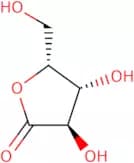
CAS:<p>D-Xylonic acid-1,4-lactone is a substrate that participates in the synthesis of glyceric acid. It has been shown to be a synthetic substrate for benzyl groups and leukemia HL-60 cells. D-Xylonic acid-1,4-lactone can react with chloride ions to form D-xylose. The product of this reaction is an epimerization reaction that occurs when the hydroxyl group on the carbon atom adjacent to the carbonyl group (C1) reacts with a proton from water to form a double bond at C2. This conversion produces xylonic acid and lactone.</p>Formula:C5H8O5Purity:Min. 97 Area-%Color and Shape:White PowderMolecular weight:148.11 g/molL-Iduronic acid sodium salt
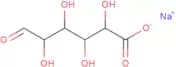
CAS:<p>L-iduronic acid (IdoA) (Collins, 2006) is the major uronic acid component of the glycosaminoglycans dermatan sulfate, chondroitin sulfate and heparin. Iduronic acid is also present in heparan sulfate, although in a minor amount relative to glucuronic acid. Glycosaminoglycans represent a physiologically important group of molecules involved in a variety of biological functions, such as, cell proliferation, cell-to-cell communication, wound healing, coagulation, morphogenesis, and pathogenesis. Glycosaminoglycans present an intriguing target for the design of new approaches for diagnostic and therapeutic agents against various infectious diseases (Kamhi, 2013).</p>Formula:C6H9NaO7Purity:Min. 95%Color and Shape:Slightly Yellow PowderMolecular weight:216.12 g/molUDP-α-D-galacturonic acid
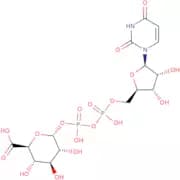
CAS:<p>UDP-α-D-galacturonic acid is a biochemical precursor for the synthesis of UDP-glucuronic acid. It is an intermediate in the biosynthesis of glycosaminoglycans, proteoglycans and lipopolysaccharides. This compound has been shown to inhibit the growth of cancer cells by inducing apoptosis in vitro. The presence of this compound may be detected by its ability to act as a substrate for glucuronidation reactions.</p>Formula:C15H22N2O18P2Purity:Min. 95%Color and Shape:White Off-White PowderMolecular weight:580.29 g/molb-D-Glucopyranosyl azide
CAS:<p>b-D-Glucopyranosyl azide is a Glycosylation agent that is used in the synthesis of complex carbohydrates and oligosaccharides. It is also used for Click modification, fluorination, and polysaccharide modification. The compound is a white crystalline solid that is soluble in water at low concentrations. It has a molecular weight of 180.18 g/mol and melting point of 220°C.</p>Formula:C6H11N3O5Purity:Min. 95%Color and Shape:White PowderMolecular weight:205.17 g/molb-D-Allopyranose
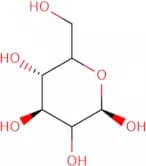
CAS:<p>b-D-Allopyranose is a monosaccharide that has been modified with fluorine. It is used as a substrate for the production of oligosaccharides and polysaccharides, which are important biomolecules in cell walls and membranes. b-D-Allopyranose can be customized to suit your needs with Click chemistry, Methylation, or other modifications. We offer high purity b-D-Allopyranose at competitive prices.</p>Formula:C6H12O6Purity:Min. 97 Area-%Color and Shape:PowderMolecular weight:180.16 g/mol4-Aminophenyl a-D-mannopyranoside
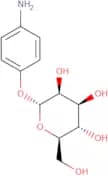
CAS:<p>4-Aminophenyl a-D-mannopyranoside is a compound that has been shown to have anti-inflammatory properties. It is also used as a starting material in the synthesis of other drugs. Rats with chronic kidney disease were given 4-aminophenyl a-D-mannopyranoside daily for three weeks, and it was found that this compound prevented the development of kidney injury markers. This drug has also been shown to be effective against mouse strains with nervous system diseases. 4-Aminophenyl a-D-mannopyranoside binds to lysine residues on proteins and prevents the interactions between these residues and the amino acid glutathione, which is required for glut1 uptake in brain cells. This uptake is essential for cellular function, and therefore 4-aminophenyl a-D-mannopyranoside may be useful as chemotherapeutic treatment for brain cancer.</p>Formula:C12H17NO6Purity:Min. 95%Color and Shape:Off-White PowderMolecular weight:271.27 g/molD-Glucal
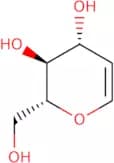
CAS:<p>D-Glucal is a protonated d-glucal, which is a simple sugar. It reacts with the electron acceptor oxygen to form an oxidized product. This product can be reduced back to the original molecule by using a reducing agent, such as sodium borohydride or sodium dithionite. D-Glucal has been shown to inhibit the growth of tumor cells in mice that are resistant to other anticancer drugs. D-Glucal inhibits transcription and replication of DNA by binding to the DNA-dependent RNA polymerase and blocking its ability to transcribe messenger RNA (mRNA). The enzyme is also inhibited by glycosidic bond architectures that prevent it from binding to the DNA template strand. D-Glucal also has an effect on protein synthesis because it binds to proteins and prevents them from performing their normal functions.<br>D-Glucal has been used as a model system for studying cellular processes in mammalian cells, such as oxidation</p>Formula:C6H10O4Purity:Min. 98 Area-%Color and Shape:White Off-White PowderMolecular weight:146.14 g/mol6-O-Methyl-D-galactopyranose
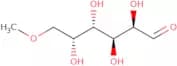
CAS:<p>6-O-Methyl-D-galactopyranose is a monosaccharide that is an important component of the glycosidic linkage in the plant galactomannans. 6-O-Methyl-D-galactopyranose has been shown to be a good substrate for immobilized lectin, which can be used in ionization techniques as well as to characterize glycoproteins and glycopeptides. 6-O-Methyl-D-galactopyranose has also been used in the identification of blood groups and amino acid analysis.</p>Formula:C7H14O6Purity:Min. 97 Area-%Color and Shape:White Off-White PowderMolecular weight:194.18 g/molD-Quinovosamine hydrochloride
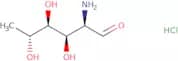
CAS:<p>Quinovosamine hydrochloride (QNH) is a fatty acid that belongs to the group of galacturonic acid. It has been shown to be biologically active in wild-type strains and in some bacterial strains, including Pseudomonas aeruginosa. QNH has also been used for preparation of monoclonal antibodies directed against receptor activity, which are activated by QNH.</p>Formula:C6H13NO4·HClPurity:Min. 95%Color and Shape:PowderMolecular weight:199.63 g/mol4-Methylphenyl 2,3,4,6-tetra-O-acetyl-β-D-thioglucopyranoside
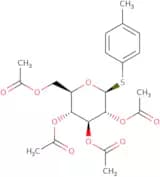
CAS:<p>4-Methylphenyl 2,3,4,6-tetra-O-acetyl-b-D-thioglucopyranoside is an antibiotic that is used to treat infections caused by a wide range of pathogens. This drug is active against Gram-negative and Gram-positive bacteria, including some resistant strains. 4MPTGA inhibits the growth of bacteria by binding to their ribosomes and preventing protein synthesis. It has been shown to have antimicrobial activity against E. coli and other Enterobacteriaceae species as well as other Gram negative bacteria such as Salmonella typhi and Proteus mirabilis. 4MPTGA has also been shown to be effective against the common animal health pathogen Staphylococcus aureus</p>Formula:C21H26O9SPurity:Min. 95%Color and Shape:White PowderMolecular weight:454.49 g/mol1,3,4,6-Tetra-O-acetyl-N-propanoyl-D-mannosamine
CAS:<p>1,3,4,6-Tetra-O-acetyl-N-propanoyl-D-mannosamine is a sugar that is used for the synthesis of novel glycosides. It is prepared by the methylation of D-mannose with acetic anhydride in the presence of sodium methoxide. This reaction can also be carried out on a variety of other sugars and carbohydrates, such as D-galactose, D-xylose, or L-arabinose. 1,3,4,6-Tetra-O-acetyl-N-propanoyl-D-mannosamine has been shown to react with 4-(pyridinium)butanoic acid to produce 4-(pyridinium)butanal (1), which reacts with glycine to produce 1-(pyridinium)butanediamide (2). The carbonyl group in 2 can</p>Formula:C17H25NO10Purity:Min. 95%Molecular weight:403.38 g/mol1,2,3,4-Tetra-O-acetyl-6-O-trityl-a-D-mannopyranose
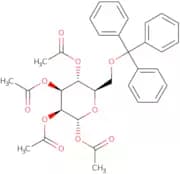
CAS:<p>Tetra-O-acetyl-6-O-trityl-a-D-mannopyranose is a synthetic glycoside that is used as an intermediate in the synthesis of oligosaccharides. It has been modified with a fluorine atom at C1 to form 1,2,3,4-tetra-O-acetyl 6-(trifluoromethyl)-a-D mannopyranoside. This modification can be done through a click reaction. Tetra-O acetyl 6-(trifluoromethyl)-a D mannopyranoside is soluble in water and has a melting point of about 210°C.</p>Formula:C33H34O10Purity:Min. 95%Color and Shape:White PowderMolecular weight:590.62 g/molL-Mannitol
CAS:<p>L-Mannitol is a sugar alcohol that is an important component of pharmaceutical preparations. It is used as a preservative, diluent, and sweetener in many pharmaceutical products. L-Mannitol has been shown to have anti-inflammatory properties and may help prevent allergic reactions by inhibiting the production of prostaglandin D2. L-Mannitol also inhibits the activity of xylitol dehydrogenase, which prevents the conversion of xylitol to DHA, an intermediate metabolite that can cause tissue damage in animals and humans. L-Mannitol has been shown to have a laxative effect when taken orally or injected as an intravenous solution. This property may be due to its ability to stimulate chloride secretion from intestinal cells and increase water reabsorption from the colon. L-Mannitol is also used as a chromatographic matrix for saponins and conjugates with other amino acids.</p>Formula:C6H14O6Purity:Min. 95%Color and Shape:PowderMolecular weight:181.6 g/mol1,2-Dideoxy-D-ribofuranose
CAS:<p>Precursor for the preparation of abasic nucleoside analogues</p>Formula:C5H10O3Purity:Min. 98 Area-%Color and Shape:Clear LiquidMolecular weight:118.13 g/molMethyl 3,4:5,6-di-O-isopropylidene-D-gluconate
CAS:<p>Methyl 3,4:5,6-di-O-isopropylidene-D-gluconate is a modification of the oligosaccharide, carbohydrate. It is a complex carbohydrate that has been custom synthesized and is available in high purity. This product can be used as a monosaccharide or as a methylated glycosylated saccharide. Methyl 3,4:5,6-di-O-isopropylidene-D-gluconate can be found under CAS No. 114743-85-0 and has the molecular formula C12H22O11.</p>Formula:C13H22O7Purity:Min. 98 Area-%Color and Shape:Colorless PowderMolecular weight:290.31 g/molD-Glucosamine 6-phosphate
CAS:<p>D-Glucosamine 6-phosphate is a non-essential amino acid that belongs to the group of nucleotide sugar phosphates. It is a metabolite of the sugar D-glucose and it plays an important role in the energy metabolism of bacteria, plants, and animals. It has been shown to have anti-cancer effects on prostate cancer cells. D-Glucosamine 6-phosphate inhibits methyltransferase activity by binding to the enzyme's active site. This inhibition prevents DNA synthesis, leading to cell death. The structural analysis has been done using NMR spectroscopy on d-arabinose as a model substrate.</p>Formula:C6H14NO8PPurity:Min. 98 Area-%Color and Shape:White PowderMolecular weight:259.15 g/molSedoheptulose anhydride monohydrate
CAS:<p>Sedoheptulose anhydride is a derivative of sedoheptulose, a seven-carbon atoms carbohydrate.</p>Formula:C7H12O6·H2OPurity:Min. 90 Area-%Color and Shape:White PowderMolecular weight:210.18 g/molD-Mannosamine HCl
CAS:<p>Resource for synthesis of non-natural ManNAc analogs and mannosaminyl donors</p>Formula:C6H13NO5·HClPurity:Min. 98 Area-%Color and Shape:White PowderMolecular weight:215.63 g/mol