Fatty Acid Methyl Ester (FAME) Standards
Fatty Acid Methyl Ester (FAME) standards are essential for the analysis and identification of fatty acids in biodiesel, food, and environmental samples. FAME standards allow for the accurate calibration of gas chromatographic systems used to quantify fatty acid composition. At CymitQuimica, we offer high-purity FAME standards to ensure precise and reproducible results for your research and industrial applications.
Found 605 products of "Fatty Acid Methyl Ester (FAME) Standards"
Sort by
Purity (%)
0
100
|
0
|
50
|
90
|
95
|
100
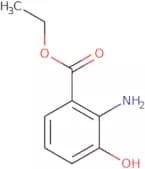
2-Amino-3-hydroxybenzoic acid ethyl ester
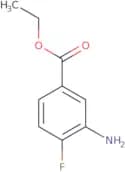
CAS:<p>2-Amino-3-hydroxybenzoic acid ethyl ester is soluble in organic solvents and is a catalyst for the hydrolysis of phenoxazinones. It has been shown to be the most active among the amino acid esters at pH 7. The optimum temperature for this enzyme is 37 degrees Celsius. The substrate specificity of this enzyme, which was purified by fractionation, is 3-hydroxyanthranilic acid and 3-hydroxyanthranilic acid with metals such as copper or zinc ions. This enzyme also catalyses the hydrolysis of proteins and peptides containing hydrophobic amino acids.</p>Formula:C9H11NO3Purity:Min. 95%Color and Shape:PowderMolecular weight:181.19 g/mol3-Amino-4-fluorobenzoic acid ethyl ester
CAS:<p>3-Amino-4-fluorobenzoic acid ethyl ester is a linker that is used to attach a drug molecule to the tautomycin, an analgesic. It has been shown to have nontoxic properties in animals and does not react with intestinal contents. The 3-Amino-4-fluorobenzoic acid ethyl ester also reacts with azide, phosphatase, and hydrocarbons. It is stable in the presence of aromatic hydrocarbons and can be used as a photolabeling agent for introducing a fluorescent group into a molecule.</p>Formula:C9H10FNO2Purity:Min. 95%Color and Shape:PowderMolecular weight:183.18 g/mol2-Amino-5-iodobenzoic acid ethyl ester
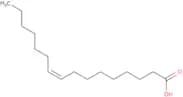
CAS:<p>2-Amino-5-iodobenzoic acid ethyl ester is a chemical reagent that is used to prepare 2-chloro-5-iodobenzoic acid. It can be prepared by the hydrolysis of 2,4,6-trinitrobenzene with an aqueous solution of sodium hydroxide. The iodination reaction proceeds in two steps: (1) chlorination of methyl anthranilate with chlorine and (2) addition of the resultant product to 2,4,6-trinitrobenzene. In the first step, methyl anthranilate reacts with chlorine to form 2-chloro-5-iodobenzoic acid ethyl ester and hydrogen chloride gas. In the second step, this product reacts with 2,4,6-trinitrobenzene to form 2-amino 5 -iodobenzoic acid ethyl ester and nitrogen gas</p>Formula:C9H10INO2Purity:Min. 95%Color and Shape:PowderMolecular weight:291.09 g/molPalmitoleic acid, 70%
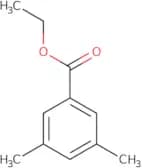
CAS:<p>Palmitoleic acid is a fatty acid that has been shown to have anti-inflammatory effects. Palmitoleic acid inhibits the production of pro-inflammatory cytokines and attenuates the activation of macrophages, as well as inhibiting the expression of genes involved in cell proliferation. Palmitoleic acid has also been shown to be effective against bowel disease, such as Crohn's disease. In a low-dose group, palmitoleic acid inhibited the production of matrix metalloproteinases in 3T3-L1 preadipocytes and hl-60 cells. It also decreased the release of basic proteins from these cells and increased their energy metabolism.</p>Formula:C16H30O2Purity:Min. 70%Color and Shape:Clear LiquidMolecular weight:254.41 g/mol3,5-Dimethylbenzoic acid ethyl ester
CAS:<p>3,5-Dimethylbenzoic acid ethyl ester is a quinoline derivative that can be synthesised from the reaction of isobutyraldehyde with benzoic acid. This compound yields terminal alkynes and polynuclear compounds in reactions with metals. It can also be prepared by cross-coupling reactions of substituted benzoates with aminobenzoates as ligands. 3,5-Dimethylbenzoic acid ethyl ester is used in preparative chemistry to synthesise other organic compounds.</p>Formula:C11H14O2Purity:Min. 95%Color and Shape:Clear LiquidMolecular weight:178.23 g/mol2-Fluoro-4-methylbenzoic acid ethyl ester
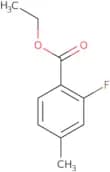
CAS:<p>2-Fluoro-4-methylbenzoic acid ethyl ester is a versatile building block that is used in the synthesis of complex compounds with a wide variety of biological and chemical properties. This compound has been used as a reagent for research, as well as in the production of pharmaceuticals and other speciality chemicals. It has also been found to be useful in the synthesis of compounds with high quality. 2-Fluoro-4-methylbenzoic acid ethyl ester can be used as an intermediate in reactions, or as a scaffold for further synthesis. The CAS number for this compound is 500579-61-3.</p>Formula:C10H11FO2Purity:Min. 95%Color and Shape:Colourless LiquidMolecular weight:182.19 g/mol4-Cyanobenzoic acid ethyl ester
CAS:<p>4-Cyanobenzoic acid ethyl ester is a hydrogen-bonding acceptor that is also able to form exciplexes with styrene. It has a conformation that is similar to that of aminobenzoate, which is a hydrogen-bonding donor. 4-Cyanobenzoic acid ethyl ester reacts with solvents such as benzene and chloroform, undergoing hydration reactions to form the corresponding 4-cyanophenol derivatives. It undergoes cyclization when heated in the presence of ruthenium(II) chloride to produce 1,4-dihydropyridine derivatives. The reaction mechanism for this reaction consists of two steps: an intramolecular nucleophilic attack followed by an intramolecular electrophilic substitution. The deionized water used in this synthetic process eliminates the need for drying agents and stabilizers, making it easier to carry out the synthesis.</p>Formula:C10H9NO2Purity:Min. 95%Color and Shape:PowderMolecular weight:175.18 g/molHexadecanal
CAS:<p>Hexadecanal is a chemical compound that belongs to the group of basic proteins. It is an intermediate in the synthesis of hexanol and hexadecanoic acid. Hexadecanal has been shown to have receptor activity on rat liver microsomes, as well as p450 activity. The physiological functions of this molecule are unknown, but it has been shown to have synergic effects with other bioactive phytochemicals such as sodium citrate.</p>Formula:C16H32OPurity:Min. 95 Area-%Color and Shape:White Off-White PowderMolecular weight:240.42 g/mol1,1,3,3,4,4,4a,5,5,6,6,7,7,8,8,8a-Hexadecafluoro-2-(trifluoromethyl)decahydroisoquinoline
CAS:Controlled Product<p>1,1,3,3,4,4,4a,5,5,6,6,7,7,8,8,8a-Hexadecafluoro-2-(trifluoromethyl)decahydroisoquinoline is an organic solvent that has a very low boiling point and high volatility. It can be used in dry powder inhalers or as a component of hydrogel compositions for oxygen delivery to the lungs. The uptake of 1HF-2TFI into human colon carcinoma cells was found to be significantly higher than uptake by mammary carcinomas. This may be due to the difference in cell types and/or the phosphate group on the molecule. The binding constants of this molecule are also higher than those of other organic solvents such as acetone and ethanol. The results from a questionnaire study also indicated that 1HF-2TFI can be used for perfusion with oxygenated gas mixtures for</p>Formula:C10F19NPurity:Min. 95%Molecular weight:495.08 g/mol2-Fluoro-3-nitrobenzoic acid ethyl ester
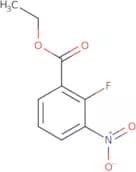
CAS:<p>2-Fluoro-3-nitrobenzoic acid ethyl ester is a versatile, high quality building block with a number of uses in research and industry. It is an intermediate in the synthesis of a range of compounds, including pharmaceuticals and other fine chemicals. 2-Fluoro-3-nitrobenzoic acid ethyl ester is also used as a reagent for the synthesis of complex compounds, such as pharmaceuticals. This compound can be synthesized from readily available starting materials and has been shown to be useful for the preparation of scaffolds for organic synthesis. 2-Fluoro-3-nitrobenzoic acid ethyl ester is not listed on the Chemical Abstract Service (CAS) registry, but it does have an IUPAC name (2-(2,6-difluorophenyl)-5-(1,1,2,2 tetrafluoropropoxy)-3H-[1]py</p>Formula:C9H8FNO4Purity:Min. 95%Color and Shape:Off-White PowderMolecular weight:213.16 g/mol1-Palmitoyl-rac-glycerol
CAS:<p>1-Palmitoyl-rac-glycerol is a fatty acid that contains nitrogen atoms. It has hypoglycemic effects and is used to treat metabolic disorders. 1-Palmitoyl-rac-glycerol has been shown to have a protective effect on the liver by decreasing the levels of triglycerides in the blood and preventing lipid peroxidation. It also improves glucose metabolism and insulin sensitivity. 1-Palmitoyl-rac-glycerol is an important component of biological membranes, where it forms a hydrophobic region that helps maintain membrane structure. This compound also has hemolytic activity, which may be due to its ability to bind with phospholipids or cell membranes, leading to changes in their permeability or stability. The stability of 1-palmitoyl-rac glycerol can be tested by adding reagents such as sodium nitrite or potassium permanganate, which will cause a color change from yellow to brown if it reacts</p>Formula:C19H38O4Purity:Min. 95%Color and Shape:PowderMolecular weight:330.5 g/molPaliperidone palmitate
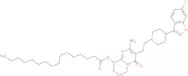
CAS:Controlled Product<p>Paliperidone palmitate is a drug that is used in the treatment of schizophrenia. It is the most potent and selective atypical antipsychotic agent available. Paliperidone palmitate has shown long-term efficacy and low risk of extrapyramidal symptoms, which are associated with some other antipsychotic agents. The drug has been shown to have minimal effects on prolactin levels, although it can cause an increase in serum prolactin levels when administered with risperidone. Paliperidone palmitate is a prodrug that is metabolized by esterases to its active form, paliperidone. Paliperidone does not bind to plasma proteins and therefore may be more suitable for patients with hepatic impairment.</p>Formula:C39H57FN4O4Purity:Min. 95%Color and Shape:PowderMolecular weight:664.89 g/molDL-α-Hydroxypalmitic acid
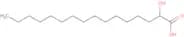
CAS:<p>Palmitic acid is a fatty acid that is found in animal and vegetable fats. It is also an important component of the cell membrane. Palmitic acid has been shown to inhibit the growth of bacteria by interfering with the synthesis of cell membranes, which are largely composed of lipids. Palmitic acid has been shown to be active against Gram-positive bacteria, including Bacillus subtilis and Staphylococcus epidermidis, as well as Gram-negative bacteria such as Salmonella enterica Serovar Typhi and Escherichia coli O157:H7. Palmitic acid can be used to produce monolayers for use in magnetic resonance spectroscopy. These monolayers have been shown to have an effect on the rate at which glucose is transported across the surface of the membrane. Palmitic acid also inhibits glucosylceramide production in ganoderma lucidum, a type of fungus that causes plant diseases, by blocking</p>Formula:C16H32O3Purity:Min. 98 Area-%Color and Shape:PowderMolecular weight:272.42 g/molPalmitoyldocosahexaenoyl phosphatidylcholine
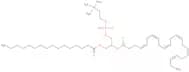
CAS:<p>Palmitoyldocosahexaenoyl phosphatidylcholine (PC-S) is a fatty acid with six double bonds. It has been shown to induce osteogenic genes in human macrophages and can be used as a potential therapeutic agent for the treatment of bone diseases. PC-S also has anti-inflammatory properties, which is due to its ability to inhibit secretory phospholipase A2 (sPLA2). PC-S is structurally similar to the polyunsaturated fatty acid linoleic acid and has been found to have reactive properties. PC-S may be used as an adjuvant therapy for cancer and other diseases, such as Alzheimer's disease. Clinical studies are currently being conducted.</p>Formula:C46H80NO8PPurity:Min. 95%Color and Shape:PowderMolecular weight:806.1 g/molPropargyl chloride
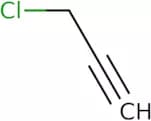
CAS:<p>Propargyl chloride is a chemical that is used as an inhibitor in organic synthesis. It can be used to synthesize compounds with reactive groups such as alkenes, ketones, and amines. Propargyl chloride reacts with the hydroxyl group of an alcohol to form a propargyl alcohol. The reaction mechanism involves intramolecular hydrogen bonding between the hydroxyl group of the propargyl chloride and the carbon atom adjacent to it. Kinetic energy is required for this reaction to occur. The product of this reaction can then react with other molecules in order to form new compounds. Propargyl chloride has been shown to have therapeutic effects on chronic coughs due its ability to reduce the amount of kinetic energy needed for respiratory tract cells, which may have reduced coughing frequency.<br>END>></p>Formula:C3H3ClPurity:Min. 95%Color and Shape:Colorless Yellow Clear LiquidMolecular weight:74.51 g/mol3-Bromocinnamic acid ethyl ester
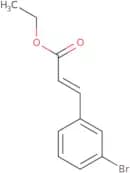
CAS:<p>3-Bromocinnamic acid ethyl ester is a chemical that is useful as a building block for the synthesis of more complex compounds. It is an intermediate in the synthesis of organic compounds and can be used as a reaction component. 3-Bromocinnamic acid ethyl ester has CAS No. 24398-80-9 and is a reagent that can be used to synthesize other chemicals. 3-Bromocinnamic acid ethyl ester is also useful as a scaffold in the development of new drugs, because it has an amide bond, which may lead to new types of drug molecules with different properties.</p>Formula:C11H11BrO2Purity:Min. 95%Molecular weight:255.11 g/mol2-Bromo-3-fluorobenzoic acid ethyl ester
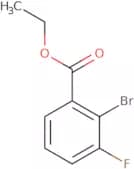
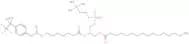
CAS:<p>2-Bromo-3-fluorobenzoic acid ethyl ester is a versatile building block that can be used in the preparation of many different chemical compounds. It is a high quality chemical with a CAS number 1131040-49-7. 2-Bromo-3-fluorobenzoic acid ethyl ester is useful in the synthesis of complex compounds, and has been shown to be an effective reagent. This chemical has also been used as a reaction component and scaffold in research chemicals.</p>Formula:C9H8BrFO2Purity:Min. 95%Color and Shape:PowderMolecular weight:247.06 g/mol1-palmitoyl-2-(10-(4-((trifluoromethyl)diazirinyl)phenyl)-8-oxadecanoyl)-sn-glycero-3-phosphocholine
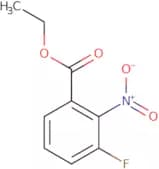
CAS:<p>1-palmitoyl-2-(10-(4-((trifluoromethyl)diazirinyl)phenyl)-8-oxadecanoyl)-sn-glycero-3-phosphocholine (PPC) is a liposome that induces necrotic cell death. It binds to the mitochondria and inhibits adenine nucleotide translocation, leading to the loss of mitochondrial membrane potential and the release of cytosolic calcium. This leads to activation of proapoptotic proteins, such as Bax and Bak, which initiates caspase-independent apoptosis. PPC also induces light emission from phospholipid hydroperoxide decomposition, which can be used as a biomarker for cellular physiology.</p>Formula:C41H68TF3N3O9PPurity:Min. 95%Molecular weight:837.98 g/mol3-Fluoro-2-nitrobenzoic acid ethyl ester
CAS:<p>3-Fluoro-2-nitrobenzoic acid ethyl ester is a fine chemical that is useful as a versatile building block in the synthesis of complex compounds. It can be used as an intermediate in the preparation of research chemicals and has been shown to react with amines to form nitrosoamines, which are useful reaction components. 3-Fluoro-2-nitrobenzoic acid ethyl ester has CAS number 163077-89-2 and is available at high quality.</p>Formula:C9H8FNO4Purity:Min. 95%Color and Shape:PowderMolecular weight:213.16 g/molL-Propargylglycine
CAS:<p>L-Propargylglycine is a novel, synthetic compound that has been shown to inhibit bacterial growth. It is a strong inhibitor of the polymerase chain reaction (PCR) and nuclear DNA replication. L-Propargylglycine has also been shown to inhibit mitochondrial membrane potential and human serum which may lead to its anti-inflammatory properties. L-Propargylglycine has antioxidative properties, antimicrobial peptide activity, and ATP channel inhibition. This drug also has a number of other pharmacological effects including modulation of intestinal inflammation in models of inflammatory bowel disease and improvement of atherosclerotic lesions in animal models.</p>Formula:C5H7NO2Purity:(%) Min. 98%Color and Shape:PowderMolecular weight:113.11 g/mol