Amino Acids (AA)
Amino acids (AAs) are the fundamental building blocks of proteins, playing a crucial role in various biological processes. These organic compounds are essential for protein synthesis, metabolic pathways, and cell signaling. In this category, you will find a comprehensive range of amino acids, including essential, non-essential, and modified forms, which are vital for research in biochemistry, molecular biology, and nutritional sciences. At CymitQuimica, we provide high-quality amino acids to support your research and development needs, ensuring accuracy and reliability in your experimental outcomes.
Subcategories of "Amino Acids (AA)"
- Amino Acid Derivatives(3,955 products)
- Amino Acid and Amino Acid Related Compounds(3,436 products)
- Amino Acids with Oxygen or Sulphur(168 products)
- Boc- Amino Acids(351 products)
- Fmoc Amino Acids(1,710 products)
Found 38216 products of "Amino Acids (AA)"
Sort by
Purity (%)
0
100
|
0
|
50
|
90
|
95
|
100
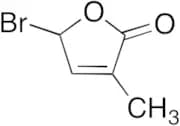
5-Bromo-3-methyl-2(5H)-furanone
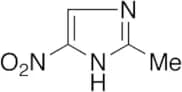
CAS:Controlled Product<p>Applications 5-Bromo-3-methyl-2(5H)-furanone is used as a reactant in the synthesis of strigolactone analogs.<br>References Artuso, Emma, et al.: J. of Nat. Products, 78(11), 2624-2633 (2015);Jia, Kun-Peng, et al.: Mol. Plant, 9(9), 1341-1344 (2016)<br></p>Formula:C5H5BrO2Color and Shape:NeatMolecular weight:176.9962-Methyl-5-nitroimidazole
CAS:<p>Impurity Tinidazole EP Impurity A/ Metronidazole EP Impurity A<br>Applications 2-Methyl-5-nitroimidazole (Tinidazole EP Impurity A) is a Floconazole impurity.<br>References Sanderson, H., et al.: Toxicol. Lett., 187, 84 (2009), Kumar, L., et al.: Eur. J. Med. Chem., 45, 817 (2010),<br></p>Formula:C4H5N3O2Color and Shape:Light YellowMolecular weight:127.10Arginine Vasopressin Diacetate
CAS:<p>Applications An endogenous antidiuretic hormone in most mammalian species. It is released into the blood from nerve terminals in the posterior pituitary and median eminence. It is a neurotransmitter in the central nervous system and also implicated in a variety of physiological processes such as regulating water balance by antidiuretic action. It is a peptidic V1a receptor agonist that produces vasoconstriction via V1aR-mediated vascular smooth muscle cell contraction and is being used to increase blood pressure in septic shock, a form of vasodilatory hypotension.<br>References Perucca, J. et al.: J. AM. Soc. Nephrol., 19, 1721 (2008); Toba, K. et al.: Prog. Brain Res., 119, 337 (1998); Berrada, K. et al.: J. Biol. Chem., 275, 27229 (2000);<br></p>Formula:C50H73N15O16S2Color and Shape:NeatMolecular weight:1204.342,2-Diselanediyldiethanamine Dihydrochloride
CAS:Controlled Product<p>Stability Hygroscopic<br>Applications 2,2-Diselanediyldiethanamine dihydrochloride (cas# 3542-13-0) is a useful research chemical.<br></p>Formula:C13H16N2O10Color and Shape:NeatMolecular weight:360.2743’,5’-Diiodo-L-thyronine
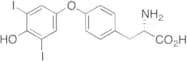
CAS:Controlled Product<p>Applications 3’,5’-Diiodo-L-thyronine is a thyroid hormone that has been shown to increase malic enzyme activity, and the activity of glucose-6-phosphate dehydrogenase in teleost Anabas testudineus. Thus, showing short term effect on lipid metabolism.<br>References Davey, K.G.: Insect Biochem. Mol. Bio., 30, 877 (2000); Shameena, B., et. al.: Endocr. Res., 26, 431 (2000)<br></p>Formula:C15H13I2NO4Color and Shape:NeatMolecular weight:525.08N-Phenylacetylglycine
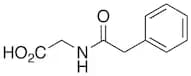
CAS:Controlled Product<p>Applications A metabolite of carboxylic acid.<br>References Bardsley, W., et al.: Biochem. J., 122, 557 (1971), Kim, J., et al.: Biosci. Biotechnol. Biochem., 69, 1331 (2005), Kopka, J., et al.: J. Biotechnol., 124, 312 (2006),<br></p>Formula:C10H11NO3Color and Shape:NeatMolecular weight:193.20α-Methyl-D,L-serine
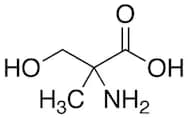
CAS:Controlled Product<p>Applications A serine derivative. Used in the synthesis of constrained amino acid buildings blocks and their incorporation into biologically active peptidomimetics.<br>References Rew, Y., et al.: J. Med. Chem., 45, 3746 (2002),<br></p>Formula:C4H9NO3Color and Shape:NeatMolecular weight:119.12DL-Homocysteic-3,3,4,4-d4 Acid
CAS:Controlled ProductFormula:C4D4H5NO5SColor and Shape:Light YellowMolecular weight:187.04525Caerulein (>85%)
CAS:Controlled Product<p>Applications Caerulein is a ten amino acid oligopeptide that stimulates smooth muscle and increases digestive secretions. It is similar in action and composition to cholecystokinin. It stimulates gastric, biliary, and pancreatic secretion; and certain smooth muscle. It is used in paralytic ileus and as diagnostic aid in pancreatic malfunction. It is used to induce pancreatitis in experimental animal models.<br>References Anastasi,E., et al.: Ep., 23, 699 (1997); De Caro, G., et al.: Br. J. Pharmac Chemother., 33, 48 (1968)<br></p>Formula:C58H73N13O21S2Purity:~90%Color and Shape:Off-WhiteMolecular weight:1352.40L-Homocysteine Thiolactone Hydrochloride
CAS:Controlled Product<p>Applications L-Homocysteine Thiolactone Hydrochloride is used to prepare substituted homocysteine analogs as inhibitors of peptidylglycine α-amidating monooxygenase. It is also used to synthesize (mercaptoacyl)alanylprolines as metalloprotease inhibitors.<br>References Erion, M., et al.: J. Med. Chem., 37, 4430 (1994); Slusarchyk, W., et al.: Bioorg. Med. Chem. Lett., 5, 753 (1995)<br></p>Formula:C4H8ClNOSColor and Shape:NeatMolecular weight:153.63N-(4-Aminobenzoyl-d4)-β-alanine
CAS:Controlled Product<p>Applications N-(4-Aminobenzoyl-d4)-β-alanine is the labeled analogue of N-(4-Aminobenzoyl)-β-alanine (A593795), a metabolite of BX661A, a therapeutic agent used in the treatment of ulcerative colitis, chemotaxis and reactive oxygen species production in polymorphonuclear leukocyctes. Inhibits lipid peroxidation in large intestinal mucosa after mesenteric ischemia/reperfusion.<br>References Kimura, I. et al.: Arzneimittelforschung., 48, 1007 (1998); Kumamoto, T. et al.: Jpn. J. Pharmacol., 75, 187 (1997);<br></p>Formula:C10D4H8N2O3Color and Shape:NeatMolecular weight:212.238N-Acetyl-S-(3-carboxy-2-propyl)-L-cysteine-d3 Disodium Salt
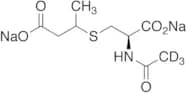
CAS:Controlled Product<p>Applications A labelled metabolite of Crotonaldehyde.<br>References Gray, J.M., et al.: Xenobiotica, 1, 55 (1971), Chung, F., et al.: Mutat. Res., 424, 71 (1999), Smith, C., et al.: Food Chem. Toxicol., 38, 637 (2000), Pan, J., et al.: Chem. Res. Toxicol., 15, 367 (2002),<br></p>Formula:C9H10D3NNa2O5SColor and Shape:NeatMolecular weight:310.29(±)-3-Amino-iso-butyric-2,3,3-d3 Acid
CAS:Controlled Product<p>Applications (±)-3-Amino-iso-butyric-2,3,3-d3 Acid is the labeled version of DL-3-Aminoisobutyric Acid (A603043(P)), which is a useful compound for suppressing atherosclerosis in apolipoprotein E-knockout mouse.<br>References Shimba, Y., et al.: Bio. Pharma. Bull., 43, 1016 (2020)<br></p>Formula:C4D3H6NO2Color and Shape:White To Off-WhiteMolecular weight:106.14(2R)-3-Amino-2-fluoropropanoic Acid-13C3
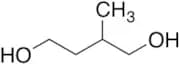
CAS:Controlled ProductFormula:C3H6FNO2Color and Shape:NeatMolecular weight:110.062-Methyl-1,4-butanediol
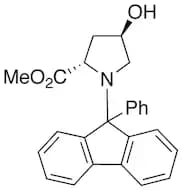
CAS:Controlled Product<p>Stability Unstable in Aqueous Solution<br>Applications 2-METHYL-1,4-BUTANEDIOL (cas# 2938-98-9) is a useful research chemical.<br></p>Formula:C5H12O2Color and Shape:NeatMolecular weight:104.15(4R, 2S)-4-Hydroxy-1-(9-phenyl-9H-fluoren-9-yl)-proline Methyl Ester
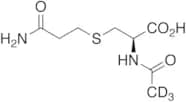
CAS:Controlled Product<p>Applications (4R, 2S)-4-Hydroxy-1-(9-phenyl-9H-fluoren-9-yl)-proline Methyl Ester (cas# 179990-59-1) is a compound useful in organic synthesis.<br></p>Formula:C25H23NO3Color and Shape:Light BrownMolecular weight:385.46N-Acetyl-S-(carbamoylethyl)-L-cysteine-d3
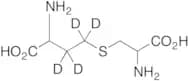
CAS:Controlled Product<p>Stability Hygroscopic<br>Applications Labelled N-Acetyl-S-(carbamoylethyl)-L-cysteine (A171870). N-Acetyl-S-(carbamoylethyl)-L-cysteine is the urinary metabolite of Acrylamide (AA). Acrylamide is formed during the heating of food and is classified as a genotoxic carcinogen.<br>References Besaratinia, A., et al.: Mutat. Res., 80, 31 (2005), Bjellaas, T., et al.: Xenobiotica, 35, 1003 (2005), Bjellaas, T., et al.: Food Chem. Toxicol., 45, 1020 (2007), Bjellaas, T., et al.: Toxicol. Sci., 98, 110 (2007),<br></p>Formula:C8H11D3N2O4SColor and Shape:Off-WhiteMolecular weight:237.29D,L-Cystathionine-d4
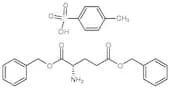
CAS:Controlled Product<p>Applications Isotope labelled Intermediate for transsulfuration whereby a mammal transfers the sulfur of methionine via homocysteine to cysteine.<br>References Thompson, J.W., et al.: J. Biol. Chem., 266, 17011 (1991), Yoshida, Y., et al.: Microbiol., 148, 3961 (2002), Jiracek, J., et al.: J. Med. Chem., 49, 3982 (2006),<br></p>Formula:C72H4H10N2O4SColor and Shape:White To Light BrownMolecular weight:226.29L-Glutamic acid dibenzyl ester 4-toluenesulfonate
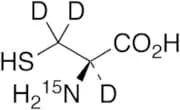
CAS:Controlled Product<p>Applications L-Glutamic acid dibenzyl ester 4-toluenesulfonate<br></p>Formula:C26H29NO7SColor and Shape:NeatMolecular weight:499.58L-Cysteine-15N,d3
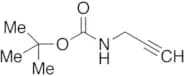
CAS:Controlled ProductFormula:C3D3H415NO2SColor and Shape:NeatMolecular weight:125.17N-Boc-propargylamine
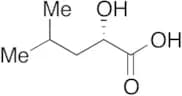
CAS:Controlled Product<p>Applications N-Boc-propargylamine is used in the preparation of triazolobenzylidene-thiazolopyrimidines which act as CDC25 phosphatase inhibitors. Also used in the synthesis of β-glucan polysaccharide analogs.<br>References Duval, R. et al.: J. Comb. Chem., 11, 947 (2009); Tanaka, H. et al.: Tetrahedron Lett., 53, 4104 (2012);<br></p>Formula:C8H13NO2Color and Shape:NeatMolecular weight:155.2L-Leucic Acid
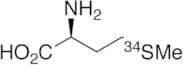
CAS:Controlled Product<p>Applications L-Leucic Acid is a reagent in the synthesis of cryptophycins based macrocyclic depsipeptides which are used as tubulin inhibitors.<br>References Kumar, A., et al.: Eur. J. Med. Chem., 93, 55 (2015)<br></p>Formula:C6H12O3Color and Shape:NeatMolecular weight:132.16L-Methionine-34S
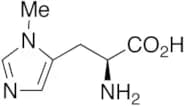
CAS:<p>Applications Labelled L-Methionine, an essential aminoacid for human development. Hepatoprotectant; antidote (acetominophen poisoning); urinary acidifier.<br>References Benevenga, N.J., et al.: J. Agric. Food Chem., 22, 2 (1974), Fleisher, L.D., et al.: Clin. Endocrinol. Metab., 3, 37 (1974), Meinnel, T., et al.: Biochimie, 75, 1061 (1993),<br></p>Formula:C5H11NO234SColor and Shape:NeatMolecular weight:151.113-N-Methyl-L-histidine
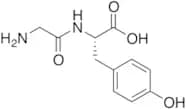
CAS:<p>Applications 3-N-Methyl-L-histidine is a potential compound to be used as a treatment with pharmacological PPARα agonists to stimulate the ubiquitin proteasome pathway and myofibrillar protein breakdown in skeletal muscle of rodents.<br>References Ringseis, R., et al.: Biochem. Biphys. Gen. Subject., 1830, 2105 (2013); Ubhi, B.K., et al.: Molec. Biosys., 8, 3125 (2012);<br></p>Formula:C7H11N3O2Color and Shape:NeatMolecular weight:169.18Glycyl-L-Tyrosine Dihydrate
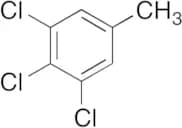
CAS:Controlled Product<p>Applications Glycyl-L-Tyrosine Dihydrate is used in process for producing N-Glycyltyrosine. Glycyl-L-Tyrosine Dihydrate is the anhydrous form of Glycyl-L-tyrosine(G720108); which is used in preparation method of high quality Aspartame and Aspartame crystallization-inducing agent.<br>References Mimura, T., et al.: Eur. Pat. Appl., (1999); Gao, Z., et al.: Faming Zhuanli Shenqing, (2019);<br></p>Formula:C11H14N2O4·2H2OColor and Shape:NeatMolecular weight:274.271,2,3-Trichloro-5-methylbenzene
CAS:<p>Applications 1,2,3-Trichloro-5-methylbenzene is useful in calculating 21 physical properties of organic compounds strictly from molecular structure.<br> Not a dangerous good if item is equal to or less than 1g/ml and there is less than 100g/ml in the package<br>References Jain, N., et al.: J. Pharm. Sci., 88, 852-860 (1999)<br></p>Formula:C7H5Cl3Color and Shape:White To Off-WhiteMolecular weight:195.4743-Ethyl-6,7,8,9-tetrahydro-9-hydroxy-2-methyl-4H-pyrido[1,2-a]pyrimidin-4-one
CAS:Controlled Product<p>Impurity Paliperidone USP Related Compound A<br>Applications 3-Ethyl-6,7,8,9-tetrahydro-9-hydroxy-2-methyl-4H-pyrido[1,2-a]pyrimidin-4-one (Paliperidone USP Related Compound A) is used in the synthesis of Paliperidone (P141000). Intermediate.<br>References Rein, A., et al.: Curr. Opin. Drug Discovery Dev., 3, 734 (2000),<br></p>Formula:C11H16N2O2Color and Shape:NeatMolecular weight:208.26N-Methyl-N-trimethylsilylacetamide
CAS:Controlled Product<p>Applications N-Methyl-N-trimethylsilylacetamide, is a powerful silylating agent for polar compounds.<br> Not a dangerous good if item is equal to or less than 1g/ml and there is less than 100g/ml in the package<br>References Melanie MacGregor-Ramiasa et. al; Acta biomaterialia, 56, undefined (2017-2-25)<br></p>Formula:C6H15NOSiPurity:>85%Color and Shape:NeatMolecular weight:145.27D-Serine Methyl Ester Hydrochloride
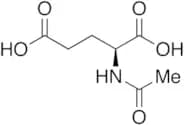
CAS:Controlled Product<p>Applications D-Serine Methyl Ester Hydrochloride (cas# 5874-57-7) is a compound useful in organic synthesis.<br></p>Formula:C4H9NO3·ClHColor and Shape:NeatMolecular weight:155.58N-Acetyl-L-glutamic Acid
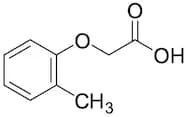
CAS:Controlled Product<p>Applications N-Acetyl-L-glutamic Acid is the N-Acetyl analogue of the non-essential amino acid, L-glutamic acid (G596960). N-Acetyl-L-glutamic Acid activates carbamoyl phosphate synthetase in the urea cycle.<br>References Saheki, T. et al.: J. Biochem., 77, 659 (1975); Rivas, J. et al.: Acta Biol. Med. Ger., 36, 1673 (1977); Zollner, H.: Biochim. Biophys. Acta, 676, 170 (1981);<br></p>Formula:C7H11NO5Color and Shape:NeatMolecular weight:189.17o-Cresolglycolic Acid
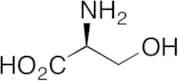
CAS:Controlled Product<p>Applications (2-methylphenoxy)acetic acid (cas# 1878-49-5) is a useful research chemical.<br></p>Formula:C9H10O3Color and Shape:NeatMolecular weight:166.17L-Serine
CAS:<p>Applications L-Serine is used in the synthesis of purines and pyrimidines as antibacterial/antifungal agents, as well as acting as a proteinogenic compound.<br>References Olivella, M. et al.: Bioorg. Med. Chem., 20, 6109 (2012);<br></p>Formula:C3H7NO3Color and Shape:White Crystalline PowderMolecular weight:105.09N-Pyrazinylcarbonyl-L-phenylalanine Methyl Ester
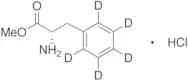
CAS:<p>Applications Used for the synthesis of Bortezomib from L-phenylalanine via dipeptidyl boronic acid ester intermediates.<br>References Zhu, Y., et al.: J. Med. Chem., 52, 4192 (2009),<br></p>Formula:C15H15N3O3Color and Shape:NeatMolecular weight:285.30L-Phenylalanine-d5 Methyl Ester Hydrochloride
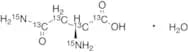
CAS:Controlled Product<p>Applications Protected (S) enantiomer of the amino acid Phenylalanine.<br>References Zhu, P., et al.: Bioorg. Med. Chem. Lett., 19, 6966 (2009), Cramer, B., et al.: Bioorg. Med. Chem., 18, 343 (2010),<br></p>Formula:C10H9D5ClNO2Color and Shape:NeatMolecular weight:220.71L-Asparagine-13C4, 15N2 Hydrate
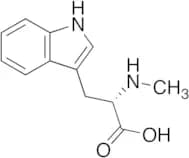
CAS:Controlled ProductFormula:C4H815N2O3H2OColor and Shape:NeatMolecular weight:138.081802L-Abrine
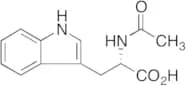
CAS:Controlled Product<p>Applications L-Abrine is an indoleamino acid that displays radical scavenging and antioxidant properties.<br>References Yang, M., et al.: Food. Funct., 5, 2268 (2014);<br></p>Formula:C12H14N2O2Color and Shape:Off-WhiteMolecular weight:218.2518N-Acetyl-L-Tryptophan
CAS:Controlled Product<p>Applications N-Acetyl-L-Tryptophan, is a derivative of L-Tryptophan (T947210), that can be used as competitive inhibitor to identify and characterize tryptophanases. It can also be used as an NK1 tachykinin receptor antagonist, that may help to develop a novel therapeutic intervention for the treatment of reperfusion injury in acute ischemic stroke.<br>References Turner, R. J., et al.: Neuroscience, 220, 1 (2012);<br></p>Formula:C13H14N2O3Color and Shape:White To Off-WhiteMolecular weight:246.26D-Arginine
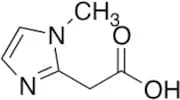
CAS:Controlled Product<p>Applications D-Arginine is an unnatural isomer of L-Arginine (A769505), and is used to inhibit glutamate-induced nitric oxide production in rats. Derivatives of D-Arginine are used for pharmaceutical purposes, one example is 1-Deamino-8-D-arginine vasopressin, which is used to treat various bleeding disorders.<br>References Castellano, M., et al.: Neurosci. Lett., 314, 127 (2001); Kobrinsky, N., et al.: Lancet, 323, 1145 (1984); Weyrich, A., et al.: Circulation, 86, 279 (1992)<br></p>Formula:C6H14N4O2Color and Shape:NeatMolecular weight:174.20(1-Methyl-1H-imidazol-2-yl)-acetic Acid
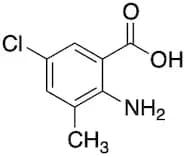
CAS:Controlled Product<p>Applications (1-Methyl-1H-imidazol-2-yl)-acetic acid (cas# 118054-54-9) is a useful research chemical.<br></p>Formula:C6H8N2O2Color and Shape:Off WhiteMolecular weight:140.142-Amino-5-chloro-3-methylbenzoic Acid
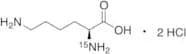
CAS:Controlled Product<p>Applications 2-Amino-5-chloro-3-methylbenzoic Acid is a useful research chemical for the preparation of benzoyl urea containing anthranillic acid groups with insecticidal activity.<br>References Peng, Y., et al.: Nongyao, 48, 326 (2009);<br></p>Formula:C8H8NO2ClColor and Shape:NeatMolecular weight:185.6L-Lysine-15N Dihydrochloride Salt
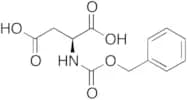
CAS:Formula:C6H14N15NO2•2(HCl)Color and Shape:NeatMolecular weight:147.1823646N-Cbz-L-aspartic Acid
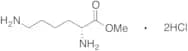
CAS:Controlled Product<p>Applications N-Cbz-L-aspartic acid is an N-Cbz-protected form of L-Aspartic acid (A790024). L-Aspartic acid is a nonessential amino acid that is used to biosynthesize other amino acids within the human body. L-Aspartic acid also increases membrane conductance of mammalian neurons by voltage-dependent means, causing depolarization and nerve impulses that travel to key areas of the central nervous system.<br>References Anderson, H., et al.: J. Nutr., 99, 82 (1969); Honey, C., et al.: Neurosci. Lett., 61, 135 (1985); MacDonald, J., et al.: Brain Res., 237, 248 (1982)<br></p>Formula:C12H13NO6Color and Shape:White To Off-WhiteMolecular weight:267.23D-Lysine Methyl Ester Dihydrochloride
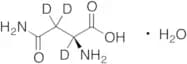
CAS:Controlled Product<p>Applications D-Lysine Methyl Ester is a protected form of D-Lysine (L468930). D-Lysine is the unnatural isomer of L-Lysine (L468895) that has the ability to reduce non-enzymatic glycation in vitro. D-Lysine also exists as polypeptide chains of poly-D-lysine, a nonspecific adhesion-promoting molecule that has the potential to be a polymeric drug carrier.<br>References Chen, Q. et al.: J. Biol. Chem., 269, 26602 (1994); Sensi, M., et al.: Diabetologia, 36, 797 (1993); Vermeersch, H. & Remon, J.: J. Control. Rel., 32, 225 (1994)<br></p>Formula:C7H16N2O2HClColor and Shape:NeatMolecular weight:233.136L-Asparagine-d3 Hydrate
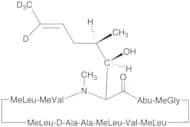
CAS:Controlled Product<p>Applications L-Asparagine-d3 Hydrate is an isotope labelled L-Asparagine Hydrate, a naturally occurring amino acid that is not a essential for humans and can be synthesized from central metabolic pathway intermediates.<br>References Burda, P., et al.: Biochim. Biophys. Acta., 1426, 239 (1999); Yamane, H., et al.: Animal. Sci. J., 80, 286 (2009);<br></p>Formula:C4D3H5N2O3·H2OColor and Shape:White To Off-WhiteMolecular weight:153.1517Cyclosporin A-d4 (Major)
CAS:Controlled Product<p>Applications An immunosuppressant that has revolutionized organ transplantation through its use in the prevention of graft rejection.A group of nonpolar cyclic oligopeptides with immunosupppressant activity.<br>References van Wartburg, A., et al.: Prog. Med. Chem., 25, 1 (1988), Jorgensen, K.A., et al.: Scand. J. Imunol., 57, 93 (2003), Vollenbroeker, et al.: Transplant. Proc., 37, 1741 (2005),<br></p>Formula:C62H107D4N11O12Color and Shape:NeatMolecular weight:1206.66Nateglinide-d5
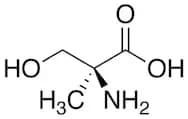
CAS:Controlled Product<p>Applications A labelled version of Nateglinide, an amino-acid derivative that stimulates insulin secretion which is used as an antidiabetic.<br>References Shinkai, H., et al.: J. Med. Chem., 32, 1436 (1989), Sato, Y., et al.: Diabetes Res. Clin. Pract., 12, 53 (1991), Vicent, D., et al.: J. Clin. Invest., 111, 1373 (2003), Ceriello, A., et al.: Diabet. Med., 21, 171 (2004),<br></p>Formula:C192H5H22NO3Color and Shape:NeatMolecular weight:322.45α-Methyl-L-serine
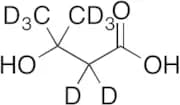
CAS:<p>Applications A potential chiral building blocks for the synthesis of different α -methyl α -amino acids.<br>References Rew, Y., et al.: J. Med. Chem., 45, 3746 (2002),<br></p>Formula:C4H9NO3Color and Shape:Off-WhiteMolecular weight:119.119β-Hydroxyisovaleric Acid-d8
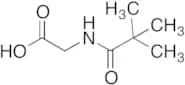
CAS:Controlled ProductFormula:C5H2D8O3Color and Shape:Colourless To YellowMolecular weight:126.18N-Pivaloylglycine
CAS:Controlled Product<p>Applications N-Pivaloylglycine is used in the biological study between dogs and rats. In a high dose toxicity study of pivalic acid (PA), PA caused skeletal muscle disorder in dog, and a significant increase of pivaloyl carnitine (PC) was observed in canine muscle, but not in rat muscle.<br>References Yamaguchi, T., et al.: Toxicol. Appl. Pharmacol., 214, 61-68 (2006)<br></p>Formula:C7H13NO3Color and Shape:NeatMolecular weight:159.18Decanoyl-L-carnitine-d3 Chloride
CAS:Controlled Product<p>Stability Hygroscopic<br>Applications Decanoyl-L-carnitine-d3 Chloride is the isotope labelled analog of Decanoyl-L-carnitine Chloride (D212580); a metabolite of L-Carnitine (C184110) which is an essential cofactor of fatty acid metabolism. Also required for the transport of fatty acids through the inner mitochondrial membrane.<br>References Mitchell, M.E., et al.: Am. J. Clin. Nutr., 31, 293 (1978); Lango, R., et al.: Cardiovasc. Res., 51, 21 (2001); Vaz, F.M., et al.: Biochem. J., et al.: 361, 417 (2002); Karlic, H., et al.: Nutrition, 20, 709 (2004)<br></p>Formula:C17D3H31NO4·ClColor and Shape:NeatMolecular weight:354.93N-Acetyl-L-cysteine-d3
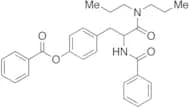
CAS:Controlled Product<p>Stability Hygroscopic<br>Applications A labelled metabolite of Methyl isocyanate.<br>References Slatter, J. G., et al.: Chem. Res. Toxicol., 4, 157 (1991),<br></p>Formula:C52H3H6NO3SColor and Shape:Off-WhiteMolecular weight:166.21N,O-Dibenzoyl-DL-tyrosyl-N’,N’-dipropylamide
CAS:Controlled Product<p>Applications N,O-Dibenzoyl-DL-tyrosyl-N',N'-dipropylamide is a metabolite of the antispasmodic agent Tiropramide (T446900). Tiropramide impurity B.<br>References Janssen, et al.: J. Pharm. Pharmacol., 9, 381 (1956), Bertaccini, et al.: Br. J. Pharmac., 34, 310 (1968),<br></p>Formula:C29H32N2O4Color and Shape:White To Light RedMolecular weight:472.581-(2-Isopropylthiazol-4-yl)-N-methylmethanamine Dihydrochloride
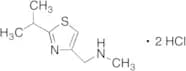
CAS:<p>Applications 1-(2-Isopropylthiazol-4-yl)-N-methylmethanamine dihydrochloride (cas# 1185167-55-8) is a useful research chemical.<br></p>Formula:C8H14N2S·2ClHColor and Shape:NeatMolecular weight:243.204-Methyl-2-(4-(trifluoromethyl)phenyl)thiazole-5-carboxylic Acid
CAS:Controlled Product<p>Applications 4-methyl-2-(4-(trifluoromethyl)phenyl)thiazole-5-carboxylic acid (cas# 144059-86-9) is a useful research chemical.<br></p>Formula:C12H8F3NO2SColor and Shape:NeatMolecular weight:287.26Perfluoro-4-methoxybutanoic Acid
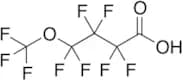
CAS:<p>Applications Perfluoro-4-Methoxybutanoic Acid (cas# 863090-89-5) is a useful research chemical.<br> Not a dangerous good if item is equal to or less than 1g/ml and there is less than 100g/ml in the package<br></p>Formula:C5HF9O3Color and Shape:NeatMolecular weight:280.055-Methoxy-2-methylaniline
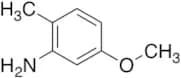
CAS:Controlled Product<p>Applications 5-Methoxy-2-methylaniline (cas# 50868-72-9) is a useful research chemical.<br></p>Formula:C8H11NOColor and Shape:White To Dark BrownMolecular weight:137.1794-Methylimidazole-d3
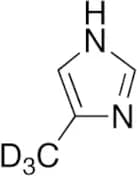
CAS:Controlled Product<p>Applications Labelled 4-Methylimidazole (M312990). 4-Methylimidazole is a monomethylated imidazole that can be used as a building block in the preparation of a wide range of biologically active compounds. 4-Methylimidazole is a product which results from the interaction of reducing sugars with ammonia. 4-Methylimidazole showed convulsant activity in animals and is listed as a possible carcinogen.<br> Not a dangerous good if item is equal to or less than 1g/ml and there is less than 100g/ml in the package<br>References Nishie, K. et al.: Toxicol. Appl. Pharmacol., 14, 301 (1969): Cunha, S.C. et al.: J. Food Comp. Anal., 24, 609 (2011); Chan, P.C. et al.: Arch. Toxicol., 82, 55 (2008);<br></p>Formula:C4H3D3N2Color and Shape:BeigeMolecular weight:85.123-Methyl Cytidine-d3 Methosulfate-d3
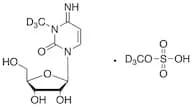
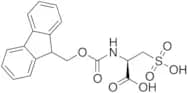
CAS:Controlled Product<p>Applications Labelled Cytidine derivative.<br>References Ueda, T., et al.: Chem. Pharmaceut. Bull., 22, 2377 (1974),<br></p>Formula:C10D3H12N3O5·CD3HO4SColor and Shape:NeatMolecular weight:375.385Fmoc-L-cysteic Acid
CAS:Controlled Product<p>Applications Fmoc-L-cysteic acid (cas# 751470-47-0) is a useful research chemical for organic synthesis and other chemical processes.<br>References Dialer, L. O., et al.: J. Med. Chem., 56, 7552 (2013); Revell, J. D., et al.: Tetrahedron, 63, 8420, (2007)<br></p>Formula:C18H17NO7SColor and Shape:NeatMolecular weight:391.44-Amino-3-Hydroxybutanoic Acid
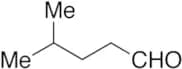
CAS:Controlled ProductFormula:C4H9NO3Color and Shape:NeatMolecular weight:119.124-Methylpentanal (up to 75% hydrated form)
CAS:Controlled Product<p>Applications An intermediate used in the synthesis of Pregabalin (P704800) and related compounds.<br> Not a dangerous good if item is equal to or less than 1g/ml and there is less than 100g/ml in the package<br>References Posadas, I., et al.: Br. J. Pharmacol., 142, 331 (2004),<br></p>Formula:C6H12OColor and Shape:Colourless LiquidMolecular weight:100.16N-Methylcaprolactam
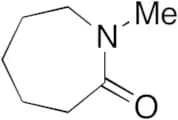
CAS:<p>Applications N-Methylcaprolactam is a reagent that is used in the synthesis of 3-Chloro-4-(dichloromethyl)-5-hydroxy-2(5H)-furanone-13C5, which is a chlorinated furanone that accounts for more of the mutagenic activity of drinking water than any other disinfection byproduct.<br></p>Formula:C7H13NOColor and Shape:NeatMolecular weight:127.184,6,7,8-Tetrahydro-8-hydroxy-6-methylpyrimido[1,2-a]purin-10(3H)-one (Mixture of Diastereomers)
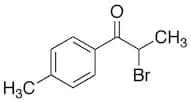
CAS:Controlled Product<p>Applications Cyclic propano guanine adduct DNA acetaldehyde histone.<br>References Nath, R., et al.: Cancer Res., 58, 581 (1998), Wang, M., et al.: Chem. Res., 13, 1065 (2000), Terashima, I., et al.: Biochemistry, 40, 4106 (2001), Yokoyama, A., et al.: Carcinogenesis, 23, 1851 (2002),<br></p>Formula:C9H11N5O2Color and Shape:Off-WhiteMolecular weight:221.222-Bromo-4'-methylpropiophenone
CAS:<p>Applications 2-Bromo-4'-methylpropiophenone (cas# 1451-82-7) is a compound useful in organic synthesis.<br></p>Formula:C10H11BrOColor and Shape:NeatMolecular weight:227.10N-Acetyl-L-tyrosine
CAS:Controlled Product<p>Applications N-Acetyl-L-tyrosine is an analogue of L-tyrosine which stimulate the transport of L-Tyr, mainly by the ASC system.<br>References Jara, J. et al.: Melanoma Res., 1, 15 (1991),<br></p>Formula:C11H13NO4Color and Shape:Off-WhiteMolecular weight:223.231-[1-(2-methoxyethyl)piperidin-3-yl]methanamine
CAS:Controlled Product<p>Applications 1-[1-(2-methoxyethyl)piperidin-3-yl]methanamine (cas# 936940-49-7) is a useful research chemical.<br></p>Formula:C9H20N2OColor and Shape:NeatMolecular weight:172.268a-Methacrylic Acid
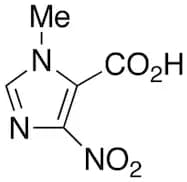
CAS:Controlled Product<p>Stability Light Sensitive<br>Applications α-Methacrylic acid is used in chemistry as a stabilizing agent, forming a thin capping layer on the surface of nanoparticles. α-Methacrylic acid is also used as a surfactant, so that control is maintained during nanocrystal growth. α-Methacrylic acid is also used as a chelating agent.<br> Not a dangerous good if item is equal to or less than 1g/ml and there is less than 100g/ml in the package<br>References Peng, W., et al.: J. Cryst. Growth, 279, 454 (2005); Qu, S., et al.: Appl. Phys. Lett., 80, 3605 (2002); Zhao, G., et al.: Phys. C: Supercond., 468, 2317 (2008)<br></p>Formula:C4H6O2Color and Shape:ColourlessMolecular weight:86.091-Methyl-4-nitro-1H-imidazole-5-carboxylic Acid
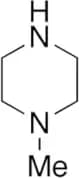
CAS:Controlled Product<p>Applications A derivative of imidazole used in the synthesis of heteroxanthine.<br>References Sarasin, J., et al.: Helv. Chim. Acta, 7, 713 (1924),<br></p>Formula:C5H5N3O4Color and Shape:NeatMolecular weight:171.111-Methylpiperazine
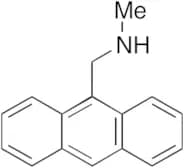
CAS:Controlled Product<p>Impurity Imatinib EP Impurity G<br>Applications 1-Methylpiperazine (Imatinib EP Impurity G) is used in the preparation of 2-(4-Methyl-1-piperazinylmethyl)acrylophenone(MPMAP), an antimicrotubular drug. It is a COVID19-related research product.<br>References Mallevais, M.L. et al.: Biochimie, 66, 477 (1984);<br></p>Formula:C5H12N2Color and Shape:Colourless To Light YellowMolecular weight:100.169-(N-Methylaminomethyl)anthracene
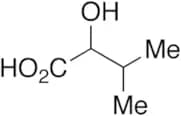
CAS:Controlled Product<p>Applications 9-(N-Methylaminomethyl)anthracene is a reactant that has been used in the synthesis of anthracene-oxyquinoline dyad as a fluorescent indicator for Hg(II).<br>References Praveen, L., et. al.: Tetrahedron Lett., 53, 3951 (2012)<br></p>Formula:C16H15NColor and Shape:NeatMolecular weight:221.32-Hydroxy-3-methylbutyric Acid
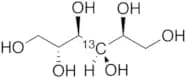
CAS:Controlled Product<p>Applications 2-Hydroxy-3-methylbutyric Acid is a α-hydroxylated butyric acid derivative used as a marker in chemical diagnosis of organic aciduria and other inborn errors. 2-Hydroxy-3-methylbutyric Acid is also used as a metabolomic biomarkers in preeclampsia.<br>References Nakagawa, K. et al.: J. Chrom. B Anal. Technol. Biomed. Life Sci., 878, 942 (2010); Kenny, L.C. et al.: Reprod. Sci., 15, 591 (2008); Garcia, A. et al.: Clin. Chem., 44, 1905 (1999);<br></p>Formula:C5H10O3Color and Shape:NeatMolecular weight:118.13D-Glucitol-3-13C
CAS:Controlled Product<p>Applications Isotope labelled D-Glucitol is a sugar alcohol obtained from the reduction of glucose and is naturally found in various fruits such as apples, pears and peaches. D-Glucitol has been widely used as a sweetener, laxative, various medical applications and in cosmetic products.<br>References Wang, Z.J., et al.: Anal. BIoanal. Chem., 405, 3899 (2013); Vinarta, S.C., et al.: Carb. Poly., 92, 1107 (2013); Kaumanu, M.L., et al.: Soil. Biol. Biochem., 57, 644 (2013); Hailu, T., et al.: Anal. Biochem., 434, 181 (2013);<br></p>Formula:CC5H14O6Color and Shape:NeatMolecular weight:183.1642-(N-Methyl-2-pyrrolidinyl)ethyl Chloride Hydrochloride
CAS:<p>Stability Hygroscopic<br>Applications 2-(N-Methyl-2-pyrrolidinyl)ethyl Chloride is an intermediate used in the synthesis of reversed lactam analogues of ARC-111 with potent topoisomerase I-targeting activity and cytotoxcity.<br>References Zhu, S.J., et al.: Bioorg. Med. Chem., 14, 3131 (2006); Tanaka, N., et al.: Chem. Pharma. Bull., 48, 245 (2000);<br></p>Formula:C7H14ClN·HClColor and Shape:NeatMolecular weight:147.65 + 36.464-Methyl-6-(2,4,4-trimethylpentyl)-2H-pyran-2-one
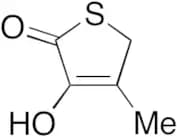
CAS:Controlled Product<p>Impurity Piroctone USP Related Compound B<br>Applications 4-Methyl-6-(2,4,4-trimethylpentyl)-2H-pyran-2-one is used in the synthesis of antibacterials and antimycotics. Related to Piroctone (P509400), an anti-dandruff agent used in shampoo formulations. Piroctone USP Related Compound B<br>References Georgalas, A. et al.: J. Cosm. Sci., 55, S207 (2004); Mayser, P. et al.: J. Cosm. Sci., 54, 263 (2008);<br></p>Formula:C14H22O2Color and Shape:NeatMolecular weight:222.323-Hydroxy-4-methyl-2(5H)-thiophenone
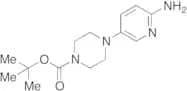
CAS:Controlled Product<p>Impurity Cefalexin EP Impurity D<br>Applications 3-Hydroxy-4-methyl-2(5H)-thiophenone (Cefalexin EP Impurity D) is an acid degradation product of Cephalexin (C256800) and Cefaclor (C235250), antibiotics.<br>References Dinner, A.: J. Med. Chem. 20, 963 (1977); Baetschi, S.W., et. al.: J. Pharmaceut., Sci., 86, 526 (1997)<br></p>Formula:C5H6O2SColor and Shape:NeatMolecular weight:130.1651-Boc-4-(6-aminopyridin-3-yl)piperazine
CAS:Controlled Product<p>Applications 1-Boc-4-(6-aminopyridin-3-yl)piperazine is used to prepare pyrido[2,3-d]pyrimidin-7-ones as selective inhibitors of cyclin-dependent kinases 4 and 6.<br>References Toogood, P., et al.: J. Med. Chem., 48, 2388 (2005); Cho, Y., et al.: J. Med. Chem., 53, 7938 (2010)<br></p>Formula:C14H22N4O2Color and Shape:NeatMolecular weight:278.353-Methyl-2-buten-1-ol-d6 (d5 Major) (Contain ~3% d0)
CAS:Controlled Product<p>Applications Important compounds in coffee aroma.<br> Not a dangerous good if item is equal to or less than 1g/ml and there is less than 100g/ml in the package<br></p>Formula:C52H6H4OColor and Shape:NeatMolecular weight:92.17N-Isopropyl-N-methylamine
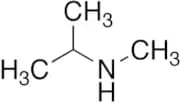
CAS:Controlled Product<p>Stability Volatile<br>Applications N-Isopropyl-N-methylamine (cas# 4747-21-1) is a compound useful in organic synthesis.<br> E0<br></p>Formula:C4H11NColor and Shape:NeatMolecular weight:73.1412-(t-Boc-amino)-1-dodecanol
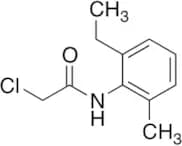
CAS:Controlled Product<p>Applications 12-(t-Boc-amino)-1-dodecanol (cas# 67341-03-1) is a compound useful in organic synthesis.<br></p>Formula:C17H35NO3Color and Shape:NeatMolecular weight:301.462-chloro-N-(2-ethyl-6-methylphenyl)acetamide
CAS:Controlled Product<p>Applications 2-chloro-N-(2-ethyl-6-methylphenyl)acetamide (cas# 32428-71-0) is a useful research chemical.<br></p>Formula:C11H14ClNOColor and Shape:NeatMolecular weight:211.692-Ethyl-6-methylpyrazine
CAS:<p>Applications 2-ethyl-6-methylpyrazine (cas# 13925-03-6) is a useful research chemical.<br></p>Formula:C7H10N2Color and Shape:ColourlessMolecular weight:122.17(4R,6S)-rel-5,6-Dihydro-4-hydroxy-6-methyl-4H-thieno[2,3-b]thiopyran-2-sulfonamide 7,7-Dioxide
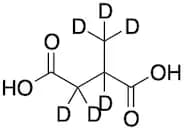
CAS:Controlled Product<p>Applications (4R,6S)-rel-5,6-Dihydro-4-hydroxy-6-methyl-4H-thieno[2,3-b]thiopyran-2-sulfonamide 7,7-Dioxide is used as a reactant in the preparation of Dorzolamide Hydrochloride (D535100), which is a carbonic anhydrase inhibitor; antiglaucoma agent.<br>References Lippa, E.A., et al.: Ophthalmology, 98, 308 (1991); Wang, R.-F., et al.: Arch. Ophthalmol., 109, 1297 (1991); Whikehart, D., et al.: J. Ocul. Pharmacol., 7, 195 (1991); Sjoquist, B., et al.: Drug Metab. Dispos., 26, 745 (1998);<br></p>Formula:C8H11NO5S3Color and Shape:NeatMolecular weight:297.37(±)-2-Methyl-d3-succinic-2,3,3-d3 Acid
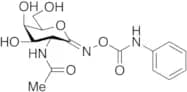
CAS:Controlled Product<p>Applications (±)-2-Methyl-d3-succinic-2,3,3-d3 Acid (CAS# 347840-08-8) is a useful isotopically labeled research compound.<br></p>Formula:C5D6H2O4Color and Shape:NeatMolecular weight:138.15Galacto-PUGNAc (>90%)
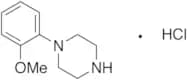
CAS:Controlled Product<p>Stability Moisture and Temperature Sensitive<br>Applications Galacto-PUGNAc is a highly selective inhibitor for β-hexosaminidases HEXA and HEXB is cell-permeable. Galacto-PUGNAc is able to modulate the activity of HEXA and HEXB in tissue culture, increasing ganglioside GM2 levels in neuroblastoma cells<br>References Stubbs, K.A. et al.: Angew. Chem. Int. Ed., 48, 1300 (2009);<br></p>Formula:C15H19N3O7Purity:>90%Color and Shape:NeatMolecular weight:353.331-(2-Methoxyphenyl)piperazine Hydrochloride
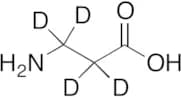
CAS:Controlled Product<p>Applications Piperazine derivative used as reference material for forensic laboratories.<br>References Brady, J., et al.: Drug Dev. Res., 20, 231 (1990), Winter, J., et al.: J. Pharmacol. Exp. Ther., 262, 682 (1992), Ator, N., et al.: Eur. J. Pharmacol., 241, 237 (1993), Forster, E., et al.: Eur. J. Pharmacol., 281, 81 (1995),<br></p>Formula:C11H16N2O·ClHColor and Shape:NeatMolecular weight:228.72β-Alanine-2,2,3,3-D4
CAS:Controlled Product<p>Applications Isotope labelled β-Alanine is a naturally occurring beta amino acid. β-Alanine is formed in vivo by the degradation of dihydrouracil (D449990) and carnosine. β-Alanine is also the rate-limiting precursor of carnosine, as a result supplementation with β-alanine increases the concentration of carnosine in muscles.<br></p>Formula:C3D4H3NO2Color and Shape:NeatMolecular weight:93.123-Methyl-2-benzothiazolinone Hydrazone Hydrochloride Hydrate
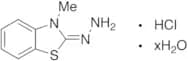
CAS:<p>Stability Hygroscopic<br>Applications 3-Methyl-2-benzothiazolinone Hydrazone Hydrochloride Hydrate is a chromegenic reagent for the determination of benzodiazepines, cholesterol, and enzyme activity. 3-Methyl-2-benzothiazolinone Hydrazone Hydrochloride Hydrate is used as an electrophilic coupling reagent used in the spectrophotometric determination of chloramine-B (CAB) and other residual chlorine content in various environmental water samples.<br> Not a dangerous good if item is equal to or less than 1g/ml and there is less than 100g/ml in the package<br>References Syed, A. et al.: Environ. Sci. Indian J., 3, 49 (2008); Syed, A.A. et al.: Chem. Environ. Res., 15, 41 (2006); Mohan, J. et al.: Indian J. Chem., 32B, 44 (1993);<br></p>Formula:C8H10ClN3S·xH2OColor and Shape:NeatMolecular weight:233.718L-threo-Phenylserine
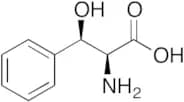
CAS:Controlled Product<p>Applications L-threo-Phenylserine is a valuable chiral synthon.<br></p>Formula:C9H11NO3Color and Shape:NeatMolecular weight:181.192-Bromo-4-methoxybenzyl Chloride 75% (+ regioisomers)
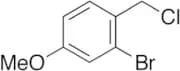
CAS:Controlled Product<p>Applications This compound contains up to 25% of the two other regioisiomers.<br></p>Formula:C8H8BrClOColor and Shape:NeatMolecular weight:235.512-Hydroxy-2-methylpropanamide
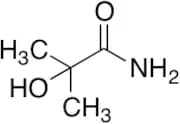
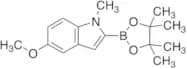
CAS:Controlled Product<p>Applications 2-Hydroxy-2-methylpropanamide (cas# 13027-88-8) is a useful research chemical.<br></p>Formula:C4H9NO2Color and Shape:NeatMolecular weight:103.125-Methoxy-1-methylindole-2-boronic Acid Pinacol Ester (>90%)
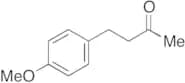
CAS:Controlled Product<p>Applications 5-Methoxy-1-methylindole-2-boronic acid pinacol ester (cas# 1256360-41-4) is a useful research chemical.<br></p>Formula:C16H22BNO3Purity:>90%Color and Shape:NeatMolecular weight:287.1624-(4-Methoxyphenyl)-2-butanone
CAS:<p>Applications 4-(4-Methoxyphenyl)-2-butanone is also used in the synthesis of novel axially chiral Rh-NHC complexes. Used to synthesize carbonyl complexes as novel traceless linkers.<br>References Duan, W. et al.: Chem. Comm., 23, 2916 (2003); Gibson, S. et al.: Tetrahedron. Lett., 40, 1417 (1999);<br></p>Formula:C11H14O2Color and Shape:NeatMolecular weight:178.23







![3-Ethyl-6,7,8,9-tetrahydro-9-hydroxy-2-methyl-4H-pyrido[1,2-a]pyrimidin-4-one](/_next/image/?url=https%3A%2Fstatic.cymitquimica.com%2Fproducts%2FTR%2Fthumb-webp%2FE926295.webp&w=3840&q=75)










![4,6,7,8-Tetrahydro-8-hydroxy-6-methylpyrimido[1,2-a]purin-10(3H)-one (Mixture of Diastereomers)](/_next/image/?url=https%3A%2Fstatic.cymitquimica.com%2Fproducts%2FTR%2Fthumb-webp%2FT293685.webp&w=3840&q=75)

![1-[1-(2-methoxyethyl)piperidin-3-yl]methanamine](/_next/image/?url=https%3A%2Fstatic.cymitquimica.com%2Fproducts%2FTR%2Fthumb-webp%2FM139405.webp&w=3840&q=75)






![(4R,6S)-rel-5,6-Dihydro-4-hydroxy-6-methyl-4H-thieno[2,3-b]thiopyran-2-sulfonamide 7,7-Dioxide](/_next/image/?url=https%3A%2Fstatic.cymitquimica.com%2Fproducts%2FTR%2Fthumb-webp%2FD678970.webp&w=3840&q=75)