Amino Acids (AA)
Amino acids (AAs) are the fundamental building blocks of proteins, playing a crucial role in various biological processes. These organic compounds are essential for protein synthesis, metabolic pathways, and cell signaling. In this category, you will find a comprehensive range of amino acids, including essential, non-essential, and modified forms, which are vital for research in biochemistry, molecular biology, and nutritional sciences. At CymitQuimica, we provide high-quality amino acids to support your research and development needs, ensuring accuracy and reliability in your experimental outcomes.
Subcategories of "Amino Acids (AA)"
- Amino Acid Derivatives(3,955 products)
- Amino Acid and Amino Acid Related Compounds(3,436 products)
- Amino Acids with Oxygen or Sulphur(168 products)
- Boc- Amino Acids(351 products)
- Fmoc Amino Acids(1,710 products)
Found 38216 products of "Amino Acids (AA)"
Sort by
Purity (%)
0
100
|
0
|
50
|
90
|
95
|
100
4-Amino-2-methyl-5-pyrimidinemethanesulfonic acid
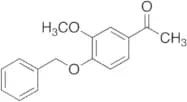
CAS:Controlled Product<p>Applications 4-Amino-2-methyl-5-pyrimidinemethanesulfonic acid is used in the biosynthesis of Thiamine (T344185) in yeast.<br>References White, R., et al.: Journal of the American Chemical Society, 104, 4934 (1982).<br></p>Formula:C6H9N3O3SColor and Shape:NeatMolecular weight:203.221-(4-Benzyloxy-3-methoxyphenyl)ethanone
CAS:Controlled Product<p>Applications Intermediate in the preparation of Epinephrine metabolites<br>References Mizuta, H., et al.: Bioorg. Med. Chem., 10, 675 (2002),<br></p>Formula:C16H16O3Color and Shape:NeatMolecular weight:256.31-Methyluracil
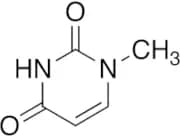
CAS:Controlled Product<p>Applications 1-Methyluracil (cas# 615-77-0) is a compound useful in organic synthesis.<br></p>Formula:C5H6N2O2Color and Shape:WhiteMolecular weight:126.113-Methanesulfinylpropan-1-amine
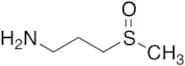
CAS:Controlled Product<p>Applications 3-Methanesulfinylpropan-1-amine is used in preparation of Amide compounds as pesticides including acaricides, insecticides, and parasiticides.<br>References Furukawa, H., et al.: Jpn. Kokai Tokkyo Koho, (2018);<br></p>Formula:C4H11NOSColor and Shape:NeatMolecular weight:121.2013-[(4,6-Dimethylpyrimidin-2-yl)amino]benzoic acid
CAS:Formula:C13H13N3O2Purity:95.0%Color and Shape:SolidMolecular weight:243.2663-Methylfuran-d3
CAS:Controlled Product<p>Stability Volatile<br>Applications Labelled 3-Methylfuran (M305443). 3-Methylfuran is a volatile organic compound (VOCs) used as a potential non-intrusive tool for screening of lung cancer.<br> Not a dangerous good if item is equal to or less than 1g/ml and there is less than 100g/ml in the package<br>References McWilliams, et al.: Curr. Oncol. Rep., 4, 487 (2002), Buszewski, B., et al.: Biomed. Chromatogr., 21, 553 (2007), Ligor, T., et al.: J. Breath. Res., 1, 1 (2007),<br></p>Formula:C52H3H3OColor and Shape:ColourlessMolecular weight:85.12DL-Proline
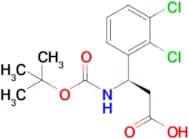
CAS:<p>Applications DL-Proline is the racemic mixture of both L-Proline (P755995) and D-Proline (P755990).<br>References Bondarenko, L.B., et al.: Int. J. Peptides., 2, 1687 (2012); Rimer, T., et al.: Biomacromolecules, 13, 2110 (2012);<br></p>Formula:C5H9NO2Color and Shape:NeatMolecular weight:115.13(R)-3-((Tert-butoxycarbonyl)amino)-3-(2,3-dichlorophenyl)propanoic acid
CAS:Purity:95+%Molecular weight:334.190002441406258-ethyl-4-(4-methyl-3-nitrobenzoyl)-1-oxa-4,8-diazaspiro[4.5]decane-3-carboxylic acid
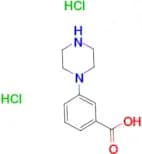
CAS:Purity:95.0%Molecular weight:377.39700317382813-Piperazin-1-yl-benzoic acid dihydrochloride
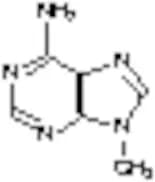
CAS:Formula:C11H16Cl2N2O2Purity:96.0%Color and Shape:SolidMolecular weight:279.166-Amino-9-methylpurine(9-Methyl Adenine)
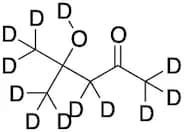
CAS:Controlled Product<p>Applications A receptor adenine derivative binding membrane brain animal cell line.<br>References Camaioni, E., et al.: Bioorg. Med. Chem., 6, 523 (1998), Kelly, M., et al.: Br. J. Pharmacol., 125, 979 (1998), Redzic, Z., et al.: Brain Res., 888, 66 (2001), Levy, D., et al.: J. Med. Chem., 46, 2177 (2003),<br></p>Formula:C6H7N5Color and Shape:NeatMolecular weight:149.154-Hydroxy-4-methyl-2-pentanone-d12
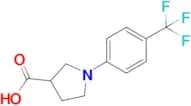
CAS:Controlled Product<p>Applications 4-Hydroxy-4-methyl-2-pentanone-d12 (CAS# 114253-85-9) is a useful isotopically labeled research compound.<br></p>Formula:C6D12O2Color and Shape:NeatMolecular weight:128.231-(4-(Trifluoromethyl)phenyl)pyrrolidine-3-carboxylic acid
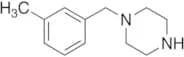
CAS:Purity:97%Molecular weight:259.22799682617191-(3-Methylbenzyl)piperazine
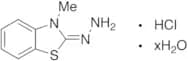
CAS:Controlled ProductFormula:C12H18N2Color and Shape:NeatMolecular weight:190.283-Methyl-2-benzothiazolinone Hydrazone Hydrochloride Hydrate
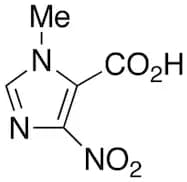
CAS:<p>Stability Hygroscopic<br>Applications 3-Methyl-2-benzothiazolinone Hydrazone Hydrochloride Hydrate is a chromegenic reagent for the determination of benzodiazepines, cholesterol, and enzyme activity. 3-Methyl-2-benzothiazolinone Hydrazone Hydrochloride Hydrate is used as an electrophilic coupling reagent used in the spectrophotometric determination of chloramine-B (CAB) and other residual chlorine content in various environmental water samples.<br> Not a dangerous good if item is equal to or less than 1g/ml and there is less than 100g/ml in the package<br>References Syed, A. et al.: Environ. Sci. Indian J., 3, 49 (2008); Syed, A.A. et al.: Chem. Environ. Res., 15, 41 (2006); Mohan, J. et al.: Indian J. Chem., 32B, 44 (1993);<br></p>Formula:C8H10ClN3S·xH2OColor and Shape:NeatMolecular weight:233.7181-Methyl-4-nitro-1H-imidazole-5-carboxylic Acid
CAS:Controlled Product<p>Applications A derivative of imidazole used in the synthesis of heteroxanthine.<br>References Sarasin, J., et al.: Helv. Chim. Acta, 7, 713 (1924),<br></p>Formula:C5H5N3O4Color and Shape:NeatMolecular weight:171.11Ac-lys(ac)-OH
CAS:Controlled Product<p>Applications Ac-lys(ac)-oh was used in the reaction of HOCl with amino acids and peptides with ESR evidence for rapid rearrangement and fragmentation reactions of nitrogen-centered radicals.<br>References Hawkins, C., et al.: J. Chem. Soc. Perkin Trans. 2, 9, 1937 (1998);<br></p>Formula:C10H18N2O4Color and Shape:NeatMolecular weight:237.7682-[4-(3-Chlorophenyl)piperazin-1-yl]-2-(3-methylphenyl)acetic acid
CAS:Molecular weight:344.83999633789068-methyl-4-(2-phenylacetyl)-1-oxa-4,8-diazaspiro[4.5]decane-3-carboxylic acid
CAS:Purity:95.0%Molecular weight:318.372985839843751-[1-(2-methoxyethyl)piperidin-3-yl]methanamine
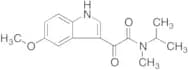
CAS:Controlled Product<p>Applications 1-[1-(2-methoxyethyl)piperidin-3-yl]methanamine (cas# 936940-49-7) is a useful research chemical.<br></p>Formula:C9H20N2OColor and Shape:NeatMolecular weight:172.2685-Methoxy-N-methyl-N-(1-methylethyl)-α-oxo-1H-indole-3-acetamide
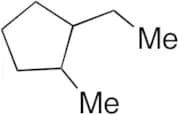
CAS:Controlled Product<p>Applications 5-Methoxy-N-methyl-N-(1-methylethyl)-α-oxo-1H-indole-3-acetamide is an intermediate used in the synthesis of 5-Methoxy-N-methyl-N-isopropyl Tryptamine (M271680), which is a psychedelic tryptamine related to N-methyl-N-isopropyltryptamine. 5-Methoxy MiPT potently inhibits the re-uptake of the monoamines serotonin and norepinephrine but does not affect dopamine re-uptake. 5-Methoxy MiPT has no effect on the release of monoamines from rat brain synaptosomes. This product is intended for forensic and research applications.<br>References Katagi, M., et al.: Jpn. J. Forensic Toxicol., 20, 303 (2002), Meatherall, R., et al.: J. Anal. Toxicol., 27, 313 (2003), Wilson, J., et al.: Forensic Sci. Int., 148, 31 (2005), Kamata, T., et al.: Drug Metab. Dispos., 34, 281 (2006),<br></p>Formula:C15H18N2O3Color and Shape:Beige To Light BrownMolecular weight:274.321-Ethyl-1-methylcyclopentane
CAS:Controlled Product<p>Applications 1-Ethyl-1-methylcyclopentane, is one of the chemical components of Gas-Phase organic carbon emissions from motor vehicles. It is also a volatile component of frying oils.<br>References Gentner, D. R., et al.: Environ. Sci. Tech., 47, 11937 (2013); Prevot, A. Frying Food, 155 (1988);<br></p>Formula:C8H16Color and Shape:NeatMolecular weight:112.213a,4,5,9b-Tetrahydro-3 H -cyclopenta[ c ]quinoline-4-carboxylic acid
CAS:Purity:95.0%Color and Shape:SolidMolecular weight:215.25199890136728-ethyl-4-[2-(4-methoxyphenyl)acetyl]-1-oxa-4,8-diazaspiro[4.5]decane-3-carboxylic acid
CAS:Purity:95.0%Molecular weight:362.42599487304693-[4-(2-Methoxyphenyl)piperazin-1-yl]propan-1-amine
CAS:Controlled Product<p>Applications 3-[4-(2-methoxyphenyl)piperazin-1-yl]propan-1-amine (cas# 20529-23-1) is a useful research chemical.<br></p>Formula:C14H23N3OColor and Shape:NeatMolecular weight:249.355-Benzyloxy-6-methoxyindole
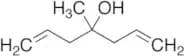
CAS:Controlled Product<p>Applications 5-Benzyloxy-6-methoxyindole (cas# 4790-04-9) is a compound useful in organic synthesis.<br>References McBride, C., et al.: Bioorg. Med. Chem. Lett., 16, 3789 (2006), Frost, J., et al.: J. Med. Chem., 51, 1904 (2008),<br></p>Formula:C16H15NO2Color and Shape:NeatMolecular weight:253.304-Hydroxy-4-methylhepta-1,6-diene
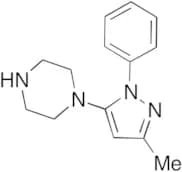
CAS:Controlled Product<p>Applications 4-Hydroxy-4-methylhepta-1,6-diene is a compound useful in organic synthesis.<br>References Ji, X., et al.: Xiangliao Xiangjing Huazhuangpin, 4, 6 (2011)<br></p>Formula:C8H14OColor and Shape:NeatMolecular weight:126.201-(3-Methyl-1-phenyl-1H-pyrazol-5-yl)piperazine
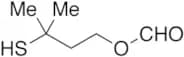
CAS:Controlled Product<p>Applications 1-(3-Methyl-1-phenyl-1H-pyrazol-5-yl)piperazine is an intermediate used to prepare nonracemic γ-bicyclic heteroarylpiperazine- and heteroarylpiperidine-substituted prolinylthiazolidines as selective and orally active dipeptidylpeptidase 4 inhibitors for use as antidiabetic agents.<br>References Yoshida, T., et al.: Bioorg. Med. Chem., 20, 5705 (2012)<br></p>Formula:C14H18N4Color and Shape:NeatMolecular weight:242.323-Mercapto-3-methylbutyl Formate
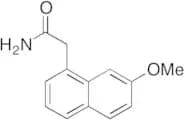
CAS:Controlled Product<p>Applications 3-Mercapto-3-methylbutyl formate is one of the major odor-active thiol in pan-roasted white sesame seeds.<br>References Czerny, M., et al.: J .Agric. Food Chem., 47, 695 (1999), Steinhaus, M., et al.: Eur. Food Res. Technol., 226, 45 (2007), Tamura, H., et al.: Agric. Food Chem., 2010, 58, 7368 (2010),<br></p>Formula:C6H12O2SColor and Shape:NeatMolecular weight:148.227-Methoxy-1-naphthaleneacetamide
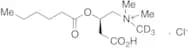
CAS:Controlled Product<p>Applications 7-Methoxy-1-naphthaleneacetamide, can be used for the synthesis of the analogs of Melatonin (M215000), containing naphthalene moiety instead of indole nucleus, having high affinity for the melatonin receptor. Agomelatine Impurity 6<br>References Tang, J. D., et al.: Org. Prep. Proc. Int., 41, 164 (2009); Sndrieux Y. J., et al.: J. Med. Chem., 35, 1484 (1992);<br></p>Formula:C13H13NO2Color and Shape:NeatMolecular weight:215.25Hexanoyl-L-carnitine-(N-methyl-d3) Chloride
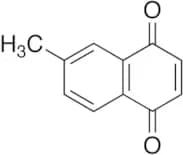
Controlled Product<p>Stability Hygroscopic<br>Applications Hexanoyl-L-carnitine-(N-methyl-d3) Chloride, is the labeled analogue of Hexanoyl-L-carnitine Hydrochloride (H294440), which is used as reactant in the synthesis of carnitine benzyl esters as prodrugs.<br>References Gong, X., et. al.: J. Chem. Res., 6, 327 (2008)<br></p>Formula:C13H23D3ClNO4Color and Shape:NeatMolecular weight:298.826-Methyl-1,4-naphthoquinone
CAS:Controlled Product<p>Applications 6-Methyl-1,4-naphthoquinone (cas# 605-93-6) is a compound useful in organic synthesis.<br></p>Formula:C11H8O2Color and Shape:NeatMolecular weight:172.18L-Lysine L-Malate
CAS:Controlled Product<p>Applications L-Lysine L-Malate is used in the preparation of amino acid ionic liquids for use in food and medical field.<br></p>Formula:C6H14N2O2·C4H6O5Color and Shape:NeatMolecular weight:280.274-(3-bromobenzoyl)-8-ethyl-1-oxa-4,8-diazaspiro[4.5]decane-3-carboxylic acid
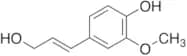
CAS:Purity:95.0%Molecular weight:397.26901245117194-(3-Hydroxyprop-1-en-1yl)-2-methoxyphenol
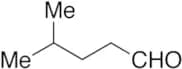
CAS:<p>Applications 4-(3-HYDROXYPROP-1-EN-1-YL)-2-METHOXYPHENOL (cas# 458-35-5) is a useful research chemical.<br></p>Formula:C10H12O3Color and Shape:NeatMolecular weight:180.204-Methylpentanal (up to 75% hydrated form)
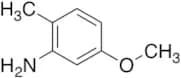
CAS:Controlled Product<p>Applications An intermediate used in the synthesis of Pregabalin (P704800) and related compounds.<br> Not a dangerous good if item is equal to or less than 1g/ml and there is less than 100g/ml in the package<br>References Posadas, I., et al.: Br. J. Pharmacol., 142, 331 (2004),<br></p>Formula:C6H12OColor and Shape:Colourless LiquidMolecular weight:100.165-Methoxy-2-methylaniline
CAS:Controlled Product<p>Applications 5-Methoxy-2-methylaniline (cas# 50868-72-9) is a useful research chemical.<br></p>Formula:C8H11NOColor and Shape:White To Dark BrownMolecular weight:137.1794-(3-methylphenyl)-3H,4H,5H,6H,7H-imidazo[4,5-c]pyridine-6-carboxylic acid
CAS:Purity:95.0%Molecular weight:257.29299926757818-methyl-4-(pyridine-4-carbonyl)-1-oxa-4,8-diazaspiro[4.5]decane-3-carboxylic acid
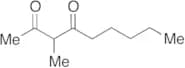
CAS:Purity:95.0%Molecular weight:305.33401489257813-Methylnonane-2,4-dione (>80%)
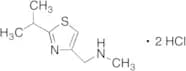
CAS:Controlled Product<p>Applications 3-Methylnonane-2,4-dione is a compound that possesses a butter-like and beany off flavour that is a result of flavour reversion of soya-bean oil. 3-Methylnonane-2,4-dione is also present in Japanese green tea and pressure-cooked hen meat.<br>References Farkaš, P., et al.: Food Chem., 60, 617 (1997); Guth, H. & Grosch, W.: Flav. Chem., No vol. given, 377 (1999); Kumazawa, K. & Masuda, H.: J. Agr. Food Chem., 47, 5169 (1999)<br></p>Formula:C10H18O2Purity:>80%Color and Shape:NeatMolecular weight:170.251-(2-Isopropylthiazol-4-yl)-N-methylmethanamine Dihydrochloride
CAS:<p>Applications 1-(2-Isopropylthiazol-4-yl)-N-methylmethanamine dihydrochloride (cas# 1185167-55-8) is a useful research chemical.<br></p>Formula:C8H14N2S·2ClHColor and Shape:NeatMolecular weight:243.201'-(tert-Butoxycarbonyl)-[1,4'-bipiperidine]-3-carboxylic acid
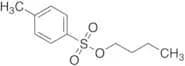
CAS:Purity:98+%Molecular weight:312.4100036621094Butyl 4-Methylbenzenesulfonate
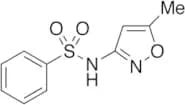
CAS:Controlled Product<p>Applications Butyl 4-methylbenzenesulfonate (cas# 778-28-9) is a useful research chemical.<br></p>Formula:C11H16O3SColor and Shape:NeatMolecular weight:228.31N-(5-Methyl-3-isoxazolyl)benzenesulfonamide
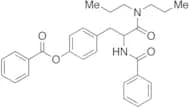
CAS:<p>Applications N-(5-Methyl-3-isoxazolyl)benzenesulfonamide is used in the preparation of isoxazolecarboxylic acid derivatives as agricultural fungicides.<br>References Gomes, J.R.B., et al.: Tetrahedron, 61, 2705 (2005),<br></p>Formula:C10H10N2O3SColor and Shape:Light Yellow SolidMolecular weight:238.26N,O-Dibenzoyl-DL-tyrosyl-N’,N’-dipropylamide
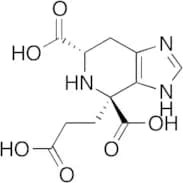
CAS:Controlled Product<p>Applications N,O-Dibenzoyl-DL-tyrosyl-N',N'-dipropylamide is a metabolite of the antispasmodic agent Tiropramide (T446900). Tiropramide impurity B.<br>References Janssen, et al.: J. Pharm. Pharmacol., 9, 381 (1956), Bertaccini, et al.: Br. J. Pharmac., 34, 310 (1968),<br></p>Formula:C29H32N2O4Color and Shape:White To Light RedMolecular weight:472.58Cucumopine
CAS:Controlled Product<p>Applications Cucumopine is used in biological studies to evaluate Agrobacterium rhizogenes cucumopine strain T-DNA ORF8 and its effects on transgenic tobacco root cultures.<br>References Bonfill, M., et al.: Curr. Top. Plant Biol., 3, 223 (2002);<br></p>Formula:C11H13N3O6Color and Shape:NeatMolecular weight:283.242-(tert-Butoxycarbonyl-methyl-amino)-benzoic acid
CAS:Formula:C13H17NO4Purity:97.0%Color and Shape:No data available.Molecular weight:251.2821-Methoxy-4-(1E)-1-propen-1-ylbenzene
CAS:<p>Applications 1-Methoxy-4-(1E)-1-propen-1-ylbenzene is a component of essential oils extracted from natural sources. It is also a possible inhibitor of protein kinase CK2α and CK2α’.<br>References Liang, Zhi-yuan, et al.: Shizhen Guoyi Guoyao, 25(7), 1602-1604 (2014);Benelli, Giovanni, et al.: Indus. Crops and Prod., 124, 236-243 (2018);Baier, Andrea, et al.: Phytochem., 136, 39-45 (2017)<br></p>Formula:C10H12OColor and Shape:NeatMolecular weight:148.203,5-Dichloro-4-methylaniline
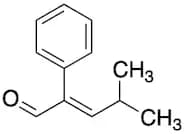
CAS:Controlled Product<p>Applications 3,5-Dichloro-4-methylaniline<br></p>Formula:C7H7Cl2NColor and Shape:NeatMolecular weight:176.043(E)-4-Methyl-2-phenyl-2-pentenal (Stabilized with α-tocopherol)
CAS:Controlled Product<p>Applications 4-METHYL-2-PHENYL-2-PENTENAL (cas# 26643-91-4) is a useful research chemical.<br></p>Formula:C12H14OColor and Shape:ColourlessMolecular weight:174.248-ethyl-4-(4-fluorobenzoyl)-1-oxa-4,8-diazaspiro[4.5]decane-3-carboxylic acid
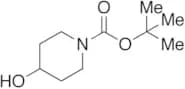
CAS:Purity:95.0%Molecular weight:336.3630065917969N-Boc-4-Hydroxypiperidine
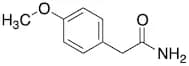
CAS:Controlled Product<p>Applications N-Boc-4-hydroxypiperidine is a 4-hydroxypyridine with a boc protecting group used in the preparation of neurologically active agents and other pharmaceutical compounds.<br>References Kwon, Y.E. et al.: Bioorg. Med. Chem., 15, 6596 (2007); Knutsen, L.J.S. et al.: J. Med. Chem., 42, 3463 (1999);<br></p>Formula:C10H19NO3Color and Shape:NeatMolecular weight:201.264-Methoxyphenylacetamide
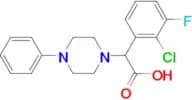
CAS:Controlled Product<p>Applications 4-METHOXYPHENYLACETAMIDE (cas# 6343-93-7) is a useful research chemical.<br></p>Formula:C9H11NO2Color and Shape:NeatMolecular weight:165.1892-(2-Chloro-3-fluorophenyl)-2-(4-phenylpiperazin-1-yl)acetic acid
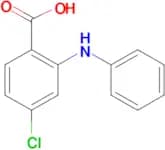
CAS:Molecular weight:348.799987792968754-Chloro-2-phenylamino-benzoic acid
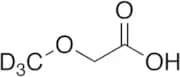
CAS:Formula:C13H10ClNO2Purity:95.0%Color and Shape:SolidMolecular weight:247.682-Methoxyacetic Acid-d3
CAS:Controlled Product<p>Applications: Isotope labelled analogue of 2-Methoxyacetic Acid, a synthetic intermediate in the synthesis of dimethyl(alkyloxy)[(methylsulfonyl)phenyl]furanones as COX-2 inhibitors.<br>Dangerous Goods Info: Not a dangerous good if item is equal to or less than 1g/ml and there is less than 100g/ml in the package<br>References Leblanc, Y., et al.: Bioorg. Med. Chem. Lett., 9, 2207 (1999);<br></p>Formula:C32H3H3O3Color and Shape:NeatMolecular weight:93.10N-Acetyl-L-cysteine-d3
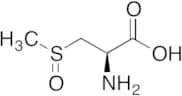
CAS:Controlled Product<p>Stability Hygroscopic<br>Applications A labelled metabolite of Methyl isocyanate.<br>References Slatter, J. G., et al.: Chem. Res. Toxicol., 4, 157 (1991),<br></p>Formula:C52H3H6NO3SColor and Shape:Off-WhiteMolecular weight:166.21S-Methyl-L-cysteine sulfoxide
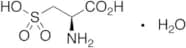
CAS:Controlled ProductFormula:C4H9NO3SColor and Shape:Off-WhiteMolecular weight:151.18L-Cysteic Acid Monohydrate
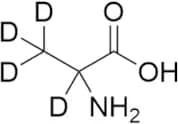
CAS:Controlled Product<p>Applications A major metabolite of non-essential amino acid L-Cysteine.<br>References Parsons, R.B. et al.: Neurotoxicol., 19, 599 (1998);<br></p>Formula:C3H7NO5S·H2OColor and Shape:White To Off-WhiteMolecular weight:187.17N-Methyl-L-alanine
CAS:Controlled Product<p>Applications N-Methyl-L-alanine is a reactant used in the preparation of site-specific trastuzumab maytansinoid antibody-drug conjugates with improved therapeutic activity.<br>References Pillow, T.H., et. al.: J. Med. Chem., 57, 7890 (2014)<br></p>Formula:C4H9NO2Color and Shape:NeatMolecular weight:103.12Methylpropylnitrosamine
CAS:Controlled Product<p>Applications Methylpropylnitrosamine is used in biological studies as human liver microsomal cytochrome P-450 enzymes which are involved in the bioactivation of procarcinogens detected by umu gene response in Salmonella typhimurium TA 1535/pSK1002.<br>References Shimada, T., et al.: Cancer Res., 48, 3218 (1989);<br></p>Formula:C4H10N2OColor and Shape:NeatMolecular weight:102.14(2R)-2-Hydroxyglutaric Acid Disodium Salt
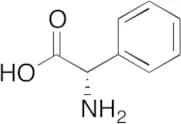
CAS:<p>Stability Hygroscopic<br>Applications A potential inhibitor of glutamate carboxypeptidase.<br>References Wolcott, T.G., et al.: Biochem. Biophys. Res. Commun., 57, 709 (1974), Knowles, P.F., et al.: Eur. J. Biochem., 114, 139 (1981),<br></p>Formula:C5H6O5·2NaColor and Shape:NeatMolecular weight:192.08L-(+)-2-Phenylglycine
CAS:<p>Applications L-(+)-2-Phenylglycine is a derivative of Glycine (G615990), the smallest of all the amino acids, and is also used to treat schizophrenia, stroke, and benign prostatic hyperplasia. L-(+)-2-Phenylglycine is also used as an N-linked side chain of an SMTP (Stachybotrys microspora tripenyl phenols) congener, which was potent in enhancing plasminogen activation in S. microspora.<br>References Gusev, E., et al.: Cerebrovasc. Dis., 10, 49 (2000); Koide, H., et al.: J. Antibiot., 65, 91 (2012); Rosse, R., et al.: Clin. Neuropharmacol., 12, 416 (1989); Tuszynski, G., et al.: Lab. Invest., 70, 228 (1994)<br></p>Formula:C8H9NO2Color and Shape:Off White Crystalline PowderMolecular weight:151.16263-Indolepropionic-d2 Acid
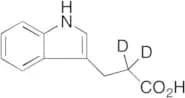
CAS:Controlled Product<p>Stability Hygroscopic<br>Applications 3-Indolepropionic-d2 acid is deuterium labelled 3-Indolepropionic acid (I627170). 3-Indolepropionic acid is a deamination product of Tryptophan (T947200) that protects the hippocampus (studied in gerbils) from ischemic damage and oxidative stress. It’s ability to protect the neurons in this way is attributed to its potent antioxidative effects. 3-Indolepropionic acid is also hypothesized to have protective effects on the thyroid gland.<br>References Hwang, I., et al.: J. Neurosci. Res., 87, 2126 (2009); Karbownik, M., et al.: J. Cell. Biochem., 95, 131 (2005)<br></p>Formula:C11D2H9NO2Color and Shape:NeatMolecular weight:191.22N-Carbamyl-L-glutamic Acid
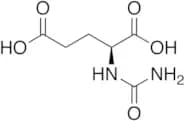
CAS:Controlled Product<p>Applications N-Carbamyl-L-glutamic Acid has been shown to have protective effects against ammonia intoxication and is used in the treatment of acute hyperammonemia.<br>References Paik, W.K. et al.: Life Sci., 15, 1189 (1974); O'Connor, J.E. et al.: Eur. J. Pediat., 148, 540 (1989); Lee, J.H. et al.: Biochem. Biophys. Res. Chem., 248, 391 (1998);<br></p>Formula:C6H10N2O5Color and Shape:NeatMolecular weight:190.15N'-tert-Butyl-3-methoxy-2-methylbenzohydrazide
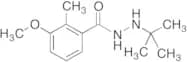
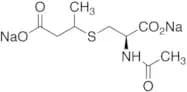
CAS:Controlled Product<p>Applications N'-tert-Butyl-3-methoxy-2-methylbenzohydrazide is an intermediate used in the synthesis of methoxyfenozide; an active ingredient for the commercial production of certain insecticidal and pesticidal formulations.<br>References Shao, J., et al.: Xiandai Nongyao, 2, 12, (2003), Mao, W. T., et al.: Chin. Chem. Lett., 23, 1233 (2012)<br></p>Formula:C13H20N2O2Color and Shape:NeatMolecular weight:236.31N-Acetyl-S-(3-carboxy-2-propyl)-L-cysteine Disodium Salt (Mixture of Diastereomers)
CAS:Controlled Product<p>Applications A metabolite of Crotonaldehyde.<br>References Gray, J.M., et al.: Xenobiotica, 1, 55 (1971), Chung, F., et al.: Mutat. Res., 424, 71 (1999), Smith, C., et al.: Food Chem. Toxicol., 38, 637 (2000), Pan, J., et al.: Chem. Res. Toxicol., 15, 367 (2002),<br></p>Formula:C9H13NO5S·2NaColor and Shape:NeatMolecular weight:293.25N-Acetyl-S-benzyl-d5-L-cysteine
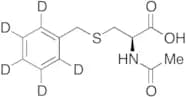
CAS:Controlled Product<p>Applications N-Acetyl-S-benzyl-d5-L-cysteine is deuterium labelled N-Acetyl-S-benzyl-L-cysteine, which is a metabolite of toluene.<br>References Gargas, M., et al.: Toxicol. Appl. Pharmacol., 98, 87 (1989), Commandeur, J., et al.: Pharmacol. Rev., 47(2), 271 (1995), Campo, P., et al.: Neurotoxicol. Teratol., 21, 427 (1999), Lohse, C., et al.: J. Agr. Food Chem., 48, 5913 (2000),<br></p>Formula:C12D5H10NO3SColor and Shape:NeatMolecular weight:258.35L-Homoarginine Hydrochloride
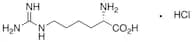
CAS:Controlled Product<p>Stability Moisture Sensitive<br>Applications An inhibitor of alkaline phosphatase isoenzymes. An analog of Homoarginine (H585000).<br>References Muth, W., et al.: J. Biol. Chem., 249, 7463 (1974), Hanukoglu, I., et al.: Eur. J. Biochem., 180, 479 (1989), Khaw, L., et al.: J. Bacteriol. 180, 809 (1998), Gallagher, D., et al.: J. Mol. Biol., 342, 119 (2004),<br></p>Formula:C7H16N4O2·ClHColor and Shape:NeatMolecular weight:224.692-Methyl Hippuric Acid-d7
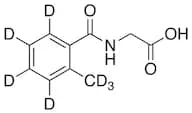
CAS:Controlled Product<p>Applications The main labelled metabolite of o-xylene.<br>References Gregus, Z., et al.: Drug Metab. Dispos., 26, 1082 (1998), Gregus, Z., et al.: Xenobiotica, 29, 547 (1999), Gonzalez-Reche, L., et al.: Arch. Toxicol., 77, 80 (2003),<br></p>Formula:C10D7H4NO3Color and Shape:NeatMolecular weight:200.24N-Boc-L-proline
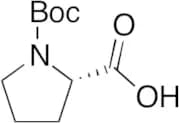
CAS:Controlled Product<p>Applications N-Boc-L-proline is a useful synthetic intermediate. It is used to synthesize Daclatasvir (D101500) which nhibits the HCV protein NS5A. Daclatasvir (D101500) can be used as a drug candidate for the treatment of hepatitis C (HCV).<br>References Gao, M., et al.: Nature, 465(7294), 96 (2010); Bell, T. W., Chem. Med. Chem., 5(10), 1663 (2010);<br></p>Formula:C10H17NO4Color and Shape:NeatMolecular weight:215.25N-Pivaloylglycine
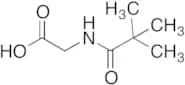
CAS:Controlled Product<p>Applications N-Pivaloylglycine is used in the biological study between dogs and rats. In a high dose toxicity study of pivalic acid (PA), PA caused skeletal muscle disorder in dog, and a significant increase of pivaloyl carnitine (PC) was observed in canine muscle, but not in rat muscle.<br>References Yamaguchi, T., et al.: Toxicol. Appl. Pharmacol., 214, 61-68 (2006)<br></p>Formula:C7H13NO3Color and Shape:NeatMolecular weight:159.18Indole-3-acetic-L-alanine
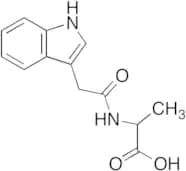
CAS:Controlled Product<p>Applications Indole-3-acetic-L-alanine is a derivative of the phytohormone indole-3-acetic acid (I577340) used in studies for the isolation and characterization of Arabdopsis thaliana mutants.<br>References Rampey, R.A., et al.: G3 (Bethesda), 3, 131-141 (2013)<br></p>Formula:C13H14N2O3Color and Shape:NeatMolecular weight:246.267-Fluoro-3,4-dihydro-4-methyl-1H-1,4-benzodiazepine-2,5-dione
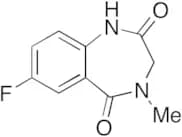
CAS:Controlled ProductFormula:C10H9FN2O2Color and Shape:NeatMolecular weight:208.19Dl-valine
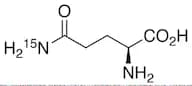
CAS:Controlled Product<p>Applications Dl-valine<br></p>Formula:C5H11NO2Color and Shape:NeatMolecular weight:117.15L-Glutamine-amide-¹⁵N
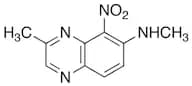
CAS:Controlled Product<p>Applications Labelled L-Glutamine (G597000). L-Glutamine is an essential amino acid that is a crucial component of culture media that serves as a major energy source for cells in culture. L-Glutamine is very stable as a dry powder and as a frozen solution. In liquid media or stock solutions, however, L-glutamine degrades relatively rapidly. Optimal cell performance usually requires supplementation of the media with L-glutamine prior to use.<br>References Rivett, A., et al.: J. Biol. Chem., 260, 300 (1985), Watford, M., et al.: Metabolism, 49, 141 (2000), Wilmore, D., et al.: J. Nutr., 131, 2543S (2001),<br></p>Formula:C5H1015NNO3Color and Shape:NeatMolecular weight:147.142-Methyl-7-methylamino-8-nitro-quinoxaline
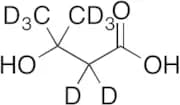
CAS:Controlled Product<p>Applications 2-Methyl-7-methylamino-8-nitro-quinoxaline (cas# 78411-55-9) is a compound useful in organic synthesis.<br></p>Formula:C10H10N4O2Color and Shape:NeatMolecular weight:218.21β-Hydroxyisovaleric Acid-d8
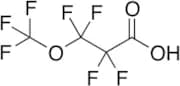
CAS:Controlled ProductFormula:C5H2D8O3Color and Shape:Colourless To YellowMolecular weight:126.18Perfluoro-3-methoxypropanoic Acid
CAS:<p>Applications Perfluoro-3-methoxypropanoic acid (cas# 377-73-1) is a useful research chemical.<br> Not a dangerous good if item is equal to or less than 1g/ml and there is less than 100g/ml in the package<br></p>Formula:C4HF7O3Color and Shape:NeatMolecular weight:230.04D-Glutamic Acid 1-tert-Butyl Ester
CAS:Controlled Product<p>Applications D-Glutamic acid 1-tert-butyl ester is a protected form of D-Glutamic acid (G596965). D-Glutamic acid is an unnatural isomer of L-Glutamic acid (G596960), and is found in bacterial cell wall peptidoglycan of gram-positive and gram-negative bacteria. D-Glutamic acid also occurs as poly-gamma-Glutamic acid, which is a weak immunogen but is capable of acting as a hapten (a small molecule that induces the production of antibodies, as well as binding to them).<br>References Dougherty, T., et al.: J. Bacteriol., 175, 111 (1993); Goodman, J. & Nitecki, D.: Immunology, 13, 577 (1967); Robinson, T.: Life Sci., 19, 1097 (1976)<br></p>Formula:C9H17NO4Color and Shape:NeatMolecular weight:203.24L-Ornithine Hydrochloride
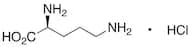
CAS:Controlled Product<p>Stability Hygroscopic<br>Applications L-Ornithine is a non-essential amino acid for human development but is required intermediate in arginine biosynthesis. L-Ornithine is found in virtually all vertebrate tissues as well as incorporated into proteins, such as tyrocidine. Isolation from chicken excreta.<br>References Fattori, D., et al.: J. Med. Chem., 50, 550 (2007), Gomez-Alonso, S., et al.: J. Agric. Food Chem., 55, 608 (2007), Subramaniam, R., et al.: Bioorg. Med. Chem. Lett., 18, 3333 (2008),<br></p>Formula:C5H12N2O2·ClHColor and Shape:White To Off-WhiteMolecular weight:168.62D-Lysine Methyl Ester Dihydrochloride
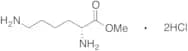
CAS:Controlled Product<p>Applications D-Lysine Methyl Ester is a protected form of D-Lysine (L468930). D-Lysine is the unnatural isomer of L-Lysine (L468895) that has the ability to reduce non-enzymatic glycation in vitro. D-Lysine also exists as polypeptide chains of poly-D-lysine, a nonspecific adhesion-promoting molecule that has the potential to be a polymeric drug carrier.<br>References Chen, Q. et al.: J. Biol. Chem., 269, 26602 (1994); Sensi, M., et al.: Diabetologia, 36, 797 (1993); Vermeersch, H. & Remon, J.: J. Control. Rel., 32, 225 (1994)<br></p>Formula:C7H16N2O2HClColor and Shape:NeatMolecular weight:233.136L-Allo-isoleucine
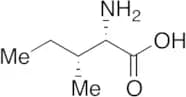
CAS:Controlled Product<p>Applications L-alloisoleucine is a stereo-isomer of L-isoleucine (I820175) and is produced as a byproduct of isoleucine via transamination. L-allo-isoleucine has been suggested to induce epithelial β-defensin expression. In addition, L-allo-isoleucine is utilized in the biosynthesis pathway for coronamic acid.<br>References Fehlbaum, P., et al.: Proc. Natl. Acad. Sci. USA 97, 12723 (2000); Parry, R. J., et al.: J. Am. Chem. Soc. 113, 1849 (1991)<br></p>Formula:C6H13NO2Color and Shape:NeatMolecular weight:131.171,6-Anhydro-β-D-glucopyranose-13C6
CAS:<p>Stability Hygroscopic<br>Applications Isotope labelled 1,6-Anhydro-β-D-glucopyranose (A648100), an compound that have been proven to be a valuable synthon for the preparation of various biologically important and structurally diverse products (e.g. rifamycin S, indanomycin, thromboxane B2, (+)-biotin, tetrodotoxin, quinone, and macrolide antibiotics) as well as for modified sugars.<br>References Fraser-Reid, B., et al. J. Am. Chem. Soc. 106, 731 (1984); Edwards, M.P., et al. J. Org. Chem. 49, 3503 (1984); Kelly, A.G., and Roberts, J.S. J. Chem. Soc., Chem. Commun. 228, (1980); Ogawa, T., et al. Carbohydr. Res. 57, C31 (1977); Isobe, M., et al. Tetrahedron Lett. 28, 6485 (1987);<br></p>Formula:C6H10O5Color and Shape:NeatMolecular weight:168.10N-(8-Aminooctyl)-1,8-octanediamine
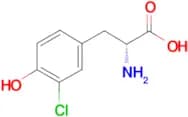
CAS:Controlled ProductFormula:C16H37N3Color and Shape:NeatMolecular weight:271.4853-Chloro-L-tyrosine
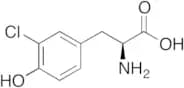
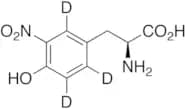
CAS:Controlled Product<p>Stability Hygroscopic<br>Applications 3-Chloro-L-tyrosine was used in the enzymatic synthesis of halogen derivatives of aromatic amino acids labeled with hydrogen isotope. 3-Chloro-L-tyrosine exhibited stronger antioxidant properties in Hb-induced oxidative stress as was evident by higher efficiency of reduction of ferryl species.<br>References Winnicka, E., et al.: J. Chem. Eng., 8, 54 (2014); Lu, N., et al.: Toxicol. In Vitro, 28, 847 (2014);<br></p>Formula:C9H10NO3ClColor and Shape:NeatMolecular weight:215.633-Nitro-L-tyrosine-d3
CAS:Controlled Product<p>Applications A labelled marker for peroxynitrite. Oxidant and cytotoxic agent.<br>References Sekiguchi, M., et al.: Brain Res., 978, 228 (2003), van den Tweel, E., et al.: J. Neurobiol., 167, 64 (2005), Shirakura, T., et al.: Biol. Pharm. Bull., 28, 1658 (2005),<br></p>Formula:C9D3H7N2O5Color and Shape:NeatMolecular weight:229.25-Amino-2-methyl-benzenesulfonamide
CAS:Controlled Product<p>Applications 5-amino-2-methyl-benzenesulfonamide (cas# 6973-09-7) is a useful research chemical.<br></p>Formula:C7H10N2O2SColor and Shape:NeatMolecular weight:186.23N-Benzyl-L-tyrosine
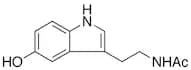
CAS:Controlled Product<p>Applications Protected L-Tyrosine (T899975), an amino acid, used by cells to synthesize proteins. L-Tyrosine is biologically converted from L-phenylalanine and is in turn is converted to L-DOPA and further converted into the neurotransmitters: dopamine, norepinephrine, and epinephrine.<br>References Rasmussen D.D. et al.: J. Clin. Endocrinol. Metab., 57, 760 (1983); Bagchi, S.P. et al.: Biochem. Pharmacol., 26, 900 (1977)<br></p>Formula:C16H17NO3Color and Shape:NeatMolecular weight:271.32N-Acetyl-5-hydroxytryptamine
CAS:<p>Stability Hygroscopic<br>Applications A metabolite of Melatonin (M215000).<br>References Reiter, R.J., et al.: J. Biomed. Sci., 7, 444 (2000), Chen, Z., et al.: Am. J. Physiol, 284, 1618 (2003), Barrenetxe, J., et al.: J. Physiol. Biochem., 60, 61 (2004),<br></p>Formula:C12H14N2O2Color and Shape:White To GreyMolecular weight:218.2518Nα-Acetyl-L-ornithine
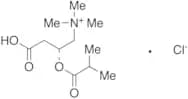
CAS:Controlled ProductFormula:C7H14N2O3Color and Shape:Off-WhiteMolecular weight:174.2Isobutyryl L-Carnitine Chloride
CAS:Controlled ProductFormula:C11H22NO4·ClColor and Shape:NeatMolecular weight:267.75


![3-[(4,6-Dimethylpyrimidin-2-yl)amino]benzoic acid](/_next/image/?url=https%3A%2Fstatic.cymitquimica.com%2Fproducts%2F10%2Fthumb-webp%2FF023725.webp&w=3840&q=75)


![8-ethyl-4-(4-methyl-3-nitrobenzoyl)-1-oxa-4,8-diazaspiro[4.5]decane-3-carboxylic acid](/_next/image/?url=https%3A%2Fstatic.cymitquimica.com%2Fproducts%2F10%2Fthumb-webp%2FF525692.webp&w=3840&q=75)

![2-[4-(3-Chlorophenyl)piperazin-1-yl]-2-(3-methylphenyl)acetic acid](/_next/image/?url=https%3A%2Fstatic.cymitquimica.com%2Fproducts%2F10%2Fthumb-webp%2FF300388.webp&w=3840&q=75)
![8-methyl-4-(2-phenylacetyl)-1-oxa-4,8-diazaspiro[4.5]decane-3-carboxylic acid](/_next/image/?url=https%3A%2Fstatic.cymitquimica.com%2Fproducts%2F10%2Fthumb-webp%2FF525619.webp&w=3840&q=75)
![1-[1-(2-methoxyethyl)piperidin-3-yl]methanamine](/_next/image/?url=https%3A%2Fstatic.cymitquimica.com%2Fproducts%2FTR%2Fthumb-webp%2FM139405.webp&w=3840&q=75)
![3a,4,5,9b-Tetrahydro-3 H -cyclopenta[ c ]quinoline-4-carboxylic acid](/_next/image/?url=https%3A%2Fstatic.cymitquimica.com%2Fproducts%2F10%2Fthumb-webp%2FF028952.webp&w=3840&q=75)
![8-ethyl-4-[2-(4-methoxyphenyl)acetyl]-1-oxa-4,8-diazaspiro[4.5]decane-3-carboxylic acid](/_next/image/?url=https%3A%2Fstatic.cymitquimica.com%2Fproducts%2F10%2Fthumb-webp%2FF525679.webp&w=3840&q=75)
![3-[4-(2-Methoxyphenyl)piperazin-1-yl]propan-1-amine](/_next/image/?url=https%3A%2Fstatic.cymitquimica.com%2Fproducts%2FTR%2Fthumb-webp%2FM229390.webp&w=3840&q=75)


![4-(3-bromobenzoyl)-8-ethyl-1-oxa-4,8-diazaspiro[4.5]decane-3-carboxylic acid](/_next/image/?url=https%3A%2Fstatic.cymitquimica.com%2Fproducts%2F10%2Fthumb-webp%2FF525689.webp&w=3840&q=75)
![4-(3-methylphenyl)-3H,4H,5H,6H,7H-imidazo[4,5-c]pyridine-6-carboxylic acid](/_next/image/?url=https%3A%2Fstatic.cymitquimica.com%2Fproducts%2F10%2Fthumb-webp%2FF522509.webp&w=3840&q=75)
![8-methyl-4-(pyridine-4-carbonyl)-1-oxa-4,8-diazaspiro[4.5]decane-3-carboxylic acid](/_next/image/?url=https%3A%2Fstatic.cymitquimica.com%2Fproducts%2F10%2Fthumb-webp%2FF525650.webp&w=3840&q=75)
![1'-(tert-Butoxycarbonyl)-[1,4'-bipiperidine]-3-carboxylic acid](/_next/image/?url=https%3A%2Fstatic.cymitquimica.com%2Fproducts%2F10%2Fthumb-webp%2FF736450.webp&w=3840&q=75)



![8-ethyl-4-(4-fluorobenzoyl)-1-oxa-4,8-diazaspiro[4.5]decane-3-carboxylic acid](/_next/image/?url=https%3A%2Fstatic.cymitquimica.com%2Fproducts%2F10%2Fthumb-webp%2FF525666.webp&w=3840&q=75)