


Amino Acids (AA)
Amino acids (AAs) are the fundamental building blocks of proteins, playing a crucial role in various biological processes. These organic compounds are essential for protein synthesis, metabolic pathways, and cell signaling. In this category, you will find a comprehensive range of amino acids, including essential, non-essential, and modified forms, which are vital for research in biochemistry, molecular biology, and nutritional sciences. At CymitQuimica, we provide high-quality amino acids to support your research and development needs, ensuring accuracy and reliability in your experimental outcomes.
Subcategories of "Amino Acids (AA)"
- Amino Acid Derivatives(3,955 products)
- Amino Acid and Amino Acid Related Compounds(3,436 products)
- Amino Acids with Oxygen or Sulphur(168 products)
- Boc- Amino Acids(351 products)
- Fmoc Amino Acids(1,710 products)
Found 38216 products of "Amino Acids (AA)"
Sort by
Purity (%)
0
100
|
0
|
50
|
90
|
95
|
100
5-Amino-6-methylbenzimidazolone
CAS:Controlled Product<p>Applications 5-Amino-6-methylbenzimidazolone<br></p>Formula:C8H9N3OColor and Shape:Light Beige To Light BrownMolecular weight:163.184-{[4-(dimethylamino)phenyl]methylidene}-1,2,3,4-tetrahydroacridine-9-carboxylic acid
CAS:Purity:95%Molecular weight:358.4415-Hydroxy-2-methyl-1H-imidazole-1-ethanol
CAS:Controlled Product<p>Applications 5-Hydroxy-2-methyl-1H-imidazole-1-ethanol is a degradation product of Metronidazole (M338880), an antibiotic.<br>References Perez, Tzayam, et al.: Electrochimica Acta, 165, 173-181 (2015)<br></p>Formula:C6H10N2O2Color and Shape:NeatMolecular weight:142.166-Methoxy-2-naphthol
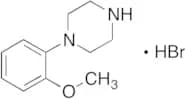
CAS:Controlled Product<p>Stability Light Sensitive<br>Applications 6-Methoxy-2-naphthol is a reactant in the development of sirtuin inhibitors from pyrazolone and isoxazol-5-one cambinol analogs.<br>References Mahajan, S.S., et. al.: J. Med. Chem., 57, 3283 (2014)<br></p>Formula:C11H10O2Color and Shape:NeatMolecular weight:174.201-(2-Methoxyphenyl)piperazine Hydrobromide
CAS:Controlled Product<p>Stability Hygroscopic<br>Applications 1-(2-Methoxyphenyl)piperazine Hydrobromide is a useful reagent for improving the synthesis of Eapidil.<br>References Wang, H., et al.: Anhui Huagong, 37, 23 (2011)<br></p>Formula:C11H16N2O·HBrColor and Shape:NeatMolecular weight:192.26 +(80.91)2'-Deoxy-N-methyl-cytidine
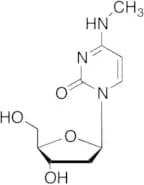
CAS:Controlled Product<p>Applications 2'-Deoxy-N-methyl-cytidine is a nucleotide derivative used as an analytical reagent.<br>References Dupret, D.: Biomed. Health. Res., 23(Human Genome Analysis), 244-255 (1998)<br></p>Formula:C10H15N3O4Color and Shape:NeatMolecular weight:241.244N-Acetyl-L-cysteine-d3
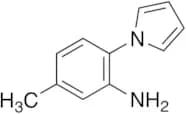
CAS:Controlled Product<p>Stability Hygroscopic<br>Applications A labelled metabolite of Methyl isocyanate.<br>References Slatter, J. G., et al.: Chem. Res. Toxicol., 4, 157 (1991),<br></p>Formula:C52H3H6NO3SColor and Shape:Off-WhiteMolecular weight:166.215-Methyl-2-(1H-pyrrol-1-yl)aniline
CAS:Controlled Product<p>Applications 5-methyl-2-(1H-pyrrol-1-yl)aniline (cas# 59194-21-7) is a useful research chemical.<br></p>Formula:C11H12N2Color and Shape:Orange Colour To Dark OrangeMolecular weight:172.226L-Argininic Acid
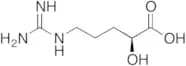
CAS:<p>Applications L-Argininic Acid is a guanidino compound, of which accumulation in tissue can cause Hyperargininemia.<br>References Deignan, J., et al.: Mol. Gen. Metab., 93, 172 (2008); Balz, D., et al.: Intl. J. Develop. Neurosci., 21, 75 (2003); Wyse, A., et al.: Brain Res., 923, 50 (2001)<br></p>Formula:C6H13N3O3Color and Shape:Off White SolidMolecular weight:175.19(1E)-N-Methyl-2-[1-(phenylmethyl)-1H-indol-5-yl]ethenesulfonamide
CAS:Controlled Product<p>Applications Intermediate for the preparation of Naratriptan and other indole sulfonamide derivatives.<br></p>Formula:C18H18N2O2SColor and Shape:NeatMolecular weight:326.414-Methyl-2-oxovaleric Acid Sodium Salt
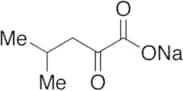
CAS:Controlled Product<p>Stability Hygroscopic<br>Applications 4-Methyl-2-oxovaleric Acid is an α-ketomonocarboxylic acid that triggers insulin release by acting upon receptor sites which differ from those occupied by amino acids. 4-Methyl-2-oxovaleric Acid is an intermediate in the metabolism of Leucine.<br>References Panten, U. et al.: Naun.-Schmied. Arch. Pharmacol., 291, 405 (1975); Vague, P. et al.: Diab. Metab., 1, 185 (1975); Francois, G. et al.: Lancet, 1, 858 (1984);<br></p>Formula:C6H9O3·NaColor and Shape:NeatMolecular weight:152.124-(2-methoxybenzoyl)-8-propyl-1-oxa-4,8-diazaspiro[4.5]decane-3-carboxylic acid
CAS:Purity:95.0%Molecular weight:362.42599487304691-Azido-2-(2-methoxyethoxy)ethane
CAS:Controlled Product<p>Applications 1-Azido-2-(2-methoxyethoxy)ethane (cas# 215181-61-6) is a useful research chemical.<br></p>Formula:C5H11NO2Color and Shape:NeatMolecular weight:145.16L-Carnitine-d9
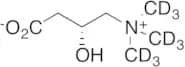
CAS:Controlled Product<p>Applications L-Carnitine-d9 is the isotope labelled analog of L-Carnitine (C184110); an essential cofactor of fatty acid metabolism; required for the transport of fatty acids through the inner mitochondrial membrane. Synthesized primarily in the liver and kidney; highest concentrations found in heart and skeletal muscle. Dietary sources include red meat, dairy products, beans, avocado.<br>References Mitchell, M.E., et al.: Am. J. Clin. Nutr., 31, 293 (1978); Lango, R., et al.: Cardiovasc. Res., 51, 21 (2001); Vaz, F.M., et al.: Biochem. J., et al.: 361, 417 (2002); Karlic, H., et al.: Nutrition, 20, 709 (2004)<br></p>Formula:C7D9H7NO3Color and Shape:NeatMolecular weight:171.268-Bromo-7-(2-butyn-1-yl)-3,7-dihydro-3-methyl-1-[(4-methyl-2-quinazolinyl)methyl]-1H-purine-2,6-dione
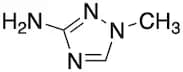
CAS:<p>Applications 8-Bromo-7-(2-butyn-1-yl)-3,7-dihydro-3-methyl-1-[(4-methyl-2-quinazolinyl)methyl]-1H-purine-2,6-dione is an intermediate used to prepare selective inhibitors of dipeptidyl peptidase 4 (DPP4) for potential use in the treatment of type 2 diabetes.<br>References Sutton, J., et al.: Bioorg. Med. Chem. Lett., 22, 1464 (2012); Lai, Z., et al.: Eur. J. Med. Chem., 83, 547 (2014)<br></p>Formula:C20H17BrN6O2Color and Shape:NeatMolecular weight:453.291-Methyl-1h-1,2,4-triazol-3-amine
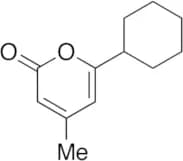
CAS:Controlled Product<p>Applications 1-Methyl-1h-1,2,4-triazol-3-amine (cas# 49607-51-4) is a useful research chemical.<br></p>Formula:C3H6N4Color and Shape:NeatMolecular weight:98.1066-Cyclohexyl-4-methyl-2H-pyran-2-one
CAS:Controlled Product<p>Impurity Ciclopirox EP Impurity B/ USP Ciclopirox Related Compound B<br>Applications 6-Cyclohexyl-4-methyl-2H-pyran-2-one (Ciclopirox EP Impurity B) is a a dialkylated pyranone derivative.<br></p>Formula:C12H16O2Color and Shape:NeatMolecular weight:192.254-Chloro-3-cyano-6-methoxy-7-[3-(4-methylpiperazin-1-yl)propoxy]quinoline
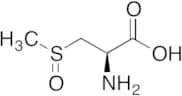
CAS:<p>Stability Hygroscopic<br>Applications 4-Chloro-3-cyano-6-methoxy-7-[3-(4-methylpiperazin-1-yl)propoxy]quinoline is a useful reagent to prepare benzofuranyl derivatives for treating solid tumours. It is also an impurity of Bosutinib.<br>References Hennequin, L. F. A. PCT Int. Appl. (2003), WO 2003047585 A1 20030612 (2003); Hennequin, L. F. A., Gibson, K. H., Foote, K. M. PCT Int. Appl. WO 2003047582 A1 20030612 (2003)<br></p>Formula:C19H23ClN4O2Color and Shape:Off White SolidMolecular weight:374.86S-Methyl-L-cysteine sulfoxide
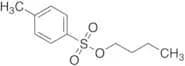
CAS:Controlled ProductFormula:C4H9NO3SColor and Shape:Off-WhiteMolecular weight:151.18Butyl 4-Methylbenzenesulfonate
CAS:Controlled Product<p>Applications Butyl 4-methylbenzenesulfonate (cas# 778-28-9) is a useful research chemical.<br></p>Formula:C11H16O3SColor and Shape:NeatMolecular weight:228.318-tert-butyl-4-[4-(dimethylamino)benzoyl]-1-oxa-4-azaspiro[4.5]decane-3-carboxylic acid
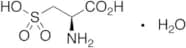
CAS:Purity:95.0%Molecular weight:388.50799560546875L-Cysteic Acid Monohydrate
CAS:Controlled Product<p>Applications A major metabolite of non-essential amino acid L-Cysteine.<br>References Parsons, R.B. et al.: Neurotoxicol., 19, 599 (1998);<br></p>Formula:C3H7NO5S·H2OColor and Shape:White To Off-WhiteMolecular weight:187.17(2E)-4-{[(tert-butoxy)carbonyl]amino}but-2-enoic acid
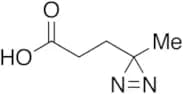
CAS:Purity:95.0%Color and Shape:Liquid, No data available.Molecular weight:201.22200012207033-Methyl-diazirine-3-propanoic Acid
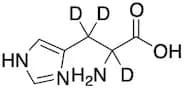
CAS:Controlled Product<p>Stability Light Sensitive<br>Applications 3-Methyl-diazirine-3-propanoic Acid is a reagent used in crosslinking sugars and photoactivatable crosslinking.<br>References Tanaka, Y. et al.: J. Am. Chem. Soc., 130, 3278 (2008);<br></p>Formula:C5H8N2O2Color and Shape:NeatMolecular weight:128.13DL-Histidine-α,β,β-d3
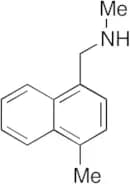
CAS:Controlled Product<p>Applications DL-Histidine-alpha,beta,beta-d3 (CAS# 344299-50-9) is a useful isotopically labeled research compound.<br></p>Formula:C6D3H6N3O2Color and Shape:Off-White To BeigeMolecular weight:158.18Methyl(4-methylnaphthalen-1-ylmethyl)amine
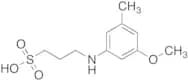
CAS:Controlled Product<p>Applications Methyl(4-methylnaphthalen-1-ylmethyl)amine is a reagent in the preparation of heterocyclic compounds as enoyl-acyl carrier protein reductase FabI inhibitors and antibacterial agents.<br>References Stuetz, A., et al.: J. Med. Chem., 29, 112 (1986); Berman, J., et al.: PCT Int. Appl., 2004:515512 (2004)<br></p>Formula:C13H15NColor and Shape:NeatMolecular weight:185.26N-3-(Sulfopropyl)-3-methoxy-5-methylaniline
CAS:Controlled Product<p>Applications N-3-(Sulfopropyl)-3-methoxy-5-methylaniline is used as a reagent for the evaluation of basic property and long-term stability of reagents for enzymically assaying triglyceride, cholesterol and uric acid.<br>References Yamaguchi, T., Iryo to Kensa Kiki-Shiyaku., 3, 591-597 (2007).<br></p>Formula:C11H17NO4SColor and Shape:NeatMolecular weight:259.32(2R)-2-Hydroxyglutaric Acid Disodium Salt
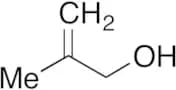
CAS:<p>Stability Hygroscopic<br>Applications A potential inhibitor of glutamate carboxypeptidase.<br>References Wolcott, T.G., et al.: Biochem. Biophys. Res. Commun., 57, 709 (1974), Knowles, P.F., et al.: Eur. J. Biochem., 114, 139 (1981),<br></p>Formula:C5H6O5·2NaColor and Shape:NeatMolecular weight:192.082-Methyl-2-propen-1-ol
CAS:Controlled Product<p>Stability Light Sensitive<br>Applications 2-Methyl-2-propen-1-ol has been used in the synthesis of C2-methyl-1,2-di-O-hexadecylglycerophosphocholine.<br> Not a dangerous good if item is equal to or less than 1g/ml and there is less than 100g/ml in the package<br>References Bittman, R., Witzke N.M.: Chem. Physics Lipid, 50, 99 (1989)<br></p>Formula:C4H8OColor and Shape:NeatMolecular weight:72.113-(2,3-Dihydro-1H-indol-1-yl)propanoic acid
CAS:Formula:C11H13NO2Purity:95.0%Color and Shape:SolidMolecular weight:191.23(R)-2,3,4,9-TETRAHYDRO-1H-PYRIDO[3,4-B]INDOLE-3-CARBOXYLIC ACID
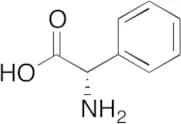
CAS:Purity:95.0%Molecular weight:216.24000549316406L-(+)-2-Phenylglycine
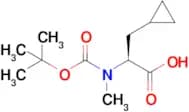
CAS:<p>Applications L-(+)-2-Phenylglycine is a derivative of Glycine (G615990), the smallest of all the amino acids, and is also used to treat schizophrenia, stroke, and benign prostatic hyperplasia. L-(+)-2-Phenylglycine is also used as an N-linked side chain of an SMTP (Stachybotrys microspora tripenyl phenols) congener, which was potent in enhancing plasminogen activation in S. microspora.<br>References Gusev, E., et al.: Cerebrovasc. Dis., 10, 49 (2000); Koide, H., et al.: J. Antibiot., 65, 91 (2012); Rosse, R., et al.: Clin. Neuropharmacol., 12, 416 (1989); Tuszynski, G., et al.: Lab. Invest., 70, 228 (1994)<br></p>Formula:C8H9NO2Color and Shape:Off White Crystalline PowderMolecular weight:151.1626(S)-2-((tert-Butoxycarbonyl)(methyl)amino)-3-cyclopropylpropanoic acid
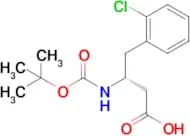
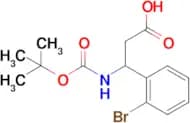
CAS:Purity:95%Molecular weight:243.302993774414063-(2-Bromophenyl)-3-((tert-butoxycarbonyl)amino)propanoic acid
CAS:Purity:97%Molecular weight:344.20498657226564-(2-phenylacetyl)-8-propyl-1-oxa-4,8-diazaspiro[4.5]decane-3-carboxylic acid
CAS:Purity:95.0%Molecular weight:346.4270019531258-benzyl-4-(2-phenylacetyl)-1-oxa-4,8-diazaspiro[4.5]decane-3-carboxylic acid
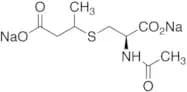
CAS:Purity:95.0%Molecular weight:394.47100830078125N-Acetyl-S-(3-carboxy-2-propyl)-L-cysteine Disodium Salt (Mixture of Diastereomers)
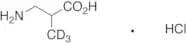
CAS:Controlled Product<p>Applications A metabolite of Crotonaldehyde.<br>References Gray, J.M., et al.: Xenobiotica, 1, 55 (1971), Chung, F., et al.: Mutat. Res., 424, 71 (1999), Smith, C., et al.: Food Chem. Toxicol., 38, 637 (2000), Pan, J., et al.: Chem. Res. Toxicol., 15, 367 (2002),<br></p>Formula:C9H13NO5S·2NaColor and Shape:NeatMolecular weight:293.25rac-3-Aminoisobutyric Acid-d3 Hydrochloride
CAS:Controlled Product<p>Stability Hygroscopic<br>Applications Labelled 3-Aminoisobutyric Acid (A611585). Substituted β-alanines. Used for preparation and isolation of D(-)-β-aminoisobutyric acid.<br>References Kakimoto, Y., et al.: J. Biol. Chem., 236, 3288 (1961),<br></p>Formula:C4H7D3ClNO2Color and Shape:NeatMolecular weight:142.64-(2-chlorophenyl)-3H,4H,5H,6H,7H-imidazo[4,5-c]pyridine-6-carboxylic acid
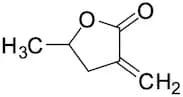
CAS:Purity:95.0%Molecular weight:277.7099914550781α-Methylene-γ-valerolactone
CAS:Controlled Product<p>Applications alpha-Methylene-gamma-valerolactone (cas# 62873-16-9) is a useful research chemical.<br></p>Formula:C6H8O2Color and Shape:NeatMolecular weight:112.1268-benzyl-4-(3-methylbut-2-enoyl)-1-oxa-4,8-diazaspiro[4.5]decane-3-carboxylic acid
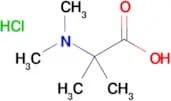
CAS:Purity:95.0%Molecular weight:358.437988281252-(Dimethylamino)-2-methylpropanoic acid hydrochloride
CAS:Purity:95%Molecular weight:167.6300048828125(E)-2-Cyano-3-(4-(4-(2,2-diphenylvinyl)phenyl)-1,2,3,3a,4,8b-hexahydrocyclopenta[b]indol-7-yl)acrylic acid
CAS:Purity:98+%Color and Shape:SolidMolecular weight:508.6210021972664,4'-Methylenebis[2-chlorophenol]
CAS:Controlled Product<p>Applications 4,4'-Methylenebis[2-chlorophenol] is used in the manufacture of fire-resistant polyester material and is used in the synthesis of photo-sensitive print plates.<br> Not a dangerous good if item is equal to or less than 1g/ml and there is less than 100g/ml in the package<br>References Yu, S. et al.: Faming Zhuanli Shenqing (2009), CN 101597219 A 20091209.<br></p>Formula:C13H10Cl2O2Color and Shape:NeatMolecular weight:269.124-(4-methoxybenzoyl)-8-propyl-1-oxa-4,8-diazaspiro[4.5]decane-3-carboxylic acid
CAS:Purity:95.0%Molecular weight:362.42599487304694-(2-bromobenzoyl)-8-methyl-1-oxa-4,8-diazaspiro[4.5]decane-3-carboxylic acid
CAS:Purity:95.0%Molecular weight:383.242004394531254-(3-chlorophenyl)-3H,4H,5H,6H,7H-imidazo[4,5-c]pyridine-6-carboxylic acid
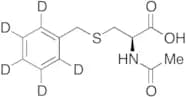
CAS:Purity:95.0%Molecular weight:277.7099914550781N-Acetyl-S-benzyl-d5-L-cysteine
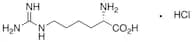
CAS:Controlled Product<p>Applications N-Acetyl-S-benzyl-d5-L-cysteine is deuterium labelled N-Acetyl-S-benzyl-L-cysteine, which is a metabolite of toluene.<br>References Gargas, M., et al.: Toxicol. Appl. Pharmacol., 98, 87 (1989), Commandeur, J., et al.: Pharmacol. Rev., 47(2), 271 (1995), Campo, P., et al.: Neurotoxicol. Teratol., 21, 427 (1999), Lohse, C., et al.: J. Agr. Food Chem., 48, 5913 (2000),<br></p>Formula:C12D5H10NO3SColor and Shape:NeatMolecular weight:258.35L-Homoarginine Hydrochloride
CAS:Controlled Product<p>Stability Moisture Sensitive<br>Applications An inhibitor of alkaline phosphatase isoenzymes. An analog of Homoarginine (H585000).<br>References Muth, W., et al.: J. Biol. Chem., 249, 7463 (1974), Hanukoglu, I., et al.: Eur. J. Biochem., 180, 479 (1989), Khaw, L., et al.: J. Bacteriol. 180, 809 (1998), Gallagher, D., et al.: J. Mol. Biol., 342, 119 (2004),<br></p>Formula:C7H16N4O2·ClHColor and Shape:NeatMolecular weight:224.69Acetic acid, 2-[2-[4-[(R)-(4-chlorophenyl)phenylmethyl]-1-piperazinyl]ethoxy]-, hydrochloride (1:2)
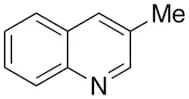
CAS:Purity:98%Molecular weight:461.809997558593753-Methylquinoline
CAS:Controlled Product<p>Applications It can be degraded efficiently by the QL-degrading bacteria.<br>References Shukla, O., et al.: Microbios., 59, 47 (1989), Oh, Y; Biotechnol Bioeng 1994, 44, 533,,,<br></p>Formula:C10H9NColor and Shape:NeatMolecular weight:143.194-(4-ethoxyphenyl)-3H,4H,5H,6H,7H-imidazo[4,5-c]pyridine-6-carboxylic acid
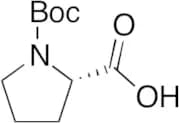
CAS:Purity:95.0%Molecular weight:287.3190002441406N-Boc-L-proline
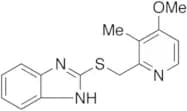
CAS:Controlled Product<p>Applications N-Boc-L-proline is a useful synthetic intermediate. It is used to synthesize Daclatasvir (D101500) which nhibits the HCV protein NS5A. Daclatasvir (D101500) can be used as a drug candidate for the treatment of hepatitis C (HCV).<br>References Gao, M., et al.: Nature, 465(7294), 96 (2010); Bell, T. W., Chem. Med. Chem., 5(10), 1663 (2010);<br></p>Formula:C10H17NO4Color and Shape:NeatMolecular weight:215.254-Desmethoxypropoxyl-4-methoxy S-Deoxo Rabeprazole
CAS:Controlled Product<p>Impurity Rabeprazole EP Impurity G<br>Applications Used in the preparation of 2-[[(2-pyridyl)methyl]thio]-1H-benzimidazoles derivatives as anti helicobacter pylori agents.<br>References Kuehler, T. et al.: J. Med. Chem., 41, 1777 (1998)<br></p>Formula:C15H15N3OSColor and Shape:WhiteMolecular weight:285.368-methyl-4-(naphthalene-2-carbonyl)-1-oxa-4,8-diazaspiro[4.5]decane-3-carboxylic acid
CAS:Purity:95.0%Molecular weight:354.4060058593754-Hydroxy-3-methylpyridine
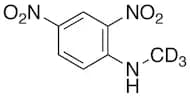
CAS:Controlled Product<p>Applications 4-Hydroxy-3-methylpyridine, is an building block used in the chemical synthesis of various pharmaceutical and biologically active compounds. It is an intermediate for the synthesis of second generation agonist of the orphan G-protein coupled receptor GPR119, for the treatment of diabetes.<br>References Graeme, S., et al.: Bioorg. Med. Chem. Lett., 22, 1750 (2012);<br></p>Formula:C6H7NOColor and Shape:NeatMolecular weight:109.126N-Methyl-2,4-dinitroaniline-d3
CAS:Controlled Product<p>Applications N-Methyl-2,4-dinitroaniline-d3 (cas# 91808-45-6) is a compound useful in organic synthesis.<br> Not a dangerous good if item is equal to or less than 1g/ml and there is less than 100g/ml in the package<br></p>Formula:C7H4D3N3O4Color and Shape:BrownMolecular weight:200.176-methyl-8-nitro-3a,4,5,9b-tetrahydro-3H-cyclopenta[c]quinoline-4-carboxylic acid
CAS:Purity:95.0%Molecular weight:274.27600097656258-benzyl-4-hexanoyl-1-oxa-4,8-diazaspiro[4.5]decane-3-carboxylic acid
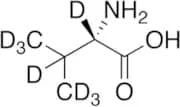
CAS:Purity:95.0%Molecular weight:374.4809875488281L-Valine-d8
CAS:Controlled Product<p>Applications Labelled analogue of L-Vailne. L-Valine is an essential amino acid and one of 20 proteinogenic amino acids. L-Valine cannot be manufactured by the body and must be acquired through diet or supplementation. L-valine is found in grains, dairy products, mushrooms, meats, peanuts and soy proteins. L-Valine has been used in studies to attenuate arrhythmias and induce hypotensive effects.<br>References Choi, C.W. et al.: Anim. Feed Sci. Technol., 102, 15 (2002); Kolarski, D. et al.: Krmiva, 30, 155 (1988); Oba, M. et al.: J. Dairy Sci., 93, 2044 (2010); Mitrega, K. et al.: Pharmacol. Res., 64, 218 (2011);<br></p>Formula:C52H8H3NO2Color and Shape:NeatMolecular weight:125.20(3S,3aS,6aS)-5-(tert-Butoxycarbonyl)hexahydro-2H-furo[2,3-c]pyrrole-3-carboxylic acid
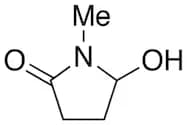
CAS:Purity:95%Molecular weight:257.28601074218755-Hydroxy-N-methyl-2-pyrrolidinone
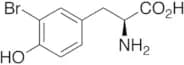
CAS:Controlled Product<p>Applications 5-Hydroxy-N-methyl-2-pyrrolidinone is a metabolite of N-methylpyrrolidone (NMP).<br>References Payan, J., et al.: Drug Metab. Dispos., 30, 1418 (2002), Carnerup, M., et al.: Food Chem. Toxicol., 43, 1441 (2005), Angerer, J., et al.: Toxicol. Sci., 93, 3 (2006),<br></p>Formula:C5H9NO2Color and Shape:NeatMolecular weight:115.133-Bromo-L-tyrosine
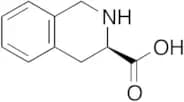
CAS:Controlled Product<p>Applications 3-Bromo-L-tyrosine is used in the preparation and synthesis of polyclonal antibodies that work against brominated protein related allergic responses and afflictions. Also effective in asthma control and prediction in children.<br>References Kambayashi, Y. et al.: J. Clin. Biochem., 44, 95 (2009); Wedes, S. et al.: J. Ped., 159, 248 (2011);<br></p>Formula:C9H10BrNO3Color and Shape:White To Light BrownMolecular weight:260.08(R)-1,2,3,4-Tetrahydroisoquinoline-3-carboxylic Acid
CAS:Controlled Product<p>Applications (R)-1,2,3,4-Tetrahydroisoquinoline-3-carboxylic Acid, is an amino acid building block used in peptide synthesis. With a growing peptide drug market the fast, reliable synthesis of peptides is of great importance.<br></p>Formula:C10H11NO2Color and Shape:NeatMolecular weight:177.208-methyl-4-(4-methyl-3-nitrobenzoyl)-1-oxa-4,8-diazaspiro[4.5]decane-3-carboxylic acid
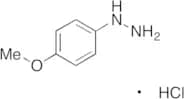
CAS:Purity:95.0%Molecular weight:363.3699951171875(4-Methoxyphenyl)hydrazine Hydrochloride
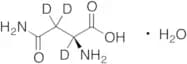
CAS:<p>Stability Light Sensitive<br>Applications 4-Methoxyphenylhydrazine hydrochloride was used in the preparation of 5-cyano-3-(5-methoxy-2-methylindol-3-yl)-1,2,4-thiadiazole. It was also used to synthesize diarylpyrazoles as possible cyclooxygenase 2 ((COX-2)) inhibitors.<br>References Iwakawa, T., et al.: Chem. Pharm. Bull., 48, 160 (2000); Penning, T., et al.: J. Med. Chem., 40, 1347 (1997)<br></p>Formula:C7H10N2O·HClColor and Shape:Off-White To Light PurpleMolecular weight:138.17 + 36.46L-Asparagine-d3 Hydrate
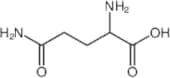
CAS:Controlled Product<p>Applications L-Asparagine-d3 Hydrate is an isotope labelled L-Asparagine Hydrate, a naturally occurring amino acid that is not a essential for humans and can be synthesized from central metabolic pathway intermediates.<br>References Burda, P., et al.: Biochim. Biophys. Acta., 1426, 239 (1999); Yamane, H., et al.: Animal. Sci. J., 80, 286 (2009);<br></p>Formula:C4D3H5N2O3·H2OColor and Shape:White To Off-WhiteMolecular weight:153.1517DL-glutamine
CAS:Controlled Product<p>Applications DL-glutamine<br></p>Formula:C5H10N2O3Color and Shape:NeatMolecular weight:146.142-Mercapto-4-methyl-5-thiazoleacetic Acid
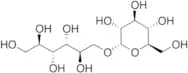
CAS:Controlled Product<p>Applications 2-Mercapto-4-methyl-5-thiazoleacetic Acid is used as a reagent for determination of hydroxylamine using fused gold nanoparticles immobilized on sol-gel film modified gold electrode.<br> Not a dangerous good if item is equal to or less than 1g/ml and there is less than 100g/ml in the package<br>References Kannan, P., John, A.: Anal. Chim. Acta, 663, 158 (2010);<br></p>Formula:C6H7NO2S2Color and Shape:NeatMolecular weight:189.261-O-α-D-Glucopyranosyl-D-mannitol
CAS:Controlled Product<p>Applications 1-O-ALPHA-D-GLUCOPYRANOSYL-D-MANNITOL is used in the nutritional and biochemical investigations on disaccharide alcohols.<br>References Grupp, U., et al.: Nutr. Metab., 21, 63 (1977)<br></p>Formula:C12H24O11Color and Shape:NeatMolecular weight:344.314-benzoyl-8-ethyl-1-oxa-4,8-diazaspiro[4.5]decane-3-carboxylic acid
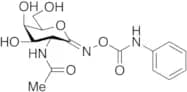
CAS:Purity:95.0%Molecular weight:318.37298583984375Galacto-PUGNAc (>90%)
CAS:Controlled Product<p>Stability Moisture and Temperature Sensitive<br>Applications Galacto-PUGNAc is a highly selective inhibitor for β-hexosaminidases HEXA and HEXB is cell-permeable. Galacto-PUGNAc is able to modulate the activity of HEXA and HEXB in tissue culture, increasing ganglioside GM2 levels in neuroblastoma cells<br>References Stubbs, K.A. et al.: Angew. Chem. Int. Ed., 48, 1300 (2009);<br></p>Formula:C15H19N3O7Purity:>90%Color and Shape:NeatMolecular weight:353.331-Isobutyl-2,3,4,9-tetrahydro-1H-pyrido[3,4-b]indole-3-carboxylic acid
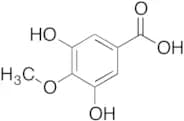
CAS:Purity:97%Molecular weight:272.34799194335943,5-Dihydroxy-4-methoxybenzoic Acid
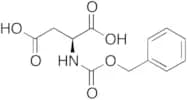
CAS:Controlled Product<p>Applications 3,5-Dihydroxy-4-methoxybenzoic Acid is a useful building block in organic synthesis.<br>References Ghosh, Koushik, et al.: Angewandte Chemie, I.E., 55(27), 7821-7825 (2016);Vergne, Fabrice, et al.: Bioorg. & Medi. Chem. Let., 14(18), 4607-4613 (2004)<br></p>Formula:C8H8O5Color and Shape:NeatMolecular weight:184.15N-Cbz-L-aspartic Acid
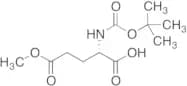
CAS:Controlled Product<p>Applications N-Cbz-L-aspartic acid is an N-Cbz-protected form of L-Aspartic acid (A790024). L-Aspartic acid is a nonessential amino acid that is used to biosynthesize other amino acids within the human body. L-Aspartic acid also increases membrane conductance of mammalian neurons by voltage-dependent means, causing depolarization and nerve impulses that travel to key areas of the central nervous system.<br>References Anderson, H., et al.: J. Nutr., 99, 82 (1969); Honey, C., et al.: Neurosci. Lett., 61, 135 (1985); MacDonald, J., et al.: Brain Res., 237, 248 (1982)<br></p>Formula:C12H13NO6Color and Shape:White To Off-WhiteMolecular weight:267.23N-Boc-L-glutamic Acid 5-Methyl Ester
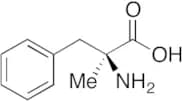
CAS:Controlled Product<p>Applications N-Boc-L-glutamic Acid 5-Methyl Ester is an intermediate used in the synthesis of Isodesmosine Chloride Hydrate (Synthetic) (I815051), which is a component of elastin and also it is extremely hygroscopic and must be stored over a desiccant such as silica gel.<br>References Partridge, S., et al.: Nature, 209, 399 (1966)<br></p>Formula:C11H19NO6Color and Shape:NeatMolecular weight:261.27α-Methyl-L-phenylalanine
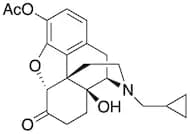
CAS:Controlled Product<p>Applications α-Methyl-L-phenylalanine is used to prepare hippuryl-α-methylphenylalanine and hippuryl-α-methylphenyllactic acid as substrates for carboxypeptidase A. It is also used in the synthesis of high affinity tachykinin NK2 receptor antagonists.<br>References Lee, M., et al.: Bioorg. Med. Chem., 8, 815 (2000); Boyle, S., et al.: Bioorg. Med. Chem., 2, 101 (1994)<br></p>Formula:C10H13NO2Color and Shape:NeatMolecular weight:179.223-O-Acetylnaltrexone
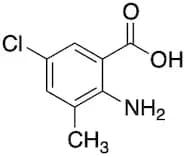
CAS:Controlled ProductFormula:C22H25NO5Color and Shape:White To Off-WhiteMolecular weight:383.442-Amino-5-chloro-3-methylbenzoic Acid
CAS:Controlled Product<p>Applications 2-Amino-5-chloro-3-methylbenzoic Acid is a useful research chemical for the preparation of benzoyl urea containing anthranillic acid groups with insecticidal activity.<br>References Peng, Y., et al.: Nongyao, 48, 326 (2009);<br></p>Formula:C8H8NO2ClColor and Shape:NeatMolecular weight:185.62-Methyl-4-nitroaniline
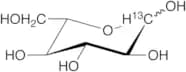
CAS:Controlled Product<p>Applications A red azoic dye. Dyes and metabolites, Environmental Testing<br>References Hoover, K., et al.: Chem. Res. Toxicol., 18, 1497 (2005), Altenburger, R., et al.: Environ. Toxicol. Chem., 24, 324 (2005), Gonzalez, M., et al.: Bioorg. Med. Chem., 13, 1775 (2005),<br></p>Formula:C7H8N2O2Color and Shape:YellowMolecular weight:152.15L-Glucose-1-13C
CAS:Controlled Product<p>Applications Labelled L-Glucose is the enantiomer of D-Glucose (G595000), a naturally occurring carbohydrate used in an abundance of cellular processes. L-Glucose is a synthetic sugar used in the formation of L-Glucose Pentaacetate (G596510), a potential therapeutic agent regarding type II diabetes. In addition, L-glucose can be used as a colon cleansing agent for before a colonoscopy procedure.<br>References Malaisse, W. et al.: Int. J. Mol. Med., 2, 383 (1998); Raymer, G. et al.: Gastrointest. Endosc., 58, 30 (2003); Wang, R., et al.: J. Mol. Catal. B. Enz., 56, 131 (2009),<br></p>Formula:CC5H12O6Color and Shape:NeatMolecular weight:181.1491'-(TERT-BUTOXYCARBONYL)SPIRO[CHROMAN-4,4'-PIPERIDINE]-2-CARBOXYLIC ACID
CAS:Purity:95.0%Molecular weight:347.4110107421875rac 2-Aminothiazoline-4-carboxylic Acid
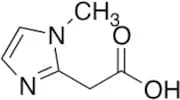
CAS:Controlled Product<p>Stability Hygroscopic<br>Applications Used in the manufacturing of L-tryptophan by enzymic reaction.<br>References Franke, L., et al.: J. Med. Chem., 48, 6997 (2005), Fox, T., et al.: Curr. Top Med. Chem., 6, 1579 (2006),<br></p>Formula:C4H6N2O2SColor and Shape:NeatMolecular weight:146.17(1-Methyl-1H-imidazol-2-yl)-acetic Acid
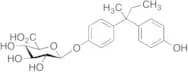
CAS:Controlled Product<p>Applications (1-Methyl-1H-imidazol-2-yl)-acetic acid (cas# 118054-54-9) is a useful research chemical.<br></p>Formula:C6H8N2O2Color and Shape:Off WhiteMolecular weight:140.14Bisphenol B Mono-b-D-glucuronide
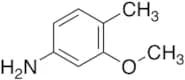
<p>Applications Bisphenol B Mono-β-D-glucuronide is a metabolite of Bisphenol B (B519565), which is the analogue of Bisphenol A (B519495), that is used to make certain plastic an epoxy resins. BPA and its analogs, are also shown to activate human pregnane X receptor (PXR), a nuclear receptor that functions as a master regulator of xenobiotic metabolism.<br>References Krishnan, A.V., et al.: Endocrinology, 132, 2279 (1993); Steinmetz, R., et al.: Trends Endocrinol. Metab., 9, 124 (1998); Petersen, H., et al.: Eur. Food Res. Technol., 216, 355 (2003); Yipeng, S., et al.: Env Hea. Pers., 120, 399 (2012);<br></p>Formula:C22H26O8Color and Shape:White To Off-WhiteMolecular weight:418.443-Methoxy-4-methylaniline
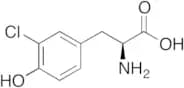
CAS:Controlled Product<p>Applications 3-Methoxy-4-methylaniline (cas# 16452-01-0) is a useful research chemical.<br></p>Formula:C8H11NOColor and Shape:NeatMolecular weight:137.1793-Chloro-L-tyrosine
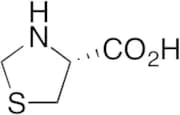
CAS:Controlled Product<p>Stability Hygroscopic<br>Applications 3-Chloro-L-tyrosine was used in the enzymatic synthesis of halogen derivatives of aromatic amino acids labeled with hydrogen isotope. 3-Chloro-L-tyrosine exhibited stronger antioxidant properties in Hb-induced oxidative stress as was evident by higher efficiency of reduction of ferryl species.<br>References Winnicka, E., et al.: J. Chem. Eng., 8, 54 (2014); Lu, N., et al.: Toxicol. In Vitro, 28, 847 (2014);<br></p>Formula:C9H10NO3ClColor and Shape:NeatMolecular weight:215.63L-Thioproline
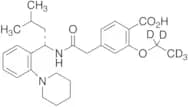
CAS:<p>Applications L-Thioproline is used to create a monolayer on gold electrodes for the determination Copper(II). L-Thioproline has shown to be an effect inhibitor of proline absorption in Saccharomyces chevalieri.<br> Not a dangerous good if item is equal to or less than 1g/ml and there is less than 100g/ml in the package<br>References Cui, X., et. al.: Sci. China Chem., 53, 257 (2010); Magana-Schwenchke, N., Schwencke, J.: BBA-Biomembranes, 173, 313 (1969)<br></p>Formula:C4H7NO2SColor and Shape:NeatMolecular weight:133.17Repaglinide-ethyl-d5
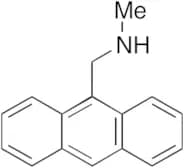
CAS:Controlled Product<p>Applications Deuterated Repaglinide, a non-sulfonylurea oral hypoglycemic agent which is used as an antidiabetic.<br>References Wolffenbuttel, B.H.R., et al.: Eur. J. Clin. Pharmacol., 45, 113 (1993), Ampudia-Blasco, F.J., et al.: Diabetologia, 37, 703 (1994),<br></p>Formula:C272H5H31N2O4Color and Shape:White SolidMolecular weight:457.629-(N-Methylaminomethyl)anthracene
CAS:Controlled Product<p>Applications 9-(N-Methylaminomethyl)anthracene is a reactant that has been used in the synthesis of anthracene-oxyquinoline dyad as a fluorescent indicator for Hg(II).<br>References Praveen, L., et. al.: Tetrahedron Lett., 53, 3951 (2012)<br></p>Formula:C16H15NColor and Shape:NeatMolecular weight:221.38-ethyl-4-(3-nitrobenzoyl)-1-oxa-4,8-diazaspiro[4.5]decane-3-carboxylic acid
CAS:Purity:95.0%Molecular weight:363.3699951171875


![4-{[4-(dimethylamino)phenyl]methylidene}-1,2,3,4-tetrahydroacridine-9-carboxylic acid](/_next/image/?url=https%3A%2Fstatic.cymitquimica.com%2Fproducts%2F10%2Fthumb-webp%2FF985969.webp&w=3840&q=75)



![(1E)-N-Methyl-2-[1-(phenylmethyl)-1H-indol-5-yl]ethenesulfonamide](/_next/image/?url=https%3A%2Fstatic.cymitquimica.com%2Fproducts%2FTR%2Fthumb-webp%2FM320600.webp&w=3840&q=75)

![4-(2-methoxybenzoyl)-8-propyl-1-oxa-4,8-diazaspiro[4.5]decane-3-carboxylic acid](/_next/image/?url=https%3A%2Fstatic.cymitquimica.com%2Fproducts%2F10%2Fthumb-webp%2FF525737.webp&w=3840&q=75)

![8-Bromo-7-(2-butyn-1-yl)-3,7-dihydro-3-methyl-1-[(4-methyl-2-quinazolinyl)methyl]-1H-purine-2,6-di…](/_next/image/?url=https%3A%2Fstatic.cymitquimica.com%2Fproducts%2FTR%2Fthumb-webp%2FB680510.webp&w=3840&q=75)
![4-Chloro-3-cyano-6-methoxy-7-[3-(4-methylpiperazin-1-yl)propoxy]quinoline](/_next/image/?url=https%3A%2Fstatic.cymitquimica.com%2Fproducts%2FTR%2Fthumb-webp%2FC380750.webp&w=3840&q=75)
![8-tert-butyl-4-[4-(dimethylamino)benzoyl]-1-oxa-4-azaspiro[4.5]decane-3-carboxylic acid](/_next/image/?url=https%3A%2Fstatic.cymitquimica.com%2Fproducts%2F10%2Fthumb-webp%2FF525783.webp&w=3840&q=75)
![(2E)-4-{[(tert-butoxy)carbonyl]amino}but-2-enoic acid](/_next/image/?url=https%3A%2Fstatic.cymitquimica.com%2Fproducts%2F10%2Fthumb-webp%2FF521131.webp&w=3840&q=75)



![(R)-2,3,4,9-TETRAHYDRO-1H-PYRIDO[3,4-B]INDOLE-3-CARBOXYLIC ACID](/_next/image/?url=https%3A%2Fstatic.cymitquimica.com%2Fproducts%2F10%2Fthumb-webp%2FF330939.webp&w=3840&q=75)
![4-(2-phenylacetyl)-8-propyl-1-oxa-4,8-diazaspiro[4.5]decane-3-carboxylic acid](/_next/image/?url=https%3A%2Fstatic.cymitquimica.com%2Fproducts%2F10%2Fthumb-webp%2FF525718.webp&w=3840&q=75)
![8-benzyl-4-(2-phenylacetyl)-1-oxa-4,8-diazaspiro[4.5]decane-3-carboxylic acid](/_next/image/?url=https%3A%2Fstatic.cymitquimica.com%2Fproducts%2F10%2Fthumb-webp%2FF525793.webp&w=3840&q=75)
![4-(2-chlorophenyl)-3H,4H,5H,6H,7H-imidazo[4,5-c]pyridine-6-carboxylic acid](/_next/image/?url=https%3A%2Fstatic.cymitquimica.com%2Fproducts%2F10%2Fthumb-webp%2FF522488.webp&w=3840&q=75)
![8-benzyl-4-(3-methylbut-2-enoyl)-1-oxa-4,8-diazaspiro[4.5]decane-3-carboxylic acid](/_next/image/?url=https%3A%2Fstatic.cymitquimica.com%2Fproducts%2F10%2Fthumb-webp%2FF525811.webp&w=3840&q=75)
![(E)-2-Cyano-3-(4-(4-(2,2-diphenylvinyl)phenyl)-1,2,3,3a,4,8b-hexahydrocyclopenta[b]indol-7-yl)acry…](/_next/image/?url=https%3A%2Fstatic.cymitquimica.com%2Fproducts%2F10%2Fthumb-webp%2FF759999.webp&w=3840&q=75)
![4,4'-Methylenebis[2-chlorophenol]](/_next/image/?url=https%3A%2Fstatic.cymitquimica.com%2Fproducts%2FTR%2Fthumb-webp%2FM625390.webp&w=3840&q=75)
![4-(4-methoxybenzoyl)-8-propyl-1-oxa-4,8-diazaspiro[4.5]decane-3-carboxylic acid](/_next/image/?url=https%3A%2Fstatic.cymitquimica.com%2Fproducts%2F10%2Fthumb-webp%2FF525716.webp&w=3840&q=75)
![4-(2-bromobenzoyl)-8-methyl-1-oxa-4,8-diazaspiro[4.5]decane-3-carboxylic acid](/_next/image/?url=https%3A%2Fstatic.cymitquimica.com%2Fproducts%2F10%2Fthumb-webp%2FF525646.webp&w=3840&q=75)
![4-(3-chlorophenyl)-3H,4H,5H,6H,7H-imidazo[4,5-c]pyridine-6-carboxylic acid](/_next/image/?url=https%3A%2Fstatic.cymitquimica.com%2Fproducts%2F10%2Fthumb-webp%2FF522490.webp&w=3840&q=75)
![Acetic acid, 2-[2-[4-[(R)-(4-chlorophenyl)phenylmethyl]-1-piperazinyl]ethoxy]-, hydrochloride (1:2)](/_next/image/?url=https%3A%2Fstatic.cymitquimica.com%2Fproducts%2F10%2Fthumb-webp%2FF861700.webp&w=3840&q=75)
![4-(4-ethoxyphenyl)-3H,4H,5H,6H,7H-imidazo[4,5-c]pyridine-6-carboxylic acid](/_next/image/?url=https%3A%2Fstatic.cymitquimica.com%2Fproducts%2F10%2Fthumb-webp%2FF522489.webp&w=3840&q=75)
![8-methyl-4-(naphthalene-2-carbonyl)-1-oxa-4,8-diazaspiro[4.5]decane-3-carboxylic acid](/_next/image/?url=https%3A%2Fstatic.cymitquimica.com%2Fproducts%2F10%2Fthumb-webp%2FF525638.webp&w=3840&q=75)


![6-methyl-8-nitro-3a,4,5,9b-tetrahydro-3H-cyclopenta[c]quinoline-4-carboxylic acid](/_next/image/?url=https%3A%2Fstatic.cymitquimica.com%2Fproducts%2F10%2Fthumb-webp%2FF314554.webp&w=3840&q=75)

![8-benzyl-4-hexanoyl-1-oxa-4,8-diazaspiro[4.5]decane-3-carboxylic acid](/_next/image/?url=https%3A%2Fstatic.cymitquimica.com%2Fproducts%2F10%2Fthumb-webp%2FF525801.webp&w=3840&q=75)
![(3S,3aS,6aS)-5-(tert-Butoxycarbonyl)hexahydro-2H-furo[2,3-c]pyrrole-3-carboxylic acid](/_next/image/?url=https%3A%2Fstatic.cymitquimica.com%2Fproducts%2F10%2Fthumb-webp%2FF601944.webp&w=3840&q=75)
![8-methyl-4-(4-methyl-3-nitrobenzoyl)-1-oxa-4,8-diazaspiro[4.5]decane-3-carboxylic acid](/_next/image/?url=https%3A%2Fstatic.cymitquimica.com%2Fproducts%2F10%2Fthumb-webp%2FF525643.webp&w=3840&q=75)

![4-benzoyl-8-ethyl-1-oxa-4,8-diazaspiro[4.5]decane-3-carboxylic acid](/_next/image/?url=https%3A%2Fstatic.cymitquimica.com%2Fproducts%2F10%2Fthumb-webp%2FF525665.webp&w=3840&q=75)
![1-Isobutyl-2,3,4,9-tetrahydro-1H-pyrido[3,4-b]indole-3-carboxylic acid](/_next/image/?url=https%3A%2Fstatic.cymitquimica.com%2Fproducts%2F10%2Fthumb-webp%2FF695615.webp&w=3840&q=75)

![1'-(TERT-BUTOXYCARBONYL)SPIRO[CHROMAN-4,4'-PIPERIDINE]-2-CARBOXYLIC ACID](/_next/image/?url=https%3A%2Fstatic.cymitquimica.com%2Fproducts%2F10%2Fthumb-webp%2FF332493.webp&w=3840&q=75)

![8-ethyl-4-(3-nitrobenzoyl)-1-oxa-4,8-diazaspiro[4.5]decane-3-carboxylic acid](/_next/image/?url=https%3A%2Fstatic.cymitquimica.com%2Fproducts%2F10%2Fthumb-webp%2FF525673.webp&w=3840&q=75)