Amino Acids (AA)
Amino acids (AAs) are the fundamental building blocks of proteins, playing a crucial role in various biological processes. These organic compounds are essential for protein synthesis, metabolic pathways, and cell signaling. In this category, you will find a comprehensive range of amino acids, including essential, non-essential, and modified forms, which are vital for research in biochemistry, molecular biology, and nutritional sciences. At CymitQuimica, we provide high-quality amino acids to support your research and development needs, ensuring accuracy and reliability in your experimental outcomes.
Subcategories of "Amino Acids (AA)"
- Amino Acid Derivatives(3,955 products)
- Amino Acid and Amino Acid Related Compounds(3,436 products)
- Amino Acids with Oxygen or Sulphur(168 products)
- Boc- Amino Acids(351 products)
- Fmoc Amino Acids(1,710 products)
Found 38216 products of "Amino Acids (AA)"
Sort by
Purity (%)
0
100
|
0
|
50
|
90
|
95
|
100
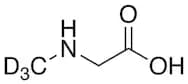
Sarcosine-d3 Hydrochloride
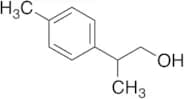
CAS:Controlled ProductFormula:C32H3H4NO2·ClHColor and Shape:NeatMolecular weight:128.572-(4-methylphenyl)propan-1-ol
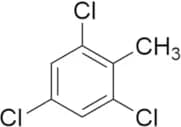
CAS:Controlled Product<p>Applications 2-(4-methylphenyl)propan-1-ol (cas# 4371-50-0) is a useful research chemical.<br></p>Formula:C10H14OColor and Shape:NeatMolecular weight:150.211,3,5-Trichloro-2-methylbenzene
CAS:<p>Applications 1,3,5-Trichloro-2-methylbenzene can be used as reactant/reagent in hydrodechlorination process and catalysts for the production of 2,6-dichlorotoluene from polychlorotoluene-containing mixtures. Also, it is derived from 2,4,6-Trichlorobenzoic Acid (T774715), which is a possible degradation intermediate of Polychlorinated Biphenyls (PCBs) in contaminated soil, suggesting the occurrence of microbial transformation processes over time.<br> Not a dangerous good if item is equal to or less than 1g/ml and there is less than 100g/ml in the package<br>References Eichinger, W., et al.: PCT Int. Appl., WO 2001017932 A1 20010315 (2001); Stella, T., et al.: Sci Total Environ, 533, 177-186 (2015)<br></p>Formula:C7H5Cl3Color and Shape:White To Off-WhiteMolecular weight:195.478-ethyl-4-(furan-2-carbonyl)-1-oxa-4,8-diazaspiro[4.5]decane-3-carboxylic acid
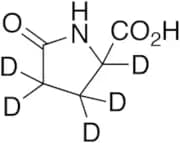
CAS:Purity:95.0%Molecular weight:308.33401489257815-Oxo-DL-proline-d5
CAS:Controlled Product<p>Applications 5-Oxo-DL-proline-d5 is a labelled cyclized derivative of L-Glutamic Acid (G596960). The pyroglutamate core has potential application for synthesis of novel anti-bacterials.<br>References Mischo A. et al.: ChemBioChem., 13, 1421 (2012); Angelov P. et al.: Org. Biomol. Chem.: 10, 3472 (2012);<br></p>Formula:C52H5H2NO3Color and Shape:NeatMolecular weight:134.141-BENZYL-4-(BENZYLOXY)PYRROLIDINE-2-CARBOXYLIC ACID HCL
CAS:Purity:95.0%Color and Shape:SolidMolecular weight:347.83999633789062-(6-(4-(((9H-Fluoren-9-yl)methoxy)carbonyl)piperazin-1-yl)-4-oxoquinazolin-3(4H)-yl)acetic acid
CAS:Purity:97%Molecular weight:510.549987792968754-(3-methoxyphenyl)-3H,4H,5H,6H,7H-imidazo[4,5-c]pyridine-6-carboxylic acid
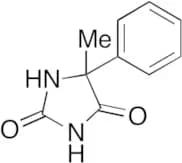
CAS:Purity:95.0%Molecular weight:273.29199218755-Methyl-5-phenylhydantoin
CAS:Controlled Product<p>Applications 5-Methyl-5-phenylhydantoin is a reactant for synthesis of beta-amino alcohols as inhibitors of anti-tubercular target N-acetyltransferase, chlorohydantoins and specific MMP inhibitors.<br>References Fullam, E., et al.: Bioorg. Med. Chem. Lett., 21, 1185 (2011); Whitehead, D., et al.: Tetrahedron Lett., 50, 3 (2009); Chollet, A., et al.: Bioorg. Med. Chem., 10, 531 (2002)<br></p>Formula:C10H10N2O2Color and Shape:NeatMolecular weight:190.204-[4-(dimethylamino)benzoyl]-8-propyl-1-oxa-4,8-diazaspiro[4.5]decane-3-carboxylic acid
CAS:Purity:95.0%Molecular weight:375.4689941406251-Pyridin-2-ylmethyl-piperidine-4-carboxylic acid
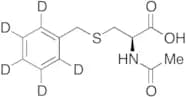
CAS:Formula:C12H16N2O2Purity:95%Color and Shape:SolidMolecular weight:220.272N-Acetyl-S-benzyl-d5-L-cysteine
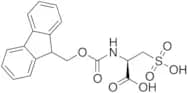
CAS:Controlled Product<p>Applications N-Acetyl-S-benzyl-d5-L-cysteine is deuterium labelled N-Acetyl-S-benzyl-L-cysteine, which is a metabolite of toluene.<br>References Gargas, M., et al.: Toxicol. Appl. Pharmacol., 98, 87 (1989), Commandeur, J., et al.: Pharmacol. Rev., 47(2), 271 (1995), Campo, P., et al.: Neurotoxicol. Teratol., 21, 427 (1999), Lohse, C., et al.: J. Agr. Food Chem., 48, 5913 (2000),<br></p>Formula:C12D5H10NO3SColor and Shape:NeatMolecular weight:258.35Fmoc-L-cysteic Acid
CAS:Controlled Product<p>Applications Fmoc-L-cysteic acid (cas# 751470-47-0) is a useful research chemical for organic synthesis and other chemical processes.<br>References Dialer, L. O., et al.: J. Med. Chem., 56, 7552 (2013); Revell, J. D., et al.: Tetrahedron, 63, 8420, (2007)<br></p>Formula:C18H17NO7SColor and Shape:NeatMolecular weight:391.48-ethyl-4-(2-methylbenzoyl)-1-oxa-4,8-diazaspiro[4.5]decane-3-carboxylic acid
CAS:Purity:95.0%Molecular weight:332.39999389648442-Bromo-4-methylphenol
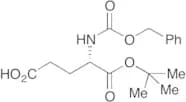
CAS:Controlled Product<p>Applications 2-Bromo-4-methylphenol is a useful synthetic intermediate. It was used in the synthesis of furan-2-ylmethylene thiazolidinediones as potent, and selective inhibitors of phosphoinositide 3-kinase γ. It was also a reactant used to prepare phosphoramidate and phosphorothioamidate analogs of amiprophos Me as potential antimalarial agents.<br>References Pomel, V., et al.: J. Med. Chem., 49, 3857 (2006); Mara, C., et al.: Bioorg. Med. Chem. Lett., 21, 6180 (2011)<br></p>Formula:C7H7BrOColor and Shape:NeatMolecular weight:187.03N-(Benzyloxycarbonyl)-L-glutamic Acid α-tert-Butyl Ester
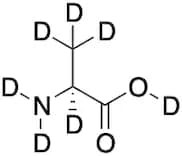
CAS:Controlled Product<p>Applications A protected glutamic acid for use in peptide synthesis.<br>References Takahashi, M., et al.: J. Exp. Biol., 200, 401 (1997), Michaelis, E., et al.: Prog. Neurobiol., 54, 369 (1998), Koch, H., et al.: Mol. Pharmacol., 55, 1044 (1999), O'Kane, R., et al.: J. Biol. Chem., 274, 31891 (1999),<br></p>Formula:C17H23NO6Color and Shape:NeatMolecular weight:337.368L-Alanine-d7
CAS:Controlled Product<p>Applications L-Alanine-d7 (CAS# 74280-71-0) is a useful isotopically labeled research compound.<br></p>Formula:C3D7NO2Color and Shape:Off-WhiteMolecular weight:96.14Methyl 2-Bromo-2-methylpropanoate
CAS:Controlled Product<p>Applications Methyl 2-bromo-2-methylpropanoate (cas# 23426-63-3) is a useful research chemical.<br></p>Formula:C5H9O2BrColor and Shape:ColourlessMolecular weight:181.024-(4-methyl-3-nitrobenzoyl)-8-propyl-1-oxa-4,8-diazaspiro[4.5]decane-3-carboxylic acid
CAS:Purity:95.0%Molecular weight:391.42401123046875(4-Hydroxyphenyl)glycine
CAS:<p>Applications (4-Hydroxyphenyl)glycine, is a key intermediate for the synthesis Cefpiramide (C243400), used as a β-lactam antibiotic.<br>References Xiao, R. Q., et al.: Guangzhou Huagong, 41, 111 (2013);<br></p>Formula:C8H9NO3Color and Shape:Off White PowderMolecular weight:167.1624-(4-tert-butylbenzoyl)-8-ethyl-1-oxa-4,8-diazaspiro[4.5]decane-3-carboxylic acid
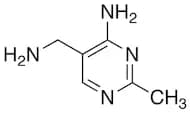
CAS:Purity:95.0%Molecular weight:374.48098754882814-Amino-5-aminomethyl-2-methylpyrimidine
CAS:Controlled Product<p>Applications Substrate for TenA enzyme in the thiamin salvage pathway<br>References Jenkins, A., et al.: Nat. Chem. Biol., 3, 492 (2007), Jenkins, A., et al.: Bioorg. Chem., 36, 29 (2008),<br></p>Formula:C6H10N4Color and Shape:Light YellowMolecular weight:138.171-[2-Amino-1-(m-tolyl)ethyl]pyrrolidine-3-carboxylic acid hydrochloride
CAS:Formula:C14H21ClN2O2Purity:97.0%Color and Shape:SolidMolecular weight:284.784-benzoyl-8-benzyl-1-oxa-4,8-diazaspiro[4.5]decane-3-carboxylic acid
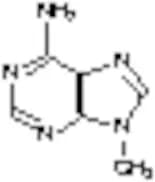
CAS:Purity:95.0%Molecular weight:380.44400024414066-Amino-9-methylpurine(9-Methyl Adenine)
CAS:Controlled Product<p>Applications A receptor adenine derivative binding membrane brain animal cell line.<br>References Camaioni, E., et al.: Bioorg. Med. Chem., 6, 523 (1998), Kelly, M., et al.: Br. J. Pharmacol., 125, 979 (1998), Redzic, Z., et al.: Brain Res., 888, 66 (2001), Levy, D., et al.: J. Med. Chem., 46, 2177 (2003),<br></p>Formula:C6H7N5Color and Shape:NeatMolecular weight:149.15(R)-2-((tert-Butoxycarbonyl)amino)-3-hydroxypropanoic acid hydrate
CAS:Purity:97.0%Molecular weight:223.225006103515622-Methoxy-4-methylaniline
CAS:Controlled Product<p>Applications 2-METHOXY-4-METHYLANILINE (cas# 39538-68-6) is a useful research chemical.<br></p>Formula:C8H11NOColor and Shape:NeatMolecular weight:137.17{5-[1-(benzylamino)cyclohexyl]-1H-tetrazol-1-yl}acetic acid
CAS:Purity:95.0%Molecular weight:315.377014160156254-(3-fluorobenzoyl)-8-propyl-1-oxa-4,8-diazaspiro[4.5]decane-3-carboxylic acid
CAS:Purity:95.0%Molecular weight:350.39001464843755-Aminolevulinic Acid Methyl Ester Hydrochloride
CAS:Controlled Product<p>Applications 5-Aminolevulinic Acid Methyl Ester Hydrochloride, is the methyl ester of Aminolevulinic Acid (ALA) (A611780), which has been shown to have higher lipophilicity, and to be highly efficient at inducing protoporphyrin IX (PpIX) production in cell culture.<br>References Morrow, D. I. J., et al.: J. Pharmac. Sci., 99, 3486 (2010); Peng, Q., et al.: Cancer, 79, 2282 (1997);<br></p>Formula:C6H11NO3·HClColor and Shape:NeatMolecular weight:181.624-Methoxyphenylacetic Acid
CAS:Controlled Product<p>Applications 4-Methoxyphenylacetic Acid is a compound that was found from microbial phenolic metabolites in human feces after the consumption of gin, red wine and dealcholized red wine.<br>References Jimenez-Giron, A., et. al.: J. Arg. Food Chem., 61, 3909 (2013);<br></p>Formula:C9H10O3Color and Shape:NeatMolecular weight:166.172-(N-Methyl-2-pyrrolidinyl)ethyl Chloride Hydrochloride
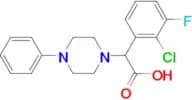
CAS:<p>Stability Hygroscopic<br>Applications 2-(N-Methyl-2-pyrrolidinyl)ethyl Chloride is an intermediate used in the synthesis of reversed lactam analogues of ARC-111 with potent topoisomerase I-targeting activity and cytotoxcity.<br>References Zhu, S.J., et al.: Bioorg. Med. Chem., 14, 3131 (2006); Tanaka, N., et al.: Chem. Pharma. Bull., 48, 245 (2000);<br></p>Formula:C7H14ClN·HClColor and Shape:NeatMolecular weight:147.65 + 36.462-(2-Chloro-3-fluorophenyl)-2-(4-phenylpiperazin-1-yl)acetic acid
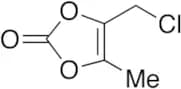
CAS:Molecular weight:348.799987792968754-Chloromethyl-5-methyl-1,3-dioxol-2-one
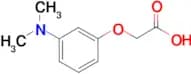
CAS:Controlled Product<p>Applications 4-Chloromethyl-5-methyl-1,3-dioxol-2-one is an important reagent in the preparation of angiotensin II receptor antagonist such as Olmesratan Medoxomil (O550000). 4-Chloromethyl-5-methyl-1,3-dioxol-2-one is also used in the preparation of prodrugs of ampicillin.<br>References Ikeda, S. et al.: Chem. Pharmac. Bull., 32, 4316 (1984); Wu, T. Yaox. Xueb., 41, 537 (2006);<br></p>Formula:C5H5ClO3Color and Shape:NeatMolecular weight:148.54(3-Dimethylamino-phenoxy)-acetic acid
CAS:Purity:98.0%Color and Shape:SolidMolecular weight:195.218002319335944-Methyl-6-(2,4,4-trimethylpentyl)-2H-pyran-2-one
CAS:Controlled Product<p>Impurity Piroctone USP Related Compound B<br>Applications 4-Methyl-6-(2,4,4-trimethylpentyl)-2H-pyran-2-one is used in the synthesis of antibacterials and antimycotics. Related to Piroctone (P509400), an anti-dandruff agent used in shampoo formulations. Piroctone USP Related Compound B<br>References Georgalas, A. et al.: J. Cosm. Sci., 55, S207 (2004); Mayser, P. et al.: J. Cosm. Sci., 54, 263 (2008);<br></p>Formula:C14H22O2Color and Shape:NeatMolecular weight:222.32N'-Methyl-N,N-diphenylurea
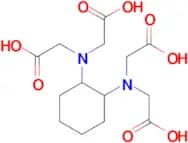
CAS:<p>Impurity Temozolomide USP Related Compound B<br>Applications N'-Methyl-N,N-diphenylurea is used in the stabilization of thermal propellants. Temozolomide USP Related Compound B.<br>References Bohn, M. et al.: Prop. Exp. Pyro.,et al.: 19, 266 (1994); Muthurajan, H. et al.: J. Hazard. Mat., 133, 30 (2006);<br></p>Formula:C14H14N2OColor and Shape:NeatMolecular weight:226.271,2-Cyclohexylenedinitrilotetraacetic acid
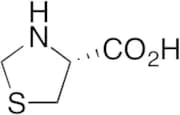
CAS:Formula:C14H22N2O8Purity:95%Color and Shape:SolidMolecular weight:346.336L-Thioproline
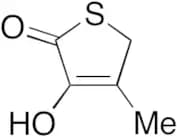
CAS:<p>Applications L-Thioproline is used to create a monolayer on gold electrodes for the determination Copper(II). L-Thioproline has shown to be an effect inhibitor of proline absorption in Saccharomyces chevalieri.<br> Not a dangerous good if item is equal to or less than 1g/ml and there is less than 100g/ml in the package<br>References Cui, X., et. al.: Sci. China Chem., 53, 257 (2010); Magana-Schwenchke, N., Schwencke, J.: BBA-Biomembranes, 173, 313 (1969)<br></p>Formula:C4H7NO2SColor and Shape:NeatMolecular weight:133.173-Hydroxy-4-methyl-2(5H)-thiophenone
CAS:Controlled Product<p>Impurity Cefalexin EP Impurity D<br>Applications 3-Hydroxy-4-methyl-2(5H)-thiophenone (Cefalexin EP Impurity D) is an acid degradation product of Cephalexin (C256800) and Cefaclor (C235250), antibiotics.<br>References Dinner, A.: J. Med. Chem. 20, 963 (1977); Baetschi, S.W., et. al.: J. Pharmaceut., Sci., 86, 526 (1997)<br></p>Formula:C5H6O2SColor and Shape:NeatMolecular weight:130.1654-(2-chlorophenyl)-3H,4H,5H,6H,7H-imidazo[4,5-c]pyridine-6-carboxylic acid
CAS:Purity:95.0%Molecular weight:277.70999145507812-(1,1-Dioxo-tetrahydrothiophen-3-ylamino)-propionic acid
CAS:Purity:95.0%Molecular weight:207.240005493164065-Benzyloxy-6-methoxyindole
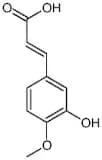
CAS:Controlled Product<p>Applications 5-Benzyloxy-6-methoxyindole (cas# 4790-04-9) is a compound useful in organic synthesis.<br>References McBride, C., et al.: Bioorg. Med. Chem. Lett., 16, 3789 (2006), Frost, J., et al.: J. Med. Chem., 51, 1904 (2008),<br></p>Formula:C16H15NO2Color and Shape:NeatMolecular weight:253.303-Hydroxy-4-methoxycinnamic Acid
CAS:Controlled Product<p>Applications 3-Hydroxy-4-methoxycinnamic acid, trans-Isoferulic acid<br></p>Formula:C10H10O4Color and Shape:NeatMolecular weight:194.182-Ethyl-4-methyl-1-pentanol
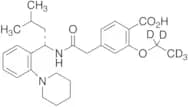
CAS:Controlled Product<p>Applications 2-Ethyl-4-methyl-1-pentanol is a volatile chemical that can be used to diagnose ratoon stunting disease in Sugar cane.<br>References Berna, A. Z., et al.: Pro. of the Conf. of the Austr. Soc. of Sugar Cane Tech., 37th, 150-157 (2015)<br></p>Formula:C8H18OColor and Shape:NeatMolecular weight:130.23Repaglinide-ethyl-d5
CAS:Controlled Product<p>Applications Deuterated Repaglinide, a non-sulfonylurea oral hypoglycemic agent which is used as an antidiabetic.<br>References Wolffenbuttel, B.H.R., et al.: Eur. J. Clin. Pharmacol., 45, 113 (1993), Ampudia-Blasco, F.J., et al.: Diabetologia, 37, 703 (1994),<br></p>Formula:C272H5H31N2O4Color and Shape:White SolidMolecular weight:457.622-methyl-1-[4-(trifluoromethyl)phenyl]propan-1-one
CAS:Controlled Product<p>Applications 2-methyl-1-[4-(trifluoromethyl)phenyl]propan-1-one (cas# 64436-58-4) is a useful research chemical.<br></p>Formula:C11H11OF3Color and Shape:NeatMolecular weight:216.19H-Thr-OH
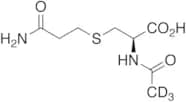
CAS:<p>M02962 - H-Thr-OH</p>Formula:C4H9NO3Purity:95%Color and Shape:Crystalline Powder,PowderMolecular weight:119.12N-Acetyl-S-(carbamoylethyl)-L-cysteine-d3
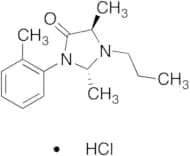
CAS:Controlled Product<p>Stability Hygroscopic<br>Applications Labelled N-Acetyl-S-(carbamoylethyl)-L-cysteine (A171870). N-Acetyl-S-(carbamoylethyl)-L-cysteine is the urinary metabolite of Acrylamide (AA). Acrylamide is formed during the heating of food and is classified as a genotoxic carcinogen.<br>References Besaratinia, A., et al.: Mutat. Res., 80, 31 (2005), Bjellaas, T., et al.: Xenobiotica, 35, 1003 (2005), Bjellaas, T., et al.: Food Chem. Toxicol., 45, 1020 (2007), Bjellaas, T., et al.: Toxicol. Sci., 98, 110 (2007),<br></p>Formula:C8H11D3N2O4SColor and Shape:Off-WhiteMolecular weight:237.292,5-Dimethyl-3-(2-methylphenyl)-1-propylimidazolini-4-one Hydrochloride
CAS:Controlled Product<p>Applications rac-trans-2,5-Dimethyl-3-(2-methylphenyl)-1-propylimidazolini-4-one Hydrochloride is the salt analogue of 2,5-Dimethyl-3-(2-methylphenyl)-1-propylimidazolini-4-one (D477055), an impurity of Prilocaine (Prilocaine Hydrochloride P725000). Prilocaine is a local anesthetic of the amino amide type and is often used in dentistry. Prilocaine is also often combined with lidocaine as a preparation for dermal anesthesia (lidocaine/prilocaine or EMLA) towards the treatment of conditions like paresthesia.<br>References Caliaro, G., et al.: J. Pharm. Biomed. Anal., 26, 427 (2001), Ulmeanu, S., et al.: Pharm. Res., 20, 1317 (2003)<br></p>Formula:C15H22N2O·HClColor and Shape:NeatMolecular weight:282.80898-methyl-4-(pyridine-4-carbonyl)-1-oxa-4,8-diazaspiro[4.5]decane-3-carboxylic acid
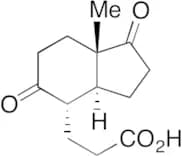
CAS:Purity:95.0%Molecular weight:305.33401489257811,5-Dioxo-7aBeta-methyl-3aAlpha-hexahydroindane-4α-propionic Acid
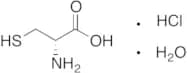
CAS:Controlled ProductFormula:C13H18O4Color and Shape:NeatMolecular weight:238.28D-Cysteine Hydrochloride Monohydrate
CAS:Controlled Product<p>Applications D-Cysteine Hydrochloride Monohydrate is used as a reactant in the expedient synthesis of electronically modified luciferins for bioluminescence imaging.<br>References McCutcheon, D., et al.: J. Am. Chem. Soc., 134, 7604 (2012);<br></p>Formula:C3H7NO2S·HCl·H2OColor and Shape:NeatMolecular weight:121.16+(36.46)+(18.02)3-[(4,6-Dimethylpyrimidin-2-yl)amino]benzoic acid
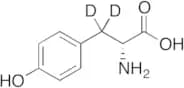
CAS:Formula:C13H13N3O2Purity:95.0%Color and Shape:SolidMolecular weight:243.266D-Tyrosine-d2
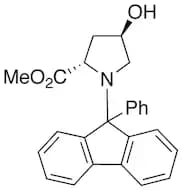
CAS:Controlled Product<p>Applications D-Tyrosine-d2 is deuterium labelled D-Tyrosine (T899970). D-Tyrosine, the stereoisomer to L-Tyrosine (T899975), is an amino acid used in various organic syntheses for antibiotics. It is used in the synthesis of (-)-anisomycin, as well as BATSI (boronic acid transition state inhibitors) which act on β-lactamases. It has also been studied as an inhibitor of microbial growth on surfaces, reducing microbial attachment to hydrophillic glass and hydrophobic polypropylene surfaces.<br>References Li, Ji. et al.: Chin. Chem. Lett., 23, 647 (2012); Xu, H. et al.: Water Res., 45, 5796 (2011); Ke, W. et al.: Antimicrob. Agents Chemother., 55, 174 (2011)<br></p>Formula:C9D2H9NO3Color and Shape:NeatMolecular weight:183.2(4R, 2S)-4-Hydroxy-1-(9-phenyl-9H-fluoren-9-yl)-proline Methyl Ester
CAS:Controlled Product<p>Applications (4R, 2S)-4-Hydroxy-1-(9-phenyl-9H-fluoren-9-yl)-proline Methyl Ester (cas# 179990-59-1) is a compound useful in organic synthesis.<br></p>Formula:C25H23NO3Color and Shape:Light BrownMolecular weight:385.468-Bromo-7-(2-butyn-1-yl)-3,7-dihydro-3-methyl-1-[(4-methyl-2-quinazolinyl)methyl]-1H-purine-2,6-dione
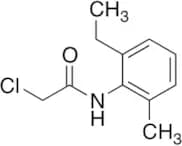
CAS:<p>Applications 8-Bromo-7-(2-butyn-1-yl)-3,7-dihydro-3-methyl-1-[(4-methyl-2-quinazolinyl)methyl]-1H-purine-2,6-dione is an intermediate used to prepare selective inhibitors of dipeptidyl peptidase 4 (DPP4) for potential use in the treatment of type 2 diabetes.<br>References Sutton, J., et al.: Bioorg. Med. Chem. Lett., 22, 1464 (2012); Lai, Z., et al.: Eur. J. Med. Chem., 83, 547 (2014)<br></p>Formula:C20H17BrN6O2Color and Shape:NeatMolecular weight:453.292-chloro-N-(2-ethyl-6-methylphenyl)acetamide
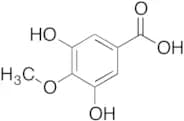
CAS:Controlled Product<p>Applications 2-chloro-N-(2-ethyl-6-methylphenyl)acetamide (cas# 32428-71-0) is a useful research chemical.<br></p>Formula:C11H14ClNOColor and Shape:NeatMolecular weight:211.693,5-Dihydroxy-4-methoxybenzoic Acid
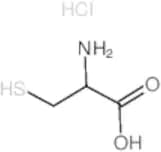
CAS:Controlled Product<p>Applications 3,5-Dihydroxy-4-methoxybenzoic Acid is a useful building block in organic synthesis.<br>References Ghosh, Koushik, et al.: Angewandte Chemie, I.E., 55(27), 7821-7825 (2016);Vergne, Fabrice, et al.: Bioorg. & Medi. Chem. Let., 14(18), 4607-4613 (2004)<br></p>Formula:C8H8O5Color and Shape:NeatMolecular weight:184.15L-Cysteine Hydrochloride
CAS:<p>Applications L-Cysteine Hydrochloride<br></p>Formula:C3H7NO2S·HClColor and Shape:NeatMolecular weight:157.628-ethyl-4-(4-nitrobenzoyl)-1-oxa-4,8-diazaspiro[4.5]decane-3-carboxylic acid
CAS:Purity:95.0%Molecular weight:363.36999511718756-((BENZYLOXY)CARBONYL)-2-(TERT-BUTOXYCARBONYL)-2,6-DIAZASPIRO[3.4]OCTANE-8-CARBOXYLIC ACID
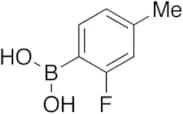
CAS:Purity:95.0%Color and Shape:Solid, No data available.Molecular weight:390.43600463867192-Fluoro-4-methylphenylboronic Acid
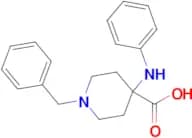
CAS:Controlled Product<p>Stability Hygroscopic<br>Applications 2-Fluoro-4-methylphenylboronic Acid (cas# 170981-26-7) is a compound useful in organic synthesis.<br></p>Formula:C7H8BFO2Color and Shape:NeatMolecular weight:153.951-Benzyl-4-phenylamino-4-carboxy-piperidine
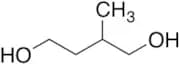
CAS:Purity:95.0%Color and Shape:Solid, No data available.Molecular weight:310.39700317382812-Methyl-1,4-butanediol
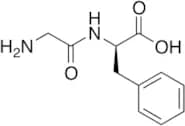
CAS:Controlled Product<p>Stability Unstable in Aqueous Solution<br>Applications 2-METHYL-1,4-BUTANEDIOL (cas# 2938-98-9) is a useful research chemical.<br></p>Formula:C5H12O2Color and Shape:NeatMolecular weight:104.15Glycyl-D-phenylalanine
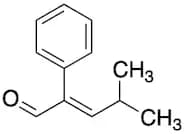
CAS:Controlled Product<p>Applications Glycyl-D-phenylalanine (cas# 34258-14-5) is a useful research chemical.<br></p>Formula:C11H14N2O3Color and Shape:NeatMolecular weight:222.24(E)-4-Methyl-2-phenyl-2-pentenal (Stabilized with α-tocopherol)
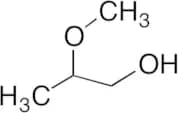
CAS:Controlled Product<p>Applications 4-METHYL-2-PHENYL-2-PENTENAL (cas# 26643-91-4) is a useful research chemical.<br></p>Formula:C12H14OColor and Shape:ColourlessMolecular weight:174.242-Methoxypropanol
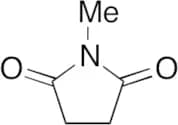
CAS:Controlled Product<p>Applications 2-Methoxypropanol is a susbtance used in the relative parameter sensitivity in prenatal toxicity studies with substances classified as developmental toxicants. Also applied in the studies for the analysis of volatile organic compounds in cigarette packaging materials by SPME-GC/MS.<br> Not a dangerous good if item is equal to or less than 1g/ml and there is less than 100g/ml in the package<br>References Rorije, E., et al.: Reprod. Toxicol., 34, 284 (2012); Hong, W, et al.: Fujian Fenxi Ceshi, 19, 24 (2010)<br></p>Formula:C4H10O2Color and Shape:ColourlessMolecular weight:90.12N-Methylsuccinimide
CAS:<p>Applications N-Methylsuccinimide is used as a model compound to investigate the mechanism of enolization step by density-functional theory (DFT) calculations. N-Methylsuccinimide is a metabolite of N-methyl-2-pyrrolidone (NMP) and its presence in plasma and urine can be used as a biomarker of exposure to NMP<br>References Takahashi, O., et al.: Chem. Biodivers., 7, 1349 (2010)<br></p>Formula:C5H7NO2Color and Shape:Off-WhiteMolecular weight:113.118-ethyl-4-(3-methoxybenzoyl)-1-oxa-4,8-diazaspiro[4.5]decane-3-carboxylic acid
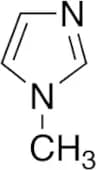
CAS:Purity:95.0%Molecular weight:348.398986816406251-Methylimidazole
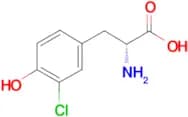
CAS:Controlled Product<p>Stability Hygroscopic<br>Applications A metabolite of 1-methyl-2-thioimidazole (methimazole). It inhibits bone resorption.<br> Not a dangerous good if item is equal to or less than 1g/ml and there is less than 100g/ml in the package<br>References Paterson, J.R., et al.: Biochem. Biophys. Res. Comm., 116, 449 (1983), Taurog, A., et al.: Endocrinology, 124, 30 (1989).<br></p>Formula:C4H6N2Color and Shape:Colourless To Light YellowMolecular weight:82.106-Chloro L-Tryptophan
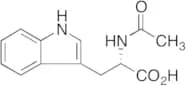
CAS:Controlled ProductFormula:C11H11ClN2O2Color and Shape:NeatMolecular weight:238.67N-Acetyl-L-Tryptophan
CAS:Controlled Product<p>Applications N-Acetyl-L-Tryptophan, is a derivative of L-Tryptophan (T947210), that can be used as competitive inhibitor to identify and characterize tryptophanases. It can also be used as an NK1 tachykinin receptor antagonist, that may help to develop a novel therapeutic intervention for the treatment of reperfusion injury in acute ischemic stroke.<br>References Turner, R. J., et al.: Neuroscience, 220, 1 (2012);<br></p>Formula:C13H14N2O3Color and Shape:White To Off-WhiteMolecular weight:246.26L-Abrine
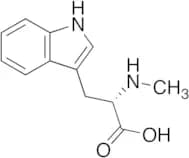
CAS:Controlled Product<p>Applications L-Abrine is an indoleamino acid that displays radical scavenging and antioxidant properties.<br>References Yang, M., et al.: Food. Funct., 5, 2268 (2014);<br></p>Formula:C12H14N2O2Color and Shape:Off-WhiteMolecular weight:218.2518(4R,6S)-rel-5,6-Dihydro-4-hydroxy-6-methyl-4H-thieno[2,3-b]thiopyran-2-sulfonamide 7,7-Dioxide
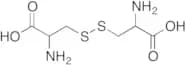
CAS:Controlled Product<p>Applications (4R,6S)-rel-5,6-Dihydro-4-hydroxy-6-methyl-4H-thieno[2,3-b]thiopyran-2-sulfonamide 7,7-Dioxide is used as a reactant in the preparation of Dorzolamide Hydrochloride (D535100), which is a carbonic anhydrase inhibitor; antiglaucoma agent.<br>References Lippa, E.A., et al.: Ophthalmology, 98, 308 (1991); Wang, R.-F., et al.: Arch. Ophthalmol., 109, 1297 (1991); Whikehart, D., et al.: J. Ocul. Pharmacol., 7, 195 (1991); Sjoquist, B., et al.: Drug Metab. Dispos., 26, 745 (1998);<br></p>Formula:C8H11NO5S3Color and Shape:NeatMolecular weight:297.37L,L-Dityrosine Dihydrochloride
CAS:Controlled Product<p>Stability Hygroscopic<br>Applications Dityrosine (DY), a tyrosine dimer formed by 3,3’-biaryl bond formation can be used as a biomarker to detect oxidative protein damage and selective proteolysis. Fluorescence intensity decays of Dityrosine are generally characterized by two decay components, one with a lifetime in the range of 150 to 800 ps and another between 2.5 and 4.5 ns.<br>References Libertini, L., et al.: Biophys. J., 47, 765 (1985), Huggins, T., et al.: J. Biol. Chem., 268, 12341 (1993), Malencik, D., et al.: Biochemistry, 35, 4375 (1996),<br></p>Formula:C18H20N2O6·2ClHColor and Shape:NeatMolecular weight:433.284-Aminohippuric Acid
CAS:Controlled Product<p>Applications 4-Aminohippuric Acid is used in the measurement of renal plasma flow as a diagnostic tool which may be applied towards kidney disorders.<br>References Phillips, R. et al.: Am. J. Physiol., 152, 523 (1948);<br></p>Formula:C9H10N2O3Color and Shape:Off White SolidMolecular weight:194.198-benzyl-4-(2-methylbenzoyl)-1-oxa-4,8-diazaspiro[4.5]decane-3-carboxylic acid
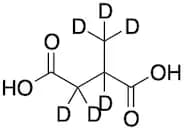
CAS:Purity:95.0%Molecular weight:394.47100830078125(±)-2-Methyl-d3-succinic-2,3,3-d3 Acid
CAS:Controlled Product<p>Applications (±)-2-Methyl-d3-succinic-2,3,3-d3 Acid (CAS# 347840-08-8) is a useful isotopically labeled research compound.<br></p>Formula:C5D6H2O4Color and Shape:NeatMolecular weight:138.153-Chloro-2-methyl-1-propene
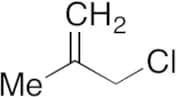
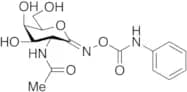
CAS:<p>Applications 3-Chloro-2-methyl-1-propene has been used in the synthesis of 2-S-substituted pyrimidines as antimetabolites of nucleic acid precursors for cancer therapy.<br> Not a dangerous good if item is equal to or less than 1g/ml and there is less than 100g/ml in the package<br>References Kaldrikyan, M.A., Melik-Ohanjanyan, R.G.: Hayastani Kimiakan Handes, 67, 321 (2014)<br></p>Formula:C4H7ClColor and Shape:NeatMolecular weight:90.55Galacto-PUGNAc (>90%)
CAS:Controlled Product<p>Stability Moisture and Temperature Sensitive<br>Applications Galacto-PUGNAc is a highly selective inhibitor for β-hexosaminidases HEXA and HEXB is cell-permeable. Galacto-PUGNAc is able to modulate the activity of HEXA and HEXB in tissue culture, increasing ganglioside GM2 levels in neuroblastoma cells<br>References Stubbs, K.A. et al.: Angew. Chem. Int. Ed., 48, 1300 (2009);<br></p>Formula:C15H19N3O7Purity:>90%Color and Shape:NeatMolecular weight:353.33(1-Cyclopentyl-3-oxo-piperazin-2-yl)-acetic acid
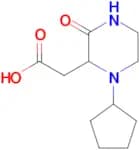
CAS:Purity:95.0%Color and Shape:SolidMolecular weight:226.2760009765625[4-(3,4-dimethylphenyl)piperazin-1-yl](3-fluorophenyl)acetic acid
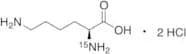
Molecular weight:342.41400146484375L-Lysine-15N Dihydrochloride Salt
CAS:Formula:C6H14N15NO2•2(HCl)Color and Shape:NeatMolecular weight:147.18236464-Methylpentanal (up to 75% hydrated form)
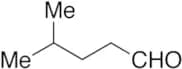
CAS:Controlled Product<p>Applications An intermediate used in the synthesis of Pregabalin (P704800) and related compounds.<br> Not a dangerous good if item is equal to or less than 1g/ml and there is less than 100g/ml in the package<br>References Posadas, I., et al.: Br. J. Pharmacol., 142, 331 (2004),<br></p>Formula:C6H12OColor and Shape:Colourless LiquidMolecular weight:100.168-methyl-4-(2-phenylacetyl)-1-oxa-4,8-diazaspiro[4.5]decane-3-carboxylic acid
CAS:Purity:95.0%Molecular weight:318.372985839843752-(1-Methyl-1H-imidazol-5-yl)acetic Acid Hydrochloride
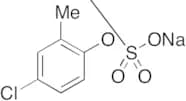
CAS:Controlled ProductFormula:C6H8N2O2·HClColor and Shape:NeatMolecular weight:176.6014-Chloro-2-methylphenol Sulfate Sodium Salt
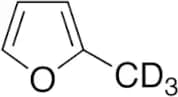
CAS:<p>Stability Unstable in methanol solution<br>Applications 4-Chloro-2-methylphenol Sulfate Sodium Salt is a halogenated derivative of o-toluenesulfonate, present in landfill leachates. o-Toluenesulfonate is an analog of the strong organic acid p-Toluenesulfonate.<br>References Riediker, S. et al.: Environ. Sci. Tech., 34, 2156 (2000);<br></p>Formula:C7H6ClNaO4SColor and Shape:NeatMolecular weight:244.6282-Methylfuran-d3
CAS:Controlled Product<p>Stability Light Sensitive, Volatile<br>Applications Labelled 2-Methylfuran (M305440). 2-Methylfuran is a volatile organic compound (VOCs) used as a potential non-intrusive tool for screening of lung cancer.<br> Not a dangerous good if item is equal to or less than 1g/ml and there is less than 100g/ml in the package<br>References McWilliams, et al.: Curr. Oncol. Rep., 4, 487 (2002), Buszewski, B., et al.: Biomed. Chromatogr., 21, 553 (2007), Ligor, T., et al.: J. Breath. Res., 1, 1 (2007),<br></p>Formula:C52H3H3OPurity:>90%Color and Shape:Light YellowMolecular weight:85.12L-Saccharopine
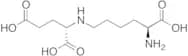
CAS:<p>Stability Hygroscopic<br>Applications L-Saccharopine is a product of breakdown of essential amino acid Lysine (L468895). Saccharopine is also part of the α-aminoadipate pathway of fungal lysine biosynthesis.<br>References Higashino, K., et al.: Biochem. Biophys. Res. Commun., 20, 285 (1965); Johansson, E., et al.: Structure, 8, 1037 (2000)<br></p>Formula:C11H20N2O6Color and Shape:NeatMolecular weight:276.292-(7-AZABICYCLO[2.2.1]HEPTAN-7-YL)-2-PHENYLACETIC ACID
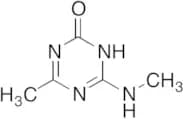
CAS:Purity:95.0%Molecular weight:231.29499816894534-Methyl-6-(methylamino)-1,3,5-triazin-2(1H)-one
CAS:<p>Applications 4-Methyl-6-(methylamino)-1,3,5-triazin-2(1H)-one is a heterocyclic Triazine based building block useful in organic synthesis. It is related to 2-Amino-4-methoxy-6-methyl-1,3,5-triazine (A616880), which is used to synthesize pesticides.<br>References Klein, J., et al.: J. AOAC Intrnational, 86, 1015 (2003); Pang, G., et al.: J. Chromat. A, 1125, 1 (2006);<br></p>Formula:C5H8N4OColor and Shape:White To Off-WhiteMolecular weight:140.14

![8-ethyl-4-(furan-2-carbonyl)-1-oxa-4,8-diazaspiro[4.5]decane-3-carboxylic acid](/_next/image/?url=https%3A%2Fstatic.cymitquimica.com%2Fproducts%2F10%2Fthumb-webp%2FF525676.webp&w=3840&q=75)



![4-(3-methoxyphenyl)-3H,4H,5H,6H,7H-imidazo[4,5-c]pyridine-6-carboxylic acid](/_next/image/?url=https%3A%2Fstatic.cymitquimica.com%2Fproducts%2F10%2Fthumb-webp%2FF522508.webp&w=3840&q=75)
![4-[4-(dimethylamino)benzoyl]-8-propyl-1-oxa-4,8-diazaspiro[4.5]decane-3-carboxylic acid](/_next/image/?url=https%3A%2Fstatic.cymitquimica.com%2Fproducts%2F10%2Fthumb-webp%2FF525747.webp&w=3840&q=75)


![8-ethyl-4-(2-methylbenzoyl)-1-oxa-4,8-diazaspiro[4.5]decane-3-carboxylic acid](/_next/image/?url=https%3A%2Fstatic.cymitquimica.com%2Fproducts%2F10%2Fthumb-webp%2FF525677.webp&w=3840&q=75)


![4-(4-methyl-3-nitrobenzoyl)-8-propyl-1-oxa-4,8-diazaspiro[4.5]decane-3-carboxylic acid](/_next/image/?url=https%3A%2Fstatic.cymitquimica.com%2Fproducts%2F10%2Fthumb-webp%2FF525734.webp&w=3840&q=75)

![4-(4-tert-butylbenzoyl)-8-ethyl-1-oxa-4,8-diazaspiro[4.5]decane-3-carboxylic acid](/_next/image/?url=https%3A%2Fstatic.cymitquimica.com%2Fproducts%2F10%2Fthumb-webp%2FF525683.webp&w=3840&q=75)
![1-[2-Amino-1-(m-tolyl)ethyl]pyrrolidine-3-carboxylic acid hydrochloride](/_next/image/?url=https%3A%2Fstatic.cymitquimica.com%2Fproducts%2F10%2Fthumb-webp%2FF040924.webp&w=3840&q=75)
![4-benzoyl-8-benzyl-1-oxa-4,8-diazaspiro[4.5]decane-3-carboxylic acid](/_next/image/?url=https%3A%2Fstatic.cymitquimica.com%2Fproducts%2F10%2Fthumb-webp%2FF525791.webp&w=3840&q=75)


![{5-[1-(benzylamino)cyclohexyl]-1H-tetrazol-1-yl}acetic acid](/_next/image/?url=https%3A%2Fstatic.cymitquimica.com%2Fproducts%2F10%2Fthumb-webp%2FF313669.webp&w=3840&q=75)
![4-(3-fluorobenzoyl)-8-propyl-1-oxa-4,8-diazaspiro[4.5]decane-3-carboxylic acid](/_next/image/?url=https%3A%2Fstatic.cymitquimica.com%2Fproducts%2F10%2Fthumb-webp%2FF525731.webp&w=3840&q=75)




![4-(2-chlorophenyl)-3H,4H,5H,6H,7H-imidazo[4,5-c]pyridine-6-carboxylic acid](/_next/image/?url=https%3A%2Fstatic.cymitquimica.com%2Fproducts%2F10%2Fthumb-webp%2FF522488.webp&w=3840&q=75)



![2-methyl-1-[4-(trifluoromethyl)phenyl]propan-1-one](/_next/image/?url=https%3A%2Fstatic.cymitquimica.com%2Fproducts%2FTR%2Fthumb-webp%2FB489000.webp&w=3840&q=75)

![8-methyl-4-(pyridine-4-carbonyl)-1-oxa-4,8-diazaspiro[4.5]decane-3-carboxylic acid](/_next/image/?url=https%3A%2Fstatic.cymitquimica.com%2Fproducts%2F10%2Fthumb-webp%2FF525650.webp&w=3840&q=75)
![3-[(4,6-Dimethylpyrimidin-2-yl)amino]benzoic acid](/_next/image/?url=https%3A%2Fstatic.cymitquimica.com%2Fproducts%2F10%2Fthumb-webp%2FF023725.webp&w=3840&q=75)
![8-Bromo-7-(2-butyn-1-yl)-3,7-dihydro-3-methyl-1-[(4-methyl-2-quinazolinyl)methyl]-1H-purine-2,6-di…](/_next/image/?url=https%3A%2Fstatic.cymitquimica.com%2Fproducts%2FTR%2Fthumb-webp%2FB680510.webp&w=3840&q=75)
![8-ethyl-4-(4-nitrobenzoyl)-1-oxa-4,8-diazaspiro[4.5]decane-3-carboxylic acid](/_next/image/?url=https%3A%2Fstatic.cymitquimica.com%2Fproducts%2F10%2Fthumb-webp%2FF525672.webp&w=3840&q=75)
![6-((BENZYLOXY)CARBONYL)-2-(TERT-BUTOXYCARBONYL)-2,6-DIAZASPIRO[3.4]OCTANE-8-CARBOXYLIC ACID](/_next/image/?url=https%3A%2Fstatic.cymitquimica.com%2Fproducts%2F10%2Fthumb-webp%2FF537585.webp&w=3840&q=75)
![8-ethyl-4-(3-methoxybenzoyl)-1-oxa-4,8-diazaspiro[4.5]decane-3-carboxylic acid](/_next/image/?url=https%3A%2Fstatic.cymitquimica.com%2Fproducts%2F10%2Fthumb-webp%2FF525693.webp&w=3840&q=75)



![(4R,6S)-rel-5,6-Dihydro-4-hydroxy-6-methyl-4H-thieno[2,3-b]thiopyran-2-sulfonamide 7,7-Dioxide](/_next/image/?url=https%3A%2Fstatic.cymitquimica.com%2Fproducts%2FTR%2Fthumb-webp%2FD678970.webp&w=3840&q=75)


![8-benzyl-4-(2-methylbenzoyl)-1-oxa-4,8-diazaspiro[4.5]decane-3-carboxylic acid](/_next/image/?url=https%3A%2Fstatic.cymitquimica.com%2Fproducts%2F10%2Fthumb-webp%2FF525803.webp&w=3840&q=75)
acetic acid](/_next/image/?url=https%3A%2Fstatic.cymitquimica.com%2Fproducts%2F10%2Fthumb-webp%2FF300220.webp&w=3840&q=75)
![8-methyl-4-(2-phenylacetyl)-1-oxa-4,8-diazaspiro[4.5]decane-3-carboxylic acid](/_next/image/?url=https%3A%2Fstatic.cymitquimica.com%2Fproducts%2F10%2Fthumb-webp%2FF525619.webp&w=3840&q=75)

![2-(7-AZABICYCLO[2.2.1]HEPTAN-7-YL)-2-PHENYLACETIC ACID](/_next/image/?url=https%3A%2Fstatic.cymitquimica.com%2Fproducts%2F10%2Fthumb-webp%2FF536672.webp&w=3840&q=75)