Amino Acids (AA)
Amino acids (AAs) are the fundamental building blocks of proteins, playing a crucial role in various biological processes. These organic compounds are essential for protein synthesis, metabolic pathways, and cell signaling. In this category, you will find a comprehensive range of amino acids, including essential, non-essential, and modified forms, which are vital for research in biochemistry, molecular biology, and nutritional sciences. At CymitQuimica, we provide high-quality amino acids to support your research and development needs, ensuring accuracy and reliability in your experimental outcomes.
Subcategories of "Amino Acids (AA)"
- Amino Acid Derivatives(3,955 products)
- Amino Acid and Amino Acid Related Compounds(3,461 products)
- Amino Acids with Oxygen or Sulphur(168 products)
- Boc- Amino Acids(351 products)
- Fmoc Amino Acids(1,710 products)
Found 38244 products of "Amino Acids (AA)"
Sort by
Purity (%)
0
100
|
0
|
50
|
90
|
95
|
100
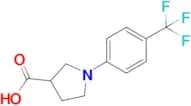
1-(4-(Trifluoromethyl)phenyl)pyrrolidine-3-carboxylic acid
CAS:Purity:97%Molecular weight:259.22799682617194-{[1,1'-biphenyl]-4-carbonyl}-8-ethyl-1-oxa-4,8-diazaspiro[4.5]decane-3-carboxylic acid
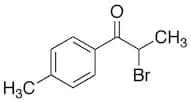
CAS:Purity:95.0%Molecular weight:394.471008300781252-Bromo-4'-methylpropiophenone
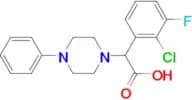
CAS:<p>Applications 2-Bromo-4'-methylpropiophenone (cas# 1451-82-7) is a compound useful in organic synthesis.<br></p>Formula:C10H11BrOColor and Shape:NeatMolecular weight:227.102-(2-Chloro-3-fluorophenyl)-2-(4-phenylpiperazin-1-yl)acetic acid
CAS:Molecular weight:348.799987792968758-methyl-4-(pyridine-4-carbonyl)-1-oxa-4,8-diazaspiro[4.5]decane-3-carboxylic acid
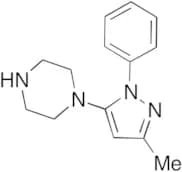
CAS:Purity:95.0%Molecular weight:305.33401489257811-(3-Methyl-1-phenyl-1H-pyrazol-5-yl)piperazine
CAS:Controlled Product<p>Applications 1-(3-Methyl-1-phenyl-1H-pyrazol-5-yl)piperazine is an intermediate used to prepare nonracemic γ-bicyclic heteroarylpiperazine- and heteroarylpiperidine-substituted prolinylthiazolidines as selective and orally active dipeptidylpeptidase 4 inhibitors for use as antidiabetic agents.<br>References Yoshida, T., et al.: Bioorg. Med. Chem., 20, 5705 (2012)<br></p>Formula:C14H18N4Color and Shape:NeatMolecular weight:242.32(S)-Piperazine-2-carboxylic acid
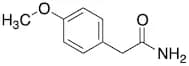
CAS:Formula:C5H10N2O2Purity:97.0%Color and Shape:SolidMolecular weight:130.1474-Methoxyphenylacetamide
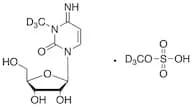
CAS:Controlled Product<p>Applications 4-METHOXYPHENYLACETAMIDE (cas# 6343-93-7) is a useful research chemical.<br></p>Formula:C9H11NO2Color and Shape:NeatMolecular weight:165.1893-Methyl Cytidine-d3 Methosulfate-d3
CAS:Controlled Product<p>Applications Labelled Cytidine derivative.<br>References Ueda, T., et al.: Chem. Pharmaceut. Bull., 22, 2377 (1974),<br></p>Formula:C10D3H12N3O5·CD3HO4SColor and Shape:NeatMolecular weight:375.3854-Methyl-2-(4-(trifluoromethyl)phenyl)thiazole-5-carboxylic Acid
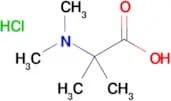
CAS:Controlled Product<p>Applications 4-methyl-2-(4-(trifluoromethyl)phenyl)thiazole-5-carboxylic acid (cas# 144059-86-9) is a useful research chemical.<br></p>Formula:C12H8F3NO2SColor and Shape:NeatMolecular weight:287.262-(Dimethylamino)-2-methylpropanoic acid hydrochloride
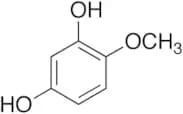
CAS:Purity:95%Molecular weight:167.63000488281254-Methoxyresorcinol
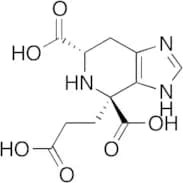
CAS:Controlled Product<p>Applications 4-Methoxyresorcinol (cas# 6100-60-3) is a compound useful in organic synthesis.<br></p>Formula:C7H8O3Color and Shape:NeatMolecular weight:140.14Cucumopine
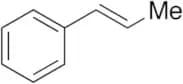
CAS:Controlled Product<p>Applications Cucumopine is used in biological studies to evaluate Agrobacterium rhizogenes cucumopine strain T-DNA ORF8 and its effects on transgenic tobacco root cultures.<br>References Bonfill, M., et al.: Curr. Top. Plant Biol., 3, 223 (2002);<br></p>Formula:C11H13N3O6Color and Shape:NeatMolecular weight:283.24trans-β-Methylstyrene (Stabilized with 3,5-di-tert-butylcatechol)
CAS:Controlled Product<p>Stability Light Sensitive<br>Applications trans-β-Methylstyrene is an isomer of β-Methylstyrene (M301155), a styrene derivative that is used as a chemical intermediate in the manufacture of plasticizers, resins and polymers. trans-β-Methylstyrene is also produced from the combustion of methamphetamine (M258795).<br> Not a dangerous good if item is equal to or less than 1g/ml and there is less than 100g/ml in the package<br>References Lin, H., et al.: Tetrahedron, Asym., 22, 134 (2011); Hirata, T., et al.: Tetrahedron., 54, 15993 (1998);<br></p>Formula:C9H10Color and Shape:NeatMolecular weight:118.18Ethyl Lauroyl Arginate Hydrochloride
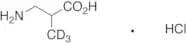
CAS:<p>Applications Ethyl Lauroyl Arginate Hydrochloride is used as a food antimicrobial in the sanitation of preserved foods. It is also used in cosmetics as a preservative.<br> Not a dangerous good if item is equal to or less than 1g/ml and there is less than 100g/ml in the package<br>References Brandt, A. et al.: . Food. Sci., 75, M557 (2010); Taormina, P. et al.: J. Food. Prot., 72, 1216 (2009); Chem. and Eng. News Page 14, Nov. 5 (2018)<br></p>Formula:C20H40N4O3·ClHColor and Shape:NeatMolecular weight:421.02rac-3-Aminoisobutyric Acid-d3 Hydrochloride
CAS:Controlled Product<p>Stability Hygroscopic<br>Applications Labelled 3-Aminoisobutyric Acid (A611585). Substituted β-alanines. Used for preparation and isolation of D(-)-β-aminoisobutyric acid.<br>References Kakimoto, Y., et al.: J. Biol. Chem., 236, 3288 (1961),<br></p>Formula:C4H7D3ClNO2Color and Shape:NeatMolecular weight:142.6(1R,5S)-2-(tert-Butoxycarbonyl)-2-azabicyclo[3.1.0]hexane-1-carboxylic acid
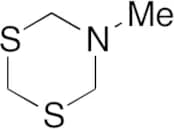
CAS:Purity:97%Molecular weight:227.25999450683594Dihydro-5-methyl-4H-1,3,5-dithiazine
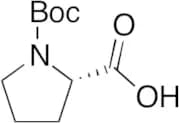
CAS:Controlled Product<p>Applications Dihydro-5-methyl-4H-1,3,5-dithiazine is used as a reagent in the synthesis of neovibsanin derivatives which have the ability to induce neuronal differentiation in PC12 cells.<br>References Annette, P.-J. C., et al.: Tetrahedron, 66, 6842 (2010)<br></p>Formula:C4H9NS2Color and Shape:NeatMolecular weight:135.251N-Boc-L-proline
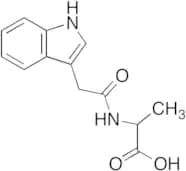
CAS:Controlled Product<p>Applications N-Boc-L-proline is a useful synthetic intermediate. It is used to synthesize Daclatasvir (D101500) which nhibits the HCV protein NS5A. Daclatasvir (D101500) can be used as a drug candidate for the treatment of hepatitis C (HCV).<br>References Gao, M., et al.: Nature, 465(7294), 96 (2010); Bell, T. W., Chem. Med. Chem., 5(10), 1663 (2010);<br></p>Formula:C10H17NO4Color and Shape:NeatMolecular weight:215.25Indole-3-acetic-L-alanine
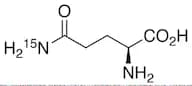
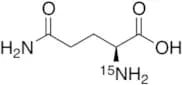
CAS:Controlled Product<p>Applications Indole-3-acetic-L-alanine is a derivative of the phytohormone indole-3-acetic acid (I577340) used in studies for the isolation and characterization of Arabdopsis thaliana mutants.<br>References Rampey, R.A., et al.: G3 (Bethesda), 3, 131-141 (2013)<br></p>Formula:C13H14N2O3Color and Shape:NeatMolecular weight:246.26L-Glutamine-amide-¹⁵N
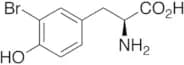
CAS:Controlled Product<p>Applications Labelled L-Glutamine (G597000). L-Glutamine is an essential amino acid that is a crucial component of culture media that serves as a major energy source for cells in culture. L-Glutamine is very stable as a dry powder and as a frozen solution. In liquid media or stock solutions, however, L-glutamine degrades relatively rapidly. Optimal cell performance usually requires supplementation of the media with L-glutamine prior to use.<br>References Rivett, A., et al.: J. Biol. Chem., 260, 300 (1985), Watford, M., et al.: Metabolism, 49, 141 (2000), Wilmore, D., et al.: J. Nutr., 131, 2543S (2001),<br></p>Formula:C5H1015NNO3Color and Shape:NeatMolecular weight:147.143-Bromo-L-tyrosine
CAS:Controlled Product<p>Applications 3-Bromo-L-tyrosine is used in the preparation and synthesis of polyclonal antibodies that work against brominated protein related allergic responses and afflictions. Also effective in asthma control and prediction in children.<br>References Kambayashi, Y. et al.: J. Clin. Biochem., 44, 95 (2009); Wedes, S. et al.: J. Ped., 159, 248 (2011);<br></p>Formula:C9H10BrNO3Color and Shape:White To Light BrownMolecular weight:260.084-(3,4-dichlorobenzoyl)-8-methyl-1-oxa-4,8-diazaspiro[4.5]decane-3-carboxylic acid
CAS:Purity:95.0%Molecular weight:373.23001098632818-ethyl-4-(4-methoxybenzoyl)-1-oxa-4,8-diazaspiro[4.5]decane-3-carboxylic acid
CAS:Purity:95.0%Molecular weight:348.398986816406251-Chloro-3-methoxypropane
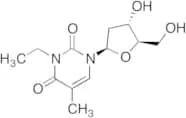
CAS:Controlled Product<p>Applications 1-Chloro-3-methoxypropane (cas# 36215-07-3) is a compound useful in organic synthesis.<br></p>Formula:C4H9ClOColor and Shape:NeatMolecular weight:108.57N3-Ethylthymidine
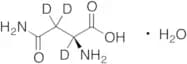
CAS:Controlled Product<p>Applications E677525<br>References Shimizu, T., et al.: Chem. Pharm. Bull., 53, 313 (2005)<br></p>Formula:C12H18N2O5Color and Shape:NeatMolecular weight:270.12157L-Asparagine-d3 Hydrate
CAS:Controlled Product<p>Applications L-Asparagine-d3 Hydrate is an isotope labelled L-Asparagine Hydrate, a naturally occurring amino acid that is not a essential for humans and can be synthesized from central metabolic pathway intermediates.<br>References Burda, P., et al.: Biochim. Biophys. Acta., 1426, 239 (1999); Yamane, H., et al.: Animal. Sci. J., 80, 286 (2009);<br></p>Formula:C4D3H5N2O3·H2OColor and Shape:White To Off-WhiteMolecular weight:153.15174-(2H-1,3-benzodioxol-5-yl)-3H,4H,5H,6H,7H-imidazo[4,5-c]pyridine-6-carboxylic acid
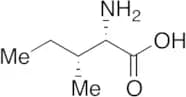
CAS:Purity:95.0%Molecular weight:287.2749938964844L-Allo-isoleucine
CAS:Controlled Product<p>Applications L-alloisoleucine is a stereo-isomer of L-isoleucine (I820175) and is produced as a byproduct of isoleucine via transamination. L-allo-isoleucine has been suggested to induce epithelial β-defensin expression. In addition, L-allo-isoleucine is utilized in the biosynthesis pathway for coronamic acid.<br>References Fehlbaum, P., et al.: Proc. Natl. Acad. Sci. USA 97, 12723 (2000); Parry, R. J., et al.: J. Am. Chem. Soc. 113, 1849 (1991)<br></p>Formula:C6H13NO2Color and Shape:NeatMolecular weight:131.175-Aminolevulinic Acid Methyl Ester Hydrochloride
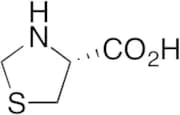
CAS:Controlled Product<p>Applications 5-Aminolevulinic Acid Methyl Ester Hydrochloride, is the methyl ester of Aminolevulinic Acid (ALA) (A611780), which has been shown to have higher lipophilicity, and to be highly efficient at inducing protoporphyrin IX (PpIX) production in cell culture.<br>References Morrow, D. I. J., et al.: J. Pharmac. Sci., 99, 3486 (2010); Peng, Q., et al.: Cancer, 79, 2282 (1997);<br></p>Formula:C6H11NO3·HClColor and Shape:NeatMolecular weight:181.62L-Thioproline
CAS:<p>Applications L-Thioproline is used to create a monolayer on gold electrodes for the determination Copper(II). L-Thioproline has shown to be an effect inhibitor of proline absorption in Saccharomyces chevalieri.<br> Not a dangerous good if item is equal to or less than 1g/ml and there is less than 100g/ml in the package<br>References Cui, X., et. al.: Sci. China Chem., 53, 257 (2010); Magana-Schwenchke, N., Schwencke, J.: BBA-Biomembranes, 173, 313 (1969)<br></p>Formula:C4H7NO2SColor and Shape:NeatMolecular weight:133.175,6-Dihydro-4H-benzo[b]thieno[2,3-d]azepine-2-carboxylic acid
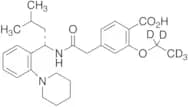
CAS:Purity:95.0%Molecular weight:245.3000030517578Repaglinide-ethyl-d5
CAS:Controlled Product<p>Applications Deuterated Repaglinide, a non-sulfonylurea oral hypoglycemic agent which is used as an antidiabetic.<br>References Wolffenbuttel, B.H.R., et al.: Eur. J. Clin. Pharmacol., 45, 113 (1993), Ampudia-Blasco, F.J., et al.: Diabetologia, 37, 703 (1994),<br></p>Formula:C272H5H31N2O4Color and Shape:White SolidMolecular weight:457.624-(3,5-dichlorobenzoyl)-8-ethyl-1-oxa-4,8-diazaspiro[4.5]decane-3-carboxylic acid
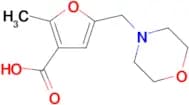
CAS:Purity:95.0%Molecular weight:387.2600097656252-Methyl-5-morpholin-4-ylmethyl-furan-3-carboxylic acid
CAS:Formula:C11H15NO4Purity:98%Color and Shape:SolidMolecular weight:225.2442-(2,3-Dimethylphenyl)-2-[4-(2-fluorophenyl)piperazin-1-yl]acetic acid
CAS:Molecular weight:342.414001464843758-methyl-4-(3,4,5-trimethoxybenzoyl)-1-oxa-4,8-diazaspiro[4.5]decane-3-carboxylic acid
CAS:Purity:95.0%Molecular weight:394.42401123046875L-Phenylalanine-d5 Methyl Ester Hydrochloride
CAS:Controlled Product<p>Applications Protected (S) enantiomer of the amino acid Phenylalanine.<br>References Zhu, P., et al.: Bioorg. Med. Chem. Lett., 19, 6966 (2009), Cramer, B., et al.: Bioorg. Med. Chem., 18, 343 (2010),<br></p>Formula:C10H9D5ClNO2Color and Shape:NeatMolecular weight:220.714-(2,3-dichlorophenyl)-3H,4H,5H,6H,7H-imidazo[4,5-c]pyridine-6-carboxylic acid
CAS:Purity:95.0%Molecular weight:312.14999389648445'-O-Methylthymidine
CAS:Controlled Product<p>Applications 5'-O-Methylthymidine (cas# 14504-60-0) is a useful research chemical.<br></p>Formula:C11H16N2O5Color and Shape:White To Off-WhiteMolecular weight:256.26N-Acetyl-5-hydroxytryptamine
CAS:<p>Stability Hygroscopic<br>Applications A metabolite of Melatonin (M215000).<br>References Reiter, R.J., et al.: J. Biomed. Sci., 7, 444 (2000), Chen, Z., et al.: Am. J. Physiol, 284, 1618 (2003), Barrenetxe, J., et al.: J. Physiol. Biochem., 60, 61 (2004),<br></p>Formula:C12H14N2O2Color and Shape:White To GreyMolecular weight:218.2518Nα-Acetyl-L-ornithine
CAS:Controlled ProductFormula:C7H14N2O3Color and Shape:Off-WhiteMolecular weight:174.22-(2-Methoxy-phenylamino)-thiazole-4-carboxylic acid
CAS:Formula:C11H10N2O3SPurity:97%Color and Shape:SolidMolecular weight:250.274-(2-methoxyphenyl)-3H,4H,5H,6H,7H-imidazo[4,5-c]pyridine-6-carboxylic acid
CAS:Purity:95.0%Molecular weight:273.29199218754-(3-chlorophenyl)-3H,4H,5H,6H,7H-imidazo[4,5-c]pyridine-6-carboxylic acid
CAS:Purity:95.0%Molecular weight:277.7099914550781(S)-3-Amino-3-(thiophen-2-yl)propanoic acid hydrochloride
CAS:Purity:95%Molecular weight:207.6699981689453DL-Cysteine
CAS:Controlled Product<p>Stability Hygroscopic<br>Applications Cysteine is a non-essential amino acid that can be synthesized by the human body under normal physiological conditions if a sufficient quantity of methionine is available. Cysteine is commonly used as a precursor in the food and pharmaceutical industries. Cysteine is used as a processing aid for baking, as an additive in cigarettes, as well as in the preparation of meat flavours.<br>References Hui, N. et al.: Meat Sci. Appl., 74 (2001); Kiviharju, K. et al.: J. Biotechnol., 117, 299 (2005); Pecivova, P. et al.: J. Sci. Food Agric., 90, 1681 (2010);<br></p>Formula:C3H7NO2SColor and Shape:NeatMolecular weight:121.168-ethyl-4-(thiophene-2-carbonyl)-1-oxa-4,8-diazaspiro[4.5]decane-3-carboxylic acid
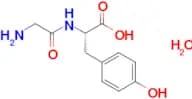
CAS:Purity:95.0%Molecular weight:324.3999938964844(S)-2-(2-Aminoacetamido)-3-(4-hydroxyphenyl)propanoic acid hydrate
CAS:Purity:95.0%Molecular weight:256.257995605468752-(4-Chlorophenyl)-2-[4-(2-methylphenyl)piperazin-1-yl]acetic acid
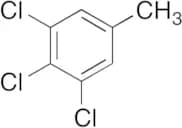
CAS:Molecular weight:344.83999633789061,2,3-Trichloro-5-methylbenzene
CAS:<p>Applications 1,2,3-Trichloro-5-methylbenzene is useful in calculating 21 physical properties of organic compounds strictly from molecular structure.<br> Not a dangerous good if item is equal to or less than 1g/ml and there is less than 100g/ml in the package<br>References Jain, N., et al.: J. Pharm. Sci., 88, 852-860 (1999)<br></p>Formula:C7H5Cl3Color and Shape:White To Off-WhiteMolecular weight:195.474Glycyl-L-Tyrosine Dihydrate
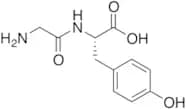
CAS:Controlled Product<p>Applications Glycyl-L-Tyrosine Dihydrate is used in process for producing N-Glycyltyrosine. Glycyl-L-Tyrosine Dihydrate is the anhydrous form of Glycyl-L-tyrosine(G720108); which is used in preparation method of high quality Aspartame and Aspartame crystallization-inducing agent.<br>References Mimura, T., et al.: Eur. Pat. Appl., (1999); Gao, Z., et al.: Faming Zhuanli Shenqing, (2019);<br></p>Formula:C11H14N2O4·2H2OColor and Shape:NeatMolecular weight:274.273-N-Methyl-L-histidine
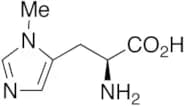
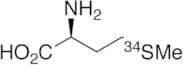
CAS:<p>Applications 3-N-Methyl-L-histidine is a potential compound to be used as a treatment with pharmacological PPARα agonists to stimulate the ubiquitin proteasome pathway and myofibrillar protein breakdown in skeletal muscle of rodents.<br>References Ringseis, R., et al.: Biochem. Biphys. Gen. Subject., 1830, 2105 (2013); Ubhi, B.K., et al.: Molec. Biosys., 8, 3125 (2012);<br></p>Formula:C7H11N3O2Color and Shape:NeatMolecular weight:169.18L-Methionine-34S
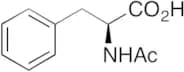
CAS:<p>Applications Labelled L-Methionine, an essential aminoacid for human development. Hepatoprotectant; antidote (acetominophen poisoning); urinary acidifier.<br>References Benevenga, N.J., et al.: J. Agric. Food Chem., 22, 2 (1974), Fleisher, L.D., et al.: Clin. Endocrinol. Metab., 3, 37 (1974), Meinnel, T., et al.: Biochimie, 75, 1061 (1993),<br></p>Formula:C5H11NO234SColor and Shape:NeatMolecular weight:151.11N-Acetyl-L-phenylalanine
CAS:Controlled Product<p>Applications N-Acetyl-L-phenylalanine is an protected analogue of L-Phenylalanine (P319415), an essential amino acid produced for medical, feed, and nutritional applications such as in the preparation of Aspartame.<br>References Sriram, S., et al.: J. Med. Chem., 56, 2540 (2013); Parker, B.M., et al.: J. Biotech., 155, 396 (2011);<br></p>Formula:C11H13NO3Color and Shape:NeatMolecular weight:207.234-[(2,4-dioxo-3-phenyl-1,3-thiazolidin-5-yl)amino]benzoic acid
CAS:Purity:95.0%Molecular weight:328.33999633789064-benzoyl-8-ethyl-1-oxa-4,8-diazaspiro[4.5]decane-3-carboxylic acid
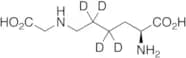
CAS:Purity:95.0%Molecular weight:318.37298583984375Nε-(1-Carboxymethyl)-L-lysine-d4
CAS:Controlled Product<p>Stability Hygroscopic<br>Applications CEL and CML are two stable, nonenzymatic chemical modifications of protein lysine residues resulting from glycation and oxidation reactions.<br>References Fu, M.X., et al.: J. Biol. Chem., 271, 9982 (1996), Ahmed M.U., et al.: Biochem.J., 324, 565 (1997), Schleicher, E.D., et al.: J. Clin. Invest., 99, 457 (1997), Shibayama, R., et al.: Diabetes, 48, 1842 (1999),<br></p>Formula:C8H12D4N2O4Color and Shape:NeatMolecular weight:208.258-methyl-4-(naphthalene-2-carbonyl)-1-oxa-4,8-diazaspiro[4.5]decane-3-carboxylic acid
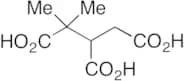
CAS:Purity:95.0%Molecular weight:354.4060058593753-Methylbutane-1,2,3-tricarboxylic Acid
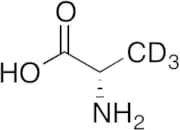
CAS:Controlled Product<p>Applications 3-Methylbutane-1,2,3-tricarboxylic Acid is an atmospheric oxidation product of α-pinene that is a tracer compound for atmospheric terpene secondary organic aerosol (SOA) particles.<br> Not a dangerous good if item is equal to or less than 1g/ml and there is less than 100g/ml in the package<br>References Dette, H.P., et. al.: J. Phys. Chem. A., 118, 7024 (2014)<br></p>Formula:C8H12O6Color and Shape:NeatMolecular weight:204.18L-Alanine-d3
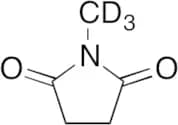
CAS:Controlled Product<p>Applications L-Alanine-d3 is the labeled analogue of L-Alanine (A481500), which is used to make in-vivo measurement of glucose and alanine metabolism in studies of patients with diabetes. L-Alanine is a non-essential amino acid for human development. L-Alanine is one of the 20 amino acids encoded by the genetic code.<br>References Bier, D.M. et al.: Diabetes, 26, 1005 (1977); Capaldo, B. et al.: J. Clin. Endocrinol. Metab., 71, 1220 (1990); Giacca, A. et al.: Diabetes, 47, 1763 (1998)<br></p>Formula:C3D3H4NO2Color and Shape:NeatMolecular weight:92.11N-Methylsuccinimide-d3
CAS:Controlled Product<p>Applications N-Methylsuccinimide-d3 is the isotope labelled analog of N-Methylsuccinimide (M329425); a model compound used to investigate the mechanism of enolization step by density-functional theory (DFT) calculations. N-Methylsuccinimide is a metabolite of N-methyl-2-pyrrolidone (NMP) and its presence in plasma and urine can be used as a biomarker of exposure to NMP<br>References Takahashi, O., et al.: Chem. Biodivers., 7, 1349 (2010)<br></p>Formula:C5D3H4NO2Color and Shape:NeatMolecular weight:116.1332,4,8,10-Tetraoxaspiro[5.5]undecane-3,9-diylbis(2-methylpropane-2,1-diyl) bis(3-(3-(tert-butyl)-4-hydroxy-5-methylphenyl)propanoate)
CAS:Controlled Product<p>Applications 2,4,8,10-Tetraoxaspiro[5.5]undecane-3,9-diylbis(2-methylpropane-2,1-diyl) bis(3-(3-(tert-butyl)-4-hydroxy-5-methylphenyl)propanoate) (cas# 90498-90-1) is a useful compound used as a modifier for the thermo-oxidative stabilization of synthesized meterials such as polypropylene-based materials, and spider silk.<br>References Matta, A.; et al.: Polym. Degrad. Stab., 142, 50 (2017); Dao, A. T.; et al.: Polym. Degrad. Stab., 153, 37 (2018).<br></p>Formula:C43H64O10Color and Shape:NeatMolecular weight:740.96N-[(Benzyloxy)carbonyl]glycylglycine
CAS:<p>Applications N-[(Benzyloxy)carbonyl]glycylglycine is a reagent in the synthesis of Glycylglycyl-L-tyrosine (G718500), which is a fungal tyrosinases and their capability to oxidize peptide-bound tyrosine residues is important in a view of applicability of tyrosinases.<br>References Bowness, J., et al.: Biochem. J., 53, 620 (1953), Cuff, M., et al.: J. Mol. Biol., 278, 855 (1998), Kubo, I., et al.: Bioorg. Med. Chem., 12, 5349 (2004),<br></p>Formula:C12H14N2O5Color and Shape:NeatMolecular weight:266.253-{[4-(diethylamino)phenyl]methylidene}-1H,2H,3H-cyclopenta[b]quinoline-9-carboxylic acid
CAS:Purity:97%Molecular weight:372.468N-Acetyl-S-(2-cyanoethyl)-L-cysteine-d3 Ammonium Salt
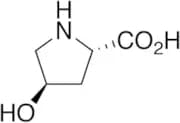
CAS:Controlled Product<p>Stability Hygroscopic<br>Applications Isotope labelled N-Acetyl-S-(2-cyanoethyl)-L-cysteine Ammonium Salt is a metabolite of Acrylonitrile (AN) and acrylamide (AM). Are commonly used in the synthesis of plastics and polymers.<br>References van Bladeren, P., et al.: Drug Metab. Dispos., 9, 246 (1981), Guengerich, F., et al.: Chem. Res. Toxicol., 4, 168 (1991),<br></p>Formula:C8D3H8N2O3S·H4NColor and Shape:Off-WhiteMolecular weight:236.3065trans-4-Hydroxy-L-proline
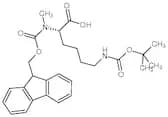
CAS:Controlled Product<p>Applications A natural constituent of animal structural proteins such as collagen and elastin. Several microorganisms producing proline trans-4- and cis-3-hydroxylase were discovered and these enzymes were applied to the industrial production of trans-4- and cis-3-hydroxy-L-proline.<br>References Langmaier, F. et al.: Int. J. Cosm. Sci., 24, 273 (2002); Lawrence, C., et al.: Biochem. J., 313, 185 (1996); Mori, H., et al.: J. Bacteriol.; 179, 5677 (1997); Clifton, I., et al.: Eur. J. Biochem., 268, 6625 (2001);<br></p>Formula:C5H9NO3Color and Shape:NeatMolecular weight:131.13Fmoc-n-me-lys(boc)-oh
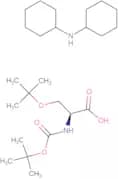
CAS:Controlled Product<p>Applications Fmoc-n-me-lys(boc)-oh<br></p>Formula:C27H34N2O6Color and Shape:NeatMolecular weight:482.569BOC-SER(TBU)-OH DCHA
CAS:<p>M06199 - BOC-SER(TBU)-OH DCHA</p>Formula:C24H46N2O5Purity:95%Color and Shape:SolidMolecular weight:442.641Caerulein (>85%)
CAS:Controlled Product<p>Applications Caerulein is a ten amino acid oligopeptide that stimulates smooth muscle and increases digestive secretions. It is similar in action and composition to cholecystokinin. It stimulates gastric, biliary, and pancreatic secretion; and certain smooth muscle. It is used in paralytic ileus and as diagnostic aid in pancreatic malfunction. It is used to induce pancreatitis in experimental animal models.<br>References Anastasi,E., et al.: Ep., 23, 699 (1997); De Caro, G., et al.: Br. J. Pharmac Chemother., 33, 48 (1968)<br></p>Formula:C58H73N13O21S2Purity:~90%Color and Shape:Off-WhiteMolecular weight:1352.40N-Isobutyrylglycine
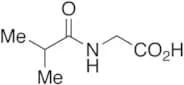
CAS:<p>Applications N-Isobutyrylglycine detection is a useful diagnostic tool in the diagnosis of many organic acidemias and mitochondrial fatty acid β-oxidation defects. N-Isobutyrylglycine detection is also used in the diagnosis of isobutyryl-CoA dehydrogenase deficiency.<br>References Costa, C. G. et al.: J. Pharmac. Biomed. Anal., 21, 1215 (2000); Bonafe, L. et al.: Mol. Gen. Metab., 69, 311 (2000); Sass, J. et al.: J. Inher. Metab. Dis., 27, 741 (2004);<br></p>Formula:C6H11NO3Color and Shape:NeatMolecular weight:145.16Arginine Vasopressin Diacetate
CAS:<p>Applications An endogenous antidiuretic hormone in most mammalian species. It is released into the blood from nerve terminals in the posterior pituitary and median eminence. It is a neurotransmitter in the central nervous system and also implicated in a variety of physiological processes such as regulating water balance by antidiuretic action. It is a peptidic V1a receptor agonist that produces vasoconstriction via V1aR-mediated vascular smooth muscle cell contraction and is being used to increase blood pressure in septic shock, a form of vasodilatory hypotension.<br>References Perucca, J. et al.: J. AM. Soc. Nephrol., 19, 1721 (2008); Toba, K. et al.: Prog. Brain Res., 119, 337 (1998); Berrada, K. et al.: J. Biol. Chem., 275, 27229 (2000);<br></p>Formula:C50H73N15O16S2Color and Shape:NeatMolecular weight:1204.34D-Aspartic Acid
CAS:<p>Applications A non-essential amino acid found in food sources and dietary supplements. Its conjugate base D-aspartate has potential use as a a therapeutic agent in the treatment of schizophrenia-related symptoms.<br>References Errico, F. et al.: J. Neurosci., 28, 10404 (2008); Denu, J.M. et al.: Biochem., 34, 3396 (1995); Chen, P.E. et al.: Mol. Pharmacol., 67, 1470 (2005);<br></p>Formula:C4H7NO4Color and Shape:NeatMolecular weight:133.10(+)-a-Methyl-b-alanine
CAS:Controlled Product<p>Applications (+)-α-Methyl-β-alanine is a reactant for the chemoenzymatic assembly of cryptophycins as potent anticancer therapeutics.<br>References Magarvey, N.A., et al.: ACS Chem. Biol., 1, 766-779 (2006)<br></p>Formula:C4H9NO2Color and Shape:NeatMolecular weight:103.120Sarcosine-d3 Hydrochloride
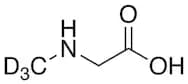
CAS:Controlled ProductFormula:C32H3H4NO2·ClHColor and Shape:NeatMolecular weight:128.57S-Methyl-L-cysteine
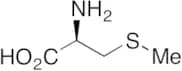
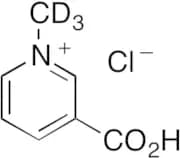
CAS:Controlled Product<p>Applications S-Methyl-L-cysteine is a substrate in the catalytic antioxidant system mediated by methionine sulfoxide reductase A (MSRA). It has been studied as a theurapeutic for neurodegenerative diseases including Parkinson′s.<br>References Wassef, R., et al.: J. Neurosci., 21, 12808 (2007)<br></p>Formula:C4H9NO2SColor and Shape:NeatMolecular weight:135.19Trigonelline-d3 Hydrochloric Acid Salt (N-methyl-d3)
CAS:Controlled Product<p>Stability Hygroscopic<br>Applications Trigonelline-d3 HCl is deuterium labelled Trigonelline HCl. Trigonelline HCl has utility in developing site-specific system that delivers drugs to the brain. It has also been suggested as a potential anti-Alzheimer disease agent.<br>References Bodor, N., et al.: J. Med. Chem 26, 313 (1983); Makowska, J., et al.: J. Chromatogr. B 968, 101 (2014)<br></p>Formula:C7D3H5NO2·ClColor and Shape:NeatMolecular weight:176.62L-Histidinol Dihydrochloride
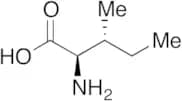
CAS:Controlled ProductFormula:C6H11N3O·2ClHColor and Shape:NeatMolecular weight:214.09D-Isoleucine
CAS:<p>Applications D-Isoleucine is not biosynthesized in the human body and is therefore categorized as an essential amino acid that must be obtained through diet. It is also an important building block that is used in the formation of hemoglobin in humans.<br>References Albanese, A.: J. Biol. Chem., 157, 613 (1945); Martin, R. & Kirk, K.: Blood, 109, 2217 (2007)<br></p>Formula:C6H13NO2Color and Shape:Off White SolidMolecular weight:131.1729(4-Hydroxyphenyl)glycine
CAS:<p>Applications (4-Hydroxyphenyl)glycine, is a key intermediate for the synthesis Cefpiramide (C243400), used as a β-lactam antibiotic.<br>References Xiao, R. Q., et al.: Guangzhou Huagong, 41, 111 (2013);<br></p>Formula:C8H9NO3Color and Shape:Off White PowderMolecular weight:167.162(6R,7R)-7-Amino-8-oxo-5-thia-1-azabicyclo[4.2.0]oct-2-ene-2-carboxylic acid
CAS:Purity:95.0%Molecular weight:200.2100067138672N-des(4-Chlorobenzoyl) Rebamipide
CAS:Formula:C12H13ClN2O3Color and Shape:White To Off-WhiteMolecular weight:268.74-(2,4-dichlorophenyl)-3H,4H,5H,6H,7H-imidazo[4,5-c]pyridine-6-carboxylic acid
CAS:Purity:95.0%Molecular weight:312.1499938964844L-Lysine L-Malate
CAS:Controlled Product<p>Applications L-Lysine L-Malate is used in the preparation of amino acid ionic liquids for use in food and medical field.<br></p>Formula:C6H14N2O2·C4H6O5Color and Shape:NeatMolecular weight:280.278-ethyl-4-(pyridine-3-carbonyl)-1-oxa-4,8-diazaspiro[4.5]decane-3-carboxylic acid
CAS:Purity:95.0%Molecular weight:319.3609924316406L-Glutamine-15N
CAS:<p>Applications L-Glutamine (Alpha-15n, 98%) (cas# 80143-57-3) is a useful research chemical.<br></p>Formula:C5H1015NNO3Color and Shape:NeatMolecular weight:147.138L-Phenylalanine-13C6
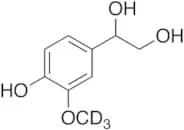
CAS:Controlled Product<p>Applications Labelled analogue of L-Phenylalanine, an essential amino acid. L-Phenylalanine is biologically converted into L-tyrosine, another one of the DNA-encoded amino acids, which in turn is converted to L-DOPA and further converted into dopamine, norepinephrine, and epinephrine. L-Phenylalanine is produced for medical, feed, and nutritional applications such as in the preparation of Aspartame.<br>References Hollunger, G. et al.: Acta Pharmacol. Toxicol., 34, 391 (1974); Bagchi, S.P. et al.: Biochem. Pharmacol., 26, 900 (1977);<br></p>Formula:C313C6H11NO2Color and Shape:White To Off-WhiteMolecular weight:171.15rac 4-Hydroxy-3-methoxyphenylethylene Glycol-d3
CAS:Controlled Product<p>Applications A labelled metabolite of Catecholamines.<br>References Kopin, I.J., et al.: J. Biol. Chem., 236, 2109 (1961), Short, F.W., et al.: J. Med. Pharm. Chem., 5, 642 (1962)<br></p>Formula:C92H3H9O4Color and Shape:NeatMolecular weight:187.211,2-Cyclohexanedicarboxylic Acid Mono 4-Methyloctyl Ester
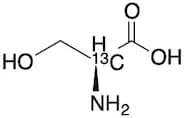
CAS:<p>Applications 1,2-Cyclohexanedicarboxylic Acid Mono 4-Methyloctan-1-ol Ester is a possible metabolite of the di(isononyl)cyclohexane-1,2-dicarboxylate (DINCH) monoester (MINCH).<br>References Koch, H., et al.: Arch. Toxicol., 87, 799 (2013)<br></p>Formula:C17H30O4Color and Shape:NeatMolecular weight:298.42L-Serine-2-13C
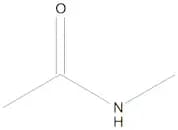
CAS:Controlled Product<p>Applications Isotope labelled L-Serine is used in the synthesis of purines and pyrimidines as antibacterial/antifungal agents, as well as acting as a proteinogenic compound.<br>References Olivella, M. et al.: Bioorg. Med. Chem., 20, 6109 (2012);<br></p>Formula:C213CH7NO3Color and Shape:NeatMolecular weight:106.09N-Methylacetamide
CAS:Controlled Product<p>Applications N-Methylacetamide can be used for the synthesis of N-sulfonyl amidines and acyl sulfonyl ureas.Environmental contaminants; food contaminants.<br>References Chow, S. Y., et al.: J. Org. Chem. 82, 2515 (2017)<br></p>Formula:C3H7NOColor and Shape:NeatMolecular weight:73.094-(3-bromobenzoyl)-8-methyl-1-oxa-4,8-diazaspiro[4.5]decane-3-carboxylic acid
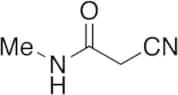
CAS:Purity:95.0%Molecular weight:383.242004394531252-Cyano-N-methylacetamide
CAS:Controlled Product<p>Applications 2-Cyano-N-methylacetamide is used in the synthesis of pyridone compounds and benzimidazoles, for various pharmaceutical application.<br>References Mijin, D. et al.: Synth. Comm., 36, 193 (2006); Grimmett, M. et al.: Sci. Synth., 12, 529 (2002); Aggarwal, V. et al.: Synth. 3, 214 (1982);<br></p>Formula:C4H6N2OColor and Shape:NeatMolecular weight:98.1

![4-{[1,1'-biphenyl]-4-carbonyl}-8-ethyl-1-oxa-4,8-diazaspiro[4.5]decane-3-carboxylic acid](/_next/image/?url=https%3A%2Fstatic.cymitquimica.com%2Fproducts%2F10%2Fthumb-webp%2FF525684.webp&w=3840&q=75)

![8-methyl-4-(pyridine-4-carbonyl)-1-oxa-4,8-diazaspiro[4.5]decane-3-carboxylic acid](/_next/image/?url=https%3A%2Fstatic.cymitquimica.com%2Fproducts%2F10%2Fthumb-webp%2FF525650.webp&w=3840&q=75)



![(1R,5S)-2-(tert-Butoxycarbonyl)-2-azabicyclo[3.1.0]hexane-1-carboxylic acid](/_next/image/?url=https%3A%2Fstatic.cymitquimica.com%2Fproducts%2F10%2Fthumb-webp%2FF614314.webp&w=3840&q=75)
![4-(3,4-dichlorobenzoyl)-8-methyl-1-oxa-4,8-diazaspiro[4.5]decane-3-carboxylic acid](/_next/image/?url=https%3A%2Fstatic.cymitquimica.com%2Fproducts%2F10%2Fthumb-webp%2FF525632.webp&w=3840&q=75)
![8-ethyl-4-(4-methoxybenzoyl)-1-oxa-4,8-diazaspiro[4.5]decane-3-carboxylic acid](/_next/image/?url=https%3A%2Fstatic.cymitquimica.com%2Fproducts%2F10%2Fthumb-webp%2FF525667.webp&w=3840&q=75)

![4-(2H-1,3-benzodioxol-5-yl)-3H,4H,5H,6H,7H-imidazo[4,5-c]pyridine-6-carboxylic acid](/_next/image/?url=https%3A%2Fstatic.cymitquimica.com%2Fproducts%2F10%2Fthumb-webp%2FF522503.webp&w=3840&q=75)


![5,6-Dihydro-4H-benzo[b]thieno[2,3-d]azepine-2-carboxylic acid](/_next/image/?url=https%3A%2Fstatic.cymitquimica.com%2Fproducts%2F10%2Fthumb-webp%2FF215573.webp&w=3840&q=75)
![4-[(4-PHENYLQUINAZOLIN-2-YL)AMINO]BENZOIC ACID](/_next/image/?url=https%3A%2Fstatic.cymitquimica.com%2Fproducts%2F10%2Fthumb-webp%2FF531237.webp&w=3840&q=75)
![4-(3,5-dichlorobenzoyl)-8-ethyl-1-oxa-4,8-diazaspiro[4.5]decane-3-carboxylic acid](/_next/image/?url=https%3A%2Fstatic.cymitquimica.com%2Fproducts%2F10%2Fthumb-webp%2FF525701.webp&w=3840&q=75)
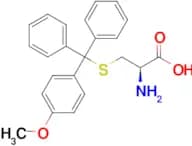
![2-(2,3-Dimethylphenyl)-2-[4-(2-fluorophenyl)piperazin-1-yl]acetic acid](/_next/image/?url=https%3A%2Fstatic.cymitquimica.com%2Fproducts%2F10%2Fthumb-webp%2FF300391.webp&w=3840&q=75)
![8-methyl-4-(3,4,5-trimethoxybenzoyl)-1-oxa-4,8-diazaspiro[4.5]decane-3-carboxylic acid](/_next/image/?url=https%3A%2Fstatic.cymitquimica.com%2Fproducts%2F10%2Fthumb-webp%2FF525628.webp&w=3840&q=75)
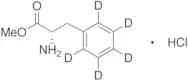

![4-(2,3-dichlorophenyl)-3H,4H,5H,6H,7H-imidazo[4,5-c]pyridine-6-carboxylic acid](/_next/image/?url=https%3A%2Fstatic.cymitquimica.com%2Fproducts%2F10%2Fthumb-webp%2FF522516.webp&w=3840&q=75)

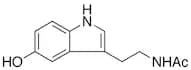

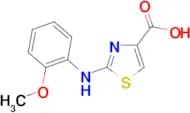
![4-(2-methoxyphenyl)-3H,4H,5H,6H,7H-imidazo[4,5-c]pyridine-6-carboxylic acid](/_next/image/?url=https%3A%2Fstatic.cymitquimica.com%2Fproducts%2F10%2Fthumb-webp%2FF522487.webp&w=3840&q=75)
![4-(3-chlorophenyl)-3H,4H,5H,6H,7H-imidazo[4,5-c]pyridine-6-carboxylic acid](/_next/image/?url=https%3A%2Fstatic.cymitquimica.com%2Fproducts%2F10%2Fthumb-webp%2FF522490.webp&w=3840&q=75)


![8-ethyl-4-(thiophene-2-carbonyl)-1-oxa-4,8-diazaspiro[4.5]decane-3-carboxylic acid](/_next/image/?url=https%3A%2Fstatic.cymitquimica.com%2Fproducts%2F10%2Fthumb-webp%2FF525675.webp&w=3840&q=75)
![2-(4-Chlorophenyl)-2-[4-(2-methylphenyl)piperazin-1-yl]acetic acid](/_next/image/?url=https%3A%2Fstatic.cymitquimica.com%2Fproducts%2F10%2Fthumb-webp%2FF300389.webp&w=3840&q=75)
![4-[(2,4-dioxo-3-phenyl-1,3-thiazolidin-5-yl)amino]benzoic acid](/_next/image/?url=https%3A%2Fstatic.cymitquimica.com%2Fproducts%2F10%2Fthumb-webp%2FF511756.webp&w=3840&q=75)
![4-benzoyl-8-ethyl-1-oxa-4,8-diazaspiro[4.5]decane-3-carboxylic acid](/_next/image/?url=https%3A%2Fstatic.cymitquimica.com%2Fproducts%2F10%2Fthumb-webp%2FF525665.webp&w=3840&q=75)
![8-methyl-4-(naphthalene-2-carbonyl)-1-oxa-4,8-diazaspiro[4.5]decane-3-carboxylic acid](/_next/image/?url=https%3A%2Fstatic.cymitquimica.com%2Fproducts%2F10%2Fthumb-webp%2FF525638.webp&w=3840&q=75)
![2,4,8,10-Tetraoxaspiro[5.5]undecane-3,9-diylbis(2-methylpropane-2,1-diyl) bis(3-(3-(tert-butyl)-4-…](/_next/image/?url=https%3A%2Fstatic.cymitquimica.com%2Fproducts%2FTR%2Fthumb-webp%2FT306005.webp&w=3840&q=75)
![N-[(Benzyloxy)carbonyl]glycylglycine](/_next/image/?url=https%3A%2Fstatic.cymitquimica.com%2Fproducts%2FTR%2Fthumb-webp%2FB287100.webp&w=3840&q=75)
![3-{[4-(diethylamino)phenyl]methylidene}-1H,2H,3H-cyclopenta[b]quinoline-9-carboxylic acid](/_next/image/?url=https%3A%2Fstatic.cymitquimica.com%2Fproducts%2F10%2Fthumb-webp%2FF985970.webp&w=3840&q=75)







![(6R,7R)-7-Amino-8-oxo-5-thia-1-azabicyclo[4.2.0]oct-2-ene-2-carboxylic acid](/_next/image/?url=https%3A%2Fstatic.cymitquimica.com%2Fproducts%2F10%2Fthumb-webp%2FF229158.webp&w=3840&q=75)
![4-(2,4-dichlorophenyl)-3H,4H,5H,6H,7H-imidazo[4,5-c]pyridine-6-carboxylic acid](/_next/image/?url=https%3A%2Fstatic.cymitquimica.com%2Fproducts%2F10%2Fthumb-webp%2FF522513.webp&w=3840&q=75)

![8-ethyl-4-(pyridine-3-carbonyl)-1-oxa-4,8-diazaspiro[4.5]decane-3-carboxylic acid](/_next/image/?url=https%3A%2Fstatic.cymitquimica.com%2Fproducts%2F10%2Fthumb-webp%2FF525700.webp&w=3840&q=75)


![4-(3-bromobenzoyl)-8-methyl-1-oxa-4,8-diazaspiro[4.5]decane-3-carboxylic acid](/_next/image/?url=https%3A%2Fstatic.cymitquimica.com%2Fproducts%2F10%2Fthumb-webp%2FF525640.webp&w=3840&q=75)