Amino Acids (AA)
Amino acids (AAs) are the fundamental building blocks of proteins, playing a crucial role in various biological processes. These organic compounds are essential for protein synthesis, metabolic pathways, and cell signaling. In this category, you will find a comprehensive range of amino acids, including essential, non-essential, and modified forms, which are vital for research in biochemistry, molecular biology, and nutritional sciences. At CymitQuimica, we provide high-quality amino acids to support your research and development needs, ensuring accuracy and reliability in your experimental outcomes.
Subcategories of "Amino Acids (AA)"
- Amino Acid Derivatives(3,955 products)
- Amino Acid and Amino Acid Related Compounds(3,461 products)
- Amino Acids with Oxygen or Sulphur(168 products)
- Boc- Amino Acids(351 products)
- Fmoc Amino Acids(1,710 products)
Found 38244 products of "Amino Acids (AA)"
Sort by
Purity (%)
0
100
|
0
|
50
|
90
|
95
|
100
Methyl 2,3,4-Tri-O-isobutyryl-D-glucopyranuronate
CAS:Controlled Product<p>Stability Temperature Sensitive<br>Applications Methyl 2,3,4-Tri-O-isobutyryl-D-glucopyranuronate (cas# 1190403-86-1) is a compound useful in organic synthesis.<br></p>Formula:C19H30O10Color and Shape:NeatMolecular weight:418.447-Methyl Xanthine
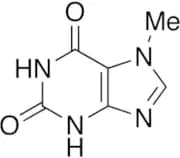
CAS:Controlled Product<p>Applications Metabolite of Theophylline and Caffeine.<br>References Yu, Ch. et al.: J. Bacteriol. 191, 4624 (2009); Geraets, L. et al.: Biochem. Pharmacol. 72, 902 (2006).<br></p>Formula:C6H6N4O2Color and Shape:NeatMolecular weight:166.143-(4-Methylphenyl)-3-(trifluoromethyl)diaziridine
CAS:Controlled Product<p>Applications 3-(4-Methylphenyl)-3-(trifluoromethyl)diaziridine (cas# 87736-82-1) is a compound useful in organic synthesis.<br></p>Formula:C9H9F3N2Color and Shape:NeatMolecular weight:202.181-Azido-2-(2-methoxyethoxy)ethane
CAS:Controlled Product<p>Applications 1-Azido-2-(2-methoxyethoxy)ethane (cas# 215181-61-6) is a useful research chemical.<br></p>Formula:C5H11NO2Color and Shape:NeatMolecular weight:145.16Hexahydro-4-methylphthalic Anhydride
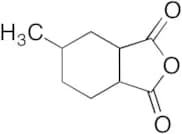
CAS:Controlled Product<p>Stability Hygroscopic, Moisture Sensitive<br>Applications Hexahydro-4-methylphthalic Anhydride, can be used in the mixture of other isomers nanofiber supported 3D interconnected BN nanosheets for epoxy nanocomposites with ultrahigh thermal management capability<br>References Chen, J., et al.: Adv. Funct. Material., 27, 5 (2017)<br></p>Formula:C9H12O3Color and Shape:NeatMolecular weight:168.190N-Methyl-N-nitroso Urea-d5 (Wetted with water >20%)
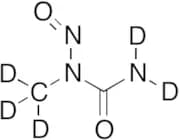
CAS:Controlled Product<p>Applications N-Methyl-N-nitroso Urea-d6 is the labelled form of N-Methyl-N-nitroso Urea (M325815), which is a precursor of Diazomethane. It has a cytotoxicity effect.<br>References Huggins, C., et al.: J. Exp. Med., 131, 321 (1970); Gullino, P.M., et al.: J. Natl. Cancer Inst., 54, 401 (1975)<br></p>Formula:C2D5N3O2Color and Shape:NeatMolecular weight:108.11L-Arginine-13C,d4 Dihydrochloride
CAS:Controlled Product<p>Stability Extremely Hygroscopic<br>Applications Labelled L-Arginine (A769500). An essential amino acid for human development. Precursor for nitric oxide. Ammonia detoxicant (hepatic failure); diagnostic aid (pituitary function).<br>References Miura, T., et al.: Anal. Biochem., 139, 432 (1984), Jones, et al.: Adv. Enzyme Regul., 9, 19 (1970), Borders, C.L., et al.: Protein. Sci., 3, 541 (1994),<br></p>Formula:C5CH10D4N4O2·2HClColor and Shape:NeatMolecular weight:252.143-Methoxy-2',4',6',4-tetrahydroxychalcone (>80%)
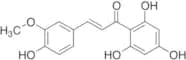
CAS:Controlled Product<p>Applications 3-Methoxy-2',4',6',4-tetrahydroxychalcone piperidine complex (cas# 52218-19-6) is a useful research chemical.<br></p>Formula:C16H14O6Purity:>80%Color and Shape:NeatMolecular weight:302.285-Amino-1-methylpyrazole
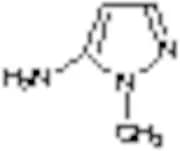
CAS:Controlled ProductFormula:C4H7N3Color and Shape:NeatMolecular weight:97.124-Methyl-2-pentanol
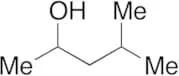
CAS:<p>Applications 4-Methyl-2-pentanol is used in the synthesis of 4-quinolone derivatives as high-affinity ligands for the brain GABAA receptors. Also used in the preparation of antimycotic imadazoles, as antifungals.<br> Not a dangerous good if item is equal to or less than 1g/ml and there is less than 100g/ml in the package<br>References Lager, E. et al.: J. Med. Chem., 49, 2526 (2006); Heeres, J. et al.: J. Med. Chem., 22, 1003 (1979);<br></p>Formula:C6H14OColor and Shape:Clear ColourlessMolecular weight:102.17Methyl(4-methylnaphthalen-1-ylmethyl)amine
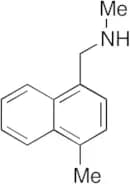
CAS:Controlled Product<p>Applications Methyl(4-methylnaphthalen-1-ylmethyl)amine is a reagent in the preparation of heterocyclic compounds as enoyl-acyl carrier protein reductase FabI inhibitors and antibacterial agents.<br>References Stuetz, A., et al.: J. Med. Chem., 29, 112 (1986); Berman, J., et al.: PCT Int. Appl., 2004:515512 (2004)<br></p>Formula:C13H15NColor and Shape:NeatMolecular weight:185.26H-Pro-Glu-Oh
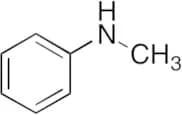
CAS:Controlled Product<p>Applications H-PRO-GLU-OH (cas# 67644-00-2) is a useful research chemical.<br></p>Formula:C10H16N2O5Color and Shape:NeatMolecular weight:244.244N-Methylaniline
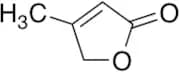
CAS:Controlled Product<p>Applications N-Methylaniline is used as an additive in gasoline because of its antiknock properties.<br> Not a dangerous good if item is equal to or less than 1g/ml and there is less than 100g/ml in the package<br>References Liu, Li-jun, et al.: Huaxue Shiji, 37(1), 53-55, 96 (2015); Qin, Li-xia, et al.: Guangzhou Huagong, 43(8), 138-139, 148 (2015);<br></p>Formula:C7H9NColor and Shape:NeatMolecular weight:107.154-Methyl-2(5H)-furanone
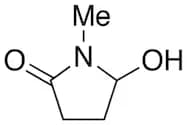
CAS:Controlled Product<p>Applications 4-Methyl-2(5H)-furanone (cas# 6124-79-4) is a useful research chemical.<br></p>Formula:C5H6O2Color and Shape:ColourlessMolecular weight:98.15-Hydroxy-N-methyl-2-pyrrolidinone
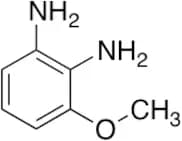
CAS:Controlled Product<p>Applications 5-Hydroxy-N-methyl-2-pyrrolidinone is a metabolite of N-methylpyrrolidone (NMP).<br>References Payan, J., et al.: Drug Metab. Dispos., 30, 1418 (2002), Carnerup, M., et al.: Food Chem. Toxicol., 43, 1441 (2005), Angerer, J., et al.: Toxicol. Sci., 93, 3 (2006),<br></p>Formula:C5H9NO2Color and Shape:NeatMolecular weight:115.133-Methoxybenzene-1,2-diamine
CAS:<p>Applications 3-Methoxybenzene-1,2-Diamine (cas# 37466-89-0) is a useful research chemical.<br> Not a dangerous good if item is equal to or less than 1g/ml and there is less than 100g/ml in the package<br></p>Formula:C7H10N2OColor and Shape:BrownMolecular weight:138.17L-Hydroxyprolylglycine
CAS:Controlled Product<p>Applications L-Hydroxyprolylglycine_x000D__x000D (cas# 7672-35-7) is a useful research chemical.<br></p>Formula:C7H12N2O4Color and Shape:NeatMolecular weight:188.182-Methoxyphenylsulfate Potassium Salt
CAS:Controlled Product<p>Applications 2-Methoxyphenylsulfate is used in the analysis of alkylsulfatases and their kinetics.<br>References Bateman, T. et al.: Biochem. J., 236, 401 (1986);<br></p>Formula:C7H8O5S·KColor and Shape:White To Off-WhiteMolecular weight:204.2N-Acetyl Phentermine
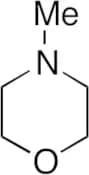
CAS:Controlled Product<p>Applications N-(2-Methyl-1-phenylpropan-2-yl)acetamide is a byproduct from the preparation of benzolactams by palladium-catalyzed carbonylation of arylethylamines and α-amino benzenepropanoates.<br>References Lopez, B., et al.: Chem. Commun., 47, 1054 (2011); Albert, J., et al.: Organometallics, 32, 649 (2013);<br></p>Formula:C12H17NOColor and Shape:NeatMolecular weight:191.274-Methylmorpholine
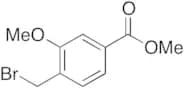
CAS:<p>Applications 4-Methylmorpholine is used in the synthesis of novel and selective TYK2 inhibitors, used in the treatment of inflammatory diseases. Also used in the preparation of cathespin K inhibitors which are highly selective.<br> Not a dangerous good if item is equal to or less than 1g/ml and there is less than 100g/ml in the package<br>References Liang, J. et al.: Eur. J. Med. Chem., 67, 175 (2013); Yuan, X. et al.: Org. Biomol. Chem., 11, 5847 (2013);<br></p>Formula:C5H11NOColor and Shape:NeatMolecular weight:101.15Methyl 4-(Bromomethyl)-3-methoxybenzoate
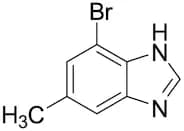
CAS:Controlled Product<p>Applications Methyl 4-(Bromomethyl)-3-methoxybenzoate is an intermediate used to prepare heteroarylphenyloxoacetyl and heteroarylphenylsulfonyl benzoylpiperazine analogs of BMS 378806 as HIV entry inhibitors. It is also used to synthesize steroid 5α-reductase inhibiting acylpiperidines.<br> Not a dangerous good if item is equal to or less than 1g/ml and there is less than 100g/ml in the package<br>References Lu, R., et al.: J. Med. Chem., 52, 4481 (2009); Picard, F., et al.: J. Med. Chem., 45, 3406 (2002)<br></p>Formula:C10H11BrO3Color and Shape:NeatMolecular weight:259.0964-Bromo-6-methyl-3H-1,3-benzodiazole
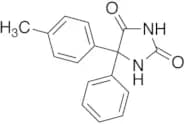
CAS:Controlled Product<p>Applications 4-Bromo-6-methyl-3H-1,3-benzodiazole<br></p>Formula:C8H7BrN2Color and Shape:NeatMolecular weight:211.0585-(p-Methylphenyl)-5-phenylhydantoin
CAS:<p>Applications An antibody agent.<br>References Rowell, F. J., et al.: Immunochemistry, 13, 891 (1976),<br></p>Formula:C16H14N2O2Color and Shape:NeatMolecular weight:266.292,3-Dihydroxy-2-methylbutanoic Acid Sodium Salt
CAS:<p>Applications 2,3-Dihydroxy-2-methylbutanoic Acid Sodium Salt is a useful research chemical.<br></p>Formula:C5H9NaO4Color and Shape:White To Off-WhiteMolecular weight:134.1301-Methyl-2-pyrrolidinone-d9
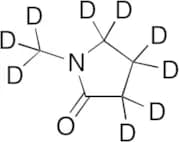
CAS:Controlled Product<p>Applications 1-Methyl-2-pyrrolidinone-d9 is labeled 1-Methyl-2-pyrrolidinone (M326120), which is a versatile industrial solvent. NMP is currently approved for use only in veterinary pharmaceuticals. The determination of the disposition and metabolism of NMP in the rat will contribute toward understanding the toxicology of this exogenous chemical which man may likely be exposed to in increasing amounts.<br>References Southwell, D., et al.: J. Pharm. Pharmacol., 33, 3 (1981), Barry, W., et al.: J. Invest. Dermatol., 82, 49 (1984),<br></p>Formula:C5D9NOColor and Shape:NeatMolecular weight:108.194-Amino-5-aminomethyl-2-methylpyrimidine
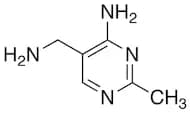
CAS:Controlled Product<p>Applications Substrate for TenA enzyme in the thiamin salvage pathway<br>References Jenkins, A., et al.: Nat. Chem. Biol., 3, 492 (2007), Jenkins, A., et al.: Bioorg. Chem., 36, 29 (2008),<br></p>Formula:C6H10N4Color and Shape:Light YellowMolecular weight:138.172-Methylbutanal 2,4-Dinitrophenylhydrazone
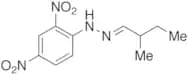
CAS:<p>Applications 2,4-Dinitrophenylhydrazone (DNPH) derivative.<br>References Lindsay, R.C., et al.: J. Food Sci., 29, 266 (1964),<br></p>Formula:C11H14N4O4Color and Shape:NeatMolecular weight:266.257-Methoxy-3,4-dihydro-1-naphthalenyl-acetonitrile
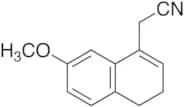
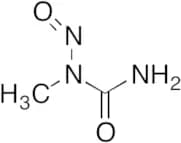
CAS:Controlled Product<p>Applications 7-Methoxy-3,4-dihydro-1-naphthalenyl-acetonitrile (cas# 861960-34-1) is a compound useful in organic synthesis.<br></p>Formula:C13H13NOColor and Shape:NeatMolecular weight:199.25N-Methyl-N-nitroso Urea (Wetted with water >20%)
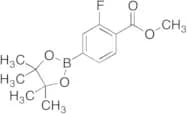
CAS:Controlled Product<p>Stability Temperature Sensitive<br>Applications Precursor of Diazomethane. It has a cytotoxicity effect.This product contains an undetermined amount of water.<br> Not a dangerous good if item is equal to or less than 1g/ml and there is less than 100g/ml in the package<br>References Huggins, C., et al.: J. Exp. Med., 131, 321 (1970), Gullino, P.M., et al.: J. Natl. Cancer Inst., 54, 401 (1975),<br></p>Formula:C2H5N3O2Color and Shape:Off-White To Light BeigeMolecular weight:103.083-Fluoro-4-methoxycarbonylphenylboronic Acid, Pinacol Ester
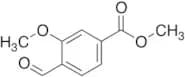
CAS:Controlled Product<p>Applications 3-Fluoro-4-methoxycarbonylphenylboronic acid, pinacol ester is a useful intermediate for organic synthesis and other chemical transformations.<br>References Zhao, F., et al.: Eur. J. Med. Chem., 134, 147 (2017); Zhao, F., et al.: Bioorg. Med. Chem., 24, 4281 (2016)<br></p>Formula:C19H38F3NO2SColor and Shape:NeatMolecular weight:401.571Methyl 4-Formyl-3-methoxybenzoate
CAS:Controlled ProductFormula:C10H10O4Color and Shape:NeatMolecular weight:194.183-Methylbutyl Acetate-d3
CAS:Controlled Product<p>Applications 3-Methylbutyl Acetate-d3 (CAS# 1219804-75-7) is a useful isotopically labeled research compound.<br></p>Formula:C7D3H11O2Color and Shape:NeatMolecular weight:133.21S-Ethylglutathione
CAS:Controlled Product<p>Applications An inhibitor of the enzyme Glyoxalase 1.<br>References Vince, R. and Wadd, W.B.: Biochemical and Biophysical Res. Commun., 35, 5 (1969), Vegvari, A., et al.: ChemBioChem, 3(11), 1117 (2002)<br></p>Formula:C12H21N3O6SColor and Shape:NeatMolecular weight:335.38N,N-Dimethylglycine Hydrochloride
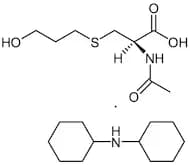
CAS:Controlled Product<p>Applications N,N-Dimethylglycine HCl (cas# 2491-06-07) is a useful research chemical.<br></p>Formula:C4H9NO2·HClColor and Shape:NeatMolecular weight:139.58N-Acetyl-S-(3-hydroxypropyl)-L-cysteine Dicyclohexylamine Salt (unlabelled)
CAS:Controlled Product<p>Applications N-Acetyl-S-(3-hydroxypropyl)-L-cysteine Dicyclohexylamine Salt (unlabelled) (CAS# 14369-42-7) is a useful research compound.<br></p>Formula:C12H23N·C8H15NO4SColor and Shape:NeatMolecular weight:402.593,4-Dihydroxy-5-methoxybenzoic Acid
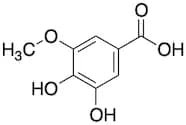
CAS:<p>Applications 3,4-Dihydroxy-5-methoxybenzoic acid (cas# 3934-84-7) is a useful research chemical.<br></p>Formula:C8H8O5Color and Shape:NeatMolecular weight:184.15Ethyl [2-Methyl-3-(chlorosulfonyl)phenoxy]acetate
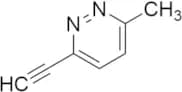
CAS:Controlled Product<p>Applications Ethyl [2-Methyl-3-(chlorosulfonyl)phenoxy]acetate (cas# 91427-62-2) is a compound useful in organic synthesis.<br></p>Formula:C11H13ClO5SColor and Shape:NeatMolecular weight:292.743-Ethynyl-6-methylpyridazine
CAS:Controlled ProductFormula:C7H6N2Color and Shape:NeatMolecular weight:118.136Ac-lys(ac)-OH
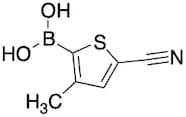
CAS:Controlled Product<p>Applications Ac-lys(ac)-oh was used in the reaction of HOCl with amino acids and peptides with ESR evidence for rapid rearrangement and fragmentation reactions of nitrogen-centered radicals.<br>References Hawkins, C., et al.: J. Chem. Soc. Perkin Trans. 2, 9, 1937 (1998);<br></p>Formula:C10H18N2O4Color and Shape:NeatMolecular weight:237.768(5-Cyano-3-methylthiophen-2-yl)boronic Acid
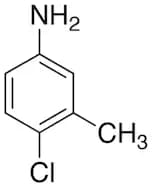
CAS:Controlled ProductFormula:C6H6BNO2SColor and Shape:NeatMolecular weight:166.9934-Chloro-3-methylaniline
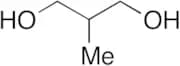
CAS:Controlled Product<p>Applications 4-Chloro-3-methylaniline (cas# 7149-75-9) is a compound useful in organic synthesis.<br></p>Formula:C7H8ClNColor and Shape:NeatMolecular weight:141.602-Methyl-1,3-propandiol (b-Hydroxyisobutanol)
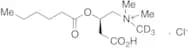
CAS:Controlled Product<p>Applications β-Hydroxyisobutanol is used as a reagent in the synthesis of pyrazolo[1,5-a]pyridinecarbonyl-substituted spirocyclic piperidine ketals as inhibitors of HCV protein NS4B and of hepatitis C viral replication and their lack of cytotoxicity in human cells.<br>References Tai, V.W.-F., et al.: Bioorg. Med. Chem. Lett., 24, 2288 (2014);<br></p>Formula:C4H10O2Color and Shape:ColourlessMolecular weight:90.121Hexanoyl-L-carnitine-(N-methyl-d3) Chloride
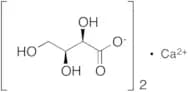
Controlled Product<p>Stability Hygroscopic<br>Applications Hexanoyl-L-carnitine-(N-methyl-d3) Chloride, is the labeled analogue of Hexanoyl-L-carnitine Hydrochloride (H294440), which is used as reactant in the synthesis of carnitine benzyl esters as prodrugs.<br>References Gong, X., et. al.: J. Chem. Res., 6, 327 (2008)<br></p>Formula:C13H23D3ClNO4Color and Shape:NeatMolecular weight:298.82L-Threonic Acid Calcium Salt
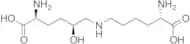
CAS:Controlled Product<p>Applications L-Threonic acid calcium salt is the salt of L-Threonic acid, a naturally occurring compound that can be found in the leaves of Pelargonium crispum. L-Threonic acid is also the degradation product of Dehydroascorbate (DHA), a metabolite of Vitamin C (A786990).<br>References Helsper, J. & Loewus, F.: Plant Phys., 69, 1365 (1982); Koch, C. & Biaglow, J.: J. Cell. Phys., 94, 299 (1978); Nielsen J., et al.: J. Agr. Food Chem., 49, 2998 (2001)<br></p>Formula:C4H7O5·CaColor and Shape:NeatMolecular weight:310.269(2S,2’S,5S)-5-Hydroxy Lysinonorleucine
CAS:<p>Stability Hygroscopic<br>Applications 2S,2’S,5S)-5-Hydroxy Lysinonorleucine is one of the stereoisomers of 5-Hydroxylysinonorleucine, reduced collagen cross links.<br>References Astbury, C., et al.: Br. J. Rheumatol., 33, 11 (1994), Watts, N., et al.: Clin. Chem., 45, 1359 (1999), Banse, X., et al.: Bone, 31, 70 (2002),<br></p>Formula:C12H25N3O5Color and Shape:Light Orange to Brown SolidMolecular weight:291.341,2-Cyclohexanedicarboxylic Acid Mono 4-Methyl-7-carboxy-heptyl Ester
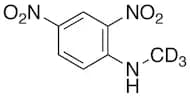
CAS:<p>Stability Hygroscopic<br>Applications 1,2-Cyclohexanedicarboxylic Acid Mono 4-Methyl-7-carboxy-heptyl Ester is a possible metabolite of the di(isononyl)cyclohexane-1,2-dicarboxylate (DINCH) monoester (MINCH).<br>References Koch, H., et al.: Arch. Toxicol., 87, 799 (2013)<br></p>Formula:C17H28O6Color and Shape:Colourless To Light YellowMolecular weight:328.4N-Methyl-2,4-dinitroaniline-d3
CAS:Controlled Product<p>Applications N-Methyl-2,4-dinitroaniline-d3 (cas# 91808-45-6) is a compound useful in organic synthesis.<br> Not a dangerous good if item is equal to or less than 1g/ml and there is less than 100g/ml in the package<br></p>Formula:C7H4D3N3O4Color and Shape:BrownMolecular weight:200.174-Chloro-2-methylaniline
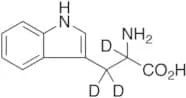
CAS:Controlled Product<p>Stability Air Sensitive<br>Applications 4-Chloro-2-methylaniline<br> Not a dangerous good if item is equal to or less than 1g/ml and there is less than 100g/ml in the package<br></p>Formula:C7H8ClNColor and Shape:Light BrownMolecular weight:141.60D,L-Tryptophan-d3
CAS:Controlled Product<p>Applications A labelled, essential amino acid.<br>References Liu, F., et al.: Bioorg. Med. Chem., 18, 4167 (2010), Kumar, R., et al.: Eur. J. Med. Chem., 45, 2265 (2010), Cai, W., et al.: Bioorg. Med. Chem., 18, 1899 (2010),<br></p>Formula:C112H3H9N2O2Color and Shape:NeatMolecular weight:207.24H-Val-Gly-OH
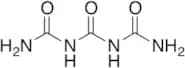
CAS:Controlled Product<p>Applications H-Val-Gly-OH (cas# 686-43-1) is a useful research chemical.<br></p>Formula:C7H14N2O3Color and Shape:NeatMolecular weight:174.2Triuret
CAS:<p>Applications Triuret is a byproduct of purine degradation in living organisms. It is a product from the pyrolsis of urea.<br>References Sergiu P. P., et al:. HHS Public Access, (2010);<br></p>Formula:C3H6N4O3Color and Shape:NeatMolecular weight:146.10(4S)-4-Hydroxy-L-isoleucine
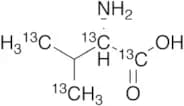
CAS:Controlled Product<p>Applications (4S)-4-Hydroxy-L-isoleucine is 4S isomer of 4-Hydroxyisoleucine, which is used as a treatment for type II diabetes.<br>References Martinez-Force, E., et al.: Biotechnol. Tech., 5, 209 (1991); Sauvaire, Y., et al.: Diabetes, 47, 206 (1998), Narender, T., et al.: Bioorg. Med. Chem. Lett., 2006, 16, 293 (2006);<br></p>Formula:C6H13NO3Color and Shape:NeatMolecular weight:147.17L-Valine-13C5,15N
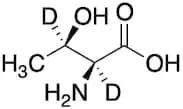
CAS:Controlled Product<p>Applications Labelled analogue of L-Vailne. L-Valine is an essential amino acid and one of 20 proteinogenic amino acids. L-Valine cannot be manufactured by the body and must be acquired through diet or supplementation. L-valine is found in grains, dairy products, mushrooms, meats, peanuts and soy proteins. L-Valine has been used in studies to attenuate arrhythmias and induce hypotensive effects.<br>References Choi, C.W. et al.: Anim. Feed Sci. Technol., 102, 15 (2002); Kolarski, D. et al.: Krmiva, 30, 155 (1988); Oba, M. et al.: J. Dairy Sci., 93, 2044 (2010); Mitrega, K. et al.: Pharmacol. Res., 64, 218 (2011);<br></p>Formula:C5H1115NO2Color and Shape:NeatMolecular weight:123.1L-Threonine-2,3-d2
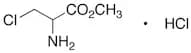
CAS:Controlled Product<p>Applications L-Threonine-2,3-d2 (CAS# 1202936-45-5) is a useful isotopically labeled research compound.<br></p>Formula:C4D2H7NO3Color and Shape:NeatMolecular weight:121.13D,L-b-Chloroalanine Methyl Ester Hydrochloride
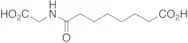
CAS:Controlled Product<p>Applications D,L-β-Chloroalanine Methyl Ester Hydrochloride (cas# 33646-31-0) is a compound useful in organic synthesis.<br></p>Formula:C4H8ClNO2·ClHColor and Shape:NeatMolecular weight:174.03Suberyl Glycine
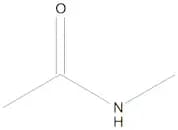
CAS:Controlled Product<p>Applications Suberylglycine is one of the acylglycines, an important class of metabolites that have been used in the diagnosis of several inborn errors of metabolism (IEM).<br>References Costa, C., et al.: J. Pharmaceut. Biomed. Anal., 21, 1215 (2000), Garcia-Villoria, J., et al.: Clin. Biochem., 42, 2 (2009), Scalbert, A., et al.: Metabolomics, 5, 435 (2009),<br></p>Formula:C10H17NO5Color and Shape:Light Yellow To BrownMolecular weight:231.25N-Methylacetamide
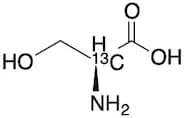
CAS:Controlled Product<p>Applications N-Methylacetamide can be used for the synthesis of N-sulfonyl amidines and acyl sulfonyl ureas.Environmental contaminants; food contaminants.<br>References Chow, S. Y., et al.: J. Org. Chem. 82, 2515 (2017)<br></p>Formula:C3H7NOColor and Shape:NeatMolecular weight:73.09L-Serine-2-13C
CAS:Controlled Product<p>Applications Isotope labelled L-Serine is used in the synthesis of purines and pyrimidines as antibacterial/antifungal agents, as well as acting as a proteinogenic compound.<br>References Olivella, M. et al.: Bioorg. Med. Chem., 20, 6109 (2012);<br></p>Formula:C213CH7NO3Color and Shape:NeatMolecular weight:106.09rac 4-Hydroxy-3-methoxyphenylethylene Glycol-d3
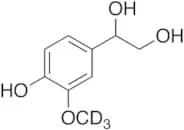
CAS:Controlled Product<p>Applications A labelled metabolite of Catecholamines.<br>References Kopin, I.J., et al.: J. Biol. Chem., 236, 2109 (1961), Short, F.W., et al.: J. Med. Pharm. Chem., 5, 642 (1962)<br></p>Formula:C92H3H9O4Color and Shape:NeatMolecular weight:187.21D,L-Azatryptophan Hydrate
CAS:Controlled ProductFormula:C10H13N3O3Color and Shape:NeatMolecular weight:223.23Valeric Acid Sodium Salt
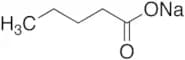
CAS:Controlled Product<p>Applications Valeric Acid Sodium Salt (cas# 6106-41-8) is a compound useful in organic synthesis.<br></p>Formula:C5H9O2·NaColor and Shape:NeatMolecular weight:124.11L-Phenylalanine-d8
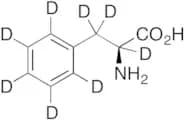
CAS:Controlled Product<p>Applications Labelled analogue of L-Phenylalanine, an essential amino acid.<br>References Hollunger, G. et al.: Acta Pharmacol. Toxicol., 34, 391 (1974); Bagchi, S.P. et al.: Biochem. Pharmacol., 26, 900 (1977);<br></p>Formula:C9D8H3NO2Color and Shape:NeatMolecular weight:173.24L-Phenylalanine-13C6
CAS:Controlled Product<p>Applications Labelled analogue of L-Phenylalanine, an essential amino acid. L-Phenylalanine is biologically converted into L-tyrosine, another one of the DNA-encoded amino acids, which in turn is converted to L-DOPA and further converted into dopamine, norepinephrine, and epinephrine. L-Phenylalanine is produced for medical, feed, and nutritional applications such as in the preparation of Aspartame.<br>References Hollunger, G. et al.: Acta Pharmacol. Toxicol., 34, 391 (1974); Bagchi, S.P. et al.: Biochem. Pharmacol., 26, 900 (1977);<br></p>Formula:C313C6H11NO2Color and Shape:White To Off-WhiteMolecular weight:171.15N-Heptanoylglycine
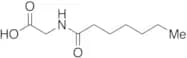
CAS:<p>Applications An acylglycine present in urniary excretion that can be analyzed and be used as diagnostic tool for metabolic disorders, complementary to organic acids and acylcarnitine profiles.<br>References Bonafe, L. et al.: Mol. Genetics Metab., 69, 302 (2000);<br></p>Formula:C9H17NO3Color and Shape:WhiteMolecular weight:187.24L-Glutamine-15N
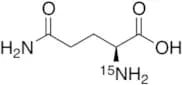
CAS:<p>Applications L-Glutamine (Alpha-15n, 98%) (cas# 80143-57-3) is a useful research chemical.<br></p>Formula:C5H1015NNO3Color and Shape:NeatMolecular weight:147.138N-Cinnamylglycine
CAS:<p>Applications N-Cinnamylglycine is a derivative of ferulic acid (F308900), a widely distributed compound in plants that is used as an antioxidant and food preservative.<br>References Jellum,E., et al.: J. Pharma. Biomed. Anal., 9, 663 (1991); Kayahara, H., et al.: Anticancer. Res., 19, 3763 (1999); Bollina, V., et al.: Plant. Molec. Biol., 77, 355 (2011);<br></p>Formula:C11H11NO3Color and Shape:NeatMolecular weight:205.21L-Glutamic Acid-d5
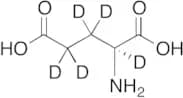
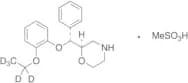
CAS:Controlled Product<p>Applications L-Glutamic Acid-d5 is an non-essential amino acid. Its salt form (glutamate) is an important neurotransmitter that plays a key role in long-term potentiation and is important for learning and memory. It is also a key molecule in cellular metabolism.<br>References McEntee, W., et al.: Psychopharmacology, 111, 391 (1993), Manev, H., et al.: Mol. Pharmacol., 36, 106 (1989)<br></p>Formula:C52H5H4NO4Color and Shape:NeatMolecular weight:152.16Reboxetine-d5 Mesylate
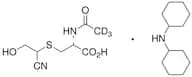
CAS:Controlled ProductFormula:C20H22D5NO6SColor and Shape:Off White SolidMolecular weight:414.53N-Acetyl-S-(1-cyano-2-hydroxyethyl)-L-cysteine-d3 Dicyclohexylamine Salt (Mixture of Diastereomers)
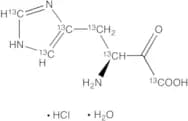
CAS:Controlled Product<p>Stability Hygroscopic<br>Applications A labelled metabolite of Acrylonitrile (ACN).<br>References Guengerich, F., et al.: Cancer Res., 41, 4925 (1981), Leonard, A., et al.: Mutation Res., 436, 263 (1999), Stadler, R., et al.: J. Agric. Food Chem., 52, 5550 (2004), Dybing, E., et al.: Food Chem. Toxicol., 43, 365 (2005), Rice, J., et al.: Mutation Res., 580, 3 (2005),<br></p>Formula:C20H32D3N3O4SColor and Shape:White To Off-WhiteMolecular weight:416.59L-Histidine Hydrochloride Hydrate (<5% D) (13C6, 97-99%)
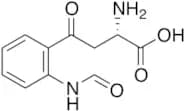
CAS:Controlled ProductFormula:C6H9N3O2•(HCl)•(H2O)Purity:97-99%Color and Shape:NeatMolecular weight:161.1136461802Formylkynurenine
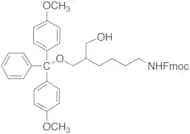
CAS:Controlled ProductFormula:C11H12N2O4Color and Shape:NeatMolecular weight:236.2241-O-Dimethoxytrityl-2-(N-Fmoc)-4-Aminobutyl)-1,3-propanediol, >95%
CAS:<p>Stability Very Hygroscopic<br>Applications 1-O-Dimethoxytrityl-2-(N-Fmoc)-4-Aminobutyl)-1,3-propanediol is a useful reagent for the synthesis of acridine and/or lipid containing oligodeoxyribonucleotides.<br>References Marasco, C. J., et al.: Tetra. Lett., 35, 3029 (1994)<br></p>Formula:C43H45NO6Purity:>95%Color and Shape:Off White SolidMolecular weight:671.82N-(Acetyl-d3)-S-benzyl-L-cysteine
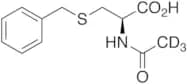
CAS:Controlled Product<p>Applications A labelled metabolite of Toluene.<br>References Gargas, M., et al.: Toxicol. Appl. Pharmacol., 98, 87 (1989), Commandeur, J., et al.: Pharmacol. Rev., 47(2), 271 (1995), Campo, P., et al.: Neurotoxicol. Teratol., 21, 427 (1999), Lohse, C., et al.: J. Agr. Food Chem., 48, 5913 (2000),<br></p>Formula:C122H3H12NO3SColor and Shape:White To Off-WhiteMolecular weight:256.34(2S,4R)-4-Hydroxy-L-glutamic Acid
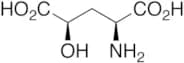
CAS:Controlled Product<p>Applications (2S,4R)-4-Hydroxy-L-glutamic Acid is a metabolite of Glutamic acid (G596960).<br>References Hampson, D., et al.: J. Biol. Chem., 274, 33488 (1999), Jensen, A., et al.: Eur. J. Pharmacol., 397, 247 (2000),<br></p>Formula:C5H9NO5Color and Shape:NeatMolecular weight:163.13N-des(4-Chlorobenzoyl) Rebamipide
CAS:Formula:C12H13ClN2O3Color and Shape:White To Off-WhiteMolecular weight:268.78-Nitroguanine
CAS:Controlled Product<p>Applications 8-Nitroguanine as a potential biomarker for progression of malignant fibrous histiocytoma, a model of inflammation-related cancer.<br>References Surh, Y., et al.: Mutat. Res., 480, 243 (2001), Balkwill, F., et al.: Lancet, 357, 539 (2001), Kawanishi, S., et al.: Biol. Chem., 387, 365 (2006), Hoki, Y., et al.: Cancer Sci., 98, 163 (2007),<br></p>Formula:C5H4N6O3Color and Shape:NeatMolecular weight:196.122-Chloro-L-phenylalanine
CAS:<p>Applications 2-Chloro-L-phenylalanine<br></p>Formula:C9H10ClNO2Color and Shape:White To Off-WhiteMolecular weight:199.63(4-Hydroxyphenyl)glycine
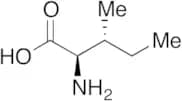
CAS:<p>Applications (4-Hydroxyphenyl)glycine, is a key intermediate for the synthesis Cefpiramide (C243400), used as a β-lactam antibiotic.<br>References Xiao, R. Q., et al.: Guangzhou Huagong, 41, 111 (2013);<br></p>Formula:C8H9NO3Color and Shape:Off White PowderMolecular weight:167.162D-Isoleucine
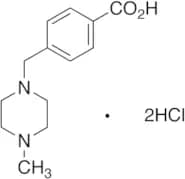
CAS:<p>Applications D-Isoleucine is not biosynthesized in the human body and is therefore categorized as an essential amino acid that must be obtained through diet. It is also an important building block that is used in the formation of hemoglobin in humans.<br>References Albanese, A.: J. Biol. Chem., 157, 613 (1945); Martin, R. & Kirk, K.: Blood, 109, 2217 (2007)<br></p>Formula:C6H13NO2Color and Shape:Off White SolidMolecular weight:131.17294-(4-Methylpiperazinomethyl)benzoic Acid, Dihydrochloride
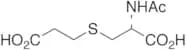
CAS:Controlled Product<p>Stability Hygroscopic<br>Applications 4-(4-Methylpiperazinomethyl)benzoic Acid, Dihydrochloride (cas# 106261-49-8) is a compound useful in organic synthesis.<br></p>Formula:C13H18N2O2·2ClHColor and Shape:NeatMolecular weight:307.22N-Acetyl-S-(2-carboxyethyl)-L-cysteine Bis(dicyclohexylamine) Salt
CAS:<p>Applications A metabolite of S-propylcysteine.<br>References Jones, A.R., et al.: Xenobiotica, 10, 827 (1980), 25) Ramu, K., et al.: Chem. Res. Toxicol., 8, 515 (1995), Krause, R., et al.: Drug Metab. Dispos., 25, 1013 (1997), Powley, M., et al.: Chem. Res. Toxicol., 16, 1448 (2003),<br></p>Formula:C12H23N·C8H13NO5SColor and Shape:NeatMolecular weight:597.89D-Aspartic Acid Dimethyl Ester Hydrochloride
CAS:<p>Applications D-Aspartic Acid Dimethyl Ester Hydrochloride is a useful synthetic intermediate in the synthesis of MK-7246 (M425045); a potent and selective CRTH2 antagonist for the treatment of respiratory diseases.<br>References Molinaro, C., et al.: J. Org. Chem., 77, 2299 (2012); Gervais, F.G., et al.: Mol. Pharmacol., 79, 69 (2011); Gallant, M, et al.: Bioorg. Med. Chem. Lett., 21, 288 (2011)<br></p>Formula:C6H12ClNO4Color and Shape:NeatMolecular weight:197.62Azido-PEG3-alcohol
CAS:Controlled ProductFormula:C6H13N3O3Color and Shape:NeatMolecular weight:175.19Folcysteine
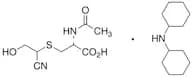
CAS:Controlled Product<p>Applications A cysteine derivative as potential antitumor agent. (A609645)A vitamin needed to synthesize DNA, conduct DNA repair and methylate DNA, it also acts as a cofactor in biological reactions involving folate. (F680300)<br>References Paul, B., et al.: J. Med. Chem., et al.: 19, 1002 (1976), Xu, L., et al.: Mol. Pharm., 7, 1311 (2010), Everette, J., et al.: J. Agric. Food Chem., 58, 8139 (2010), Alshatwi, A., et al.: Food, Chem., Toxicol., 48, 1881 (2010), McKay, D., et al.: Nut. J., 9 (2010),<br></p>Formula:C19H19N7O6·C6H9NO3SColor and Shape:YellowMolecular weight:616.17N-Acetyl-S-(1-cyano-2-hydroxyethyl)-L-cysteine Dicyclohexylamine Salt (Mixture of Diastereomers)
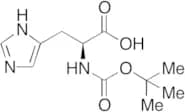
CAS:<p>Applications A metabolite of Acrylonitrile (ACN).<br>References Guengerich, F., et al.: Cancer Res., 41, 4925 (1981), Leonard, A., et al.: Mutation Res., 436, 263 (1999), Stadler, R., et al.: J. Agric. Food Chem., 52, 5550 (2004), Dybing, E., et al.: Food Chem. Toxicol., 43, 365 (2005), Rice, J., et al.: Mutation Res., 580, 3 (2005),<br></p>Formula:C12H23N·C8H12N2O4SColor and Shape:NeatMolecular weight:413.57Na-Boc-L-histidine
CAS:Controlled Product<p>Applications Nα-Boc-L-histidine is an N-Boc-protected form of L-Histidine (H456010). L-Histidine is an essential amino acid that plays an important role in mitochondrial glutamine transport and has potential of abolishing oxidative stress caused by brain edema.L-Histidine promotes zinc uptake in human erythrocyes and also has potential as an antioxidant therapy for acute mammary inflammation in cattle.<br>References Chaiyotwittayakun, A., et al.: J. Dairy Sci., 85, 60 (2002); Horn, N., et al.: J. Phys., 489, 73 (1995); Rama Rao, K., et al.: Am. J. Path., 176, 1400 (2010);<br></p>Formula:C11H17N3O4Color and Shape:NeatMolecular weight:255.27Thiodiglycolic Acid-d4
CAS:Controlled Product<p>Applications Thiodiglycolic Acid-d4 acts as a reagent for the synthesis of metabolites of S-carboxymethyl-L-cysteine and S-methyl-L-Cysteine and of some isotoically labelled (2H, 13C) analogs.<br>References Meese, C. O., et al.: Archiv der Pharmazie, 323, 957 (1990)<br></p>Formula:C4D4H2O4SColor and Shape:NeatMolecular weight:154.17N-ε-acetyl-l-lysine
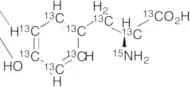
CAS:Controlled Product<p>Applications N-Epsilon-acetyl-l-lysine is used in the metabolomics study on the combined effect of cocaine and ethanol via liquid chromatography-mass spectrometry metabolomics approach.<br>References Sanchez-Lopez, E., et al.: J. Pharm. Biomed. Anal., 140, 313 (2017)<br></p>Formula:C8H16N2O3Color and Shape:NeatMolecular weight:188.22L-Tyrosine-13C9,15N
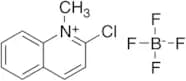
CAS:<p>Applications L-Tyrosine-13C9 ,15N is labelled analogue of L-Tyrosine (T899975), one of the 22 proteinogenic amino acids that are used by cells to synthesize proteins. L-Tyrosine is biologically converted from L-phenylalanine and is in turn is converted to L-DOPA and further converted into the neurotransmitters: dopamine, norepinephrine, and epinephrine.<br>References Rasmussen D.D. et al.: J. Clin. Endocrinol. Metab., 57, 760 (1983); Bagchi, S.P. et al.: Biochem. Pharmacol., 26, 900 (1977)<br></p>Formula:C9H1115NO3Color and Shape:White To Off-WhiteMolecular weight:191.11582-Chloro-1-methylquinolinium Tetrafluoroborate
CAS:Controlled Product<p>Applications 2-Chloro-1-methylquinolinium tetrafluoroborate (cas# 16843-24-6) is a useful research chemical.<br></p>Formula:C10H9ClN·BF4Color and Shape:NeatMolecular weight:265.44L-Histidinol Dihydrochloride
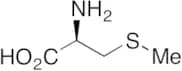
CAS:Controlled ProductFormula:C6H11N3O·2ClHColor and Shape:NeatMolecular weight:214.09S-Methyl-L-cysteine
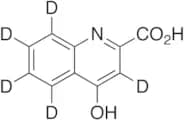
CAS:Controlled Product<p>Applications S-Methyl-L-cysteine is a substrate in the catalytic antioxidant system mediated by methionine sulfoxide reductase A (MSRA). It has been studied as a theurapeutic for neurodegenerative diseases including Parkinson′s.<br>References Wassef, R., et al.: J. Neurosci., 21, 12808 (2007)<br></p>Formula:C4H9NO2SColor and Shape:NeatMolecular weight:135.19Kynurenic Acid-d5
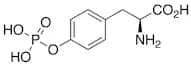
CAS:Controlled Product<p>Applications A labelled product of L-Tryptophan metabolism, possessing neruoactive activity having antiexcitotoxic and anticonvulsant properties.<br>References Wejksza, K., et al.: Pharmacol. Rep., 61, 751 (2009), Gohil, V., et al.: Nat. Biotechnol., 28, 249 (2010), Di Natale, B., et al.: Toxicol. Sci., 115, 89 (2010),<br></p>Formula:C102H5H2NO3Color and Shape:BeigeMolecular weight:194.20O-Phospho-L-tyrosine
CAS:<p>Applications Useful in the study of tyrosine-phosphorylation, which has been linked with the malignant transformation of cells by some RNA tumour viruses.<br>References Sefton, B.M., et al.: Cell, 20, 807 (1980), Erikson, R., et al.: Perspect. Virol., 11, 93 (1981), Lee, E-S, et al.: J. Org. Chem., 59, 2086 (1994)<br></p>Formula:C9H12NO6PColor and Shape:NeatMolecular weight:261.17(±)-Aspartic Acid
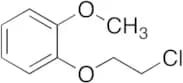
CAS:<p>Applications (±)-Aspartic Acid, is a non-essential amino acid found in food sources. Its conjugate base D-aspartate has potential use as a a therapeutic agent in the treatment of schizophrenia-related symptoms.<br>References Errico, F. et al.: J. Neurosci., 28, 10404 (2008); Denu, J.M. et al.: Biochem., 34, 3396 (1995); Chen, P.E. et al.: Mol. Pharmacol., 67, 1470 (2005);<br></p>Formula:C4H7NO4Color and Shape:NeatMolecular weight:133.101-(2-Chloroethoxy)-2-methoxybenzene
CAS:Controlled Product<p>Applications 1-(2-Chloroethoxy)-2-methoxy benzene, is an impurity of Carvedilol (C184625), a nonselective β-adrenergic blocker with α1-blocking activity. Carvedilol is an antihypertensive used in the treatment of congestive heart failure.<br>References Hirohashi, M., et al.: Arzneim.-Forsch., 40, 735 (1990); Packer, M., et al.: N. Engl. J. Med., 334, 1349 (1996);<br></p>Formula:C9H11ClO2Color and Shape:NeatMolecular weight:186.64N-Acetyl-L-cystine
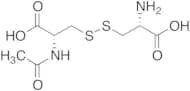
CAS:Controlled Product<p>Applications N-Acetyl-L-cystine is an antioxidant, used in the treatment of influenza A virus pandemic (1). N-Acetyl-L-cystine promotes fertilization by reducing disulfide bonds in zona pellucida of mouse (2).Releases N-Acetyl-L-cysteine, which is an antidote for paracetamol poisoning.<br>References (1) Zhang, R., et al.: (2014) Int. Immunopharmacol. 22: 1-8 (2) Takeo, T., et al.: Biol Reprod. (2015) 92: 1-7<br></p>Formula:C8H14N2O5S2Color and Shape:NeatMolecular weight:282.34











![Ethyl [2-Methyl-3-(chlorosulfonyl)phenoxy]acetate](/_next/image/?url=https%3A%2Fstatic.cymitquimica.com%2Fproducts%2FTR%2Fthumb-webp%2FE925070.webp&w=3840&q=75)