Amino Acids (AA)
Amino acids (AAs) are the fundamental building blocks of proteins, playing a crucial role in various biological processes. These organic compounds are essential for protein synthesis, metabolic pathways, and cell signaling. In this category, you will find a comprehensive range of amino acids, including essential, non-essential, and modified forms, which are vital for research in biochemistry, molecular biology, and nutritional sciences. At CymitQuimica, we provide high-quality amino acids to support your research and development needs, ensuring accuracy and reliability in your experimental outcomes.
Subcategories of "Amino Acids (AA)"
- Amino Acid Derivatives(3,955 products)
- Amino Acid and Amino Acid Related Compounds(3,461 products)
- Amino Acids with Oxygen or Sulphur(168 products)
- Boc- Amino Acids(351 products)
- Fmoc Amino Acids(1,710 products)
Found 38244 products of "Amino Acids (AA)"
Sort by
Purity (%)
0
100
|
0
|
50
|
90
|
95
|
100
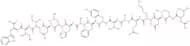
Anthranilyl-HIV Protease Substrate V trifluoroacetate salt
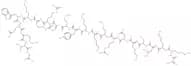
CAS:<p>Please enquire for more information about Anthranilyl-HIV Protease Substrate V trifluoroacetate salt including the price, delivery time and more detailed product information at the technical inquiry form on this page</p>Formula:C50H76N14O13Purity:Min. 95%Molecular weight:1,081.23 g/molObestatin (human) trifluoroacetate salt
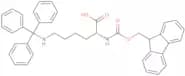
CAS:<p>Please enquire for more information about Obestatin (human) trifluoroacetate salt including the price, delivery time and more detailed product information at the technical inquiry form on this page</p>Formula:C116H176N32O33Purity:Min. 95%Molecular weight:2,546.83 g/molFmoc-D-Lys(Trt)-OH
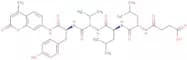
CAS:<p>Please enquire for more information about Fmoc-D-Lys(Trt)-OH including the price, delivery time and more detailed product information at the technical inquiry form on this page</p>Formula:C40H38N2O4Purity:Min. 95%Molecular weight:610.74 g/molSuc-Leu-Leu-Val-Tyr-AMC
CAS:<p>Suc-Leu-Leu-Val-Tyr-AMC is a cyclin D2 inhibitor that binds to the proteasome and inhibits its function. It has been shown to be useful for the treatment of cancerous tissues as it inhibits the production of prostaglandin J2, which is involved in the progression of cancer cells. Suc-Leu-Leu-Val-Tyr-AMC has also been shown to have antioxidant properties and can inhibit oxidative injury. This drug may be used to prevent or treat various diseases such as Parkinson's disease, Alzheimer's disease, Huntington's disease, diabetes mellitus type II, amyotrophic lateral sclerosis (ALS), multiple sclerosis (MS), and septic shock.</p>Formula:C40H53N5O10Purity:Min. 95%Color and Shape:PowderMolecular weight:763.88 g/molN-Boc-D-b-homoproline
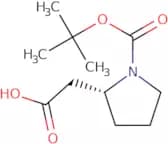
CAS:<p>Please enquire for more information about N-Boc-D-b-homoproline including the price, delivery time and more detailed product information at the technical inquiry form on this page</p>Formula:C11H19NO4Purity:Min. 95%Molecular weight:229.27 g/molFmoc-D-ApH(Cbm)-D-ApH(Cbm)-OH
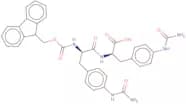
CAS:<p>Fmoc-D-ApH(Cbm)-D-ApH(Cbm)-OH is a complex compound that is useful as a reagent for organic synthesis. It has been shown to be an effective intermediate in the synthesis of various compounds, such as peptides and pharmaceuticals. Fmoc-D-ApH(Cbm)-D-ApH(Cbm)-OH is also used as a building block for more complex molecules. This chemical has been shown to have high purity and quality, making it suitable for research purposes.</p>Formula:C35H34N6O7Purity:Min. 95%Color and Shape:PowderMolecular weight:650.68 g/molH-Tyr-Ala-OH
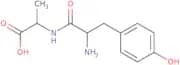
CAS:<p>Tyr-Ala-OH is a peptide hormone that inhibits the enzyme tyrosinase, which is needed for melanin synthesis. Tyr-Ala-OH has been shown to be effective in the treatment of autoimmune diseases and inflammatory diseases. This drug also has strong antioxidant properties and can inhibit proton release from cells. The mechanism of action appears to be through competitive inhibition of the enzyme dipeptidyl peptidase 4 (DPP4), which breaks down glucagon-like peptide (GLP) 1 and GLP 2, both of which have anti-inflammatory effects.</p>Formula:C12H16N2O4Purity:Min. 95%Molecular weight:252.27 g/molIndole-3-acetic-L-alanine
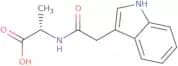
CAS:<p>Indole-3-acetic-L-alanine is a plant hormone that regulates root formation and transport. It is found in all plants, but the concentration varies depending on the plant, tissue type, and growth conditions. It has been shown to regulate root formation in triticum aestivum by inhibiting auxin transport to the roots. Indole-3-acetic acid also inhibits auxin transport to the shoot apex, leading to increased branching in triticum aestivum. This compound is hydrolyzed by root cell enzymes into indole-3-acetate and L-alanine. Genetic mechanisms underlying this phenomenon are not well understood at this time.</p>Formula:C13H14N2O3Purity:Min. 95%Color and Shape:PowderMolecular weight:246.26 g/molMyosin Light Chain Kinase (480-501)
CAS:<p>H-AKKLSKDRMKKYMARRKWQKTG-NH2 peptide, corresponding to 480-501 amnino acids of Myosin Light Chain Kinase. Myosin Light Chain Kinase is a serine/threonine specific protein kinase that phosphorylates the myosin light chain.</p>Formula:C120H209N41O28S2Purity:Min. 95%Molecular weight:2,738.34 g/molAmyloid β-Protein (1-38) trifluoroacetate salt
CAS:<p>Please enquire for more information about Amyloid beta-Protein (1-38) trifluoroacetate salt including the price, delivery time and more detailed product information at the technical inquiry form on this page</p>Formula:C184H277N51O56SPurity:Min. 95%Molecular weight:4,131.54 g/mol(Trp11,D-Phe15·16)-SDF-1 (7-16) (Dimer) (human, cat, mouse) trifluoroacetate salt
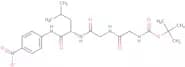
<p>Please enquire for more information about (Trp11,D-Phe15·16)-SDF-1 (7-16) (Dimer) (human, cat, mouse) trifluoroacetate salt including the price, delivery time and more detailed product information at the technical inquiry form on this page</p>Formula:C134H180N34O26S2Purity:Min. 95%Molecular weight:2,747.21 g/molBoc-Gly-Gly-Leu-pNA
CAS:<p>Boc-Gly-Gly-Leu-pNA is an analog of the protease inhibitor serine protease. It has a reactive site that is similar to the reactive site on serine proteases. This enables Boc-Gly-Gly-Leu-pNA to bind to them and inhibit their activity. The compound also inhibits neutrophil activation, as shown by a decrease in its expression of CD11b and CD11c, which are markers of neutrophils.</p>Formula:C21H31N5O7Purity:Min. 95%Molecular weight:465.5 g/molNeuromedin U-8 (porcine) trifluoroacetate salt
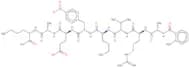
CAS:<p>Neuromedin U-8 (porcine) trifluoroacetate salt H-Tyr-Phe-Leu-Phe-Arg-Pro-Arg-Asn-NH2 trifluoroacetate salt is a molecule that inhibits the action of vasoactive intestinal peptide. It is a peptide hormone that has been shown to be involved in the regulation of bowel function and blood pressure. Neuromedin U-8 (porcine) trifluoroacetate salt H-Tyr-Phe-Leu-Phe-Arg-Pro-Arg-Asn NH2 trifluoroacetate salt has also been shown to inhibit cell proliferation, cancer, and inflammatory bowel disease. Neuromedin U 8 (porcine) trifluoroacetate salt H Tyr Phe Leu Phe Arg Pro Arg Asn NH2 trifluoroacetate salt binds to the receptor for</p>Formula:C54H78N16O10Purity:Min. 95%Molecular weight:1,111.3 g/molMca-Pro-Leu-Gly-Leu-Dap (Dnp)-Ala-Arg-NH2 trifluoroacetate salt
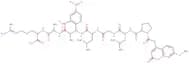
CAS:<p>Please enquire for more information about Mca-Pro-Leu-Gly-Leu-Dap (Dnp)-Ala-Arg-NH2 trifluoroacetate salt including the price, delivery time and more detailed product information at the technical inquiry form on this page</p>Formula:C49H68N14O15Purity:Min. 95%Molecular weight:1,093.15 g/molZ-Pro-Leu-Gly-OEt
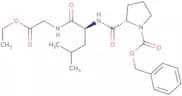
CAS:<p>Z-Pro-Leu-Gly-OEt is a cyclic tripeptide that can be synthesized using ammonium sulfate as a catalyst. The reaction time required is between 4 and 12 hours, with the optimum at 8 hours. Resonances have been observed in the 1H NMR spectrum of Z-Pro-Leu-Gly-OEt. The most prominent resonance appears at δ 9.5 ppm. The cyclization of Z-Pro-Leu-Gly-OEt is catalysed by ammonium sulfate, which also produces a reaction yield of 100%. The effect of pH on the rate constant for the reaction has been studied and it was found that there was no significant difference in reactivity when the pH was varied between 7 and 11. Sulfoxide formation has also been monitored during synthesis, but concentrations are low enough to not affect the yield or reactivity of the product. The conformational structure of Z-Pro-Le</p>Formula:C23H33N3O6Purity:Min. 95%Molecular weight:447.52 g/molACTH (7-38) (human)
CAS:<p>ACTH is a hormone that is produced by the anterior lobe of the pituitary gland. It stimulates the release of cortisol from the adrenal cortex. ACTH (7-38) has been shown to have cytosolic Ca2+ channel-blocking and antimicrobial activities, as well as an effect on defensin production in human neutrophils. ACTH (7-38) also has been shown to inhibit cytokine production in rat astrocytes, and to stimulate prostaglandin synthesis in mouse fibroblasts. This peptide also has been shown to have physiological effects on bowel disease and inflammatory bowel disease.</p>Formula:C167H257N47O46Purity:Min. 95%Molecular weight:3,659.12 g/molDnp-Pro-Gln-Gly-Ile-Ala-Gly-Gln-D-Arg-OH
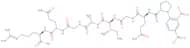
CAS:<p>Dnp-Pro-Gln-Gly-Ile-Ala-Gly-Gln-D-Arg-OH is an activated form of DNP that has been proteolyzed and then carbonylated. It has a ph optimum of 10.5, is reactive in tissue culture, and reacts with collagen. This molecule has clinical response in women, and also shows low expression in human serum. The carbonyl group may be used as a synthetic substrate to generate antibodies against the protein or modified forms of the protein.</p>Formula:C40H61N15O15Purity:Min. 95%Molecular weight:992 g/mol(D-Trp6,D-Leu7)-LHRH trifluoroacetate salt
CAS:<p>Please enquire for more information about (D-Trp6,D-Leu7)-LHRH trifluoroacetate salt including the price, delivery time and more detailed product information at the technical inquiry form on this page</p>Formula:C64H82N18O13Purity:Min. 95%Molecular weight:1,311.45 g/molN-[3-Fluoro-4-[6-(2-methyl-2H-tetrazol-5-yl)-3-pyridinyl]phenyl]carbamic acid phenylmethyl ester
CAS:<p>Intermediate in the synthesis of tedizolid</p>Formula:C21H17FN6O2Purity:Min. 95%Molecular weight:404.4 g/molH-Lys-Leu-OH acetate salt
CAS:<p>H-Lys-Leu-OH acetate salt is a derivatized amino acid ester that is used for the detection of lysine and leucine. It is used as an analyte in microextraction, with a sensitivity of 0.25 ng/mL, which can be increased to 0.5 ng/mL by derivatization. H-Lys-Leu-OH acetate salt has been used in the detection of acids and bases, particularly carboxylic acids and basic amino acids, respectively.</p>Formula:C12H25N3O3·C2H4O2Purity:Min. 95%Molecular weight:319.4 g/molH-Phe-Phe-Phe-Phe-OH
CAS:<p>Please enquire for more information about H-Phe-Phe-Phe-Phe-OH including the price, delivery time and more detailed product information at the technical inquiry form on this page</p>Formula:C36H38N4O5Purity:Min. 95%Molecular weight:606.71 g/molH-Pro-His-Pro-Phe-His-Leu-Phe-Val-Tyr-OH
CAS:<p>Please enquire for more information about H-Pro-His-Pro-Phe-His-Leu-Phe-Val-Tyr-OH including the price, delivery time and more detailed product information at the technical inquiry form on this page</p>Formula:C60H77N13O11Purity:Min. 95%Molecular weight:1,156.33 g/molCarboxymethyl-Phe-Leu-OH
CAS:<p>Carboxymethyl-Phe-Leu-OH (CMPLE) is a metalloprotease inhibitor that inhibits the activity of proteases, such as serine proteases and cysteine proteases. CMPLE is used to treat infectious diseases caused by bacteria, fungi, or parasites. CMPLE also has been shown to inhibit the formation of inflammatory responses in autoimmune and inflammatory diseases. This drug can be used in combination with benzalkonium chloride or monoclonal antibodies to treat hematopoietic cells. The optimum pH for this drug is 7.5, and it denatures at high temperatures. It also binds to epithelial surface glycoproteins in the gastrointestinal tract and may be useful for treating ulcers caused by Helicobacter pylori infection.</p>Formula:C17H24N2O5Purity:Min. 95%Molecular weight:336.38 g/molH-Lys-Thr-Glu-Glu-Ile-Ser-Glu-Val-Lys-Met-pNA
CAS:<p>Please enquire for more information about H-Lys-Thr-Glu-Glu-Ile-Ser-Glu-Val-Lys-Met-pNA including the price, delivery time and more detailed product information at the technical inquiry form on this page</p>Formula:C56H92N14O20SPurity:Min. 95%Molecular weight:1,313.48 g/molTRAF6 Control Peptide trifluoroacetate salt
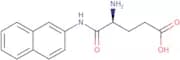
CAS:<p>Please enquire for more information about TRAF6 Control Peptide trifluoroacetate salt including the price, delivery time and more detailed product information at the technical inquiry form on this page</p>Formula:C139H232N34O42Purity:Min. 95%Molecular weight:3,051.53 g/molH-Glu-bNA
CAS:<p>H-Glu-bNA is a synthetic peptide that has been shown to have aminopeptidase activity. H-Glu-bNA has been used as a marker for the presence of proteolytic bacteria in milk and cheese products. The enzyme hydrolyzes peptides at the carboxyl terminal end of amino acids, releasing them from protein molecules. It is also used to study the action of proteases on casein, which are enzymes that break down the proteins found in milk. The enzyme can be assayed in vitro using lactococci or other bacterial cells. This product is not intended for use as an antibiotic or antimicrobial agent and should not be taken internally.</p>Formula:C15H16N2O3Purity:Min. 95%Molecular weight:272.3 g/molLactoferricin B (4-14) (bovine) trifluoroacetate salt
CAS:<p>Lactoferricin B (4-14) (bovine) trifluoroacetate salt is a peptide derivative, which is a fragment derived from bovine lactoferrin. It is obtained by enzymatic digestion of lactoferrin, a glycoprotein with a well-established role in the innate immune system. This specific peptide, Lactoferricin B (4-14), is known for its potent antimicrobial properties, attributed to its amphipathic structure that facilitates the disruption of microbial membranes. Additionally, it can modulate immune responses through interactions with immune cells, thereby influencing inflammatory processes.</p>Formula:C70H113N25O13SPurity:Min. 95%Molecular weight:1,544.87 g/molTRAP-6 (2-6) trifluoroacetate salt
CAS:<p>TRAP-6 (2-6) is a monoclonal antibody that binds to the enzyme collagenase, which is an important factor in tumor invasion and metastasis. The antibody binds to the active site of collagenase, thereby inhibiting its activity. TRAP-6 (2-6) has been shown to reduce the growth of cancer cells by inhibiting the production of β-amino acids and zymogens, which are required for tumor cell proliferation. It also inhibits serine proteases, such as thrombin receptor, which play an important role in tumor invasion and metastasis. TRAP-6 (2-6) also has anti-inflammatory properties and can be used for the treatment of basophilic leukemia.</p>Formula:C31H51N9O7Purity:Min. 95%Molecular weight:661.79 g/molBoc-Cys(SEt)-OH·DCHA
CAS:Controlled Product<p>Please enquire for more information about Boc-Cys(SEt)-OH·DCHA including the price, delivery time and more detailed product information at the technical inquiry form on this page</p>Formula:C10H19NO4S2·C12H23NPurity:Min. 95%Color and Shape:White/Off-White SolidMolecular weight:462.71Hydrin 1
CAS:<p>Hydrin 1 is a fatty acid that is expressed in the apical membrane of bladder cells, which are the cells that line the urinary tract. It is also found in the blood vessels and heart. Hydrin 1 has been shown to have biological properties such as being taken up by water, interacting with other molecules, and forming reaction products. The ventral part of the cell membrane is where Hydrin 1 is mostly expressed, but it can also be found in other parts of the organism. Hydrin 1 binds to messenger RNA and has been used as a model system for studying protein-lipid interactions. The effective dose for Hydrin 1 is not known. This drug can be conjugated with bile salts to form an active metabolite called hydroxylinoleic acid (HOLA). HOLA binds to receptors on vascular smooth muscle cells and lowers blood pressure by decreasing peripheral resistance and vascular tone.</p>Formula:C57H93N21O16S2Purity:Min. 95%Molecular weight:1,392.61 g/molTIMP-2 (145-168) (human, bovine) trifluoroacetate salt
<p>Please enquire for more information about TIMP-2 (145-168) (human, bovine) trifluoroacetate salt including the price, delivery time and more detailed product information at the technical inquiry form on this page</p>Formula:C131H189N33O35S3Purity:Min. 95%Molecular weight:2,882.3 g/molH-Lys-Pro-4MbNA·2 HCl
CAS:<p>Please enquire for more information about H-Lys-Pro-4MbNA·2 HCl including the price, delivery time and more detailed product information at the technical inquiry form on this page</p>Formula:C22H30N4O3·2HClPurity:Min. 95%Molecular weight:471.42 g/molH-Ser-Asp-Gly-Arg-Gly-OH
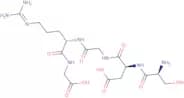
CAS:<p>H-Ser-Asp-Gly-Arg-Gly-OH is a peptide and model system for epidermal growth factor. It has been shown to stimulate epidermal growth and protein synthesis in the skin cells. The peptide has also been shown to inhibit fibrinogen production by monoclonal antibody, which is a biochemical marker of wound healing. H-Ser-Asp-Gly-Arg-Gly-OH analogs have been shown to inhibit the activation of epidermal growth factor receptor and have an inhibitory effect on cell growth.</p>Formula:C17H30N8O9Purity:Min. 95%Molecular weight:490.47 g/molNesfatin-1 (30-59) (mouse, rat) trifluoroacetate salt
<p>Please enquire for more information about Nesfatin-1 (30-59) (mouse, rat) trifluoroacetate salt including the price, delivery time and more detailed product information at the technical inquiry form on this page</p>Formula:C167H260N40O54Purity:Min. 95%Molecular weight:3,692.09 g/molSuc-Gly-Gly-Phe-pNA
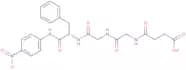
CAS:<p>Suc-Gly-Gly-Phe-pNA is a colorimetric substrate for Chymotrypsin and Streptomyces griseus protease B. Activity is quantified by the release of p-nitroaniline which is measured by absorbance at 405 nm.</p>Formula:C23H25N5O8Purity:Min. 95%Molecular weight:499.47 g/molAntifreeze Polypeptide 6 (winter flounder) trifluoroacetate salt
CAS:<p>Antifreeze Polypeptide 6 (AFP6) is a protein that belongs to the family of antifreeze proteins. AFP6 binds to ion channels and prevents the flow of ions, which prevents the formation of ice crystals. It also has been shown to interact with other proteins, such as receptors and peptides. This protein has been shown to be a research tool for studying cell biology and pharmacology. The CAS number for AFP6 is 122604-16-4.</p>Formula:C133H225N43O51•xC2HF3O2Purity:Min. 95%Molecular weight:3,242.47 g/molH-D-Lys-NH2·2 HCl
CAS:<p>Please enquire for more information about H-D-Lys-NH2·2 HCl including the price, delivery time and more detailed product information at the technical inquiry form on this page</p>Formula:C6H15N3O·2HClPurity:Min. 95%Molecular weight:218.12 g/mol1-Boc-1-methylhydrazine
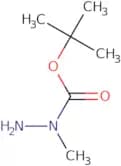
CAS:<p>1-Boc-1-methylhydrazine is a molecule that is used as a chemical intermediate for pharmaceuticals. It has been shown to inhibit the proteasome pathway by targeting the ubiquitin-proteasome system, which is involved in protein degradation and cell growth regulation. 1-Boc-1-methylhydrazine has synergistic effects when combined with other inhibitors of the ubiquitin proteasome system, such as anamorelin. It was found to be effective at inhibiting the growth of k562 cells but not normal cells, suggesting that it may have therapeutic applications for inflammatory bowel disease.</p>Formula:C6H14N2O2Purity:Min. 95%Molecular weight:146.19 g/molN-Methoxymethyl-N-(trimethylsilylmethyl)benzylamine
CAS:<p>N-Methoxymethyl-N-(trimethylsilylmethyl)benzylamine is a chiral, electron deficient reagent that reacts with aldehydes and boronic esters to form products with high chemical yields. This compound can be used as a catalyst for acylation reactions, such as the synthesis of p-nitrophenol. N-Methoxymethyl-N-(trimethylsilylmethyl)benzylamine is synthesized by the reaction of trifluoroacetic acid and an amine, followed by chloroformate displacement. The product is then reacted with acylating agents in the presence of catalysts.</p>Formula:C13H23NOSiPurity:Min. 95%Color and Shape:Clear Colourless To Pale Yellow LiquidMolecular weight:237.41 g/molPropanedioic acid 1-methyl ester
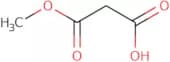
CAS:<p>Propanedioic acid 1-methyl ester (PDM) is a synthetic trifluoroacetic acid ester of the natural fatty acid, propanedioic acid. It has been found to be a potent inhibitor of the enzyme malonic acid decarboxylase in vitro and has also been shown to inhibit the production of prostaglandin E2 in mice with adjuvant arthritis. PDM is used as a diagnostic agent for autoimmune diseases and inflammatory diseases. It is also being studied as an anti-inflammatory drug for use in the treatment of chronic inflammatory conditions such as rheumatoid arthritis, psoriasis, and ulcerative colitis. The mechanism of action is not well understood but may involve inhibition of arachidonic acid metabolism or inhibition of cyclooxygenase enzymes.</p>Formula:C4H6O4Purity:Min. 95%Color and Shape:Colourless To Pale Yellow Clear LiquidMolecular weight:118.09 g/mol2-Chloro-3-methoxyphenol
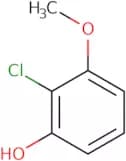
CAS:<p>Please enquire for more information about 2-Chloro-3-methoxyphenol including the price, delivery time and more detailed product information at the technical inquiry form on this page</p>Formula:C7H7ClO2Purity:Min. 95%Molecular weight:158.58 g/molNeuroendocrine Regulatory Peptide-1 (human) trifluoroacetate salt
CAS:<p>Please enquire for more information about Neuroendocrine Regulatory Peptide-1 (human) trifluoroacetate salt including the price, delivery time and more detailed product information at the technical inquiry form on this page</p>Formula:C113H192N36O39Purity:Min. 95%Molecular weight:2,678.95 g/mol3-Methylcyclohex-2-en-1-one
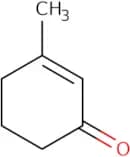
CAS:<p>3-Methylcyclohex-2-en-1-one is a chemical compound that is used in the synthesis of pharmaceuticals, pesticides, and other organic compounds. It has been shown to be effective against Dendroctonus species and other pests. 3-Methylcyclohex-2-en-1-one is synthesized from cyclohexanone by hydrogenation of the double bond at the 3 position. The reaction can be catalyzed by palladium complexes with acid complexing ligands, such as phosphines or amines. The product is then purified by distillation, crystallization, or recrystallization.</p>Formula:C7H10OPurity:Min. 95%Molecular weight:110.15 g/molZ-His-Leu-OH
CAS:<p>Please enquire for more information about Z-His-Leu-OH including the price, delivery time and more detailed product information at the technical inquiry form on this page</p>Formula:C20H26N4O5Purity:Min. 95%Molecular weight:402.44 g/molGlutathione-monoethyl ester (reduced)
CAS:<p>Glutathione-monoethyl ester (reduced) H-Glu(Cys-Gly-OEt)-OH is a polymerase chain reaction (PCR) enhancer that consists of a glutathione monoester and an ethyl ester. Glutathione monoethyl ester (reduced) H-Glu(Cys-Gly-OEt)-OH is used as a cancer therapeutics agent in the treatment of cells with high levels of reactive oxygen species. It also inhibits drug efflux from cells and induces apoptosis in endothelial cells, which can lead to the inhibition of tumor growth. Glutathione monoethyl ester (reduced) H-Glu(Cys-Gly-OEt)-OH has been shown to cause changes in intracytoplasmic sperm and protein thiols in PC12 cells, which may be related to its ability to inhibit cell proliferation.</p>Formula:C12H21N3O6SPurity:Min. 95%Molecular weight:335.38 g/molXenopsin-Related Peptide 1 (XP-1) trifluoroacetate salt
CAS:<p>Xenopsin-related peptide 1 (XP-1) is a synthetic peptide that has been shown to bind to the neurotensin receptor. XP-1 is expressed in gastrointestinal tissues and has been found to modulate intestinal motility, as well as glucose homeostasis. It also has immunohistochemical staining for pancreatic tissues and vasoactive intestinal polypeptide, which are both involved in glucose control. XP-1 can reduce high plasma concentrations of glucose by stimulating the pancreas and lowering the release of glucagon from the α cells of the pancreas. The function of XP-1 is not yet fully understood, but it may have potential therapeutic effects on diabetes mellitus type 2.</p>Formula:C51H79N15O9Purity:Min. 95%Molecular weight:1,046.27 g/molOsteocalcin (37-49) (human)
CAS:<p>Please enquire for more information about Osteocalcin (37-49) (human) including the price, delivery time and more detailed product information at the technical inquiry form on this page</p>Formula:C75H104N20O19Purity:Min. 95%Molecular weight:1,589.75 g/mol(Leu15)-Gastrin I (human)
CAS:<p>Gastrin I (human) Pyr-Gly-Pro-Trp-Leu-Glu-Glu-Glu-Glu-Glu-Ala-Tyr-Gly-Trp-Leu-Asp, is a peptide that belongs to the family of cholecystokinin. It is synthesized by solid phase synthesis on a carboxyl group with an efficiency of more than 95%. Gastrin I (human) Pyr-Gly-Pro-Trp... has been shown to be selective towards amide bond cleavage and has high yield. It is also stable in acidic conditions and can be detritylated with phenoxy.</p>Formula:C98H126N20O31Purity:Min. 95%Molecular weight:2,080.17 g/mol(D-Ser4,D-Trp6)-LHRH trifluoroacetate salt
CAS:<p>Please enquire for more information about (D-Ser4,D-Trp6)-LHRH trifluoroacetate salt including the price, delivery time and more detailed product information at the technical inquiry form on this page</p>Formula:C64H82N18O13Purity:Min. 95%Molecular weight:1,311.45 g/molH-Gly-2-chlorotrityl resin (200-400 mesh) (Low Substitution)
CAS:<p>Please enquire for more information about H-Gly-2-chlorotrityl resin (200-400 mesh) (Low Substitution) including the price, delivery time and more detailed product information at the technical inquiry form on this page</p>Purity:Min. 95%DABCYL-γ-Abu-Ile-His-Pro-Phe-His-Leu-Val-Ile-His-Thr-EDANS trifluoroacetate salt
CAS:Controlled Product<p>DABCYL-gamma-Abu-Ile-His-Pro-Phe-His-Leu-Val-Ile-His-Thr (DABCYL) is a fluorescent substrate that has been used to study the kinetics of peptide hydrolysis by proteases. It is an amino acid sequence that is present in angiotensinogen, which is a blood protein involved in regulating blood pressure. The DABCYL group on the terminal amino acid of the peptide provides a highly fluorescent molecule that can be excited at wavelengths longer than 400 nm. This fluorophore can also be used as a donor for fluorescence resonance energy transfer (FRET) with other fluorophores, such as EDANS, which has been shown to have high affinity for DABCYL. DABCYL can be used to measure enzyme activity or inhibition and has been found to be sensitive enough to detect changes due to dilutions at concentrations as low as 10 nM.</p>Formula:C90H120N22O16SPurity:Min. 95%Molecular weight:1,798.12 g/molNeuromedin B trifluoroacetate salt
CAS:<p>Neuromedin B is a peptide hormone that is produced by the hypothalamus and regulates many physiological processes such as energy metabolism, appetite, and sleep. Neuromedin B is a member of the family of guanine nucleotide-binding proteins (G proteins) that bind to G protein-coupled receptors on the surface of cells. It has been shown to stimulate calcium release from intracellular stores in response to an increase in cytosolic Ca2+. Neuromedin B has been shown to have anti-inflammatory effects on infectious diseases such as meningitis, sepsis, and tuberculosis, which may be due to its ability to inhibit neutrophil migration. Neuromedin B also stimulates hippocampal formation activity in rats during the rotarod test, which may be due to its effects on dopamine release.</p>Formula:C52H73N15O12SPurity:Min. 95%Molecular weight:1,132.3 g/molAmylin (human) trifluoroacetate salt
CAS:<p>Amylin is a hormone that regulates the release of insulin from the pancreas. Amylin is a protein that consists of 39 amino acids, and in its natural form it is not soluble in water. The amyloid fibrils are insoluble aggregates of proteins that can be found in the brain tissue of patients with Alzheimer's disease. Amylin has been shown to have an entrapment efficiency greater than 96% by using polymeric particles with a diameter less than 50 microns. These particles are able to increase water solubility and nutrient metabolism, as well as improve evaporation rates. They also provide an increased surface area for absorption and pharmacological properties. Amylin has been shown to lower postprandial glycemia when used with insulin in type II diabetes mellitus patients, and may also be an anorectic agent.</p>Formula:C165H261N51O55S2Purity:Min. 95%Molecular weight:3,903.28 g/mol([13C6]Leu10)-CRF (human, rat) trifluoroacetate salt
<p>Please enquire for more information about ([13C6]Leu10)-CRF (human, rat) trifluoroacetate salt including the price, delivery time and more detailed product information at the technical inquiry form on this page</p>Purity:Min. 95%H-Ala-bNA·HBr
CAS:<p>H-Ala-bNA·HBr is a fluorogenic probe for pancreatic amide hydrolase that hydrolyzes the substrate H-Ala-bNA to release fluorescein. The probe has been used in enzymatic methods to identify and characterize the enzyme. The affinity of H-Ala-bNA·HBr for amide hydrolase is high and it can be used as a ligand to study the specificity of this enzyme. H-Ala-bNA·HBr can also be used as a fluorescent probe, with emission at 515 nm, and as a transfer reagent with an acceptor at 540 nm.</p>Formula:C13H14N2O·HBrPurity:Min. 95%Molecular weight:295.18 g/moltrans-Methyl 4-(hydroxymethyl)cyclohexanecarboxylate
CAS:<p>Please enquire for more information about trans-Methyl 4-(hydroxymethyl)cyclohexanecarboxylate including the price, delivery time and more detailed product information at the technical inquiry form on this page</p>Purity:Min. 95%(Nle 13,Glu14)-Motilin (human, porcine) trifluoroacetate salt
CAS:<p>Please enquire for more information about (Nle 13,Glu14)-Motilin (human, porcine) trifluoroacetate salt including the price, delivery time and more detailed product information at the technical inquiry form on this page</p>Formula:C121H189N33O36Purity:Min. 95%Molecular weight:2,682 g/molFmoc-4-Cpa-4-Cpa-OH
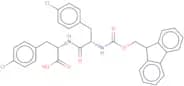
<p>Fmoc-4-Cpa-4-Cpa-OH is a versatile building block that can be used to synthesize complex compounds with interesting biological activity. It is a reagent, speciality chemical, and useful scaffold for research chemicals. Fmoc-4-Cpa-4-Cpa-OH has been used in the synthesis of a number of biologically active compounds and as an intermediate for the synthesis of other chemical compounds.</p>Formula:C33H28Cl2N2O5Purity:Min. 95%Color and Shape:PowderMolecular weight:603.49 g/molH-Ala-Phe-NH2·HCl
CAS:<p>Please enquire for more information about H-Ala-Phe-NH2·HCl including the price, delivery time and more detailed product information at the technical inquiry form on this page</p>Formula:C12H17N3O2·HClPurity:Min. 95%Molecular weight:271.74 g/molCalcium-Like Peptide 3 trifluoroacetate salt
CAS:<p>Please enquire for more information about Calcium-Like Peptide 3 trifluoroacetate salt including the price, delivery time and more detailed product information at the technical inquiry form on this page</p>Formula:C44H68N10O9Purity:Min. 95%Molecular weight:881.07 g/molAc-Leu-Glu-Thr-Asp-AFC
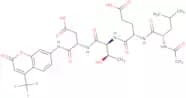
CAS:<p>Please enquire for more information about Ac-Leu-Glu-Thr-Asp-AFC including the price, delivery time and more detailed product information at the technical inquiry form on this page</p>Formula:C31H38F3N5O12Purity:Min. 95%Molecular weight:729.66 g/mol(Met(O)5)-Enkephalin
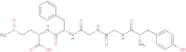
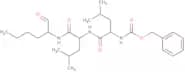
CAS:<p>Met-enkephalin is a molecule that is formed from two of the three parts of the endorphin molecule, which are Tyr-Gly-Gly-Phe and Met(O)OH. It is a neurotransmitter that has been shown to inhibit pain in humans and animals. In coelomocytes, met-enkephalin binds to receptors on the cell membrane and inhibits the release of dopamine by binding to dopamine receptors. The sulfoxide group of this molecule can be reduced to form enkephalinase, which is an enzyme that cleaves Met(O)OH from the peptide chain. This process is not known to occur in humans or other mammals. Met-enkephalin has been localized in ganglia cells in animals, but not humans. It has also been found in messenger RNA (mRNA) for translation into protein, but it does not appear to be translated into protein in humans or other mammals.</p>Formula:C27H35N5O8SPurity:Min. 95%Molecular weight:589.66 g/molZ-Leu-Leu-Nle-aldehyde
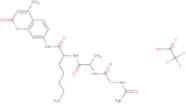
CAS:<p>Z-Leu-Leu-Nle (ZLL) is a small molecule that selectively inhibits the activity of the aspartyl protease, BACE1, which is an enzyme that cleaves amyloid precursor protein (APP) to produce amyloid beta peptides. The inhibition of this enzyme has been shown to be effective in preventing or delaying the onset of Alzheimer's disease. ZLL also inhibits estrogen receptor alpha and has antiestrogenic effects in breast cancer cells. This compound induces apoptosis by binding to apoptotic proteins, such as tumor necrosis factor receptor 1, Fas ligand, and TRAIL receptors. It also inhibits cell growth and induces chemoresistance in breast cancer cells.</p>Formula:C26H41N3O5Purity:Min. 95%Molecular weight:475.62 g/molAc-Gly-Ala-Lys-AMC trifluoroacetate salt
<p>Please enquire for more information about Ac-Gly-Ala-Lys-AMC trifluoroacetate salt including the price, delivery time and more detailed product information at the technical inquiry form on this page</p>Formula:C23H31N5O6Purity:Min. 95%Molecular weight:473.52 g/molH-Val-Leu-Ser-Glu-Gly-OH
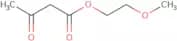
CAS:<p>H-Val-Leu-Ser-Glu-Gly-OH is a polypeptide that is hydrophobic and has carboxypeptidase activity. It hydrolyzes anions, such as the penicillin G, which has been shown to have a high affinity for this enzyme. H-Val-Leu-Ser-Glu-Gly-OH has also been shown to interact with other proteins through hydrophobic interactions. When used in high concentrations, it can be used to filter out substances that are hydrophobic. It can also be used to hydrolyze anions and divalent ions, such as copper and zinc.</p>Formula:C21H37N5O9Purity:Min. 95%Molecular weight:503.55 g/mol2-Methoxyethyl acetoacetate
CAS:<p>2-Methoxyethyl acetoacetate is used as a raw material for coatings. It has been shown to be an effective calcium antagonist in the treatment of leukemia and other cancers. 2-Methoxyethyl acetoacetate has also been shown to inhibit the growth of HL-60 cells when it is incubated with these cells in the presence of hydrochloric acid, malonic acid, and quinoline derivatives. The reaction produces chlorine gas, which is toxic to cells.</p>Formula:C7H12O4Purity:Min. 95%Color and Shape:Clear LiquidMolecular weight:160.17 g/molLys(Dabsyl)-(Asn670,Leu671)-Amyloid β/A4 Protein Precursor770 (667-676)-Gln-Lucifer Yellow ammonium salt
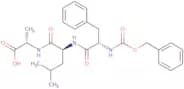
CAS:<p>Please enquire for more information about Lys(Dabsyl)-(Asn670,Leu671)-Amyloid beta/A4 Protein Precursor770 (667-676)-Gln-Lucifer Yellow ammonium salt including the price, delivery time and more detailed product information at the technical inquiry form on this page</p>Formula:C89H122N24O31S3Purity:Min. 95%Molecular weight:2,120.26 g/molZ-Phe-Leu-Ala-OH
CAS:<p>Z-Phe-Leu-Ala-OH is a homologous protein that has been shown to have proteolytic activity. It has a neutral pH and is stable in the presence of metal ions. This enzyme is structurally similar to subtilisin, with a sequence of residues containing two histidine residues, which are important for stability. The kinetic parameters of this enzyme were determined by analyzing its activity under different conditions and at different temperatures. The mutant Z-Phe-Leu-Ala-OH was found to be more active than the wild type at high temperature, but less active at low temperature, suggesting that the protein could be used as an industrial catalyst in food processing or chemical production.</p>Formula:C26H33N3O6Purity:Min. 95%Molecular weight:483.56 g/molAc-Ala-Ala-Val-Ala-Leu-Leu-Pro-Ala-Val-Leu-Leu-Ala-Leu-Leu-Ala-Pro-Ile-Glu-Thr-Asp-aldehyde trifluoroacetate salt
CAS:<p>Please enquire for more information about Ac-Ala-Ala-Val-Ala-Leu-Leu-Pro-Ala-Val-Leu-Leu-Ala-Leu-Leu-Ala-Pro-Ile-Glu-Thr-Asp-aldehyde trifluoroacetate salt including the price, delivery time and more detailed product information at the technical inquiry form on this page</p>Formula:C95H162N20O26Purity:Min. 95%Molecular weight:2,000.42 g/molBuccalin trifluoroacetate salt
CAS:<p>Buccalin is a cholinergic pharmaceutical drug that has been shown to have metabolic, growth factor, and chemotactic activities. It has been used in the treatment of various autoimmune diseases and infectious diseases. The mechanism of action for buccalin is unknown. Buccalin has been shown to have receptor activity in a variety of diagnostic agents such as monoclonal antibodies and fatty acids. It binds to acetylcholine receptors at the neuromuscular junction, leading to activation of muscle fibers by acetylcholine release from nerve endings.</p>Formula:C45H72N12O15SPurity:Min. 95%Molecular weight:1,053.19 g/molGalanin (1-16) (mouse, porcine, rat)
CAS:<p>Please enquire for more information about Galanin (1-16) (mouse, porcine, rat) including the price, delivery time and more detailed product information at the technical inquiry form on this page</p>Formula:C78H116N20O21Purity:Min. 95%Molecular weight:1,669.88 g/molZ-Asp-Met-OH
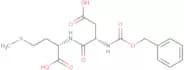
CAS:<p>Please enquire for more information about Z-Asp-Met-OH including the price, delivery time and more detailed product information at the technical inquiry form on this page</p>Formula:C17H22N2O7SPurity:Min. 95%Molecular weight:398.43 g/molH-Cys(Acm)-2-chlorotrityl resin (200-400 mesh) (Low Substitution)
<p>Please enquire for more information about H-Cys(Acm)-2-chlorotrityl resin (200-400 mesh) (Low Substitution) including the price, delivery time and more detailed product information at the technical inquiry form on this page</p>Purity:Min. 95%H-Gly-Cys-Gly-OH
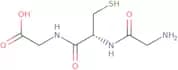
CAS:<p>H-Gly-Cys-Gly-OH is an amino acid sequence that has been evaluated for its interactions with other amino acids and proteins. It is a tripeptide heterocycle and can be found in the tissues of many organisms, including humans. H-Gly-Cys-Gly-OH can be found in bovine serum and has been shown to have reversed phase high performance liquid chromatography activity. This molecule also interacts with reversed phase high performance liquid chromatography, ion exchange, and tripeptides.</p>Formula:C7H13N3O4SPurity:Min. 95%Molecular weight:235.26 g/molH-Gly-His-Gly-OH
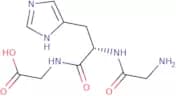
CAS:<p>H-Gly-His-Gly-OH is an amino acid that belongs to the class of peptide science. It is a protonated molecule with a histidine side chain, which has been shown to have enzyme inhibition properties. This amino acid has been used in model studies to determine the effect of acidic and basic ternary mixtures on the stability of proteins. H-Gly-His-Gly-OH has also been found to be effective as a chelate ring, which is a ring that binds metals such as iron and copper. Enzymes can form when this amino acid is present in solution with metal ions.</p>Formula:C10H15N5O4Purity:Min. 95%Molecular weight:269.26 g/molN-α,ε-bis-Z-L-Lysine N-hydroxysuccinimide ester
CAS:<p>N-alpha,epsilon-bis-Z-L-Lysine N-hydroxysuccinimide ester is a methyl ester of the amino acid Lysine. This drug has been shown to have antinociceptive effects in animal models and may be useful for the treatment of inflammatory pain. The active conformation of this drug is dependent on the presence of hydroxybenzimidazole (HOBt). In the absence of HOBt, the compound does not have any activity. Acetylation or amidation may also affect its activity. The reaction with nitric acid yields a nitro derivative, which can be reduced back to the original compound by catalytic hydrogenation using palladium on carbon. A carboxylic acid group at the amino terminus can be converted to an amide or amido group by treatment with an appropriate reagent such as acetonitrile. This drug binds to a catalytic site on</p>Formula:C26H29N3O8Purity:Min. 95%Color and Shape:White Off-White PowderMolecular weight:511.52 g/molAngiotensin I/II (3-7)
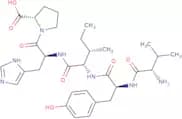
CAS:<p>Angiotensin I/II (3-7) H-Val-Tyr-Ile-His-Pro-OH is an antagonist of the angiotensin II receptor. It has been shown to be a cognitive enhancer by statistically improving treatments for behavioural problems in rats and mice. Angiotensin I/II (3-7) H-Val-Tyr-Ile-His-Pro-OH has also been shown to inhibit nicotinic acetylcholine receptors, which are involved in mediating the effects of neurotransmitters on muscle cells. This agent also inhibits angiotensin II receptors, leading to vasodilation and reduced blood pressure. The mechanism of action is not yet clear but may involve inhibition of protein kinase C. In preclinical studies, it has been shown that this drug facilitates behavioural effects such as memory retention and motor performance in rats when given before treatment with peptides such as substance P or calcitonin gene related pept</p>Formula:C31H45N7O7Purity:Min. 95%Molecular weight:627.73 g/molFmoc-Lys(Mtt)-Wang resin (200-400 mesh)
<p>Please enquire for more information about Fmoc-Lys(Mtt)-Wang resin (200-400 mesh) including the price, delivery time and more detailed product information at the technical inquiry form on this page</p>Purity:Min. 95%Cholecystokinin-33 (1-21) (porcine)
CAS:<p>Cholecystokinin-33 (1-21) (porcine) H-Lys-Ala-Pro-Ser-Gly-Arg-Val-Ser-Met-Ile-Lys-Asn-Leu-Gln, Ser, Leu, Asp, Pro, His, Arg is a linker that can be used to form peptide conjugates. It can be used as a cell type specific carrier to transport therapeutics across the blood brain barrier. It has also been shown to have therapeutic effects on cells in culture.</p>Formula:C98H169N33O30SPurity:Min. 95%Molecular weight:2,321.66 g/molConantokin G (free acid)
CAS:<p>Please enquire for more information about Conantokin G (free acid) including the price, delivery time and more detailed product information at the technical inquiry form on this page</p>Formula:C88H137N25O45Purity:Min. 95%Molecular weight:2,265.17 g/molH-Ile-Gln-OH
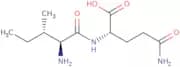
CAS:<p>H-Ile-Gln-OH is an amide that is a major metabolite of the hormone prolactin. It is generated by deamination, which converts the amino acid histidine to H-Ile-Gln-OH. H-Ile-Gln-OH has been shown to have an antiinflammatory effect on colitis and cardiac reperfusion injury. Its mechanism of action may be due to its ability to inhibit proinflammatory cytokines such as IL1β and TNFα.</p>Formula:C11H21N3O4Purity:Min. 95%Molecular weight:259.3 g/molH-Gly-Ala-Pro-AFC
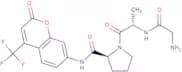
CAS:<p>Please enquire for more information about H-Gly-Ala-Pro-AFC including the price, delivery time and more detailed product information at the technical inquiry form on this page</p>Formula:C20H21F3N4O5Purity:Min. 95%Molecular weight:454.4 g/molMART-1 (27-35) (human) trifluoroacetate salt
CAS:Controlled Product<p>Please enquire for more information about MART-1 (27-35) (human) trifluoroacetate salt including the price, delivery time and more detailed product information at the technical inquiry form on this page</p>Formula:C37H67N9O11Purity:Min. 95%Molecular weight:813.98 g/molFA-Glu-Glu-OH
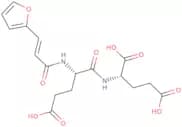
CAS:<p>Please enquire for more information about FA-Glu-Glu-OH including the price, delivery time and more detailed product information at the technical inquiry form on this page</p>Formula:C17H20N2O9Purity:Min. 95%Molecular weight:396.35 g/molCecropin A (1-8)-Melittin (1-18) amide
CAS:<p>Please enquire for more information about Cecropin A (1-8)-Melittin (1-18) amide including the price, delivery time and more detailed product information at the technical inquiry form on this page</p>Formula:C136H233N33O29Purity:Min. 95%Molecular weight:2,794.51 g/molH-Lys-Pro-OH hydrochloride salt
CAS:<p>H-Lys-Pro-OH hydrochloride salt is a monoclonal antibody that is used to treat psychotic disorders. It blocks the binding of gamma-aminobutyric acid (GABA) to its receptor, which reduces neuronal activity and has a calming effect on the central nervous system. H-Lys-Pro-OH hydrochloride salt also inhibits the phosphatase enzyme and prevents it from breaking down phosphotungstic acid, which is used in this process. The antibody also binds to the analog of gamma aminobutyric acid, preventing it from binding with its receptor. H-Lys-Pro-OH hydrochloride salt may be advantageous in treating kidney fibrosis because it prevents cell proliferation and growth in tissue cultures by inhibiting enzymes involved in collagen synthesis. H-Lys-Pro-OH hydrochloride salt may also be useful as an antitumor agent because it inhibits tumor growth by blocking uptake and replication of DNA.</p>Formula:C11H21N3O3Purity:Min. 95%Molecular weight:243.3 g/mol1,2-Distearoyl-sn-glycero-3-phosphatidic acid·disodium salt
CAS:<p>Please enquire for more information about 1,2-Distearoyl-sn-glycero-3-phosphatidic acid·disodium salt including the price, delivery time and more detailed product information at the technical inquiry form on this page</p>Formula:C39H75Na2O8PPurity:Min. 95%Molecular weight:748.96 g/mol1-O-Octadecyl-sn-glycero-3-phosphocholine
CAS:<p>Edelfosine is a phospholipid analog that has been shown to inhibit insulin-induced glucose uptake in adipocytes. It is a potent inhibitor of the insulin receptor tyrosine kinase and can also act as an allosteric inhibitor of protein kinase C (PKC). Edelfosine inhibits the growth of mammary carcinomas by inhibiting PKC, which leads to a decrease in cell proliferation. This drug also interacts with sulfonic acids, forming hydrogen bonds, which may be the reason for its high-performance liquid chromatography. The molecular weight of edelfosine is 582.3 g/mol.</p>Formula:C26H56NO6PPurity:Min. 95%Molecular weight:509.7 g/molmPEG9-OH
CAS:<p>mPEG9-OH is a PEG polymer categorised as monofunctional (OH-PEG-X). Used as a linker, mPEG9-OH is used to attached PEG to proteins, peptides, oligonucleotides, nanoparticles and small molecules via pegylation, a bioconjugation technique.</p>Formula:C19H40O10Purity:Min. 95%Molecular weight:428.51 g/molUrotensin II-Related Peptide (human, mouse, rat) trifluoroacetate salt
CAS:<p>Urotensin II is a peptide that is expressed in the brain and has hypotensive effects. It is an endogenous ligand for the urotensin II receptor, which is found in various tissues including the heart, vascular system, and lungs. Urotensin II-Related Peptide (URP) was identified from cDNA sequences of human, mouse, and rat tissues. The URP consists of a sequence of amino acids with a molecular weight of 1219. This peptide has been shown to have diagnostic use in tissues and animals as well as being immunoreactive in monoclonal antibodies. The gene encoding URP has been cloned and its protein product has been characterized by mass spectroscopy.</p>Formula:C49H64N10O10S2Purity:Min. 95%Molecular weight:1,017.23 g/molH-Met-Gly-OH
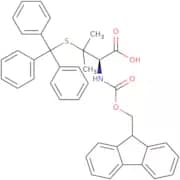
CAS:<p>H-Met-Gly-OH is a radical scavenger that has been shown to have potent antioxidant properties. It is an amide with two nitrogen atoms and can be used as a marker protein in human serum, where it binds to fatty acids and inhibits the formation of free radicals. H-Met-Gly-OH has been shown to chelate metal ions such as copper, iron, and zinc. The uptake of these metal ions by the human body may cause genotoxic effects or other toxic reactions, which can be prevented by using H-Met-Gly-OH as a chelating agent. This compound also has broad spectrum antimicrobial activity against microbes that are resistant to many antibiotics.</p>Formula:C7H14N2O3SPurity:Min. 95%Molecular weight:206.26 g/molFmoc-S-trityl-L-penicillamine
CAS:<p>Fmoc-S-trityl-L-penicillamine is a coordination compound that contains a thiolate and amide group. It has been used as a model system for studying the interaction between proteins and metal ions, with the cyclic structure mimicking the active site of enzymes. The coordination of Fmoc-S-trityl-L-penicillamine to proteins is affected by trypsin, an enzyme that cleaves peptides at carboxyl side chains. Trypsin can also lead to dehydration of Fmoc-S-trityl-L-penicillamine, forming an eliminations product. This compound also reacts with lysine residues in proteins, resulting in an alkene byproduct that can be removed by hydrogenation.</p>Formula:C39H35NO4SPurity:Min. 95%Color and Shape:PowderMolecular weight:613.77 g/molFmoc-Ile-Thr(Psi(Me ,Me)pro)-OH
CAS:<p>Please enquire for more information about Fmoc-Ile-Thr(Psi(Me ,Me)pro)-OH including the price, delivery time and more detailed product information at the technical inquiry form on this page</p>Formula:C28H34N2O6Purity:Min. 95%Molecular weight:494.58 g/molFA-Asp-Ala-OH
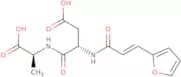
CAS:<p>FA-Asp-Ala-OH is a catalytic, acidic, and hydrophilic molecule. It has been shown to be an activating residue for carboxypeptidases. This molecule can hydrolyze other amino acids in the presence of water. Mutations to the FA-Asp-Ala-OH have been shown to have a profound effect on the kinetic properties of carboxypeptidases. The FA-Asp-Ala-OH residue is also important because it can increase the activity of carboxypeptidases by as much as 3 times as compared to wild type enzymes.</p>Formula:C14H16N2O7Purity:Min. 95%Molecular weight:324.29 g/molpTH (18-48) (human)
CAS:<p>Please enquire for more information about pTH (18-48) (human) including the price, delivery time and more detailed product information at the technical inquiry form on this page</p>Formula:C156H251N47O43SPurity:Min. 95%Molecular weight:3,505.02 g/molH-D-His(Bzl)-OH
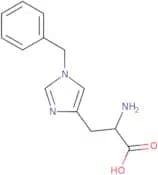
CAS:<p>Please enquire for more information about H-D-His(Bzl)-OH including the price, delivery time and more detailed product information at the technical inquiry form on this page</p>Formula:C13H15N3O2Purity:Min. 95%Molecular weight:245.28 g/molFmoc-Arg(Pbf)-Wang resin (100-200 mesh)
<p>Please enquire for more information about Fmoc-Arg(Pbf)-Wang resin (100-200 mesh) including the price, delivery time and more detailed product information at the technical inquiry form on this page</p>Purity:Min. 95%Fmoc-Phe-Wang resin (200-400 mesh)
<p>Please enquire for more information about Fmoc-Phe-Wang resin (200-400 mesh) including the price, delivery time and more detailed product information at the technical inquiry form on this page</p>Purity:Min. 95%Acetyl-(Ala11·15)-Endothelin-1 (6-21)
CAS:<p>Acetyl-(Ala11·15)-Endothelin-1 (6-21) Ac-Leu-Met-Asp-Lys-Glu-Ala-Val-Tyr-Phe-Ala-His-Leu-Asp-Ile-Ile<br>TrpOH is a recombinant peptide that is a potent endothelin receptor antagonist. It binds to the endothelin receptor, blocking the binding of endothelin and preventing activation of the receptor. Acetyl-(Ala11·15)-Endothelin (6–21) Ac has been shown to inhibit atrial natriuretic peptide levels and reduce blood pressure in experimental models. This drug also prevents balloon injury by blocking the binding of endothelin to its receptors and inhibits growth factor β1, which is an important mediator in pulmonary hypertension. The mechanism of action for this drug is not fully understood, but it may work through inhibiting</p>Formula:C96H140N20O25SPurity:Min. 95%Molecular weight:2,006.32 g/molH-Ala-D-Glu(Lys-D-Ala-D-Ala-OH)-OH
CAS:<p>Teicoplanin is an amide-linked glycopeptide antibiotic that binds to the bacterial cell wall. It is used for the treatment of infections caused by staphylococci and p. aeruginosa, which are resistant to other antibiotics. The drug binds to a specific site on the bacterial cell wall, forming a coordination complex with the peptidoglycan layer and making it easier for water molecules to penetrate the cell wall. This leads to increased rates of cell death by osmosis. Teicoplanin enhances the activity of other antibiotics against Gram-positive bacteria by preventing their binding to penicillin-binding proteins in the bacterial cell walls.</p>Formula:C20H36N6O8Purity:Min. 95%Molecular weight:488.54 g/mol



![N-[3-Fluoro-4-[6-(2-methyl-2H-tetrazol-5-yl)-3-pyridinyl]phenyl]carbamic acid phenylmethyl ester](/_next/image/?url=https%3A%2Fstatic.cymitquimica.com%2Fproducts%2F3D%2Fthumb-webp%2FFF102200.webp&w=3840&q=75)













![([13C6]Leu10)-CRF (human, rat) trifluoroacetate salt](/_next/image/?url=https%3A%2Fstatic.cymitquimica.com%2Fproducts%2F3D%2Fthumb-webp%2FFL110016.webp&w=3840&q=75)