Amino Acids (AA)
Amino acids (AAs) are the fundamental building blocks of proteins, playing a crucial role in various biological processes. These organic compounds are essential for protein synthesis, metabolic pathways, and cell signaling. In this category, you will find a comprehensive range of amino acids, including essential, non-essential, and modified forms, which are vital for research in biochemistry, molecular biology, and nutritional sciences. At CymitQuimica, we provide high-quality amino acids to support your research and development needs, ensuring accuracy and reliability in your experimental outcomes.
Subcategories of "Amino Acids (AA)"
- Amino Acid Derivatives(3,955 products)
- Amino Acid and Amino Acid Related Compounds(3,436 products)
- Amino Acids with Oxygen or Sulphur(168 products)
- Boc- Amino Acids(351 products)
- Fmoc Amino Acids(1,710 products)
Found 38216 products of "Amino Acids (AA)"
Sort by
Purity (%)
0
100
|
0
|
50
|
90
|
95
|
100
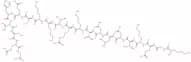
Acetyl-Amylin (8-37) (mouse, rat)
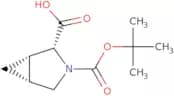
CAS:<p>Please enquire for more information about Acetyl-Amylin (8-37) (mouse, rat) including the price, delivery time and more detailed product information at the technical inquiry form on this page</p>Formula:C142H229N43O44Purity:Min. 95%Molecular weight:3,242.6 g/molN-Boc-cis-3,4-methylene D-proline
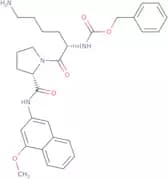
CAS:<p>Please enquire for more information about N-Boc-cis-3,4-methylene D-proline including the price, delivery time and more detailed product information at the technical inquiry form on this page</p>Formula:C11H17NO4Purity:Min. 95%Molecular weight:227.26 g/molZ-Lys-Pro-4MbNA formiate salt
CAS:<p>Please enquire for more information about Z-Lys-Pro-4MbNA formiate salt including the price, delivery time and more detailed product information at the technical inquiry form on this page</p>Formula:C30H36N4O5Purity:Min. 95%Molecular weight:532.63 g/molHistogranin
CAS:<p>Histogranin H is a glycoprotein that is secreted by gland cells. Histogranin H has been shown to have pharmacological effects on locomotor activity and pain in animal models. This protein has also been shown to inhibit cancer growth in vitro and in vivo. In addition, it has a protective effect on the central nervous system, which may be due to its ability to increase the expression of brain-derived neurotrophic factor (BDNF). It also inhibits the proliferation of glioma cells, which are cancerous tumors that originate from glial cells in the brain. Histogranin H binds to histone proteins and glutamate receptors, which leads to an antinociceptive effect when injected into rats. The antinociceptive effect of this protein is attenuated by trypsin treatment. Histogranin H has also been shown to have an analgesic effect when injected into rats with chronic pain models.</p>Formula:C78H119N21O21SPurity:Min. 95%Molecular weight:1,718.97 g/molZ-N-Me-Ser(tBu)-OH·DCHA
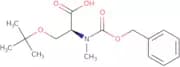
CAS:<p>Please enquire for more information about Z-N-Me-Ser(tBu)-OH·DCHA including the price, delivery time and more detailed product information at the technical inquiry form on this page</p>Formula:C16H23NO5·C12H23NPurity:Min. 95%Molecular weight:490.68 g/mol(1,10-Phenanthroline)tris[4,4,4-trifluoro-1-(2-thienyl)-1,3-butanedionato]europium(III)
CAS:<p>(1,10-Phenanthroline)tris[4,4,4-trifluoro-1-(2-thienyl)-1,3-butanedionato]europium(III) is a luminescent europium complex that is used in the development of microcapsules for fluorescence microscopy. The (1,10-phenanthroline) ligand is a chelate molecule that can be exchanged with other ligands to change the optical properties of the complex. The fluorescence microscope detects the emitted light at 488 nm and 514 nm wavelengths. The luminescent europium complex emits light when it binds to an organic molecule such as vinyl alcohol or water vapor. Ternary complexes are formed between the europium ion and two different ligands. Optical properties depend on the type of ligands present in these ternary complexes. This product has been shown to have chemical structures that are similar to those</p>Purity:Min. 95%Fmoc-Ile-OH
CAS:<p>Fmoc-Ile-OH is a cyclic peptide that has shown cytotoxic activity against cultured human brain cells. It is also an inhibitor of dipeptidyl peptidase IV (DPP-IV) and inhibits the breakdown of proteins in the brain, such as insulin. Fmoc-Ile-OH binds to the active site of DPP-IV and prevents it from binding to its substrate, thereby inhibiting the enzyme's activity. The inhibition of DPP-IV leads to increased levels of protein in the brain, which may be beneficial for people with Alzheimer's disease. Fmoc-Ile-OH is synthesized on a solid phase by coupling an amino acid with a protected carboxylic acid to yield a protected amide. This product can be used as an encapsulating agent for atosiban, a drug that is used to treat preterm labor.END>></p>Formula:C21H23NO4Purity:Min. 98 Area-%Color and Shape:White Off-White PowderMolecular weight:353.41 g/molH-β,β-Dicyclohexyl-DL-Ala-OH
CAS:<p>Please enquire for more information about H-beta,beta-Dicyclohexyl-DL-Ala-OH including the price, delivery time and more detailed product information at the technical inquiry form on this page</p>Formula:C15H27NO2Purity:Min. 95%Molecular weight:253.38 g/molZ-Leu-Phe-NH2
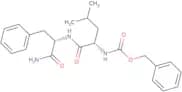
CAS:<p>Please enquire for more information about Z-Leu-Phe-NH2 including the price, delivery time and more detailed product information at the technical inquiry form on this page</p>Formula:C23H29N3O4Purity:Min. 95%Molecular weight:411.49 g/molAc-Arg-Ser-Leu-Lys-AMC trifluoroacetate salt
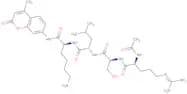
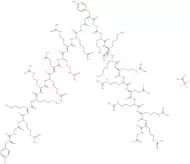
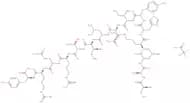
CAS:<p>Please enquire for more information about Ac-Arg-Ser-Leu-Lys-AMC trifluoroacetate salt including the price, delivery time and more detailed product information at the technical inquiry form on this page</p>Formula:C33H51N9O8•C2HF3O2Purity:Min. 95 Area-%Color and Shape:PowderMolecular weight:815.83 g/molACTH (1-39) (mouse, rat) trifluoroacetate salt
CAS:<p>Trifluoroacetate salt</p>Formula:C210H315N57O57SPurity:Min. 95%Molecular weight:4,582.16 g/molH-His-Phe-bNA·2 HCl
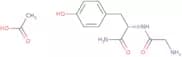
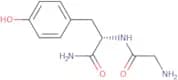
CAS:<p>Please enquire for more information about H-His-Phe-bNA·2 HCl including the price, delivery time and more detailed product information at the technical inquiry form on this page</p>Formula:C25H25N5O2·2HClPurity:Min. 95%Molecular weight:500.42 g/molH-Gly-Tyr-NH2 acetate salt
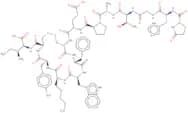
CAS:Controlled Product<p>Please enquire for more information about H-Gly-Tyr-NH2 acetate salt including the price, delivery time and more detailed product information at the technical inquiry form on this page</p>Formula:C13H19N3O5Purity:Min. 95%Molecular weight:297.31 g/mol(Phe2, Nle 4)-ACTH (1-24) (human, bovine, rat) trifluoroacetate salt
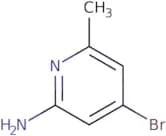
CAS:<p>Please enquire for more information about (Phe2, Nle 4)-ACTH (1-24) (human, bovine, rat) trifluoroacetate salt including the price, delivery time and more detailed product information at the technical inquiry form on this page</p>Formula:C137H212N40O30Purity:Min. 95%Molecular weight:2,899.4 g/mol4-Bromo-6-methyl-2-pyridinamine
CAS:<p>4-Bromo-6-methyl-2-pyridinamine is a small molecule that binds to the bromodomain of the human protein BRD4. This binding inhibits the interaction between BRD4 and acetylated lysine residues on histones, thereby inhibiting transcriptional activation. 4-Bromo-6-methyl-2-pyridinamine has been shown to be a potent inhibitor of the activity of BRD4, which may be due to its chemical stability and ability to inhibit protein synthesis. The compound's potency in inhibition assays and its lack of biochemical toxicity make it an attractive lead compound for further study.</p>Formula:C6H7BrN2Purity:Min. 95%Molecular weight:187.04 g/molNeuropeptide F trifluoroacetate salt
CAS:<p>Please enquire for more information about Neuropeptide F trifluoroacetate salt including the price, delivery time and more detailed product information at the technical inquiry form on this page</p>Formula:C210H328N58O58Purity:Min. 95%Molecular weight:4,593.21 g/molZ-Arg-Arg-Pro-Phe-His-Sta-Ile-His-Lys(Boc)-OMe
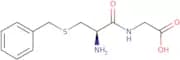
CAS:<p>Z-Arg-Arg-Pro-Phe-His-Sta-Ile-His-Lys(Boc)-OMe is an angiotensin II analogue that is used for the treatment of blood disorders. It inhibits angiotensin converting enzyme (ACE) and prevents the formation of angiotensin II from angiotensin I. ACE inhibitors are also used to treat diseases such as glomerular dysfunction, congestive heart failure, high blood pressure, and cirrhosis. In addition, it has been shown to be effective in treating cardiovascular diseases such as hypertension and heart disease. ZARAPROHES is a synthetic substrate for nitrosation reactions and can be used to produce monoclonal antibodies against ACE.</p>Formula:C72H110N20O15Purity:Min. 95%Molecular weight:1,495.77 g/molH-Cys(Bzl)-Gly-OH trifluoroacetic acid
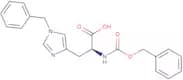
CAS:<p>Please enquire for more information about H-Cys(Bzl)-Gly-OH trifluoroacetic acid including the price, delivery time and more detailed product information at the technical inquiry form on this page</p>Formula:C12H16N2O3S•(CF3CO2H)xPurity:Min. 95%Molecular weight:268.33 g/molZ-His(Bzl)-OH
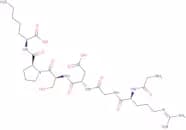
CAS:<p>Please enquire for more information about Z-His(Bzl)-OH including the price, delivery time and more detailed product information at the technical inquiry form on this page</p>Formula:C21H21N3O4Purity:Min. 95%Molecular weight:379.41 g/molH-Gly-Arg-Gly-Asp-Ser-Pro-Lys-OH
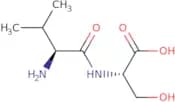
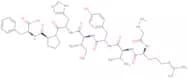
CAS:<p>H-Gly-Arg-Gly-Asp-Ser-Pro-Lys-OH is a peptide that has been shown to have chemotactic activity for monocytes and polymorphonuclear leucocytes, which are cells that participate in the inflammatory response. It also has biological properties that are reactive with hydroxyl groups and can be used to generate monoclonal antibodies. H-Gly-Arg-Gly-Asp-Ser-Pro-Lys-OH has been shown to stimulate the migration of galleria mellonella larvae, suggesting it may have potential as an antiinflammatory agent.</p>Formula:C28H49N11O11Purity:Min. 95%Molecular weight:715.76 g/molH-Val-Ser-OH
CAS:<p>L-Threonine is an amino acid that belongs to the branched-chain family of amino acids. It is a nonessential amino acid, meaning that it can be synthesized by the human body. L-Threonine is one of the two amino acids (along with L-Serine) that has a hydroxyl group on the alpha carbon atom. It is also used in certain metabolic pathways such as sphingolipid metabolism and tryptophan metabolism. L-Threonine is used in experimental models for bowel disease and intestinal cancer, but its role in these conditions has not been determined. The molecule can be found in both animal and plant proteins, but most often it occurs in animal sources. The compound can also be found as a component of skin condition treatments or as an additive to shampoos, lotions, and cosmetics.</p>Formula:C8H16N2O4Purity:Min. 95%Molecular weight:204.22 g/molSarafotoxin C trifluoroacetate salt
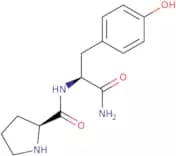
CAS:<p>Sarafotoxin C is a peptide from the venom of the spider Phoneutria nigriventer that has been shown to have potent inhibitory properties on endothelin-1. Sarafotoxin C is able to block intracellular Ca2+ levels and signal pathways, leading to decreased levels of endothelin-1 as well as other inflammatory mediators. Sarafotoxin C has also been shown to have an anti-inflammatory effect in bowel disease, which may be due to its ability to inhibit the production of cytokines and prostaglandins. The biological properties of sarafotoxin C are related to its inhibition of polymerase chain reaction (PCR) amplification of DNA. This inhibition is due to the binding of sarafotoxin C with endothelin receptors on DNA, which prevents DNA polymerase from attaching. Endothelin-a receptor activity can also be inhibited by sarafotoxin C through enzymatic inactivation. Sarafot</p>Formula:C103H147N27O37S5Purity:Min. 95%Molecular weight:2,515.76 g/molH-Pro-Tyr-NH2·HCl
CAS:<p>Noopept is a peptide-like nootropic drug that belongs to the group of analogs of proline. It has been shown to have neuroprotective and cognitive enhancing effects in animal studies, as well as an antipsychotic effect. Noopept is a competitive antagonist of the glutamate receptor, and also has affinity for dopamine and serotonin receptors. Noopept is taken orally and penetrates into the brain quickly, where it interacts with different types of neurotransmitter systems. It also shows translational activity in vitro (in cell culture) and in vivo (in animals). This substance can be detected in human blood plasma following oral administration.</p>Formula:C14H19N3O3·HClPurity:Min. 95%Molecular weight:313.78 g/molAmyloid Dan Protein (1-34) trifluoroacetate salt
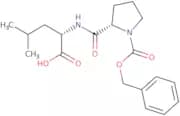
CAS:<p>Please enquire for more information about Amyloid Dan Protein (1-34) trifluoroacetate salt including the price, delivery time and more detailed product information at the technical inquiry form on this page</p>Formula:C185H268N48O51S2Purity:Min. 95%Molecular weight:4,044.53 g/molZ-Pro-Leu-OH
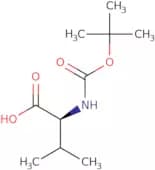
CAS:<p>The compound Z-Pro-Leu-OH is a peptidomimetic that has been shown to be an effective inhibitor of the enzyme l-amino acid oxidase, which catalyzes the oxidation of l-amino acids. This inhibition may be due to the protonation of the substrate and/or solvents in the enzyme active site. The molecule is hydrophobic, making it suitable for use in simulations and theoretical studies. Furthermore, this compound is identifiable by its retention time on high performance liquid chromatography (HPLC) and can be rationalized by its amide group.</p>Formula:C19H26N2O5Purity:Min. 95%Molecular weight:362.42 g/molBoc-L-valine
CAS:<p>Boc-L-Valine is a model system for the synthesis of peptides. This compound is synthesized in a liquid phase and then purified by column chromatography. It has an antimicrobial activity against Gram-positive bacteria such as Staphylococcus aureus and Escherichia coli, but not against Gram-negative bacteria such as Proteus vulgaris or Pseudomonas aeruginosa. Boc-L-Valine is also used to study the binding of inhibitors and ferrocenes.</p>Formula:C10H19NO4Purity:Min. 95%Color and Shape:White PowderMolecular weight:217.3 g/molH-Gly-Tyr-NH2·HCl
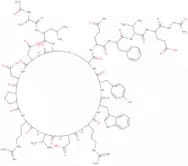
CAS:<p>H-Gly-Tyr-NH2·HCl is a peptide that has been shown to have an inhibitory effect on 5-hydroxytryptamine (5-HT) receptors. It can be used as a diluent for pharmaceuticals and as a potential treatment for autoimmune diseases, which are caused by the immune system attacking healthy cells. H-Gly-Tyr-NH2·HCl has also been shown to have antiestrogenic effects in breast cancer cells. This compound may be useful for treating inflammation associated with infectious diseases, such as Stenotrophomonas maltophilia, and other inflammatory diseases, such as inflammatory bowel disease. The amide group in this peptide may also be important for its antimicrobial properties against gram negative bacteria, such as Escherichia coli.</p>Formula:C11H15N3O3·HClPurity:Min. 95%Molecular weight:273.72 g/molAc-Ala-Leu-Cys-Asp-Asp-Pro-Arg-Val-Asp-Arg-Trp-Tyr-Cys-Gln-Phe-Val-Glu-Gly-NH2 (Disulfide bond)
CAS:<p>Please enquire for more information about Ac-Ala-Leu-Cys-Asp-Asp-Pro-Arg-Val-Asp-Arg-Trp-Tyr-Cys-Gln-Phe-Val-Glu-Gly-NH2 (Disulfide bond) including the price, delivery time and more detailed product information at the technical inquiry form on this page</p>Formula:C97H139N27O29S2Purity:Min. 95%Molecular weight:2,211.44 g/molH-D-Ala-D-Ala-D-Ala-D-Ala-OH
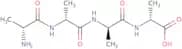
CAS:<p>Please enquire for more information about H-D-Ala-D-Ala-D-Ala-D-Ala-OH including the price, delivery time and more detailed product information at the technical inquiry form on this page</p>Formula:C12H22N4O5Purity:Min. 95%Molecular weight:302.33 g/molMca-(endo-1a-Dap (Dnp))-TNF-a (-5 to +6) amide (human) trifluoroacetate salt
CAS:<p>Please enquire for more information about Mca-(endo-1a-Dap (Dnp))-TNF-a (-5 to +6) amide (human) trifluoroacetate salt including the price, delivery time and more detailed product information at the technical inquiry form on this page</p>Formula:C69H103N23O24Purity:Min. 95%Molecular weight:1,638.7 g/molH-Gly-Arg-Gly-Glu-Thr-Pro-OH
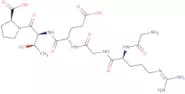
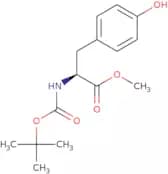
CAS:<p>Please enquire for more information about H-Gly-Arg-Gly-Glu-Thr-Pro-OH including the price, delivery time and more detailed product information at the technical inquiry form on this page</p>Formula:C24H41N9O10Purity:Min. 95%Molecular weight:615.64 g/molBoc-L-tyrosine methyl ester
CAS:<p>Boc-L-tyrosine methyl ester is a synthetic amino acid that can be used in the production of peptides and proteins. It has been shown to have a high uptake and hydroxyl group, which allows for the synthesis of dopamine. The kinetic study of Boc-L-tyrosine methyl ester in agarose gels has shown that it has a high affinity for dopamine. Boc-L-tyrosine methyl ester has also been used as an intermediate for the synthesis of peptides and proteins. It is not active against cancer cells but has been used to induce matrix metalloproteinase (MMP) activity in Mcf-7 cells.</p>Formula:C15H21NO5Purity:Min. 95%Color and Shape:White PowderMolecular weight:295.33 g/molFmoc-Tyr(tBu)-Ser(Psi(Me,Me)Pro)-OH
CAS:<p>Please enquire for more information about Fmoc-Tyr(tBu)-Ser(Psi(Me,Me)Pro)-OH including the price, delivery time and more detailed product information at the technical inquiry form on this page</p>Formula:C34H38N2O7Purity:Min. 95%Color and Shape:White PowderMolecular weight:586.67 g/mol(H-Cys-Tyr-OH)2
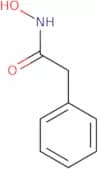
CAS:<p>Please enquire for more information about (H-Cys-Tyr-OH)2 including the price, delivery time and more detailed product information at the technical inquiry form on this page</p>Formula:C24H30N4O8S2Purity:Min. 95%Color and Shape:PowderMolecular weight:566.65 g/molN-Hydroxy-2-phenyl-acetamide
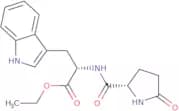
CAS:<p>N-Hydroxy-2-phenyl-acetamide is a metalloprotease inhibitor that binds to the active site of the enzyme, thereby preventing it from binding with its natural substrate. This drug has been shown to inhibit the production of TNF-α in mice with autoimmune diseases and may be able to inhibit other proinflammatory mediators. N-Hydroxy-2-phenyl-acetamide has been shown to bind to a water molecule and an aliphatic hydrocarbon in order to form a hydrogen bond. This coordination complex inhibits the activity of matrix metalloproteinases, which are enzymes that break down collagen, elastin, and other proteins in the extracellular matrix. N-Hydroxy-2-phenyl-acetamide is not active against acid complexes or tnfα.</p>Formula:C8H9NO2Purity:Min. 95%Color and Shape:White Yellow PowderMolecular weight:151.16 g/molPyr-Trp-OEt
CAS:<p>Please enquire for more information about Pyr-Trp-OEt including the price, delivery time and more detailed product information at the technical inquiry form on this page</p>Formula:C18H21N3O4Purity:Min. 95%Molecular weight:343.38 g/molACTH (3-24) (human, bovine, rat) trifluoroacetate salt
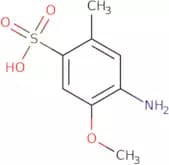
CAS:<p>Please enquire for more information about ACTH (3-24) (human, bovine, rat) trifluoroacetate salt including the price, delivery time and more detailed product information at the technical inquiry form on this page</p>Formula:C124H196N38O27SPurity:Min. 95%Molecular weight:2,683.19 g/mol4-Amino-5-methoxy-2-methylbenzenesulfonic acid
CAS:<p>4-Amino-5-methoxy-2-methylbenzenesulfonic acid is a compound that has been used as an additive to analytical reagents in order to improve their sensitivity. This compound is used as the sodium salt, which is water soluble and has a high degree of reproducibility. 4-Amino-5-methoxy-2-methylbenzenesulfonic acid has also been used for the validation of analytical methods, including calibration and cytotoxicity testing. The validation procedure includes colorants, spectra analysis, impurities, and solvents.</p>Formula:C8H11NO4SPurity:Min. 95%Color and Shape:PowderMolecular weight:217.24 g/mol6-Bromo-1-methylindazole
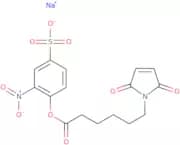
CAS:<p>6-Bromo-1-methylindazole is an industrial chemical that can be synthesized by the reaction of formate, methanol, and indazole. The synthesis method involves the esterification of methyl formate with indazole to produce 6-bromo-1-methylindazole. It can also be synthesized by the annulation of methyl formate and cyclopentadiene followed by hydrolysis. This chemical has several isomers that are distinguished from each other based on their synthesis methods. 6-Bromo-1-methylindazole has been shown to have a hydrolysis reaction when it reacts with water, producing methyl bromide and hydrogen bromide.</p>Formula:C8H7BrN2Purity:Min. 95%Molecular weight:211.06 g/molε-Maleimidocaproic acid-(2-nitro-4-sulfo)-phenyl ester·sodium salt
CAS:<p>Epsilon-Maleimidocaproic acid-(2-nitro-4-sulfo)-phenyl ester·sodium salt (EMAP) is a crosslinker that belongs to the group of heterobifunctional reagents. It has been used to conjugate monoclonal antibodies with other molecules, such as toxins. EMAP is activated by the dianion generated by protonation of the nitro groups on the phenyl ring and reacts with free amines or thiols in proteins. EMAP can be used for labeling immunotoxins for diagnostic use, maximizing detection sensitivity, and crosslinking DNA molecules for use in molecular cloning experiments.</p>Formula:C16H15N2NaO9SPurity:Min. 95%Molecular weight:434.35 g/molCRAMP (mouse) trifluoroacetate salt
CAS:<p>Please enquire for more information about CRAMP (mouse) trifluoroacetate salt including the price, delivery time and more detailed product information at the technical inquiry form on this page</p>Formula:C178H302N50O46Purity:Min. 95%Molecular weight:3,878.61 g/molBz-Arg-betaNA·HCl
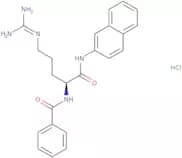
CAS:<p>Bz-Arg-betaNA·HCl is a fluorescent probe that binds to the active site of esterases. The fluorescence signal intensity is proportional to the amount of enzyme present and can be used for measuring the activity of esterases in vitro or in vivo. Bz-Arg-betaNA·HCl has been shown to have high specificity for esterases, with low affinity for other enzymes, such as proteases.</p>Formula:C23H25N5O2·HClPurity:Min. 95%Molecular weight:439.94 g/molTAT 2-4 trifluoroacetate salt
CAS:<p>Trifluoroacetate salt</p>Formula:C132H240N66O29Purity:Min. 95%Molecular weight:3,215.75 g/mol(Sar 1)-Angiotensin II
CAS:<p>Please enquire for more information about (Sar 1)-Angiotensin II including the price, delivery time and more detailed product information at the technical inquiry form on this page</p>Formula:C49H71N13O10Purity:Min. 95%Molecular weight:1,002.17 g/mol(Tyr69,Ala71·72,Lys74)-C3a (69-77)
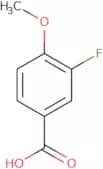
CAS:<p>Please enquire for more information about (Tyr69,Ala71·72,Lys74)-C3a (69-77) including the price, delivery time and more detailed product information at the technical inquiry form on this page</p>Formula:C45H77N13O11Purity:Min. 95%Molecular weight:976.17 g/mol3-Fluoro-4-methoxybenzoic acid
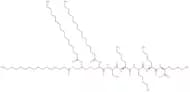
CAS:<p>3-Fluoro-4-methoxybenzoic acid is a dipolar molecule with a fluorine atom. It has been synthesized experimentally and the yields are determined by the experimental conditions. 3-Fluoro-4-methoxybenzoic acid has two isomers, which can be differentiated by their resonances. The molecule also has an asymmetric C3(CF)2Cl group in the middle of its structure that can rotate freely.</p>Formula:C8H7FO3Purity:Min. 95%Color and Shape:PowderMolecular weight:170.14 g/molPalmitoyl-Cys((RS)-2,3-di(palmitoyloxy)-propyl)-Ser-Lys-Lys-Lys-Lys-OH trifluoroacetate salt
CAS:<p>Agonist of toll-like receptors TLR1/2</p>Formula:C81H156N10O13SPurity:Min. 95%Molecular weight:1,510.23 g/molH-Tyr-Gly-Arg-Phe-Ser-OH·HCl
CAS:<p>Please enquire for more information about H-Tyr-Gly-Arg-Phe-Ser-OH·HCl including the price, delivery time and more detailed product information at the technical inquiry form on this page</p>Formula:C29H40N8O8·HClPurity:Min. 95%Molecular weight:665.14 g/mol(Pyr 110)-Prepro-Urotensin II (110-123) (rat)
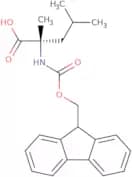
CAS:<p>Please enquire for more information about (Pyr 110)-Prepro-Urotensin II (110-123) (rat) including the price, delivery time and more detailed product information at the technical inquiry form on this page</p>Formula:C77H102N18O20S2Purity:Min. 95%Molecular weight:1,663.88 g/molFmoc-α-Me-L-Leucine
CAS:<p>Please enquire for more information about Fmoc-alpha-Me-L-Leucine including the price, delivery time and more detailed product information at the technical inquiry form on this page</p>Formula:C22H25NO4Purity:Min. 95%Molecular weight:367.44 g/molDynorphin B
CAS:<p>Dynorphin B is a peptide hormone that is found in the brain and spinal cord. It is one of the many endogenous opioid peptides that bind to kappa-opioid receptors. Dynorphin B has been shown to have pain-relieving effects, which are mediated by its ability to inhibit neuronal activity in the nociceptive pathway. Dynorphin B has also been shown to have significant anti-inflammatory properties, which may be due to its inhibition of prostaglandin synthesis. Dynorphin B can also reduce locomotor activity and increase dopamine release, which may be due to its ability to activate dopamine receptors.</p>Formula:C74H115N21O17Purity:Min. 95%Molecular weight:1,570.84 g/molNeuropeptide Y (22-36) trifluoroacetate salt
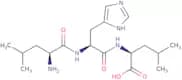
CAS:<p>Please enquire for more information about Neuropeptide Y (22-36) trifluoroacetate salt including the price, delivery time and more detailed product information at the technical inquiry form on this page</p>Formula:C85H139N29O21Purity:Min. 95%Molecular weight:1,903.2 g/molH-Leu-His-Leu-OH
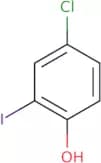
CAS:<p>H-Leu-His-Leu-OH is a peptide fragment of human growth hormone. It is a stabilized, cleaved, and lyophilized form of the substance that is used as an additive in buffering solutions. It has been shown to be a potent inhibitor of the proteolytic enzymes cathepsin B, elastase, and chymotrypsin in vitro. The stability of this fragment can be attributed to its resistance to proteolysis by enzymes such as cathepsin's B, elastase, and chymotrypsin because it does not contain any free amino acid residues.</p>Formula:C18H31N5O4Purity:Min. 95%Molecular weight:381.47 g/mol4-Chloro-2-iodo-phenol
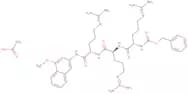
CAS:<p>Please enquire for more information about 4-Chloro-2-iodo-phenol including the price, delivery time and more detailed product information at the technical inquiry form on this page</p>Formula:C6H4ClIOPurity:Min. 95%Molecular weight:254.45 g/molZ-Arg-Arg-Arg-4MbetaNA acetate salt
CAS:Controlled Product<p>Please enquire for more information about Z-Arg-Arg-Arg-4MbetaNA acetate salt including the price, delivery time and more detailed product information at the technical inquiry form on this page</p>Formula:C37H53N13O6Purity:Min. 95%Molecular weight:775.9 g/molFor-Met-Leu-p-iodo-Phe-OH
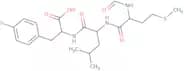
CAS:<p>Please enquire for more information about For-Met-Leu-p-iodo-Phe-OH including the price, delivery time and more detailed product information at the technical inquiry form on this page</p>Formula:C21H30IN3O5SPurity:Min. 95%Molecular weight:563.45 g/molmono-Methyl terephthalate
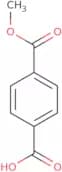
CAS:<p>Mono-methyl terephthalate (MMT) is a monomer used in the manufacturing of polyester and other types of plastic. It is produced from terephthalic acid, which is derived from crude oil or natural gas. The oxidation catalyst used in this process is usually manganese dioxide. MMT has been shown to inhibit bacterial growth by binding to DNA-dependent RNA polymerase, thereby preventing transcription and replication. This active form is metabolized through a number of metabolic transformations, including hydrolysis by esterases or glucuronidases, oxidation by cytochrome P450 enzymes, reduction by glutathione reductase, or conjugation with glucuronic acid. MMT also specifically binds to markers expressed at high levels in Mycobacterium tuberculosis strains (e.g., ESX-1 secretion system protein) and inhibits cell growth in culture.</p>Formula:C9H8O4Purity:Min. 95%Color and Shape:PowderMolecular weight:180.16 g/mol1-(4-Acetylphenyl)-2-methyl-1-propanone
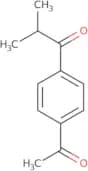
CAS:<p>1-(4-Acetylphenyl)-2-methyl-1-propanone (AMP) is a synthetic analgesic that has been evaluated for the treatment of pain. It is primarily used in pharmaceuticals and medicinal preparations, as well as being a common solvent in chemical syntheses. AMP has been shown to be an effective treatment for joint pain, muscle pain, and other types of pain. The mechanism of action for this compound is unknown but may involve the inhibition of an enzyme called hydratropic acid group. This molecule also has a carboxylic acid group that undergoes detoxification through elemental analysis or mechanochemistry.</p>Formula:C12H14O2Purity:Min. 95%Molecular weight:190.24 g/molLys-Lys-(Hyp 3,b-(2-thienyl)-Ala5·8,D-Phe7)-Bradykinin
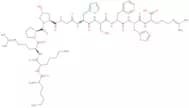
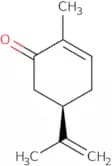
CAS:<p>Please enquire for more information about Lys-Lys-(Hyp 3,b-(2-thienyl)-Ala5·8,D-Phe7)-Bradykinin including the price, delivery time and more detailed product information at the technical inquiry form on this page</p>Formula:C62H95N19O14S2Purity:Min. 95%Molecular weight:1,394.67 g/mol(R)-2-Methyl-5-(prop-1-en-2-yl)cyclohex-2-enone
CAS:<p>(R)-2-Methyl-5-(prop-1-en-2-yl)cyclohex-2-enone is an organic compound that has been shown to induce apoptosis in prostate cancer cells. The mechanism of this induction is not yet fully understood, but it may be due to the inhibition of the synthesis of proteins required for cell division. It also had a significant effect on locomotor activity in mice. This compound has been shown to have acute toxicities, and its phase transition temperature is below room temperature. It can be used as a fumigant and an inorganic acid, and it has been proposed as a potential fluorescence probe for natural compounds.</p>Purity:Min. 95%Dolastatin 15 (5S)-1-[(2S)-O-(N,N-Dimethyl-Val-Val-N-Me-Val-Pro-Pro)-2-hydroxyisovaleryl]-2-oxo-4-methoxy-5-benzyl-3-pyrroline
CAS:<p>Dolastatin 15 (5S)-1-[(2S)-O-(N,N-Dimethyl-Val-Val-N-Me-Val-Pro-Pro)-2-hydroxyisovaleryl]-2-oxo-4-methoxy-5-benzylpyrrolidinium is a natural compound that has been isolated from the Indian Ocean sea hare Dolabella auricularia. It has shown significant cytotoxicity against cancer cells as well as significant immunosuppressive activities in animals. Dolastatin 15 is an analog of dolastatin 10 and has been shown to be active against hepatitis B and C virus. It also has antiinflammatory properties and may be effective in combating autoimmune diseases. The synthesis of this compound is an asymmetric synthesis with a hydroxyl group on one side of the molecule and an amide on the other side.</p>Formula:C45H68N6O9Purity:Min. 95%Molecular weight:837.06 g/mol3-Methylbutanoic acid
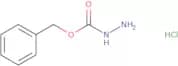
CAS:<p>3-Methylbutanoic acid is an antimicrobial agent that belongs to the group of isovaleric acids. It is a product of β-oxidation and has been shown to inhibit the growth of bacteria by reacting with their surface. 3-Methylbutanoic acid inhibits bacterial growth by binding to the pyrazole ring in DNA and altering its conformation, preventing DNA replication. This reaction occurs at a rate comparable to that of other fluoroquinolones, such as ciprofloxacin, levofloxacin, and norfloxacin. 3-Methylbutanoic acid has been shown to have antibacterial activity against both Gram-positive and Gram-negative bacteria, particularly those that are resistant to erythromycin or lincomycin.</p>Formula:C5H10O2Purity:Min. 95%Color and Shape:PowderMolecular weight:102.13 g/molZ-NHNH2·HCl
CAS:<p>Z-NHNH2·HCl is an amide containing a tetrapeptide. It has been used as a diagnostic agent for the detection of caerulein, a peptide that is produced by the pancreas in response to the presence of cholecystokinin (CCK). The monomers were prepared by reacting azide with benzyl chloroacetanilides and then cyclizing the product with triethylene glycol. The soybean extract was hydrolyzed with HCl to produce Z-NHNH2·HCl.</p>Formula:C8H10N2O2·HClPurity:Min. 95%Molecular weight:202.64 g/molAcetyl-Hirudin (54-65) (sulfated)
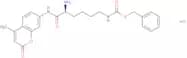
CAS:<p>Please enquire for more information about Acetyl-Hirudin (54-65) (sulfated) including the price, delivery time and more detailed product information at the technical inquiry form on this page</p>Formula:C68H95N13O29SPurity:Min. 95%Color and Shape:PowderMolecular weight:1,590.62 g/molH-Lys(Z)-AMC·HCl
CAS:<p>Please enquire for more information about H-Lys(Z)-AMC·HCl including the price, delivery time and more detailed product information at the technical inquiry form on this page</p>Formula:C24H27N3O5·HClPurity:Min. 95%Molecular weight:473.95 g/mol2-[(5-Bromo-2-methylphenyl)methyl]-5-(4-fluorophenyl)thiophe
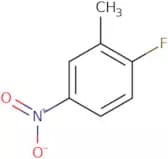
CAS:<p>Intermediate in the synthesis of canagliflozin</p>Formula:C18H14BrFSPurity:Min. 95%Molecular weight:361.27 g/mol4-Fluoro-3-methylnitrobenzene
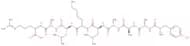
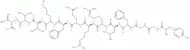
CAS:<p>4-Fluoro-3-methylnitrobenzene is a carbazole that is used as a pesticide. It has been shown to be effective against typhimurium and other bacteria. The mechanism of action of this compound may involve nitrenium ion formation, which is an intermediate in the reaction of ammonium nitrate with calcium carbonate. 4-Fluoro-3-methylnitrobenzene has two isomers: 4-fluoro-3-methylnitrobenzoic acid and 4-fluoronitrobenzoic acid, but only the former reacts with ammonium nitrate. The reaction time for this compound to form carcinogenic nitrosamines can vary from about one day to several months. Chemical shift data for this compound reveal its radical mechanism, which explains its low efficiency. This compound also has optical properties that can cause fluorescence or phosphorescence when exposed to ultraviolet light or laser beams, respectively.</p>Formula:C7H6FNO2Purity:Min. 95%Molecular weight:155.13 g/molAcetyl-Neurotensin (8-13) Ac-Arg-Arg-Pro-Tyr-Ile-Leu-OH
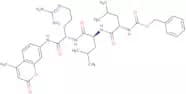
CAS:<p>Acetyl-neurotensin (8-13) Ac-Arg-Arg-Pro-Tyr-Ile-Leu-OH is a competitive antagonist of the NANC neurotransmitter, neuropeptide Y. It is a proteolytic product of neurotensin, an endogenous peptide that has been implicated in a number of physiological and pathological processes. Acetyl-neurotensin (8-13) Ac-Arg-Arg-Pro-Tyr-Ile-Leu-(OH) binds to the membrane receptors on neurons and blocks the binding of neuropeptides such as neurotensin and substance P to these receptors, thereby inhibiting their effects on the central nervous system. This compound is soluble in water and can be used for bladder protection by preventing the accumulation of urine.</p>Formula:C40H66N12O9Purity:Min. 95%Molecular weight:859.03 g/molZ-Leu-Leu-Arg-AMC
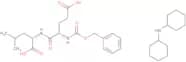
CAS:<p>Z-Leu-Leu-Arg-AMC is a proteolytic substrate that is used to study the activation of Th17 cells. It activates these cells by binding to the antigen peptide and protease activity, which are involved in the immune response. Z-Leu-Leu-Arg-AMC has been shown to induce autoimmune diseases in mice, as well as other conditions such as chronic inflammation and obesity. This compound also has a potential drug target for neutralizing acidity, which could be useful in treating cancer and other diseases. Z-Leu-Leu-Arg-AMC is stable at acidic pHs and can be used for biochemical studies of proteases at acidic pHs.</p>Formula:C36H49N7O7Purity:Min. 95%Color and Shape:PowderMolecular weight:691.82 g/molZ-Glu-Leu-OH·DCHA
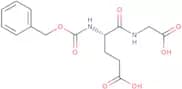
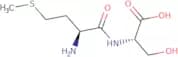
CAS:Controlled Product<p>Please enquire for more information about Z-Glu-Leu-OH·DCHA including the price, delivery time and more detailed product information at the technical inquiry form on this page</p>Formula:C19H26N2O7·C12H23NPurity:Min. 95%Molecular weight:575.74 g/molH-Met-Ser-OH
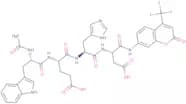
CAS:<p>H-Met-Ser-OH is a dihedral molecule that has an amino acid composition of H, Met, Ser, and OH. It is acidic and has efficiencies in polarizability and acceptor. The dipole moment of the molecule is hydrogen bonding interactions with sequences. The vibrational frequencies are computationally predicted by computational methods. The sulfate fractionation was used to determine the percent of H-Met-Ser-OH in human liver tissue.</p>Formula:C8H16N2O4SPurity:Min. 95%Molecular weight:236.29 g/molAc-Trp-Glu-His-Asp-AFC trifluoroacetate salt
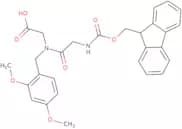
CAS:<p>Please enquire for more information about Ac-Trp-Glu-His-Asp-AFC trifluoroacetate salt including the price, delivery time and more detailed product information at the technical inquiry form on this page</p>Formula:C38H37F3N8O11Purity:Min. 95%Molecular weight:838.74 g/molFmoc-Gly-(Dmb)Gly-OH
CAS:<p>Fmoc-Gly-(Dmb)Gly-OH is a synthetic peptide that modulates cellular activity. It encompasses a wide range of activities, such as cancer cell growth and restenosis, fibroid tumors and bowel disease. Fmoc-Gly-(Dmb)Gly-OH has been shown to be an effective chemotherapeutic agent in the treatment of age-related macular degeneration and retinopathy. It also inhibits inflammatory bowel disease and infarction by restricting the production of inflammatory cytokines, such as TNFα, IL1β, and IL6. Fmoc-Gly-(Dmb)Gly-OH can be used to treat endometriosis by inhibiting angiogenesis in the uterus.</p>Formula:C28H28N2O7Purity:Min. 95%Molecular weight:504.53 g/molMetorphamide (free acid)
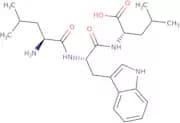
CAS:<p>Please enquire for more information about Metorphamide (free acid) including the price, delivery time and more detailed product information at the technical inquiry form on this page</p>Formula:C44H68N14O10SPurity:Min. 95%Molecular weight:985.17 g/molH-Leu-Trp-Leu-OH
CAS:<p>H-Leu-Trp-Leu-OH is a tryptophan protease that has been shown to have aminopeptidase activity. It can be used in the treatment of intestinal inflammation, as well as other conditions where it is desirable to reduce the concentration of amino acid precursors. The oxidation products of H-Leu-Trp-Leu-OH are antigenic and can be used for the detection of this enzyme in biological fluids. Hplc analysis can identify tripeptides formed by H-Leu-Trp-Leu-OH, which are then cleaved by other enzymes. This process creates a radioactive product that can be detected using radiation or microscopy. Immunoaffinity chromatography is also able to isolate H-Leu-Trp-Leu-OH from biological fluids. Monoclonal antibodies against this enzyme have been shown to inhibit ectoenzymes such as lipases and phospholip</p>Formula:C23H34N4O4Purity:Min. 95%Molecular weight:430.54 g/mol3-(2,6-Dichlorophenyl)-5-methylisoxazole-4-carbonyl chloride
CAS:<p>3-(2,6-Dichlorophenyl)-5-methylisoxazole-4-carbonyl chloride is a chlorinated, thermosetting emulsifier that is used in the production of pressure sensitive adhesives. This compound has a high viscosity and is used as a retardant and an emulsifier. It is also used as a trichloride to produce vinyl chloride monomer. 3-(2,6-Dichlorophenyl)-5-methylisoxazole-4-carbonyl chloride inhibits the growth of bacteria by acting as an antimicrobial agent. The mechanism of action for this compound is not fully understood but it has been shown to inhibit protein synthesis in bacteria.</p>Formula:C11H6Cl3NO2Purity:Min. 95%Molecular weight:290.53 g/molH-Phe-2-chlorotrityl resin (200-400 mesh) (Low Substitution)
<p>Please enquire for more information about H-Phe-2-chlorotrityl resin (200-400 mesh) (Low Substitution) including the price, delivery time and more detailed product information at the technical inquiry form on this page</p>Purity:Min. 95%H-Glu-Glu-Lys-Leu-Ile-Val-Val-Ala-Phe-OH trifluoroacetate salt
CAS:<p>Please enquire for more information about H-Glu-Glu-Lys-Leu-Ile-Val-Val-Ala-Phe-OH trifluoroacetate salt including the price, delivery time and more detailed product information at the technical inquiry form on this page</p>Formula:C50H82N10O14Purity:Min. 95%Molecular weight:1,047.25 g/mol1,2-Dihydro-1-Methyl-5-(Trifluoromethyl)-3H-Pyrazol-3-One
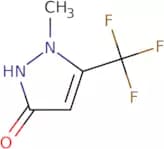
CAS:<p>Please enquire for more information about 1,2-Dihydro-1-Methyl-5-(Trifluoromethyl)-3H-Pyrazol-3-One including the price, delivery time and more detailed product information at the technical inquiry form on this page</p>Formula:C5H5F3N2OPurity:Min. 95%Molecular weight:166.1 g/molH-Ser-Gln-Asn-Tyr-Pro-Ile-Val-OH
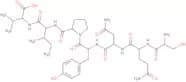
CAS:<p>Please enquire for more information about H-Ser-Gln-Asn-Tyr-Pro-Ile-Val-OH including the price, delivery time and more detailed product information at the technical inquiry form on this page</p>Formula:C37H57N9O12Purity:Min. 95%Molecular weight:819.9 g/molFmoc-[D4]Ala-OH
CAS:Controlled Product<p>Please enquire for more information about Fmoc-[D4]Ala-OH including the price, delivery time and more detailed product information at the technical inquiry form on this page</p>Formula:C18H13D4NO4Purity:Min. 95%Color and Shape:PowderMolecular weight:315.35 g/molH-Gly-Gly-Glu-Ala-OH
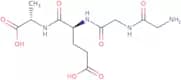
CAS:<p>H-Gly-Gly-Glu-Ala-OH is a carboxylate. It has been shown to be an ionizable molecule with a proton that can exist in either the hydrated or dehydrated form. The proton of the carboxylate group can move between the two forms and the ionization state depends on pH and temperature. H-Gly-Gly-Glu-Ala-OH is a linear peptide, which means it has an amide group and a residue at each end of the chain. Each of these residues has specific conformations, which are impacted by intramolecular hydrogen bonds. These conformations play a role in determining its pharmacological properties, as well as its function in structural biology and magnetic resonance techniques. H-Gly-Gly-Glu-Ala-OH also has population distribution studies that have been used for diffraction analyses, as well as for titration experiments.</p>Formula:C12H20N4O7Purity:Min. 95%Molecular weight:332.31 g/molAc-Asp(Glu-OH)-OH
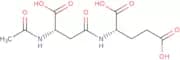
CAS:<p>Ac-Asp(Glu-OH)-OH is a low potency, but potentiating compound that binds to the cell cytoplasm. It inhibits the uptake of glutamate into the synaptic cleft by binding to acidic granules. This compound may be neuroprotective and inhibit prostate carcinoma growth. Ac-Asp(Glu-OH)-OH has also been shown to inhibit postsynaptic potentials and decrease glutamate release in cerebellar granule cells.</p>Formula:C11H16N2O8Purity:Min. 95%Molecular weight:304.25 g/mol(Tyr36)-pTH-Related Protein (1-36) (human, mouse, rat)
CAS:<p>Please enquire for more information about (Tyr36)-pTH-Related Protein (1-36) (human, mouse, rat) including the price, delivery time and more detailed product information at the technical inquiry form on this page</p>Formula:C194H303N59O53Purity:Min. 95%Molecular weight:4,309.85 g/molOxyntomodulin (bovine, dog, porcine) trifluoroacetate salt
CAS:<p>Please enquire for more information about Oxyntomodulin (bovine, dog, porcine) trifluoroacetate salt including the price, delivery time and more detailed product information at the technical inquiry form on this page</p>Formula:C192H295N59O60SPurity:Min. 95%Molecular weight:4,421.82 g/molBoc-D-Phe-Pro-Arg-OH
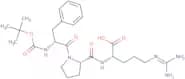
CAS:<p>Boc-D-Phe-Pro-Arg-OH is a receptor binding molecule that belongs to the family of serine proteases. It has been shown to be reactive with multi-walled carbon nanotubes and fatty acids, making it useful for analytical chemistry, processing and amplification. The Boc-D-Phe-Pro-Arg-OH molecule binds to carbohydrate molecules in a way that mimics the action of an enzyme. This binding activates markers and triggers a reaction that produces hydrogen bonds between the target and the substrate. Boc-D-Phe-Pro-Arg-OH has been shown to have high affinity for serine protease receptors.</p>Formula:C25H38N6O6Purity:Min. 95%Molecular weight:518.61 g/molL-Lysine acetate
CAS:Controlled Product<p>L-Lysine acetate is a precursor of L-lysine and is used in the treatment of cancers. It has been shown to promote the growth of pluripotent cells, which can differentiate into any tissue type. L-Lysine acetate promotes cellular transformation by increasing the expression of growth factor-β1 in cells. This compound also enhances cellular physiology, energy metabolism, and protein degradation. L-Lysine acetate inhibits the ubiquitin ligases that are involved in protein degradation, leading to an increase in cell proliferation. The use of L-Lysine acetate has shown promising results for the treatment of infectious diseases such as HIV/AIDS and tuberculosis. L-Lysine acetate blocks the replication of human immunodeficiency virus (HIV) by inhibiting reverse transcriptase activity and blocking its DNA chain elongation process.</p>Formula:C8H18N2O4Purity:Min. 95%Color and Shape:PowderMolecular weight:206.24 g/molPyr-Gly-OH
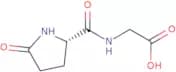
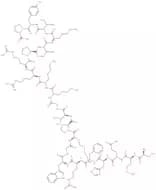
CAS:<p>Pyr-Gly-OH is a metabolite of the amino acid glutamate. It has been shown that this metabolite is formed by a non-enzymatic dehydration of glutamate. This compound has been shown to be effective in treating bowel disease and cancer, as well as stimulating the production of fibrinogen in the blood. Pyr-Gly-OH has also been found to have anti-inflammatory effects and an increased effect on glutamic receptors.</p>Formula:C7H10N2O4Purity:Min. 95%Molecular weight:186.17 g/molG Protein Antagonist Pyr-Gln-D-Trp-Phe-D-Trp-D-Trp-Met-NH2
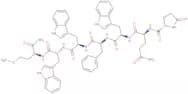
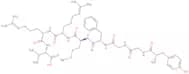
CAS:<p>G protein antagonist Pyr-Gln-D-Trp-Phe-D-Trp-D-Trp-Met-NH2 is a synthetic peptide that inhibits the activity of cyclase enzymes. It has been shown to inhibit skin cancer cells and has been shown to bind intracellular targets, such as protein kinase C, with high affinity. G protein antagonist Pyr-Gln-D-Trp-Phe-D-Trp-D-Trp--Met--NH2 has also been shown to inhibit the guanine nucleotide binding proteins (G proteins), which are necessary for cell signaling. G protein antagonist Pyr--Gln--D--Trp--Phe--D--Trp--D---Trp---Met---NH2 may also be used as an inhibitor of neurokinin 1 receptor activation and whole cell recordings have shown this drug to be potent antagonists of α subunit. G protein antagonist Pyr--Gln--D</p>Formula:C57H64N12O9SPurity:Min. 95%Molecular weight:1,093.26 g/molH-Lys-Pro-Tyr-OH acetate salt
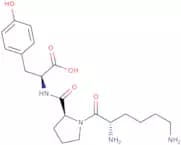
CAS:<p>Please enquire for more information about H-Lys-Pro-Tyr-OH acetate salt including the price, delivery time and more detailed product information at the technical inquiry form on this page</p>Formula:C20H30N4O5Purity:Min. 95%Molecular weight:406.48 g/molFmoc-D-Leu-Wang resin (200-400 mesh)
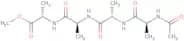
<p>Please enquire for more information about Fmoc-D-Leu-Wang resin (200-400 mesh) including the price, delivery time and more detailed product information at the technical inquiry form on this page</p>Purity:Min. 95%Ac-Ala-Ala-Ala-Ala-OMe
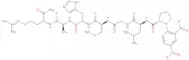
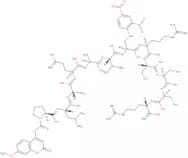
CAS:<p>Ac-Ala-Ala-Ala-Ala-OMe is a peptidase that hydrolyzes the ester bonds of the hydrophobic amino acid residues, such as alanine, valine, leucine, and isoleucine. This enzyme deacylates and releases these amino acids from the side chain of their corresponding fatty acyl groups. Ac-Ala-Ala-Ala-Ala-OMe also acts on N terminal and C terminal residues. The presence of a scissile bond in the peptide substrate is required for this enzyme to function. Acetylation reactions are concurrent with acylation reactions, which produce an acetylated peptide product.</p>Formula:C15H26N4O6Purity:Min. 95%Molecular weight:358.39 g/molDnp-Pro-Leu-Gly-Cys(Me)-His-Ala-D-Arg-NH2
CAS:<p>Dnp-Pro-Leu-Gly-Cys(Me)-His-Ala-D-Arg-NH2 is a protease that was isolated from the fungus Aspergillus niger. It has been shown to have high efficiency in cleaving peptide bonds, which makes it useful for protein sequencing and analysis. Dnp-Pro-Leu-Gly-Cys(Me)-His-Ala-D-Arg-NH2 can be used as an enzyme in the production of collagenase, a protein that breaks down collagen. This enzyme also has potential applications in the production of analogs for use in chromatography and sequencing techniques. The variable amino acids at positions 2, 3, 5, 6, 7, 9, 10, 11, 12 and 13 are important for activity and substrate specificity. The enzyme's activity is optimal under high pressure conditions and at pH 8.0. Dnp--Pro--Leu--Gly--Cys</p>Formula:C38H57N15O11SPurity:Min. 95%Molecular weight:932.02 g/molUrocortin (human) trifluoroacetate salt
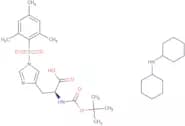
CAS:<p>Trifluoroacetate salt</p>Formula:C204H337N63O64Purity:Min. 95%Molecular weight:4,696.24 g/molBoc-His(1-Mts)-OH·DCHA
CAS:Controlled Product<p>Please enquire for more information about Boc-His(1-Mts)-OH·DCHA including the price, delivery time and more detailed product information at the technical inquiry form on this page</p>Formula:C20H27N3O6S·C12H23NPurity:Min. 95%Molecular weight:618.83 g/molH-Met-D-Met-OH
CAS:<p>Please enquire for more information about H-Met-D-Met-OH including the price, delivery time and more detailed product information at the technical inquiry form on this page</p>Formula:C10H20N2O3S2Purity:Min. 95%Molecular weight:280.41 g/molZ-Glu-Gly-OH
CAS:<p>Z-Glu-Gly-OH is a cysteine donor for the chemical cross-linking of keratin proteins. Follicle cells are a major source of keratin, and glutamic acid is the most abundant amino acid in these cells. Glutamine is also abundant in keratins, and may be responsible for the cornified layer. Cysteine is used to cross-link the structural proteins, while glutamic acid and glutamine are involved in cross-linking the fibre and residue. Cross-linking results in an insoluble protein matrix that provides strength to skin.</p>Formula:C15H18N2O7Purity:Min. 95%Molecular weight:338.31 g/molFmoc-Ile-Ser(Psi(Me ,Me)pro)-OH
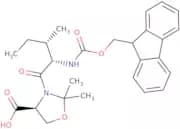
CAS:<p>Please enquire for more information about Fmoc-Ile-Ser(Psi(Me ,Me)pro)-OH including the price, delivery time and more detailed product information at the technical inquiry form on this page</p>Formula:C27H32N2O6Purity:Min. 95%Molecular weight:480.55 g/mol2-Methylthio-cis-zeatin
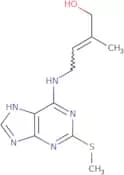
CAS:<p>2-Methylthio-cis-zeatin is a corynebacterium metabolite that is produced by the oxidative deamination of 2-methylthioadenosine. It can be used as an indicator for the presence of corynebacteria in various plant species and has been found to have physiological functions such as multiple-reaction monitoring, biochemical analysis, and chemical structures. The production of 2-methylthio-cis-zeatin has been detected in tissue culture and explants from plants. Chemical analyses have shown that this metabolite is an impurity or contaminant in some pharmaceuticals and food products. 2-Methylthio-cis-zeatin can be identified using chromatographic methods with a mass spectrometric detection (MS) method, which allows for the identification of its isomers. This metabolite can also be analyzed using chromatographic methods with MS detection, which allows for the identification of its isomers</p>Formula:C11H15N5OSPurity:Min. 95%Molecular weight:265.34 g/molToxic Shock Syndrome Toxin-1 (TSST-1) (58-78)
CAS:<p>Please enquire for more information about Toxic Shock Syndrome Toxin-1 (TSST-1) (58-78) including the price, delivery time and more detailed product information at the technical inquiry form on this page</p>Formula:C98H171N33O35Purity:Min. 95%Molecular weight:2,371.61 g/mol


![(1,10-Phenanthroline)tris[4,4,4-trifluoro-1-(2-thienyl)-1,3-butanedionato]europium(III)](/_next/image/?url=https%3A%2Fstatic.cymitquimica.com%2Fproducts%2F3D%2Fthumb-webp%2FFP62129.webp&w=3840&q=75)










![Dolastatin 15 (5S)-1-[(2S)-O-(N,N-Dimethyl-Val-Val-N-Me-Val-Pro-Pro)-2-hydroxyisovaleryl]-2-oxo-4-…](/_next/image/?url=https%3A%2Fstatic.cymitquimica.com%2Fproducts%2F3D%2Fthumb-webp%2FFD110329.webp&w=3840&q=75)


![2-[(5-Bromo-2-methylphenyl)methyl]-5-(4-fluorophenyl)thiophe](/_next/image/?url=https%3A%2Fstatic.cymitquimica.com%2Fproducts%2F3D%2Fthumb-webp%2FFB97141.webp&w=3840&q=75)


![Fmoc-[D4]Ala-OH](/_next/image/?url=https%3A%2Fstatic.cymitquimica.com%2Fproducts%2F3D%2Fthumb-webp%2FFF111394.webp&w=3840&q=75)