Amino Acids (AA)
Amino acids (AAs) are the fundamental building blocks of proteins, playing a crucial role in various biological processes. These organic compounds are essential for protein synthesis, metabolic pathways, and cell signaling. In this category, you will find a comprehensive range of amino acids, including essential, non-essential, and modified forms, which are vital for research in biochemistry, molecular biology, and nutritional sciences. At CymitQuimica, we provide high-quality amino acids to support your research and development needs, ensuring accuracy and reliability in your experimental outcomes.
Subcategories of "Amino Acids (AA)"
- Amino Acid Derivatives(3,955 products)
- Amino Acid and Amino Acid Related Compounds(3,461 products)
- Amino Acids with Oxygen or Sulphur(168 products)
- Boc- Amino Acids(351 products)
- Fmoc Amino Acids(1,710 products)
Found 38244 products of "Amino Acids (AA)"
Sort by
Purity (%)
0
100
|
0
|
50
|
90
|
95
|
100
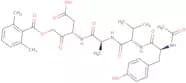
Ac-Tyr-Val-Ala-Asp-2,6-dimethylbenzoyloxymethylketone
CAS:<p>Ac-Tyr-Val-Ala-Asp-2,6-dimethylbenzoyloxymethylketone is a potent transcriptional regulator that can be used to treat breast cancer. Ac-Tyr-Val-Ala-Asp-2,6-dimethylbenzoyloxymethylketone binds to estrogen receptor and prevents the binding of estrogen to its receptor. This leads to the death of cancer cells by inhibiting the function of bcl family proteins. Acetylation of this compound at C8, C10, and C17 positions increases its potency in vivo. In addition, Acetylated TAVADM can inhibit pancreatic cancer cell growth by activating signal transducer and activator of transcription 3 (STAT3) and inhibiting the activity of bcl family proteins such as BCL2 and BCLXL. Acetylated TAVADM has also been shown to have antiapoptotic</p>Formula:C33H42N4O10Purity:Min. 95%Molecular weight:654.71 g/molZ-Ile-Leu-aldehyde
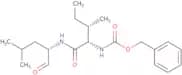
CAS:<p>Please enquire for more information about Z-Ile-Leu-aldehyde including the price, delivery time and more detailed product information at the technical inquiry form on this page</p>Formula:C20H30N2O4Purity:Min. 95%Molecular weight:362.46 g/molH-Leu-Ser-Lys-Leu-NH2 trifluoroacetate salt
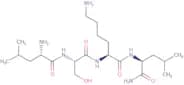
CAS:<p>L-Leu-Ser-Lys-Leu-NH2 is a cyclic peptide with the amino acid sequence H-Leu-Ser-Lys-Leu. It has been shown to have receptor activity and can be used as an experimental model of growth factors. L-Leu-Ser-Lys-Leu was found to stimulate collagen synthesis in a collagen gel, which may be due to its ability to inhibit the release of growth factor β1. L-Leu-Ser Lys Leu also has anti cancer effects by inhibiting the proliferation of malignant brain cells, as well as tubulointerstitial injury and renal cell carcinoma. This compound may also have some use in treating subarachnoid hemorrhage and fetal bovine serum (FBS) for tissue culture.</p>Formula:C21H42N6O5Purity:Min. 95%Molecular weight:458.6 g/molNecrostatin-1 5-(1
CAS:<p>Necrostatin-1 is a small molecule inhibitor that blocks the NF-κB signaling pathway. Necrostatin-1 is a potent inducer of apoptosis and has been shown to inhibit necroptosis in cell culture. It also blocks the Toll-like receptor 4 (TLR4), which is an important death receptor that causes inflammation. Necrostatin-1 has been found to be effective in reducing injury and death in low doses, but has not been tested for long periods of time or at high doses.</p>Formula:C13H13N3OSPurity:Min. 95%Molecular weight:259.33 g/mol(Ile3)-Pressinoic acid
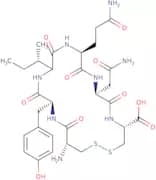
CAS:<p>Ile3-pressinoic acid is an amide that is structurally similar to gamma-aminobutyric acid. It has dose-dependent effects on fatty acid synthesis and redox potential. Ile3-pressinoic acid is a leishmania molecule that can be used as a diagnostic agent for the disease, as well as a potential treatment in cell culture and animal models. It also has been shown to have receptor activity on peptide hormones, including oxytocin receptors.</p>Formula:C30H44N8O10S2Purity:Min. 95%Molecular weight:740.85 g/molD-Tryptophan methyl ester hydrochloride
CAS:<p>D-Tryptophan is an amino acid that is naturally produced by the human body and is also found in certain foods such as bananas, oats, and turkey. D-Tryptophan methyl ester hydrochloride is a synthetic form of this amino acid. It has been shown to inhibit cell growth and may have other physiological effects such as regulating mood or sleep patterns. This drug binds to the cavity of enzymes involved in the synthesis of proteins and nucleic acids, which prevents them from carrying out their normal functions. The binding constants for D-tryptophan methyl ester hydrochloride with these enzymes are stronger than those for natural d-tryptophan. The reaction solution was studied using UV absorption spectroscopy and showed that glycol ethers were more effective solvents than piperonal, which allowed for asymmetric synthesis. Molecular docking analysis has shown that D-tryptophan methyl ester hydrochloride binds to the enzyme cavity more tightly than</p>Formula:C12H14N2O2•HClPurity:Min. 95%Color and Shape:PowderMolecular weight:254.71 g/molBoc-Thr(Val-Fmoc)-OH
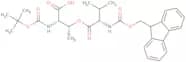
CAS:<p>Please enquire for more information about Boc-Thr(Val-Fmoc)-OH including the price, delivery time and more detailed product information at the technical inquiry form on this page</p>Formula:C29H36N2O8Purity:Min. 95%Molecular weight:540.6 g/molNeuronostatin-13 (mouse, rat) trifluoroacetate salt
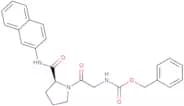
<p>Please enquire for more information about Neuronostatin-13 (mouse, rat) trifluoroacetate salt including the price, delivery time and more detailed product information at the technical inquiry form on this page</p>Formula:C65H112N20O17Purity:Min. 95%Molecular weight:1,445.71 g/molZ-Gly-Pro-bNA
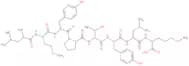
CAS:<p>Z-Gly-Pro-bNA is a peptide that has been synthesized using recombinant DNA technology. It is a carboxyl peptidase inhibitor, which inhibits the enzyme aspartic proteases and metalloendopeptidases. Z-Gly-Pro-bNA has a specific substrate, namely tetrathionate, and it is efficient in hydrolyzing carboxyl groups. This inhibition of the catalytic activity of these enzymes leads to an increase in proline and calcitonin levels. The optimum pH for this reaction is 8.5 to 9.5 and the optimum concentration is 50 to 300 μM.</p>Formula:C25H25N3O4Purity:Min. 95%Molecular weight:431.48 g/molNeurotensin (9-13)
CAS:<p>Neurotensin (NT) is a peptide hormone that belongs to the family of amides and is found in the stomach, small intestine, and central nervous system. NT is an agonist of the neurotensin receptor and binds to allosteric binding sites on the receptor. Neurotensin (NT) is modified by proteolysis, which may be due to its acidic residue at position 9. This modification leads to increased affinity for the neurotensin receptor binding site. The pharmacokinetic properties of NT are not well-understood as it has been shown to have both high lipophilicity and low plasma protein binding rates. Neurotensin (NT) receptors have been shown to be G protein coupled receptors with different subtypes, such as NT1, NT2A, NT2B, and NT3.</p>Formula:C32H52N8O7Purity:Min. 95%Molecular weight:660.81 g/molAngiotensin I-Converting Enzyme (ACE) Inactivator Cyanoac-Phe-Phe-OH
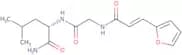
CAS:<p>Cyanoac-Phe-Phe-OH is a hydrolytic enzyme that irreversibly inactivates the ACE enzyme. It acts as an inhibitor of angiotensin-converting enzyme and inhibits the conversion of angiotensin I to angiotensin II, which is involved in blood pressure regulation. Cyanoac-Phe-Phe-OH has been shown to be more potent than captopril, another ACE inhibitor. It also has a longer half life and greater selectivity for ACE over other serine proteases.</p>Formula:C21H21N3O4Purity:Min. 95%Molecular weight:379.41 g/molFA-Gly-Leu-NH2
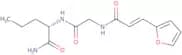
CAS:<p>FA-Gly-Leu-NH2 is an amide that inhibits the activity of metalloproteases by binding to the zinc ion in the active site. It was shown to inhibit protease activity and protein synthesis in armillaria. This compound also showed irreversible inhibition of thermolysin, a serine protease, and protein synthesis in yeast. The biological properties of FA-Gly-Leu-NH2 were studied using a synthetic substrate for thermolysin, which led to the conclusion that this inhibitor has potential as a therapeutic agent for inflammatory diseases.</p>Formula:C15H21N3O4Purity:Min. 95%Molecular weight:307.35 g/molPAR-2 (1-6) amide (human) trifluoroacetate salt
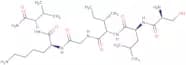
CAS:<p>PAR-2 (1-6) amide (human) trifluoroacetate salt H-Ser-Leu-Ile-Gly-Lys-Val-NH2 trifluoroacetate salt is a protease inhibitor that inhibits the activity of PAR2, a protein receptor. PAR2 is implicated in cancer and inflammation. It has been shown to inhibit growth factor signaling, as well as activate toll-like receptor 4 and other inflammatory pathways. PAR2 inhibition has also been studied in vivo and found to be effective in treating wild type mice with melanoma cells. In vitro studies have shown that PAR2 inhibition by PAR 2 (1-6) amide (human) trifluoroacetate salt H-Ser-Leu-Ile-Gly-Lys-Val NH2 trifluoroacetate salt blocks the production of tumour necrosis factor alpha and interleukin 6.</p>Formula:C28H54N8O7Purity:Min. 95%Molecular weight:614.78 g/molOsteostatin (1-5) amide (human, bovine, dog, horse, mouse, rabbit, rat) trifluoroacetate salt
CAS:<p>Please enquire for more information about Osteostatin (1-5) amide (human, bovine, dog, horse, mouse, rabbit, rat) trifluoroacetate salt including the price, delivery time and more detailed product information at the technical inquiry form on this page</p>Formula:C27H42N10O7Purity:Min. 95%Molecular weight:618.69 g/molBiotinyl-(Leu8,D-Trp22,Tyr25)-Somatostatin-28 trifluoroacetate salt
CAS:<p>Please enquire for more information about Biotinyl-(Leu8,D-Trp22,Tyr25)-Somatostatin-28 trifluoroacetate salt including the price, delivery time and more detailed product information at the technical inquiry form on this page</p>Formula:C148H223N43O42S3Purity:Min. 95%Molecular weight:3,372.82 g/molH-Asp-AMC
CAS:<p>Please enquire for more information about H-Asp-AMC including the price, delivery time and more detailed product information at the technical inquiry form on this page</p>Formula:C14H14N2O5Purity:Min. 95%Color and Shape:PowderMolecular weight:290.27 g/molFMoc-L-4-BroMophenylalanine
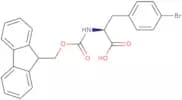
CAS:<p>FMoc-L-4-BroMophenylalanine is a cell culture substrate that is used to study the interaction between peptides and hydrogels. It can be used as a fluorescent probe in peptide binding assays as well as for studies of protein folding. This product has been shown to be efficient at inducing gelation with other amino acids, such as aspartic acid, glycine, and arginine. FMoc-L-4-BroMophenylalanine also has potential applications for use in classifying peptides based on their charge and size.</p>Formula:C24H20BrNO4Purity:Min. 95%Molecular weight:466.32 g/molFmoc-Lys(Nde)-OH
CAS:<p>Please enquire for more information about Fmoc-Lys(Nde)-OH including the price, delivery time and more detailed product information at the technical inquiry form on this page</p>Formula:C32H29N3O8Purity:Min. 95%Molecular weight:583.59 g/mol1-{[5-(Cyclopropylcarbonyl)-1-methyl-4,5,6,7-tetrahydro-1H-pyrazolo[4,3-c]pyridin-3-yl]carbonyl}piperidine-4-carboxylic acid
CAS:<p>Please enquire for more information about 1-{[5-(Cyclopropylcarbonyl)-1-methyl-4,5,6,7-tetrahydro-1H-pyrazolo[4,3-c]pyridin-3-yl]carbonyl}piperidine-4-carboxylic acid including the price, delivery time and more detailed product information at the technical inquiry form on this page</p>Formula:C18H24N4O4Purity:Min. 95%Molecular weight:360.41 g/molp-Methoxybenzylmercaptan
CAS:<p>P-Methoxybenzylmercaptan is an inhibitor of protein synthesis. It binds to the active site of the enzyme ribonuclease A, which is involved in the processing of messenger RNA. P-Methoxybenzylmercaptan also inhibits other enzymes such as alkaline phosphatase and esterases. It has been shown to be effective against HIV infection. This compound can be used for chemical ligation reactions and as a cell culture medium additive, as it protects cells from oxidation and provides a more acidic environment. P-Methoxybenzylmercaptan has been shown to bind to amines and is being investigated for its use in drug development.</p>Formula:C8H10OSPurity:Min. 95%Color and Shape:Clear LiquidMolecular weight:154.23 g/molZ-Lys(Aloc)-OH·DCHA
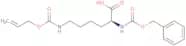
CAS:<p>Please enquire for more information about Z-Lys(Aloc)-OH·DCHA including the price, delivery time and more detailed product information at the technical inquiry form on this page</p>Formula:C18H24N2O6·C12H23NPurity:Min. 95%Molecular weight:545.71 g/molL-Alanine methyl ester HCl
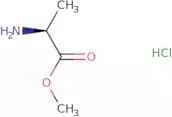
CAS:<p>L-Alanine methyl ester HCl is a compound that is used in wastewater treatment. It has been shown to inhibit the enzyme DPP-IV, which is associated with metabolic disorders. L-Alanine methyl ester HCl also has been shown to have antimicrobial activity against a number of bacteria, including methicillin resistant Staphylococcus aureus (MRSA). L-Alanine methyl ester HCl has been shown to have anti-inflammatory properties and can be used for the treatment of autoimmune diseases. This compound also has a significant effect on biological properties such as phase transition temperature and thermal expansion.</p>Formula:C4H10NO2ClPurity:Min. 95%Color and Shape:White PowderMolecular weight:139.58 g/molGastrin Tetrapeptide
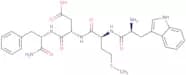
CAS:<p>Gastrin tetrapeptide is a pharmacological treatment for clinical relevance. It has been shown to be an irreversible inhibitor of the histamine H2-receptor. Activated gastrin tetrapeptide has been shown to inhibit the activity of 5-hydroxytryptamine (5-HT) receptors and κ-opioid receptors in vitro, and studies have shown that it decreases glutamate release from nerve cells, which may contribute to its antiemetic properties. Gastrin tetrapeptide has also been shown to have a physiological effect on humans, with decreased 5-HT concentrations and increased gastric pH levels being observed. This peptide is used in the treatment of infectious diseases such as malaria, which causes vomiting and diarrhea.</p>Formula:C29H36N6O6SPurity:Min. 95%Molecular weight:596.7 g/molAc-Cys-Nle-Arg-His-D-2-Nal-Arg-Trp-Gly-Cys-NH2
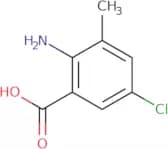
CAS:<p>Please enquire for more information about Ac-Cys-Nle-Arg-His-D-2-Nal-Arg-Trp-Gly-Cys-NH2 including the price, delivery time and more detailed product information at the technical inquiry form on this page</p>Formula:C58H79N19O10S2Purity:Min. 95%Molecular weight:1,266.5 g/mol2-Amino-5-chloro-3-methylbenzoic acid
CAS:<p>2-Amino-5-chloro-3-methylbenzoic acid (ACMB) is a substructure of the insecticidal compound chlorantraniliprole. It is a solid at room temperature and has a molecular weight of 142.15 g/mol. ACMB can be extracted from n-hexane, chlorantraniliprole, or xylene using gravimetric analysis. The bioactivity of ACMB can be determined by an anthranilic assay, while its solubility data are available in the literature. ACMB has been shown to have insecticidal activity against lepidoptera larvae and cyanuric activity against mosquito larvae.</p>Formula:C8H8ClNO2Purity:Min. 95%Molecular weight:185.61 g/molAc-Asp-D-Gla-Leu-Ile-b-cyclohexyl-Ala-Cys-OH
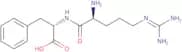
CAS:<p>Please enquire for more information about Ac-Asp-D-Gla-Leu-Ile-b-cyclohexyl-Ala-Cys-OH including the price, delivery time and more detailed product information at the technical inquiry form on this page</p>Formula:C36H58N6O14SPurity:Min. 95%Molecular weight:830.94 g/molH-Arg-Phe-OH acetate salt
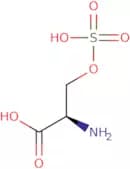
CAS:<p>H-Arg-Phe-OH Acetate Salt is a peptide that has the amino acids H, Arg, Phe and OH. It is a stable complex with amines and is effective in reducing blood pressure. The binding constants are high, which means that it can be used as an antihypertensive agent. A study on the haemodynamic effects of H-Arg-Phe-OH Acetate Salt showed that it could inhibit the release of noradrenaline levels in the body. The reaction mechanism for H-Arg-Phe-OH Acetate Salt is functional groups plus fatty acids; kidney bean is one of its sources.</p>Formula:C15H23N5O3Purity:Min. 95%Molecular weight:321.38 g/molH-D-Ser(SO3H)-OH
CAS:<p>Please enquire for more information about H-D-Ser(SO3H)-OH including the price, delivery time and more detailed product information at the technical inquiry form on this page</p>Formula:C3H7NO6SPurity:Min. 95%Molecular weight:185.16 g/molEndothelial-Monocyte-Activating Polypeptide II-Derived Peptide
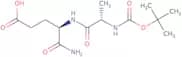
CAS:<p>Please enquire for more information about Endothelial-Monocyte-Activating Polypeptide II-Derived Peptide including the price, delivery time and more detailed product information at the technical inquiry form on this page</p>Formula:C81H142N26O22Purity:Min. 95%Molecular weight:1,832.16 g/molBoc-Ala-D-Glu-NH2
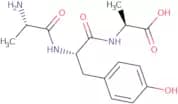
CAS:<p>Please enquire for more information about Boc-Ala-D-Glu-NH2 including the price, delivery time and more detailed product information at the technical inquiry form on this page</p>Formula:C13H23N3O6Purity:Min. 95%Molecular weight:317.34 g/molH-Ala-Tyr-Ala-OH
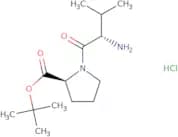
CAS:<p>H-Ala-Tyr-Ala-OH is a peptidomimetic that has shown promising anti-inflammatory and anticancer properties. It has been found to inhibit the proliferation of human cancer cells and to suppress the growth of human tumor xenografts in mice. It also has shown an ability to cross the blood brain barrier, which may be due to its high lipophilicity. H-Ala-Tyr-Ala-OH inhibits the production of inflammatory cytokines, such as TNFα, IL1β, IL6, and IL8, by inhibiting NFκB activation in immune cells. This inhibition leads to decreased inflammation and fibrosis in various tissues. H-Ala-Tyr-Ala-OH is also active against bacteria and viruses, which may be due to its low molecular weight.</p>Formula:C15H21N3O5Purity:Min. 95%Molecular weight:323.34 g/molH-Val-Pro-OtBu·HCl
CAS:<p>Please enquire for more information about H-Val-Pro-OtBu·HCl including the price, delivery time and more detailed product information at the technical inquiry form on this page</p>Formula:C14H26N2O3·HClPurity:Min. 95%Molecular weight:306.83 g/molVIP Receptor-Binding Inhibitor L-8-K trifluoroacetate salt
CAS:<p>Please enquire for more information about VIP Receptor-Binding Inhibitor L-8-K trifluoroacetate salt including the price, delivery time and more detailed product information at the technical inquiry form on this page</p>Formula:C50H77N9O12SPurity:Min. 95%Molecular weight:1,028.27 g/molZ-Trp-Val-OH trifluoroacetic acid
CAS:<p>Please enquire for more information about Z-Trp-Val-OH trifluoroacetic acid including the price, delivery time and more detailed product information at the technical inquiry form on this page</p>Formula:C24H27N3O5•CF3CO2HPurity:Min. 95%Molecular weight:437.49 g/molFA-Gly-Nva-NH2
CAS:<p>Please enquire for more information about FA-Gly-Nva-NH2 including the price, delivery time and more detailed product information at the technical inquiry form on this page</p>Formula:C14H19N3O4Purity:Min. 95%Molecular weight:293.32 g/molFmoc-4-methoxy-4'-(γ-carboxypropyloxy)-benzhydrylamine linked to Alanyl-aminomethyl resin (200-400 mesh)
<p>Please enquire for more information about Fmoc-4-methoxy-4'-(gamma-carboxypropyloxy)-benzhydrylamine linked to Alanyl-aminomethyl resin (200-400 mesh) including the price, delivery time and more detailed product information at the technical inquiry form on this page</p>Purity:Min. 95%MAGE-1 Antigen (161-169) (human) acetate salt
CAS:<p>MAGE-1 is a costimulatory molecule that is expressed on the surface of antigen presenting cells. It has been shown to be a very potent target for monoclonal antibodies. MAGE-1 can be used as an antigen in diagnostic tests, such as ELISA and Western blotting. It can also be used to generate monoclonal antibodies for use as therapeutic agents in cancer therapy and for the treatment of viral infections such as influenza virus. The MAGE-1 antigen has been shown to have high affinity binding with the paratope of Papilloma virus, which may help explain its clinical relevance in these diseases.</p>Formula:C41H57N11O17Purity:Min. 95%Molecular weight:975.96 g/mol1-(3-Chloro-4-methoxyphenyl)acetone
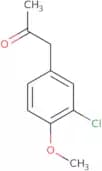
CAS:<p>1-(3-Chloro-4-methoxyphenyl)acetone is a white solid with a melting point of 60-61°C. It is a versatile building block that can be used in the synthesis of complex compounds and as a reaction component for the preparation of speciality chemicals. 1-(3-Chloro-4-methoxyphenyl)acetone has been studied extensively as an intermediate for the synthesis of pharmaceuticals, including acetaminophen and amoxicillin. This compound also has uses in research laboratories and as a reagent in organic synthesis.</p>Formula:C10H11ClO2Purity:Min. 95%Molecular weight:198.65 g/molType A Allatostatin III
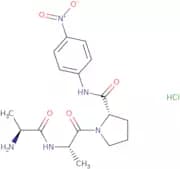
CAS:<p>Please enquire for more information about Type A Allatostatin III including the price, delivery time and more detailed product information at the technical inquiry form on this page</p>Formula:C42H62N10O12Purity:Min. 95%Molecular weight:899 g/molH-Ala-Ala-Pro-pNA·HCl
CAS:<p>Please enquire for more information about H-Ala-Ala-Pro-pNA·HCl including the price, delivery time and more detailed product information at the technical inquiry form on this page</p>Formula:C17H23N5O5·HClPurity:Min. 95%Molecular weight:413.86 g/molH-Gly-Gly-His-OH
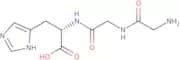
CAS:<p>H-Gly-Gly-His-OH is a molecule that is found in human serum. It is a ligand with coordination properties and has been shown to bind to copper. H-Gly-Gly-His-OH has been studied spectroscopically in the presence of human serum albumin, and it has been observed that the protonation state and interaction of this molecule are dependent on the speciation and concentration of copper.</p>Formula:C10H15N5O4Purity:Min. 95%Molecular weight:269.26 g/molH-Tyr-Tyr-Tyr-Tyr-Tyr-Tyr-OH trifluoroacetate salt
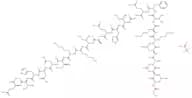
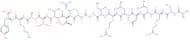
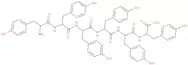
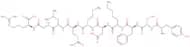
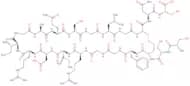
CAS:<p>The compound H-Tyr-Tyr-Tyr-Tyr-Tyr-Tyr-OH trifluoroacetate salt is a synthetic antigen for use in the production of immunoadsorbent conjugates. It is a postulated fluorescence molecule that interacts with specific antibodies to form an antigen. This antigen can be used as a probe for detecting antibodies in biological fluids and tissues by fluorescence microscopy and has been shown to have no antigenicity in skin reactions.</p>Formula:C54H56N6O13Purity:Min. 95%Molecular weight:997.06 g/mol6-(7-Nitro-benzo[2,1,3]oxadiazol-4-ylamino)-hexanoyl-Arg-Pro-Lys-Pro-Leu-Ala-Nva-Trp-Lys((7-dimethylaminocoumarin-4-yl)-acetyl)-NH2 trifluoroacetate salt
CAS:<p>Please enquire for more information about 6-(7-Nitro-benzo[2,1,3]oxadiazol-4-ylamino)-hexanoyl-Arg-Pro-Lys-Pro-Leu-Ala-Nva-Trp-Lys((7-dimethylaminocoumarin-4-yl)-acetyl)-NH2 trifluoroacetate salt including the price, delivery time and more detailed product information at the technical inquiry form on this page</p>Formula:C78H111N21O16Purity:Min. 95%Molecular weight:1,598.85 g/molL-Threonine derivative-1
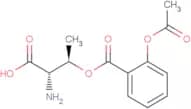
CAS:<p>L-Threonine derivative-1 is acetylsalicylic acid-L-threonine ester with potential analgesic activity.</p>Formula:C13H15NO6Purity:97.03% - 98.91%Color and Shape:SolidMolecular weight:281.26(p-Amino-Phe6)-Angiotensin II
CAS:<p>Please enquire for more information about (p-Amino-Phe6)-Angiotensin II including the price, delivery time and more detailed product information at the technical inquiry form on this page</p>Formula:C53H74N12O12Purity:Min. 95%Molecular weight:1,071.23 g/mol(Tyr65,Phe67)-C5a (65-74) (human)
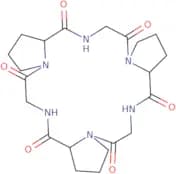
CAS:<p>Please enquire for more information about (Tyr65,Phe67)-C5a (65-74) (human) including the price, delivery time and more detailed product information at the technical inquiry form on this page</p>Formula:C55H85N15O16SPurity:Min. 95%Molecular weight:1,244.42 g/molCyclo(-Pro-Gly)3
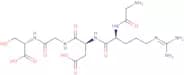
CAS:<p>Please enquire for more information about Cyclo(-Pro-Gly)3 including the price, delivery time and more detailed product information at the technical inquiry form on this page</p>Formula:C21H30N6O6Purity:Min. 95%Molecular weight:462.5 g/molH-Gly-Arg-Asp-Gly-Ser-OH
CAS:<p>A monoclonal antibody is a type of antibody produced by a single clone of B cells. Monoclonal antibodies are created by injecting mice with a protein, and then harvesting the antibody-producing cells from the mouse's spleen or lymph nodes. These cells are then fused with cancer cells to form hybridoma cells that produce the desired antibodies. Monoclonal antibodies are used in vitro assays to detect certain molecules, such as matrix molecules, growth factors and polysialic acid. They can also be used for in vivo diagnostic purposes, such as detecting urothelial carcinoma in mammals or human lymphocytes on the surface of lymphocytes.</p>Formula:C17H30N8O9Purity:Min. 95%Molecular weight:490.47 g/molHirudin (54-65) (sulfated)
CAS:<p>Hirudin is a protein that functions as an anticoagulant by binding to the active site of thrombin, preventing it from converting fibrinogen into fibrin. It has a high affinity for the thrombin receptor and can be modified in various ways. Hirudin's most common modification is sulfation, which enhances its anticoagulant activity. Hirudin is a proteolytic enzyme that can be synthesized using solid-phase chemistry. Its biological function is to inhibit blood coagulation by inhibiting the conversion of fibrinogen to fibrin. Hirudin binds to thrombin, preventing it from converting fibrinogen into fibrin and thus inhibits coagulation. It also prevents clot formation by inhibiting platelet aggregation, which may result from interactions with other proteins such as prothrombin and factor VIII.</p>Formula:C66H93N13O28SPurity:Min. 95%Molecular weight:1,548.58 g/molBoc-Asp(OcHex)-PAM resin (200-400 mesh)
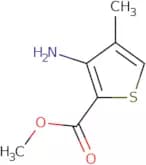
<p>Please enquire for more information about Boc-Asp(OcHex)-PAM resin (200-400 mesh) including the price, delivery time and more detailed product information at the technical inquiry form on this page</p>Purity:Min. 95%3-Amino-4-methyl-thiophen-2-carboxylic acid methyl ester
CAS:<p>3-Amino-4-methylthiophen-2-carboxylic acid methyl ester (3AMTC) is a novel compound that has been shown to have antihypertensive activity, as well as other pharmacological actions. 3AMTC is an allosteric modulator of α7 nicotinic acetylcholine receptors, which are found in the central and peripheral nervous system. The efficacy of 3AMTC was evaluated using magnetic resonance spectroscopy to measure the effects on mouse tumor cells. This compound showed no carcinogenic potential, which may be due to its inability to cross the blood brain barrier.</p>Purity:Min. 95%Molecular weight:171.22 g/molFmoc-4-(neopentyloxysulfonyl)-Abu-OH (S)-2-(Fmoc-amino)-4-neopentyloxysulfonyl-butyric acid
CAS:<p>Please enquire for more information about Fmoc-4-(neopentyloxysulfonyl)-Abu-OH (S)-2-(Fmoc-amino)-4-neopentyloxysulfonyl-butyric acid including the price, delivery time and more detailed product information at the technical inquiry form on this page</p>Formula:C24H29NO7SPurity:Min. 95%Molecular weight:475.56 g/molRetrocyclin-1 trifluoroacetate salt
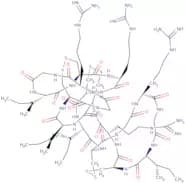
CAS:<p>Retrocyclin-1 trifluoroacetate salt is a synthetic antimicrobial peptide, which is derived from humanized sequences based on the theta-defensin family, originally found in certain primates. Retrocyclin-1 is particularly notable for its circular structure which contributes to its stability and biological activity. The peptide is produced through a process of solid-phase peptide synthesis, designed to mimic the native cyclic conformation of natural theta-defensins.</p>Formula:C74H128N30O18S6Purity:Min. 95%Molecular weight:1,918.4 g/mol(D-Trp6)-LHRH (2-10) trifluoroacetate salt
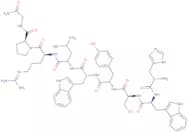
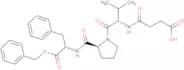
CAS:<p>Please enquire for more information about (D-Trp6)-LHRH (2-10) trifluoroacetate salt including the price, delivery time and more detailed product information at the technical inquiry form on this page</p>Formula:C59H77N17O11Purity:Min. 95%Molecular weight:1,200.35 g/molSuc-Val-Pro-Phe-SBzl
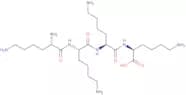
CAS:<p>Suc-Val-Pro-Phe-SBzl is a synthetic subtilisin that has been modified to have an enhanced binding affinity for the enzyme's substrate. The enzyme's specificity and reactivity has been improved by adding a chloromethyl ketone group to the amino acid sequence. Suc-Val-Pro-Phe-SBzl is a serine protease inhibitor and has been shown to inhibit the activity of subtilisins, including subtilisin BPN' and Bacillus amyloliquefaciens subtilisin. It also inhibits peptidases and proteinases, which may be due to its ability to bind to the active site of these enzymes.</p>Formula:C30H37N3O6SPurity:Min. 95%Molecular weight:567.7 g/molH-Lys-Lys-Lys-Lys-OH acetate salt
CAS:<p>H-Lys-Lys-Lys-Lys-OH acetate salt is a fatty acid that has been shown to form stable complexes with DNA and act as an intercalator. It also provides a repair mechanism for DNA, which may be due to its ability to bind to stem cell factor (SCF) and increase the proliferation of stem cells. H-Lys-Lys-Lys-Lys-OH acetate salt has significant cytotoxicity against viruses, such as human immunodeficiency virus type 1 (HIV1) and human papilloma virus type 16. This drug can also be used as an adjuvant in monoclonal antibody production by stimulating the production of antibodies from mouse spleen cells. H-Lys-Lys-Lys-Lys-OH acetate salt has been shown to inhibit the growth of E. coli K12 and Bacteria Corynebacterium diphtheriae, both of</p>Formula:C24H50N8O5Purity:Min. 95%Molecular weight:530.7 g/molH-Lys-Lys-Glu-Asp-Val-Val-Abu-Cys-Ser-Abu-Ser-Tyr-Lys-Lys-NH2
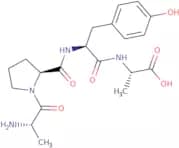
CAS:<p>Please enquire for more information about H-Lys-Lys-Glu-Asp-Val-Val-Abu-Cys-Ser-Abu-Ser-Tyr-Lys-Lys-NH2 including the price, delivery time and more detailed product information at the technical inquiry form on this page</p>Formula:C69H119N19O21SPurity:Min. 95%Molecular weight:1,582.86 g/molH-Ala-Pro-Tyr-Ala-OH
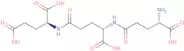
CAS:<p>Acetylation is the process of reacting an organic compound with acetic acid to produce an ester and water. Acetylation is one of the most common reactions in organic chemistry. Acetylating agents, such as acetic anhydride or acetyl chloride, are often used in chemical synthesis because they react selectively with primary and secondary alcohols to form esters. The acetylation reaction can be used to modify proteins by attaching an acetyl group to the amine group of a lysine residue. This modification prevents the protein from binding to other proteins and can alter its function. Acetylation also has been implicated in several diseases, such as hepatitis and inflammatory bowel disease.</p>Formula:C20H28N4O6Purity:Min. 95%Molecular weight:420.46 g/molH-Glu(Glu(Glu-OH)-OH)-OH trifluoroacetate salt
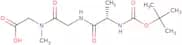
CAS:<p>H-Glu(Glu(Glu-OH)-OH)-OH trifluoroacetate salt is a casein that is used as a model system for pancreatic β-cells. It has been shown to induce cell apoptosis in malignant cells and sequences that are associated with the development of pancreatic cancer. H-Glu(Glu(Glu-OH)-OH)-OH trifluoroacetate salt also induces endothelial cell proliferation and decreases cell function, which may be due to its ability to promote uptake of this compound.</p>Formula:C15H23N3O10Purity:Min. 95%Molecular weight:405.36 g/molBoc-Ala-Gly-Sar-OH
CAS:<p>Please enquire for more information about Boc-Ala-Gly-Sar-OH including the price, delivery time and more detailed product information at the technical inquiry form on this page</p>Formula:C13H23N3O6Purity:Min. 95%Molecular weight:317.34 g/molExtracellular Death Factor trifluoroacetate salt
CAS:<p>Extracellular Death Factor is a molecule that binds to calmodulin, which is a protein found in all animal cells. Extracellular Death Factor can be used to induce apoptotic cell death in any type of cell, including cancer cells. The molecule is composed of three amino acids: H-Asn-Asn-Trp-Asn-Asn-OH. This compound has been shown to inhibit the replication of DNA and RNA in gram negative bacteria and tuberculosis cells. It also has an effect on the structural analysis of the molecule and causes light emission when exposed to ultraviolet light.</p>Formula:C27H36N10O10Purity:Min. 95%Molecular weight:660.64 g/molHCV NS4A Protein (22-33) (FDA strain) trifluoroacetate salt
CAS:<p>Please enquire for more information about HCV NS4A Protein (22-33) (FDA strain) trifluoroacetate salt including the price, delivery time and more detailed product information at the technical inquiry form on this page</p>Formula:C54H99N15O14SPurity:Min. 95%Molecular weight:1,214.52 g/molSplenopentin acetate salt
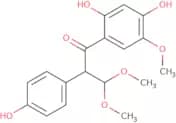
CAS:<p>Splenopentin acetate salt H-Arg-Lys-Glu-Val-Tyr-OH acetate salt is an experimental drug that belongs to the group of peptide hormones. It has been shown to have beneficial effects on bowel disease in animal models and also has anti-inflammatory properties. Splenopentin acetate salt H-Arg-Lys-Glu-Val-Tyr-OH acetate salt activates the T cell receptor and stimulates cytokine production, thereby reducing inflammation and relieving symptoms of autoimmune diseases. Splenopentin acetate salt H-Arg-Lys-Glu-Val-Tyr-OH acetate salt also stimulates colonies of cells called macrophages, which then produce inflammatory mediators such as IL1, IL2, IL4, and IL6. This agent is biocompatible with human cells in vitro (in a test tube).</p>Formula:C31H51N9O9Purity:Min. 95%Molecular weight:693.79 g/mol1-(2,4-Dihydroxy-5-methoxyphenyl)-2-(4-hydroxyphenyl)-3,3-dimethoxy-1-propanone
CAS:<p>Please enquire for more information about 1-(2,4-Dihydroxy-5-methoxyphenyl)-2-(4-hydroxyphenyl)-3,3-dimethoxy-1-propanone including the price, delivery time and more detailed product information at the technical inquiry form on this page</p>Formula:C18H20O7Purity:Min. 95%Molecular weight:348.35 g/molAc-Asp-Glu-Val-Asp-chloromethylketone trifluoroacetate salt
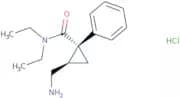
CAS:<p>Ac-Asp-Glu-Val-Asp-chloromethylketone trifluoroacetate salt is a basic protein. It inhibits the neuronal death induced by dopamine and its derivatives, which is caused by overactivation of the mitochondrial membrane potential and release of cytochrome c from mitochondria to cytosol. This compound also inhibits the activation of toll-like receptor 4 (TLR4) and nuclear factor κB (NF-κB) signaling pathways in neuronal cells. Ac-Asp-Glu-Val-Asp-chloromethylketone trifluoroacetate salt has been shown to have antiinflammatory effects when applied topically on skin wounds. The molecule has been used as a model system for studying the molecular mechanism of epidermal growth factor (EGF) activation in hybridoma cell lines and primary cells.</p>Formula:C21H31ClN4O11Purity:Min. 95%Molecular weight:550.94 g/mol(E)-2-(Aminomethyl)-N,N-diethyl-1-phenylcyclopropanecarboxamideHydrochloride
CAS:Controlled Product<p>Levomilnacipran is a serotonin-norepinephrine reuptake inhibitor (SNRI) that is used for the treatment of major depressive disorder and fibromyalgia. It has been shown to have antidepressant effects in patients with major depressive disorder and fibromyalgia. Levomilnacipran inhibits the reuptake of serotonin and norepinephrine by blocking the transporter proteins in these neurotransmitter pathways, increasing their availability to interact with receptors in the brain. Levomilnacipran also has been found to inhibit aminotransferase activity, which may be responsible for its hepatotoxicity.</p>Formula:C15H23ClN2OPurity:Min. 95%Molecular weight:282.81 g/molAtriopeptin I (rat)
CAS:<p>Atriopeptin I is a peptide hormone that is produced in the rat mesenteric gland. It has been shown to have β-amino acid, diagnostic agents, ph optimum, and receptor activity. Atriopeptin I has been found to have atrial natriuretic effects and may be useful for the treatment of infectious diseases. Atriopeptin I has also been shown to bind with a monoclonal antibody and enzyme inhibitors as well as having a disulfide bond. The biological function of this peptide hormone is not yet known, but it is thought to be involved in fatty acid metabolism.</p>Formula:C83H135N29O30S2Purity:Min. 95%Molecular weight:2,083.27 g/molSuc-Ala-Ala-Pro-Met-pNA
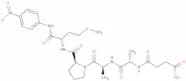
CAS:<p>Suc-Ala-Ala-Pro-Met-pNA is a proteolytic enzyme that is active at acidic pH and cleaves casein to produce smaller peptides. It has been shown to have anti-inflammatory effects in animal models of inflammatory diseases by inhibiting the production of vasoactive intestinal peptide and other inflammatory mediators. Suc-Ala-Ala-Pro-Met-pNA also has a high salt tolerance and can survive in the presence of chloromethyl ketone, which is used as a chemical tool for protein sequencing. The enzyme produces dodecyl as its cleavage product, which can be used to determine the optimal reaction conditions for this enzyme.</p>Formula:C26H36N6O9SPurity:Min. 95%Molecular weight:608.67 g/molBPP 5a Pyr-Lys-Trp-Ala-Pro-OH
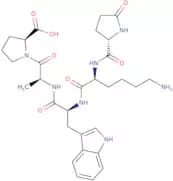
CAS:<p>BPP 5a is an amide-based enzyme inhibitor with potent activity against bradykinin b2 receptor. It binds to the b2 receptor and inhibits its enzymatic activity, leading to a decrease in blood pressure. BPP 5a is orally administered and has been shown to be safe and effective in clinical trials. It also has potentiation effects that are mediated by the inhibition of kininases, which leads to a decrease in circulating levels of bradykinin. BPP 5a is used as a diagnostic aid for porcine kidney disease and has been shown to inhibit the production of monoclonal antibodies.</p>Formula:C30H41N7O7Purity:Min. 95%Molecular weight:611.69 g/molBoc-Homoarg-OH·HCl
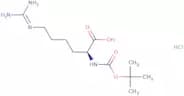
CAS:<p>Please enquire for more information about Boc-Homoarg-OH·HCl including the price, delivery time and more detailed product information at the technical inquiry form on this page</p>Formula:C12H24N4O4·HClPurity:Min. 95%Molecular weight:324.8 g/molH-Asp-Gly-OH
CAS:<p>H-Asp-Gly-OH is a peptide hormone that belongs to the group of hydroxylated aspartic acid. This peptide hormone has been shown to be a lymphocyte transformation factor in vitro and stimulates the production of collagen and other proteins. It has also been shown to have anticarcinogenic effects on bone cancer cells, which may be due to its ability to induce apoptosis. H-Asp-Gly-OH has a neutral pH and forms stable complexes with metal ions, such as copper and zinc, which are important for a variety of biological functions.</p>Formula:C6H10N2O5Purity:Min. 95 Area-%Color and Shape:PowderMolecular weight:190.15 g/molBIM-23127
CAS:<p>Please enquire for more information about BIM-23127 including the price, delivery time and more detailed product information at the technical inquiry form on this page</p>Formula:C62H71N11O9S2Purity:Min. 95%Molecular weight:1,178.43 g/molH-Glu-Glu-bNA
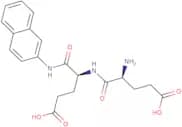
CAS:<p>H-Glu-Glu-bNA is a dipeptide with the amino acid sequence H-Glu-Glu. It has a carboxy group, which can react with 2-naphthylamine to form a chromogenic product. This peptide also contains an amine group that can be reacted with l-glutamyl-l-glutamic acid to form a carboxylic acid. The c-terminal of this peptide can react with an amino group from another dipeptide to form a condensation product.</p>Formula:C20H23N3O6Purity:Min. 95%Molecular weight:401.41 g/molN-Methyl-N-((3R,4R)-4-methylpiperidin-3-yl)-7H-pyrrolo[2,3-d]pyrimidin-4-amine
CAS:<p>Intermediate in the synthesis of tofacitinib</p>Formula:C13H19N5Purity:Min. 95%Molecular weight:245.32 g/molFmoc-D-Ala-OH
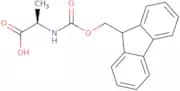
CAS:<p>Fmoc-D-Ala-OH is a synthetic cyclic peptide that has been shown to have anticancer properties. This compound was synthesized by solid-phase chemistry and exhibits an inhibitory effect on cancer cells. Fmoc-D-Ala-OH blocks the synthesis of proteins in cancer cells, leading to cell death. It also inhibits the activity of serine proteases such as degarelix acetate, which are important for cancer cell growth and metastasis.</p>Formula:C18H17NO4Purity:Min. 95%Color and Shape:PowderMolecular weight:311.33 g/molFmoc-D-Cys(Mob)-OH
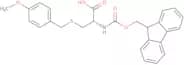
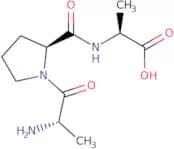
CAS:<p>Please enquire for more information about Fmoc-D-Cys(Mob)-OH including the price, delivery time and more detailed product information at the technical inquiry form on this page</p>Formula:C26H25NO5SPurity:Min. 95%Molecular weight:463.55 g/molH-Ala-Pro-Ala-OH
CAS:<p>H-Ala-Pro-Ala-OH is a fluorescent amino acid residue that can be used to study the structures of proteins. This amino acid is derived from histidine, and its fluorescence intensity increases when it binds to tryptophan residues near the active site of an enzyme. H-Ala-Pro-Ala-OH has been used for the structural analysis of mutant enzymes that have been engineered to show differences in substrate binding sites. This molecule also has a fluorogenic substrate, which can be used as a replacement for traditional substrates in order to highlight specific regions of a protein or enzyme. The quantum theory was used to calculate the x-ray diffraction data, which were then analyzed using software programs such as MOLMOL and XPLOR. These datasets were then used to create molecular models of H-Ala-Pro-Ala-OH.</p>Formula:C11H19N3O4Purity:Min. 95%Molecular weight:257.29 g/molZ-His-Ala-OH
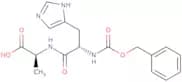
CAS:<p>Please enquire for more information about Z-His-Ala-OH including the price, delivery time and more detailed product information at the technical inquiry form on this page</p>Formula:C17H20N4O5Purity:Min. 95%Molecular weight:360.36 g/molZ-Tyr-Val-Ala-Asp-chloromethylketone
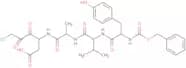
CAS:<p>Z-Tyr-Val-Ala-Asp-chloromethylketone is a fluorescent probe that can be used for the detection of phosphatidic acid. It is also an apoptosis inducer, which means that it promotes cell death. Z-Tyr-Val-Ala-Asp-chloromethylketone induces apoptosis by binding to the kinases and causing their activation, leading to phosphatidic acid production. This process is activated by the presence of ethylene, which binds to Z-Tyr-Val-Ala-Asp chloromethylketone and stabilizes its structure.</p>Formula:C30H37ClN4O9Purity:Min. 95%Molecular weight:633.09 g/molPAR-4 (1-6) amide (mouse) trifluoroacetate salt
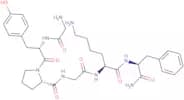
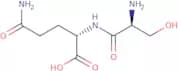
CAS:<p>PAR-4 (1-6) amide (mouse) trifluoroacetate salt H-Gly-Tyr-Pro-Gly-Lys-Phe-NH2 trifluoroacetate salt is a guanine nucleotide binding protein that belongs to the PAR family of proteins. It is expressed in wild type mice and binds to the cytosolic calcium, which regulates polymerase chain reaction. PAR-4 (1-6) amide (mouse) trifluoroacetate salt H-Gly-Tyr-Pro-Gly-Lys-Phe NH2 trifluoroacetate salt can be used as a potential drug target for epidermal growth factor. It has been shown to activate transcription polymerase chain and transcriptase polymerase chain during transcriptional regulation of messenger RNA.</p>Formula:C33H46N8O7Purity:Min. 95%Molecular weight:666.77 g/molH-Ser-Gln-OH
CAS:<p>H-Ser-Gln-OH is an analog of the amino acid serine. It is a programmed protein that is responsible for DNA damage and is incrementally produced during radiation therapy. This protein phosphorylates at the end of a homologous sequence, which damages the DNA strand. H-Ser-Gln-OH can also phosphorylate other proteins, leading to cell death by apoptosis or necrosis. The rate of H-Ser-Gln-OH production may be increased in plants by photorespiration and endoreduplication, as well as by reactive oxygen species (ROS). The production of H-Ser-Gln-OH can be inhibited by hydrogen peroxide scavengers such as catalase or superoxide dismutase.</p>Formula:C8H15N3O5Purity:Min. 95%Molecular weight:233.22 g/molZ-Arg-p-nitrobenzyl ester mixture of hydrochloride and hydrobromide salt
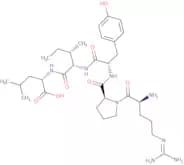
CAS:<p>Please enquire for more information about Z-Arg-p-nitrobenzyl ester mixture of hydrochloride and hydrobromide salt including the price, delivery time and more detailed product information at the technical inquiry form on this page</p>Formula:C21H25N5O6Purity:Min. 95%Molecular weight:443.45 g/molH-Tyr-Ile-Tyr-Gly-Ser-Phe-Lys-OH
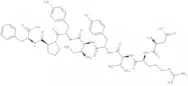
CAS:<p>Please enquire for more information about H-Tyr-Ile-Tyr-Gly-Ser-Phe-Lys-OH including the price, delivery time and more detailed product information at the technical inquiry form on this page</p>Formula:C44H60N8O11Purity:Min. 95%Molecular weight:876.99 g/molFmoc-Phe-Pro-OH
CAS:<p>Fmoc-Phe-Pro-OH is a sensor molecule that has been used in supramolecular, nanostructured, and biological applications. It is a supramolecular self-assembly process that can be applied to sensors, devices, and modules. Fmoc-Phe-Pro-OH can be used as a biological source for sensing bacteria or other molecules of interest. The structural properties of Fmoc-Phe-Pro-OH have been studied extensively and it has been found to have favorable properties for use in humans. Advances in this field are ongoing with the hope of improving the understanding of biological systems and human health.</p>Formula:C29H28N2O5Purity:Min. 95%Molecular weight:484.54 g/molH-Lys(Boc)-2-chlorotrityl resin (200-400 mesh) (Low Substitution)
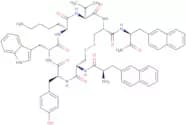
<p>Please enquire for more information about H-Lys(Boc)-2-chlorotrityl resin (200-400 mesh) (Low Substitution) including the price, delivery time and more detailed product information at the technical inquiry form on this page</p>Purity:Min. 95%(D-2-Nal 5,Cys6·11,Tyr7,D-Trp8,Val10, 2-Nal 12)-Somatostatin-14 (5-12) amide trifluoroacetate salt
CAS:<p>Please enquire for more information about (D-2-Nal 5,Cys6·11,Tyr7,D-Trp8,Val10, 2-Nal 12)-Somatostatin-14 (5-12) amide trifluoroacetate salt including the price, delivery time and more detailed product information at the technical inquiry form on this page</p>Formula:C63H73N11O9S2Purity:Min. 95%Molecular weight:1,192.45 g/molBoc-Homoarg (Et)2-OH (symmetrical) hydrochloride salt
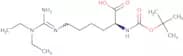
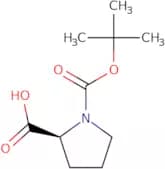
CAS:<p>Please enquire for more information about Boc-Homoarg (Et)2-OH (symmetrical) hydrochloride salt including the price, delivery time and more detailed product information at the technical inquiry form on this page</p>Formula:C16H32N4O4Purity:Min. 95%Molecular weight:344.45 g/molN-Boc-L-proline
CAS:<p>N-Boc-L-proline is a proline derivative that has been synthesized as a drug candidate for cancer treatment. It has been shown to inhibit the activity of the enzyme, buserelin, which is involved in the synthesis of histamine and other substances. N-Boc-L-proline has also been shown to cause neuronal death by hydrogen bond formation with nitrogen nucleophiles in the brain, leading to apoptosis. The chromatographic method was used to analyze reaction products from N-Boc-L-proline with sodium carbonate. This compound has solubility data and an intramolecular hydrogen bond that can be detected by nmr spectroscopy. Trifluoroacetic acid was used as a solvent for this experiment.</p>Formula:C10H17NO4Purity:Min. 95%Color and Shape:White PowderMolecular weight:215.25 g/molAQEE-30 (human) trifluoroacetate salt
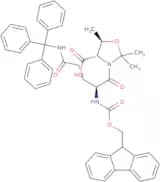
CAS:<p>Please enquire for more information about AQEE-30 (human) trifluoroacetate salt including the price, delivery time and more detailed product information at the technical inquiry form on this page</p>Formula:C157H252N48O56Purity:Min. 95%Molecular weight:3,707.97 g/molFmoc-Gln(Trt)-Thr(Psi(Me ,Me)pro)-OH
CAS:<p>Please enquire for more information about Fmoc-Gln(Trt)-Thr(Psi(Me ,Me)pro)-OH including the price, delivery time and more detailed product information at the technical inquiry form on this page</p>Formula:C46H45N3O7Purity:Min. 95%Molecular weight:751.87 g/molCyclo(-D-Tyr-Arg-Gly-Asp-Cys(carboxymethyl)-OH) sulfoxide
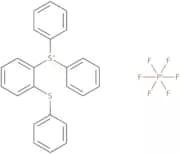
CAS:<p>Please enquire for more information about Cyclo(-D-Tyr-Arg-Gly-Asp-Cys(carboxymethyl)-OH) sulfoxide including the price, delivery time and more detailed product information at the technical inquiry form on this page</p>Formula:C26H36N8O11SPurity:Min. 95%Molecular weight:668.68 g/molDiphenyl(4-phenylthio)phenylsufonium hexafluorophosphate
CAS:<p>Diphenyl(4-phenylthio)phenylsufonium hexafluorophosphate is a photoinitiator that is used in photopolymerization. It absorbs light at around 800 nm and emits light at around 810 nm. The initiator has a low molecular weight and is soluble in organic solvents, which makes it suitable for polymerization of acrylate monomers. Diphenyl(4-phenylthio)phenylsufonium hexafluorophosphate can be synthesized by the reaction of diphenyliodonium hexafluorophosphate with phenyldithiocarbonyl chloride.</p>Formula:C24H19S2•PF6Purity:Min. 95%Color and Shape:PowderMolecular weight:516.5 g/mol4-Methyl-benzhydrylamine resin (100-200 mesh)·HCl
<p>Please enquire for more information about 4-Methyl-benzhydrylamine resin (100-200 mesh)·HCl including the price, delivery time and more detailed product information at the technical inquiry form on this page</p>Purity:Min. 95%4-[4-(4-Methyloxy-phenyl)-piperazin-1-yl]-phenylamine
CAS:<p>4-Methyloxy-phenyl)-piperazin-1-yl]-phenylamine is an organic compound that has a reactive silicon group. It contains two phenyl groups, one of which is attached to the silicon. This compound exhibits phase equilibrium in water and can be used as a monomer for fabricating inorganic materials with orderly patterns, such as glass and metal oxides. This product also has impurities and can be grown at different rates depending on the conditions, such as temperature. The optical properties of 4-methyloxy-phenyl)-piperazin-1-yl]-phenylamine are dependent on its environment and it has been shown to have exothermic properties when reacting with iron powder.</p>Formula:C17H21N3OPurity:Min. 95%Molecular weight:283.37 g/molGRP (14-27) (human, porcine, canine) trifluoroacetate salt
CAS:<p>GRP (14-27) is a synthetic peptide that has an inhibitory effect on the growth of pancreatic cancer cells. It also inhibits the development of primary tumors in hamsters and inhibits tumor metastasis. GRP (14-27) binds to the cell surface receptor on T cells, which is responsible for mediating immune responses against tumors. GRP (14-27) has been shown to suppress tumor growth through immunoreactivity and has been found to be effective against a variety of cancers when used as an adjuvant therapy.</p>Formula:C75H110N24O16S2Purity:Min. 95%Molecular weight:1,667.96 g/mol(Lys18)-Pseudin-2 trifluoroacetate salt
CAS:<p>Please enquire for more information about (Lys18)-Pseudin-2 trifluoroacetate salt including the price, delivery time and more detailed product information at the technical inquiry form on this page</p>Formula:C122H203N37O32Purity:Min. 95%Molecular weight:2,700.15 g/molH-Asp(Phe-OH)-OH
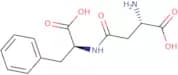
CAS:<p>Aspartame is a synthetic, sweetener that is used as a sugar substitute in diet products. It was discovered by accident in 1965 when James Schlatter, a chemist of G.D. Searle Company, was testing an anti-ulcer drug and l-phenylalanine methyl ester on his finger and tasted the sweetness on his fingers. Aspartame is composed of two amino acids: aspartic acid and phenylalanine. The aspartic acid is made up of a carboxylic acid group with an amide functional group. Aspartame can be found in many foods including chewing gum and diet sodas. It has been shown to have no carcinogenic effects or adverse effects on reproduction function in animal studies.</p>Formula:C13H16N2O5Purity:Min. 95%Color and Shape:White To Off-White SolidMolecular weight:280.28 g/mol(3,4-Dehydro-Pro3)-Tuftsin
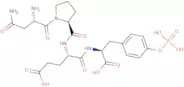
CAS:<p>Please enquire for more information about (3,4-Dehydro-Pro3)-Tuftsin including the price, delivery time and more detailed product information at the technical inquiry form on this page</p>Formula:C21H38N8O6Purity:Min. 95%Molecular weight:498.58 g/molH-Asn-Pro-Glu-Tyr(PO3H2)-OH
CAS:<p>Please enquire for more information about H-Asn-Pro-Glu-Tyr(PO3H2)-OH including the price, delivery time and more detailed product information at the technical inquiry form on this page</p>Formula:C23H32N5O12PPurity:Min. 95%Molecular weight:601.5 g/molH-Ala-Pro-Gly-OH
CAS:<p>Glycine is a small, sweet-tasting amino acid that is used in the biosynthesis of proteins. It has three linkages: an amide linkage to proline, and an ester linkage to alanine. The l-glycine molecule exists as two possible tautomers, the enol and keto forms. The enol form predominates at physiological pH; however, at very low pH, the keto form predominates. Glycine also has a cyclic structure and can be classified as a tripeptide.</p>Formula:C10H17N3O4Purity:Min. 95%Molecular weight:243.26 g/mol






![1-{[5-(Cyclopropylcarbonyl)-1-methyl-4,5,6,7-tetrahydro-1H-pyrazolo[4,3-c]pyridin-3-yl]carbonyl}pi…](/_next/image/?url=https%3A%2Fstatic.cymitquimica.com%2Fproducts%2F3D%2Fthumb-webp%2FFC119596.webp&w=3840&q=75)




![6-(7-Nitro-benzo[2,1,3]oxadiazol-4-ylamino)-hexanoyl-Arg-Pro-Lys-Pro-Leu-Ala-Nva-Trp-Lys((7-dimeth…](/_next/image/?url=https%3A%2Fstatic.cymitquimica.com%2Fproducts%2F3D%2Fthumb-webp%2FFN110943.webp&w=3840&q=75)








![N-Methyl-N-((3R,4R)-4-methylpiperidin-3-yl)-7H-pyrrolo[2,3-d]pyrimidin-4-amine](/_next/image/?url=https%3A%2Fstatic.cymitquimica.com%2Fproducts%2F3D%2Fthumb-webp%2FFM154245.webp&w=3840&q=75)




![4-[4-(4-Methyloxy-phenyl)-piperazin-1-yl]-phenylamine](/_next/image/?url=https%3A%2Fstatic.cymitquimica.com%2Fproducts%2F3D%2Fthumb-webp%2FFM25923.webp&w=3840&q=75)