Amino Acids (AA)
Amino acids (AAs) are the fundamental building blocks of proteins, playing a crucial role in various biological processes. These organic compounds are essential for protein synthesis, metabolic pathways, and cell signaling. In this category, you will find a comprehensive range of amino acids, including essential, non-essential, and modified forms, which are vital for research in biochemistry, molecular biology, and nutritional sciences. At CymitQuimica, we provide high-quality amino acids to support your research and development needs, ensuring accuracy and reliability in your experimental outcomes.
Subcategories of "Amino Acids (AA)"
- Amino Acid Derivatives(3,955 products)
- Amino Acid and Amino Acid Related Compounds(3,461 products)
- Amino Acids with Oxygen or Sulphur(168 products)
- Boc- Amino Acids(351 products)
- Fmoc Amino Acids(1,710 products)
Found 38244 products of "Amino Acids (AA)"
Sort by
Purity (%)
0
100
|
0
|
50
|
90
|
95
|
100
Methyltetrazine amine
CAS:<p>A building block used for derivatization of carboxylic acids or activated esters with methytetrazine moiety. The stability of Methyltetrazine Amine is substantially improved compared to hydrogen substituted tetrazine-tmine. Superior stability of methyltetrazine-amine allows this reagent to be used in wider range of chemical transformations. Long-term storage of methyltetrazine-amine, especially in aqueous buffer, is also greatly improved compared to Tetrazine Amine.Supplied as the HCl salt</p>Formula:C10H11N5Purity:Min. 95%Color and Shape:PowderMolecular weight:201.23 g/molPAR-2 (6-1) amide (mouse, rat) trifluoroacetate salt
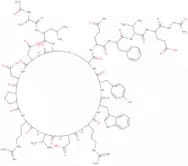
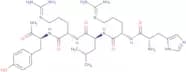
CAS:<p>PAR-2 (6-1) amide is a proteolytic enzyme that is activated by inflammatory stimuli. It has been shown to be a major contributor to the pathogenesis of inflammatory bowel disease, and is found in neurons, the bowel, and pancreatic acinar cells. PAR-2 (6-1) amide activates proteases such as trypsin and chymotrypsin and also functions as an antimicrobial peptide. Activation of PAR-2 (6-1) amide leads to the cleavage of proteins at specific sites on their amino acid chains. This cleavage can lead to changes in protein conformation or function. PAR-2 (6-1) amide has been shown to increase endothelial cell proliferation and inhibit bacterial growth, but does not have any effect on cultured normal human skin fibroblasts.</p>Formula:C29H56N10O7Purity:Min. 95%Molecular weight:656.82 g/mol(D-Trp32)-Neuropeptide Y (human, rat) trifluoroacetate salt
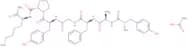
CAS:<p>Please enquire for more information about (D-Trp32)-Neuropeptide Y (human, rat) trifluoroacetate salt including the price, delivery time and more detailed product information at the technical inquiry form on this page</p>Formula:C196H288N56O56SPurity:Min. 95%Molecular weight:4,356.79 g/mol(Glu9)-Exenatide (2-39) trifluoroacetate salt
CAS:<p>Please enquire for more information about (Glu9)-Exenatide (2-39) trifluoroacetate salt including the price, delivery time and more detailed product information at the technical inquiry form on this page</p>Formula:C179H277N47O59SPurity:Min. 95%Molecular weight:4,063.46 g/molFmoc-Dap(Ac)-OH
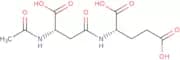
CAS:<p>Fmoc-Dap(Ac)-OH is a fine chemical that is used as a building block in the synthesis of complex compounds. It reacts with various nucleophiles to form an amide bond, and has been shown to be useful for both research and industrial applications. Fmoc-Dap(Ac)-OH can also be used as a reagent to synthesize peptides, which are biologically active compounds that form the basis of many drugs. This versatile intermediate is also used as a scaffold in the construction of more complex molecules. Fmoc-Dap(Ac)-OH has CAS No. 181952-29-4 and is classified as a speciality chemical by the International Union of Pure and Applied Chemistry (IUPAC).</p>Formula:C20H20N2O5Purity:Min. 95%Color and Shape:PowderMolecular weight:368.38 g/molH-Arg(Pbf)-OtBu·HCl
CAS:<p>Please enquire for more information about H-Arg(Pbf)-OtBu·HCl including the price, delivery time and more detailed product information at the technical inquiry form on this page</p>Formula:C23H38N4O5S·HClPurity:Min. 95%Color and Shape:PowderMolecular weight:519.1 g/molAc-Trp-NHMe
CAS:<p>Ac-Trp-NHMe is a hydrogen bond acceptor, which is a functional group that can form hydrogen bonds with other molecules. It is found in proteins and has been extensively studied by protein data bank. The amide group of Ac-Trp-NHMe forms a hydrogen bond with the carbonyl group of the amino acid tryptophan. The molecule has been used as a model system for studying the fluorescence properties of tryptophan, and to understand vibrational spectra. Ac-Trp-NHMe has also been shown to be an important chemical in plants, where it is involved in the formation of the dry weight of plants and water molecules.</p>Formula:C14H17N3O2Purity:Min. 95%Molecular weight:259.3 g/molSuc-Ala-Ala-Val-Ala-pNA
CAS:<p>Suc-Ala-Ala-Val-Ala-pNA is a synthetic peptide that is structurally similar to the natural peptide Vasoactive Intestinal Peptide. The amino acid sequence of this peptide is identical to that of the natural peptide with the exception of two additional amino acids, Ala and Val. Suc-Ala-Ala-Val-Ala-pNA has been shown to have vasoactive properties and it can be used for the treatment of inflammatory diseases such as Crohn's disease. This peptide has also been shown to inhibit protease activity by binding to the reactive site on serine proteases, which are involved in the degradation of extracellular proteins.</p>Formula:C24H34N6O9Purity:Min. 95%Molecular weight:550.56 g/molH-Leu-Leu-Leu-Phe-OMe·HCl
CAS:<p>Please enquire for more information about H-Leu-Leu-Leu-Phe-OMe·HCl including the price, delivery time and more detailed product information at the technical inquiry form on this page</p>Formula:C28H46N4O5·HClPurity:Min. 95%Molecular weight:555.15 g/molBoc-D-Ala-PAM resin (200-400 mesh)
<p>Please enquire for more information about Boc-D-Ala-PAM resin (200-400 mesh) including the price, delivery time and more detailed product information at the technical inquiry form on this page</p>Purity:Min. 95%N-Boc-(3S)-3-phenyl-3-aminopropionaldehyde
CAS:<p>N-Boc-(3S)-3-phenyl-3-aminopropionaldehyde is a synthetic chiral ligand that can be used as a building block in the synthesis of other compounds. It has been used to optimize the synthetic process, and it can be used in buffers, ammonium formate, metal chelate, and other additives to synthesize new compounds. N-Boc-(3S)-3-phenyl-3-aminopropionaldehyde is an optical isomer that can be used for supercritical fluid chromatography (SCFC) or liquid chromatography (LC). This compound has been shown to have a high affinity for ligands with a phenol group.</p>Formula:C14H19NO3Purity:Min. 95%Molecular weight:249.31 g/molBoc-Val-PAM resin (200-400 mesh)
<p>Please enquire for more information about Boc-Val-PAM resin (200-400 mesh) including the price, delivery time and more detailed product information at the technical inquiry form on this page</p>Purity:Min. 95%Neurokinin B trifluoroacetate salt
CAS:<p>Neurokinin B trifluoroacetate salt H-Asp-Met-His-Asp-Phe-Phe-Val-Gly-Leu-Met-NH2 trifluoroacetate salt is a synthetic peptide that is a potent and selective antagonist of the NMDA receptor. Neurokinin B trifluoroacetate salt H-Asp-Met-His-Asp-Phe-Phe-Val-Gly-Leu-Met NH2 trifluoroacetate salt has been shown to be effective in animal models of chronic pain, neuropathic pain, and bone age delay. This synthetic peptide has also been shown to be effective in the treatment of squamous cell carcinoma and acid lesions in human subjects. The molecular weight of this compound is 624.6 g/mol.br><br>Neurokinin B trifluoroacetate salt H Asp Met His Asp P</p>Formula:C55H79N13O14S2Purity:Min. 95%Molecular weight:1,210.43 g/mol(Val438)-Tyrosinase (432-444) (human) acetate salt
CAS:<p>H-SYLQDSVPDSFQD-OH peptide, corresponding to amino acids 432-444 of human Tyrosinase. The peptide is supplied as an acetate salt.</p>Formula:C65H93N15O26Purity:Min. 95%Molecular weight:1,500.52 g/mol(Met(O)35)-Amyloid b-Protein (1-42)
CAS:<p>Please enquire for more information about (Met(O)35)-Amyloid b-Protein (1-42) including the price, delivery time and more detailed product information at the technical inquiry form on this page</p>Formula:C203H311N55O61SPurity:Min. 95%Molecular weight:4,530.04 g/molSV40 Nuclear Transport Signal Peptide Analog
CAS:<p>Please enquire for more information about SV40 Nuclear Transport Signal Peptide Analog including the price, delivery time and more detailed product information at the technical inquiry form on this page</p>Formula:C60H104N20O15SPurity:Min. 95%Molecular weight:1,377.66 g/molNeuroendocrine Regulatory Peptide-1 (rat) trifluoroacetate salt
CAS:<p>Please enquire for more information about Neuroendocrine Regulatory Peptide-1 (rat) trifluoroacetate salt including the price, delivery time and more detailed product information at the technical inquiry form on this page</p>Formula:C110H180N32O38Purity:Min. 95%Molecular weight:2,558.8 g/molZ-Gly-Gly-Arg-4MbNA·HCl
CAS:<p>Please enquire for more information about Z-Gly-Gly-Arg-4MbNA·HCl including the price, delivery time and more detailed product information at the technical inquiry form on this page</p>Formula:C29H35N7O6·HClPurity:Min. 95%Molecular weight:614.09 g/molH-Asn-Arg-Val-Tyr-Val-His-Pro-Phe-OH
CAS:<p>H-Asn-Arg-Val-Tyr-Val-His-Pro-Phe (HAV) is a small molecule that is a member of the ubiquitin ligase family. This drug has been shown to have a variety of biological effects, including cardiac and bowel disease, as well as hypertension. HAV has also been shown to reduce the risk of heart failure in people with chronic kidney disease. HAV binds to the protein PCSK9 and inhibits its function by binding to the epsilon site on PCSK9. This leads to an increase in low density lipoprotein cholesterol and a decrease in high density lipoprotein cholesterol levels. HAV also has an amide group that allows it to inhibit angiotensin II and act as a pressor agent.</p>Formula:C49H70N14O11Purity:Min. 95%Molecular weight:1,031.17 g/molN-Methyl-N-phenylcarbamoyl chloride
CAS:<p>N-Methyl-N-phenylcarbamoyl chloride is a fluorinated compound that has been shown to be resistant to treatments with chlorides. It is used for kinetic studies of amines and other functional assays. Deuterium isotope effects have been observed in chloride ion binding experiments, which indicate that the molecule has a greater affinity for the chloride ion than does its non-deuterated counterpart.</p>Formula:C8H8ClNOPurity:Min. 95%Color and Shape:PowderMolecular weight:169.61 g/molBz-Arg-Gly-Phe-Phe-Pro-4MbetaNA·HCl
CAS:<p>Please enquire for more information about Bz-Arg-Gly-Phe-Phe-Pro-4MbetaNA·HCl including the price, delivery time and more detailed product information at the technical inquiry form on this page</p>Formula:C49H55N9O7·HClPurity:Min. 95%Molecular weight:918.48 g/molZ-Ala-Ala-pNA
CAS:<p>Z-Ala-Ala-pNA is a bifunctional endopeptidase that has regulatory and subtilisin activity. It is used to regulate the production of nitrate in microorganisms such as bacteria and fungi, which can be an important factor in the production of food products. Z-Ala-Ala-pNA is a recombinant enzyme that was developed from a strain of Bacillus subtilis. This enzyme has binding sites for both serine proteinases and sodium nitrate. It degrades proteins by cleaving them at their serine residues, releasing amino acids and peptides from the N-terminus of the protein. The regulatory function of this enzyme is due to its ability to bind to nitrate ions, thereby regulating their concentration in cells.</p>Formula:C20H22N4O6Purity:Min. 95%Molecular weight:414.41 g/molAc-Trp-Glu-His-Asp-AMC
CAS:<p>Ac-Trp-Glu-His-Asp-AMC is a monomer that is expressed by baculoviruses. Cryo-electron microscopy has shown that Ac-Trp-Glu-His-Asp-AMC oligomerizes in the presence of caspase inhibitors. This polypeptide also activates caspase 1, which is involved in the inflammatory response. The activation of this enzyme is dependent on the proteolytic activity of the polypeptide and its stereoisomers. Acetylcholine receptor antagonists, such as coumarin derivatives, inhibit the activity of Ac-Trp-Glu-His-Asp AMC and suppress inflammation.</p>Formula:C38H40N8O11Purity:Min. 95%Molecular weight:784.77 g/molH-Phe-Gly-Gly-Phe-OH
CAS:<p>H-Phe-Gly-Gly-Phe-OH is a tetrapeptide that is synthesized by the enzyme pepsin in a high concentration. Pepsin cleaves proline from the sequence (H-Phe-Gly) and replaces it with hydroxylated phenylalanine. The peptide is soluble in 0.1 M sodium acetate, pH 5.0, but precipitates at pH 4.0 or below. It binds to sephadex G100 but not to Sepharose CL4B or Sephadex G25M, and can be denatured by heating to 100°C for 10 minutes or by exposure to metal ions such as copper(II) sulfate. H-Phe-Gly-Gly-Phe-OH has been used as an analog for the amino acid sequence Gly-Leu in order to study its effects on receptor affinity and protein stability.br>br</p>Formula:C22H26N4O5Purity:Min. 95%Molecular weight:426.47 g/molTRAF6 Peptide trifluoroacetate salt
CAS:<p>Please enquire for more information about TRAF6 Peptide trifluoroacetate salt including the price, delivery time and more detailed product information at the technical inquiry form on this page</p>Formula:C145H238N34O44Purity:Min. 95%Molecular weight:3,161.64 g/molH-Lys-Gly-Trp-Lys-OtBu acetate salt
CAS:<p>The acetate salt of H-Lys-Gly-Trp-Lys is a peptide that has been modified with an acetyl group. The acetate salt is neutral and does not react with other compounds. This compound is a superoxide scavenger and can be used to prevent the formation of reactive oxygen species in biological systems.</p>Formula:C29H47N7O5Purity:Min. 95%Molecular weight:573.73 g/mol3-Methyl-2,4-pentanedione, mixture of tautomers
CAS:<p>3-Methyl-2,4-pentanedione is a reactive chemical compound that is used in the preparation of other compounds. It has a ph profile with an acidic character and can be used as a reactant in organic synthesis. 3-Methyl-2,4-pentanedione reacts with hydroxyl groups to form an acid complex or intramolecular hydrogen bond. This reaction has been shown to produce malonic acid and radiation. The nitrogen atoms are also reactive, forming nitrite ions when reacted with hydrochloric acid or nitric acid. 3-Methyl-2,4-pentanedione reacts with methyl ethyl ketone and water vapor to produce hydrochloric acid and nitrous acid.</p>Formula:C6H10O2Purity:Min. 95%Color and Shape:Clear Colourless To Yellow LiquidMolecular weight:114.14 g/molH-Lys-Lys-Lys-Trp-Lys-Lys-Lys-OH acetate salt
CAS:Controlled Product<p>Please enquire for more information about H-Lys-Lys-Lys-Trp-Lys-Lys-Lys-OH acetate salt including the price, delivery time and more detailed product information at the technical inquiry form on this page</p>Formula:C47H84N18O8Purity:Min. 95%Molecular weight:1,029.29 g/mol(Tyr0)-Atriopeptin II (rat)
CAS:<p>Please enquire for more information about (Tyr0)-Atriopeptin II (rat) including the price, delivery time and more detailed product information at the technical inquiry form on this page</p>Formula:C107H165N35O34S2Purity:Min. 95%Molecular weight:2,549.8 g/molBz-Phe-Val-Arg-AMC hydrochloride salt
CAS:<p>Bz-Phe-Val-Arg-AMC is a synthetic substrate that is used to measure proteolytic activity. It has been shown to be hydrolyzed by serine proteases, such as trypsin and chymotrypsin, at a rate proportional to the enzyme's concentration. The rate of hydrolysis was determined using a kinetic assay in which the release of AMC from the peptide bond was measured using an ultraviolet spectrophotometer. Bz-Phe-Val-Arg-AMC has also been used to study the effects of various food additives on proteolytic activity. This test can be used as a diagnostic tool for inflammatory diseases, such as Crohn's disease and ulcerative colitis.</p>Formula:C37H43N7O6Purity:Min. 95%Molecular weight:681.78 g/molFmoc-Thr(tBu)-Wang resin (100-200 mesh)
<p>Please enquire for more information about Fmoc-Thr(tBu)-Wang resin (100-200 mesh) including the price, delivery time and more detailed product information at the technical inquiry form on this page</p>Purity:Min. 95%(Des-octanoyl)-Ghrelin (mouse, rat) trifluoroacetate salt
CAS:<p>Please enquire for more information about (Des-octanoyl)-Ghrelin (mouse, rat) trifluoroacetate salt including the price, delivery time and more detailed product information at the technical inquiry form on this page</p>Formula:C139H231N45O41Purity:Min. 95%Molecular weight:3,188.6 g/molO-Hippuryl-DL-b-phenyllactic acid sodium salt
CAS:<p>Please enquire for more information about O-Hippuryl-DL-b-phenyllactic acid sodium salt including the price, delivery time and more detailed product information at the technical inquiry form on this page</p>Formula:C18H16NNaO5Purity:Min. 95%Molecular weight:349.31 g/molH-Pro-His-Leu-OH
CAS:<p>H-Pro-His-Leu-OH is a tripeptide with a sequence of L-proline, H-histidine, and D-leucine. It is an experimental substrate for peptide transporters and has been shown to be taken up by E. coli. This peptide is specific for Borrelia burgdorferi, the organism that causes Lyme disease.</p>Formula:C17H27N5O4Purity:Min. 95%Molecular weight:365.43 g/molAmyloid Dan Protein (1-34) (reduced) trifluoroacetate salt
CAS:<p>Please enquire for more information about Amyloid Dan Protein (1-34) (reduced) trifluoroacetate salt including the price, delivery time and more detailed product information at the technical inquiry form on this page</p>Formula:C185H270N48O51S2Purity:Min. 95%Molecular weight:4,046.55 g/molH-Asp-Ala-OH
CAS:<p>Adriamycin is an anticancer drug that is a structural analogue of aspartic acid. It can be synthesized in a solid-phase synthesis using a polymeric resin with an acidic functional group, such as H-Asp-Ala-OH. Adriamycin inhibits the production of inflammatory cytokines and prostaglandins, which are involved in the development of inflammatory diseases. Adriamycin has been shown to have anti-inflammatory effects on human serum and to inhibit the production of proteins important for tumor cell proliferation. Adriamycin also has anti-inflammatory properties due to its ability to bind with hydrogen bonds to acidic residues on proteins.<br>END></p>Formula:C7H12N2O5Purity:Min. 98 Area-%Color and Shape:PowderMolecular weight:204.18 g/molH-Trp-Gly-Tyr-OH
CAS:<p>H-Trp-Gly-Tyr-OH is a carbohydrate binding molecule that has been shown to have an anhydrase activity. It also has sequences with homologous enzymes in other organisms, such as multienzyme and chromatographic enzymes. This molecule is soluble in water and insoluble in organic solvents. H-Trp-Gly-Tyr-OH binds to hemicellulosic carbohydrates and catarrhine carbonic anhydrase, which are found only in higher primates. Mutational analysis has shown that the H-Trp-Gly-Tyr-OH protein can be converted into a cyclopentadienyl derivative, which is not found in nature.</p>Formula:C22H24N4O5Purity:Min. 95%Molecular weight:424.45 g/molFibronectin CS-1 Fragment (1978-1985) trifluoroacetate salt
CAS:<p>Fibronectin CS-1 Fragment (1978-1985) trifluoroacetate salt H-Glu-Ile-Leu-Asp-Val-Pro-Ser-Thr-OH trifluoroacetate salt is a peptidomimetic with peroxidase activity. It has the ability to bind to red blood cells and monoclonal antibodies, which are used in spatially specific immunoassays. Fibronectin CS-1 Fragment (1978-1985) trifluoroacetate salt H-Glu-Ile-Leu-Asp-Val-Pro-Ser-Thr-OH trifluoroacetate salt also has an effect on hyperresponsiveness and can be used as a costimulatory antigen for cancer immunotherapy.</p>Formula:C38H64N8O15Purity:Min. 95%Molecular weight:872.96 g/molTIMP-2 (145-168) (human, bovine) trifluoroacetate salt
<p>Please enquire for more information about TIMP-2 (145-168) (human, bovine) trifluoroacetate salt including the price, delivery time and more detailed product information at the technical inquiry form on this page</p>Formula:C131H189N33O35S3Purity:Min. 95%Molecular weight:2,882.3 g/molH-Thr-Ser-OH
CAS:<p>H-Thr-Ser-OH is a synthetic peptide that contains the amino acid sequence H-Thr-Ser-OH. It has been shown to have antitumor activity and antiangiogenic properties. This peptide was observed to destabilize protonated lysine residues in the tumor cell membrane, leading to increased permeability of the membrane and subsequent leakage of ions and water. The resulting cytotoxic environment leads to cancer cell death by apoptosis. HTSOH also inhibits tumor angiogenesis by inhibiting vascular endothelial growth factor (VEGF) production. HTSOH is stable at physiological pH and has been crystallized with a resolution of 1.5 Å.</p>Formula:C7H14N2O5Purity:Min. 95%Molecular weight:206.2 g/molN-α-Z-L-lysine methyl ester hydrochloride
CAS:<p>N-alpha-Z-L-lysine methyl ester hydrochloride is a preparation that is used as a methyl ester. It is an ester of lysine and methyl chloride. This product has a molecular weight of 170.16 g/mol and the chemical formula CH3CONHCH2CH(NH)CO2CH3. The structural data has not been confirmed by X-ray crystallography, but it can be assumed to be in the form of a zwitterion. N-alpha-Z-L-lysine methyl ester hydrochloride can be used for the synthesis of peptides, which are building blocks for proteins and enzymes. N-alpha-Z-L-lysine methyl ester hydrochloride is also used in the production of certain kinds of drugs and organic acids such as acetylsalicylic acid (aspirin).</p>Formula:C15H22N2O4·HClPurity:Min. 95%Molecular weight:330.81 g/molL-Tyrosine ethyl ester hydrochloride
CAS:<p>L-Tyrosine ethyl ester hydrochloride is a non-protein amino acid that inhibits the activity of metalloproteases, which are enzymes that break down proteins. It has been shown to be effective against bowel disease and cancer by inhibiting the release of inflammatory cytokines. L-Tyrosine ethyl ester hydrochloride also has anti-inflammatory properties and can be used in the treatment of depression and liver cirrhosis. This drug is an inhibitor of hydroxylase, which is an enzyme involved in the synthesis of melanin. It is a structural analogue to L-DOPA, which is used for Parkinson's disease. L-Tyrosine ethyl ester hydrochloride has been shown to have antihypertensive effects and can be used as a diuretic agent.</p>Formula:C11H15NO3·HClPurity:Min. 95%Color and Shape:PowderMolecular weight:245.7 g/molFmoc-N-Me-D-Arg(Mtr)-OH
CAS:<p>Please enquire for more information about Fmoc-N-Me-D-Arg(Mtr)-OH including the price, delivery time and more detailed product information at the technical inquiry form on this page</p>Formula:C32H38N4O7SPurity:Min. 95%Molecular weight:622.73 g/molH-Gly-Ala-Hyp-OH
CAS:<p>Please enquire for more information about H-Gly-Ala-Hyp-OH including the price, delivery time and more detailed product information at the technical inquiry form on this page</p>Formula:C10H17N3O5Purity:Min. 95%Molecular weight:259.26 g/mol1-(2,3-Dihydro-1,4-benzodioxin-6-yl)-3-(3-phenylpyrrolidin-1-yl)propan-1-one HCl
CAS:<p>Naltrexone is a drug that is used in the treatment of addiction to opioids and alcohol. It has been shown to inhibit the breakdown of endorphins, which leads to reduced pain sensitivity. Naltrexone also has anti-inflammatory properties, which may be due to its inhibition of prostaglandin synthesis. Naltrexone binds to opioid receptors and blocks their action, preventing the transmission of signals by the neurotransmitter dopamine. This binding prevents the euphoric effects associated with opioid abuse while still allowing pain relief. The use of naltrexone in inflammatory bowel disease was first proposed in 1978 based on its ability to reduce colonic motility in animal models and its subsequent effect on gut function.</p>Formula:C21H23NO3·HClPurity:Min. 95%Color and Shape:White PowderMolecular weight:373.87 g/molH-Ala-Ala-Ala-pNA·HCl
CAS:<p>Please enquire for more information about H-Ala-Ala-Ala-pNA·HCl including the price, delivery time and more detailed product information at the technical inquiry form on this page</p>Formula:C15H21N5O5·HClPurity:Min. 95%Molecular weight:387.82 g/molH-DL-Ala-DL-Ala-OH
CAS:<p>H-DL-Ala-DL-Ala-OH is a chemical that belongs to the group of amides. It has been shown to have an inhibitory effect on the growth of bacteria in vitro. The molecular weight and stability of H-DL-Ala-DL-Ala-OH are greater than those of vancomycin, which may be due to its higher nitrogen content. This chemical can be used as a model system for studying the reaction mechanism and structure of vancomycin, including the formation of intramolecular hydrogen bonds and carbonyl oxygens. H-DL-Ala-DL-Ala-OH also has antibiotic properties that are similar to penicillin.</p>Formula:C6H12N2O3Purity:Min. 95%Color and Shape:White PowderMolecular weight:160.17 g/molBz-Asn-pNA
CAS:<p>Bz-Asn-pNA is a peptide that is synthesized by the enzyme phosphoenolpyruvate carboxykinase. It has been shown to be an effective inhibitor of proteolytic enzymes, such as aminopeptidases. Bz-Asn-pNA has also been shown to be stable in high salt concentrations and its activity does not change at physiological pH levels. The kinetic constants for Bz-Asn-pNA have been determined using dodecylphosphocholine and endogenous substrate (3H)lysine. The optimum pH for Bz-Asn-pNA is between 7 and 8, which is optimal for protein synthesis.</p>Formula:C17H16N4O5Purity:Min. 95%Molecular weight:356.33 g/molDABCYL-Tyr-Val-Ala-Asp-Ala-Pro-Val-EDANS trifluoroacetate salt
CAS:<p>DABCYL-Tyr-Val-Ala-Asp-Ala-Pro-Val-EDANS trifluoroacetate salt is a reactive dye that has been shown to bind to the granule neurons of the cerebellum in HL60 cells. It is used as an indicator of protease activity, as it undergoes hydrolysis by serine proteases. DABCYL-Tyr-Val-Ala-Asp-Ala-Pro-Val-EDANS trifluoroacetate salt has also been shown to activate caspase 1 and cause neuronal death in a number of experimental models. This molecule is used for fluorescent labeling and detection of protein synthesis, as well as for visualization of the termini of proteins and other molecules. DABCYL Tyr Val Ala Asp Ala Pro Val EDANS trifluoroacetate salt is also known to be an antiinflammatory agent that may be effective against infectious diseases such as HIV,</p>Formula:C61H76N12O14SPurity:Min. 95%Molecular weight:1,233.39 g/molFmoc-4-(Boc-amino)-L-phenylalanine
CAS:<p>Fmoc-4-(Boc-amino)-L-phenylalanine is a useful building block, which is used in the synthesis of complex compounds and research chemicals. It is also a reaction component in the synthesis of compounds. Fmoc-4-(Boc-amino)-L-phenylalanine has CAS No. 174132-31-1 and can be used as a versatile building block to produce high quality reagents.</p>Formula:C29H30N2O6Purity:Min. 98 Area-%Color and Shape:SolidMolecular weight:502.56 g/molAc-Ala-α-naphthyl ester
CAS:<p>Ac-Ala-alpha-naphthyl ester is a chemical compound that belongs to the class of aromatic esters. It is used as a research and benchmarking agent in the measurement of skin penetration potential. Ac-Ala-alpha-naphthyl ester has been shown to have good skin penetration properties, with no adverse effects on the skin.</p>Formula:C15H15NO3Purity:Min. 95%Molecular weight:257.28 g/molAmyloid P Component (33-38) amide trifluoroacetate salt
CAS:<p>Please enquire for more information about Amyloid P Component (33-38) amide trifluoroacetate salt including the price, delivery time and more detailed product information at the technical inquiry form on this page</p>Formula:C37H56N10O7SPurity:Min. 95%Molecular weight:784.97 g/mol2-Methyl-5-chloromethylpyridineHydrochloride
CAS:<p>Please enquire for more information about 2-Methyl-5-chloromethylpyridineHydrochloride including the price, delivery time and more detailed product information at the technical inquiry form on this page</p>Formula:C7H9Cl2NPurity:Min. 95%Molecular weight:178.06 g/molZ-β-Ala-Gly-Gly-OH
CAS:<p>Please enquire for more information about Z-beta-Ala-Gly-Gly-OH including the price, delivery time and more detailed product information at the technical inquiry form on this page</p>Formula:C15H19N3O6Purity:Min. 95%Molecular weight:337.33 g/molH-Leu-Trp-Met-Arg-Phe-OH acetate salt
CAS:<p>H-Leu-Trp-Met-Arg-Phe-OH acetate salt is a molecule that transports amino acids across the cell membrane of bacteria, preventing bacterial growth. It is produced by proctolin and functional groups in dental plaque. This compound has been shown to inhibit the growth of bacteria in vitro by binding to hypochlorous acid, which is part of the antimicrobial activity of human neutrophils. H-Leu-Trp-Met-Arg-Phe-OH acetate salt has been used as a tracer for studying amino acid transport in E. coli cells and its uptake into extracellular vesicles. The product can also be used as an antiplaque agent due to its ability to inhibit the acid transport system and uptake of amino acids from the environment.</p>Formula:C37H53N9O6SPurity:Min. 95%Molecular weight:751.94 g/molAcetyl-Exenatide trifluoroacetate salt
CAS:<p>Please enquire for more information about Acetyl-Exenatide trifluoroacetate salt including the price, delivery time and more detailed product information at the technical inquiry form on this page</p>Formula:C186H284N50O61SPurity:Min. 95%Molecular weight:4,228.61 g/mol2-Bromo-6-methylpyridin-3-ol
CAS:<p>2-Bromo-6-methylpyridin-3-ol is a heterocyclic organic compound. It is a pyridine ring with two methyl groups attached to the ring at positions 2 and 6. The bromine atom is at position 3. This is an important intermediate in the Suzuki coupling reaction, which uses it as a starting material for the synthesis of many other compounds. The dieckmann condensation reaction produces this compound from 2,6-dichloropyridine and other reagents. Fluorescent when exposed to UV light, this compound has been used as a probe for chloride ions in solution using mass spectroscopy. This substance also yields dieckmann condensation products with alkynes and chlorine or bromine. 2-Bromo-6-methylpyridin-3-ol can be produced by treating pyridine with methylacrylate in the presence of catalysts such as copper(II)</p>Formula:C6H6BrNOPurity:Min. 95%Molecular weight:188.02 g/molMyristoyl-Phe-Ala-Arg-Lys-Gly-Ala-Leu-Arg-Gln-OH trifluoroacetate salt
CAS:<p>Please enquire for more information about Myristoyl-Phe-Ala-Arg-Lys-Gly-Ala-Leu-Arg-Gln-OH trifluoroacetate salt including the price, delivery time and more detailed product information at the technical inquiry form on this page</p>Formula:C60H105N17O12Purity:Min. 95%Molecular weight:1,256.58 g/molAmylin (human) trifluoroacetate salt
CAS:<p>Amylin is a hormone that regulates the release of insulin from the pancreas. Amylin is a protein that consists of 39 amino acids, and in its natural form it is not soluble in water. The amyloid fibrils are insoluble aggregates of proteins that can be found in the brain tissue of patients with Alzheimer's disease. Amylin has been shown to have an entrapment efficiency greater than 96% by using polymeric particles with a diameter less than 50 microns. These particles are able to increase water solubility and nutrient metabolism, as well as improve evaporation rates. They also provide an increased surface area for absorption and pharmacological properties. Amylin has been shown to lower postprandial glycemia when used with insulin in type II diabetes mellitus patients, and may also be an anorectic agent.</p>Formula:C165H261N51O55S2Purity:Min. 95%Molecular weight:3,903.28 g/molFmoc-Gly-Phe-OH
CAS:<p>Fmoc-Gly-Phe-OH is a photolytic residue that has been synthesized by solid-phase techniques. This molecule is an immobilized linker that can be used in photolabile devices to analyze the kinetics of biological processes. Fmoc-Gly-Phe-OH can also be used in supramolecular devices and regenerative medicine to measure the diameter of cells, as well as for regenerative purposes in humans.</p>Formula:C26H24N2O5Purity:Min. 95%Molecular weight:444.48 g/molBiotinyl-Neuropeptide W-23 (human) trifluoroacetate salt
CAS:<p>Please enquire for more information about Biotinyl-Neuropeptide W-23 (human) trifluoroacetate salt including the price, delivery time and more detailed product information at the technical inquiry form on this page</p>Formula:C129H197N37O30S2Purity:Min. 95%Molecular weight:2,810.31 g/molH-Ala-Ala-OtBu·HCl
CAS:<p>Please enquire for more information about H-Ala-Ala-OtBu·HCl including the price, delivery time and more detailed product information at the technical inquiry form on this page</p>Formula:C10H20N2O3·HClPurity:Min. 95%Molecular weight:252.74 g/molTyr-Somatostatin-28
CAS:<p>Please enquire for more information about Tyr-Somatostatin-28 including the price, delivery time and more detailed product information at the technical inquiry form on this page</p>Formula:C146H216N42O41S3Purity:Min. 95%Molecular weight:3,311.73 g/molBoc-L-Nitroarginine
CAS:<p>Boc-L-Nitroarginine is a nitric oxide synthase inhibitor that belongs to the class of drugs called nitric oxide inhibitors. It is a potent inhibitor of nitric oxide synthase, preventing the production of nitric oxide from arginine. The drug has been shown to have therapeutic effects in the treatment of cancer, diabetes mellitus, and other diseases. Boc-L-Nitroarginine inhibits tumor angiogenesis by blocking endothelial cell proliferation and migration. It also inhibits insulin secretion, leading to an improved glycemic control in diabetic patients. Boc-L-Nitroarginine can be used as a hydrogenation reducing agent for the synthesis of imatinib and palladium catalysts for hydrogenation reactions.</p>Formula:C11H21N5O6Purity:Min. 95%Color and Shape:PowderMolecular weight:319.31 g/mol1-Methyl-4-nitro-1H-pyrazole-3-carboxamide
CAS:<p>Please enquire for more information about 1-Methyl-4-nitro-1H-pyrazole-3-carboxamide including the price, delivery time and more detailed product information at the technical inquiry form on this page</p>Purity:Min. 95%Biotinyl-Amyloid b-Protein (1-40) trifluoroacetate salt
CAS:<p>Please enquire for more information about Biotinyl-Amyloid b-Protein (1-40) trifluoroacetate salt including the price, delivery time and more detailed product information at the technical inquiry form on this page</p>Formula:C204H309N55O60S2Purity:Min. 95%Molecular weight:4,556.1 g/molH-Leu-2-chlorotrityl resin (200-400 mesh) (Low Substitution)
<p>Please enquire for more information about H-Leu-2-chlorotrityl resin (200-400 mesh) (Low Substitution) including the price, delivery time and more detailed product information at the technical inquiry form on this page</p>Purity:Min. 95%H-Gly-Pro-bNA
CAS:<p>H-Gly-Pro-bNA is a glycylproline amino acid sequence that is synthesized by the enzyme neutral endopeptidase. It has been found in tissues, such as hamster liver and human liver, and has been shown to be resistant to hydrolysis by peptidases. The H-Gly-Pro-bNA sequence is amphipathic, meaning it can exist in both water and lipid environments. H-Gly-Pro-bNA has been shown to be a substrate for hydroxylase activity, which converts it into an amino acid with a hydroxyl group at its alpha carbon. This amino acid can then bind to polyacrylamide gel electrophoresis under denaturing conditions.</p>Formula:C17H19N3O2Purity:Min. 95%Molecular weight:297.35 g/molCharacteristic MSH-Tetrapeptide
CAS:<p>The melanocortin-4 receptor (MC4R) is a G protein-coupled receptor that mediates the protective and cytoprotective activities of endogenous melanocortins. This receptor has been shown to be an important target for neuroprotective agents. The MC4R is expressed in the central nervous system, peripheral nervous system, and other tissues where it may have a role in regulating energy homeostasis. The N-terminal amino acid sequence of the human MC4R ligand is H-His-Phe-Arg-Trp-OH. This peptide has been shown to have potent agonist potency at the MC4R with a Kd of 0.2 nM and an EC50 of 2 nM.</p>Formula:C32H40N10O5Purity:Min. 95%Molecular weight:644.72 g/mol2-Methylthio-N6-threonylcarbamoyladenosine
CAS:<p>A modified form of adenosine found in bacterial and eukaryotic tRNAs</p>Formula:C16H22N6O8SPurity:Min. 95%Color and Shape:PowderMolecular weight:458.45 g/molH-Tyr-Gln-OH
CAS:<p>H-Tyr-Gln-OH is a model system for the study of polymerase chain reactions. It is a basic protein that has been shown to have antimicrobial peptide activity, and it can be used as a light signal in colony-stimulating factor experiments. H-Tyr-Gln-OH also has been shown to affect fertility in mice and to alter the frequency shift of light. The plant physiology studies on H-Tyr-Gln-OH have revealed that this molecule can stimulate epidermal growth factor production in plants, which may be due to its ability to bind lipid kinases. H-Tyr-Gln-OH can also be used as an antigen for antibody production or as a hybridization probe for DNA detection.</p>Formula:C14H19N3O5Purity:Min. 95%Molecular weight:309.32 g/molH-Asn-Glu-Ala-Tyr-Val-His-Asp-Ala-Pro-Val-Arg-Ser-Leu-Asn-OH
CAS:<p>H-Asn-Glu-Ala-Tyr-Val-His-Asp-Ala-Pro-Val-Arg-Ser-Leu-Asn is a cytosolic protein that is an inhibitor of protein synthesis. It has been shown to inhibit the activity of proteases, such as caspase 1, and to activate caspase 1. This inhibition is consequent to the inhibition of polypeptide chain elongation and may be due to the ability of HAAHTVHAAPVVAALAHPVKVALARGSRLEUANNSOH to bind to peptidyl transferase or other proteins involved in protein synthesis. HAAHTVHAAPVVAALAHPVKVALARGSRLEUANNSOH binds to primary keratinocytes and k562 cells more efficiently than it does to thp1 cells, suggesting that it may have a role in skin cancer.</p>Formula:C68H105N21O23Purity:Min. 95%Molecular weight:1,584.69 g/molAc-Ile-Glu-Thr-Asp-aldehyde (pseudo acid)
CAS:<p>Ac-Ile-Glu-Thr-Asp-aldehyde (pseudo acid) is a neurotrophic factor that plays an important role in the development and function of the nervous system. It stimulates the production of other neurotrophic factors such as NGF, BDNF, and GDNF. This protein has been shown to be involved in a number of autoimmune diseases, including multiple sclerosis and rheumatoid arthritis. Ac-Ile-Glu-Thr-Asp-aldehyde (pseudo acid) is also known to reduce neuronal death by binding to toll receptors on neurons and activating mitogen activated protein kinases. Acetylcholine esterase activity can also be inhibited by this protein. Acetylcholine esterase is responsible for breaking down acetylcholine, which is a neurotransmitter that transmits nerve impulses across the synapses between neurons. The inhibition of this enzyme leads to an increase in acetylcholine levels and increased transmission of</p>Formula:C21H34N4O10Purity:Min. 95%Molecular weight:502.52 g/molUrinary Trypsin Inhibitor Fragment
CAS:<p>Urinary Trypsin Inhibitor Fragment H-Arg-Gly-Pro-Cys-Arg-Ala-Phe-Ile-OH is a synthetic peptide that is used as a diagnostic agent. It has been shown to inhibit proinflammatory cytokines in vitro and in vivo. This peptide binds to the amino acid sequences of phospholipase A2, which are found in tumor cells, and can be used for cancer diagnosis. Urinary Trypsin Inhibitor Fragment H-Arg-Gly-Pro-Cys-Arg-Ala-Phe-Ile-OH also binds to DNA methylation, which may be useful for studying DNA methylation patterns in cancer cells.</p>Formula:C40H66N14O9SPurity:Min. 95%Molecular weight:919.11 g/molBoc-Pro-Pro-Pro-Pro-OH
CAS:<p>Boc-Pro-Pro-Pro-Pro-OH is a synthetic peptide. It has been shown to have high specificity and is useful in the diagnosis of diseases that are caused by abnormal extracellular glutamic acid, hydroxyproline, or ion-exchange. Boc-Pro-Pro-Pro-Pro-OH has been used as a model for other peptides and has been shown to have acidic properties. The structure is dodecyl peptidic with a residue of -N(CH2)3-.</p>Formula:C25H38N4O7Purity:Min. 95%Molecular weight:506.59 g/mol3'-Hydroxy-4'-methoxyacetophenone
CAS:<p>3'-Hydroxy-4'-methoxyacetophenone is a chemical compound with the molecular formula CHO and it belongs to the group of bisbenzylisoquinoline alkaloids. It is a white crystalline powder that has a dry weight of 155.2g/mol and melting point of 154-158°C. 3'-Hydroxy-4'-methoxyacetophenone is used as an intermediate in the synthesis of other chemicals, such as methyl transferase inhibitors like metronidazole or oxidative stress agents like benzoquinones. 3'-Hydroxy-4'-methoxyacetophenone can be found in bowel disease patients, where it may be produced by bacteria in the gut. This chemical also has UV absorption properties and can be used as a sample preparation agent for hydroalcoholic samples.</p>Formula:C9H10O3Purity:Min. 95%Color and Shape:PowderMolecular weight:166.17 g/molEntero-Kassinin
CAS:<p>Please enquire for more information about Entero-Kassinin including the price, delivery time and more detailed product information at the technical inquiry form on this page</p>Formula:C58H89N15O21SPurity:Min. 95%Molecular weight:1,364.48 g/molBoc-L-isoleucine
CAS:<p>Please enquire for more information about Boc-L-isoleucine including the price, delivery time and more detailed product information at the technical inquiry form on this page</p>Formula:C11H21NO4Purity:Min. 95%Molecular weight:231.29 g/mol1-[(3,3-Diphenylpropyl)methylamino]-2-methyl-2-propanol
CAS:<p>1-[(3,3-Diphenylpropyl)methylamino]-2-methyl-2-propanol is an epoxy that can be synthesized from benzene and lercanidipine. It has been used in the production of cinnamic acid and other molecules. This molecule can be prepared by reacting cinnamic acid with chloromethyl methyl ether in a ring-opening reaction. The chloride ion is utilized as a nucleophile to react with the amide nitrogen atom of the cinnamic acid molecule to form the amide bond. The large-scale production of 1-[(3,3-diphenylpropyl)methylamino]-2-methyl-2-propanol utilizes refluxing to remove water and other byproducts that are formed during the process.</p>Formula:C20H27NOPurity:Min. 95%Molecular weight:297.43 g/molSomatostatin-14 (3-14) trifluoroacetate salt
CAS:<p>Please enquire for more information about Somatostatin-14 (3-14) trifluoroacetate salt including the price, delivery time and more detailed product information at the technical inquiry form on this page</p>Formula:C71H96N16O17S2Purity:Min. 95%Molecular weight:1,509.75 g/molH-Asp-Ala-His-Lys-OH
CAS:<p>Please enquire for more information about H-Asp-Ala-His-Lys-OH including the price, delivery time and more detailed product information at the technical inquiry form on this page</p>Formula:C19H31N7O7Purity:Min. 95%Molecular weight:469.49 g/molH-Lys(Boc)-OH
CAS:<p>H-Lys(Boc)-OH is an ε-amino-protected lysine that plays a pivotal role in solution phase peptide synthesis. Strategically protected at the ε-amino group, it allows controlled peptide assembly, and it serves as intermediate for synthesizing β-peptides. The bulky Boc (tert-butyloxycarbonyl) group shields its epsilon amine (NH2) group, acting as a protective measure to prevent unwanted side reactions.</p>Formula:C11H22N2O4Color and Shape:White PowderMolecular weight:246.3 g/molPhenserine
CAS:<p>Phenserine is a natural drug that is an ester hydrochloride. It has been shown to be effective in the treatment of Alzheimer's disease in clinical trials. Phenserine has also been found to inhibit acetylcholinesterase, an enzyme that breaks down the neurotransmitter acetylcholine. This inhibition leads to increased levels of acetylcholine, which can improve cognitive function and reduce neuronal death. The mechanism of action for phenserine is unknown, but it may involve a change in iron homeostasis or other biochemical reactions. Phenserine has not been tested on humans; however, it has shown promising results in animal studies.</p>Formula:C20H23N3O2Purity:Min. 95%Molecular weight:337.42 g/molAc-Glu-pNA
CAS:<p>Ac-Glu-pNA is a synthetic substrate that is used in protease assays. Its amino acid sequence contains reactive groups, such as the carboxy terminal, that are cleaved by proteases. Ac-Glu-pNA has been shown to be a good substrate for thermophilic and licheniformis proteases and has been reported to be stable at neutral pH values.</p>Formula:C13H15N3O6Purity:Min. 95%Molecular weight:309.27 g/molN-Et-Val-Leu-anilide
CAS:<p>Please enquire for more information about N-Et-Val-Leu-anilide including the price, delivery time and more detailed product information at the technical inquiry form on this page</p>Formula:C19H31N3O2Purity:Min. 95%Molecular weight:333.47 g/mol4-Bromo-2-methylthiophene
CAS:<p>4-Bromo-2-methylthiophene is a linker that is used in the synthesis of metal carbonyls. It has been shown to be an efficient cross-linking agent for the preparation of polymers. 4-Bromo-2-methylthiophene can be isomerized to 2,5-dimethylthiophene by heating it with hydroxylamine. 4-Bromo-2-methylthiophene can also catalyze the alkylation of nucleophiles such as ammonia and dimethyl sulfate, as well as nucleophilic attack on carboxylic acid derivatives. This compound is acidic, due to its chloride substituent, which can react with basic groups such as hydroxyl groups or amines.</p>Formula:C5H5BrSPurity:Min. 95%Color and Shape:Clear LiquidMolecular weight:177.06 g/mol(S)-(1-boc-pyrrolidin-3-yl)-acetic acid
CAS:<p>Please enquire for more information about (S)-(1-boc-pyrrolidin-3-yl)-acetic acid including the price, delivery time and more detailed product information at the technical inquiry form on this page</p>Formula:C11H19NO4Purity:Min. 95%Molecular weight:229.27 g/molH-Leu-Ala-Leu-Ala-OEt·HCl
CAS:<p>Please enquire for more information about H-Leu-Ala-Leu-Ala-OEt·HCl including the price, delivery time and more detailed product information at the technical inquiry form on this page</p>Formula:C20H38N4O5·HClPurity:Min. 95%Molecular weight:451 g/molFmoc-Pra-Wang resin (200-400 mesh)
<p>Please enquire for more information about Fmoc-Pra-Wang resin (200-400 mesh) including the price, delivery time and more detailed product information at the technical inquiry form on this page</p>Purity:Min. 95%4-Fluoro-3-methoxyphenylacetone
CAS:<p>4-Fluoro-3-methoxyphenylacetone is a high quality reagent that can be used as an intermediate in the synthesis of complex compounds. This compound is also useful for creating fine chemicals and speciality chemicals, for research purposes. 4-Fluoro-3-methoxyphenylacetone has been shown to be a versatile building block in organic synthesis, with many possible applications. It can react with other compounds to create new compounds or react with itself to form new molecules. CAS No. 320338-98-5</p>Formula:C10H11FO2Purity:Min. 95%Molecular weight:182.19 g/mol(Deamino-Cys3, Nle 4,Arg5,D-2-Nal 7,Cys11)-a-MSH (3-11) amide trifluoroacetate salt
CAS:<p>Please enquire for more information about (Deamino-Cys3, Nle 4,Arg5,D-2-Nal 7,Cys11)-a-MSH (3-11) amide trifluoroacetate salt including the price, delivery time and more detailed product information at the technical inquiry form on this page</p>Formula:C56H76N18O9S2Purity:Min. 95%Molecular weight:1,209.45 g/molAbz-Gly-Ile-Val-Arg-Ala-Lys(Dnp)-OH
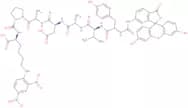
CAS:<p>Abz-Gly-Ile-Val-Arg-Ala-Lys(Dnp)-OH is a protease inhibitor that has been shown to inhibit the activity of proteinases, such as collagenase, elastase and cathepsin G. It also inhibits the growth of leishmania parasites. Abz-Gly-Ile-Val-Arg-Ala-Lys(Dnp)-OH was also found to be potent in inhibiting the proteolytic activity of cancer cells. The inhibition is due to its ability to form tight complexes with the active site of enzymes such as trypsin and chymotrypsin. This compound has potential for use in animal experiments and in vitro assays.</p>Formula:C41H61N13O12Purity:Min. 95%Molecular weight:928 g/molAbz-Lys-Pro-Leu-Gly-Leu-Dap (Dnp)-Ala-Arg-NH2 trifluoroacetate salt
CAS:<p>Please enquire for more information about Abz-Lys-Pro-Leu-Gly-Leu-Dap (Dnp)-Ala-Arg-NH2 trifluoroacetate salt including the price, delivery time and more detailed product information at the technical inquiry form on this page</p>Formula:C50H77N17O13Purity:Min. 95%Molecular weight:1,124.25 g/molH-Ser-Leu-OH
CAS:<p>H-Ser-Leu-OH is a methylvaleric acid that is found in biological tissue and has been studied for its potential use as a pharmacological treatment. It has been shown to have anti-inflammatory effects, which may be due to its inhibition of prostaglandin synthesis. H-Ser-Leu-OH also inhibits the activity of divalent metal ions, such as magnesium and zinc, by binding to their chelating groups. This binding prevents the formation of an enzyme cell wall synthesis complex with the enzyme that is required for cell wall biosynthesis, inhibiting protein synthesis and cell division. H-Ser-Leu-OH has also shown potential as an analytical method for cancer detection. It can be used to detect carcinogenesis by detecting changes in DNA methylation patterns at the promoter region of tumor suppressor genes (e.g., RASSF1A).</p>Formula:C9H18N2O4Purity:Min. 95%Molecular weight:218.25 g/molAc-Leu-Glu-His-Asp-chloromethylketone
CAS:<p>Ac-Leu-Glu-His-Asp-chloromethylketone is a creatine kinase inhibitor that prevents the conversion of ATP to ADP. It inhibits mitochondrial pathways, leading to apoptotic and proapoptotic effects. Ac-Leu-Glu-His-Asp-chloromethylketone also has a kinetic effect on cells, where it causes necrotic cell death. This compound can cause proteolytic activity, which leads to the activation of caspase 9 and matrix metalloproteinases. Ac-Leu-Glu-His-Asp chloromethylketone has been shown to have antiinflammatory properties in cellular assays, as well as an ability to inhibit the synthesis of cellular proteins.</p>Formula:C24H35ClN6O9Purity:Min. 95%Molecular weight:587.02 g/molCortistatin-17 (human) trifluoroacetate salt
CAS:<p>Please enquire for more information about Cortistatin-17 (human) trifluoroacetate salt including the price, delivery time and more detailed product information at the technical inquiry form on this page</p>Formula:C96H139N27O24S3Purity:Min. 95%Molecular weight:2,151.5 g/molFA-Gly-Nva-NH2
CAS:<p>Please enquire for more information about FA-Gly-Nva-NH2 including the price, delivery time and more detailed product information at the technical inquiry form on this page</p>Formula:C14H19N3O4Purity:Min. 95%Molecular weight:293.32 g/molH-Leu-Phe-NH2·HCl
CAS:<p>H-Leu-Phe-NH2·HCl is a peptide that has been shown to have antiviral and anticancer properties. It blocks the replication of viruses by interacting with the amino acid sequence on the virus’s outer layer, which prevents the virus from binding to cells. H-Leu-Phe-NH2·HCl has also been shown to have anticancer properties. This peptide stimulates cancer cells to produce proteins that are required for their growth and proliferation, leading to increased tumor size. The effectiveness of this drug is enhanced when combined with other cancer drugs, such as cisplatin or vinblastine. H-Leu-Phe-NH2·HCl also has an excellent safety profile and does not cause any toxicity in healthy cells or tissues.</p>Formula:C15H23N3O2·HClPurity:Min. 95%Molecular weight:313.82 g/molZ-Trp-Val-OH trifluoroacetic acid
CAS:<p>Please enquire for more information about Z-Trp-Val-OH trifluoroacetic acid including the price, delivery time and more detailed product information at the technical inquiry form on this page</p>Formula:C24H27N3O5•CF3CO2HPurity:Min. 95%Molecular weight:437.49 g/molCyclo(-Gly-Arg-Gly-Asp-Ser-Pro-Ala)
CAS:<p>Cyclo(-Gly-Arg-Gly-Asp-Ser-Pro-Ala) is a cyclic peptide that has a conformational interaction with fibrinogen. Cyclo(-Gly-Arg-Gly-Asp-Ser-Pro-Ala) binds to the FGA binding site on fibrinogen, preventing the formation of the fibrin clot. Cyclo(-Gly-Arg-Gly-Asp-Ser-Pro-Ala) has been shown to activate platelets, which may be due to its ability to increase levels of cAMP and activate protein kinase A. Cyclo(-Gly-Arg-Gly-Asp-) also has an affinity for monoclonal antibodies, which may be due to its high molecular electrostatic potential or its synthetic nature.</p>Formula:C25H40N10O10Purity:Min. 95%Molecular weight:640.65 g/molFmoc-3-(2-naphthyl)-L-alanine
CAS:<p>Fmoc-3-(2-naphthyl)-L-alanine is a supramolecular compound that functions as an inhibitor of prostate cancer cells. It inhibits the uptake of metal chelates by prostate cancer cells and stabilizes them, which may lead to a diagnostic and therapeutic agent for prostate cancer. Fmoc-3-(2-naphthyl)-L-alanine has also been shown to inhibit the growth of human serum prostate cancer cells in vitro and in vivo models. This molecule is a bifunctional compound that can be used as both an antigen and a surrogate for cytosolic prostate specific antigen (PSA) levels. Fmoc-3-(2-naphthyl)-L-alanine has been shown to bind to the PSA protein, which is normally found on the surface of prostate epithelial cells. This binding prevents it from being released into the blood circulation, where it would otherwise be measured by a PSA test</p>Formula:C28H23NO4Purity:Min. 95%Color and Shape:PowderMolecular weight:437.49 g/mol2'-Methoxy-α-naphthoflavone
CAS:<p>2'-Methoxy-alpha-naphthoflavone is a fine chemical that can be synthesized from naphthalene, benzaldehyde, and methoxyacetic acid. It is a versatile building block for research chemicals and has been shown to have high quality. 2'-Methoxy-alpha-naphthoflavone has been used as a reaction component in the synthesis of complex compounds with interesting biological activities.</p>Formula:C20H14O3Purity:Min. 95%Molecular weight:302.32 g/mol4-Bromophenylalanine
CAS:<p>4-Bromophenylalanine is a chemical compound that can be used as a spectroscopic probe to study the dynamics of protein synthesis. It is derived from 4-bromobenzaldehyde, which is oxidized by hydrogen peroxide in the presence of cytochrome P450 reductase and NADPH, yielding 4-bromophenylalanine. This compound has been shown to inhibit protein synthesis by binding reversibly to the synthetase during its synthetic cycle. The binding of 4-bromophenylalanine inhibits the synthesis of peptides with a C-terminal amide group. This inhibition leads to a decrease in the amount of functional groups present in proteins and an increase in the amount of buffers. These effects have been demonstrated through modelling studies using both model organisms and buffer solutions.</p>Formula:C9H10BrNO2Purity:Min. 95%Color and Shape:White PowderMolecular weight:244.09 g/molH-Tyr-Tyr-Tyr-Tyr-Tyr-Tyr-OH trifluoroacetate salt
CAS:<p>The compound H-Tyr-Tyr-Tyr-Tyr-Tyr-Tyr-OH trifluoroacetate salt is a synthetic antigen for use in the production of immunoadsorbent conjugates. It is a postulated fluorescence molecule that interacts with specific antibodies to form an antigen. This antigen can be used as a probe for detecting antibodies in biological fluids and tissues by fluorescence microscopy and has been shown to have no antigenicity in skin reactions.</p>Formula:C54H56N6O13Purity:Min. 95%Molecular weight:997.06 g/molH-Arg-Arg-Arg-Arg-Arg-Arg-OH trifluoroacetate salt
CAS:<p>H-Arg-Arg-Arg-Arg-Arg-Arg-OH trifluoroacetate salt is a compound that can be used as a cancer treatment. It has been shown to inhibit the growth of human retinal pigmented epithelial cells (p. pastoris) and induce apoptosis in these cells. H-Arg-Arg-Arg-Arg-Arg-Arg-OH trifluoroacetate salt interacts with the membrane of cells, blocking the binding site for growth factor and preventing the activation of downstream signaling pathways. This agent also binds to lysine residues on peptides, which are then degraded by proteases. H-Argo Arg Arg Arg Arg Arg Arg OH trifluoroacetate salt has been shown to have an affinity for flavone luteolin at neutral pH, as well as fatty acid molecules.</p>Formula:C36H74N24O7Purity:Min. 95%Molecular weight:955.13 g/mol(Sar 9,Met(O2)11)-Substance P
CAS:<p>Substance P is a neuropeptide that is found in the brain and throughout the peripheral nervous system. It has been found to be involved in numerous physiological processes, including pain transmission, vasodilation, and inflammation. Substance P binds to neurokinin-1 receptor (NK-1R) with high affinity. NK-1R has been shown to be localized on cells of the submandibular gland and salivary gland. Techniques such as binding experiments have shown that substance P binds to NK-1R with high affinity and is therefore likely involved in salivation and other functions of these glands.</p>Formula:C64H100N18O15SPurity:Min. 95%Molecular weight:1,393.66 g/molVIP Receptor-Binding Inhibitor L-8-K trifluoroacetate salt
CAS:<p>Please enquire for more information about VIP Receptor-Binding Inhibitor L-8-K trifluoroacetate salt including the price, delivery time and more detailed product information at the technical inquiry form on this page</p>Formula:C50H77N9O12SPurity:Min. 95%Molecular weight:1,028.27 g/molBoc-Ser(Ala-Fmoc)-OH
CAS:<p>Boc-Ser(Ala-Fmoc)-OH is a synthetic amino acid that is used in peptide synthesis. It is typically prepared by the condensation of Serine with diethyl Fmoc-amino acid and hydrochloric acid. This molecule has an efficient epimerization process, which allows for the synthesis of the other enantiomer, L-Ser(Ala-Fmoc)-OH. The synthetic method for Boc-Ser(Ala-Fmoc)-OH can be used to synthesize peptides from amino acids.</p>Formula:C26H30N2O8Purity:Min. 95%Molecular weight:498.53 g/mol(D-Lys6)-LHRH trifluoroacetate salt
CAS:<p>Please enquire for more information about (D-Lys6)-LHRH trifluoroacetate salt including the price, delivery time and more detailed product information at the technical inquiry form on this page</p>Formula:C59H84N18O13·xC2HF3O2Purity:Min. 95%Color and Shape:White To Off-White SolidMolecular weight:1,253.41 g/molpTH-Related Protein (1-37) (human, mouse, rat) trifluoroacetate salt
CAS:<p>Please enquire for more information about pTH-Related Protein (1-37) (human, mouse, rat) trifluoroacetate salt including the price, delivery time and more detailed product information at the technical inquiry form on this page</p>Formula:C197H317N63O53Purity:Min. 95%Molecular weight:4,416.02 g/mol(Pyr 16)-VIP (16-28) (human, mouse, rat)
CAS:<p>Please enquire for more information about (Pyr 16)-VIP (16-28) (human, mouse, rat) including the price, delivery time and more detailed product information at the technical inquiry form on this page</p>Formula:C68H114N18O18SPurity:Min. 95%Molecular weight:1,503.81 g/molH-Lys-Lys-Glu-Asp-Val-Val-Abu-Cys-Ser-Abu-Ser-Tyr-Lys-Lys-NH2
CAS:<p>Please enquire for more information about H-Lys-Lys-Glu-Asp-Val-Val-Abu-Cys-Ser-Abu-Ser-Tyr-Lys-Lys-NH2 including the price, delivery time and more detailed product information at the technical inquiry form on this page</p>Formula:C69H119N19O21SPurity:Min. 95%Molecular weight:1,582.86 g/molZ-Arg-Arg-pNA·2 HCl
CAS:<p>Please enquire for more information about Z-Arg-Arg-pNA·2 HCl including the price, delivery time and more detailed product information at the technical inquiry form on this page</p>Formula:C26H36N10O6·2HClPurity:Min. 95%Molecular weight:657.55 g/molBiotinyl-BNP-32 (human) trifluoroacetate salt
CAS:<p>Please enquire for more information about Biotinyl-BNP-32 (human) trifluoroacetate salt including the price, delivery time and more detailed product information at the technical inquiry form on this page</p>Formula:C153H258N52O44S5Purity:Min. 95%Molecular weight:3,690.34 g/molH-Ala-Ala-Ala-OH
CAS:<p>H-Ala-Ala-Ala-OH is a synthetic peptide that has been shown to inhibit protease activity and is being investigated as a potential treatment for chronic arthritis. This peptide has been shown to be effective in the removal of nitrogen from wastewater. The conformational properties of H-Ala-Ala-Ala-OH are similar to those of the human serum amide, which is thought to have an antiarthritic effect and may also act as a model system for other peptides. H-Ala-Ala-Ala-OH has also been shown to have enzyme activities, including dihedral and structural analysis.</p>Formula:C9H17N3O4Purity:Min. 95%Molecular weight:231.25 g/molH-Glu(Glu(Glu-OH)-OH)-OH trifluoroacetate salt
CAS:<p>H-Glu(Glu(Glu-OH)-OH)-OH trifluoroacetate salt is a casein that is used as a model system for pancreatic β-cells. It has been shown to induce cell apoptosis in malignant cells and sequences that are associated with the development of pancreatic cancer. H-Glu(Glu(Glu-OH)-OH)-OH trifluoroacetate salt also induces endothelial cell proliferation and decreases cell function, which may be due to its ability to promote uptake of this compound.</p>Formula:C15H23N3O10Purity:Min. 95%Molecular weight:405.36 g/molBoc-Ala-Gly-Sar-OH
CAS:<p>Please enquire for more information about Boc-Ala-Gly-Sar-OH including the price, delivery time and more detailed product information at the technical inquiry form on this page</p>Formula:C13H23N3O6Purity:Min. 95%Molecular weight:317.34 g/molTRAP-14 trifluoroacetate salt
CAS:<p>TRAP-14 is a conformationally restricted peptide that binds to the thrombin receptor. TRAP-14 also has a biocompatible polymer backbone that can be used in vivo as an implant. The TRAP-14 peptide has been shown to inhibit thrombin activity and inhibit the expression of basic fibroblast growth factor. In addition, this drug showed an ability to suppress autoimmune diseases in vivo by blocking Ca2+ release from the cytosol. This drug also showed inhibition of polymerase chain reaction (PCR) amplification and increased the specificity of PCR for DNA sequences containing polyvinyl disulfide bonds.</p>Formula:C81H118N20O23Purity:Min. 95%Molecular weight:1,739.92 g/molExtracellular Death Factor trifluoroacetate salt
CAS:<p>Extracellular Death Factor is a molecule that binds to calmodulin, which is a protein found in all animal cells. Extracellular Death Factor can be used to induce apoptotic cell death in any type of cell, including cancer cells. The molecule is composed of three amino acids: H-Asn-Asn-Trp-Asn-Asn-OH. This compound has been shown to inhibit the replication of DNA and RNA in gram negative bacteria and tuberculosis cells. It also has an effect on the structural analysis of the molecule and causes light emission when exposed to ultraviolet light.</p>Formula:C27H36N10O10Purity:Min. 95%Molecular weight:660.64 g/molH-Trp-Met-OH
CAS:<p>The molecular formula for H-Trp-Met-OH is CHNOS. It is a neutral, solubilized, imino amide residue of L-phenylalanine. The compound has not been identified but it is presumed to be an azide or sulfate ester of tyrosine. This compound was isolated from the membranes of bacteria and peptidases break it down into other amino acids with the exception of lysine. The yield from this reaction is unknown.</p>Formula:C16H21N3O3SPurity:Min. 95%Molecular weight:335.42 g/molAc-Asp-D-Gla-Leu-Ile-b-cyclohexyl-Ala-Cys-OH
CAS:<p>Please enquire for more information about Ac-Asp-D-Gla-Leu-Ile-b-cyclohexyl-Ala-Cys-OH including the price, delivery time and more detailed product information at the technical inquiry form on this page</p>Formula:C36H58N6O14SPurity:Min. 95%Molecular weight:830.94 g/mol(Tyr0)-BNP-32 (human) trifluoroacetate salt
CAS:<p>Please enquire for more information about (Tyr0)-BNP-32 (human) trifluoroacetate salt including the price, delivery time and more detailed product information at the technical inquiry form on this page</p>Formula:C152H253N51O44S4Purity:Min. 95%Molecular weight:3,627.22 g/mol2-Amino-5-chloro-3-methylbenzoic acid
CAS:<p>2-Amino-5-chloro-3-methylbenzoic acid (ACMB) is a substructure of the insecticidal compound chlorantraniliprole. It is a solid at room temperature and has a molecular weight of 142.15 g/mol. ACMB can be extracted from n-hexane, chlorantraniliprole, or xylene using gravimetric analysis. The bioactivity of ACMB can be determined by an anthranilic assay, while its solubility data are available in the literature. ACMB has been shown to have insecticidal activity against lepidoptera larvae and cyanuric activity against mosquito larvae.</p>Formula:C8H8ClNO2Purity:Min. 95%Molecular weight:185.61 g/mol(Met(O)35)-Amyloid b-Protein (1-40) trifluoroacetate salt
CAS:<p>Please enquire for more information about (Met(O)35)-Amyloid b-Protein (1-40) trifluoroacetate salt including the price, delivery time and more detailed product information at the technical inquiry form on this page</p>Formula:C194H295N53O59SPurity:Min. 95%Molecular weight:4,345.81 g/molAcetyl-Neurotrophin Receptor (368-381) amide (human)
CAS:<p>Please enquire for more information about Acetyl-Neurotrophin Receptor (368-381) amide (human) including the price, delivery time and more detailed product information at the technical inquiry form on this page</p>Formula:C69H124N22O19Purity:Min. 95%Molecular weight:1,565.86 g/molH-Lys-Glu-Gly-OH
CAS:<p>H-Lys-Glu-Gly-OH is a polyelectrolyte that has high affinity for cationic dyes. It is synthesized by the reaction of a protonated amino acid with an epoxide. This molecule has been shown to counter act the effect of polystyrene particles in experiments, which may be due to its ability to form complexes with other substances and decrease their solubility. H-Lys-Glu-Gly-OH has been used as a reagent in solid phase synthesis to prepare peptides and it also appears to be active against glutamic acid.</p>Formula:C13H24N4O6Purity:Min. 95%Molecular weight:332.35 g/molHippuryl-Lys-Val-OH
CAS:<p>Hippuryl-Lys-Val-OH is a metal chelator that binds to the positively charged amino acid lysine. It has been shown to be effective in inactivating enzymes and inhibiting the growth of bacteria, such as frondosa, by binding to the enzyme metalloendopeptidase. The optimum pH for this compound is between 7 and 8. Hippuryl-Lys-Val-OH has also been shown to have a strong affinity for hippuric acid, which can be utilized as a measure of its concentration.</p>Formula:C20H30N4O5Purity:Min. 95%Molecular weight:406.48 g/molBiotinyl-Pancreatic Polypeptide (human) trifluoroacetate salt
CAS:<p>Please enquire for more information about Biotinyl-Pancreatic Polypeptide (human) trifluoroacetate salt including the price, delivery time and more detailed product information at the technical inquiry form on this page</p>Formula:C195H301N55O56S3Purity:Min. 95%Molecular weight:4,408.01 g/mol(S)-9,10-Difluoro-2,3-dihydro-3-methyl-7-oxo-7H-pyrido[1,2,3-de]-1,4-benzoxazine-6-carboxylic acid ethyl ester
CAS:<p>(S)-9,10-Difluoro-2,3-dihydro-3-methyl-7-oxo-7H-pyrido[1,2,3-de]-1,4-benzoxazine-6-carboxylic acid ethyl ester is an acidic substance that can be produced by the amination of piperazine with chloroacetic acid. The reaction solution is heated to a temperature of about 120°C for about 30 minutes and then cooled to room temperature. The product precipitates as a white solid. This compound has been shown to have antibacterial activity against methicillin resistant Staphylococcus aureus (MRSA) in plates.</p>Formula:C15H13F2NO4Purity:Min. 95%Molecular weight:309.26 g/mol(Des-His1,Glu9)-Glucagon (1-29) amide (human, rat, porcine)
CAS:<p>Please enquire for more information about (Des-His1,Glu9)-Glucagon (1-29) amide (human, rat, porcine) including the price, delivery time and more detailed product information at the technical inquiry form on this page</p>Formula:C148H221N41O47SPurity:Min. 95%Molecular weight:3,358.65 g/molZ-Glu-Leu-OH·DCHA
CAS:Controlled Product<p>Please enquire for more information about Z-Glu-Leu-OH·DCHA including the price, delivery time and more detailed product information at the technical inquiry form on this page</p>Formula:C19H26N2O7·C12H23NPurity:Min. 95%Molecular weight:575.74 g/molZ-D-Ala-Phe-OH
CAS:<p>Please enquire for more information about Z-D-Ala-Phe-OH including the price, delivery time and more detailed product information at the technical inquiry form on this page</p>Formula:C20H22N2O5Purity:Min. 95%Molecular weight:370.4 g/molH-β-Ala-Leu-OH
CAS:<p>Please enquire for more information about H-beta-Ala-Leu-OH including the price, delivery time and more detailed product information at the technical inquiry form on this page</p>Formula:C9H18N2O3Purity:Min. 95%Molecular weight:202.25 g/mol(His(1-Me)2)-LHRH trifluoroacetate salt
CAS:<p>Please enquire for more information about (His(1-Me)2)-LHRH trifluoroacetate salt including the price, delivery time and more detailed product information at the technical inquiry form on this page</p>Formula:C56H77N17O13Purity:Min. 95%Molecular weight:1,196.32 g/molH-Leu-Ser-Ala-Leu-OH
CAS:<p>H-Leu-Ser-Ala-Leu-OH is a chemical compound that has been shown to bind to 5-HT1B receptors. This receptor belongs to the 5HT1 family of serotonin receptors, which are G protein coupled receptors. The 5HT1B receptor has been shown to have a role in locomotor activity and dopamine release. HLSALLOH is also a specific antibody that reacts with the 5HT1B receptor in rats. The location of this receptor is on the dorsal raphe nucleus and other parts of the brainstem. HLSALLOH has a pH optimum of 6.0 and can be used as an immunogen for polyclonal antibodies against 5HT1B receptors.</p>Formula:C18H34N4O6Purity:Min. 95%Molecular weight:402.49 g/molHIV-1 gag Protein p17 (76-84) acetate salt
CAS:<p>Acetate salt of HIV-1 gag Protein p17 (76-84) is a reactive acridone, hydrocarbon, nitrogen atom and hydrates that is injected to regulate depression. Acetate salt of HIV-1 gag Protein p17 (76-84) has been shown to bind to the telomerase enzyme and inhibit cancer cell growth. Acetate salt of HIV-1 gag Protein p17 (76-84) also has a role in regulating metabolism in cells. Acetate salt of HIV-1 gag Protein p17 (76-84) has been shown to have solvating properties and can be used as a heterocyclic ring section in gas phase reactions.</p>Formula:C44H72N10O15Purity:Min. 95%Molecular weight:981.1 g/molZ-Ala-Ile-OH
CAS:<p>Z-Ala-Ile-OH is a hydroxamic acid that is used in peptide synthesis. It is a monomer that is hydrophobic and has an affinity for peptidyl acceptors. The synthetic method for Z-Ala-Ile-OH involves the use of aspartic acid and aspartate semialdehyde, which are used to synthesize the hydroxamic acid via an amidation reaction. The nomenclature of Z-Ala-Ile-OH is based on its structure and the order of amino acids found in it. Aspartic acid and asparagine are both amino acids found in Z-Ala-Ile-OH, with the -NH2 group being replaced by -OH in this particular molecule. This substitution results in a more hydrophobic compound than aspartate semialdehyde.</p>Formula:C17H24N2O5Purity:Min. 95%Molecular weight:336.38 g/mol(D-Ala6)-LHRH acetate salt Pyr-His-Trp-Ser-Tyr-D-Ala-Leu-Arg-Pro-Gly-NH2 acetate salt
CAS:<p>Please enquire for more information about (D-Ala6)-LHRH acetate salt Pyr-His-Trp-Ser-Tyr-D-Ala-Leu-Arg-Pro-Gly-NH2 acetate salt including the price, delivery time and more detailed product information at the technical inquiry form on this page</p>Formula:C56H77N17O13Purity:Min. 95%Molecular weight:1,196.32 g/molN-(4-Methoxybenzylidene)-4-butylaniline
CAS:<p>N-(4-Methoxybenzylidene)-4-butylaniline is an organic compound that belongs to the group of liquid crystals. It has been used in the study of phase transitions and thermal properties. The melting point of N-(4-methoxybenzylidene)-4-butylaniline is between -80 and -90 °C, depending on the solvent. This compound has a low proton affinity, but it can be oxidized to form a radical cation.</p>Formula:C18H21NOPurity:Min. 95%Molecular weight:267.37 g/molBoc-glu(OtBu)-OH
CAS:<p>Boc-glu(OtBu)-OH is a synthetic substrate that is used in chemical diversity studies. It has been shown to be an important model system for the study of disaccharide uptake and metabolism. This substrate binds to lectins, which are proteins found on the surface of cells. Boc-glu(OtBu)-OH binds to oligosaccharides and human cervical carcinoma cells, as well as amide groups. Analytical methods have been developed to measure its uptake and metabolism.</p>Formula:C14H25NO6Purity:Min. 98 Area-%Color and Shape:White Off-White PowderMolecular weight:303.35 g/molFmoc-N-methyl-L-leucine
CAS:<p>Please enquire for more information about Fmoc-N-methyl-L-leucine including the price, delivery time and more detailed product information at the technical inquiry form on this page</p>Formula:C22H25NO4Purity:Min. 95%Color and Shape:PowderMolecular weight:367.44 g/molFmoc-Gly-(Dmb)Gly-OH
CAS:<p>Fmoc-Gly-(Dmb)Gly-OH is a synthetic peptide that modulates cellular activity. It encompasses a wide range of activities, such as cancer cell growth and restenosis, fibroid tumors and bowel disease. Fmoc-Gly-(Dmb)Gly-OH has been shown to be an effective chemotherapeutic agent in the treatment of age-related macular degeneration and retinopathy. It also inhibits inflammatory bowel disease and infarction by restricting the production of inflammatory cytokines, such as TNFα, IL1β, and IL6. Fmoc-Gly-(Dmb)Gly-OH can be used to treat endometriosis by inhibiting angiogenesis in the uterus.</p>Formula:C28H28N2O7Purity:Min. 95%Molecular weight:504.53 g/molH-Ala-Phe-Pro-pNA
CAS:<p>Please enquire for more information about H-Ala-Phe-Pro-pNA including the price, delivery time and more detailed product information at the technical inquiry form on this page</p>Formula:C23H27N5O5Purity:Min. 95%Molecular weight:453.49 g/molFA-Arg-Leu-OH
CAS:<p>Please enquire for more information about FA-Arg-Leu-OH including the price, delivery time and more detailed product information at the technical inquiry form on this page</p>Formula:C19H29N5O5Purity:Min. 95%Molecular weight:407.46 g/molBradykinin (1-7) acetate salt
CAS:<p>Bradykinin (1-7) acetate salt H-Arg-Pro-Pro-Gly-Phe-Ser-Pro-OH acetate salt is a synthetic peptide that was designed to simulate the activity of bradykinin. It has been shown to be effective in the treatment of angina pectoris and as an analgesic. This peptide can also be used in the analysis of carboxypeptidase activity, by adding it to homogenates and measuring the reaction products. Bradykinin (1-7) acetate salt H-Arg-Pro-Pro-Gly-Phe-Ser-Pro-OH acetate salt can also be used to analyze salivary glands, activated erythrocytes, and silicon wafers. It is particularly useful for examining morphology and nanowires.</p>Formula:C35H52N10O9Purity:Min. 95%Molecular weight:756.85 g/molH-Lys-Leu-OH·HBr
CAS:<p>Please enquire for more information about H-Lys-Leu-OH·HBr including the price, delivery time and more detailed product information at the technical inquiry form on this page</p>Formula:C12H25N3O3·HBrPurity:Min. 95%Molecular weight:340.26 g/molH-Leu-Trp-Leu-OH
CAS:<p>H-Leu-Trp-Leu-OH is a tryptophan protease that has been shown to have aminopeptidase activity. It can be used in the treatment of intestinal inflammation, as well as other conditions where it is desirable to reduce the concentration of amino acid precursors. The oxidation products of H-Leu-Trp-Leu-OH are antigenic and can be used for the detection of this enzyme in biological fluids. Hplc analysis can identify tripeptides formed by H-Leu-Trp-Leu-OH, which are then cleaved by other enzymes. This process creates a radioactive product that can be detected using radiation or microscopy. Immunoaffinity chromatography is also able to isolate H-Leu-Trp-Leu-OH from biological fluids. Monoclonal antibodies against this enzyme have been shown to inhibit ectoenzymes such as lipases and phospholip</p>Formula:C23H34N4O4Purity:Min. 95%Molecular weight:430.54 g/molBoc-N-Me-D-Tyr-OH·DCHA
CAS:Controlled Product<p>Please enquire for more information about Boc-N-Me-D-Tyr-OH·DCHA including the price, delivery time and more detailed product information at the technical inquiry form on this page</p>Formula:C15H21NO5·C12H23NPurity:Min. 95%Molecular weight:476.65 g/molH-Gly-Phe-Arg-Gly-Asp-Gly-Gln-OH
CAS:<p>Arg-gly-asp is a synthetic peptide that has been shown to have biological activity in vitro. This peptide is an agonist of the receptor for extracellular matrix proteins, such as fibronectin and vitronectin. It has been shown to reversibly inhibit the binding of fibronectin and vitronectin to immobilized antibody in vitro and also to inhibit endometrial cell proliferation in vivo. Arg-gly-asp was found to be dose-dependent with a maximal effect at 1 microgram/mL.</p>Formula:C30H45N11O11Purity:Min. 95%Molecular weight:735.75 g/mol(D-Lys3)-GHRP-6
CAS:<p>D-Lys3-GHRP-6 is a synthetic peptide that has been shown to stimulate cellular proliferation and inhibit apoptosis in cell culture. D-Lys3-GHRP-6 binds to the ghrelin receptor, which is found on cells in the stomach and pancreas, as well as in the brain. This binding stimulates the release of cytosolic calcium and enhances protein synthesis. D-Lys3-GHRP-6 also stimulates growth factor production and increases body fat mass in animals.</p>Formula:C49H63N13O6Purity:Min. 95%Molecular weight:930.11 g/molC-Peptide 1 (rat) trifluoroacetate salt
CAS:<p>Please enquire for more information about C-Peptide 1 (rat) trifluoroacetate salt including the price, delivery time and more detailed product information at the technical inquiry form on this page</p>Formula:C140H228N38O51Purity:Min. 95%Molecular weight:3,259.53 g/molH-Gly-Phe-NH2·HCl
CAS:<p>Please enquire for more information about H-Gly-Phe-NH2·HCl including the price, delivery time and more detailed product information at the technical inquiry form on this page</p>Formula:C11H15N3O2·HClPurity:Min. 95%Molecular weight:257.72 g/molN-((RS)-2-Hydroxy-propyl)-Val-Leu-anilide
CAS:<p>Please enquire for more information about N-((RS)-2-Hydroxy-propyl)-Val-Leu-anilide including the price, delivery time and more detailed product information at the technical inquiry form on this page</p>Formula:C20H33N3O3Purity:Min. 95%Molecular weight:363.49 g/molH-Glu-Glu-Lys-Leu-Ile-Val-Val-Ala-Phe-OH trifluoroacetate salt
CAS:<p>Please enquire for more information about H-Glu-Glu-Lys-Leu-Ile-Val-Val-Ala-Phe-OH trifluoroacetate salt including the price, delivery time and more detailed product information at the technical inquiry form on this page</p>Formula:C50H82N10O14Purity:Min. 95%Molecular weight:1,047.25 g/mol(Deamino-Cys1,b-cyclohexyl-Ala4,Arg8)-Vasopressin trifluoroacetate salt
CAS:<p>Desmopressin is a synthetic analogue of vasopressin, which is used to treat disorders associated with insufficient secretion of vasopressin. It has been shown that desmopressin binds to the vasopressin V2 receptor subtype and stimulates the release of arginine-vasopressin in corticotropin-releasing hormone (CRH)-treated rat pituitary cells. This stimulation was mediated by a residue on the Cys1,b-cyclohexyl residue. The binding of desmopressin to this site was demonstrated in vitro using binding experiments on rat brain synaptosomes. Desmopressin has also been shown to stimulate ovulation in rats and humans, and it has been shown to be effective for treating nocturnal enuresis in children.</p>Formula:C50H71N13O11S2Purity:Min. 95%Molecular weight:1,094.31 g/molH-Gly-Pro-Arg-Pro-NH2 acetate salt
CAS:<p>H-Gly-Pro-Arg-Pro-NH2 acetate salt is a peptide with antiplatelet activity. It has been shown to inhibit the interaction between fibrinogen and platelets, which leads to the inhibition of thrombin formation and subsequent clotting. The amide bond in this peptide is susceptible to hydrolysis by enzymes such as phospholipase A2, which means that it can be broken down into smaller fragments that have different biological activities. H-Gly-Pro-Arg-Pro-NH2 acetate salt has been shown to inhibit the growth of babesia microti, a causative agent of babesiosis in cattle, through lysis of infected erythrocytes. This drug also inhibits the growth of hemagglutinating virus type 3 (HV3) and filovirus, two viruses that are not yet fully understood.</p>Formula:C18H32N8O4Purity:Min. 95%Molecular weight:424.5 g/molSuc-Ala-Ile-Pro-Phe-pNA
CAS:<p>Cyclosporine is a cyclic peptide that is used as an immunosuppressive drug. It binds to the cytosolic protein phosphatase, preventing its activation. Cyclosporine also binds to other proteins in the cell, such as casein kinase II and cyclophilin, leading to changes in cellular function. It has been shown to inhibit the production of cytokines and other inflammatory mediators by inhibiting tyrosine kinase activity. Cyclosporine is metabolized into FK506, which has a similar structure but greater potency than cyclosporine. The mechanism of action for FK506 is not fully understood but it appears to be related to its ability to bind to tyrosine kinases and inhibit their activity.</p>Formula:C33H42N6O9Purity:Min. 95%Molecular weight:666.72 g/mol4-Bromo-3-methoxypyridine
CAS:<p>Please enquire for more information about 4-Bromo-3-methoxypyridine including the price, delivery time and more detailed product information at the technical inquiry form on this page</p>Formula:C6H6BrNOPurity:Min. 95%Molecular weight:188.02 g/molH-Tyr-Gly-NH2·HCl
CAS:<p>Please enquire for more information about H-Tyr-Gly-NH2·HCl including the price, delivery time and more detailed product information at the technical inquiry form on this page</p>Formula:C11H15N3O3·HClPurity:Min. 95%Molecular weight:273.72 g/molFmoc-Pro-Wang resin (200-400 mesh)
<p>Please enquire for more information about Fmoc-Pro-Wang resin (200-400 mesh) including the price, delivery time and more detailed product information at the technical inquiry form on this page</p>Purity:Min. 95%Fmoc-[D4]Ala-OH
CAS:Controlled Product<p>Please enquire for more information about Fmoc-[D4]Ala-OH including the price, delivery time and more detailed product information at the technical inquiry form on this page</p>Formula:C18H13D4NO4Purity:Min. 95%Color and Shape:PowderMolecular weight:315.35 g/molH-Gly-Gly-Glu-Ala-OH
CAS:<p>H-Gly-Gly-Glu-Ala-OH is a carboxylate. It has been shown to be an ionizable molecule with a proton that can exist in either the hydrated or dehydrated form. The proton of the carboxylate group can move between the two forms and the ionization state depends on pH and temperature. H-Gly-Gly-Glu-Ala-OH is a linear peptide, which means it has an amide group and a residue at each end of the chain. Each of these residues has specific conformations, which are impacted by intramolecular hydrogen bonds. These conformations play a role in determining its pharmacological properties, as well as its function in structural biology and magnetic resonance techniques. H-Gly-Gly-Glu-Ala-OH also has population distribution studies that have been used for diffraction analyses, as well as for titration experiments.</p>Formula:C12H20N4O7Purity:Min. 95%Molecular weight:332.31 g/molHIV Protease Substrate III-B (Native Sequence)
CAS:<p>Please enquire for more information about HIV Protease Substrate III-B (Native Sequence) including the price, delivery time and more detailed product information at the technical inquiry form on this page</p>Formula:C51H90N18O14SPurity:Min. 95%Molecular weight:1,211.44 g/molAc-Asp(Glu-OH)-OH
CAS:<p>Ac-Asp(Glu-OH)-OH is a low potency, but potentiating compound that binds to the cell cytoplasm. It inhibits the uptake of glutamate into the synaptic cleft by binding to acidic granules. This compound may be neuroprotective and inhibit prostate carcinoma growth. Ac-Asp(Glu-OH)-OH has also been shown to inhibit postsynaptic potentials and decrease glutamate release in cerebellar granule cells.</p>Formula:C11H16N2O8Purity:Min. 95%Molecular weight:304.25 g/molFITC-Tyr-Val-Ala-Asp-Ala-Pro-Lys(Dnp)-OH (Contains FITC isomer I)
CAS:<p>Please enquire for more information about FITC-Tyr-Val-Ala-Asp-Ala-Pro-Lys(Dnp)-OH (Contains FITC isomer I) including the price, delivery time and more detailed product information at the technical inquiry form on this page</p>Formula:C62H67N11O20SPurity:Min. 95%Molecular weight:1,318.32 g/molAcetyl-Neurotensin (8-13) Ac-Arg-Arg-Pro-Tyr-Ile-Leu-OH
CAS:<p>Acetyl-neurotensin (8-13) Ac-Arg-Arg-Pro-Tyr-Ile-Leu-OH is a competitive antagonist of the NANC neurotransmitter, neuropeptide Y. It is a proteolytic product of neurotensin, an endogenous peptide that has been implicated in a number of physiological and pathological processes. Acetyl-neurotensin (8-13) Ac-Arg-Arg-Pro-Tyr-Ile-Leu-(OH) binds to the membrane receptors on neurons and blocks the binding of neuropeptides such as neurotensin and substance P to these receptors, thereby inhibiting their effects on the central nervous system. This compound is soluble in water and can be used for bladder protection by preventing the accumulation of urine.</p>Formula:C40H66N12O9Purity:Min. 95%Molecular weight:859.03 g/molTyr-Leptin (26-39) (human)
CAS:<p>Please enquire for more information about Tyr-Leptin (26-39) (human) including the price, delivery time and more detailed product information at the technical inquiry form on this page</p>Formula:C80H137N19O25Purity:Min. 95%Molecular weight:1,765.06 g/molH-Met-Lys-OH formiate salt
CAS:<p>H-Met-Lys-OH formiate salt is an industrial chemical that can be used in the preparation of pharmaceutical preparations. It has been shown to have a potential to lower blood pressure and reduce the risk of cardiovascular diseases. H-Met-Lys-OH formiate salt is a lysine derivative that contains two amino acid residues, namely lysine and methionine. H-Met-Lys-OH formiate salt can be used as a therapeutic agent for prostate cancer by targeting tp53 mutations and radical prostatectomy. It can also be used as an antibacterial agent against gram-negative bacteria, such as Escherichia coli (E. coli).</p>Formula:C11H23N3O3SPurity:Min. 95%Molecular weight:277.38 g/molH-Lys-Lys-bNA acetate salt
CAS:<p>Please enquire for more information about H-Lys-Lys-bNA acetate salt including the price, delivery time and more detailed product information at the technical inquiry form on this page</p>Formula:C22H33N5O2Purity:Min. 95%Molecular weight:399.53 g/molH-Gly-Arg-Gly-Glu-Thr-Pro-OH
CAS:<p>Please enquire for more information about H-Gly-Arg-Gly-Glu-Thr-Pro-OH including the price, delivery time and more detailed product information at the technical inquiry form on this page</p>Formula:C24H41N9O10Purity:Min. 95%Molecular weight:615.64 g/molH-D-Ala-D-Ala-D-Ala-D-Ala-OH
CAS:<p>Please enquire for more information about H-D-Ala-D-Ala-D-Ala-D-Ala-OH including the price, delivery time and more detailed product information at the technical inquiry form on this page</p>Formula:C12H22N4O5Purity:Min. 95%Molecular weight:302.33 g/molMca-Pro-Leu-Ala-Cys(Mob)-Trp-Ala-Arg-Dap (Dnp)-NH2 trifluoroacetate salt
CAS:<p>Please enquire for more information about Mca-Pro-Leu-Ala-Cys(Mob)-Trp-Ala-Arg-Dap (Dnp)-NH2 trifluoroacetate salt including the price, delivery time and more detailed product information at the technical inquiry form on this page</p>Formula:C66H82N16O17SPurity:Min. 95%Molecular weight:1,403.52 g/molAc-Ala-Leu-Cys-Asp-Asp-Pro-Arg-Val-Asp-Arg-Trp-Tyr-Cys-Gln-Phe-Val-Glu-Gly-NH2 (Disulfide bond)
CAS:<p>Please enquire for more information about Ac-Ala-Leu-Cys-Asp-Asp-Pro-Arg-Val-Asp-Arg-Trp-Tyr-Cys-Gln-Phe-Val-Glu-Gly-NH2 (Disulfide bond) including the price, delivery time and more detailed product information at the technical inquiry form on this page</p>Formula:C97H139N27O29S2Purity:Min. 95%Molecular weight:2,211.44 g/molH-Gly-Tyr-NH2·HCl
CAS:<p>H-Gly-Tyr-NH2·HCl is a peptide that has been shown to have an inhibitory effect on 5-hydroxytryptamine (5-HT) receptors. It can be used as a diluent for pharmaceuticals and as a potential treatment for autoimmune diseases, which are caused by the immune system attacking healthy cells. H-Gly-Tyr-NH2·HCl has also been shown to have antiestrogenic effects in breast cancer cells. This compound may be useful for treating inflammation associated with infectious diseases, such as Stenotrophomonas maltophilia, and other inflammatory diseases, such as inflammatory bowel disease. The amide group in this peptide may also be important for its antimicrobial properties against gram negative bacteria, such as Escherichia coli.</p>Formula:C11H15N3O3·HClPurity:Min. 95%Molecular weight:273.72 g/molN-Hydroxy-2-phenyl-acetamide
CAS:<p>N-Hydroxy-2-phenyl-acetamide is a metalloprotease inhibitor that binds to the active site of the enzyme, thereby preventing it from binding with its natural substrate. This drug has been shown to inhibit the production of TNF-α in mice with autoimmune diseases and may be able to inhibit other proinflammatory mediators. N-Hydroxy-2-phenyl-acetamide has been shown to bind to a water molecule and an aliphatic hydrocarbon in order to form a hydrogen bond. This coordination complex inhibits the activity of matrix metalloproteinases, which are enzymes that break down collagen, elastin, and other proteins in the extracellular matrix. N-Hydroxy-2-phenyl-acetamide is not active against acid complexes or tnfα.</p>Formula:C8H9NO2Purity:Min. 95%Color and Shape:White Yellow PowderMolecular weight:151.16 g/molH-Gly-Phe-NH2 acetate salt
CAS:<p>Please enquire for more information about H-Gly-Phe-NH2 acetate salt including the price, delivery time and more detailed product information at the technical inquiry form on this page</p>Formula:C11H15N3O2·C2H4O2Purity:Min. 95%Molecular weight:281.31 g/molZ-Val-Ala-Asp-AMC
CAS:<p>Z-Val-Ala-Asp-AMC is a photoactive peptide that is activated by light exposure. This drug has cytostatic and cardiotoxic effects, which may be due to its ability to induce autophagy. Z-Val-Ala-Asp-AMC induces cell death in cancer cells through the activation of caspase independent pathways. It also inhibits nitroprusside induced apoptosis in cultured skin cells, suggesting that it may have therapeutic potential for the treatment of cancer.</p>Formula:C30H34N4O9Purity:Min. 95%Molecular weight:594.61 g/molZ-Arg-Arg-bNA acetate salt
CAS:<p>Please enquire for more information about Z-Arg-Arg-bNA acetate salt including the price, delivery time and more detailed product information at the technical inquiry form on this page</p>Formula:C30H39N9O4Purity:Min. 95%Molecular weight:589.69 g/mol(Des-Gly10,D-His(Bzl)6,Pro-NHEt 9)-LHRH acetate
CAS:Controlled Product<p>Des-Gly10,D-His(Bzl)6,Pro-NHEt 9)-LHRH acetate salt Pyr-His-Trp-Ser-Tyr-D-His(Bzl)-Leu-Arg-Pro-NHEt acetate salt is a long acting analog of LHRH. It is a biocompatible polymeric drug that has been shown to have long term efficacy in treating various autoimmune diseases and infections. The drug's efficacy may be due to its ability to bind to the specific receptors on the surface of cells that are involved in the immune response. DesGly10,D-His(Bzl)6,ProNHEt9)-LHRH acetate salt Pyr His Trp Ser Tyr D His(Bzl)-Leu Arg Pro NHEt acetate salt is an analog of LHRH and has been shown to be effective in treating cancer and allergic symptoms as well.</p>Formula:C66H86N18O12•(C2H4O2)xPurity:Min. 95%Molecular weight:1,323.5 g/molAcetyl-(D-Trp1,4-chloro-D-Phe2,D-Trp3,D-Arg6,D-Ala10)-LHRH
CAS:<p>Please enquire for more information about Acetyl-(D-Trp1,4-chloro-D-Phe2,D-Trp3,D-Arg6,D-Ala10)-LHRH including the price, delivery time and more detailed product information at the technical inquiry form on this page</p>Formula:C71H94ClN19O13Purity:Min. 95%Molecular weight:1,457.08 g/molBoc-L-valine
CAS:<p>Boc-L-Valine is a model system for the synthesis of peptides. This compound is synthesized in a liquid phase and then purified by column chromatography. It has an antimicrobial activity against Gram-positive bacteria such as Staphylococcus aureus and Escherichia coli, but not against Gram-negative bacteria such as Proteus vulgaris or Pseudomonas aeruginosa. Boc-L-Valine is also used to study the binding of inhibitors and ferrocenes.</p>Formula:C10H19NO4Purity:Min. 95%Color and Shape:White PowderMolecular weight:217.3 g/molAmyloid Dan Protein (1-34) trifluoroacetate salt
CAS:<p>Please enquire for more information about Amyloid Dan Protein (1-34) trifluoroacetate salt including the price, delivery time and more detailed product information at the technical inquiry form on this page</p>Formula:C185H268N48O51S2Purity:Min. 95%Molecular weight:4,044.53 g/molSecretin (porcine) acetate salt
CAS:Controlled Product<p>Secretin acetate salt H-His-Ser-Asp-Gly-Thr-Phe-Thr-Ser-Glu-Leu-Ser-Arg-Leu-Arg-Asp-Ser-Ala is a peptide that is secreted by the pancreas in response to the ingestion of food. Secretin stimulates the release of water and bicarbonate from the pancreas, as well as stimulating the gallbladder to contract, which results in increased flow of bile. Secretin also inhibits gastric acid secretion, slows intestinal motility, and stimulates pancreatic enzyme secretion. The amino acid sequence of this peptide is identical to that of leuprolide acetate (Lupron) and goserelin acetate (Zoladex), which are synthetic analogs with similar biological activity. This peptide can be synthesized on a solid phase or in solution phase. Solid phase synthesis involves attaching amino acids</p>Formula:C130H220N44O41Purity:Min. 95%Molecular weight:3,055.41 g/molTyr-CRF (human, rat)
CAS:<p>Please enquire for more information about Tyr-CRF (human, rat) including the price, delivery time and more detailed product information at the technical inquiry form on this page</p>Formula:C217H353N61O65S2Purity:Min. 95%Molecular weight:4,920.63 g/molH-Thr-Thr-pNA
CAS:<p>Please enquire for more information about H-Thr-Thr-pNA including the price, delivery time and more detailed product information at the technical inquiry form on this page</p>Formula:C14H20N4O6Purity:Min. 95%Molecular weight:340.33 g/molSarafotoxin C trifluoroacetate salt
CAS:<p>Sarafotoxin C is a peptide from the venom of the spider Phoneutria nigriventer that has been shown to have potent inhibitory properties on endothelin-1. Sarafotoxin C is able to block intracellular Ca2+ levels and signal pathways, leading to decreased levels of endothelin-1 as well as other inflammatory mediators. Sarafotoxin C has also been shown to have an anti-inflammatory effect in bowel disease, which may be due to its ability to inhibit the production of cytokines and prostaglandins. The biological properties of sarafotoxin C are related to its inhibition of polymerase chain reaction (PCR) amplification of DNA. This inhibition is due to the binding of sarafotoxin C with endothelin receptors on DNA, which prevents DNA polymerase from attaching. Endothelin-a receptor activity can also be inhibited by sarafotoxin C through enzymatic inactivation. Sarafot</p>Formula:C103H147N27O37S5Purity:Min. 95%Molecular weight:2,515.76 g/molH-Val-Ser-OH
CAS:<p>L-Threonine is an amino acid that belongs to the branched-chain family of amino acids. It is a nonessential amino acid, meaning that it can be synthesized by the human body. L-Threonine is one of the two amino acids (along with L-Serine) that has a hydroxyl group on the alpha carbon atom. It is also used in certain metabolic pathways such as sphingolipid metabolism and tryptophan metabolism. L-Threonine is used in experimental models for bowel disease and intestinal cancer, but its role in these conditions has not been determined. The molecule can be found in both animal and plant proteins, but most often it occurs in animal sources. The compound can also be found as a component of skin condition treatments or as an additive to shampoos, lotions, and cosmetics.</p>Formula:C8H16N2O4Purity:Min. 95%Molecular weight:204.22 g/mol(Arg8)-Conopressin G trifluoroacetate salt
CAS:<p>Please enquire for more information about (Arg8)-Conopressin G trifluoroacetate salt including the price, delivery time and more detailed product information at the technical inquiry form on this page</p>Formula:C44H71N17O10S2Purity:Min. 95%Molecular weight:1,062.28 g/molPyr-Pro-Val-pNA trifluoroacetate salt
CAS:<p>Pyr-Pro-Val-pNA is a synthetic peptide that is structurally homologous to the proteases serine and chymotrypsin. This peptide has been shown to have proteolytic activity on fibronectin, n-terminal of angiotensin, and epithelium. Pyr-Pro-Val-pNA also causes an inflammatory response in leukocytes and shigella.</p>Formula:C21H27N5O6Purity:Min. 95%Molecular weight:445.47 g/mol(D-Arg0, Hyp 3,Igl5,D-Igl7, Oic 8)-Bradykinin trifluoroacetate salt
CAS:<p>Please enquire for more information about (D-Arg0, Hyp 3,Igl5,D-Igl7, Oic 8)-Bradykinin trifluoroacetate salt including the price, delivery time and more detailed product information at the technical inquiry form on this page</p>Formula:C64H95N19O13Purity:Min. 95%Molecular weight:1,338.56 g/molMeOSuc-Lys(2-picolinoyl)-Ala-Pro-Val-pNA
CAS:<p>Please enquire for more information about MeOSuc-Lys(2-picolinoyl)-Ala-Pro-Val-pNA including the price, delivery time and more detailed product information at the technical inquiry form on this page</p>Formula:C36H48N8O10Purity:Min. 95%Molecular weight:752.81 g/mol6-Bromo-1-methylindazole
CAS:<p>6-Bromo-1-methylindazole is an industrial chemical that can be synthesized by the reaction of formate, methanol, and indazole. The synthesis method involves the esterification of methyl formate with indazole to produce 6-bromo-1-methylindazole. It can also be synthesized by the annulation of methyl formate and cyclopentadiene followed by hydrolysis. This chemical has several isomers that are distinguished from each other based on their synthesis methods. 6-Bromo-1-methylindazole has been shown to have a hydrolysis reaction when it reacts with water, producing methyl bromide and hydrogen bromide.</p>Formula:C8H7BrN2Purity:Min. 95%Molecular weight:211.06 g/mol(His32,Leu34)-Neuropeptide Y (32-36)
CAS:<p>Please enquire for more information about (His32,Leu34)-Neuropeptide Y (32-36) including the price, delivery time and more detailed product information at the technical inquiry form on this page</p>Formula:C33H54N14O6Purity:Min. 95%Molecular weight:742.87 g/mol(Lys7)-Dermorphin acetate salt
CAS:Controlled Product<p>Please enquire for more information about (Lys7)-Dermorphin acetate salt including the price, delivery time and more detailed product information at the technical inquiry form on this page</p>Formula:C43H57N9O9Purity:Min. 95%Molecular weight:843.97 g/mol(S)-(+)-Glycidyl-4-nitrobenzoate
CAS:<p>Glycidyl-4-nitrobenzoate (GLYNB) is an opioid receptor ligand, which binds to the κ opioid receptor. It has been used in biological testing and has been shown to have affinity for the κ opioid receptor. GLYNB may be a useful tool for investigating the molecular diversity of this receptor and its function in both normal and pathological conditions.</p>Formula:C9H9NO6SPurity:Min. 95%Molecular weight:259.24 g/molGly-Neuroendocrine Regulatory Peptide-3 (human, mouse, rat) trifluoroacetate salt
CAS:<p>Please enquire for more information about Gly-Neuroendocrine Regulatory Peptide-3 (human, mouse, rat) trifluoroacetate salt including the price, delivery time and more detailed product information at the technical inquiry form on this page</p>Formula:C146H234N46O52Purity:Min. 95%Molecular weight:3,465.7 g/molε-Maleimidocaproic acid-(2-nitro-4-sulfo)-phenyl ester·sodium salt
CAS:<p>Epsilon-Maleimidocaproic acid-(2-nitro-4-sulfo)-phenyl ester·sodium salt (EMAP) is a crosslinker that belongs to the group of heterobifunctional reagents. It has been used to conjugate monoclonal antibodies with other molecules, such as toxins. EMAP is activated by the dianion generated by protonation of the nitro groups on the phenyl ring and reacts with free amines or thiols in proteins. EMAP can be used for labeling immunotoxins for diagnostic use, maximizing detection sensitivity, and crosslinking DNA molecules for use in molecular cloning experiments.</p>Formula:C16H15N2NaO9SPurity:Min. 95%Molecular weight:434.35 g/molZ-Phe-Lys-2,4,6-trimethylbenzoyloxy-methylketone trifluoroacetate salt
CAS:<p>Z-Phe-Lys-2,4,6-trimethylbenzoyloxy-methylketone trifluoroacetate salt is a proteolytic enzyme that has been shown to have bone resorption and tissue destructive properties. It is active against porphyromonas and bactericidal against fibrinogen. Z-Phe-Lys-2,4,6-trimethylbenzoyloxy-methylketone trifluoroacetate salt also inhibits the formation of osteoclasts by inhibiting the uptake and protease activity of extracellular matrix proteins such as fibrinogen. This drug is currently being researched for possible use in the treatment of Alzheimer's Disease.</p>Formula:C34H41N3O6Purity:Min. 95%Molecular weight:587.71 g/molH-Leu-Leu-Ala-OH
CAS:<p>Please enquire for more information about H-Leu-Leu-Ala-OH including the price, delivery time and more detailed product information at the technical inquiry form on this page</p>Formula:C15H29N3O4Purity:Min. 95%Molecular weight:315.41 g/molFmoc-Gly-Pro-Hyp-OH
CAS:<p>Fmoc-Gly-Pro-Hyp-OH is a synthetic single-stranded amide with a stepwise hydrogen bond. The synthesis of this compound starts with the creation of an ester by reacting an acid and alcohol in the presence of catalysts. The ester is then reacted with a primary amine to form an amide, which can be hydrolyzed to release the desired product. This synthetic process has been used for the production of collagen and cyclic peptides. Fmoc-Gly-Pro-Hyp-OH has been modified to include modifications such as alkene and modifications such as strategies, synthons, and isosteres.</p>Formula:C27H29N3O7Purity:Min. 95%Molecular weight:507.54 g/mol
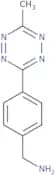

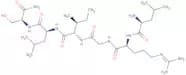

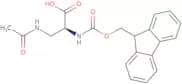
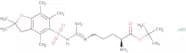
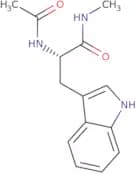

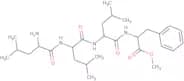

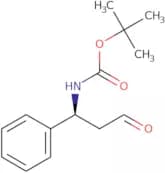



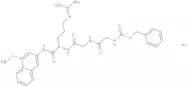


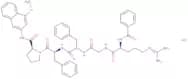

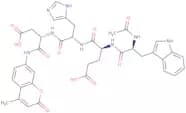
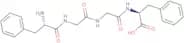
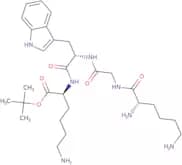
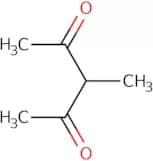

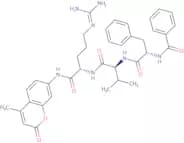


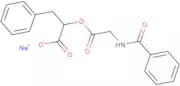
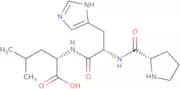

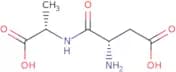


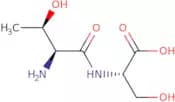

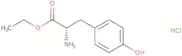


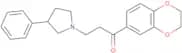
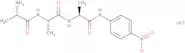

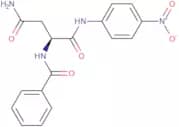

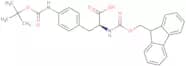
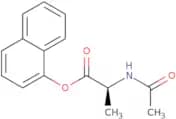
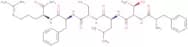
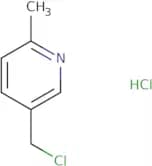
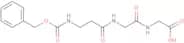


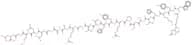
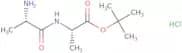

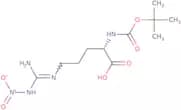

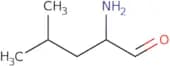
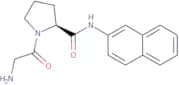


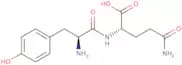
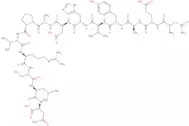
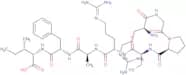
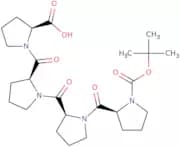
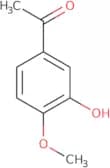

![1-[(3,3-Diphenylpropyl)methylamino]-2-methyl-2-propanol](/_next/image/?url=https%3A%2Fstatic.cymitquimica.com%2Fproducts%2F3D%2Fthumb-webp%2FFD22513.webp&w=3840&q=75)
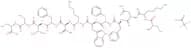

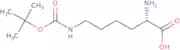
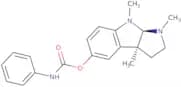

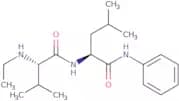
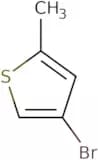
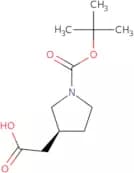


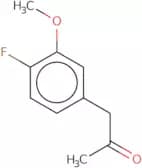
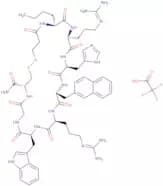
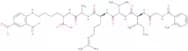

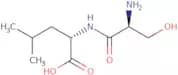
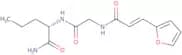
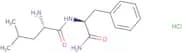

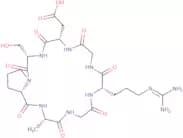
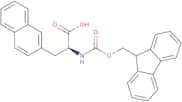
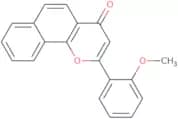
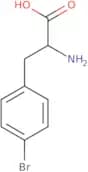
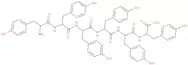
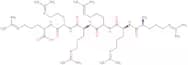
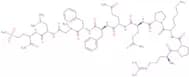
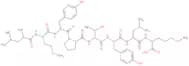
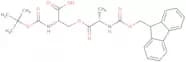
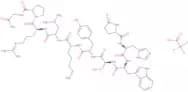

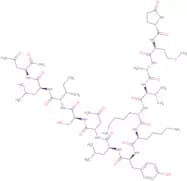
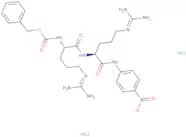

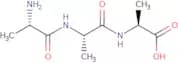
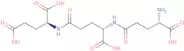
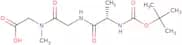

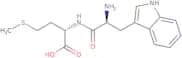

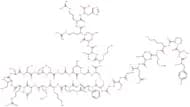
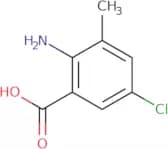

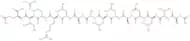
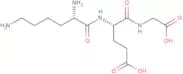
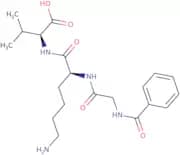
![(S)-9,10-Difluoro-2,3-dihydro-3-methyl-7-oxo-7H-pyrido[1,2,3-de]-1,4-benzoxazine-6-carboxylic acid…](/_next/image/?url=https%3A%2Fstatic.cymitquimica.com%2Fproducts%2F3D%2Fthumb-webp%2FFD21854.webp&w=3840&q=75)
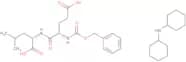
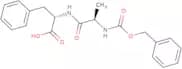
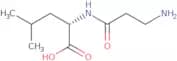

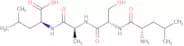
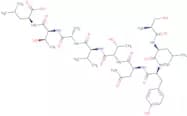
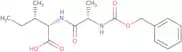
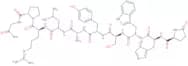

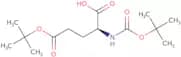
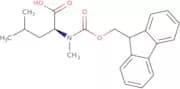
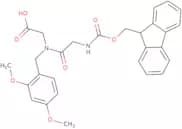
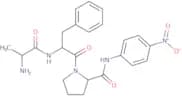

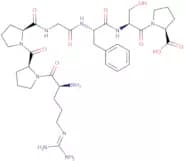

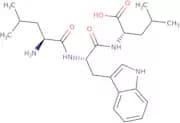



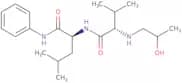
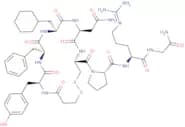

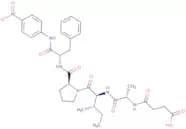


![Fmoc-[D4]Ala-OH](/_next/image/?url=https%3A%2Fstatic.cymitquimica.com%2Fproducts%2F3D%2Fthumb-webp%2FFF111394.webp&w=3840&q=75)