Amino Acids (AA)
Amino acids (AAs) are the fundamental building blocks of proteins, playing a crucial role in various biological processes. These organic compounds are essential for protein synthesis, metabolic pathways, and cell signaling. In this category, you will find a comprehensive range of amino acids, including essential, non-essential, and modified forms, which are vital for research in biochemistry, molecular biology, and nutritional sciences. At CymitQuimica, we provide high-quality amino acids to support your research and development needs, ensuring accuracy and reliability in your experimental outcomes.
Subcategories of "Amino Acids (AA)"
- Amino Acid Derivatives(3,955 products)
- Amino Acid and Amino Acid Related Compounds(3,461 products)
- Amino Acids with Oxygen or Sulphur(168 products)
- Boc- Amino Acids(351 products)
- Fmoc Amino Acids(1,710 products)
Found 38244 products of "Amino Acids (AA)"
Sort by
Purity (%)
0
100
|
0
|
50
|
90
|
95
|
100
H-Arg-Arg-OH acetate salt
CAS:<p>H-Arg-Arg-OH acetate salt is a protease inhibitor. It has been shown to inhibit the activity of serine proteases, such as trypsin and chymotrypsin, in vitro. H-Arg-Arg-OH acetate salt binds to the active site of the enzyme and prevents substrate binding. The acidity of the environment where this inhibitor is active can be used to control its activity. At acidic pH, H-Arg-Arg-OH acetate salt is more potent than at neutral pH. When it comes into contact with a protein substrate, H-Arg-Arg-OH acetate salt will bind to a hydroxyl group on the protein molecule and prevent it from hydrolyzing its substrate. This process can be reversed by adding an alkaline buffer to increase the pH of the system or by adding an acid buffer to decrease it.br>br> H-Arg-Arg-OH acetate salt is found in cyanob</p>Formula:C12H26N8O3Purity:Min. 95%Molecular weight:330.39 g/molFor-Met-Phe-OH
CAS:<p>For-Met-Phe-OH is a synthetic peptide that mimics the amino acid sequence of the human body's natural collagen. It is used as a building block for developing collagen gels, which are used in clinical pathology to identify and quantify cells. For-Met-Phe-OH has been shown to stimulate colony-stimulating factor, which regulates cell proliferation and differentiation. This peptide also plays a role in cell signaling pathways that regulate cell growth and differentiation. For-Met-Phe-OH has been shown to have anti-inflammatory effects by inhibiting the production of inflammatory cytokines.</p>Formula:C15H20N2O4SPurity:Min. 95%Molecular weight:324.4 g/molGastric Inhibitory Polypeptide (1-30) amide (porcine)
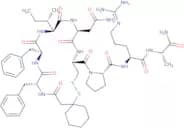
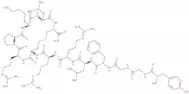
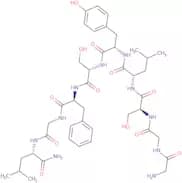
CAS:<p>Please enquire for more information about Gastric Inhibitory Polypeptide (1-30) amide (porcine) including the price, delivery time and more detailed product information at the technical inquiry form on this page</p>Formula:C162H245N41O47SPurity:Min. 95%Molecular weight:3,550.99 g/molFmoc-His(Boc)-OPfp
CAS:<p>The Fmoc-His(Boc)-OPfp is a synthetic peptide that has been shown to bind to angiotensin. It is chemically reactive and can be used in diagnostic assays for the detection of angiotensin. The Fmoc-His(Boc)-OPfp can also be used as a feedback control for sequence analysis, where it monitors the reaction sequence by binding to the last amino acid in the peptide. This binding prevents the formation of an enzyme with the enzyme reaction necessary for cell wall biosynthesis, inhibiting protein synthesis and cell division.</p>Formula:C32H26F5N3O6Purity:Min. 95%Molecular weight:643.56 g/molKentsin
CAS:<p>Kentsin H-Thr-Pro-Arg-Lys-OH is a synthetic peptide that is used as a conditioning agent in vitro and in vivo. It was initially developed as an anti-viral to combat HIV, but has been found to possess contraceptive properties. Kentsin H-Thr-Pro-Arg-Lys-OH inhibits the proliferation of human granulosa cells by blocking ovulation and interfering with the regular development of ovarian follicles. It has been shown to be effective against Pim1, a progesterone receptor on granulosa cells. The concentration response curve for Kentsin H-Thr-Pro-Arg Lys OH shows that it can inhibit ovulation at concentrations as low as 1 μM.</p>Formula:C21H40N8O6Purity:Min. 95%Molecular weight:500.59 g/mol8-Methylnonanal
CAS:<p>8-Methylnonanal is a fatty acid that has been hydrogenated and sulfonated. It is an unsaturated, straight chain, alpha-methylene-containing molecule with the chemical formula CH3(CH2)4CH=CH(CH2)3COOH. 8-Methylnonanal can be used as an additive in polyolefin production to improve processability. 8-Methylnonanal is used as a reaction system for the synthesis of monomers and polymers. In addition, it reacts with sulfuric acid to produce sulfuric acid esters and alkyl sulfonic acids. This chemical also reacts with fatty acids to form various products such as fatty acid methyl esters (FAMEs).</p>Formula:C10H20OPurity:Min. 95%Molecular weight:156.27 g/mol(D-Phe12, Nle 21·38)-CRF (12-41) (human, rat) trifluoroacetate salt
CAS:<p>Please enquire for more information about (D-Phe12, Nle 21·38)-CRF (12-41) (human, rat) trifluoroacetate salt including the price, delivery time and more detailed product information at the technical inquiry form on this page</p>Formula:C158H265N49O43Purity:Min. 95%Molecular weight:3,539.1 g/molZ-Gly-Leu-OH
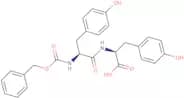
CAS:<p>Z-Gly-Leu-OH is a synthetic peptide that is used as a substrate for proteases. It contains the amino acid sequence Gly-Leu-OH and has been shown to inhibit serine proteases with irreversible inhibition. Z-Gly-Leu-OH inhibits protease activity by binding to the enzyme's active site, which prevents it from catalyzing reactions and stabilizing the product of the reaction. The substrate can be cleaved by a protease in two ways: (1) hydrolysis of the amide bond between Gly and Leu or (2) protonation of the amide bond between Gly and Leu followed by elimination of water. These reactions are reversible because they are dependent on pH. In order to measure enzyme activity using this substrate, it must be conjugated with a fluorescent dye so that fluorescence can be detected following cleavage.</p>Formula:C16H22N2O5Purity:Min. 95%Molecular weight:322.36 g/molH-Asp(OtBu)-2-chlorotrityl resin (200-400 mesh) (Low Substitution)
<p>Please enquire for more information about H-Asp(OtBu)-2-chlorotrityl resin (200-400 mesh) (Low Substitution) including the price, delivery time and more detailed product information at the technical inquiry form on this page</p>Purity:Min. 95%Boc-Ala-Gly-OH
CAS:<p>Boc-Ala-Gly-OH is a synthetic chemotactic peptide. It was originally synthesized in the form of an N-terminal amide and conjugated to a variety of carrier proteins, including bovine serum albumin, ovalbumin, thyroglobulin, and keyhole limpet hemocyanin. Boc-Ala-Gly-OH has been shown to stimulate the growth of various cell types including platelets and erythrocytes, as well as to inhibit tumor growth.</p>Formula:C10H18N2O5Purity:Min. 95%Molecular weight:246.26 g/molBis(4-methylphenyl) sulfone
CAS:<p>Bis(4-methylphenyl) sulfone is an industrial chemical used in the manufacture of other chemicals. It is a sulfone that contains a hydroxyl group and a methylating agent. The reaction solution must be anhydrous and contain sodium carbonate, chloride, and methylating agent. The product can be synthesized by the Suzuki coupling reaction between an alkyl halide and an aryl boronic acid. This process requires activation energies of about 40-45 kcal/mol to drive the reaction forward. The hydrochloric acid reacts with the hydroxyl group on the sulfone to form a chlorosulfonic acid intermediate, which reacts with methylene chloride to produce bis(4-methylphenyl) sulfone. The carbonyl group on this intermediate is activated by adding methoxy groups, which are then replaced by chlorine atoms in order to form bis(4-chlorophenyl) sulfone.</p>Formula:C14H14O2SPurity:Min. 95%Molecular weight:246.33 g/molH-Met-Cys-Glu-Lys-OH trifluoroacetate salt
CAS:<p>Please enquire for more information about H-Met-Cys-Glu-Lys-OH trifluoroacetate salt including the price, delivery time and more detailed product information at the technical inquiry form on this page</p>Formula:C19H35N5O7S2Purity:Min. 95%Molecular weight:509.64 g/molH-Lys-Lys-OH hydrochloride salt
CAS:<p>Please enquire for more information about H-Lys-Lys-OH hydrochloride salt including the price, delivery time and more detailed product information at the technical inquiry form on this page</p>Formula:C12H26N4O3·xHClPurity:Min. 95%Molecular weight:274.36 g/molAcetyl-(D-Phe2)-GRF (1-29) amide (human) trifluoroacetate salt
CAS:<p>Please enquire for more information about Acetyl-(D-Phe2)-GRF (1-29) amide (human) trifluoroacetate salt including the price, delivery time and more detailed product information at the technical inquiry form on this page</p>Formula:C157H252N44O43SPurity:Min. 95%Molecular weight:3,476.02 g/molH-His-Met-OH
CAS:<p>H-His-Met-OH is a histidine derivative that has been shown to have antioxidant properties. It is classified as an amide, and also acts as a chelating agent. The molecule can bind to metal ions and thereby scavenge free radicals. H-His-Met-OH has been shown to have anti-cancer activity in vitro and in vivo against kidney cancer cells. This compound also has the ability to inhibit the growth of Pseudomonas aeruginosa, which is an activated form of this bacterium, by preventing its respiration. H-His-Met-OH inhibits energy metabolism in cancer cells, which may be due to its ability to inhibit glucose uptake by inhibiting the glycolytic pathway.</p>Formula:C11H18N4O3SPurity:Min. 95%Molecular weight:286.35 g/molUroguanylin Topoisomer A (human) trifluoroacetate salt
CAS:<p>Trifluoroacetate salt</p>Formula:C64H102N18O26S4Purity:Min. 95%Molecular weight:1,667.86 g/molH-trans-4,5-Dehydro-DL-Lys-OH·2 HCl
CAS:<p>Please enquire for more information about H-trans-4,5-Dehydro-DL-Lys-OH·2 HCl including the price, delivery time and more detailed product information at the technical inquiry form on this page</p>Formula:C6H12N2O2·2HClPurity:Min. 95%Molecular weight:217.09 g/molFmoc-D-Val-Wang resin (200-400 mesh)
<p>Please enquire for more information about Fmoc-D-Val-Wang resin (200-400 mesh) including the price, delivery time and more detailed product information at the technical inquiry form on this page</p>Purity:Min. 95%D-Threoninol
CAS:<p>Please enquire for more information about D-Threoninol including the price, delivery time and more detailed product information at the technical inquiry form on this page</p>Formula:C4H11NO2Purity:Min. 95%Molecular weight:105.14 g/molLeptin (93-105) (human)
CAS:<p>Please enquire for more information about Leptin (93-105) (human) including the price, delivery time and more detailed product information at the technical inquiry form on this page</p>Formula:C64H110N20O23Purity:Min. 95%Molecular weight:1,527.68 g/mol(D-Trp8)-Somatostatin-14 trifluoroacetate salt
CAS:<p>Please enquire for more information about (D-Trp8)-Somatostatin-14 trifluoroacetate salt including the price, delivery time and more detailed product information at the technical inquiry form on this page</p>Formula:C76H104N18O19S2Purity:Min. 95%Molecular weight:1,637.88 g/mol(Des-Pyr 1,Des-Gly10,D-Leu6,Pro-NHEt 9)-LHRH trifluoroacetate salt
CAS:<p>Please enquire for more information about (Des-Pyr 1,Des-Gly10,D-Leu6,Pro-NHEt 9)-LHRH trifluoroacetate salt including the price, delivery time and more detailed product information at the technical inquiry form on this page</p>Formula:C54H79N15O10Purity:Min. 95%Molecular weight:1,098.3 g/mol4-Iodo-1-methylpyrazole
CAS:<p>4-Iodo-1-methylpyrazole is a reductive agent that is used in organic synthesis. It can be used as a reducing agent for the conversion of aldehydes and ketones to alcohols. 4-Iodo-1-methylpyrazole can be crystallized from diethyl etherate and blood. The product yield from this reaction is high, but it requires an oxidant such as trifluoride or plavix to react with the diacetates. 4-Iodo-1-methylpyrazole can also be synthesized by reacting allylsilanes with iodine gas in the presence of a base. This synthesis method produces 4-iodo-1-methylpyrazole in good yield and with little difficulty.</p>Formula:C4H5IN2Purity:Min. 95%Color and Shape:White To Light (Or Pale) Yellow To Tan SolidMolecular weight:208 g/molBz-Arg-OMe carbonate salt
CAS:<p>Bz-Arg-OMe carbonate salt is a protease inhibitor that binds to the active site of serine proteases, inhibiting their activity. Bz-Arg-OMe carbonate salt has been shown to have inhibitory effects on Leishmania, a protozoan parasite. It is also an inhibitor of fibrinolysis, which may be due to its ability to bind calcium ions and serum albumin. Bz-Arg-OMe carbonate salt has affinity for carbohydrates and interacts with peptides.</p>Formula:C14H20N4O3Purity:Min. 95%Molecular weight:292.33 g/molAc-(6-O-stearoyl)-muramyl-Ala-D-Glu-NH2
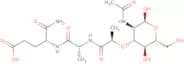
CAS:<p>Please enquire for more information about Ac-(6-O-stearoyl)-muramyl-Ala-D-Glu-NH2 including the price, delivery time and more detailed product information at the technical inquiry form on this page</p>Formula:C37H66N4O12Purity:Min. 95%Color and Shape:White To Off-White SolidMolecular weight:758.94 g/molFmoc-L-aspartic acid β-methylpentyl ester
CAS:<p>Fmoc-L-aspartic acid b-methylpentyl ester is a solid phase synthesis of Asp(OtBu)-OH that has been synthesized by reacting aspartic acid with piperidine and methylbenzene. This synthesis has been shown to be effective at temperatures below 25°C, to minimize the formation of water, and to be resistant to treatments with strong acids or bases. The synthesis has also been optimized for the peptidyl bond formation and peptide synthesis, resulting in enhanced yields.</p>Formula:C25H29NO6Purity:Min. 95%Color and Shape:White PowderMolecular weight:439.5 g/molH-Leu-Trp-Met-Arg-OH
CAS:<p>Histidine is a non-essential amino acid that is found in all living cells. It is a precursor of histamine and can be converted to tryptophan by decarboxylation. Histidine has been found to be essential for growth in some bacteria and yeast, but not in higher plants or animals. The formyl group of histidine can be oxidized to a sulfoxide or reduced to a formyl group. Histidine residues are often found in the protein matrix of proteomic samples, but can also be used as an analyte. The two most common methods for the detection of histidine are matrix-assisted laser desorption/ionization mass spectrometry (MALDI MS) and matrix-assisted laser desorption/ionization time-of-flight mass spectrometry (MALDI TOF MS). These methods allow for the minimization of background interference from other molecules present in the sample, such as tryptophan residues.</p>Formula:C28H44N8O5SPurity:Min. 95%Molecular weight:604.77 g/molSuc-Ala-Ala-Phe-pNA
CAS:<p>Suc-Ala-Ala-Phe-pNA is a peptide that is being studied for its potential to act as an anticancer agent. It inhibits the growth of tumor cells by binding to the neurokinin receptor and thereby blocking the production of substances such as epidermal growth factor, which promote tumor growth. Suc-Ala-Ala-Phe-pNA also has been shown to inhibit the activity of enzymes involved in glucocorticoid receptors, which are proteins that play a key role in regulating the immune response. This peptide also has been shown to be active against mouse skin cells and human prostate cancer cells. In addition, it is believed that this peptide may be useful in gene therapy because it can induce apoptosis in tumor cells without affecting normal tissue.</p>Formula:C25H29N5O8Purity:Min. 95%Molecular weight:527.53 g/molFmoc-Gly-Wang resin (200-400 mesh)
<p>Please enquire for more information about Fmoc-Gly-Wang resin (200-400 mesh) including the price, delivery time and more detailed product information at the technical inquiry form on this page</p>Purity:Min. 95%Fmoc-Arg(Pmc)-OPfp
CAS:<p>Fmoc-Arg(Pmc)-OPfp is an amino acid that belongs to the group of l-amino acids. It has a molecular weight of 121.12 g/mol and a pKa of 9.78, and it can be used in the synthesis of oligopeptides. Fmoc-Arg(Pmc)-OPfp is also a positional isomer, which means that it has the same chemical formula but different spatial arrangements within the molecule. The position for this amino acid is on the N-terminal side of an alpha carbon atom, meaning that there are two chiral centers at this position on either side of the molecule. These two chiral centers are opposite each other, so they are called enantiomers. The conformation of this amino acid is L-amino acid because its amine group faces towards the right when looking at it from below. In addition, Fmoc-Arg(Pmc)-OPfp contains one specific mon</p>Formula:C41H41F5N4O7SPurity:Min. 95%Molecular weight:828.85 g/molH-Pro-Pro-Pro-OH
CAS:<p>H-Pro-Pro-Pro-OH is a synthetic peptide that inhibits the production of reactive oxygen species (ROS) by acting as an antioxidant. It has been shown to have a protective effect on cells, preventing cell death and promoting cell survival. H-Pro-Pro-Pro-OH also has a significant inhibitory effect on superoxide radical production in nanotubes and photoreceptors. It can be used to prevent the oxidation of α-tocopherol, which is a lipid soluble vitamin found in vegetable oils. The three amino acids in the sequence are hydrolysed to proline, which is an essential amino acid for human metabolism, and two dipeptides with chemical structures similar to those found in natural peptides. The peptide was synthesized from proline, histidine and arginine. This molecule can be detected using polyacrylamide gel electrophoresis and fluorescence microscopy with enhanced optical properties as a chromophore.</p>Formula:C15H23N3O4Purity:Min. 95%Molecular weight:309.36 g/molFmoc-Leu-Pro-OH
CAS:<p>Fmoc-Leu-Pro-OH is a benzyl ester that can be used in peptide synthesis. It can be used to remove the benzyl protecting group from the amino acids leucine, proline, and hydroxyproline. Fmoc-Leu-Pro-OH is also capable of cleaving dipeptides and octapeptides. The benzyl ester can be deprotected using anisole and accelerates the reaction. This reagent is irreversible, so it cannot be reused.</p>Formula:C26H30N2O5Purity:Min. 95%Molecular weight:450.53 g/mol4-Methylvaleryl chloride
CAS:<p>4-Methylvaleryl chloride (4MVC) is a thionyl chloride that reacts with 2-pentenoic acid to produce 4-methylvaleric acid. It has been used as a pharmaceutical intermediate and as a potent inhibitor of side-chain cleavage reactions. The reaction time required for the formation of 4MVC depends on the reaction temperature. At room temperature, it takes approximately one hour to form; at 60 degrees Celsius, it takes approximately five minutes to form.</p>Formula:C6H11ClOPurity:Min. 95%Color and Shape:Colorless Clear LiquidMolecular weight:134.6 g/molDnp-Pro-Leu-Gly-Leu-Trp-Ala-D-Arg-NH2 trifluoroacetate salt
CAS:<p>Please enquire for more information about Dnp-Pro-Leu-Gly-Leu-Trp-Ala-D-Arg-NH2 trifluoroacetate salt including the price, delivery time and more detailed product information at the technical inquiry form on this page</p>Formula:C45H64N14O11Purity:Min. 95%Molecular weight:977.08 g/molHymenistatin I Cyclo(-Pro-Pro-Tyr-Val-Pro-Leu-Ile-Ile)
CAS:<p>Hymenistatin I is a cyclic peptide that is synthesized from the natural amino acid L-proline. It has been shown to inhibit tumor growth and is used in the treatment of bladder cancer. The synthesis of Hymenistatin I begins with the protection of proline as an N-tert-butyloxycarbonyl derivative, followed by a sequence of coupling reactions. This synthetic process involves the use of a linker, such as tetrazole or succinimidyl ester, for example. The final product can then be purified by HPLC analysis. Hymenistatin I inhibits calcineurin inhibitor, which are immunosuppressive agents that are used to treat lymphocytic leukemia and other autoimmune diseases.</p>Formula:C47H72N8O9Purity:Min. 95%Molecular weight:893.12 g/molBiotinyl-Amyloid b-Protein (1-42) ammonium salt
CAS:<p>Please enquire for more information about Biotinyl-Amyloid b-Protein (1-42) ammonium salt including the price, delivery time and more detailed product information at the technical inquiry form on this page</p>Formula:C213H325N57O62S2Purity:Min. 95%Molecular weight:4,740.34 g/molFmoc-Phe-Ser(tBu)-OH
CAS:<p>Fmoc-Phe-Ser(tBu)-OH is a pentafluorophenyl ester of the amino acid phenylalanine. It is used in solid-phase peptide synthesis to link amines and carboxylic acids. Fmoc-Phe-Ser(tBu)-OH is used as an intermediate in the synthesis of peptides with a C-terminal amidated or methyl esters. The coupling reaction is catalyzed by 1-hydroxybenzotriazole (HOBT) and N,N'-dicyclohexylcarbodiimide (DCC). HOBT reacts with the hydroxyl group on the β carbon of the ester to form an acetoxy group, which reacts with the amine on the opposite side of the peptide chain to form a new amide bond. DCC reacts with both reactive groups, forming an iminoester intermediate. This intermediate can be hydroly</p>Formula:C31H34N2O6Purity:Min. 95%Molecular weight:530.61 g/molFmoc-Lys(Boc)-Pro-OH
CAS:<p>Fmoc-Lys(Boc)-Pro-OH is a residue that is used in the optimization of peptide synthesis. It is an acid labile protecting group that can be removed by treatment with trichloroacetic acid or hydrogen fluoride. Fmoc-Lys(Boc)-Pro-OH can be used for chemical ligation to other protected amino acids, such as Boc-Lys(Bzl)-OH, to form peptides. The residue has been shown to be useful in systematic optimization of peptide pairings and in the stepwise synthesis of peptides. The residue has also been shown to have a high yield and purity when synthesized by x-ray crystallography.<br>Fmoc-Lys(Boc)-Pro-OH is an amino acid with a molecular weight of 120 Da and consists of two alpha amino acids, L -lysine and L -proline, joined by a peptide bond.</p>Formula:C31H39N3O7Purity:Min. 95%Molecular weight:565.66 g/molAmyloid β-Protein (1-46)
CAS:<p>Please enquire for more information about Amyloid beta-Protein (1-46) including the price, delivery time and more detailed product information at the technical inquiry form on this page</p>Formula:C223H347N59O65SPurity:Min. 95%Molecular weight:4,926.57 g/mol(Thr28, Nle 31)-Cholecystokinin-33 (25-33) (sulfated)
CAS:<p>Please enquire for more information about (Thr28, Nle 31)-Cholecystokinin-33 (25-33) (sulfated) including the price, delivery time and more detailed product information at the technical inquiry form on this page</p>Formula:C55H74N14O18SPurity:Min. 95%Molecular weight:1,251.33 g/molFibronectin Adhesion-Promoting Peptide trifluoroacetate salt
CAS:<p>Fibronectin Adhesion-Promoting Peptide trifluoroacetate salt H-Trp-Gln-Pro-Pro-Arg-Ala-Arg-Ile-OH trifluoroacetate salt (FAP) is a synthetic peptide that promotes fibronectin adhesion. It binds to the amino acid sequence in the C terminal end of fibronectin, which is known to be responsible for binding to actin filaments and growth factors. FAP has been shown to promote wound healing by stimulating the proliferation of corneal epithelial cells in vitro. The mechanism of action of FAP may be due to its ability to bind to chloride ions, which are involved in the regulation of cell proliferation and migration.</p>Formula:C47H74N16O10Purity:Min. 95%Molecular weight:1,023.19 g/mol(Ala2)-Leu-Enkephalin
CAS:<p>Leu-enkephalin is an opioid peptide that is a neurotransmitter in the brain. It is synthesized from the proenkephalin precursor and acts on δ-opioid receptors and kappa-opioid receptors. Leu-enkephalin has been shown to have physiological effects such as analgesia, hypothermia, hyperalgesia, and decreased gastrointestinal motility. Leu-enkephalin also inhibits voltage-dependent calcium channels in neuronal cells by binding to them with high affinity. The binding of leu-enkephalin to these channels affects their function and leads to neuronal death. Disulfide bonds are formed between cysteine residues on leu-enkephalin to stabilize this protein's structure.</p>Formula:C29H39N5O7Purity:Min. 95%Molecular weight:569.65 g/mol5-Fluoro-2-methoxyphenylacetone
CAS:<p>5-Fluoro-2-methoxyphenylacetone is a chemical with a wide array of applications in research and industry. It is a versatile building block, useful intermediate, and reagent for organic synthesis. This compound has been used as a starting material in the synthesis of other compounds. CAS No. 1017082-10-8</p>Formula:C10H11FO2Color and Shape:PowderMolecular weight:182.19 g/molNeuropeptide Y (porcine) trifluoroacetate salt
CAS:<p>Neuropeptide Y (porcine) trifluoroacetate salt H-Tyr-Pro-Ser-Lys-Pro-Asp-Asn-Pro-Gly-Glu-Asp-Ala-Pro-Ala-Glu-Asp-Leu -Ala -Arg Tyr Tyr Ser Ala Leu Arg His Tyr Ile Asn Leu Ile Thr Arg Gln Arg Tyr NH2 trifluoroacetate salt is a peroxidase enzyme that is biotinylated and purified from porcine sources. It has been used as an antiserum in the development of a plate sealer.</p>Formula:C190H287N55O57Purity:Min. 95%Molecular weight:4,253.65 g/molBig Endothelin-3 (22-41) amide (human) trifluoroacetate salt
CAS:<p>Please enquire for more information about Big Endothelin-3 (22-41) amide (human) trifluoroacetate salt including the price, delivery time and more detailed product information at the technical inquiry form on this page</p>Formula:C102H156N30O31Purity:Min. 95%Molecular weight:2,298.51 g/mol4-Methylsulphonylaniline
CAS:<p>4-Methylsulphonylaniline is a reactive compound that can be used as an anticancer agent. It is a quinoline derivative and has been found to have potent antitumor activity against various cancer cell lines, including those resistant to other anticancer agents. The activation energy of this compound is high at 93 kcal/mol and it has been found to react with dimethylformamide (DMF) in the reaction mechanism. 4-Methylsulphonylaniline has also been shown to inhibit the growth of tumor cells in mice by inhibiting DNA synthesis. This molecule also causes DNA damage in cultured cells. 4-Methylsulphonylaniline may also cause environmental pollution because it reacts with sulfadiazine, which is a drug used for the treatment of chronic infections caused by bacteria such as Salmonella typhi and Mycobacterium tuberculosis, leading to the release of methyl sulfone, which can be toxic to aquatic</p>Formula:C7H9NO2SPurity:Min. 95%Molecular weight:171.22 g/molH-Lys-Gly-Gly-Lys-OH acetate salt
CAS:<p>Please enquire for more information about H-Lys-Gly-Gly-Lys-OH acetate salt including the price, delivery time and more detailed product information at the technical inquiry form on this page</p>Formula:C16H32N6O5Purity:Min. 95%Molecular weight:388.46 g/molFmoc-N-(4-boc-aminobutyl)glycine
CAS:<p>Please enquire for more information about Fmoc-N-(4-boc-aminobutyl)glycine including the price, delivery time and more detailed product information at the technical inquiry form on this page</p>Formula:C26H32N2O6Purity:Min. 95%Molecular weight:468.54 g/molHIV Protease Substrate III-B (Native Sequence)
CAS:<p>Please enquire for more information about HIV Protease Substrate III-B (Native Sequence) including the price, delivery time and more detailed product information at the technical inquiry form on this page</p>Formula:C51H90N18O14SPurity:Min. 95%Molecular weight:1,211.44 g/molFluorogenic Human CMV Protease Substrate trifluoroacetate salt
CAS:<p>Please enquire for more information about Fluorogenic Human CMV Protease Substrate trifluoroacetate salt including the price, delivery time and more detailed product information at the technical inquiry form on this page</p>Formula:C73H109N23O18SPurity:Min. 95%Molecular weight:1,628.86 g/molHuman CMV pp65 (495-503) trifluoroacetate salt
CAS:<p>Please enquire for more information about Human CMV pp65 (495-503) trifluoroacetate salt including the price, delivery time and more detailed product information at the technical inquiry form on this page</p>Formula:C42H74N10O12SPurity:Min. 95%Molecular weight:943.16 g/molSauvagine trifluoroacetate salt
CAS:<p>Sauvagine is a trifluoroacetate salt of Pyr-Gly-Pro-Pro-Ile-Ser-Ile-Asp-Leu-Ser-Leu-Glu-Leu-Leu-Arg. It has been used as a model system to study the effects of trifluoroacetic acid on brain functions. Sauvagine has also been shown to have inhibitory effects on cyclase enzymes, which are involved in the synthesis of steroids and other hormones. This compound has also been found to have an effect on locomotor activity and receptor activity.</p>Formula:C202H346N56O63SPurity:Min. 95%Molecular weight:4,599.31 g/molFmoc-D-Trp(Boc)-Wang resin (200-400 mesh)
<p>Please enquire for more information about Fmoc-D-Trp(Boc)-Wang resin (200-400 mesh) including the price, delivery time and more detailed product information at the technical inquiry form on this page</p>Purity:Min. 95%HIV (gp41) Fragment
CAS:<p>HIV (gp41) Fragment H-Ala-Val-Gly-Ile-Gly-Ala-OH is a hydrophobic peptide fragment that is used as an antigen to induce immunity against HIV infection. The sequence of the peptide was obtained by sequencing the human immunodeficiency virus type 1 (HIV). The peptide contains glutamic acid and ornithine, which are necessary for the attachment of gp41 to the target cell surface and for the penetration of the virus into cells. The cyclic peptide induces mononuclear phagocytes to produce antibodies against gp41, which can inhibit infection by HIV.</p>Formula:C21H38N6O7Purity:Min. 95%Molecular weight:486.56 g/molAc-Asp-Tyr(PO3H2)-Val-Pro-Met-Leu-NH2
CAS:<p>Please enquire for more information about Ac-Asp-Tyr(PO3H2)-Val-Pro-Met-Leu-NH2 including the price, delivery time and more detailed product information at the technical inquiry form on this page</p>Formula:C36H56N7O13PSPurity:Min. 95%Molecular weight:857.91 g/molAbz-Amyloid β/A4 Protein Precursor770 (708-715)-Lys(Dnp)-D-Arg-D-Arg-D-Arg amide trifluoroacetate salt
CAS:<p>Please enquire for more information about Abz-Amyloid beta/A4 Protein Precursor770 (708-715)-Lys(Dnp)-D-Arg-D-Arg-D-Arg amide trifluoroacetate salt including the price, delivery time and more detailed product information at the technical inquiry form on this page</p>Formula:C69H114N26O18Purity:Min. 95%Molecular weight:1,595.81 g/molNe-Fmoc-L-lysine
CAS:<p>Ne-Fmoc-L-lysine is an amine with a homopolypeptide backbone. It is insoluble in water and has a low profile. Ne-Fmoc-L-lysine is synthesized using solid phase chemistry, which can be used for the synthesis of nanocarriers. It has been shown to interact with other molecules such as polymers and proteins. Ne-Fmoc-L-lysine can also be used in supramolecular architectures and oriented microscopy techniques.</p>Formula:C21H24N2O4Purity:Min. 95%Molecular weight:368.43 g/mol2-Phenylpropionic acid
CAS:<p>2-Phenylpropionic acid is a reactive chemical that can be synthesized by an asymmetric process. It has been used in the synthesis of nonsteroidal anti-inflammatory drugs, as it inhibits the activity of cyclooxygenase and lipoxygenase enzymes. This chemical also binds to the hydroxyl group on target proteins, inhibiting their function. 2-Phenylpropionic acid is metabolized by microbial metabolism and can inhibit the activity of drug-metabolizing enzymes such as CYP3A4 and CYP2D6. It may also interact with other drugs that are processed by these enzymes, including warfarin and carbamazepine. 2-Phenylpropionic acid is a competitive inhibitor that binds to the active site of an enzyme and blocks its access to its substrate molecule. The binding of 2-phenylpropionic acid to enzyme's active site prevents the reactant from entering and reacting with the enzyme, thereby preventing a</p>Formula:C9H10O2Purity:Min. 95%Color and Shape:Colorless Clear LiquidMolecular weight:150.17 g/molFmoc-Tyr(SO2(ONeopentyl))-OH
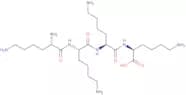
CAS:<p>Please enquire for more information about Fmoc-Tyr(SO2(ONeopentyl))-OH including the price, delivery time and more detailed product information at the technical inquiry form on this page</p>Formula:C29H31NO8SPurity:Min. 95%Molecular weight:553.62 g/molL-Lysyl-L-lysyl-L-lysyl-L-lysyl-L-lysine
CAS:<p>L-Lysyl-L-lysyl-L-lysyl-L-lysyl-L-lysine (LLLLLL) is an antibacterial agent that belongs to the class of pharmacological agents. LLLLLL has been shown to have antibacterial efficacy against oral pathogens, such as Streptococcus mutans and Porphyromonas gingivalis. LLLLLL binds to the bacterial cell wall by forming a covalent disulfide bond with cysteine residues on the peptidoglycan layer. This prevents cell wall synthesis, leading to cell death by inhibiting protein synthesis. LLLLLL has also been shown to have low toxicity in animal models for long periods of time, with high values in human serum.</p>Formula:C30H62N10O6Purity:Min. 95%Molecular weight:658.88 g/molBoc-Pro-Gly-OH
CAS:<p>Boc-Pro-Gly-OH is a synthetic tetrapeptide that is used as a substrate molecule to study collagen hydroxylases. It has been shown to be an excellent substrate for the enzyme collagenase, and its chemical data indicates that it is bound by metal ions. The technique of dichroism was used to confirm the secondary structure of Boc-Pro-Gly-OH. This tetrapeptide has four amino acids, which are proline, glycine, histidine, and hydroxyproline.</p>Formula:C12H20N2O5Purity:Min. 95%Molecular weight:272.3 g/mol1,2-Dipalmitoyl-sn-glycero-3-phosphocholine
CAS:<p>1,2-Dipalmitoyl-sn-glycero-3-phosphocholine (DPPC) is a sodium salt that has the ability to form surfactant bilayers. DPPC is a model system for studying biochemical reactions and the phase transition of lipid bilayers. This compound has been used to study the effects of various drugs on cell membranes in biochemical research. In addition, DPPC has been shown to have hypoglycemic effects in animal models as well as having an anti-inflammatory effect.</p>Formula:C40H80NO8PPurity:Min. 95 Area-%Color and Shape:PowderMolecular weight:734.04 g/molFmoc-Ile-Wang resin (200-400 mesh)
<p>Please enquire for more information about Fmoc-Ile-Wang resin (200-400 mesh) including the price, delivery time and more detailed product information at the technical inquiry form on this page</p>Purity:Min. 95%Ac-Gly-Ala-Lys-AMC trifluoroacetate salt
<p>Please enquire for more information about Ac-Gly-Ala-Lys-AMC trifluoroacetate salt including the price, delivery time and more detailed product information at the technical inquiry form on this page</p>Formula:C23H31N5O6Purity:Min. 95%Molecular weight:473.52 g/molZ-D-Phe-Phe-Gly-OH
CAS:<p>Z-D-Phe-Phe-Gly-OH is a lysosomal carboxypeptidase that hydrolyzes peptides at the C terminus of proteins. It has a wide substrate specificity and can hydrolyze Z-D-Phe-Phe-Gly, Z-Arg-Lys, and L-Arg. This enzyme has been shown to have ion exchange chromatography activity. The elution profile for this enzyme on a sephadex G-100 column was found to have an optimum pH of 7.5 and elutes at a salt concentration of 0.5M NaCl. Carboxypeptidases are enzymes that cleave at the C terminus of proteins to produce smaller peptides or amino acids. They are involved in digestion, blood clotting, and cell signaling processes.</p>Formula:C28H29N3O6Purity:Min. 95%Color and Shape:White Off-White PowderMolecular weight:503.55 g/molH-Val-Arg-Lys-Arg-Thr-Leu-Arg-Arg-Leu-OH
CAS:<p>H-Val-Arg-Lys-Arg-Thr-Leu-Arg-Arg-Leu (HVLAHR) is a synthetic peptide that has been shown to have antiinflammatory properties. The peptide binds to the epidermal growth factor receptor (EGFR) and inhibits the production of proinflammatory cytokines and chemokines, such as IL1α, IL6, IL8, and TNFα. HVLAHR also binds to calmodulin and inhibits protein kinase C (PKC) activity. It has been shown that this peptide has neuroprotective effects in vitro by binding to neurogranin and inhibiting protein phosphorylation. HVLAHR can be used as a model organism in vitro to study protein kinase activity.</p>Formula:C51H100N22O11Purity:Min. 95%Molecular weight:1,197.48 g/molZ-His-Phe-OH
CAS:<p>Please enquire for more information about Z-His-Phe-OH including the price, delivery time and more detailed product information at the technical inquiry form on this page</p>Formula:C23H24N4O5Purity:Min. 95%Molecular weight:436.46 g/molHCV Nucleoprotein (88-96)
CAS:<p>Please enquire for more information about HCV Nucleoprotein (88-96) including the price, delivery time and more detailed product information at the technical inquiry form on this page</p>Formula:C46H60N12O13Purity:Min. 95%Molecular weight:989.04 g/molHIV-1 tat Protein (1-9)
CAS:<p>Tat is a protein from the human immunodeficiency virus type 1 (HIV-1) that is responsible for the regulation of viral gene expression. Tat binds to a cellular receptor, CD4, and enters the cell. The Tat protein forms a ternary complex with transcription factors and RNA polymerase II. This complex then binds to promoter regions of HIV genes and initiates transcription. Tat has been postulated to modulate immune functions such as chemokine production, T-cell activation, and macrophage activation. The HIV-1 tat Protein (1-9) H-Met-Asp-Pro-Val-Asp-Pro-Asn-Ile-Glu-OH has been shown to have an effect on the immune system by affecting chemokines and other immune functions.</p>Formula:C43H68N10O17SPurity:Min. 95%Molecular weight:1,029.12 g/molmPEG9-OH
CAS:<p>mPEG9-OH is a PEG polymer categorised as monofunctional (OH-PEG-X). Used as a linker, mPEG9-OH is used to attached PEG to proteins, peptides, oligonucleotides, nanoparticles and small molecules via pegylation, a bioconjugation technique.</p>Formula:C19H40O10Purity:Min. 95%Molecular weight:428.51 g/molZ-Leu-Arg-4MbNA
CAS:<p>Please enquire for more information about Z-Leu-Arg-4MbNA including the price, delivery time and more detailed product information at the technical inquiry form on this page</p>Formula:C31H40N6O5Purity:Min. 95%Molecular weight:576.69 g/molZ-Val-Ala-Asp-AMC
CAS:<p>Z-Val-Ala-Asp-AMC is a photoactive peptide that is activated by light exposure. This drug has cytostatic and cardiotoxic effects, which may be due to its ability to induce autophagy. Z-Val-Ala-Asp-AMC induces cell death in cancer cells through the activation of caspase independent pathways. It also inhibits nitroprusside induced apoptosis in cultured skin cells, suggesting that it may have therapeutic potential for the treatment of cancer.</p>Formula:C30H34N4O9Purity:Min. 95%Molecular weight:594.61 g/molH-Ala-Ala-Ala-pNA·HCl
CAS:<p>Please enquire for more information about H-Ala-Ala-Ala-pNA·HCl including the price, delivery time and more detailed product information at the technical inquiry form on this page</p>Formula:C15H21N5O5·HClPurity:Min. 95%Molecular weight:387.82 g/molZ-Val-Val-Nle-diazomethylketone
CAS:<p>Please enquire for more information about Z-Val-Val-Nle-diazomethylketone including the price, delivery time and more detailed product information at the technical inquiry form on this page</p>Formula:C25H37N5O5Purity:Min. 95%Molecular weight:487.59 g/molL-threo-(+)-2-Amino-1-(4-nitrophenyl)-1,3-propanediol
CAS:<p>L-threo-(+)-2-amino-1-(4-nitrophenyl)-1,3-propanediol is a functional group that is composed of a fatty acid and an amino acid. It has been shown to inhibit the growth of corynebacterium glutamicum bacteria by hydrolyzing their cell wall. This compound also inhibits the activity of bacterial enzymes that are involved in the synthesis of proteins. This functional group may be useful for the treatment of chronic lymphocytic leukemia and HIV infection.</p>Formula:C9H12N2O4Purity:Min. 95%Color and Shape:PowderMolecular weight:212.2 g/molH-Arg-4MbetaNA hydrochloride salt
CAS:<p>Please enquire for more information about H-Arg-4MbetaNA hydrochloride salt including the price, delivery time and more detailed product information at the technical inquiry form on this page</p>Formula:C17H23N5O2·xHClPurity:Min. 95%Molecular weight:365.86 g/molMca-(Asn670,Leu671)-Amyloid β/A4 Protein Precursor770 (669-674)-Lys(Dnp)
CAS:<p>Please enquire for more information about Mca-(Asn670,Leu671)-Amyloid beta/A4 Protein Precursor770 (669-674)-Lys(Dnp) including the price, delivery time and more detailed product information at the technical inquiry form on this page</p>Formula:C51H67N11O21Purity:Min. 95%Molecular weight:1,170.14 g/molZ-Tyr-Val-Ala-DL-Asp-fluoromethylketone
CAS:<p>Please enquire for more information about Z-Tyr-Val-Ala-DL-Asp-fluoromethylketone including the price, delivery time and more detailed product information at the technical inquiry form on this page</p>Formula:C30H37FN4O9Purity:Min. 95%Molecular weight:616.63 g/molHCV-1 e2 Protein (484-499)
CAS:<p>The HCV-1 e2 protein (484-499) is a peptide that is a fragment of the HCV-1 e2 protein. It has been shown to be neuroprotective in vitro and in vivo, by inhibiting the production of reactive oxygen species and reducing cell death. The HCV-1 e2 protein (484-499) is also able to inhibit inflammatory responses in human pancreatic cells and fibrosis in autoimmune disease models. This peptide could be used as prophylaxis or treatment for neurodegenerative disease, pancreatic cancer, infectious diseases, autoimmune diseases, or fibrotic diseases.</p>Formula:C88H122N20O19S2Purity:Min. 95%Molecular weight:1,828.17 g/molPACAP-38 (6-38) (human, chicken, mouse, ovine, porcine, rat) trifluoroacetate salt
CAS:<p>Please enquire for more information about PACAP-38 (6-38) (human, chicken, mouse, ovine, porcine, rat) trifluoroacetate salt including the price, delivery time and more detailed product information at the technical inquiry form on this page</p>Formula:C182H300N56O45SPurity:Min. 95%Molecular weight:4,024.75 g/molZ-Val-Lys-Lys-Arg-4MbNA hydrochloride salt
CAS:<p>Z-Val-Lys-Lys-Arg-4MbNA is a synthetic peptide that is used for staining of fixed cells. It binds to lysosomal membrane proteins and stains with a red color when reacted with a chromogen. This product is used as an intermediate in the production of monoclonal antibodies. Z-Val-Lys-Lys-Arg-4MbNA is also used to detect lysosomes in unfixed cells by histochemically staining the reaction product with a solution of buffers and biochemical, following incubation at 37°C for 24 hours. This product has been shown to bind to cellular morphology, fibroblasts, and stained tissue sections.</p>Formula:C42H62N10O7Purity:Min. 95%Molecular weight:819 g/molFA-Phe-Phe-OH
CAS:<p>FA-Phe-Phe-OH is a synthetic substrate for the polymerase chain reaction. It has been used in diagnostic tests to identify bacterial or viral infections and to diagnose cancer. This molecule is a mixture of three amino acids: phenylalanine, phenylalanine, and phenylalanine. FA-Phe-Phe-OH is not active against Gram-positive bacteria, but it can be used as an antibiotic against Gram-negative bacteria. The transport properties of this molecule have been shown to be radial and actin filament dependent because it binds to FtsZ proteins at the division site of the cell.</p>Formula:C25H24N2O5Purity:Min. 95%Molecular weight:432.47 g/molPeptide 46
CAS:<p>Peptide 46 is a synthetic peptide that has been shown to be effective in the treatment of cancer. It binds to an antigen-presenting cell, which presents the peptide to a T-cell receptor on a cytotoxic T-cell. The binding of the peptide to this receptor leads to activation of the cytotoxic T-cell, resulting in killing of cells bearing the peptide sequence. This peptide can also be used as an adjuvant for cancer therapy, as it induces regulatory responses in immune cells. Peptide 46 has been shown to have inhibitory effects on intracellular targets and sequences that are involved in regulating gene expression. It can also bind specifically to DNA sequences and linkers that are found in cancer tissues.</p>Formula:C100H174N40O31Purity:Min. 95%Molecular weight:2,432.7 g/molTyrosinase (243-251) (human) acetate salt
CAS:<p>H-KCDICTDEY-OH peptide, corresponding to amino acids 243-251 of human Tyrosinase. The peptide is supplied as an acetate salt.</p>Formula:C44H68N10O18S2Purity:Min. 95%Molecular weight:1,089.2 g/mol(Arg8,des-Gly-NH29)-Vasopressin
CAS:<p>Vasopressin is a hormone that is released from the posterior pituitary gland and stimulates the release of water from the kidneys. Vasopressin binds to receptors in the kidney tubules and increases water permeability and urine volume. Vasopressin also has been shown to be effective in reducing sensitivity to ionizing radiation, which may be due to its ability to bind with sulfur-containing amino acids such as cysteine and glutathione. The radiolabeled form of vasopressin is used as a tracer for measuring lung function, including volumes of air flow, gas density, and gas volume.</p>Formula:C44H61N13O12S2Purity:Min. 95%Molecular weight:1,028.17 g/moltrans-4-Hydroxy-L-proline methyl ester hydrochloride
CAS:<p>Trans-4-hydroxy-L-proline methyl ester hydrochloride is a matrix metalloproteinase inhibitor. It inhibits the activity of matrix metalloproteinases, which are enzymes that break down collagen and other proteins in the extracellular matrix. The inhibition of these enzymes leads to a decrease in restenosis, which is the recurrence of artery narrowing after angioplasty or stent placement. Trans-4-hydroxy-L-proline methyl ester hydrochloride has been shown to be effective against chemokine receptors, including CCR5 receptor and chemokines such as TNFα. It also inhibits cytokine production by inhibiting signaling pathways that lead to inflammation and cell proliferation.</p>Formula:C6H11NO3·HClColor and Shape:White/Off-White SolidMolecular weight:181.62 g/mol(3S)-3-(tert-Butoxycarbonyl)amino-1-chloro-4-phenyl-2-butanone
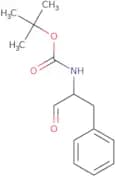
CAS:<p>(3S)-3-(tert-Butoxycarbonyl)amino-1-chloro-4-phenyl-2-butanone is an organic compound that belongs to the class of carbonyl reductase. It is used as a catalyst for the transformation of secondary alcohols to ketones or aldehydes, including isopropyl alcohol. The reaction proceeds via an intermediate carboxylic acid. The enzyme has been found in various microorganisms, and can be purified from Bacillus megaterium and Streptomyces lividans. The enzyme’s activity can be inhibited by steric effects, metal ions, or other compounds. (3S)-3-(tert-Butoxycarbonyl)amino-1-chloro-4-phenyl-2-butanone crystallizes in two forms: one with the chiral center at the 3 position and one with it at the 4 position.</p>Purity:Min. 95%N-(Hydroxymethyl)-phenylacetamide
CAS:<p>N-(Hydroxymethyl)-phenylacetamide is an organic solvent that is used in the synthesis of certain antibiotics. It is a synthetic compound and can be obtained by reacting toluene with benzene, using a strong acid catalyst such as sulfuric acid. N-(Hydroxymethyl)-phenylacetamide has been used in the synthesis of isoquinolones, which are also antibiotics. This organic solvent can also be used for recrystallization, which is a process that helps purify solids from liquids or liquids from solids. The yield of this reaction is high, making it an efficient way to synthesize these compounds.</p>Formula:C9H11NO2Purity:Min. 95%Molecular weight:165.19 g/molZ-Gly-Gly-Phe-bNA
CAS:<p>Please enquire for more information about Z-Gly-Gly-Phe-bNA including the price, delivery time and more detailed product information at the technical inquiry form on this page</p>Formula:C31H30N4O5Purity:Min. 95%Molecular weight:538.59 g/molNeurotensin (8-13)
CAS:<p>Neurotensin is a peptide that regulates the activity of the hypothalamus and pituitary gland. Neurotensin is synthesized from prepro-neurotensin, which is cleaved to produce neurotensin (8-13) H-Arg-Arg-Pro-Tyr-Ile-Leu-OH. It is a member of the tachykinins family of neuropeptides, which are characterized by a conserved disulfide bond. Neurotensin has been shown to increase locomotor activity in mice and rats and may be involved in pain perception. Neurotensin also binds to receptors on nerve cells, including the enkephalin receptor, with high affinity. This binding leads to an inhibition of release of neurotransmitters such as dopamine, serotonin, and acetylcholine by neurons.</p>Formula:C38H64N12O8Purity:Min. 95%Molecular weight:816.99 g/molBz-Nle-Lys-Arg-Arg-AMC trifluoroacetate salt
CAS:<p>Please enquire for more information about Bz-Nle-Lys-Arg-Arg-AMC trifluoroacetate salt including the price, delivery time and more detailed product information at the technical inquiry form on this page</p>Formula:C41H60N12O7·C2HF3O2Purity:Min. 95%Color and Shape:White PowderMolecular weight:832.99 g/molRecA-Like Protein (193-212)
CAS:<p>Please enquire for more information about RecA-Like Protein (193-212) including the price, delivery time and more detailed product information at the technical inquiry form on this page</p>Formula:C93H152N28O29S2Purity:Min. 95%Molecular weight:2,190.51 g/molZ-Arg-AMC hydrochloride salt
CAS:<p>Z-Arg-AMC hydrochloride salt is a proteolytic agent that inhibits serine proteases. It can be used to study the biological function of proteases and as a tool in the kinetic analysis of protease activity. Z-Arg-AMC hydrochloride salt has been shown to inhibit trypsin, chymotrypsin, and elastase enzymes at nanomolar concentrations. This compound also inhibits human pathogens such as enterovirus 71 and herpes simplex virus type 1, which are associated with severe disease symptoms. The structural analysis of Z-Arg-AMC hydrochloride salt has shown it to be a racemic mixture of L-Arginine and D-Arginine with an average molecular weight of 313.5 Da.</p>Formula:C24H27N5O5Purity:Min. 95%Molecular weight:465.5 g/molH-DL-Val-Leu-Arg-pNA acetate salt
CAS:<p>H-DL-Val-Leu-Arg-pNA acetate salt is a natriuretic that is used to treat chronic kidney failure. It has an inhibitory effect on serine protease and epidermal growth factor, which are enzymes involved in the production of atrial natriuretic peptide (ANP). The drug also reduces blood pressure by inhibiting the activity of angiotensin II, which is a potent vasoconstrictor. H-DL-Val-Leu-Arg-pNA acetate salt has been shown to increase urea nitrogen levels by inhibiting the activity of alkaline phosphatase, which breaks down ammonia in the liver.</p>Formula:C23H38N8O5Purity:Min. 95%Molecular weight:506.6 g/molAc-Leu-Glu-Val-Asp-AFC
CAS:<p>Please enquire for more information about Ac-Leu-Glu-Val-Asp-AFC including the price, delivery time and more detailed product information at the technical inquiry form on this page</p>Formula:C32H40F3N5O11Purity:Min. 95%Molecular weight:727.68 g/molH-β-Cyclohexyl-Ala-OMe·HCl
CAS:<p>Please enquire for more information about H-beta-Cyclohexyl-Ala-OMe·HCl including the price, delivery time and more detailed product information at the technical inquiry form on this page</p>Formula:C10H19NO2·HClPurity:Min. 95%Molecular weight:221.72 g/molBoc-Asn-Phe-Pro-aldehyde
CAS:<p>Boc-Asn-Phe-Pro-aldehyde is a cytosolic proteolytic target enzyme that hydrolyzes peptides with an aliphatic amino acid residue at the carboxy terminus. It is localized in the cytoplasm, where it is activated by serine proteases. Boc-Asn-Phe-Pro-aldehyde has been shown to be effective in cell culture and supernatant. This enzyme can also be used to demonstrate the presence of a particular peptide by releasing a reactive chloride, which can be detected using tetrazolium chloride. This protease has been shown to exacerbate inflammation when administered in vivo.</p>Formula:C23H32N4O6Purity:Min. 95%Molecular weight:460.52 g/molH-Leu-Pro-Pro-OH
CAS:<p>H-Leu-Pro-Pro-OH is a synthetic tripeptide that has been shown to increase endothelial function in humans. The peptide is thought to work by increasing nitric oxide production and by inhibiting angiotensin II production. H-Leu-Pro-Pro-OH also reportedly increases uptake of glucose in the intestine and decreases blood pressure. In placebo-controlled, crossover studies, H-Leu-Pro-Pro-OH increased plasma concentrations of angiotensin I and II, suggesting that it may be a potent inhibitor of angiotensin converting enzyme (ACE).</p>Formula:C16H27N3O4Purity:Min. 95%Molecular weight:325.4 g/molH-Gly-DL-Thr-OH
CAS:<p>H-Gly-DL-Thr-OH is an organic compound that is a component of natural phenolic compounds. This compound is generated by the pyrolysis of biomass, and it has been shown to have selective properties for GC-MS analysis. H-Gly-DL-Thr-OH can be used as a sustainable chemical component in the production of biofuels and other chemicals. The optimal conditions for this synthesis are potassium hydroxide, temperature, pressure, and irradiation time. The separation parameters for H-Gly-DL-Thr-OH are based on its GC retention time and mass spectra.</p>Formula:C6H12N2O4Purity:Min. 95%Molecular weight:176.17 g/molZ-Ala-Pro-Phe-chloromethylketone
CAS:<p>Z-Ala-Pro-Phe-chloromethylketone is a cytosolic protein that performs its function by denaturing proteins and is localized in the cytosol. It has been shown to be active against a number of bacteria, including Bacillus licheniformis and Listeria monocytogenes, as well as some fungi. Z-Ala-Pro-Phe-chloromethylketone targets the membrane potential in mitochondria and chloromethyl ketone is a strategy for inhibiting membrane potential in mitochondria. The x-ray diffraction data show that this protein forms a molecule with an alpha helix structure. It binds to the mitochondrial inner membrane by ligation and inhibits mitochondrial membrane potential.</p>Formula:C26H30ClN3O5Purity:Min. 95%Molecular weight:499.99 g/molFibronectin Receptor Peptide (124-131)
CAS:<p>Please enquire for more information about Fibronectin Receptor Peptide (124-131) including the price, delivery time and more detailed product information at the technical inquiry form on this page</p>Formula:C49H72N8O15SPurity:Min. 95%Molecular weight:1,045.21 g/molPlatelet Factor 4 (58-70) (human)
CAS:<p>Please enquire for more information about Platelet Factor 4 (58-70) (human) including the price, delivery time and more detailed product information at the technical inquiry form on this page</p>Formula:C76H133N17O18Purity:Min. 95%Molecular weight:1,572.97 g/molMca-Amyloid β/A4 Protein Precursor770 (667-676)-Lys(Dnp)-Arg-Arg amide trifluoroacetate salt
CAS:<p>Please enquire for more information about Mca-Amyloid beta/A4 Protein Precursor770 (667-676)-Lys(Dnp)-Arg-Arg amide trifluoroacetate salt including the price, delivery time and more detailed product information at the technical inquiry form on this page</p>Formula:C87H129N27O28SPurity:Min. 95%Molecular weight:2,033.19 g/molMeOSuc-Gly-Leu-Phe-AMC
CAS:<p>MeOSuc-Gly-Leu-Phe-AMC is a fluorescent substrate that is used in the study of proteasomes. It binds to reticulums, cytoplasmic proteins, and antigen receptors on the surface of lymphocytes. The MeOSuc-Gly-Leu-Phe-AMC substrate is cleaved by the proteasome into AMC and Gly-Leu fragments. These fragments can be detected using fluorescence spectroscopy or a fluorimeter. This product has been shown to be active against Lymphocytic Choriomeningitis Virus (LCMV).</p>Formula:C32H38N4O8Purity:Min. 95%Molecular weight:606.67 g/molN,S-Bis-Fmoc-glutathione Fmoc-Glu(Cys(Fmoc)-Gly-OH)-OH
CAS:<p>Please enquire for more information about N,S-Bis-Fmoc-glutathione Fmoc-Glu(Cys(Fmoc)-Gly-OH)-OH including the price, delivery time and more detailed product information at the technical inquiry form on this page</p>Formula:C40H37N3O10SPurity:Min. 95%Molecular weight:751.8 g/molH-Val-Ile-His-Thr-EDANS acetate salt
CAS:Controlled Product<p>Please enquire for more information about H-Val-Ile-His-Thr-EDANS acetate salt including the price, delivery time and more detailed product information at the technical inquiry form on this page</p>Formula:C33H48N8O8SPurity:Min. 95%Molecular weight:716.85 g/molZ-Val-Lys-Met-AMC acetate salt
CAS:<p>Bortezomib is a proteasome inhibitor that binds to the catalytic site of the proteasome and inhibits its activity. Bortezomib is used as an anticancer agent to treat multiple myeloma, T-cell lymphomas, and other cancers. It has been shown to inhibit the growth of cancer cells and slow tumor progression in animal models. The drug has also been shown to decrease insulin resistance in mice with high blood sugar levels by inhibiting histone deacetylase (HDAC). This inhibition leads to increased expression of genes that are involved in glucose metabolism and decreased expression of genes that regulate fat production.<br>The drug also binds tightly to the insulin receptor, which may lead to improved glucose uptake into cells.</p>Formula:C34H45N5O7SPurity:Min. 95%Molecular weight:667.82 g/molAlloferon 2 trifluoroacetate salt
CAS:<p>Please enquire for more information about Alloferon 2 trifluoroacetate salt including the price, delivery time and more detailed product information at the technical inquiry form on this page</p>Formula:C46H69N19O15Purity:Min. 95%Molecular weight:1,128.16 g/molMethyl 6-methylnicotinate
CAS:<p>Methyl 6-methylnicotinate is a synthetic compound that has been shown to have cholinergic properties. It is an oxidation catalyst that can be used in the synthesis of methyl nicotinate, which is a drug for the treatment of influenza virus. Methyl 6-methylnicotinate also has been shown to inhibit the replication of influenza virus in vitro and in vivo. Methyl 6-methylnicotinate inhibits viral growth by binding to the antigenic site on hemagglutinin, preventing it from attaching to host cells. This compound also has been shown to inhibit the release of chloride ions in animal models and inhibits neuromuscular transmission. The molecular modeling studies revealed that methyl 6-methylnicotinate binds with high affinity to the active site of acetylcholinesterase enzyme and is able to form a covalent bond with its serine residue, thereby inhibiting its activity.</p>Formula:C8H9NO2Purity:Min. 95%Color and Shape:Colorless PowderMolecular weight:151.16 g/mol1-Boc-pyrrolidine-2,4-dione
CAS:<p>Please enquire for more information about 1-Boc-pyrrolidine-2,4-dione including the price, delivery time and more detailed product information at the technical inquiry form on this page</p>Formula:C9H13NO4Purity:Min. 95%Molecular weight:199.2 g/molH-Gly-D-Val-OH
CAS:<p>H-Gly-D-Val-OH is a nonpolar amino acid that belongs to the group of amino acids. It is one of the 20 standard amino acids used by living cells and is found in proteins. The nitrogen atoms are located at the corners of a rectangle and are involved in hydrogen bonding. H-Gly-D-Val-OH is a component of fatty acids, which are molecules that form an important part of the human diet. Fatty acids are taken up by cells through endocytosis and metabolized within the cell cytoplasm by catabolism or anabolism. H-Gly-D-Val-OH has been shown to have kinetic properties in vitro and can be used as a ternary complex forming agent with glycine and D,L-valine when mixed with water. H Gly D Val OH also acts as a cyclic peptide, which can be synthesized from H Gly D Val OH with the help of</p>Formula:C7H14N2O3Purity:Min. 95%Molecular weight:174.2 g/mol2-Methylthio-N6-threonylcarbamoyladenosine
CAS:<p>A modified form of adenosine found in bacterial and eukaryotic tRNAs</p>Formula:C16H22N6O8SPurity:Min. 95%Color and Shape:PowderMolecular weight:458.45 g/mol2-(Aminomethyl)-2-methyl-1,3-propanediamine trihydrochloride
CAS:<p>Please enquire for more information about 2-(Aminomethyl)-2-methyl-1,3-propanediamine trihydrochloride including the price, delivery time and more detailed product information at the technical inquiry form on this page</p>Formula:C5H15N3•(HCl)3Purity:Min. 95%Color and Shape:PowderMolecular weight:226.57 g/molDABCYL-γ-Abu-Pro-Gln-Gly-Leu-Glu(EDANS)-Ala-Lys-NH2
CAS:<p>Please enquire for more information about DABCYL-gamma-Abu-Pro-Gln-Gly-Leu-Glu(EDANS)-Ala-Lys-NH2 including the price, delivery time and more detailed product information at the technical inquiry form on this page</p>Formula:C63H88N16O14SPurity:Min. 95%Molecular weight:1,325.54 g/mol2-Isobutyl-3-methoxypyrazine
CAS:<p>2-Isobutyl-3-methoxypyrazine is a hydrophobic compound that is not soluble in water. It has a bound form and can be titrated with calorimetry. 2-Isobutyl-3-methoxypyrazine is synthesized by reacting 2,2,4-trimethylpentane with methoxyacetone in the presence of sodium methylate. The compound has been detected as an odorant in numerous plant species and is believed to play a role in plant physiology. 2-Isobutyl-3-methoxypyrazine has been shown to have potent antiviral activity against infectious diseases such as HIV, herpes simplex virus type 1 (HSV1), and varicella zoster virus (VZV). This specific antiviral activity may be due to its ability to bind fatty acids by hydrogen bonds, which may interfere with the synthesis of viral membranes.</p>Formula:C9H14N2OPurity:Min. 95%Molecular weight:166.22 g/molH-Thr(Ac)-OH·HCl
CAS:<p>Please enquire for more information about H-Thr(Ac)-OH·HCl including the price, delivery time and more detailed product information at the technical inquiry form on this page</p>Formula:C6H11NO4·HClPurity:Min. 95%Molecular weight:197.62 g/molEnantio-PAF C-16
CAS:<p>Enantio-PAF C-16, or 3-O-Hexadecyl-2-O-acetyl-sn-glycero-1-phosphocholine, is a biologically inactive enatiomer of platelet-activating factor (PAF). It is a PAF receptor agonist.</p>Formula:C26H54NO7PPurity:Min. 95%Molecular weight:523.68 g/molH-Phe-Met-OH
CAS:<p>H-Phe-Met-OH is a postulated, synthetic, odorant binding molecule that has been reported to have high specificity for leukemia cells. H-Phe-Met-OH binds specifically to the surface of leukemia cells and stabilizes them. It also potentiates the effect of other drugs used in leukemia therapy. These properties make it an ideal candidate for developing new treatments for leukemias.</p>Formula:C14H20N2O3SPurity:Min. 95%Molecular weight:296.39 g/molUrinary Trypsin Inhibitor Fragment
CAS:<p>Urinary Trypsin Inhibitor Fragment H-Arg-Gly-Pro-Cys-Arg-Ala-Phe-Ile-OH is a synthetic peptide that is used as a diagnostic agent. It has been shown to inhibit proinflammatory cytokines in vitro and in vivo. This peptide binds to the amino acid sequences of phospholipase A2, which are found in tumor cells, and can be used for cancer diagnosis. Urinary Trypsin Inhibitor Fragment H-Arg-Gly-Pro-Cys-Arg-Ala-Phe-Ile-OH also binds to DNA methylation, which may be useful for studying DNA methylation patterns in cancer cells.</p>Formula:C40H66N14O9SPurity:Min. 95%Molecular weight:919.11 g/molH-Lys-Met-OH formiate salt
CAS:<p>Please enquire for more information about H-Lys-Met-OH formiate salt including the price, delivery time and more detailed product information at the technical inquiry form on this page</p>Formula:C11H23N3O3SPurity:Min. 95%Molecular weight:277.38 g/molMethoxycarbonyl-D-Nle-Gly-Arg-pNA acetate salt
CAS:<p>Please enquire for more information about Methoxycarbonyl-D-Nle-Gly-Arg-pNA acetate salt including the price, delivery time and more detailed product information at the technical inquiry form on this page</p>Formula:C22H34N8O7Purity:Min. 95%Molecular weight:522.56 g/molMyosin Light Chain Kinase (480-501)
CAS:<p>H-AKKLSKDRMKKYMARRKWQKTG-NH2 peptide, corresponding to 480-501 amnino acids of Myosin Light Chain Kinase. Myosin Light Chain Kinase is a serine/threonine specific protein kinase that phosphorylates the myosin light chain.</p>Formula:C120H209N41O28S2Purity:Min. 95%Molecular weight:2,738.34 g/molAmyloid β-Protein (1-38) trifluoroacetate salt
CAS:<p>Please enquire for more information about Amyloid beta-Protein (1-38) trifluoroacetate salt including the price, delivery time and more detailed product information at the technical inquiry form on this page</p>Formula:C184H277N51O56SPurity:Min. 95%Molecular weight:4,131.54 g/molH-Val-β-Ala-OH
CAS:<p>Please enquire for more information about H-Val-beta-Ala-OH including the price, delivery time and more detailed product information at the technical inquiry form on this page</p>Formula:C8H16N2O3Purity:Min. 95%Molecular weight:188.22 g/molZ-Gly-Pro-Arg-4MbNA acetate salt
CAS:Controlled Product<p>Please enquire for more information about Z-Gly-Pro-Arg-4MbNA acetate salt including the price, delivery time and more detailed product information at the technical inquiry form on this page</p>Formula:C32H39N7O6·C2H4O2Purity:Min. 95%Molecular weight:677.75 g/molMca-Pro-Leu-Gly-Leu-Dap (Dnp)-Ala-Arg-NH2 trifluoroacetate salt
CAS:<p>Please enquire for more information about Mca-Pro-Leu-Gly-Leu-Dap (Dnp)-Ala-Arg-NH2 trifluoroacetate salt including the price, delivery time and more detailed product information at the technical inquiry form on this page</p>Formula:C49H68N14O15Purity:Min. 95%Molecular weight:1,093.15 g/mol2-Hydroxy-5-[(4-{[(6-methoxypyridazin-3-yl)amino]sulfonyl}phenyl)diazenyl]benzoic acid
CAS:<p>Used in treatment of nonspecific ulcerative colitis</p>Formula:C18H15N5O6SPurity:Min. 95%Color and Shape:PowderMolecular weight:429.41 g/molH-Ala-Gly-OH
CAS:<p>H-Ala-Gly-OH is a synthetic amino acid that is used to produce the peptide hormone luteinizing hormone (LH). It has been shown that H-Ala-Gly-OH is an antigen specific antibody response and has a hydrogen bond. The functional groups of H-Ala-Gly-OH include amine, carboxyl, and hydroxyl. Structural analysis of this compound was completed using a kinetic method. The conformational properties of H-Ala-Gly-OH were determined by nmr spectra and titration method. This synthetic amino acid may inhibit protein synthesis in vivo through treatment with carbohydrate.</p>Formula:C5H10N2O3Purity:Min. 95%Molecular weight:146.14 g/molFibronectin Fragment (1377-1388)
CAS:<p>Please enquire for more information about Fibronectin Fragment (1377-1388) including the price, delivery time and more detailed product information at the technical inquiry form on this page</p>Formula:C56H97N19O20Purity:Min. 95%Molecular weight:1,356.49 g/molDnp-Pro-Gln-Gly-Ile-Ala-Gly-Gln-D-Arg-OH
CAS:<p>Dnp-Pro-Gln-Gly-Ile-Ala-Gly-Gln-D-Arg-OH is an activated form of DNP that has been proteolyzed and then carbonylated. It has a ph optimum of 10.5, is reactive in tissue culture, and reacts with collagen. This molecule has clinical response in women, and also shows low expression in human serum. The carbonyl group may be used as a synthetic substrate to generate antibodies against the protein or modified forms of the protein.</p>Formula:C40H61N15O15Purity:Min. 95%Molecular weight:992 g/molH-Lys-Leu-OH acetate salt
CAS:<p>H-Lys-Leu-OH acetate salt is a derivatized amino acid ester that is used for the detection of lysine and leucine. It is used as an analyte in microextraction, with a sensitivity of 0.25 ng/mL, which can be increased to 0.5 ng/mL by derivatization. H-Lys-Leu-OH acetate salt has been used in the detection of acids and bases, particularly carboxylic acids and basic amino acids, respectively.</p>Formula:C12H25N3O3·C2H4O2Purity:Min. 95%Molecular weight:319.4 g/molH-Phe-Phe-Phe-Phe-OH
CAS:<p>Please enquire for more information about H-Phe-Phe-Phe-Phe-OH including the price, delivery time and more detailed product information at the technical inquiry form on this page</p>Formula:C36H38N4O5Purity:Min. 95%Molecular weight:606.71 g/molTyr-CRF (human, rat)
CAS:<p>Please enquire for more information about Tyr-CRF (human, rat) including the price, delivery time and more detailed product information at the technical inquiry form on this page</p>Formula:C217H353N61O65S2Purity:Min. 95%Molecular weight:4,920.63 g/molNeuropeptide Y (human, rat) trifluoroacetate salt
CAS:<p>Please enquire for more information about Neuropeptide Y (human, rat) trifluoroacetate salt including the price, delivery time and more detailed product information at the technical inquiry form on this page</p>Formula:C189H285N55O57SPurity:Min. 95%Molecular weight:4,271.69 g/molBoc-L-isoleucine
CAS:<p>Please enquire for more information about Boc-L-isoleucine including the price, delivery time and more detailed product information at the technical inquiry form on this page</p>Formula:C11H21NO4Purity:Min. 95%Molecular weight:231.29 g/mol1-[(3,3-Diphenylpropyl)methylamino]-2-methyl-2-propanol
CAS:<p>1-[(3,3-Diphenylpropyl)methylamino]-2-methyl-2-propanol is an epoxy that can be synthesized from benzene and lercanidipine. It has been used in the production of cinnamic acid and other molecules. This molecule can be prepared by reacting cinnamic acid with chloromethyl methyl ether in a ring-opening reaction. The chloride ion is utilized as a nucleophile to react with the amide nitrogen atom of the cinnamic acid molecule to form the amide bond. The large-scale production of 1-[(3,3-diphenylpropyl)methylamino]-2-methyl-2-propanol utilizes refluxing to remove water and other byproducts that are formed during the process.</p>Formula:C20H27NOPurity:Min. 95%Molecular weight:297.43 g/mol(Tyr0)-C-Type Natriuretic Peptide (32-53) (human, porcine, rat)
CAS:<p>Please enquire for more information about (Tyr0)-C-Type Natriuretic Peptide (32-53) (human, porcine, rat) including the price, delivery time and more detailed product information at the technical inquiry form on this page</p>Formula:C102H166N28O30S3Purity:Min. 95%Molecular weight:2,360.78 g/molCalcium-Like Peptide
CAS:<p>Please enquire for more information about Calcium-Like Peptide including the price, delivery time and more detailed product information at the technical inquiry form on this page</p>Formula:C40H75N9O10Purity:Min. 95%Molecular weight:842.08 g/molBoc-Tyr(Bzl)-aldehyde
CAS:<p>Please enquire for more information about Boc-Tyr(Bzl)-aldehyde including the price, delivery time and more detailed product information at the technical inquiry form on this page</p>Formula:C21H25NO4Purity:Min. 95%Molecular weight:355.43 g/molH-Gly-Pen-Gly-Arg-Gly-Asp-Ser-Pro-Cys-Ala-OH trifluoroacetate salt (Disulfide bond between Pen2 and Cys9)
CAS:<p>Gly-Pen-Gly-Arg-Gly-Asp-Ser-Pro-Cys (GPEG) is a peptide that modulates the function of muscle cells and is present in collagen. GPEG has been shown to improve oxidative damage, which occurs during exercise. The effect of GPEG on muscle cells is dependent on the dose. Low doses of GPEG activate proteins that are involved in transcription and increases the synthesis of oxidative enzymes, while high doses inhibit these proteins. GPEG also modulates integrin receptor expression and decreases fibronectin production by vascular smooth muscle cells.</p>Formula:C35H57N13O14S2Purity:Min. 95%Molecular weight:948.04 g/molHirudin (55-65) (sulfated)
CAS:<p>Please enquire for more information about Hirudin (55-65) (sulfated) including the price, delivery time and more detailed product information at the technical inquiry form on this page</p>Formula:C64H90N12O27SPurity:Min. 95%Molecular weight:1,491.53 g/molSuc-Ala-Trp-Pro-Phe-pNA
CAS:<p>Suc-Ala-Trp-Pro-Phe-pNA is a cyclosporine analog that inhibits the activity of protein isomerases. It has been shown to inhibit the phosphatase activity of casein and stabilize peptide bonds in bovine serum albumin. Suc-Ala-Trp-Pro-Phe-pNA can also be used as a substrate for tyrosine kinase and amide bond formation. Suc-Ala-Trp-Pro-Phe-pNA is an inhibitor of FK506 binding to its receptor, which may be due to its ability to compete with tyrosine residues for binding sites. This compound also exhibits stabilization effects on protein structures by inhibiting the degradation of proteins by proteolytic enzymes or other chemical agents.</p>Formula:C38H41N7O9Purity:Min. 95%Molecular weight:739.77 g/molAc-Leu-Val-Phe-aldehyde
CAS:<p>Ac-Leu-Val-Phe-aldehyde is a synthetic compound that inhibits the catalytic activity of carboxyl enzymes. It binds to the catalytic site of the enzyme via a noncovalent interaction with residues on the polypeptide chain, thereby preventing the formation of an active complex with other cofactors such as metal ions, amino acids, and ATP. Ac-Leu-Val-Phe-aldehyde can be used in analytical chemistry for determination of carboxyl groups in organic compounds or for determining protein content in biological samples. Ac-Leu-Val-Phe-aldehyde has also been shown to bind to antibodies which are specific for carboxyl groups.</p>Formula:C22H33N3O4Purity:Min. 95%Molecular weight:403.52 g/molLymnaDFamide-1
CAS:<p>LymnaDFamide-1 is a neuropeptide that belongs to the family of c-terminal peptides. It is a dipeptide with a sequence of L-Pro-Tyr-Asp-Arg-Ile-Ser-Asn-Ser-Ala-Phe. This peptide was found in the nervous system of invertebrates, where it is believed to play an important role in the regulation of neurotransmitter release. In mammals, LymnaDFamide has been detected in the brain and in the gallbladder. It may be involved in regulating feeding behavior and gastric motility.</p>Formula:C68H96N18O22Purity:Min. 95%Molecular weight:1,517.6 g/molH-D-Lys-NH2·2 HCl
CAS:<p>Please enquire for more information about H-D-Lys-NH2·2 HCl including the price, delivery time and more detailed product information at the technical inquiry form on this page</p>Formula:C6H15N3O·2HClPurity:Min. 95%Molecular weight:218.12 g/molH-Lys-Gln-Ala-Gly-Asp-Val-OH
CAS:<p>H-Lys-Gln-Ala-Gly-Asp-Val-OH is a synthetic peptide that is used as a research tool. It is synthesized by recombinant e. coli cells and has been shown to have strong affinity for the specific ligand, fluorescence and microbial assays. This synthetic peptide is hydrophilic and can be detected using confocal microscopy. It also exhibits biodegradability in an e. coli environment, which may be due to its lysine residue.</p>Formula:C25H44N8O10Purity:Min. 95%Molecular weight:616.66 g/molH-D-Arg(Me)-OH acetate salt
CAS:Controlled Product<p>H-D-Arg(Me)-OH is a peptide that has been shown to inhibit the proliferation of cancer cells in culture. It inhibits the growth of tumor cells by blocking the activity of the oxytocin receptor, which regulates cell adhesion and migration. The H-D-Arg(Me)-OH acetate salt has also been shown to promote the differentiation of basophilic leukemia cells into normal myeloid cells. This peptide is used as a control for incubated cell cultures, such as liver cells, and can be used to study protein synthesis.</p>Formula:C7H16N4O2Purity:Min. 95%Molecular weight:188.23 g/molN-Boc-glycine
CAS:<p>N-Boc-glycine is a chemical compound used in the synthesis of cyclic peptides. N-Boc-glycine is synthesized by the reaction of glycine with methanol and hydrochloric acid in the presence of an activated form of carbon monoxide. The pharmacokinetic properties of N-Boc-glycine are similar to those for human immunoglobulin, and it can be used as a reference compound for preparative high performance liquid chromatography (HPLC). It has been shown that the nitrogen atoms in N-Boc-glycine are chemically stable, which makes it suitable for asymmetric synthesis. N-Boc-glycine also has potent antagonist effects on biochemical properties such as calcium channel blockade, inhibition of platelet aggregation, and inhibition of neutrophil chemotaxis.</p>Formula:C7H13NO4Purity:Min. 95%Color and Shape:White PowderMolecular weight:175.18 g/molH-Lys-Phe-OH·HCl
CAS:<p>Please enquire for more information about H-Lys-Phe-OH·HCl including the price, delivery time and more detailed product information at the technical inquiry form on this page</p>Formula:C15H23N3O3·HClPurity:Min. 95%Molecular weight:329.82 g/molMastoparan 17 (free acid)
CAS:<p>Please enquire for more information about Mastoparan 17 (free acid) including the price, delivery time and more detailed product information at the technical inquiry form on this page</p>Formula:C70H131N19O16Purity:Min. 95%Molecular weight:1,494.91 g/molCyclo(-Pro-Thr)
CAS:<p>Cyclo(-Pro-Thr) is a cyclic peptide that is derived from the amino acid sequence of serotonin. Cyclo(-Pro-Thr) has been detected in human urine, and it is possible that this compound may be formed by the hydrolysis of serotonin by enzymes such as pipecolate oxidase. The presence of cyclo(-Pro-Thr) in human urine has been correlated with the occurrence of stomach ulcers, which are caused by substances such as famotidine and other proton pump inhibitors. Cyclo(-Pro-Thr) has also been found to inhibit the production of gamma-aminobutyric acid (GABA), which is an important neurotransmitter for controlling muscle tone, blood pressure, and anxiety.</p>Formula:C9H14N2O3Purity:Min. 95%Molecular weight:198.22 g/molH-Gly-Arg-bNA hydrochloride salt
CAS:<p>Please enquire for more information about H-Gly-Arg-bNA hydrochloride salt including the price, delivery time and more detailed product information at the technical inquiry form on this page</p>Formula:C18H24N6O2Purity:Min. 95%Molecular weight:356.42 g/molH-Ile-Ala-OH
CAS:<p>H-Ile-Ala-OH is a high quality product that has been extensively validated for its stability and effectiveness. It is a zymogen that has been shown to be active against pancreatic enzymes. H-Ile-Ala-OH binds to the hydrophobic region of the enzyme, which may be due to hydrogen bonding. The diameter of this molecule is 8.3 Ångströms, which allows it to bind to the enzyme's active site. H-Ile-Ala-OH has been shown to have prognostic value in cancer patients and can be used as a profile marker in porcine cells.</p>Formula:C9H18N2O3Purity:Min. 95%Molecular weight:202.25 g/molSar-Pro-OH
CAS:<p>Please enquire for more information about Sar-Pro-OH including the price, delivery time and more detailed product information at the technical inquiry form on this page</p>Formula:C8H14N2O3Purity:Min. 95%Molecular weight:186.21 g/molSuc-Ala-Leu-Pro-Phe-OH
CAS:<p>Please enquire for more information about Suc-Ala-Leu-Pro-Phe-OH including the price, delivery time and more detailed product information at the technical inquiry form on this page</p>Formula:C27H38N4O8Purity:Min. 95%Molecular weight:546.61 g/mol(Des-octanoyl)-Ghrelin (human) trifluoroacetate salt
CAS:<p>Trifluoroacetate salt</p>Formula:C141H235N47O41Purity:Min. 95%Molecular weight:3,244.67 g/molBz-Phe-Val-Arg-AMC hydrochloride salt
CAS:<p>Bz-Phe-Val-Arg-AMC is a synthetic substrate that is used to measure proteolytic activity. It has been shown to be hydrolyzed by serine proteases, such as trypsin and chymotrypsin, at a rate proportional to the enzyme's concentration. The rate of hydrolysis was determined using a kinetic assay in which the release of AMC from the peptide bond was measured using an ultraviolet spectrophotometer. Bz-Phe-Val-Arg-AMC has also been used to study the effects of various food additives on proteolytic activity. This test can be used as a diagnostic tool for inflammatory diseases, such as Crohn's disease and ulcerative colitis.</p>Formula:C37H43N7O6Purity:Min. 95%Molecular weight:681.78 g/molH-Gly-Pro-Gly-OH
CAS:<p>H-Gly-Pro-Gly-OH is a glycan molecule. It is an artificially synthesized glycan that was designed to act as a neutralizing agent for HIV. It binds to the envelope protein gp120 and prevents it from binding to CD4 receptors on cells, thereby preventing viral entry into the cell. H-Gly-Pro-Gly-OH has also been shown to be effective in neutralizing collagenase activity, which may be useful in treating arthritis and other autoimmune disorders.<br>H-Gly-Pro-Gly-OH has been shown to bind to monoclonal antibodies that are used in the development of cancer treatments, such as Herceptin and Erbitux. This binding is thought to be due to sequences within the antibody that correspond with those found on gp120, the envelope protein of HIV.</p>Formula:C9H15N3O4Purity:Min. 95%Molecular weight:229.23 g/mol2-Phenylpyridine
CAS:<p>2-Phenylpyridine is a heterocyclic organic compound that has been shown to have x-ray crystal structures. It has redox potentials, nitrogen atoms, and a fatty acid group attached. 2-Phenylpyridine has been shown to have nmr spectra that are characteristic of a transfer reaction mechanism. The steric interactions and the biphenyl groups have been shown to have ancillary effects on the reaction mechanism. 2-Phenylpyridine is also known to coordinate in a geometric shape called octahedral, which is most likely due to hydrogen bonding and photophysical properties. The analytical chemistry of this molecule consists of determining its melting point, boiling point, and density. 2-phenylpyridine</p>Formula:C11H9NPurity:Min. 95%Molecular weight:155.2 g/mol(Trp11)-Neurotensin Pyr-Leu-Tyr-Glu-Asn-Lys-Pro-Arg-Arg-Pro-Trp-Ile-Leu-OH
CAS:<p>Neurotensin is a peptide hormone that is found in the brain and gastrointestinal tract. It stimulates the release of acetylcholine, histamine, and serotonin from nerve endings. Neurotensin acts as a neurotransmitter in the brain by binding to specific receptors on presynaptic nerve terminals. The amino acid sequence of neurotensin contains 11 amino acids: Trp-Leu-Tyr-Glu-Asn-Lys-Pro-Arg-Arg-Pro-Trp-Ile. It is labeled with azidobenzoyl (AB) and disuccinimidyl suberate (DSS) for autoradiography studies using gel electrophoresis. The molecular weight of neurotensin is approximately 7,200 daltons.</p>Formula:C80H122N22O19Purity:Min. 95%Molecular weight:1,695.96 g/mol(Asn10,Leu11,D-Trp12)-pTH-Related Protein (7-34) amide (human, mouse, rat)
CAS:<p>Please enquire for more information about (Asn10,Leu11,D-Trp12)-pTH-Related Protein (7-34) amide (human, mouse, rat) including the price, delivery time and more detailed product information at the technical inquiry form on this page</p>Formula:C162H254N50O36Purity:Min. 95%Molecular weight:3,478.07 g/molHepcidin-24 (human) trifluoroacetate salt
<p>Please enquire for more information about Hepcidin-24 (human) trifluoroacetate salt including the price, delivery time and more detailed product information at the technical inquiry form on this page</p>Formula:C109H165N33O28S9Purity:Min. 95%Molecular weight:2,674.28 g/mol8-Boc-3,8-diaza-bicyclo[3.2.1]octane
CAS:<p>8-Boc-3,8-diaza-bicyclo[3.2.1]octane is a functional group that can be used in the preparation of pharmaceutical preparations. It is insoluble in water and soluble in organic solvents. This compound has been shown to be effective in the treatment of neurodegenerative diseases such as Alzheimer's disease and Parkinson's disease. 8-Boc-3,8-diaza-bicyclo[3.2.1]octane has also been shown to have protective effects against sae-cd induced cytotoxicity by upregulating the expression of antiapoptotic proteins Bcl2 and Bclxl, which are important for neuronal cell survival.</p>Formula:C11H20N2O2Purity:Min. 95%Molecular weight:212.29 g/molUrocortin (human) trifluoroacetate salt
CAS:<p>Trifluoroacetate salt</p>Formula:C204H337N63O64Purity:Min. 95%Molecular weight:4,696.24 g/mol(d(CH2)51,D-Phe2,Ile4,Ala-NH29)-Vasopressin b-Mercapto-b,b-cyclopentamethylene-propionyl-D-Phe-Phe-Ile-Asn-Cys-Pro-Arg-Ala-NH2 (Disu lfide bond)
CAS:<p>Please enquire for more information about (d(CH2)51,D-Phe2,Ile4,Ala-NH29)-Vasopressin b-Mercapto-b,b-cyclopentamethylene-propionyl-D-Phe-Phe-Ile-Asn-Cys-Pro-Arg-Ala-NH2 (Disu lfide bond) including the price, delivery time and more detailed product information at the technical inquiry form on this page</p>Formula:C53H78N13O10S2Purity:Min. 95%Molecular weight:1,121.4 g/mol(Hyp 474·477,Gln479)-cyclo-a-Fetoprotein (471-479) (human, lowland gorilla)
CAS:<p>Please enquire for more information about (Hyp 474·477,Gln479)-cyclo-a-Fetoprotein (471-479) (human, lowland gorilla) including the price, delivery time and more detailed product information at the technical inquiry form on this page</p>Formula:C40H63N11O16SPurity:Min. 95%Molecular weight:986.06 g/mol2-methyl-6-(trifluoromethyl)aniline
CAS:<p>2-Methyl-6-(trifluoromethyl)aniline is a colorless, oily liquid with a sulfurous odor. It is soluble in water and alcohol. The reaction rate of 2-methyl-6-(trifluoromethyl)aniline with sulfoxides is faster than that of benzyl anilines, but slower than that of anilino derivatives. The addition of hydrophobic groups to the 2-methyl-6-(trifluoromethyl)aniline molecule increases the reaction rate. 2-Methyl-6-(trifluoromethyl)aniline can be used as an anesthetic agent because it is a potent inhibitor of nerve conduction in sciatic nerves. It also has been shown to be effective in desulfurizing propylene, which is important for the production of polypropylene plastics and synthetic rubber. 2-Methyl-6-(triflu</p>Formula:C8H8F3NPurity:Min. 95%Molecular weight:175.15 g/molH-Lys-Lys-Lys-Lys-OH acetate salt
CAS:<p>H-Lys-Lys-Lys-Lys-OH acetate salt is a fatty acid that has been shown to form stable complexes with DNA and act as an intercalator. It also provides a repair mechanism for DNA, which may be due to its ability to bind to stem cell factor (SCF) and increase the proliferation of stem cells. H-Lys-Lys-Lys-Lys-OH acetate salt has significant cytotoxicity against viruses, such as human immunodeficiency virus type 1 (HIV1) and human papilloma virus type 16. This drug can also be used as an adjuvant in monoclonal antibody production by stimulating the production of antibodies from mouse spleen cells. H-Lys-Lys-Lys-Lys-OH acetate salt has been shown to inhibit the growth of E. coli K12 and Bacteria Corynebacterium diphtheriae, both of</p>Formula:C24H50N8O5Purity:Min. 95%Molecular weight:530.7 g/molBoc-Phe-Merrifield resin (200-400 mesh)
<p>Please enquire for more information about Boc-Phe-Merrifield resin (200-400 mesh) including the price, delivery time and more detailed product information at the technical inquiry form on this page</p>Purity:Min. 95%(D-Lys6)-LHRH trifluoroacetate salt
CAS:<p>Please enquire for more information about (D-Lys6)-LHRH trifluoroacetate salt including the price, delivery time and more detailed product information at the technical inquiry form on this page</p>Formula:C59H84N18O13·xC2HF3O2Purity:Min. 95%Color and Shape:White To Off-White SolidMolecular weight:1,253.41 g/molCys(NPys)-Antennapedia Homeobox (43-58) amide trifluoroacetate salt
CAS:<p>Please enquire for more information about Cys(NPys)-Antennapedia Homeobox (43-58) amide trifluoroacetate salt including the price, delivery time and more detailed product information at the technical inquiry form on this page</p>Formula:C112H176N38O22S3Purity:Min. 95%Molecular weight:2,503.04 g/molFmoc-Trp(Boc)-Thr(Psi(Me,Me)pro)-OH
CAS:<p>Please enquire for more information about Fmoc-Trp(Boc)-Thr(Psi(Me,Me)pro)-OH including the price, delivery time and more detailed product information at the technical inquiry form on this page</p>Formula:C38H41N3O8Purity:Min. 95%Molecular weight:667.75 g/molBiotinyl-Obestatin (rat) trifluoroacetate salt
CAS:<p>Please enquire for more information about Biotinyl-Obestatin (rat) trifluoroacetate salt including the price, delivery time and more detailed product information at the technical inquiry form on this page</p>Formula:C124H188N36O33SPurity:Min. 95%Molecular weight:2,743.11 g/molZ-DL-Lys(Z)-OH
CAS:<p>Please enquire for more information about Z-DL-Lys(Z)-OH including the price, delivery time and more detailed product information at the technical inquiry form on this page</p>Formula:C22H26N2O6Purity:Min. 95%Molecular weight:414.45 g/molAc-muramyl-D-Ala-D-Glu-NH2
CAS:<p>Please enquire for more information about Ac-muramyl-D-Ala-D-Glu-NH2 including the price, delivery time and more detailed product information at the technical inquiry form on this page</p>Formula:C19H32N4O11Purity:Min. 95%Molecular weight:492.48 g/molN-Methyl-N-boc-aminopropan-3-ol
CAS:<p>N-Methyl-N-boc-aminopropan-3-ol is a fine chemical with CAS No. 98642-44-5 that is used in the synthesis of complex compounds, as a reagent for research chemicals, and as a speciality chemical. It is also used in the synthesis of versatile building blocks, reaction components and scaffolds. N-Methyl-N-boc-aminopropan-3-ol has a high quality and can be used as a versatile intermediate or a useful scaffold.</p>Formula:C9H19NO3Purity:Min. 95%Color and Shape:Colourless To Pale Yellow LiquidMolecular weight:189.25 g/molH-Gln-Gly-Pro-OH·TFA
CAS:<p>Please enquire for more information about H-Gln-Gly-Pro-OH·TFA including the price, delivery time and more detailed product information at the technical inquiry form on this page</p>Formula:C12H20N4O5·C2HF3O2Purity:Min. 95%Molecular weight:414.33 g/mol(Cys8·13)-Dynorphin A (1-13) amide
CAS:<p>Please enquire for more information about (Cys8·13)-Dynorphin A (1-13) amide including the price, delivery time and more detailed product information at the technical inquiry form on this page</p>Formula:C69H112N24O14S2Purity:Min. 95%Molecular weight:1,565.91 g/molSarafotoxin B trifluoroacetate salt
CAS:<p>Component of snake venom; part of a family of vasoconstrictor isopeptides</p>Formula:C110H159N27O34S5Purity:Min. 95%Molecular weight:2,563.93 g/molFmoc-Ile-Ser(Psi(Me ,Me)pro)-OH
CAS:<p>Please enquire for more information about Fmoc-Ile-Ser(Psi(Me ,Me)pro)-OH including the price, delivery time and more detailed product information at the technical inquiry form on this page</p>Formula:C27H32N2O6Purity:Min. 95%Molecular weight:480.55 g/molH-Met-Thr-OH
CAS:<p>Met-Thr-OH is a peptide binding inhibitor that is used as a research tool for determining the role of metalloproteins in vivo. Methionine aminopeptidase (MetAP) is an enzyme that cleaves methionine from protein and peptides and has been shown to play a vital role in cancer progression. MetAP has been shown to be inhibited by Met-Thr-OH, which binds to the enzyme's active site and blocks its activity. The inhibition of MetAP limits the production of proteins involved in cell growth and proliferation, leading to reductions in tumor size. This inhibition may also be due to the inhibition of other functional groups such as phosphorylation, dephosphorylation, or nitrosylation.</p>Formula:C9H18N2O4SPurity:Min. 95%Molecular weight:250.32 g/molH-D-Phe-His-Leu-Leu-Arg-Glu-Val-Leu-Glu-Nle-Ala-Arg-A la-Glu-Gln-Leu-Ala-Gln-Gln-Ala-His-Ser-Asn-Arg-Lys-a-Me-Leu-Nle-Glu-Ile-Ile-NH 2 trifluoroacetate salt
CAS:<p>Please enquire for more information about H-D-Phe-His-Leu-Leu-Arg-Glu-Val-Leu-Glu-Nle-Ala-Arg-A la-Glu-Gln-Leu-Ala-Gln-Gln-Ala-His-Ser-Asn-Arg-Lys-a-Me-Leu-Nle-Glu-Ile-Ile-NH 2 trifluoroacetate salt including the price, delivery time and more detailed product information at the technical inquiry form on this page</p>Formula:C159H267N49O43Purity:Min. 95%Molecular weight:3,553.13 g/mol(Sar 9,Met(O2)11)-Substance P
CAS:<p>Substance P is a neuropeptide that is found in the brain and throughout the peripheral nervous system. It has been found to be involved in numerous physiological processes, including pain transmission, vasodilation, and inflammation. Substance P binds to neurokinin-1 receptor (NK-1R) with high affinity. NK-1R has been shown to be localized on cells of the submandibular gland and salivary gland. Techniques such as binding experiments have shown that substance P binds to NK-1R with high affinity and is therefore likely involved in salivation and other functions of these glands.</p>Formula:C64H100N18O15SPurity:Min. 95%Molecular weight:1,393.66 g/molBoc-Phe-PAM resin (200-400 mesh)
<p>Please enquire for more information about Boc-Phe-PAM resin (200-400 mesh) including the price, delivery time and more detailed product information at the technical inquiry form on this page</p>Purity:Min. 95%(Gly22)-Amyloid b-Protein (1-40) trifluoroacetate salt
CAS:<p>Please enquire for more information about (Gly22)-Amyloid b-Protein (1-40) trifluoroacetate salt including the price, delivery time and more detailed product information at the technical inquiry form on this page</p>Formula:C191H291N53O56SPurity:Min. 95%Molecular weight:4,257.74 g/molDABCYL-Glu-Arg-Nle-Phe-Leu-Ser-Phe-Pro-EDANS trifluoroacetate salt
CAS:<p>Please enquire for more information about DABCYL-Glu-Arg-Nle-Phe-Leu-Ser-Phe-Pro-EDANS trifluoroacetate salt including the price, delivery time and more detailed product information at the technical inquiry form on this page</p>Formula:C76H98N16O15SPurity:Min. 95%Molecular weight:1,507.76 g/mol2'-Methoxy-α-naphthoflavone
CAS:<p>2'-Methoxy-alpha-naphthoflavone is a fine chemical that can be synthesized from naphthalene, benzaldehyde, and methoxyacetic acid. It is a versatile building block for research chemicals and has been shown to have high quality. 2'-Methoxy-alpha-naphthoflavone has been used as a reaction component in the synthesis of complex compounds with interesting biological activities.</p>Formula:C20H14O3Purity:Min. 95%Molecular weight:302.32 g/mol(R)-4-N-Boc-2-hydroxymethyl-piperazine
CAS:<p>Please enquire for more information about (R)-4-N-Boc-2-hydroxymethyl-piperazine including the price, delivery time and more detailed product information at the technical inquiry form on this page</p>Formula:C10H20N2O3Purity:Min. 95%Molecular weight:216.28 g/mol(Des-Bromo)-Neuropeptide B (1-23) (human) trifluoroacetate salt
CAS:<p>Please enquire for more information about (Des-Bromo)-Neuropeptide B (1-23) (human) trifluoroacetate salt including the price, delivery time and more detailed product information at the technical inquiry form on this page</p>Formula:C107H162N30O30Purity:Min. 95%Molecular weight:2,348.62 g/molBiotinyl-MCH (salmon) trifluoroacetate salt
CAS:<p>Please enquire for more information about Biotinyl-MCH (salmon) trifluoroacetate salt including the price, delivery time and more detailed product information at the technical inquiry form on this page</p>Formula:C99H153N29O26S5Purity:Min. 95%Molecular weight:2,325.78 g/molH-Leu-Gly-bNA
CAS:<p>H-Leu-Gly-bNA is a chromogenic, dipeptide, which has been shown to react with 2-naphthylamine in the presence of condensation agents and carboxylic acid to form a carboxy group. The amino group on the terminal Leu residue reacts with the carboxy group to form an amide bond. This reaction is used as a method for detecting bNA.</p>Formula:C18H23N3O2Purity:Min. 95%Molecular weight:313.39 g/molLeptin (116-130) amide (mouse) trifluoroacetate salt
CAS:<p>Amide; Trifluoroacetate salt</p>Formula:C64H109N19O24SPurity:Min. 95%Molecular weight:1,560.73 g/molCyclo(-Gly-Arg-Gly-Asp-Ser-Pro-Ala)
CAS:<p>Cyclo(-Gly-Arg-Gly-Asp-Ser-Pro-Ala) is a cyclic peptide that has a conformational interaction with fibrinogen. Cyclo(-Gly-Arg-Gly-Asp-Ser-Pro-Ala) binds to the FGA binding site on fibrinogen, preventing the formation of the fibrin clot. Cyclo(-Gly-Arg-Gly-Asp-Ser-Pro-Ala) has been shown to activate platelets, which may be due to its ability to increase levels of cAMP and activate protein kinase A. Cyclo(-Gly-Arg-Gly-Asp-) also has an affinity for monoclonal antibodies, which may be due to its high molecular electrostatic potential or its synthetic nature.</p>Formula:C25H40N10O10Purity:Min. 95%Molecular weight:640.65 g/molH-Trp-Gly-Tyr-OH
CAS:<p>H-Trp-Gly-Tyr-OH is a carbohydrate binding molecule that has been shown to have an anhydrase activity. It also has sequences with homologous enzymes in other organisms, such as multienzyme and chromatographic enzymes. This molecule is soluble in water and insoluble in organic solvents. H-Trp-Gly-Tyr-OH binds to hemicellulosic carbohydrates and catarrhine carbonic anhydrase, which are found only in higher primates. Mutational analysis has shown that the H-Trp-Gly-Tyr-OH protein can be converted into a cyclopentadienyl derivative, which is not found in nature.</p>Formula:C22H24N4O5Purity:Min. 95%Molecular weight:424.45 g/molZ-Tyr-Tyr-OH
CAS:<p>Please enquire for more information about Z-Tyr-Tyr-OH including the price, delivery time and more detailed product information at the technical inquiry form on this page</p>Formula:C26H26N2O7Purity:Min. 95%Molecular weight:478.49 g/molZ-Ala-Pro-OH
CAS:<p>Z-Ala-Pro-OH is a synthetic, analog substrate for serine proteases. It is used as a target cell for schistosomiasis, which are parasitic worms that infect humans and cause the disease. The molecule is localized in the digestive tract of the parasite, where it has biochemical properties that are analogous to those found in the natural substrate (serine protease) of this organism. Z-Ala-Pro-OH has been shown to inhibit the growth of various species of schistosomes, including Schistosoma mansoni. It also has immunoregulatory properties and can be used to stimulate antibody production by B cells when combined with an antigen.</p>Formula:C16H20N2O5Purity:Min. 95%Molecular weight:320.34 g/molN2,N6-Bis-cbz-L-lysine
CAS:<p>N2,N6-Bis-cbz-L-lysine is a synthetic acid transporter that is used to inhibit the transport of lysine across the cell membrane. It is an amide, which can be synthesized from lysine and benzoyl chloride. This compound has been shown to have an inhibitory effect on tumor growth in vitro and in vivo. N2,N6-Bis-cbz-L-lysine is active when targeting acidic environments such as tumors. The carbonyl group of this molecule reacts with the hydroxyl group at C4′ on the ribose ring of nucleosides to form a 1,2 diol moiety. This reaction leads to inhibition of DNA synthesis by preventing RNA polymerase from binding to DNA.</p>Formula:C22H26N2O6Purity:Min. 95%Color and Shape:PowderMolecular weight:414.45 g/molAnti-Inflammatory Peptide 2
CAS:<p>Anti-inflammatory peptide 2 (AIP2) is a small peptide that has been shown to have anti-inflammatory activity. AIP2 inhibits the production of inflammatory mediators such as prostaglandins and leukotrienes. The synthesis of AIP2 is regulated by a hydroxyl group, which may be important for its therapeutic use. AIP2 does not have any side effects and can be used in the treatment of inflammation. <br>The active form of AIP2 is generated from the amino acid sequence H-His-Asp-Met-Asn-Lys-Val-Leu-Asp-Leu. It has been shown that this sequence also inhibits protein synthesis, leading to cell death by inhibiting the production of proteins vital for cell division. <br>The molecular weight of AIP2 is 706 Da and it has two disulfide bonds and two ester linkages. The metal chelate was found to bind with</p>Formula:C46H77N13O15SPurity:Min. 95%Molecular weight:1,084.25 g/molH-His-Leu-His-bNA acetate salt
CAS:<p>Please enquire for more information about H-His-Leu-His-bNA acetate salt including the price, delivery time and more detailed product information at the technical inquiry form on this page</p>Formula:C28H34N8O3Purity:Min. 95%Molecular weight:530.62 g/molType A Allatostatin III
CAS:<p>Please enquire for more information about Type A Allatostatin III including the price, delivery time and more detailed product information at the technical inquiry form on this page</p>Formula:C42H62N10O12Purity:Min. 95%Molecular weight:899 g/mol
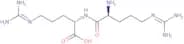




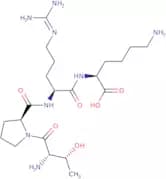
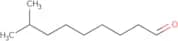

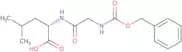
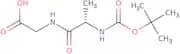

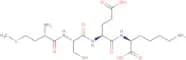
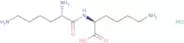

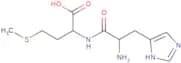
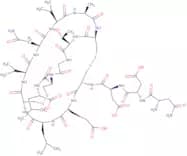
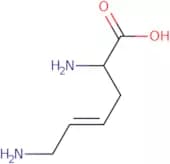

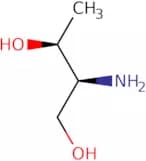

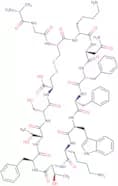
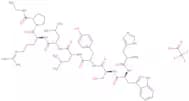
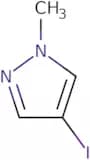
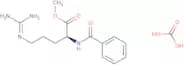
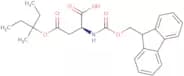

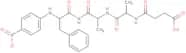
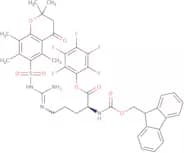

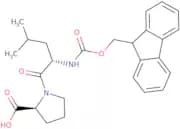
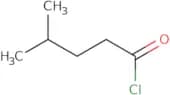


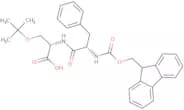
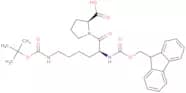


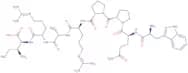

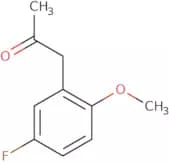

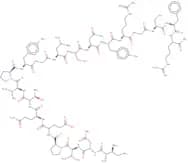
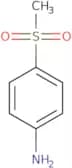


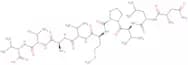


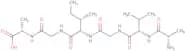

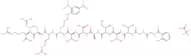

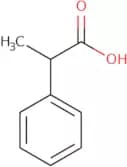
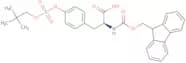
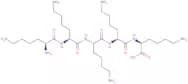
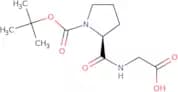


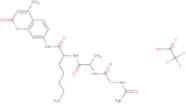
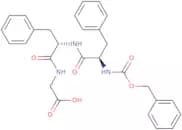
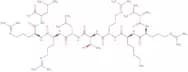
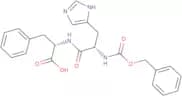
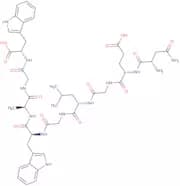
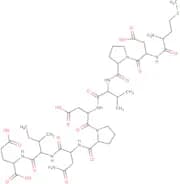

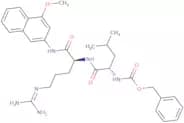

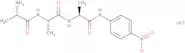
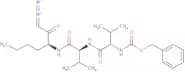
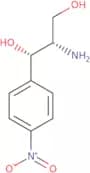
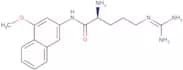

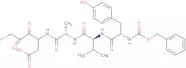
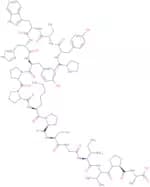
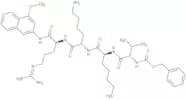
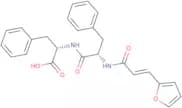

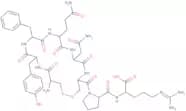
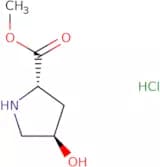
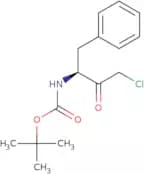
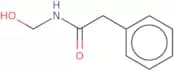
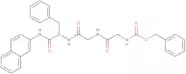
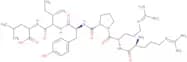
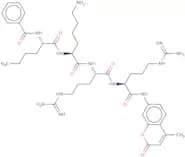
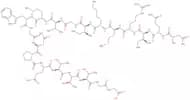

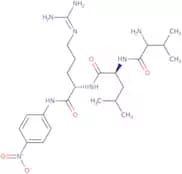
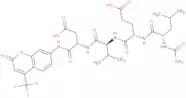

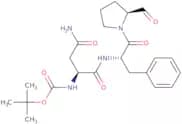


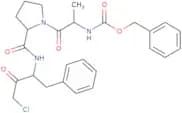
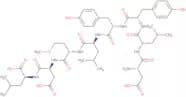
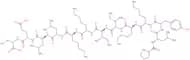
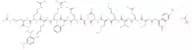
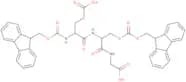
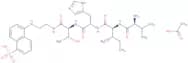
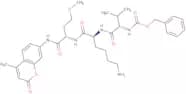

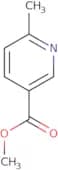

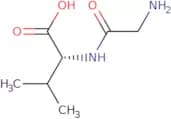

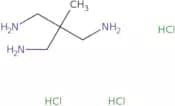
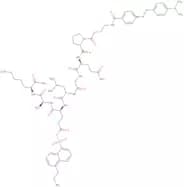
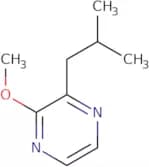

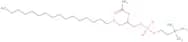
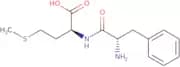
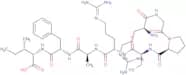
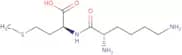
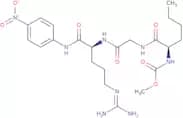
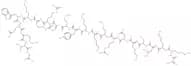

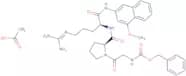
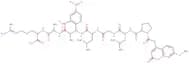
![2-Hydroxy-5-[(4-{[(6-methoxypyridazin-3-yl)amino]sulfonyl}phenyl)diazenyl]benzoic acid](/_next/image/?url=https%3A%2Fstatic.cymitquimica.com%2Fproducts%2F3D%2Fthumb-webp%2FFH134950.webp&w=3840&q=75)
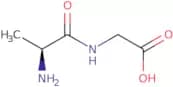

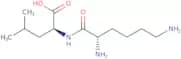
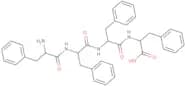


![1-[(3,3-Diphenylpropyl)methylamino]-2-methyl-2-propanol](/_next/image/?url=https%3A%2Fstatic.cymitquimica.com%2Fproducts%2F3D%2Fthumb-webp%2FFD22513.webp&w=3840&q=75)
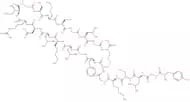
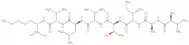
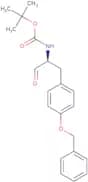
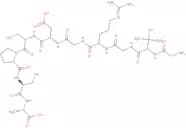

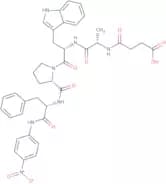
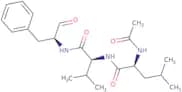


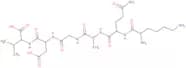


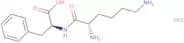

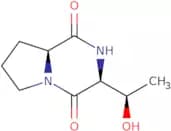

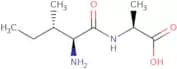


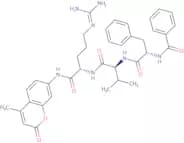

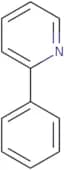
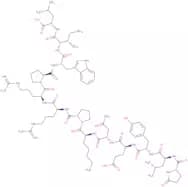

![8-Boc-3,8-diaza-bicyclo[3.2.1]octane](/_next/image/?url=https%3A%2Fstatic.cymitquimica.com%2Fproducts%2F3D%2Fthumb-webp%2FFB29382.webp&w=3840&q=75)