Amino Acids (AA)
Amino acids (AAs) are the fundamental building blocks of proteins, playing a crucial role in various biological processes. These organic compounds are essential for protein synthesis, metabolic pathways, and cell signaling. In this category, you will find a comprehensive range of amino acids, including essential, non-essential, and modified forms, which are vital for research in biochemistry, molecular biology, and nutritional sciences. At CymitQuimica, we provide high-quality amino acids to support your research and development needs, ensuring accuracy and reliability in your experimental outcomes.
Subcategories of "Amino Acids (AA)"
- Amino Acid Derivatives(3,955 products)
- Amino Acid and Amino Acid Related Compounds(3,461 products)
- Amino Acids with Oxygen or Sulphur(168 products)
- Boc- Amino Acids(351 products)
- Fmoc Amino Acids(1,710 products)
Found 38244 products of "Amino Acids (AA)"
Sort by
Purity (%)
0
100
|
0
|
50
|
90
|
95
|
100
H-Tyr-Trp-OH
CAS:<p>H-Tyr-Trp-OH is a synthetic, constant ligand for nuclear receptors. It has been shown to be active in the cerebral cortex, with a brain concentration of about 1 µM at steady state. This compound has been shown to be an agonist of the transcription factor nuclear receptor peroxisome proliferator-activated receptor alpha (PPARα) and can be used as a potential therapeutic agent for Alzheimer's disease. H-Tyr-Trp-OH has also been shown to enhance phosphorylation of the microtubule protein tau in cultured cortical neurons, which may have implications for the treatment of Parkinson's disease.</p>Formula:C20H21N3O4Purity:Min. 95%Molecular weight:367.4 g/mol4-Nitro-Z-Gly-Cys(7-nitro-benzo[2,1,3]oxadiazol-4-yl)-Gly-OH
CAS:<p>Please enquire for more information about 4-Nitro-Z-Gly-Cys(7-nitro-benzo[2,1,3]oxadiazol-4-yl)-Gly-OH including the price, delivery time and more detailed product information at the technical inquiry form on this page</p>Formula:C21H19N7O11SPurity:Min. 95%Molecular weight:577.48 g/molZ-Gly-Pro-Arg-pNA acetate salt
CAS:Controlled Product<p>Please enquire for more information about Z-Gly-Pro-Arg-pNA acetate salt including the price, delivery time and more detailed product information at the technical inquiry form on this page</p>Formula:C27H34N8O7·C2H4O2Purity:Min. 98 Area-%Color and Shape:PowderMolecular weight:642.66 g/molLys-Lys-IRS-1 (891-902) (dephosphorylated) (human) trifluoroacetate salt
CAS:<p>Please enquire for more information about Lys-Lys-IRS-1 (891-902) (dephosphorylated) (human) trifluoroacetate salt including the price, delivery time and more detailed product information at the technical inquiry form on this page</p>Formula:C73H114N18O22Purity:Min. 95%Molecular weight:1,595.79 g/molH-His-Pro-NH2·2 HBr
CAS:<p>Please enquire for more information about H-His-Pro-NH2·2 HBr including the price, delivery time and more detailed product information at the technical inquiry form on this page</p>Formula:C11H17N5O2·2HBrPurity:Min. 95%Molecular weight:413.11 g/molH-Gly-Gly-Glu-OH
CAS:<p>H-Gly-Gly-Glu-OH is a hydrolysate of the proteasome peptide. It has reversed-phase and liquid chromatography properties, which make it a useful biochemical tool for the analysis of proteins. The carboxylate group at the end of H-Gly-Gly-Glu-OH can be used as an isopeptide to determine the sequence of peptides that are synthesized by a prokaryotic or eukaryotic cell. H-Gly-Gly-Glu-OH can also be used to cleave ligation products in order to analyse them.</p>Formula:C9H15N3O6Purity:Min. 95%Molecular weight:261.23 g/molFmoc-Gln(1-adamantyl)-OH
CAS:<p>Please enquire for more information about Fmoc-Gln(1-adamantyl)-OH including the price, delivery time and more detailed product information at the technical inquiry form on this page</p>Formula:C30H34N2O5Purity:Min. 95%Molecular weight:502.6 g/mol4-Iodo-1-methyl-1H-imidazole
CAS:<p>4-Iodo-1-methyl-1H-imidazole is a trifluoroethylamine that inhibits the activity of tyrosine kinases. It binds to the active site of tyrosine kinase and prevents the binding of ATP, preventing phosphorylation and activation of downstream substrates. 4-Iodo-1-methyl-1H-imidazole has been shown to inhibit the proliferation of tumor xenografts in mice, as well as inhibiting headgroup binding and cellular proliferation in vitro. This agent also has a nanomolar range and high selectivity for protein kinases, which may make it suitable for therapeutic purposes.</p>Formula:C4H5IN2Purity:Min. 95%Molecular weight:208 g/molBoc-D-Asp-OFm
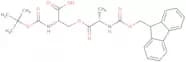
CAS:<p>Please enquire for more information about Boc-D-Asp-OFm including the price, delivery time and more detailed product information at the technical inquiry form on this page</p>Formula:C23H25NO6Purity:Min. 95%Molecular weight:411.45 g/molSuc-Ala-Ala-Pro-Phe-SBzl
CAS:<p>Suc-Ala-Ala-Pro-Phe-SBzl is a synthetic peptide with a sequence similar to the signal peptide of procarboxypeptidase B2. It has been shown that Suc-Ala-Ala-Pro-Phe-SBzl can be used as a diagnostic tool for pancreatic cancer, because it is found in higher concentrations in the blood of patients with pancreatic cancer. This peptide also has an affinity for metal ions, which allows it to be used as a probe to detect the presence of these ions in solution. Suc-Ala-Ala-Pro-Phe-SBzl binds to human immunoglobulin G (IgG) and can be used in analytical methods that use x ray diffraction data.</p>Formula:C31H38N4O7SPurity:Min. 95%Molecular weight:610.72 g/molH-Val-Thr-Cys-Gly-OH
CAS:<p>Please enquire for more information about H-Val-Thr-Cys-Gly-OH including the price, delivery time and more detailed product information at the technical inquiry form on this page</p>Formula:C14H26N4O6SPurity:Min. 95%Molecular weight:378.45 g/molBAM-12P (7-12)
CAS:<p>Please enquire for more information about BAM-12P (7-12) including the price, delivery time and more detailed product information at the technical inquiry form on this page</p>Formula:C29H52N12O9Purity:Min. 95%Molecular weight:712.8 g/molH-Val-Val-OH
CAS:<p>H-Val-Val-OH is a compound that has been shown to inhibit uptake of proton from the environment. It was found to be an effective inhibitor of both protein and lipid uptake in cell culture studies. These effects may be due to its ability to form hydrogen bonds with water molecules, which are required for transport across the membrane. FTIR spectroscopy data show that H-Val-Val-OH forms intermolecular hydrogen bonding with other molecules. Linear regression analysis of FTIR spectroscopic data on H-Val-Val-OH has revealed the presence of nitrogen atoms, which may play a role in its function as an inhibitor.</p>Formula:C10H20N2O3Purity:Min. 95%Molecular weight:216.28 g/molMast Cell Degranulating (MCD) Peptide HR-1
CAS:<p>Please enquire for more information about Mast Cell Degranulating (MCD) Peptide HR-1 including the price, delivery time and more detailed product information at the technical inquiry form on this page</p>Formula:C71H133N19O15Purity:Min. 95%Molecular weight:1,492.93 g/molAc-Cys-Nle-Arg-His-D-2-Nal-Arg-Trp-Gly-Cys-NH2
CAS:<p>Please enquire for more information about Ac-Cys-Nle-Arg-His-D-2-Nal-Arg-Trp-Gly-Cys-NH2 including the price, delivery time and more detailed product information at the technical inquiry form on this page</p>Formula:C58H79N19O10S2Purity:Min. 95%Molecular weight:1,266.5 g/mol2,3-Dibromo-N-methylmaleimide
CAS:<p>2,3-Dibromo-N-methylmaleimide is a synthetic compound that can be used as an anticancer agent. It inhibits the proliferation of endothelial cells and induces apoptosis in cancer cells. The molecular structure of 2,3-Dibromo-N-methylmaleimide is similar to bisindolylmaleimides, which are naturally occurring compounds found in plants. 2,3-Dibromo-N-methylmaleimide is synthesized by cross coupling with magnesium and hydroxyl group using a vibrational spectroscopy technique called nmr spectra. This molecule also has amine groups that can be used for drug conjugation or activation.</p>Formula:C5H3Br2NO2Purity:Min. 95%Molecular weight:268.89 g/molGastrin Tetrapeptide
CAS:<p>Gastrin tetrapeptide is a pharmacological treatment for clinical relevance. It has been shown to be an irreversible inhibitor of the histamine H2-receptor. Activated gastrin tetrapeptide has been shown to inhibit the activity of 5-hydroxytryptamine (5-HT) receptors and κ-opioid receptors in vitro, and studies have shown that it decreases glutamate release from nerve cells, which may contribute to its antiemetic properties. Gastrin tetrapeptide has also been shown to have a physiological effect on humans, with decreased 5-HT concentrations and increased gastric pH levels being observed. This peptide is used in the treatment of infectious diseases such as malaria, which causes vomiting and diarrhea.</p>Formula:C29H36N6O6SPurity:Min. 95%Molecular weight:596.7 g/mol1-O-Octadecyl-sn-glycerol
CAS:<p>1-O-Octadecyl-sn-glycerol (1ODG) is a dietary lipid that is absorbed by the gastrointestinal tract and transported to the liver. It is used in cell culture as a substitute for lipids that are not available or cannot be used for experiments. 1ODG is also found in human lung and colon tissues, where it may act as a growth factor. 1ODG has been shown to inhibit herpes simplex virus type I (HSV-1) replication in cultured cells by increasing intracellular calcium levels and inhibiting viral DNA synthesis. It can also increase fatty acid synthesis and induce cellular proliferation of tissue culture cells, such as lung fibroblasts.</p>Formula:C21H44O3Purity:Min. 95%Molecular weight:344.57 g/molMca-Pro-Leu-Gly-Leu-Dap (Dnp)-Ala-Arg-NH2 trifluoroacetate salt
CAS:<p>Please enquire for more information about Mca-Pro-Leu-Gly-Leu-Dap (Dnp)-Ala-Arg-NH2 trifluoroacetate salt including the price, delivery time and more detailed product information at the technical inquiry form on this page</p>Formula:C49H68N14O15Purity:Min. 95%Molecular weight:1,093.15 g/molBIM-23127
CAS:<p>Please enquire for more information about BIM-23127 including the price, delivery time and more detailed product information at the technical inquiry form on this page</p>Formula:C62H71N11O9S2Purity:Min. 95%Molecular weight:1,178.43 g/molFMoc-L-4-BroMophenylalanine
CAS:<p>FMoc-L-4-BroMophenylalanine is a cell culture substrate that is used to study the interaction between peptides and hydrogels. It can be used as a fluorescent probe in peptide binding assays as well as for studies of protein folding. This product has been shown to be efficient at inducing gelation with other amino acids, such as aspartic acid, glycine, and arginine. FMoc-L-4-BroMophenylalanine also has potential applications for use in classifying peptides based on their charge and size.</p>Formula:C24H20BrNO4Purity:Min. 95%Molecular weight:466.32 g/mol(D-Phe2·6,Pro3)-LHRH trifluoroacetate salt
CAS:<p>Please enquire for more information about (D-Phe2·6,Pro3)-LHRH trifluoroacetate salt including the price, delivery time and more detailed product information at the technical inquiry form on this page</p>Formula:C59H80N14O13Purity:Min. 95%Molecular weight:1,193.35 g/molH-Arg-Arg-Leu-Ile-Glu-Asp-Asn-Glu-Tyr-Thr-Ala-Arg-Gly-OH
CAS:<p>H-Arg-Arg-Leu-Ile-Glu-Asp-Asn-Glu-Tyr-Thr-Ala-Arg-Gly-OH is a synthetic peptide that has been shown to have a homologous sequence with the amino acid sequence of a primary tumor. This peptide has strong binding affinity to tyrosine kinase, which is an enzyme involved in cellular signal transduction. H-Arg-Arg-Leu-Ile-Glu-Asp-Asn Glu Tyr Thr Ala Arg Gly OH has been shown to inhibit the growth of tumors and can be used as an analytical method for identifying carcinoma cells in vitro. HAAGLTEIGDATASNTTAHARGLTRALAGRGGYOH is also a potential drug for cardiovascular diseases, as it can be taken up intracellularly and may inhibit the proliferation of vascular smooth muscle cells.</p>Formula:C66H109N23O23Purity:Min. 95%Molecular weight:1,592.71 g/molBoc-Ala-Merrifield resin (200-400 mesh)
<p>Please enquire for more information about Boc-Ala-Merrifield resin (200-400 mesh) including the price, delivery time and more detailed product information at the technical inquiry form on this page</p>Purity:Min. 95%2,2'-(Perchloro-1,2-phenylene)diacetonitrile
CAS:<p>Please enquire for more information about 2,2'-(Perchloro-1,2-phenylene)diacetonitrile including the price, delivery time and more detailed product information at the technical inquiry form on this page</p>Formula:C10H4Cl4N2Purity:Min. 95%Molecular weight:293.96 g/molAc-1-Nal-Abu-Phe-psi(CH2NH) Abu-Abu-1-Nal-NH2
CAS:<p>Please enquire for more information about Ac-1-Nal-Abu-Phe-psi(CH2NH) Abu-Abu-1-Nal-NH2 including the price, delivery time and more detailed product information at the technical inquiry form on this page</p>Formula:C49H59N7O6Purity:Min. 95%Molecular weight:842.04 g/molNeurotensin (9-13)
CAS:<p>Neurotensin (NT) is a peptide hormone that belongs to the family of amides and is found in the stomach, small intestine, and central nervous system. NT is an agonist of the neurotensin receptor and binds to allosteric binding sites on the receptor. Neurotensin (NT) is modified by proteolysis, which may be due to its acidic residue at position 9. This modification leads to increased affinity for the neurotensin receptor binding site. The pharmacokinetic properties of NT are not well-understood as it has been shown to have both high lipophilicity and low plasma protein binding rates. Neurotensin (NT) receptors have been shown to be G protein coupled receptors with different subtypes, such as NT1, NT2A, NT2B, and NT3.</p>Formula:C32H52N8O7Purity:Min. 95%Molecular weight:660.81 g/molBoc-Thr(Val-Fmoc)-OH
CAS:<p>Please enquire for more information about Boc-Thr(Val-Fmoc)-OH including the price, delivery time and more detailed product information at the technical inquiry form on this page</p>Formula:C29H36N2O8Purity:Min. 95%Molecular weight:540.6 g/molPAR-4 (1-6) amide (mouse) trifluoroacetate salt
CAS:<p>PAR-4 (1-6) amide (mouse) trifluoroacetate salt H-Gly-Tyr-Pro-Gly-Lys-Phe-NH2 trifluoroacetate salt is a guanine nucleotide binding protein that belongs to the PAR family of proteins. It is expressed in wild type mice and binds to the cytosolic calcium, which regulates polymerase chain reaction. PAR-4 (1-6) amide (mouse) trifluoroacetate salt H-Gly-Tyr-Pro-Gly-Lys-Phe NH2 trifluoroacetate salt can be used as a potential drug target for epidermal growth factor. It has been shown to activate transcription polymerase chain and transcriptase polymerase chain during transcriptional regulation of messenger RNA.</p>Formula:C33H46N8O7Purity:Min. 95%Molecular weight:666.77 g/molCGRP (chicken) trifluoroacetate salt
CAS:<p>Trifluoroacetate salt</p>Formula:C165H262N52O50S2Purity:Min. 95%Molecular weight:3,838.3 g/molD-Tryptophan methyl ester hydrochloride
CAS:<p>D-Tryptophan is an amino acid that is naturally produced by the human body and is also found in certain foods such as bananas, oats, and turkey. D-Tryptophan methyl ester hydrochloride is a synthetic form of this amino acid. It has been shown to inhibit cell growth and may have other physiological effects such as regulating mood or sleep patterns. This drug binds to the cavity of enzymes involved in the synthesis of proteins and nucleic acids, which prevents them from carrying out their normal functions. The binding constants for D-tryptophan methyl ester hydrochloride with these enzymes are stronger than those for natural d-tryptophan. The reaction solution was studied using UV absorption spectroscopy and showed that glycol ethers were more effective solvents than piperonal, which allowed for asymmetric synthesis. Molecular docking analysis has shown that D-tryptophan methyl ester hydrochloride binds to the enzyme cavity more tightly than</p>Formula:C12H14N2O2•HClPurity:Min. 95%Color and Shape:PowderMolecular weight:254.71 g/mol(Ile3)-Pressinoic acid
CAS:<p>Ile3-pressinoic acid is an amide that is structurally similar to gamma-aminobutyric acid. It has dose-dependent effects on fatty acid synthesis and redox potential. Ile3-pressinoic acid is a leishmania molecule that can be used as a diagnostic agent for the disease, as well as a potential treatment in cell culture and animal models. It also has been shown to have receptor activity on peptide hormones, including oxytocin receptors.</p>Formula:C30H44N8O10S2Purity:Min. 95%Molecular weight:740.85 g/molBoc-(R)-3-Amino-4-(2,4,5-trifluorophenyl)butanoic acid
CAS:<p>Intermediate in the synthesis of sitagliptin</p>Formula:C15H18F3NO4Purity:Min. 95%Molecular weight:333.3 g/molAc-Tyr-Val-Ala-Asp-2,6-dimethylbenzoyloxymethylketone
CAS:<p>Ac-Tyr-Val-Ala-Asp-2,6-dimethylbenzoyloxymethylketone is a potent transcriptional regulator that can be used to treat breast cancer. Ac-Tyr-Val-Ala-Asp-2,6-dimethylbenzoyloxymethylketone binds to estrogen receptor and prevents the binding of estrogen to its receptor. This leads to the death of cancer cells by inhibiting the function of bcl family proteins. Acetylation of this compound at C8, C10, and C17 positions increases its potency in vivo. In addition, Acetylated TAVADM can inhibit pancreatic cancer cell growth by activating signal transducer and activator of transcription 3 (STAT3) and inhibiting the activity of bcl family proteins such as BCL2 and BCLXL. Acetylated TAVADM has also been shown to have antiapoptotic</p>Formula:C33H42N4O10Purity:Min. 95%Molecular weight:654.71 g/molFmoc-Gly-Cys(Psi(Dmp,H)pro)-OH
CAS:<p>Please enquire for more information about Fmoc-Gly-Cys(Psi(Dmp,H)pro)-OH including the price, delivery time and more detailed product information at the technical inquiry form on this page</p>Formula:C29H28N2O7SPurity:Min. 95%Molecular weight:548.61 g/mol(Val6,Ala7)-Kemptide
CAS:<p>Please enquire for more information about (Val6,Ala7)-Kemptide including the price, delivery time and more detailed product information at the technical inquiry form on this page</p>Formula:C32H61N13O9Purity:Min. 95%Molecular weight:771.91 g/molBoc-15-amino-4,7,10,13-tetraoxapentadecanoic acid
CAS:<p>Boc-15-amino-4,7,10,13-tetraoxapentadecanoic acid is a PEG compound with two different functional groups (also known as heterobifunctional). Unlike homobifunctional PEG compounds (same functional group on both ends), this type of compounds are more versatile as have two different anchor points. Boc-15-amino-4,7,10,13-tetraoxapentadecanoic acid is used as a linker and spacer to add a PEG moiety, via pegylation (a bioconjugation technique) to proteins, peptides, oligonucleotides, small molecules and nanoparticles.</p>Formula:C16H31NO8Purity:Min. 95%Molecular weight:365.42 g/molProtein Kinase P34 (cd2) Substrate trifluoroacetate salt
CAS:<p>H-ADAQHATPPKKKRKVEDPKDF-OH peptide, which can act as a substrate of Protein Kinase P34 (cd2). The peptide is supplied as a trifluoroacetate salt.</p>Formula:C106H172N32O32Purity:Min. 95%Molecular weight:2,406.7 g/molFor-Met-Val-OH
CAS:<p>For-Met-Val-OH is a synthetic molecule that has been shown to inhibit the growth of bacteria by binding to the ribosomal subunit, thereby inhibiting protein synthesis. This compound was synthesized in vitro and has been shown to be effective against single-stranded DNA. For-Met-Val-OH can also bind to the template strand of DNA and inhibit the synthesis of RNA. It binds to functional genes and inhibits their function in a similar manner as natural substrates. This inhibition may be due to inhibition of protein synthesis or other unknown mechanisms. The structure of For-Met-Val-OH is similar to hydroxamic acids, which are known for their antibacterial properties.</p>Formula:C11H20N2O4SPurity:Min. 95%Molecular weight:276.35 g/molAzilsartan medoxomil
CAS:<p>Azilsartan medoxomil is an antihypertensive drug, which is a prodrug of the angiotensin II receptor blocker azilsartan. It is synthesized through a chemical process involving the modification of the medoxomil ester, converting it into its active form upon absorption in the gastrointestinal tract. The primary mode of action of azilsartan medoxomil involves selective antagonism of the angiotensin II type 1 (AT1) receptor. By blocking the effects of angiotensin II—a potent vasoconstrictor—azilsartan medoxomil effectively reduces vascular resistance, leading to decreased blood pressure.</p>Formula:C30H24N4O8Purity:Min. 95%Color and Shape:White PowderMolecular weight:568.53 g/molZ-Ile-Glu(OMe)-Thr-DL-Asp(OMe)-fluoromethylketone
CAS:<p>Z-Ile-Glu(OMe)-Thr-DL-Asp(OMe)-fluoromethylketone is an apoptosis inducer that belongs to the category of small molecules. It has been shown to induce apoptosis in cells by binding to DNA and inhibiting transcription, leading to DNA fragmentation and the activation of caspase-8. Z-Ile-Glu(OMe)-Thr-DL-Asp(OMe)-fluoromethylketone has also been shown to have a synergistic effect on cells when combined with other potent inducers of apoptosis. This drug binds to toll receptors (TLR) and IL2 receptors, which are important for cell signaling pathways.</p>Formula:C30H43FN4O11Purity:Min. 95%Molecular weight:654.68 g/mol12-(Boc-aminooxy)-dodecanoic acid
CAS:<p>Please enquire for more information about 12-(Boc-aminooxy)-dodecanoic acid including the price, delivery time and more detailed product information at the technical inquiry form on this page</p>Formula:C17H33NO5Purity:Min. 95%Molecular weight:331.45 g/molZ-Gly-Val-OH
CAS:<p>Z-Gly-Val-OH is an inhibitor that can be used for the synthesis of peptides. It is a c-terminal amino acid with an optically active, cyclic structure. Z-Gly-Val-OH can be coupled to azide and spheric amino acids, and it undergoes racemization in solvents containing additives. This reagent can also be used for the synthesis of peptides with epimerization or chlorine.</p>Formula:C15H20N2O5Purity:Min. 95%Color and Shape:PowderMolecular weight:308.33 g/molFmoc-Lys(Boc)-Cys(Psi(Dmp,H)pro)-OH
CAS:<p>Please enquire for more information about Fmoc-Lys(Boc)-Cys(Psi(Dmp,H)pro)-OH including the price, delivery time and more detailed product information at the technical inquiry form on this page</p>Formula:C38H45N3O9SPurity:Min. 95%Molecular weight:719.84 g/molH-Thr-Leu-OH
CAS:<p>L-threonine is an amino acid that can be found in proteins. It is a dipeptide of the essential amino acid l-threonine and the nonessential amino acid l-serine. L-Threonine can be metabolized to generate adenosylhomocysteine, which can serve as a substrate for S-adenosylmethionine synthetase. This enzyme converts S-adenosylmethionine to 5'-methylthioadenosine, which is then converted to HMTPA by methyltransferase. HMTPA is subsequently converted to homocysteine through the action of cystathionase or serine hydroxymethyltransferase. Homocysteine may then be converted back into methionin by methylenetetrahydrofolate reductase (MTHFR).</p>Formula:C10H20N2O4Purity:Min. 95%Molecular weight:232.28 g/molBoc-epi-statine (3R,4S)-4-(Boc-amino)-3-hydroxy-6-methyl-heptanoic acid
CAS:<p>Please enquire for more information about Boc-epi-statine (3R,4S)-4-(Boc-amino)-3-hydroxy-6-methyl-heptanoic acid including the price, delivery time and more detailed product information at the technical inquiry form on this page</p>Formula:C13H25NO5Purity:Min. 95%Molecular weight:275.34 g/molFmoc-Gln(Trt)-Thr(Psi(Me ,Me)pro)-OH
CAS:<p>Please enquire for more information about Fmoc-Gln(Trt)-Thr(Psi(Me ,Me)pro)-OH including the price, delivery time and more detailed product information at the technical inquiry form on this page</p>Formula:C46H45N3O7Purity:Min. 95%Molecular weight:751.87 g/molZ-Phe-Phe-Phe-OH
CAS:<p>Z-Phe-Phe-Phe-OH is an organic solvent that is homogeneous, has low solubility and a high boiling point. The epimerization of this compound can be achieved through the use of experimental methods. Z-Phe-Phe-Phe-OH is used in medicinal solvents as well as fields such as pharmacology and chemistry. This compound also has efficient methods for producing it and yields are detectable. There are also no residues from this compound.</p>Formula:C35H35N3O6Purity:Min. 95%Molecular weight:593.67 g/molDiphenyl(4-phenylthio)phenylsufonium hexafluorophosphate
CAS:<p>Diphenyl(4-phenylthio)phenylsufonium hexafluorophosphate is a photoinitiator that is used in photopolymerization. It absorbs light at around 800 nm and emits light at around 810 nm. The initiator has a low molecular weight and is soluble in organic solvents, which makes it suitable for polymerization of acrylate monomers. Diphenyl(4-phenylthio)phenylsufonium hexafluorophosphate can be synthesized by the reaction of diphenyliodonium hexafluorophosphate with phenyldithiocarbonyl chloride.</p>Formula:C24H19S2•PF6Purity:Min. 95%Color and Shape:PowderMolecular weight:516.5 g/molFmoc-D-Asn(Trt)-Wang resin (200-400 mesh)
<p>Please enquire for more information about Fmoc-D-Asn(Trt)-Wang resin (200-400 mesh) including the price, delivery time and more detailed product information at the technical inquiry form on this page</p>Purity:Min. 95%Human CMV Assemblin Protease Inhibitor
CAS:<p>Please enquire for more information about Human CMV Assemblin Protease Inhibitor including the price, delivery time and more detailed product information at the technical inquiry form on this page</p>Formula:C46H86N18O14Purity:Min. 95%Molecular weight:1,115.29 g/molFarnesyl-Met-OMe
CAS:<p>Please enquire for more information about Farnesyl-Met-OMe including the price, delivery time and more detailed product information at the technical inquiry form on this page</p>Formula:C21H37NO2SPurity:Min. 95%Molecular weight:367.59 g/molNe-Z-L-lysine tert-butyl ester hydrochloride
CAS:<p>Ne-Z-L-lysine tert-butyl ester hydrochloride is a multidrug that inhibits the activity of the P-glycoprotein (Pgp) transporter. This drug is an antigen that can be used as a marker for cytostatic drugs, and it can be used in radionuclide localization. Ne-Z-L-lysine tert-butyl ester hydrochloride has been shown to have cytostatic effects on malignant cells, but its cytotoxicity varies depending on the type of cancer cell. Ne-Z-L-lysine tert-butyl ester hydrochloride has also been shown to be degradable and to possess conjugates with antibodies, which makes it useful for treating some types of cancers. Ne-Z-L-lysine tert-butyl ester hydrochloride is not active against resistant cells such as those expressing Pgp or MRP1 proteins.</p>Formula:C18H28N2O4·HClPurity:Min. 95%Color and Shape:White PowderMolecular weight:372.89 g/mol(1S, 2R)-1-Phenyl-2-(1-pyrrolidinyl)-1-propanol
CAS:Controlled Product<p>Please enquire for more information about (1S, 2R)-1-Phenyl-2-(1-pyrrolidinyl)-1-propanol including the price, delivery time and more detailed product information at the technical inquiry form on this page</p>Formula:C13H19NOPurity:Min. 95%Color and Shape:PowderMolecular weight:205.3 g/molEnterostatin (human, mouse, rat) acetate salt
CAS:<p>Enterostatin is a peptide hormone that inhibits the release of insulin, gastric acid and pancreatic juices. Enterostatin has been shown to have a number of biological properties, including an anti-obesity effect in humans. In mice, enterostatin has been shown to decrease food intake, increase energy expenditure and weight loss. Enterostatin also decreases the levels of serum cholesterol and triglycerides in rats. This drug has a number of pharmacological activities including inhibition of platelet aggregation and vasodilation. Enterostatin is related to peptide hormones such as ghrelin, which stimulates appetite, and cholecystokinin (CCK), which reduces appetite. It may be used as an alternative treatment for obesity or metabolic disorders like diabetes mellitus type 2 or hyperlipidaemia.</p>Formula:C21H36N8O6Purity:Min. 95%Molecular weight:496.56 g/molZ-D-Orn (Z)-OH
CAS:<p>Please enquire for more information about Z-D-Orn (Z)-OH including the price, delivery time and more detailed product information at the technical inquiry form on this page</p>Formula:C21H24N2O6Purity:Min. 95%Molecular weight:400.43 g/molH-D-His(1-Me)-OH hydrochloride salt
CAS:<p>Please enquire for more information about H-D-His(1-Me)-OH hydrochloride salt including the price, delivery time and more detailed product information at the technical inquiry form on this page</p>Formula:C7H11N3O2Purity:Min. 95%Molecular weight:169.18 g/molBoc-Ala-Ala-Pro-OH
CAS:<p>Boc-Ala-Ala-Pro-OH is a tetrapeptide that is expressed in mammalian cells. It has been shown to have transcription-polymerase chain activity and can be used as a molecular modeling tool for the study of mutant enzymes. Boc-Ala-Ala-Pro-OH is an analog of the natural tetrapeptide Arg-Gly, which has been shown to be activated by proteolytic cleavage and complementarity with other tetrapeptides.</p>Formula:C16H27N3O6Purity:Min. 95%Molecular weight:357.4 g/molZ-Ala-Pro-4MbetaNA
CAS:<p>Please enquire for more information about Z-Ala-Pro-4MbetaNA including the price, delivery time and more detailed product information at the technical inquiry form on this page</p>Formula:C27H29N3O5Purity:Min. 95%Molecular weight:475.54 g/molFA-Gly-Val-NH2
CAS:<p>Please enquire for more information about FA-Gly-Val-NH2 including the price, delivery time and more detailed product information at the technical inquiry form on this page</p>Formula:C14H19N3O4Purity:Min. 95%Molecular weight:293.32 g/mol1-Boc-4-aminoindole
CAS:<p>Please enquire for more information about 1-Boc-4-aminoindole including the price, delivery time and more detailed product information at the technical inquiry form on this page</p>Formula:C13H16N2O2Purity:Min. 95%Molecular weight:232.28 g/mol(R)-2-Hydroxy-4-phenylbutyric acid ethyl ester
CAS:<p>(R)-2-Hydroxy-4-phenylbutyric acid ethyl ester is a chiral compound that can be synthesized by an asymmetric synthesis reaction. The compound has been shown to inhibit the enzyme phosphodiesterase, which plays a role in the regulation of cardiac function. (R)-2-Hydroxy-4-phenylbutyric acid ethyl ester has also been shown to induce proliferation of recombinant cells and to bind to monoclonal antibodies against human C5a receptor. It is soluble in organic solvents such as isooctane or pyridine and stable under acidic or basic conditions.</p>Formula:C12H16O3Purity:Min. 95%Color and Shape:LiquidMolecular weight:208.25 g/mol4-Amino-2-methylbenzoic acid
CAS:<p>4-Amino-2-methylbenzoic acid is a low molecular weight compound that has been shown to inhibit the neuraminidase enzyme. It interacts with the imine group of the enzyme and forms a covalent bond, which prevents the release of sialic acid from the terminal sugar residue of glycoproteins. The inhibition of this enzyme leads to decreased bacterial growth. 4-Amino-2-methylbenzoic acid has been shown to be active against Gram positive bacteria such as Staphylococcus aureus and Streptococcus pneumoniae, but not against Gram negative bacteria such as Escherichia coli or Pseudomonas aeruginosa. This compound is also able to inhibit the synthesis of c-reactive protein (CRP) in human erythrocytes.</p>Formula:C8H9NO2Purity:Min. 95%Color and Shape:PowderMolecular weight:151.16 g/molAc-Gly-Arg-Gly-NH2
CAS:<p>Please enquire for more information about Ac-Gly-Arg-Gly-NH2 including the price, delivery time and more detailed product information at the technical inquiry form on this page</p>Formula:C12H23N7O4Purity:Min. 95%Molecular weight:329.36 g/molCKS-17 (7-12)
CAS:<p>Please enquire for more information about CKS-17 (7-12) including the price, delivery time and more detailed product information at the technical inquiry form on this page</p>Formula:C37H60N6O9Purity:Min. 95%Molecular weight:732.91 g/mol1,3-Bis(methoxycarbonyl)-2-methyl-2-thiopseudourea
CAS:<p>1,3-Bis(methoxycarbonyl)-2-methyl-2-thiopseudourea (BMTC) is a novel anticancer agent that has been synthesized to be water soluble and also has significant cytotoxicity. BMTC is believed to exert its anticancer activity by binding to the colchicine binding site on tubulin which is involved in microtubule dynamics. The antitubulin effect of BMTC results in inhibition of cell division and growth. BMTC also inhibits cancer cell proliferation and migration. It has shown significant cytotoxicity against human prostate cancer cells and ovarian cancer cells, as well as inhibiting tumor xenografts in mice.</p>Formula:C6H10N2O4SPurity:Min. 95%Color and Shape:White PowderMolecular weight:206.22 g/molH-Ala-His-Lys-OH acetate salt
CAS:<p>H-Ala-His-Lys-OH acetate salt is a copper complex that has been shown to have antioxidant properties in vitro. It has been studied for use as an analog of the vitamin C, which is a cofactor for collagen synthesis and follicular keratinization. Copper complexes with H-Ala-His-Lys-OH acetate salt have been shown to inhibit the formation of reactive oxygen species (ROS) and to stimulate collagen production by human dermal fibroblasts in vitro. This compound also stimulates the growth of human skin cells in vitro, which may be due to its ability to induce fibroblast proliferation.</p>Formula:C15H26N6O4Purity:Min. 95%Molecular weight:354.4 g/molFor-Nle-Leu-Phe-OH
CAS:<p>Nle-Leu-Phe-OH is a potent colony-stimulating factor that binds to the receptor on the surface of cells and stimulates the production of white blood cells. Nle-Leu-Phe-OH has been shown to induce actin filament formation, which is necessary for cell movement. It also induces cytosolic calcium release and enhances protein synthesis. Nle-Leu-Phe-OH also binds to phosphatase and inhibits its activity, which may be due to a conformational change in the enzyme. This process is necessary for the synthesis of DNA and other proteins from amino acids. Nle-Leu-Phe-OH also causes an increase in the uptake of Ca2+ ions by cells.</p>Formula:C22H33N3O5Purity:Min. 95%Molecular weight:419.51 g/molPAR-2 (1-6) (mouse, rat) trifluoroacetate salt
CAS:<p>Please enquire for more information about PAR-2 (1-6) (mouse, rat) trifluoroacetate salt including the price, delivery time and more detailed product information at the technical inquiry form on this page</p>Formula:C29H55N9O8Purity:Min. 95%Molecular weight:657.8 g/molAc-Arg-Cys-Met-5-aminopentanoyl-Arg-Val-Tyr-5-aminopentanoyl-Cys-NH2 trifluoroacetate salt (Disulfide bond)
CAS:<p>Please enquire for more information about Ac-Arg-Cys-Met-5-aminopentanoyl-Arg-Val-Tyr-5-aminopentanoyl-Cys-NH2 trifluoroacetate salt (Disulfide bond) including the price, delivery time and more detailed product information at the technical inquiry form on this page</p>Formula:C49H82N16O11S3Purity:Min. 95%Molecular weight:1,167.47 g/molMethoxycarbonyl-Lys(Z)-Gly-Arg-pNA hydrochloride salt
CAS:<p>Please enquire for more information about Methoxycarbonyl-Lys(Z)-Gly-Arg-pNA hydrochloride salt including the price, delivery time and more detailed product information at the technical inquiry form on this page</p>Formula:C30H41N9O9Purity:Min. 95%Molecular weight:671.7 g/molFmoc-Gly-Ser(Psi(Me ,Me)pro)-OH
CAS:<p>Please enquire for more information about Fmoc-Gly-Ser(Psi(Me ,Me)pro)-OH including the price, delivery time and more detailed product information at the technical inquiry form on this page</p>Formula:C23H24N2O6Purity:Min. 95%Molecular weight:424.45 g/mol(β-Ala8)-Neurokinin A (4-10)
CAS:<p>Please enquire for more information about (Beta-Ala8)-Neurokinin A (4-10) including the price, delivery time and more detailed product information at the technical inquiry form on this page</p>Formula:C35H56N8O10SPurity:Min. 95%Molecular weight:780.93 g/mol4-(2',4'-Dimethoxyphenyl-Fmoc-aminomethyl)-phenoxymethyl-polystyrene resin (200-400 mesh)
<p>Please enquire for more information about 4-(2',4'-Dimethoxyphenyl-Fmoc-aminomethyl)-phenoxymethyl-polystyrene resin (200-400 mesh) including the price, delivery time and more detailed product information at the technical inquiry form on this page</p>Purity:Min. 95%Pseudin-2 trifluoroacetate salt
CAS:<p>Please enquire for more information about Pseudin-2 trifluoroacetate salt including the price, delivery time and more detailed product information at the technical inquiry form on this page</p>Formula:C122H202N36O32Purity:Min. 95%Molecular weight:2,685.13 g/molPre-S2 (1-26)
CAS:<p>Please enquire for more information about Pre-S2 (1-26) including the price, delivery time and more detailed product information at the technical inquiry form on this page</p>Formula:C131H199N39O37SPurity:Min. 95%Molecular weight:2,944.29 g/molSuc-Leu-Leu-Val-Tyr-pNA
CAS:<p>Please enquire for more information about Suc-Leu-Leu-Val-Tyr-pNA including the price, delivery time and more detailed product information at the technical inquiry form on this page</p>Formula:C36H50N6O10Purity:Min. 95%Molecular weight:726.82 g/molNuclear Factor NF-KB Inhibitor SN50 trifluoroacetate salt
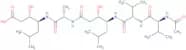
CAS:<p>SN50 is a nuclear factor NF-KB inhibitor that blocks the activity of transcription factors that are involved in inflammation and cancer. SN50 inhibits protease activity, which may be due to its ability to bind to response elements on DNA, leading to cytosolic calcium release and activation of signal pathways. It also binds to endothelin-a receptor and induces apoptosis. SN50 has been shown to have anti-tumour effects in resistant breast cancer cells as well as reducing serum aminotransferase levels in rats. This drug also activates transcriptional regulation by binding toll-like receptors and inducing colony stimulating factors. SN50 also has cardioprotective properties, which may be due to its ability to inhibit fatty acid synthase in cardiomyocytes.</p>Formula:C129H230N36O29SPurity:Min. 95%Molecular weight:2,781.5 g/molBiotinyl-Tyr-Val-Ala-Asp-chloromethylketone
CAS:<p>Please enquire for more information about Biotinyl-Tyr-Val-Ala-Asp-chloromethylketone including the price, delivery time and more detailed product information at the technical inquiry form on this page</p>Formula:C32H45ClN6O9SPurity:Min. 95%Molecular weight:725.25 g/mol5-Iodo-2-methoxybenzyl alcohol
CAS:<p>5-Iodo-2-methoxybenzyl alcohol (5IMB) is a conjugate that inhibits tubulin polymerization and mitochondrial membrane integrity. It has significant inhibitory effects on colchicine-induced apoptosis in colon cancer cells, inducing apoptotic cell death by the activation of caspase 3 and annexin. 5IMB also has an inhibitory effect on mitochondria, leading to mitochondrial membrane depolarization and apoptotic cell death. This conjugate also induces the death of human cancer cells, specifically mcf-7, which are involved in tumour growth and metastasis. The mechanism of action for 5IMB is through its ability to induce mitochondrial membrane depolarization, leading to apoptotic cell death.</p>Formula:C8H9O2IPurity:Min. 95%Molecular weight:264.06 g/molH-Tyr-His-OH
CAS:<p>H-Tyr-His-OH is a trifluoroacetic acid derivative that is a histidine odorant. It can be used as a substitute for histidine in the detection of blood pressure, due to its ability to bind to nitric oxide and histidine receptors. H-Tyr-His-OH has been shown to have immunological properties, and it has been used as an immunogen in the production of monoclonal antibodies against human erythrocytes. H-Tyr-His-OH is also considered to be a potential biomarker because it can be detected by LC-MS/MS methods.</p>Formula:C15H18N4O4Purity:Min. 95%Molecular weight:318.33 g/molFmoc-Asn(Trt)-Wang resin (100-200 mesh)
<p>Please enquire for more information about Fmoc-Asn(Trt)-Wang resin (100-200 mesh) including the price, delivery time and more detailed product information at the technical inquiry form on this page</p>Purity:Min. 95%H-His-Leu-Pro-Pro-Pro-Val-His-Leu-Pro-Pro-Pro-Val-OH
CAS:<p>Please enquire for more information about H-His-Leu-Pro-Pro-Pro-Val-His-Leu-Pro-Pro-Pro-Val-OH including the price, delivery time and more detailed product information at the technical inquiry form on this page</p>Formula:C64H98N16O13Purity:Min. 95%Molecular weight:1,299.56 g/molH-Gly-His-OH
CAS:<p>H-Gly-His-OH is a cationic surfactant that can be used as an emulsifying agent, dispersing agent, or wetting agent. It has been shown to form model complexes with hydrogen bond strength and the ability to bind to nitrogen atoms. H-Gly-His-OH has been detected in a detectable concentration of 0.01% in neutral pH and at least 0.1% in acidic pH. The chemical shift of the proton NMR spectra for H-Gly-His-OH are found at 8.5 ppm (δ) and 8.2 ppm (δ). Magnetic resonance spectroscopy performed on ternary mixtures containing H-Gly-His-OH show peaks at δ 2.6 ppm and δ 1.9 ppm from the amide protons of the His residue, which are characteristic for this molecule's chemical structure.</p>Formula:C8H12N4O3Purity:Min. 95%Molecular weight:212.21 g/molLysine(succinyl)-OH
CAS:<p>Lysine(succinyl)-OH, also known as N6-(3-carboxypropanoyl)-L-lysine, is a research chemical that falls under the category of amino acids. It is a derivative of lysine and has been widely used in various research studies. Lysine(succinyl)-OH is commonly used as a substrate for dehydrogenase enzymes and has been found to play a role in metabolic pathways. In addition to its research applications, Lysine(succinyl)-OH has also shown potential benefits for external use. It has been found to have moisturizing properties that can help improve the appearance of dry or damaged cuticles. Its succinyl group enhances its ability to penetrate the skin, providing deep hydration and nourishment. Lysine(succinyl)-OH is encoded by specific genes and expressed in various organisms. Its presence in different biological systems suggests its significance in cellular processes. In addition to its use as a</p>Formula:C10H18N2O5Purity:Min. 95%Color and Shape:PowderMolecular weight:246.26 g/molH-Trp-Asp-OH trifluoroacetic acid
CAS:<p>H-Trp-Asp-OH trifluoroacetic acid is a protein that is localized in the kinase domain of the gene product. It has been shown to activate leishmania and human serum regulatory proteins. H-Trp-Asp-OH trifluoroacetic acid binds to guanine nucleotide binding proteins in the nuclear DNA, which may play a role in mitotic checkpoint control. This protein has also been shown to have basic properties and may be involved in plant metabolism.</p>Formula:C17H18N3O7F3Purity:Min. 95%Molecular weight:319.31 g/molRanamargarin
CAS:<p>Ranamargarin H-Asp-Asp-Ala-Ser-Asp-Arg-Ala-Lys-Lys-Phe-Tyr-Gly-Leu-Met-NH2 is a compound that has been shown to bind to the dopamine receptor in rats. It has been shown to have low potency and is not active in clinical trials. Ranamargarin H-Asp-Asp-Ala-Ser--Asp--Arg--Ala--Lys--Lys--Phe--Tyr--Gly--Leu---Met---NH2 has also been shown to inhibit the production of dopamine in animals and humans, with a maximal response at concentrations of 10 nM. The biological properties of this compound are still being researched, but it appears that it can be used as a lead for developing new drugs for treating Parkinson's disease.</p>Formula:C70H110N20O22SPurity:Min. 95%Molecular weight:1,615.81 g/molDnp-Pro-Gln-Gly-OH
CAS:<p>Please enquire for more information about Dnp-Pro-Gln-Gly-OH including the price, delivery time and more detailed product information at the technical inquiry form on this page</p>Formula:C18H22N6O9Purity:Min. 95%Molecular weight:466.4 g/molH-Lys-Leu-Lys-OH triacetate salt
CAS:<p>Please enquire for more information about H-Lys-Leu-Lys-OH triacetate salt including the price, delivery time and more detailed product information at the technical inquiry form on this page</p>Formula:C18H37N5O4•3C2H4O2Purity:Min. 95%Molecular weight:567.67 g/molCyclo(-D-Trp-Tyr)
CAS:<p>Cyclo(-D-Trp-Tyr) is a cyclic peptide that is produced by the fungus Microbispora sp. It has been shown to inhibit the growth of Staphylococcus aureus, as well as other bacteria, fungi and cancer cells. Cyclo(-D-Trp-Tyr) binds to the ribosomal RNA in these cells and inhibits protein synthesis. The peptide does not bind to subtilisin or bgc-823, but does bind to lung fibroblasts and leukemia cells.</p>Formula:C20H19N3O3Purity:Min. 95%Molecular weight:349.38 g/molFibronectin CS-1 Fragment (1978-1982)
CAS:<p>Fibronectin CS-1 Fragment (1978-1982) H-Glu-Ile-Leu-Asp-Val-OH is a heterocyclic peptide that has inhibitory effects on the muscle cells. It inhibits the enzyme guanosine triphosphatase, which is responsible for releasing calcium ions from its intracellular storage site. Fibronectin CS-1 Fragment (1978-1982) H-Glu-Ile-Leu-Asp-Val-OH is an analog of the human protein fibronectin, and it can be used as a synthetic molecule to study how integrin receptors interact with different sequences of amino acids.</p>Formula:C26H45N5O10Purity:Min. 95%Molecular weight:587.66 g/mol2'-Methoxy-α-naphthoflavone
CAS:<p>2'-Methoxy-alpha-naphthoflavone is a fine chemical that can be synthesized from naphthalene, benzaldehyde, and methoxyacetic acid. It is a versatile building block for research chemicals and has been shown to have high quality. 2'-Methoxy-alpha-naphthoflavone has been used as a reaction component in the synthesis of complex compounds with interesting biological activities.</p>Formula:C20H14O3Purity:Min. 95%Molecular weight:302.32 g/molFmoc-Trp(Boc)-Wang resin (200-400 mesh)
<p>Please enquire for more information about Fmoc-Trp(Boc)-Wang resin (200-400 mesh) including the price, delivery time and more detailed product information at the technical inquiry form on this page</p>Purity:Min. 95%4-Formyl-phenyloxymethyl polystyrene resin (200-400 mesh)
<p>4-Formylphenyloxymethyl polystyrene resin (200-400 mesh) is a polymer that can be used in the synthesis of amide, aminoacylation, halides, piperidine, yields, imine, reductive amination and heterocycles. It has been shown to be especially useful for the synthesis of diazepinones. The resin is soluble in solvents such as dichloromethane and ethanol. 4-Formylphenyloxymethyl polystyrene resin can be prepared by reacting styrene with formaldehyde and phenol in a solvent such as tetrahydrofuran or pyridine at a temperature between 0°C and 50°C. This process is usually conducted under an inert atmosphere such as nitrogen or argon gas. The resin is then washed with diethylether followed by benzene to remove residual formaldehyde.</p>Purity:Min. 95%Z-Ala-Pro-Tyr-OH
CAS:<p>Please enquire for more information about Z-Ala-Pro-Tyr-OH including the price, delivery time and more detailed product information at the technical inquiry form on this page</p>Formula:C25H29N3O7Purity:Min. 95%Molecular weight:483.51 g/molRFRP-3 (rat)
CAS:<p>Please enquire for more information about RFRP-3 (rat) including the price, delivery time and more detailed product information at the technical inquiry form on this page</p>Formula:C88H134N26O25S2Purity:Min. 95%Molecular weight:2,020.3 g/mol3-Methylsalicylic acid
CAS:<p>3-Methylsalicylic acid is a naturally occurring carboxylate that has been shown to be an inhibitor of the hydrogenation of polyunsaturated fatty acids. 3-Methylsalicylic acid inhibits the binding of benzyl groups to intramolecular hydrogen and hydroxyl groups, which are required for the formation of a covalent bond. The antiproliferative effect of 3-methylsalicylic acid on cancer cells is due to its ability to inhibit protein synthesis by blocking the enzyme carboxylase. 3-Methylsalicylic acid also has anti-inflammatory properties and can be used as an antiseptic and analgesic.</p>Formula:C8H8O3Purity:Min. 95%Color and Shape:White PowderMolecular weight:152.15 g/mol2-O-Benzyl-3-O-allyl-sn-glycerol
CAS:<p>Please enquire for more information about 2-O-Benzyl-3-O-allyl-sn-glycerol including the price, delivery time and more detailed product information at the technical inquiry form on this page</p>Formula:C13H18O3Purity:Min. 95%Molecular weight:222.28 g/molH-Leu-Trp-Met-Arg-Phe-Ala-OH acetate salt
CAS:<p>H-Leu-Trp-Met-Arg-Phe-Ala-OH acetate salt is a synthetic amino acid. It has been shown to be a substrate for peptidases and proteolytic enzymes, including serine protease. H-Leu-Trp-Met-Arg-Phe-Ala-OH acetate salt also has catalytic activity, which leads to the formation of methyl ketones. This product is used as an analytical reagent in the determination of specificities of proteolytic enzymes. It is also used to measure the activity of amyloid protein and peptidases.</p>Formula:C40H58N10O7SPurity:Min. 95%Molecular weight:823.02 g/molZ-Lys(Z)-Ser-OH
CAS:<p>Please enquire for more information about Z-Lys(Z)-Ser-OH including the price, delivery time and more detailed product information at the technical inquiry form on this page</p>Formula:C25H31N3O8Purity:Min. 95%Molecular weight:501.53 g/molH-Met-Ile-OH
CAS:<p>H-Met-Ile-OH is an atypical antipsychotic drug that has been shown to have the ability to block dopamine receptors. This compound has been shown to be a secretagogue, which means it can stimulate the secretion of other hormones or peptides. H-Met-Ile-OH may also regulate the activity of regulatory subunit proteins and affect the regulation of other genes. It has been shown to have diagnostic utility in the diagnosis of atypical mutations in women. The frequency and spectrum of H-Met-Ile-OH attacks are determined by genotype and nucleotide polymorphisms.</p>Formula:C11H22N2O3SPurity:Min. 95%Molecular weight:262.37 g/molH-Trp-Tyr-OH TFA Salt
CAS:<p>H-Trp-Tyr-OH TFA salt is a food additive that has been shown to inhibit the oxidation of casein by light. It is an amino acid analog, which is a synthetic compound containing a single amino acid. The H-Trp-Tyr-OH TFA salt has been shown to protect against photooxidation of casein and other proteins in milk. It also inhibits the formation of exciplexes, which are complexes formed between tryptophan and trifluoroacetic acid. The H-Trp-Tyr-OH TFA salt has been shown to be stable at pH values ranging from 2 to 12 and at temperatures up to 300 degrees Celsius. This additive can be used as an emulsifier in food products such as mayonnaise, salad dressing, and margarine.</p>Formula:C22H20N3F3O5Purity:Min. 95%Molecular weight:463.41 g/molPolistes Mastoparan
CAS:<p>Polistes mastoparan is a peptide that was extracted from the venom of the European beewolf. It has been shown to have high affinity for tumor cells and can be used as a diagnostic agent. Polistes mastoparan has also been shown to have anti-inflammatory properties and inhibit the formation rate of glycopeptide antibiotics. This peptide can bind to calmodulin, which may be due to its β-amino acid sequence. Polistes mastoparan inhibits the growth of Stenotrophomonas maltophilia in vitro by binding to fatty acids on the cell membrane.</p>Formula:C77H127N21O18Purity:Min. 95%Molecular weight:1,634.96 g/molH-Lys-Gly-Gly-OH hydrochloride salt
CAS:<p>Histidine is a non-essential amino acid that has been shown to be involved in the regulation of cell growth and differentiation. It is also involved in the biosynthesis of nucleotides, collagen, and carnitine. Kinetic studies on histidine have been done by acetylation of histidine with acetic anhydride and pyridine. The kinetic method used was based on the reaction between histidine and p-nitrophenyl phosphate. The transfer reactions were performed with a strain containing lysine residues which were then adsorbed onto a surface-enhanced Raman spectroscopy (SERS) substrate. These experiments were performed using techniques such as resonance mass spectrometry (RMS), surface-enhanced Raman spectroscopy (SERS), and protonation selective mass spectrometry (PSMS).</p>Formula:C10H20N4O4Purity:Min. 95%Molecular weight:260.29 g/mol6-(7-Nitro-benzo[2,1,3]oxadiazol-4-ylamino)-hexanoyl-Arg-Pro-Lys-Pro-Leu-Ala-Nva-Trp-Lys((7-dimethylaminocoumarin-4-yl)-acetyl)-NH2 trifluoroacetate salt
CAS:<p>Please enquire for more information about 6-(7-Nitro-benzo[2,1,3]oxadiazol-4-ylamino)-hexanoyl-Arg-Pro-Lys-Pro-Leu-Ala-Nva-Trp-Lys((7-dimethylaminocoumarin-4-yl)-acetyl)-NH2 trifluoroacetate salt including the price, delivery time and more detailed product information at the technical inquiry form on this page</p>Formula:C78H111N21O16Purity:Min. 95%Molecular weight:1,598.85 g/molUrocortin III (mouse) trifluoroacetate salt
CAS:<p>Trifluoroacetate salt</p>Formula:C186H312N52O52S2Purity:Min. 95%Molecular weight:4,172.92 g/mol1-Fluoro-3-phenylpropan-2-amine
CAS:Controlled Product<p>Please enquire for more information about 1-Fluoro-3-phenylpropan-2-amine including the price, delivery time and more detailed product information at the technical inquiry form on this page</p>Formula:C9H12FNPurity:Min. 95%Color and Shape:Clear LiquidMolecular weight:153.2 g/molHIV (gp120) Fragment (421-438) trifluoroacetate salt
CAS:<p>Please enquire for more information about HIV (gp120) Fragment (421-438) trifluoroacetate salt including the price, delivery time and more detailed product information at the technical inquiry form on this page</p>Formula:C99H148N24O25S2Purity:Min. 95%Molecular weight:2,138.51 g/mol4-Hydroxymethyl-5-methyl-2-phenylimidazole
CAS:<p>4-Hydroxymethyl-5-methyl-2-phenylimidazole is an impurity of phenoxy. It has a high resistance to acids and bases, and can be used in devices that require high purity. 4-Hydroxymethyl-5-methyl-2-phenylimidazole has a particle diameter of about 1 micron. This impurity is metastable, or stable only under certain conditions such as temperature and pressure. The high viscosity of this compound makes it useful for devices that require a high degree of stability at elevated temperatures. Immediate decomposition occurs when exposed to air due to the presence of naphthalene, phosphine, and silicon.</p>Formula:C11H12N2OPurity:Min. 95%Molecular weight:188.23 g/molFluorogenic Human CMV Protease Substrate trifluoroacetate salt
CAS:<p>Please enquire for more information about Fluorogenic Human CMV Protease Substrate trifluoroacetate salt including the price, delivery time and more detailed product information at the technical inquiry form on this page</p>Formula:C73H109N23O18SPurity:Min. 95%Molecular weight:1,628.86 g/molDynorphin A (1-10) amide
CAS:<p>Dynorphin A (1-10) amide H-Tyr-Gly-Gly-Phe-Leu-Arg-Arg-Ile-Arg-Pro-NH2 is an analog of dynorphin A. It is a peptide that has been shown to be effective in reducing blood pressure and stress levels in animals. Dynorphin A (1-10) amide H-Tyr-Gly-Gly-Phe-Leu-Arg - Arg - Ile - Arg - Pro - NH2 also has analgesic properties and may be useful for the treatment of cardiac diseases.</p>Formula:C57H92N20O11Purity:Min. 95%Molecular weight:1,233.47 g/molPerfluoro-N-(4-methylcyclohexyl)piperidine
CAS:Controlled Product<p>Perfluoro-N-(4-methylcyclohexyl)piperidine (4-FPP) is a fluorine compound that has been shown to inhibit the enzymatic activity of tyrosine kinases. It is a potent inhibitor of both human and murine tyrosine kinases, but it does not bind to bacterial tyrosine kinase domains. 4-FPP has been used in clinical studies as an anti-cancer drug, although it's clinical relevance remains unclear. It has also been shown to be effective against the influenza virus by inhibiting the synthesis of viral proteins that are involved in replication. The chemical structure of 4-FPP contains a carbonyl group that can react with other compounds through a photochemical process. This reaction is thought to result in the development of new drugs with similar biochemical properties to 4-FPP.</p>Formula:C12F23NPurity:Min. 95%Color and Shape:Clear LiquidMolecular weight:595.1 g/molFmoc-Pen (Trt)-Wang resin (200-400 mesh)
<p>Please enquire for more information about Fmoc-Pen (Trt)-Wang resin (200-400 mesh) including the price, delivery time and more detailed product information at the technical inquiry form on this page</p>Purity:Min. 95%HIV (gp120) Fragment (318-327)
CAS:<p>Please enquire for more information about HIV (gp120) Fragment (318-327) including the price, delivery time and more detailed product information at the technical inquiry form on this page</p>Formula:C48H80N16O12Purity:Min. 95%Molecular weight:1,073.25 g/molGLP-1 (7-36)-Lys(biotinyl) amide (human, bovine, guinea pig, mouse, rat) trifluoroacetate
CAS:<p>Please enquire for more information about GLP-1 (7-36)-Lys(biotinyl) amide (human, bovine, guinea pig, mouse, rat) trifluoroacetate including the price, delivery time and more detailed product information at the technical inquiry form on this page</p>Formula:C165H252N44O48S•(C2HF3O2)xPurity:Min. 95%Molecular weight:3,652.1 g/molH-Tyr-Phe-OH
CAS:<p>H-Tyr-Phe-OH is a peptide that is derived from the amino acid sequence of human epidermal growth factor and has been shown to inhibit HIV infection in vitro. H-Tyr-Phe-OH binds to the dna binding site on the protein gp120, which is essential for viral binding to cells and subsequent infection. The peptide has also been shown to bind to serum aminotransferase levels and produce an antibody response in humans. This peptide has biological properties that may be useful for treatment of many infectious diseases, such as hepatitis and HIV infection.</p>Formula:C18H20N2O4Purity:Min. 95%Molecular weight:328.36 g/molGalanin (1-13)-Spantide I
CAS:<p>Spantide I is a peptide that is a member of the Galanin family. It has been shown to have a proliferative effect on retinal cells in vitro, and may be effective in treating diabetic retinopathy. Spantide I also inhibits the production of pancreatic enzymes and choroidal neovascularization. It is a diagnostic marker for cancer and other diseases, as well as being used in the treatment of hepatitis. The sequences for Spantide I are GG-S-P-A-N-T-I-D-E--I--H--Gly--Trp--Thr--Leu--Asn--Ser--Ala--Gly--Tyr--Leu--Leu---Gly---Pro---D----Arg---Pro-----Lys---Pro-------Gln-------D------Trp------Phe------D------Trp------Leu-------Leu-----NH2</p>Formula:C138H199N35O30Purity:Min. 95%Molecular weight:2,828.27 g/molStresscopin-Related Peptide (human)
CAS:<p>Please enquire for more information about Stresscopin-Related Peptide (human) including the price, delivery time and more detailed product information at the technical inquiry form on this page</p>Formula:C205H358N68O57Purity:Min. 95%Molecular weight:4,687.46 g/mol[2,6-Dimethyl-4-(3-[2-(Z-amino)-ethylcarbamoyl]-propoxy)-benzenesulfonyl]-Dap (Boc)-OMe
CAS:<p>Please enquire for more information about [2,6-Dimethyl-4-(3-[2-(Z-amino)-ethylcarbamoyl]-propoxy)-benzenesulfonyl]-Dap (Boc)-OMe including the price, delivery time and more detailed product information at the technical inquiry form on this page</p>Formula:C31H44N4O10SPurity:Min. 95%Molecular weight:664.77 g/molH-Leu-Gly-Gly-OH
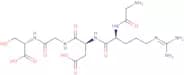
CAS:<p>H-Leu-Gly-Gly-OH is a protease enzyme that belongs to the family of hydrolases. It has been shown to have proteolytic activity with casein and protein synthesis with pancreatic enzymes. The kinetic data for this enzyme were determined by measuring the rate of hydrolysis at different pH levels. The optimum pH for this enzyme is 6.0, with a maximum activity at pH 7.5 and an inhibition at pH 4.0. This enzyme can be found in either the free form or as an integral membrane protein in lysosomes, where it exhibits high affinity for hydrogen bonds and low affinity for ionic bonds. H-Leu-Gly-Gly-OH is used in analytical methods such as chromatography and spectrophotometry to identify proteins in biological samples.END></p>Formula:C10H19N3O4Purity:Min. 95%Molecular weight:245.28 g/molH-Gly-Arg-Asp-Gly-Ser-OH
CAS:<p>A monoclonal antibody is a type of antibody produced by a single clone of B cells. Monoclonal antibodies are created by injecting mice with a protein, and then harvesting the antibody-producing cells from the mouse's spleen or lymph nodes. These cells are then fused with cancer cells to form hybridoma cells that produce the desired antibodies. Monoclonal antibodies are used in vitro assays to detect certain molecules, such as matrix molecules, growth factors and polysialic acid. They can also be used for in vivo diagnostic purposes, such as detecting urothelial carcinoma in mammals or human lymphocytes on the surface of lymphocytes.</p>Formula:C17H30N8O9Purity:Min. 95%Molecular weight:490.47 g/molFmoc-L-aspartic acid β-methylpentyl ester
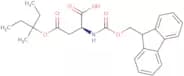
CAS:<p>Fmoc-L-aspartic acid b-methylpentyl ester is a solid phase synthesis of Asp(OtBu)-OH that has been synthesized by reacting aspartic acid with piperidine and methylbenzene. This synthesis has been shown to be effective at temperatures below 25°C, to minimize the formation of water, and to be resistant to treatments with strong acids or bases. The synthesis has also been optimized for the peptidyl bond formation and peptide synthesis, resulting in enhanced yields.</p>Formula:C25H29NO6Purity:Min. 95%Color and Shape:White PowderMolecular weight:439.5 g/molMyelin Basic Protein (85-99) Peptide Antagonist trifluoroacetate salt
CAS:<p>Please enquire for more information about Myelin Basic Protein (85-99) Peptide Antagonist trifluoroacetate salt including the price, delivery time and more detailed product information at the technical inquiry form on this page</p>Formula:C70H114N18O21Purity:Min. 95%Molecular weight:1,543.76 g/molHSV-1-amide UL 26 Open Reading Frame (242-255)
CAS:<p>Please enquire for more information about HSV-1-amide UL 26 Open Reading Frame (242-255) including the price, delivery time and more detailed product information at the technical inquiry form on this page</p>Formula:C80H117N21O20SPurity:Min. 95%Molecular weight:1,724.98 g/mol(Gly21)-Amyloid b-Protein (1-40) trifluoroacetate salt
CAS:<p>Please enquire for more information about (Gly21)-Amyloid b-Protein (1-40) trifluoroacetate salt including the price, delivery time and more detailed product information at the technical inquiry form on this page</p>Formula:C193H293N53O58SPurity:Min. 95%Molecular weight:4,315.78 g/molH-Phe-Gly-Phe-Gly-OH
CAS:<p>H-Phe-Gly-Phe-Gly-OH is a neutral, uv absorbing molecule. It can be found as a tetrapeptide sequence and in the form of isomers. H-Phe-Gly-Phe-Gly-OH is also known as Ileahexocin. The chemical ionization and matrix assisted laser desorption/ionization techniques have been used to detect this molecule in different matrices. H-Phe-Gly-Phe-Gly-OH has been shown to inhibit fatty acid synthesis, which may be due to its inhibition of the enzyme acetyl coenzyme A carboxylase (ACC). This molecule has also been shown to inhibit tripeptide synthesis, which may be due to its inhibition of the enzyme dipeptidyl peptidase IV (DPIV).</p>Formula:C22H26N4O5Purity:Min. 95%Color and Shape:PowderMolecular weight:426.47 g/molH-Leu-Trp-Met-Arg-OH
CAS:<p>Histidine is a non-essential amino acid that is found in all living cells. It is a precursor of histamine and can be converted to tryptophan by decarboxylation. Histidine has been found to be essential for growth in some bacteria and yeast, but not in higher plants or animals. The formyl group of histidine can be oxidized to a sulfoxide or reduced to a formyl group. Histidine residues are often found in the protein matrix of proteomic samples, but can also be used as an analyte. The two most common methods for the detection of histidine are matrix-assisted laser desorption/ionization mass spectrometry (MALDI MS) and matrix-assisted laser desorption/ionization time-of-flight mass spectrometry (MALDI TOF MS). These methods allow for the minimization of background interference from other molecules present in the sample, such as tryptophan residues.</p>Formula:C28H44N8O5SPurity:Min. 95%Molecular weight:604.77 g/mol7-Methoxy-4-(trifluoromethyl)coumarin
CAS:<p>7-Methoxy-4-(trifluoromethyl)coumarin is a potent and selective aromatase inhibitor. It inhibits the activity of the enzyme, which converts testosterone to estradiol. The inhibition of this enzyme may be beneficial in the treatment of breast cancer. This compound has also been shown to inhibit the activity of P450 enzymes and coumarin derivatives, which are involved in drug metabolism and detoxification.</p>Formula:C11H7F3O3Purity:Min. 95%Molecular weight:244.17 g/molFmoc-D-Glu(OtBu)-OH
CAS:<p>Fmoc-D-glu(OtBu)-OH is a homologous molecule that binds to the influenza virus and inhibits its replication. The synthesis of Fmoc-D-glu(OtBu)-OH is achieved by solid-phase peptide synthesis, which involves the ligation of amino acid building blocks on an insoluble carrier resin. This process has been found to be effective for the synthesis of peptides with a variety of amino acid sequences. Fmoc-D-glu(OtBu)-OH has been shown to inhibit the growth and multiplication of Chlorella pyrenoidosa, a single celled green alga, and Paramecium tetraurelia, a protozoan ciliate. It also displays antimycobacterial activity against Mycobacterium tuberculosis in vitro.</p>Formula:C24H27NO6Purity:Min. 95%Color and Shape:PowderMolecular weight:425.47 g/molFmoc-Gly-Wang resin (200-400 mesh)
<p>Please enquire for more information about Fmoc-Gly-Wang resin (200-400 mesh) including the price, delivery time and more detailed product information at the technical inquiry form on this page</p>Purity:Min. 95%H-Pro-Pro-Pro-OH
CAS:<p>H-Pro-Pro-Pro-OH is a synthetic peptide that inhibits the production of reactive oxygen species (ROS) by acting as an antioxidant. It has been shown to have a protective effect on cells, preventing cell death and promoting cell survival. H-Pro-Pro-Pro-OH also has a significant inhibitory effect on superoxide radical production in nanotubes and photoreceptors. It can be used to prevent the oxidation of α-tocopherol, which is a lipid soluble vitamin found in vegetable oils. The three amino acids in the sequence are hydrolysed to proline, which is an essential amino acid for human metabolism, and two dipeptides with chemical structures similar to those found in natural peptides. The peptide was synthesized from proline, histidine and arginine. This molecule can be detected using polyacrylamide gel electrophoresis and fluorescence microscopy with enhanced optical properties as a chromophore.</p>Formula:C15H23N3O4Purity:Min. 95%Molecular weight:309.36 g/mol(Des-His1,Glu9)-Glucagon (1-29) amide (human, rat, porcine)
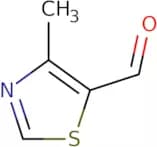
CAS:<p>Please enquire for more information about (Des-His1,Glu9)-Glucagon (1-29) amide (human, rat, porcine) including the price, delivery time and more detailed product information at the technical inquiry form on this page</p>Formula:C148H221N41O47SPurity:Min. 95%Molecular weight:3,358.65 g/mol4-Methyl-5-formylthiazole
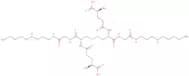
CAS:<p>4-Methyl-5-formylthiazole is a synthetic molecule with in vitro antifungal activity. It has been shown to inhibit the growth of Candida albicans and Aspergillus niger, two species of fungi that are responsible for the majority of opportunistic infections in immunocompromised patients. 4-Methyl-5-formylthiazole is a nucleophilic molecule that undergoes electrophilic substitution reactions, which makes it an efficient method for generating antifungal agents. The synthesis of this compound can be achieved through the condensation of methyl formate and thiourea, followed by treatment with chloride ion to produce the desired product. 4-Methyl-5-formylthiazole is also fluorescent and has electron deficient properties, which makes it useful for diagnosis and molecular modelling.</p>Formula:C5H5NOSPurity:Min. 95%Molecular weight:127.17 g/molN1-Glutathionyl-spermidine disulfide [
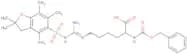
CAS:<p>N1-Glutathionyl-spermidine disulfide (N1-GS) is a molecule that has been shown to have clinical use in the treatment of chronic hepatitis C infection. The N1-GS molecule is composed of a glutathione (GSH) scaffold with two sulfhydryl groups and an amino acid side chain. N1-GS has a hydrophobic nature, which allows it to penetrate the cellular membrane and enter cells. It is also able to form hydrogen bonds and act as a catalyst for reactions. Fluorescence analysis revealed that this molecule is selective for disulfides over thiols, amines, or alcohols. Disulfides are very important in biological systems since they can be found in enzymes, proteins, and cellular membranes. The insolubility of the N1-GS molecule makes it difficult to analyze its structure using traditional methods such as gas chromatography or nuclear magnetic resonance spectroscopy. However, fluorescence</p>Formula:C34H66N12O10S2Purity:Min. 95%Molecular weight:867.09 g/molZ-Homoarg (Pbf)-OH
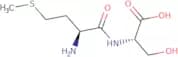
CAS:<p>Please enquire for more information about Z-Homoarg (Pbf)-OH including the price, delivery time and more detailed product information at the technical inquiry form on this page</p>Formula:C28H38N4O7SPurity:Min. 95%Molecular weight:574.69 g/molH-Met-Ser-OH
CAS:<p>H-Met-Ser-OH is a dihedral molecule that has an amino acid composition of H, Met, Ser, and OH. It is acidic and has efficiencies in polarizability and acceptor. The dipole moment of the molecule is hydrogen bonding interactions with sequences. The vibrational frequencies are computationally predicted by computational methods. The sulfate fractionation was used to determine the percent of H-Met-Ser-OH in human liver tissue.</p>Formula:C8H16N2O4SPurity:Min. 95%Molecular weight:236.29 g/mol4-Methylvaleryl chloride
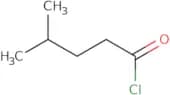
CAS:<p>4-Methylvaleryl chloride (4MVC) is a thionyl chloride that reacts with 2-pentenoic acid to produce 4-methylvaleric acid. It has been used as a pharmaceutical intermediate and as a potent inhibitor of side-chain cleavage reactions. The reaction time required for the formation of 4MVC depends on the reaction temperature. At room temperature, it takes approximately one hour to form; at 60 degrees Celsius, it takes approximately five minutes to form.</p>Formula:C6H11ClOPurity:Min. 95%Color and Shape:Colorless Clear LiquidMolecular weight:134.6 g/molHIV-1 gag Protein p17 (76-84) acetate salt
CAS:<p>Acetate salt of HIV-1 gag Protein p17 (76-84) is a reactive acridone, hydrocarbon, nitrogen atom and hydrates that is injected to regulate depression. Acetate salt of HIV-1 gag Protein p17 (76-84) has been shown to bind to the telomerase enzyme and inhibit cancer cell growth. Acetate salt of HIV-1 gag Protein p17 (76-84) also has a role in regulating metabolism in cells. Acetate salt of HIV-1 gag Protein p17 (76-84) has been shown to have solvating properties and can be used as a heterocyclic ring section in gas phase reactions.</p>Formula:C44H72N10O15Purity:Min. 95%Molecular weight:981.1 g/molType A Allatostatin III
CAS:<p>Please enquire for more information about Type A Allatostatin III including the price, delivery time and more detailed product information at the technical inquiry form on this page</p>Formula:C42H62N10O12Purity:Min. 95%Molecular weight:899 g/mol(H-Cys-betaNA)2·2 HCl (Disulfide bond)
CAS:<p>Please enquire for more information about (H-Cys-betaNA)2·2 HCl (Disulfide bond) including the price, delivery time and more detailed product information at the technical inquiry form on this page</p>Formula:C26H26N4O2S2·2HClPurity:Min. 95%Molecular weight:563.56 g/molN-(4-Methoxybenzylidene)-4-butylaniline
CAS:<p>N-(4-Methoxybenzylidene)-4-butylaniline is an organic compound that belongs to the group of liquid crystals. It has been used in the study of phase transitions and thermal properties. The melting point of N-(4-methoxybenzylidene)-4-butylaniline is between -80 and -90 °C, depending on the solvent. This compound has a low proton affinity, but it can be oxidized to form a radical cation.</p>Formula:C18H21NOPurity:Min. 95%Molecular weight:267.37 g/molH-Leu-Trp-Leu-OH
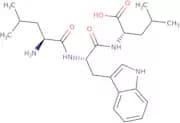
CAS:<p>H-Leu-Trp-Leu-OH is a tryptophan protease that has been shown to have aminopeptidase activity. It can be used in the treatment of intestinal inflammation, as well as other conditions where it is desirable to reduce the concentration of amino acid precursors. The oxidation products of H-Leu-Trp-Leu-OH are antigenic and can be used for the detection of this enzyme in biological fluids. Hplc analysis can identify tripeptides formed by H-Leu-Trp-Leu-OH, which are then cleaved by other enzymes. This process creates a radioactive product that can be detected using radiation or microscopy. Immunoaffinity chromatography is also able to isolate H-Leu-Trp-Leu-OH from biological fluids. Monoclonal antibodies against this enzyme have been shown to inhibit ectoenzymes such as lipases and phospholip</p>Formula:C23H34N4O4Purity:Min. 95%Molecular weight:430.54 g/molBiotinyl-Amyloid b-Protein (1-42) ammonium salt
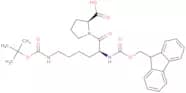
CAS:<p>Please enquire for more information about Biotinyl-Amyloid b-Protein (1-42) ammonium salt including the price, delivery time and more detailed product information at the technical inquiry form on this page</p>Formula:C213H325N57O62S2Purity:Min. 95%Molecular weight:4,740.34 g/molFmoc-Lys(Boc)-Pro-OH
CAS:<p>Fmoc-Lys(Boc)-Pro-OH is a residue that is used in the optimization of peptide synthesis. It is an acid labile protecting group that can be removed by treatment with trichloroacetic acid or hydrogen fluoride. Fmoc-Lys(Boc)-Pro-OH can be used for chemical ligation to other protected amino acids, such as Boc-Lys(Bzl)-OH, to form peptides. The residue has been shown to be useful in systematic optimization of peptide pairings and in the stepwise synthesis of peptides. The residue has also been shown to have a high yield and purity when synthesized by x-ray crystallography.<br>Fmoc-Lys(Boc)-Pro-OH is an amino acid with a molecular weight of 120 Da and consists of two alpha amino acids, L -lysine and L -proline, joined by a peptide bond.</p>Formula:C31H39N3O7Purity:Min. 95%Molecular weight:565.66 g/molH-Glu-Glu-Lys-Leu-Ile-Val-Val-Ala-Phe-OH trifluoroacetate salt
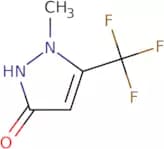
CAS:<p>Please enquire for more information about H-Glu-Glu-Lys-Leu-Ile-Val-Val-Ala-Phe-OH trifluoroacetate salt including the price, delivery time and more detailed product information at the technical inquiry form on this page</p>Formula:C50H82N10O14Purity:Min. 95%Molecular weight:1,047.25 g/mol1,2-Dihydro-1-Methyl-5-(Trifluoromethyl)-3H-Pyrazol-3-One
CAS:<p>Please enquire for more information about 1,2-Dihydro-1-Methyl-5-(Trifluoromethyl)-3H-Pyrazol-3-One including the price, delivery time and more detailed product information at the technical inquiry form on this page</p>Formula:C5H5F3N2OPurity:Min. 95%Molecular weight:166.1 g/molFMOC-D-CYS(TRT)-WANG RESIN - 200-400 mesh
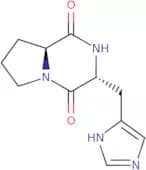
<p>Please enquire for more information about FMOC-D-CYS(TRT)-WANG RESIN - 200-400 mesh including the price, delivery time and more detailed product information at the technical inquiry form on this page</p>Purity:Min. 95%Cyclo(-D-His-Pro)
CAS:<p>Please enquire for more information about Cyclo(-D-His-Pro) including the price, delivery time and more detailed product information at the technical inquiry form on this page</p>Formula:C11H14N4O2Purity:Min. 95%Molecular weight:234.25 g/molGlucagon (19-29) (human, rat, porcine) trifluoroacetate salt
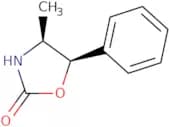
CAS:<p>Glucagon is a peptide hormone that belongs to the group of vasoactive intestinal peptides. It is produced by the alpha cells of the pancreas and stimulates gluconeogenesis in the liver, thereby increasing blood glucose levels. Glucagon has also been shown to cause membrane hyperpolarization and cell death in cancer cells. Glucagon is a homologous protein that has been shown to have physiological effects similar to those of insulin, such as increased levels of cytosolic Ca2+ ions and camp levels. Glucagon binds to its receptor on the plasma membrane with high affinity, activating adenylate cyclase and phospholipase C, which leads to an increase in intracellular camp levels. This results in activation of protein kinase A (PKA), which phosphorylates proteins involved in glycogenolysis, glycolysis, and lipolysis. Glucagon also activates mitogen-activated protein kinases (MAPK</p>Formula:C61H89N15O18SPurity:Min. 95%Molecular weight:1,352.52 g/mol(4S,5R)-4-Methyl-5-phenyloxazolidin-2-one
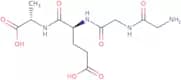
CAS:<p>(4S,5R)-4-Methyl-5-phenyloxazolidin-2-one is an amide that is prepared by the reaction of piperidine and benzyl chloride. It is a chiral compound with (4S,5R) configuration and has a basic hydrolysis. The compound was optimized for its synthesis by using different solvents. This amide has been used in the transfer of methyl groups to different substrates. It also has been used in asymmetric synthesis as a chiral auxiliary for the preparation of enantiopure sulfinyl compounds.</p>Formula:C10H11NO2Purity:Min. 95%Molecular weight:177.2 g/molH-Gly-Gly-Glu-Ala-OH
CAS:<p>H-Gly-Gly-Glu-Ala-OH is a carboxylate. It has been shown to be an ionizable molecule with a proton that can exist in either the hydrated or dehydrated form. The proton of the carboxylate group can move between the two forms and the ionization state depends on pH and temperature. H-Gly-Gly-Glu-Ala-OH is a linear peptide, which means it has an amide group and a residue at each end of the chain. Each of these residues has specific conformations, which are impacted by intramolecular hydrogen bonds. These conformations play a role in determining its pharmacological properties, as well as its function in structural biology and magnetic resonance techniques. H-Gly-Gly-Glu-Ala-OH also has population distribution studies that have been used for diffraction analyses, as well as for titration experiments.</p>Formula:C12H20N4O7Purity:Min. 95%Molecular weight:332.31 g/molPerisulfakinin
CAS:<p>Perisulfakinin (PSK) is a cyclic peptide that has been isolated from the venom of the fly Phera insolita. PSK has a high affinity for protease activity and can be used as an inhibitor of proteases in control experiments. PSK is also an activator of cation channels and may be used as a neurotransmitter or neuromodulator in insects. The PSK peptide is present in dipteran species and can be seen by electron microscopy in their abdominal ganglia. PSK also activates Ca2+ influx into cells, which can lead to cell death. The PSK peptide is converted to cleavage products by enzymes, with bioassays being one way to measure these products.</p>Formula:C64H86N18O22S2Purity:Min. 95%Molecular weight:1,523.61 g/molAc-Asp(Glu-OH)-OH
CAS:<p>Ac-Asp(Glu-OH)-OH is a low potency, but potentiating compound that binds to the cell cytoplasm. It inhibits the uptake of glutamate into the synaptic cleft by binding to acidic granules. This compound may be neuroprotective and inhibit prostate carcinoma growth. Ac-Asp(Glu-OH)-OH has also been shown to inhibit postsynaptic potentials and decrease glutamate release in cerebellar granule cells.</p>Formula:C11H16N2O8Purity:Min. 95%Molecular weight:304.25 g/molN-Benzoyl-L-leucine-β-naphthylamide
CAS:<p>N-Benzoyl-L-leucine-beta-naphthylamide is a chromogenic substrate for transpeptidase. It is hydrolyzed to L-phenylalanine and 2-naphthylamine, which react with the chromogen to produce a color change. The reaction occurs in both spermatozoa and epithelial cells, but can be inhibited by aminopeptidase and peptidase. This substrate is used as a marker for spermatozoa in semen analysis.</p>Formula:C23H24N2O2Purity:Min. 95%Color and Shape:PowderMolecular weight:360.45 g/mol3-Hydroxy-5-methylpyridine
CAS:<p>3-Hydroxy-5-methylpyridine (3HMP) is a chemical substance that has been classified as an amine. It is a product of the metabolism of purines, which are nitrogenous bases found in DNA and RNA. 3HMP is produced by aerogenic bacteria (such as Enterobacter), and can be used to estimate the number of these bacteria present in water samples. 3HMP has been shown to have antiviral properties against influenza virus, and can be used as a biomarker for the presence of other viruses in animals. 3HMP also has mineralization properties, which have been studied extensively, particularly with regards to pancreatic disease.</p>Formula:C6H7NOPurity:Min. 95%Color and Shape:PowderMolecular weight:109.13 g/mol(Phe4)-Dermorphin (1-4) amide
CAS:<p>Dermorphin is a peptide that is derived from the proenkephalin gene. It is an opioid analgesic and has been shown to be effective in the treatment of hernias. Dermorphin has also been shown to inhibit platelet aggregation and blood coagulation, making it an antithrombotic therapy. The structure of dermorphin has been determined using a hydroxy group as the reactive site for synthesis and molecular modelling techniques. Dermorphin has also been shown to have an active oxygen species selectivity index (a measure of antioxidant activity) higher than those of other drugs in its class, which makes it suitable for use as a sealant in abdominal surgery.</p>Formula:C30H35N5O5Purity:Min. 95%Molecular weight:545.63 g/molFmoc-D-Trp(Boc)-Wang resin (200-400 mesh)
<p>Please enquire for more information about Fmoc-D-Trp(Boc)-Wang resin (200-400 mesh) including the price, delivery time and more detailed product information at the technical inquiry form on this page</p>Purity:Min. 95%(Pyr 3)-Amyloid b-Protein (3-40) trifluoroacetate salt
CAS:<p>Please enquire for more information about (Pyr 3)-Amyloid b-Protein (3-40) trifluoroacetate salt including the price, delivery time and more detailed product information at the technical inquiry form on this page</p>Formula:C187H283N51O53SPurity:Min. 95%Molecular weight:4,125.63 g/molC-Reactive Protein (CRP) (174-185)
CAS:<p>Please enquire for more information about C-Reactive Protein (CRP) (174-185) including the price, delivery time and more detailed product information at the technical inquiry form on this page</p>Formula:C62H93N13O16Purity:Min. 95%Molecular weight:1,276.48 g/molRF9 trifluoroacetate salt
CAS:<p>RF9 is a dipeptide that is structurally similar to the endogenous neuropeptides kisspeptin and arginine-vasopressin. RF9 binds to the GPR54 receptor, which is a G protein-coupled receptor that regulates secretion of luteinizing hormone in the anterior pituitary gland, as well as sexual desire and function. RF9 has been shown to be an antagonist of the GPR54 receptor and has been shown to inhibit the secretion of luteinizing hormone in primates.</p>Formula:C26H38N6O3Purity:Min. 95%Molecular weight:482.62 g/molAmyloid β/A4 Protein Precursor770 (740-770) trifluoroacetate salt
CAS:<p>Please enquire for more information about Amyloid beta/A4 Protein Precursor770 (740-770) trifluoroacetate salt including the price, delivery time and more detailed product information at the technical inquiry form on this page</p>Formula:C162H243N45O52S2Purity:Min. 95%Molecular weight:3,717.07 g/molHIV (gp41) Fragment
CAS:<p>HIV (gp41) Fragment H-Ala-Val-Gly-Ile-Gly-Ala-OH is a hydrophobic peptide fragment that is used as an antigen to induce immunity against HIV infection. The sequence of the peptide was obtained by sequencing the human immunodeficiency virus type 1 (HIV). The peptide contains glutamic acid and ornithine, which are necessary for the attachment of gp41 to the target cell surface and for the penetration of the virus into cells. The cyclic peptide induces mononuclear phagocytes to produce antibodies against gp41, which can inhibit infection by HIV.</p>Formula:C21H38N6O7Purity:Min. 95%Molecular weight:486.56 g/mol4-Methoxybenzylboronic acid pinacolester
CAS:<p>Please enquire for more information about 4-Methoxybenzylboronic acid pinacolester including the price, delivery time and more detailed product information at the technical inquiry form on this page</p>Formula:C14H21BO3Purity:Min. 95%Molecular weight:248.13 g/mol2-Iodo-5-methoxybenzoic acid
CAS:<p>2-Iodo-5-methoxybenzoic acid is a macrocyclic compound that has been synthesized in the Wittig reaction. It was first prepared by catalyzed intramolecular aryl demethylation of 2-iodo-5-nitrobenzoic acid, followed by coupling with methyl vinyl ketone. The cytotoxic activity of this compound is due to its ability to inhibit the synthesis of protein and DNA and induce apoptosis. This molecule has been shown to be effective against liverworts and ethers.</p>Formula:C8H7IO3Purity:Min. 95%Color and Shape:PowderMolecular weight:278.04 g/mol5-Amino-2-methoxyisonicotinic acid
CAS:<p>5-Amino-2-methoxyisonicotinic acid is a carboxylic acid that is used in the synthesis of aminopyridines. The compound can be synthesized from formamidine acetate and diethyl dicarbonate. This process involves lithiation, followed by addition of an amine and finally conversion to the desired product with formamidine acetate. 5-Amino-2-methoxyisonicotinic acid can also be synthesized from formamide and diethyl ether. 5-Amino-2-methoxyisonicotinic acid is an analog of 2,4,6-trimethylaniline and has been shown to have similar properties to this compound, including strong basicity.</p>Formula:C7H8N2O3Purity:Min. 95%Molecular weight:168.15 g/molFmoc-D-Ser(BSi)-OH
CAS:<p>Please enquire for more information about Fmoc-D-Ser(BSi)-OH including the price, delivery time and more detailed product information at the technical inquiry form on this page</p>Formula:C24H31NO5SiPurity:Min. 95%Molecular weight:441.59 g/molDnp-Pro-Leu-Gly-Cys(Me)-His-Ala-D-Arg-NH2
CAS:<p>Dnp-Pro-Leu-Gly-Cys(Me)-His-Ala-D-Arg-NH2 is a protease that was isolated from the fungus Aspergillus niger. It has been shown to have high efficiency in cleaving peptide bonds, which makes it useful for protein sequencing and analysis. Dnp-Pro-Leu-Gly-Cys(Me)-His-Ala-D-Arg-NH2 can be used as an enzyme in the production of collagenase, a protein that breaks down collagen. This enzyme also has potential applications in the production of analogs for use in chromatography and sequencing techniques. The variable amino acids at positions 2, 3, 5, 6, 7, 9, 10, 11, 12 and 13 are important for activity and substrate specificity. The enzyme's activity is optimal under high pressure conditions and at pH 8.0. Dnp--Pro--Leu--Gly--Cys</p>Formula:C38H57N15O11SPurity:Min. 95%Molecular weight:932.02 g/molZ-Ala-Pro-OH
CAS:<p>Z-Ala-Pro-OH is a synthetic, analog substrate for serine proteases. It is used as a target cell for schistosomiasis, which are parasitic worms that infect humans and cause the disease. The molecule is localized in the digestive tract of the parasite, where it has biochemical properties that are analogous to those found in the natural substrate (serine protease) of this organism. Z-Ala-Pro-OH has been shown to inhibit the growth of various species of schistosomes, including Schistosoma mansoni. It also has immunoregulatory properties and can be used to stimulate antibody production by B cells when combined with an antigen.</p>Formula:C16H20N2O5Purity:Min. 95%Molecular weight:320.34 g/molACTH (7-38) (human)
CAS:<p>ACTH is a hormone that is produced by the anterior lobe of the pituitary gland. It stimulates the release of cortisol from the adrenal cortex. ACTH (7-38) has been shown to have cytosolic Ca2+ channel-blocking and antimicrobial activities, as well as an effect on defensin production in human neutrophils. ACTH (7-38) also has been shown to inhibit cytokine production in rat astrocytes, and to stimulate prostaglandin synthesis in mouse fibroblasts. This peptide also has been shown to have physiological effects on bowel disease and inflammatory bowel disease.</p>Formula:C167H257N47O46Purity:Min. 95%Molecular weight:3,659.12 g/mol(Fmoc-Glu70,Ala71·72,Lys74)-C3a (70-77)
CAS:<p>Please enquire for more information about (Fmoc-Glu70,Ala71·72,Lys74)-C3a (70-77) including the price, delivery time and more detailed product information at the technical inquiry form on this page</p>Formula:C53H80N12O13Purity:Min. 95%Molecular weight:1,093.28 g/molFmoc-Tyr(PO3(MDPSE)2)-OH
CAS:<p>Please enquire for more information about Fmoc-Tyr(PO3(MDPSE)2)-OH including the price, delivery time and more detailed product information at the technical inquiry form on this page</p>Formula:C54H54NO8PSi2Purity:Min. 95%Molecular weight:932.15 g/molAngiotensin II Receptor Ligand Nicotinoyl-Tyr-Lys(Z-Arg)-His-Pro-Ile-OH
CAS:<p>Angiotensin II receptor ligand nicotinoyl-tyrosine-arginine-proline-ile (ANGII) is a peptide that acts as a potent angiotensin II receptor agonist. It can be used to anesthetize rats and cause bradykinin b2 receptor activation. ANGII has been shown to inhibit the growth of several types of tumors, such as human melanoma cells, in animal experiments. This drug also has antiangiogenic properties, which may be due to its ability to induce the production of tumor necrosis factor-α (TNF-α).</p>Formula:C52H69N13O11Purity:Min. 95%Molecular weight:1,052.19 g/molFmoc-Val-Wang resin (200-400 mesh)
<p>Please enquire for more information about Fmoc-Val-Wang resin (200-400 mesh) including the price, delivery time and more detailed product information at the technical inquiry form on this page</p>Purity:Min. 95%O-Hippuryl-DL-b-phenyllactic acid sodium salt
CAS:<p>Please enquire for more information about O-Hippuryl-DL-b-phenyllactic acid sodium salt including the price, delivery time and more detailed product information at the technical inquiry form on this page</p>Formula:C18H16NNaO5Purity:Min. 95%Molecular weight:349.31 g/molUrocortin (human) trifluoroacetate salt
CAS:<p>Trifluoroacetate salt</p>Formula:C204H337N63O64Purity:Min. 95%Molecular weight:4,696.24 g/molZ-Ala-Asp-OH
CAS:<p>Methyl ester of z-alanine and aspartic acid. The methyl ester is the reaction product of z-alanine and aspartic acid, which are modified amino acids. The methyl ester is a modification of an amino acid at its carboxyl group. This active site is found in the profile of a number of enzymes, including those that catalyze the hydrolysis of amides or esters. It may also be involved in the catalytic activity of alcohols. Z-Ala-Asp-OH can act as an inhibitor to certain enzymes that break down proteins, such as peptidases and proteases. It has been shown to be resistant to hydrolysis by amide and c-terminal amidases.</p>Formula:C15H18N2O7Purity:Min. 95%Molecular weight:338.31 g/molKisspeptin-54 (27-54) (human) trifluoroacetate salt
CAS:<p>Please enquire for more information about Kisspeptin-54 (27-54) (human) trifluoroacetate salt including the price, delivery time and more detailed product information at the technical inquiry form on this page</p>Formula:C149H226N42O39Purity:Min. 95%Molecular weight:3,229.65 g/molAcetyl-Pepstatin Ac-Val-Val-Sta-Ala-Sta-OH
CAS:<p>Acetyl-Pepstatin is a protein data inhibitor that binds to the active site of enzymes, inhibiting their function. Acetyl-pepstatin has been shown to inhibit cathepsin D, chymotrypsin, and trypsin. It also inhibits the activity of proteases in the stomach and intestinal tract. Acetyl-Pepstatin is used as an anti-inflammatory drug for the treatment of chronic obstructive pulmonary disease (COPD) and congestive heart failure (CHF). The inhibition of these enzymes reduces inflammation by preventing the activation of inflammatory cytokines. It also prevents collagen from being degraded by proteases, which leads to decreased degradation of cartilage by chondrocytes. This drug's mechanism is similar to that of acetylsalicylic acid (aspirin), in that it inhibits prostaglandin synthesis.br></p>Formula:C31H57N5O9Purity:Min. 95%Molecular weight:643.81 g/molCyclo(-Asp(OMe)-Asp(OMe))
CAS:<p>Please enquire for more information about Cyclo(-Asp(OMe)-Asp(OMe)) including the price, delivery time and more detailed product information at the technical inquiry form on this page</p>Formula:C10H14N2O6Purity:Min. 95%Molecular weight:258.23 g/molCys(NPys)-Antennapedia Homeobox (43-58) amide trifluoroacetate salt
CAS:<p>Please enquire for more information about Cys(NPys)-Antennapedia Homeobox (43-58) amide trifluoroacetate salt including the price, delivery time and more detailed product information at the technical inquiry form on this page</p>Formula:C112H176N38O22S3Purity:Min. 95%Molecular weight:2,503.04 g/molFmoc-N-Me-D-Arg(Mtr)-OH
CAS:<p>Please enquire for more information about Fmoc-N-Me-D-Arg(Mtr)-OH including the price, delivery time and more detailed product information at the technical inquiry form on this page</p>Formula:C32H38N4O7SPurity:Min. 95%Molecular weight:622.73 g/molBiotinyl-Obestatin (rat) trifluoroacetate salt
CAS:<p>Please enquire for more information about Biotinyl-Obestatin (rat) trifluoroacetate salt including the price, delivery time and more detailed product information at the technical inquiry form on this page</p>Formula:C124H188N36O33SPurity:Min. 95%Molecular weight:2,743.11 g/mol3-Iodo-2-methylbenzoic acid
CAS:<p>3-Iodo-2-methylbenzoic acid is a reagent that is used as an intermediate in the synthesis of complex compounds and fine chemicals. 3-Iodobenzoic acid is classified as a speciality chemical, which means it can be used for research purposes only. 3-Iodo-2-methylbenzoic acid has many uses, including being a versatile building block in chemical reactions and a reaction component in the synthesis of useful scaffolds and building blocks.</p>Formula:C8H7IO2Purity:Min. 95%Color and Shape:SolidMolecular weight:262.04 g/molAc-muramyl-D-Ala-D-Glu-NH2
CAS:<p>Please enquire for more information about Ac-muramyl-D-Ala-D-Glu-NH2 including the price, delivery time and more detailed product information at the technical inquiry form on this page</p>Formula:C19H32N4O11Purity:Min. 95%Molecular weight:492.48 g/molZ-Gly-Gly-NH2
CAS:<p>Z-Gly-Gly-NH2 is a synthetic peptide that has been shown to inhibit the activity of phosphatases, which are enzymes that hydrolyze phosphate groups from phosphorylated substrates. It is a hydrophobic and metal chelator, which makes it suitable for use in chromaffin cells and dorsal root ganglia. Z-Gly-Gly-NH2 has been shown to be specific for inhibition of synaptic phosphatase (PP1). This compound also inhibits the enzyme inhibitor subtilisin, which is found in bacteria such as Streptomyces or Bacillus subtilis. Z-Gly-Gly-NH2 has been shown to have a high affinity for receptors.</p>Formula:C12H15N3O4Purity:Min. 95%Molecular weight:265.27 g/molN-Methyl-N-boc-aminopropan-3-ol
CAS:<p>N-Methyl-N-boc-aminopropan-3-ol is a fine chemical with CAS No. 98642-44-5 that is used in the synthesis of complex compounds, as a reagent for research chemicals, and as a speciality chemical. It is also used in the synthesis of versatile building blocks, reaction components and scaffolds. N-Methyl-N-boc-aminopropan-3-ol has a high quality and can be used as a versatile intermediate or a useful scaffold.</p>Formula:C9H19NO3Purity:Min. 95%Color and Shape:Colourless To Pale Yellow LiquidMolecular weight:189.25 g/molH-Gln-Gly-Pro-OH·TFA
CAS:<p>Please enquire for more information about H-Gln-Gly-Pro-OH·TFA including the price, delivery time and more detailed product information at the technical inquiry form on this page</p>Formula:C12H20N4O5·C2HF3O2Purity:Min. 95%Molecular weight:414.33 g/molHCV Nucleoprotein (88-96)
CAS:<p>Please enquire for more information about HCV Nucleoprotein (88-96) including the price, delivery time and more detailed product information at the technical inquiry form on this page</p>Formula:C46H60N12O13Purity:Min. 95%Molecular weight:989.04 g/molZ-Ala-Phe-OMe
CAS:<p>Z-Ala-Phe-OMe is a model amide that has been used to study the serine protease catalysed hydrolysis of peptides. This compound is a water molecule analogue that is immobilized on an ion exchange resin, which can be used as a support for experiments in catalysis and thermodynamics. Z-Ala-Phe-OMe has shown to be more efficient than other substrates and can be used to study kinetic data and thermodynamic properties.</p>Formula:C21H24N2O5Purity:Min. 95%Molecular weight:384.43 g/molToxic Shock Syndrome Toxin-1 (TSST-1) (58-78)
CAS:<p>Please enquire for more information about Toxic Shock Syndrome Toxin-1 (TSST-1) (58-78) including the price, delivery time and more detailed product information at the technical inquiry form on this page</p>Formula:C98H171N33O35Purity:Min. 95%Molecular weight:2,371.61 g/molBoc-Pro-Gly-OH
CAS:<p>Boc-Pro-Gly-OH is a synthetic tetrapeptide that is used as a substrate molecule to study collagen hydroxylases. It has been shown to be an excellent substrate for the enzyme collagenase, and its chemical data indicates that it is bound by metal ions. The technique of dichroism was used to confirm the secondary structure of Boc-Pro-Gly-OH. This tetrapeptide has four amino acids, which are proline, glycine, histidine, and hydroxyproline.</p>Formula:C12H20N2O5Purity:Min. 95%Molecular weight:272.3 g/molH-Cys(Acm)-2-chlorotrityl resin (200-400 mesh) (Low Substitution)
<p>Please enquire for more information about H-Cys(Acm)-2-chlorotrityl resin (200-400 mesh) (Low Substitution) including the price, delivery time and more detailed product information at the technical inquiry form on this page</p>Purity:Min. 95%Boc-Cys(SEt)-OH·DCHA
CAS:Controlled Product<p>Please enquire for more information about Boc-Cys(SEt)-OH·DCHA including the price, delivery time and more detailed product information at the technical inquiry form on this page</p>Formula:C10H19NO4S2·C12H23NPurity:Min. 95%Color and Shape:White/Off-White SolidMolecular weight:462.71H-Ala-Ala-Ala-pNA·HCl
CAS:<p>Please enquire for more information about H-Ala-Ala-Ala-pNA·HCl including the price, delivery time and more detailed product information at the technical inquiry form on this page</p>Formula:C15H21N5O5·HClPurity:Min. 95%Molecular weight:387.82 g/molBiotinyl-(Glu1)-Gastrin I (human) Biotinyl-Glu-Gly-Pro-Trp-Leu-Glu-Glu-Glu-Glu-Glu-Ala-Tyr-Gly-Trp-Met-Asp-Phe-NH2
CAS:<p>Please enquire for more information about Biotinyl-(Glu1)-Gastrin I (human) Biotinyl-Glu-Gly-Pro-Trp-Leu-Glu-Glu-Glu-Glu-Glu-Ala-Tyr-Gly-Trp-Met-Asp-Phe-NH2 including the price, delivery time and more detailed product information at the technical inquiry form on this page</p>Formula:C107H140N22O34S2Purity:Min. 95%Molecular weight:2,342.52 g/molAcetyl-(D-Val13)-α-MSH (11-13)
CAS:<p>Please enquire for more information about Acetyl-(D-Val13)-alpha-MSH (11-13) including the price, delivery time and more detailed product information at the technical inquiry form on this page</p>Formula:C18H33N5O4Purity:Min. 95%Molecular weight:383.49 g/molHeat Shock Protein (hsp) Fragment trifluoroacetate salt
CAS:<p>Please enquire for more information about Heat Shock Protein (hsp) Fragment trifluoroacetate salt including the price, delivery time and more detailed product information at the technical inquiry form on this page</p>Formula:C63H113N22O25PSPurity:Min. 95%Molecular weight:1,641.74 g/molCell-permeable Caspase-1 Inhibitor I trifluoroacetate salt
CAS:<p>Please enquire for more information about Cell-permeable Caspase-1 Inhibitor I trifluoroacetate salt including the price, delivery time and more detailed product information at the technical inquiry form on this page</p>Formula:C97H160N20O24Purity:Min. 95%Molecular weight:1,990.43 g/molBoc-Ser(Ala-Fmoc)-OH
CAS:<p>Boc-Ser(Ala-Fmoc)-OH is a synthetic amino acid that is used in peptide synthesis. It is typically prepared by the condensation of Serine with diethyl Fmoc-amino acid and hydrochloric acid. This molecule has an efficient epimerization process, which allows for the synthesis of the other enantiomer, L-Ser(Ala-Fmoc)-OH. The synthetic method for Boc-Ser(Ala-Fmoc)-OH can be used to synthesize peptides from amino acids.</p>Formula:C26H30N2O8Purity:Min. 95%Molecular weight:498.53 g/mol
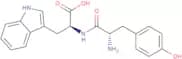

![4-Nitro-Z-Gly-Cys(7-nitro-benzo[2,1,3]oxadiazol-4-yl)-Gly-OH](/_next/image/?url=https%3A%2Fstatic.cymitquimica.com%2Fproducts%2F3D%2Fthumb-webp%2FFN110874.webp&w=3840&q=75)

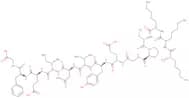
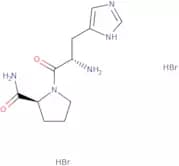
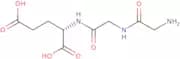
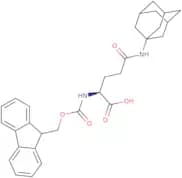
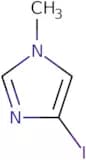
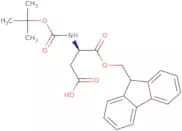
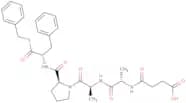
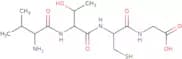
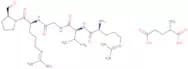
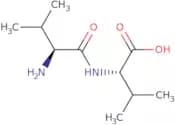
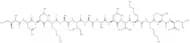
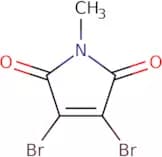
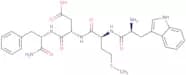

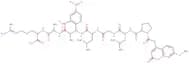

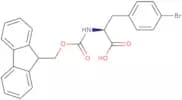

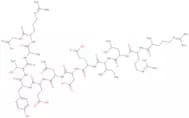
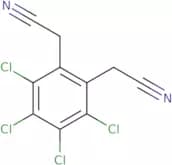
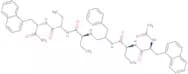
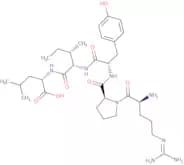
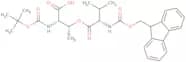
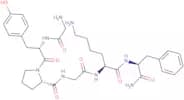


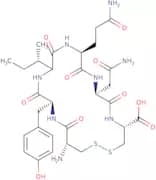
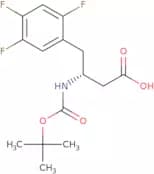
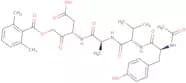
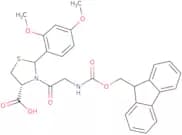
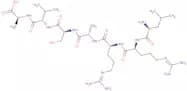

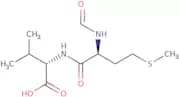
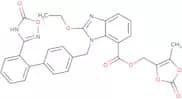
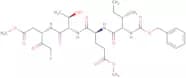


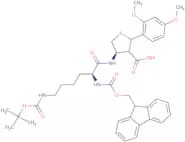
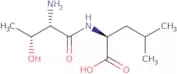
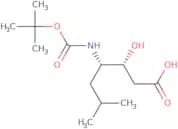
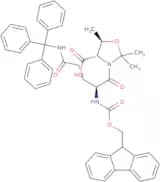
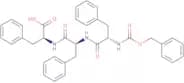
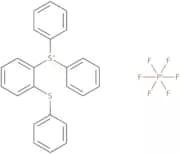

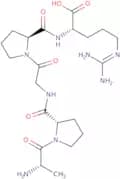
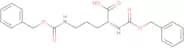
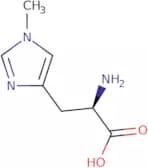
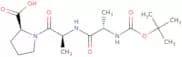
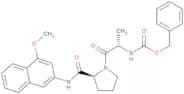
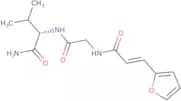
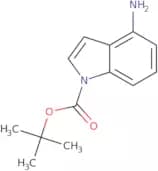
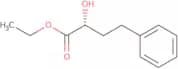
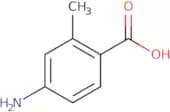
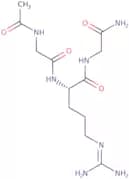

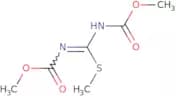
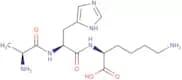
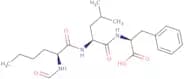
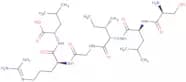
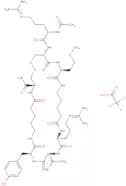
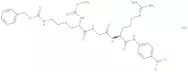
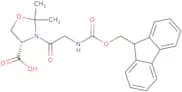
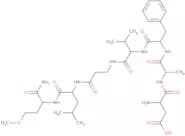


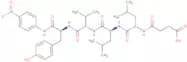
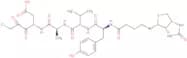
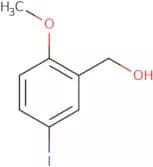
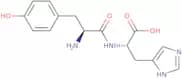

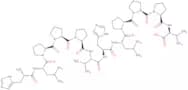
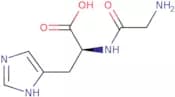

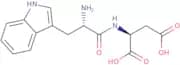
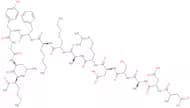

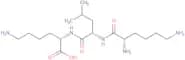
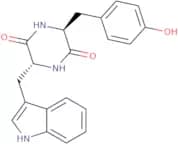
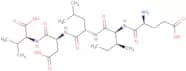
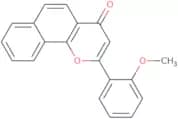
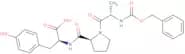
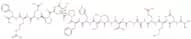
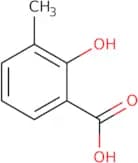

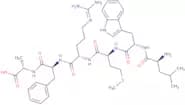
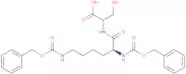
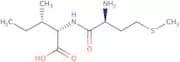
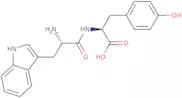

![6-(7-Nitro-benzo[2,1,3]oxadiazol-4-ylamino)-hexanoyl-Arg-Pro-Lys-Pro-Leu-Ala-Nva-Trp-Lys((7-dimeth…](/_next/image/?url=https%3A%2Fstatic.cymitquimica.com%2Fproducts%2F3D%2Fthumb-webp%2FFN110943.webp&w=3840&q=75)
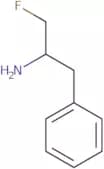

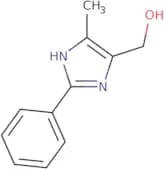
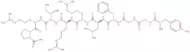
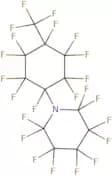

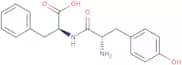
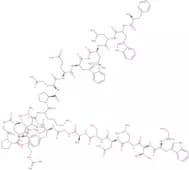

![[2,6-Dimethyl-4-(3-[2-(Z-amino)-ethylcarbamoyl]-propoxy)-benzenesulfonyl]-Dap (Boc)-OMe](/_next/image/?url=https%3A%2Fstatic.cymitquimica.com%2Fproducts%2F3D%2Fthumb-webp%2FFD111582.webp&w=3840&q=75)