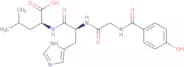
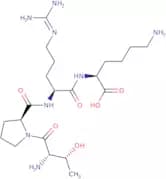
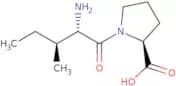
Amino Acids (AA)
Amino acids (AAs) are the fundamental building blocks of proteins, playing a crucial role in various biological processes. These organic compounds are essential for protein synthesis, metabolic pathways, and cell signaling. In this category, you will find a comprehensive range of amino acids, including essential, non-essential, and modified forms, which are vital for research in biochemistry, molecular biology, and nutritional sciences. At CymitQuimica, we provide high-quality amino acids to support your research and development needs, ensuring accuracy and reliability in your experimental outcomes.
Subcategories of "Amino Acids (AA)"
- Amino Acid Derivatives(3,955 products)
- Amino Acid and Amino Acid Related Compounds(3,436 products)
- Amino Acids with Oxygen or Sulphur(168 products)
- Boc- Amino Acids(351 products)
- Fmoc Amino Acids(1,710 products)
Found 38216 products of "Amino Acids (AA)"
Sort by
Purity (%)
0
100
|
0
|
50
|
90
|
95
|
100
GAP 27 acetate salt
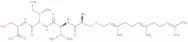
CAS:<p>GAP 27 is a connexin that is expressed in the cardiac and skin cells. GAP 27 acetate salt H-Ser-Arg-Pro-Thr-Glu-Lys-Thr-Ile-Phe-Ile-Ile-OH acetate salt is made up of a number of amino acids, including serine, arginine, proline, glutamic acid, lysine, threonine and isoleucine. It has been shown to have biological function in vivo models and in vitro assays. GAP 27 acetate salt H-Ser-Arg-Pro-Thr-Glu-Lys-Thr--Ile--Phe--Ile--Ile--OH acetate salt has been shown to be non toxic to the heart and skin cells. This protein also shows growth factor activity when it interacts with toll like receptor 4 (TLR4) on human skin cells.</p>Formula:C60H101N15O17Purity:Min. 95%Molecular weight:1,304.53 g/mol(Pyr 1)-Opiorphin trifluoroacetate salt
CAS:<p>Please enquire for more information about (Pyr 1)-Opiorphin trifluoroacetate salt including the price, delivery time and more detailed product information at the technical inquiry form on this page</p>Formula:C29H45N11O8Purity:Min. 95%Molecular weight:675.74 g/mol2-Bromo-3-methylbenzoic acid
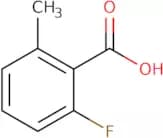
CAS:<p>2-Bromo-3-methylbenzoic acid is an alcohol that has been shown to be selective for the stereoselective synthesis of chiral secondary alcohols. It has been used in the reduction of 2-formylphenylboronic acid, yielding a mixture of the two possible diastereomers, and in the reductive elimination of carboxylic acids, which can be used as an alternative to the Baylis-Hillman reaction. The compound also has inhibitory activity against several bacteria, including methicillin resistant Staphylococcus aureus (MRSA) and Mycobacterium tuberculosis. 2-Bromo-3-methylbenzoic acid is photochromic and changes color from yellow to red when exposed to UV light.</p>Formula:C8H7BrO2Purity:Min. 95%Color and Shape:PowderMolecular weight:215.04 g/molH-Gln(Trt)-2-chlorotrityl resin (200-400 mesh) (Low Substitution)
<p>Please enquire for more information about H-Gln(Trt)-2-chlorotrityl resin (200-400 mesh) (Low Substitution) including the price, delivery time and more detailed product information at the technical inquiry form on this page</p>Purity:Min. 95%H-Met-Leu-Gly-OH
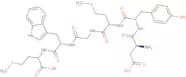
CAS:<p>H-Met-Leu-Gly-OH is a tetrapeptide that has shown to have neuroprotective effects. It has been shown to be effective in the treatment of catalysis and inflammatory diseases. The peptidase activity of H-Met-Leu-Gly-OH is inhibited by the presence of lysine, arginine, and tryptophan. This inhibitory effect can be reversed by the presence of an acceptor such as histidine or cysteine. H-Met-Leu-Gly-OH also inhibits the production of nitric oxide in microglial cells and lung cells.</p>Formula:C13H25N3O4SPurity:Min. 95%Molecular weight:319.42 g/mol(p-Amino-Phe6)-Angiotensin II
CAS:<p>Please enquire for more information about (p-Amino-Phe6)-Angiotensin II including the price, delivery time and more detailed product information at the technical inquiry form on this page</p>Formula:C53H74N12O12Purity:Min. 95%Molecular weight:1,071.23 g/molFmoc-Orn (Boc)-Wang resin (200-400 mesh)
<p>Please enquire for more information about Fmoc-Orn (Boc)-Wang resin (200-400 mesh) including the price, delivery time and more detailed product information at the technical inquiry form on this page</p>Purity:Min. 95%Fmoc-Nle-Wang resin (200-400 mesh)
<p>Please enquire for more information about Fmoc-Nle-Wang resin (200-400 mesh) including the price, delivery time and more detailed product information at the technical inquiry form on this page</p>Purity:Min. 95%EGF Receptor (988-993) (phosphorylated) (human)
CAS:<p>Please enquire for more information about EGF Receptor (988-993) (phosphorylated) (human) including the price, delivery time and more detailed product information at the technical inquiry form on this page</p>Formula:C31H46N7O16PPurity:Min. 95%Molecular weight:803.71 g/molN-Acetyl-L-norleucyl-L-glutaminyl-L-histidyl-D-phenylalanyl-L-arginyl-D-tryptophylglycinamide
CAS:<p>Please enquire for more information about N-Acetyl-L-norleucyl-L-glutaminyl-L-histidyl-D-phenylalanyl-L-arginyl-D-tryptophylglycinamide including the price, delivery time and more detailed product information at the technical inquiry form on this page</p>Formula:C47H65N15O9Purity:Min. 95%Molecular weight:984.11 g/molFmoc-ε-aminocaproic acid-Wang resin (200-400 mesh)
<p>Please enquire for more information about Fmoc-epsilon-aminocaproic acid-Wang resin (200-400 mesh) including the price, delivery time and more detailed product information at the technical inquiry form on this page</p>Purity:Min. 95%H-Phe-Leu-Arg-Phe-NH2 acetate salt
CAS:<p>H-Phe-Leu-Arg-Phe-NH2 acetate salt is a peptide that has been shown to inhibit neuronal activity in the Xenopus oocyte. This inhibition is biphasic and can be reversed by the addition of an excess of glutamate. It has been shown to have an inhibitory effect on the release of neurotransmitters from the isolated heart, ganglia, and subesophageal ganglion. The sequence of H-Phe-Leu-Arg-Phe-NH2 acetate salt has been determined as carboxy terminal. The physiological effects of H-Phe-Leu-Arg-Phe-NH2 acetate salt are related to its receptor binding properties.</p>Formula:C30H44N8O4Purity:Min. 95%Molecular weight:580.72 g/mol2-Methyl-2H-indazol-5-ylamine
CAS:<p>Please enquire for more information about 2-Methyl-2H-indazol-5-ylamine including the price, delivery time and more detailed product information at the technical inquiry form on this page</p>Formula:C8H9N3Purity:Min. 95%Molecular weight:147.18 g/mol1-O-Octadecyl-rac-glycerol
CAS:<p>1-O-Octadecyl-rac-glycerol is a fatty acid that has been shown to have antiinflammatory properties. It is also known as 1,1'-dioctadecyl-rac-glycerol, or DOG. 1-O-Octadecyl-rac-glycerol has been shown to inhibit the production of inflammatory mediators such as prostaglandin E2 and monocyte chemotactic protein 1 (MCP1) in vitro and in vivo. It has also been shown to stimulate the production of colony stimulating factor (CSF), which stimulates the growth and differentiation of stem cells into macrophages, neutrophils, dendritic cells, erythrocytes, and lymphocytes. These cells are needed for wound healing and repair.</p>Formula:C21H44O3Purity:Min. 95%Molecular weight:344.57 g/molSomatostatin-25
CAS:<p>Somatostatin-25 H-Ser-Asn-Pro-Ala-Met-Ala-Pro-Arg-Glu-Arg-Lys-Ala-Gly-Cys-Lys-(disulfide bond) is a synthetic somatostatin analog that is conjugated to a linker that allows it to be administered intravenously. Somatostatin inhibits the release of growth hormone and insulin from the anterior pituitary gland, and also inhibits the release of other hormones such as glucagon and thyrotropin. Somatostatin has been shown to be effective in treating kidney disease, a condition characterized by increased levels of creatinine and blood urea nitrogen. This drug has been shown to be reversible with the removal of its linker. Somatostatin binds to receptors on pancreatic cells, inhibiting the secretion of digestive enzymes into the gastrointestinal tract. It also blocks insulin release from pancreatic beta cells, which may</p>Formula:C127H191N37O34S3Purity:Min. 95%Molecular weight:2,876.3 g/mol2-Amino-5-methylpyridine
CAS:<p>2-Amino-5-methylpyridine is a chemical compound that belongs to the group of methyl ketones. It has a nitrogen atom and an oxygen atom in its structure, which allows it to form hydrogen bonds with other molecules. 2-Amino-5-methylpyridine can be obtained by reacting hydrochloric acid and xanthone in the presence of a base. The compound is highly reactive and has been shown to have antiinflammatory properties. This can be attributed to its ability to inhibit prostaglandin synthesis. 2-Amino-5-methylpyridine also has fluorescence properties that are sensitive to pH changes and can be used as a probe for metal ions.<br>2-Amino-5-methylpyridine is an organic compound that contains a methyl group, two nitrogen atoms, and one oxygen atom in its chemical structure. This molecule can form hydrogen bonds with other molecules due to its nitrogen atoms and oxygen atom,</p>Formula:C6H8N2Purity:Min. 95%Color and Shape:PowderMolecular weight:108.14 g/molH-Gly-Gly-Lys-OH acetate salt
CAS:<p>Please enquire for more information about H-Gly-Gly-Lys-OH acetate salt including the price, delivery time and more detailed product information at the technical inquiry form on this page</p>Formula:C10H20N4O4Purity:Min. 95%Molecular weight:260.29 g/molExperimental Allergic Encephalitogenic Peptide (human)
CAS:<p>Experimental Allergic Encephalitogenic Peptide (human) H-Phe-Ser-Trp-Gly-Ala-Glu-Gly-Gln-Arg-OH is a protein that is used as an adjuvant to increase the immune response. It is composed of a string of amino acids that are recognized by the immune system, but do not elicit an immune response on their own. The peptide can be administered intracutaneously or in the form of a vaccine. This peptide has been shown to have a basic nature and has been found to have lethal effects when administered at high doses.</p>Formula:C46H64N14O14Purity:Min. 95%Molecular weight:1,037.09 g/molCecropin A (1-8)-Melittin (1-18) amide
CAS:<p>Please enquire for more information about Cecropin A (1-8)-Melittin (1-18) amide including the price, delivery time and more detailed product information at the technical inquiry form on this page</p>Formula:C136H233N33O29Purity:Min. 95%Molecular weight:2,794.51 g/molPAR-4 (1-6) amide (mouse) trifluoroacetate salt
CAS:<p>PAR-4 (1-6) amide (mouse) trifluoroacetate salt H-Gly-Tyr-Pro-Gly-Lys-Phe-NH2 trifluoroacetate salt is a guanine nucleotide binding protein that belongs to the PAR family of proteins. It is expressed in wild type mice and binds to the cytosolic calcium, which regulates polymerase chain reaction. PAR-4 (1-6) amide (mouse) trifluoroacetate salt H-Gly-Tyr-Pro-Gly-Lys-Phe NH2 trifluoroacetate salt can be used as a potential drug target for epidermal growth factor. It has been shown to activate transcription polymerase chain and transcriptase polymerase chain during transcriptional regulation of messenger RNA.</p>Formula:C33H46N8O7Purity:Min. 95%Molecular weight:666.77 g/molBiotinyl-Asp-Glu-Val-Asp-aldehyde (pseudo acid)
CAS:<p>Biotinyl-Asp-Glu-Val-Asp-aldehyde (pseudo acid) is a biotinylated amino acid, which can be used to study the affinity of caspases and other proteases. Biotin binds to the peptide through an amide bond and the amino group on the biotin molecule reacts with reactive groups on proteins, such as lysine, cysteine, histidine, or arginine. This reaction leads to the formation of a stable link between biotin and the target protein. The biotinylated peptide can then be purified from a sample by using an affinity chromatography column that has been pre-coated with streptavidin.<br>Biotin is not toxic because it does not bind to DNA.</p>Formula:C28H42N6O12SPurity:Min. 95%Molecular weight:686.73 g/molBiotinyl-AEEAc-AEEAc-OH
CAS:<p>Please enquire for more information about Biotinyl-AEEAc-AEEAc-OH including the price, delivery time and more detailed product information at the technical inquiry form on this page</p>Formula:C22H38N4O9SPurity:Min. 95%Molecular weight:534.62 g/molAc-Val-Arg-Pro-Arg-AMC trifluoroacetate salt
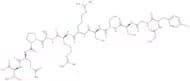
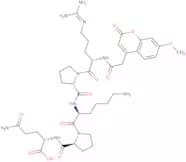
CAS:<p>Please enquire for more information about Ac-Val-Arg-Pro-Arg-AMC trifluoroacetate salt including the price, delivery time and more detailed product information at the technical inquiry form on this page</p>Formula:C34H51N11O7•C2HF3O2Purity:Min. 98 Area-%Color and Shape:PowderMolecular weight:839.86 g/mol(Lys1015·1024)-Thrombospondin-1 (1015-1024) (human, bovine, mouse) trifluoroacetate salt
CAS:<p>Please enquire for more information about (Lys1015·1024)-Thrombospondin-1 (1015-1024) (human, bovine, mouse) trifluoroacetate salt including the price, delivery time and more detailed product information at the technical inquiry form on this page</p>Formula:C68H105N17O12SPurity:Min. 95%Molecular weight:1,384.73 g/mol2-Amino-1-phenylpropan-1-one hydrochloride
CAS:Controlled Product<p>2-Amino-1-phenylpropan-1-one hydrochloride is a chemical compound that can be used as an intermediate in the synthesis of ethyl formate. It is also a pharmaceutical intermediate, which is used to prepare triazine and alicyclic compounds. It has been shown to have potential use in the treatment of prostatic hypertrophy and heterocycle disorders. 2-Amino-1-phenylpropan-1-one hydrochloride has been found to be active in animals and humans and is not toxic to women or animals. This drug has shown no adverse effects on human health at doses up to 10 g/kg body weight.</p>Formula:C9H11NO•HClPurity:Min. 95%Color and Shape:PowderMolecular weight:185.65 g/mol(Lauroyl-Cys-Tyr-Gly(-Glu-Glu-Asn-Val)6-OH)2 (Disulfide bond)
CAS:<p>Please enquire for more information about (Lauroyl-Cys-Tyr-Gly(-Glu-Glu-Asn-Val)6-OH)2 (Disulfide bond) including the price, delivery time and more detailed product information at the technical inquiry form on this page</p>Formula:C280H428N66O120S2Purity:Min. 95%Molecular weight:6,702.9 g/molPotassium 4-methoxycinnamate
CAS:<p>Potassium 4-methoxycinnamate is a fine chemical that is used as a versatile building block in the synthesis of complex compounds. It can be used in research and as a reagent or speciality chemical. It is also a useful building block for high quality, useful intermediate, and reaction component. Potassium 4-methoxycinnamate can be used as a scaffold to synthesize compounds with diverse applications such as pharmaceuticals, polymers, and agrochemicals.</p>Formula:C10H9O3·KPurity:Min. 95%Molecular weight:216.27 g/molH-Glu(Trp-OH)-OH
CAS:<p>H-Glu(Trp-OH)-OH is a synthetic immunomodulator that is used in vitro to study the immune system. H-Glu(Trp-OH)-OH has been shown to stimulate the production of antibodies by polyclonal antibodies, which inhibits the growth of bacteria. H-Glu(Trp-OH)-OH has also been shown to have anti-inflammatory properties and can inhibit lung damage caused by radiation. H-Glu(Trp-OH)-OH is not active against tuberculosis or other infectious diseases in animals because it does not cause an increase in phagocytic cells or leukocytes.</p>Formula:C16H19N3O5Purity:Min. 95%Molecular weight:333.34 g/molH-Leu-Trp-Met-Arg-OH
CAS:<p>Histidine is a non-essential amino acid that is found in all living cells. It is a precursor of histamine and can be converted to tryptophan by decarboxylation. Histidine has been found to be essential for growth in some bacteria and yeast, but not in higher plants or animals. The formyl group of histidine can be oxidized to a sulfoxide or reduced to a formyl group. Histidine residues are often found in the protein matrix of proteomic samples, but can also be used as an analyte. The two most common methods for the detection of histidine are matrix-assisted laser desorption/ionization mass spectrometry (MALDI MS) and matrix-assisted laser desorption/ionization time-of-flight mass spectrometry (MALDI TOF MS). These methods allow for the minimization of background interference from other molecules present in the sample, such as tryptophan residues.</p>Formula:C28H44N8O5SPurity:Min. 95%Molecular weight:604.77 g/mol3-Methylbenzofuran-2-carboxylic acid
CAS:<p>3-Methylbenzofuran-2-carboxylic acid is a dianion that binds to the cell membrane and inhibits bacterial growth. This compound has been shown to be active against bacteria at low concentrations. 3-Methylbenzofuran-2-carboxylic acid has been used as an antibacterial agent for the treatment of gram-negative bacteria such as Escherichia coli and Proteus mirabilis. It also inhibits the growth of gram-positive bacteria including Staphylococcus aureus, Streptococcus pneumoniae, and Enterococcus faecalis. The reaction temperature required for the synthesis of this compound is high, but it can be prepared at lower temperatures by using anhydrous acetonitrile in place of hydrochloric acid.</p>Formula:C10H8O3Purity:Min. 95%Color and Shape:White PowderMolecular weight:176.17 g/molFmoc-Gly-Wang resin (200-400 mesh)
<p>Please enquire for more information about Fmoc-Gly-Wang resin (200-400 mesh) including the price, delivery time and more detailed product information at the technical inquiry form on this page</p>Purity:Min. 95%Fmoc-Arg(Pmc)-OPfp
CAS:<p>Fmoc-Arg(Pmc)-OPfp is an amino acid that belongs to the group of l-amino acids. It has a molecular weight of 121.12 g/mol and a pKa of 9.78, and it can be used in the synthesis of oligopeptides. Fmoc-Arg(Pmc)-OPfp is also a positional isomer, which means that it has the same chemical formula but different spatial arrangements within the molecule. The position for this amino acid is on the N-terminal side of an alpha carbon atom, meaning that there are two chiral centers at this position on either side of the molecule. These two chiral centers are opposite each other, so they are called enantiomers. The conformation of this amino acid is L-amino acid because its amine group faces towards the right when looking at it from below. In addition, Fmoc-Arg(Pmc)-OPfp contains one specific mon</p>Formula:C41H41F5N4O7SPurity:Min. 95%Molecular weight:828.85 g/molAngiotensin II trifluoroacetate salt
CAS:<p>Angiotensin II is a peptide hormone that may act as a neurotransmitter or neuromodulator. It is one of the most important vasoconstrictor and aldosterone-secreting hormones produced by the renin-angiotensin system in mammals. Angiotensin II has been shown to stimulate cardiac contractility, increase vascular resistance, and regulate blood pressure. The effect of Angiotensin II on cardiac contractility is mediated through its binding to a response element in the promoter region of genes encoding for Ca2+ channels. This binding leads to increased Ca2+ influx into cardiac cells and increased myofibrillar Ca2+ sensitivity. Angiotensin II also activates reactive oxygen species (ROS) production, which causes injury to the renal tubular epithelium and induces tubulointerstitial injury in rats with diabetes. It also stimulates squamous cell carcinoma growth by inducing reactive oxygen species (ROS) production and activating signal trans</p>Formula:C50H71N13O12·xC2HF3O2Purity:Min. 95%Molecular weight:1,046.18 g/molH-Pro-Pro-Pro-OH
CAS:<p>H-Pro-Pro-Pro-OH is a synthetic peptide that inhibits the production of reactive oxygen species (ROS) by acting as an antioxidant. It has been shown to have a protective effect on cells, preventing cell death and promoting cell survival. H-Pro-Pro-Pro-OH also has a significant inhibitory effect on superoxide radical production in nanotubes and photoreceptors. It can be used to prevent the oxidation of α-tocopherol, which is a lipid soluble vitamin found in vegetable oils. The three amino acids in the sequence are hydrolysed to proline, which is an essential amino acid for human metabolism, and two dipeptides with chemical structures similar to those found in natural peptides. The peptide was synthesized from proline, histidine and arginine. This molecule can be detected using polyacrylamide gel electrophoresis and fluorescence microscopy with enhanced optical properties as a chromophore.</p>Formula:C15H23N3O4Purity:Min. 95%Molecular weight:309.36 g/molAbz-Gly-Ile-Val-Arg-Ala-Lys(Dnp)-OH
CAS:<p>Abz-Gly-Ile-Val-Arg-Ala-Lys(Dnp)-OH is a protease inhibitor that has been shown to inhibit the activity of proteinases, such as collagenase, elastase and cathepsin G. It also inhibits the growth of leishmania parasites. Abz-Gly-Ile-Val-Arg-Ala-Lys(Dnp)-OH was also found to be potent in inhibiting the proteolytic activity of cancer cells. The inhibition is due to its ability to form tight complexes with the active site of enzymes such as trypsin and chymotrypsin. This compound has potential for use in animal experiments and in vitro assays.</p>Formula:C41H61N13O12Purity:Min. 95%Molecular weight:928 g/molAbz-Lys-Pro-Leu-Gly-Leu-Dap (Dnp)-Ala-Arg-NH2 trifluoroacetate salt
CAS:<p>Please enquire for more information about Abz-Lys-Pro-Leu-Gly-Leu-Dap (Dnp)-Ala-Arg-NH2 trifluoroacetate salt including the price, delivery time and more detailed product information at the technical inquiry form on this page</p>Formula:C50H77N17O13Purity:Min. 95%Molecular weight:1,124.25 g/molIGF-I (24-41)
CAS:<p>Please enquire for more information about IGF-I (24-41) including the price, delivery time and more detailed product information at the technical inquiry form on this page</p>Formula:C88H133N27O28Purity:Min. 95%Molecular weight:2,017.16 g/mol(Leu8,D-Trp22,Tyr25)-Somatostatin-28
CAS:<p>Please enquire for more information about (Leu8,D-Trp22,Tyr25)-Somatostatin-28 including the price, delivery time and more detailed product information at the technical inquiry form on this page</p>Formula:C138H209N41O40S2Purity:Min. 95%Molecular weight:3,146.52 g/mol5-Methoxy-3,4-dihydro-2H-pyrrole
CAS:<p>5-Methoxy-3,4-dihydro-2H-pyrrole is a chemical compound that contains a pyrrole ring. It can be found in the form of dehydrogenation and intramolecular hydrogen. 5-Methoxy-3,4-dihydro-2H-pyrrole has been shown to have antibacterial effects against Mycobacterium tuberculosis and other bacteria. 5-Methoxy-3,4-dihydro-2H-pyrrole also reacts with nitroacetate to form an aziridine, which is an intermediate in the synthesis of several pharmaceuticals. This chemical compound is used in the preparation of bipyrrole compounds such as naphthalene and alicyclic compounds such as nitrophenols.</p>Formula:C5H9NOPurity:Min. 95%Molecular weight:99.13 g/molAcetyl-Neurotrophin Receptor (368-381) amide (human)
CAS:<p>Please enquire for more information about Acetyl-Neurotrophin Receptor (368-381) amide (human) including the price, delivery time and more detailed product information at the technical inquiry form on this page</p>Formula:C69H124N22O19Purity:Min. 95%Molecular weight:1,565.86 g/molBiotinyl-Neuromedin S (human) trifluoroacetate salt
CAS:<p>Please enquire for more information about Biotinyl-Neuromedin S (human) trifluoroacetate salt including the price, delivery time and more detailed product information at the technical inquiry form on this page</p>Formula:C183H279N55O46SPurity:Min. 95%Molecular weight:4,017.58 g/molPAR-4 (1-6) (human) trifluoroacetate salt
CAS:<p>Please enquire for more information about PAR-4 (1-6) (human) trifluoroacetate salt including the price, delivery time and more detailed product information at the technical inquiry form on this page</p>Formula:C28H41N7O9Purity:Min. 95%Molecular weight:619.67 g/molH-D-Phe-His-Leu-Leu-Arg-Glu-Val-Leu-Glu-Nle-Ala-Arg-A la-Glu-Gln-Leu-Ala-Gln-Gln-Ala-His-Ser-Asn-Arg-Lys-a-Me-Leu-Nle-Glu-Ile-Ile-NH 2 trifluoroacetate salt
CAS:<p>Please enquire for more information about H-D-Phe-His-Leu-Leu-Arg-Glu-Val-Leu-Glu-Nle-Ala-Arg-A la-Glu-Gln-Leu-Ala-Gln-Gln-Ala-His-Ser-Asn-Arg-Lys-a-Me-Leu-Nle-Glu-Ile-Ile-NH 2 trifluoroacetate salt including the price, delivery time and more detailed product information at the technical inquiry form on this page</p>Formula:C159H267N49O43Purity:Min. 95%Molecular weight:3,553.13 g/molEndothelin-1 (11-21) trifluoroacetate salt
CAS:<p>Endothelin-1 (11-21) trifluoroacetate salt H-Cys-Val-Tyr-Phe-Cys-His-Leu-Asp-Ile-Ile-Trp is a peptide that is derived from endothelin. It has been shown to have an inhibitory effect on insulin stimulated glucose uptake in Sprague Dawley rats. This peptide has also been shown to bind to the endothelin receptor and act as a nonselective agonist. Endothelin 1 (11–21) trifluoroacetate salt H-Cys Val Tyr Phe Cys His Leu Asp Ile Ile Trp, when incubated with cells, had a maximal response at micron concentrations.</p>Formula:C68H92N14O15S2Purity:Min. 95%Molecular weight:1,409.68 g/molNα-(5-fluoro-2,4-dinitrophenyl)-D-leucinamide
CAS:<p>Nalpha-(5-fluoro-2,4-dinitrophenyl)-D-leucinamide is a chemical compound that inhibits the activity of proteases. It has been shown to inhibit leukemia cells and actinomycetes. This chemical binds to the active site of proteases, inhibiting the hydrolysis of peptides by blocking the access of water molecules to the reactive site. In addition, Nalpha-(5-fluoro-2,4-dinitrophenyl)-D-leucinamide can also be used as a fluorescent probe for protease activity in analytical methods. The product research on this compound has shown that it is a potent inhibitor of cyclic peptide synthetases and can be used as an anti-inflammatory agent.</p>Formula:C12H15FN4O5Purity:Min. 95%Color and Shape:Off-White To Yellow SolidMolecular weight:314.27 g/molH-D-Val-Leu-Lys-pNA·2 HCl
CAS:<p>D-Val-Leu-Lys-p-nitroanilide is a selective colorimetric substrate for plasmin used to determine plasmin formation from plasminogen in amidolytic activity assays and plasminogen activating assays. Plasmin is a plasma serine protease whose main role is to dissolve fibrin blood clots. After cleavage by plasmin, the protease activity is quantified by the release of p-nitroaniline (pNA) from the substrate.</p>Formula:C23H38N6O5·2HClPurity:Min. 95%Molecular weight:551.51 g/mol1,3-Bis(methoxycarbonyl)-2-methyl-2-thiopseudourea
CAS:<p>1,3-Bis(methoxycarbonyl)-2-methyl-2-thiopseudourea (BMTC) is a novel anticancer agent that has been synthesized to be water soluble and also has significant cytotoxicity. BMTC is believed to exert its anticancer activity by binding to the colchicine binding site on tubulin which is involved in microtubule dynamics. The antitubulin effect of BMTC results in inhibition of cell division and growth. BMTC also inhibits cancer cell proliferation and migration. It has shown significant cytotoxicity against human prostate cancer cells and ovarian cancer cells, as well as inhibiting tumor xenografts in mice.</p>Formula:C6H10N2O4SPurity:Min. 95%Color and Shape:White PowderMolecular weight:206.22 g/molFor-Nle-Leu-Phe-OH
CAS:<p>Nle-Leu-Phe-OH is a potent colony-stimulating factor that binds to the receptor on the surface of cells and stimulates the production of white blood cells. Nle-Leu-Phe-OH has been shown to induce actin filament formation, which is necessary for cell movement. It also induces cytosolic calcium release and enhances protein synthesis. Nle-Leu-Phe-OH also binds to phosphatase and inhibits its activity, which may be due to a conformational change in the enzyme. This process is necessary for the synthesis of DNA and other proteins from amino acids. Nle-Leu-Phe-OH also causes an increase in the uptake of Ca2+ ions by cells.</p>Formula:C22H33N3O5Purity:Min. 95%Molecular weight:419.51 g/molPAR-2 (1-6) (mouse, rat) trifluoroacetate salt
CAS:<p>Please enquire for more information about PAR-2 (1-6) (mouse, rat) trifluoroacetate salt including the price, delivery time and more detailed product information at the technical inquiry form on this page</p>Formula:C29H55N9O8Purity:Min. 95%Molecular weight:657.8 g/molGastric Inhibitory Polypeptide (6-30) amide (human) trifluoroacetate salt
CAS:<p>Please enquire for more information about Gastric Inhibitory Polypeptide (6-30) amide (human) trifluoroacetate salt including the price, delivery time and more detailed product information at the technical inquiry form on this page</p>Formula:C139H209N35O38SPurity:Min. 95%Molecular weight:3,010.43 g/molPACAP-27 (human, mouse, ovine, porcine, rat) trifluoroacetate salt
CAS:<p>Trifluoroacetate salt</p>Formula:C142H224N40O39SPurity:Min. 95%Molecular weight:3,147.61 g/molH-Asp-Phe-NH2
CAS:<p>H-Asp-Phe-NH2 is a carboxy terminal amide of angiotensin, which is a peptide hormone. It is an analog of angiotensin II, which has been shown to have a number of therapeutic effects in the treatment of infectious diseases and cancer. H-Asp-Phe-NH2 has been shown to activate the angiotensin system by binding to serine protease, thereby regulating blood pressure and body fluid levels. This drug also has anti-inflammatory properties that may be due to its ability to inhibit prostaglandin synthesis. The optimal pH for this chemical reaction is 7.5. Structural studies on this compound have revealed that it can form hydrogen bonds with amino acids in proteins and tissues such as cysteine, histidine, and lysine.</p>Formula:C13H17N3O4Purity:Min. 95%Molecular weight:279.29 g/molH-Ala-Gly-Ala-OH
CAS:<p>H-Ala-Gly-Ala-OH is a small molecule that regulates the replication of viruses. It was discovered by x-ray crystallography and has been shown to inhibit the replication of viruses in cell culture. H-Ala-Gly-Ala-OH effectively inhibits viral replication by binding to the protein that is required for viral RNA synthesis. This molecule also affects other cellular processes, such as regulating gene expression and DNA repair. The molecular orbital energies have been calculated using density functional theory and analysed using diffraction data from X-ray crystallography. H-Ala-Gly-Ala-OH binds to the virus's surface by electrostatic interactions with the phosphate backbone of the nucleic acid, preventing it from infecting cells. At low temperatures, HAAGAO can inhibit both DNA and RNA synthesis in vitro, but at higher temperatures it only inhibits RNA synthesis.</p>Formula:C8H15N3O4Purity:Min. 95%Molecular weight:217.22 g/molFmoc-b-Ala-Phe-Pro-OH
<p>Fmoc-b-Ala-Phe-Pro-OH is a chemical compound that is used as a reaction component, reagent, and useful scaffold. It reacts with various other chemicals to form complex compounds. This synthetic compound can be used as an intermediate in the synthesis of peptides, proteins, and other organic compounds. Fmoc-b-Ala-Phe-Pro-OH can also be used as a building block for the synthesis of speciality chemicals.</p>Formula:C32H33N3O6Purity:Min. 95%Color and Shape:PowderMolecular weight:555.62 g/mol2-Methylthio-cis-zeatin
CAS:<p>2-Methylthio-cis-zeatin is a corynebacterium metabolite that is produced by the oxidative deamination of 2-methylthioadenosine. It can be used as an indicator for the presence of corynebacteria in various plant species and has been found to have physiological functions such as multiple-reaction monitoring, biochemical analysis, and chemical structures. The production of 2-methylthio-cis-zeatin has been detected in tissue culture and explants from plants. Chemical analyses have shown that this metabolite is an impurity or contaminant in some pharmaceuticals and food products. 2-Methylthio-cis-zeatin can be identified using chromatographic methods with a mass spectrometric detection (MS) method, which allows for the identification of its isomers. This metabolite can also be analyzed using chromatographic methods with MS detection, which allows for the identification of its isomers</p>Formula:C11H15N5OSPurity:Min. 95%Molecular weight:265.34 g/molZ-Gly-Ala-His-AMC
CAS:<p>Please enquire for more information about Z-Gly-Ala-His-AMC including the price, delivery time and more detailed product information at the technical inquiry form on this page</p>Formula:C29H30N6O7Purity:Min. 95%Molecular weight:574.58 g/mol(3-(4-Azidophenyl)propionyl1,D-Tyr(Me)2,Arg6,Arg8,Tyr-NH29)-Vasopressin trifluoroacetate salt
CAS:<p>Please enquire for more information about (3-(4-Azidophenyl)propionyl1,D-Tyr(Me)2,Arg6,Arg8,Tyr-NH29)-Vasopressin trifluoroacetate salt including the price, delivery time and more detailed product information at the technical inquiry form on this page</p>Formula:C63H84N20O13Purity:Min. 95%Molecular weight:1,329.47 g/mol(2S,3S)-(-)-3-Amino-2-phenylpiperidine
CAS:<p>The process of asymmetric epoxidation is used to convert alkenes into epoxides in a single step. This reaction is catalyzed by the use of a chiral catalyst with an enantiomeric excess (ee) greater than 50%. The reactants are added to the catalyst and hydrogen peroxide, which oxidizes the alkenes. The resulting epoxides can be isolated from the reaction mixture by distillation or extraction. Factors that affect this reaction include the type of reactant, solvent, temperature, and pressure.</p>Formula:C11H16N2Purity:Min. 95%Molecular weight:176.26 g/molH-Gly-Arg-Gly-Asp-Asn-Pro-OH
CAS:<p>H-Gly-Arg-Gly-Asp-Asn-Pro-OH is a cyclic peptide that is derived from the amino acid sequence of human collagen. It has been shown to have significant cytotoxicity and act as a chemoattractant for cells. H-Gly-Arg-Gly-Asp-Asn-Pro-OH has also been found to stimulate the growth of fibroblasts and increase the production of collagen, which is an important structural protein in connective tissue. HGRAAAP has been shown to have antiinflammatory properties and can be used to treat autoimmune diseases and infectious diseases, such as papillary muscle dysfunction, which is caused by inflammation. HGRAAAP may also be used to inhibit water permeability into cells, which would be helpful for the treatment of certain cancers that are caused by unregulated cell growth.</p>Formula:C23H38N10O10Purity:Min. 95%Molecular weight:614.61 g/mol(H-Cys-pNA)2 (Disulfide bond)
CAS:<p>H-Cys-pNA is a labile molecule that has been used as a substrate for aminopeptidase activity. It is a competitive inhibitor of aminopeptidase and binds to the active site of the enzyme, preventing it from cleaving peptides from their amino acids. H-Cys-pNA has been shown to inhibit oxytocin release by binding to the oxytocin receptor in rat brain tissue. This molecule also inhibits the growth of dysgerminoma cells in vitro and blocks cell division. H-Cys-pNA is susceptible to proteolytic degradation and may be degraded by polyacrylamide gel electrophoresis, which can be used for its analysis on polyacrylamide gels.</p>Formula:C18H20N6O6S2Purity:Min. 95%Molecular weight:480.52 g/molFmoc-Tyr-Ala-diazomethylketone
CAS:<p>Please enquire for more information about Fmoc-Tyr-Ala-diazomethylketone including the price, delivery time and more detailed product information at the technical inquiry form on this page</p>Formula:C28H26N4O5Purity:Min. 95%Molecular weight:498.53 g/molRetrocyclin-1 trifluoroacetate salt
CAS:<p>Retrocyclin-1 trifluoroacetate salt is a synthetic antimicrobial peptide, which is derived from humanized sequences based on the theta-defensin family, originally found in certain primates. Retrocyclin-1 is particularly notable for its circular structure which contributes to its stability and biological activity. The peptide is produced through a process of solid-phase peptide synthesis, designed to mimic the native cyclic conformation of natural theta-defensins.</p>Formula:C74H128N30O18S6Purity:Min. 95%Molecular weight:1,918.4 g/mol(S,S)-(-)-Bis(a-methylbenzyl)amine Hcl
CAS:<p>Please enquire for more information about (S,S)-(-)-Bis(a-methylbenzyl)amine Hcl including the price, delivery time and more detailed product information at the technical inquiry form on this page</p>Formula:C16H19N·HClPurity:Min. 95%Molecular weight:261.79 g/molC3a (72-77) (human)
CAS:<p>Please enquire for more information about C3a (72-77) (human) including the price, delivery time and more detailed product information at the technical inquiry form on this page</p>Formula:C29H51N11O7Purity:Min. 95%Molecular weight:665.79 g/molH-Leu-Ser-Ala-Leu-OH
CAS:<p>H-Leu-Ser-Ala-Leu-OH is a chemical compound that has been shown to bind to 5-HT1B receptors. This receptor belongs to the 5HT1 family of serotonin receptors, which are G protein coupled receptors. The 5HT1B receptor has been shown to have a role in locomotor activity and dopamine release. HLSALLOH is also a specific antibody that reacts with the 5HT1B receptor in rats. The location of this receptor is on the dorsal raphe nucleus and other parts of the brainstem. HLSALLOH has a pH optimum of 6.0 and can be used as an immunogen for polyclonal antibodies against 5HT1B receptors.</p>Formula:C18H34N4O6Purity:Min. 95%Molecular weight:402.49 g/molZ-Thr(tBu)-OSu
CAS:<p>Please enquire for more information about Z-Thr(tBu)-OSu including the price, delivery time and more detailed product information at the technical inquiry form on this page</p>Formula:C20H26N2O7Purity:Min. 95%Molecular weight:406.43 g/molH-Arg-Arg-Arg-OH acetate salt
CAS:<p>H-Arg-Arg-Arg-OH acetate salt is a polycarboxylic acid that is found in human immunoglobulins. It has been used as a synthetic substrate for the study of radiation enhancement. H-Arg-Arg-Arg-OH acetate salt is also an allergen and can cause allergic reactions, such as itching and swelling. This compound can be used to study the neutral pH, chemical reactions, protein synthesis, and the hydroxyl group.</p>Formula:C18H38N12O4Purity:Min. 95%Molecular weight:486.57 g/molH-Arg-D-Asp-OH
CAS:<p>Please enquire for more information about H-Arg-D-Asp-OH including the price, delivery time and more detailed product information at the technical inquiry form on this page</p>Formula:C10H19N5O5Purity:Min. 95%Molecular weight:289.29 g/molBoc-Ser(Ile-Fmoc)-OH
CAS:<p>Boc-Ser(Ile-Fmoc)-OH is a peptide synthesis reagent that can be used for the efficient and convenient preparation of peptides. It is a synthetic, non-natural amino acid that has been synthesized by the chemists at Pfizer. Boc-Ser(Ile-Fmoc)-OH is an epimer of natural L-serine and has been shown to be more soluble than L-serine making it easier to work with. This reagent can also be used in the synthesis of biomolecules such as proteins and nucleic acids. The chemistry behind this compound has been published in the journal Biomolecular Chemistry.</p>Formula:C29H36N2O8Purity:Min. 95%Molecular weight:540.6 g/molH-Glu-Leu-Asp-[(2R,4S,5S)-5-amino-4-hydroxy-2,7-dimethyl-octanoyl]-Val-Glu-Phe-Gly-Gly-D-Arg-D-Arg-D-Arg-D-Arg-D-Arg-D-Arg-D-Arg-D-A rg-D-Arg-OH trifluoroacetate salt
CAS:<p>Please enquire for more information about H-Glu-Leu-Asp-[(2R,4S,5S)-5-amino-4-hydroxy-2,7-dimethyl-octanoyl]-Val-Glu-Phe-Gly-Gly-D-Arg-D-Arg-D-Arg-D-Arg-D-Arg-D-Arg-D-Arg-D-A rg-D-Arg-OH trifluoroacetate salt including the price, delivery time and more detailed product information at the technical inquiry form on this page</p>Formula:C102H183N45O26Purity:Min. 95%Molecular weight:2,455.83 g/mol4-Chloro-2-iodo-phenol
CAS:<p>Please enquire for more information about 4-Chloro-2-iodo-phenol including the price, delivery time and more detailed product information at the technical inquiry form on this page</p>Formula:C6H4ClIOPurity:Min. 95%Molecular weight:254.45 g/molFmoc-α-Me-Lys(Boc)-OH
CAS:<p>Fmoc-a-Me-Lys(Boc)-OH is a versatile building block that can be used in the synthesis of complex compounds. It is a reagent and speciality chemical, which are substances used in research laboratories. Fmoc-a-Me-Lys(Boc)-OH has been used as an intermediate in the synthesis of drugs such as antihypertensive agents, anticonvulsants, and antibiotics. It has also been used as a reaction component in organic syntheses to produce peptides, polymers, and other compounds with biologically active properties.</p>Formula:C27H34N2O6Purity:Min. 95%Color and Shape:White PowderMolecular weight:482.57 g/molAc-DL-Lys(Ac)-OH
CAS:<p>Please enquire for more information about Ac-DL-Lys(Ac)-OH including the price, delivery time and more detailed product information at the technical inquiry form on this page</p>Formula:C10H18N2O4Purity:Min. 95%Molecular weight:230.26 g/molZ-Gly-Phe-Ala-OH
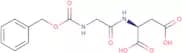
CAS:<p>Please enquire for more information about Z-Gly-Phe-Ala-OH including the price, delivery time and more detailed product information at the technical inquiry form on this page</p>Formula:C22H25N3O6Purity:Min. 95%Molecular weight:427.45 g/molFmoc-Val-Cys(Psi(Dmp,H)pro)-OH
CAS:<p>Please enquire for more information about Fmoc-Val-Cys(Psi(Dmp,H)pro)-OH including the price, delivery time and more detailed product information at the technical inquiry form on this page</p>Formula:C32H34N2O7SPurity:Min. 95%Color and Shape:PowderMolecular weight:590.69 g/molAllatotropin
CAS:<p>Allatotropin is a diagnostic agent that belongs to the class of antimicrobial peptides. It has been shown to have strong activity against Gram-positive and Gram-negative bacteria. Allatotropin inhibits the growth of bacteria by binding to the external membrane, disrupting its integrity. Allatotropin also has been shown to increase gamma-aminobutyric acid levels in brain tissue and galleria mellonella larvae when injected subcutaneously. This may be due to its ability to activate GABA receptors. Allatotropin can be synthesized in vitro by combining β-amino acids with fatty acids and terminal residues, such as lysine, arginine, and glutamine, under conditions that mimic those found in living cells. This synthetic process yields a mixture of allatotropins with varying chain lengths and amino acid sequences.</p>Formula:C65H103N19O17S2Purity:Min. 95%Molecular weight:1,486.76 g/molH-Tyr-Ser-Phe-Val-His-His-Gly-Phe-Phe-Asn-Phe-Arg-Val-Ser-Trp-Arg-Glu-Met-Leu-Ala-OH
CAS:<p>Please enquire for more information about H-Tyr-Ser-Phe-Val-His-His-Gly-Phe-Phe-Asn-Phe-Arg-Val-Ser-Trp-Arg-Glu-Met-Leu-Ala-OH including the price, delivery time and more detailed product information at the technical inquiry form on this page</p>Formula:C121H164N32O27SPurity:Min. 95%Molecular weight:2,530.86 g/molAcetyl-Angiotensin I Ac-Asp-Arg-Val-Tyr-Ile-His-Pro-Phe-His-Leu-OH
CAS:<p>Please enquire for more information about Acetyl-Angiotensin I Ac-Asp-Arg-Val-Tyr-Ile-His-Pro-Phe-His-Leu-OH including the price, delivery time and more detailed product information at the technical inquiry form on this page</p>Formula:C64H91N17O15Purity:Min. 95%Molecular weight:1,338.51 g/molZ-Gly-Gly-Leu-OH
CAS:<p>Glycylglycine is a hydrophobic amino acid that is found in collagen and other proteins. It has been shown to inhibit the activity of proteinases such as chymotrypsin, trypsin, and elastase, which are enzymes that break down proteins. Glycylglycine is a fluorescent molecule that can be detected by fluorescence microscopy and has been used in the study of protein-protein interactions. Glycylglycine is an acidic amino acid with an amino acid composition that consists of about 20% glycine, 40% hydroxyphenylalanine, 30% serine and 10% threonine. The spatial specificity of this compound has been studied using sephacryl electrophoresis, which showed it was localized to the extracellular matrix and in cell culture supernatants. Aminocoumarins are glycylglycines with an attached aminocoumarin group. Hydrolysis of gly</p>Formula:C18H25N3O6Purity:Min. 95%Molecular weight:379.41 g/molLIP1 (human) trifluoroacetate salt
<p>Please enquire for more information about LIP1 (human) trifluoroacetate salt including the price, delivery time and more detailed product information at the technical inquiry form on this page</p>Formula:C133H229N45O37Purity:Min. 95%Molecular weight:3,050.52 g/mol(Deamino-Cys1,D-Orn 8)-Vasopressin
CAS:<p>Please enquire for more information about (Deamino-Cys1,D-Orn 8)-Vasopressin including the price, delivery time and more detailed product information at the technical inquiry form on this page</p>Formula:C45H62N12O12S2Purity:Min. 95%Molecular weight:1,027.18 g/molH-Ala-Ala-pNA hydrochloride salt
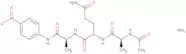
CAS:<p>Please enquire for more information about H-Ala-Ala-pNA hydrochloride salt including the price, delivery time and more detailed product information at the technical inquiry form on this page</p>Formula:C12H16N4O4Purity:Min. 95%Molecular weight:280.28 g/molFluorescein-6-carbonyl-Ala-Glu(OMe)-Val-DL-Asp(OMe)-fluoromethylketone
CAS:<p>Please enquire for more information about Fluorescein-6-carbonyl-Ala-Glu(OMe)-Val-DL-Asp(OMe)-fluoromethylketone including the price, delivery time and more detailed product information at the technical inquiry form on this page</p>Formula:C41H43FN4O14Purity:Min. 95%Molecular weight:834.8 g/molNeuropeptide FF (5-8) acetate salt
CAS:<p>Please enquire for more information about Neuropeptide FF (5-8) acetate salt including the price, delivery time and more detailed product information at the technical inquiry form on this page</p>Formula:C25H39N9O5Purity:Min. 95%Molecular weight:545.63 g/molFmoc-Ala-(Dmb)Gly-OH
CAS:<p>Please enquire for more information about Fmoc-Ala-(Dmb)Gly-OH including the price, delivery time and more detailed product information at the technical inquiry form on this page</p>Formula:C29H30N2O7Purity:Min. 95%Molecular weight:518.56 g/molpTH (1-31) (human)
CAS:<p>Please enquire for more information about pTH (1-31) (human) including the price, delivery time and more detailed product information at the technical inquiry form on this page</p>Formula:C162H269N49O47S2Purity:Min. 95%Molecular weight:3,719.3 g/molH-2,6-Difluoro-Phe-OH·HCl
CAS:<p>Please enquire for more information about H-2,6-Difluoro-Phe-OH·HCl including the price, delivery time and more detailed product information at the technical inquiry form on this page</p>Formula:C9H9F2NO2·HClPurity:Min. 95%Molecular weight:237.63 g/mol3-Methylpentyl chloroformate
CAS:<p>Please enquire for more information about 3-Methylpentyl chloroformate including the price, delivery time and more detailed product information at the technical inquiry form on this page</p>Formula:C7H13ClO2Purity:Min. 95%Molecular weight:164.63 g/mol3-Bromo-2-methylaniline
CAS:<p>3-Bromo-2-methylaniline is a six membered, planar, planar conformation with a dihedral angle of 120°. The molecule has two dimers that are connected by hydrogen bonds. It has a crystal structure that is made up of molecules arranged in a hexagonal grid. The molecule is made up of three atoms: one carbon atom, one nitrogen atom, and one bromine atom. The three atoms are arranged in the following order: bromine, carbon, nitrogen.</p>Formula:C7H8BrNPurity:Min. 95%Color and Shape:Clear Colourless To Yellow To Brown Or Red-BrownMolecular weight:186.05 g/molFITC-β-Ala-Amyloid β-Protein (1-40)
CAS:<p>Please enquire for more information about FITC-beta-Ala-Amyloid beta-Protein (1-40) including the price, delivery time and more detailed product information at the technical inquiry form on this page</p>Formula:C218H311N55O64S2Purity:Min. 95%Molecular weight:4,790.27 g/molH-Met-His-OH
CAS:<p>H-Met-His-OH is a metabolite of methionine, which has been shown to have insulin sensitizing effects. H-Met-His-OH is produced from the reaction of methionine with hydrochloric acid and water molecule. This compound has been shown to modulate glucose metabolism by increasing insulin sensitivity in diabetic rats. It has also been shown to be able to increase estradiol levels in female mice, which may be due to its ability to inhibit protein synthesis. H-Met-His-OH also binds to histidine residues on the protein surface and may regulate protein kinetics via an unidentate mechanism.</p>Formula:C11H18N4O3SPurity:Min. 95%Molecular weight:286.35 g/molLHRH (4-10) acetate salt
CAS:<p>Please enquire for more information about LHRH (4-10) acetate salt including the price, delivery time and more detailed product information at the technical inquiry form on this page</p>Formula:C33H53N11O9Purity:Min. 95%Molecular weight:747.84 g/molZ-Ala-Phe-OMe
CAS:<p>Z-Ala-Phe-OMe is a model amide that has been used to study the serine protease catalysed hydrolysis of peptides. This compound is a water molecule analogue that is immobilized on an ion exchange resin, which can be used as a support for experiments in catalysis and thermodynamics. Z-Ala-Phe-OMe has shown to be more efficient than other substrates and can be used to study kinetic data and thermodynamic properties.</p>Formula:C21H24N2O5Purity:Min. 95%Molecular weight:384.43 g/molH-Met-Arg-OH acetate salt
CAS:<p>H-Met-Arg-OH acetate salt is a metabolite of the amino acid L-methionine. It is also a dipeptide, which consists of two amino acids that are linked by an amide bond. The linkage between the amino acids in this compound is clockwise instead of the usual left to right orientation. This means that H-Met-Arg-OH acetate salt is not an essential amino acid and can be synthesized by the body. Salmonella typhimurium uses H-Met-Arg-OH acetate salt as a precursor for its synthesis of L-arginine and L-methionine, which are essential to bacterial growth and survival. Residues have been found in foods such as milk and eggs, and it has been shown that cotransduction can lead to resistance against antibiotics such as streptomycin and tetracycline.</p>Formula:C11H23N5O3SPurity:Min. 95%Molecular weight:305.4 g/molH-Cys(Acm)-2-chlorotrityl resin (200-400 mesh) (Low Substitution)
<p>Please enquire for more information about H-Cys(Acm)-2-chlorotrityl resin (200-400 mesh) (Low Substitution) including the price, delivery time and more detailed product information at the technical inquiry form on this page</p>Purity:Min. 95%Boc-4-Abz-OSu
CAS:<p>Please enquire for more information about Boc-4-Abz-OSu including the price, delivery time and more detailed product information at the technical inquiry form on this page</p>Formula:C16H18N2O6Purity:Min. 95%Molecular weight:334.32 g/molAngiotensin I/II (4-8)
CAS:<p>Angiotensin I/II (4-8) H-Tyr-Ile-His-Pro-Phe-OH is a peptide that contains the sequence of angiotensin I and II. It has been shown to have proton transport properties, which may be related to its sequence. The amino acid sequence of this peptide is similar to other pentapeptides such as insulin and vasopressin. This peptide has been linked to a vector that can cross the blood brain barrier, allowing it to act on the central nervous system.</p>Formula:C35H45N7O7Purity:Min. 95%Molecular weight:675.77 g/molZ-Ala-Pro-OH
CAS:<p>Z-Ala-Pro-OH is a synthetic, analog substrate for serine proteases. It is used as a target cell for schistosomiasis, which are parasitic worms that infect humans and cause the disease. The molecule is localized in the digestive tract of the parasite, where it has biochemical properties that are analogous to those found in the natural substrate (serine protease) of this organism. Z-Ala-Pro-OH has been shown to inhibit the growth of various species of schistosomes, including Schistosoma mansoni. It also has immunoregulatory properties and can be used to stimulate antibody production by B cells when combined with an antigen.</p>Formula:C16H20N2O5Purity:Min. 95%Molecular weight:320.34 g/molN-2-Cyanoethyl-Val-Leu-anilide
CAS:<p>Please enquire for more information about N-2-Cyanoethyl-Val-Leu-anilide including the price, delivery time and more detailed product information at the technical inquiry form on this page</p>Formula:C20H30N4O2Purity:Min. 95%Molecular weight:358.48 g/molH-Gly-Cys-OH
CAS:<p>H-Gly-Cys-OH is an amide that is structurally related to the nonapeptide, Gly-Pro-Cys. H-Gly-Cys-OH has been shown to be an efficient method for preparation of 3-mercaptopropionic acid. The nucleophilic attack of the thiol group on the carbonyl carbon atom in the amide bond leads to cleavage and formation of a disulfide bond. This reaction occurs spontaneously at room temperature with high efficiency and can be used for synthesis of 3-mercaptopropionic acid. H-Gly-Cys-OH has low bioavailability, which may be due to its primary amino group, which is not well absorbed by the intestinal epithelium.</p>Formula:C5H10N2O3SPurity:Min. 95%Molecular weight:178.21 g/molFmoc-Ile-Gly-OH
CAS:<p>Please enquire for more information about Fmoc-Ile-Gly-OH including the price, delivery time and more detailed product information at the technical inquiry form on this page</p>Formula:C23H26N2O5Purity:Min. 95%Molecular weight:410.46 g/molN-Methyl-N-boc-aminopropan-3-ol
CAS:<p>N-Methyl-N-boc-aminopropan-3-ol is a fine chemical with CAS No. 98642-44-5 that is used in the synthesis of complex compounds, as a reagent for research chemicals, and as a speciality chemical. It is also used in the synthesis of versatile building blocks, reaction components and scaffolds. N-Methyl-N-boc-aminopropan-3-ol has a high quality and can be used as a versatile intermediate or a useful scaffold.</p>Formula:C9H19NO3Purity:Min. 95%Color and Shape:Colourless To Pale Yellow LiquidMolecular weight:189.25 g/molN1-Glutathionyl-spermidine disulfide [
CAS:<p>N1-Glutathionyl-spermidine disulfide (N1-GS) is a molecule that has been shown to have clinical use in the treatment of chronic hepatitis C infection. The N1-GS molecule is composed of a glutathione (GSH) scaffold with two sulfhydryl groups and an amino acid side chain. N1-GS has a hydrophobic nature, which allows it to penetrate the cellular membrane and enter cells. It is also able to form hydrogen bonds and act as a catalyst for reactions. Fluorescence analysis revealed that this molecule is selective for disulfides over thiols, amines, or alcohols. Disulfides are very important in biological systems since they can be found in enzymes, proteins, and cellular membranes. The insolubility of the N1-GS molecule makes it difficult to analyze its structure using traditional methods such as gas chromatography or nuclear magnetic resonance spectroscopy. However, fluorescence</p>Formula:C34H66N12O10S2Purity:Min. 95%Molecular weight:867.09 g/molAc-muramyl-D-Ala-D-Glu-NH2
CAS:<p>Please enquire for more information about Ac-muramyl-D-Ala-D-Glu-NH2 including the price, delivery time and more detailed product information at the technical inquiry form on this page</p>Formula:C19H32N4O11Purity:Min. 95%Molecular weight:492.48 g/molH-Gly-Cys-Gly-OH
CAS:<p>H-Gly-Cys-Gly-OH is an amino acid sequence that has been evaluated for its interactions with other amino acids and proteins. It is a tripeptide heterocycle and can be found in the tissues of many organisms, including humans. H-Gly-Cys-Gly-OH can be found in bovine serum and has been shown to have reversed phase high performance liquid chromatography activity. This molecule also interacts with reversed phase high performance liquid chromatography, ion exchange, and tripeptides.</p>Formula:C7H13N3O4SPurity:Min. 95%Molecular weight:235.26 g/molH-Leu-His-Leu-OH
CAS:<p>H-Leu-His-Leu-OH is a peptide fragment of human growth hormone. It is a stabilized, cleaved, and lyophilized form of the substance that is used as an additive in buffering solutions. It has been shown to be a potent inhibitor of the proteolytic enzymes cathepsin B, elastase, and chymotrypsin in vitro. The stability of this fragment can be attributed to its resistance to proteolysis by enzymes such as cathepsin's B, elastase, and chymotrypsin because it does not contain any free amino acid residues.</p>Formula:C18H31N5O4Purity:Min. 95%Molecular weight:381.47 g/molAc-Pro-Leu-Gly-OH
CAS:<p>Ac-Pro-Leu-Gly-OH is a synthetic peptide that has been shown to be an effective crosslinker for thiols. Ac-Pro-Leu-Gly-OH is a water soluble, acidic peptide and can be used in biological systems as a crosslinker.</p>Formula:C15H25N3O5Purity:Min. 95%Molecular weight:327.38 g/molN-α-Allyloxycarbonyl-N-ε-2-Fmoc-L-lysine
CAS:<p>The synthesis of semaglutide is accomplished by a solid-phase synthetic route. The peptide is synthesized on a polymeric support. The side chains are assembled in the liquid phase and then condensed with the peptide chain. The condensation reaction between the side chains and peptide chain is catalyzed by an acid such as trifluoroacetic acid or ethyl chloroformate. Semaglutide was synthesized using this method to produce high purity, concentration, and yield.</p>Formula:C25H28N2O6Purity:Min. 95%Color and Shape:White/Off-White SolidMolecular weight:452.5 g/molH-Ser-AMC hydrochloride salt
CAS:<p>Please enquire for more information about H-Ser-AMC hydrochloride salt including the price, delivery time and more detailed product information at the technical inquiry form on this page</p>Formula:C13H14N2O4Purity:Min. 95%Molecular weight:262.26 g/molH-D-Leu-bNA·HCl
CAS:<p>Please enquire for more information about H-D-Leu-bNA·HCl including the price, delivery time and more detailed product information at the technical inquiry form on this page</p>Formula:C16H20N2O·HClPurity:Min. 95%Molecular weight:292.8 g/mol3-Iodo-2-methylbenzoic acid
CAS:<p>3-Iodo-2-methylbenzoic acid is a reagent that is used as an intermediate in the synthesis of complex compounds and fine chemicals. 3-Iodobenzoic acid is classified as a speciality chemical, which means it can be used for research purposes only. 3-Iodo-2-methylbenzoic acid has many uses, including being a versatile building block in chemical reactions and a reaction component in the synthesis of useful scaffolds and building blocks.</p>Formula:C8H7IO2Purity:Min. 95%Color and Shape:SolidMolecular weight:262.04 g/mol(Tyr1)-pTH (1-34) (human) trifluoroacetate salt
CAS:<p>Please enquire for more information about (Tyr1)-pTH (1-34) (human) trifluoroacetate salt including the price, delivery time and more detailed product information at the technical inquiry form on this page</p>Formula:C189H295N55O51S2Purity:Min. 95%Molecular weight:4,217.84 g/molBoc-D-His(3-Bom)-OH
CAS:<p>Please enquire for more information about Boc-D-His(3-Bom)-OH including the price, delivery time and more detailed product information at the technical inquiry form on this page</p>Formula:C19H25N3O5Purity:Min. 95%Molecular weight:375.42 g/molH-Thr-Tyr-Ser-OH
CAS:<p>H-Thr-Tyr-Ser-OH is a fluorescent peptide with conjugates that has been shown to be sequestered in atherosclerotic lesions. The fluorescence of this peptide is increased when bound to lipofuscin, which accumulates in atherosclerotic lesions. Immunohistochemical staining has revealed that H-Thr-Tyr-Ser-OH is a marker for the identification of atheromas and can be used to identify areas of lipid accumulation. H-Thr-Tyr-Ser-OH binds to peroxidases and enzyme linked immunosorbent assay (ELISA) antibodies, making it useful as an indicator for the presence of these enzymes. This peptide also stains positively for markers such as CD11b, CD68, and lysozyme.</p>Formula:C16H23N3O7Purity:Min. 95%Molecular weight:369.37 g/molNuclear Factor NF-KB Inhibitor SN50 trifluoroacetate salt
CAS:<p>SN50 is a nuclear factor NF-KB inhibitor that blocks the activity of transcription factors that are involved in inflammation and cancer. SN50 inhibits protease activity, which may be due to its ability to bind to response elements on DNA, leading to cytosolic calcium release and activation of signal pathways. It also binds to endothelin-a receptor and induces apoptosis. SN50 has been shown to have anti-tumour effects in resistant breast cancer cells as well as reducing serum aminotransferase levels in rats. This drug also activates transcriptional regulation by binding toll-like receptors and inducing colony stimulating factors. SN50 also has cardioprotective properties, which may be due to its ability to inhibit fatty acid synthase in cardiomyocytes.</p>Formula:C129H230N36O29SPurity:Min. 95%Molecular weight:2,781.5 g/molSuc-Leu-Leu-Val-Tyr-pNA
CAS:<p>Please enquire for more information about Suc-Leu-Leu-Val-Tyr-pNA including the price, delivery time and more detailed product information at the technical inquiry form on this page</p>Formula:C36H50N6O10Purity:Min. 95%Molecular weight:726.82 g/molSuc-Phe-pNA
CAS:<p>Suc-Phe-pNA is a synthetic substrate that has been shown to be a proteolytic enzyme. It is used for the study of proteolytic enzymes and in pharmaceutical research because it can inhibit the activity of pancreatic enzymes such as trypsin or chymotrypsin. Suc-Phe-pNA has also been shown to have antiviral properties, which may be due to its ability to inhibit viral proteases. Suc-Phe-pNA is an inhibitor of serine protease, which is an enzyme that catalyzes reactions involving peptide bonds. The pH optimum for Suc-Phe-pNA is 8 and it has been shown to have a low inhibitory effect on trypsin activity at all pH levels.</p>Formula:C19H19N3O6Purity:Min. 95%Molecular weight:385.37 g/molBand 3 Protein (824-829) (human)
CAS:<p>Please enquire for more information about Band 3 Protein (824-829) (human) including the price, delivery time and more detailed product information at the technical inquiry form on this page</p>Formula:C37H65N11O8Purity:Min. 95%Molecular weight:791.98 g/mol(Pyr 5,N-Me-Phe8, Sar 9)-Substance P (5-11)
CAS:<p>Senktide is a substance P analog that has been shown to produce tail-flick responses in animals. The maximum response of the tail-flick test can be enhanced by the administration of either dopamine or serotonin. Inhibition of metabolism is likely to be responsible for these effects, as demonstrated by experiments in Sprague-Dawley rats. Senktide is an experimental model for studying the role of substance P in the regulation of blood pressure and locomotor activity. This compound also has pressor properties that are similar to those of dopamine and serotonin, which may be due to its ability to stimulate alpha-adrenergic receptors and inhibit dopaminergic neurons via a presynaptic mechanism.</p>Formula:C43H61N9O9SPurity:Min. 95%Molecular weight:880.07 g/molDansyl-Tyr-Val-Gly-OH trifluoroacetate salt
CAS:<p>Dansyl-Tyr-Val-Gly-OH trifluoroacetate salt is a glyoxylate analog that can be used as a substrate in the kinetic assays for glyoxalase I. The enzyme catalyses the conversion of this compound to Dansylglyoxal, which can be detected by absorbance at 360 nm. The second order rate constant and acidic pH of the reaction have been determined using biophysical experiments and expressed as a function of substrate concentration. Inactivates papilloma virus, which is the virus that causes genital warts, at low concentrations.</p>Formula:C28H34N4O7SPurity:Min. 95%Molecular weight:570.66 g/molAc-muramyl-Thr-D-Glu-NH2
CAS:<p>Muramyl dipeptide (MDP) is a cell-wall constituent of Mycobacterium tuberculosis, which induces an antibody response. Muramyl tripeptide (MTP) is a modified form of MDP that has been used as a vaccine adjuvant. Ac-muramyl-Thr-D-Glu-NH2 is a specific antibody to MDP, which can be reconstituted by mixing with water and sodium chloride. It binds to the influenza virus, enhancing the immune response. The flu virus contains an antigen that stimulates the production of antibodies against influenza virus, and it also contains amphipathic molecules that are responsible for receptor binding and fusion with cells in the respiratory system. Ac-muramyl-Thr-D-Glu-NH2 binds to these molecules and enhances their function by increasing the efficiency of antibody binding. This leads to increased viral clearance from the body and reduced symptoms associated with infection with influenza</p>Formula:C20H34N4O12Purity:Min. 95%Molecular weight:522.5 g/molDL-Phenylalaninol
CAS:<p>DL-Phenylalaninol is a chemical compound with the molecular formula CHNO. It is a white to pale yellow solid that is soluble in water and methanol, but not in diethyl ether. DL-Phenylalaninol has been synthesized by reacting cycloleucine with l-phenylalaninol. The reaction solution was heated at a temperature of 140°C for six hours, which yielded DL-Phenylalaninol as a hydroxy methyl compound. The synthesis of DL-Phenylalaninol was achieved through an asymmetric synthesis with sodium dodecyl sulfate surfactant. A detection sensitivity of 1 ppm and an enhancement at 260 nm were observed when analyzing the product by high performance liquid chromatography (HPLC).</p>Formula:C9H13NOPurity:Min. 95%Molecular weight:151.21 g/molSomatostatin-14 (3-14) trifluoroacetate salt
CAS:<p>Please enquire for more information about Somatostatin-14 (3-14) trifluoroacetate salt including the price, delivery time and more detailed product information at the technical inquiry form on this page</p>Formula:C71H96N16O17S2Purity:Min. 95%Molecular weight:1,509.75 g/molProcollagen Type I (212-216) H-Lys-Thr-Thr-Lys-Ser-OH
CAS:<p>Procollagen type I (212-216) H-Lys-Thr-Thr-Lys-Ser-OH is a tetrapeptide that is the most abundant component of human skin. It has been shown to have biological properties and can be synthesized in vitro. Procollagen type I (212-216) H-Lys-Thr-Thr-Lys-Ser-OH has an absorption maximum at 265 nm, which makes it suitable for use in uv protection creams. It also has a high chemical stability and can be stored for up to two years without degradation. Procollagen type I (212-216) H-Lys-Thr-Thr-Lys-Ser-OH is used as a substrate in cell culture to study protein synthesis and transcription, or polymerase chain reaction, technique. This peptide also inhibits the activity of proteases such as trypsin and chymotrypsin, making</p>Formula:C23H45N7O9Purity:Min. 95%Color and Shape:White Off-White PowderMolecular weight:563.65 g/mol(D-Cys(tBu)2,Thr(tBu)6)-Leu-Enkephalin-Thr
CAS:<p>Leu-Enkephalin is a synthetic opioid peptide that exhibits potent analgesic effects and is used in the treatment of a variety of pain syndromes. Leu-Enkephalin has been shown to have an inhibitory effect on δ-opioid receptors, which are involved in the transmission of pain signals. Leu-Enkephalin has also been shown to have an inhibitory effect on other enzymes such as aminopeptidases, proteases, and kinases. This drug has been used in the treatment of autoimmune diseases, cancer, and inflammatory diseases. Leu-Enkephalin is also known to increase locomotor activity and reduce sensitivity to pain.</p>Formula:C41H62N6O9SPurity:Min. 95%Molecular weight:815.03 g/molH-Arg(NO2)-pNA·HBr
CAS:<p>Please enquire for more information about H-Arg(NO2)-pNA·HBr including the price, delivery time and more detailed product information at the technical inquiry form on this page</p>Formula:C12H17N7O5·HBrPurity:Min. 95%Molecular weight:420.22 g/molMatrix Protein M1 (58-66) (Influenza A virus) trifluoroacetate salt
CAS:<p>Please enquire for more information about Matrix Protein M1 (58-66) (Influenza A virus) trifluoroacetate salt including the price, delivery time and more detailed product information at the technical inquiry form on this page</p>Formula:C49H75N9O11·C2HF3O2Purity:Min. 95%Molecular weight:1,080.2 g/molMethylenedi-p-phenyl diisocyanate
CAS:<p>Methylenedi-p-phenyl diisocyanate (MDI) is a glycol ether, which is a potent inducer of allergic reactions. It can be found in polyurethane foam insulation and in the production of diphenyl and diisocyanate. MDI has been shown to cause asthma, skin inflammation, and other respiratory problems. MDI is highly toxic to aquatic life and can cause long term effects on fish populations. The toxicity of MDI depends on the concentration and duration of exposure, as well as the species that it is administered to. High concentration exposure for a short period of time will result in death by respiratory failure or cardiac arrest. Longer exposure at lower concentrations may lead to liver, kidney, lung damage or cancerous tumor development.</p>Formula:C15H10N2O2Purity:Min. 95%Molecular weight:250.25 g/mol(Lys7)-Dermorphin acetate salt
CAS:Controlled Product<p>Please enquire for more information about (Lys7)-Dermorphin acetate salt including the price, delivery time and more detailed product information at the technical inquiry form on this page</p>Formula:C43H57N9O9Purity:Min. 95%Molecular weight:843.97 g/molTyr-Bradykinin
CAS:<p>Bradykinin is a peptide with a variety of physiological effects. It is formed by the cleavage of kininogen by kallikrein, and it is involved in the regulation of vascular tone and blood pressure, as well as responses to pain and inflammation. Bradykinin stimulates the release of histamine from mast cells, which causes an inflammatory response. Bradykinin also has been shown to stimulate the release of leukotrienes, prostaglandins, and cytokines from human lung tissue. The interaction between bradykinin and its receptors has been studied extensively using in vitro assays. The conformational changes in this peptide have been characterized by spectroscopic studies such as nuclear magnetic resonance (NMR) and circular dichroism (CD). In addition, bradykinin can be detected using luminescence techniques such as chemiluminescence or bioluminescence. Studies have shown that micromolar concentrations of bradykinin</p>Formula:C59H82N16O13Purity:Min. 95%Molecular weight:1,223.38 g/molHIV (gp120) Fragment (318-327)
CAS:<p>Please enquire for more information about HIV (gp120) Fragment (318-327) including the price, delivery time and more detailed product information at the technical inquiry form on this page</p>Formula:C48H80N16O12Purity:Min. 95%Molecular weight:1,073.25 g/molFmoc-Asp-OAll
CAS:<p>Fmoc-Asp-OAll is a cyclic peptide that has been shown to be active against human cancer cell lines in vitro. Fmoc-Asp-OAll binds to integrin receptors, inhibiting the prostaglandin synthesis pathway and thus reducing inflammation. It also inhibits the activity of enzymes that are involved in inflammatory responses. Fmoc-Asp-OAll is synthesized on solid phase by chemical ligation.</p>Formula:C22H21NO6Purity:Min. 95%Color and Shape:PowderMolecular weight:395.41 g/molH-Gly-His-Gly-OH
CAS:<p>H-Gly-His-Gly-OH is an amino acid that belongs to the class of peptide science. It is a protonated molecule with a histidine side chain, which has been shown to have enzyme inhibition properties. This amino acid has been used in model studies to determine the effect of acidic and basic ternary mixtures on the stability of proteins. H-Gly-His-Gly-OH has also been found to be effective as a chelate ring, which is a ring that binds metals such as iron and copper. Enzymes can form when this amino acid is present in solution with metal ions.</p>Formula:C10H15N5O4Purity:Min. 95%Molecular weight:269.26 g/molMethyl (2E)-3-(4-hydroxy-3-methoxyphenyl)acrylate
CAS:<p>Methyl (2E)-3-(4-hydroxy-3-methoxyphenyl)acrylate is a natural compound, which belongs to the group of ferulate esters. It has been shown that methyl (2E)-3-(4-hydroxy-3-methoxyphenyl)acrylate inhibits the activity of esterases, which are enzymes that hydrolyze esters. This inhibition leads to an accumulation of ferulic acid in the blood, which is associated with bowel disease. Methyl (2E)-3-(4-hydroxy-3-methoxyphenyl)acrylate has been shown to be effective against murine hepatoma cells and polymorphonuclear leucocytes, which are white blood cells that can be found in the blood and other tissues. The inhibitory effect on these cells may be due to its ability to bind to ferulic acid and caffeic acids.</p>Formula:C11H12O4Purity:Min. 95%Color and Shape:White PowderMolecular weight:208.21 g/molBoc-Phe-Merrifield resin (200-400 mesh)
<p>Please enquire for more information about Boc-Phe-Merrifield resin (200-400 mesh) including the price, delivery time and more detailed product information at the technical inquiry form on this page</p>Purity:Min. 95%Adipokinetic Hormone (Apis mellifera ligustica) TFA salt
CAS:<p>Adipokinetic hormone is a peptide hormone that has been shown to stimulate the metabolism of fat cells in laboratory animals. This peptide is produced by the gland cells of honeybees and is used to regulate the energy metabolism of honeybees and other insects. Adipokinetic hormone has been shown to increase locomotor activity, inhibit the growth of human pathogens, activate transfer reactions, and inhibit receptor activity. The biological properties of this hormone have not yet been fully elucidated.</p>Formula:C47H65N11O14•C2HF3O2Purity:Min. 95 Area-%Color and Shape:PowderMolecular weight:1,122.10 g/molBoc-His(1-Mts)-OH·DCHA
CAS:Controlled Product<p>Please enquire for more information about Boc-His(1-Mts)-OH·DCHA including the price, delivery time and more detailed product information at the technical inquiry form on this page</p>Formula:C20H27N3O6S·C12H23NPurity:Min. 95%Molecular weight:618.83 g/molCholecystokinin Octapeptide free acid (desulfated)
CAS:<p>Please enquire for more information about Cholecystokinin Octapeptide free acid (desulfated) including the price, delivery time and more detailed product information at the technical inquiry form on this page</p>Formula:C49H61N9O14S2Purity:Min. 95%Molecular weight:1,064.19 g/molFmoc-[15N]Val-OH
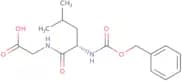
CAS:<p>Fmoc-[15N]Val-OH is an epidermal growth factor receptor (EGFR) ligand that can be used to identify phosphorylation sites on EGFR. Fmoc-[15N]Val-OH binds to the tyrosine kinase domain of the EGFR and is phosphorylated by the intracellular protein tyrosine kinases, which leads to receptor activation. This compound has been shown to have a high affinity for human epidermoid carcinoma cells and can be used in cancer research as a potent and selective ligand. Fmoc-[15N]Val-OH is also known as a growth factor and has been shown to stimulate a number of cellular responses such as cell proliferation, migration, differentiation, and adhesion.</p>Purity:Min. 95%Z-Leu-Gly-OH
CAS:<p>Z-Leu-Gly-OH is a peptide inhibitor of serine proteases. This peptide is a potential inhibitor of trypanosome proteinases, which are enzymes that cleave proteins into smaller pieces. Z-Leu-Gly-OH is a reversible inhibitor of mammalian proteinase and nitrile protease with a high affinity for the target enzyme.</p>Formula:C16H22N2O5Purity:Min. 95%Molecular weight:322.36 g/mol3-(Boc-amino)pyridine
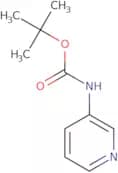
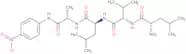
CAS:<p>3-(Boc-amino)pyridine is a glycine derivative with a trigonal, chelate ring. It can be hydrolyzed by acid to form 3-aminopyridine. 3-(Boc-amino)pyridine has been shown to react with trimethyltin chloride to form an intramolecular complex in the presence of alkyllithiums. This reaction proceeds through lithiation and methylation of the carboxyl group of 3-(Boc-amino)pyridine. The interaction between 3-(Boc-amino)pyridine and trimethyltin chloride forms an antiaromatic six membered ring that resembles a benzene molecule.</p>Formula:C10H14N2O2Purity:Min. 95%Molecular weight:194.23 g/molH-Leu-Val-Leu-Ala-pNA
CAS:<p>Please enquire for more information about H-Leu-Val-Leu-Ala-pNA including the price, delivery time and more detailed product information at the technical inquiry form on this page</p>Formula:C26H42N6O6Purity:Min. 95%Molecular weight:534.65 g/mol3-Methylsalicylic acid
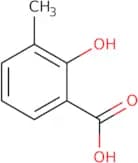
CAS:<p>3-Methylsalicylic acid is a naturally occurring carboxylate that has been shown to be an inhibitor of the hydrogenation of polyunsaturated fatty acids. 3-Methylsalicylic acid inhibits the binding of benzyl groups to intramolecular hydrogen and hydroxyl groups, which are required for the formation of a covalent bond. The antiproliferative effect of 3-methylsalicylic acid on cancer cells is due to its ability to inhibit protein synthesis by blocking the enzyme carboxylase. 3-Methylsalicylic acid also has anti-inflammatory properties and can be used as an antiseptic and analgesic.</p>Formula:C8H8O3Purity:Min. 95%Color and Shape:White PowderMolecular weight:152.15 g/molVIP (3-28) (human, mouse, rat) trifluoroacetate salt
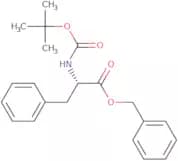
CAS:<p>Please enquire for more information about VIP (3-28) (human, mouse, rat) trifluoroacetate salt including the price, delivery time and more detailed product information at the technical inquiry form on this page</p>Formula:C138H226N40O39SPurity:Min. 95%Molecular weight:3,101.58 g/molBoc-Phe-OBzl
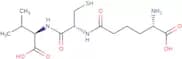
CAS:<p>Please enquire for more information about Boc-Phe-OBzl including the price, delivery time and more detailed product information at the technical inquiry form on this page</p>Formula:C21H25NO4Purity:Min. 95%Molecular weight:355.43 g/molACV trifluoroacetate salt
CAS:<p>ACV trifluoroacetate salt H-Aad (Cys-D-Val-OH)-OH trifluoroacetate salt is a nonheme iron that has been shown to be an oxidizing agent. It is used in the synthesis of antibiotics and other organic compounds. ACV trifluoroacetate salt H-Aad (Cys-D-Val-OH)-OH trifluoroacetate salt also has synthetase activity, which catalyzes the formation of a thiolate ligand from two molecules of acetyl coenzyme A (ACCOA) and one molecule of propionyl coenzyme A (PCCOA). This ligand binds to metal ions such as Fe2+, which are then reduced to Fe3+ by the metal cluster. The water ligands on the coordination sphere may be replaced by other ligands, such as lysine.</p>Formula:C14H25N3O6SPurity:Min. 95%Molecular weight:363.43 g/molH-Glu(OtBu)-2-chlorotrityl resin (200-400 mesh)
<p>Please enquire for more information about H-Glu(OtBu)-2-chlorotrityl resin (200-400 mesh) including the price, delivery time and more detailed product information at the technical inquiry form on this page</p>Purity:Min. 95%Suc-Ala-Ala-Pro-Lys-pNA
CAS:<p>Suc-Ala-Ala-Pro-Lys-pNA is a hybrid peptide that was expressed and purified from the gene product of the human serine protease, pancreatic elastase. It has been shown to have high salt and pH stability and predominately exists as a single polypeptide chain. Suc-Ala-Ala-Pro-Lys-pNA has been shown to enhance the immunofluorescence of inflammatory cells in vitro, suggesting it may be used as a therapeutic agent for inflammatory diseases. In addition, this hybrid peptide has also demonstrated protease activity.</p>Formula:C27H39N7O9Purity:Min. 95%Molecular weight:605.64 g/molH-Ile-2-chlorotrityl resin (200-400 mesh)
<p>Please enquire for more information about H-Ile-2-chlorotrityl resin (200-400 mesh) including the price, delivery time and more detailed product information at the technical inquiry form on this page</p>Purity:Min. 95%((Cys31, Nva 34)-Neuropeptide Y (27-36))2
CAS:<p>Please enquire for more information about ((Cys31, Nva 34)-Neuropeptide Y (27-36))2 including the price, delivery time and more detailed product information at the technical inquiry form on this page</p>Formula:C116H186N36O28S2Purity:Min. 95%Molecular weight:2,597.08 g/molOvokinin trifluoroacetate salt
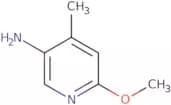
CAS:<p>Please enquire for more information about Ovokinin trifluoroacetate salt including the price, delivery time and more detailed product information at the technical inquiry form on this page</p>Formula:C48H67N13O11Purity:Min. 95%Molecular weight:1,002.13 g/mol5-Amino-2-methoxy-4-methylpyridine
CAS:<p>5-Amino-2-methoxy-4-methylpyridine is a small molecule that inhibits bromodomains. Bromodomains are protein domains that bind to acetylated lysine residues on histones. 5-Amino-2-methoxy-4-methylpyridine binds to the bromodomain, preventing the acetylated lysine residues from binding with other proteins and inhibiting transcription. This drug has been shown to be effective in treating prostate cancer by interacting with the androgen receptor. 5-Amino-2-methoxy-4-methylpyridine also interacts with ATPase, which may lead to increased levels of ATP production, and has been shown to have antitumor effects in vitro.</p>Formula:C7H10N2OPurity:Min. 95%Molecular weight:138.17 g/molH-Val-AMC trifluoroacetate salt
CAS:<p>Please enquire for more information about H-Val-AMC trifluoroacetate salt including the price, delivery time and more detailed product information at the technical inquiry form on this page</p>Formula:C15H18N2O3Purity:Min. 95%Molecular weight:274.32 g/molH-Glu(Glu(Gln-OH)-OH)-OH
CAS:<p>Please enquire for more information about H-Glu(Glu(Gln-OH)-OH)-OH including the price, delivery time and more detailed product information at the technical inquiry form on this page</p>Formula:C15H24N4O9Purity:Min. 95%Molecular weight:404.37 g/molFmoc-Trp(Boc)-Wang resin (200-400 mesh)
<p>Please enquire for more information about Fmoc-Trp(Boc)-Wang resin (200-400 mesh) including the price, delivery time and more detailed product information at the technical inquiry form on this page</p>Purity:Min. 95%Fmoc-Arg(Pmc)-Wang resin (100-200 mesh)
<p>Please enquire for more information about Fmoc-Arg(Pmc)-Wang resin (100-200 mesh) including the price, delivery time and more detailed product information at the technical inquiry form on this page</p>Purity:Min. 95%Minigastrin I tifluoroacetic acid
CAS:<p>Please enquire for more information about Minigastrin I tifluoroacetic acid including the price, delivery time and more detailed product information at the technical inquiry form on this page</p>Formula:C74H99N15O26S•(CF3CO2H)xPurity:Min. 95%Molecular weight:1,646.73 g/molFmoc-Ala-Gly-OH
CAS:<p>Fmoc-Ala-Gly-OH is a cell-surface residue that is found on proteins. It is the ligand for a number of protein receptors and has been shown to be involved in factors such as orientation, verotoxin, and neoglycopeptides. Fmoc-Ala-Gly-OH also acts as an inhibitor by binding to glycine and trisaccharide residues. This residue is located at the N-terminal of the protein.</p>Formula:C20H20N2O5Purity:Min. 95%Molecular weight:368.38 g/molN-α-Fmoc-β-(1-boc-piperidin-4-yl)-dl-alanine
CAS:<p>Please enquire for more information about N-alpha-Fmoc-beta-(1-boc-piperidin-4-yl)-dl-alanine including the price, delivery time and more detailed product information at the technical inquiry form on this page</p>Formula:C28H34N2O6Purity:Min. 95%Molecular weight:494.58 g/molN-Tritylglycine
CAS:<p>N-Tritylglycine is an acidic amino acid that can be protonated in a highly acidic environment. It has been shown to inhibit the growth of tumor tissue by inducing apoptosis and inhibiting protein synthesis. N-Tritylglycine is used as a reagent for analytical chemistry, where it is used to detect amines such as histamine and serotonin. N-Tritylglycine also has been shown to be potent inhibitor of kinesin.</p>Formula:C21H19NO2Purity:Min. 95%Molecular weight:317.38 g/mol(d(CH2)51,D-Phe2,Ile4,Ala-NH29)-Vasopressin b-Mercapto-b,b-cyclopentamethylene-propionyl-D-Phe-Phe-Ile-Asn-Cys-Pro-Arg-Ala-NH2 (Disu lfide bond)
CAS:<p>Please enquire for more information about (d(CH2)51,D-Phe2,Ile4,Ala-NH29)-Vasopressin b-Mercapto-b,b-cyclopentamethylene-propionyl-D-Phe-Phe-Ile-Asn-Cys-Pro-Arg-Ala-NH2 (Disu lfide bond) including the price, delivery time and more detailed product information at the technical inquiry form on this page</p>Formula:C53H78N13O10S2Purity:Min. 95%Molecular weight:1,121.4 g/mol(D-Arg1,D-Trp7·9,Leu11)-Substance P
CAS:<p>Substance P is a neuropeptide that is involved in the transmission of pain signals from the nerves to the brain. It also has been implicated in inflammatory and autoimmune diseases. Substance P is a potent agonist of the neurokinin-1 receptor, which causes an increase in intracellular calcium ion levels, leading to neuronal excitation. The release of substance P from nerve fibers can be blocked by administration of an analog (e.g., N-acetyl-D-Arg1,D-Trp7·9,Leu11)-substance P H-D-Arg-Pro-Lys-Pro-Gln-Gln-D-Trp-Phe-D-Trp-Leu -Leu -NH2). This compound blocks the activation of substance P receptors with high affinity and specificity.</p>Formula:C75H108N20O13Purity:Min. 95%Molecular weight:1,497.79 g/molCholecystokinin Octapeptide (1-6) (desulfated)
CAS:<p>Please enquire for more information about Cholecystokinin Octapeptide (1-6) (desulfated) including the price, delivery time and more detailed product information at the technical inquiry form on this page</p>Formula:C36H47N7O10S2Purity:Min. 95%Molecular weight:801.93 g/molIGF-I (30-41)
CAS:<p>Please enquire for more information about IGF-I (30-41) including the price, delivery time and more detailed product information at the technical inquiry form on this page</p>Formula:C51H83N19O19Purity:Min. 95%Molecular weight:1,266.32 g/mol2-Fluoro-6-methylbenzoic acid
CAS:<p>Please enquire for more information about 2-Fluoro-6-methylbenzoic acid including the price, delivery time and more detailed product information at the technical inquiry form on this page</p>Formula:C8H7FO2Purity:Min. 98 Area-%Color and Shape:White PowderMolecular weight:154.14 g/molAc-Ala-Gln-Ala-pNA
CAS:<p>Please enquire for more information about Ac-Ala-Gln-Ala-pNA including the price, delivery time and more detailed product information at the technical inquiry form on this page</p>Formula:C19H26N6O7Purity:Min. 95%Molecular weight:450.45 g/mol(D-Trp8)-γ2-MSH trifluoroacetate salt
CAS:<p>Please enquire for more information about (D-Trp8)-gamma2-MSH trifluoroacetate salt including the price, delivery time and more detailed product information at the technical inquiry form on this page</p>Formula:C74H99N21O16SPurity:Min. 95%Molecular weight:1,570.78 g/molH-Glu-Val-Phe-OH
CAS:<p>H-Glu-Val-Phe-OH is a cytosolic protein that has been shown to react with a number of reactive oxygen species. It reacts with electrons by forming a disulfide bond, which can be reduced back to the original molecule by the addition of an electron donor. This chemical reaction may be important in radiation or chemical toxicity. H-Glu-Val-Phe-OH has been used as a monoclonal antibody in pharmacokinetic modeling and pharmacodynamic studies, and has been shown to have low clearance and high volume of distribution, suggesting that this protein is concentrated in the cytosol. H-Glu-Val-Phe-OH also has pharmacokinetic properties that are not well understood, but it is thought to be eliminated from the body at a rate similar to ornithine.</p>Formula:C19H27N3O6Purity:Min. 95%Molecular weight:393.43 g/molGRF (bovine) trifluoroacetate salt
CAS:<p>Growth hormone-releasing factor (GRF) or GHRH (growth hormone-releasing hormone).Binds to the growth hormone-releasing hormone receptor (GHRH-R), causing growth hormone secretion.porcine: H-YADAIFTNSYRKVLGQLSARKLLQDIMSRQQGERNQEQGARVRL-NH2bovine: H-YADAIFTNSYRKVLGQLSARKLLQDIMNRQQGERNQEQGAKVRL-NH2ovine: H-YADAIFTNSYRKILGQLSARKLLQDIMNRQQGERNQEQGAKVRL-NH2human: H-YADAIFTNSYRKVLGQLSARKLLQDIMSRQQGESNQERGARARL-NH2</p>Formula:C220H366N72O66SPurity:Min. 95%Molecular weight:5,107.77 g/molN-Et-Val-Leu-anilide
CAS:<p>Please enquire for more information about N-Et-Val-Leu-anilide including the price, delivery time and more detailed product information at the technical inquiry form on this page</p>Formula:C19H31N3O2Purity:Min. 95%Molecular weight:333.47 g/molZ-Gly-Pro-OSu
CAS:<p>Please enquire for more information about Z-Gly-Pro-OSu including the price, delivery time and more detailed product information at the technical inquiry form on this page</p>Formula:C19H21N3O7Purity:Min. 95%Molecular weight:403.39 g/mol4-Bromo-2-methylthiophene
CAS:<p>4-Bromo-2-methylthiophene is a linker that is used in the synthesis of metal carbonyls. It has been shown to be an efficient cross-linking agent for the preparation of polymers. 4-Bromo-2-methylthiophene can be isomerized to 2,5-dimethylthiophene by heating it with hydroxylamine. 4-Bromo-2-methylthiophene can also catalyze the alkylation of nucleophiles such as ammonia and dimethyl sulfate, as well as nucleophilic attack on carboxylic acid derivatives. This compound is acidic, due to its chloride substituent, which can react with basic groups such as hydroxyl groups or amines.</p>Formula:C5H5BrSPurity:Min. 95%Color and Shape:Clear LiquidMolecular weight:177.06 g/molHypertrehalosaemic Neuropeptide (Heliothis zea)
CAS:<p>Heliothis zea Pyr-Leu-Thr-Phe-Ser-Ser-Gly-Trp-Gly-Asn -NH2 is a residue found in the hemolymph of Heliothis zea. It has been shown to have ligand uptake properties and can be used to measure lipid levels in the hemolymph. The chromatographic analysis of this protein has been performed with the use of assays that are specific for the receptor subtype. The ligand concentration was measured by the synthetic methods, which were developed from tobacco extracts. This protein is active at extracellular concentrations and has high affinity for trehalose, a carbohydrate.</p>Formula:C49H67N13O15Purity:Min. 95%Molecular weight:1,078.13 g/molZ-Homocit-OH
CAS:<p>Please enquire for more information about Z-Homocit-OH including the price, delivery time and more detailed product information at the technical inquiry form on this page</p>Formula:C15H21N3O5Purity:Min. 95%Molecular weight:323.34 g/molFmoc-Lys(Boc)-Ser(Psi(Me ,Me)pro)-OH
CAS:<p>Please enquire for more information about Fmoc-Lys(Boc)-Ser(Psi(Me ,Me)pro)-OH including the price, delivery time and more detailed product information at the technical inquiry form on this page</p>Formula:C32H41N3O8Purity:Min. 95%Molecular weight:595.68 g/molFmoc-α-methyl-L-phenylalanine
CAS:<p>Please enquire for more information about Fmoc-α-methyl-L-phenylalanine including the price, delivery time and more detailed product information at the technical inquiry form on this page</p>Formula:C25H23NO4Purity:Min. 95%Color and Shape:PowderMolecular weight:401.45 g/molFmoc-3-(2-naphthyl)-L-alanine
CAS:<p>Fmoc-3-(2-naphthyl)-L-alanine is a supramolecular compound that functions as an inhibitor of prostate cancer cells. It inhibits the uptake of metal chelates by prostate cancer cells and stabilizes them, which may lead to a diagnostic and therapeutic agent for prostate cancer. Fmoc-3-(2-naphthyl)-L-alanine has also been shown to inhibit the growth of human serum prostate cancer cells in vitro and in vivo models. This molecule is a bifunctional compound that can be used as both an antigen and a surrogate for cytosolic prostate specific antigen (PSA) levels. Fmoc-3-(2-naphthyl)-L-alanine has been shown to bind to the PSA protein, which is normally found on the surface of prostate epithelial cells. This binding prevents it from being released into the blood circulation, where it would otherwise be measured by a PSA test</p>Formula:C28H23NO4Purity:Min. 95%Color and Shape:PowderMolecular weight:437.49 g/molBoc-Cys(Mbzl)-PAM resin (200-400 mesh)
<p>Please enquire for more information about Boc-Cys(Mbzl)-PAM resin (200-400 mesh) including the price, delivery time and more detailed product information at the technical inquiry form on this page</p>Purity:Min. 95%H-Tyr-Tyr-OH
CAS:<p>Hydroxyl-Tyr-Tyr-OH is a fatty acid that belongs to the group of dietary lipids. It has been shown to have antioxidative properties and can be used in the treatment of pancreatic cancer. Hydroxyl-Tyr-Tyr-OH has also been shown to be an important regulatory molecule that controls certain cellular processes, including cell growth and differentiation. It may be involved in some disease processes, such as cancer and vasoactive intestinal peptide secretion, as well as being a reaction product of other molecules. Hydroxyl-Tyr-Tyr-OH can be found in urine samples after oral ingestion.</p>Formula:C18H20N2O5Purity:Min. 95%Molecular weight:344.36 g/molBradykinin (1-7) acetate salt
CAS:<p>Bradykinin (1-7) acetate salt H-Arg-Pro-Pro-Gly-Phe-Ser-Pro-OH acetate salt is a synthetic peptide that was designed to simulate the activity of bradykinin. It has been shown to be effective in the treatment of angina pectoris and as an analgesic. This peptide can also be used in the analysis of carboxypeptidase activity, by adding it to homogenates and measuring the reaction products. Bradykinin (1-7) acetate salt H-Arg-Pro-Pro-Gly-Phe-Ser-Pro-OH acetate salt can also be used to analyze salivary glands, activated erythrocytes, and silicon wafers. It is particularly useful for examining morphology and nanowires.</p>Formula:C35H52N10O9Purity:Min. 95%Molecular weight:756.85 g/mol(D-Ala2)-GRF (1-29) amide (human)
CAS:<p>Please enquire for more information about (D-Ala2)-GRF (1-29) amide (human) including the price, delivery time and more detailed product information at the technical inquiry form on this page</p>Formula:C149H246N44O42SPurity:Min. 95%Molecular weight:3,357.88 g/molAtrial Natriuretic Factor (1-24) (frog)
CAS:<p>Please enquire for more information about Atrial Natriuretic Factor (1-24) (frog) including the price, delivery time and more detailed product information at the technical inquiry form on this page</p>Formula:C103H165N37O34S3Purity:Min. 95%Molecular weight:2,561.84 g/molBoc-Ser(Bzl)-PAM resin (200-400 mesh)
<p>Please enquire for more information about Boc-Ser(Bzl)-PAM resin (200-400 mesh) including the price, delivery time and more detailed product information at the technical inquiry form on this page</p>Purity:Min. 95%H-Cys(farnesyl)-Val-Ile-Ser-OH
CAS:<p>Please enquire for more information about H-Cys(farnesyl)-Val-Ile-Ser-OH including the price, delivery time and more detailed product information at the technical inquiry form on this page</p>Formula:C32H56N4O6SPurity:Min. 95%Molecular weight:624.88 g/molZ-Gly-Asp-OH
CAS:<p>Please enquire for more information about Z-Gly-Asp-OH including the price, delivery time and more detailed product information at the technical inquiry form on this page</p>Formula:C14H16N2O7Purity:Min. 95%Molecular weight:324.29 g/mol(Tyr0)-Stresscopin-Related Peptide (human)
CAS:<p>Please enquire for more information about (Tyr0)-Stresscopin-Related Peptide (human) including the price, delivery time and more detailed product information at the technical inquiry form on this page</p>Formula:C214H367N69O59Purity:Min. 95%Molecular weight:4,850.63 g/molMca-Arg-Pro-Lys-Pro-Gln-OH
CAS:<p>Please enquire for more information about Mca-Arg-Pro-Lys-Pro-Gln-OH including the price, delivery time and more detailed product information at the technical inquiry form on this page</p>Formula:C39H56N10O11Purity:Min. 95%Molecular weight:840.92 g/molH(-Asn-Pro-Asn-Ala)6-OH
CAS:<p>Please enquire for more information about H(-Asn-Pro-Asn-Ala)6-OH including the price, delivery time and more detailed product information at the technical inquiry form on this page</p>Formula:C96H146N36O37Purity:Min. 95%Molecular weight:2,396.41 g/molFmoc-a-Me-D-Asp(OtBu)-OH
CAS:<p>Please enquire for more information about Fmoc-a-Me-D-Asp(OtBu)-OH including the price, delivery time and more detailed product information at the technical inquiry form on this page</p>Formula:C24H27NO6Purity:Min. 95%Molecular weight:425.47 g/molHippocampal Cholinergic Neurostimulating Peptide
CAS:<p>Hippocampal Cholinergic Neurostimulating Peptide Ac-Ala-Ala-Asp-Ile-Ser-Gln-Trp-Ala-Gly-Pro-Leu is a peptide hormone that has been found in the hippocampus. It is a cholinergic neurotransmitter that is synthesized and secreted by neurons in the brain. It has been shown to have an effect on bowel disease, locomotor activity, and hippocampal formation. Hippocampal Cholinergic Neurostimulating Peptide Ac-Ala-Ala-Asp-Ile-Ser-Gln-Trp was first identified through biochemical analysis of rat brain tissue.</p>Formula:C53H79N13O17Purity:Min. 95%Molecular weight:1,170.27 g/molPhenylacetyl-(D-Arg2·28,p-chloro-Phe6,Arg9, Abu 15, Nle 27, Homoarg 29)-GRF (1-29) amide (human)
CAS:<p>Please enquire for more information about Phenylacetyl-(D-Arg2·28,p-chloro-Phe6,Arg9, Abu 15, Nle 27, Homoarg 29)-GRF (1-29) amide (human) including the price, delivery time and more detailed product information at the technical inquiry form on this page</p>Formula:C170H280ClN53O41Purity:Min. 95%Molecular weight:3,757.83 g/molIsopropyl 4-methylbenzenesulfonate
CAS:<p>Isopropyl 4-methylbenzenesulfonate is a chemical that is used in the preparation of pharmaceuticals. It is used as an intermediate in the production of sorafenib, an anticancer drug, and has been shown to be genotoxic. Isopropyl 4-methylbenzenesulfonate reacts with nucleophiles by nucleophilic attack. The compound has been found to be a competitive inhibitor of growth factor receptors and can inhibit uv absorption in skin cells. Isopropyl 4-methylbenzenesulfonate is typically analyzed using ionization techniques such as gas chromatography or liquid chromatography with mass spectrometry. This chemical can react with fatty acids, leading to the formation of carbonyl groups. Chemical ionization may also be used for sample preparation.</p>Formula:C10H14O3SPurity:Min. 95%Molecular weight:214.28 g/molp-Hydroxyhippuryl-His-Leu-OH
CAS:<p>P-hydroxyhippuryl-His-Leu-OH is a natriuretic that has been shown to have beneficial effects on diabetic patients. It can be used to prevent and treat proliferative diabetic retinopathy, which is a complication of diabetes. P-hydroxyhippuryl-His-Leu-OH increases the glomerular filtration rate and decreases the ventricular mass index, which may be due to its ability to inhibit angiotensin II receptors in the brain. P-hydroxyhippuryl-His-Leu-OH also inhibits angiotensin converting enzyme, an enzyme that converts angiotensin I into angiotensin II. This inhibition leads to an increase in levels of atrial natriuretic peptide (ANP), brain natriuretic peptide (BNP), and the downstream effectors of these peptides, namely nitric oxide synthase and cyclooxygenase</p>Formula:C21H27N5O6Purity:Min. 95%Molecular weight:445.47 g/molH-Gly-His-Arg-Pro-NH2 acetate salt
CAS:<p>Please enquire for more information about H-Gly-His-Arg-Pro-NH2 acetate salt including the price, delivery time and more detailed product information at the technical inquiry form on this page</p>Formula:C19H32N10O4Purity:Min. 95%Molecular weight:464.52 g/molKentsin
CAS:<p>Kentsin H-Thr-Pro-Arg-Lys-OH is a synthetic peptide that is used as a conditioning agent in vitro and in vivo. It was initially developed as an anti-viral to combat HIV, but has been found to possess contraceptive properties. Kentsin H-Thr-Pro-Arg-Lys-OH inhibits the proliferation of human granulosa cells by blocking ovulation and interfering with the regular development of ovarian follicles. It has been shown to be effective against Pim1, a progesterone receptor on granulosa cells. The concentration response curve for Kentsin H-Thr-Pro-Arg Lys OH shows that it can inhibit ovulation at concentrations as low as 1 μM.</p>Formula:C21H40N8O6Purity:Min. 95%Molecular weight:500.59 g/molH-Pro-Leu-Gly-pNA
CAS:<p>Please enquire for more information about H-Pro-Leu-Gly-pNA including the price, delivery time and more detailed product information at the technical inquiry form on this page</p>Formula:C19H27N5O5Purity:Min. 95%Molecular weight:405.45 g/molCaerulein (desulfated)
CAS:<p>Caerulein (desulfated) Pyr-Gln-Asp-Tyr-Thr-Gly-Trp-Met-Asp-Phe-NH2 is a decapeptide that is found in the Australian frog, Caerulea. It has been shown to be a potent extractant of ionic materials and can be used in the separation of proteins by ion exchange chromatography. The sequence is as follows: Caerulein (desulfated) Pyr-Gln-Asp-Tyr-Thr-Gly-Trp-Met-Asp-Phe. It has an acid composition of Cys, Asp, Tyr, Glu, Pro, Gly, Phe and Met. The amino acid composition is Pro, Ala, Gly, Val, Gln and Leu. Caerulein (desulfated) Pyr-Gln has been shown to have antihypertensive effects due to</p>Formula:C58H73N13O18SPurity:Min. 95%Molecular weight:1,272.34 g/molH-Ala-Asn-OH
CAS:<p>H-Ala-Asn-OH is a bioassay that was developed to determine the amount of ryegrass in perennial ryegrass. This compound is synthesized by hydrolysis of cellulose acetate, which is used as a substrate. H-Ala-Asn-OH has been shown to inhibit the growth of E. coli and S. aureus and has been shown to have hematological, high performance liquid chromatography, and reversed phase high performance liquid chromatography properties. The gene product for this compound is expressed by perennial ryegrass.</p>Formula:C7H13N3O4Purity:Min. 95%Molecular weight:203.2 g/mol(D-Tyr5,D-Trp6)-LHRH trifluoroacetate salt
CAS:<p>Please enquire for more information about (D-Tyr5,D-Trp6)-LHRH trifluoroacetate salt including the price, delivery time and more detailed product information at the technical inquiry form on this page</p>Formula:C64H82N18O13Purity:Min. 95%Molecular weight:1,311.45 g/molH-Ile-Pro-OH
CAS:<p>H-Ile-Pro-OH is an amino acid that is a constituent of sphingolipids, which are important for the metabolism of lipids and other biological substances. H-Ile-Pro-OH can be found in casein as well as oxidation products of casein. It has been used in diagnostic tests to measure levels of hippuric acid in plasma samples. The dietary intake of H-Ile-Pro-OH can be determined by measuring the concentration of this amino acid in plasma samples. Synthetic H-Ile-Pro-OH can also be used for studies on the metabolism of tryptophan. This amino acid has been shown to inhibit chloride ion transport across the cell membrane and fatty acid synthesis, as well as proteolysis and protein degradation by pancreatic enzymes.</p>Formula:C11H20N2O3Purity:Min. 95%Molecular weight:228.29 g/mol


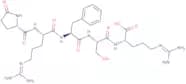
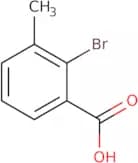
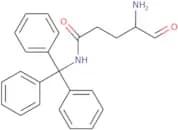
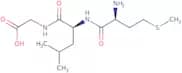
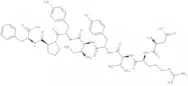
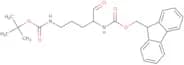
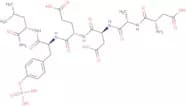
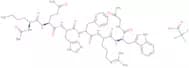
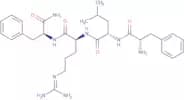


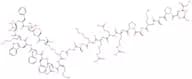
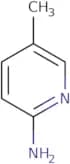
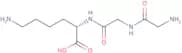
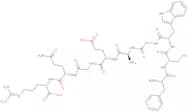
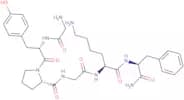
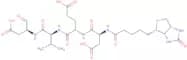


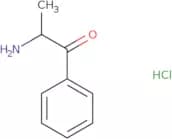

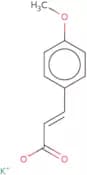
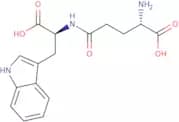

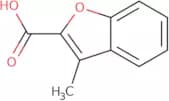
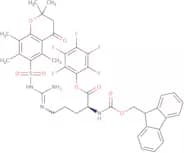


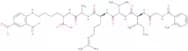

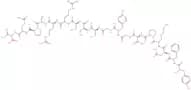

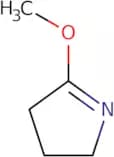
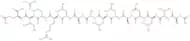
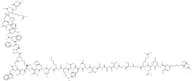
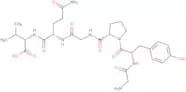
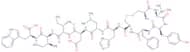
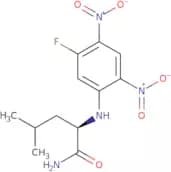
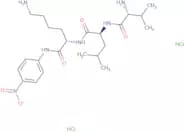
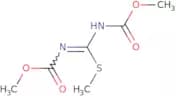
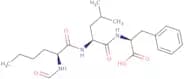
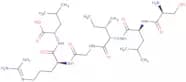
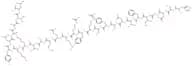

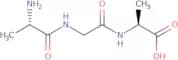

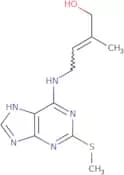
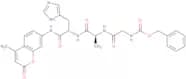

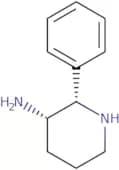
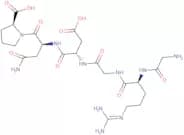
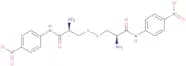
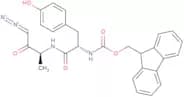
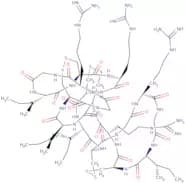
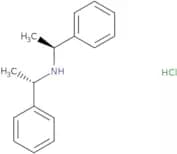
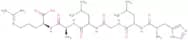
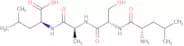
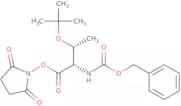
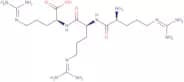
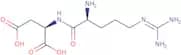
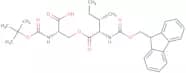
![H-Glu-Leu-Asp-[(2R,4S,5S)-5-amino-4-hydroxy-2,7-dimethyl-octanoyl]-Val-Glu-Phe-Gly-Gly-D-Arg-D-Arg…](/_next/image/?url=https%3A%2Fstatic.cymitquimica.com%2Fproducts%2F3D%2Fthumb-webp%2FFG111107.webp&w=3840&q=75)
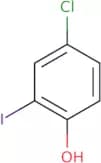
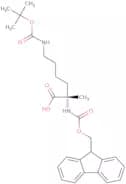


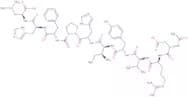
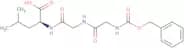

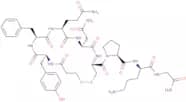


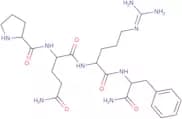
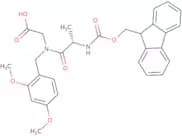
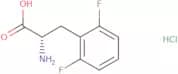
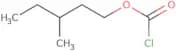
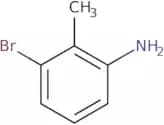
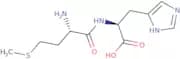

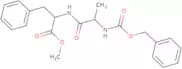


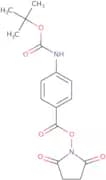
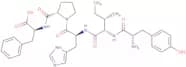
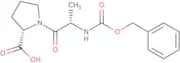
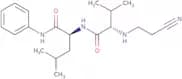
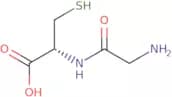

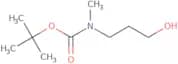
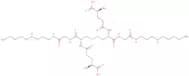
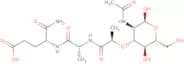
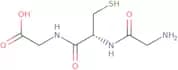
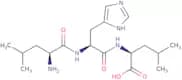
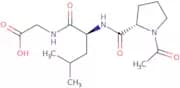
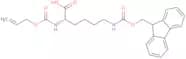
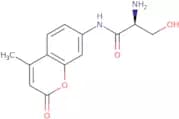
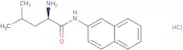
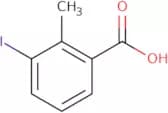
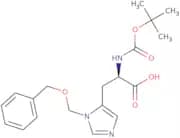
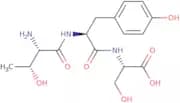
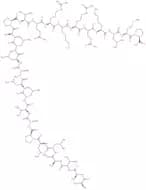
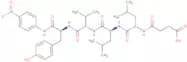
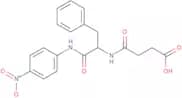

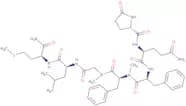
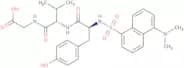
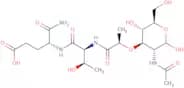
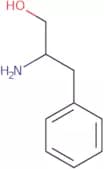
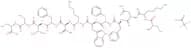
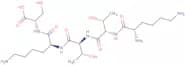
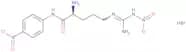


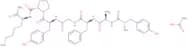
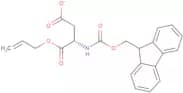
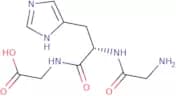
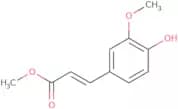
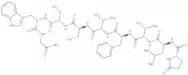
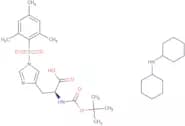
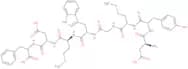
![Fmoc-[15N]Val-OH](/_next/image/?url=https%3A%2Fstatic.cymitquimica.com%2Fproducts%2F3D%2Fthumb-webp%2FFF111322.webp&w=3840&q=75)