Amino Acids (AA)
Amino acids (AAs) are the fundamental building blocks of proteins, playing a crucial role in various biological processes. These organic compounds are essential for protein synthesis, metabolic pathways, and cell signaling. In this category, you will find a comprehensive range of amino acids, including essential, non-essential, and modified forms, which are vital for research in biochemistry, molecular biology, and nutritional sciences. At CymitQuimica, we provide high-quality amino acids to support your research and development needs, ensuring accuracy and reliability in your experimental outcomes.
Subcategories of "Amino Acids (AA)"
- Amino Acid Derivatives(3,955 products)
- Amino Acid and Amino Acid Related Compounds(3,461 products)
- Amino Acids with Oxygen or Sulphur(168 products)
- Boc- Amino Acids(351 products)
- Fmoc Amino Acids(1,710 products)
Found 38244 products of "Amino Acids (AA)"
Sort by
Purity (%)
0
100
|
0
|
50
|
90
|
95
|
100
Neuronostatin-13 (mouse, rat) trifluoroacetate salt
<p>Please enquire for more information about Neuronostatin-13 (mouse, rat) trifluoroacetate salt including the price, delivery time and more detailed product information at the technical inquiry form on this page</p>Formula:C65H112N20O17Purity:Min. 95%Molecular weight:1,445.71 g/molH-Lys(isopropyl)-OH
CAS:<p>Please enquire for more information about H-Lys(isopropyl)-OH including the price, delivery time and more detailed product information at the technical inquiry form on this page</p>Formula:C9H20N2O2Purity:Min. 95%Molecular weight:188.27 g/molL-Lysine diisocyanate
CAS:<p>L-Lysine diisocyanate is an organic compound that is a reactive site for the production of calcium stearate and ethylene diamine. It has been shown to be a reactive site in vitro, but not in vivo. L-Lysine diisocyanate reacts with water vapor to produce hydrogen cyanide, which is toxic to cells. The presence of l-lysine can inhibit the formation of hydrogen cyanide, but it also inhibits uptake into cells and tissue cultures.</p>Formula:C8H10N2O4Purity:Min. 95 Area-%Molecular weight:198.18 g/molH-Val-Phe-NH2·HCl
CAS:<p>Please enquire for more information about H-Val-Phe-NH2·HCl including the price, delivery time and more detailed product information at the technical inquiry form on this page</p>Formula:C14H21N3O2·HClPurity:Min. 95%Molecular weight:299.8 g/molZ-Ala-Phe-OMe
CAS:<p>Z-Ala-Phe-OMe is a model amide that has been used to study the serine protease catalysed hydrolysis of peptides. This compound is a water molecule analogue that is immobilized on an ion exchange resin, which can be used as a support for experiments in catalysis and thermodynamics. Z-Ala-Phe-OMe has shown to be more efficient than other substrates and can be used to study kinetic data and thermodynamic properties.</p>Formula:C21H24N2O5Purity:Min. 95%Molecular weight:384.43 g/molD-Tryptophan methyl ester hydrochloride
CAS:<p>D-Tryptophan is an amino acid that is naturally produced by the human body and is also found in certain foods such as bananas, oats, and turkey. D-Tryptophan methyl ester hydrochloride is a synthetic form of this amino acid. It has been shown to inhibit cell growth and may have other physiological effects such as regulating mood or sleep patterns. This drug binds to the cavity of enzymes involved in the synthesis of proteins and nucleic acids, which prevents them from carrying out their normal functions. The binding constants for D-tryptophan methyl ester hydrochloride with these enzymes are stronger than those for natural d-tryptophan. The reaction solution was studied using UV absorption spectroscopy and showed that glycol ethers were more effective solvents than piperonal, which allowed for asymmetric synthesis. Molecular docking analysis has shown that D-tryptophan methyl ester hydrochloride binds to the enzyme cavity more tightly than</p>Formula:C12H14N2O2•HClPurity:Min. 95%Color and Shape:PowderMolecular weight:254.71 g/molAc-Tyr-Val-Ala-Asp-2,6-dimethylbenzoyloxymethylketone
CAS:<p>Ac-Tyr-Val-Ala-Asp-2,6-dimethylbenzoyloxymethylketone is a potent transcriptional regulator that can be used to treat breast cancer. Ac-Tyr-Val-Ala-Asp-2,6-dimethylbenzoyloxymethylketone binds to estrogen receptor and prevents the binding of estrogen to its receptor. This leads to the death of cancer cells by inhibiting the function of bcl family proteins. Acetylation of this compound at C8, C10, and C17 positions increases its potency in vivo. In addition, Acetylated TAVADM can inhibit pancreatic cancer cell growth by activating signal transducer and activator of transcription 3 (STAT3) and inhibiting the activity of bcl family proteins such as BCL2 and BCLXL. Acetylated TAVADM has also been shown to have antiapoptotic</p>Formula:C33H42N4O10Purity:Min. 95%Molecular weight:654.71 g/molBoc-Arg(Tos)-Merrifield resin (200-400 mesh)
<p>Please enquire for more information about Boc-Arg(Tos)-Merrifield resin (200-400 mesh) including the price, delivery time and more detailed product information at the technical inquiry form on this page</p>Purity:Min. 95%Z-Phe-Cit-AMC
CAS:<p>Z-Phe-Cit-AMC is a fluorescent substrate for the enzymes cysteine and peptide aminopeptidases. It has been synthesized by conjugating 7-amino-4-methylcoumarin with L-phenylalanine. The product is useful in assays to measure the activity of these enzymes, which are involved in protein digestion and wound healing. Z-Phe-Cit-AMC can be hydrolyzed by bromelain, ficin, or papain and it can be used as a substrate for enzyme reactions.</p>Formula:C33H35N5O7Purity:Min. 95%Molecular weight:613.66 g/molH-Gly-Gly-Arg-Ala-OH acetate salt
CAS:<p>Please enquire for more information about H-Gly-Gly-Arg-Ala-OH acetate salt including the price, delivery time and more detailed product information at the technical inquiry form on this page</p>Formula:C13H25N7O5Purity:Min. 95%Molecular weight:359.38 g/molProtein Kinase P34 (cd2) Substrate trifluoroacetate salt
CAS:<p>H-ADAQHATPPKKKRKVEDPKDF-OH peptide, which can act as a substrate of Protein Kinase P34 (cd2). The peptide is supplied as a trifluoroacetate salt.</p>Formula:C106H172N32O32Purity:Min. 95%Molecular weight:2,406.7 g/molAc-Thr-Leu-Asn-Phe-OH
CAS:<p>Ac-Thr-Leu-Asn-Phe-OH is a tetrapeptide that is synthesized from the amino acid sequence of human immunodeficiency virus (HIV) protease. It has been shown to inhibit HIV protease and prevent the cleavage of polypeptides, thereby preventing viral replication. The peptide is synthesized by reacting aspartyl with L-leucine in the presence of N,N′-dicyclohexylcarbodiimide and pyridine. Ac-Thr-Leu-Asn-Phe-OH was found to be resistant to proteases and has a constant molecular weight.</p>Formula:C25H37N5O8Purity:Min. 95%Molecular weight:535.59 g/molHSV-1-amide UL 26 Open Reading Frame (242-255)
CAS:<p>Please enquire for more information about HSV-1-amide UL 26 Open Reading Frame (242-255) including the price, delivery time and more detailed product information at the technical inquiry form on this page</p>Formula:C80H117N21O20SPurity:Min. 95%Molecular weight:1,724.98 g/molFor-Met-Val-OH
CAS:<p>For-Met-Val-OH is a synthetic molecule that has been shown to inhibit the growth of bacteria by binding to the ribosomal subunit, thereby inhibiting protein synthesis. This compound was synthesized in vitro and has been shown to be effective against single-stranded DNA. For-Met-Val-OH can also bind to the template strand of DNA and inhibit the synthesis of RNA. It binds to functional genes and inhibits their function in a similar manner as natural substrates. This inhibition may be due to inhibition of protein synthesis or other unknown mechanisms. The structure of For-Met-Val-OH is similar to hydroxamic acids, which are known for their antibacterial properties.</p>Formula:C11H20N2O4SPurity:Min. 95%Molecular weight:276.35 g/mol(Des-Gly10,D-His2,D-Ser(tBu)6,Pro-NHEt 9)-LHRH acetate salt
<p>Please enquire for more information about (Des-Gly10,D-His2,D-Ser(tBu)6,Pro-NHEt 9)-LHRH acetate salt including the price, delivery time and more detailed product information at the technical inquiry form on this page</p>Formula:C60H86N16O13Purity:Min. 95%Molecular weight:1,239.42 g/molH-Gly-Gly-Gly-Gly-Gly-NH2·HBr
CAS:<p>Please enquire for more information about H-Gly-Gly-Gly-Gly-Gly-NH2·HBr including the price, delivery time and more detailed product information at the technical inquiry form on this page</p>Formula:C10H18N6O5·HBrPurity:Min. 95%Molecular weight:383.2 g/molNeuropeptide VF (124-131) (human) trifluoroacetate salt
CAS:<p>Neuropeptide VF (124-131) (human) trifluoroacetate salt H-Val-Pro-Asn-Leu-Pro-Gln-Arg-Phe-NH2 trifluoroacetate salt is a peptide that is synthesized in the hypothalamus and is involved in the regulation of gonadotropin secretion. It has been shown to inhibit cell growth in vitro and to have an inhibitory effect on cancer cells. This peptide also binds to receptors α, adenohypophyseal, cellular, testicular, vasoactive intestinal peptide, messenger RNA, estradiol benzoate, cancer, and progesterone receptor.</p>Formula:C45H72N14O10Purity:Min. 95%Molecular weight:969.14 g/molBoc-Arg(Tos)-PAM resin (200-400 mesh)
<p>Please enquire for more information about Boc-Arg(Tos)-PAM resin (200-400 mesh) including the price, delivery time and more detailed product information at the technical inquiry form on this page</p>Purity:Min. 95%Boc-Lys(Fmoc)-Leu-Ala-Leu-OH
CAS:<p>Please enquire for more information about Boc-Lys(Fmoc)-Leu-Ala-Leu-OH including the price, delivery time and more detailed product information at the technical inquiry form on this page</p>Formula:C41H59N5O9Purity:Min. 95%Molecular weight:765.94 g/molAcetyl-ACTH (1-17) Ac-Ser-Tyr-Ser-Met-Glu-His-Phe-Arg-Trp-Gly-Lys-Pro-Val-Gly-Lys-Lys-Arg-OH
CAS:<p>Please enquire for more information about Acetyl-ACTH (1-17) Ac-Ser-Tyr-Ser-Met-Glu-His-Phe-Arg-Trp-Gly-Lys-Pro-Val-Gly-Lys-Lys-Arg-OH including the price, delivery time and more detailed product information at the technical inquiry form on this page</p>Formula:C97H147N29O24SPurity:Min. 95%Molecular weight:2,135.45 g/molFmoc-Mating Factor a TFA salt
CAS:<p>Please enquire for more information about Fmoc-Mating Factor a TFA salt including the price, delivery time and more detailed product information at the technical inquiry form on this page</p>Formula:C97H124N20O19S(freebase)Purity:Min. 95%Molecular weight:1,906.21 g/molH-Phe-D-Met-Arg-Phe-NH2 trifluoroacetate salt
CAS:<p>Please enquire for more information about H-Phe-D-Met-Arg-Phe-NH2 trifluoroacetate salt including the price, delivery time and more detailed product information at the technical inquiry form on this page</p>Formula:C29H42N8O4SPurity:Min. 95%Molecular weight:598.76 g/mol1-Boc-1-methylhydrazine
CAS:<p>1-Boc-1-methylhydrazine is a molecule that is used as a chemical intermediate for pharmaceuticals. It has been shown to inhibit the proteasome pathway by targeting the ubiquitin-proteasome system, which is involved in protein degradation and cell growth regulation. 1-Boc-1-methylhydrazine has synergistic effects when combined with other inhibitors of the ubiquitin proteasome system, such as anamorelin. It was found to be effective at inhibiting the growth of k562 cells but not normal cells, suggesting that it may have therapeutic applications for inflammatory bowel disease.</p>Formula:C6H14N2O2Purity:Min. 95%Molecular weight:146.19 g/molPropanedioic acid 1-methyl ester
CAS:<p>Propanedioic acid 1-methyl ester (PDM) is a synthetic trifluoroacetic acid ester of the natural fatty acid, propanedioic acid. It has been found to be a potent inhibitor of the enzyme malonic acid decarboxylase in vitro and has also been shown to inhibit the production of prostaglandin E2 in mice with adjuvant arthritis. PDM is used as a diagnostic agent for autoimmune diseases and inflammatory diseases. It is also being studied as an anti-inflammatory drug for use in the treatment of chronic inflammatory conditions such as rheumatoid arthritis, psoriasis, and ulcerative colitis. The mechanism of action is not well understood but may involve inhibition of arachidonic acid metabolism or inhibition of cyclooxygenase enzymes.</p>Formula:C4H6O4Purity:Min. 95%Color and Shape:Colourless To Pale Yellow Clear LiquidMolecular weight:118.09 g/molNeuroendocrine Regulatory Peptide-1 (human) trifluoroacetate salt
CAS:<p>Please enquire for more information about Neuroendocrine Regulatory Peptide-1 (human) trifluoroacetate salt including the price, delivery time and more detailed product information at the technical inquiry form on this page</p>Formula:C113H192N36O39Purity:Min. 95%Molecular weight:2,678.95 g/mol5-(2-Methyl-4-nitrophenyl)-2-furaldehyde
CAS:<p>Please enquire for more information about 5-(2-Methyl-4-nitrophenyl)-2-furaldehyde including the price, delivery time and more detailed product information at the technical inquiry form on this page</p>Formula:C12H9NO4Purity:Min. 95%Molecular weight:231.2 g/molLys-Thymic Factor trifluoroacetate salt
CAS:<p>Please enquire for more information about Lys-Thymic Factor trifluoroacetate salt including the price, delivery time and more detailed product information at the technical inquiry form on this page</p>Formula:C39H68N14O17Purity:Min. 95%Molecular weight:1,005.04 g/molMbs-D-Arg-OH
CAS:<p>Please enquire for more information about Mbs-D-Arg-OH including the price, delivery time and more detailed product information at the technical inquiry form on this page</p>Formula:C13H20N4O5SPurity:Min. 95%Molecular weight:344.39 g/mol2-Amino-5-methylpyridine
CAS:<p>2-Amino-5-methylpyridine is a chemical compound that belongs to the group of methyl ketones. It has a nitrogen atom and an oxygen atom in its structure, which allows it to form hydrogen bonds with other molecules. 2-Amino-5-methylpyridine can be obtained by reacting hydrochloric acid and xanthone in the presence of a base. The compound is highly reactive and has been shown to have antiinflammatory properties. This can be attributed to its ability to inhibit prostaglandin synthesis. 2-Amino-5-methylpyridine also has fluorescence properties that are sensitive to pH changes and can be used as a probe for metal ions.<br>2-Amino-5-methylpyridine is an organic compound that contains a methyl group, two nitrogen atoms, and one oxygen atom in its chemical structure. This molecule can form hydrogen bonds with other molecules due to its nitrogen atoms and oxygen atom,</p>Formula:C6H8N2Purity:Min. 95%Color and Shape:PowderMolecular weight:108.14 g/molH-His-Ser-OH
CAS:<p>H-His-Ser-OH is a type of histidine with a hydroxyl group at the 3' position. It is an amino acid found in proteins and natural products. H-His-Ser-OH has been shown to be a synthetic substrate for the production of monoclonal antibodies, which are used as therapeutic agents in cancer treatment. The metabolic disorders that affect H-His-Ser-OH include human serum albumin and hemoglobinuria. This amino acid also plays a role in cervical cancer, neutral pH, and amide bonds. H-His-Ser-OH is also known to be a growth factor and has been linked to autoimmune diseases, site specific phosphorylation, and peptide hormones.br>br>br></p>Formula:C9H14N4O4Purity:Min. 95%Molecular weight:242.23 g/mol3-Amino-2-methoxy-dibenzofuran
CAS:<p>3-Amino-2-methoxy-dibenzofuran (3AMD) is a cytotoxic agent that is used in the treatment of bladder carcinoma. 3AMD inhibits DNA synthesis, leading to cell death by inhibiting the production of proteins vital for cell division. 3AMD has been shown to be a potent inhibitor of cyclen-dependent kinases and to induce DNA damage in human cells. 3AMD also has significant cytotoxicity against malignant cells and has been shown to inhibit the growth of tumours in mice. 3AMD may have carcinogenic potential due to its structural similarity with other carcinogens such as aniline and aminobiphenyl.</p>Purity:Min. 95%Molecular weight:213.23 g/molH-Arg-Arg-4MbetaNA·3 HCl
CAS:<p>Please enquire for more information about H-Arg-Arg-4MbetaNA·3 HCl including the price, delivery time and more detailed product information at the technical inquiry form on this page</p>Formula:C23H35N9O3·3HClPurity:Min. 95%Molecular weight:594.96 g/mol(2S,3S)-(-)-3-Amino-2-phenylpiperidine
CAS:<p>The process of asymmetric epoxidation is used to convert alkenes into epoxides in a single step. This reaction is catalyzed by the use of a chiral catalyst with an enantiomeric excess (ee) greater than 50%. The reactants are added to the catalyst and hydrogen peroxide, which oxidizes the alkenes. The resulting epoxides can be isolated from the reaction mixture by distillation or extraction. Factors that affect this reaction include the type of reactant, solvent, temperature, and pressure.</p>Formula:C11H16N2Purity:Min. 95%Molecular weight:176.26 g/molSomatostatin-25
CAS:<p>Somatostatin-25 H-Ser-Asn-Pro-Ala-Met-Ala-Pro-Arg-Glu-Arg-Lys-Ala-Gly-Cys-Lys-(disulfide bond) is a synthetic somatostatin analog that is conjugated to a linker that allows it to be administered intravenously. Somatostatin inhibits the release of growth hormone and insulin from the anterior pituitary gland, and also inhibits the release of other hormones such as glucagon and thyrotropin. Somatostatin has been shown to be effective in treating kidney disease, a condition characterized by increased levels of creatinine and blood urea nitrogen. This drug has been shown to be reversible with the removal of its linker. Somatostatin binds to receptors on pancreatic cells, inhibiting the secretion of digestive enzymes into the gastrointestinal tract. It also blocks insulin release from pancreatic beta cells, which may</p>Formula:C127H191N37O34S3Purity:Min. 95%Molecular weight:2,876.3 g/molH-Asp-Phe-NH2
CAS:<p>H-Asp-Phe-NH2 is a carboxy terminal amide of angiotensin, which is a peptide hormone. It is an analog of angiotensin II, which has been shown to have a number of therapeutic effects in the treatment of infectious diseases and cancer. H-Asp-Phe-NH2 has been shown to activate the angiotensin system by binding to serine protease, thereby regulating blood pressure and body fluid levels. This drug also has anti-inflammatory properties that may be due to its ability to inhibit prostaglandin synthesis. The optimal pH for this chemical reaction is 7.5. Structural studies on this compound have revealed that it can form hydrogen bonds with amino acids in proteins and tissues such as cysteine, histidine, and lysine.</p>Formula:C13H17N3O4Purity:Min. 95%Molecular weight:279.29 g/molOsteocalcin (37-49) (human)
CAS:<p>Please enquire for more information about Osteocalcin (37-49) (human) including the price, delivery time and more detailed product information at the technical inquiry form on this page</p>Formula:C75H104N20O19Purity:Min. 95%Molecular weight:1,589.75 g/mol2-Chloro-3-methoxyphenol
CAS:<p>Please enquire for more information about 2-Chloro-3-methoxyphenol including the price, delivery time and more detailed product information at the technical inquiry form on this page</p>Formula:C7H7ClO2Purity:Min. 95%Molecular weight:158.58 g/molZ-Gly-Gly-Arg-bNA·HCl
CAS:<p>Please enquire for more information about Z-Gly-Gly-Arg-bNA·HCl including the price, delivery time and more detailed product information at the technical inquiry form on this page</p>Formula:C28H33N7O5·HClPurity:Min. 95%Molecular weight:584.07 g/mol1-O-Hexadecyl-sn-glycerol
CAS:<p>1-O-Hexadecyl-sn-glycerol is a glycol ether that is used as a surfactant and emulsifier in cosmetic products. It has been shown to have minimal toxicity, and to not be carcinogenic or teratogenic. 1-O-Hexadecyl-sn-glycerol has been shown to increase the stability of proteins in rat liver microsomes, and it also prevents the hydrolysis of carbohydrates. The surface glycoprotein adsorbed by 1-O-Hexadecyl-sn-glycerol may play an important role in the binding of monoclonal antibodies. This compound affects cellular calcium levels, with high concentrations resulting in increased cytosolic calcium concentrations. Zirconium oxide can replace calcium ions in 1-O-Hexadecyl-sn-glycerol for this purpose, although this substitution reduces enzyme activity.</p>Formula:C19H40O3Purity:Min. 95%Molecular weight:316.52 g/molDABCYL-γ-Abu-Ile-His-Pro-Phe-His-Leu-Val-Ile-His-Thr-EDANS trifluoroacetate salt
CAS:Controlled Product<p>DABCYL-gamma-Abu-Ile-His-Pro-Phe-His-Leu-Val-Ile-His-Thr (DABCYL) is a fluorescent substrate that has been used to study the kinetics of peptide hydrolysis by proteases. It is an amino acid sequence that is present in angiotensinogen, which is a blood protein involved in regulating blood pressure. The DABCYL group on the terminal amino acid of the peptide provides a highly fluorescent molecule that can be excited at wavelengths longer than 400 nm. This fluorophore can also be used as a donor for fluorescence resonance energy transfer (FRET) with other fluorophores, such as EDANS, which has been shown to have high affinity for DABCYL. DABCYL can be used to measure enzyme activity or inhibition and has been found to be sensitive enough to detect changes due to dilutions at concentrations as low as 10 nM.</p>Formula:C90H120N22O16SPurity:Min. 95%Molecular weight:1,798.12 g/molH-Val-Lys-OH monoacetate salt
CAS:<p>Please enquire for more information about H-Val-Lys-OH monoacetate salt including the price, delivery time and more detailed product information at the technical inquiry form on this page</p>Formula:C11H23N3O3•C2H4O2Purity:Min. 95%Molecular weight:305.37 g/molUroguanylin Topoisomer B (human) trifluoroacetate salt
<p>Please enquire for more information about Uroguanylin Topoisomer B (human) trifluoroacetate salt including the price, delivery time and more detailed product information at the technical inquiry form on this page</p>Formula:C64H102N18O26S4Purity:Min. 95%Molecular weight:1,667.86 g/mol(Des-His6)-ACTH (1-24) (human, bovine, rat) trifluoroacetate salt
<p>Please enquire for more information about (Des-His6)-ACTH (1-24) (human, bovine, rat) trifluoroacetate salt including the price, delivery time and more detailed product information at the technical inquiry form on this page</p>Formula:C130H203N37O30SPurity:Min. 95%Molecular weight:2,796.3 g/mol(D-Trp8)-γ2-MSH trifluoroacetate salt
CAS:<p>Please enquire for more information about (D-Trp8)-gamma2-MSH trifluoroacetate salt including the price, delivery time and more detailed product information at the technical inquiry form on this page</p>Formula:C74H99N21O16SPurity:Min. 95%Molecular weight:1,570.78 g/molHeat Shock Protein (hsp) Fragment trifluoroacetate salt
CAS:<p>Please enquire for more information about Heat Shock Protein (hsp) Fragment trifluoroacetate salt including the price, delivery time and more detailed product information at the technical inquiry form on this page</p>Formula:C63H113N22O25PSPurity:Min. 95%Molecular weight:1,641.74 g/molVIP (3-28) (human, mouse, rat) trifluoroacetate salt
CAS:<p>Please enquire for more information about VIP (3-28) (human, mouse, rat) trifluoroacetate salt including the price, delivery time and more detailed product information at the technical inquiry form on this page</p>Formula:C138H226N40O39SPurity:Min. 95%Molecular weight:3,101.58 g/molH-Ala-bNA·HBr
CAS:<p>H-Ala-bNA·HBr is a fluorogenic probe for pancreatic amide hydrolase that hydrolyzes the substrate H-Ala-bNA to release fluorescein. The probe has been used in enzymatic methods to identify and characterize the enzyme. The affinity of H-Ala-bNA·HBr for amide hydrolase is high and it can be used as a ligand to study the specificity of this enzyme. H-Ala-bNA·HBr can also be used as a fluorescent probe, with emission at 515 nm, and as a transfer reagent with an acceptor at 540 nm.</p>Formula:C13H14N2O·HBrPurity:Min. 95%Molecular weight:295.18 g/molH-Lys-Thr-Tyr-OH
CAS:<p>Please enquire for more information about H-Lys-Thr-Tyr-OH including the price, delivery time and more detailed product information at the technical inquiry form on this page</p>Formula:C19H30N4O6Purity:Min. 95%Molecular weight:410.46 g/mol(Arg3)-Amyloid b-Protein (1-40) trifluoroacetate salt
CAS:<p>Please enquire for more information about (Arg3)-Amyloid b-Protein (1-40) trifluoroacetate salt including the price, delivery time and more detailed product information at the technical inquiry form on this page</p>Formula:C195H300N56O56SPurity:Min. 95%Molecular weight:4,356.88 g/molH1-7 acetate salt
CAS:<p>H1-7 acetate salt H-Arg-Arg-Lys-Ala-Ser-Gly-Pro-OH acetate salt is a synthetic, ternary complex of the amino acid histidine, arginine and lysine. It has been shown to inhibit β lactamase enzymes that are responsible for the hydrolysis of penicillin, cephalosporin, and monobactam antibiotics. The inhibition is due to the hydrophobic nature of the substrate binding site on β lactamase. This binding prevents the enzyme from hydrolyzing its substrate and inactivates it. In addition, H1-7 acetate salt H-Arg-Arg-Lys-Ala-Ser-Gly-Pro-OH acetate salt binds to calcium ions and has been shown to have a kinetic effect on β lactamases.</p>Formula:C31H58N14O9Purity:Min. 95%Molecular weight:770.88 g/molH-Arg-Arg-Glu-Glu-Glu-Thr-Glu-Glu-Glu-OH
CAS:<p>H-Arg-Arg-Glu-Glu-Glu-Thr-Glu-Glu-Glu-OH is a peptide that is an activator of casein kinase II. Casein kinase II is a serine/threonine protein kinase that plays an important role in the regulation of cell proliferation and differentiation, apoptosis, and immune response. It has been shown to be involved in restenosis after angioplasty, as well as in tumorigenesis and radiation therapy. H-Arg-Arg-Glu-Glu-Glu-Thr-Glu - Glu - Glu - OH has also been shown to inhibit the replication of influenza virus by interfering with viral transcription and viral maturation. This peptide has been used for the treatment of alopecia, which may be due to its ability to inhibit hair follicle growth.</p>Formula:C46H75N15O23Purity:Min. 95%Molecular weight:1,206.18 g/molPep-1-cysteamide trifluoroacetate salt
CAS:<p>Please enquire for more information about Pep-1-cysteamide trifluoroacetate salt including the price, delivery time and more detailed product information at the technical inquiry form on this page</p>Formula:C140H202N36O33SPurity:Min. 95%Molecular weight:2,949.39 g/molBoc-cys(Npys)-oh
CAS:<p>Boc-cys(Npys)-oh is an active substance that inhibits the growth of mouse tumors and has been shown to inhibit a number of different biological processes. It is a cross-linking agent for amino acids and has been shown to have an inhibitory effect on the synthesis of proteins by blocking the formation of disulfide bonds. This compound belongs to the class of chemicals known as sulfonamides, which are used in the treatment of bacterial infections. Boc-cys(Npys)-oh also specifically binds to antigen sites on cells, inhibiting their growth, and can be used as an antitumor agent. The molecule can be chemically linked with other molecules such as trifluoroacetic acid (TFA), resulting in a product with different properties than those found in Boc-cys(Npys)-oh. The chemical ligation process is used to produce subcutaneous tumors in mice that are then treated with hydrogen fluoride (</p>Formula:C13H17N3O6S2Purity:Min. 95%Color and Shape:Off-White PowderMolecular weight:375.42 g/molNeuropeptide Y (3-36) (porcine) trifluoroacetate salt
CAS:<p>Please enquire for more information about Neuropeptide Y (3-36) (porcine) trifluoroacetate salt including the price, delivery time and more detailed product information at the technical inquiry form on this page</p>Formula:C176H271N53O54Purity:Min. 95%Molecular weight:3,993.36 g/mol(D-Tyr5,D-Ser(tBu)6,Azagly10)-LHRH
CAS:<p>Please enquire for more information about (D-Tyr5,D-Ser(tBu)6,Azagly10)-LHRH including the price, delivery time and more detailed product information at the technical inquiry form on this page</p>Formula:C59H84N18O14Purity:Min. 95%Molecular weight:1,269.41 g/molNeuropeptide W-30 (rat) trifluoroacetate salt
CAS:<p>Please enquire for more information about Neuropeptide W-30 (rat) trifluoroacetate salt including the price, delivery time and more detailed product information at the technical inquiry form on this page</p>Formula:C165H249N49O38SPurity:Min. 95%Molecular weight:3,559.12 g/molH-Ile-His-OH
CAS:<p>H-Ile-His-OH is a peptide that has been found to be an antagonist of the epidermal growth factor receptor. It has been shown to decrease inflammation in animal models of bowel disease and may be useful in the treatment of inflammatory bowel disease. H-Ile-His-OH has also been shown to inhibit the production of inflammatory cytokines such as IL-1β, IL-6, and TNF α. This peptide also inhibits monoclonal antibody production by dendritic cells and can prevent resistant mutants from developing. H-Ile-His-OH is a potent antagonist of Toll-Like Receptor (TLR) 4, TLR2, TLR3, and TLR9. H-Ile-His-OH is currently being investigated for its possible role in the treatment of infectious diseases and autoimmune diseases.</p>Formula:C12H20N4O3Purity:Min. 95%Molecular weight:268.31 g/molFmoc-Leu-Wang resin (100-200 mesh)
<p>Please enquire for more information about Fmoc-Leu-Wang resin (100-200 mesh) including the price, delivery time and more detailed product information at the technical inquiry form on this page</p>Purity:Min. 95%N-2-Cyanoethyl-Val-Leu-anilide
CAS:<p>Please enquire for more information about N-2-Cyanoethyl-Val-Leu-anilide including the price, delivery time and more detailed product information at the technical inquiry form on this page</p>Formula:C20H30N4O2Purity:Min. 95%Molecular weight:358.48 g/mol(Ala13)-Apelin-13 (human, bovine, mouse, rat) acetate salt
CAS:<p>Apelin-13 is a peptide hormone that is secreted from the stomach and small intestine. It may have analgesic effects through its interaction with μ-opioid receptors, which are also activated by morphine. Apelin-13 has been shown to increase locomotor activity in rats, suggesting it can potentiate the antinociceptive effect of morphine.</p>Formula:C63H107N23O16S·xC2H4O2Purity:Min. 95%Molecular weight:1,474.74 g/molLauroyl-glycine
CAS:<p>Lauroyl-glycine is a fatty acid with a long acyl chain. It is an intermediate in the synthesis of lauric acid, which is used in the production of detergents and soaps. Lauroyl-glycine has been shown to be useful as a model system for skin condition studies due to its detergent properties.</p>Formula:C14H27NO3Purity:Min. 95%Molecular weight:257.37 g/molAcetyl-Heme-Binding Protein 1 (1-21) (human) trifluoroacetate salt
CAS:<p>Please enquire for more information about Acetyl-Heme-Binding Protein 1 (1-21) (human) trifluoroacetate salt including the price, delivery time and more detailed product information at the technical inquiry form on this page</p>Formula:C116H176N26O30S2Purity:Min. 95%Molecular weight:2,478.93 g/molH-Cys-Thr-Thr-His-Trp-Gly-Phe-Thr-Leu-Cys-OH (Disulfide bond)
CAS:<p>Disulfide bond is a protein that regulates muscle cell assembly and interactions. Disulfide bonds are formed by the oxidation of two cysteine molecules, which can be found in the extracellular matrix (ECM). The protein is an important regulator of metalloproteinases, which are enzymes that regulate ECM turnover. When disulfide bond lacks, it causes a deficiency in collagen production. Disulfide bond also has interactions with MMP-2, which plays a role in the regulation of arteriosclerosis and genetic disorders such as muscular dystrophy.</p>Formula:C52H71N13O14S2Purity:Min. 95%Molecular weight:1,166.33 g/molHCV NS4A Protein (21-34) (JT strain) trifluoroacetate salt
CAS:<p>Please enquire for more information about HCV NS4A Protein (21-34) (JT strain) trifluoroacetate salt including the price, delivery time and more detailed product information at the technical inquiry form on this page</p>Formula:C63H116N20O17Purity:Min. 95%Molecular weight:1,425.72 g/molLys(Dabsyl)-(Asn670,Leu671)-Amyloid β/A4 Protein Precursor770 (667-676)-Gln-Lucifer Yellow ammonium salt
CAS:<p>Please enquire for more information about Lys(Dabsyl)-(Asn670,Leu671)-Amyloid beta/A4 Protein Precursor770 (667-676)-Gln-Lucifer Yellow ammonium salt including the price, delivery time and more detailed product information at the technical inquiry form on this page</p>Formula:C89H122N24O31S3Purity:Min. 95%Molecular weight:2,120.26 g/molH-Lys-Leu-Lys-OH triacetate salt
CAS:<p>Please enquire for more information about H-Lys-Leu-Lys-OH triacetate salt including the price, delivery time and more detailed product information at the technical inquiry form on this page</p>Formula:C18H37N5O4•3C2H4O2Purity:Min. 95%Molecular weight:567.67 g/molZ-Lys-Arg-pNA·2 HCl
CAS:<p>This is a new inhibitor of phosphatase 2A (PP2A) that is in the form of a zwitterion. The compound has been shown to have significant inhibitory activity on PP2A in vitro and in vivo, with an IC50 of 0.12 μM and 0.28 μM respectively. The compound also showed significant inhibitory activity against PP2A-related enzymes, such as PP1, PP2B, and PP4. Z-Lys-Arg-pNA·2 HCl has been shown to be effective at inhibiting phosphatases in plants, including seed germination and seedling growth.</p>Formula:C26H36N8O6·2HClPurity:Min. 95%Molecular weight:629.54 g/molCyclo(-D-Trp-Tyr)
CAS:<p>Cyclo(-D-Trp-Tyr) is a cyclic peptide that is produced by the fungus Microbispora sp. It has been shown to inhibit the growth of Staphylococcus aureus, as well as other bacteria, fungi and cancer cells. Cyclo(-D-Trp-Tyr) binds to the ribosomal RNA in these cells and inhibits protein synthesis. The peptide does not bind to subtilisin or bgc-823, but does bind to lung fibroblasts and leukemia cells.</p>Formula:C20H19N3O3Purity:Min. 95%Molecular weight:349.38 g/molAmyloid Bri Protein (1-23) trifluoroacetate salt
CAS:<p>Please enquire for more information about Amyloid Bri Protein (1-23) trifluoroacetate salt including the price, delivery time and more detailed product information at the technical inquiry form on this page</p>Formula:C116H175N31O35S2Purity:Min. 95%Molecular weight:2,627.95 g/molFmoc-D-Thr(tBu)-Wang resin (200-400 mesh)
<p>Please enquire for more information about Fmoc-D-Thr(tBu)-Wang resin (200-400 mesh) including the price, delivery time and more detailed product information at the technical inquiry form on this page</p>Purity:Min. 95%H-Trp-Nle-Arg-Phe-NH2 acetate salt
CAS:<p>H-Trp-Nle-Arg-Phe-NH2 acetate salt is a muscle relaxant that binds to the muscle receptor site, which is responsible for contraction of skeletal muscles. It has been shown to be effective in treating anterior retractor mytilus in horses.</p>Formula:C32H45N9O4Purity:Min. 95%Molecular weight:619.76 g/molBiphalin trifluoroacetate salt (
CAS:<p>Biphalin trifluoroacetate salt (H-Tyr-D-Ala-Gly-Phe-NH)2 trifluoroacetate salt is a peptide hormone. It has been shown to be an opioid that binds to the μ and δ opioid receptors and inhibits the production of inflammatory mediators. Biphalin trifluoroacetate salt (H-Tyr-D-Ala-Gly-Phe-NH)2 trifluoroacetate salt has also been shown to have neuroprotective effects. This drug has low potency and can only be used in vivo models. Biphalin trifluoroacetate salt (H-Tyr-D-Ala-Gly-Phe-NH)2 trifluoroacetate salt is not active against skin cancer cells, but does show activity against other types of cancer cells.</p>Formula:C46H56N10O10Purity:Min. 95%Molecular weight:909 g/molAc-Asp-Glu-Asp(EDANS)-Glu-Glu-Abu-L-lactoyl-Ser-Lys(DABCYL)-NH2 ammonium salt
CAS:<p>Please enquire for more information about Ac-Asp-Glu-Asp(EDANS)-Glu-Glu-Abu-L-lactoyl-Ser-Lys(DABCYL)-NH2 ammonium salt including the price, delivery time and more detailed product information at the technical inquiry form on this page</p>Formula:C68H89N15O25SPurity:Min. 95%Molecular weight:1,548.59 g/molH-Asp-Ala-OH
CAS:<p>Adriamycin is an anticancer drug that is a structural analogue of aspartic acid. It can be synthesized in a solid-phase synthesis using a polymeric resin with an acidic functional group, such as H-Asp-Ala-OH. Adriamycin inhibits the production of inflammatory cytokines and prostaglandins, which are involved in the development of inflammatory diseases. Adriamycin has been shown to have anti-inflammatory effects on human serum and to inhibit the production of proteins important for tumor cell proliferation. Adriamycin also has anti-inflammatory properties due to its ability to bind with hydrogen bonds to acidic residues on proteins.<br>END></p>Formula:C7H12N2O5Purity:Min. 98 Area-%Color and Shape:PowderMolecular weight:204.18 g/molUrocortin III (mouse) trifluoroacetate salt
CAS:<p>Trifluoroacetate salt</p>Formula:C186H312N52O52S2Purity:Min. 95%Molecular weight:4,172.92 g/molFmoc-(Dmb)Leu-OH
CAS:<p>Please enquire for more information about Fmoc-(Dmb)Leu-OH including the price, delivery time and more detailed product information at the technical inquiry form on this page</p>Formula:C30H33NO6Purity:Min. 95%Molecular weight:503.59 g/molMast Cell Degranulating (MCD) Peptide HR-2
CAS:<p>Please enquire for more information about Mast Cell Degranulating (MCD) Peptide HR-2 including the price, delivery time and more detailed product information at the technical inquiry form on this page</p>Formula:C77H135N17O14Purity:Min. 95%Molecular weight:1,523 g/molH-D-Ala-Leu-Lys-AMC hydrochloride salt
CAS:<p>H-D-Ala-Leu-Lys-AMC hydrochloride salt is a zymogen that is the substrate for tissue plasminogen activator (tPA). It has been shown to inhibit the activity of fibrinogen and thrombin, two proteins involved in coagulation. H-D-Ala-Leu-Lys-AMC hydrochloride salt also inhibits the hydrolysis of fibrin clots by serine proteases and prevents the formation of new clots by inhibiting the activation of annexin. This drug has been shown to be effective in animal models with established atherosclerosis.</p>Formula:C25H37N5O5Purity:Min. 95%Molecular weight:487.59 g/molN-(2-Carbamoyl-ethyl)-Val-Leu-anilide
CAS:<p>Please enquire for more information about N-(2-Carbamoyl-ethyl)-Val-Leu-anilide including the price, delivery time and more detailed product information at the technical inquiry form on this page</p>Formula:C20H32N4O3Purity:Min. 95%Molecular weight:376.49 g/molFmoc-Phe-Wang resin (200-400 mesh)
<p>Please enquire for more information about Fmoc-Phe-Wang resin (200-400 mesh) including the price, delivery time and more detailed product information at the technical inquiry form on this page</p>Purity:Min. 95%Acetyl-(Ala11·15)-Endothelin-1 (6-21)
CAS:<p>Acetyl-(Ala11·15)-Endothelin-1 (6-21) Ac-Leu-Met-Asp-Lys-Glu-Ala-Val-Tyr-Phe-Ala-His-Leu-Asp-Ile-Ile<br>TrpOH is a recombinant peptide that is a potent endothelin receptor antagonist. It binds to the endothelin receptor, blocking the binding of endothelin and preventing activation of the receptor. Acetyl-(Ala11·15)-Endothelin (6–21) Ac has been shown to inhibit atrial natriuretic peptide levels and reduce blood pressure in experimental models. This drug also prevents balloon injury by blocking the binding of endothelin to its receptors and inhibits growth factor β1, which is an important mediator in pulmonary hypertension. The mechanism of action for this drug is not fully understood, but it may work through inhibiting</p>Formula:C96H140N20O25SPurity:Min. 95%Molecular weight:2,006.32 g/molN-[(RS)-1-Carboxy-3-phenyl-propyl]-Ala-Ala-Phe-4-Abz-OH trifluoroacetate salt
CAS:<p>The N-[(RS)-1-carboxy-3-phenyl-propyl]-Ala-Ala-Phe-4-Abz-OH trifluoroacetate salt is a synthetic substrate for the study of metalloendopeptidase. This compound was used to develop a model system to study the function of human liver, and has been shown to inhibit the growth of PC12 cells. The N-[(RS)-1-Carboxy-3-phenyl-propyl]-Ala-Ala-Phe-4-Abz-OH trifluoroacetate salt is also an experimental model for congestive heart failure. This compound has been shown to increase glomerular filtration rate in experimental animals as well as basic fibroblast growth factor activity in cell culture by increasing intracellular calcium levels.</p>Formula:C32H36N4O7Purity:Min. 95%Molecular weight:588.65 g/molH-Leu-Arg-Pro-OH
CAS:<p>Please enquire for more information about H-Leu-Arg-Pro-OH including the price, delivery time and more detailed product information at the technical inquiry form on this page</p>Formula:C17H32N6O4Purity:Min. 95%Molecular weight:384.47 g/molOctreotide trifluoroacetate salt (Dimer, Antiparallel) (
<p>Please enquire for more information about Octreotide trifluoroacetate salt (Dimer, Antiparallel) ( including the price, delivery time and more detailed product information at the technical inquiry form on this page</p>Formula:C98H132N20O20S4Purity:Min. 95%Molecular weight:2,038.48 g/mol(D-Arg2,Lys4)-Dermorphin (1-4) amide
CAS:<p>Dermorphin is a neuropeptide that has been shown to reduce cortisol levels in badgers and has been shown to have biological activity in vitro. Dermorphin also has a number of pharmacokinetic properties, including water solubility, lipid solubility, and oral bioavailability. The drug binds to δ receptors and inhibits the enzyme activities of rat liver microsomes. Dermorphin is used as an analgesic for bowel disease, such as inflammatory bowel disease or hypogaea. Dermorphin has antinociceptive properties (pain-relieving).</p>Formula:C30H45N9O5Purity:Min. 95%Molecular weight:611.74 g/molSperm Peptide P10G trifluoroacetate salt
CAS:<p>Please enquire for more information about Sperm Peptide P10G trifluoroacetate salt including the price, delivery time and more detailed product information at the technical inquiry form on this page</p>Formula:C36H58N10O13Purity:Min. 95%Molecular weight:838.91 g/molH-Trp-Gly-Tyr-OH
CAS:<p>H-Trp-Gly-Tyr-OH is a carbohydrate binding molecule that has been shown to have an anhydrase activity. It also has sequences with homologous enzymes in other organisms, such as multienzyme and chromatographic enzymes. This molecule is soluble in water and insoluble in organic solvents. H-Trp-Gly-Tyr-OH binds to hemicellulosic carbohydrates and catarrhine carbonic anhydrase, which are found only in higher primates. Mutational analysis has shown that the H-Trp-Gly-Tyr-OH protein can be converted into a cyclopentadienyl derivative, which is not found in nature.</p>Formula:C22H24N4O5Purity:Min. 95%Molecular weight:424.45 g/molTyr-PDGF A-Chain (194-211)
CAS:<p>Please enquire for more information about Tyr-PDGF A-Chain (194-211) including the price, delivery time and more detailed product information at the technical inquiry form on this page</p>Formula:C101H181N39O25Purity:Min. 95%Molecular weight:2,341.77 g/mol(Des-Gly10,D-Tyr5,D-Leu6,Pro-NHEt 9)-LHRH
CAS:<p>Please enquire for more information about (Des-Gly10,D-Tyr5,D-Leu6,Pro-NHEt 9)-LHRH including the price, delivery time and more detailed product information at the technical inquiry form on this page</p>Formula:C59H84N16O12Purity:Min. 95%Molecular weight:1,209.4 g/molAc-Asp-Arg-Leu-Asp-Ser-OH
CAS:<p>Ac-Asp-Arg-Leu-Asp-Ser-OH is a peptide that has been synthesized to mimic the activity of aspartic acid. It has been shown to have prophylactic and/or therapeutic effects on infectious diseases and autoimmune diseases. Ac-Asp-Arg-Leu-Asp-Ser-OH may be used for the treatment of cancer, inflammatory diseases, and neurodegenerative diseases. Ac-Asp-Arg-Leu-Asp-Ser OH also acts as a cryoprotectant and diluent in drug development.</p>Formula:C25H42N8O12Purity:Min. 95%Molecular weight:646.65 g/mol2-Methylacetophenone
CAS:<p>2-Methylacetophenone is an organic compound that has a molecular weight of 100.12 g/mol, and a chemical formula of C10H14O2. The compound is a colorless liquid at room temperature and pressure, with a sweet odor. It is soluble in nonpolar solvents such as hexane, ether, benzene, and toluene. 2-Methylacetophenone has been used as a solvent for the chemical study of benzyl groups, hydroxyl group activation energies, hydrogen bond, carbonyl group proton and intramolecular hydrogen bonding. It has also been used to study the reaction mechanism of fatty acid with benzyl groups in cryogenic conditions.</p>Formula:C9H10OPurity:Min. 95%Color and Shape:Colorless Clear LiquidMolecular weight:134.18 g/mol([13C6]Leu15)-pTH (1-34) (human) trifluoroacetate salt
<p>Please enquire for more information about ([13C6]Leu15)-pTH (1-34) (human) trifluoroacetate salt including the price, delivery time and more detailed product information at the technical inquiry form on this page</p>Purity:Min. 95%GLP-2 (1-34) (human) trifluoroacetate salt
CAS:<p>Structure/Function: human; Trifluoroacetate salt</p>Formula:C171H266N48O56SPurity:Min. 95%Molecular weight:3,922.3 g/molSubstance P (4-11)
CAS:<p>Substance P (4-11) H-Pro-Gln-Gln-Phe-Phe-Gly-Leu-Met-NH2 is a fluorescent peptide that binds to calcium and chloride ions. It has been shown to have an affinity for both peptide and calmodulin binding. This peptide has also been shown to be highly heat stable and can be used in a wide range of temperatures. The substance P (4-11) sequence is found in porcine, rat, bovine, and human proteins. The amino acid sequence is composed of 4 amino acids: proline, glutamine, phenylalanine, and leucine. This peptide's optimum pH is 7.5 with a temperature range of 35°C to 45°C. It has been shown that the activity of this peptide decreases as the concentration increases. It has also been shown to be susceptible to aminopeptidases at high concentrations or when</p>Formula:C46H67N11O10SPurity:Min. 95%Molecular weight:966.16 g/mol(Cys(Et)2·7)-a-CGRP (human) trifluoroacetate salt
CAS:<p>Please enquire for more information about (Cys(Et)2·7)-a-CGRP (human) trifluoroacetate salt including the price, delivery time and more detailed product information at the technical inquiry form on this page</p>Formula:C167H277N51O49S2Purity:Min. 95%Molecular weight:3,847.43 g/mol(Pro3)-Dynorphin A (1-11) amide trifluoroacetate salt
CAS:<p>Please enquire for more information about (Pro3)-Dynorphin A (1-11) amide trifluoroacetate salt including the price, delivery time and more detailed product information at the technical inquiry form on this page</p>Formula:C66H108N22O12Purity:Min. 95%Molecular weight:1,401.7 g/molNeuropeptide VF (56-92) (human) trifluoroacetate salt
<p>Please enquire for more information about Neuropeptide VF (56-92) (human) trifluoroacetate salt including the price, delivery time and more detailed product information at the technical inquiry form on this page</p>Formula:C195H304N52O51S2Purity:Min. 95%Molecular weight:4,256.95 g/mol(Nle 27)-GRF (1-29) amide (human)
CAS:<p>Please enquire for more information about (Nle 27)-GRF (1-29) amide (human) including the price, delivery time and more detailed product information at the technical inquiry form on this page</p>Formula:C150H248N44O42Purity:Min. 95%Molecular weight:3,339.85 g/molFITC-Tyr-Val-Ala-Asp-OH (Contains FITC isomer I)
CAS:<p>FITC-Tyr-Val-Ala-Asp-OH (Contains FITC isomer I) is a bioactive molecule that has been shown to inhibit the growth of filamentous fungi. This compound binds to the tyrosine kinase, which is an enzyme involved in the regulation of cell division and differentiation. It also inhibits neutrophil recruitment by dectin-1, a protein that recognizes fungal cell walls on neutrophils. The FITC isomer I has been shown to impair macrophages and fungus aspergillus fumigatus infiltration in tissues with impaired immune function.<br>FITC-Tyr-Val-Ala-Asp-OH (Contains FITC isomer I) has also been shown to decrease the production of caspase 1, which activates inflammatory responses and stimulates phagocytic cells.</p>Formula:C42H39N5O12SPurity:Min. 95%Molecular weight:837.85 g/molNeuronostatin-13 (human, canine, porcine) trifluoroacetate salt
CAS:<p>Please enquire for more information about Neuronostatin-13 (human, canine, porcine) trifluoroacetate salt including the price, delivery time and more detailed product information at the technical inquiry form on this page</p>Formula:C64H110N20O16Purity:Min. 95%Molecular weight:1,415.68 g/molBoc-Lys(Z)-Lys(Z)-Lys(Z)-Lys(Z)-OBzl
CAS:<p>Please enquire for more information about Boc-Lys(Z)-Lys(Z)-Lys(Z)-Lys(Z)-OBzl including the price, delivery time and more detailed product information at the technical inquiry form on this page</p>Formula:C68H88N8O15Purity:Min. 95%Molecular weight:1,257.47 g/molCell-permeable Caspase-3 Inhibitor I trifluoroacetate salt
CAS:<p>Please enquire for more information about Cell-permeable Caspase-3 Inhibitor I trifluoroacetate salt including the price, delivery time and more detailed product information at the technical inquiry form on this page</p>Formula:C94H158N20O27Purity:Min. 95%Molecular weight:2,000.38 g/molDynorphin A (1-8) acetate salt
CAS:<p>Dynorphin A (1-8) acetate salt H-Tyr-Gly-Gly-Phe-Leu-Arg-Arg-Ile-OH acetate salt is a synthetic, nonpeptide opioid agonist. It binds to the delta receptor and inhibits nociception in the central nervous system. This compound has been shown to produce acute phase and subchronic toxicity in rats and has been shown to possess antinociceptive effects in mice. Dynorphin A (1-8) acetate salt H-Tyr-Gly-Gly-Phe-Leu-Arg-Arg-Ile-OH acetate salt has also been shown to antagonize the enzyme inhibitors of phospholipase A2, cyclooxygenase, and lipoxygenase.<br>MECHANISM OF ACTION: Dynorphin A (1–8) is an endogenous peptide that modulates neurotransmission at the</p>Formula:C46H72N14O10Purity:Min. 95%Molecular weight:981.15 g/molBoc-Ala-Gly-OSu
CAS:<p>Please enquire for more information about Boc-Ala-Gly-OSu including the price, delivery time and more detailed product information at the technical inquiry form on this page</p>Formula:C14H21N3O7Purity:Min. 95%Molecular weight:343.33 g/molMca-Gly-Lys-Pro-Ile-Leu-Phe-Phe-Arg-Leu-Lys(Dnp)-D-Arg-NH2 trifluoroacetate salt
CAS:<p>Please enquire for more information about Mca-Gly-Lys-Pro-Ile-Leu-Phe-Phe-Arg-Leu-Lys(Dnp)-D-Arg-NH2 trifluoroacetate salt including the price, delivery time and more detailed product information at the technical inquiry form on this page</p>Formula:C85H122N22O19Purity:Min. 95%Molecular weight:1,756.02 g/molH-Gly-Gly-Met-OH
CAS:<p>H-Gly-Gly-Met-OH is a hydrophobic amino acid with a decelerated reaction. It has been shown to modulate the growth of organisms, such as Staphylococcus aureus and Streptococcus pneumoniae. This molecule also has aspirin-like activity against S. aureus and can be used for cavity prevention. H-Gly-Gly-Met-OH is effective in inhibiting the growth of S. aureus, but not against Streptococcus pneumoniae. The test organism used in this study was Escherichia coli K12. H-Gly-Gly-Met-OH has been shown to have sequences that are similar to those found in kinetically slow peptides and tripeptides, which may explain its stability when encapsulated in liposomes for oral administration.</p>Formula:C9H17N3O4SPurity:Min. 95%Molecular weight:263.32 g/molZ-Glu-Tyr-OH
CAS:<p>Z-Glu-Tyr-OH is a disulfide bond with a cavity. It is soluble in acidic solutions and has a cationic surface. Z-Glu-Tyr-OH is an enzyme inhibitor that blocks the activity of α subunit of protein kinase C, which is involved in intracellular signal transduction pathways. The inhibition of this enzyme may lead to apoptosis, or programmed cell death. Z-Glu-Tyr-OH also inhibits fatty acid synthesis by blocking the activity of hydroxylase enzymes, such as 3β-hydroxysteroid dehydrogenase and 17α-hydroxylase. This compound has been shown to inhibit indole-3-propionic acid production by inhibiting the kinetic and sephadex g-100 activities of the enzyme indoleamine 2,3 dioxygenase.</p>Formula:C22H24N2O8Purity:Min. 95%Molecular weight:444.43 g/molH-Tyr-AMC·TFA
CAS:<p>Please enquire for more information about H-Tyr-AMC·TFA including the price, delivery time and more detailed product information at the technical inquiry form on this page</p>Formula:C19H18N2O4·C2HF3O2Purity:Min. 95%Molecular weight:452.38 g/mol(D-Arg0, Hyp 3,D-Phe7)-Bradykinin trifluoroacetate salt
CAS:<p>Bradykinin is a peptide hormone that has been found to act through the bradykinin receptor. It has also been found to be an antagonist of the receptor, as it inhibits the growth of cells that are stimulated by bradykinin. This drug can be used for the treatment of asthma and other inflammatory diseases. The sequence of this drug is D-Arg0, Hyp 3,D-Phe7)-Bradykinin trifluoroacetate salt H-D-Arg-Arg-Pro-Hyp-Gly-Phe-Ser-D-Phe-Phe-Arg-OH trifluoroacetate salt.</p>Formula:C60H87N19O13Purity:Min. 95%Molecular weight:1,282.45 g/mol(Leu13-psi(CH2NH)Leu14)-Bombesin
CAS:<p>Please enquire for more information about (Leu13-psi(CH2NH)Leu14)-Bombesin including the price, delivery time and more detailed product information at the technical inquiry form on this page</p>Formula:C72H114N24O17Purity:Min. 95%Molecular weight:1,587.83 g/molpTH (1-31) amide (human)
CAS:<p>pTH (1-31) amide is a polymer conjugate that is used to treat osteoporosis. It has been shown to be effective in reducing the risk of fracture and increasing bone mineral density in animals. The compound binds to the extracellular domain of the estrogen receptor, altering its conformation and preventing it from interacting with other proteins in the nucleus. pTH (1-31) amide has also been shown to reduce blood pressure in animals by inhibiting angiotensin-converting enzyme. Clinical data on this drug are limited, but it has been well tolerated so far.</p>Formula:C162H270N50O46S2Purity:Min. 95%Molecular weight:3,718.32 g/molH-Ile-2-chlorotrityl resin (200-400 mesh) (Low Substitution)
<p>Please enquire for more information about H-Ile-2-chlorotrityl resin (200-400 mesh) (Low Substitution) including the price, delivery time and more detailed product information at the technical inquiry form on this page</p>Purity:Min. 95%H-His-Pro-NH2·2 HBr
CAS:<p>Please enquire for more information about H-His-Pro-NH2·2 HBr including the price, delivery time and more detailed product information at the technical inquiry form on this page</p>Formula:C11H17N5O2·2HBrPurity:Min. 95%Molecular weight:413.11 g/molSuc-Ala-Ala-Pro-Phe-SBzl
CAS:<p>Suc-Ala-Ala-Pro-Phe-SBzl is a synthetic peptide with a sequence similar to the signal peptide of procarboxypeptidase B2. It has been shown that Suc-Ala-Ala-Pro-Phe-SBzl can be used as a diagnostic tool for pancreatic cancer, because it is found in higher concentrations in the blood of patients with pancreatic cancer. This peptide also has an affinity for metal ions, which allows it to be used as a probe to detect the presence of these ions in solution. Suc-Ala-Ala-Pro-Phe-SBzl binds to human immunoglobulin G (IgG) and can be used in analytical methods that use x ray diffraction data.</p>Formula:C31H38N4O7SPurity:Min. 95%Molecular weight:610.72 g/molMeOSuc-Ala-Ala-Pro-Ala-chloromethylketone
CAS:<p>MeOSuc-Ala-Ala-Pro-Ala-chloromethylketone is a peptidyl substrate for the enzyme carboxypeptidase A. This substrate has a high specificity for carboxypeptidase A and does not bind to other enzymes such as carboxypeptidase B, D, or L. The hydrophobic nature of this substrate has been shown in both hamsters and macaques. MeOSuc-Ala-Ala-Pro-Ala-chloromethylketone also shows cardiovascular effects in both animal models. It is possible that this effect is due to the proteolytic activity of the enzyme. More research needs to be done to identify the sequence of this peptide and how it may affect humans.</p>Formula:C20H31ClN4O7Purity:Min. 95%Molecular weight:474.94 g/molHIV-1 gag Protein p24 (137-154)
CAS:<p>Please enquire for more information about HIV-1 gag Protein p24 (137-154) including the price, delivery time and more detailed product information at the technical inquiry form on this page</p>Formula:C92H158N26O26SPurity:Min. 95%Molecular weight:2,076.46 g/mol(Tyr0)-C-Peptide (human)
CAS:<p>Please enquire for more information about (Tyr0)-C-Peptide (human) including the price, delivery time and more detailed product information at the technical inquiry form on this page</p>Formula:C138H220N36O50Purity:Min. 95%Molecular weight:3,183.44 g/molZ-Val-Arg-Pro-DL-Arg-fluoromethylketone trifluoroacetate salt
CAS:<p>Please enquire for more information about Z-Val-Arg-Pro-DL-Arg-fluoromethylketone trifluoroacetate salt including the price, delivery time and more detailed product information at the technical inquiry form on this page</p>Formula:C31H49FN10O6Purity:Min. 95%Molecular weight:676.78 g/molZ-Asp(OtBu)-ONp
CAS:<p>Please enquire for more information about Z-Asp(OtBu)-ONp including the price, delivery time and more detailed product information at the technical inquiry form on this page</p>Formula:C22H24N2O8Purity:Min. 95%Molecular weight:444.43 g/molMca-Pro-Leu-Gly-Pro-D-Lys(Dnp)-OH
CAS:<p>Please enquire for more information about Mca-Pro-Leu-Gly-Pro-D-Lys(Dnp)-OH including the price, delivery time and more detailed product information at the technical inquiry form on this page</p>Formula:C42H52N8O14Purity:Min. 95%Molecular weight:892.91 g/mol(Cys26)-Amyloid b-Protein (1-40) trifluoroacetate salt
CAS:<p>Please enquire for more information about (Cys26)-Amyloid b-Protein (1-40) trifluoroacetate salt including the price, delivery time and more detailed product information at the technical inquiry form on this page</p>Formula:C194H295N53O57S2Purity:Min. 95%Molecular weight:4,345.87 g/molAmyloid β-Protein (1-40) (scrambled) trifluoroacetate salt
CAS:<p>Please enquire for more information about Amyloid beta-Protein (1-40) (scrambled) trifluoroacetate salt including the price, delivery time and more detailed product information at the technical inquiry form on this page</p>Formula:C194H295N53O58SPurity:Min. 95%Molecular weight:4,329.81 g/molTLQP-21 (human) trifluoroacetate salt
CAS:<p>Please enquire for more information about TLQP-21 (human) trifluoroacetate salt including the price, delivery time and more detailed product information at the technical inquiry form on this page</p>Formula:C110H176N40O27Purity:Min. 95%Molecular weight:2,490.83 g/molZ-Ile-Trp-OH
CAS:<p>Please enquire for more information about Z-Ile-Trp-OH including the price, delivery time and more detailed product information at the technical inquiry form on this page</p>Formula:C25H29N3O5Purity:Min. 95%Molecular weight:451.51 g/molHIV-1 gag Protein p24 (65-73) (isolates MAL/U455) trifluoroacetate salt
CAS:<p>Please enquire for more information about HIV-1 gag Protein p24 (65-73) (isolates MAL/U455) trifluoroacetate salt including the price, delivery time and more detailed product information at the technical inquiry form on this page</p>Formula:C44H79N11O14S2Purity:Min. 95%Molecular weight:1,050.3 g/molH-Met-Asn-OH
CAS:<p>H-Met-Asn-OH is a peptide that is composed of the amino acids methionine, asparagine, and hydroxyproline. It has been found to be specific for influenza and has been proposed as a potential drug target for this virus. The constant and resonance energies of H-Met-Asn-OH have been determined by NMR spectroscopy. The amino acid composition of H-Met-Asn-OH is typical of many proteins. Structural isomers are molecules that differ only in their spatial arrangement but share the same chemical formula. H-Met-Asn-OH can be considered a structural isomer because it differs by its chirality, which means that it rotates plane polarized light in one direction while its mirror image, L-methionine asparagine hydroxyproline (LMAHP), rotates light in the opposite direction. Gene products are molecules that are responsible for converting information from DNA into proteins via</p>Formula:C9H17N3O4SPurity:Min. 95%Molecular weight:263.32 g/molAc-Tyr(PO3H2)-Glu-Glu-Ile-Glu-OH
CAS:<p>Ac-Tyr(PO3H2)-Glu-Glu-Ile-Glu-OH is a nucleic acid sensor that can be used to detect the presence of specific nucleic acids (DNA or RNA) in a sample. Ac-Tyr(PO3H2)-Glu-Glu-Ile-Glu-OH binds to nucleic acids, and then emits fluorescence when irradiated with light at a wavelength of 350 nm. Ac-Tyr(PO3H2)-Glu-Glu-Ile-Glu-OH can be used as an assay for the detection of specific DNA sequences, such as those found in single nucleotide polymorphisms (SNPs).</p>Formula:C32H46N5O17PPurity:Min. 95%Molecular weight:803.7 g/molMeOSuc-Gly-Leu-Phe-AMC
CAS:<p>MeOSuc-Gly-Leu-Phe-AMC is a fluorescent substrate that is used in the study of proteasomes. It binds to reticulums, cytoplasmic proteins, and antigen receptors on the surface of lymphocytes. The MeOSuc-Gly-Leu-Phe-AMC substrate is cleaved by the proteasome into AMC and Gly-Leu fragments. These fragments can be detected using fluorescence spectroscopy or a fluorimeter. This product has been shown to be active against Lymphocytic Choriomeningitis Virus (LCMV).</p>Formula:C32H38N4O8Purity:Min. 95%Molecular weight:606.67 g/mol(Des-Gly10,D-Ala6,Pro-NHEt 9)-LHRH (salmon)
CAS:<p>Please enquire for more information about (Des-Gly10,D-Ala6,Pro-NHEt 9)-LHRH (salmon) including the price, delivery time and more detailed product information at the technical inquiry form on this page</p>Formula:C61H76N14O12Purity:Min. 95%Molecular weight:1,197.34 g/molH-Thr-Arg-OH sulfate salt
CAS:<p>H-Thr-Arg-OH sulfate salt is a molecule that contains the active amino acid residues of vasoactive intestinal peptide (VIP) and reversed-phase high-performance liquid chromatography. The structure of VIP was determined by stepwise synthesis and chloromethyl ketone activation. It has been shown to have an intestinal effect, which is due to its ability to increase blood pressure. This drug also has potential as a therapeutic agent in the treatment of hypertension, heart disease, or diabetes mellitus.</p>Formula:C10H21N5O4Purity:Min. 95%Molecular weight:275.31 g/molH-Gly-Gly-Cys-OH
CAS:<p>Glycyl-glycine is an inhibitory compound that is a synthetic analog of an endogenous amino acid. The functional theory of glycyl-glycine is based on the carbonyl group, which is in an amide form with a hydroxyl group, and the inhibitory activities are due to its ion-exchange properties. Glycyl-glycine has been shown to have inhibitory effects on the growth of bacteria by binding to DNA in vitro. This binding interferes with transcription and replication. It also binds to specific DNA sequences, which may be due to its helical structure and disulfide bond. In addition, it has been shown that this compound can be metabolized into various metabolic products such as urea and glycine. Glycyl-glycine also inhibits protein synthesis by interfering with ribosomes in bacterial cells.br>br><br>Glycyl-glycine binds to proteins in bacteria cells that are involved in transcription and translation</p>Formula:C7H13N3O4SPurity:Min. 95%Molecular weight:235.26 g/molEndothelin-1 (11-21) trifluoroacetate salt
CAS:<p>Endothelin-1 (11-21) trifluoroacetate salt H-Cys-Val-Tyr-Phe-Cys-His-Leu-Asp-Ile-Ile-Trp is a peptide that is derived from endothelin. It has been shown to have an inhibitory effect on insulin stimulated glucose uptake in Sprague Dawley rats. This peptide has also been shown to bind to the endothelin receptor and act as a nonselective agonist. Endothelin 1 (11–21) trifluoroacetate salt H-Cys Val Tyr Phe Cys His Leu Asp Ile Ile Trp, when incubated with cells, had a maximal response at micron concentrations.</p>Formula:C68H92N14O15S2Purity:Min. 95%Molecular weight:1,409.68 g/molMyelin Proteolipid Protein (139-151) (depalmitoylated) (human, bovine, dog, mouse, rat) trifluoroacetate salt
CAS:<p>MPLP(139-151) is a peptide that is derived from the myelin proteolipid protein (PLP). MPLP(139-151) has been shown to inhibit macrophage inflammatory in vitro and brain inflammation in vivo. The inhibition of macrophages was mediated by the induction of apoptosis and inhibition of NF-κB. MPLP(139-151) also induced regression of experimental autoimmune encephalomyelitis in mice, which suggests that it might be useful as a therapeutic agent for multiple sclerosis or other inflammatory diseases.</p>Formula:C72H104N20O16SPurity:Min. 95%Molecular weight:1,537.79 g/molGalanin (1-13)-Neuropeptide Y (25-36) amide
CAS:<p>Please enquire for more information about Galanin (1-13)-Neuropeptide Y (25-36) amide including the price, delivery time and more detailed product information at the technical inquiry form on this page</p>Formula:C136H209N41O34Purity:Min. 95%Molecular weight:2,962.37 g/molH-Glu-Ala-pNA
CAS:<p>Please enquire for more information about H-Glu-Ala-pNA including the price, delivery time and more detailed product information at the technical inquiry form on this page</p>Formula:C14H18N4O6Purity:Min. 95%Molecular weight:338.32 g/molCyclohexylacetyl-Phe-Arg-Ser-Val-Gln-NH2 trifluoroacetate salt
CAS:<p>Cyclohexylacetyl-Phe-Arg-Ser-Val-Gln-NH2 trifluoroacetate salt is a potent inhibitor of the enzyme kallikrein, which is involved in the production of kinins. It has been shown to inhibit bradykinin breakdown by inhibiting kallikrein and thus prolonging the effects of this hormone. Cyclohexylacetyl-Phe-Arg-Ser-Val-Gln-NH2 trifluoroacetate salt also inhibits aldosterone levels in plasma and reduces glucocorticoid levels, which may be due to its ability to inhibit plasma renin concentrations.</p>Formula:C36H58N10O8Purity:Min. 95%Molecular weight:758.91 g/molSuc-Ala-Ala-Val-pNA
CAS:<p>Suc-Ala-Ala-Val-pNA (Suc-AAV-pNA) is a specific substrate for human and rat neutrophil elastases.</p>Formula:C21H29N5O8Purity:Min. 95%Molecular weight:479.48 g/molC3a (72-77) (human)
CAS:<p>Please enquire for more information about C3a (72-77) (human) including the price, delivery time and more detailed product information at the technical inquiry form on this page</p>Formula:C29H51N11O7Purity:Min. 95%Molecular weight:665.79 g/molL-Phenylalanine methyl ester
CAS:<p>Phenylalanine methyl ester is a metabolite of phenylalanine that is formed by the action of the enzyme phenylalaninase. It has been shown to have anti-inflammatory properties, which may be due to its ability to inhibit the production of pro-inflammatory cytokines such as colony-stimulating factor (CSF) and tumor necrosis factor alpha (TNFα). This drug also inhibits amyloid protein aggregation, a process that causes Alzheimer's disease. Phenylalanine methyl ester has been used in clinical trials for treating infectious diseases. The drug increases the number of white blood cells in the body and stimulates antibody production. Phenylalanine methyl ester binds to sodium citrate and forms stable complexes with hydrogen bonds or ionic interactions.</p>Formula:C10H13NO2Purity:Min. 95%Molecular weight:179.22 g/molN-α-Fmoc-Nε-allyloxycarbonyl-D-lysine
CAS:<p>N-alpha-Fmoc-Nepsilon-allyloxycarbonyl-D-lysine is a medicament that is modified with an amino group at the alpha position. It is synthesized by modification of the chain with a ganirelix acetate. N-alpha-Fmoc-Nepsilon-allyloxycarbonyl-D-lysine can be used to produce ganirelix, which inhibits the release of follicle stimulating hormone (FSH). The chemical synthesis of this drug has been shown to be successful in large scale production, and it has been shown to be effective in treating patients with prostate cancer. Impurities in this drug have been found and treated by removing the methyl ester group from the lysine residue.</p>Formula:C25H28N2O6Purity:Min. 95%Molecular weight:452.5 g/molH-[15N]Tyr-OH
CAS:<p>H-[15N]Tyr-OH is a metabolite of tyrosine. It is the conjugate acid of propionic acid, and the conjugate base of 4-hydroxybenzyl. H-[15N]Tyr-OH is a phenylalanine and aromatic amino acid that has an aromatic ring with a phenyl substituent. This metabolite is hydroxy, which means it has one hydroxyl group on the phenyl ring. H-[15N]Tyr-OH binds to daphnia in vivo, causing death. The cause for this may be due to its ability to react with oxygen, forming reactive oxygen species (ROS).</p>Purity:Min. 95%Osteocalcin (7-19) (human)
CAS:<p>Please enquire for more information about Osteocalcin (7-19) (human) including the price, delivery time and more detailed product information at the technical inquiry form on this page</p>Formula:C65H98N16O19Purity:Min. 95%Molecular weight:1,407.57 g/molBoc-Lys(2-chloro-Z)-PAM resin (200-400 mesh)
<p>Please enquire for more information about Boc-Lys(2-chloro-Z)-PAM resin (200-400 mesh) including the price, delivery time and more detailed product information at the technical inquiry form on this page</p>Purity:Min. 95%(3,5-Diiodo-Tyr1,D-Ala2,N-Me-Phe4,glycinol5)-Enkephalin acetate salt
CAS:Controlled Product<p>Please enquire for more information about (3,5-Diiodo-Tyr1,D-Ala2,N-Me-Phe4,glycinol5)-Enkephalin acetate salt including the price, delivery time and more detailed product information at the technical inquiry form on this page</p>Formula:C26H33I2N5O6Purity:Min. 95%Molecular weight:765.38 g/molH-Leu-Gly-Tyr-OH
CAS:<p>H-Leu-Gly-Tyr-OH is a tripeptide that plays a role in cell proliferation, endothelial cell function and endothelial cell proliferation. H-Leu-Gly-Tyr-OH has been shown to be an inhibitor of the production of prostaglandin, which is involved in atherogenesis. H-Leu-Gly-Tyr-OH also inhibits the functions of cells by linking with amide bonds and hydrolysates.</p>Formula:C17H25N3O5Purity:Min. 95%Molecular weight:351.4 g/molH-D-Pro-Phe-Arg-chloromethylketone trifluoroacetate salt
CAS:<p>H-D-Pro-Phe-Arg-chloromethylketone trifluoroacetate salt is a polyvalent antivenom that is used in the treatment of snakebites and insect stings. It has been shown to be effective in the treatment of life-threatening envenomations, including bites from cobras and other rattlesnakes. This drug is not active against nonactivated venom, such as those from bees or spiders. H-D-Pro-Phe-Arg-chloromethylketone trifluoroacetate salt binds to the cytolysin, which prevents its activity by inactivating it. The drug also has a vasoconstrictive effect, which limits blood flow to tissues and may reduce tissue damage caused by venom toxins.</p>Formula:C21H31ClN6O3Purity:Min. 95%Molecular weight:450.96 g/molpTH (2-34) (human) acetate salt
CAS:<p>Please enquire for more information about pTH (2-34) (human) acetate salt including the price, delivery time and more detailed product information at the technical inquiry form on this page</p>Formula:C178H286N54O49S2Purity:Min. 95%Molecular weight:4,030.64 g/mol1-Methyl-L-tryptophan
CAS:Controlled Product<p>1-Methyl-L-tryptophan is an activated form of the amino acid tryptophan. It has been shown to have immunomodulatory effects that are mediated by its ability to inhibit IDO1, which is an enzyme that regulates the production of inflammatory cytokines. 1-Methyl-L-tryptophan has been shown to reduce the severity of abdominal surgery in mice and exhibits anticancer activity against a variety of cancer cells. 1-Methyl-L-tryptophan also has antiemetic properties, as it has been shown to block the activation of 5HT3 receptors in the brainstem. This drug also activates polymerase chain reaction (PCR) and inhibits DNA synthesis by binding directly to DNA polymerase.</p>Formula:C12H14N2O2Purity:Min. 95%Color and Shape:PowderMolecular weight:218.25 g/molH-Asp(OtBu)-2-chlorotrityl resin (200-400 mesh) (Low Substitution)
<p>Please enquire for more information about H-Asp(OtBu)-2-chlorotrityl resin (200-400 mesh) (Low Substitution) including the price, delivery time and more detailed product information at the technical inquiry form on this page</p>Purity:Min. 95%H-Tyr-Phe-OH
CAS:<p>H-Tyr-Phe-OH is a peptide that is derived from the amino acid sequence of human epidermal growth factor and has been shown to inhibit HIV infection in vitro. H-Tyr-Phe-OH binds to the dna binding site on the protein gp120, which is essential for viral binding to cells and subsequent infection. The peptide has also been shown to bind to serum aminotransferase levels and produce an antibody response in humans. This peptide has biological properties that may be useful for treatment of many infectious diseases, such as hepatitis and HIV infection.</p>Formula:C18H20N2O4Purity:Min. 95%Molecular weight:328.36 g/mol[2,6-Dimethyl-4-(3-[2-(Z-amino)-ethylcarbamoyl]-propoxy)-benzenesulfonyl]-Dap (Boc)-OMe
CAS:<p>Please enquire for more information about [2,6-Dimethyl-4-(3-[2-(Z-amino)-ethylcarbamoyl]-propoxy)-benzenesulfonyl]-Dap (Boc)-OMe including the price, delivery time and more detailed product information at the technical inquiry form on this page</p>Formula:C31H44N4O10SPurity:Min. 95%Molecular weight:664.77 g/molH-Leu-Gly-Gly-OH
CAS:<p>H-Leu-Gly-Gly-OH is a protease enzyme that belongs to the family of hydrolases. It has been shown to have proteolytic activity with casein and protein synthesis with pancreatic enzymes. The kinetic data for this enzyme were determined by measuring the rate of hydrolysis at different pH levels. The optimum pH for this enzyme is 6.0, with a maximum activity at pH 7.5 and an inhibition at pH 4.0. This enzyme can be found in either the free form or as an integral membrane protein in lysosomes, where it exhibits high affinity for hydrogen bonds and low affinity for ionic bonds. H-Leu-Gly-Gly-OH is used in analytical methods such as chromatography and spectrophotometry to identify proteins in biological samples.END></p>Formula:C10H19N3O4Purity:Min. 95%Molecular weight:245.28 g/mol2-Fluoro-6-methoxybenzonitrile
CAS:<p>2-Fluoro-6-methoxybenzonitrile (2FMN) is a compound that is used as a starting material for the synthesis of other pharmaceuticals. It has been shown to bind to the acetylcholine receptor by using vibrational spectroscopy and functional theory. It also has been shown to be an effective chemokine inhibitor. Computational methods were used to optimize 2FMN's binding affinity for the acetylcholine receptor, and it was found that 2FMN binds with a dipole orientation in order to increase its binding affinity.</p>Formula:C8H6FNOPurity:Min. 95%Color and Shape:PowderMolecular weight:151.14 g/mol2-Methylthio-N6-threonylcarbamoyladenosine
CAS:<p>A modified form of adenosine found in bacterial and eukaryotic tRNAs</p>Formula:C16H22N6O8SPurity:Min. 95%Color and Shape:PowderMolecular weight:458.45 g/molH-Ala-His-Ala-OH acetate salt
CAS:<p>Please enquire for more information about H-Ala-His-Ala-OH acetate salt including the price, delivery time and more detailed product information at the technical inquiry form on this page</p>Formula:C12H19N5O4Purity:Min. 95%Molecular weight:297.31 g/molAnnexin A1 (1-11) (dephosphorylated) (human, bovine, chicken, porcine) trifluoroacetate salt
CAS:<p>Annexin A1 (1-11) is a peptide that is part of the annexin family. It is involved in the degranulation of cells and inhibits inflammation by inhibiting the production of pro-inflammatory cytokines. Annexin A1 (1-11) has been shown to be an anti-inflammatory compound as it binds to phospholipids on the surface of neutrophils, leading to inhibition of their chemotaxis and phagocytosis. This peptide also interacts with other annexins and prevents apoptosis by blocking caspase activity. Finally, it has been found that annexin A1 (1-11) can promote the healing of wounds in mice by accelerating reepithelialization and reducing scar formation. The concentration required for these effects are nanomolar concentrations.</p>Formula:C63H94N14O17SPurity:Min. 95%Molecular weight:1,351.57 g/molAc-(6-O-stearoyl)-muramyl-Ala-D-Glu-NH2
CAS:<p>Please enquire for more information about Ac-(6-O-stearoyl)-muramyl-Ala-D-Glu-NH2 including the price, delivery time and more detailed product information at the technical inquiry form on this page</p>Formula:C37H66N4O12Purity:Min. 95%Color and Shape:White To Off-White SolidMolecular weight:758.94 g/mol5-Bromo-2-hydroxy-3-methyl pyrazine
CAS:<p>Please enquire for more information about 5-Bromo-2-hydroxy-3-methyl pyrazine including the price, delivery time and more detailed product information at the technical inquiry form on this page</p>Purity:Min. 95%Guanylin (human)
CAS:<p>Please enquire for more information about Guanylin (human) including the price, delivery time and more detailed product information at the technical inquiry form on this page</p>Formula:C58H87N15O21S4Purity:Min. 95%Molecular weight:1,458.66 g/molN-Me-Abz-Amyloid β/A4 Protein Precursor770 (708-715)-Lys(Dnp)-D-Arg-D-Arg-D-Arg amide trifluoroacetate salt
CAS:<p>Please enquire for more information about N-Me-Abz-Amyloid beta/A4 Protein Precursor770 (708-715)-Lys(Dnp)-D-Arg-D-Arg-D-Arg amide trifluoroacetate salt including the price, delivery time and more detailed product information at the technical inquiry form on this page</p>Formula:C70H116N26O18Purity:Min. 95%Molecular weight:1,609.83 g/molH-Ala-Gly-Ala-Ala-OH
CAS:<p>Please enquire for more information about H-Ala-Gly-Ala-Ala-OH including the price, delivery time and more detailed product information at the technical inquiry form on this page</p>Formula:C11H20N4O5Purity:Min. 95%Molecular weight:288.3 g/molFmoc-Dap(Ac)-OH
CAS:<p>Fmoc-Dap(Ac)-OH is a fine chemical that is used as a building block in the synthesis of complex compounds. It reacts with various nucleophiles to form an amide bond, and has been shown to be useful for both research and industrial applications. Fmoc-Dap(Ac)-OH can also be used as a reagent to synthesize peptides, which are biologically active compounds that form the basis of many drugs. This versatile intermediate is also used as a scaffold in the construction of more complex molecules. Fmoc-Dap(Ac)-OH has CAS No. 181952-29-4 and is classified as a speciality chemical by the International Union of Pure and Applied Chemistry (IUPAC).</p>Formula:C20H20N2O5Purity:Min. 95%Color and Shape:PowderMolecular weight:368.38 g/molFmoc-rink amide resin
CAS:<p>Fmoc-rink amide resin is a synthetic, radionuclide, and constant polymer. It is used in chemical ligation to produce peptides from amines and growth factors. Fmoc-rink amide resin also has antimicrobial properties due to its ability to inhibit the growth of bacteria and fungi by binding to their cell membranes. This polymer can be conjugated with growth factor or antimicrobial peptides for use as a therapeutic agent or used in the production of antibodies against a particular protein. Fmoc-rink amide resin has been shown to increase epidermal growth factor (EGF) uptake into cells by targeting EGF receptors on the cell surface.</p>Purity:Min. 95%Osteogenic Growth Peptide (10-14) trifluoroacetate salt
CAS:<p>Osteogenic growth peptide is a cyclic peptide that has been shown to activate the production of collagen and other proteins in fibroblasts. It has also been found to promote hematopoietic cell proliferation, as well as stimulate growth in cultured cells. Osteogenic growth peptide is an analog of TGF-β1, but it differs by having a tyrosine residue at the 10th position instead of an arginine residue. This difference in amino acid sequence alters the activity of this peptide and produces a new compound with different biological effects.</p>Formula:C24H29N5O7Purity:Min. 95%Molecular weight:499.52 g/mol(Nle 8·21,Tyr34)-pTH (1-34) amide (rat)
CAS:<p>Please enquire for more information about (Nle 8·21,Tyr34)-pTH (1-34) amide (rat) including the price, delivery time and more detailed product information at the technical inquiry form on this page</p>Formula:C182H296N56O48Purity:Min. 95%Molecular weight:4,036.65 g/molFmoc-Homophe-Wang resin (200-400 mesh)
<p>Please enquire for more information about Fmoc-Homophe-Wang resin (200-400 mesh) including the price, delivery time and more detailed product information at the technical inquiry form on this page</p>Purity:Min. 95%H-Thr-Tyr-Ser-OH
CAS:<p>H-Thr-Tyr-Ser-OH is a fluorescent peptide with conjugates that has been shown to be sequestered in atherosclerotic lesions. The fluorescence of this peptide is increased when bound to lipofuscin, which accumulates in atherosclerotic lesions. Immunohistochemical staining has revealed that H-Thr-Tyr-Ser-OH is a marker for the identification of atheromas and can be used to identify areas of lipid accumulation. H-Thr-Tyr-Ser-OH binds to peroxidases and enzyme linked immunosorbent assay (ELISA) antibodies, making it useful as an indicator for the presence of these enzymes. This peptide also stains positively for markers such as CD11b, CD68, and lysozyme.</p>Formula:C16H23N3O7Purity:Min. 95%Molecular weight:369.37 g/molH-Cys(Acm)-2-chlorotrityl resin (200-400 mesh)
<p>Please enquire for more information about H-Cys(Acm)-2-chlorotrityl resin (200-400 mesh) including the price, delivery time and more detailed product information at the technical inquiry form on this page</p>Purity:Min. 95%Neuropeptide AF (human) trifluoroacetate salt
CAS:<p>Neuropeptide AF is a peptide that is synthesized in the brain and has been shown to have a wide range of biological activities. It has been shown to block growth factor-β1, activate the ryanodine receptor, and cause neuronal death. Neuropeptide AF also activates the polymerase chain reaction (PCR) and can be used as a potential biomarker for Alzheimer's disease. Neuropeptide AF has been shown to decrease body mass index and improve long-term efficacy in patients with chronic heart disease. There is also evidence that Neuropeptide AF binds calcium ions, which may play a role in structural heart disease or cardiac function.</p>Formula:C90H132N26O25Purity:Min. 95%Molecular weight:1,978.17 g/molBoc-Leu-psi(CH2NH)Leu-OH
CAS:<p>Please enquire for more information about Boc-Leu-psi(CH2NH)Leu-OH including the price, delivery time and more detailed product information at the technical inquiry form on this page</p>Formula:C17H34N2O4Purity:Min. 95%Molecular weight:330.46 g/molH-Gly-Arg-Asp-Gly-Ser-OH
CAS:<p>A monoclonal antibody is a type of antibody produced by a single clone of B cells. Monoclonal antibodies are created by injecting mice with a protein, and then harvesting the antibody-producing cells from the mouse's spleen or lymph nodes. These cells are then fused with cancer cells to form hybridoma cells that produce the desired antibodies. Monoclonal antibodies are used in vitro assays to detect certain molecules, such as matrix molecules, growth factors and polysialic acid. They can also be used for in vivo diagnostic purposes, such as detecting urothelial carcinoma in mammals or human lymphocytes on the surface of lymphocytes.</p>Formula:C17H30N8O9Purity:Min. 95%Molecular weight:490.47 g/molFmoc-4-(7-hydroxy-4-coumarinyl)-Abu-OH
CAS:<p>Please enquire for more information about Fmoc-4-(7-hydroxy-4-coumarinyl)-Abu-OH including the price, delivery time and more detailed product information at the technical inquiry form on this page</p>Formula:C28H23NO7Purity:Min. 95%Molecular weight:485.48 g/molFmoc-Arg(Mtr)-Wang resin (200-400 mesh)
<p>Please enquire for more information about Fmoc-Arg(Mtr)-Wang resin (200-400 mesh) including the price, delivery time and more detailed product information at the technical inquiry form on this page</p>Purity:Min. 95%µ-Conotoxin GIIIA
CAS:Controlled Product<p>Conotoxins are peptides that can bind to specific receptors on the surface of cells. Their function is to regulate ion channels and thus affect cellular physiology. Conotoxin GIIIA is a disulfide-bonded peptide with a molecular weight of 5808 Da. It has been shown to inhibit Na+ channel activity in human serum, and may have diagnostic and therapeutic applications for diseases such as epilepsy. The amino acid sequence of conotoxin GIIIA is Arg-Asp-Cys-Cys-Thr-Hyp-Hyp-Lys-Lys-Cys-Lys-Asp-Arg-Gln-Cys (NH2)</p>Formula:C100H170N38O32S6Purity:Min. 95%Molecular weight:2,609.05 g/molL-m-Tyrosine
CAS:<p>L-m-Tyrosine is a nonessential amino acid that is synthesized from phenylalanine. It has been shown to have antioxidant properties and protects against oxidative injury by scavenging reactive oxygen species such as hydrogen fluoride. L-m-Tyrosine has also been shown to modulate dopamine levels in the brain and may be used in the treatment of Parkinson's disease. The biological effects of L-m-Tyrosine are mediated through the transcriptional regulation of genes encoding proteins involved in dopamine β-hydroxylase and hydrogen fluoride detoxification. L-m-Tyrosine is also an experimental model for studying drug resistance in bacteria, including methicillin resistant Staphylococcus aureus (MRSA).</p>Formula:C9H11NO3Purity:Min. 98 Area-%Color and Shape:PowderMolecular weight:181.19 g/molCyclo(-Pro-Gly)3
CAS:<p>Please enquire for more information about Cyclo(-Pro-Gly)3 including the price, delivery time and more detailed product information at the technical inquiry form on this page</p>Formula:C21H30N6O6Purity:Min. 95%Molecular weight:462.5 g/molAcetyl-Neurotensin (8-13) Ac-Arg-Arg-Pro-Tyr-Ile-Leu-OH
CAS:<p>Acetyl-neurotensin (8-13) Ac-Arg-Arg-Pro-Tyr-Ile-Leu-OH is a competitive antagonist of the NANC neurotransmitter, neuropeptide Y. It is a proteolytic product of neurotensin, an endogenous peptide that has been implicated in a number of physiological and pathological processes. Acetyl-neurotensin (8-13) Ac-Arg-Arg-Pro-Tyr-Ile-Leu-(OH) binds to the membrane receptors on neurons and blocks the binding of neuropeptides such as neurotensin and substance P to these receptors, thereby inhibiting their effects on the central nervous system. This compound is soluble in water and can be used for bladder protection by preventing the accumulation of urine.</p>Formula:C40H66N12O9Purity:Min. 95%Molecular weight:859.03 g/molZ-Arg-Arg-4MbetaNA acetate salt
CAS:<p>Please enquire for more information about Z-Arg-Arg-4MbetaNA acetate salt including the price, delivery time and more detailed product information at the technical inquiry form on this page</p>Formula:C31H41N9O5·C2H4O2Purity:Min. 95%Molecular weight:679.77 g/molH-Tyr-Tyr-Tyr-Tyr-Tyr-Tyr-OH trifluoroacetate salt
CAS:<p>The compound H-Tyr-Tyr-Tyr-Tyr-Tyr-Tyr-OH trifluoroacetate salt is a synthetic antigen for use in the production of immunoadsorbent conjugates. It is a postulated fluorescence molecule that interacts with specific antibodies to form an antigen. This antigen can be used as a probe for detecting antibodies in biological fluids and tissues by fluorescence microscopy and has been shown to have no antigenicity in skin reactions.</p>Formula:C54H56N6O13Purity:Min. 95%Molecular weight:997.06 g/molFA-Phe-Lys-OH·HCl
CAS:<p>Please enquire for more information about FA-Phe-Lys-OH·HCl including the price, delivery time and more detailed product information at the technical inquiry form on this page</p>Formula:C22H27N3O5•HClPurity:Min. 95%Molecular weight:449.93 g/molBiotinyl-Pancreatic Polypeptide (human) trifluoroacetate salt
CAS:<p>Please enquire for more information about Biotinyl-Pancreatic Polypeptide (human) trifluoroacetate salt including the price, delivery time and more detailed product information at the technical inquiry form on this page</p>Formula:C195H301N55O56S3Purity:Min. 95%Molecular weight:4,408.01 g/molFmoc-D-Glu(OtBu)-OH
CAS:<p>Fmoc-D-glu(OtBu)-OH is a homologous molecule that binds to the influenza virus and inhibits its replication. The synthesis of Fmoc-D-glu(OtBu)-OH is achieved by solid-phase peptide synthesis, which involves the ligation of amino acid building blocks on an insoluble carrier resin. This process has been found to be effective for the synthesis of peptides with a variety of amino acid sequences. Fmoc-D-glu(OtBu)-OH has been shown to inhibit the growth and multiplication of Chlorella pyrenoidosa, a single celled green alga, and Paramecium tetraurelia, a protozoan ciliate. It also displays antimycobacterial activity against Mycobacterium tuberculosis in vitro.</p>Formula:C24H27NO6Purity:Min. 95%Color and Shape:PowderMolecular weight:425.47 g/molEndomorphin-2 trifluoroacetate salt
CAS:<p>Endomorphin-2 is a cyclic peptide that is the endogenous ligand for the neurokinin-1 receptor and kappa-opioid receptors. It has been shown to have analgesic, anti-inflammatory, and antidiarrheal properties. Endomorphin-2 also has been shown to inhibit platelet aggregation and vasoconstriction in vivo. The biological activities of endomorphin-2 are similar to those of endomorphin-1, but it differs structurally in that it contains a single intramolecular hydrogen bond between the amide nitrogen of Tyr and Pro. This intramolecular hydrogen bond may be responsible for the high potency of endomorphin-2, as well as its conformational stability.</p>Formula:C32H37N5O5Purity:Min. 95%Molecular weight:571.67 g/molFmoc-3-(2-naphthyl)-L-alanine
CAS:<p>Fmoc-3-(2-naphthyl)-L-alanine is a supramolecular compound that functions as an inhibitor of prostate cancer cells. It inhibits the uptake of metal chelates by prostate cancer cells and stabilizes them, which may lead to a diagnostic and therapeutic agent for prostate cancer. Fmoc-3-(2-naphthyl)-L-alanine has also been shown to inhibit the growth of human serum prostate cancer cells in vitro and in vivo models. This molecule is a bifunctional compound that can be used as both an antigen and a surrogate for cytosolic prostate specific antigen (PSA) levels. Fmoc-3-(2-naphthyl)-L-alanine has been shown to bind to the PSA protein, which is normally found on the surface of prostate epithelial cells. This binding prevents it from being released into the blood circulation, where it would otherwise be measured by a PSA test</p>Formula:C28H23NO4Purity:Min. 95%Color and Shape:PowderMolecular weight:437.49 g/mol4-Methyl-5-formylthiazole
CAS:<p>4-Methyl-5-formylthiazole is a synthetic molecule with in vitro antifungal activity. It has been shown to inhibit the growth of Candida albicans and Aspergillus niger, two species of fungi that are responsible for the majority of opportunistic infections in immunocompromised patients. 4-Methyl-5-formylthiazole is a nucleophilic molecule that undergoes electrophilic substitution reactions, which makes it an efficient method for generating antifungal agents. The synthesis of this compound can be achieved through the condensation of methyl formate and thiourea, followed by treatment with chloride ion to produce the desired product. 4-Methyl-5-formylthiazole is also fluorescent and has electron deficient properties, which makes it useful for diagnosis and molecular modelling.</p>Formula:C5H5NOSPurity:Min. 95%Molecular weight:127.17 g/molN1-Glutathionyl-spermidine disulfide [
CAS:<p>N1-Glutathionyl-spermidine disulfide (N1-GS) is a molecule that has been shown to have clinical use in the treatment of chronic hepatitis C infection. The N1-GS molecule is composed of a glutathione (GSH) scaffold with two sulfhydryl groups and an amino acid side chain. N1-GS has a hydrophobic nature, which allows it to penetrate the cellular membrane and enter cells. It is also able to form hydrogen bonds and act as a catalyst for reactions. Fluorescence analysis revealed that this molecule is selective for disulfides over thiols, amines, or alcohols. Disulfides are very important in biological systems since they can be found in enzymes, proteins, and cellular membranes. The insolubility of the N1-GS molecule makes it difficult to analyze its structure using traditional methods such as gas chromatography or nuclear magnetic resonance spectroscopy. However, fluorescence</p>Formula:C34H66N12O10S2Purity:Min. 95%Molecular weight:867.09 g/molBoc-Lys(2-chloro-Z)-Merrifield resin (200-400 mesh)
<p>Please enquire for more information about Boc-Lys(2-chloro-Z)-Merrifield resin (200-400 mesh) including the price, delivery time and more detailed product information at the technical inquiry form on this page</p>Purity:Min. 95%H-Gly-Gly-His-OH
CAS:<p>H-Gly-Gly-His-OH is a molecule that is found in human serum. It is a ligand with coordination properties and has been shown to bind to copper. H-Gly-Gly-His-OH has been studied spectroscopically in the presence of human serum albumin, and it has been observed that the protonation state and interaction of this molecule are dependent on the speciation and concentration of copper.</p>Formula:C10H15N5O4Purity:Min. 95%Molecular weight:269.26 g/molFmoc-Met-Wang resin (100-200 mesh)
<p>Please enquire for more information about Fmoc-Met-Wang resin (100-200 mesh) including the price, delivery time and more detailed product information at the technical inquiry form on this page</p>Purity:Min. 95%Neuromedin U-25 (human) trifluoroacetate salt
CAS:<p>Please enquire for more information about Neuromedin U-25 (human) trifluoroacetate salt including the price, delivery time and more detailed product information at the technical inquiry form on this page</p>Formula:C141H203N41O38Purity:Min. 95%Molecular weight:3,080.37 g/molH-Ser-Tyr-betaNA
CAS:<p>Please enquire for more information about H-Ser-Tyr-betaNA including the price, delivery time and more detailed product information at the technical inquiry form on this page</p>Formula:C22H23N3O4Purity:Min. 95%Molecular weight:393.44 g/molBz-D-Thr-OMe
CAS:<p>Bz-D-Thr-OMe is a synthetic peptide with an amino acid sequence of Bz-D-Thr-OH. It has the chemical formula C14H24N2O4S and a molecular weight of 288.4 g/mol. This peptide reacts selectively with the n-terminal amino and carboxylic acids in peptides, cleaving the peptide bonds between these residues to produce free amino acids.</p>Formula:C12H15NO4Purity:Min. 95%Molecular weight:237.25 g/mol1-(3-Chloro-4-methoxyphenyl)acetone
CAS:<p>1-(3-Chloro-4-methoxyphenyl)acetone is a white solid with a melting point of 60-61°C. It is a versatile building block that can be used in the synthesis of complex compounds and as a reaction component for the preparation of speciality chemicals. 1-(3-Chloro-4-methoxyphenyl)acetone has been studied extensively as an intermediate for the synthesis of pharmaceuticals, including acetaminophen and amoxicillin. This compound also has uses in research laboratories and as a reagent in organic synthesis.</p>Formula:C10H11ClO2Purity:Min. 95%Molecular weight:198.65 g/molFmoc-Pro-Pro-Pro-Pro-Pro-OH
CAS:<p>Please enquire for more information about Fmoc-Pro-Pro-Pro-Pro-Pro-OH including the price, delivery time and more detailed product information at the technical inquiry form on this page</p>Formula:C40H47N5O8Purity:Min. 95%Molecular weight:725.83 g/molFmoc-Asn(Dod)-OH
CAS:<p>Fmoc-Asn(Dod)-OH is a pentafluorophenyl ester of the N-terminal tryptophan residue of an asparagine peptide. It is activated by alkylation with pentafluorophenyl bromoacetic acid, which attaches to the carbonyl carbon of the peptide backbone. The activated ester undergoes dehydration and amide formation in the presence of 4-methylbenzenesulfonyl chloride. This reagent can be used for efficient synthesis of peptides, such as proteins and enzymes.</p>Formula:C34H32N2O7Purity:Min. 95%Molecular weight:580.63 g/mol4-[(4-Methylpiperazin-1-yl)methyl]benzoic acid
CAS:<p>4-[(4-Methylpiperazin-1-yl)methyl]benzoic acid is an organic compound. It is a white solid that is insoluble in water but soluble in organic solvents. The molecule has a molecular weight of 224.8 g/mol and contains a carbonyl group and amine functional groups. 4-[(4-Methylpiperazin-1-yl)methyl]benzoic acid can be prepared by the acylation of 4-(aminomethyl)-benzoic acid with imidazole hydrochloride in the presence of sodium carbonate as a base.</p>Formula:C13H18N2O2Purity:Min. 95%Molecular weight:234.29 g/molH-Lys(Mtt)-2-chlorotrityl resin (200-400 mesh)
<p>Please enquire for more information about H-Lys(Mtt)-2-chlorotrityl resin (200-400 mesh) including the price, delivery time and more detailed product information at the technical inquiry form on this page</p>Purity:Min. 95%H-Met-Leu-OH
CAS:<p>H-Met-Leu-OH is a peptide that is a protonated form of the amino acid, methionine. It has been shown to have transient activity in the pancreas and testes. H-Met-Leu-OH is also a substrate for a number of enzymes including peptidases, which cleave it into smaller molecules. The presence of H-Met-Leu-OH in polyacrylamide gels can be detected by photooxidation or by using an electrophoresis method. H-Met-Leu-OH is used as a marker to show the purity of proteins and peptides during solubilization and electrophoresis.</p>Formula:C11H22N2O3SPurity:Min. 95%Molecular weight:262.37 g/molFmoc-D-Lys(Trt)-OH
CAS:<p>Please enquire for more information about Fmoc-D-Lys(Trt)-OH including the price, delivery time and more detailed product information at the technical inquiry form on this page</p>Formula:C40H38N2O4Purity:Min. 95%Molecular weight:610.74 g/molThr-Ala-Pro-Arg-Atrial Natriuretic Factor (1-28) (human, bovine, porcine) trifluoroacetate salt
CAS:<p>Thr-Ala-Pro-Arg-Atrial Natriuretic Factor (1-28) (human, bovine, porcine) trifluoroacetate salt is a peptide hormone that regulates blood pressure by causing the kidneys to excrete sodium and water. It is used as a model system for studying the physiological effects of urodilatin and has been shown to inhibit the cyclase enzyme. Thr-Ala-Pro-Arg-Atrial Natriuretic Factor (1-28) (human, bovine, porcine) trifluoroacetate salt may also have an antihypertensive effect through its ability to reduce levels of natriuretic peptides in plasma. This drug is also being investigated as a possible treatment for congestive heart failure. The small molecular weight makes it suitable for use as a natriuretic or antihypertensive drug with minimal side effects.</p>Formula:C145H234N52O44S3Purity:Min. 95%Molecular weight:3,505.93 g/mol


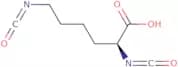
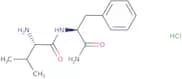
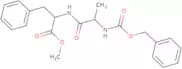

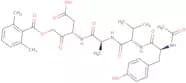

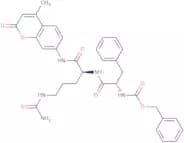
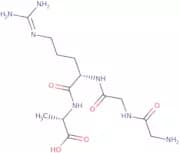

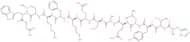
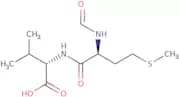

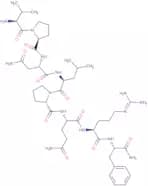


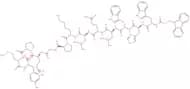
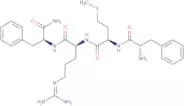
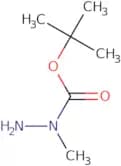
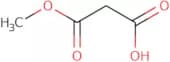

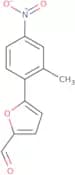

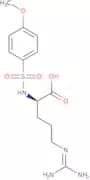
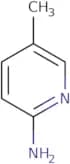

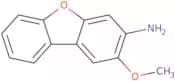

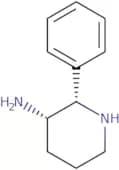
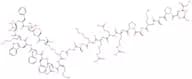


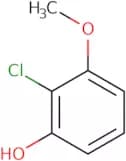
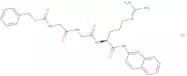

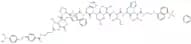
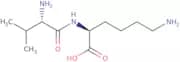
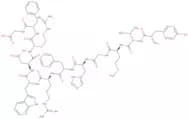
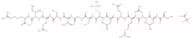
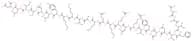

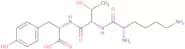
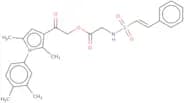
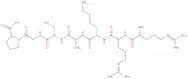

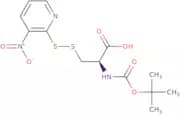

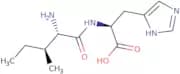

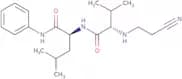
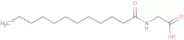
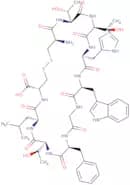


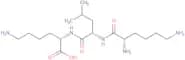
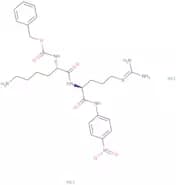
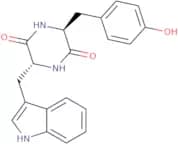
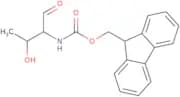
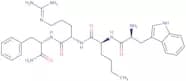
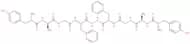
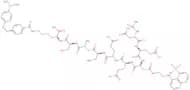
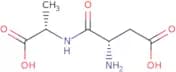
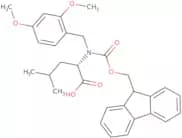
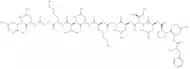
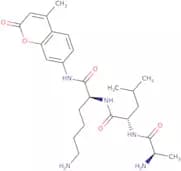
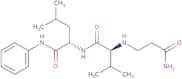
![N-[(RS)-1-Carboxy-3-phenyl-propyl]-Ala-Ala-Phe-4-Abz-OH trifluoroacetate salt](/_next/image/?url=https%3A%2Fstatic.cymitquimica.com%2Fproducts%2F3D%2Fthumb-webp%2FFR111118.webp&w=3840&q=75)
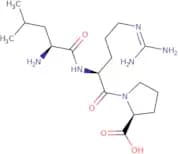
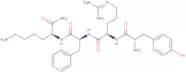
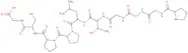

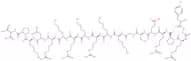
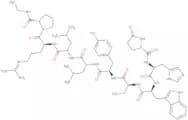

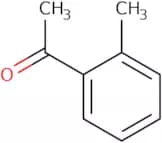
![([13C6]Leu15)-pTH (1-34) (human) trifluoroacetate salt](/_next/image/?url=https%3A%2Fstatic.cymitquimica.com%2Fproducts%2F3D%2Fthumb-webp%2FFL110012.webp&w=3840&q=75)

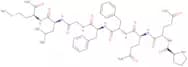


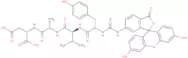
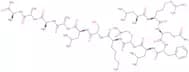
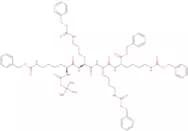
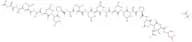
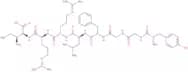
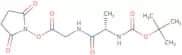
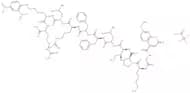

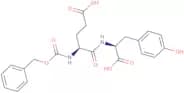
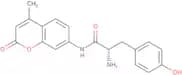

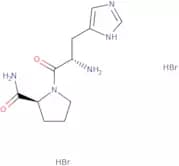
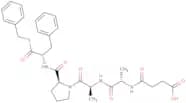
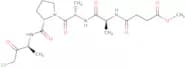

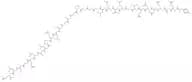
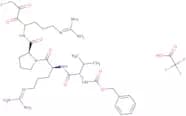
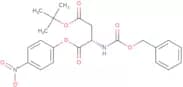
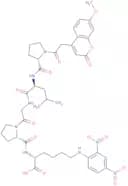


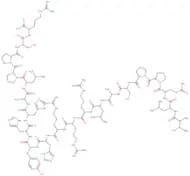


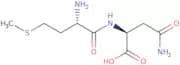



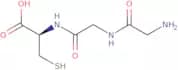
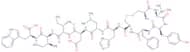
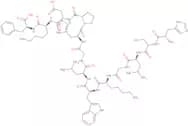


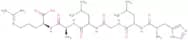
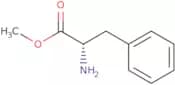
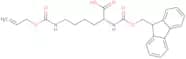
![H-[15N]Tyr-OH](/_next/image/?url=https%3A%2Fstatic.cymitquimica.com%2Fproducts%2F3D%2Fthumb-webp%2FFT107850.webp&w=3840&q=75)
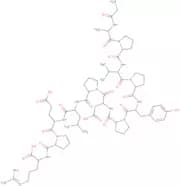
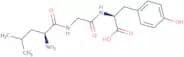
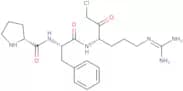
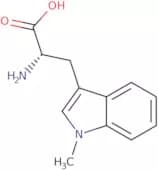
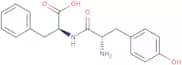
![[2,6-Dimethyl-4-(3-[2-(Z-amino)-ethylcarbamoyl]-propoxy)-benzenesulfonyl]-Dap (Boc)-OMe](/_next/image/?url=https%3A%2Fstatic.cymitquimica.com%2Fproducts%2F3D%2Fthumb-webp%2FFD111582.webp&w=3840&q=75)


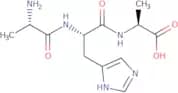

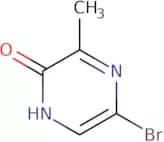
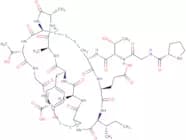
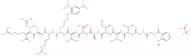
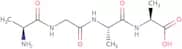
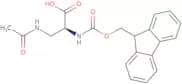

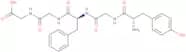
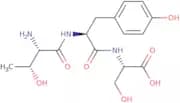

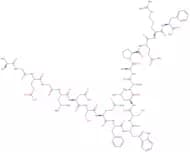
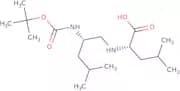
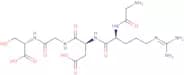



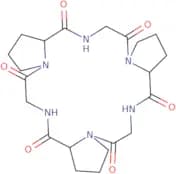

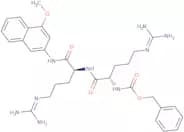
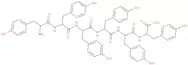

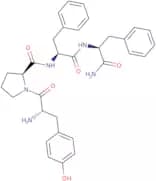
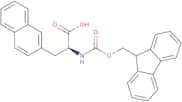
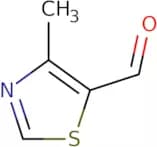

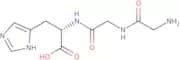
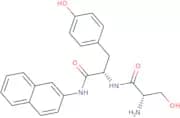

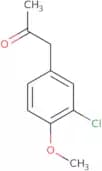
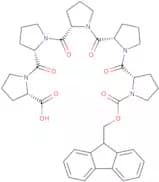

![4-[(4-Methylpiperazin-1-yl)methyl]benzoic acid](/_next/image/?url=https%3A%2Fstatic.cymitquimica.com%2Fproducts%2F3D%2Fthumb-webp%2FFM136767.webp&w=3840&q=75)