Amino Acids (AA)
Amino acids (AAs) are the fundamental building blocks of proteins, playing a crucial role in various biological processes. These organic compounds are essential for protein synthesis, metabolic pathways, and cell signaling. In this category, you will find a comprehensive range of amino acids, including essential, non-essential, and modified forms, which are vital for research in biochemistry, molecular biology, and nutritional sciences. At CymitQuimica, we provide high-quality amino acids to support your research and development needs, ensuring accuracy and reliability in your experimental outcomes.
Subcategories of "Amino Acids (AA)"
- Amino Acid Derivatives(3,955 products)
- Amino Acid and Amino Acid Related Compounds(3,461 products)
- Amino Acids with Oxygen or Sulphur(168 products)
- Boc- Amino Acids(351 products)
- Fmoc Amino Acids(1,710 products)
Found 38244 products of "Amino Acids (AA)"
Sort by
Purity (%)
0
100
|
0
|
50
|
90
|
95
|
100
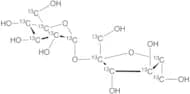
Sucrose-13C6-glu-13C6-fru
CAS:Controlled Product<p>Applications Labeled Sucrose (S697000). Yuanzhen sugar is a polysaccharide polymer, containing a certain amount of fructooligosaccharides.<br>References Watanabe, T., et al.: Biosci. Biotech. Biochem., 72, 3167 (2008), You, Y., et al.: J. Agric. Food Chem., 57, 709 (2009),<br></p>Formula:C12H22O11Color and Shape:NeatMolecular weight:354.2D-Homocystine
CAS:Controlled Product<p>Applications D-Homocysteine is the stereoisomer of L-Homocystine, increased levels lead to hyperhomocysteinemia; a cardiovascular risk factor in prediction of coronary heart disease as well as being associated with congenital birth defects, pregnancy complications and cancer.<br>References Geisel, J. et al.: Clin. Chem. Lab. Med., 41, 1513 (2003); Geisel, J. et al.: Clin. Chem. Lab. Med., 41, 1513 (2003);<br></p>Formula:C8H16N2O4S2Color and Shape:WhiteMolecular weight:268.351,2-Cyclohexanedicarboxylic Acid Mono 4-Methyl-7-carboxy-heptyl Ester
CAS:<p>Stability Hygroscopic<br>Applications 1,2-Cyclohexanedicarboxylic Acid Mono 4-Methyl-7-carboxy-heptyl Ester is a possible metabolite of the di(isononyl)cyclohexane-1,2-dicarboxylate (DINCH) monoester (MINCH).<br>References Koch, H., et al.: Arch. Toxicol., 87, 799 (2013)<br></p>Formula:C17H28O6Color and Shape:Colourless To Light YellowMolecular weight:328.4Isoleucine-d10 (mixture of diastereomers)
CAS:Controlled Product<p>Applications Isoleucine-d10 (mixture of diastereomers) (CAS# 29909-02-2) is a useful isotopically labeled research compound and can be used in gas liquid chromatography.<br>References VandenHeuvel, W., et.al., J. Chromatogr., 50, 405-412, (1970);<br></p>Formula:C6D10H3NO2Color and Shape:NeatMolecular weight:141.234512-(t-Boc-amino)-1-dodecanol
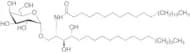
CAS:Controlled Product<p>Applications 12-(t-Boc-amino)-1-dodecanol (cas# 67341-03-1) is a compound useful in organic synthesis.<br></p>Formula:C17H35NO3Color and Shape:NeatMolecular weight:301.46KRN7000
CAS:Controlled Product<p>Stability Hygroscopic<br>Applications Galactosylceramides play an important roles in promoting the regulation of nerve cells, regulating protein kinase C activities and modulating the function of the hormone receptor. It has shown to have significant immunostimulatory and anti-umor activity in mice with liver metastasis of the Colon26 adenocarcinoma.<br>References Morita, M., et al.: J. Med. Chem., 38, 2176 (1995), Sakai, T., et al.: J. Med. Chem., 42, 1836 (1999),<br></p>Formula:C50H99NO9Color and Shape:NeatMolecular weight:858.32D-Glutamic Acid 1-tert-Butyl Ester
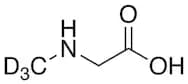
CAS:Controlled Product<p>Applications D-Glutamic acid 1-tert-butyl ester is a protected form of D-Glutamic acid (G596965). D-Glutamic acid is an unnatural isomer of L-Glutamic acid (G596960), and is found in bacterial cell wall peptidoglycan of gram-positive and gram-negative bacteria. D-Glutamic acid also occurs as poly-gamma-Glutamic acid, which is a weak immunogen but is capable of acting as a hapten (a small molecule that induces the production of antibodies, as well as binding to them).<br>References Dougherty, T., et al.: J. Bacteriol., 175, 111 (1993); Goodman, J. & Nitecki, D.: Immunology, 13, 577 (1967); Robinson, T.: Life Sci., 19, 1097 (1976)<br></p>Formula:C9H17NO4Color and Shape:NeatMolecular weight:203.24Sarcosine-d3 Hydrochloride
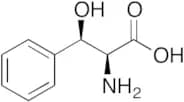
CAS:Controlled ProductFormula:C32H3H4NO2·ClHColor and Shape:NeatMolecular weight:128.57L-threo-Phenylserine
CAS:Controlled Product<p>Applications L-threo-Phenylserine is a valuable chiral synthon.<br></p>Formula:C9H11NO3Color and Shape:NeatMolecular weight:181.194-(4-chlorophenyl)-3H,4H,5H,6H,7H-imidazo[4,5-c]pyridine-6-carboxylic acid
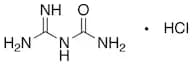
CAS:Purity:95.0%Molecular weight:277.7099914550781Carbamoyl-guanidine Amidino Urea
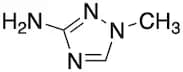
CAS:Controlled Product<p>Applications Carbamoyl-guanidine Amidino Urea Salt, Hydrochloride salt (cas# 926-72-7) is a compound useful in organic synthesis.<br></p>Formula:C2H6N4O·ClHColor and Shape:NeatMolecular weight:138.561-Methyl-1h-1,2,4-triazol-3-amine
CAS:Controlled Product<p>Applications 1-Methyl-1h-1,2,4-triazol-3-amine (cas# 49607-51-4) is a useful research chemical.<br></p>Formula:C3H6N4Color and Shape:NeatMolecular weight:98.106Methyl 4-Methoxybenzoate
CAS:<p>Applications Methyl 4-Methoxybenzoate is also used in the synthesis of oxadiazole-based, GSK-3 inhibitors. Methyl 4-Methoxybenzoate is used in the synthesis of substituted hydrazides for their antitubercular properties.<br>References Lo Monte, F. et al.: Eur.J. Med. Chem., 61, 26 (2013); Gupta, R. et al.: Asian J. Pharm. Clin. Res., 5, 251 (2012);<br></p>Formula:C9H10O3Color and Shape:WhiteMolecular weight:166.17N-(2-Hydroxyethyl)glycine (~90%)
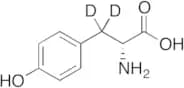
CAS:Controlled Product<p>Applications N-(2-Hydroxyethyl)glycine (~90%) (cas# 5835-28-9) is a compound useful in organic synthesis.<br></p>Formula:C4H9NO3Purity:>85%Color and Shape:NeatMolecular weight:119.12D-Tyrosine-d2
CAS:Controlled Product<p>Applications D-Tyrosine-d2 is deuterium labelled D-Tyrosine (T899970). D-Tyrosine, the stereoisomer to L-Tyrosine (T899975), is an amino acid used in various organic syntheses for antibiotics. It is used in the synthesis of (-)-anisomycin, as well as BATSI (boronic acid transition state inhibitors) which act on β-lactamases. It has also been studied as an inhibitor of microbial growth on surfaces, reducing microbial attachment to hydrophillic glass and hydrophobic polypropylene surfaces.<br>References Li, Ji. et al.: Chin. Chem. Lett., 23, 647 (2012); Xu, H. et al.: Water Res., 45, 5796 (2011); Ke, W. et al.: Antimicrob. Agents Chemother., 55, 174 (2011)<br></p>Formula:C9D2H9NO3Color and Shape:NeatMolecular weight:183.2DL-Cystine-2,2',3,3,3',3'-d6
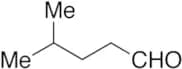
CAS:Controlled Product<p>Applications DL-Cystine-2,2',3,3,3',3'-d6 (CAS# 352431-53-9) is a useful isotopically labeled research compound.<br></p>Formula:C6D6H6N2O4S2Color and Shape:NeatMolecular weight:246.344-Methylpentanal (up to 75% hydrated form)
CAS:Controlled Product<p>Applications An intermediate used in the synthesis of Pregabalin (P704800) and related compounds.<br> Not a dangerous good if item is equal to or less than 1g/ml and there is less than 100g/ml in the package<br>References Posadas, I., et al.: Br. J. Pharmacol., 142, 331 (2004),<br></p>Formula:C6H12OColor and Shape:Colourless LiquidMolecular weight:100.164-Chloro-3-cyano-6-methoxy-7-[3-(4-methylpiperazin-1-yl)propoxy]quinoline
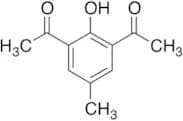
CAS:<p>Stability Hygroscopic<br>Applications 4-Chloro-3-cyano-6-methoxy-7-[3-(4-methylpiperazin-1-yl)propoxy]quinoline is a useful reagent to prepare benzofuranyl derivatives for treating solid tumours. It is also an impurity of Bosutinib.<br>References Hennequin, L. F. A. PCT Int. Appl. (2003), WO 2003047585 A1 20030612 (2003); Hennequin, L. F. A., Gibson, K. H., Foote, K. M. PCT Int. Appl. WO 2003047582 A1 20030612 (2003)<br></p>Formula:C19H23ClN4O2Color and Shape:Off White SolidMolecular weight:374.861-(3-Acetyl-2-hydroxy-5-methyl-phenyl)ethanone
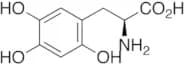
CAS:Controlled Product<p>Applications 1-(3-ACETYL-2-HYDROXY-5-METHYL-PHENYL)-ETHANONE (cas# 55108-28-6) is a useful research chemical.<br></p>Formula:C11H12O3Color and Shape:NeatMolecular weight:192.2116-Hydroxy-L-DOPA
CAS:Controlled Product<p>Impurity Levodopa EP Impurity A; Levodopa USP Related Compound A<br>Stability Hygroscopic<br>Applications 6-Hydroxy-L-DOPA (Levodopa EP Impurity A; Levodopa USP Related Compound A) is the 6-hydroxy derivative of the amino acid L-DOPA (D533751) with neurotoxic properties. Studies show that exogenously administered 6-Hydroxy-L-DOPA is biotransformed by amino acid decarboxylase to the highly potent and catecholamine-selective neurotoxin, 6-Hydroxydopamine. The treatment of 6-Hydroxy-L-DOPA in rats resulted in the stimulation of acetylcholinesterase.<br>References Jaim-Etcheverry, G. et al.: Brain Res., 100, 699 (1975); Kostrzewa, R.M. et al.: Amino Acids, 14, 175 (1998); Berthet, A. et al.: J. Neurosci., 29, 4829 (2009);<br></p>Formula:C9H11NO5Color and Shape:Brown To BlackMolecular weight:213.19Linoleoyl Carnitine
CAS:Controlled Product<p>Stability Hygroscopic, Temperature Sensitive<br>Applications A carnitine ester of unsaturated fatty acid. Used in the studies of fibroblasts in long-chain 3-hydroxyacyl-CoA dehydrogenase deficiency and fatty acid oxidation disorders.<br>References Gross R.W., et al.: J. Biol. Chem., 258, 5221 (1983),<br></p>Formula:C25H45NO4Color and Shape:NeatMolecular weight:423.632-(1-Methyl-1H-imidazol-5-yl)acetic Acid Hydrochloride
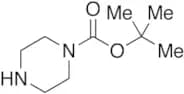
CAS:Controlled ProductFormula:C6H8N2O2·HClColor and Shape:NeatMolecular weight:176.601N-Boc-piperazine
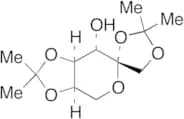
CAS:<p>Applications N-Boc-piperazine (cas# 57260-71-6) is a compound useful in organic synthesis.<br></p>Formula:C9H18N2O2Color and Shape:NeatMolecular weight:186.251,2:4,5-bis-O-(1-Methylethylidene)-β-D-Fructopyranose
CAS:Controlled Product<p>Applications 1,2:4,5-bis-O-(1-Methylethylidene)-β-D-Fructopyranose is a reagent in the synthesis of antibacterial/antifungal monosaccaride esters. Also used in the synthesis of antihyperlipidemic novel compounds involving glycosyl fructose derivatives.<br>References Shen, Y. et al.: Molecules, 17, 8661 (2012); Tiwari, P. et al.: Bioorg. Med. Chem. Lett., 16, 6028 (2006);<br></p>Formula:C12H20O6Color and Shape:NeatMolecular weight:260.281-{[(2-METHYL-2-PROPANYL)OXY]CARBONYL-6-PHENYL-3-PIPERIDINECARBOXYLIC ACID
CAS:Purity:95.0%Molecular weight:305.37399291992191'-(Tert-butoxycarbonyl)spiro[cyclohexane-1,3'-indoline]-4-carboxylic acid
CAS:Purity:97%Molecular weight:331.41198730468755-(3,4-dihydro-2(1H)-isoquinolinylmethyl)-2-furoic acid
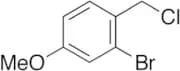
CAS:Purity:95.0%Molecular weight:257.289001464843752-Bromo-4-methoxybenzyl Chloride 75% (+ regioisomers)
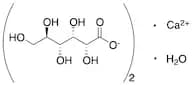
CAS:Controlled Product<p>Applications This compound contains up to 25% of the two other regioisiomers.<br></p>Formula:C8H8BrClOColor and Shape:NeatMolecular weight:235.51Calcium D-gluconate monohydrate
CAS:Controlled Product<p>Applications Calcium D-gluconate monohydrate (cas# 66905-23-5) is a useful research chemical.<br></p>Formula:C6H11O7·Ca·H2OColor and Shape:NeatMolecular weight:448.39(6Z)-8-Methyl-6-nonenoic Acid (up to 10% trans isomer)
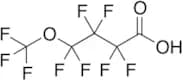
CAS:Controlled Product<p>Applications Used in the synthesis of Capsaicin analogues, useful for their anti-tumor activity.<br>References Fusco, B., et al.: Drugs, 53, 909 (1997), Buisman, G., et al.: Biotechnol. Lett., 20, 131 (1998), Kobata, K., et al.: Bios. Biotechnol. Biochem., 66, 319 (2002), Aluru, M., et al.: J. Exp. Bot., 54, 1655 (2003),; Wang, W. et al.: Gaodeng Xuexiao Huaxue Xuebao 31, 2400(2010)<br></p>Formula:C10H18O2Color and Shape:NeatMolecular weight:170.25Perfluoro-4-methoxybutanoic Acid
CAS:<p>Applications Perfluoro-4-Methoxybutanoic Acid (cas# 863090-89-5) is a useful research chemical.<br> Not a dangerous good if item is equal to or less than 1g/ml and there is less than 100g/ml in the package<br></p>Formula:C5HF9O3Color and Shape:NeatMolecular weight:280.056-Methoxy-N2-methylpyridine-2,3-diamine Dihydrochloride
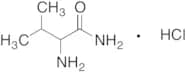
CAS:Controlled Product<p>Applications 6-Methoxy-N2-methylpyridine-2,3-diamine dihydrochloride (cas# 83732-72-3) is a useful research chemical.<br></p>Formula:C7H13Cl2N3OColor and Shape:NeatMolecular weight:226.12-Amino-3-methylbutanamide Hydrochloride
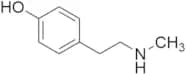
CAS:<p>Applications 2-amino-3-methylbutanamide Hydrochloride is a useful research chemical for the degradation studies of antibiotic MDL 62,879 (GE2270A), and a reagent for peptide synthesis.<br>References Tavecchia, P., et al.: Tetrahedron, 51, 4867 (1995); Gazis, E., et al.: Peptides, Proc. Eur. Symp., 6th, Athens, 1963, 107 (1966)<br></p>Formula:C5H12N2O·HClColor and Shape:NeatMolecular weight:152.622N-Methyl-p-tyramine
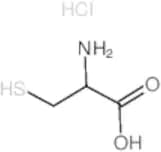
CAS:<p>Applications N-Methyl-p-tyramineúHCl (cas# 370-98-9) is a useful research chemical.<br></p>Formula:C9H13NOColor and Shape:BeigeMolecular weight:151.21L-Cysteine Hydrochloride
CAS:<p>Applications L-Cysteine Hydrochloride<br></p>Formula:C3H7NO2S·HClColor and Shape:NeatMolecular weight:157.62(4S)-4-METHYL-L-PROLINE HCL
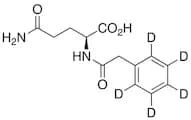
CAS:Formula:C6H12ClNO2Purity:97.0%Color and Shape:SolidMolecular weight:165.62Phenylacetyl-d5 L-Glutamine
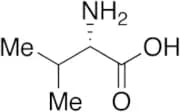
CAS:Controlled Product<p>Applications It is used as labelled biomarker for metabolic age.<br>References Selmer, T., et al.: Eur. J. Biochem., 268, 1363 (2001), Connelly, J., et al.: Drug Metab. Dispos., 30, 1357 (2002), Lindon, J., et al.: Pharm. Res., 23, 1075 (2006), Monteagudo, E., et al.: Xenobiotica, 37, 1000 (2007),<br></p>Formula:C13D5H11N2O4Color and Shape:Off-White To Light YellowMolecular weight:269.31L-Valine
CAS:Controlled Product<p>Applications L-Valine is an essential amino acid and one of 20 proteinogenic amino acids. L-Valine cannot be manufactured by the body and must be acquired through diet or supplementation. L-valine is found in grains, dairy products, mushrooms, meats, peanuts and soy proteins. L-Valine has been used in studies to attenuate arrhythmias and induce hypotensive effects.<br>References Choi, C.W. et al.: Anim. Feed Sci. Technol., 102, 15 (2002); Kolarski, D. et al.: Krmiva, 30, 155 (1988); Oba, M. et al.: J. Dairy Sci., 93, 2044 (2010); Mitrega, K. et al.: Pharmacol. Res., 64, 218 (2011);<br></p>Formula:C5H11NO2Color and Shape:NeatMolecular weight:117.15N-Acetyl-L-cystine
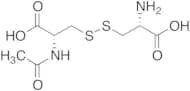
CAS:Controlled Product<p>Applications N-Acetyl-L-cystine is an antioxidant, used in the treatment of influenza A virus pandemic (1). N-Acetyl-L-cystine promotes fertilization by reducing disulfide bonds in zona pellucida of mouse (2).Releases N-Acetyl-L-cysteine, which is an antidote for paracetamol poisoning.<br>References (1) Zhang, R., et al.: (2014) Int. Immunopharmacol. 22: 1-8 (2) Takeo, T., et al.: Biol Reprod. (2015) 92: 1-7<br></p>Formula:C8H14N2O5S2Color and Shape:NeatMolecular weight:282.344-Methylbenzenesulfonic Acid Monohydrate
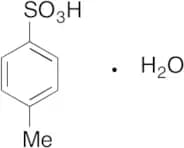
CAS:Controlled Product<p>Impurity Lisinopril EP Impurity B/ Anastrozole EP Impurity F<br>Applications 4-Methylbenzenesulfonic Acid Monohydrate (Lisinopril EP Impurity B) is used in the synthesis of resveratrol. Also used in the synthesis of oxane derivatives as antimalarial agents.<br> Not a dangerous good if item is equal to or less than 1g/ml and there is less than 100g/ml in the package<br>References Davis, M. et al.: Org. Prep. Proc. Int., 45, 304 (2013); Wang, X. et al.: J. Med. Chem., 56, 2547 (2013);<br></p>Formula:C7H8O3S·H2OColor and Shape:WhiteMolecular weight:190.221-(2-Chloroethoxy)-2-methoxybenzene
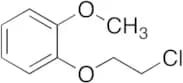
CAS:Controlled Product<p>Applications 1-(2-Chloroethoxy)-2-methoxy benzene, is an impurity of Carvedilol (C184625), a nonselective β-adrenergic blocker with α1-blocking activity. Carvedilol is an antihypertensive used in the treatment of congestive heart failure.<br>References Hirohashi, M., et al.: Arzneim.-Forsch., 40, 735 (1990); Packer, M., et al.: N. Engl. J. Med., 334, 1349 (1996);<br></p>Formula:C9H11ClO2Color and Shape:NeatMolecular weight:186.64(±)-Aspartic Acid
CAS:<p>Applications (±)-Aspartic Acid, is a non-essential amino acid found in food sources. Its conjugate base D-aspartate has potential use as a a therapeutic agent in the treatment of schizophrenia-related symptoms.<br>References Errico, F. et al.: J. Neurosci., 28, 10404 (2008); Denu, J.M. et al.: Biochem., 34, 3396 (1995); Chen, P.E. et al.: Mol. Pharmacol., 67, 1470 (2005);<br></p>Formula:C4H7NO4Color and Shape:NeatMolecular weight:133.10O-Phospho-L-tyrosine
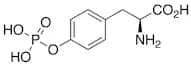
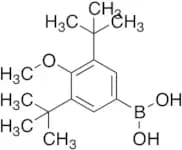
CAS:<p>Applications Useful in the study of tyrosine-phosphorylation, which has been linked with the malignant transformation of cells by some RNA tumour viruses.<br>References Sefton, B.M., et al.: Cell, 20, 807 (1980), Erikson, R., et al.: Perspect. Virol., 11, 93 (1981), Lee, E-S, et al.: J. Org. Chem., 59, 2086 (1994)<br></p>Formula:C9H12NO6PColor and Shape:NeatMolecular weight:261.17(3,5-Di-tert-butyl-4-methoxyphenyl)boronic Acid
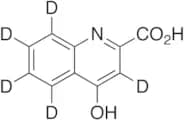
CAS:Controlled Product<p>Applications: (3,5-Di-tert-butyl-4-methoxyphenyl)boronic acid (cas# 233584-42-4) is a useful research chemical.<br></p>Formula:C15H25BO3Color and Shape:NeatMolecular weight:264.168Kynurenic Acid-d5
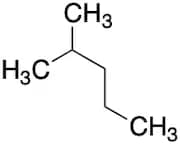
CAS:Controlled Product<p>Applications A labelled product of L-Tryptophan metabolism, possessing neruoactive activity having antiexcitotoxic and anticonvulsant properties.<br>References Wejksza, K., et al.: Pharmacol. Rep., 61, 751 (2009), Gohil, V., et al.: Nat. Biotechnol., 28, 249 (2010), Di Natale, B., et al.: Toxicol. Sci., 115, 89 (2010),<br></p>Formula:C102H5H2NO3Color and Shape:BeigeMolecular weight:194.202-Methylpentane
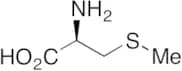
CAS:<p>Applications 2-Methylpentane is used as a raw material/intermediate in organic synthesis, rubber solvent, and vegetable oil extraction solvent.<br>References Choi, D., et al.: Adv. Funct. Mater. 25, 920 (2015)<br></p>Formula:C6H14Color and Shape:ColourlessMolecular weight:86.18S-Methyl-L-cysteine
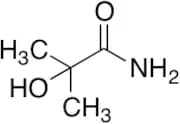
CAS:Controlled Product<p>Applications S-Methyl-L-cysteine is a substrate in the catalytic antioxidant system mediated by methionine sulfoxide reductase A (MSRA). It has been studied as a theurapeutic for neurodegenerative diseases including Parkinson′s.<br>References Wassef, R., et al.: J. Neurosci., 21, 12808 (2007)<br></p>Formula:C4H9NO2SColor and Shape:NeatMolecular weight:135.192-Hydroxy-2-methylpropanamide
CAS:Controlled Product<p>Applications 2-Hydroxy-2-methylpropanamide (cas# 13027-88-8) is a useful research chemical.<br></p>Formula:C4H9NO2Color and Shape:NeatMolecular weight:103.12Sodium 2,2'-Methylene-bis(4,6-di-tert-butylphenyl)phosphate
CAS:Controlled Product<p>Applications Sodium 2,2'-Methylene-bis(4,6-di-tert-butylphenyl)phosphate is an organophosphate nucleating agent.<br>References Li, J., et al.: Suliao, 43, 47-50 (2014);<br></p>Formula:C29H42O4P·NaColor and Shape:White PowderMolecular weight:508.60




![4-(4-chlorophenyl)-3H,4H,5H,6H,7H-imidazo[4,5-c]pyridine-6-carboxylic acid](/_next/image/?url=https%3A%2Fstatic.cymitquimica.com%2Fproducts%2F10%2Fthumb-webp%2FF522485.webp&w=3840&q=75)




![4-Chloro-3-cyano-6-methoxy-7-[3-(4-methylpiperazin-1-yl)propoxy]quinoline](/_next/image/?url=https%3A%2Fstatic.cymitquimica.com%2Fproducts%2FTR%2Fthumb-webp%2FC380750.webp&w=3840&q=75)


![1-{[(2-METHYL-2-PROPANYL)OXY]CARBONYL-6-PHENYL-3-PIPERIDINECARBOXYLIC ACID](/_next/image/?url=https%3A%2Fstatic.cymitquimica.com%2Fproducts%2F10%2Fthumb-webp%2FF513063.webp&w=3840&q=75)
![1'-(Tert-butoxycarbonyl)spiro[cyclohexane-1,3'-indoline]-4-carboxylic acid](/_next/image/?url=https%3A%2Fstatic.cymitquimica.com%2Fproducts%2F10%2Fthumb-webp%2FF734299.webp&w=3840&q=75)