


Amino Acids (AA)
Amino acids (AAs) are the fundamental building blocks of proteins, playing a crucial role in various biological processes. These organic compounds are essential for protein synthesis, metabolic pathways, and cell signaling. In this category, you will find a comprehensive range of amino acids, including essential, non-essential, and modified forms, which are vital for research in biochemistry, molecular biology, and nutritional sciences. At CymitQuimica, we provide high-quality amino acids to support your research and development needs, ensuring accuracy and reliability in your experimental outcomes.
Subcategories of "Amino Acids (AA)"
- Amino Acid Derivatives(3,955 products)
- Amino Acid and Amino Acid Related Compounds(3,436 products)
- Amino Acids with Oxygen or Sulphur(168 products)
- Boc- Amino Acids(351 products)
- Fmoc Amino Acids(1,710 products)
Found 38216 products of "Amino Acids (AA)"
Sort by
Purity (%)
0
100
|
0
|
50
|
90
|
95
|
100
2-(3-Fluorophenyl)-2-[4-(4-fluorophenyl)piperazin-1-yl]acetic acid
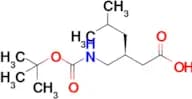
CAS:Molecular weight:332.35101318359375(S)-N-TERT-BUTOXYCARBONYL PREGABALIN
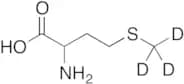
CAS:Purity:95.0%Color and Shape:SolidMolecular weight:259.34600830078125Methionine-methyl-d3
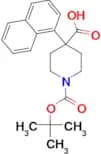
CAS:Controlled Product<p>Applications Methionine-methyl-d3 is the labeled Methionine-methyl, a useful building block.<br></p>Formula:C5D3H8NO2SColor and Shape:NeatMolecular weight:152.23Boc-4-(naphthalen-1-yl)-piperidine-4-carboxylic acid
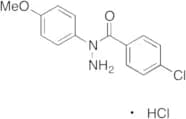
CAS:Purity:99.0%Molecular weight:355.43399047851564-Chloro-benzoic Acid 1-(4-Methoxyphenyl)hydrazide Hydrochloride
CAS:<p>Applications 4-Chloro-benzoic Acid 1-(4-Methoxyphenyl)hydrazide Hydrochloride is a derivative of (4-Methoxyphenyl)hydrazine Hydrochloride (M265880). It is a useful synthetic intermediate for the preparation of Indomethacin (I641000); a potent, time-dependent, nonselective inhibitor of the cyclooxygenase enzymes COX-1 and COX-2.<br>References Blobaum, Anna L., et al.: ACS Med. Chem. Lett., 4(5), 486-490 (2013); Prusakiewicz, Jeffery J., et al.: Biochemistry, 43(49), 15439-15445 (2004)<br></p>Formula:C14H13ClN2O2·HClColor and Shape:NeatMolecular weight:313.183-Methyl-2-buten-1-ol-d6 (d5 Major) (Contain ~3% d0)
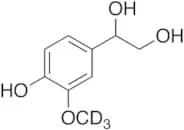
CAS:Controlled Product<p>Applications Important compounds in coffee aroma.<br> Not a dangerous good if item is equal to or less than 1g/ml and there is less than 100g/ml in the package<br></p>Formula:C52H6H4OColor and Shape:NeatMolecular weight:92.17rac 4-Hydroxy-3-methoxyphenylethylene Glycol-d3
CAS:Controlled Product<p>Applications A labelled metabolite of Catecholamines.<br>References Kopin, I.J., et al.: J. Biol. Chem., 236, 2109 (1961), Short, F.W., et al.: J. Med. Pharm. Chem., 5, 642 (1962)<br></p>Formula:C92H3H9O4Color and Shape:NeatMolecular weight:187.21D-Serine
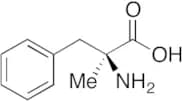
CAS:Controlled Product<p>Applications A proteinogenic amino acids involved in the biosynthesis of purines and pyrimidines. Inhibitor of serine palmitoyltransferase. A neuromodulator.<br>References Junjaud, G. et al.: J. Neurochem., 98, 1159 (2006); Hanada, K. et al.: FEBS Lett., 474, 63 (2000); Pollegionni, L. et al.: Cell. Mol. Life Sci., 67, 2387 (2010);<br></p>Formula:C3H7NO3Color and Shape:NeatMolecular weight:105.09α-Methyl-L-phenylalanine
CAS:Controlled Product<p>Applications α-Methyl-L-phenylalanine is used to prepare hippuryl-α-methylphenylalanine and hippuryl-α-methylphenyllactic acid as substrates for carboxypeptidase A. It is also used in the synthesis of high affinity tachykinin NK2 receptor antagonists.<br>References Lee, M., et al.: Bioorg. Med. Chem., 8, 815 (2000); Boyle, S., et al.: Bioorg. Med. Chem., 2, 101 (1994)<br></p>Formula:C10H13NO2Color and Shape:NeatMolecular weight:179.22N-des(4-Chlorobenzoyl) Rebamipide
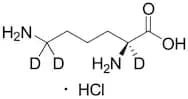
CAS:Formula:C12H13ClN2O3Color and Shape:White To Off-WhiteMolecular weight:268.7L-Lysine-2,6,6-d3 HCl
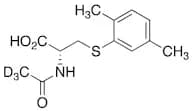
CAS:Controlled Product<p>Applications L-Lysine-2,6,6-d3 HCl is a useful isotopically labeled compound of L-Lysine HydrochlorideDISCONTINUED PLEASE SEE L486915 (L468923)<br></p>Formula:C6D3H11N2O2·HClColor and Shape:NeatMolecular weight:185.667N-Acetyl-S-(2,5-dimethylbenzene)-L-cysteine-d3
CAS:Controlled Product<p>Applications N-Acetyl-S-(2,5-dimethylbenzene)-L-cysteine-d3 (cas# 1331909-07-9) is a compound useful in organic synthesis.<br>References Gonzalez-Reche, L., et al.: Arch. Toxicol., 77, 80 (2003),<br></p>Formula:C13H14D3NO3SColor and Shape:NeatMolecular weight:270.36L-Phenylalanine-d7
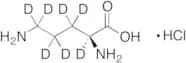
CAS:Controlled Product<p>Applications Labelled analogue of L-Phenylalanine, an essential amino acid.<br>References Hollunger, G. et al.: Acta Pharmacol. Toxicol., 34, 391 (1974); Bagchi, S.P. et al.: Biochem. Pharmacol., 26, 900 (1977);<br></p>Formula:C9H4D7NO2Color and Shape:NeatMolecular weight:172.23L-Ornithine-2,3,3,4,4,5,5-d7 hydrochloride
CAS:Controlled Product<p>Applications L-Ornithine-2,3,3,4,4,5,5-d7 hydrochloride is the labelled analogue of L-Ornithine Hydrochloride (O695550), a non-essential amino acid for human development but is required intermediate in arginine biosynthesis. L-Ornithine is found in virtually all vertebrate tissues as well as incorporated into proteins, such as tyrocidine. Isolation from chicken excreta.<br>References Fattori, D., et al.: J. Med. Chem., 50, 550 (2007), Gomez-Alonso, S., et al.: J. Agric. Food Chem., 55, 608 (2007), Subramaniam, R., et al.: Bioorg. Med. Chem. Lett., 18, 3333 (2008),<br></p>Formula:C5D7H5N2O2·ClHColor and Shape:NeatMolecular weight:175.11049260887,10-Dichloro-2-methoxybenzo[b][1,5]naphthyridine
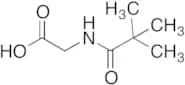
CAS:Controlled Product<p>Applications 7,10-Dichloro-2-methoxybenzo[b][1,5]naphthyridine is used in the preparation of pyronaridine.<br>References Li, J., et al.: PCT Int. Appl., 2013:1701510 (2013)<br></p>Formula:C13H8Cl2N2OColor and Shape:NeatMolecular weight:279.12N-Pivaloylglycine
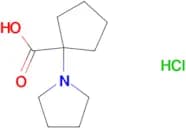
CAS:Controlled Product<p>Applications N-Pivaloylglycine is used in the biological study between dogs and rats. In a high dose toxicity study of pivalic acid (PA), PA caused skeletal muscle disorder in dog, and a significant increase of pivaloyl carnitine (PC) was observed in canine muscle, but not in rat muscle.<br>References Yamaguchi, T., et al.: Toxicol. Appl. Pharmacol., 214, 61-68 (2006)<br></p>Formula:C7H13NO3Color and Shape:NeatMolecular weight:159.181-(1-pyrrolidinyl)cyclopentanecarboxylic acid hydrochloride
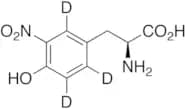
CAS:Purity:95.0%Molecular weight:219.71000671386723-Nitro-L-tyrosine-d3
CAS:Controlled Product<p>Applications A labelled marker for peroxynitrite. Oxidant and cytotoxic agent.<br>References Sekiguchi, M., et al.: Brain Res., 978, 228 (2003), van den Tweel, E., et al.: J. Neurobiol., 167, 64 (2005), Shirakura, T., et al.: Biol. Pharm. Bull., 28, 1658 (2005),<br></p>Formula:C9D3H7N2O5Color and Shape:NeatMolecular weight:229.22-Deoxy-2-chloro-D-glucose
CAS:Controlled Product<p>Applications 2-Deoxy-2-chloro-D-glucose is a D-Glucose (G595000) derivative used in the synthesis of sugar nucleotides and oligosaccharides.<br>References Herr, D., et al.: Euro. J. App. Microbiol., 1, 41 (1975);<br></p>Formula:C6H11ClO5Color and Shape:NeatMolecular weight:198.604-(2-methoxyphenyl)-3H,4H,5H,6H,7H-imidazo[4,5-c]pyridine-6-carboxylic acid
CAS:Purity:95.0%Molecular weight:273.29199218754,6,7,8-Tetrahydro-8-hydroxy-6-methylpyrimido[1,2-a]purin-10(3H)-one (Mixture of Diastereomers)
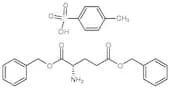
CAS:Controlled Product<p>Applications Cyclic propano guanine adduct DNA acetaldehyde histone.<br>References Nath, R., et al.: Cancer Res., 58, 581 (1998), Wang, M., et al.: Chem. Res., 13, 1065 (2000), Terashima, I., et al.: Biochemistry, 40, 4106 (2001), Yokoyama, A., et al.: Carcinogenesis, 23, 1851 (2002),<br></p>Formula:C9H11N5O2Color and Shape:Off-WhiteMolecular weight:221.22L-Glutamic acid dibenzyl ester 4-toluenesulfonate
CAS:Controlled Product<p>Applications L-Glutamic acid dibenzyl ester 4-toluenesulfonate<br></p>Formula:C26H29NO7SColor and Shape:NeatMolecular weight:499.584-Methyl-6-(2,4,4-trimethylpentyl)-2H-pyran-2-one
CAS:Controlled Product<p>Impurity Piroctone USP Related Compound B<br>Applications 4-Methyl-6-(2,4,4-trimethylpentyl)-2H-pyran-2-one is used in the synthesis of antibacterials and antimycotics. Related to Piroctone (P509400), an anti-dandruff agent used in shampoo formulations. Piroctone USP Related Compound B<br>References Georgalas, A. et al.: J. Cosm. Sci., 55, S207 (2004); Mayser, P. et al.: J. Cosm. Sci., 54, 263 (2008);<br></p>Formula:C14H22O2Color and Shape:NeatMolecular weight:222.321-Methyl-2-pyrrolidinone
CAS:Controlled Product<p>Applications It is a versatile industrial solvent. NMP is currently approved for use only in veterinary pharmaceuticals. The determination of the disposition and metabolism of NMP in the rat will contribute toward understanding the toxicology of this exogenous chemical which man may likely be exposed to in increasing amounts.<br>References Southwell, D., et al.: J. Pharm. Pharmacol., 33, 3 (1981), Barry, W., et al.: J. Invest. Dermatol., 82, 49 (1984),<br></p>Formula:C5H9NOColor and Shape:ColourlessMolecular weight:99.138-benzyl-4-(2-fluorobenzoyl)-1-oxa-4,8-diazaspiro[4.5]decane-3-carboxylic acid
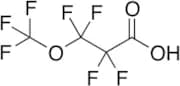
CAS:Purity:95.0%Molecular weight:398.4339904785156Perfluoro-3-methoxypropanoic Acid
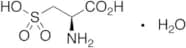
CAS:<p>Applications Perfluoro-3-methoxypropanoic acid (cas# 377-73-1) is a useful research chemical.<br> Not a dangerous good if item is equal to or less than 1g/ml and there is less than 100g/ml in the package<br></p>Formula:C4HF7O3Color and Shape:NeatMolecular weight:230.04L-Cysteic Acid Monohydrate
CAS:Controlled Product<p>Applications A major metabolite of non-essential amino acid L-Cysteine.<br>References Parsons, R.B. et al.: Neurotoxicol., 19, 599 (1998);<br></p>Formula:C3H7NO5S·H2OColor and Shape:White To Off-WhiteMolecular weight:187.171-(3-Methoxypropyl)-4-piperidinamine
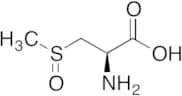
CAS:Controlled Product<p>Applications 1-(3-Methoxypropyl)-4-piperidinamine is a useful synthetic intermediate in the synthesis of Prucalopride Succinate (P838950); a selective 5-HT4 receptor agonist used effective for chronic constipation, but is not currently approved in the U.S. Prucalopride is approved for the treatment of chronic constipation in Europe.<br>References Shah, N., et al.: Am. J. Gastroenterol., 103, 1746 (2008); McKinnell, R., et al.: J. Med. Chem., 52, 5330 (2009); Shah, N., et al.: Am. J. Gastroenterol., 103, 1746 (2008); Yuan, Y., et al.: Zhongguo Yiyao Gongye Zazhi, 43, 5 (2012)<br></p>Formula:C9H20N2OColor and Shape:Colourless To Light YellowMolecular weight:172.268S-Methyl-L-cysteine sulfoxide
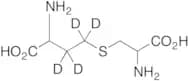
CAS:Controlled ProductFormula:C4H9NO3SColor and Shape:Off-WhiteMolecular weight:151.18D,L-Cystathionine-d4
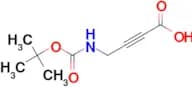
CAS:Controlled Product<p>Applications Isotope labelled Intermediate for transsulfuration whereby a mammal transfers the sulfur of methionine via homocysteine to cysteine.<br>References Thompson, J.W., et al.: J. Biol. Chem., 266, 17011 (1991), Yoshida, Y., et al.: Microbiol., 148, 3961 (2002), Jiracek, J., et al.: J. Med. Chem., 49, 3982 (2006),<br></p>Formula:C72H4H10N2O4SColor and Shape:White To Light BrownMolecular weight:226.294-(TERT-BUTOXYCARBONYLAMINO)BUT-2-YNOIC ACID
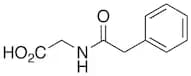
CAS:Purity:95.0%Color and Shape:SolidMolecular weight:199.20599365234375N-Phenylacetylglycine
CAS:Controlled Product<p>Applications A metabolite of carboxylic acid.<br>References Bardsley, W., et al.: Biochem. J., 122, 557 (1971), Kim, J., et al.: Biosci. Biotechnol. Biochem., 69, 1331 (2005), Kopka, J., et al.: J. Biotechnol., 124, 312 (2006),<br></p>Formula:C10H11NO3Color and Shape:NeatMolecular weight:193.208-methyl-4-(4-methylbenzoyl)-1-oxa-4,8-diazaspiro[4.5]decane-3-carboxylic acid
CAS:Purity:95.0%Molecular weight:318.372985839843754-Methoxyphenylacetic Acid
CAS:Controlled Product<p>Applications 4-Methoxyphenylacetic Acid is a compound that was found from microbial phenolic metabolites in human feces after the consumption of gin, red wine and dealcholized red wine.<br>References Jimenez-Giron, A., et. al.: J. Arg. Food Chem., 61, 3909 (2013);<br></p>Formula:C9H10O3Color and Shape:NeatMolecular weight:166.172-Methyl-d3-propyl-3,3,3-d3 Alcohol
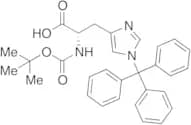
CAS:Controlled Product<p>Applications 2-Methyl-d3-propyl-3,3,3-d3 Alcohol (CAS# 72182-69-5) is a useful isotopically labeled research compound.<br></p>Formula:C4D6H4OColor and Shape:NeatMolecular weight:80.16Boc-His(Trt)-OH
CAS:Controlled Product<p>Applications Boc-His(Trt)-OH was used in the study to prepare and study structure-activity relationship of amino acid amides as selective inhibitors for dipeptidyl peptidases.<br>References Senten, K., et al.: J. Med. Chem., 46, 5005 (2003);<br></p>Formula:C30H31N3O4Color and Shape:White To Off-WhiteMolecular weight:497.588-methyl-4-(3-methylbenzoyl)-1-oxa-4,8-diazaspiro[4.5]decane-3-carboxylic acid
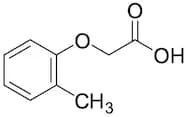
CAS:Purity:95.0%Molecular weight:318.37298583984375o-Cresolglycolic Acid
CAS:Controlled Product<p>Applications (2-methylphenoxy)acetic acid (cas# 1878-49-5) is a useful research chemical.<br></p>Formula:C9H10O3Color and Shape:NeatMolecular weight:166.174-(3-chlorophenyl)-3H,4H,5H,6H,7H-imidazo[4,5-c]pyridine-6-carboxylic acid
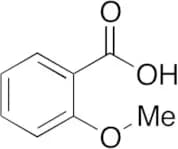
CAS:Purity:95.0%Molecular weight:277.70999145507812-Methoxybenzoic Acid
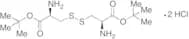
CAS:Controlled Product<p>Applications 2-Methoxybenzoic Acid is used in the preparation of benzohydroxamic acids as potent and selective anti-hepatitis C virus (HCV) agents.<br>References Kozlov, M.V., et al.: Bioorg. Med. Chem. Lett., 23, 5936 (2013)<br></p>Formula:C8H8O3Color and Shape:Off-WhiteMolecular weight:152.15L-Cystine Bis(T-butyl Ester) Dihydrochloride
CAS:Controlled Product<p>Applications L-Cystine Bis(T-butyl Ester) Dihydrochloride is used as a reagent in the synthesis of chelate oxorhenium to create new integrin antagonists.<br>References Le Gal, J., et al.: J. Inorg. Biochem., 105, 880 (2011);<br></p>Formula:C14H28N2O4S2Color and Shape:NeatMolecular weight:352.513L-Carnitine-d9
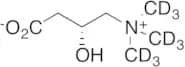
CAS:Controlled Product<p>Applications L-Carnitine-d9 is the isotope labelled analog of L-Carnitine (C184110); an essential cofactor of fatty acid metabolism; required for the transport of fatty acids through the inner mitochondrial membrane. Synthesized primarily in the liver and kidney; highest concentrations found in heart and skeletal muscle. Dietary sources include red meat, dairy products, beans, avocado.<br>References Mitchell, M.E., et al.: Am. J. Clin. Nutr., 31, 293 (1978); Lango, R., et al.: Cardiovasc. Res., 51, 21 (2001); Vaz, F.M., et al.: Biochem. J., et al.: 361, 417 (2002); Karlic, H., et al.: Nutrition, 20, 709 (2004)<br></p>Formula:C7D9H7NO3Color and Shape:NeatMolecular weight:171.26L-Leucine
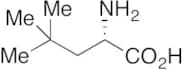
CAS:Controlled Product<p>Applications L-Leucine is an essential amino acid. L-Leucine acts as a nutrient signal to stimulate protein synthesis. It has also activates the mammalian target of rapamycin kinase that regulates cell growth.<br>References Demant, T. et al.: Am. J. Physiol., 270, E1022 (1996); Diraison, F. et al.: Am. J. Physiol., 277, E529 (1999); Suryawan, A. et al.: J. Anim. Sci., 89, 2004 (2011); Peyrollier, K. et al.: Biochem. J., 350, 361 (2000);<br></p>Formula:C6H13NO2Color and Shape:NeatMolecular weight:131.17D-Glutamic Acid 1-tert-Butyl Ester
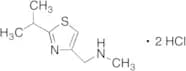
CAS:Controlled Product<p>Applications D-Glutamic acid 1-tert-butyl ester is a protected form of D-Glutamic acid (G596965). D-Glutamic acid is an unnatural isomer of L-Glutamic acid (G596960), and is found in bacterial cell wall peptidoglycan of gram-positive and gram-negative bacteria. D-Glutamic acid also occurs as poly-gamma-Glutamic acid, which is a weak immunogen but is capable of acting as a hapten (a small molecule that induces the production of antibodies, as well as binding to them).<br>References Dougherty, T., et al.: J. Bacteriol., 175, 111 (1993); Goodman, J. & Nitecki, D.: Immunology, 13, 577 (1967); Robinson, T.: Life Sci., 19, 1097 (1976)<br></p>Formula:C9H17NO4Color and Shape:NeatMolecular weight:203.241-(2-Isopropylthiazol-4-yl)-N-methylmethanamine Dihydrochloride
CAS:<p>Applications 1-(2-Isopropylthiazol-4-yl)-N-methylmethanamine dihydrochloride (cas# 1185167-55-8) is a useful research chemical.<br></p>Formula:C8H14N2S·2ClHColor and Shape:NeatMolecular weight:243.203-Methyl-1,5-pentanediol Diacrylate (~0.5% 4-Hydroxy Anisole as a stabilizer)
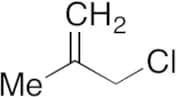
CAS:Controlled Product<p>Stability Light sensitive, Temperature Sensitive<br>Applications 3-Methyl-1,5-pentanediol Diacrylate is a useful chemical reagent.<br></p>Formula:C12H18O4Color and Shape:NeatMolecular weight:226.273-Chloro-2-methyl-1-propene
CAS:<p>Applications 3-Chloro-2-methyl-1-propene has been used in the synthesis of 2-S-substituted pyrimidines as antimetabolites of nucleic acid precursors for cancer therapy.<br> Not a dangerous good if item is equal to or less than 1g/ml and there is less than 100g/ml in the package<br>References Kaldrikyan, M.A., Melik-Ohanjanyan, R.G.: Hayastani Kimiakan Handes, 67, 321 (2014)<br></p>Formula:C4H7ClColor and Shape:NeatMolecular weight:90.554-[(2,4-dioxo-3-phenyl-1,3-thiazolidin-5-yl)amino]benzoic acid
CAS:Purity:95.0%Molecular weight:328.3399963378906
![2-(3-Fluorophenyl)-2-[4-(4-fluorophenyl)piperazin-1-yl]acetic acid](/_next/image/?url=https%3A%2Fstatic.cymitquimica.com%2Fproducts%2F10%2Fthumb-webp%2FF300392.webp&w=3840&q=75)





![7,10-Dichloro-2-methoxybenzo[b][1,5]naphthyridine](/_next/image/?url=https%3A%2Fstatic.cymitquimica.com%2Fproducts%2FTR%2Fthumb-webp%2FD435410.webp&w=3840&q=75)

![4-(2-methoxyphenyl)-3H,4H,5H,6H,7H-imidazo[4,5-c]pyridine-6-carboxylic acid](/_next/image/?url=https%3A%2Fstatic.cymitquimica.com%2Fproducts%2F10%2Fthumb-webp%2FF522487.webp&w=3840&q=75)
![4,6,7,8-Tetrahydro-8-hydroxy-6-methylpyrimido[1,2-a]purin-10(3H)-one (Mixture of Diastereomers)](/_next/image/?url=https%3A%2Fstatic.cymitquimica.com%2Fproducts%2FTR%2Fthumb-webp%2FT293685.webp&w=3840&q=75)


![8-benzyl-4-(2-fluorobenzoyl)-1-oxa-4,8-diazaspiro[4.5]decane-3-carboxylic acid](/_next/image/?url=https%3A%2Fstatic.cymitquimica.com%2Fproducts%2F10%2Fthumb-webp%2FF525804.webp&w=3840&q=75)

![8-methyl-4-(4-methylbenzoyl)-1-oxa-4,8-diazaspiro[4.5]decane-3-carboxylic acid](/_next/image/?url=https%3A%2Fstatic.cymitquimica.com%2Fproducts%2F10%2Fthumb-webp%2FF525624.webp&w=3840&q=75)


![8-methyl-4-(3-methylbenzoyl)-1-oxa-4,8-diazaspiro[4.5]decane-3-carboxylic acid](/_next/image/?url=https%3A%2Fstatic.cymitquimica.com%2Fproducts%2F10%2Fthumb-webp%2FF525653.webp&w=3840&q=75)
![4-(3-chlorophenyl)-3H,4H,5H,6H,7H-imidazo[4,5-c]pyridine-6-carboxylic acid](/_next/image/?url=https%3A%2Fstatic.cymitquimica.com%2Fproducts%2F10%2Fthumb-webp%2FF522490.webp&w=3840&q=75)



![4-[(2,4-dioxo-3-phenyl-1,3-thiazolidin-5-yl)amino]benzoic acid](/_next/image/?url=https%3A%2Fstatic.cymitquimica.com%2Fproducts%2F10%2Fthumb-webp%2FF511756.webp&w=3840&q=75)