Amino Acids (AA)
Amino acids (AAs) are the fundamental building blocks of proteins, playing a crucial role in various biological processes. These organic compounds are essential for protein synthesis, metabolic pathways, and cell signaling. In this category, you will find a comprehensive range of amino acids, including essential, non-essential, and modified forms, which are vital for research in biochemistry, molecular biology, and nutritional sciences. At CymitQuimica, we provide high-quality amino acids to support your research and development needs, ensuring accuracy and reliability in your experimental outcomes.
Subcategories of "Amino Acids (AA)"
- Amino Acid Derivatives(3,955 products)
- Amino Acid and Amino Acid Related Compounds(3,461 products)
- Amino Acids with Oxygen or Sulphur(168 products)
- Boc- Amino Acids(351 products)
- Fmoc Amino Acids(1,710 products)
Found 38244 products of "Amino Acids (AA)"
Sort by
Purity (%)
0
100
|
0
|
50
|
90
|
95
|
100
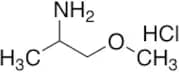
1-Methoxypropan-2-amine Hydrochloride
CAS:Controlled Product<p>Applications 1-methoxypropan-2-amine hydrochloride (cas# 677743-83-8) is a useful research chemical.<br></p>Formula:C4H11NO·ClHColor and Shape:NeatMolecular weight:125.5971-Piperidin-1-yl-cyclohexanecarboxylic acid
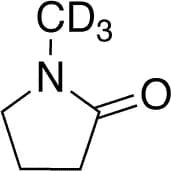
CAS:Formula:C12H21NO2Color and Shape:SolidMolecular weight:211.3051-Methyl-2-pyrrolidinone-d3
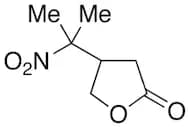
CAS:Controlled Product<p>Applications Labelled 1-Methyl-2-pyrrolidinone (M326120). It is a versatile industrial solvent. NMP is currently approved for use only in veterinary pharmaceuticals. The determination of the disposition and metabolism of NMP in the rat will contribute toward understanding the toxicology of this exogenous chemical which man may likely be exposed to in increasing amounts.<br>References Southwell, D., et al.: J. Pharm. Pharmacol., 33, 3 (1981), Barry, W., et al.: J. Invest. Dermatol., 82, 49 (1984),<br></p>Formula:C5H6D3NOColor and Shape:NeatMolecular weight:102.154-(1-Methyl-1-nitroethyl)tetrahydrofuran-2-one
CAS:Controlled Product<p>Applications Used in the synthesis of DMPO-type spin traps.<br>References Konaka, R., et al.: Free Radical Res., 23, 15 (1995),<br></p>Formula:C7H11NO4Color and Shape:NeatMolecular weight:173.17cis-4-Hydroxy-L-proline
CAS:<p>Applications Hydroxyprolines are valuable chiral building blocks for organic synthesis of pharmaceuticals. Several microorganisms producing proline trans-4- and cis-3-hydroxylase were discovered and these enzymes were applied to the industrial production of trans-4- and cis-3-hydroxy-L-proline.<br>References Lawrence, C., et al.: Biochem. J., 313, 185 (1996), Mori, H., et al.: J. Bacteriol., 179, 5677 (1997), Clifton, I., et al.: Eur. J. Biochem., 268, 6625 (2001),<br></p>Formula:C5H9NO3Color and Shape:Off White Crystalline PowderMolecular weight:131.133-([(TERT-BUTOXY)CARBONYL](METHYL)AMINO)CYCLOBUTANE-1-CARBOXYLIC ACID
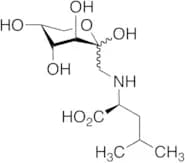
CAS:Purity:95.0%Molecular weight:229.2760009765625Fructose-leucine (mixture of diastereomers)
CAS:Controlled ProductFormula:C12H23NO7Color and Shape:White To BrownMolecular weight:293.31L-Methionine-3,3,4,4-d4
CAS:Controlled Product<p>Applications L-Methionine-3,3,4,4-d4 (CAS# 67866-75-5) is a useful isotopically labeled research compound.<br></p>Formula:C5D4H7NO2SColor and Shape:White To Off-WhiteMolecular weight:153.2362-[1-(Aminomethyl)cyclohexyl]acetic acid
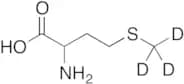
CAS:Purity:97.0%Color and Shape:Solid, Off-white crystalline powderMolecular weight:171.24000549316406Methionine-methyl-d3
CAS:Controlled Product<p>Applications Methionine-methyl-d3 is the labeled Methionine-methyl, a useful building block.<br></p>Formula:C5D3H8NO2SColor and Shape:NeatMolecular weight:152.232-(1'-(tert-Butoxycarbonyl)-2,3-dihydrospiro[indene-1,4'-piperidin]-3-yl)acetic acid
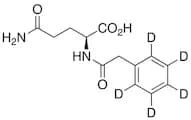
CAS:Purity:97%Molecular weight:345.4389953613281Phenylacetyl-d5 L-Glutamine
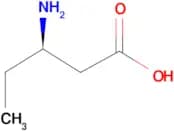
CAS:Controlled Product<p>Applications It is used as labelled biomarker for metabolic age.<br>References Selmer, T., et al.: Eur. J. Biochem., 268, 1363 (2001), Connelly, J., et al.: Drug Metab. Dispos., 30, 1357 (2002), Lindon, J., et al.: Pharm. Res., 23, 1075 (2006), Monteagudo, E., et al.: Xenobiotica, 37, 1000 (2007),<br></p>Formula:C13D5H11N2O4Color and Shape:Off-White To Light YellowMolecular weight:269.31(R)-3-Amino-pentanoic acid
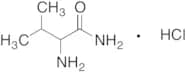
CAS:Formula:C5H11NO2Purity:95%Color and Shape:Solid, Light brown powderMolecular weight:117.1482-Amino-3-methylbutanamide Hydrochloride
CAS:<p>Applications 2-amino-3-methylbutanamide Hydrochloride is a useful research chemical for the degradation studies of antibiotic MDL 62,879 (GE2270A), and a reagent for peptide synthesis.<br>References Tavecchia, P., et al.: Tetrahedron, 51, 4867 (1995); Gazis, E., et al.: Peptides, Proc. Eur. Symp., 6th, Athens, 1963, 107 (1966)<br></p>Formula:C5H12N2O·HClColor and Shape:NeatMolecular weight:152.622DL-Cystine-2,2',3,3,3',3'-d6
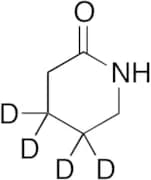
CAS:Controlled Product<p>Applications DL-Cystine-2,2',3,3,3',3'-d6 (CAS# 352431-53-9) is a useful isotopically labeled research compound.<br></p>Formula:C6D6H6N2O4S2Color and Shape:NeatMolecular weight:246.34δ-Valerolactam-d4
CAS:Controlled Product<p>Applications δ-Valerolactam-d4 is a labeled analog of δ-Valerolactam (V091440), which is a useful synthetic intermediate. It is an intermediate used to synthesize Cenicriviroc (C256550), an experimental drug candidate for the treatment of HIV infection. It is also a starting material for a new route to hexahydrojulolidines, using intramolecular 1,4-cycloaddition.<br>References Potts, K., et al. J. Org. Chem., 58, 5040 (1993); Klibanov, O., et al.: Curr. Opinion Invest. Drugs, 11, 940 (2010);<br></p>Formula:C5H5D4NOColor and Shape:NeatMolecular weight:103.164-[2-(4-methoxyphenyl)acetyl]-8-methyl-1-oxa-4,8-diazaspiro[4.5]decane-3-carboxylic acid
CAS:Purity:95.0%Molecular weight:348.398986816406256-Phenyl-5,6,6a,7,8,9,10,10a-octahydro-7,10-methanophenanthridine-2-carboxylic acid
CAS:Purity:98%Molecular weight:319.403991699218752-Methyl-4,6-bis(octylsulfanylmethyl)phenol
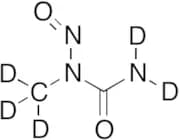
CAS:Controlled Product<p>Applications 2-Methyl-4,6-bis(octylsulfanylmethyl)phenol (cas# 110553-27-0) is a useful research chemical.<br></p>Formula:C25H44OS2Color and Shape:Colourless OilyMolecular weight:424.75N-Methyl-N-nitroso Urea-d5 (Wetted with water >20%)
CAS:Controlled Product<p>Applications N-Methyl-N-nitroso Urea-d6 is the labelled form of N-Methyl-N-nitroso Urea (M325815), which is a precursor of Diazomethane. It has a cytotoxicity effect.<br>References Huggins, C., et al.: J. Exp. Med., 131, 321 (1970); Gullino, P.M., et al.: J. Natl. Cancer Inst., 54, 401 (1975)<br></p>Formula:C2D5N3O2Color and Shape:NeatMolecular weight:108.11DL-Cysteine
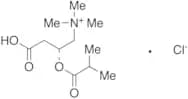
CAS:Controlled Product<p>Stability Hygroscopic<br>Applications Cysteine is a non-essential amino acid that can be synthesized by the human body under normal physiological conditions if a sufficient quantity of methionine is available. Cysteine is commonly used as a precursor in the food and pharmaceutical industries. Cysteine is used as a processing aid for baking, as an additive in cigarettes, as well as in the preparation of meat flavours.<br>References Hui, N. et al.: Meat Sci. Appl., 74 (2001); Kiviharju, K. et al.: J. Biotechnol., 117, 299 (2005); Pecivova, P. et al.: J. Sci. Food Agric., 90, 1681 (2010);<br></p>Formula:C3H7NO2SColor and Shape:NeatMolecular weight:121.16Isobutyryl L-Carnitine Chloride
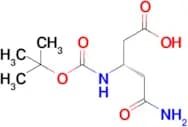
CAS:Controlled ProductFormula:C11H22NO4·ClColor and Shape:NeatMolecular weight:267.75(S)-5-Amino-3-((tert-butoxycarbonyl)amino)-5-oxopentanoic acid
CAS:Purity:95+%Molecular weight:246.263000488281252-Ethyl-4-methylpentyl Acrylate
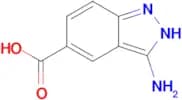
Controlled Product<p>Stability Temperature Sensitive, Light Sensitive<br>Applications 2-Ethyl-4-methylpentyl Acrylate<br></p>Formula:C11H20O2Color and Shape:NeatMolecular weight:184.283-Amino-1H-indazole-5-carboxylic acid
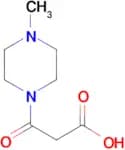
CAS:Formula:C8H7N3O2Purity:95.0%Color and Shape:SolidMolecular weight:177.1633-(4-Methyl-piperazin-1-yl)-3-oxo-propionic acid
CAS:Formula:C8H14N2O3Purity:98.0%Color and Shape:CrystallineMolecular weight:186.2115'-O-Methylthymidine
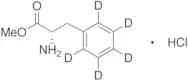
CAS:Controlled Product<p>Applications 5'-O-Methylthymidine (cas# 14504-60-0) is a useful research chemical.<br></p>Formula:C11H16N2O5Color and Shape:White To Off-WhiteMolecular weight:256.26L-Phenylalanine-d5 Methyl Ester Hydrochloride
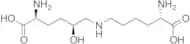
CAS:Controlled Product<p>Applications Protected (S) enantiomer of the amino acid Phenylalanine.<br>References Zhu, P., et al.: Bioorg. Med. Chem. Lett., 19, 6966 (2009), Cramer, B., et al.: Bioorg. Med. Chem., 18, 343 (2010),<br></p>Formula:C10H9D5ClNO2Color and Shape:NeatMolecular weight:220.71(2S,2’S,5S)-5-Hydroxy Lysinonorleucine
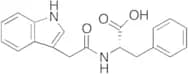
CAS:<p>Stability Hygroscopic<br>Applications 2S,2’S,5S)-5-Hydroxy Lysinonorleucine is one of the stereoisomers of 5-Hydroxylysinonorleucine, reduced collagen cross links.<br>References Astbury, C., et al.: Br. J. Rheumatol., 33, 11 (1994), Watts, N., et al.: Clin. Chem., 45, 1359 (1999), Banse, X., et al.: Bone, 31, 70 (2002),<br></p>Formula:C12H25N3O5Color and Shape:Light Orange to Brown SolidMolecular weight:291.34indole-3-acetyl-L-phenylalanine
CAS:Controlled Product<p>Applications Indole-3-acetyl-L-phenylalanine is an indole-3-acetyl-amino acid conjugate involved in regulatory mechanisms for the control of auxin activity during physiological and pathophysiological responses.<br>References Ostrowski, M., et al.: J Plant Physiol, 191, 63-72 (2016)<br></p>Formula:C19H18N2O3Color and Shape:NeatMolecular weight:322.358L,L-Dityrosine Dihydrochloride
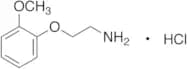
CAS:Controlled Product<p>Stability Hygroscopic<br>Applications Dityrosine (DY), a tyrosine dimer formed by 3,3’-biaryl bond formation can be used as a biomarker to detect oxidative protein damage and selective proteolysis. Fluorescence intensity decays of Dityrosine are generally characterized by two decay components, one with a lifetime in the range of 150 to 800 ps and another between 2.5 and 4.5 ns.<br>References Libertini, L., et al.: Biophys. J., 47, 765 (1985), Huggins, T., et al.: J. Biol. Chem., 268, 12341 (1993), Malencik, D., et al.: Biochemistry, 35, 4375 (1996),<br></p>Formula:C18H20N2O6·2ClHColor and Shape:NeatMolecular weight:433.282-(2-Methoxyphenoxy)ethylamine Hydrochloride
CAS:<p>Impurity Carvedilol EP Impurity E; Carvedilol Impurity E; Carvedilol USP E<br>Applications 2-(2-Methoxyphenoxy)ethylamine Hydrochloride (Carvedilol EP Impurity E; Carvedilol Impurity E; Carvedilol USP E) is an impurity of Carvedilol synthesis.<br>References Smith, L., et al.: J. Med. Chem., 20, 1653 (1977),<br></p>Formula:C9H13NO2·ClHColor and Shape:NeatMolecular weight:203.67N,N-Dimethylglycine Hydrochloride
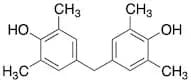
CAS:Controlled Product<p>Applications N,N-Dimethylglycine HCl (cas# 2491-06-07) is a useful research chemical.<br></p>Formula:C4H9NO2·HClColor and Shape:NeatMolecular weight:139.584,4'-Methylenebis(2,6-dimethylphenol)
CAS:Controlled Product<p>Applications 4,4'-Methylenebis(2,6-dimethylphenol) is used in thermosetting resin composition for the industrial manufacture of metal-clad laminates and printed circuit boards.<br> Not a dangerous good if item is equal to or less than 1g/ml and there is less than 100g/ml in the package<br>References You, J., et al.: Faming Zhuanli Shenqing. 19 pp. (2019)<br></p>Formula:C17H20O2Color and Shape:ColourlessMolecular weight:256.34N-[(9H-Fluoren-9-ylmethoxy)carbonyl]-N-methyl-L-alloisoleucine
CAS:Controlled Product<p>Applications N-[(9H-Fluoren-9-ylmethoxy)carbonyl]-N-methyl-L-alloisoleucine, is a building block used in the synthesis of Ecumicin, which is a the potent anti-mycobacterial cyclic depsipeptide natural product.<br>References Hawkins, P. et al.: Organic Letters, Vol. 20, P: 1019-1022 (2018)<br></p>Formula:C22H25NO4Color and Shape:NeatMolecular weight:367.444-(4-Chloro-2-methylphenoxy-d3)butyric Acid
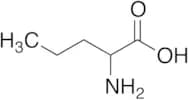
CAS:Controlled Product<p>Applications 4-(4-Chloro-2-methylphenoxy-d3)butyric Acid (CAS# 1219803-42-5) is a useful isotopically labeled research compound.<br></p>Formula:C11D3H10ClO3Color and Shape:White To Off-WhiteMolecular weight:231.691DL-norvaline
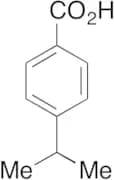
CAS:<p>Applications Norvaline, a hydrogen analogs of an amino acid, was found to be racemates from the Murchison meteorite show. Norvaline was used in chiral separation by electrokinetic chromatography.<br>References Cronin, J., et al.: Science, 275, 951 (1997); Pizzarello, S., et al.: Geochim. Cosmochim. Acta., 64, 329 (2000); Gerabe, S., et al.: J. Chromatogr., 480, 403 (1989);<br></p>Formula:C5H11NO2Color and Shape:NeatMolecular weight:117.154-(1-Methylethyl)benzoic Acid
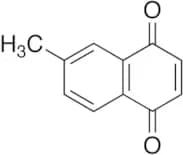
CAS:<p>Applications 4-(1-Methylethyl)benzoic Acid is used in the synthesis of quinuclidine benzamides as agonists for nicotinic acetylcholine receptors. Also used in the synthesis of nifuroxazide analogues showing antimicrobial activity against methicillin-resistant Staphylococcus.<br>References Bodnar, A. et al.: J. Med. Chem., 48, 905 (2005); Masunari, A. et al.: Bioorg. Med. Chem. Lett., 15, 4229 (2007);<br></p>Formula:C10H12O2Color and Shape:NeatMolecular weight:164.26-Methyl-1,4-naphthoquinone
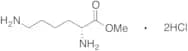
CAS:Controlled Product<p>Applications 6-Methyl-1,4-naphthoquinone (cas# 605-93-6) is a compound useful in organic synthesis.<br></p>Formula:C11H8O2Color and Shape:NeatMolecular weight:172.18D-Lysine Methyl Ester Dihydrochloride
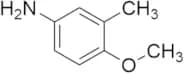
CAS:Controlled Product<p>Applications D-Lysine Methyl Ester is a protected form of D-Lysine (L468930). D-Lysine is the unnatural isomer of L-Lysine (L468895) that has the ability to reduce non-enzymatic glycation in vitro. D-Lysine also exists as polypeptide chains of poly-D-lysine, a nonspecific adhesion-promoting molecule that has the potential to be a polymeric drug carrier.<br>References Chen, Q. et al.: J. Biol. Chem., 269, 26602 (1994); Sensi, M., et al.: Diabetologia, 36, 797 (1993); Vermeersch, H. & Remon, J.: J. Control. Rel., 32, 225 (1994)<br></p>Formula:C7H16N2O2HClColor and Shape:NeatMolecular weight:233.1364-Methoxy-3-methylaniline
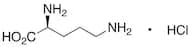
CAS:Controlled Product<p>Applications 4-methoxy-3-methylaniline (cas# 136-90-3) is a useful research chemical.<br></p>Formula:C8H11NOColor and Shape:NeatMolecular weight:137.179L-Ornithine Hydrochloride
CAS:Controlled Product<p>Stability Hygroscopic<br>Applications L-Ornithine is a non-essential amino acid for human development but is required intermediate in arginine biosynthesis. L-Ornithine is found in virtually all vertebrate tissues as well as incorporated into proteins, such as tyrocidine. Isolation from chicken excreta.<br>References Fattori, D., et al.: J. Med. Chem., 50, 550 (2007), Gomez-Alonso, S., et al.: J. Agric. Food Chem., 55, 608 (2007), Subramaniam, R., et al.: Bioorg. Med. Chem. Lett., 18, 3333 (2008),<br></p>Formula:C5H12N2O2·ClHColor and Shape:White To Off-WhiteMolecular weight:168.62D-Glutamic Acid 1-tert-Butyl Ester
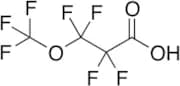
CAS:Controlled Product<p>Applications D-Glutamic acid 1-tert-butyl ester is a protected form of D-Glutamic acid (G596965). D-Glutamic acid is an unnatural isomer of L-Glutamic acid (G596960), and is found in bacterial cell wall peptidoglycan of gram-positive and gram-negative bacteria. D-Glutamic acid also occurs as poly-gamma-Glutamic acid, which is a weak immunogen but is capable of acting as a hapten (a small molecule that induces the production of antibodies, as well as binding to them).<br>References Dougherty, T., et al.: J. Bacteriol., 175, 111 (1993); Goodman, J. & Nitecki, D.: Immunology, 13, 577 (1967); Robinson, T.: Life Sci., 19, 1097 (1976)<br></p>Formula:C9H17NO4Color and Shape:NeatMolecular weight:203.24Perfluoro-3-methoxypropanoic Acid
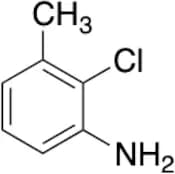
CAS:<p>Applications Perfluoro-3-methoxypropanoic acid (cas# 377-73-1) is a useful research chemical.<br> Not a dangerous good if item is equal to or less than 1g/ml and there is less than 100g/ml in the package<br></p>Formula:C4HF7O3Color and Shape:NeatMolecular weight:230.042-Chloro-3-methylaniline
CAS:Controlled Product<p>Applications 2-Chloro-3-methylaniline (cas# 29027-17-6) is a useful research chemical.<br></p>Formula:C7H8ClNColor and Shape:NeatMolecular weight:141.60



AMINO)CYCLOBUTANE-1-CARBOXYLIC ACID](/_next/image/?url=https%3A%2Fstatic.cymitquimica.com%2Fproducts%2F10%2Fthumb-webp%2FF504133.webp&w=3840&q=75)

![2-[1-(Aminomethyl)cyclohexyl]acetic acid](/_next/image/?url=https%3A%2Fstatic.cymitquimica.com%2Fproducts%2F10%2Fthumb-webp%2FF040287.webp&w=3840&q=75)
![2-(1'-(tert-Butoxycarbonyl)-2,3-dihydrospiro[indene-1,4'-piperidin]-3-yl)acetic acid](/_next/image/?url=https%3A%2Fstatic.cymitquimica.com%2Fproducts%2F10%2Fthumb-webp%2FF601926.webp&w=3840&q=75)

![4-[2-(4-methoxyphenyl)acetyl]-8-methyl-1-oxa-4,8-diazaspiro[4.5]decane-3-carboxylic acid](/_next/image/?url=https%3A%2Fstatic.cymitquimica.com%2Fproducts%2F10%2Fthumb-webp%2FF525630.webp&w=3840&q=75)








![N-[(9H-Fluoren-9-ylmethoxy)carbonyl]-N-methyl-L-alloisoleucine](/_next/image/?url=https%3A%2Fstatic.cymitquimica.com%2Fproducts%2FTR%2Fthumb-webp%2FF588715.webp&w=3840&q=75)