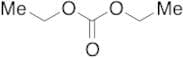
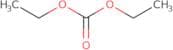
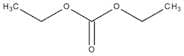
CAS 105-58-8
:Diethylcarbonat
- Carbonate de diethyle
- Carbonato De Dietilo
- Carbonic Acid
- Carbonic acid diethyl ester
- DEC
- Diaethylcarbonat
- Diatol
- Diatol (carbonate)
- Diethyl Dicarbonate
- Diethyl ester of carbonic acid
- Diethylcarbonat
- Ethyl carbonate
- Ethyl carbonate ((EtO)2CO)
- Ethyl carbonate ((EtO)<sub>2</sub>CO)
- Eufin
- H-Dec
- Nsc 8849
- Diethyl carbonate
- 2-CHLOROTRIETHYLAMINE HYDROCHLORIDE
- 2 CHLORO-N,N-DIETHYLETHANAMINE HYDROCHLORIDE
- 2-CHLORO ETHYL DIETHYL AMINE HCL
- DIETHYLAMINO ETHYL CHLORIDE HCL
- B-CHLOROETHYLDIETHYLAMINE HYDROCHLORIDE
- DIETHYLAMINOETHYLCHLORIDE HYDROCHLORIDE
- 2-DIETHYLAMINOETHYL CHLORIDE HYDROCHLORIDE
- BETA-DIETHYLAMINOETHYLCHLORIDE HYDROCHLORIDE
- 2-DIETHYLAMINO ETHYLCHLORIDE HCL
- CED
- carbonic ether
- 2-CHLORO-N,N-DIETHYLETHYLAMINE HYDROCHLORIDE
- 2-chloro-n,n-diethylethaneamine hydrochloride
- BETA-CHLOROETHYLDIETHYLAMINE HCL
- 2-CHLORO-N,N-DIETHYLAMINE HYDROCHLORIDE
- (2-CHLORO-ETHYL)-DIETHYL-AMINE HYDROCHLORIDE
- Weitere Synonyme anzeigen
Diethyl Carbonate
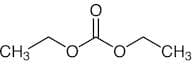
CAS:Formel:C5H10O3Reinheit:>98.0%(GC)Farbe und Form:Colorless to Almost colorless clear liquidMolekulargewicht:118.13Diethyl carbonate, 99%
CAS:Diethyl carbonate is esters, beta-enamino esters, carbamates and unsymmetrical alkyl carbonates. It is an active component of electrolytes used in lithium which is used as a solvent for cellulose ethers, nitro cellulose, natural and synthetic resin and in erythromycin intramuscular injections. It isFormel:C5H10O3Reinheit:99%Farbe und Form:Clear colorless, LiquidMolekulargewicht:118.13Diethyl carbonate
CAS:Formel:C5H10O3Reinheit:≥ 99.5%Farbe und Form:Clear, colourless liquidMolekulargewicht:118.13Diethyl carbonate
CAS:Diethyl carbonateFormel:C5H10O3Reinheit:98%Farbe und Form: clear. colourless liquidMolekulargewicht:118.13g/molDiethyl Carbonate
CAS:Kontrolliertes ProduktApplications Diethyl Ester Carbonic Acid is used in the synthesis of 2-oxooxazolidines as antibacterials. Also used in the synthesis of donepezil/huperzine fragments as acetylcholinesterase inhbitors.
Not a dangerous good if item is equal to or less than 1g/ml and there is less than 100g/ml in the package
References Gregory, W. et al.: J. Med. Chem., 32, 1673 (1989); Bioorg. Med. Chem., 21, 676 (2013);Formel:C5H10O3Farbe und Form:Colourless To Light YellowMolekulargewicht:118.03Diethyl Carbonate
CAS:Diethyl carbonate is a colorless liquid that is used in the synthesis of organic compounds. It reacts with metal hydroxides to form metal carbonates and with fatty acids to form esters. The reaction mechanism for this compound is not well understood, but it has been shown to react with ZrO(OH) to form ZrCO3 and H2O. Diethyl carbonate also reacts with allyl carbonate and sodium carbonate to form diethyl carbonate and hydrogen gas. This chemical is thermodynamically stable.
Formel:C5H10O3Reinheit:Min. 98.5 Area-%Farbe und Form:Clear LiquidMolekulargewicht:118.13 g/molDiethyl Carbonate extrapure, 99%
CAS:Formel:C5H10O3Reinheit:min. 99%Farbe und Form:Clear, Colourless, LiquidMolekulargewicht:118.13