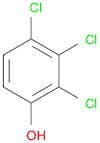
CAS 15950-66-0
:2,3,4-Trichlorphenol
Beschreibung:
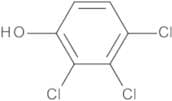
2,3,4-Trichlorphenol ist eine organische Verbindung, die durch das Vorhandensein von drei Chloratomen, die an einem phenolischen Ring substituiert sind, gekennzeichnet ist. Es handelt sich um ein chloriertes Derivat von Phenol, spezifisch mit Chloratomen an den Positionen 2, 3 und 4. Diese Verbindung erscheint typischerweise als weißer bis blassgelber Feststoff und ist bekannt für ihren ausgeprägten, stechenden Geruch. Sie ist in organischen Lösungsmitteln löslich, hat jedoch eine begrenzte Löslichkeit in Wasser. 2,3,4-Trichlorphenol wird hauptsächlich in der Produktion von Pestiziden, Herbiziden und als Biozid in verschiedenen Anwendungen verwendet. Ihre chemische Struktur trägt zu ihren antimikrobiellen Eigenschaften bei, was sie gegen eine Vielzahl von Mikroorganismen wirksam macht. Sie ist jedoch auch mit Umwelt- und Gesundheitsbedenken verbunden, da sie toxisch und persistent in der Umwelt sein kann. Eine ordnungsgemäße Handhabung und Entsorgung sind entscheidend, um potenzielle Risiken zu mindern. Wie bei vielen chlorierten Verbindungen ist es wichtig, die Expositionsniveaus zu überwachen, da potenzielle negative Auswirkungen auf die menschliche Gesundheit und die Ökosysteme bestehen.
Formel:C6H3Cl3O
InChl:InChI=1S/C6H3Cl3O/c7-3-1-2-4(10)6(9)5(3)8/h1-2,10H
InChI Key:InChIKey=HSQFVBWFPBKHEB-UHFFFAOYSA-N
SMILES:ClC1=C(Cl)C(O)=CC=C1Cl
Synonyme:- 246-694-0
- Phenol, 2,3,4-trichloro-
- 2,3,4-Trichlorophenol
Sortieren nach
Reinheit (%)
0
100
|
0
|
50
|
90
|
95
|
100
15 Produkte.
SVOC Mixture 231 100 µg/mL in Methanol
CAS:Kontrolliertes Produkt- 105-67-9
- 106-44-5
- 106-48-9
- 108-39-4
- 108-43-0
- 108-68-9
- 108-95-2
- 120-83-2
- 123-07-9
- 1570-64-5
- 15950-66-0
- 2416-94-6
- 4901-51-3
- 496-78-6
- 526-75-0
- 527-54-8
- 527-60-6
- 576-24-9
- 576-26-1
- 58-90-2
- 583-78-8
- 59-50-7
- 591-35-5
- 609-19-8
- 620-17-7
- 697-82-5
- 87-65-0
- 87-86-5
- 88-06-2
- 90-00-6
- 933-75-5
- 933-78-8
- 935-95-5
- 95-48-7
- 95-57-8
- 95-65-8
- 95-77-2
- 95-87-4
- 95-95-4
Farbe und Form:MixtureSVOC Mixture 231 100 µg/mL in Methanol
CAS:Kontrolliertes Produkt- 105-67-9
- 106-44-5
- 106-48-9
- 108-39-4
- 108-43-0
- 108-68-9
- 108-95-2
- 120-83-2
- 123-07-9
- 1570-64-5
- 15950-66-0
- 2416-94-6
- 4901-51-3
- 496-78-6
- 526-75-0
- 527-54-8
- 527-60-6
- 576-24-9
- 576-26-1
- 58-90-2
- 583-78-8
- 59-50-7
- 591-35-5
- 609-19-8
- 620-17-7
- 697-82-5
- 87-65-0
- 87-86-5
- 88-06-2
- 90-00-6
- 933-75-5
- 933-78-8
- 935-95-5
- 95-48-7
- 95-57-8
- 95-65-8
- 95-77-2
- 95-87-4
- 95-95-4
Farbe und Form:Mixture2,3,4-Trichlorophenol 10 µg/mL in Cyclohexane
CAS:Formel:C6H3Cl3OFarbe und Form:Single SolutionMolekulargewicht:197.452,3,4-Trichlorophenol
CAS:2,3,4-TrichlorophenolFormel:C6H3Cl3OReinheit:98%Farbe und Form: white solidMolekulargewicht:197.45g/mol2,3,4-Trichlorophenol
CAS:2,3,4-Trichlorophenol (2,3,4-TCP) is a water-soluble compound that is used as an analytical reagent. 2,3,4-TCP is also an antimicrobial agent found in household cleaners and disinfectants. It is used to remove bacteria from equipment and surfaces in hospitals and other healthcare facilities. The acidic aqueous solution of 2,3,4-TCP has been shown to adsorb triclosan and p-hydroxybenzoic acid from wastewater treatment systems. The reaction mechanism for the adsorption process is not well understood but may involve the formation of hydrogen bonds between the polar hydroxyl groups on 2,3,4-TCP and the carboxyl groups on triclosan or p-hydroxybenzoic acid. Anhydrous sodium can be used as an alternative to water for this process.
Formel:Cl3C6H2OHReinheit:Min. 95%Molekulargewicht:197.45 g/molRef: IN-DA001R4J
Ausgelaufenes produkt