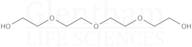
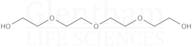
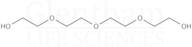
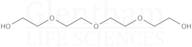
CAS 25322-68-3
:Polyethylenglykol
Beschreibung:
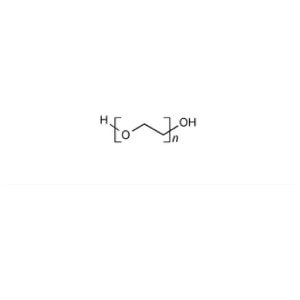
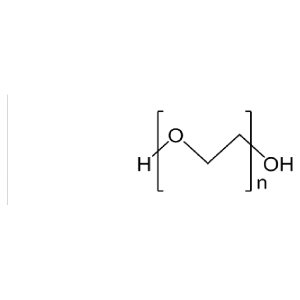
Polyethylenglykol (PEG), mit der CAS-Nummer 25322-68-3, ist ein vielseitiges Polymer, das für seine hydrophilen Eigenschaften und Biokompatibilität bekannt ist. Es besteht aus sich wiederholenden Einheiten von Ethylenoxid, was zu einer Struktur führt, die im Molekulargewicht variieren kann, was seine physikalischen und chemischen Eigenschaften beeinflusst. PEG ist typischerweise eine farblose, geruchlose und viskose Flüssigkeit oder ein wachsartiger Feststoff, abhängig von seinem Molekulargewicht. Es ist in Wasser und vielen organischen Lösungsmitteln löslich, was es in einer Vielzahl von Anwendungen nützlich macht, einschließlich Pharmazie, Kosmetik und Lebensmittelprodukten. PEG dient als Schmiermittel, Feuchthaltemittel und Emulgator und wird häufig in Arzneimittelformulierungen verwendet, um die Löslichkeit und Bioverfügbarkeit zu verbessern. Darüber hinaus macht seine ungiftige Natur und die Fähigkeit, Hydrogels zu bilden, es wertvoll in biomedizinischen Anwendungen, wie z.B. Arzneimittelabgabesystemen und Gewebeengineering. Die spezifischen Eigenschaften von PEG können jedoch erheblich variieren, abhängig von seinem Molekulargewicht und seiner Formulierung, was bei der Auswahl für bestimmte Anwendungen berücksichtigt werden muss.
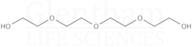
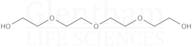
Formel:(C2H4O)nH2O
InChl:InChI=1S/C2H6O2/c3-1-2-4/h3-4H,1-2H2
InChI Key:InChIKey=LYCAIKOWRPUZTN-UHFFFAOYSA-N
SMILES:C(CO[H])O
Synonyme:- 1660O
- 1660S
- 3,6,9,12,15,18,21,24,27,30,33,36,39-Tridecaoxahentetracontane-1,41-diol
- 400Dab8
- Alkox
- Aquaffin
- Badimol
- Carbowachs
- Carbowax
- Colonsoft
- Db-Wax
- Duraseal
- FPR
- Forlax
- GlycoLax
- IW
- Isocolan
- KleanPrep
- Macrogol
- MiraLax
- Modopeg
- Muvinlax
- Nosilen
- Nycoline
- OEG
- PEB
- PEG
- PEG-(OH)<sub>2</sub>
- PEG-diol
- PEO
- PER
- Pegorion
- Peo-Pf
- Peo-Pfz
- Peo-Pfzr
- Peopo-A
- Polikol
- Poly(Oxy-1,2-Ethanediyl),A-Hydro-W-Hydroxy
- Poly(oxy-1,2-ethanediyl)
- Polyaethylenglykol
- Polyethox
- Polyethyleneglycol
- Polyetox
- Polygol
- Polyhydroxyethylene
- Polyosm
- Polyox
- Polyoxydin
- Polyoxyethylenediol
- Postonal
- Sed-Fix
- Slovapeg
- Solbase
- SpaceOAR
- Superox
- Ucarfloc
- α-Hydro-ω-hydroxypoly(oxy-1,2-ethanediyl)
- α-Hydro-ω-hydroxypoly(oxyethylene)
- PEG 6000
- Polyethylene glycol
- Polyethylene Glycol
- PEG 6000, MB Grade (1.12033)
- Poly(oxy-1,2-ethanediyl), α-hydro-ω-hydroxy-
- PEG 200
- Poly(ethylene oxide)
- Poly(ethylene glycol)
- Polyethyleneoxidemonomethacryloxymonotrimethylsiloxyterminated
- Poly ethylene glycol
- O-Methacryloxy(polyethyleneoxy)trimethylsilane
- poly(oxyethylene)
- Polyethylene glygcol
- PEG 200-8000
- Polyethylene glycol
- Ethylene oxide, homopolymer
- Polyethylene Glycol 5000000
- PolyethyleneoxideMW
- Aquacide III
- Polyethylene glycol series
- Tri-(2,3-Dibromopropyl) Phosphate
- Glycols, polyethylene
- Polyethylene glycol PEG
- Polyethylene glycol - 6000 grade
- Carmowax
- PEG 8000
- PEG 1000
- Ethylene glycol 8000 polymer
- PEG-400
- polyethylene oxide standard 511000
- Oxide Wax AN
- PEG 400
- Polyethylene Oxide
- PEG 600
- Weitere Synonyme anzeigen
Filtern nach
Reinheitsanteil
0
100
|
0
|
50
|
90
|
95
|
100
- Niedrigster Preis
- Höchster Preis
- Niedrigste Reinheit
- Höchste Reinheit
- Schnellste Lieferung
Polyethylene Oxide
CAS:Polyethers, nesoiFormel:(CH2CH2O)nFarbe und Form:White Off-White PowderMolekulargewicht:5000000Polyethylene Glycol 6000
CAS:Polyethers, nesoiFormel:HOC2H4nOHFarbe und Form:Colorless FlakesMolekulargewicht:5400 - 6600PEG300
CAS:PEG300 (Polyethylene glycol 300) is a polymer formed from repeating units of ethylene glycol that is water soluble, low immunogenicity, and biocompatible.Formel:C32H66O17Reinheit:FW~300 - mw~300Farbe und Form:Transparent LiquidMolekulargewicht:722.8562Polyethylene Glycol 8000 BioChemica
CAS:Polyethylene Glycol 8000 BioChemicaFarbe und Form:White SolidPolyethylene glycol 1000
CAS:Formel:CH2CH2OnFarbe und Form:White fused or waxy solidMolekulargewicht:~1,000Polyethylene glycol 400
CAS:Formel:CH2CH2OnFarbe und Form:Clear, colourless liquidMolekulargewicht:~400Polyethylene Glycol 400 (USP-NF, BP, Ph. Eur.) pure
CAS:Polyethylene Glycol 400 (USP-NF, BP, Ph. Eur.) pureReinheit:Pharma GradeFarbe und Form:Liquid-ViscousPolyethylene glycol 6000
CAS:Formel:CH2CH2OnFarbe und Form:White powder, crystals or flakesMolekulargewicht:~6,000Poly(ethylene glycol), flake, 1500
CAS:Poly(ethylene glycol), flake, 1500Reinheit:≥95%Farbe und Form:SolidPolyethylene glycol 4000, BP, Ph. Eur., USP/NF grade
CAS:Formel:CH2CH2OnFarbe und Form:White or almost white solid with a waxy appearanceMolekulargewicht:3,600 - 4,400Polyethylene glycol 300
CAS:Formel:CH2CH2OnFarbe und Form:Clear, colourless liquidMolekulargewicht:~300Polyethylene glycol 200
CAS:Formel:CH2CH2OnFarbe und Form:Clear, colourless liquidMolekulargewicht:~200Polyethylene glycol 4000
CAS:Formel:CH2CH2OnFarbe und Form:White powder, crystals or flakesMolekulargewicht:3,600 - 4,400Polyethylene Glycol 6000, Flakes, Ultrapure
CAS:Polyethylene Glycol 6000, Flakes, UltrapureReinheit:≥95%Farbe und Form:SolidPolyethylene glycol 1500
CAS:Formel:CH2CH2OnFarbe und Form:White powder, crystals or flakesMolekulargewicht:1,400 - 1,600Polyethylene glycol 1500, BP, Ph. Eur., USP/NF grade
CAS:Formel:CH2CH2OnFarbe und Form:White or almost white solid with a waxy appearancePolyethylene glycol 8000
CAS:Formel:CH2CH2OnFarbe und Form:White powder, crystals or flakesMolekulargewicht:~8,000Poly(ethylene glycol), flake, 600
CAS:Poly(ethylene glycol), flake, 600Reinheit:≥95%Farbe und Form:Solid